KlankKlaar
An AI-powered app that helps learners master Dutch pronunciation by comparing their speech to native speakers and giving instant, phoneme-level feedback.
Understanding the problem: why Dutch pronunciation is uniquely hard for learners
Dutch is often described as “close to English” or “easy to pick up,” but anyone who has seriously tried to speak it knows that pronunciation is where most learners struggle. From the infamous guttural G to subtle vowel length distinctions and connected speech, Dutch phonetics create a significant barrier to fluency.
Most language learners don’t fail because they lack vocabulary or grammar knowledge. They fail because:
- Native speakers struggle to understand them
- They feel embarrassed or anxious speaking out loud
- They receive vague or inconsistent pronunciation feedback
- They don’t know what they are pronouncing wrong, only that it sounds “off”
This gap between knowing Dutch and being understood in Dutch is the exact problem KlankKlaar aims to solve.
KlankKlaar is an AI-powered Dutch pronunciation app designed for learners who want precise, actionable, phoneme-level feedback—something traditional language apps, tutors, and classrooms rarely provide at scale.
What is KlankKlaar? An overview of the AI Dutch pronunciation app
KlankKlaar is a B2C SaaS application that helps learners master Dutch pronunciation by:
- Letting users speak words, phrases, and sentences
- Comparing their pronunciation against native Dutch speakers
- Providing instant, phoneme-level feedback
- Highlighting exactly which sounds are incorrect and how to fix them
Unlike generic language-learning platforms, KlankKlaar focuses narrowly on spoken Dutch accuracy, making it a specialized, high-impact tool rather than a broad, unfocused solution.
From an SEO and market positioning perspective, the primary keyword naturally aligns with phrases like:
- Dutch pronunciation app
- AI Dutch pronunciation
- Learn Dutch pronunciation
- Dutch speaking practice with feedback
KlankKlaar’s strength lies in turning abstract pronunciation advice (“soften the vowel,” “make it more guttural”) into clear, data-driven feedback learners can act on immediately.
Target audience analysis: who KlankKlaar is built for
Understanding the target audience is critical for both product-market fit and long-term growth. KlankKlaar addresses a clearly defined and underserved segment of the language-learning market.
Primary audience: adult Dutch learners (A2–C1)
The core users of KlankKlaar are adult learners who already have some exposure to Dutch but struggle with speaking confidence and clarity.
Key characteristics:
- Ages 18–55
- CEFR levels A2 to C1
- Can read and understand Dutch reasonably well
- Feel their pronunciation is holding them back socially or professionally
Common scenarios include:
- Expats living in the Netherlands or Belgium
- International students attending Dutch universities
- Professionals working in Dutch-speaking environments
- Long-term residents preparing for integration or citizenship exams
Secondary audience: advanced beginners and self-directed learners
KlankKlaar is also valuable for:
- Beginners who want to “start right” with pronunciation
- Self-taught learners using books, YouTube, or Duolingo
- Learners without access to native-speaking tutors
For these users, KlankKlaar acts as a 24/7 pronunciation coach, reducing dependency on expensive lessons or inconsistent feedback.
Emotional drivers and user intent
From a search intent perspective, users looking for a Dutch pronunciation app are often motivated by:
- Frustration with being misunderstood
- Fear of speaking Dutch in public
- Desire to sound more “native” or natural
- Practical needs (work, exams, daily life)
KlankKlaar’s messaging should directly acknowledge these emotions and position the app as a confidence-building tool, not just a technical solution.
Market opportunity: identifying the gap in Dutch language learning
The global language-learning market continues to grow rapidly, driven by migration, globalization, and remote work. However, pronunciation-focused learning remains a surprisingly underserved niche—especially for smaller languages like Dutch.
Where existing solutions fall short
Most popular platforms prioritize vocabulary and grammar because they are easier to teach and scale. Pronunciation, on the other hand, is often:
- Treated as a secondary feature
- Limited to passive listening exercises
- Evaluated subjectively by tutors
- Missing actionable, granular feedback
Here’s how KlankKlaar compares to common alternatives:
| Feature | Generic language apps | Tutors | Speech recognition tools | KlankKlaar | Textbooks |
|---|---|---|---|---|---|
| Native comparison | ❌ | ✅ | ❌ | ✅ | ❌ |
| Phoneme-level feedback | ❌ | ✅ | ❌ | ✅ | ❌ |
Why Dutch is a strong niche
Dutch learners are particularly well-suited for a pronunciation-first product because:
- Dutch pronunciation differs significantly from spelling
- Small pronunciation errors can change meaning or comprehension
- Native speakers often switch to English when they hear “bad” Dutch
- Learners feel stuck at an intermediate plateau
KlankKlaar directly targets this plateau, positioning itself as a bridge between intermediate knowledge and real-world fluency.
Core features of KlankKlaar: how the solution works
KlankKlaar’s value comes from a focused, technically sophisticated feature set that prioritizes feedback quality over quantity.
Speech recording and native comparison
Users record themselves pronouncing:
- Individual sounds (phonemes)
- Words
- Sentences
- Realistic conversational phrases
The system compares the recording against native Dutch reference audio, taking into account accent variation where appropriate.
AI-powered phoneme-level analysis
This is KlankKlaar’s core differentiator.
Instead of a simple “correct / incorrect” score, the app:
- Breaks speech into phonemes
- Identifies mismatches between learner and native sounds
- Highlights exactly which sounds need improvement
For example:
- Vowel length errors (e.g., maan vs man)
- Consonant articulation issues (e.g., Dutch G, R)
- Stress and intonation problems
Instant, actionable feedback
Feedback is delivered immediately and includes:
- Visual indicators of incorrect phonemes
- Text explanations in learner-friendly language
- Audio playback of correct pronunciation
- Tips on mouth position or airflow
Why instant feedback matters
Research in second-language acquisition consistently shows that immediate corrective feedback significantly improves pronunciation retention compared to delayed or vague correction.
Progress tracking and personalization
Over time, KlankKlaar can:
- Identify recurring pronunciation patterns
- Adapt exercises to the learner’s weak points
- Show measurable improvement over weeks and months
This transforms pronunciation practice from a frustrating guessing game into a structured, data-informed learning process.
Recommended tech stack for an AI pronunciation SaaS
Building KlankKlaar requires a careful balance between accuracy, performance, and scalability. Below is a recommended high-level tech stack, with trade-offs explained.
Frontend
- React for component-based UI and maintainability
React - TypeScript for safer code and better developer experience
- TailwindCSS for rapid, consistent UI styling
TailwindCSS
Trade-off: TailwindCSS has a learning curve, but its speed and consistency outweigh the initial cost.
Backend and APIs
- Node.js with a lightweight framework (e.g., Express or Fastify)
- REST or GraphQL API for client communication
- Secure authentication (JWT or OAuth-based)
Speech processing and AI
- Speech-to-phoneme alignment models
- Pre-trained acoustic models fine-tuned for Dutch
- Cloud-based inference for scalability
Trade-off: High-quality speech analysis is computationally expensive. Early-stage products may limit session length or daily usage to control costs.
Infrastructure
- Cloud hosting (AWS, GCP, or similar)
- Object storage for audio files
- CDN for fast global delivery
For founders looking to accelerate development, using a production-ready SaaS starter like TurboStarter can significantly reduce time spent on boilerplate features such as authentication, subscriptions, and dashboards.
Monetization strategies for KlankKlaar
As a B2C SaaS, KlankKlaar has several viable monetization options. The key is aligning pricing with perceived value and learning outcomes.
Freemium with premium upgrade
This is the most natural model for language-learning apps.
Free tier:
- Limited daily recordings
- Basic feedback
- Access to beginner content
Premium tier:
- Unlimited pronunciation analysis
- Advanced phoneme breakdowns
- Personalized training paths
- Progress analytics
Subscription pricing
Monthly or annual subscriptions are ideal for sustained learning.
Typical price ranges (for validation, reference comparable language apps):
- €8–15 per month
- Discounted annual plans to reduce churn
Add-on purchases
Optional upsells could include:
- Accent-specific modules (e.g., Flemish vs Netherlandic Dutch)
- Exam preparation packs
- Professional pronunciation coaching paths
Institutional partnerships (future expansion)
While KlankKlaar is B2C-focused, long-term opportunities include:
- Language schools
- Universities
- Corporate integration programs
These can become high-ARPU channels once the core product is validated.
Competitive advantage: why KlankKlaar stands out
KlankKlaar’s competitive moat is built on focus and depth, not breadth.
Clear unique selling proposition (USP)
KlankKlaar helps you sound understandable and confident in Dutch by showing exactly which sounds you’re pronouncing wrong—and how to fix them.
Key differentiators:
- Dutch-first, not “one of many languages”
- Pronunciation-only focus
- Phoneme-level AI feedback
- Designed for real-world speaking, not tests
Barriers to entry
- High-quality Dutch speech data is hard to collect
- Pronunciation analysis requires linguistic expertise
- Trust and accuracy are critical for user retention
Once KlankKlaar builds a reputation for reliable feedback, it becomes difficult for generic competitors to replicate without significant investment.
Risks and challenges (and how to mitigate them)
No SaaS idea is without risk. KlankKlaar’s success depends on addressing these challenges early.
Risk: inaccurate or inconsistent feedback
Mitigation:
- Start with a limited set of sounds and expand gradually
- Validate models with native speakers and linguists
- Allow users to report questionable feedback
Risk: high infrastructure costs
Mitigation:
- Rate-limit free usage
- Batch non-critical analysis
- Optimize audio length and sampling rates
Risk: user frustration or overwhelm
Mitigation:
- Keep feedback simple and prioritized
- Focus on one or two sounds per session
- Use encouraging, non-judgmental language
Pronunciation feedback is emotional
Poorly framed feedback can discourage learners. Tone and UX are just as important as technical accuracy.
Implementation roadmap: from idea to launched product
For founders or indie makers, clarity of execution is just as important as the idea itself.
MVP scope recommendation
To avoid overbuilding, the first version of KlankKlaar should:
- Support common problem sounds (G, R, long/short vowels)
- Focus on Netherlandic Dutch
- Offer short, focused practice sessions
This keeps development manageable while delivering clear value.
Example: basic frontend recording logic (simplified)
const startRecording = async () => {
  const stream = await navigator.mediaDevices.getUserMedia({ audio: true });
  const mediaRecorder = new MediaRecorder(stream);
  const chunks: BlobPart[] = [];

  mediaRecorder.ondataavailable = (e) => chunks.push(e.data);
  mediaRecorder.onstop = () => {
    const audioBlob = new Blob(chunks, { type: "audio/webm" });
    // upload audioBlob to backend for analysis
  };

  mediaRecorder.start();
};
This simple pattern underpins KlankKlaar’s core interaction: speak, submit, receive feedback.
Long-term vision: where KlankKlaar can grow
Once KlankKlaar establishes itself as a trusted Dutch pronunciation app, expansion opportunities include:
- Dialect and accent modules
- Conversational AI roleplay with pronunciation scoring
- Integration with broader Dutch learning platforms
- Speech confidence training for professionals
Yes, but only after dominating its niche. Pronunciation accuracy and trust are language-specific, and focus is critical in early stages.
Final thoughts: why KlankKlaar is a strong SaaS opportunity
KlankKlaar addresses a real, emotionally charged, and underserved problem: being understood when speaking Dutch. Its narrow focus, AI-driven feedback, and learner-centric design give it a strong chance to stand out in a crowded language-learning market.
By combining linguistic expertise with modern SaaS execution, KlankKlaar has the potential to become the go-to solution for Dutch pronunciation mastery.
If you’re building KlankKlaar—or a similar focused SaaS—success will come from depth, clarity, and relentless attention to user experience.
More 👥 B2C Application SaaS ideas
Discover more innovative b2c application SaaS ideas that are trending in 2026. Each idea is AI-generated with market validation and growth potential to help you find your next profitable venture faster than competitors.
Your competitors are building with TurboStarter
Below are some of the SaaS ideas that have been generated and built with our starter kit.
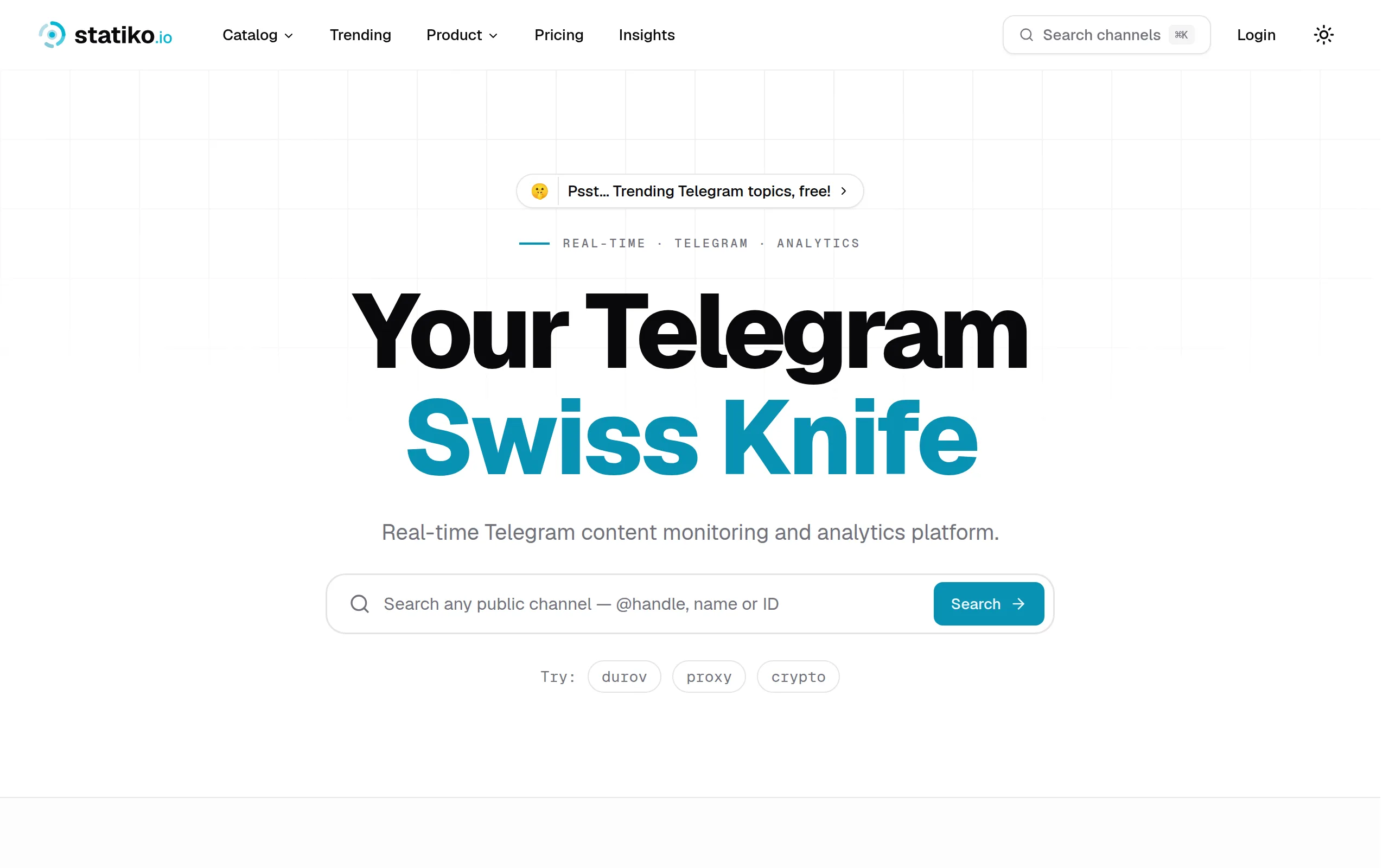
Statiko
Monitor any Telegram channel in real time - track posts, edits, deletions, and growth with AI recaps 📡
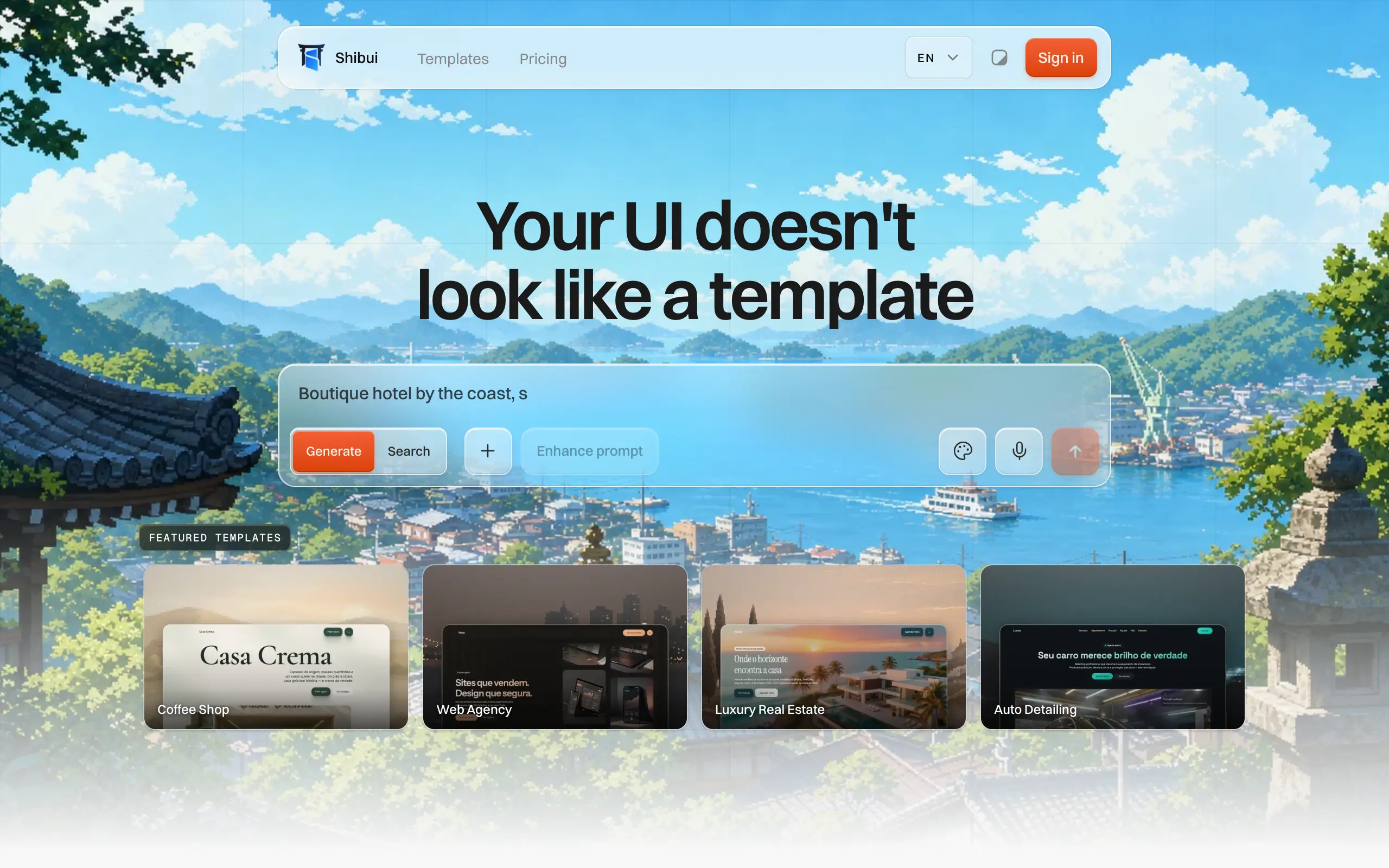
Shibui
AI website builder - describe your business, pick a niche template, edit by chatting, and publish instantly ✨
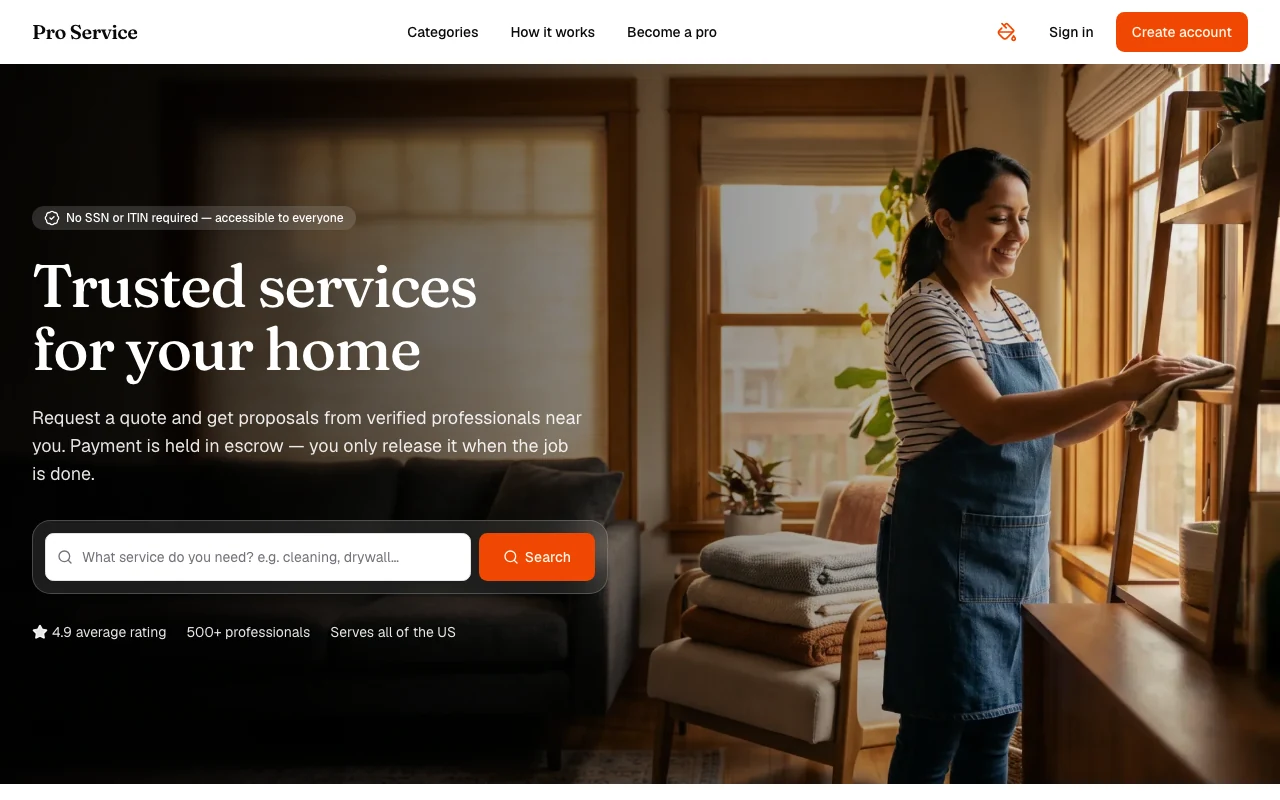
Pro Service
Find verified home service professionals, compare quotes, and pay securely through escrow - built for Brazilians across the US 🏠
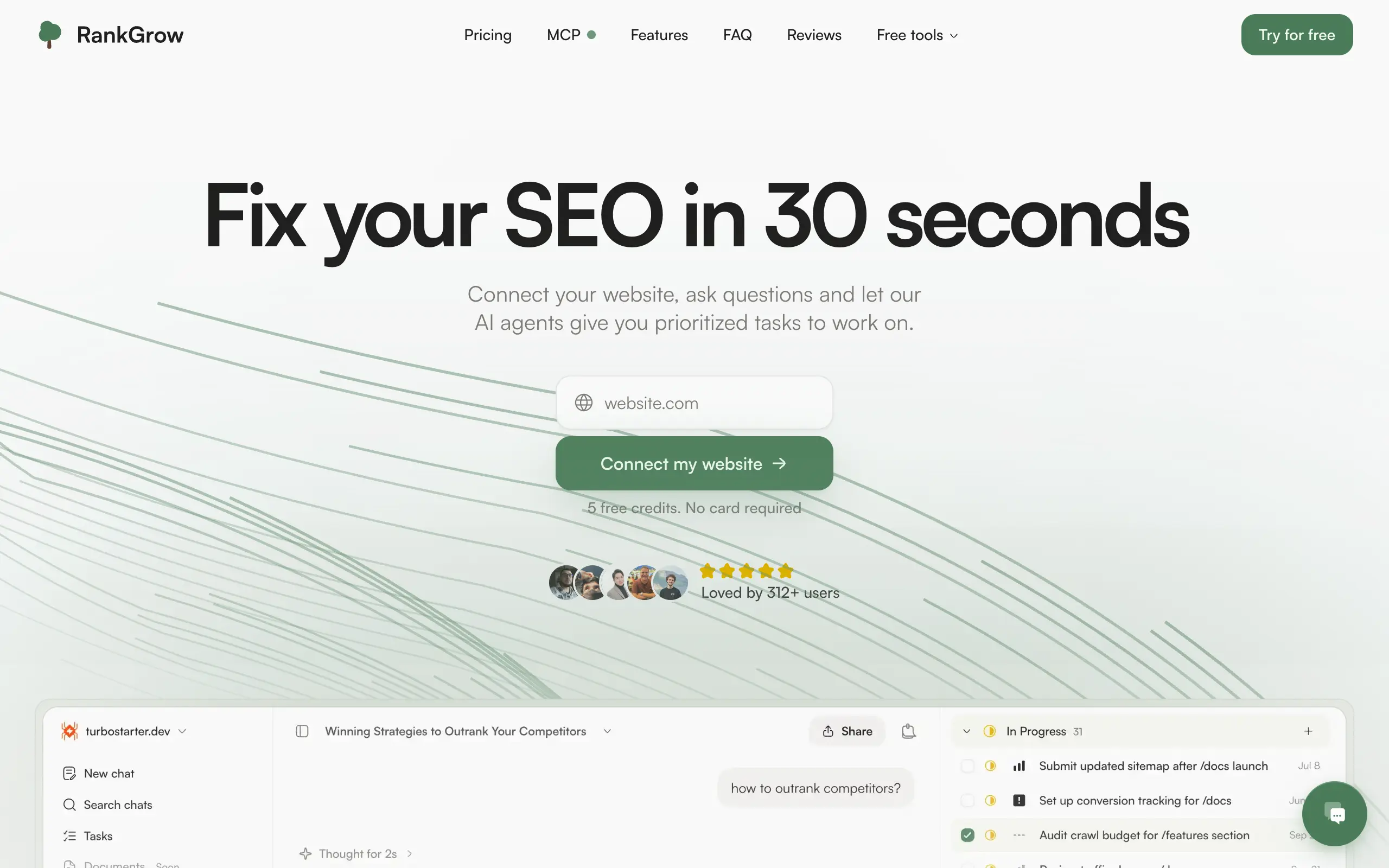
RankGrow
Fix your SEO with AI agents - connect Search Console, get prioritized tasks, and grow organic traffic 📈
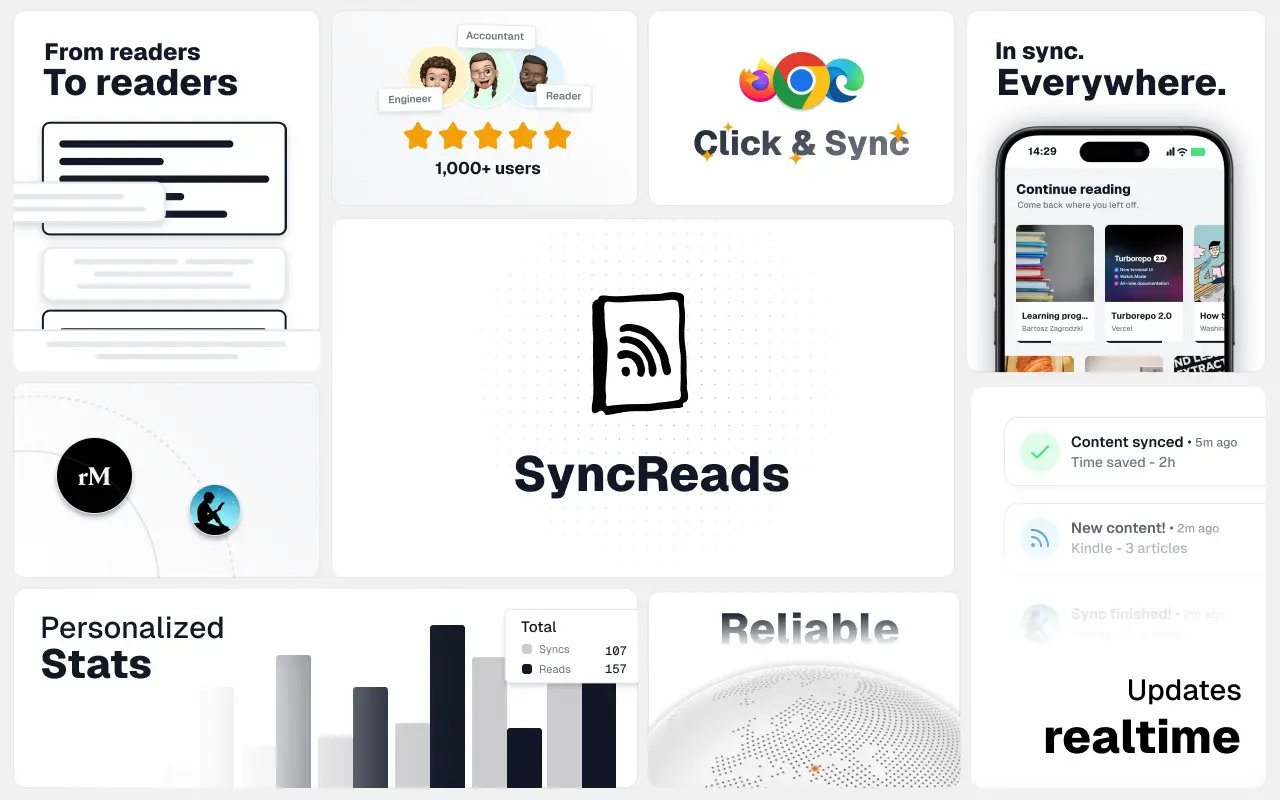
SyncReads
Sync your favorite content for distraction-free reading, save time and replace multiple apps. Anytime, anywhere 🔄
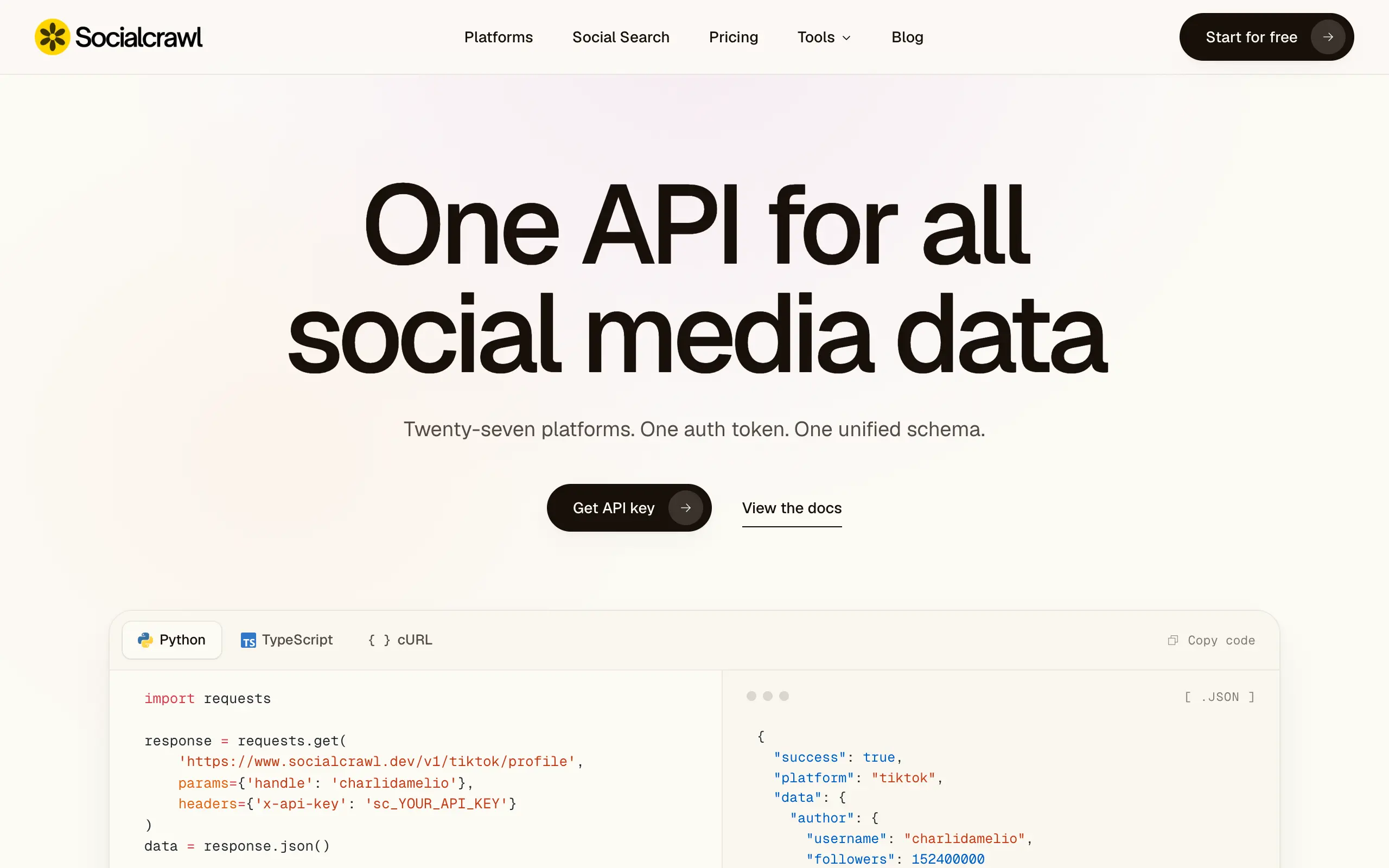
Socialcrawl
Get clean, structured data from 21 platforms like TikTok, Instagram, and YouTube with a single request 📊
Statiko
Monitor any Telegram channel in real time - track posts, edits, deletions, and growth with AI recaps 📡
Shibui
AI website builder - describe your business, pick a niche template, edit by chatting, and publish instantly ✨
Pro Service
Find verified home service professionals, compare quotes, and pay securely through escrow - built for Brazilians across the US 🏠
RankGrow
Fix your SEO with AI agents - connect Search Console, get prioritized tasks, and grow organic traffic 📈
SyncReads
Sync your favorite content for distraction-free reading, save time and replace multiple apps. Anytime, anywhere 🔄
Socialcrawl
Get clean, structured data from 21 platforms like TikTok, Instagram, and YouTube with a single request 📊
Statiko
Monitor any Telegram channel in real time - track posts, edits, deletions, and growth with AI recaps 📡
Shibui
AI website builder - describe your business, pick a niche template, edit by chatting, and publish instantly ✨
Pro Service
Find verified home service professionals, compare quotes, and pay securely through escrow - built for Brazilians across the US 🏠
RankGrow
Fix your SEO with AI agents - connect Search Console, get prioritized tasks, and grow organic traffic 📈
SyncReads
Sync your favorite content for distraction-free reading, save time and replace multiple apps. Anytime, anywhere 🔄
Socialcrawl
Get clean, structured data from 21 platforms like TikTok, Instagram, and YouTube with a single request 📊
Statiko
Monitor any Telegram channel in real time - track posts, edits, deletions, and growth with AI recaps 📡
Shibui
AI website builder - describe your business, pick a niche template, edit by chatting, and publish instantly ✨
Pro Service
Find verified home service professionals, compare quotes, and pay securely through escrow - built for Brazilians across the US 🏠
RankGrow
Fix your SEO with AI agents - connect Search Console, get prioritized tasks, and grow organic traffic 📈
SyncReads
Sync your favorite content for distraction-free reading, save time and replace multiple apps. Anytime, anywhere 🔄
Socialcrawl
Get clean, structured data from 21 platforms like TikTok, Instagram, and YouTube with a single request 📊
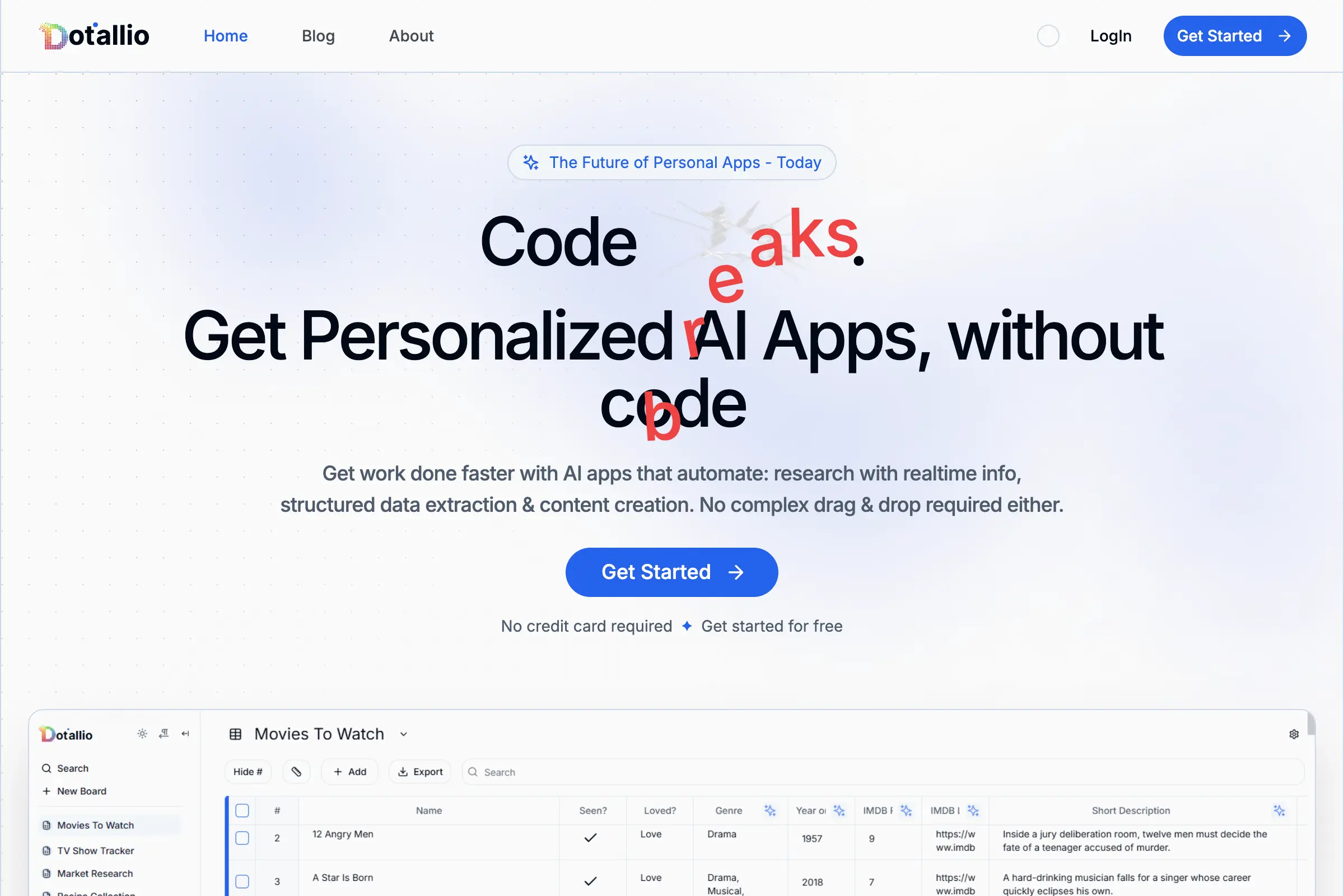
Dotallio
Personalized AI apps that automate research, data extraction, and content creation without code 🤖
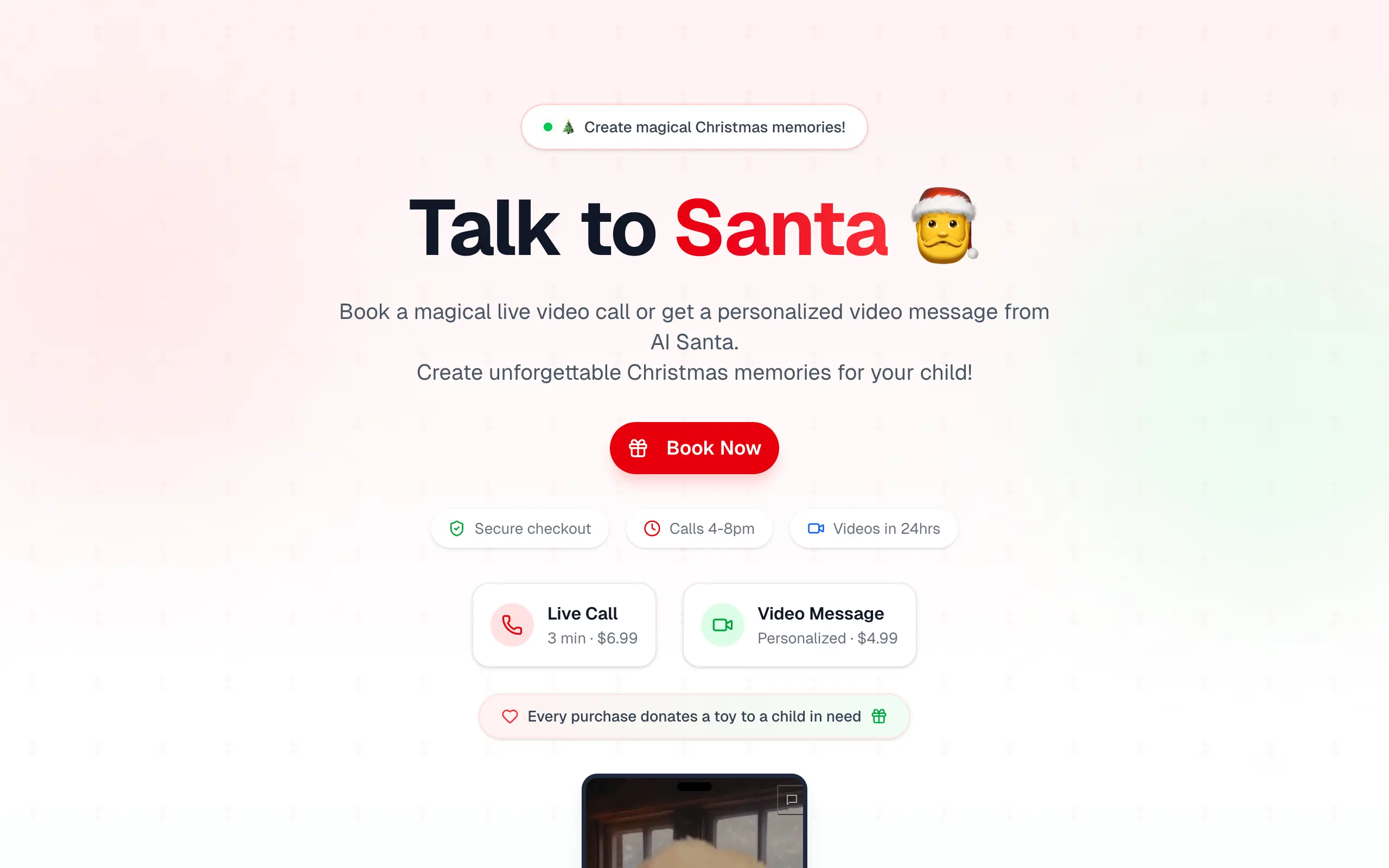
Talk to Santa
Enjoy a magical live video chat or receive a unique AI-generated video greeting from Santa Claus 🎅
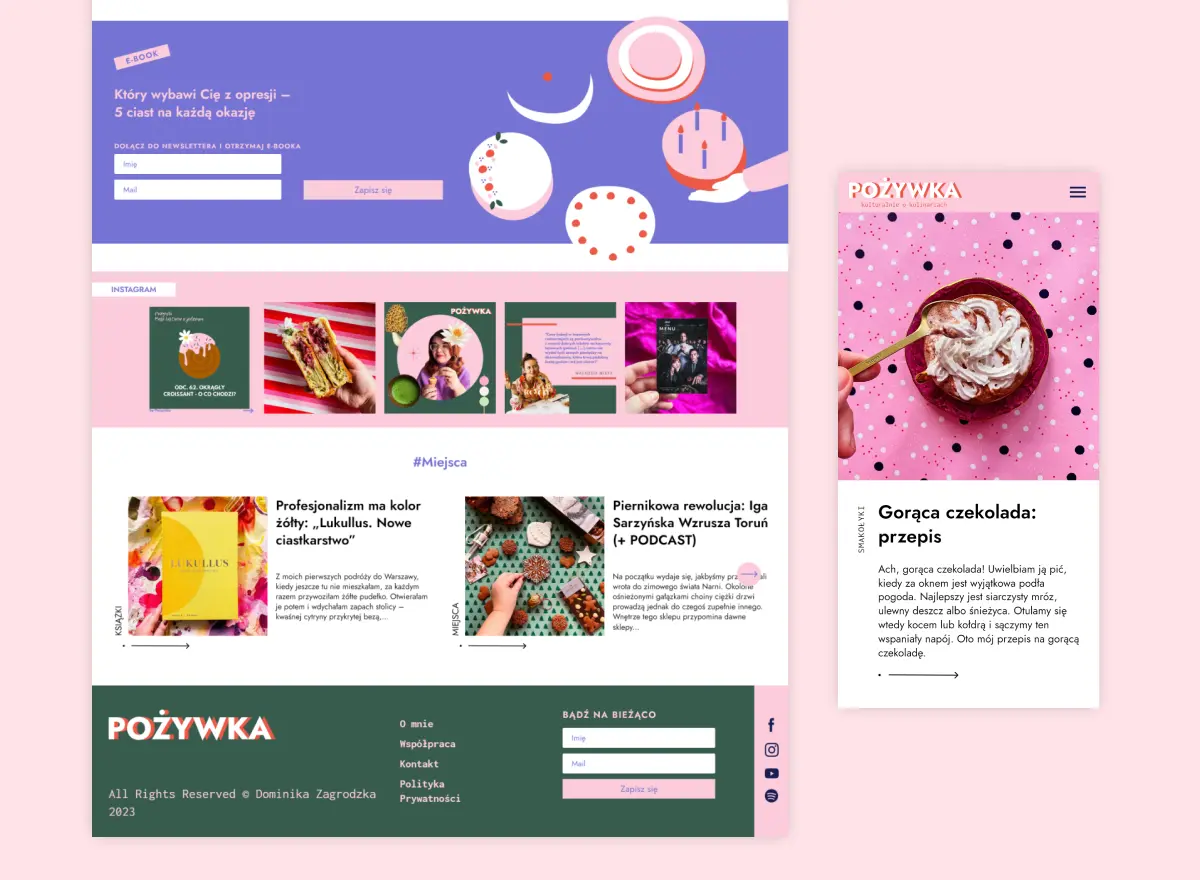
pozywka.pl
Scalable blog for food journalist, focused on performance and user experience 🌭
zagrodzki.me
Personal blog and portfolio of Bart Zagrodzki, where he shares his knowledge and work 💼
TurboStarter
Ship your startup everywhere. In minutes.
HTML to Markdown
Convert HTML to Markdown with ease, directly in your browser 📄
Dotallio
Personalized AI apps that automate research, data extraction, and content creation without code 🤖
Talk to Santa
Enjoy a magical live video chat or receive a unique AI-generated video greeting from Santa Claus 🎅
pozywka.pl
Scalable blog for food journalist, focused on performance and user experience 🌭
zagrodzki.me
Personal blog and portfolio of Bart Zagrodzki, where he shares his knowledge and work 💼
TurboStarter
Ship your startup everywhere. In minutes.
HTML to Markdown
Convert HTML to Markdown with ease, directly in your browser 📄
Dotallio
Personalized AI apps that automate research, data extraction, and content creation without code 🤖
Talk to Santa
Enjoy a magical live video chat or receive a unique AI-generated video greeting from Santa Claus 🎅
pozywka.pl
Scalable blog for food journalist, focused on performance and user experience 🌭
zagrodzki.me
Personal blog and portfolio of Bart Zagrodzki, where he shares his knowledge and work 💼
TurboStarter
Ship your startup everywhere. In minutes.
HTML to Markdown
Convert HTML to Markdown with ease, directly in your browser 📄
Dotallio
Personalized AI apps that automate research, data extraction, and content creation without code 🤖
Talk to Santa
Enjoy a magical live video chat or receive a unique AI-generated video greeting from Santa Claus 🎅
pozywka.pl
Scalable blog for food journalist, focused on performance and user experience 🌭
zagrodzki.me
Personal blog and portfolio of Bart Zagrodzki, where he shares his knowledge and work 💼
TurboStarter
Ship your startup everywhere. In minutes.
HTML to Markdown
Convert HTML to Markdown with ease, directly in your browser 📄
Omichat
Chat with 50+ AI models, including ChatGPT and Claude, in one place - switch models anytime without losing context 🤖
Claude Fast
Supercharge your Claude Code with 6x effective context window and specialized AI agents 🤖
EmojAI
AI-powered emoji picker with smart, context-aware suggestions 🤖
Solohacker
Autonomous company launcher - AI agents work 24/7, escalate what matters, and you stay in control 🤖
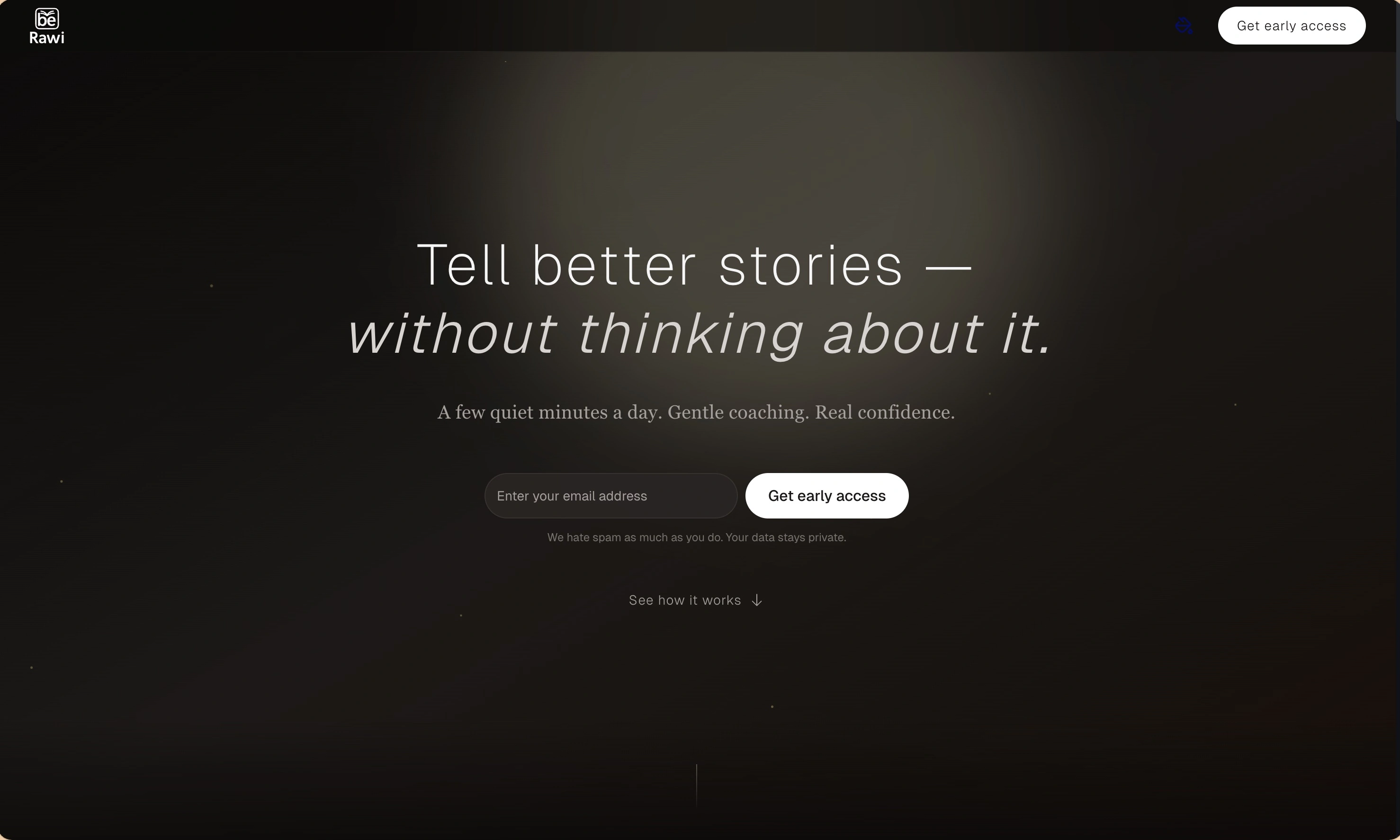
BeRawi: Storytelling Coach
Practice storytelling daily with instant feedback to sound clearer, more engaging, and confident 🎤
Omichat
Chat with 50+ AI models, including ChatGPT and Claude, in one place - switch models anytime without losing context 🤖
Claude Fast
Supercharge your Claude Code with 6x effective context window and specialized AI agents 🤖
EmojAI
AI-powered emoji picker with smart, context-aware suggestions 🤖
Solohacker
Autonomous company launcher - AI agents work 24/7, escalate what matters, and you stay in control 🤖
BeRawi: Storytelling Coach
Practice storytelling daily with instant feedback to sound clearer, more engaging, and confident 🎤
Omichat
Chat with 50+ AI models, including ChatGPT and Claude, in one place - switch models anytime without losing context 🤖
Claude Fast
Supercharge your Claude Code with 6x effective context window and specialized AI agents 🤖
EmojAI
AI-powered emoji picker with smart, context-aware suggestions 🤖
Solohacker
Autonomous company launcher - AI agents work 24/7, escalate what matters, and you stay in control 🤖
BeRawi: Storytelling Coach
Practice storytelling daily with instant feedback to sound clearer, more engaging, and confident 🎤
Omichat
Chat with 50+ AI models, including ChatGPT and Claude, in one place - switch models anytime without losing context 🤖
Claude Fast
Supercharge your Claude Code with 6x effective context window and specialized AI agents 🤖
EmojAI
AI-powered emoji picker with smart, context-aware suggestions 🤖
Solohacker
Autonomous company launcher - AI agents work 24/7, escalate what matters, and you stay in control 🤖
BeRawi: Storytelling Coach
Practice storytelling daily with instant feedback to sound clearer, more engaging, and confident 🎤

Connect with like-minded people
Join our community to get feedback, support, and grow together with 1,000+ builders on board, let's ship it!
Join usShip your startup everywhere. In minutes.
Don't burn tokens on setup and start building features on day one.