LeaseSignal
Renter-focused lease analyzer that flags hidden fees, risky clauses, and renewal increases while comparing true monthly housing costs.
LeaseSignal is a renter-focused lease analyzer built around a simple but underserved need: helping tenants understand what they are actually agreeing to before they sign.
A lease is often treated as a routine document, yet it can determine a renter’s total housing costs, move-out obligations, renewal exposure, utility responsibilities, and legal risk for an entire year. Most renters do not have access to a lawyer, do not know which clauses are unusual, and may not discover expensive terms until after they have committed.
The primary opportunity for a renter lease analyzer is to turn dense, landlord-written lease language into clear, practical decisions. LeaseSignal can scan uploaded leases, flag potential hidden fees and risky clauses, estimate the true monthly cost of a rental, and help renters compare properties on more than advertised rent.
Important positioning
LeaseSignal should position itself as an educational decision-support product, not a substitute for legal advice. The product can explain clauses, highlight questions to ask, and identify possible financial exposure while encouraging users to consult a qualified local attorney or tenant advocacy organization for legal interpretation.
Why renters need a lease analyzer before signing
Renters often compare apartments using one number: monthly rent. That approach misses the broader financial reality of renting.
A listing may advertise an affordable unit, but the actual monthly housing expense can rise substantially when the renter adds mandatory service packages, parking, pet rent, trash billing, utility administration fees, insurance requirements, short-term lease premiums, and recurring amenity charges. Some costs are obvious in a lease; others are embedded in addenda, fee schedules, or vague clauses that refer to future charges.
A renter lease analyzer such as LeaseSignal gives tenants a structured way to review these documents before committing.
The product can answer high-intent questions such as:
- What fees are hidden in this lease?
- Is the advertised rent the real monthly cost?
- Does this lease include an automatic renewal clause?
- Can the landlord raise rent at renewal?
- What happens if I break the lease early?
- Who pays for utilities, repairs, pest control, or common-area charges?
- Is this clause unusually strict or worth negotiating?
- Which of two apartments is actually cheaper after recurring costs?
For renters, this is not merely a document-reading problem. It is a financial planning problem, a risk-management problem, and often a time-sensitive decision made under pressure.
The target audience for LeaseSignal
LeaseSignal is a B2C SaaS product, but “renters” is too broad to be a useful initial customer definition. The strongest early strategy is to prioritize segments with high pain, low legal confidence, and a meaningful willingness to pay for clarity.
Primary audience: first-time and early-career renters
First-time renters commonly lack experience with lease terminology and local rental norms. They may be moving for college, a first job, or a new city. They are particularly vulnerable to overlooking recurring charges, move-out requirements, and penalties for early termination.
Their motivations include:
- Avoiding surprise costs after moving in
- Understanding a lease without relying on a landlord’s summary
- Comparing several apartments quickly
- Feeling confident before signing a binding agreement
- Getting a plain-English explanation of unfamiliar terms
This group is highly reachable through search. Queries such as “how to check a lease before signing,” “hidden apartment fees,” “is this lease clause normal,” and “true cost of renting an apartment” closely match LeaseSignal’s value proposition.
Secondary audience: relocation renters and remote movers
People relocating to a new city often sign leases with limited local knowledge and less ability to tour or negotiate in person. They may feel pressure to decide quickly because of a job start date or travel timeline.
LeaseSignal can become especially valuable here by combining document analysis with a true monthly housing cost calculator. A renter could upload lease terms, enter expected utilities, and compare units based on recurring costs instead of headline rent.
Third audience: pet owners, roommates, and households with complex needs
Certain renter categories face more fee-heavy lease structures.
Examples include:
- Pet owners navigating pet deposits, pet rent, and breed restrictions
- Roommates assessing joint-and-several liability
- Families reviewing occupancy limitations and utility allocation
- Renters with guarantors evaluating guarantor obligations
- Freelancers and contractors assessing income-verification or renewal risk
- Students reviewing co-signer and subleasing clauses
These users have concrete, high-stakes questions, which makes them good candidates for targeted landing pages and feature-specific onboarding.
Future audience: tenant advocates and legal professionals
LeaseSignal should begin as a renter-first product. However, tenant unions, housing counselors, legal aid organizations, relocation consultants, and tenant-side attorneys could become valuable partners later.
The product should not attempt to replace professional advice. Instead, it can help these professionals triage documents, standardize intake, and give clients a clearer summary of the issues worth discussing.
First-time renter
Needs plain-English explanations, fee visibility, and confidence before signing a first lease.
Remote mover
Needs fast lease review and a reliable way to compare real monthly housing costs across cities.
Complex household
Needs help understanding pets, roommates, guarantors, occupancy rules, and shared responsibilities.
The market gap in rental lease review
The rental market contains many tools for finding apartments, calculating rent affordability, screening tenants, and managing properties. Far fewer products are built specifically to help renters interpret the documents they are asked to sign.
That gap exists for several reasons.
First, lease documents vary substantially by state, city, landlord, and property management company. Generic consumer legal content can explain common concepts, but it often does not help a renter understand the practical consequences of their particular document.
Second, lease review is traditionally expensive or inaccessible. A tenant may not know where to find an attorney, may not have time for a consultation, or may feel that legal support is disproportionate to a one-year rental decision. Yet even a modest recurring charge can become expensive across a lease term.
Third, property search platforms are often optimized for lead generation and listings, not tenant-side financial transparency. Their incentives may not align with exposing all-in housing cost or highlighting lease clauses that create renter risk.
LeaseSignal’s opportunity is to operate in the space between generic online advice and formal legal counsel.
Its core promise is not “we tell you whether your lease is legal.” That is jurisdiction-dependent and legally sensitive. A better promise is:
LeaseSignal helps renters understand lease terms, surface financial obligations, identify clauses worth questioning, and compare the real cost of rental options before signing.
Why this market is timely
Several trends make a renter lease analyzer increasingly relevant:
- Rental billing has become more complex, with bundled services, technology fees, utility administration fees, and optional-or-mandatory packages.
- Renters expect consumer-grade transparency from financial and housing products.
- AI-assisted document processing can now make long, unstructured agreements easier to summarize and search.
- Economic uncertainty makes predictable housing costs more important for households.
- Tenant education is becoming more accessible through nonprofits, housing agencies, and consumer-protection resources.
For market validation, LeaseSignal should reference authoritative sources rather than rely on vague claims. Helpful sources to cite in future research include annual rental market reports, consumer complaint data, local tenant protection agencies, and guidance from organizations such as the Consumer Financial Protection Bureau, the Federal Trade Commission, and the U.S. Department of Housing and Urban Development. Any statistics should be dated, geographically specific, and directly tied to a verifiable source.
LeaseSignal’s unique selling proposition
The strongest LeaseSignal USP is the combination of clause-level risk analysis and true monthly cost comparison.
Most lease summaries focus on simplification. LeaseSignal should go further by translating legal and financial terms into decisions a renter can act on.
Instead of only saying:
“This lease contains a utility billing clause.”
LeaseSignal can say:
“This clause makes you responsible for utility charges determined by a third-party allocation method. Ask the property manager for the last three months of typical charges for a similar unit before signing.”
Instead of only extracting a renewal term, it can explain:
“Your lease renews automatically unless you provide notice 60 days before the end date. Missing that deadline may move you into a month-to-month arrangement with a higher rate, depending on the landlord’s renewal notice.”
This output is more useful because it connects:
- The clause
- The practical impact
- The financial exposure
- The question or next action
The LeaseSignal differentiation framework
| Capability | Listing sites | Generic AI chat | LeaseSignal | Tenant attorney |
|---|---|---|---|---|
| Compare advertised rent | ✅ | ❌ | ✅ | ✅ |
| Extract recurring fees | ❌ | Sometimes | ✅ | ✅ |
| Explain lease clauses in plain language | ❌ | Sometimes | ✅ | ✅ |
| Provide jurisdiction-aware legal advice | ❌ | Unreliable | Educational only | ✅ |
| Low-cost instant self-service | ✅ | ✅ | ✅ | ❌ |
LeaseSignal’s competitive moat should not depend only on a general-purpose large language model. The defensible product layer is the structured renter-risk framework: a clause taxonomy, fee extraction logic, cost normalization, explanation templates, confidence scoring, and a growing dataset of anonymized rental terms.
Core features for a renter lease analyzer
The initial product should solve a narrow but complete workflow: upload a lease, understand the terms, identify questions, compare costs, and save a shareable summary.
Lease upload and document processing
The first interaction must be frictionless. Renters should be able to upload a PDF, scan images from a phone, or forward a lease document to a secure upload link.
The processing pipeline should handle:
- Native text PDFs
- Scanned PDFs requiring OCR
- Multi-document packages with addenda
- Images captured from a mobile device
- Documents with tables, signatures, and fee schedules
- Leases that reference external policies or attachments
A robust experience should identify missing materials. If the lease says “subject to community rules attached as Exhibit B,” LeaseSignal should warn the user that the review may be incomplete without that exhibit.
Plain-English lease summary
A useful lease summary should be structured around renter decisions rather than legal document order.
Recommended summary categories include:
- Lease start and end dates
- Base monthly rent
- Security deposit and refundable deposits
- Move-in fees and application-related charges
- Recurring monthly fees
- Utilities and billing method
- Parking, storage, and amenity costs
- Pet rules and pet-related charges
- Late payment rules
- Required notice periods
- Renewal and rent increase language
- Early termination options and penalties
- Subletting and assignment restrictions
- Maintenance and repair responsibilities
- Entry, inspections, and access provisions
- Move-out cleaning and damage obligations
- Dispute resolution and attorney-fee clauses
The user should see the most important terms first, with the option to inspect the underlying clause and page number.
Hidden fee and recurring cost detection
Fee detection is central to LeaseSignal. The product should distinguish between one-time costs, recurring mandatory costs, conditional costs, and uncertain costs.
A renter needs more than a list of fees. They need a realistic estimate of cost over time.
For each charge, LeaseSignal can label:
- Frequency such as one-time, monthly, annual, per occurrence, or usage-based
- Status such as mandatory, optional, conditional, or unclear
- Amount such as fixed, capped, variable, or not specified
- Source such as lease page, addendum, fee schedule, or referenced policy
- Confidence based on how explicitly the document states the amount and obligation
This enables a true-cost calculation that is much more useful than advertised rent alone.
True monthly housing cost calculator
The calculator should provide a transparent breakdown:
type HousingCostEstimate = {
  baseRent: number;
  mandatoryMonthlyFees: number;
  averageUtilities: number;
  parking: number;
  petRent: number;
  renterInsurance: number;
  annualFeesSpreadMonthly: number;
};

const getTrueMonthlyCost = (cost: HousingCostEstimate) => {
  return (
    cost.baseRent +
    cost.mandatoryMonthlyFees +
    cost.averageUtilities +
    cost.parking +
    cost.petRent +
    cost.renterInsurance +
    cost.annualFeesSpreadMonthly
  );
};
A high-quality renter lease analyzer should show both:
- Document-confirmed cost
- Estimated cost based on renter inputs or local assumptions
The distinction is important for trust. LeaseSignal should never present an estimate as though it were guaranteed by the lease.
For example, if water costs are billed through a variable allocation method, the product can state that the lease requires payment but the actual charge depends on building usage, occupancy, square footage, or another formula. It can then ask the renter to enter a quoted estimate or request historical billing information from management.
Risky clause flags with explanations
A “risky clause” label should be used carefully. LeaseSignal should avoid alarmist language and should never imply that a clause is invalid merely because it is unfavorable.
A better system uses tiers.
- Review carefully for provisions with significant financial or practical consequences
- Ask for clarification for vague or incomplete obligations
- Watch deadline for notice periods, renewals, or move-out deadlines
- Potentially unusual for clauses that differ from a benchmark library, with an explanation that local norms vary
- Consider legal guidance for rights waivers, broad indemnity, arbitration, or jurisdiction-specific concerns
Common clauses worth flagging include:
- Automatic renewal provisions
- Long required notice periods
- Month-to-month rent increases after expiration
- Broad early termination penalties
- Accelerated rent clauses
- Mandatory professional cleaning requirements
- Broad indemnification language
- Mandatory arbitration and class-action waivers
- Joint-and-several roommate liability
- Vague utility allocation methods
- Unilateral policy-change language
- Excessive late fees or collection costs
- Broad landlord entry rights
- Requirements to use landlord-selected service providers
- Restrictions on guests, occupancy, subletting, or working from home
The platform should always present the relevant contract text, a plain-language explanation, and a suggested question to ask.
Lease comparison workspace
Comparison is where LeaseSignal becomes a decision platform instead of a single-document utility.
Renters often choose between two or three units. A comparison workspace could show:
- Advertised monthly rent
- Estimated true monthly cost
- Upfront move-in cost
- Deposit and refundable amount
- Notice period
- Renewal exposure
- Early termination cost
- Utility responsibilities
- Pet, parking, and storage costs
- Number and severity of review flags
- Missing or unclear information
This comparison should be deliberately neutral. LeaseSignal can identify trade-offs, but it should not overstate certainty or push the user toward one property without sufficient evidence.
Question generator and negotiation checklist
A renter may understand a concern but not know how to raise it professionally. LeaseSignal can generate a checklist of specific, non-confrontational questions.
Examples include:
- “Can you confirm whether the monthly technology package is mandatory for this unit?”
- “Can you provide an estimate of average monthly utility charges under the billing method described in Section 8?”
- “What rent would apply if the lease converts to month-to-month after the end date?”
- “Can the early termination fee be waived if a qualified replacement tenant is found?”
- “Will the cleaning charge apply regardless of the condition of the unit at move-out?”
This feature offers immediate utility without drifting into legal advice.
Designing AI analysis users can trust
AI can make lease review accessible, but housing documents are sensitive and high stakes. The product must prioritize traceability over flashy summaries.
Every important finding should include:
- The exact source text
- The page or section reference
- A plain-language explanation
- A confidence indicator
- A statement of assumptions
- A recommended user action where appropriate
Use rules and AI together
A hybrid approach is more reliable than asking a language model to “analyze a lease” with no structure.
Rules are useful for deterministic patterns:
- Currency amounts and fee labels
- Dates and notice periods
- Common terms such as “automatic renewal”
- Late fee percentages
- Security deposit amounts
- Named addenda
- Repeated occurrences of “shall” and “must”
AI is useful for contextual interpretation:
- Explaining legalistic language in plain English
- Grouping related obligations across documents
- Identifying vague references
- Generating user-friendly questions
- Classifying a clause within a structured taxonomy
The product should use human-reviewed examples, structured extraction, and evaluation datasets before introducing broad autonomous recommendations.
It should say that the clause is unclear, quote the relevant language, explain why the ambiguity matters, and suggest a question for the landlord or property manager. It should not invent a precise interpretation.
Not without reliable, jurisdiction-specific legal review. The safer product behavior is to flag the issue as potentially important, recommend checking local tenant protections, and suggest consulting a qualified attorney or tenant advocate when appropriate.
Require every material finding to map to source text, use confidence thresholds, prevent unsupported claims from appearing in summaries, and prominently identify when an estimate depends on user input rather than lease language.
Recommended tech stack for LeaseSignal
LeaseSignal needs a modern SaaS stack that supports secure document uploads, AI workflows, structured data, user accounts, payments, and a polished consumer experience.
A practical web application foundation could include React, Next.js, and TypeScript. This combination supports fast product iteration, server-side rendering for SEO, and typed application logic for complex document-analysis workflows.
For styling, Tailwind CSS is a strong fit because it enables a consistent design system without slowing down landing page or dashboard development.
Suggested architecture
Build the renter dashboard with React, Next.js, TypeScript, and Tailwind CSS. Prioritize mobile-friendly upload flows, clear summaries, accessible color contrast, and simple comparison views.
Use PostgreSQL for structured application data such as users, leases, findings, fees, comparison scenarios, subscriptions, and audit logs. Use an object storage provider for original files and page images.
Build a pipeline for file validation, OCR, text extraction, document chunking, structured field extraction, clause classification, and source-cited summaries. Keep original documents separate from derived analysis records.
Add observability, error monitoring, rate limiting, secure audit logs, deletion workflows, and evaluation datasets. Document processing failures should be visible to the support and product teams.
Tech stack trade-offs
A serverless-first architecture can accelerate the MVP, especially for a B2C SaaS product with unpredictable early traffic. It reduces operational overhead and can work well for authentication, payments, dashboards, and asynchronous document jobs.
However, document processing can be resource-intensive. OCR, large PDF rendering, and multi-step AI pipelines may require background workers, queues, and retry handling. The product should avoid processing entire files synchronously inside a user request.
A relational database is generally preferable to a document-only database for LeaseSignal because the product will need reliable relationships among users, properties, lease versions, extracted clauses, fees, and subscription entitlements.
For the AI layer, avoid vendor lock-in where possible. Create an internal analysis interface so LeaseSignal can evaluate multiple model providers, route tasks by cost and quality, and replace components without rewriting product logic.
Security and privacy requirements
Lease documents may contain names, addresses, signatures, financial obligations, and sometimes personal contact information. Privacy is therefore a product feature, not an afterthought.
LeaseSignal should implement:
- Encryption in transit and at rest
- Strong authentication and secure session handling
- File type validation and malware scanning
- Tenant-level access controls
- Signed URLs for private document access
- Clear retention and deletion controls
- Minimal logging of raw lease contents
- A documented incident response process
- Consent-aware handling of shared leases and roommate documents
- Transparent privacy and AI-use disclosures
The product should explain whether uploaded documents are used to improve models, and users should have a clear opt-out path. In a trust-sensitive category, ambiguity about document use will damage conversion.
Monetization strategies for LeaseSignal
LeaseSignal should keep the first experience affordable and low-friction. Renters may only need lease analysis once or twice a year, so an annual subscription alone may not align with their buying behavior.
One-time lease review
A one-time purchase is likely the strongest initial monetization model.
A renter uploads one lease package, receives a structured analysis, unlocks the cost calculator, and exports a shareable summary. This model aligns with the urgent, event-driven nature of signing a lease.
Potential packaging could include:
- Basic summary with key terms and fee extraction
- Detailed review with risk flags and question checklist
- Comparison bundle for multiple leases
- Premium review with priority processing or a partner consultation option
Freemium lead generation
A free tool can attract high-intent organic traffic.
Examples include:
- True monthly rent calculator
- Apartment move-in cost calculator
- Lease renewal increase calculator
- Rental fee checklist
- Notice period reminder generator
- Basic clause explainer
The free experience should produce genuine value while clearly showing why full document analysis is worth paying for.
Renter membership
A monthly or annual plan can work when LeaseSignal expands beyond one-time analysis into ongoing renter support.
Membership features could include:
- Multiple lease uploads
- Renewal deadline reminders
- Rent increase tracking
- Document storage
- Move-in and move-out checklists
- Security deposit documentation tools
- Roommate agreement templates or checklists
- Tenant rights resource library by location
Partner revenue
Partnerships can be useful, but they should be handled with exceptional transparency. Potential partners may include tenant insurance providers, moving services, legal marketplaces, credit-building services, or relocation companies.
The product should never allow affiliate incentives to influence risk scores or property comparisons. LeaseSignal’s renter-first trust position is more valuable than short-term referral revenue.
Go-to-market strategy and SEO opportunities
The most effective acquisition channel for LeaseSignal is likely search-led education. Renters search for help at moments of high urgency, often immediately before signing a lease, renewing, moving, or disputing a charge.
High-intent SEO topics include:
- How to read an apartment lease before signing
- Hidden fees to look for in a rental lease
- How to calculate the true monthly cost of an apartment
- Automatic renewal clause in a lease
- What does joint and several liability mean for roommates
- How much notice do I need to give before moving out
- Can a landlord charge mandatory fees
- How to compare apartments by total cost
- Early lease termination fee explained
- What to ask before signing a rental agreement
Each article should provide substantive educational value, then naturally introduce LeaseSignal as a tool for reviewing a real document. Avoid thin content designed only to funnel users into a product.
Local SEO and jurisdiction-aware content
Rental rules vary widely, which creates an opportunity for location-specific education. However, location pages must be carefully researched and regularly updated.
A useful framework is:
- State-level explanations of common lease concepts
- City-level renter resources where strong official guidance exists
- Clear “last reviewed” dates
- Citations to official government or legal aid sources
- Prominent disclaimers that the content is informational, not legal advice
Do not publish generic pages claiming to explain every city’s rental law. It is better to cover fewer jurisdictions with excellent research than to produce broad but unreliable legal content.
Risks and mitigation strategies
LeaseSignal operates in a category where product mistakes can undermine user trust. Risk management should be central to the roadmap.
Legal advice and unauthorized practice concerns
The biggest risk is crossing from education into personalized legal advice.
Mitigation includes:
- Use careful language such as “may,” “review,” “consider asking,” and “consult a local professional”
- Avoid definitive legal conclusions unless reviewed by qualified counsel for the relevant jurisdiction
- Build a clear educational-use disclaimer into onboarding and reports
- Create escalation paths for high-risk categories
- Consult legal counsel before launching jurisdiction-specific recommendations
Inaccurate extraction or missed clauses
OCR can fail, documents can be incomplete, and clause language can be ambiguous.
Mitigation includes:
- Show source pages for every finding
- Warn users when scan quality is poor
- Detect missing addenda and referenced exhibits
- Use confidence scores internally and in the interface
- Let users mark findings as incorrect
- Build review datasets from consented, anonymized examples
- Never present “no issues found” as a guarantee
Data privacy concerns
Users may hesitate to upload a lease containing personal details.
Mitigation includes:
- Explain security practices in plain language
- Offer document deletion controls
- Avoid unnecessary retention
- Redact sensitive fields where possible
- Restrict internal employee access
- Publish a transparent data-handling policy
Commodity AI competition
Generic AI tools can summarize documents, which may make the core concept appear easy to replicate.
Mitigation includes:
- Build proprietary structured workflows for renter decisions
- Focus on source-grounded findings rather than generic summaries
- Develop a high-quality fee and clause taxonomy
- Improve comparison and cost-normalization features
- Build trust through clear limitations and accurate outputs
- Partner with renter-focused organizations that value impartiality
Actionable implementation plan
The best path is to validate a focused MVP before building a broad renter operating system.
For a rapid but production-minded build, TurboStarter can provide a practical SaaS foundation for authentication, billing, application structure, and faster iteration. The lease-analysis pipeline should then be implemented as a focused domain layer on top of that foundation.
Final perspective on the LeaseSignal opportunity
LeaseSignal has the potential to become a trusted renter decision-support platform because the pain is immediate, understandable, and financially meaningful. Renters do not need another generic document summarizer. They need help turning complicated rental agreements into clear decisions before they are locked into a costly obligation.
The winning product will combine accurate document extraction, transparent AI-assisted explanations, fee-aware cost analysis, practical renter questions, and rigorous privacy practices. It will avoid pretending to be a law firm while still giving users a far better starting point than reading a lease alone at midnight before a signing deadline.
By focusing first on hidden fees, renewal exposure, risky lease clauses, and true monthly housing costs, LeaseSignal can create a differentiated renter lease analyzer that delivers value at the exact moment renters need it most.
More 👥 B2C Application SaaS ideas
Discover more innovative b2c application SaaS ideas that are trending in 2026. Each idea is AI-generated with market validation and growth potential to help you find your next profitable venture faster than competitors.
Your competitors are building with TurboStarter
Below are some of the SaaS ideas that have been generated and built with our starter kit.
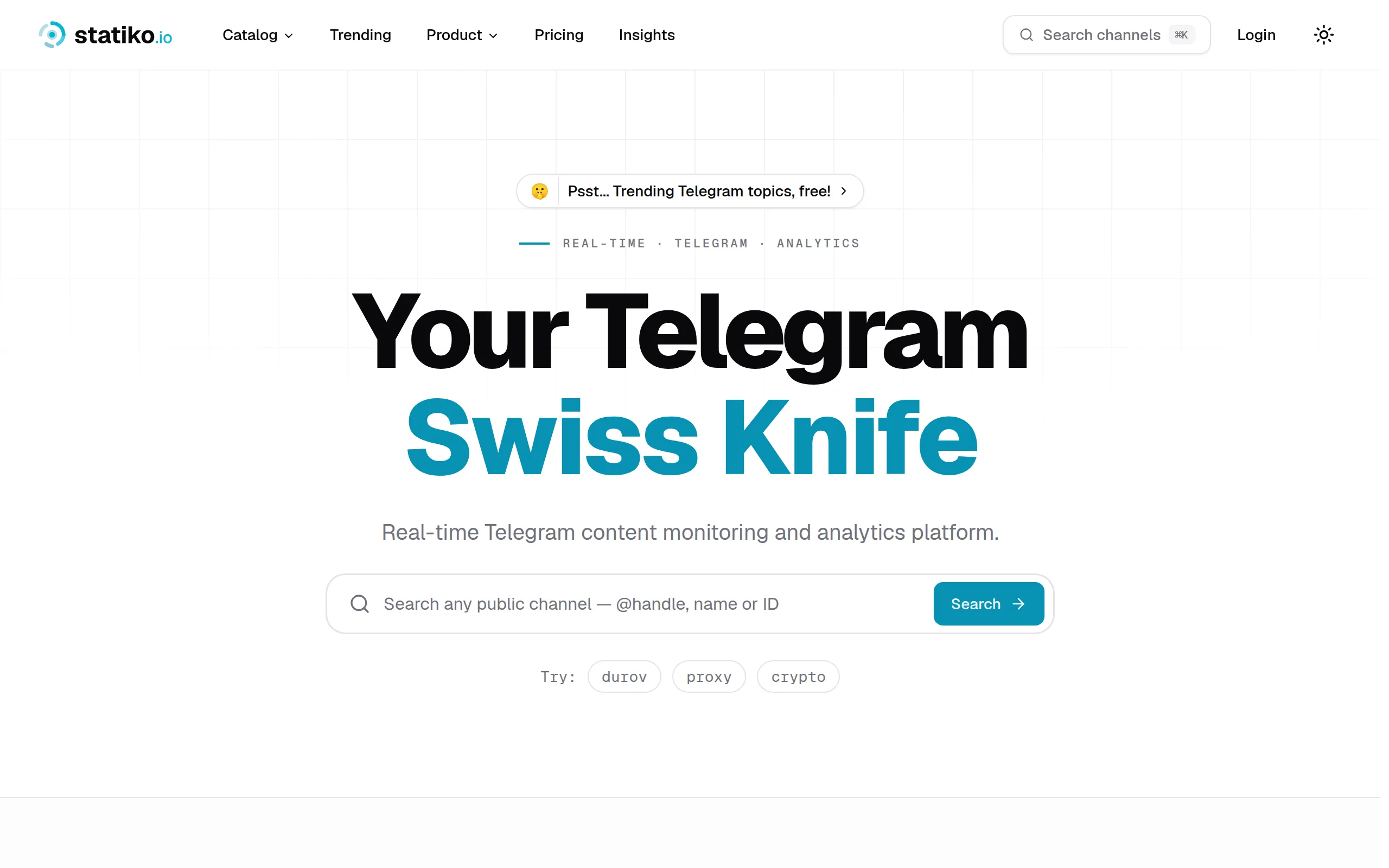
Statiko
Monitor any Telegram channel in real time - track posts, edits, deletions, and growth with AI recaps 📡

Shibui
AI website builder - describe your business, pick a niche template, edit by chatting, and publish instantly ✨

Pro Service
Find verified home service professionals, compare quotes, and pay securely through escrow - built for Brazilians across the US 🏠
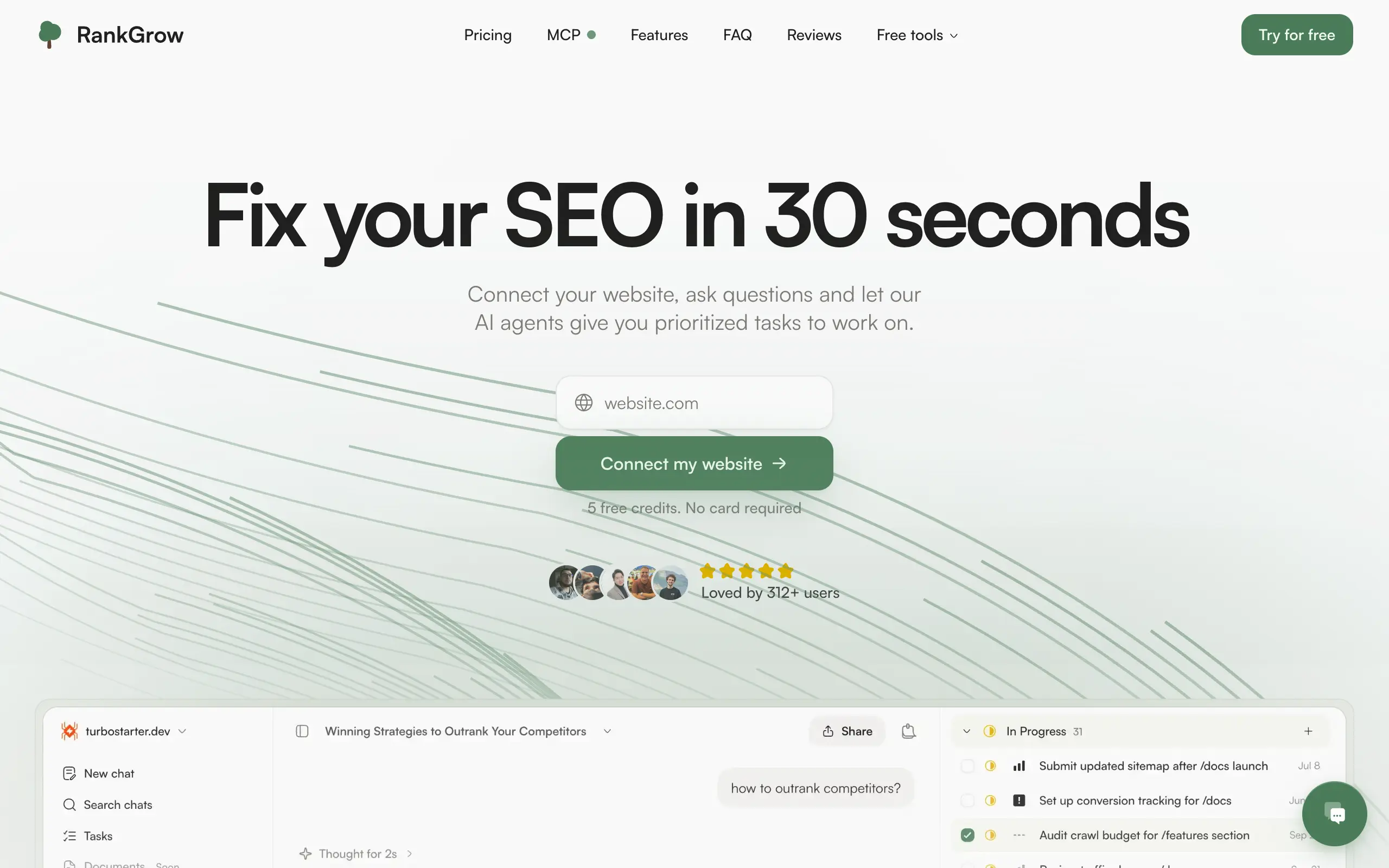
RankGrow
Fix your SEO with AI agents - connect Search Console, get prioritized tasks, and grow organic traffic 📈
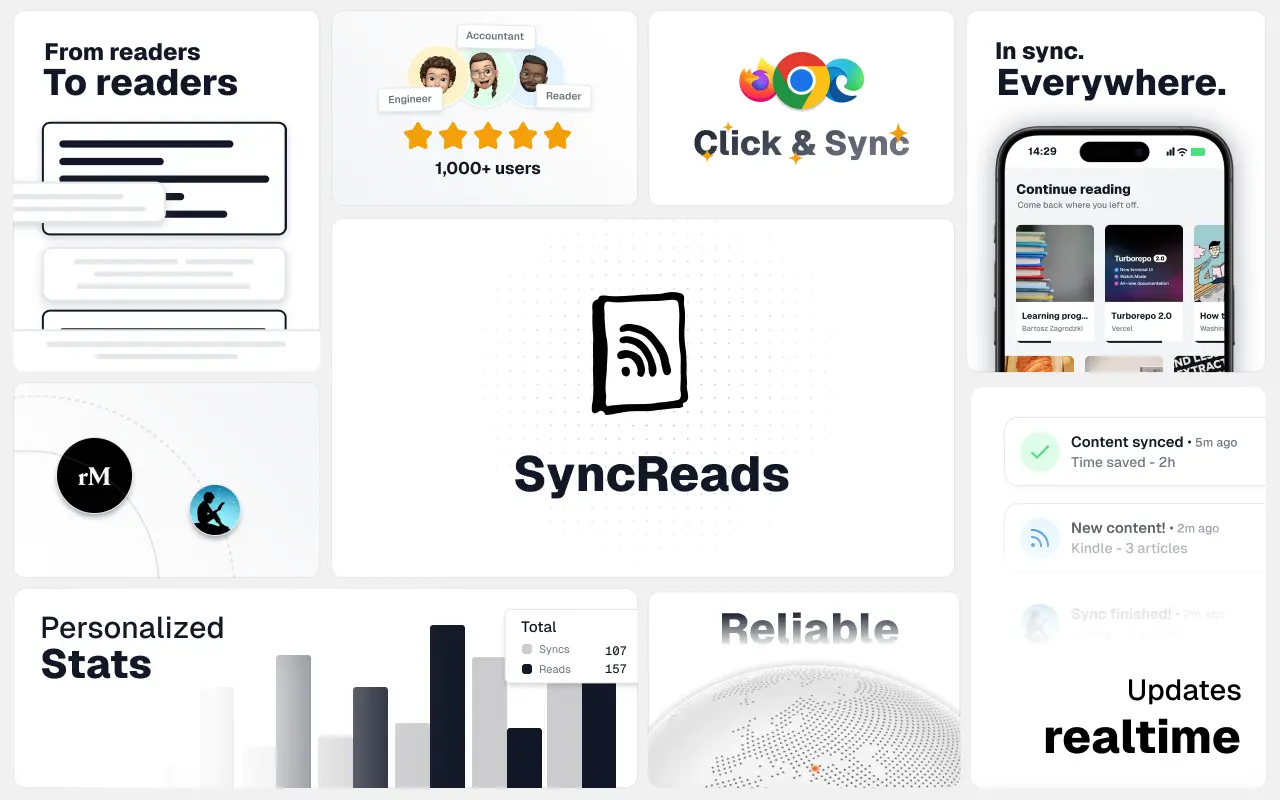
SyncReads
Sync your favorite content for distraction-free reading, save time and replace multiple apps. Anytime, anywhere 🔄
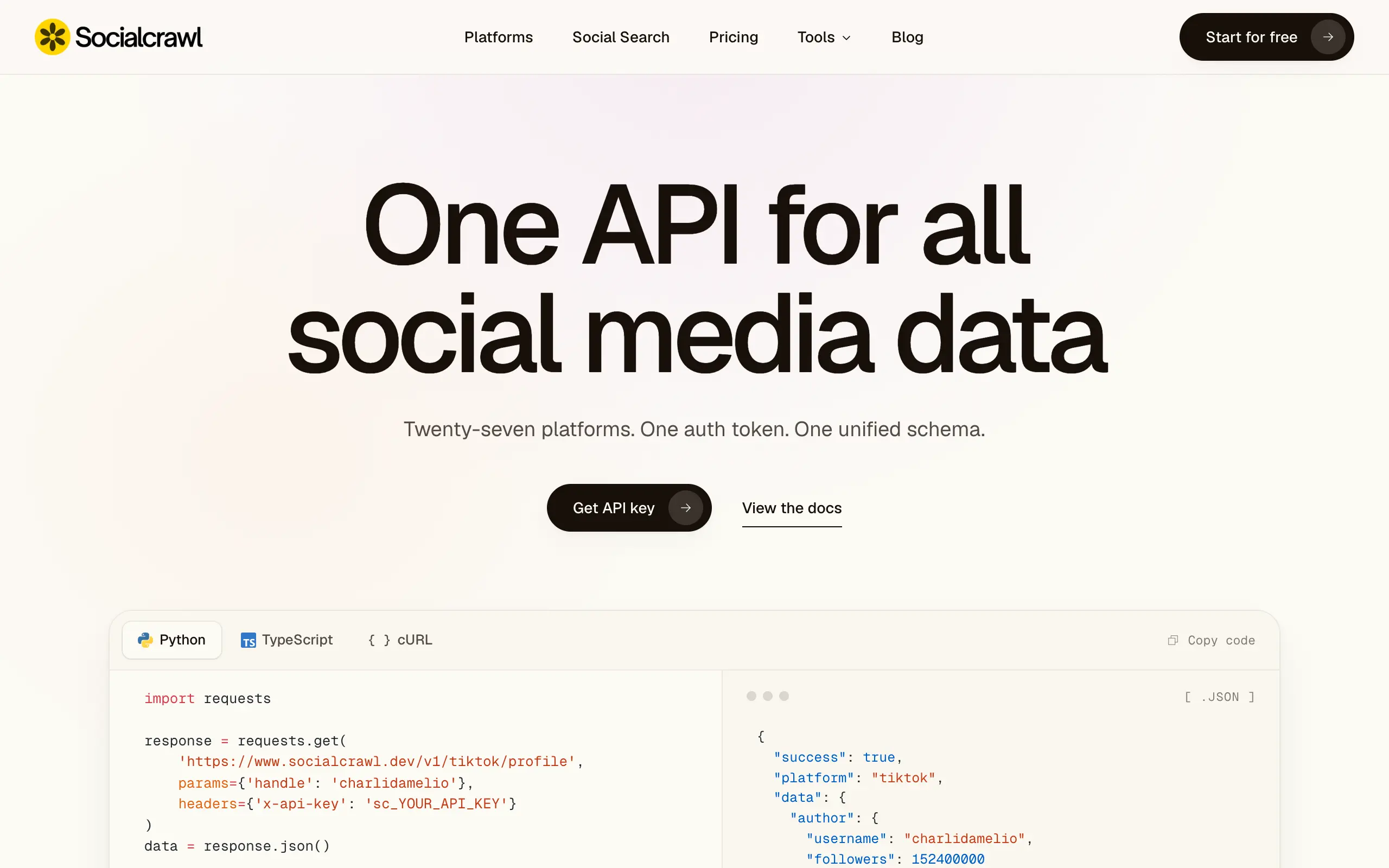
Socialcrawl
Get clean, structured data from 21 platforms like TikTok, Instagram, and YouTube with a single request 📊
Statiko
Monitor any Telegram channel in real time - track posts, edits, deletions, and growth with AI recaps 📡
Shibui
AI website builder - describe your business, pick a niche template, edit by chatting, and publish instantly ✨
Pro Service
Find verified home service professionals, compare quotes, and pay securely through escrow - built for Brazilians across the US 🏠
RankGrow
Fix your SEO with AI agents - connect Search Console, get prioritized tasks, and grow organic traffic 📈
SyncReads
Sync your favorite content for distraction-free reading, save time and replace multiple apps. Anytime, anywhere 🔄
Socialcrawl
Get clean, structured data from 21 platforms like TikTok, Instagram, and YouTube with a single request 📊
Statiko
Monitor any Telegram channel in real time - track posts, edits, deletions, and growth with AI recaps 📡
Shibui
AI website builder - describe your business, pick a niche template, edit by chatting, and publish instantly ✨
Pro Service
Find verified home service professionals, compare quotes, and pay securely through escrow - built for Brazilians across the US 🏠
RankGrow
Fix your SEO with AI agents - connect Search Console, get prioritized tasks, and grow organic traffic 📈
SyncReads
Sync your favorite content for distraction-free reading, save time and replace multiple apps. Anytime, anywhere 🔄
Socialcrawl
Get clean, structured data from 21 platforms like TikTok, Instagram, and YouTube with a single request 📊
Statiko
Monitor any Telegram channel in real time - track posts, edits, deletions, and growth with AI recaps 📡
Shibui
AI website builder - describe your business, pick a niche template, edit by chatting, and publish instantly ✨
Pro Service
Find verified home service professionals, compare quotes, and pay securely through escrow - built for Brazilians across the US 🏠
RankGrow
Fix your SEO with AI agents - connect Search Console, get prioritized tasks, and grow organic traffic 📈
SyncReads
Sync your favorite content for distraction-free reading, save time and replace multiple apps. Anytime, anywhere 🔄
Socialcrawl
Get clean, structured data from 21 platforms like TikTok, Instagram, and YouTube with a single request 📊
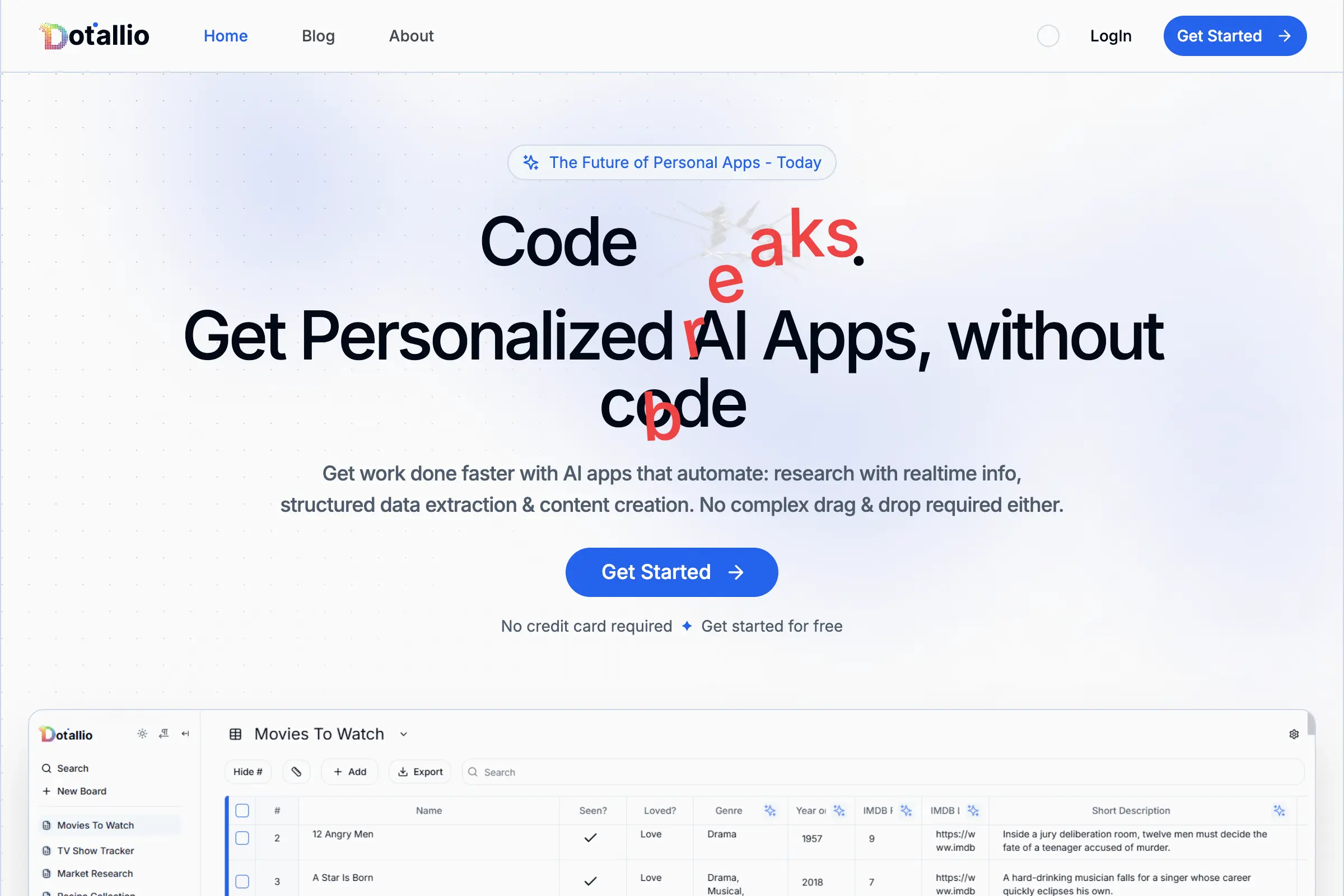
Dotallio
Personalized AI apps that automate research, data extraction, and content creation without code 🤖
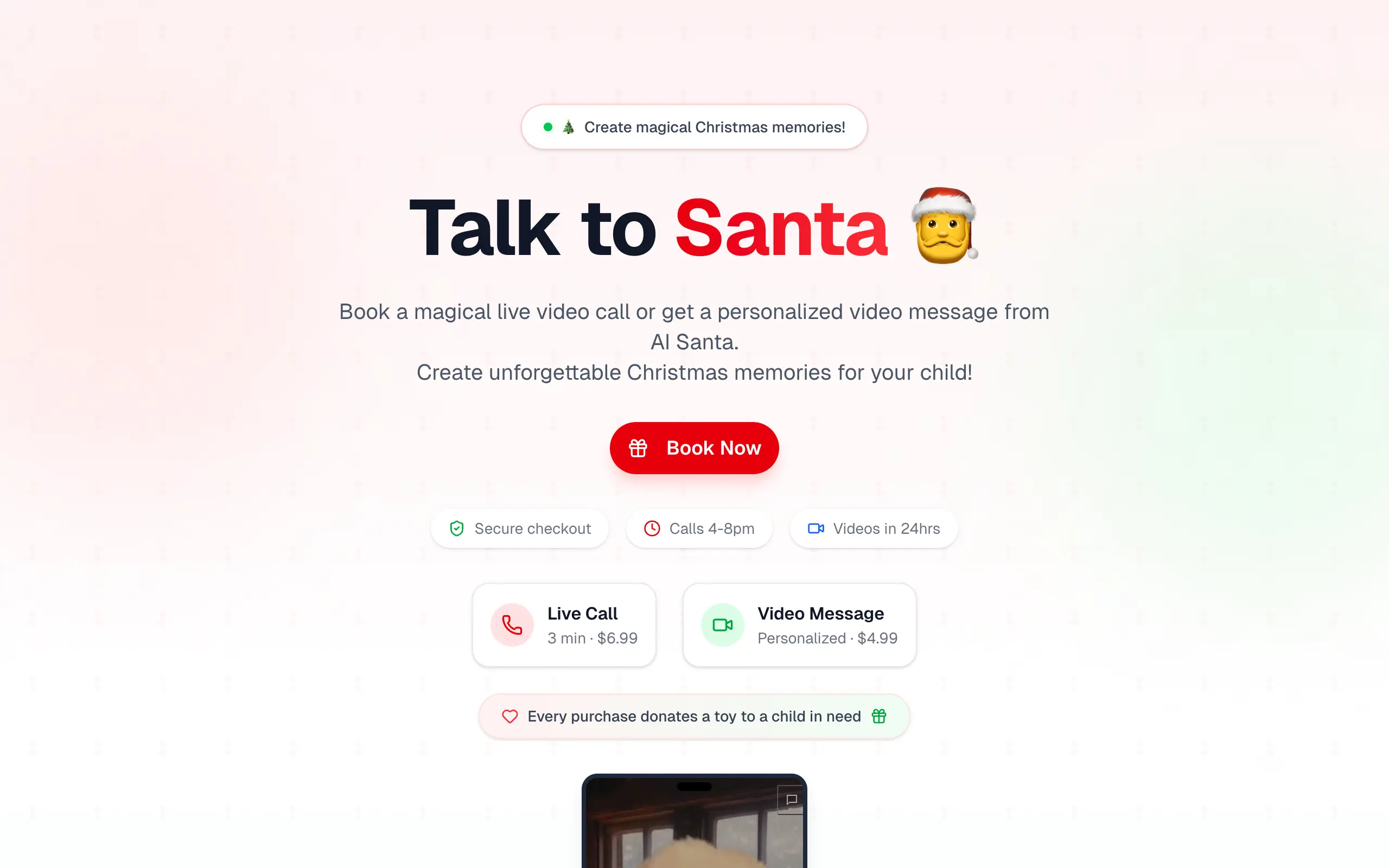
Talk to Santa
Enjoy a magical live video chat or receive a unique AI-generated video greeting from Santa Claus 🎅

pozywka.pl
Scalable blog for food journalist, focused on performance and user experience 🌭
zagrodzki.me
Personal blog and portfolio of Bart Zagrodzki, where he shares his knowledge and work 💼
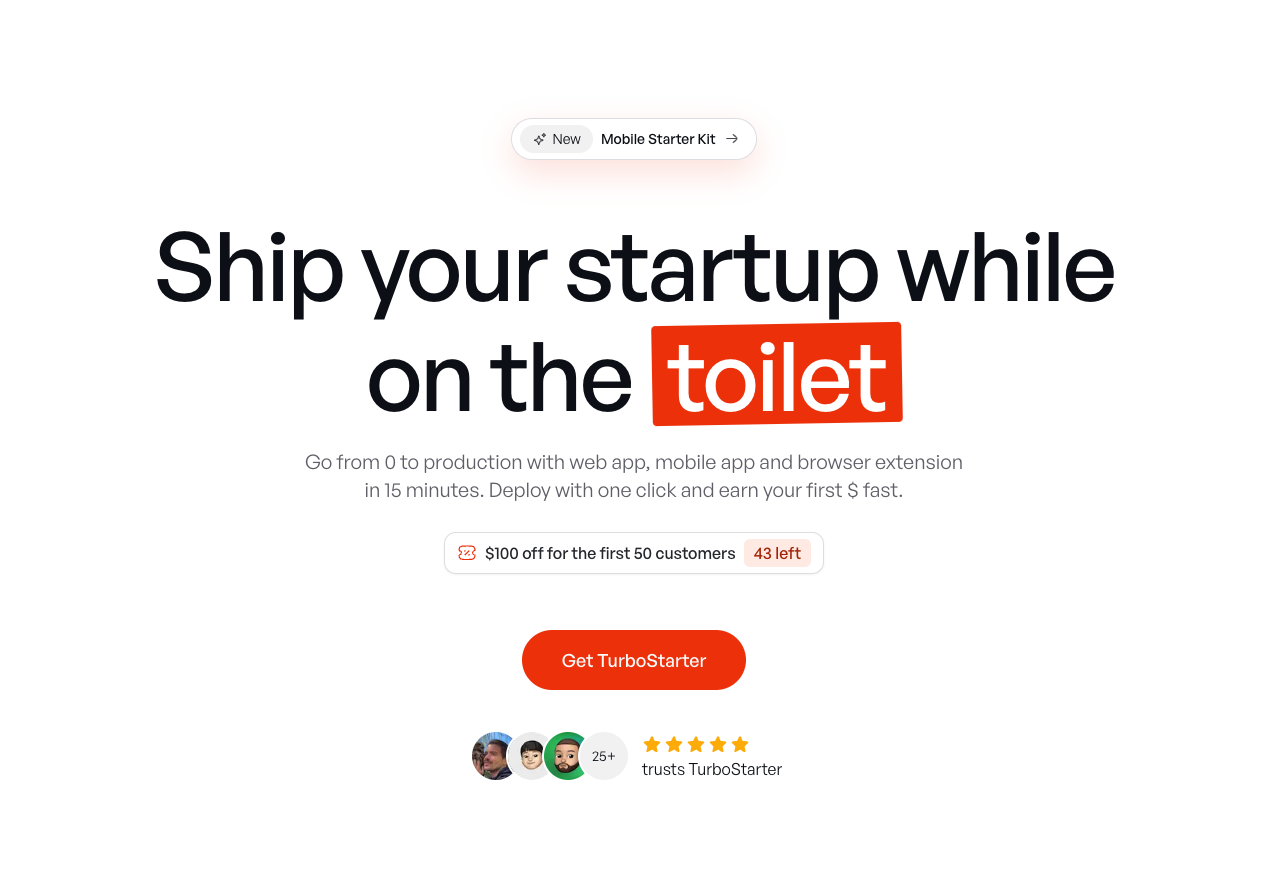
TurboStarter
Ship your startup everywhere. In minutes.
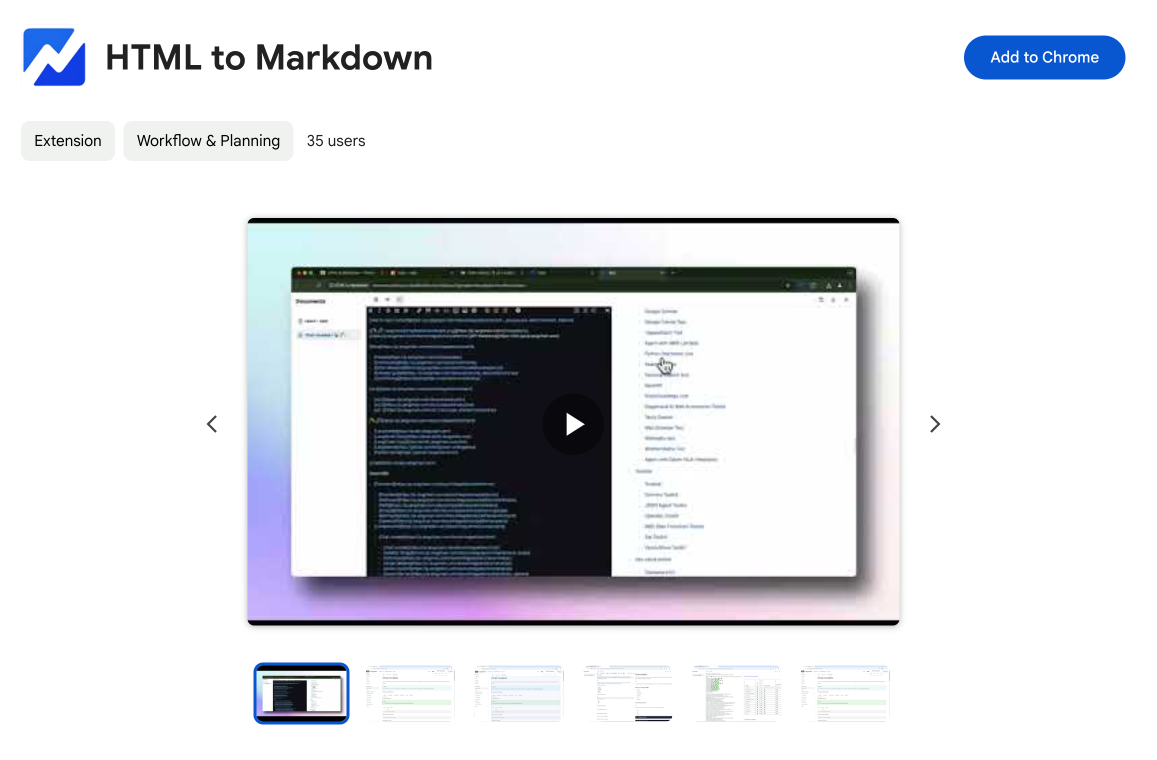
HTML to Markdown
Convert HTML to Markdown with ease, directly in your browser 📄
Dotallio
Personalized AI apps that automate research, data extraction, and content creation without code 🤖
Talk to Santa
Enjoy a magical live video chat or receive a unique AI-generated video greeting from Santa Claus 🎅
pozywka.pl
Scalable blog for food journalist, focused on performance and user experience 🌭
zagrodzki.me
Personal blog and portfolio of Bart Zagrodzki, where he shares his knowledge and work 💼
TurboStarter
Ship your startup everywhere. In minutes.
HTML to Markdown
Convert HTML to Markdown with ease, directly in your browser 📄
Dotallio
Personalized AI apps that automate research, data extraction, and content creation without code 🤖
Talk to Santa
Enjoy a magical live video chat or receive a unique AI-generated video greeting from Santa Claus 🎅
pozywka.pl
Scalable blog for food journalist, focused on performance and user experience 🌭
zagrodzki.me
Personal blog and portfolio of Bart Zagrodzki, where he shares his knowledge and work 💼
TurboStarter
Ship your startup everywhere. In minutes.
HTML to Markdown
Convert HTML to Markdown with ease, directly in your browser 📄
Dotallio
Personalized AI apps that automate research, data extraction, and content creation without code 🤖
Talk to Santa
Enjoy a magical live video chat or receive a unique AI-generated video greeting from Santa Claus 🎅
pozywka.pl
Scalable blog for food journalist, focused on performance and user experience 🌭
zagrodzki.me
Personal blog and portfolio of Bart Zagrodzki, where he shares his knowledge and work 💼
TurboStarter
Ship your startup everywhere. In minutes.
HTML to Markdown
Convert HTML to Markdown with ease, directly in your browser 📄
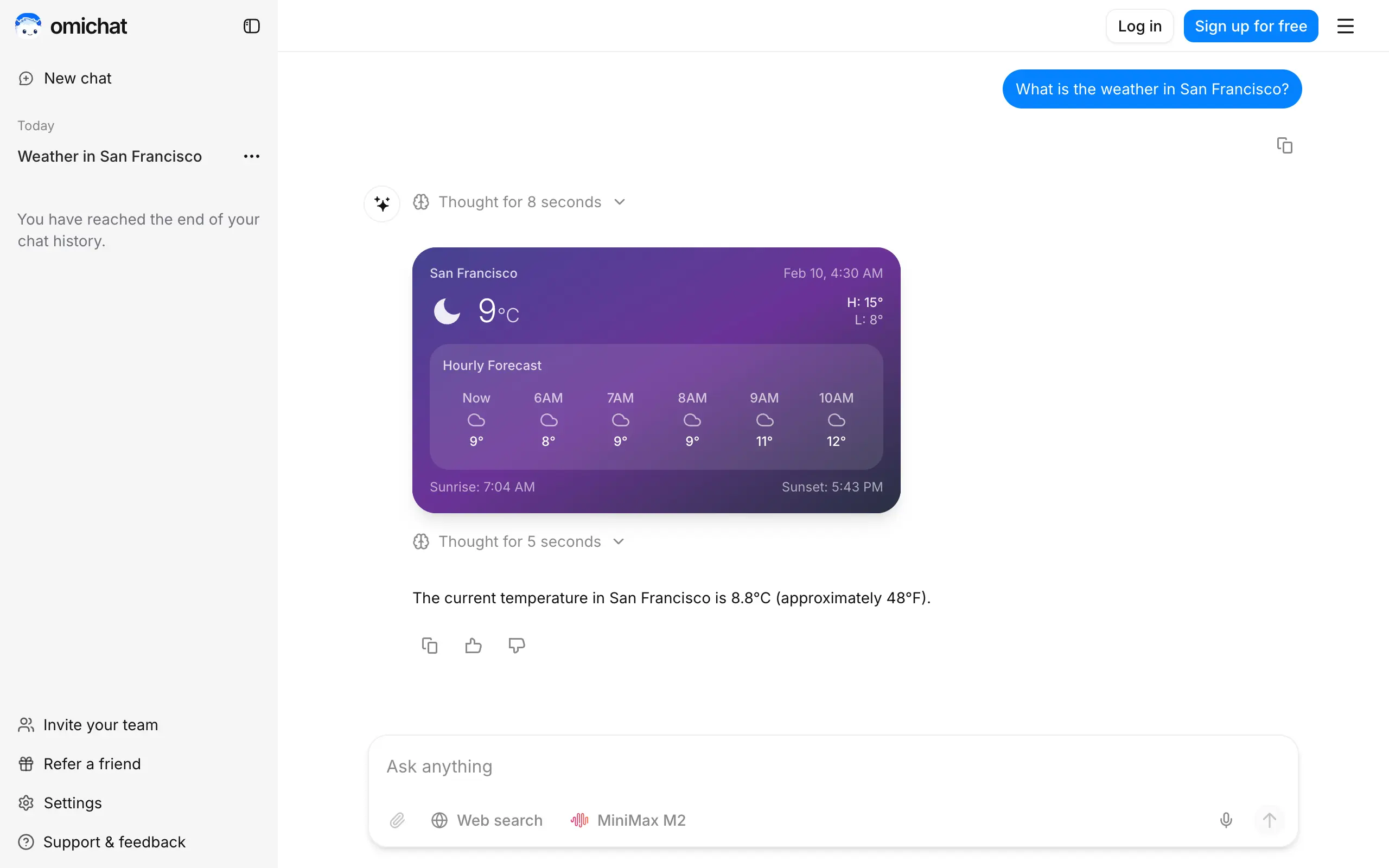
Omichat
Chat with 50+ AI models, including ChatGPT and Claude, in one place - switch models anytime without losing context 🤖
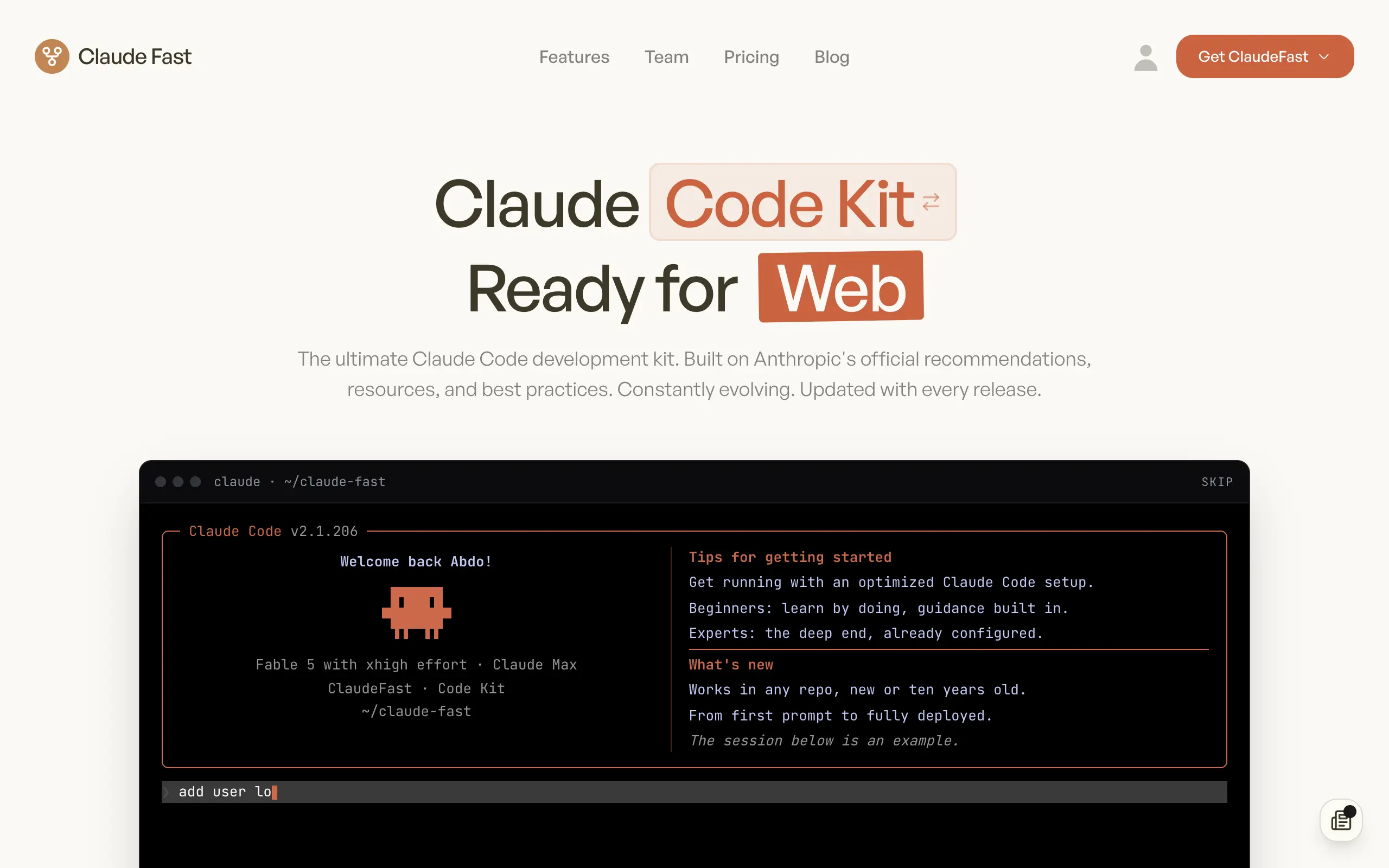
Claude Fast
Supercharge your Claude Code with 6x effective context window and specialized AI agents 🤖
EmojAI
AI-powered emoji picker with smart, context-aware suggestions 🤖
Solohacker
Autonomous company launcher - AI agents work 24/7, escalate what matters, and you stay in control 🤖

BeRawi: Storytelling Coach
Practice storytelling daily with instant feedback to sound clearer, more engaging, and confident 🎤
Omichat
Chat with 50+ AI models, including ChatGPT and Claude, in one place - switch models anytime without losing context 🤖
Claude Fast
Supercharge your Claude Code with 6x effective context window and specialized AI agents 🤖
EmojAI
AI-powered emoji picker with smart, context-aware suggestions 🤖
Solohacker
Autonomous company launcher - AI agents work 24/7, escalate what matters, and you stay in control 🤖
BeRawi: Storytelling Coach
Practice storytelling daily with instant feedback to sound clearer, more engaging, and confident 🎤
Omichat
Chat with 50+ AI models, including ChatGPT and Claude, in one place - switch models anytime without losing context 🤖
Claude Fast
Supercharge your Claude Code with 6x effective context window and specialized AI agents 🤖
EmojAI
AI-powered emoji picker with smart, context-aware suggestions 🤖
Solohacker
Autonomous company launcher - AI agents work 24/7, escalate what matters, and you stay in control 🤖
BeRawi: Storytelling Coach
Practice storytelling daily with instant feedback to sound clearer, more engaging, and confident 🎤
Omichat
Chat with 50+ AI models, including ChatGPT and Claude, in one place - switch models anytime without losing context 🤖
Claude Fast
Supercharge your Claude Code with 6x effective context window and specialized AI agents 🤖
EmojAI
AI-powered emoji picker with smart, context-aware suggestions 🤖
Solohacker
Autonomous company launcher - AI agents work 24/7, escalate what matters, and you stay in control 🤖
BeRawi: Storytelling Coach
Practice storytelling daily with instant feedback to sound clearer, more engaging, and confident 🎤

Connect with like-minded people
Join our community to get feedback, support, and grow together with 1,000+ builders on board, let's ship it!
Join usShip your startup everywhere. In minutes.
Don't burn tokens on setup and start building features on day one.