LifeLedger AI
An AI-powered personal admin assistant that auto-organizes bills, subscriptions, warranties, and documents while spotting savings opportunities in real time.
The future of personal finance: why an AI-powered personal admin assistant matters now
In an era of subscription overload, rising living costs, and digital document chaos, managing personal finances has quietly become a full-time job. The average consumer juggles dozens of recurring payments, insurance policies, warranties, tax documents, and service contracts — often spread across email inboxes, banking apps, and physical folders.
This fragmentation creates three core problems:
- Financial leakage from unused subscriptions and price creep.
- Missed deadlines for renewals, warranty claims, and payments.
- Cognitive overload from constant administrative tasks.
An AI-powered personal admin assistant like LifeLedger AI addresses these pain points head-on. It automatically organizes bills, subscriptions, warranties, and documents — while proactively identifying savings opportunities in real time.
This article provides a comprehensive breakdown of the opportunity behind LifeLedger AI, including target audience analysis, market validation, product architecture, monetization strategy, tech stack recommendations, competitive landscape, and implementation roadmap.
Understanding the core user intent behind LifeLedger AI
When users search for terms like:
- “AI personal finance assistant”
- “organize bills automatically”
- “track subscriptions and save money”
- “personal admin app for documents”
- “AI to reduce monthly expenses”
They are usually seeking one of the following:
- Cost savings and optimization
- Automation of repetitive financial tasks
- Peace of mind and organization
- A centralized dashboard for life admin
LifeLedger AI directly satisfies all of these intents by acting as a digital chief-of-staff for personal finances.
Target audience analysis: who needs an AI personal admin assistant?
A successful B2C SaaS must deeply understand its primary user segments. LifeLedger AI appeals to multiple high-value segments.
1. Busy professionals (25–45 years old)
Pain points:
- Little time to manage bills manually
- Multiple subscriptions across work and personal life
- Frequent relocations or lifestyle upgrades
What they want:
- Automation
- Consolidation
- Alerts before renewals
- Insights into savings
2. Families managing shared finances
Pain points:
- Household subscription chaos
- Insurance and warranty tracking
- Multiple income streams
- Child-related expenses
What they want:
- Shared dashboard
- Smart reminders
- Annual expense breakdowns
- Financial predictability
3. Digital-first millennials and Gen Z
Pain points:
- Subscription-heavy lifestyle (streaming, SaaS, apps)
- BNPL and microtransactions
- Lack of centralized documentation
What they want:
- Real-time spending analysis
- Automated categorization
- Smart cost-cutting suggestions
4. Pre-retirees and retirees
Pain points:
- Managing long-term contracts
- Tracking healthcare costs
- Ensuring documents are accessible
What they want:
- Clarity
- Reduced stress
- Document safety
- Renewal alerts
Market opportunity: why the timing is ideal
The subscription economy is exploding
The global subscription economy has grown significantly over the past decade, with digital services becoming default consumption models. Research from firms like Zuora has highlighted consistent growth in subscription-based revenue models (reference industry subscription economy reports).
This leads to:
- More recurring charges
- More price increases
- More forgotten services
Rising personal finance complexity
Between fintech apps, BNPL services, digital receipts, and paperless billing, financial data is increasingly fragmented.
Users are overwhelmed by:
- Multiple bank accounts
- Investment apps
- Insurance platforms
- Utility providers
There is currently no dominant AI-first personal admin assistant focused specifically on life admin automation.
Market gap
Most tools focus on one of three areas:
- Budgeting
- Investment tracking
- Expense categorization
Few focus on holistic personal administration — especially warranties, renewals, and proactive savings detection.
LifeLedger AI fills this gap by:
✅ Aggregating financial + document data
✅ Detecting savings in real time
✅ Managing contracts and warranties
✅ Acting as a proactive AI assistant
Core value proposition of LifeLedger AI
LifeLedger AI is an AI-powered personal admin assistant that auto-organizes bills, subscriptions, warranties, and documents while spotting savings opportunities in real time.
The differentiation lies in:
- Proactive intelligence, not just passive tracking
- Document management + finance in one
- Real-time savings detection
- Automated categorization using AI
Core features of LifeLedger AI
Below is a breakdown of must-have and differentiating features.
1. Automated document ingestion
Users can:
- Forward emails
- Connect Gmail/Outlook
- Upload PDFs
- Connect bank feeds
- Use OCR scanning
AI extracts:
- Vendor names
- Amounts
- Renewal dates
- Subscription type
- Warranty expiration
2. Smart subscription tracking
Features include:
- Recurring charge detection
- Price change alerts
- Renewal reminders
- Annual cost visualization
3. Warranty & contract management
LifeLedger AI:
- Identifies warranty expiration dates
- Sends pre-expiry alerts
- Stores receipts
- Flags claim windows
4. Real-time savings engine
AI can:
- Detect price creep
- Identify duplicate subscriptions
- Suggest cheaper alternatives
- Flag unused services
5. Unified life dashboard
Users get:
- Monthly financial overview
- Upcoming renewals
- At-risk charges
- Savings suggestions
6. Smart notifications
Rather than generic reminders, LifeLedger AI uses AI-based priority scoring:
- Critical renewal
- Likely waste
- Action recommended
- Informational only
Product architecture overview
Here’s a simplified architecture outline.
// Example conceptual architecture
User
  → Frontend (Next.js)
    → API Layer
      → AI Processing Service
      → Document Parsing Service
      → Financial Data Integrations
      → Database (Postgres)
Core system layers:
- Frontend dashboard
- Backend API
- AI inference layer
- Document processing engine
- Financial integrations
- Notification system
Recommended tech stack (with trade-offs)
Frontend
- Next.js (React-based, SEO-friendly)
- React
- TailwindCSS
Why:
- SSR for performance
- Scalable UI
- Excellent ecosystem
Trade-off:
- Requires structured architecture for maintainability
Backend
- Node.js (with NestJS or Express)
- PostgreSQL
- Redis (for job queues)
Why:
- Scalable
- Strong ecosystem
- Easy AI API integrations
AI Layer
- LLM APIs (OpenAI or similar)
- Document classification model
- OCR via cloud services
Trade-off:
- API cost per user
- Must optimize prompt usage
Integrations
- Banking APIs (Plaid or equivalent)
- Email API (Google OAuth)
- Cloud storage (S3-compatible)
Deployment
- Vercel (frontend)
- AWS or similar for backend services
Feature comparison vs typical personal finance apps
| Feature | Mint-style apps | Budgeting tools | Document vault apps | LifeLedger AI |
|---|---|---|---|---|
| Subscription tracking | ✅ | ❌ | ❌ | ✅ |
| Warranty management | ❌ | ❌ | ✅ | ✅ |
| AI savings suggestions | Limited | ❌ | ❌ | ✅ |
| Proactive admin alerts | ❌ | ❌ | ❌ | ✅ |
Monetization strategy options
LifeLedger AI, as a B2C SaaS, should adopt a hybrid monetization approach.
1. Freemium model
Free tier:
- Limited document storage
- Basic subscription tracking
- Limited alerts
Pro tier ($8–$15/month):
- Unlimited storage
- AI savings detection
- Advanced analytics
- Warranty tracking
2. Savings-based commission
Optional model:
- Take % of verified savings negotiated
- Affiliate commissions for service switching
3. Family plan
- Multi-user household dashboard
- Shared storage
- Premium alerts
4. Financial partnerships
Ethically implemented:
- Insurance comparisons
- Utility switching offers
Trust is critical
Aggressive monetization that compromises user trust will destroy retention. Financial transparency and user control must be prioritized.
Security, privacy, and compliance considerations
Handling financial data requires serious safeguards.
Essential measures:
- End-to-end encryption
- Zero-knowledge storage for sensitive docs
- SOC 2 compliance roadmap
- GDPR compliance
- Bank-level encryption standards
User trust = long-term retention.
Competitive advantage analysis
LifeLedger AI’s competitive moat comes from:
1. AI-first architecture
Most legacy finance apps retrofit AI. LifeLedger AI builds AI into its core workflows.
2. Broader scope
Not just budgeting. Not just subscriptions. Not just documents.
It combines:
- Financial tracking
- Admin management
- Document intelligence
- Savings optimization
3. Proactive intelligence
Instead of dashboards users must check, LifeLedger AI pushes meaningful alerts.
Risks and mitigation strategies
Risk 1: High AI API costs
Mitigation:
- Cache results
- Fine-tune smaller models
- Batch process documents
Risk 2: Data breach risk
Mitigation:
- Security audits
- Encryption-first design
- Limited data retention policies
Risk 3: User churn
B2C SaaS churn can be high.
Mitigation:
- Deliver measurable savings
- Show monthly value report
- Gamify financial wins
Risk 4: Regulatory shifts
Financial API access may change.
Mitigation:
- Diversify integrations
- Build manual upload fallback
Implementation roadmap
Here’s a phased plan for building LifeLedger AI efficiently.
MVP scope definition
To avoid overbuilding, MVP should include:
- Bank integration
- Subscription detection
- Email parsing
- Basic AI categorization
- Renewal reminders
Exclude initially:
- Insurance switching
- Negotiation automation
- Full financial planning tools
Go-to-market strategy
Phase 1: Content-led SEO
Target long-tail keywords:
- “how to track subscriptions automatically”
- “AI app to reduce bills”
- “organize warranties digitally”
Phase 2: Personal finance influencers
- YouTube productivity creators
- TikTok finance micro-creators
Phase 3: Referral engine
Users earn 1 free month per referral.
Why this SaaS stands out in 2026
Three macro trends make LifeLedger AI particularly powerful now:
- AI normalization in consumer apps
- Subscription fatigue
- Growing demand for digital organization
Consumers are ready for AI to manage more of their digital life.
LifeLedger AI becomes the operating system for personal admin.
Actionable next steps for founders
If you’re building LifeLedger AI, here’s what to do immediately:
- Validate with 50–100 beta users.
- Identify top 5 recurring subscription patterns.
- Build automated detection rules.
- Design clean dashboard UX.
- Focus on measurable savings early.
To accelerate development, you can use frameworks like TurboStarter to quickly launch production-ready SaaS infrastructure with authentication, payments, and scalable architecture.
Long-term vision
LifeLedger AI can evolve into:
- AI-powered life CFO
- Automated bill negotiator
- Insurance comparison engine
- Tax document organizer
- Estate planning assistant
The ultimate goal:
A single AI system that manages the entire administrative side of your life.
Final thoughts
The demand for an AI-powered personal admin assistant is no longer hypothetical — it is emerging from real consumer frustration.
LifeLedger AI solves:
- Financial leakage
- Subscription chaos
- Warranty expiration stress
- Document disorganization
- Missed savings opportunities
With the right execution, security standards, and user-centric design, this SaaS has strong potential in the B2C market.
It is not just a budgeting app.
It is not just a document vault.
It is a proactive, intelligent life management system.
If built thoughtfully, LifeLedger AI can become an indispensable tool in millions of households — transforming financial anxiety into clarity, control, and confidence.
More 👥 B2C Application SaaS ideas
Discover more innovative b2c application SaaS ideas that are trending in 2026. Each idea is AI-generated with market validation and growth potential to help you find your next profitable venture faster than competitors.
Your competitors are building with TurboStarter
Below are some of the SaaS ideas that have been generated and built with our starter kit.
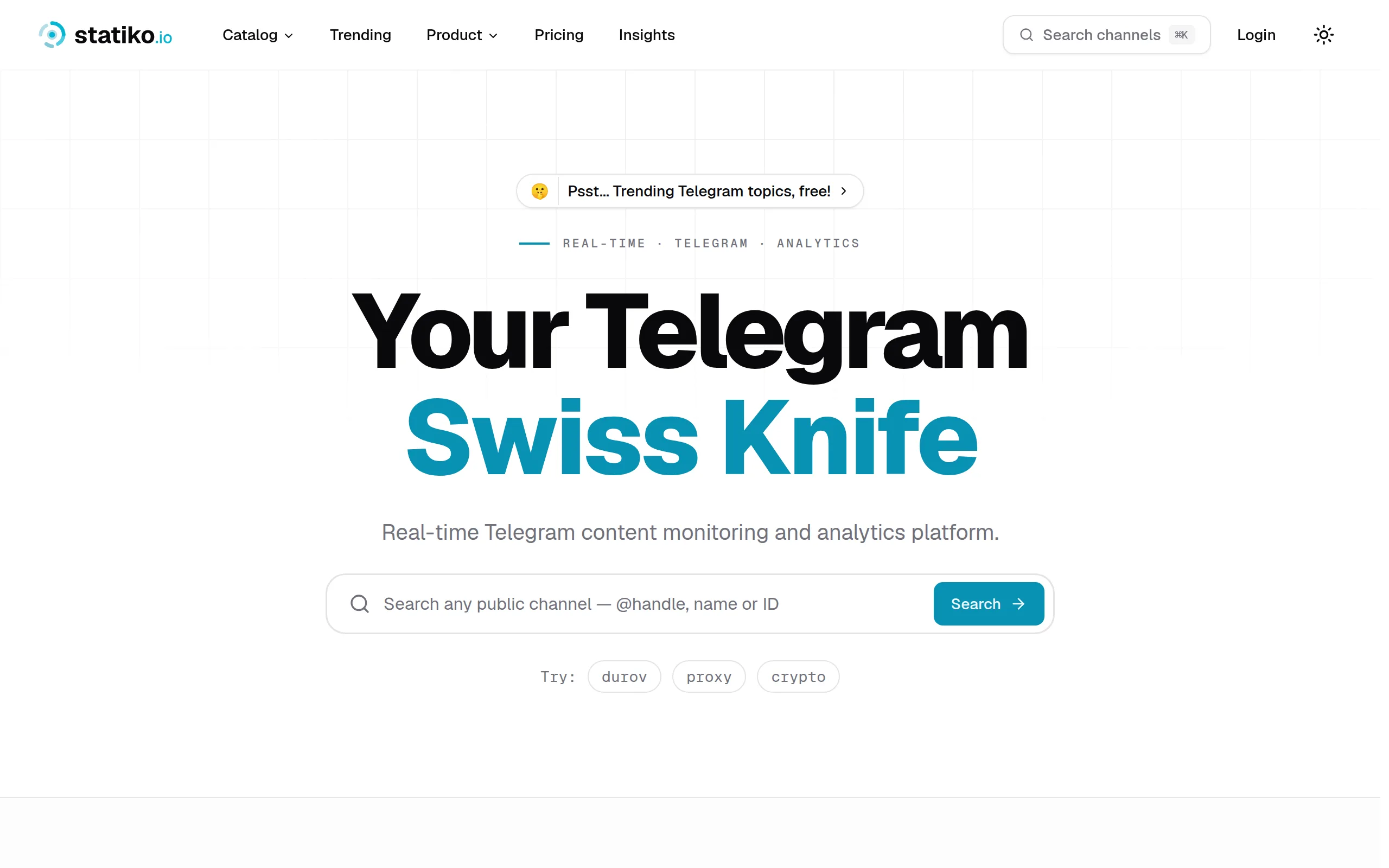
Statiko
Monitor any Telegram channel in real time - track posts, edits, deletions, and growth with AI recaps 📡

Shibui
AI website builder - describe your business, pick a niche template, edit by chatting, and publish instantly ✨

Pro Service
Find verified home service professionals, compare quotes, and pay securely through escrow - built for Brazilians across the US 🏠
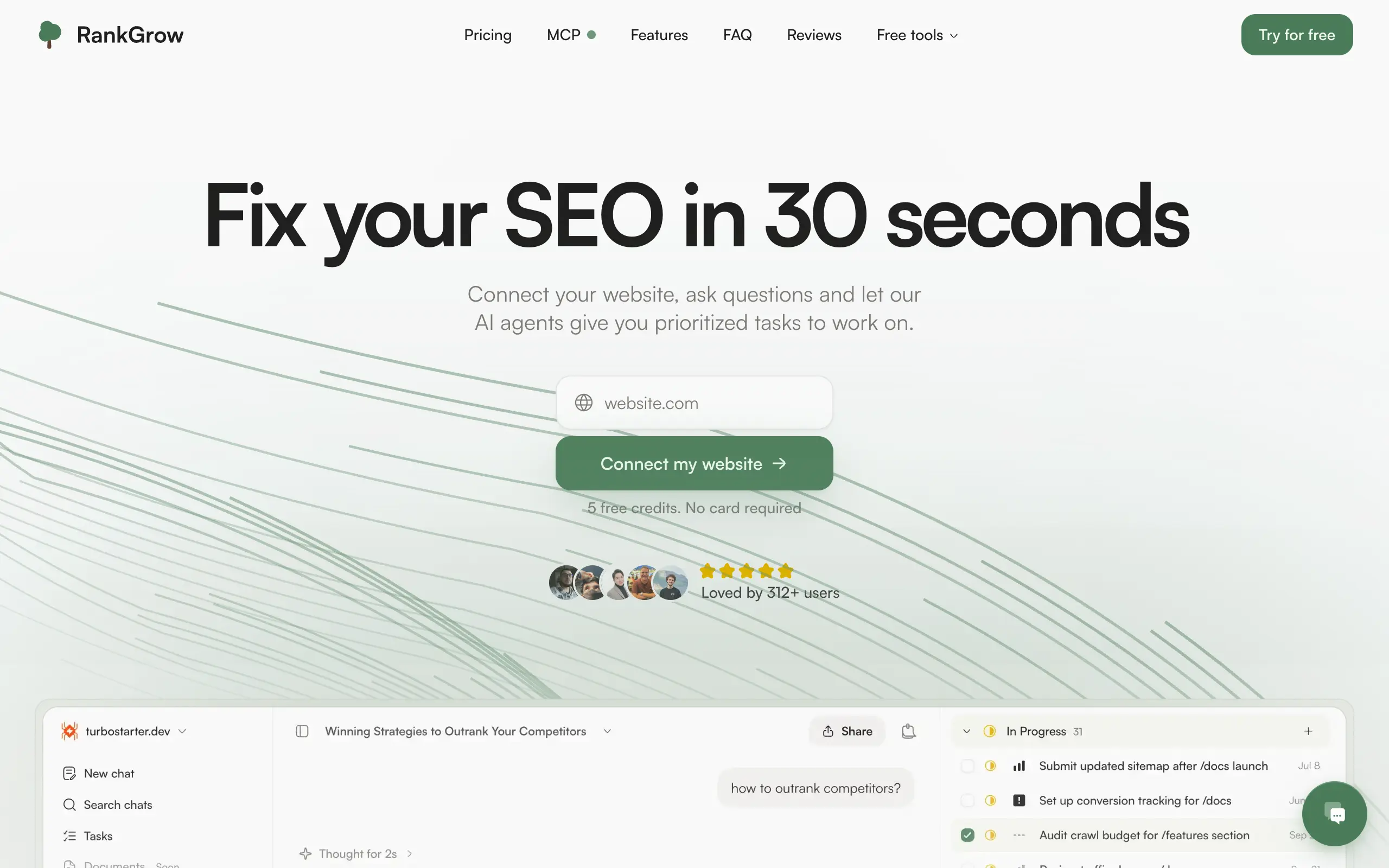
RankGrow
Fix your SEO with AI agents - connect Search Console, get prioritized tasks, and grow organic traffic 📈
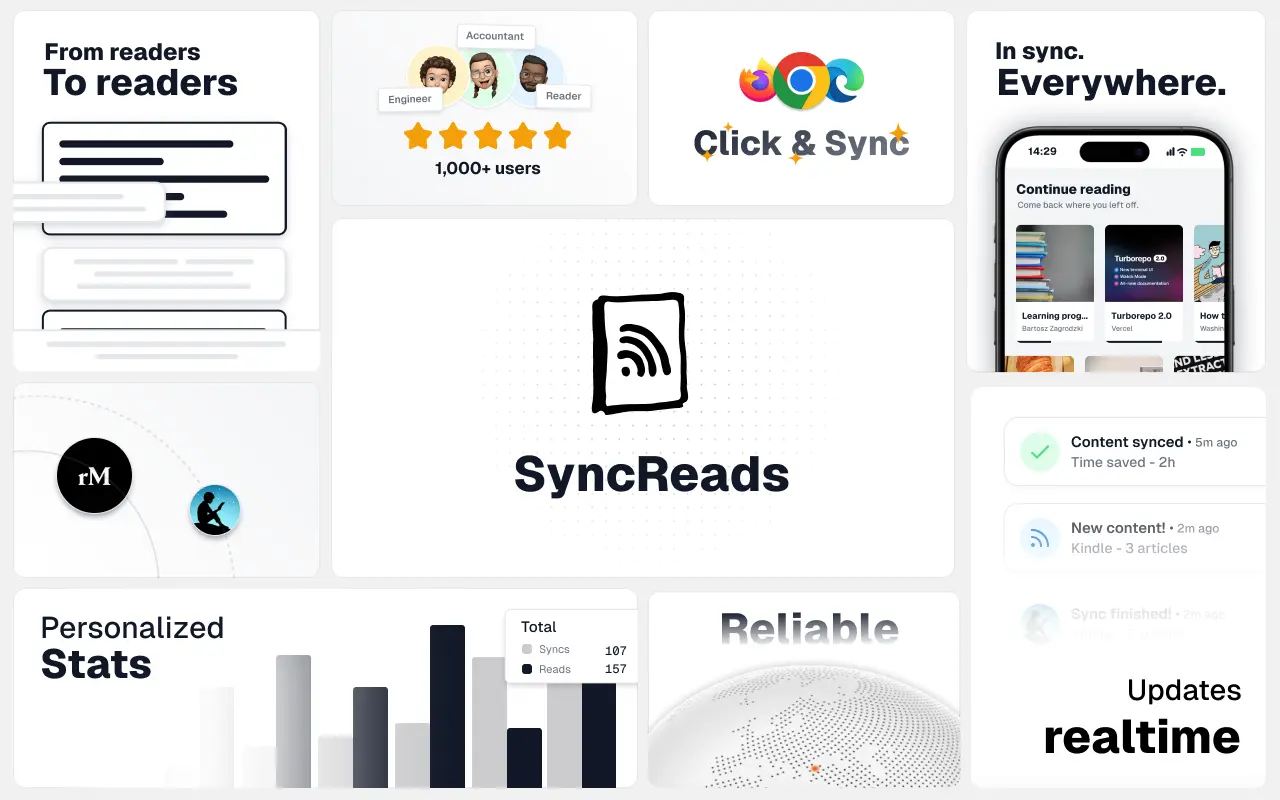
SyncReads
Sync your favorite content for distraction-free reading, save time and replace multiple apps. Anytime, anywhere 🔄
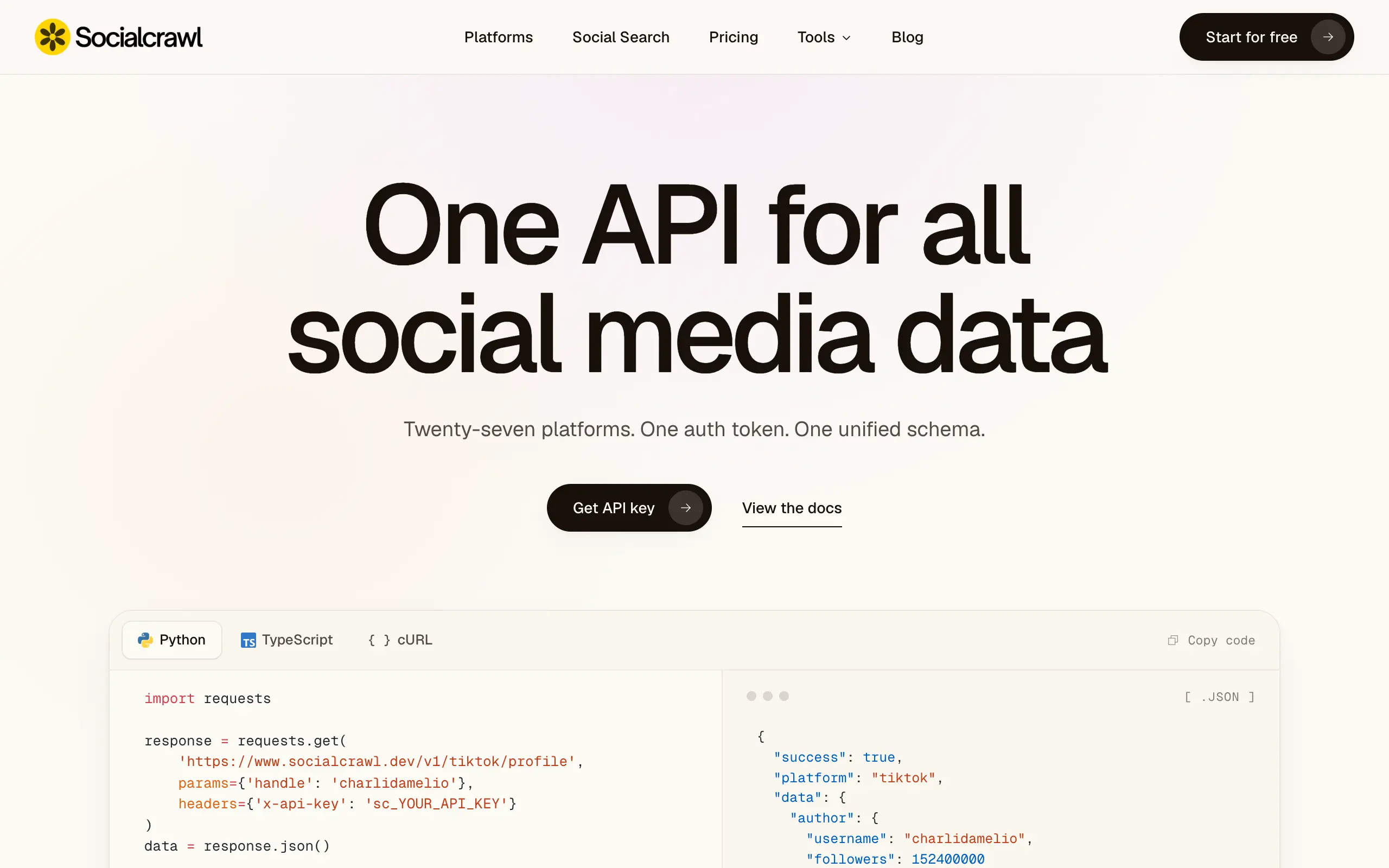
Socialcrawl
Get clean, structured data from 21 platforms like TikTok, Instagram, and YouTube with a single request 📊
Statiko
Monitor any Telegram channel in real time - track posts, edits, deletions, and growth with AI recaps 📡
Shibui
AI website builder - describe your business, pick a niche template, edit by chatting, and publish instantly ✨
Pro Service
Find verified home service professionals, compare quotes, and pay securely through escrow - built for Brazilians across the US 🏠
RankGrow
Fix your SEO with AI agents - connect Search Console, get prioritized tasks, and grow organic traffic 📈
SyncReads
Sync your favorite content for distraction-free reading, save time and replace multiple apps. Anytime, anywhere 🔄
Socialcrawl
Get clean, structured data from 21 platforms like TikTok, Instagram, and YouTube with a single request 📊
Statiko
Monitor any Telegram channel in real time - track posts, edits, deletions, and growth with AI recaps 📡
Shibui
AI website builder - describe your business, pick a niche template, edit by chatting, and publish instantly ✨
Pro Service
Find verified home service professionals, compare quotes, and pay securely through escrow - built for Brazilians across the US 🏠
RankGrow
Fix your SEO with AI agents - connect Search Console, get prioritized tasks, and grow organic traffic 📈
SyncReads
Sync your favorite content for distraction-free reading, save time and replace multiple apps. Anytime, anywhere 🔄
Socialcrawl
Get clean, structured data from 21 platforms like TikTok, Instagram, and YouTube with a single request 📊
Statiko
Monitor any Telegram channel in real time - track posts, edits, deletions, and growth with AI recaps 📡
Shibui
AI website builder - describe your business, pick a niche template, edit by chatting, and publish instantly ✨
Pro Service
Find verified home service professionals, compare quotes, and pay securely through escrow - built for Brazilians across the US 🏠
RankGrow
Fix your SEO with AI agents - connect Search Console, get prioritized tasks, and grow organic traffic 📈
SyncReads
Sync your favorite content for distraction-free reading, save time and replace multiple apps. Anytime, anywhere 🔄
Socialcrawl
Get clean, structured data from 21 platforms like TikTok, Instagram, and YouTube with a single request 📊
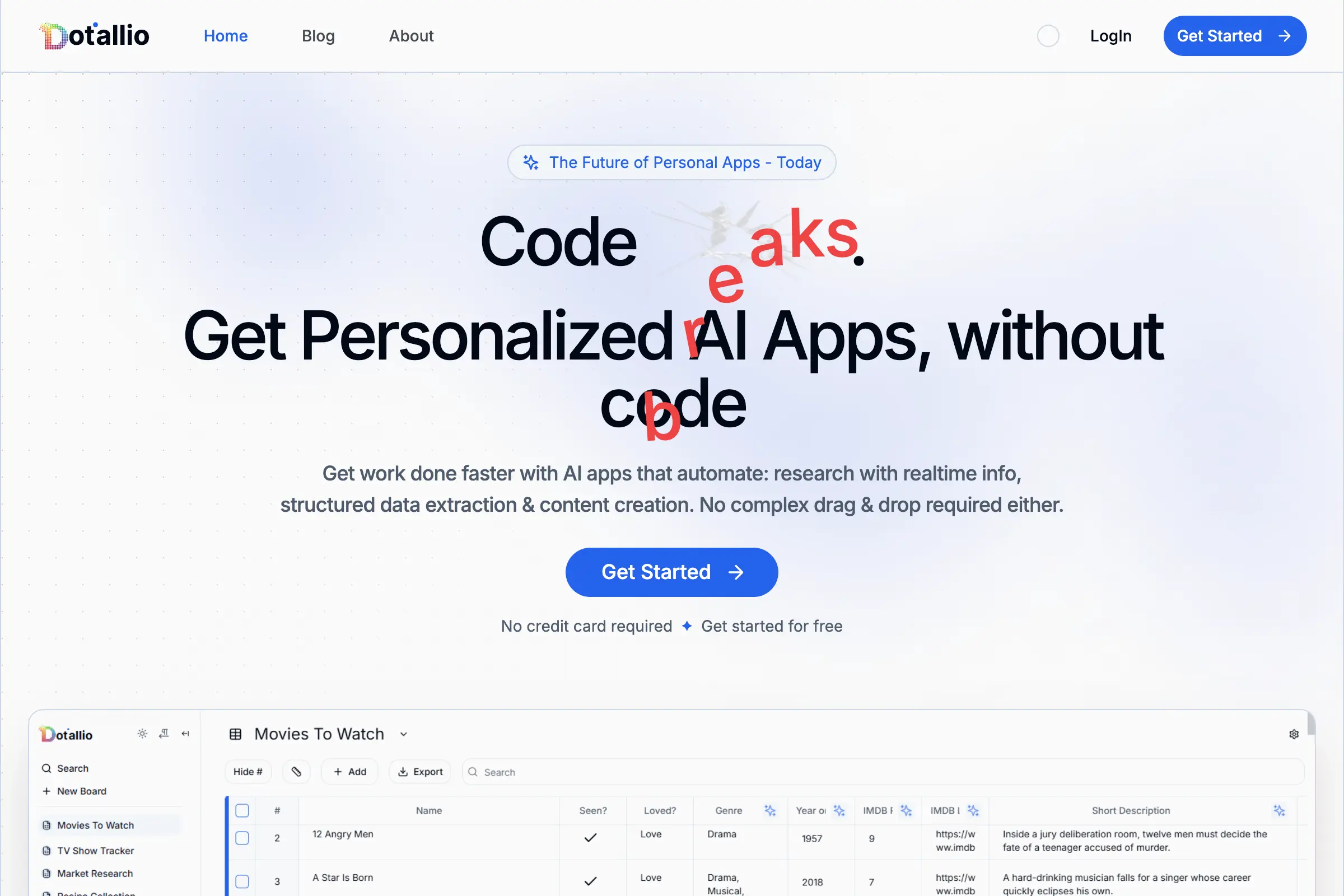
Dotallio
Personalized AI apps that automate research, data extraction, and content creation without code 🤖
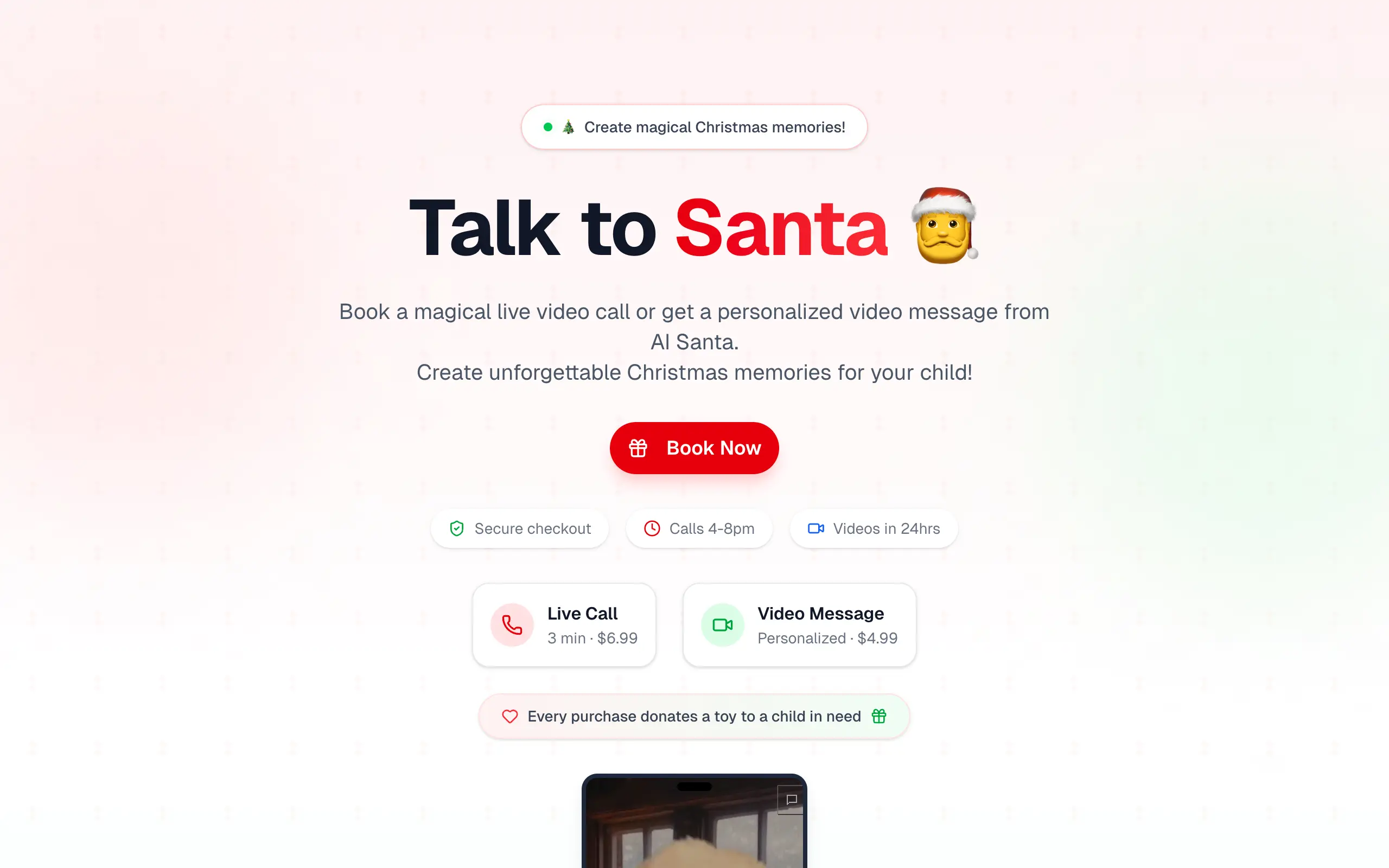
Talk to Santa
Enjoy a magical live video chat or receive a unique AI-generated video greeting from Santa Claus 🎅
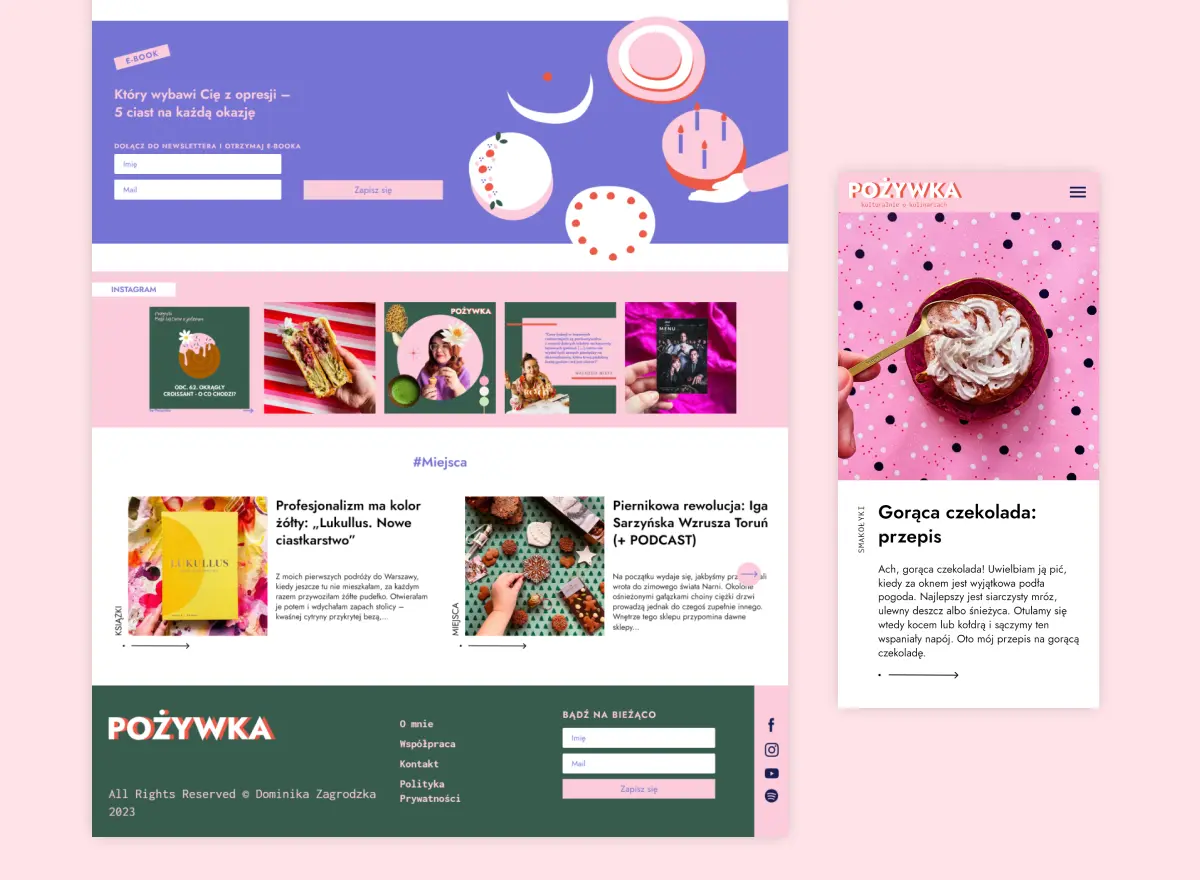
pozywka.pl
Scalable blog for food journalist, focused on performance and user experience 🌭
zagrodzki.me
Personal blog and portfolio of Bart Zagrodzki, where he shares his knowledge and work 💼
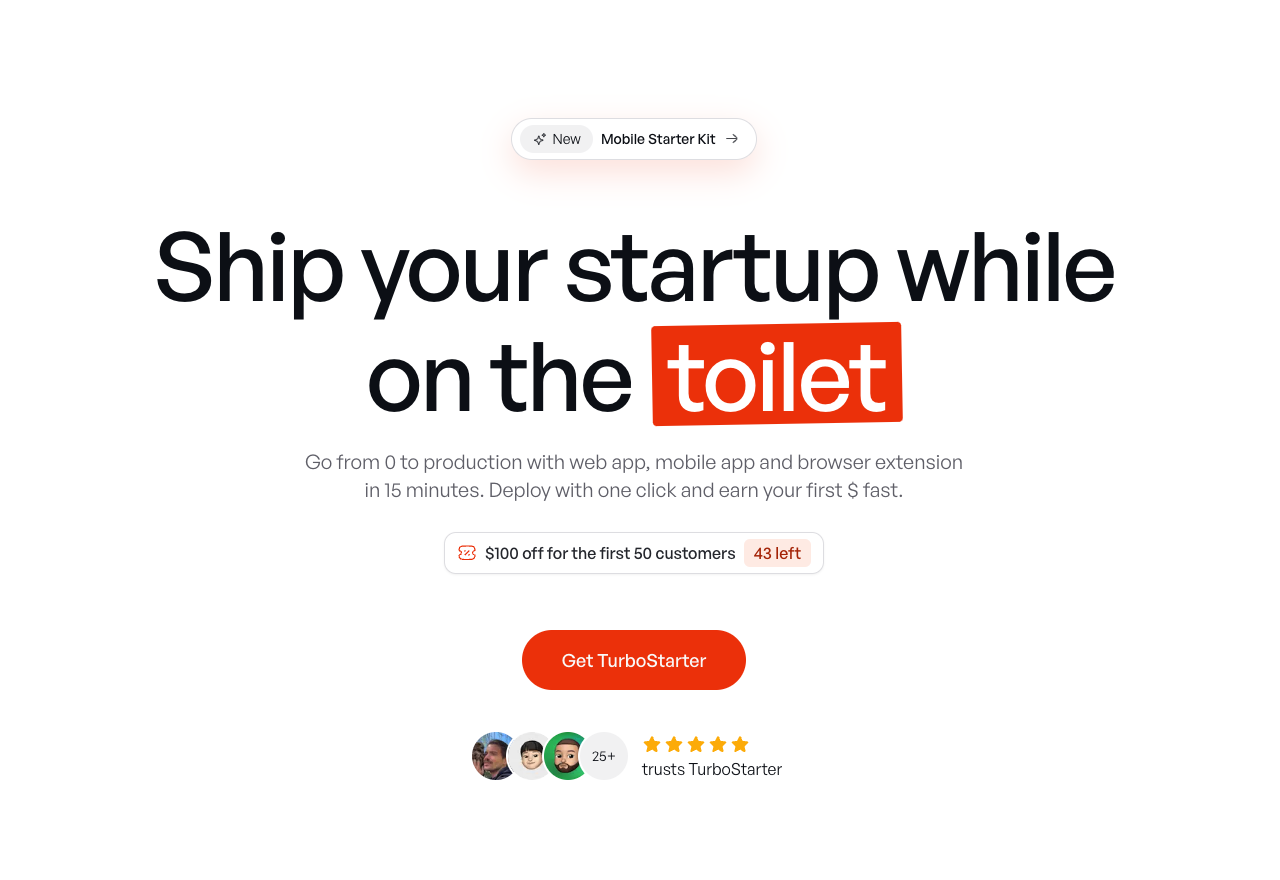
TurboStarter
Ship your startup everywhere. In minutes.
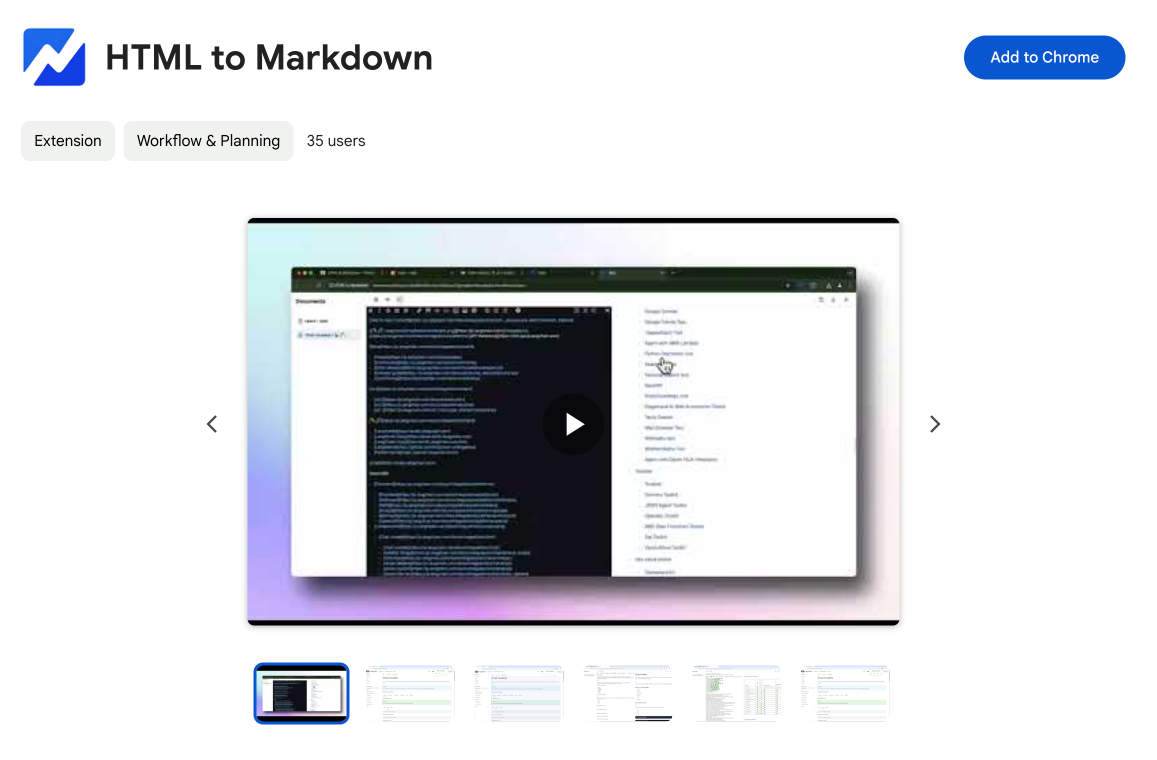
HTML to Markdown
Convert HTML to Markdown with ease, directly in your browser 📄
Dotallio
Personalized AI apps that automate research, data extraction, and content creation without code 🤖
Talk to Santa
Enjoy a magical live video chat or receive a unique AI-generated video greeting from Santa Claus 🎅
pozywka.pl
Scalable blog for food journalist, focused on performance and user experience 🌭
zagrodzki.me
Personal blog and portfolio of Bart Zagrodzki, where he shares his knowledge and work 💼
TurboStarter
Ship your startup everywhere. In minutes.
HTML to Markdown
Convert HTML to Markdown with ease, directly in your browser 📄
Dotallio
Personalized AI apps that automate research, data extraction, and content creation without code 🤖
Talk to Santa
Enjoy a magical live video chat or receive a unique AI-generated video greeting from Santa Claus 🎅
pozywka.pl
Scalable blog for food journalist, focused on performance and user experience 🌭
zagrodzki.me
Personal blog and portfolio of Bart Zagrodzki, where he shares his knowledge and work 💼
TurboStarter
Ship your startup everywhere. In minutes.
HTML to Markdown
Convert HTML to Markdown with ease, directly in your browser 📄
Dotallio
Personalized AI apps that automate research, data extraction, and content creation without code 🤖
Talk to Santa
Enjoy a magical live video chat or receive a unique AI-generated video greeting from Santa Claus 🎅
pozywka.pl
Scalable blog for food journalist, focused on performance and user experience 🌭
zagrodzki.me
Personal blog and portfolio of Bart Zagrodzki, where he shares his knowledge and work 💼
TurboStarter
Ship your startup everywhere. In minutes.
HTML to Markdown
Convert HTML to Markdown with ease, directly in your browser 📄
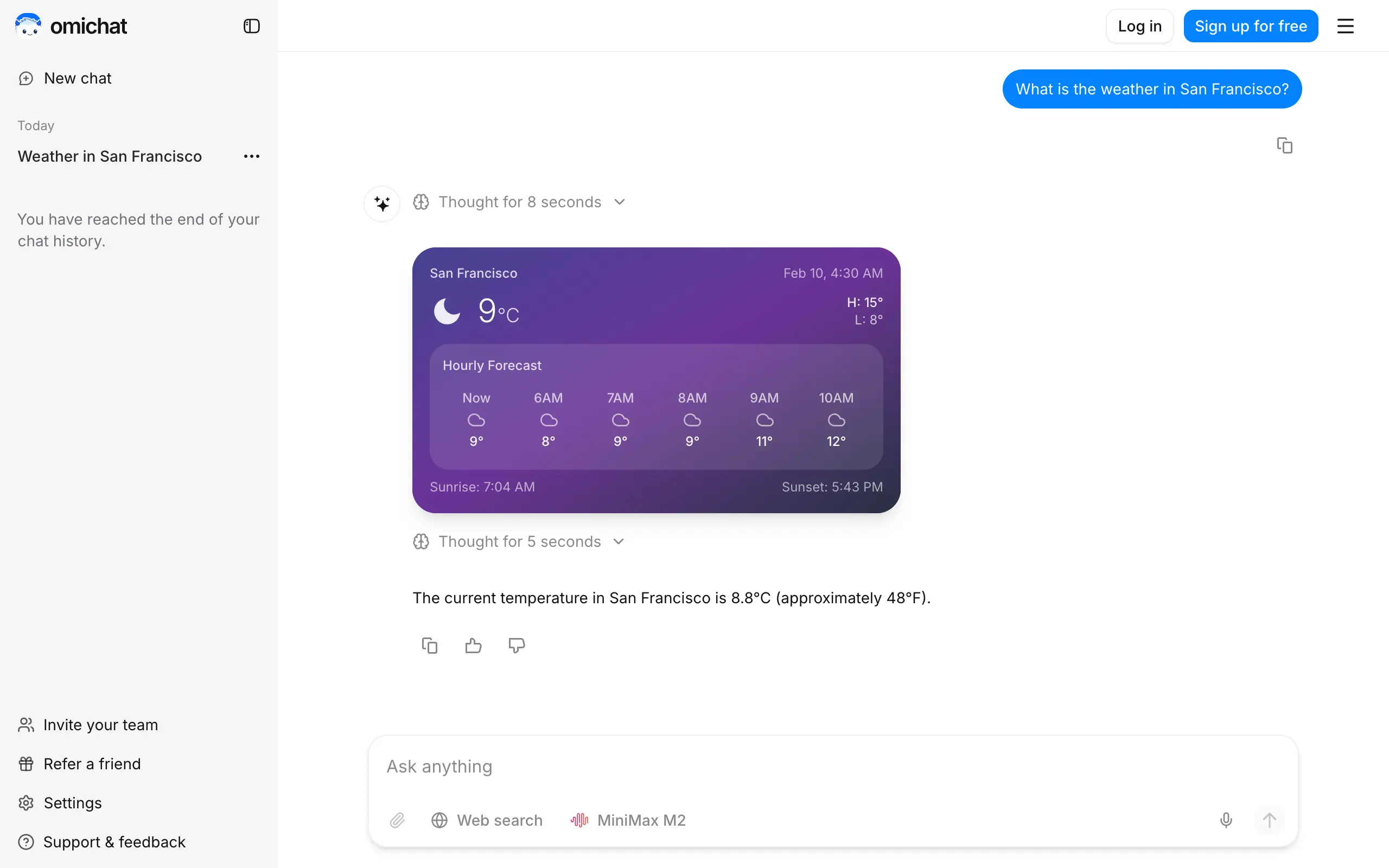
Omichat
Chat with 50+ AI models, including ChatGPT and Claude, in one place - switch models anytime without losing context 🤖
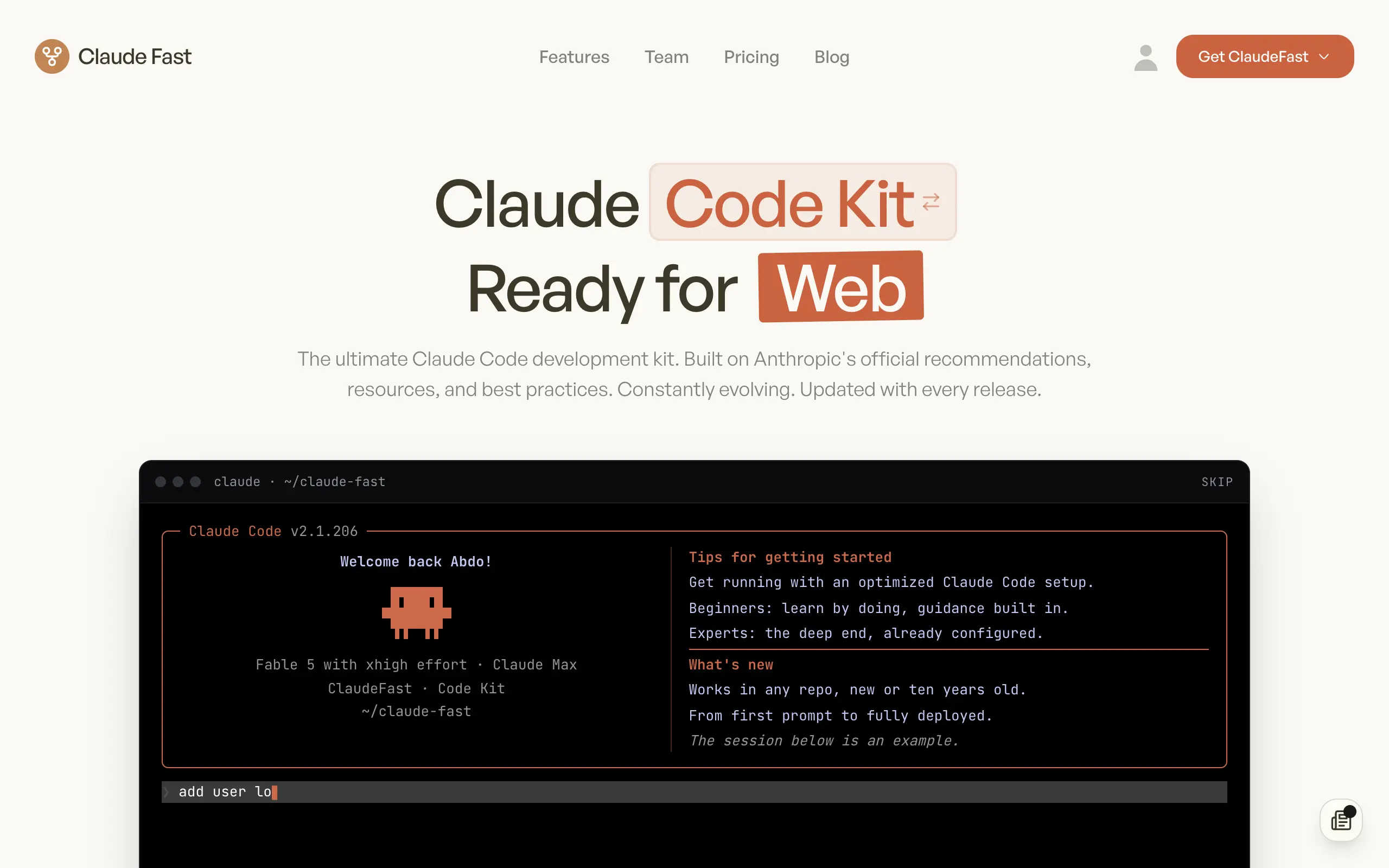
Claude Fast
Supercharge your Claude Code with 6x effective context window and specialized AI agents 🤖
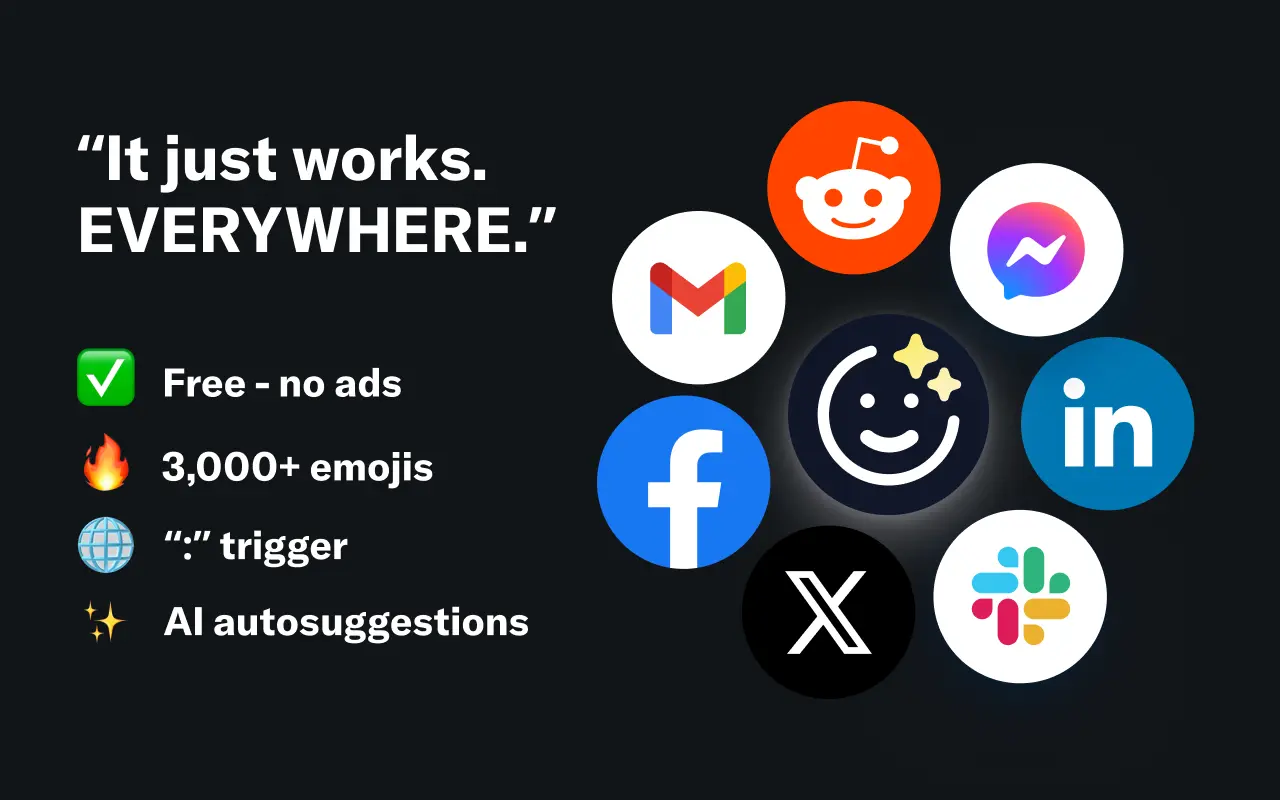
EmojAI
AI-powered emoji picker with smart, context-aware suggestions 🤖
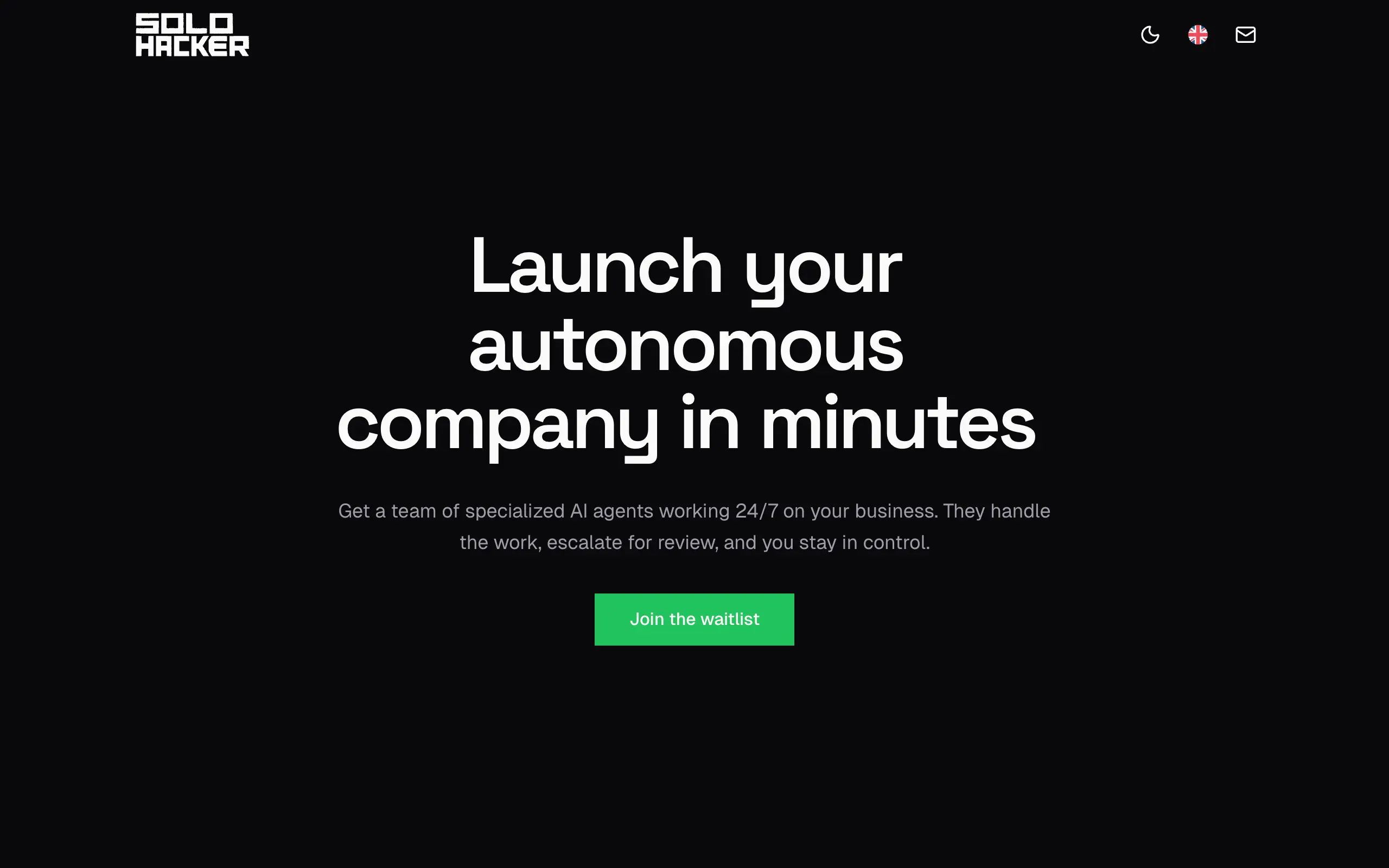
Solohacker
Autonomous company launcher - AI agents work 24/7, escalate what matters, and you stay in control 🤖
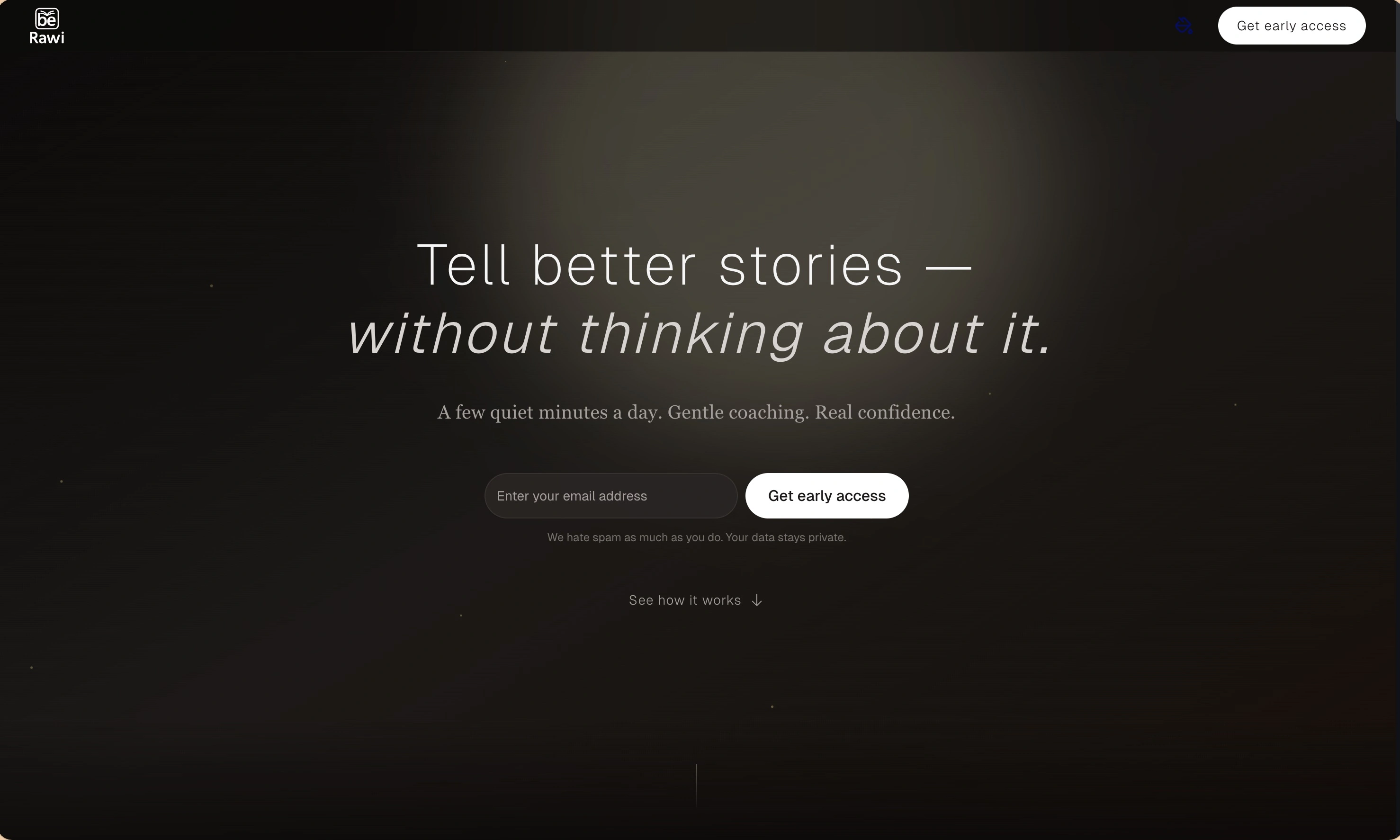
BeRawi: Storytelling Coach
Practice storytelling daily with instant feedback to sound clearer, more engaging, and confident 🎤
Omichat
Chat with 50+ AI models, including ChatGPT and Claude, in one place - switch models anytime without losing context 🤖
Claude Fast
Supercharge your Claude Code with 6x effective context window and specialized AI agents 🤖
EmojAI
AI-powered emoji picker with smart, context-aware suggestions 🤖
Solohacker
Autonomous company launcher - AI agents work 24/7, escalate what matters, and you stay in control 🤖
BeRawi: Storytelling Coach
Practice storytelling daily with instant feedback to sound clearer, more engaging, and confident 🎤
Omichat
Chat with 50+ AI models, including ChatGPT and Claude, in one place - switch models anytime without losing context 🤖
Claude Fast
Supercharge your Claude Code with 6x effective context window and specialized AI agents 🤖
EmojAI
AI-powered emoji picker with smart, context-aware suggestions 🤖
Solohacker
Autonomous company launcher - AI agents work 24/7, escalate what matters, and you stay in control 🤖
BeRawi: Storytelling Coach
Practice storytelling daily with instant feedback to sound clearer, more engaging, and confident 🎤
Omichat
Chat with 50+ AI models, including ChatGPT and Claude, in one place - switch models anytime without losing context 🤖
Claude Fast
Supercharge your Claude Code with 6x effective context window and specialized AI agents 🤖
EmojAI
AI-powered emoji picker with smart, context-aware suggestions 🤖
Solohacker
Autonomous company launcher - AI agents work 24/7, escalate what matters, and you stay in control 🤖
BeRawi: Storytelling Coach
Practice storytelling daily with instant feedback to sound clearer, more engaging, and confident 🎤

Connect with like-minded people
Join our community to get feedback, support, and grow together with 1,000+ builders on board, let's ship it!
Join usShip your startup everywhere. In minutes.
Don't burn tokens on setup and start building features on day one.