LifeLore
Capture your life stories through guided prompts and turn them into beautifully formatted digital memoirs to share with family.
The growing demand for digital memoir platforms like LifeLore
In an era where we document daily moments on social media but rarely preserve meaningful life stories, there’s a clear gap between content creation and legacy preservation. LifeLore—a guided digital memoir platform—addresses this gap by helping individuals capture their life stories through structured prompts and transform them into beautifully formatted memoirs for family and future generations.
This article provides a deep, expert-level analysis of the digital memoir SaaS opportunity, including:
- Target audience insights
- Market opportunity and validation
- Core features and UX strategy
- Recommended tech stack
- Monetization models
- Competitive landscape
- Risks and mitigation
- Step-by-step implementation roadmap
If you're exploring launching a life story app, validating a memoir writing SaaS idea, or building a legacy preservation platform, this guide will give you strategic clarity grounded in real market dynamics.
Understanding user intent: why people want a digital memoir platform
Users searching for:
- “How to write my life story”
- “Best memoir writing app”
- “Create digital memoir for family”
- “Preserve family history online”
- “Guided life story questions”
…are typically seeking clarity, structure, and ease.
Most people want to document their life but:
- Don’t know where to start
- Feel overwhelmed by blank pages
- Lack writing confidence
- Want a beautiful final product
- Desire something shareable with children or grandchildren
LifeLore’s core value proposition is simple but powerful:
“We guide you through telling your story—and turn it into a lasting digital legacy.”
This directly aligns with emotional intent: connection, memory preservation, and meaning-making.
Target audience analysis
LifeLore is a B2C SaaS, but the audience segments are distinct and psychologically nuanced.
1. Primary audience: adults 45+
This is the core memoir-writing demographic.
Profile characteristics:
- Aged 45–75
- Reflective life stage (retirement, empty nesters, milestone birthdays)
- High emotional motivation
- Moderate tech comfort (needs simplicity)
- Strong family orientation
Pain points:
- “I don’t know how to start.”
- “I’m not a good writer.”
- “I want my grandchildren to know my story.”
- “I don’t want my memories lost.”
This segment values:
- Ease of use
- Gentle guidance
- Emotional safety
- Beautiful formatting
- Print or digital export options
2. Secondary audience: gift buyers (25–45)
This is a powerful growth lever.
Profile:
- Adult children
- Spouses
- Grandchildren
- Occasion-based buyers (Mother’s Day, Father’s Day, birthdays)
For them, LifeLore becomes:
- A meaningful gift
- A family bonding tool
- A legacy project
Marketing angle:
“Give your parents the gift of preserving their story.”
3. Tertiary audience: estate planners and senior communities
Potential B2B2C opportunity:
- Retirement homes
- Assisted living facilities
- Family therapists
- Estate planning advisors
These partnerships expand reach and increase retention.
Market opportunity and validation
The aging population trend
According to data from the U.S. Census Bureau and the World Health Organization (reference official reports), the global 60+ population is growing rapidly. This demographic:
- Has time for reflection
- Values legacy
- Is increasingly comfortable online
This makes digital memoir SaaS not just viable—but timely.
The journaling and personal growth boom
The broader journaling and reflection market includes:
- Digital journaling apps
- Mental wellness platforms
- AI writing assistants
- Guided gratitude apps
Search trends show sustained interest in:
- “Guided journal”
- “Write a memoir”
- “Legacy planning”
- “Family history app”
The emotional wellness industry is also expanding, reinforcing the psychological relevance of memoir writing.
Competitive landscape analysis
Key categories include:
- Traditional journaling apps
- Memoir writing books
- AI writing tools
- Scrapbooking platforms
- Print-on-demand memory books
However, most fail to combine:
✅ Guided life-stage prompts
✅ Structured memoir-building framework
✅ Beautiful formatting engine
✅ Family-sharing functionality
✅ Emotional positioning
Let’s compare strategically:
| Feature | LifeLore | Generic journaling app | AI writing tool | Scrapbook platform | Word processor |
|---|---|---|---|---|---|
| Guided life prompts | ✅ | ❌ | ❌ | ❌ | ❌ |
| Memoir structure | ✅ | ❌ | ✅ | ❌ | ❌ |
| Auto-formatting | ✅ | ❌ | ❌ | ✅ | ❌ |
| Family sharing | ✅ | ❌ | ❌ | ✅ | ❌ |
| Legacy positioning | ✅ | ❌ | ❌ | ✅ | ❌ |
LifeLore’s opportunity lies in owning the “digital legacy memoir” category, not just journaling.
Core features of LifeLore
To deliver on its promise, LifeLore must balance emotional design with technical simplicity.
1. Guided life-stage prompts
Instead of a blank editor, provide structured sections:
- Childhood memories
- Teenage years
- Early career
- Love and relationships
- Parenthood
- Life lessons
- Defining challenges
- Advice for future generations
Prompts should be:
- Gentle
- Reflective
- Open-ended
- Expandable
Example prompt:
“What is your earliest memory of feeling proud of yourself?”
2. Adaptive prompt engine (future differentiation)
Over time, introduce:
- AI-assisted follow-up questions
- Tone enhancement suggestions
- Narrative continuity improvements
But positioning matters: This should feel like support, not ghostwriting.
3. Memoir auto-formatting system
Users shouldn’t design layouts manually.
LifeLore should:
- Organize entries into chapters
- Apply typography themes
- Generate a polished digital book
- Allow export as:
- Shareable web link
- EPUB
- Print-ready file
4. Multimedia integration
Memories are richer with:
- Photos
- Audio recordings
- Scanned letters
- Voice-to-text entries
Voice input is especially important for older users.
5. Private family sharing
Allow:
- Invite-only access
- Commenting
- Memory reactions
- Collaborative additions (optional)
Security and privacy must be clear and transparent.
6. Milestone reminders
Encourage consistency:
- Weekly reflection reminders
- Themed writing months
- Anniversary-based prompts
Retention is crucial in B2C SaaS.
Recommended tech stack for LifeLore
Building a digital memoir SaaS requires stability, performance, and scalable document generation.
Frontend
- React – component-driven UI
- Next.js – SEO + performance
- TailwindCSS – rapid styling
Trade-off: Next.js improves SEO but requires thoughtful caching for dynamic memoir content.
Backend
- Node.js with API routes
- PostgreSQL (structured memoir storage)
- Cloud storage for images/audio (e.g., S3-compatible service)
Alternative:
- Supabase for faster MVP build
PDF generation
Options include:
- Server-side rendering to PDF
- Headless browser rendering
- Dedicated PDF generation libraries
Trade-off: High-fidelity PDF generation increases server cost but improves perceived value.
Authentication
- Email + magic link
- Social login (optional)
- Strong encryption for memoir privacy
AI integration (optional phase 2)
- Narrative polishing
- Prompt suggestions
- Voice transcription
Careful UX communication required: Users must feel ownership of their story.
Monetization strategy for LifeLore
B2C SaaS monetization must align with emotional value.
Option 1: Freemium + subscription
Free tier:
- Limited prompts
- Watermarked export
- Basic formatting
Premium ($8–15/month):
- Unlimited memoir chapters
- Premium themes
- Full export
- Family sharing
- Print-ready files
Option 2: One-time lifetime purchase
Ideal for older demographic resistant to subscriptions.
- $49–$99 lifetime access
Option 3: Print-on-demand revenue
High-margin opportunity:
- Hardcover memoir books
- Premium printing
- Gift bundles
This can significantly increase average revenue per user (ARPU).
Option 4: Gift codes
Seasonal marketing:
- Mother’s Day
- Father’s Day
- Christmas
- Retirement celebrations
Competitive advantage and unique selling proposition
LifeLore’s differentiation must be clear:
“We don’t help you journal. We help you leave a legacy.”
Key competitive advantages:
- Emotion-first UX
- Guided structure (not blank canvas)
- Memoir-specific formatting
- Family-sharing focus
- Print-ready output
Most competitors optimize for writing productivity.
LifeLore optimizes for meaning and memory.
That distinction is powerful.
Risks and mitigation strategies
Risk 1: Low completion rate
Memoir writing is long-form.
Mitigation:
- Micro-prompts (5-minute stories)
- Progress tracking
- Completion milestones
- Celebratory feedback
Risk 2: Older users struggle with tech
Mitigation:
- Large fonts
- Simple navigation
- Minimal UI clutter
- Video tutorials
- Optional onboarding walkthrough
Risk 3: Privacy concerns
Life stories are deeply personal.
Mitigation:
- Clear privacy policy
- Explicit data ownership statement
- Download/delete anytime
- End-to-end encryption for sensitive data
Risk 4: Emotional fatigue
Some memories are painful.
Design consideration
Include optional “Skip this section” or “Come back later” prompts to reduce pressure.
UX principles that drive retention
LifeLore should feel:
- Calm
- Warm
- Personal
- Non-judgmental
Avoid:
- Gamification overload
- Competitive leaderboards
- Social pressure
Instead emphasize:
- Gentle encouragement
- Milestone celebration
- Emotional validation
SEO growth strategy for LifeLore
To rank for high-intent keywords:
Target clusters such as:
- “how to write a memoir”
- “memoir writing prompts”
- “preserve family stories”
- “create a digital legacy”
- “questions to ask grandparents about their life”
Create:
- Long-form educational blog content
- Downloadable prompt PDFs
- Intergenerational conversation guides
- Retirement planning legacy articles
Content marketing is crucial for B2C organic acquisition.
Implementation roadmap
Here’s a practical build strategy.
Building efficiently with a SaaS foundation
Instead of building authentication, billing, and dashboard infrastructure from scratch, you can accelerate development using a production-ready SaaS starter kit like TurboStarter.
This allows you to focus on:
- Prompt quality
- Memoir formatting engine
- UX refinement
- Emotional differentiation
Rather than reinventing:
- Auth systems
- Payment flows
- User management
- Core SaaS plumbing
Go-to-market strategy
Phase 1: Organic + storytelling
- Share emotional stories on social media
- Use user testimonials
- Partner with parenting influencers
- Target Facebook groups for retirees
Phase 2: Gift campaigns
Seasonal ads:
- “Don’t let their stories disappear.”
- “Record mom’s life before it’s too late.”
Emotion-driven marketing works here.
Phase 3: Partnerships
- Senior communities
- Estate planners
- Therapy practices
- Memory care organizations
Long-term expansion opportunities
LifeLore could evolve into:
- Family collaborative history timelines
- AI-powered biography generation
- Interview mode (children ask, parents answer)
- Voice-first memoir creation
- Family tree integration
The long-term vision: A digital legacy ecosystem.
Why LifeLore can win
The digital world has optimized for short-form content.
But humans crave:
- Meaning
- Reflection
- Connection
- Story
LifeLore sits at the intersection of:
- Aging demographics
- Emotional wellness
- Family connection
- Digital preservation
That combination creates a defensible and meaningful SaaS opportunity.
Final thoughts and actionable next steps
If you’re building LifeLore or a similar digital memoir SaaS, here’s what to do next:
- Validate emotional resonance before building features
- Prioritize simplicity over complexity
- Make formatting magical and automatic
- Treat privacy as sacred
- Focus on legacy—not productivity
The strongest SaaS products don’t just solve problems.
They fulfill emotional needs.
LifeLore has the potential to become the platform families use to preserve stories for generations.
If executed with clarity, empathy, and technical excellence, LifeLore can define the modern standard for digital memoir creation and legacy preservation.
More 👥 B2C Application SaaS ideas
Discover more innovative b2c application SaaS ideas that are trending in 2026. Each idea is AI-generated with market validation and growth potential to help you find your next profitable venture faster than competitors.
Your competitors are building with TurboStarter
Below are some of the SaaS ideas that have been generated and built with our starter kit.
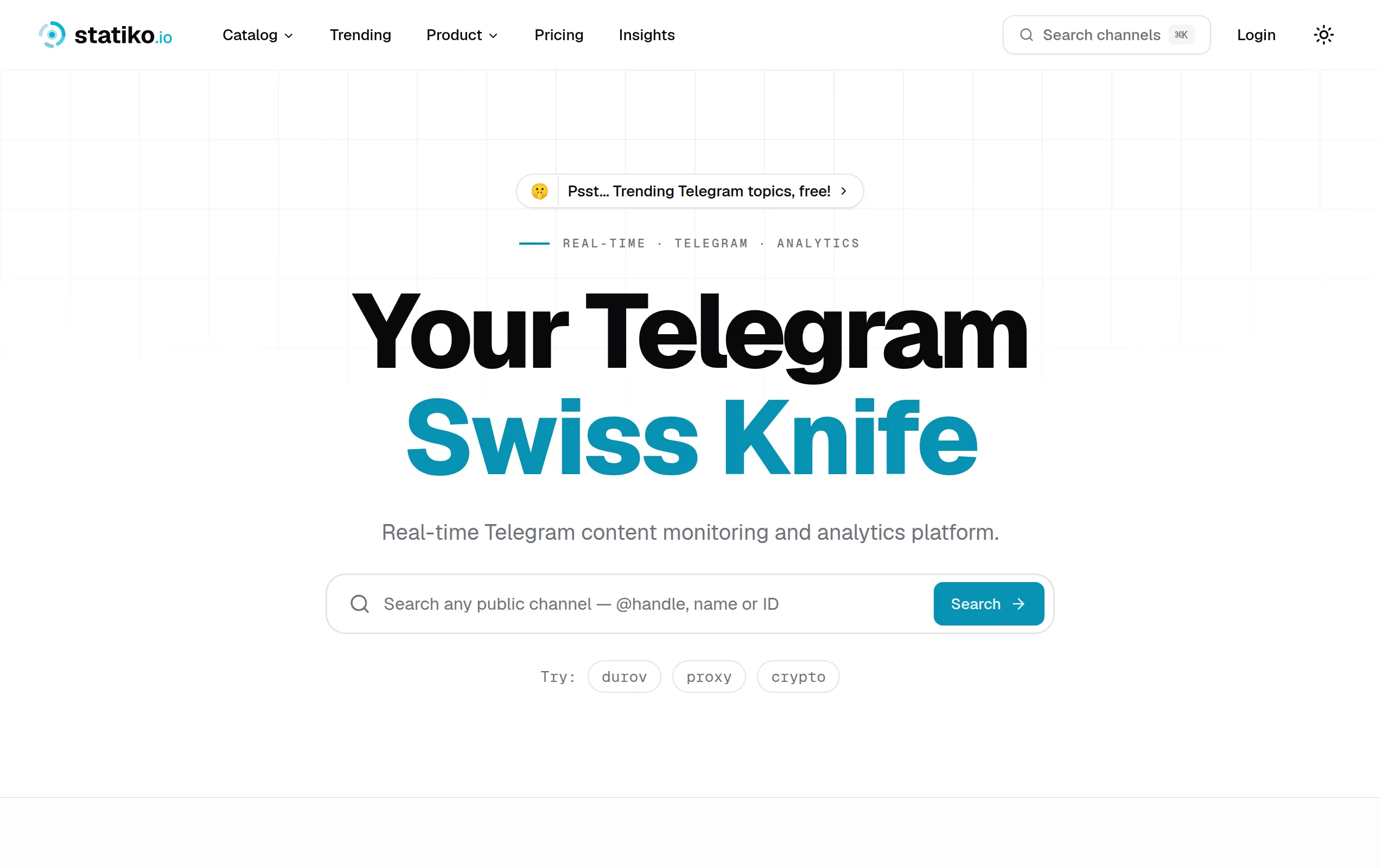
Statiko
Monitor any Telegram channel in real time - track posts, edits, deletions, and growth with AI recaps 📡

Shibui
AI website builder - describe your business, pick a niche template, edit by chatting, and publish instantly ✨

Pro Service
Find verified home service professionals, compare quotes, and pay securely through escrow - built for Brazilians across the US 🏠
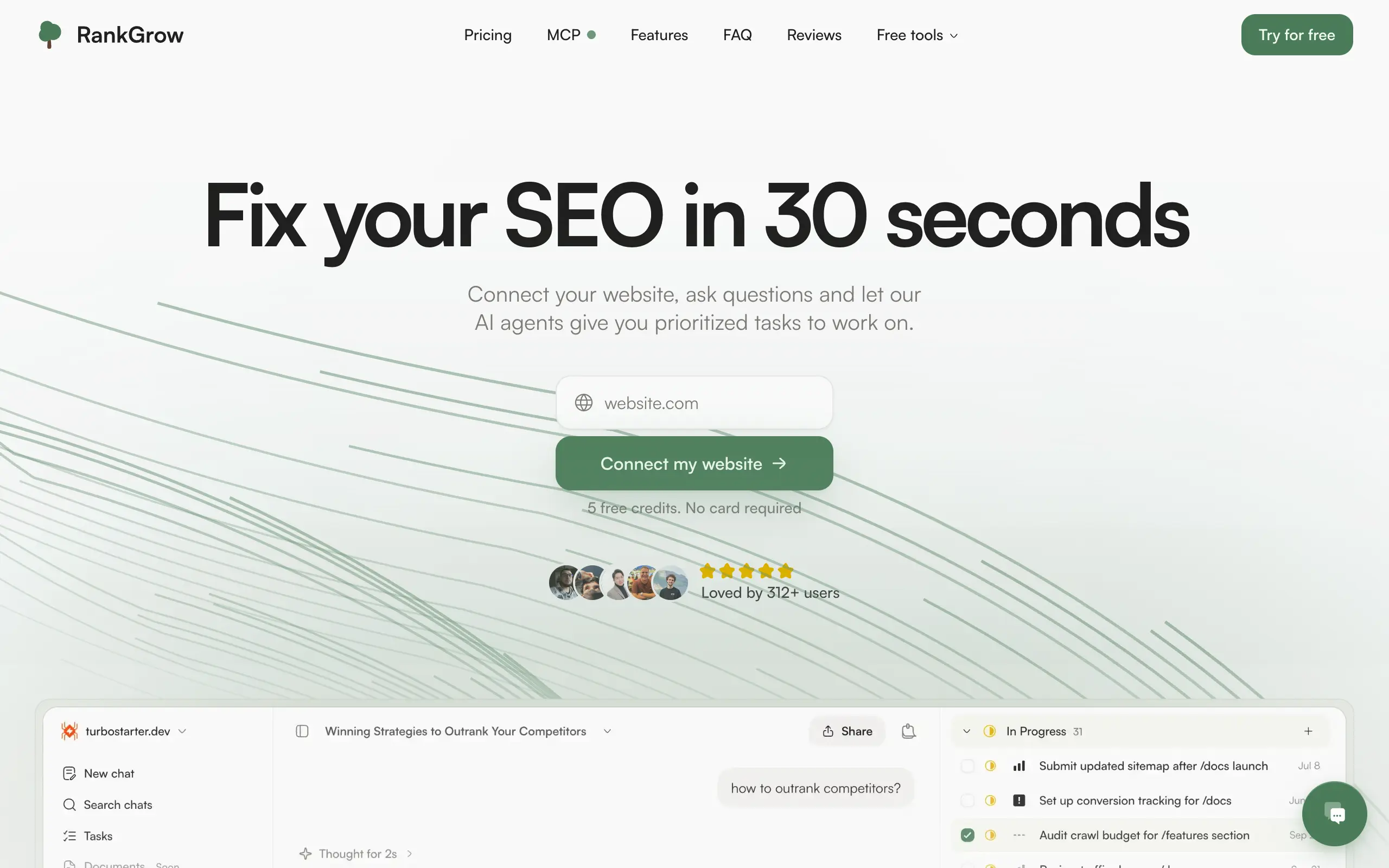
RankGrow
Fix your SEO with AI agents - connect Search Console, get prioritized tasks, and grow organic traffic 📈
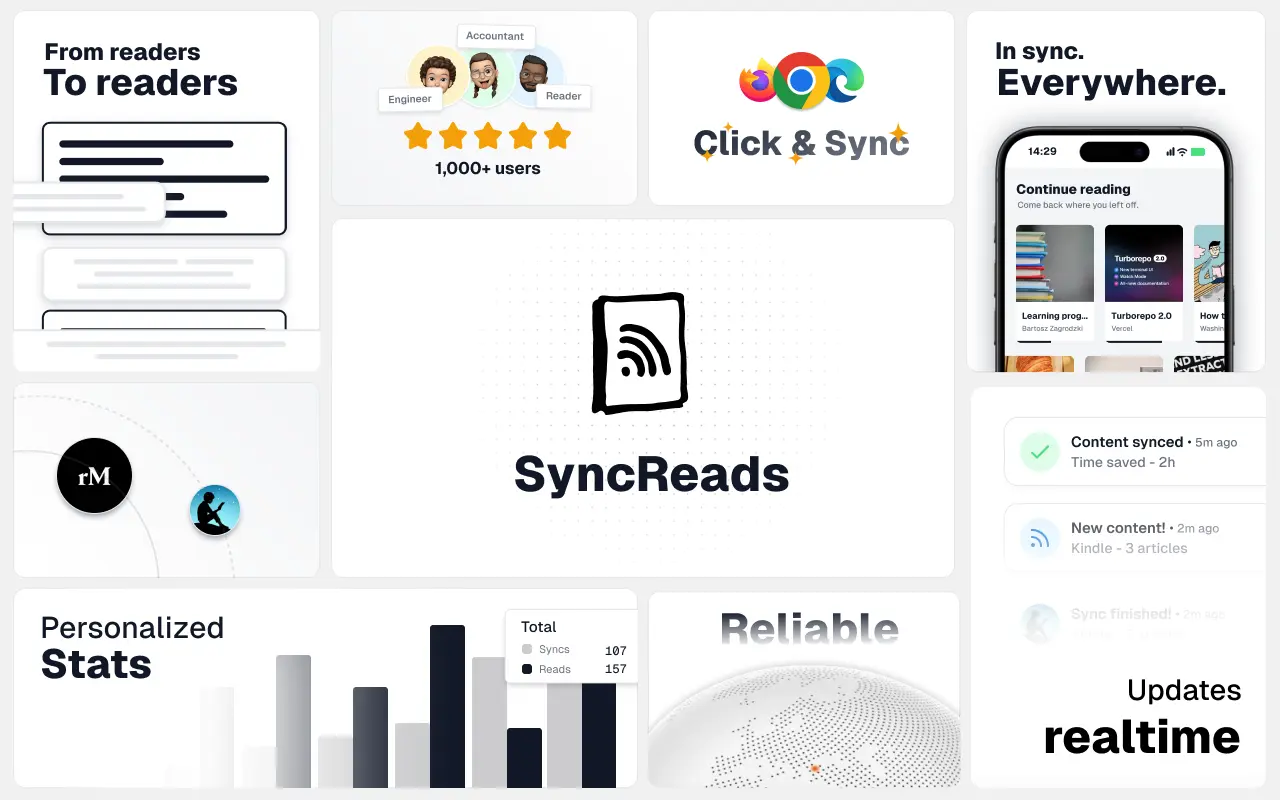
SyncReads
Sync your favorite content for distraction-free reading, save time and replace multiple apps. Anytime, anywhere 🔄
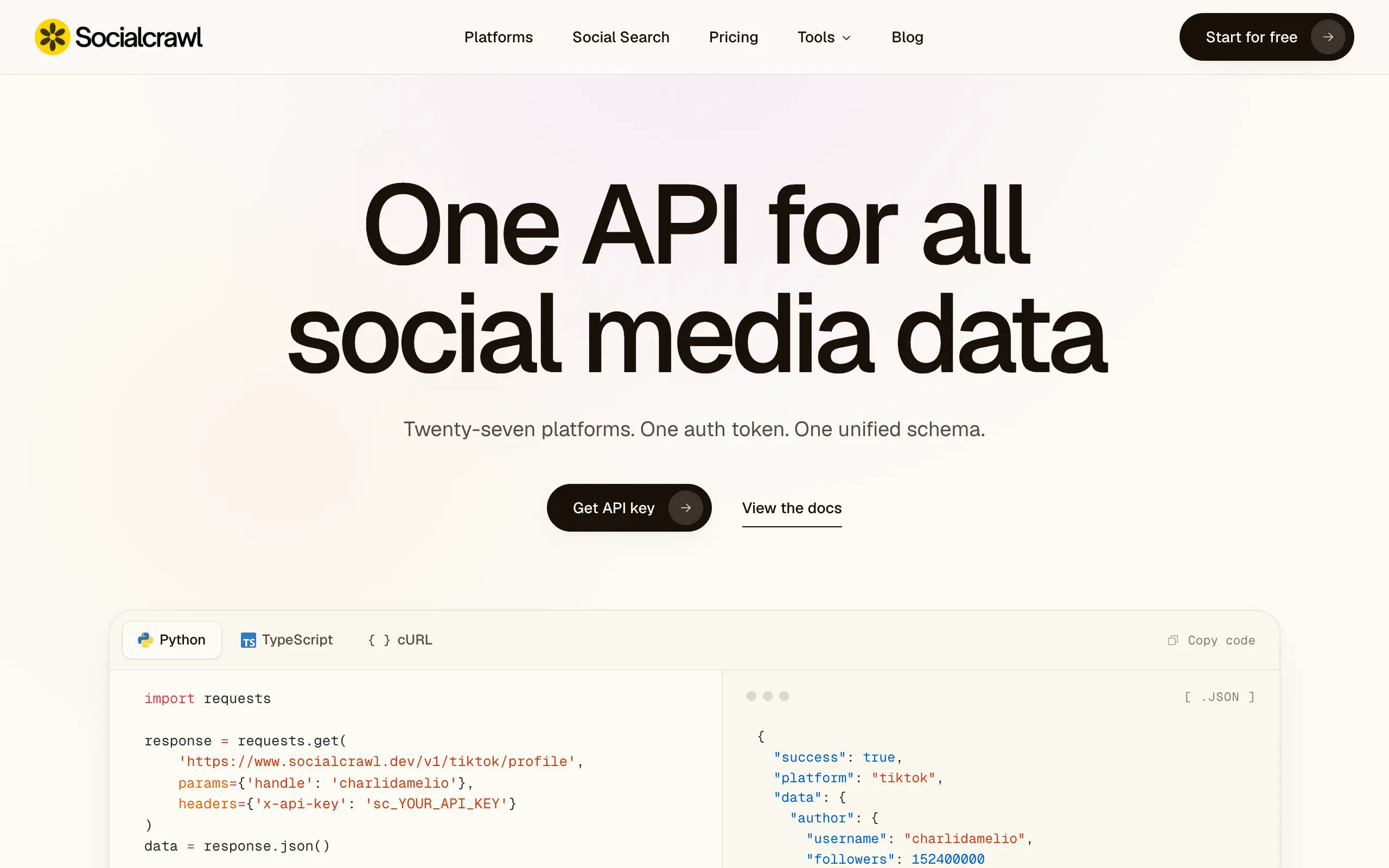
Socialcrawl
Get clean, structured data from 21 platforms like TikTok, Instagram, and YouTube with a single request 📊
Statiko
Monitor any Telegram channel in real time - track posts, edits, deletions, and growth with AI recaps 📡
Shibui
AI website builder - describe your business, pick a niche template, edit by chatting, and publish instantly ✨
Pro Service
Find verified home service professionals, compare quotes, and pay securely through escrow - built for Brazilians across the US 🏠
RankGrow
Fix your SEO with AI agents - connect Search Console, get prioritized tasks, and grow organic traffic 📈
SyncReads
Sync your favorite content for distraction-free reading, save time and replace multiple apps. Anytime, anywhere 🔄
Socialcrawl
Get clean, structured data from 21 platforms like TikTok, Instagram, and YouTube with a single request 📊
Statiko
Monitor any Telegram channel in real time - track posts, edits, deletions, and growth with AI recaps 📡
Shibui
AI website builder - describe your business, pick a niche template, edit by chatting, and publish instantly ✨
Pro Service
Find verified home service professionals, compare quotes, and pay securely through escrow - built for Brazilians across the US 🏠
RankGrow
Fix your SEO with AI agents - connect Search Console, get prioritized tasks, and grow organic traffic 📈
SyncReads
Sync your favorite content for distraction-free reading, save time and replace multiple apps. Anytime, anywhere 🔄
Socialcrawl
Get clean, structured data from 21 platforms like TikTok, Instagram, and YouTube with a single request 📊
Statiko
Monitor any Telegram channel in real time - track posts, edits, deletions, and growth with AI recaps 📡
Shibui
AI website builder - describe your business, pick a niche template, edit by chatting, and publish instantly ✨
Pro Service
Find verified home service professionals, compare quotes, and pay securely through escrow - built for Brazilians across the US 🏠
RankGrow
Fix your SEO with AI agents - connect Search Console, get prioritized tasks, and grow organic traffic 📈
SyncReads
Sync your favorite content for distraction-free reading, save time and replace multiple apps. Anytime, anywhere 🔄
Socialcrawl
Get clean, structured data from 21 platforms like TikTok, Instagram, and YouTube with a single request 📊
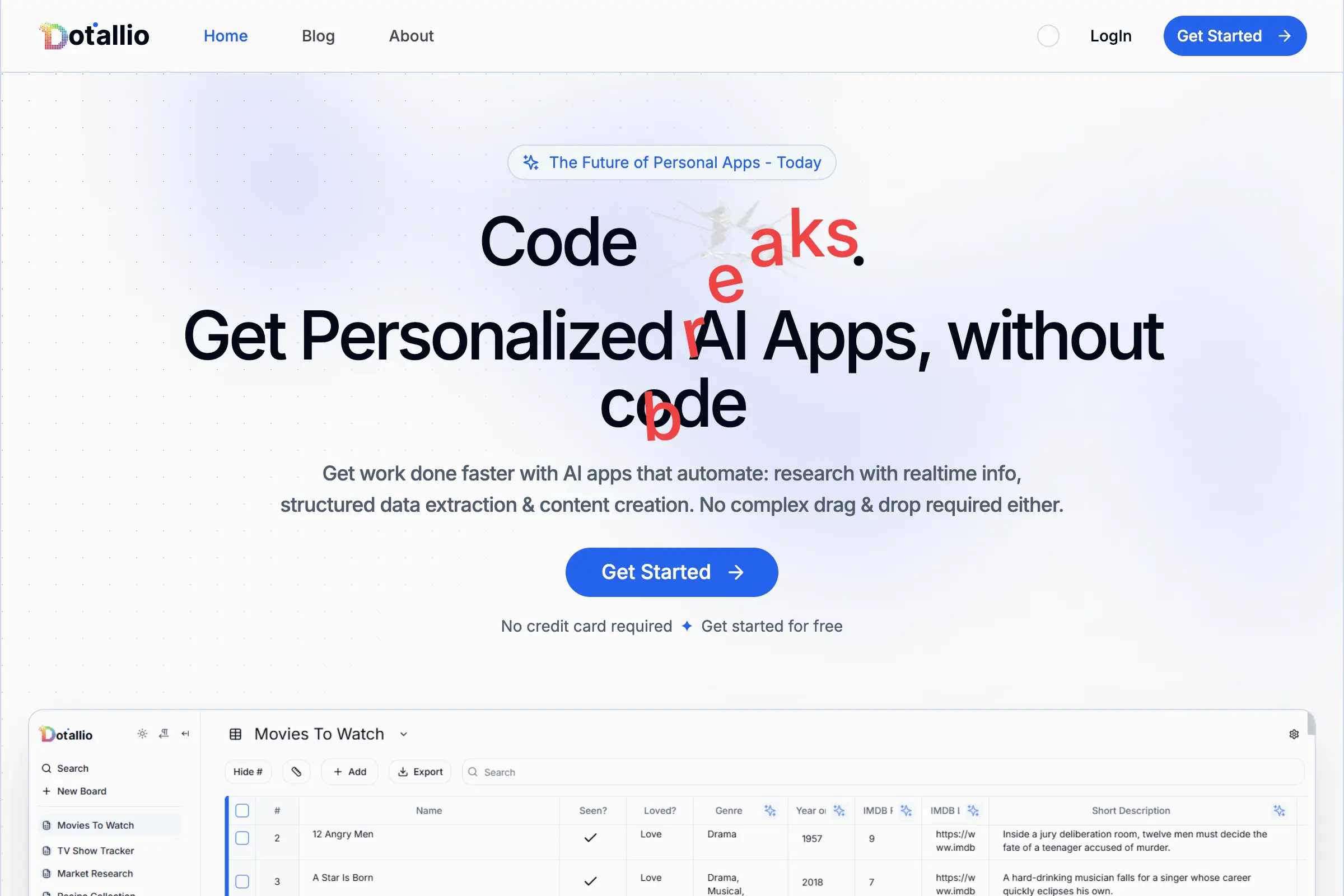
Dotallio
Personalized AI apps that automate research, data extraction, and content creation without code 🤖
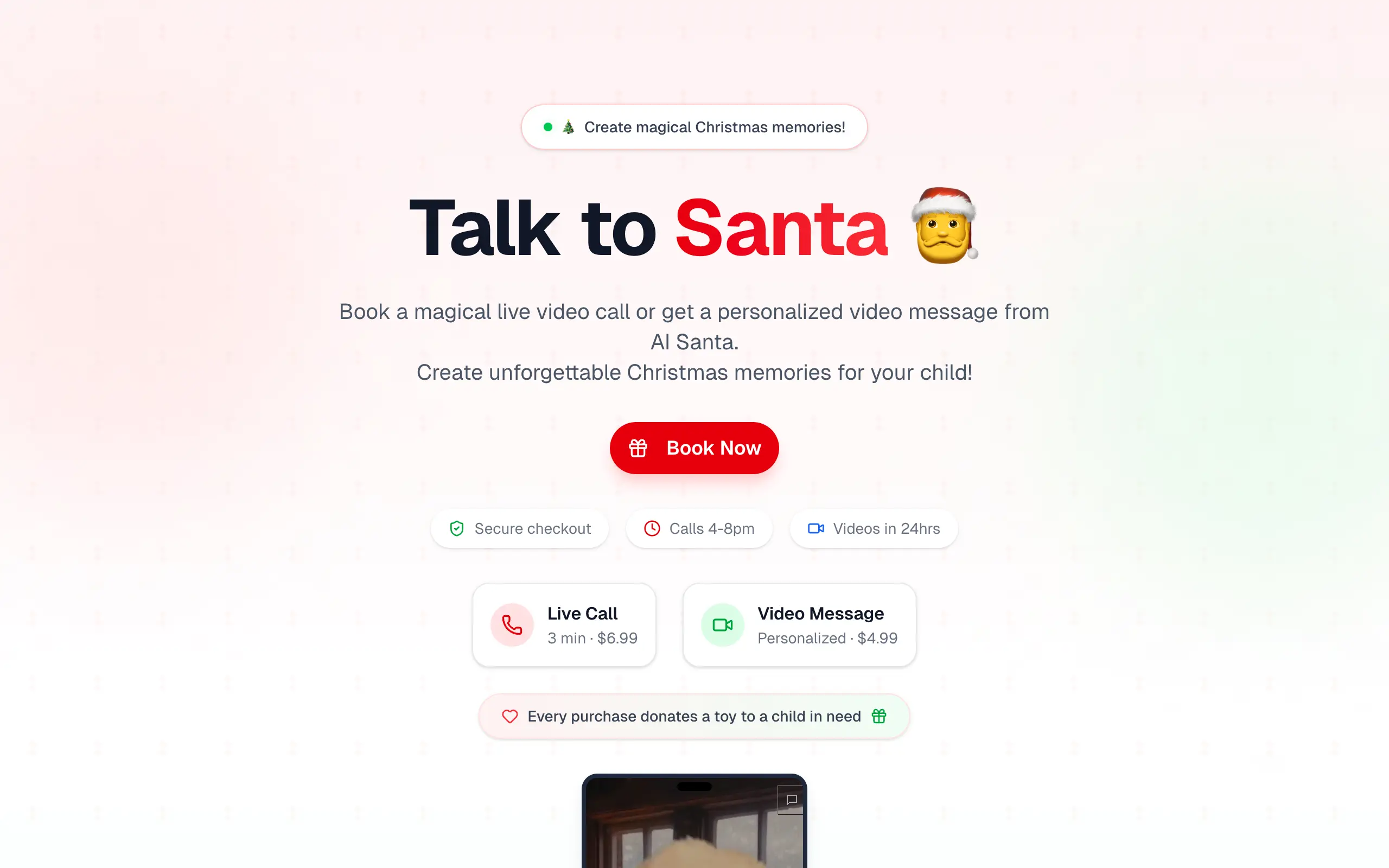
Talk to Santa
Enjoy a magical live video chat or receive a unique AI-generated video greeting from Santa Claus 🎅
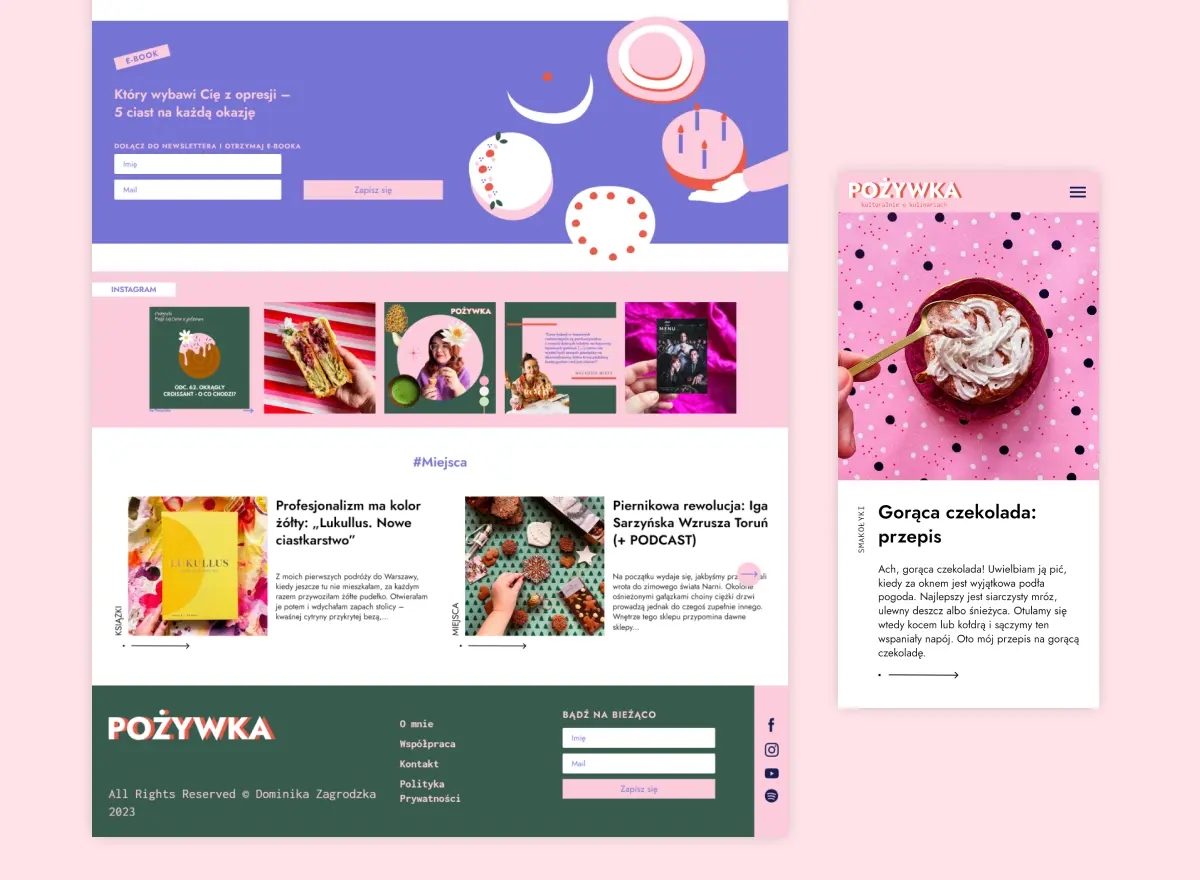
pozywka.pl
Scalable blog for food journalist, focused on performance and user experience 🌭
zagrodzki.me
Personal blog and portfolio of Bart Zagrodzki, where he shares his knowledge and work 💼
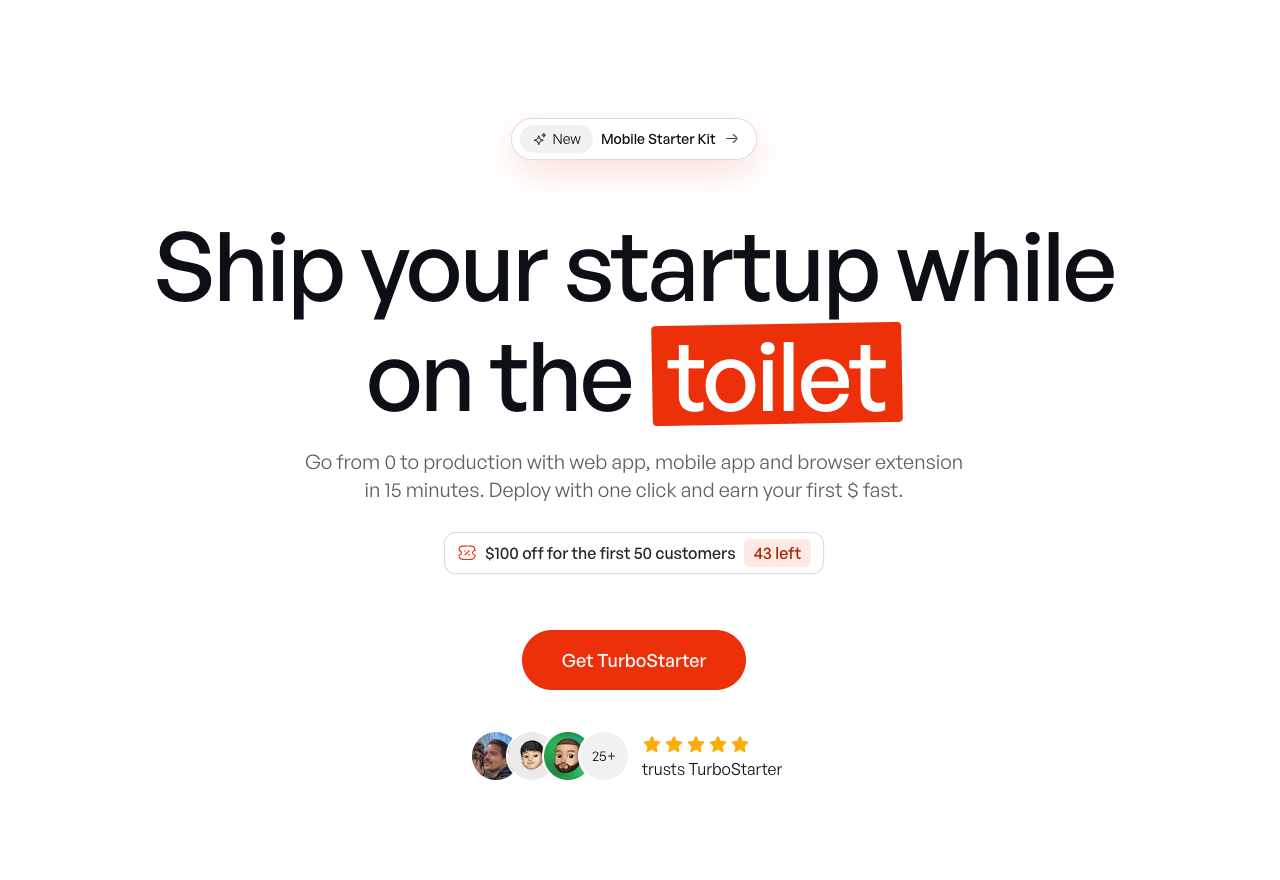
TurboStarter
Ship your startup everywhere. In minutes.
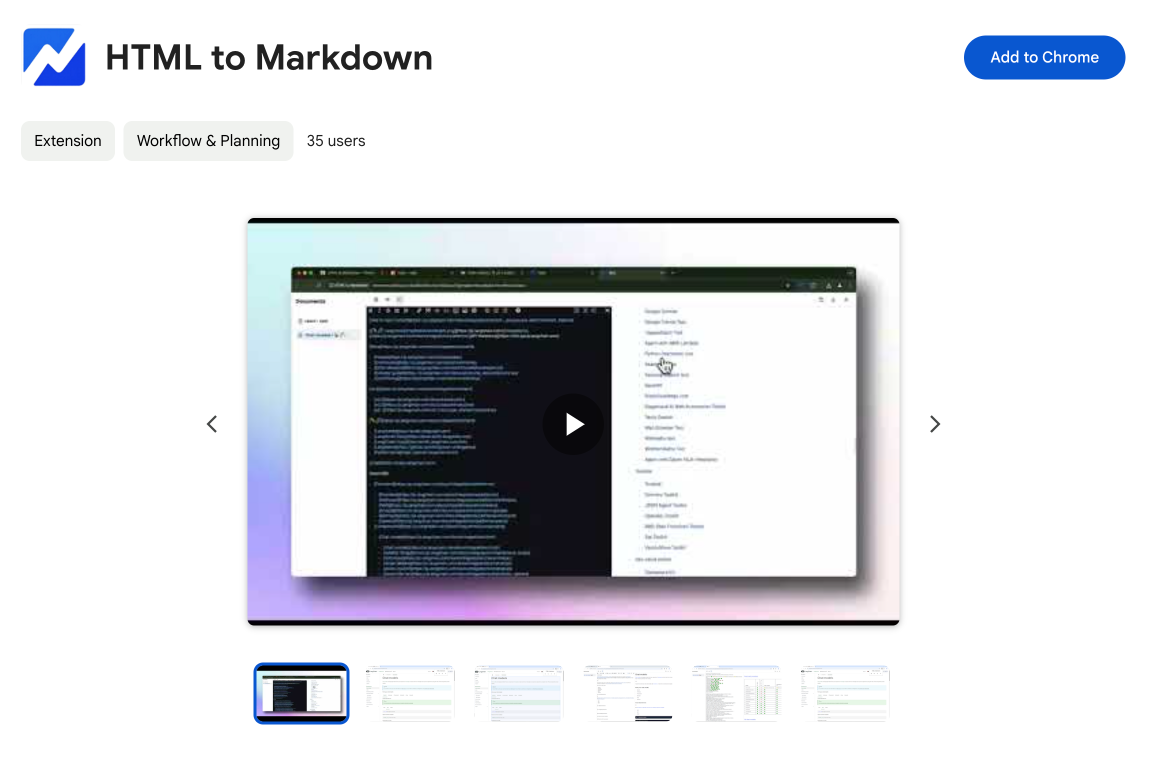
HTML to Markdown
Convert HTML to Markdown with ease, directly in your browser 📄
Dotallio
Personalized AI apps that automate research, data extraction, and content creation without code 🤖
Talk to Santa
Enjoy a magical live video chat or receive a unique AI-generated video greeting from Santa Claus 🎅
pozywka.pl
Scalable blog for food journalist, focused on performance and user experience 🌭
zagrodzki.me
Personal blog and portfolio of Bart Zagrodzki, where he shares his knowledge and work 💼
TurboStarter
Ship your startup everywhere. In minutes.
HTML to Markdown
Convert HTML to Markdown with ease, directly in your browser 📄
Dotallio
Personalized AI apps that automate research, data extraction, and content creation without code 🤖
Talk to Santa
Enjoy a magical live video chat or receive a unique AI-generated video greeting from Santa Claus 🎅
pozywka.pl
Scalable blog for food journalist, focused on performance and user experience 🌭
zagrodzki.me
Personal blog and portfolio of Bart Zagrodzki, where he shares his knowledge and work 💼
TurboStarter
Ship your startup everywhere. In minutes.
HTML to Markdown
Convert HTML to Markdown with ease, directly in your browser 📄
Dotallio
Personalized AI apps that automate research, data extraction, and content creation without code 🤖
Talk to Santa
Enjoy a magical live video chat or receive a unique AI-generated video greeting from Santa Claus 🎅
pozywka.pl
Scalable blog for food journalist, focused on performance and user experience 🌭
zagrodzki.me
Personal blog and portfolio of Bart Zagrodzki, where he shares his knowledge and work 💼
TurboStarter
Ship your startup everywhere. In minutes.
HTML to Markdown
Convert HTML to Markdown with ease, directly in your browser 📄
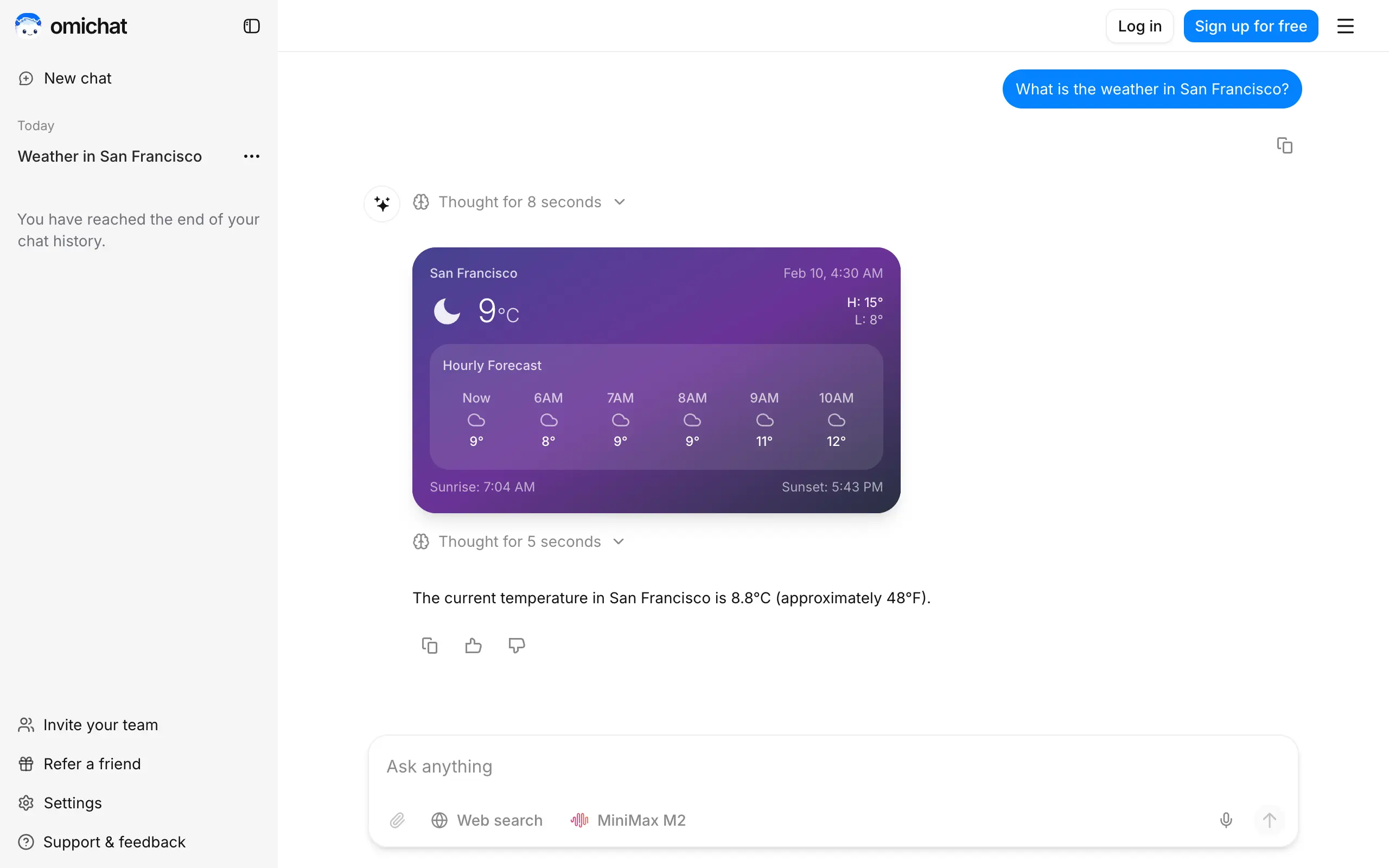
Omichat
Chat with 50+ AI models, including ChatGPT and Claude, in one place - switch models anytime without losing context 🤖
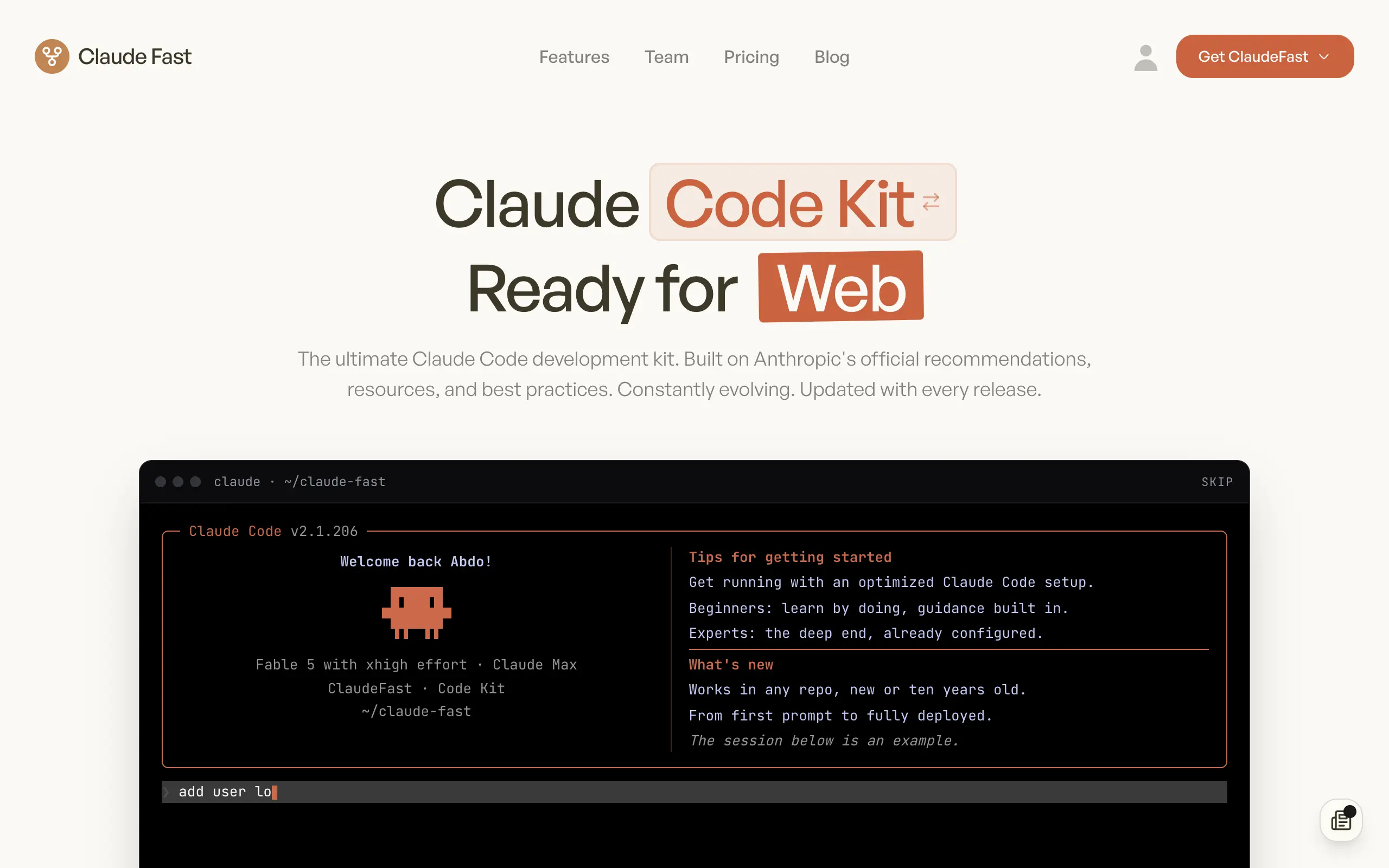
Claude Fast
Supercharge your Claude Code with 6x effective context window and specialized AI agents 🤖
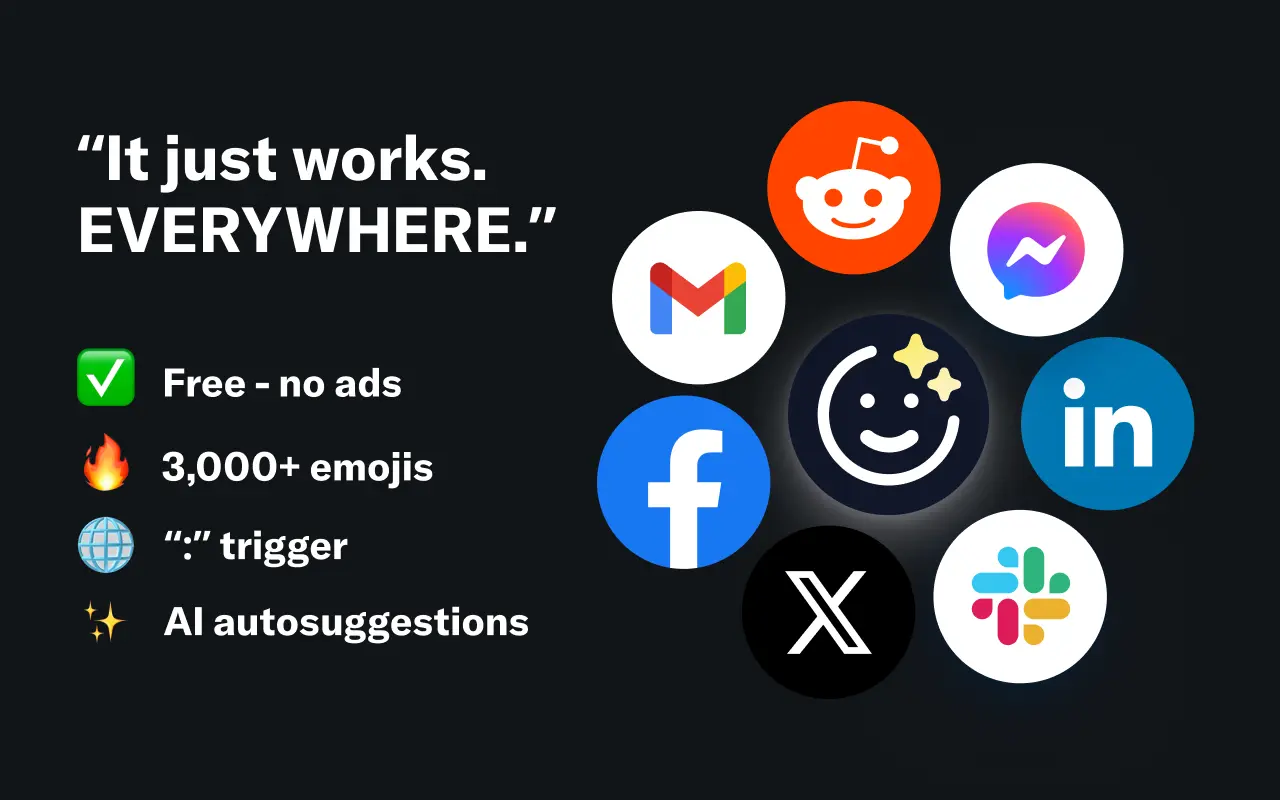
EmojAI
AI-powered emoji picker with smart, context-aware suggestions 🤖
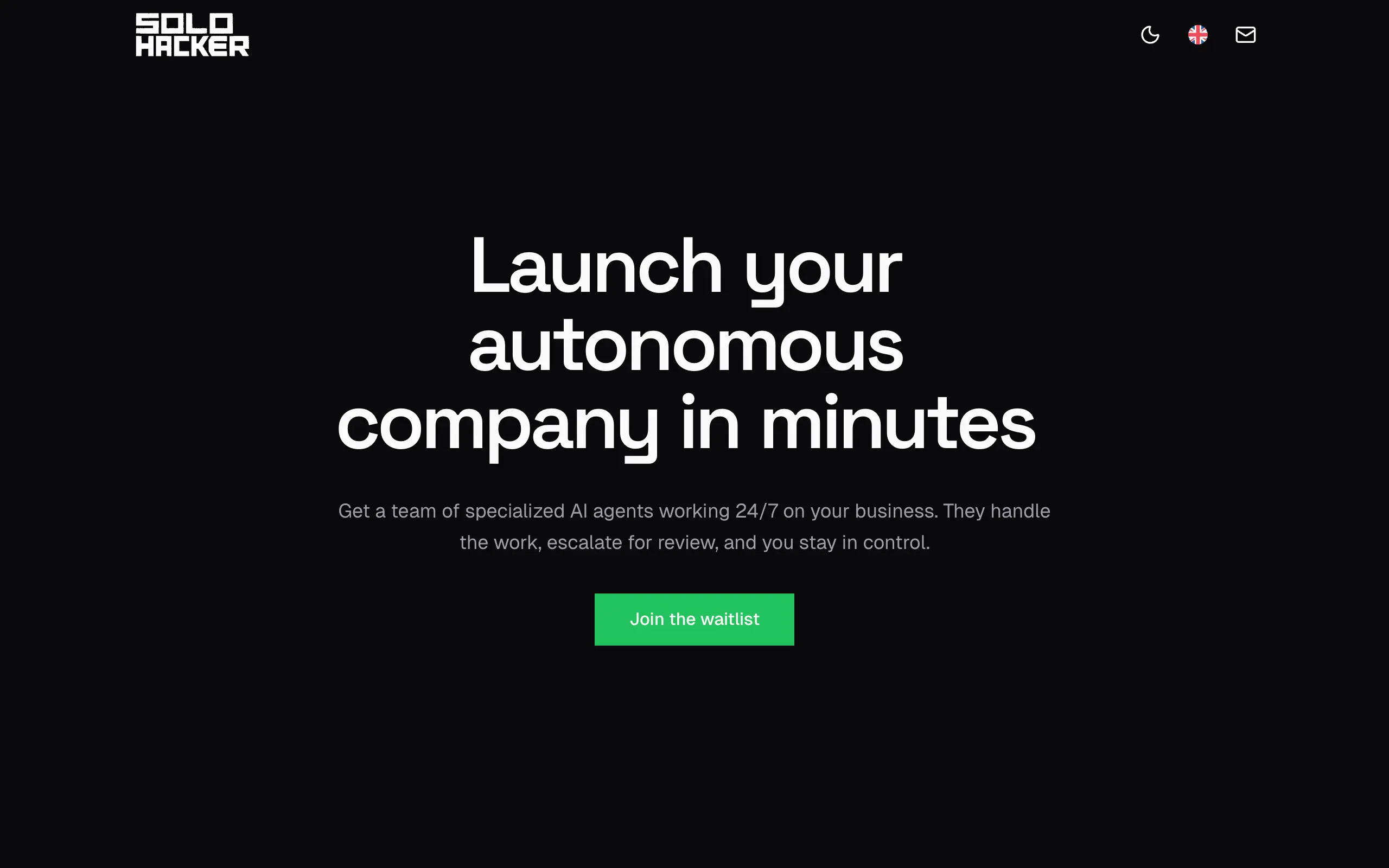
Solohacker
Autonomous company launcher - AI agents work 24/7, escalate what matters, and you stay in control 🤖
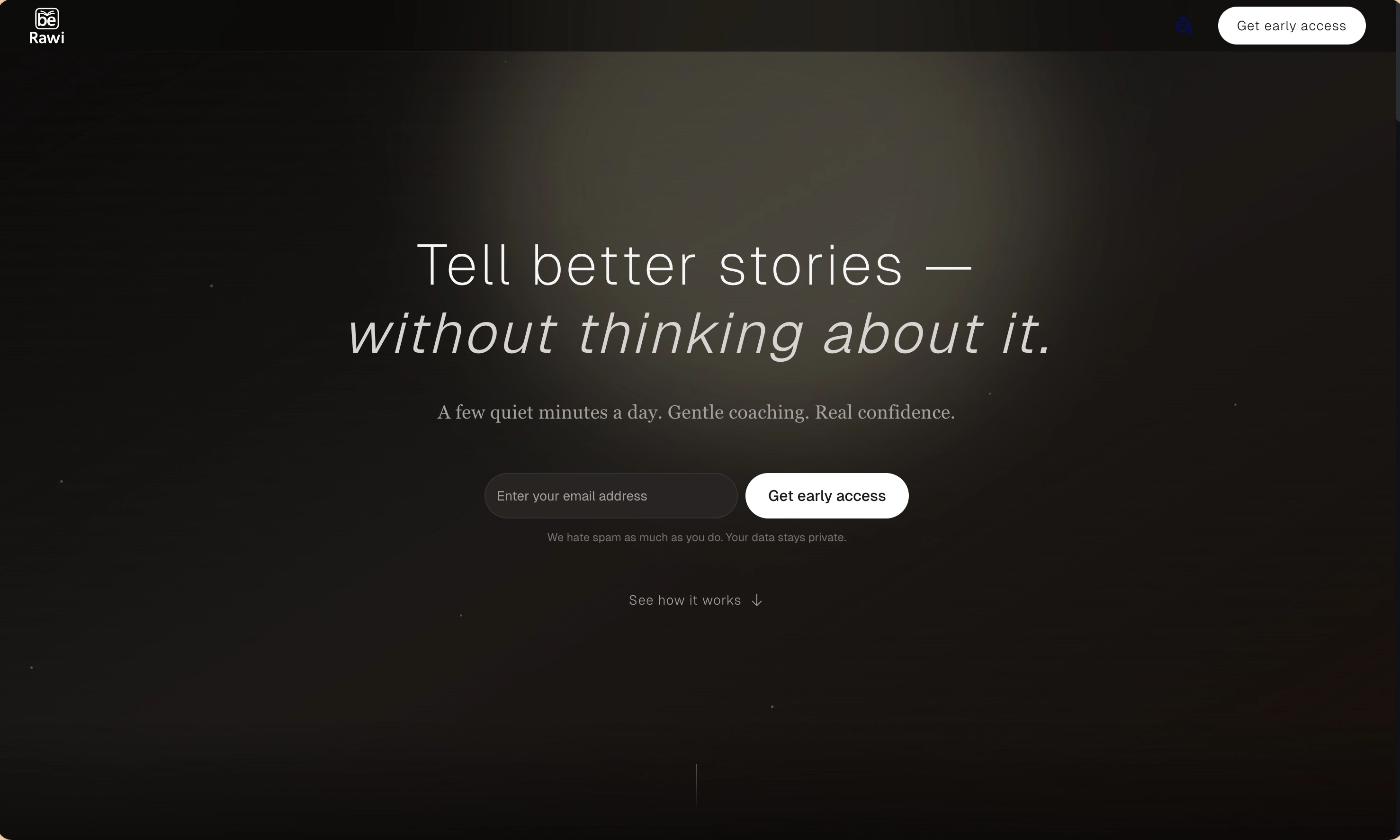
BeRawi: Storytelling Coach
Practice storytelling daily with instant feedback to sound clearer, more engaging, and confident 🎤
Omichat
Chat with 50+ AI models, including ChatGPT and Claude, in one place - switch models anytime without losing context 🤖
Claude Fast
Supercharge your Claude Code with 6x effective context window and specialized AI agents 🤖
EmojAI
AI-powered emoji picker with smart, context-aware suggestions 🤖
Solohacker
Autonomous company launcher - AI agents work 24/7, escalate what matters, and you stay in control 🤖
BeRawi: Storytelling Coach
Practice storytelling daily with instant feedback to sound clearer, more engaging, and confident 🎤
Omichat
Chat with 50+ AI models, including ChatGPT and Claude, in one place - switch models anytime without losing context 🤖
Claude Fast
Supercharge your Claude Code with 6x effective context window and specialized AI agents 🤖
EmojAI
AI-powered emoji picker with smart, context-aware suggestions 🤖
Solohacker
Autonomous company launcher - AI agents work 24/7, escalate what matters, and you stay in control 🤖
BeRawi: Storytelling Coach
Practice storytelling daily with instant feedback to sound clearer, more engaging, and confident 🎤
Omichat
Chat with 50+ AI models, including ChatGPT and Claude, in one place - switch models anytime without losing context 🤖
Claude Fast
Supercharge your Claude Code with 6x effective context window and specialized AI agents 🤖
EmojAI
AI-powered emoji picker with smart, context-aware suggestions 🤖
Solohacker
Autonomous company launcher - AI agents work 24/7, escalate what matters, and you stay in control 🤖
BeRawi: Storytelling Coach
Practice storytelling daily with instant feedback to sound clearer, more engaging, and confident 🎤

Connect with like-minded people
Join our community to get feedback, support, and grow together with 1,000+ builders on board, let's ship it!
Join usShip your startup everywhere. In minutes.
Don't burn tokens on setup and start building features on day one.