LifePatch
AI-powered micro-coaching app that turns daily voice notes into personalized life advice, habit nudges, and emotional insights.
The rise of AI micro-coaching: why now?
The global mental wellness and self-improvement market has grown rapidly over the past decade. Consumers are increasingly comfortable using digital tools for therapy, journaling, meditation, and habit tracking. At the same time, generative AI has unlocked a new layer of personalization that was previously too expensive or complex to deliver at scale.
An AI-powered micro-coaching app that transforms daily voice notes into personalized life advice, habit nudges, and emotional insights sits at the intersection of three major trends:
- The growth of digital mental health and self-care apps
- The rise of voice-first interfaces
- The mainstream adoption of AI-powered personalization
This is the opportunity behind LifePatch: a B2C AI micro-coaching app designed to make self-reflection effortless and actionable.
Instead of long journaling sessions or costly coaching programs, users simply talk for 1–3 minutes a day. The AI listens, analyzes patterns over time, and delivers micro-coaching tailored to their goals, emotions, and behaviors.
In this comprehensive guide, we’ll explore:
- Target audience and user psychology
- Market gap and competitive landscape
- Core features and product architecture
- Recommended tech stack (with trade-offs)
- Monetization strategies
- Risk mitigation (privacy, compliance, trust)
- Clear competitive advantage
- Step-by-step implementation roadmap
Understanding user search intent
People searching for solutions like “AI life coach app,” “voice journaling app with AI feedback,” or “personalized habit coaching app” are typically looking for:
- Practical self-improvement tools
- Emotional clarity and support
- Habit accountability
- Lightweight alternatives to therapy or coaching
- Innovative AI-driven experiences
They are not looking for academic theory. They want:
- Immediate value
- Emotional safety
- Personalization
- Simplicity
LifePatch must satisfy these expectations from onboarding through daily usage.
Target audience analysis
Primary audience: self-improvement-driven millennials and Gen Z
Demographics:
- Age: 20–40
- Tech-savvy
- Familiar with apps like Headspace, Notion, Calm, Duolingo
- Comfortable using AI tools like ChatGPT
Psychographics:
- Interested in growth and productivity
- Emotionally aware but time-constrained
- Open to digital therapy alternatives
- Struggle with consistency in journaling or habits
Secondary audience: early-career professionals
- Burnout risk
- Desire for clarity in decision-making
- Seeking structure without committing to therapy
- Want a “thinking partner” that is available 24/7
Tertiary audience: creators and solopreneurs
- Highly reflective
- Prefer voice over typing
- Need structured self-feedback loops
- Value insight extraction from chaotic thoughts
The market gap: where existing apps fall short
Let’s analyze current categories:
1. Meditation apps (e.g., Calm, Headspace)
- Guided content
- Passive consumption
- Limited personalization
2. Journaling apps
- Text-heavy
- Manual reflection required
- No deep AI feedback loop
3. Therapy platforms
- Expensive
- Time-bound
- Not daily micro-support
4. Habit trackers
- Quantitative
- Lack emotional context
- Focus on metrics, not meaning
LifePatch differentiates by combining:
✅ Voice journaling
✅ Emotional AI analysis
✅ Habit coaching
✅ Personalized micro-nudges
✅ Long-term pattern recognition
It is not meditation.
It is not therapy.
It is not just journaling.
It is AI-powered micro-coaching embedded into everyday life.
Core value proposition
LifePatch transforms unstructured daily voice reflections into:
- Actionable advice
- Habit suggestions
- Emotional trend insights
- Gentle nudges at the right time
Key promise:
“Speak your mind. Get clarity back.”
Core features of LifePatch
1. Voice-first journaling
Users record 1–3 minute daily voice notes.
Under the hood:
- Speech-to-text conversion
- Sentiment analysis
- Topic extraction
- Pattern tracking
This removes friction from traditional journaling.
2. AI emotional insight engine
The system analyzes:
- Emotional tone
- Repeated stress triggers
- Confidence markers
- Behavioral inconsistencies
Over time, it builds an emotional baseline model for each user.
3. Personalized habit nudges
Instead of generic “drink water” reminders, LifePatch suggests:
- “You mentioned feeling drained after 10 PM calls. Try blocking late meetings twice this week.”
- “You’ve said you want to exercise 4 times this month but only mentioned it once in 10 days.”
Micro, contextual nudges > generic reminders.
4. Pattern timeline dashboard
Users see:
- Emotional trends over weeks
- Keyword clusters
- Recurring concerns
- Goal progression
Visualization builds self-awareness.
5. Micro-coaching summaries
Each entry generates:
- Key themes
- Emotional tone summary
- One insight
- One action step
Example output structure:
{
  "emotion": "Mild anxiety",
  "theme": "Career uncertainty",
  "insight": "You feel stuck due to unclear expectations.",
  "micro_action": "Clarify 1 priority with your manager tomorrow."
}
6. Long-term insight reports
Monthly AI-generated reflections:
- “Top 3 stress triggers”
- “Growth areas”
- “Recurring cognitive patterns”
- “Positive shifts detected”
This builds stickiness and perceived value.
Feature comparison vs competitors
| Feature | LifePatch | Meditation Apps | Journaling Apps | Habit Trackers |
|---|---|---|---|---|
| Voice journaling | ✅ | ❌ | ❌ | ❌ |
| AI emotional analysis | ✅ | ❌ | Limited | ❌ |
| Personalized habit nudges | ✅ | ❌ | ❌ | ✅ |
| Long-term insight reports | ✅ | ❌ | Limited | ❌ |
Recommended tech stack
Building an AI-powered micro-coaching app requires careful trade-offs between cost, scalability, and privacy.
Frontend
- React (Web)
- React Native (Mobile)
- TailwindCSS (UI styling)
Why:
- Fast development
- Strong ecosystem
- Cross-platform consistency
Backend
- Node.js with TypeScript
- PostgreSQL (structured user data)
- Vector database (e.g., Pinecone or Weaviate) for embedding memory
AI layer
- Speech-to-text API (e.g., Whisper-based)
- LLM for insight generation
- Embedding model for emotional memory retrieval
Architecture flow:
Voice Input
   ↓
Speech-to-Text
   ↓
Embedding + Sentiment Analysis
   ↓
Long-term Memory Store (Vector DB)
   ↓
LLM Insight Generator
   ↓
Micro-Coaching Output
Trade-offs
| Option | Pros | Cons |
|---|---|---|
| Fully managed AI APIs | Fast to build | Higher cost per user |
| Self-hosted models | Lower long-term cost | Infrastructure complexity |
| On-device processing | Privacy advantage | Hardware limitations |
Early-stage recommendation: Use managed APIs to validate product-market fit before optimizing cost.
Data privacy and trust strategy
Because LifePatch deals with emotional voice data, privacy is non-negotiable.
Key practices:
- End-to-end encryption
- Clear data retention policy
- User-controlled data deletion
- Transparent AI explanation (“How this insight was generated”)
Trust is the product
If users don’t feel emotionally safe, they will churn instantly. Security messaging should be embedded directly in onboarding.
Monetization strategy
LifePatch is a B2C AI micro-coaching app. Monetization must balance accessibility and recurring revenue.
1. Freemium model (recommended)
Free tier:
- 5 voice notes per week
- Basic insights
- Limited history
Premium tier ($12–$20/month):
- Unlimited voice notes
- Deep emotional analysis
- Monthly insight reports
- Advanced habit coaching
- Exportable summaries
2. Annual subscription discount
Encourage retention:
- $120/year instead of $180
3. Add-on packs
- Career coaching module
- Relationship reflection module
- Burnout recovery module
4. Future expansion
- Corporate wellness licensing
- White-label version for therapists
Retention strategy: building habit loops
Daily usage is critical.
Psychological triggers:
- Streak system (without guilt)
- Emotional progress visualizations
- Weekly recap notifications
- Personalized “You’ve grown in X” messages
Behavioral loop:
- Speak
- Receive insight
- Apply micro-action
- Reflect
- See progress
- Repeat
Competitive advantage analysis
LifePatch’s sustainable moat comes from:
1. Longitudinal emotional memory
Most apps reset daily. LifePatch builds a compounding emotional dataset.
The longer users stay, the smarter it gets.
2. Voice-native experience
Typing requires effort. Speaking is natural.
Voice = emotional nuance + authenticity.
3. Micro-coaching positioning
Not therapy. Not productivity.
It owns the category:
AI-powered micro-coaching.
4. Personalization depth
Over time, it can detect:
- Decision fatigue cycles
- Seasonal mood shifts
- Career dissatisfaction patterns
- Self-sabotage tendencies
That level of pattern recognition creates defensibility.
Risks and mitigation
Risk 1: AI giving harmful advice
Mitigation:
- Constrain AI to non-clinical language
- Safety layer filters
- Crisis hotline suggestions for red flags
Risk 2: Privacy concerns
Mitigation:
- Clear encryption messaging
- Optional local storage mode
- GDPR compliance
Risk 3: Emotional over-dependence
Mitigation:
- Encourage real-world action
- Suggest human support when needed
Risk 4: High AI inference cost
Mitigation:
- Summarize entries before LLM processing
- Cache embeddings
- Use tier-based processing
Go-to-market strategy
Phase 1: Niche positioning
Target:
- Twitter/X self-improvement audience
- Indie hacker communities
- Productivity YouTube viewers
Messaging:
- “Turn your voice notes into life clarity.”
- “Your AI micro-coach in your pocket.”
Phase 2: Creator partnerships
- Self-growth influencers
- Productivity coaches
- Career advisors
Phase 3: Viral insight sharing
Allow users to share anonymized insights as visual cards.
Step-by-step implementation roadmap
MVP scope definition
Keep MVP tight:
- Voice recording
- AI summary
- One suggested micro-action
- Basic timeline view
Do NOT build:
- Social features
- Complex gamification
- Too many coaching modules
Focus on clarity and value density.
Building faster with modern SaaS tooling
To accelerate development:
- Use modern full-stack frameworks
- Prebuilt authentication
- Subscription management integration
- AI-ready architecture
Platforms like TurboStarter can significantly reduce setup time by providing a production-ready SaaS foundation, allowing you to focus on AI micro-coaching logic instead of boilerplate infrastructure.
Long-term vision
LifePatch can evolve into:
- AI relationship coach
- AI career strategist
- AI burnout prevention companion
- Emotional intelligence training tool
Eventually:
It becomes a personal emotional operating system.
Final thoughts: why LifePatch can win
The future of self-improvement is:
- Personalized
- Conversational
- Context-aware
- Continuous
LifePatch leverages AI-powered voice journaling to create daily micro-coaching loops that compound over time.
The real innovation isn’t just AI.
It’s turning reflection into action automatically.
If executed with:
- Strong privacy
- Thoughtful AI constraints
- Clear positioning
- Deep personalization
LifePatch can define the AI micro-coaching category.
Your next move
If you’re building LifePatch:
- Validate with real emotional conversations.
- Ship a simple but magical MVP.
- Obsess over retention metrics.
- Prioritize trust over growth hacks.
- Build personalization depth before feature breadth.
The market doesn’t need another journaling app.
It needs clarity, insight, and guidance — delivered effortlessly.
More 👥 B2C Application SaaS ideas
Discover more innovative b2c application SaaS ideas that are trending in 2026. Each idea is AI-generated with market validation and growth potential to help you find your next profitable venture faster than competitors.
Your competitors are building with TurboStarter
Below are some of the SaaS ideas that have been generated and built with our starter kit.
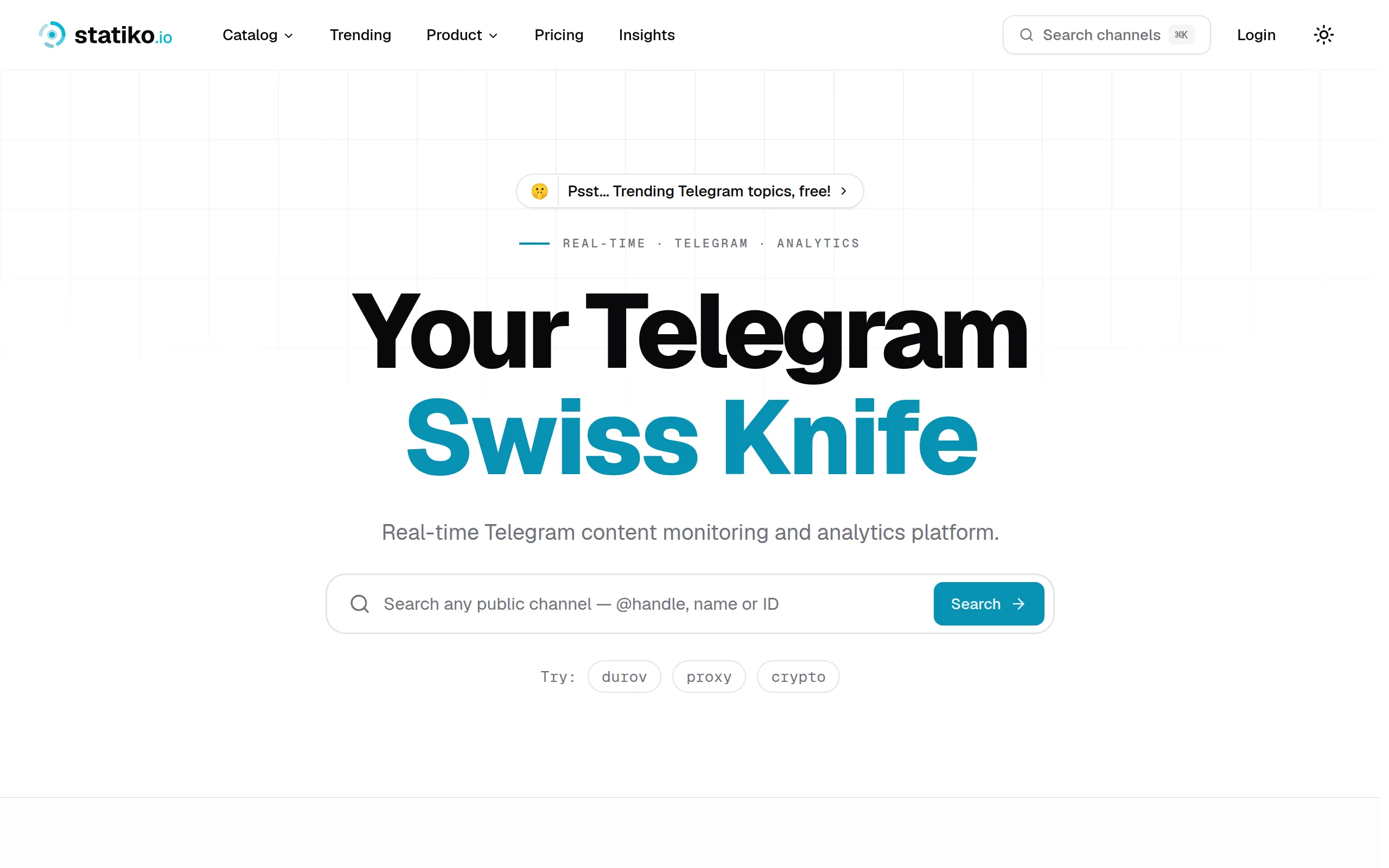
Statiko
Monitor any Telegram channel in real time - track posts, edits, deletions, and growth with AI recaps 📡

Shibui
AI website builder - describe your business, pick a niche template, edit by chatting, and publish instantly ✨

Pro Service
Find verified home service professionals, compare quotes, and pay securely through escrow - built for Brazilians across the US 🏠
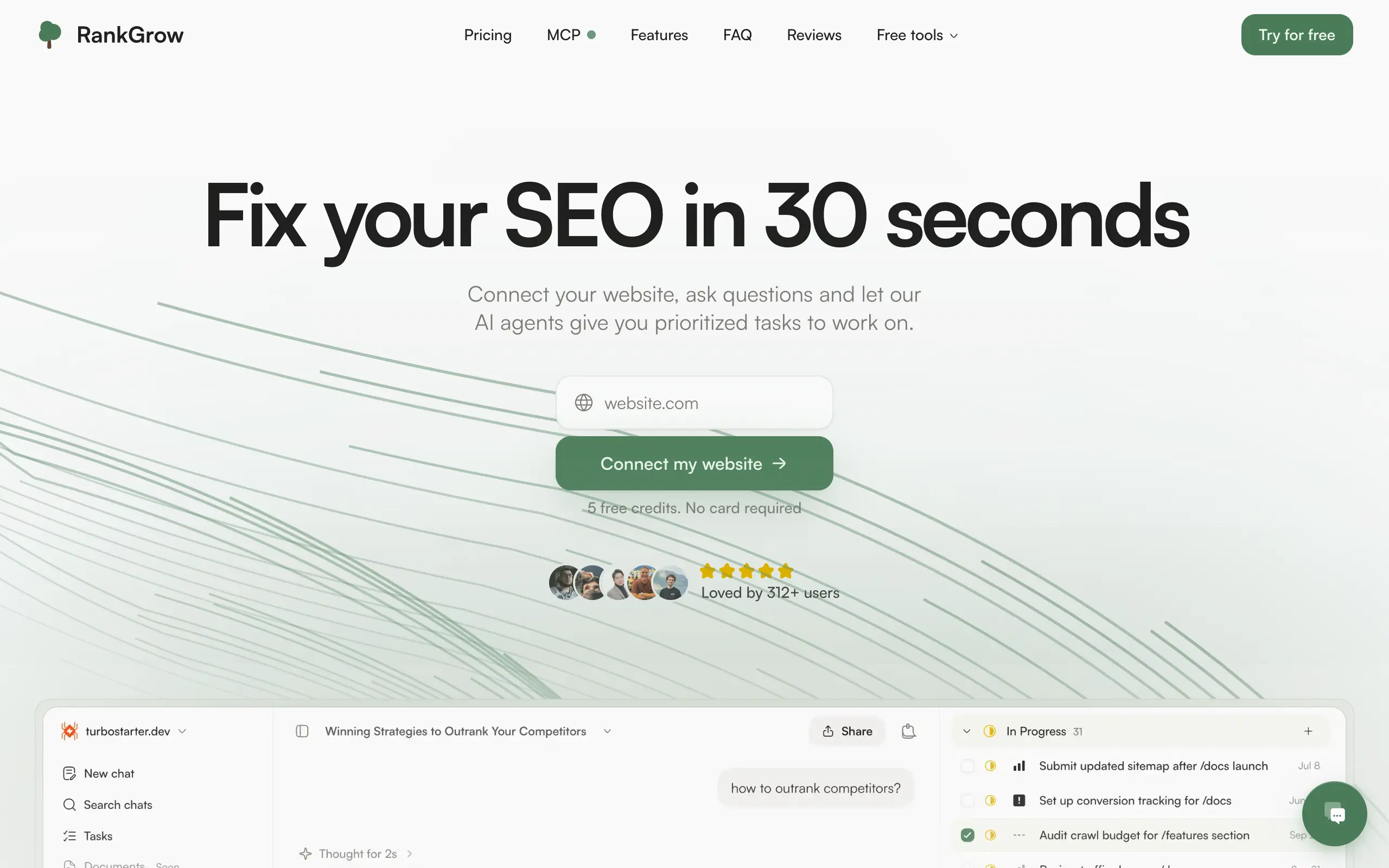
RankGrow
Fix your SEO with AI agents - connect Search Console, get prioritized tasks, and grow organic traffic 📈
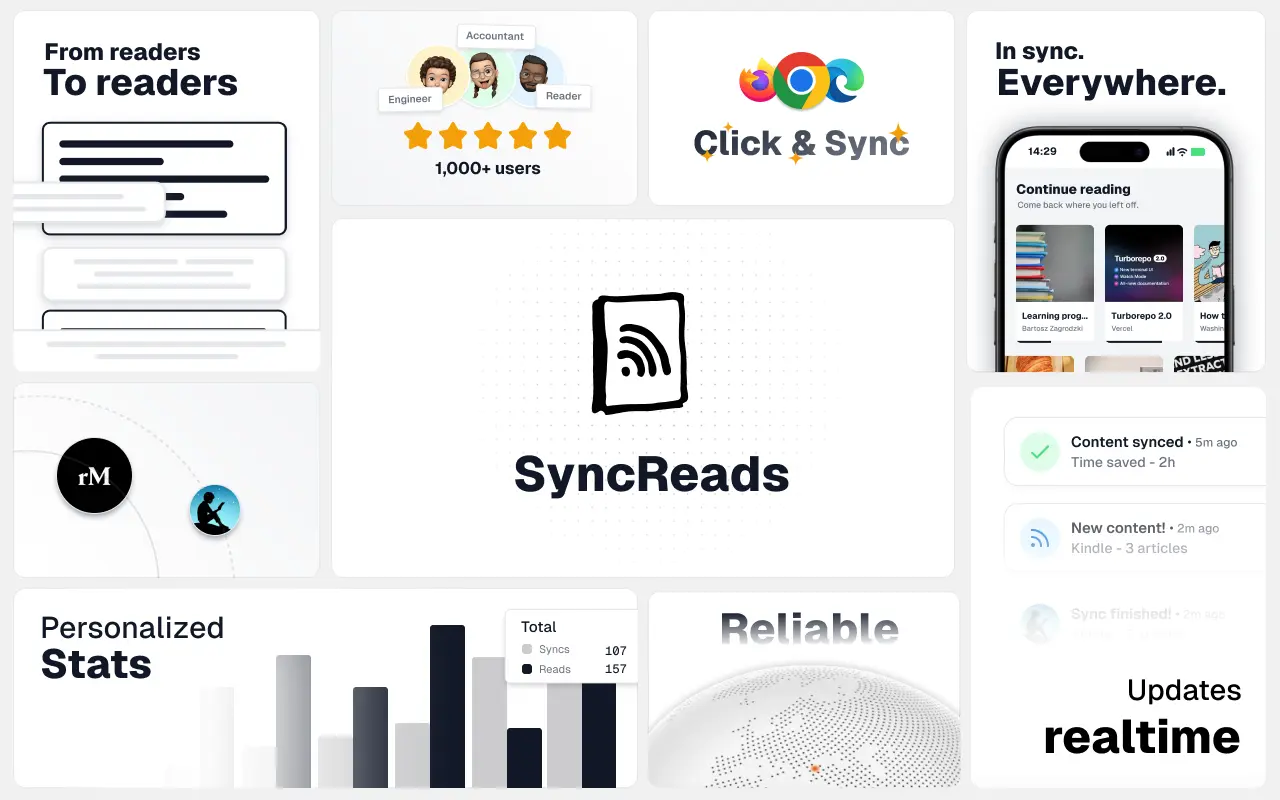
SyncReads
Sync your favorite content for distraction-free reading, save time and replace multiple apps. Anytime, anywhere 🔄
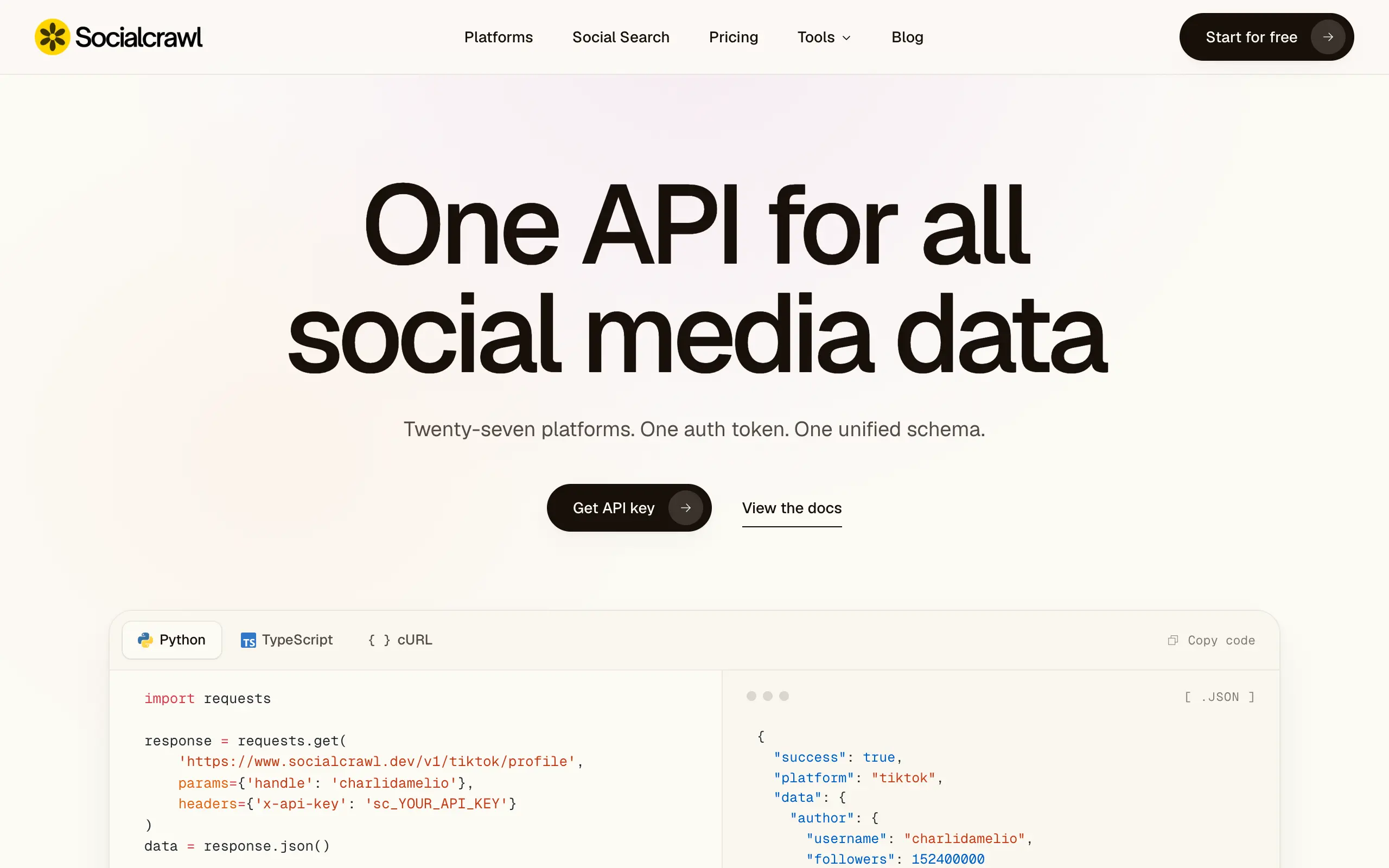
Socialcrawl
Get clean, structured data from 21 platforms like TikTok, Instagram, and YouTube with a single request 📊
Statiko
Monitor any Telegram channel in real time - track posts, edits, deletions, and growth with AI recaps 📡
Shibui
AI website builder - describe your business, pick a niche template, edit by chatting, and publish instantly ✨
Pro Service
Find verified home service professionals, compare quotes, and pay securely through escrow - built for Brazilians across the US 🏠
RankGrow
Fix your SEO with AI agents - connect Search Console, get prioritized tasks, and grow organic traffic 📈
SyncReads
Sync your favorite content for distraction-free reading, save time and replace multiple apps. Anytime, anywhere 🔄
Socialcrawl
Get clean, structured data from 21 platforms like TikTok, Instagram, and YouTube with a single request 📊
Statiko
Monitor any Telegram channel in real time - track posts, edits, deletions, and growth with AI recaps 📡
Shibui
AI website builder - describe your business, pick a niche template, edit by chatting, and publish instantly ✨
Pro Service
Find verified home service professionals, compare quotes, and pay securely through escrow - built for Brazilians across the US 🏠
RankGrow
Fix your SEO with AI agents - connect Search Console, get prioritized tasks, and grow organic traffic 📈
SyncReads
Sync your favorite content for distraction-free reading, save time and replace multiple apps. Anytime, anywhere 🔄
Socialcrawl
Get clean, structured data from 21 platforms like TikTok, Instagram, and YouTube with a single request 📊
Statiko
Monitor any Telegram channel in real time - track posts, edits, deletions, and growth with AI recaps 📡
Shibui
AI website builder - describe your business, pick a niche template, edit by chatting, and publish instantly ✨
Pro Service
Find verified home service professionals, compare quotes, and pay securely through escrow - built for Brazilians across the US 🏠
RankGrow
Fix your SEO with AI agents - connect Search Console, get prioritized tasks, and grow organic traffic 📈
SyncReads
Sync your favorite content for distraction-free reading, save time and replace multiple apps. Anytime, anywhere 🔄
Socialcrawl
Get clean, structured data from 21 platforms like TikTok, Instagram, and YouTube with a single request 📊
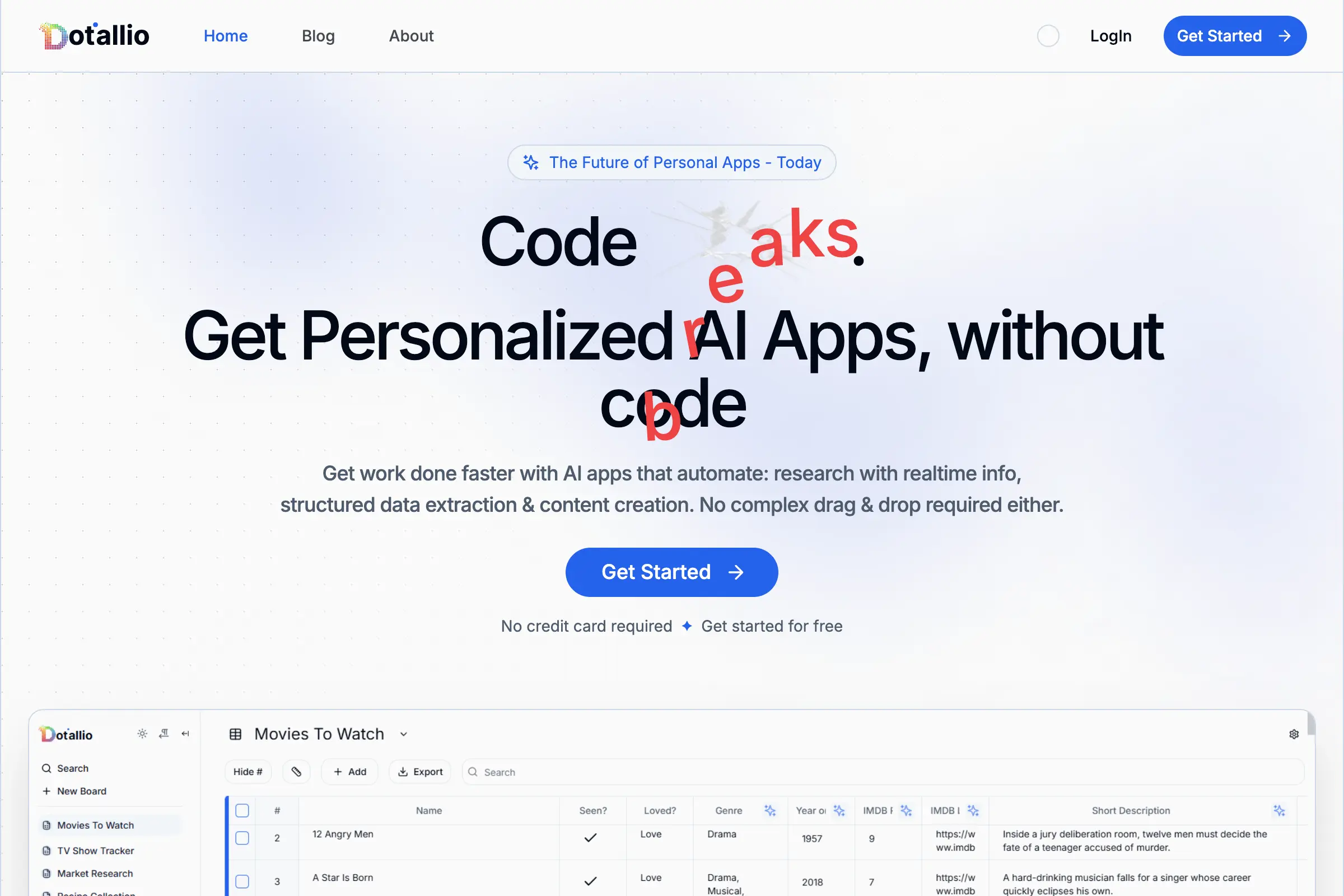
Dotallio
Personalized AI apps that automate research, data extraction, and content creation without code 🤖

Talk to Santa
Enjoy a magical live video chat or receive a unique AI-generated video greeting from Santa Claus 🎅
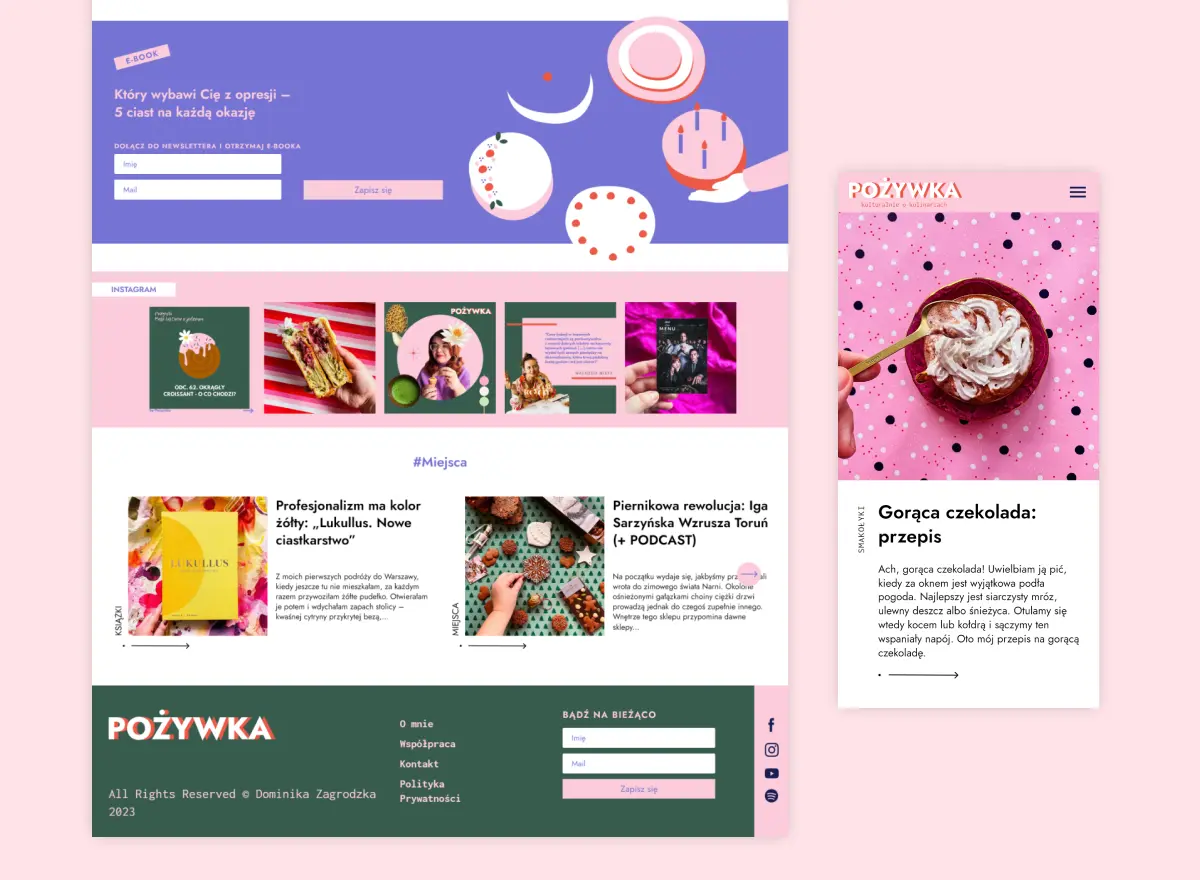
pozywka.pl
Scalable blog for food journalist, focused on performance and user experience 🌭
zagrodzki.me
Personal blog and portfolio of Bart Zagrodzki, where he shares his knowledge and work 💼
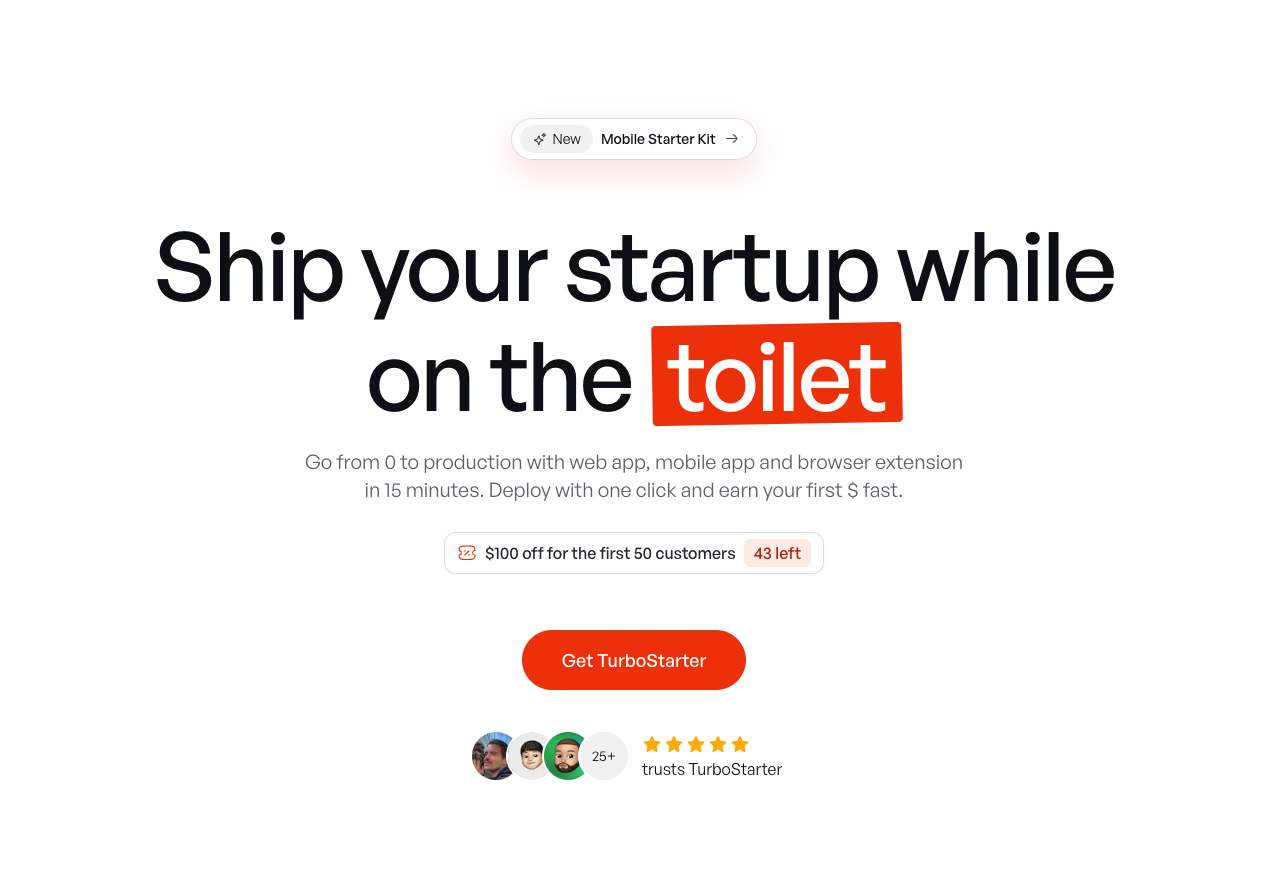
TurboStarter
Ship your startup everywhere. In minutes.
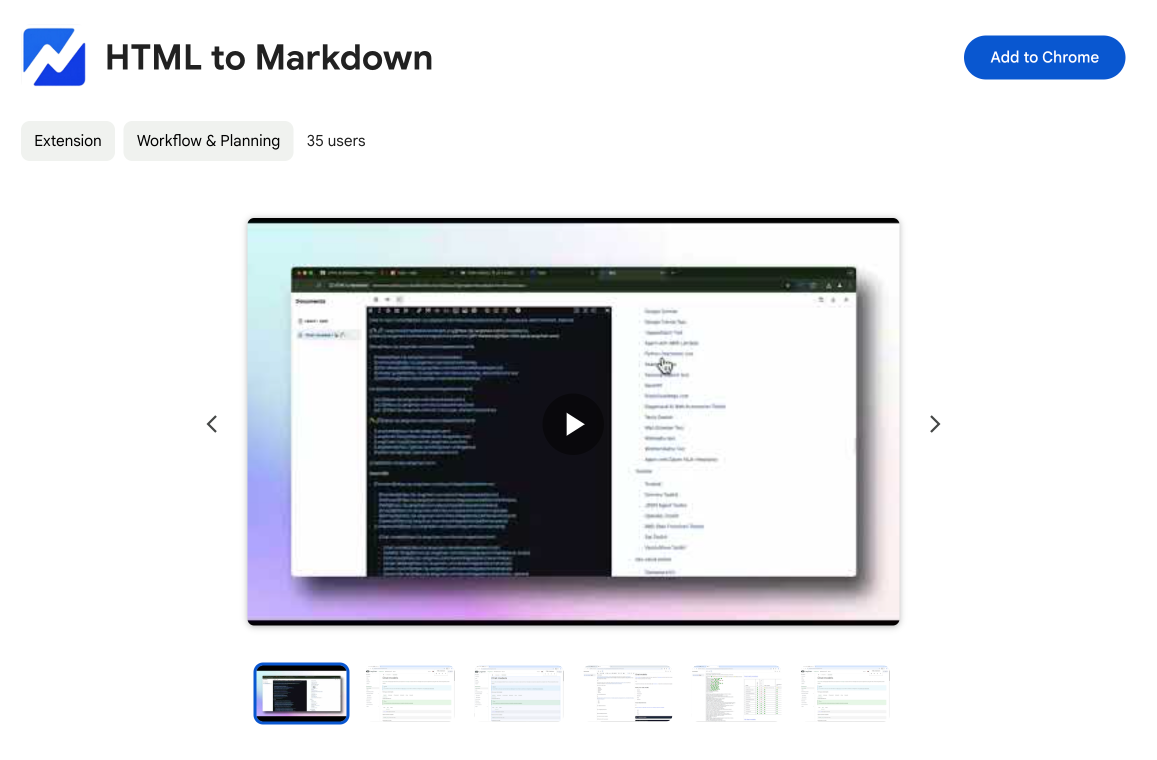
HTML to Markdown
Convert HTML to Markdown with ease, directly in your browser 📄
Dotallio
Personalized AI apps that automate research, data extraction, and content creation without code 🤖
Talk to Santa
Enjoy a magical live video chat or receive a unique AI-generated video greeting from Santa Claus 🎅
pozywka.pl
Scalable blog for food journalist, focused on performance and user experience 🌭
zagrodzki.me
Personal blog and portfolio of Bart Zagrodzki, where he shares his knowledge and work 💼
TurboStarter
Ship your startup everywhere. In minutes.
HTML to Markdown
Convert HTML to Markdown with ease, directly in your browser 📄
Dotallio
Personalized AI apps that automate research, data extraction, and content creation without code 🤖
Talk to Santa
Enjoy a magical live video chat or receive a unique AI-generated video greeting from Santa Claus 🎅
pozywka.pl
Scalable blog for food journalist, focused on performance and user experience 🌭
zagrodzki.me
Personal blog and portfolio of Bart Zagrodzki, where he shares his knowledge and work 💼
TurboStarter
Ship your startup everywhere. In minutes.
HTML to Markdown
Convert HTML to Markdown with ease, directly in your browser 📄
Dotallio
Personalized AI apps that automate research, data extraction, and content creation without code 🤖
Talk to Santa
Enjoy a magical live video chat or receive a unique AI-generated video greeting from Santa Claus 🎅
pozywka.pl
Scalable blog for food journalist, focused on performance and user experience 🌭
zagrodzki.me
Personal blog and portfolio of Bart Zagrodzki, where he shares his knowledge and work 💼
TurboStarter
Ship your startup everywhere. In minutes.
HTML to Markdown
Convert HTML to Markdown with ease, directly in your browser 📄
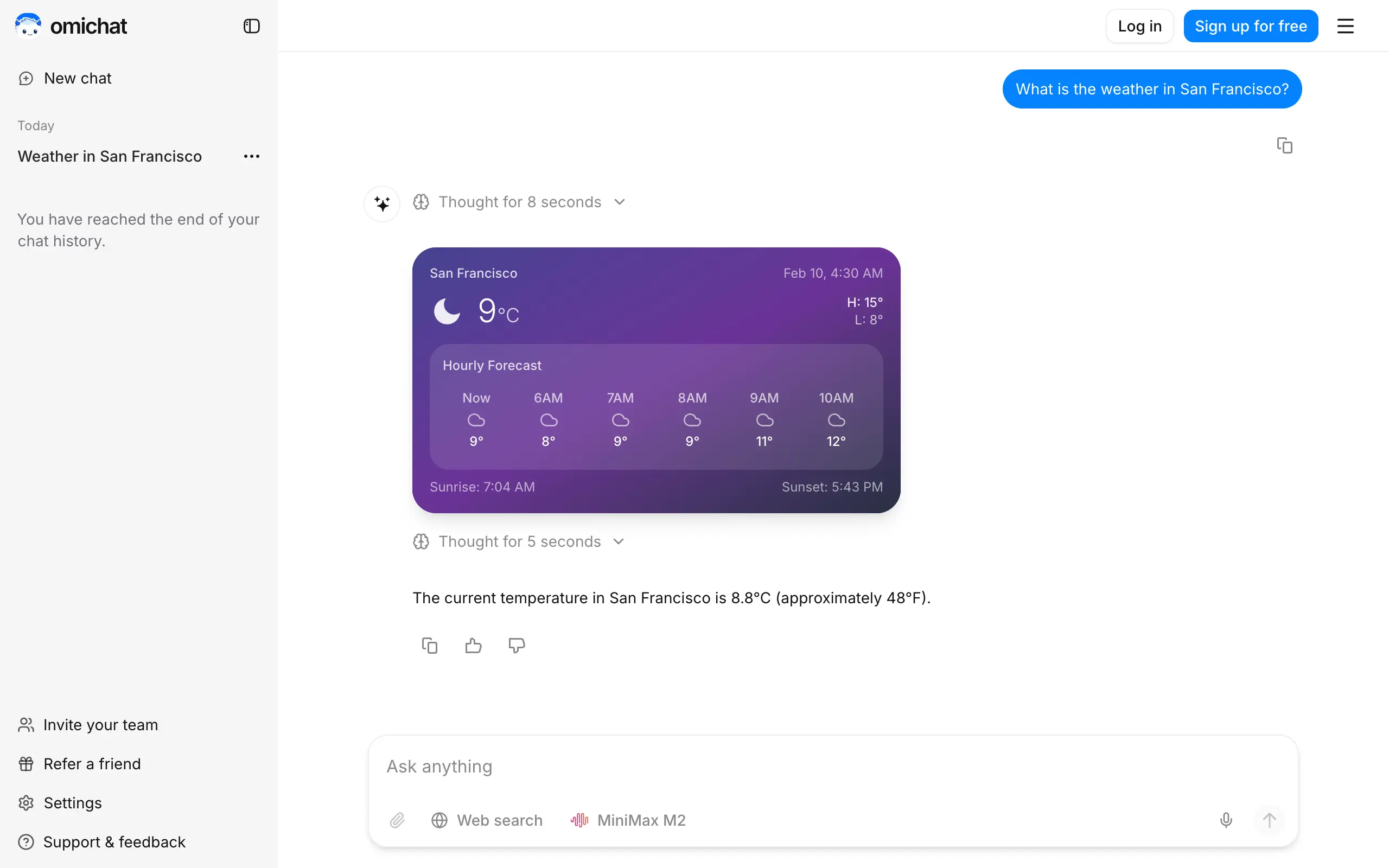
Omichat
Chat with 50+ AI models, including ChatGPT and Claude, in one place - switch models anytime without losing context 🤖
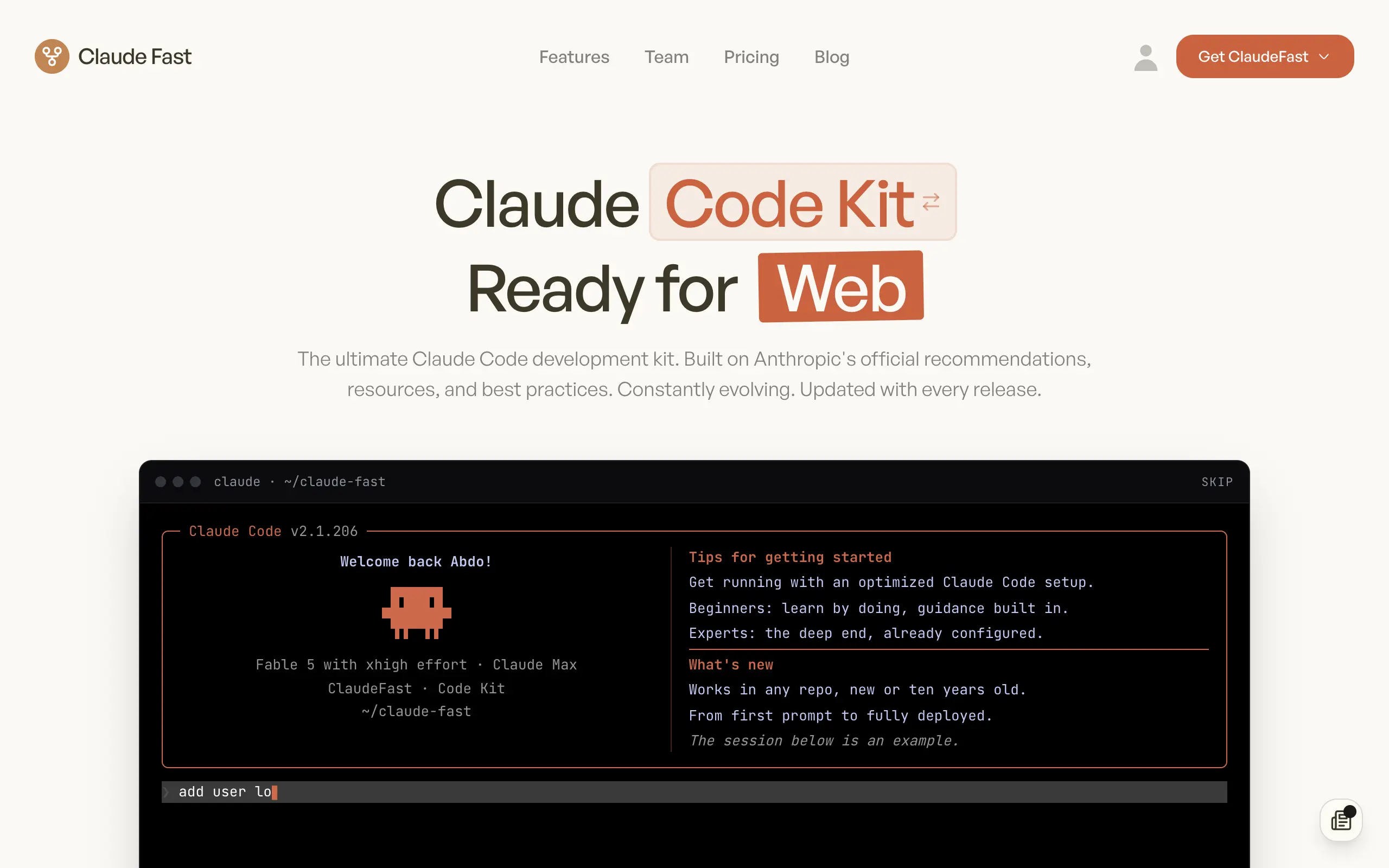
Claude Fast
Supercharge your Claude Code with 6x effective context window and specialized AI agents 🤖
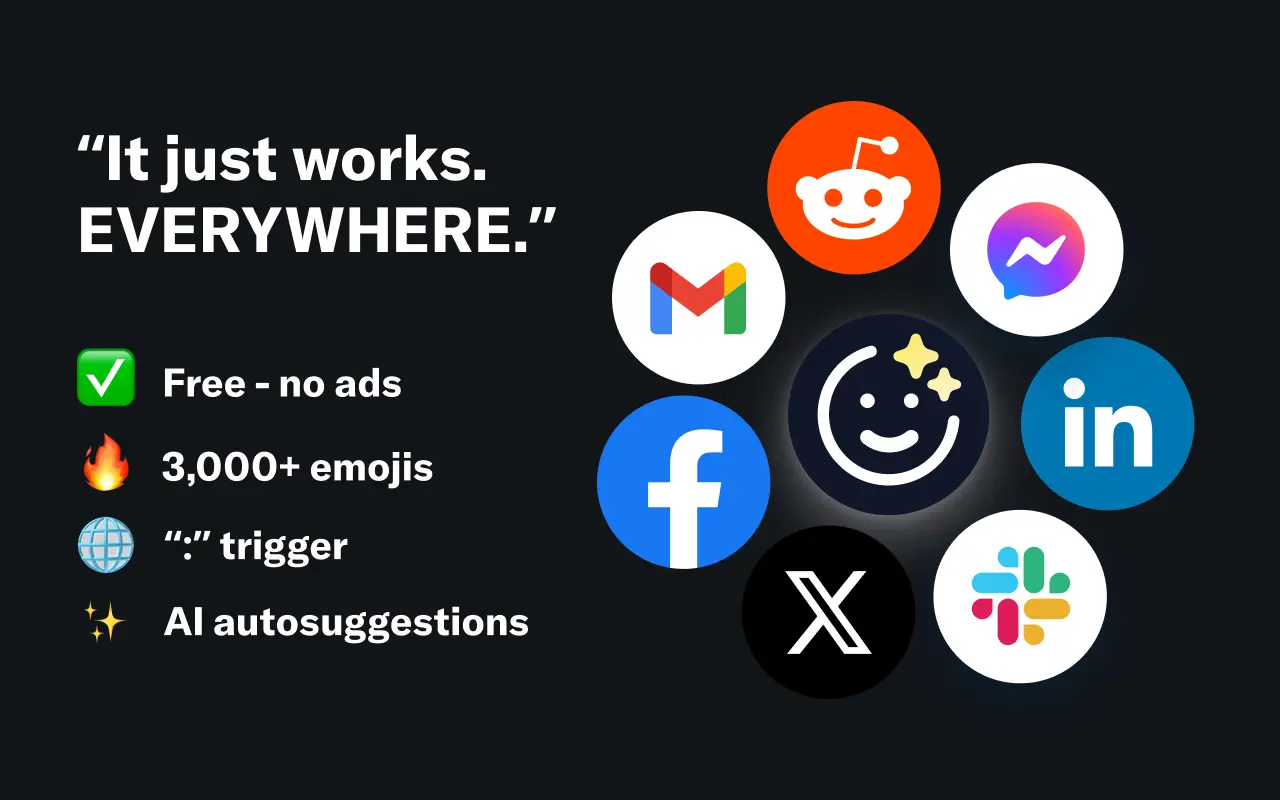
EmojAI
AI-powered emoji picker with smart, context-aware suggestions 🤖
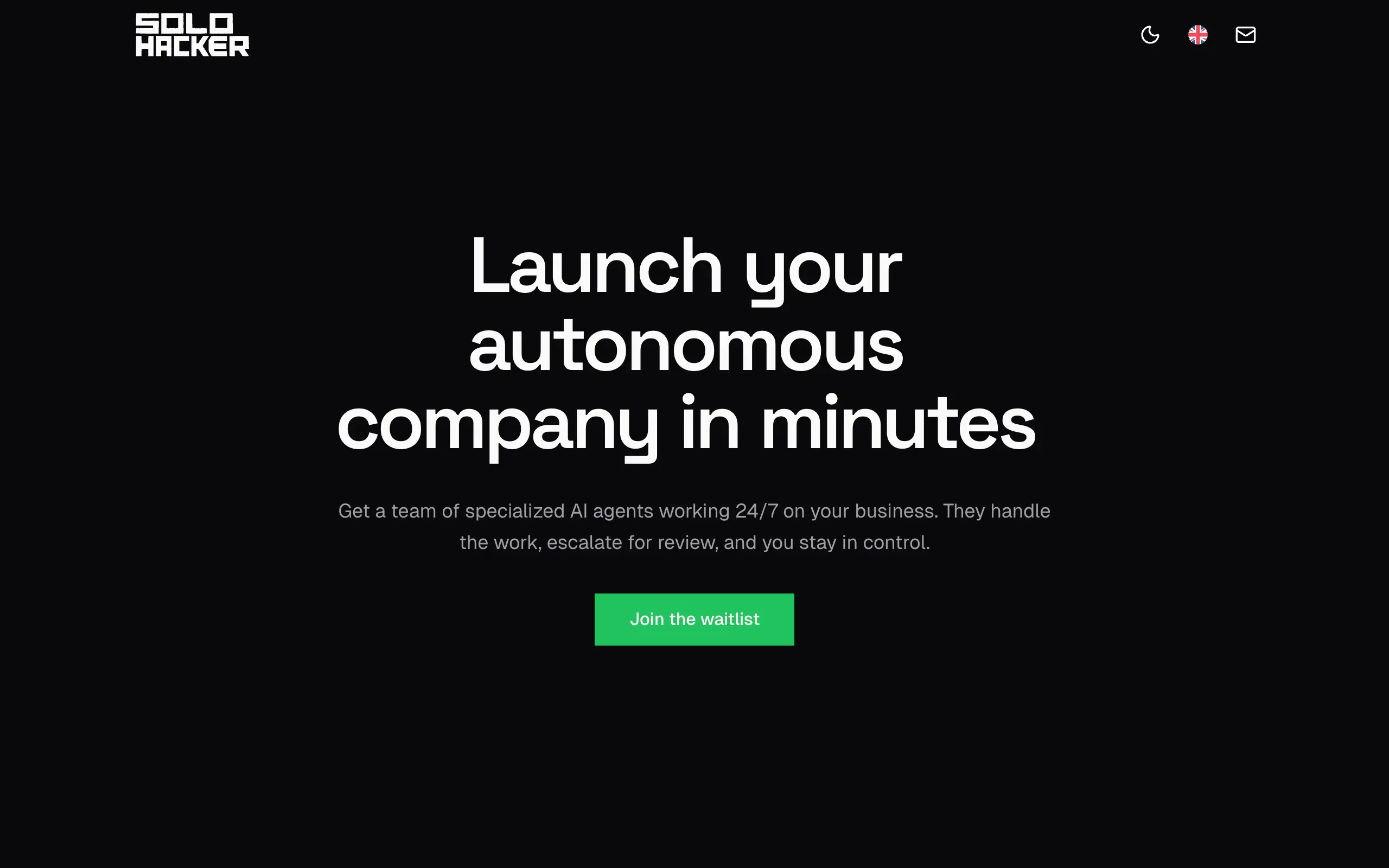
Solohacker
Autonomous company launcher - AI agents work 24/7, escalate what matters, and you stay in control 🤖
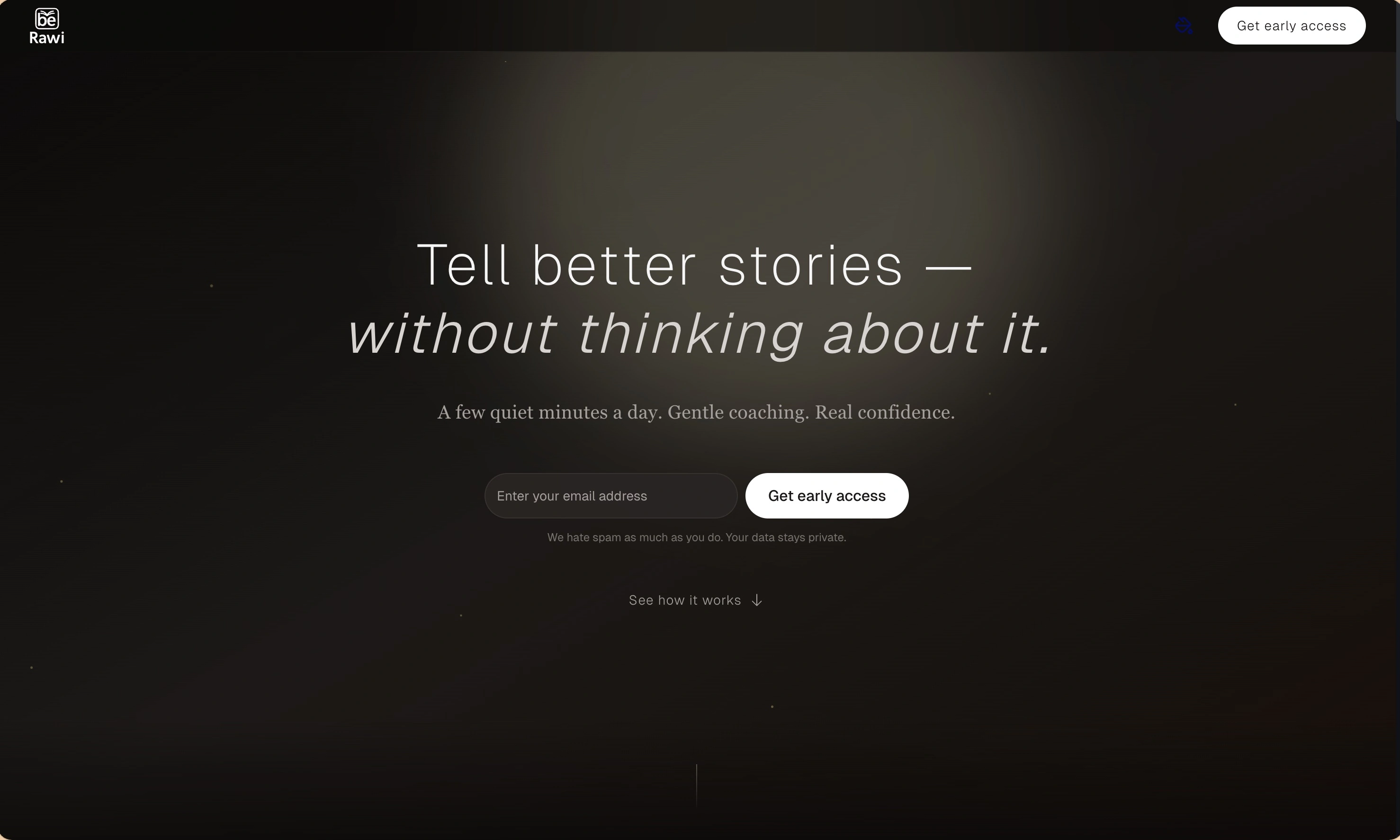
BeRawi: Storytelling Coach
Practice storytelling daily with instant feedback to sound clearer, more engaging, and confident 🎤
Omichat
Chat with 50+ AI models, including ChatGPT and Claude, in one place - switch models anytime without losing context 🤖
Claude Fast
Supercharge your Claude Code with 6x effective context window and specialized AI agents 🤖
EmojAI
AI-powered emoji picker with smart, context-aware suggestions 🤖
Solohacker
Autonomous company launcher - AI agents work 24/7, escalate what matters, and you stay in control 🤖
BeRawi: Storytelling Coach
Practice storytelling daily with instant feedback to sound clearer, more engaging, and confident 🎤
Omichat
Chat with 50+ AI models, including ChatGPT and Claude, in one place - switch models anytime without losing context 🤖
Claude Fast
Supercharge your Claude Code with 6x effective context window and specialized AI agents 🤖
EmojAI
AI-powered emoji picker with smart, context-aware suggestions 🤖
Solohacker
Autonomous company launcher - AI agents work 24/7, escalate what matters, and you stay in control 🤖
BeRawi: Storytelling Coach
Practice storytelling daily with instant feedback to sound clearer, more engaging, and confident 🎤
Omichat
Chat with 50+ AI models, including ChatGPT and Claude, in one place - switch models anytime without losing context 🤖
Claude Fast
Supercharge your Claude Code with 6x effective context window and specialized AI agents 🤖
EmojAI
AI-powered emoji picker with smart, context-aware suggestions 🤖
Solohacker
Autonomous company launcher - AI agents work 24/7, escalate what matters, and you stay in control 🤖
BeRawi: Storytelling Coach
Practice storytelling daily with instant feedback to sound clearer, more engaging, and confident 🎤

Connect with like-minded people
Join our community to get feedback, support, and grow together with 1,000+ builders on board, let's ship it!
Join usShip your startup everywhere. In minutes.
Don't burn tokens on setup and start building features on day one.