LifePilot
An AI-powered life organizer that turns your vague goals into weekly action plans, habits, and reminders. Built for people who feel stuck and don’t know where to start.
Why an AI-powered life organizer like LifePilot is emerging now
In 2026, productivity tools are everywhere—task managers, habit trackers, goal-setting apps, journaling platforms, and AI chatbots. Yet millions of people still feel stuck. They have ambitions (“get fit,” “start a side business,” “improve my mental health”), but they don’t know how to break those goals into realistic weekly plans.
That gap is exactly where LifePilot, an AI-powered life organizer, creates value.
Unlike traditional productivity apps that expect users to define tasks and structure themselves, LifePilot turns vague life goals into:
- Clear weekly action plans
- Habit-building routines
- Context-aware reminders
- Adaptive progress tracking
This article provides a comprehensive strategic breakdown of the LifePilot app concept—from target audience analysis and market opportunity to feature architecture, monetization, tech stack, risks, and implementation roadmap.
If you're validating this SaaS idea, building it, or investing in the AI productivity space, this deep dive will give you clarity.
Understanding user intent: what problem does LifePilot actually solve?
People searching for:
- “How to organize my life”
- “AI life planner app”
- “Turn goals into action plan”
- “How to stop procrastinating”
- “Best habit planner app”
- “I feel stuck in life, what should I do?”
…aren’t looking for another to-do list.
They’re looking for direction.
Core pain points
-
Vague goals without structure
- “I want to change careers”
- “I want to get healthier”
- “I want to be more productive”
-
Overwhelm from too many productivity tools
- Trello for tasks
- Notion for notes
- Google Calendar for events
- A habit tracker app
- A journaling app
-
Lack of execution clarity
- Not knowing what to do this week
- No prioritization
- No adaptive planning
-
Motivation drops due to complexity
- Plans feel too big
- Habits aren’t reinforced
- No feedback loop
LifePilot positions itself as an AI life organizer that simplifies the chaos.
Instead of asking, “What do you want to do today?” it asks:
“Where do you want to be in 6 months—and what should you do this week to get there?”
Target audience analysis
LifePilot is a B2C SaaS product. But B2C does not mean generic. It must target high-intent, emotionally motivated users.
Primary audience segments
1. Young professionals (22–35)
Ambitious but overwhelmed. Trying to balance career growth, fitness, finances, and relationships.
2. Career transitioners
People changing industries, starting businesses, or upskilling. Need structured roadmaps.
3. Self-improvement enthusiasts
Already use productivity tools but want smarter, AI-driven planning.
4. People feeling stuck
Low clarity, high desire for change. Need structured guidance and accountability.
Psychological profile
LifePilot’s ideal user:
- Values growth
- Feels behind peers
- Consumes productivity content
- Has tried planners but failed to sustain them
- Is open to AI guidance
Willingness to pay
This audience already pays for:
- Notion Pro
- Headspace
- Todoist Premium
- Fitness apps
- Online courses
A $10–$25/month subscription is realistic if perceived value equals “clarity + direction + execution.”
Market opportunity and gap analysis
The productivity SaaS market
The global productivity software market continues to grow, fueled by:
- Remote work
- Creator economy
- Personal branding culture
- AI adoption
AI-powered productivity tools have exploded since 2023. However:
- Most AI tools are assistants
- Few are life planners
- Almost none integrate goals → weekly execution → habits → reflection
Competitive landscape
Let’s compare LifePilot to common categories:
| Platform | Goal Planning | AI Action Breakdown | Habit Tracking | Adaptive Weekly Plans | Life-Level Focus |
|---|---|---|---|---|---|
| Todoist | ❌ | ❌ | ❌ | ❌ | ❌ |
| Notion | ✅ | ❌ | ❌ | ❌ | ❌ |
| Habit apps | ❌ | ❌ | ✅ | ❌ | ❌ |
| LifePilot | ✅ | ✅ | ✅ | ✅ | ✅ |
Identified gap
There is a missing layer between inspiration and execution.
YouTube gives motivation.
ChatGPT gives advice.
Task managers track tasks.
But nothing persistently converts:
“I want to improve my life”
into
“Here are 5 specific actions for this week, adjusted to your schedule and energy.”
That’s LifePilot’s opportunity.
Core value proposition of LifePilot
LifePilot is an AI-powered life organizer that converts vague life goals into structured weekly execution plans with habits and reminders.
The transformation promise
Before:
- Confused
- Overwhelmed
- Inconsistent
- Stuck
After:
- Clear direction
- Weekly roadmap
- Built-in accountability
- Momentum
This clarity-driven positioning differentiates it from generic AI assistants.
Core features and solution architecture
1. AI goal decomposition engine
User input:
“I want to get in shape and feel confident.”
LifePilot breaks this into:
- Define measurable goal
- Assess current baseline
- Create 12-week macro plan
- Generate weekly tasks
- Suggest habits
Behind the scenes:
- Natural language processing
- Goal classification model
- Framework-based planning (OKRs, SMART, Atomic Habits principles)
2. Weekly action plan generator
Every Sunday, LifePilot generates:
- Top 3 priorities
- Supporting tasks
- Habit reinforcement
- Calendar suggestions
Strategic differentiator
Most productivity apps are reactive. LifePilot is proactive.
3. Habit system integration
Instead of isolated habit tracking:
- Habits are tied to goals
- AI explains why each habit exists
- Streaks are secondary to consistency patterns
Example:
- Goal: “Launch freelance career”
- Habit: “Send 2 outreach messages daily”
4. Smart reminders & adaptive feedback
LifePilot monitors:
- Missed tasks
- Energy patterns
- Overcommitment
Then adjusts future plans.
This creates a feedback loop missing in static planners.
5. Reflection & recalibration module
Weekly reflection prompts:
- What worked?
- What didn’t?
- What felt hard?
- What should be adjusted?
AI summarizes and updates strategy.
High-level product flow
This closed-loop system creates compounding improvement.
Recommended tech stack for LifePilot
Choosing the right tech stack is critical for performance, scalability, and AI integration.
Frontend
- React or Next.js
- TailwindCSS
- TypeScript
Why:
- Scalable UI
- Strong ecosystem
- Great developer productivity
Backend
- Node.js (NestJS or Express)
- PostgreSQL (structured goals & plans)
- Redis (caching AI outputs)
AI Layer
- OpenAI API or similar LLM provider
- Prompt engineering with structured templates
- Optional vector database (e.g., Pinecone) for contextual memory
Key consideration:
- AI cost optimization via caching and goal abstraction.
Mobile app strategy
Option 1:
- React Native (shared logic)
Option 2:
- Progressive Web App first
- Native app later
For MVP: Web-first is faster and cheaper.
Example AI goal breakdown function (conceptual)
async function generateWeeklyPlan(userGoal: string, userContext: any) {
  const prompt = `
  Break down this goal into a realistic weekly plan:
  Goal: ${userGoal}
  Constraints: ${JSON.stringify(userContext)}
  Include 3 priorities and 5 supporting tasks.
  `;

  const response = await openai.chat.completions.create({
    model: "gpt-4o-mini",
    messages: [{ role: "user", content: prompt }]
  });

  return response.choices[0].message.content;
}
Monetization strategy for LifePilot
Since LifePilot is B2C, monetization must balance accessibility and perceived value.
1. Freemium model
Free tier:
- 1 active goal
- Basic weekly planning
- Limited AI recalibration
Pro tier ($15–$25/month):
- Unlimited goals
- Advanced AI adaptation
- Deep reflection analytics
- Priority support
2. Annual subscription discount
Encourage commitment:
- $180/year (instead of $240)
This aligns with long-term transformation messaging.
3. Upsell options
- AI coach add-on
- Premium life templates
- Guided transformation programs
4. Community-based premium tier
Future expansion:
- Group accountability
- Live planning sessions
- Peer challenges
Competitive advantage and defensibility
1. AI + structure, not just AI chat
Generic AI:
- Reactive
- One-off answers
LifePilot:
- Persistent memory
- Structured execution
- Weekly evolution
2. Emotional positioning
Most productivity tools focus on efficiency.
LifePilot focuses on:
- Clarity
- Direction
- Life transformation
That emotional branding increases retention.
3. Behavioral science integration
Incorporating:
- Habit stacking
- Implementation intentions
- Loss aversion nudges
Builds long-term user stickiness.
Potential risks and mitigation strategies
Risk 1: AI inaccuracy
Mitigation:
- Constrain AI output via structured prompts
- Validate outputs against planning templates
- Allow user edits
Risk 2: User churn after initial motivation
Mitigation:
- Gamified milestones
- Weekly progress insights
- Emotional reinforcement messages
Risk 3: High AI cost
Mitigation:
- Cache recurring outputs
- Compress prompts
- Limit generation frequency
Risk 4: Competition from large platforms
Notion or Google could add similar features.
Defense:
- Niche positioning
- Community layer
- Deep life-structure specialization
Go-to-market strategy for LifePilot
1. Content-led SEO strategy
Target keywords:
- AI life planner
- How to organize your life
- AI goal planner
- Weekly planning app
- Turn goals into action plan
Create:
- In-depth blog content
- YouTube demos
- Case studies
2. TikTok and Instagram Reels
Show transformations:
- “I used LifePilot for 30 days”
- Before/after breakdowns
Emotional hooks drive B2C adoption.
3. Influencer partnerships
Target:
- Productivity YouTubers
- Career coaches
- Self-improvement creators
4. Early adopter beta group
Offer:
- Free 3-month access
- Feedback-driven iteration
Implementation roadmap
Phase 1: Validation (Month 1)
- Landing page
- Waitlist
- User interviews
- Fake door test for pricing
Phase 2: MVP (Months 2–4)
Core features:
- Goal input
- AI weekly plan generator
- Habit tracker
- Reflection system
Build lean.
Phase 3: Optimization (Months 5–6)
- Improve AI prompts
- Add analytics dashboard
- Introduce subscription model
Phase 4: Growth (Months 7+)
- Mobile app
- Community layer
- Referral program
Why now is the right time for LifePilot
Three major trends converge:
- AI normalization
- Self-improvement economy growth
- Burnout & overwhelm crisis
People don’t need more productivity tools.
They need structured clarity.
LifePilot meets this need directly.
Final thoughts: can LifePilot win?
Yes—if positioned correctly.
It must not be marketed as:
- “Another productivity app”
- “AI task manager”
It must be positioned as:
Your AI-powered life organizer that turns confusion into weekly clarity.
If executed with strong UX, emotionally intelligent AI prompts, and clear weekly wins, LifePilot can achieve:
- High retention
- Strong word-of-mouth
- Compounding subscription revenue
Actionable next steps to build LifePilot
If you’re ready to build LifePilot efficiently, you can accelerate development using a production-ready SaaS foundation like TurboStarter, which provides authentication, billing, and scalable architecture out of the box.
Building an AI-powered life organizer isn’t just about code.
It’s about designing clarity.
And clarity, in today’s world, is a premium product.
More 👥 B2C Application SaaS ideas
Discover more innovative b2c application SaaS ideas that are trending in 2026. Each idea is AI-generated with market validation and growth potential to help you find your next profitable venture faster than competitors.
Your competitors are building with TurboStarter
Below are some of the SaaS ideas that have been generated and built with our starter kit.
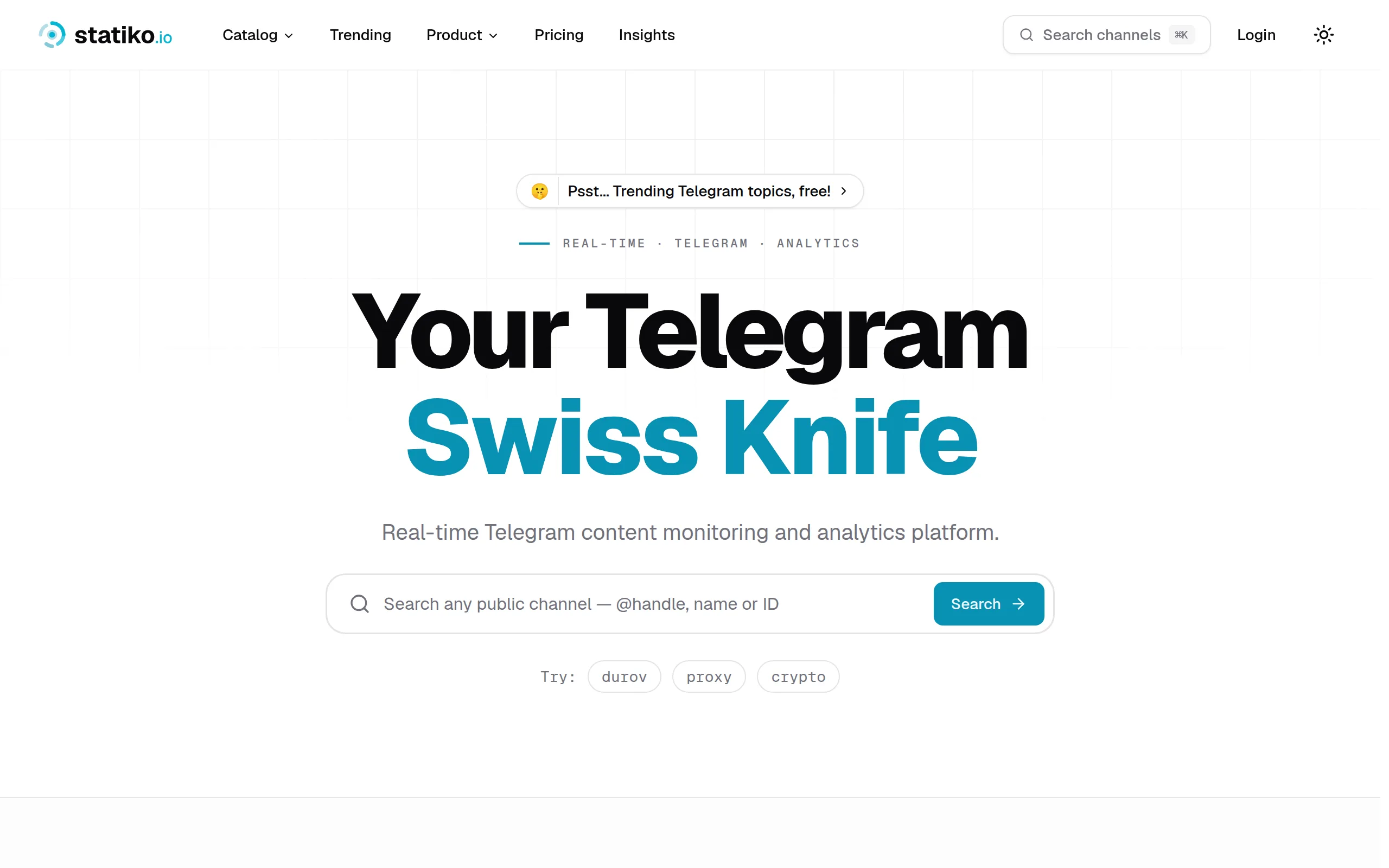
Statiko
Monitor any Telegram channel in real time - track posts, edits, deletions, and growth with AI recaps 📡

Shibui
AI website builder - describe your business, pick a niche template, edit by chatting, and publish instantly ✨

Pro Service
Find verified home service professionals, compare quotes, and pay securely through escrow - built for Brazilians across the US 🏠
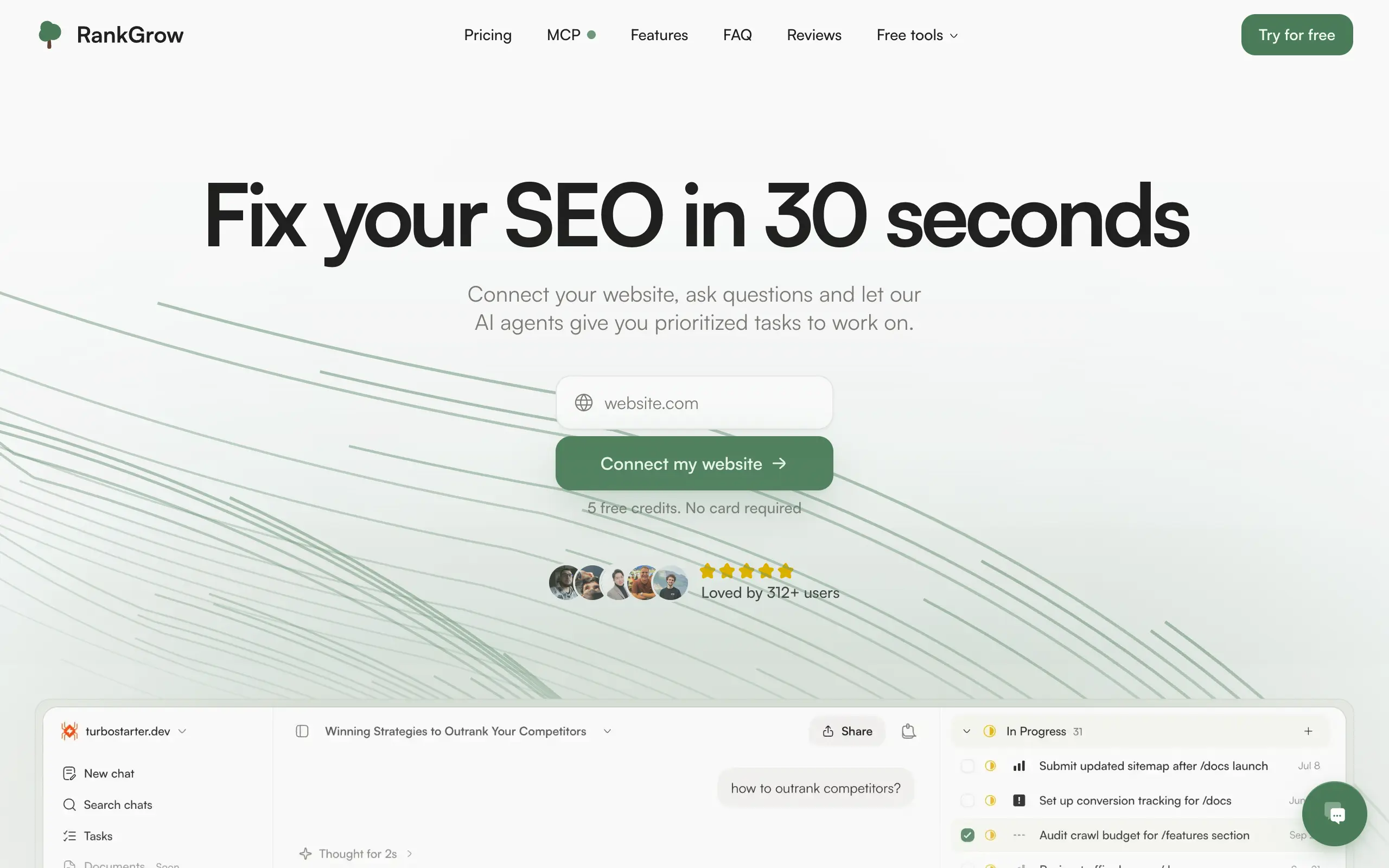
RankGrow
Fix your SEO with AI agents - connect Search Console, get prioritized tasks, and grow organic traffic 📈
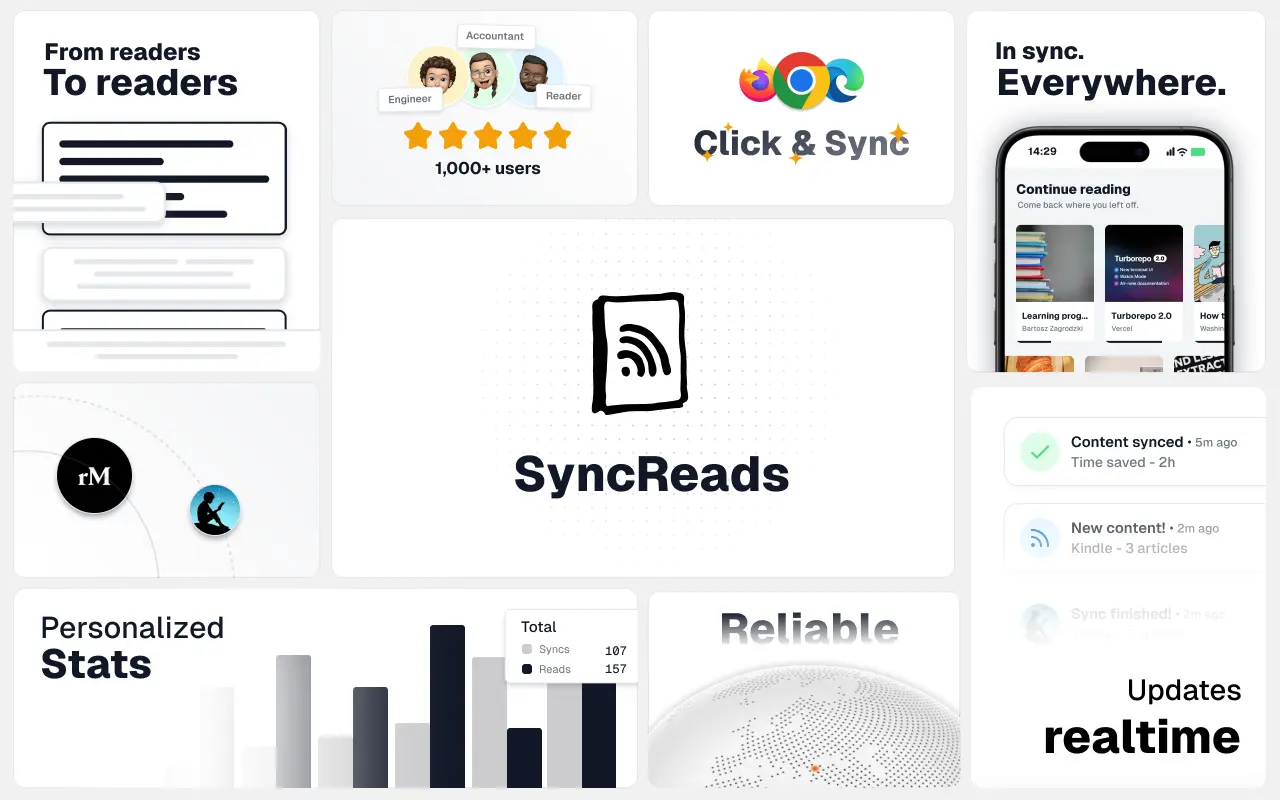
SyncReads
Sync your favorite content for distraction-free reading, save time and replace multiple apps. Anytime, anywhere 🔄
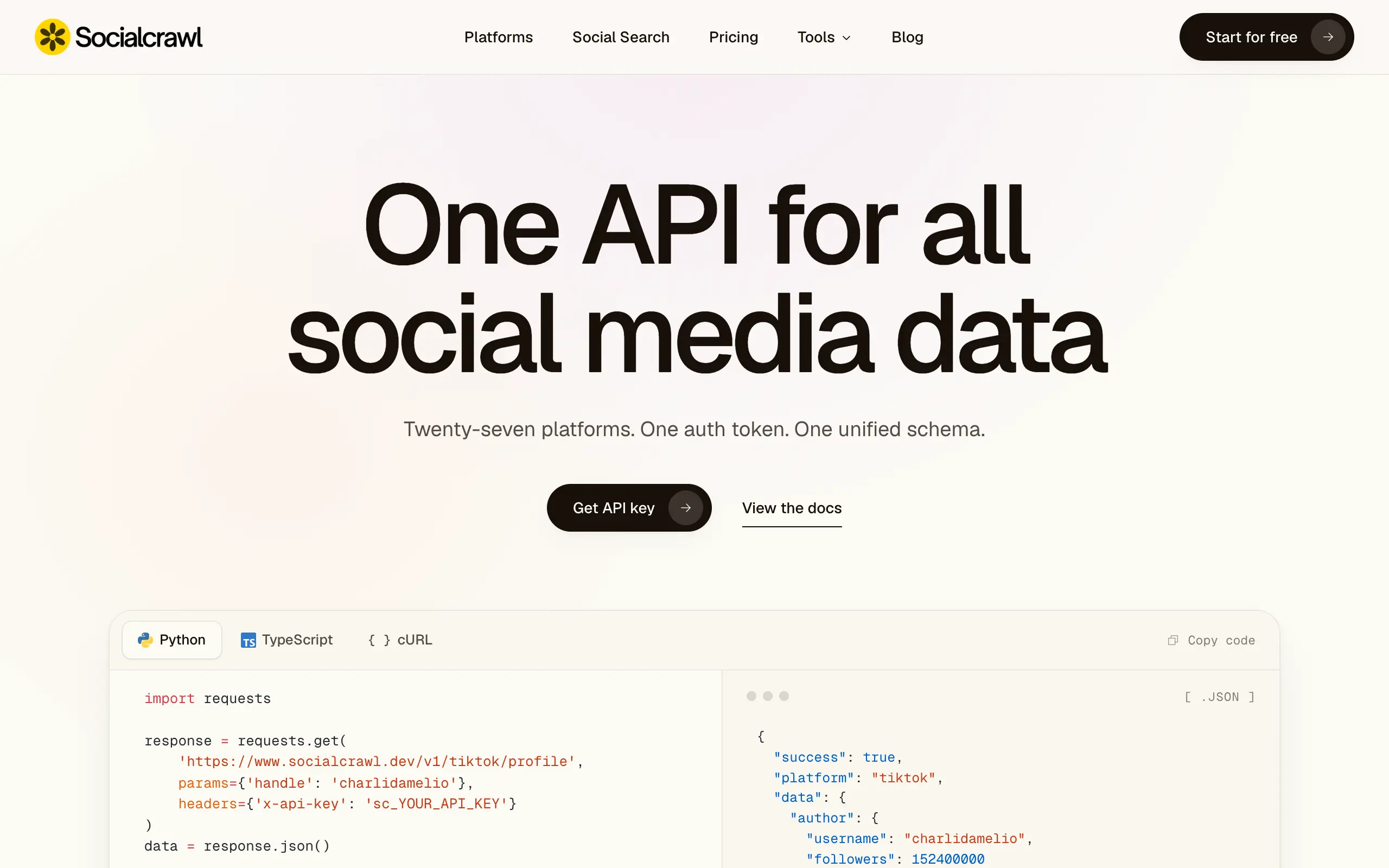
Socialcrawl
Get clean, structured data from 21 platforms like TikTok, Instagram, and YouTube with a single request 📊
Statiko
Monitor any Telegram channel in real time - track posts, edits, deletions, and growth with AI recaps 📡
Shibui
AI website builder - describe your business, pick a niche template, edit by chatting, and publish instantly ✨
Pro Service
Find verified home service professionals, compare quotes, and pay securely through escrow - built for Brazilians across the US 🏠
RankGrow
Fix your SEO with AI agents - connect Search Console, get prioritized tasks, and grow organic traffic 📈
SyncReads
Sync your favorite content for distraction-free reading, save time and replace multiple apps. Anytime, anywhere 🔄
Socialcrawl
Get clean, structured data from 21 platforms like TikTok, Instagram, and YouTube with a single request 📊
Statiko
Monitor any Telegram channel in real time - track posts, edits, deletions, and growth with AI recaps 📡
Shibui
AI website builder - describe your business, pick a niche template, edit by chatting, and publish instantly ✨
Pro Service
Find verified home service professionals, compare quotes, and pay securely through escrow - built for Brazilians across the US 🏠
RankGrow
Fix your SEO with AI agents - connect Search Console, get prioritized tasks, and grow organic traffic 📈
SyncReads
Sync your favorite content for distraction-free reading, save time and replace multiple apps. Anytime, anywhere 🔄
Socialcrawl
Get clean, structured data from 21 platforms like TikTok, Instagram, and YouTube with a single request 📊
Statiko
Monitor any Telegram channel in real time - track posts, edits, deletions, and growth with AI recaps 📡
Shibui
AI website builder - describe your business, pick a niche template, edit by chatting, and publish instantly ✨
Pro Service
Find verified home service professionals, compare quotes, and pay securely through escrow - built for Brazilians across the US 🏠
RankGrow
Fix your SEO with AI agents - connect Search Console, get prioritized tasks, and grow organic traffic 📈
SyncReads
Sync your favorite content for distraction-free reading, save time and replace multiple apps. Anytime, anywhere 🔄
Socialcrawl
Get clean, structured data from 21 platforms like TikTok, Instagram, and YouTube with a single request 📊
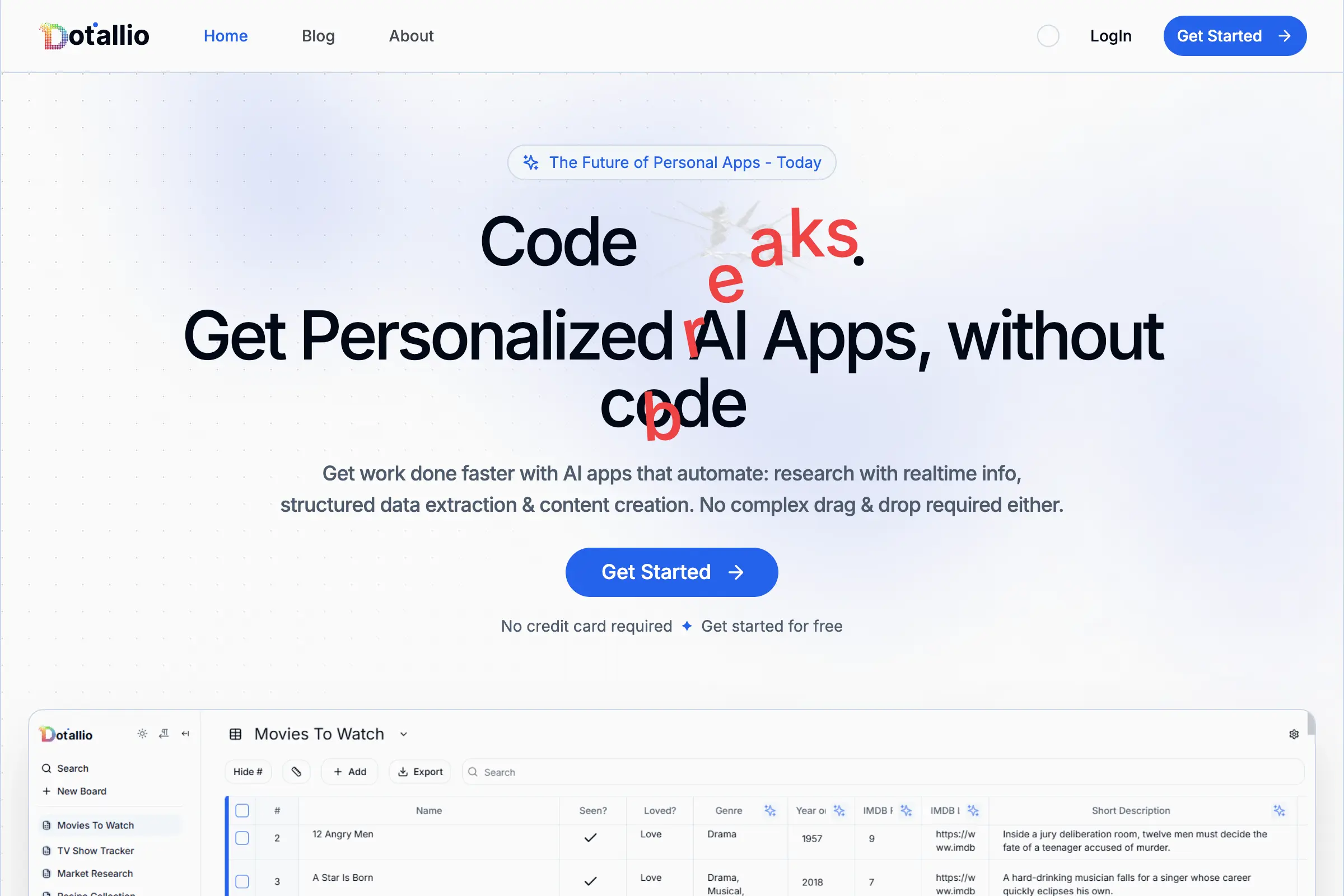
Dotallio
Personalized AI apps that automate research, data extraction, and content creation without code 🤖
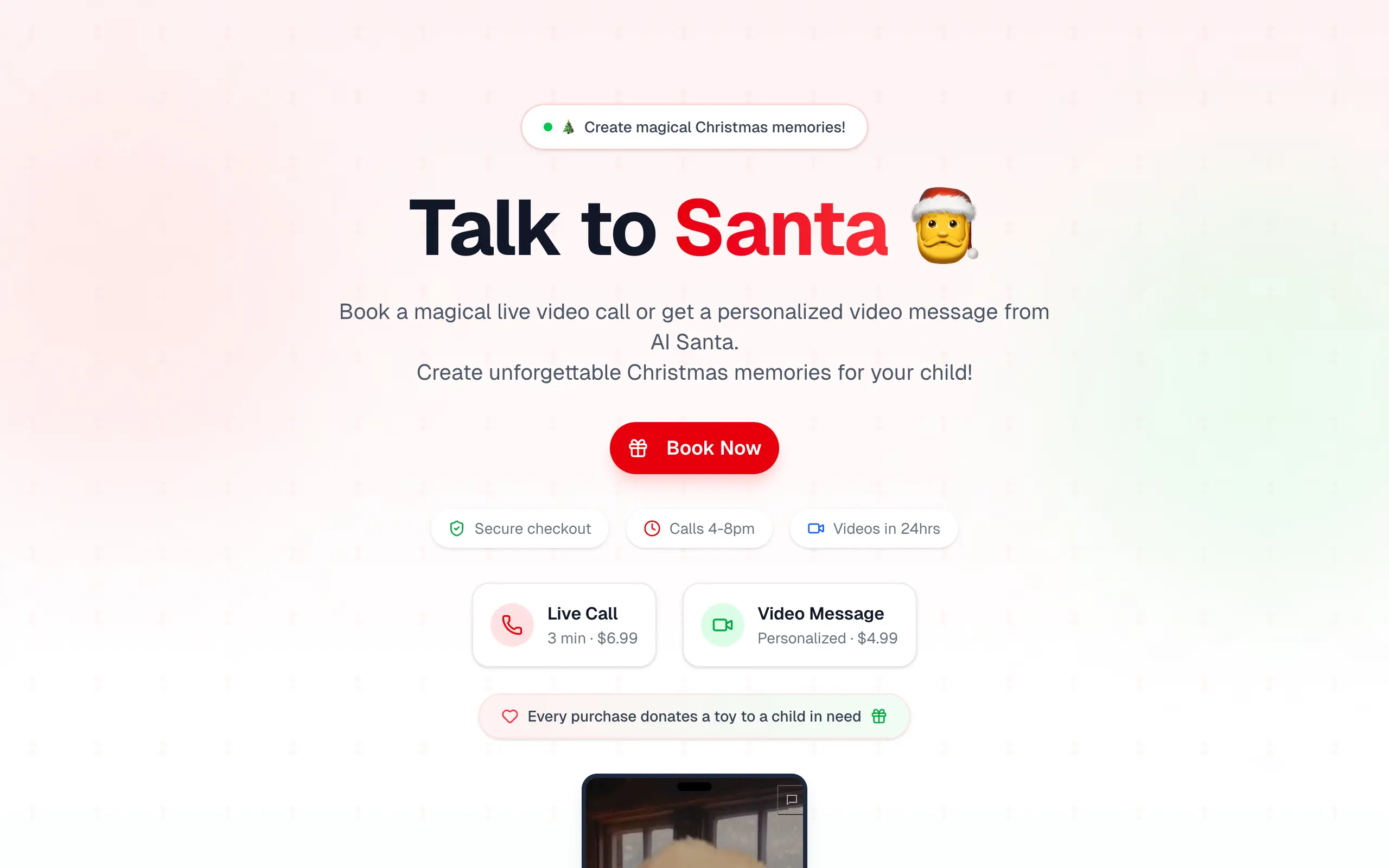
Talk to Santa
Enjoy a magical live video chat or receive a unique AI-generated video greeting from Santa Claus 🎅
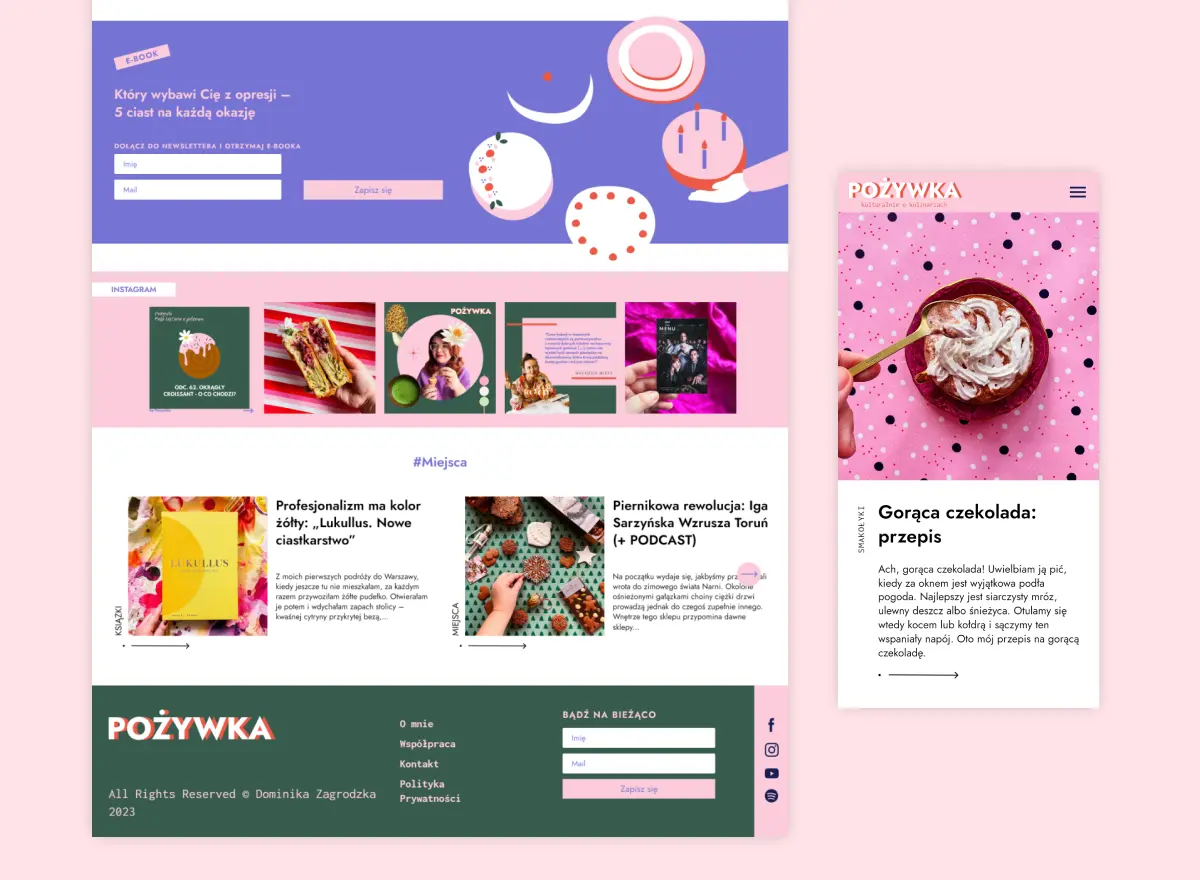
pozywka.pl
Scalable blog for food journalist, focused on performance and user experience 🌭
zagrodzki.me
Personal blog and portfolio of Bart Zagrodzki, where he shares his knowledge and work 💼
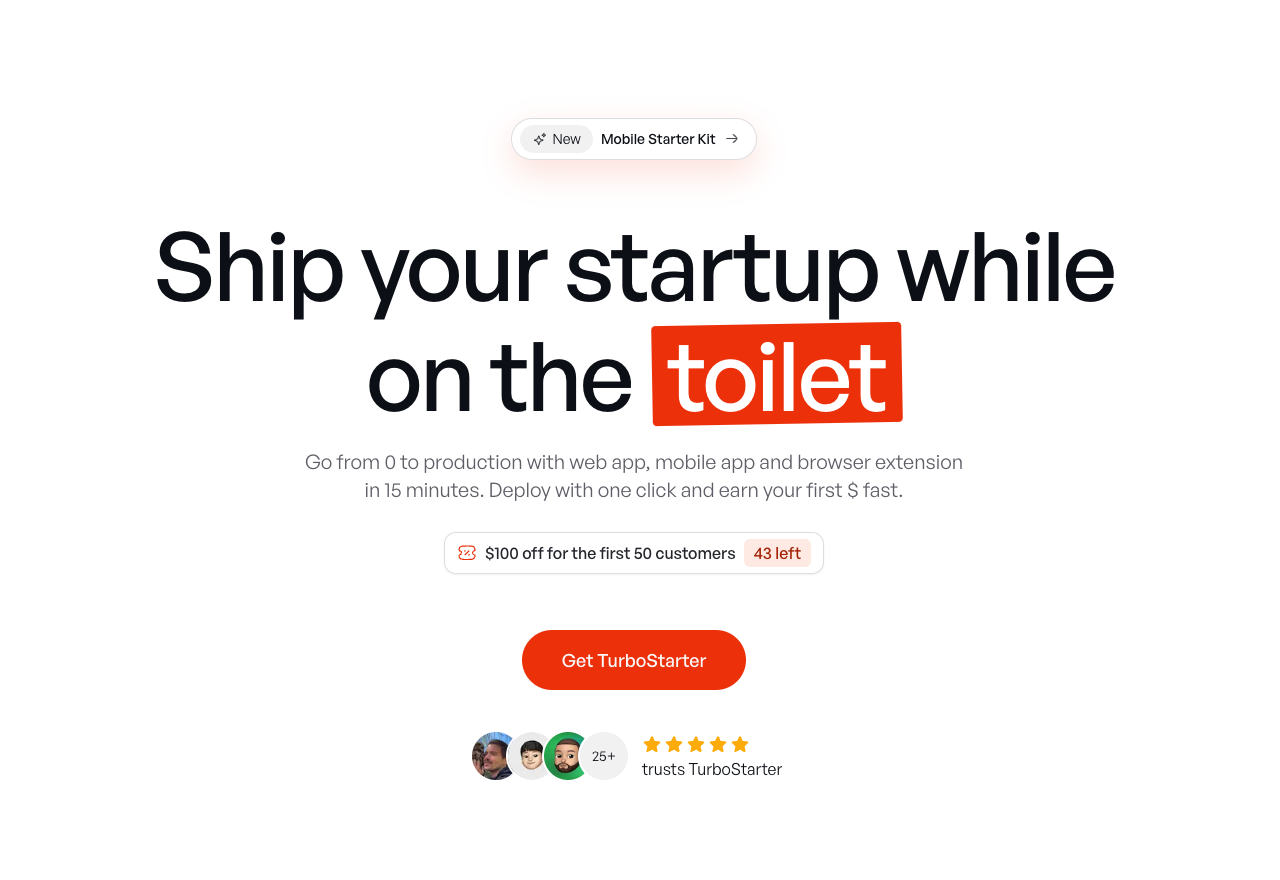
TurboStarter
Ship your startup everywhere. In minutes.
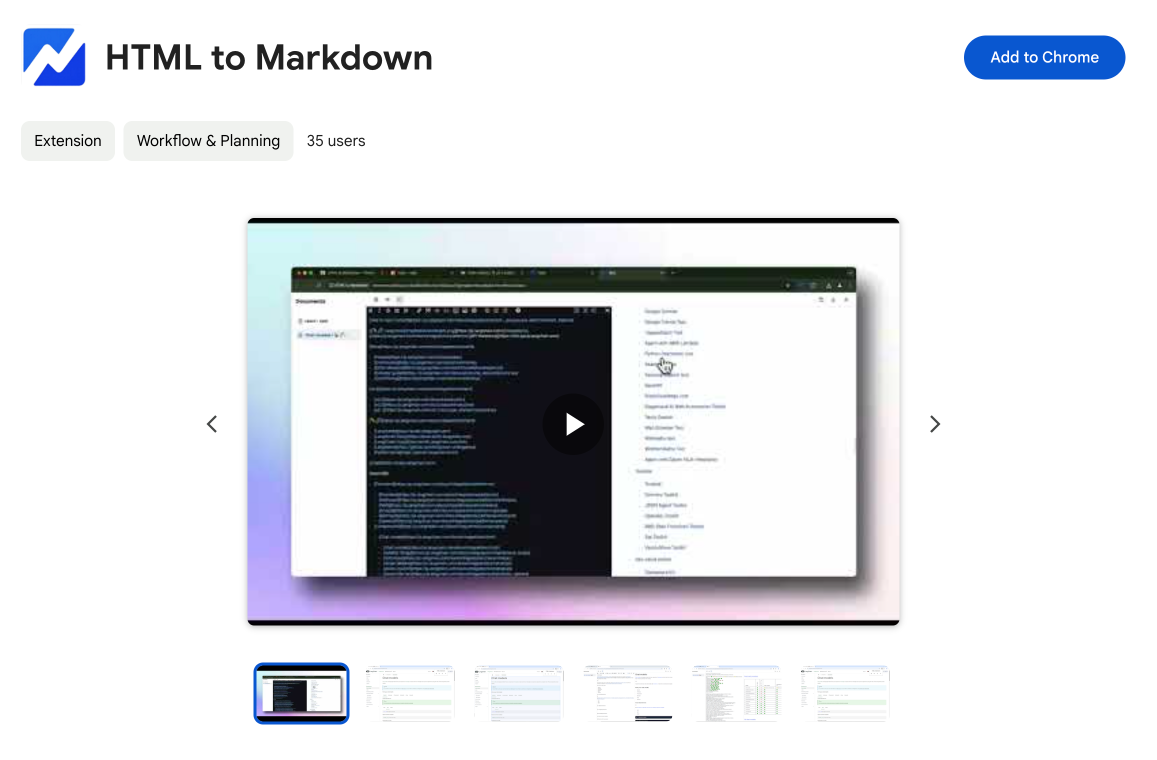
HTML to Markdown
Convert HTML to Markdown with ease, directly in your browser 📄
Dotallio
Personalized AI apps that automate research, data extraction, and content creation without code 🤖
Talk to Santa
Enjoy a magical live video chat or receive a unique AI-generated video greeting from Santa Claus 🎅
pozywka.pl
Scalable blog for food journalist, focused on performance and user experience 🌭
zagrodzki.me
Personal blog and portfolio of Bart Zagrodzki, where he shares his knowledge and work 💼
TurboStarter
Ship your startup everywhere. In minutes.
HTML to Markdown
Convert HTML to Markdown with ease, directly in your browser 📄
Dotallio
Personalized AI apps that automate research, data extraction, and content creation without code 🤖
Talk to Santa
Enjoy a magical live video chat or receive a unique AI-generated video greeting from Santa Claus 🎅
pozywka.pl
Scalable blog for food journalist, focused on performance and user experience 🌭
zagrodzki.me
Personal blog and portfolio of Bart Zagrodzki, where he shares his knowledge and work 💼
TurboStarter
Ship your startup everywhere. In minutes.
HTML to Markdown
Convert HTML to Markdown with ease, directly in your browser 📄
Dotallio
Personalized AI apps that automate research, data extraction, and content creation without code 🤖
Talk to Santa
Enjoy a magical live video chat or receive a unique AI-generated video greeting from Santa Claus 🎅
pozywka.pl
Scalable blog for food journalist, focused on performance and user experience 🌭
zagrodzki.me
Personal blog and portfolio of Bart Zagrodzki, where he shares his knowledge and work 💼
TurboStarter
Ship your startup everywhere. In minutes.
HTML to Markdown
Convert HTML to Markdown with ease, directly in your browser 📄
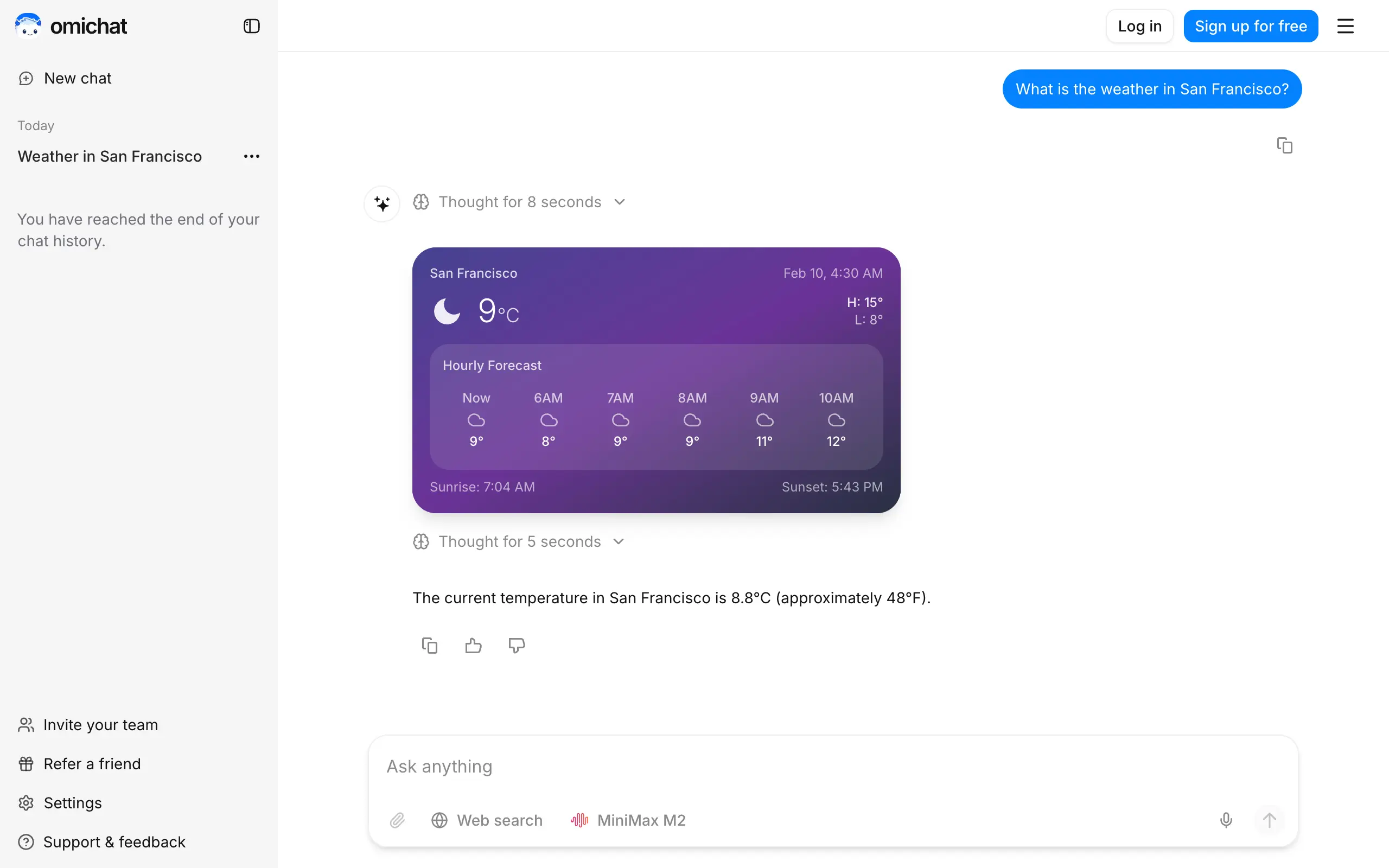
Omichat
Chat with 50+ AI models, including ChatGPT and Claude, in one place - switch models anytime without losing context 🤖
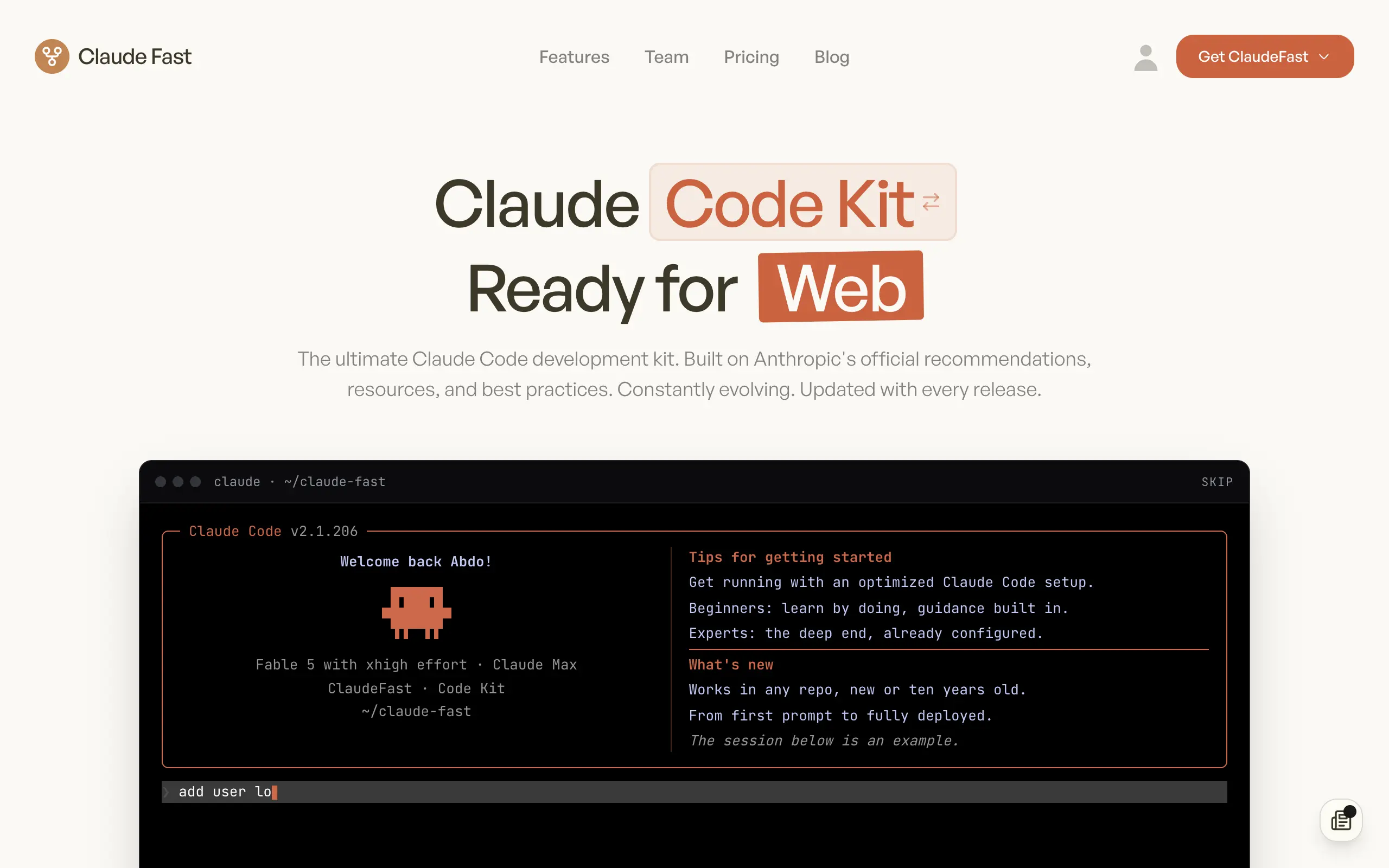
Claude Fast
Supercharge your Claude Code with 6x effective context window and specialized AI agents 🤖
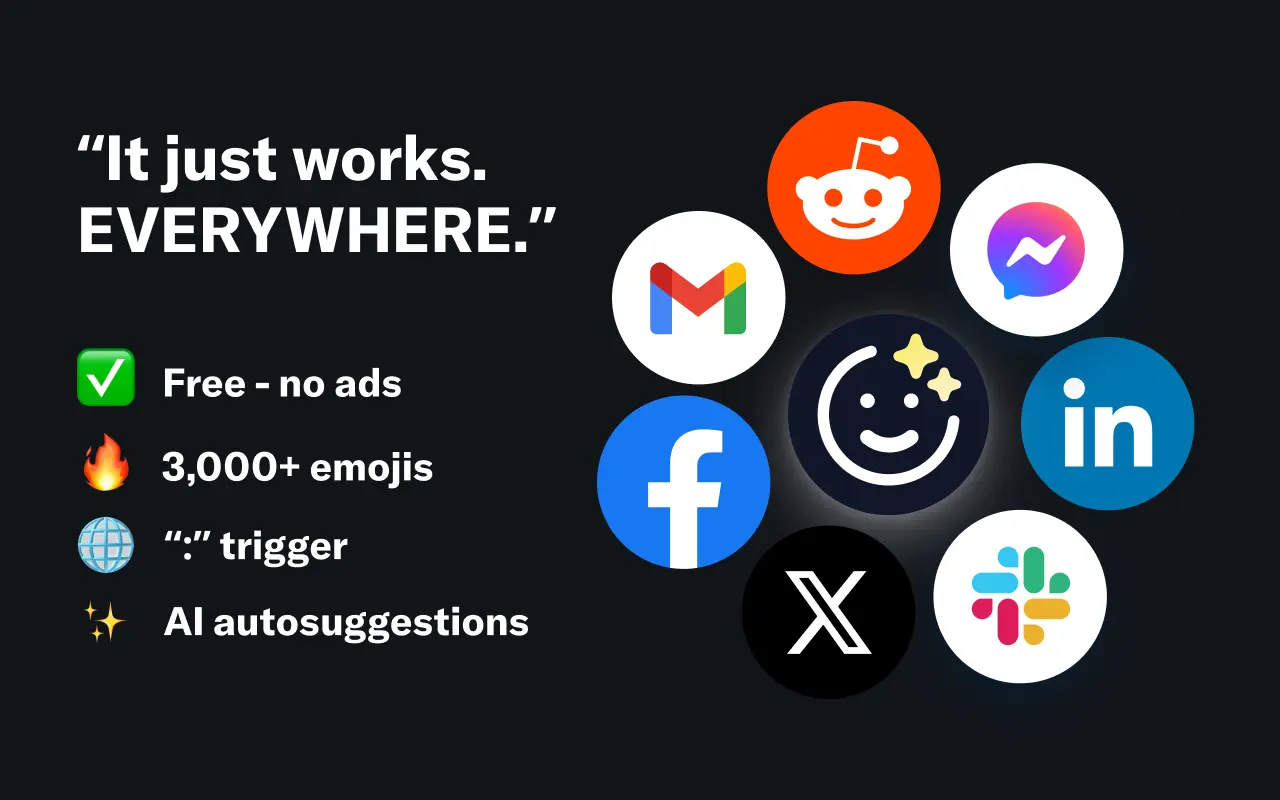
EmojAI
AI-powered emoji picker with smart, context-aware suggestions 🤖
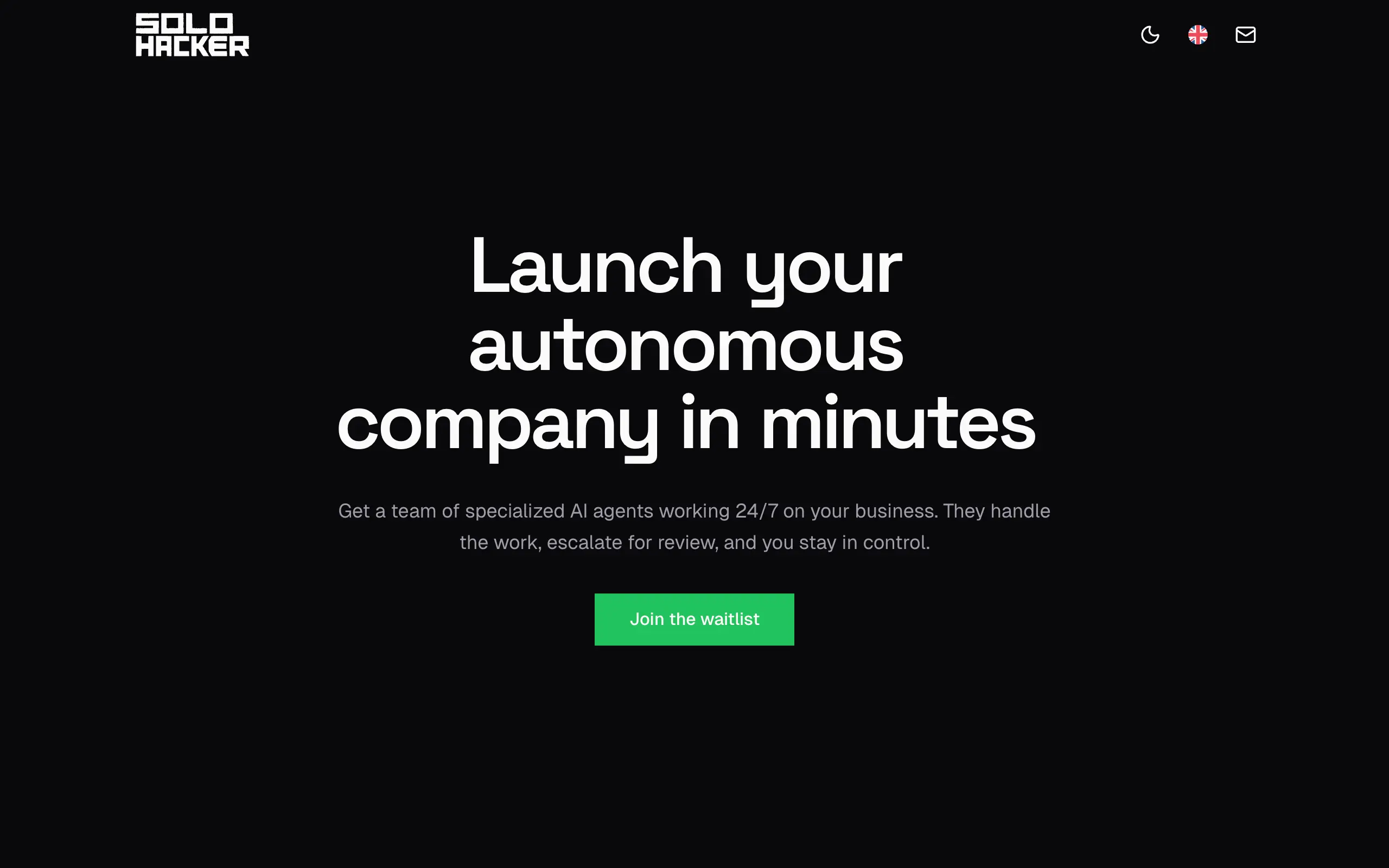
Solohacker
Autonomous company launcher - AI agents work 24/7, escalate what matters, and you stay in control 🤖
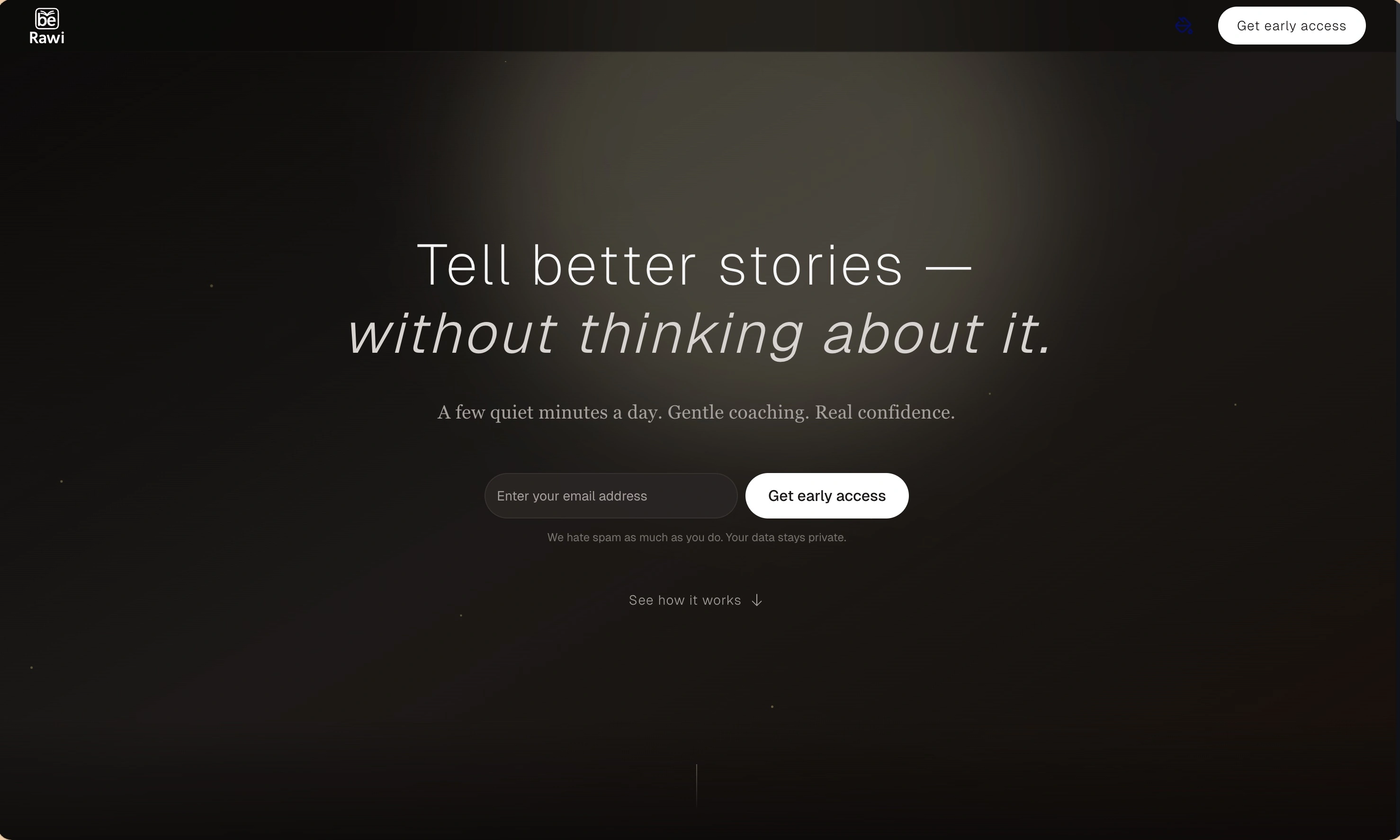
BeRawi: Storytelling Coach
Practice storytelling daily with instant feedback to sound clearer, more engaging, and confident 🎤
Omichat
Chat with 50+ AI models, including ChatGPT and Claude, in one place - switch models anytime without losing context 🤖
Claude Fast
Supercharge your Claude Code with 6x effective context window and specialized AI agents 🤖
EmojAI
AI-powered emoji picker with smart, context-aware suggestions 🤖
Solohacker
Autonomous company launcher - AI agents work 24/7, escalate what matters, and you stay in control 🤖
BeRawi: Storytelling Coach
Practice storytelling daily with instant feedback to sound clearer, more engaging, and confident 🎤
Omichat
Chat with 50+ AI models, including ChatGPT and Claude, in one place - switch models anytime without losing context 🤖
Claude Fast
Supercharge your Claude Code with 6x effective context window and specialized AI agents 🤖
EmojAI
AI-powered emoji picker with smart, context-aware suggestions 🤖
Solohacker
Autonomous company launcher - AI agents work 24/7, escalate what matters, and you stay in control 🤖
BeRawi: Storytelling Coach
Practice storytelling daily with instant feedback to sound clearer, more engaging, and confident 🎤
Omichat
Chat with 50+ AI models, including ChatGPT and Claude, in one place - switch models anytime without losing context 🤖
Claude Fast
Supercharge your Claude Code with 6x effective context window and specialized AI agents 🤖
EmojAI
AI-powered emoji picker with smart, context-aware suggestions 🤖
Solohacker
Autonomous company launcher - AI agents work 24/7, escalate what matters, and you stay in control 🤖
BeRawi: Storytelling Coach
Practice storytelling daily with instant feedback to sound clearer, more engaging, and confident 🎤

Connect with like-minded people
Join our community to get feedback, support, and grow together with 1,000+ builders on board, let's ship it!
Join usShip your startup everywhere. In minutes.
Don't burn tokens on setup and start building features on day one.