LifeStage Finance
Proactive money advice that adapts to life events like jobs, marriage, kids, or home buying, with clear next steps for taxes, investing, and cash flow.
Understanding the problem LifeStage Finance solves
Managing personal finances has never been more complex. Income streams are fragmented, tax rules change frequently, investment options are overwhelming, and major life events can completely reshape someone’s financial priorities overnight. Yet most financial tools still treat users as static profiles rather than evolving individuals.
LifeStage Finance addresses this gap with proactive, adaptive money advice that changes as people move through real-life milestones like starting a new job, getting married, having kids, buying a home, or planning for retirement. Instead of generic dashboards or reactive alerts, it delivers clear next steps for taxes, investing, and cash flow—contextualized to where someone is in life right now.
From an SEO and market perspective, this idea sits at the intersection of several high-intent search themes:
- “financial planning by life stage”
- “personal finance app for major life events”
- “money advice for new parents / newly married / first-time home buyers”
- “how to adjust finances after job change”
The search intent behind these queries is practical and action-oriented. Users aren’t just learning; they’re actively navigating change and want guidance they can trust.
Target audience analysis: who LifeStage Finance is for
Primary audience segments
LifeStage Finance is a B2C SaaS targeting individuals who experience frequent or impactful financial transitions. The core audience can be segmented into distinct life stages:
-
Early-career professionals (ages ~22–30)
- New jobs, variable income, student loans
- Searching for guidance on budgeting, taxes, and investing basics
- High intent for “what should I do next” style content
-
Couples and newly married households
- Merging finances, changing tax filing status
- Questions about joint accounts, insurance, and long-term goals
- Often underserved by traditional finance apps
-
New parents and growing families
- Childcare costs, education savings, updated insurance needs
- Tax credits, dependent benefits, and cash flow stress
- High emotional and financial stakes
-
First-time home buyers
- Down payments, mortgages, closing costs, tax deductions
- Need coordinated advice across saving, debt, and long-term planning
-
Mid-career professionals navigating complexity
- Career changes, equity compensation, multiple accounts
- Seeking optimization rather than basic budgeting
Psychographic traits
Across these segments, several traits are consistent:
- Motivated but overwhelmed
- Digitally savvy, but skeptical of “one-size-fits-all” advice
- Value clarity, transparency, and step-by-step guidance
- Increasing distrust of commission-driven financial advice
LifeStage Finance speaks directly to users who want guidance without judgment, and structure without rigidity.
Market opportunity and gap analysis
The problem with existing personal finance tools
Most personal finance products fall into one of three categories:
- Budgeting apps (tracking past behavior)
- Investment platforms (focused on assets, not life context)
- Human financial advisors (expensive and not scalable)
What’s missing is a system that connects life events → financial implications → prioritized actions.
Here’s where the gap becomes clear.
| Feature | Budgeting apps | Investment platforms | Human advisors | LifeStage Finance |
|---|---|---|---|---|
| Tracks spending | ✅ | ❌ | ✅ | ✅ |
| Adapts to life events | ❌ | ❌ | ✅ | ✅ |
| Actionable next steps | ❌ | ❌ | ✅ | ✅ |
| Affordable & scalable | ✅ | ✅ | ❌ | ✅ |
Why now is the right time
Several macro trends strengthen the opportunity:
- Increased financial self-management as pensions disappear
- Rising cost of life events (housing, childcare, healthcare)
- Growing comfort with digital financial advice
- Advances in AI-driven personalization (rule-based + contextual)
LifeStage Finance is positioned to become the “financial operating system” that updates automatically as life changes.
Core value proposition and unique selling point
What makes LifeStage Finance different
The core USP is simple but powerful:
Proactive financial advice that adapts to your life—not just your accounts.
Key differentiators include:
- Life-event-driven logic instead of static dashboards
- Plain-language recommendations, not financial jargon
- Cross-domain advice (taxes, investing, cash flow in one place)
- Clear prioritization of what matters now vs later
This positions LifeStage Finance as a decision-support system, not just a tracking tool.
E-E-A-T positioning
LifeStage Finance builds trust by combining transparent logic, explainable recommendations, and user-controlled data—key factors for long-term credibility in consumer finance.
Core features and solution architecture
Life event detection and onboarding
Users can explicitly signal life events or allow the platform to infer them based on changes in behavior.
Examples:
- New job detected → income spike + new benefits
- Marriage selected → tax filing and insurance changes
- Child added → dependent benefits and education planning
Each event triggers a financial impact analysis.
Personalized financial roadmap
Instead of a single score or graph, users see:
- Immediate actions (this month)
- Short-term actions (next 3–6 months)
- Long-term considerations
This roadmap evolves as new events occur.
Tax-aware guidance
Tax implications are integrated directly into advice:
- Filing status changes
- Credits and deductions
- Withholding adjustments
Rather than replacing tax software, LifeStage Finance prepares users to make better decisions year-round.
Investment alignment by life stage
Investment guidance adapts based on:
- Time horizon
- Risk tolerance changes due to life events
- Cash needs vs growth goals
No stock picking—just allocation and behavior guidance.
Cash flow optimization
Users receive suggestions like:
- Adjusting emergency fund size
- Rebalancing savings goals
- Preparing for irregular expenses
When a user adds a child, LifeStage Finance may suggest increasing emergency savings, reviewing insurance coverage, adjusting tax withholding, and starting a 529 plan—ranked by urgency and impact.
Recommended tech stack and architecture
Frontend
- React for component-driven UI (React)
- TypeScript for safety and scalability
- Tailwind CSS for rapid, consistent styling (TailwindCSS)
Trade-off: Tailwind accelerates development but requires discipline to avoid design inconsistency.
Backend
- Node.js with a structured framework
- PostgreSQL for relational financial data
- Event-driven architecture for life stage triggers
Data and logic layer
- Rule-based engine for compliance-sensitive logic
- Optional AI layer for personalization and explanation
- Strong auditability to support trust and transparency
Security and compliance
- Encryption at rest and in transit
- Clear data ownership and deletion policies
- Alignment with consumer data protection standards
Important compliance note
LifeStage Finance should position itself as educational and guidance-based, not as a licensed financial advisor, unless regulatory requirements are met.
Monetization strategy options
Subscription-based model
The most natural fit is a tiered subscription:
- Free: basic tracking + limited life events
- Premium: full life-stage guidance, tax insights, projections
Event-based upsells
Users could unlock deeper guidance during major events:
- Home buying
- Career change
- New child
Partner integrations (carefully)
Affiliate or referral relationships must be transparent and optional to preserve trust.
Subscription revenue
Predictable recurring revenue aligned with long-term user value.
Event-based upsells
High-intent moments where users are willing to pay for clarity.
Partnerships
Optional integrations with tax or investment platforms, handled transparently.
Competitive advantage analysis
Against budgeting apps
Budgeting apps focus on what happened. LifeStage Finance focuses on what to do next.
Against robo-advisors
Robo-advisors manage portfolios. LifeStage Finance manages decisions across life.
Against human advisors
Human advisors offer depth but are expensive and episodic. LifeStage Finance offers continuous guidance at scale.
The defensibility lies in:
- Life-stage logic models
- Longitudinal user trust
- Data-driven personalization over time
Risks and mitigation strategies
Regulatory risk
Risk: Being perceived as offering regulated advice
Mitigation: Clear disclaimers, educational framing, and optional professional referrals
User trust and data sensitivity
Risk: Financial data breaches or misuse
Mitigation: Transparent data policies and minimal data collection
Overcomplexity
Risk: Too many recommendations overwhelm users
Mitigation: Strict prioritization and progressive disclosure
Limit visible actions to 3–5 at a time and explain why each matters now.
Go-to-market strategy
Content-led growth
SEO-friendly content around:
- “What to do financially after X”
- Life-stage checklists
- Decision frameworks
This aligns perfectly with search intent.
Partnerships
- Employers
- Benefits platforms
- Family-oriented communities
Trust-building mechanisms
- Explainable logic
- Clear assumptions
- Optional human review in the future
Implementation roadmap: from idea to MVP
For founders who want to accelerate this process, frameworks and starter kits like TurboStarter can significantly reduce setup time while keeping architecture clean and scalable.
Why LifeStage Finance can win long-term
LifeStage Finance isn’t competing to be another budgeting app or robo-advisor. It’s creating a new category: life-aware financial guidance.
By anchoring advice to real human transitions, it:
- Meets users at moments of highest intent
- Builds trust through relevance
- Grows in value as users progress through life
This combination of empathy, structure, and adaptability is what makes LifeStage Finance a compelling and defensible B2C SaaS opportunity.
Final thoughts
Personal finance is ultimately about decision-making under uncertainty. LifeStage Finance succeeds by reducing that uncertainty at the exact moments people need clarity most.
For founders, this idea offers:
- A clear market gap
- Strong SEO and content leverage
- Deep potential for long-term user relationships
For users, it offers something rare in finance software: confidence that their money plan actually fits their life today—and tomorrow.
More 👥 B2C Application SaaS ideas
Discover more innovative b2c application SaaS ideas that are trending in 2026. Each idea is AI-generated with market validation and growth potential to help you find your next profitable venture faster than competitors.
Your competitors are building with TurboStarter
Below are some of the SaaS ideas that have been generated and built with our starter kit.
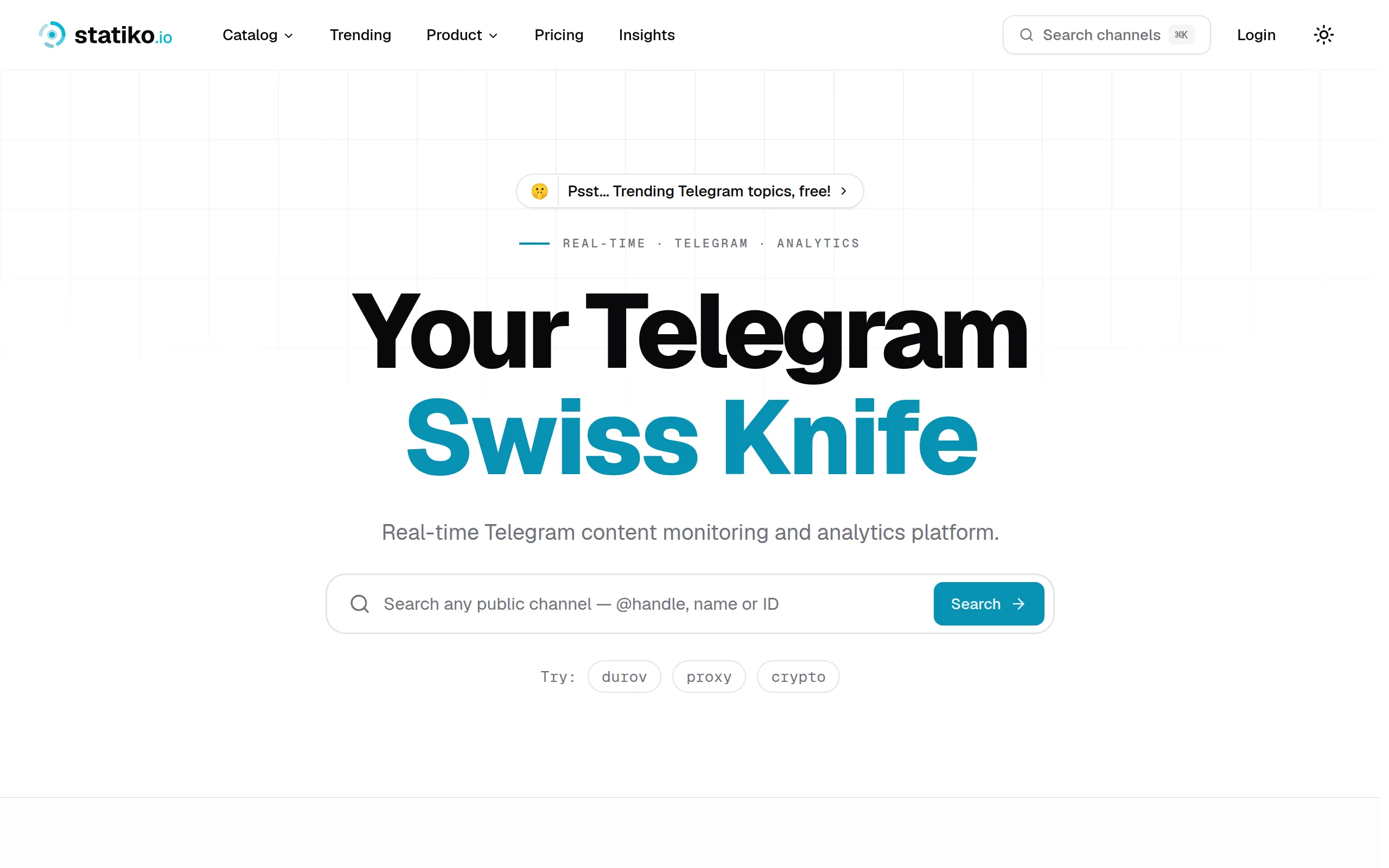
Statiko
Monitor any Telegram channel in real time - track posts, edits, deletions, and growth with AI recaps 📡

Shibui
AI website builder - describe your business, pick a niche template, edit by chatting, and publish instantly ✨

Pro Service
Find verified home service professionals, compare quotes, and pay securely through escrow - built for Brazilians across the US 🏠
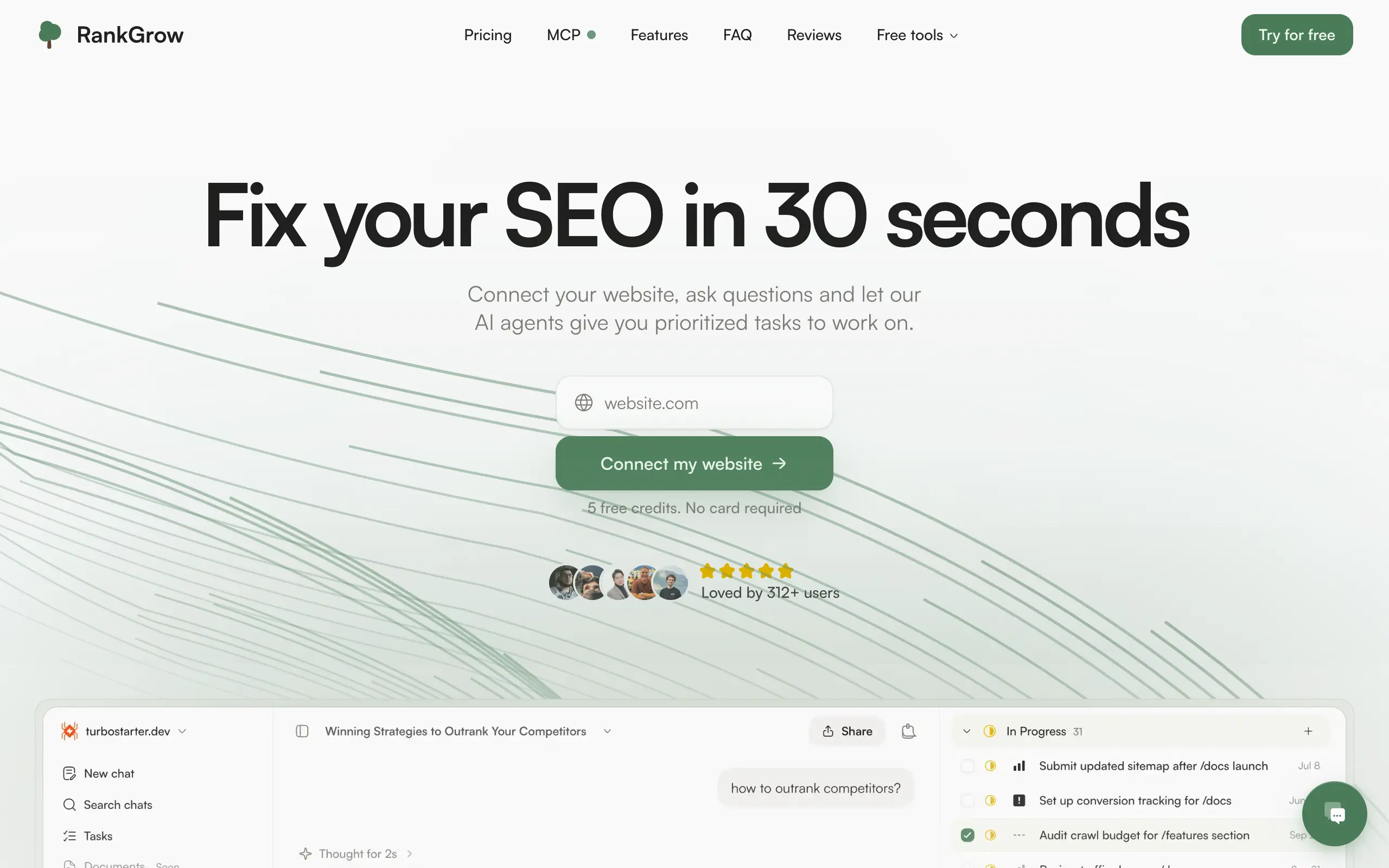
RankGrow
Fix your SEO with AI agents - connect Search Console, get prioritized tasks, and grow organic traffic 📈
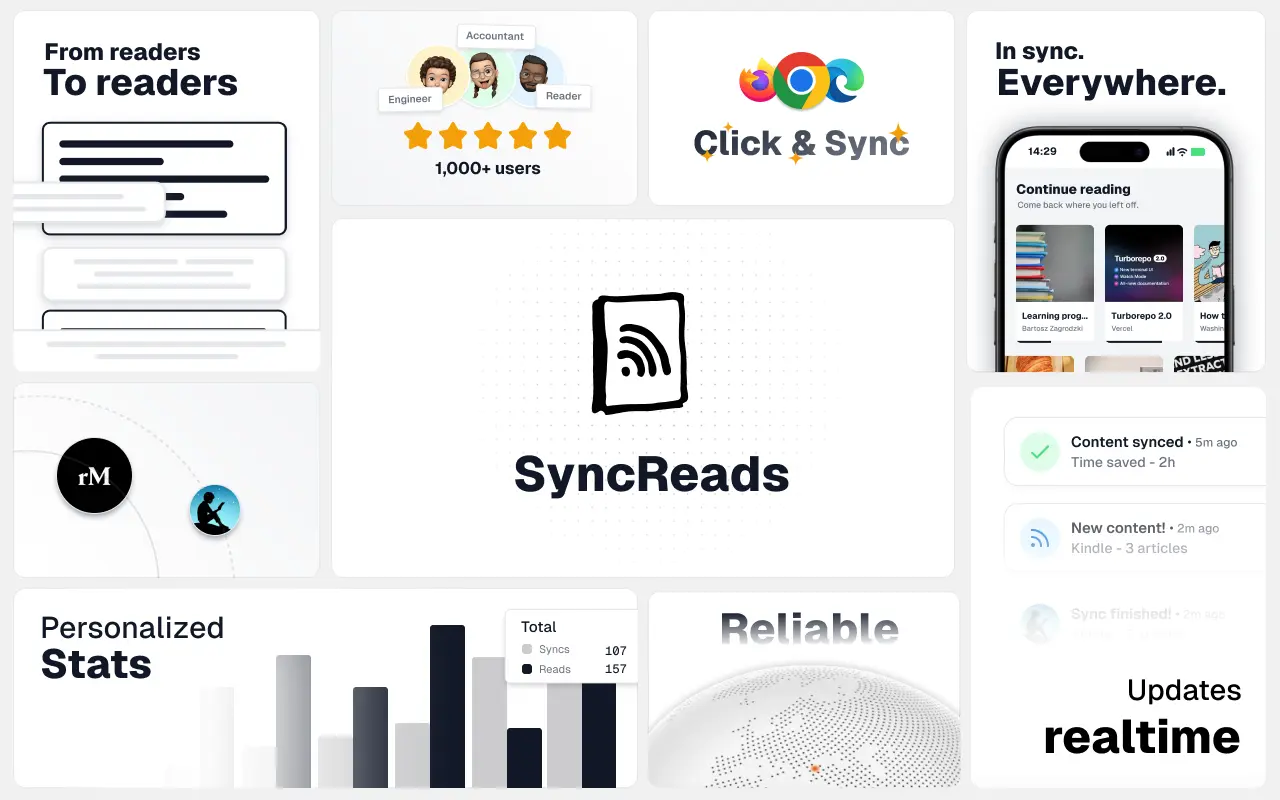
SyncReads
Sync your favorite content for distraction-free reading, save time and replace multiple apps. Anytime, anywhere 🔄
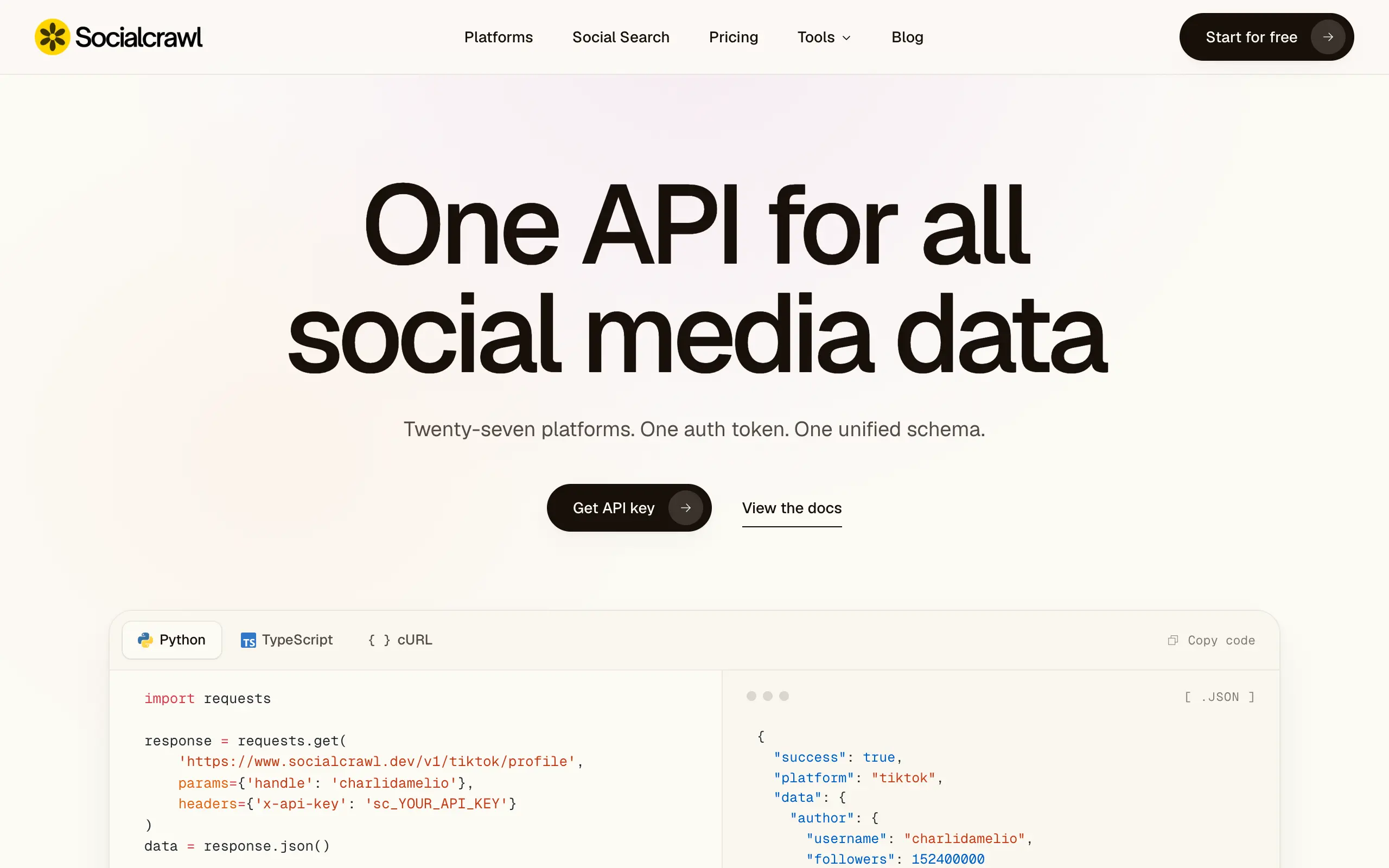
Socialcrawl
Get clean, structured data from 21 platforms like TikTok, Instagram, and YouTube with a single request 📊
Statiko
Monitor any Telegram channel in real time - track posts, edits, deletions, and growth with AI recaps 📡
Shibui
AI website builder - describe your business, pick a niche template, edit by chatting, and publish instantly ✨
Pro Service
Find verified home service professionals, compare quotes, and pay securely through escrow - built for Brazilians across the US 🏠
RankGrow
Fix your SEO with AI agents - connect Search Console, get prioritized tasks, and grow organic traffic 📈
SyncReads
Sync your favorite content for distraction-free reading, save time and replace multiple apps. Anytime, anywhere 🔄
Socialcrawl
Get clean, structured data from 21 platforms like TikTok, Instagram, and YouTube with a single request 📊
Statiko
Monitor any Telegram channel in real time - track posts, edits, deletions, and growth with AI recaps 📡
Shibui
AI website builder - describe your business, pick a niche template, edit by chatting, and publish instantly ✨
Pro Service
Find verified home service professionals, compare quotes, and pay securely through escrow - built for Brazilians across the US 🏠
RankGrow
Fix your SEO with AI agents - connect Search Console, get prioritized tasks, and grow organic traffic 📈
SyncReads
Sync your favorite content for distraction-free reading, save time and replace multiple apps. Anytime, anywhere 🔄
Socialcrawl
Get clean, structured data from 21 platforms like TikTok, Instagram, and YouTube with a single request 📊
Statiko
Monitor any Telegram channel in real time - track posts, edits, deletions, and growth with AI recaps 📡
Shibui
AI website builder - describe your business, pick a niche template, edit by chatting, and publish instantly ✨
Pro Service
Find verified home service professionals, compare quotes, and pay securely through escrow - built for Brazilians across the US 🏠
RankGrow
Fix your SEO with AI agents - connect Search Console, get prioritized tasks, and grow organic traffic 📈
SyncReads
Sync your favorite content for distraction-free reading, save time and replace multiple apps. Anytime, anywhere 🔄
Socialcrawl
Get clean, structured data from 21 platforms like TikTok, Instagram, and YouTube with a single request 📊
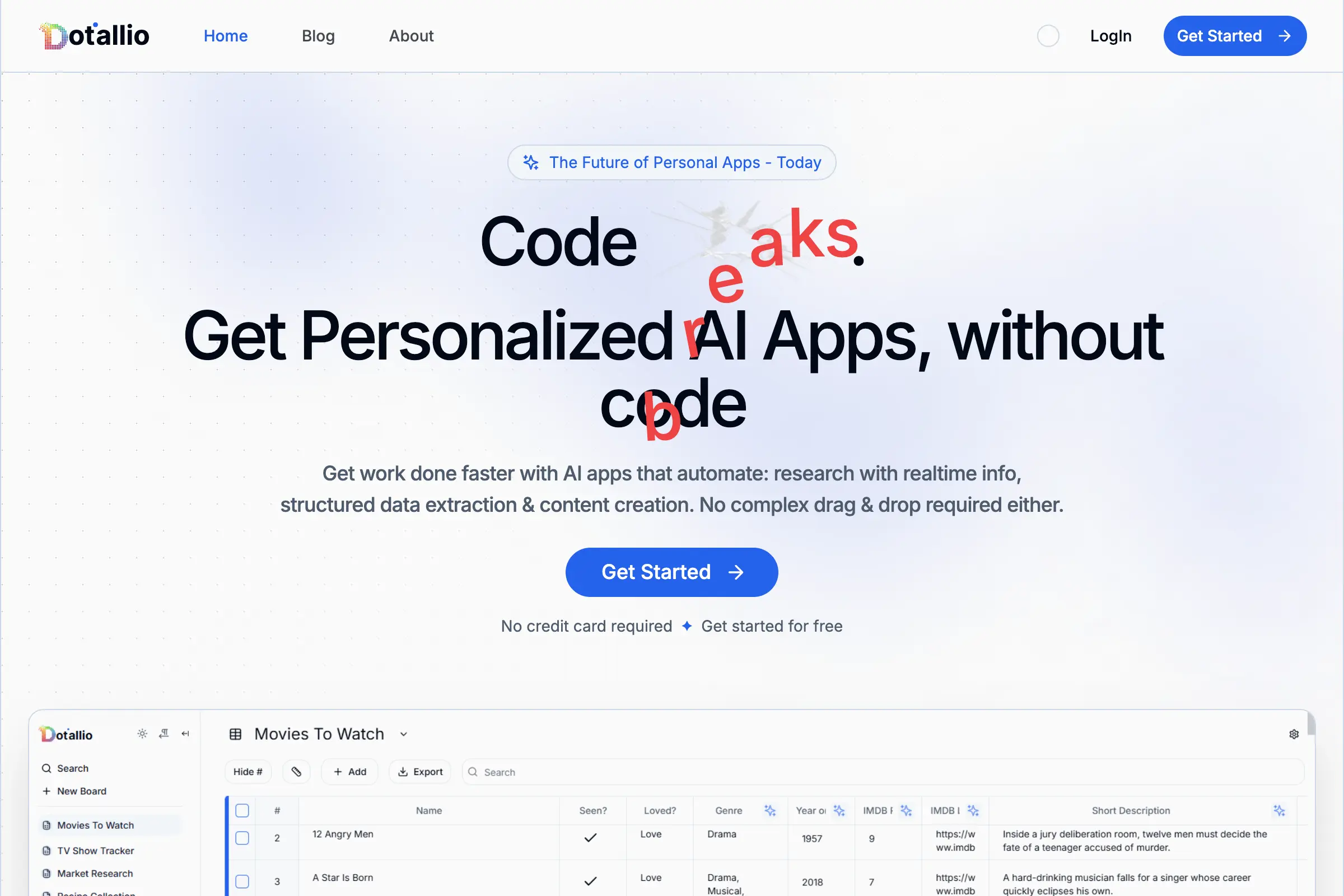
Dotallio
Personalized AI apps that automate research, data extraction, and content creation without code 🤖
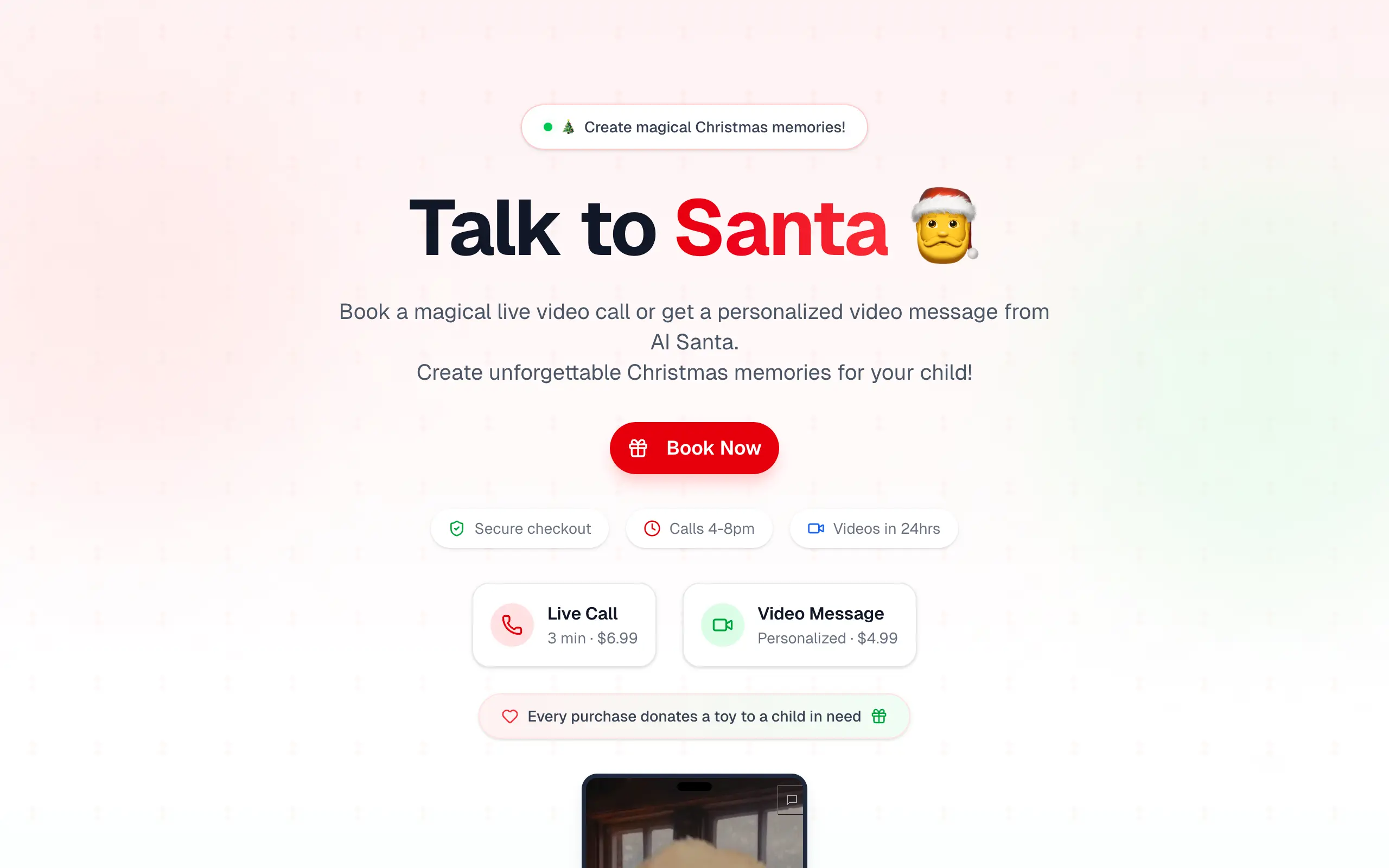
Talk to Santa
Enjoy a magical live video chat or receive a unique AI-generated video greeting from Santa Claus 🎅

pozywka.pl
Scalable blog for food journalist, focused on performance and user experience 🌭
zagrodzki.me
Personal blog and portfolio of Bart Zagrodzki, where he shares his knowledge and work 💼
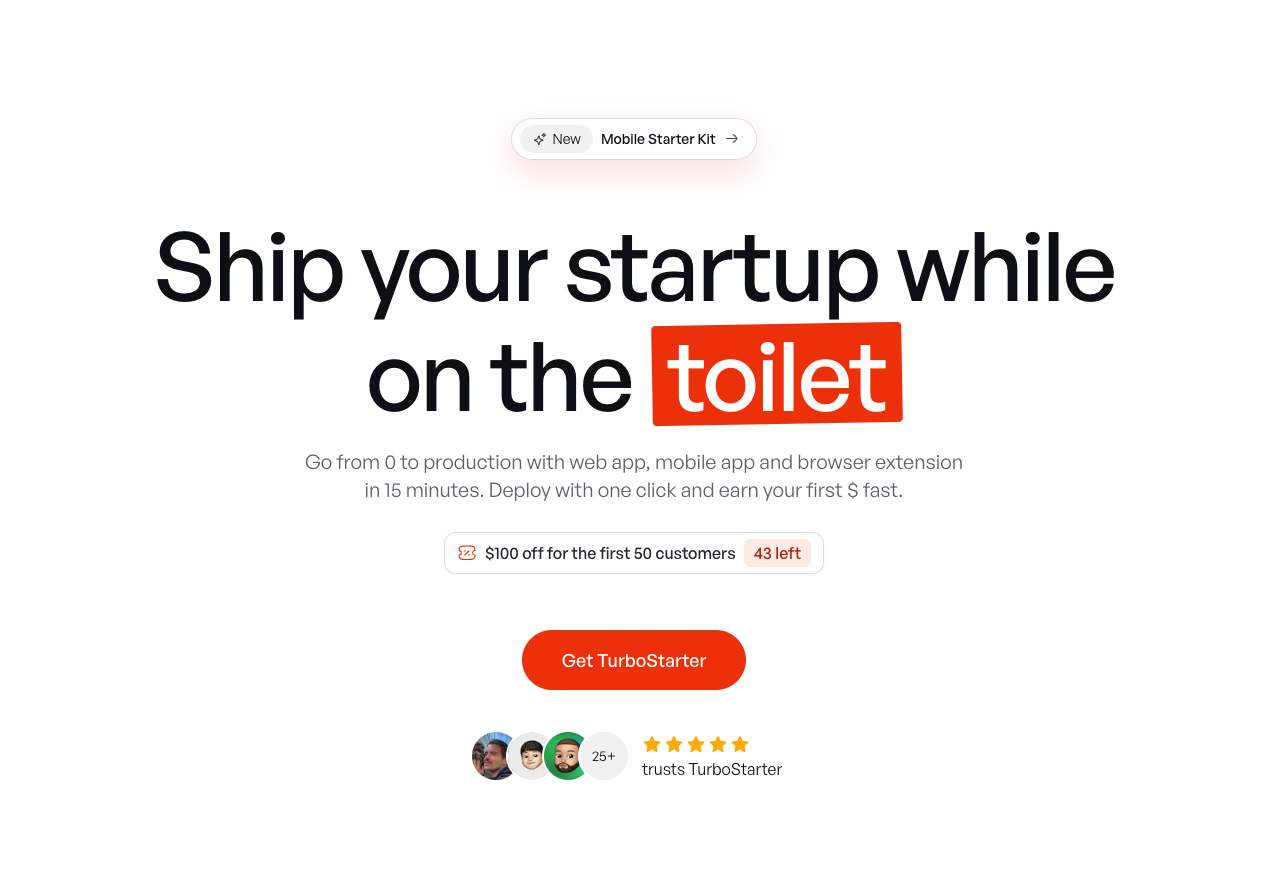
TurboStarter
Ship your startup everywhere. In minutes.
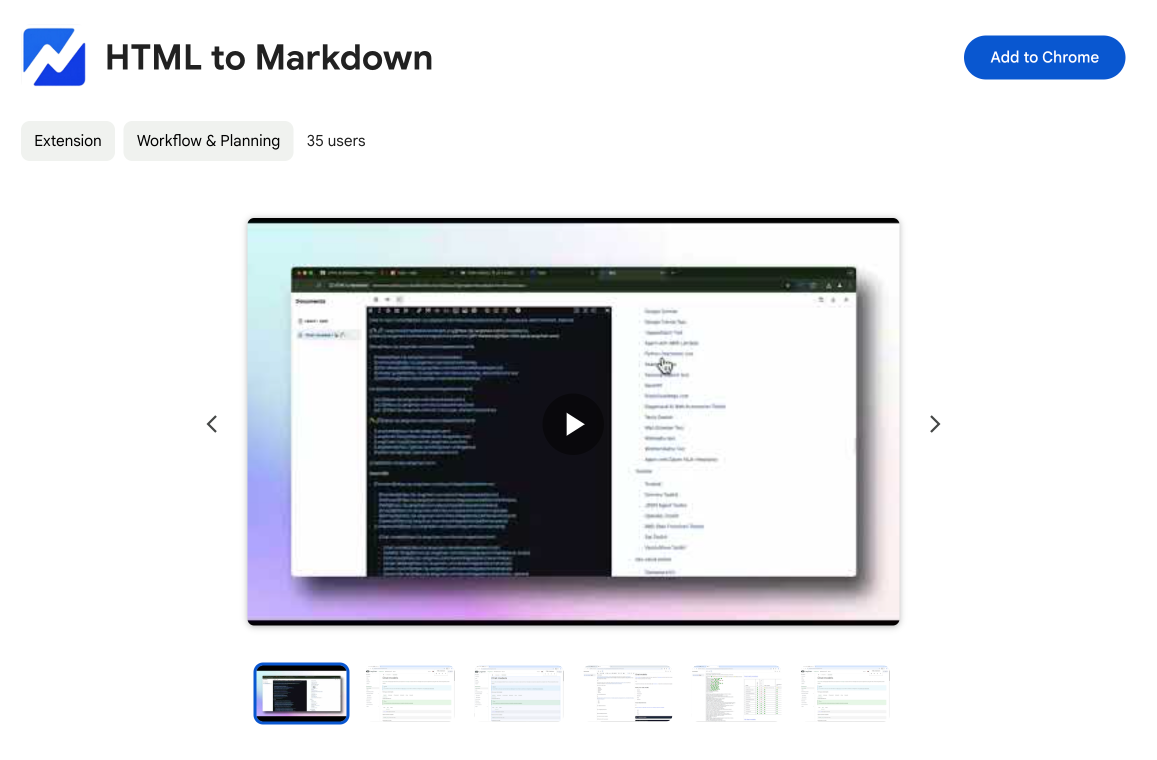
HTML to Markdown
Convert HTML to Markdown with ease, directly in your browser 📄
Dotallio
Personalized AI apps that automate research, data extraction, and content creation without code 🤖
Talk to Santa
Enjoy a magical live video chat or receive a unique AI-generated video greeting from Santa Claus 🎅
pozywka.pl
Scalable blog for food journalist, focused on performance and user experience 🌭
zagrodzki.me
Personal blog and portfolio of Bart Zagrodzki, where he shares his knowledge and work 💼
TurboStarter
Ship your startup everywhere. In minutes.
HTML to Markdown
Convert HTML to Markdown with ease, directly in your browser 📄
Dotallio
Personalized AI apps that automate research, data extraction, and content creation without code 🤖
Talk to Santa
Enjoy a magical live video chat or receive a unique AI-generated video greeting from Santa Claus 🎅
pozywka.pl
Scalable blog for food journalist, focused on performance and user experience 🌭
zagrodzki.me
Personal blog and portfolio of Bart Zagrodzki, where he shares his knowledge and work 💼
TurboStarter
Ship your startup everywhere. In minutes.
HTML to Markdown
Convert HTML to Markdown with ease, directly in your browser 📄
Dotallio
Personalized AI apps that automate research, data extraction, and content creation without code 🤖
Talk to Santa
Enjoy a magical live video chat or receive a unique AI-generated video greeting from Santa Claus 🎅
pozywka.pl
Scalable blog for food journalist, focused on performance and user experience 🌭
zagrodzki.me
Personal blog and portfolio of Bart Zagrodzki, where he shares his knowledge and work 💼
TurboStarter
Ship your startup everywhere. In minutes.
HTML to Markdown
Convert HTML to Markdown with ease, directly in your browser 📄
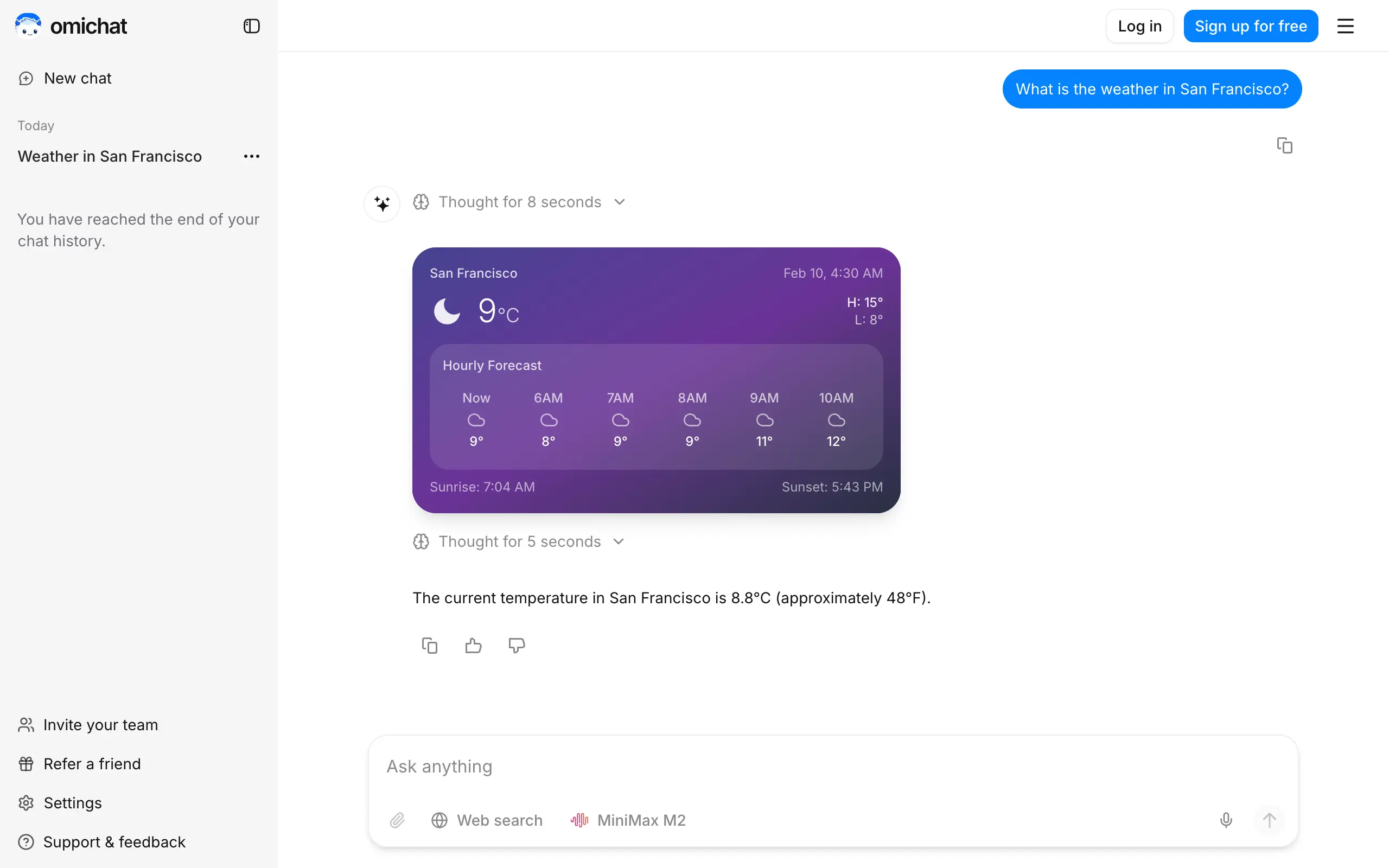
Omichat
Chat with 50+ AI models, including ChatGPT and Claude, in one place - switch models anytime without losing context 🤖
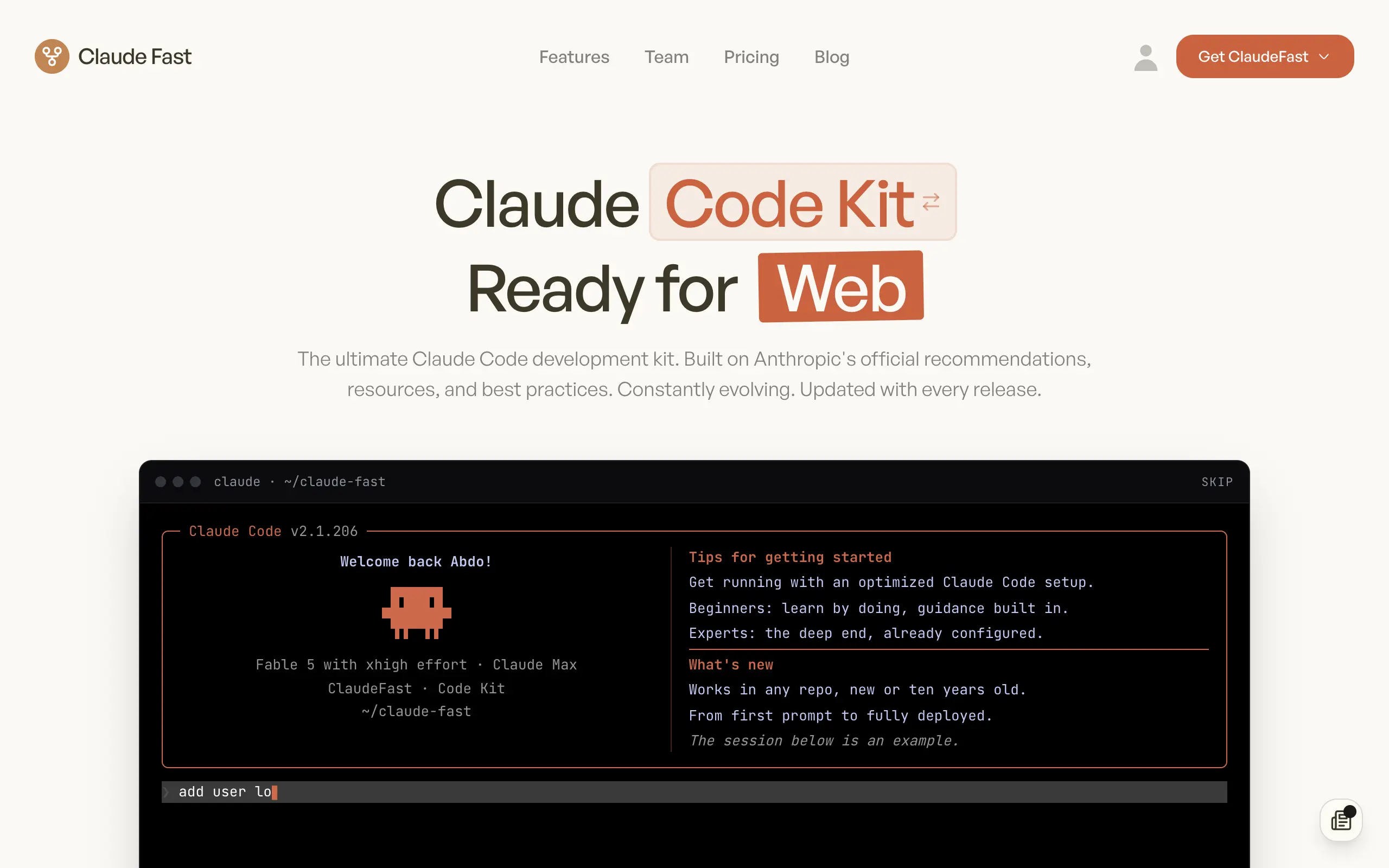
Claude Fast
Supercharge your Claude Code with 6x effective context window and specialized AI agents 🤖
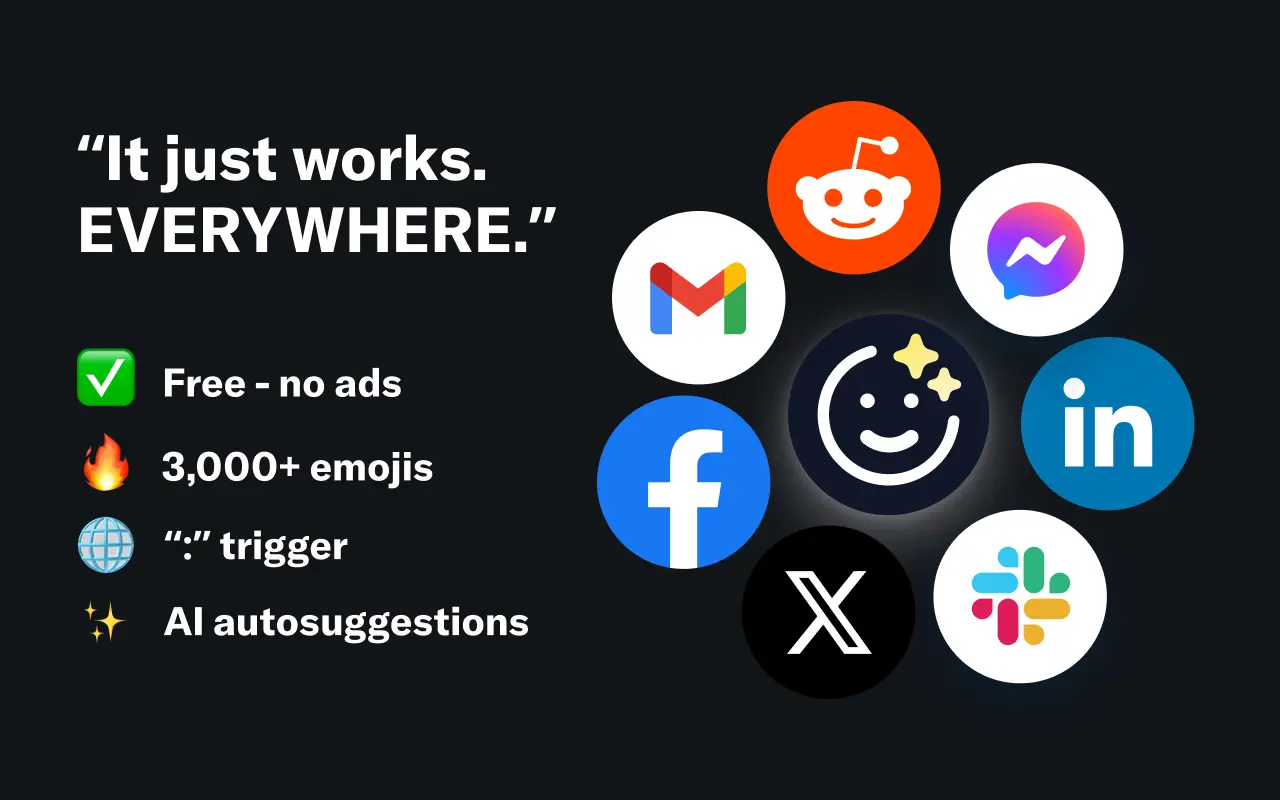
EmojAI
AI-powered emoji picker with smart, context-aware suggestions 🤖

Solohacker
Autonomous company launcher - AI agents work 24/7, escalate what matters, and you stay in control 🤖
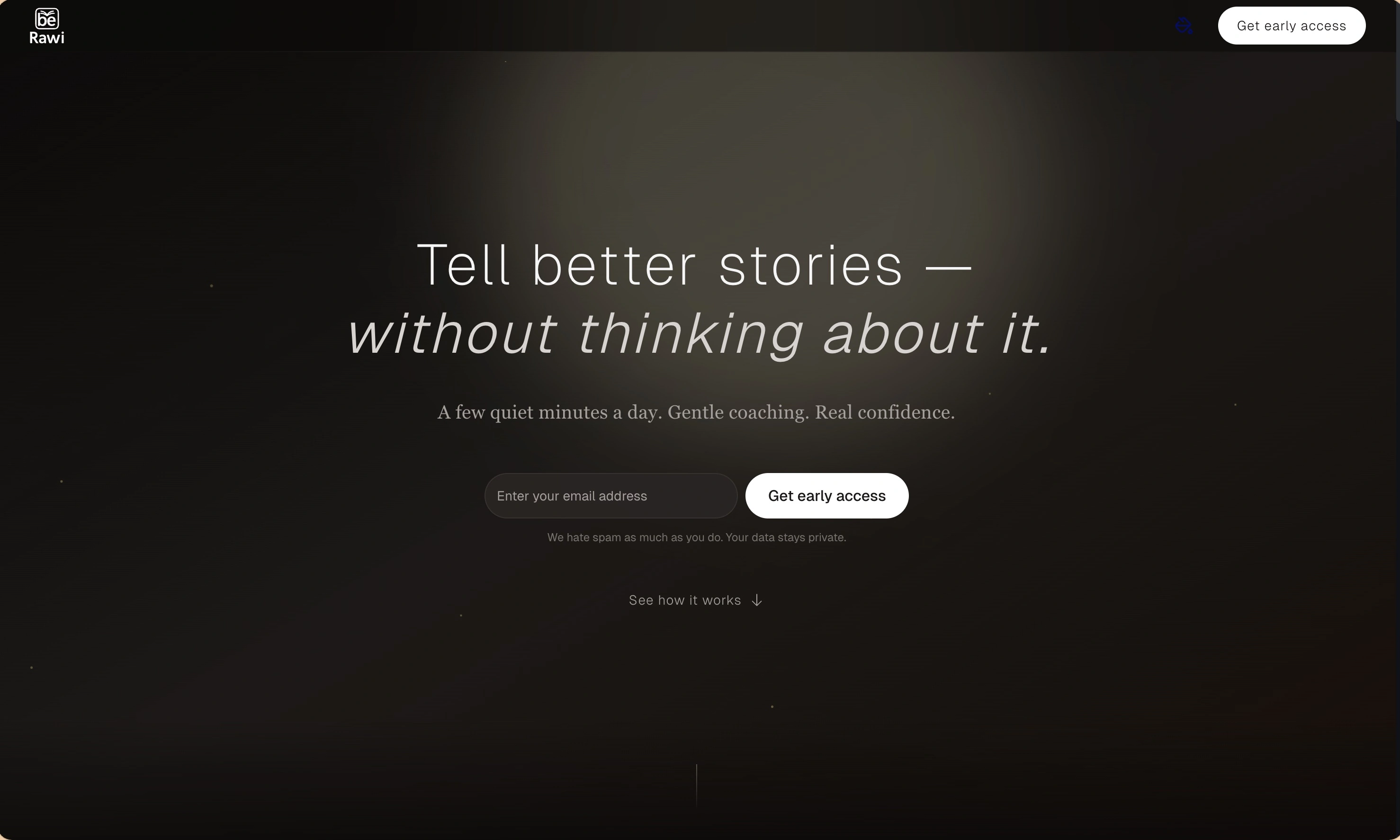
BeRawi: Storytelling Coach
Practice storytelling daily with instant feedback to sound clearer, more engaging, and confident 🎤
Omichat
Chat with 50+ AI models, including ChatGPT and Claude, in one place - switch models anytime without losing context 🤖
Claude Fast
Supercharge your Claude Code with 6x effective context window and specialized AI agents 🤖
EmojAI
AI-powered emoji picker with smart, context-aware suggestions 🤖
Solohacker
Autonomous company launcher - AI agents work 24/7, escalate what matters, and you stay in control 🤖
BeRawi: Storytelling Coach
Practice storytelling daily with instant feedback to sound clearer, more engaging, and confident 🎤
Omichat
Chat with 50+ AI models, including ChatGPT and Claude, in one place - switch models anytime without losing context 🤖
Claude Fast
Supercharge your Claude Code with 6x effective context window and specialized AI agents 🤖
EmojAI
AI-powered emoji picker with smart, context-aware suggestions 🤖
Solohacker
Autonomous company launcher - AI agents work 24/7, escalate what matters, and you stay in control 🤖
BeRawi: Storytelling Coach
Practice storytelling daily with instant feedback to sound clearer, more engaging, and confident 🎤
Omichat
Chat with 50+ AI models, including ChatGPT and Claude, in one place - switch models anytime without losing context 🤖
Claude Fast
Supercharge your Claude Code with 6x effective context window and specialized AI agents 🤖
EmojAI
AI-powered emoji picker with smart, context-aware suggestions 🤖
Solohacker
Autonomous company launcher - AI agents work 24/7, escalate what matters, and you stay in control 🤖
BeRawi: Storytelling Coach
Practice storytelling daily with instant feedback to sound clearer, more engaging, and confident 🎤

Connect with like-minded people
Join our community to get feedback, support, and grow together with 1,000+ builders on board, let's ship it!
Join usShip your startup everywhere. In minutes.
Don't burn tokens on setup and start building features on day one.