LiftLeague
A social gym progression app for teens that turns training plans into friendly leagues, streaks, and safe personal-record challenges.
Why a social gym progression app for teens is a timely opportunity
Teen fitness has moved far beyond generic workout PDFs and one-size-fits-all training apps. Young people increasingly learn about strength training through short-form video, school sports, friends, coaches, and creators. They want visible progress, social motivation, and an experience that feels more like a game than a spreadsheet.
That shift creates a strong opportunity for LiftLeague, a social gym progression app for teens that turns safe training plans into friendly leagues, streaks, and personal-record challenges.
The central insight is simple: most teen gym-goers do not fail because they lack motivation on day one. They disengage because training can feel repetitive, confusing, lonely, or intimidating. They may not know whether their form is good, when to add weight, whether a missed workout ruins their progress, or how to compare themselves safely with peers of different ages, sizes, experience levels, and athletic goals.
LiftLeague can address those problems by combining four high-retention mechanics:
- Personalized, age-appropriate strength training plans
- Progress tracking that rewards consistency instead of extreme lifting
- Private social leagues built around friends, teams, schools, or gyms
- Safe challenges based on personal baselines rather than public leaderboards for maximum weight
The result is not another adult lifting tracker with a colorful interface. It is a teen-centered fitness progression platform designed around encouragement, safety, privacy, and repeatable healthy habits.
The core product thesis
LiftLeague should position itself as a confidence-building progression system, not a “who can lift the most” app. Its best retention loop is safe consistency, visible improvement, and supportive accountability.
Who LiftLeague should serve first
A broad teen fitness audience is attractive, but an early-stage B2C product needs a tightly defined initial customer profile. LiftLeague should not attempt to serve every young athlete, bodybuilder, beginner, and parent at launch.
The strongest wedge is likely teens aged 13 to 18 who are already interested in gym training but lack structure.
Primary audience: beginner and intermediate teen gym-goers
The primary user is a teenager who has started going to a gym, has access to a school weight room, or follows workouts at home. They may be motivated by sports performance, appearance, general health, confidence, or social belonging.
Common characteristics include:
- They train two to five times per week, inconsistently or without a clear plan.
- They currently use notes, spreadsheets, screenshots, or social media videos to track workouts.
- They want to improve strength, but do not always understand progressive overload.
- They are highly responsive to streaks, milestones, badges, group activity, and peer encouragement.
- They may be reluctant to ask trainers or adults for help because they fear looking inexperienced.
- They use mobile apps primarily, often expect fast onboarding, and respond well to visual progress.
The most valuable problem LiftLeague solves for this group is not “record my sets.” Existing workout logging tools already do that. The problem is turning training into a safe, social, understandable progression journey.
Secondary audience: youth athletes and school teams
A second promising segment is student athletes participating in football, soccer, basketball, track, wrestling, volleyball, rowing, or other school programs.
These users may already have training assigned by a coach, but still need a simple way to log sessions, maintain off-season consistency, and stay connected to teammates. Coaches and schools can become valuable distribution channels later, but the early product should preserve the teen-first consumer experience.
For athletes, LiftLeague can emphasize:
- Off-season consistency
- Training adherence
- Team accountability
- Movement quality education
- Recovery reminders
- Personal improvement over teammate comparison
This segment is particularly attractive because existing team relationships make private leagues more natural than open social feeds.
Important buyer and influencer groups
Although LiftLeague is a B2C product, teenagers are not the only stakeholders. A strong product strategy must also address adults who influence adoption and trust.
Teens
They need a motivating, simple, social training experience that does not make them feel judged.
Parents and guardians
They need confidence that the app protects privacy, promotes safe training, and avoids harmful comparison.
Coaches and trainers
They need a lightweight way to encourage adherence without becoming full-time app administrators.
Gym operators
They need a youth-friendly engagement tool that supports safe member retention and community.
The market gap in teen fitness and gym motivation
The fitness app market is crowded, but the teen training experience remains underserved. Most workout platforms were built for adults, experienced lifters, professional athletes, or people focused on weight loss. That leaves a meaningful gap between what teens need and what most fitness software provides.
Existing workout apps are often too transactional
Traditional workout trackers are useful for recording exercises, sets, reps, weight, and rest periods. However, logging is not the same as motivation.
For a teen user, a raw workout journal can feel like homework. It answers, “What did I do?” but not always, “Why should I come back tomorrow?” LiftLeague can make progression emotionally rewarding through supportive social feedback and game-like milestones.
Social fitness platforms can encourage unhealthy comparison
Generic social media makes it easy to compare bodies, numbers, and performances. For younger users, that comparison can be especially risky. A public feed that rewards the heaviest bench press or fastest transformation may promote unsafe lifting behavior, poor body image, or pressure to train beyond appropriate limits.
LiftLeague’s product opportunity is to build healthy competition without public pressure.
Instead of ranking teens by absolute strength, the app can reward:
- Consistency over time
- Completion of planned sessions
- Personal-record improvements relative to a user’s history
- Form education completion
- Recovery habits
- Team participation
- Encouraging peers
This approach creates a defensible difference from generic fitness communities and adult-focused training apps.
Teen training content is often disconnected from the plan
Many teenagers get workout ideas from videos, but individual clips rarely create a coherent plan. A user may save ten shoulder exercises, three ab workouts, and a heavy squat challenge without understanding exercise order, recovery, volume, or progression.
LiftLeague can bridge the gap by making each workout plan actionable:
- Explain the purpose of each training day.
- Show concise exercise instructions and safe alternatives.
- Recommend rep ranges and effort levels.
- Adjust suggestions based on completed sessions.
- Celebrate adherence, not reckless intensity.
- Make progress visible over weeks and months.
The real market gap is safe social accountability
The most differentiated opportunity is not merely “fitness gamification.” It is age-aware, privacy-conscious social accountability for teen training.
A successful social gym progression app for teens should make users feel like they are part of a group while minimizing the risks of open social networks. Private leagues, invite-only groups, moderated interactions, and personal-baseline challenges can provide the benefits of community without replicating the dangers of public fitness culture.
LiftLeague’s unique selling proposition
LiftLeague’s unique selling proposition is its ability to make teen strength training feel social and rewarding while keeping the core incentive aligned with healthy, sustainable progress.
A clear positioning statement could be:
LiftLeague helps teens build strength and consistency through safe training plans, private leagues, streaks, and personal-best challenges designed around individual progress.
That positioning is stronger than “a workout app for teens” because it identifies a specific transformation. The user is not simply tracking exercises. They are building a training habit, seeing measurable improvement, and staying accountable with people they know.
What makes LiftLeague different
A 14-year-old beginner and a 17-year-old experienced athlete should not be judged by the same public leaderboard. LiftLeague can compare users against their own training history, adherence goals, and personalized challenge targets.
Users should be able to form small, invite-only leagues with friends, teammates, siblings, or classmates. This makes social accountability more relevant and substantially easier to moderate.
Training recommendations should include effort guidance, recovery prompts, age-appropriate education, and escalation rules when a user reports pain or repeated fatigue. Safety should not be a buried disclaimer.
Streaks, badges, league points, and challenges should reward completed workouts, education, hydration check-ins, recovery days, and encouragement. Avoid systems that reward maximum load, daily training without rest, or body measurements.
Core features for a teen gym progression app
LiftLeague should launch with a focused set of features that prove the core behavior loop. The goal is not to build every possible workout, coaching, or social feature. The goal is to make teens return consistently and safely.
Guided training plans and workout logging
The foundation is a workout experience that is fast enough to use in a real gym environment. A teen should be able to open the app, understand today’s plan, log activity with minimal typing, and finish feeling accomplished.
The first version should include:
- Beginner-friendly full-body, upper-lower, and sport-support training plans
- Exercise descriptions with clear safety cues
- Set, rep, and load tracking
- Rest timers
- Suggested weight or rep progression based on prior sessions
- Exercise substitutions for equipment availability
- A simple “how hard did this feel?” check-in
- Recovery-day recommendations
Rather than prescribing aggressively specific loads, LiftLeague can use effort-based guidance. For example, it can ask whether a set felt easy, moderate, challenging, or near maximum effort. This is more adaptable than assuming every teen has the same equipment, technique quality, or supervision.
Personal-record challenges with guardrails
Personal records are motivating, but they need careful product design. Teen users should not be pushed toward unsafe one-rep maximum attempts, especially without coaching or supervision.
LiftLeague can define a personal record more broadly:
- Most repetitions at a familiar safe load
- Best estimated strength improvement based on multi-rep sets
- Longest consistency streak
- Most completed sessions in a month
- Best form-education score
- Most recovery goals completed
- First successful pull-up, push-up, or mobility milestone
A challenge engine should evaluate whether a goal is appropriate for the user. For example, a newer lifter may receive a “complete three sessions this week” challenge, while an intermediate user may receive a “add one controlled rep to your previous best set” challenge.
Private leagues and friend accountability
Leagues are the social centerpiece of LiftLeague. Each league should be intentionally small, private, and purpose-driven.
Useful league types include:
- Friend leagues for small gym groups
- School team leagues for off-season training
- Sibling or family leagues
- Gym community leagues managed by a trusted adult
- Coach-created accountability groups
League scoring should be based on points rather than raw weight totals. A user earns points for healthy actions, including completing their plan, maintaining a reasonable streak, checking in after a recovery day, or cheering on another member.
This design gives beginners a meaningful chance to contribute. It also makes the experience more inclusive for teens with different body types, training histories, and athletic goals.
Streaks that do not punish real life
Streak mechanics can improve retention, but rigid daily streaks can become counterproductive. Teenagers have school deadlines, family commitments, injuries, travel, and sports seasons. A system that resets after one missed day may create guilt rather than motivation.
LiftLeague should use flexible streaks:
- Weekly training consistency streaks instead of daily check-in streaks
- Scheduled recovery days that preserve the streak
- “Grace tokens” for travel, exams, illness, or unexpected missed sessions
- Comeback rewards for returning after a break
- Seasonal goals that account for changing sports schedules
This approach is more psychologically sustainable and better aligned with healthy training principles.
Safety education and in-app intervention
Safety features should be product features, not legal afterthoughts. LiftLeague can deliver short, practical guidance at the right moment.
Examples include:
- A reminder to prioritize controlled form before adding weight
- A prompt to stop and notify an adult if pain is sharp, sudden, or persistent
- A recovery message after multiple high-effort sessions
- A warning when a user attempts to log unusually large jumps in load
- Short explainers on warm-ups, sleep, hydration, and rest
- Content that distinguishes soreness from pain without pretending to provide medical diagnosis
Avoid diagnosing or prescribing
LiftLeague should never present itself as a medical provider. When users report pain, dizziness, disordered eating concerns, or other safety signals, the product should recommend pausing training and speaking with a parent, guardian, qualified coach, or healthcare professional.
A practical product experience from onboarding to retention
The strongest LiftLeague experience should be designed around a simple weekly loop.
The user selects their experience level, available equipment, training goals, sports participation, preferred schedule, and whether they want to join a private league. The app then recommends a safe starter plan.
The user sees today’s workout, follows concise exercise guidance, logs sets, records effort, and receives a positive completion summary.
Their league sees a lightweight update such as “Maya completed upper body day” or “Jordan hit a three-week consistency milestone.” Members can react with preset encouragement rather than unrestricted comments.
The app summarizes sessions completed, consistency points, recovery status, and the next achievable goal. It should celebrate progress even when the user did not set a new lifting record.
This loop gives LiftLeague multiple retention hooks without making the app noisy or addictive in an unhealthy way.
Recommended tech stack for LiftLeague
A social fitness app for minors needs a stack that supports rapid product iteration, reliable notifications, secure authentication, moderation workflows, and privacy-first data handling.
For a fast, scalable MVP, a TypeScript-based architecture is a practical choice.
Client applications
A cross-platform mobile app should be the primary product. Teen users are likely to log workouts from their phone in the gym, school weight room, or home.
A recommended client stack is:
- React for shared UI and web-based administrative surfaces
- React Native for iOS and Android delivery
- Expo to speed up mobile development, updates, notifications, and device integrations
- TypeScript for safer data models across the product
- Tailwind CSS for a consistent design system on web surfaces, with a compatible utility-first approach for mobile styling
React Native and Expo reduce the cost of maintaining separate native iOS and Android applications. The trade-off is that highly specialized device integrations or complex animation requirements may eventually require custom native modules. For an early workout logging and social league product, the speed advantage is usually worth it.
Backend and data layer
A modern backend should support relational data because LiftLeague will manage users, leagues, memberships, workout plans, workouts, exercise logs, achievements, challenge results, reports, and moderation actions.
A suitable foundation includes:
- Next.js for the web application, marketing site, admin tools, and backend routes
- PostgreSQL for durable relational fitness and community data
- Prisma for type-safe database access and schema migrations
- Supabase for managed PostgreSQL, authentication options, storage, and real-time capabilities
- Stripe for subscriptions and parent-approved billing workflows
- Sentry for application error monitoring
Supabase is particularly useful for an MVP because it combines several operational needs. However, the team should still carefully design row-level security policies, role boundaries, audit logs, and data retention rules. Convenience does not replace security architecture.
Real-time activity and notifications
Leagues require timely, but not overwhelming, social feedback. Users should receive notifications when a friend completes a meaningful milestone, a challenge is about to end, or a streak is at risk.
Use notifications sparingly:
- Notify for significant achievements, not every completed set.
- Let users choose quiet hours.
- Default minors to conservative notification settings.
- Avoid notifications designed to create pressure late at night.
- Bundle non-urgent league activity into a daily digest.
For real-time feeds, Supabase Realtime or a dedicated event-driven service can work well. The MVP can start with simple event records and push notifications before introducing complex live updates.
Data model example
A clean data model helps prevent leaderboard logic, privacy rules, and moderation workflows from becoming tangled later.
type LeagueMember = {
  userId: string;
  leagueId: string;
  role: "member" | "captain" | "guardian" | "coach";
  pointsThisWeek: number;
  joinedAt: Date;
};

type WorkoutCompletion = {
  userId: string;
  planId: string;
  completedAt: Date;
  perceivedEffort: 1 | 2 | 3 | 4 | 5;
  painReported: boolean;
  pointsAwarded: number;
};

type ChallengeRule = {
  metric: "consistency" | "repetitions" | "education" | "recovery";
  comparisonMode: "personal_baseline" | "team_total";
  maxPointsPerWeek: number;
  requiresAdultReview: boolean;
};
The critical architecture decision is the comparisonMode. Personal-baseline challenges should be the default. Absolute strength competition should be restricted or avoided entirely for minor users.
Privacy, moderation, and youth safety requirements
A social gym progression app for teens must treat trust as a core competitive advantage. The product will handle personal information, workout history, social relationships, potentially sensitive body-related information, and data associated with minors.
This is not an area to “fix later.”
Design for minimal data collection
LiftLeague should collect only the data needed to provide the product safely and effectively.
Avoid requesting or publicly displaying unnecessary details such as:
- Exact location information
- Public school names by default
- Full birth dates visible to other users
- Body photos as a standard feature
- Weight, body-fat estimates, or calories as competitive metrics
- Public handles that make a teen easily searchable outside the app
Use age bands and age verification workflows appropriate for the target market. The legal requirements can vary by region, so the team should obtain qualified legal advice before launch.
Build moderation into the first release
Open direct messages, unrestricted image sharing, public profiles, and anonymous interaction create major moderation burdens. They should not be launch requirements.
A safer MVP may include:
- Invite-only leagues
- Preset reactions such as “Nice work,” “Keep going,” and “Great consistency”
- Report and block tools
- Adult-managed leagues for teams or gyms
- Automated filters for abusive language
- A human review queue for reports
- Clear community rules and enforcement actions
The product should also document what happens when reports involve bullying, harassment, self-harm language, sexual content, dangerous lifting behavior, or suspected exploitation.
Create a trustworthy safety policy
For credible E-E-A-T content and product positioning, LiftLeague should explain its safety choices transparently. The company can publish a youth safety page, privacy policy, community guidelines, and moderation process before public launch.
When preparing these materials, reference authoritative sources such as relevant child privacy regulators, youth sports organizations, and public health agencies. For health claims or youth activity recommendations, cite the source and publication date directly rather than relying on vague statements.
Monetization strategies for LiftLeague
The best monetization model should preserve access to core safety features. Charging teens to see basic training guidance or safety warnings would weaken trust. Instead, LiftLeague can monetize convenience, advanced personalization, group administration, and premium content.
Freemium subscription for individuals
A freemium model is likely the best consumer entry point.
The free plan can include:
- One beginner training plan
- Workout logging
- Basic streaks
- One private league
- Personal progress history
- Essential safety education
A premium plan can include:
- Adaptive training plans
- More goal-specific programs
- Deeper progress analytics
- Multiple leagues
- Advanced exercise substitutions
- Seasonal challenges
- Premium coach-created content
- Parent or guardian progress summaries with the teen’s consent
Pricing should be simple and parent-friendly. Monthly and annual plans are standard, but annual pricing should not create unnecessary pressure for a young user to commit long term.
Team, school, and gym plans
After product-market fit with consumers, LiftLeague can introduce a B2B2C option for coaches, schools, youth sports programs, and gym operators.
These plans can include:
- Branded private leagues
- Coach dashboards
- Roster management
- Approved training templates
- Participation reporting
- Group challenge creation
- Additional moderation controls
- Organization-level billing
The key trade-off is complexity. Coach dashboards and institutional sales can create higher revenue per account, but they introduce procurement, compliance review, support expectations, and longer sales cycles. Build them after validating teen engagement, not before.
Avoid harmful monetization patterns
LiftLeague should avoid monetization that conflicts with user well-being.
Examples to avoid include:
- Selling body transformation challenges
- Locking safety education behind a paywall
- Advertising supplements directly to minors
- Rewarding users for inviting large numbers of strangers
- Selling sensitive health or behavioral data
- Using social pressure to drive upgrades
Trust is more valuable than a short-term conversion bump.
Competitive advantage analysis
LiftLeague will compete indirectly with workout trackers, fitness creators, gamified wellness apps, youth sports software, and social platforms. Its advantage comes from combining elements that competitors usually treat separately.
| Category | Workout logging | Teen safety focus | Private leagues | Personal-baseline challenges |
|---|---|---|---|---|
| Generic lifting tracker | ✅ | ❌ | ❌ | Limited |
| Public fitness social platform | Varies | ❌ | Limited | ❌ |
| LiftLeague | ✅ | ✅ | ✅ | ✅ |
The moat is not just features
Features can be copied. A stronger long-term moat comes from the combination of product data, community design, safety policies, and trusted distribution.
LiftLeague can build defensibility through:
- A proprietary progression engine tuned for beginner and intermediate teen users
- Historical data about which plans and challenges drive sustainable adherence
- Well-designed league mechanics that avoid harmful comparison
- Trust with parents, coaches, and gym partners
- High-quality youth training content reviewed by qualified experts
- A moderation system built specifically for teen social fitness behavior
The product should aim to become the default “first serious training app” for teens. If users build their early gym habits and private communities inside LiftLeague, they may remain engaged as they mature into more advanced training goals.
Key risks and how to mitigate them
The opportunity is compelling, but LiftLeague faces serious product, legal, and go-to-market risks.
Risk: unsafe training behavior
A user may overtrain, use poor form, attempt excessive loads, or interpret app recommendations as medical or coaching advice.
Mitigation approaches
- Use conservative progression defaults.
- Favor rep ranges and effort ratings over maximum-load challenges.
- Add safety prompts for large load jumps and high fatigue.
- Include clear exercise alternatives.
- Encourage supervision for complex or unfamiliar movements.
- Have qualified strength and youth fitness professionals review content.
- Build clear escalation guidance for pain and injury reports.
Risk: bullying or unhealthy comparison
Even private leagues can create pressure or teasing. This risk increases when performance numbers are visible.
Mitigation approaches
- Make personal-progress scores the default.
- Keep leagues small and invite-only.
- Limit free-form communication in early versions.
- Offer preset supportive reactions.
- Provide reporting, blocking, and swift enforcement.
- Give guardians and coaches appropriate oversight tools without compromising teen dignity.
Risk: privacy and compliance failures
Handling data from minors creates legal and reputational exposure.
Mitigation approaches
- Collect less data by default.
- Implement age-aware sign-up flows.
- Consult legal counsel on applicable child privacy and consumer protection rules.
- Use clear parental consent flows where required.
- Conduct security reviews and maintain audit logs.
- Publish understandable privacy explanations, not only legal documents.
Risk: low retention after initial excitement
Gamification can create a short burst of activity without building long-term habits.
Mitigation approaches
- Tie rewards to meaningful weekly behavior.
- Use flexible streaks.
- Build comeback flows after missed weeks.
- Personalize plans as the user improves.
- Introduce seasonal programming for school schedules and sports.
- Test whether leagues increase retention before investing heavily in broader social features.
Risk: expensive customer acquisition
Consumer fitness is a crowded category with high acquisition costs.
Mitigation approaches
- Start with tightly connected groups such as school teams, gym communities, and friend clusters.
- Make league invitations a natural but safe referral loop.
- Partner with youth coaches and qualified trainers.
- Publish useful SEO content around beginner teen strength training, gym confidence, safe progression, and training consistency.
- Build a waitlist around a specific initial community rather than launching nationally without focus.
Go-to-market strategy for LiftLeague
A strong launch strategy should focus on density. A social product is better when a user’s friends, teammates, or gym peers are already participating.
Start with a local or niche community
The best first cohort may be:
- A small group of school sports teams
- A youth-focused gym chain location
- A network of certified youth strength coaches
- A local athletic club
- Teens training together for a sport season
Instead of marketing “the social workout app for everyone,” launch with a concrete promise such as:
Build your off-season training streak with your team, safely.
That message is easier to understand, easier to test, and more likely to create immediate league activity.
Build content around real teen fitness questions
Organic search can become a durable acquisition channel if LiftLeague publishes genuinely helpful educational content. Topics should answer the questions teens and parents already search for.
Examples include:
- Is strength training safe for teenagers?
- How should a beginner teen start going to the gym?
- How many days per week should a teen lift weights?
- How can student athletes train during the off-season?
- What is progressive overload for beginners?
- How do you track gym progress without obsessing over weight?
- How can friends stay accountable at the gym?
Every article should be medically responsible, written or reviewed by qualified experts where needed, and updated as guidance changes. For factual health recommendations, include a visible reviewer credential and citation references to authoritative public health or sports medicine guidance.
Actionable implementation roadmap
LiftLeague should build the smallest product that tests whether safe social accountability increases teen training consistency.
For founders who want to move quickly without rebuilding common SaaS infrastructure from scratch, TurboStarter can provide a practical starting point for authentication, subscriptions, application structure, and production-ready web foundations.
Final takeaway
LiftLeague can win by making strength training more approachable for teens without turning fitness into an unsafe popularity contest. Its strongest product decision is to reward personal progress, consistency, and encouragement rather than public displays of absolute strength or appearance.
A successful social gym progression app for teens needs more than streaks and leaderboards. It needs thoughtful safety systems, privacy-aware social design, age-appropriate progression, credible training guidance, and a community model that parents and coaches can trust.
If LiftLeague validates that teens complete more workouts when they train alongside supportive peers, the product has the foundation for a differentiated consumer fitness platform. Start narrow, design safety into every interaction, measure retention relentlessly, and let healthy progress become the game users genuinely want to keep playing.
More 👥 B2C Application SaaS ideas
Discover more innovative b2c application SaaS ideas that are trending in 2026. Each idea is AI-generated with market validation and growth potential to help you find your next profitable venture faster than competitors.
Your competitors are building with TurboStarter
Below are some of the SaaS ideas that have been generated and built with our starter kit.
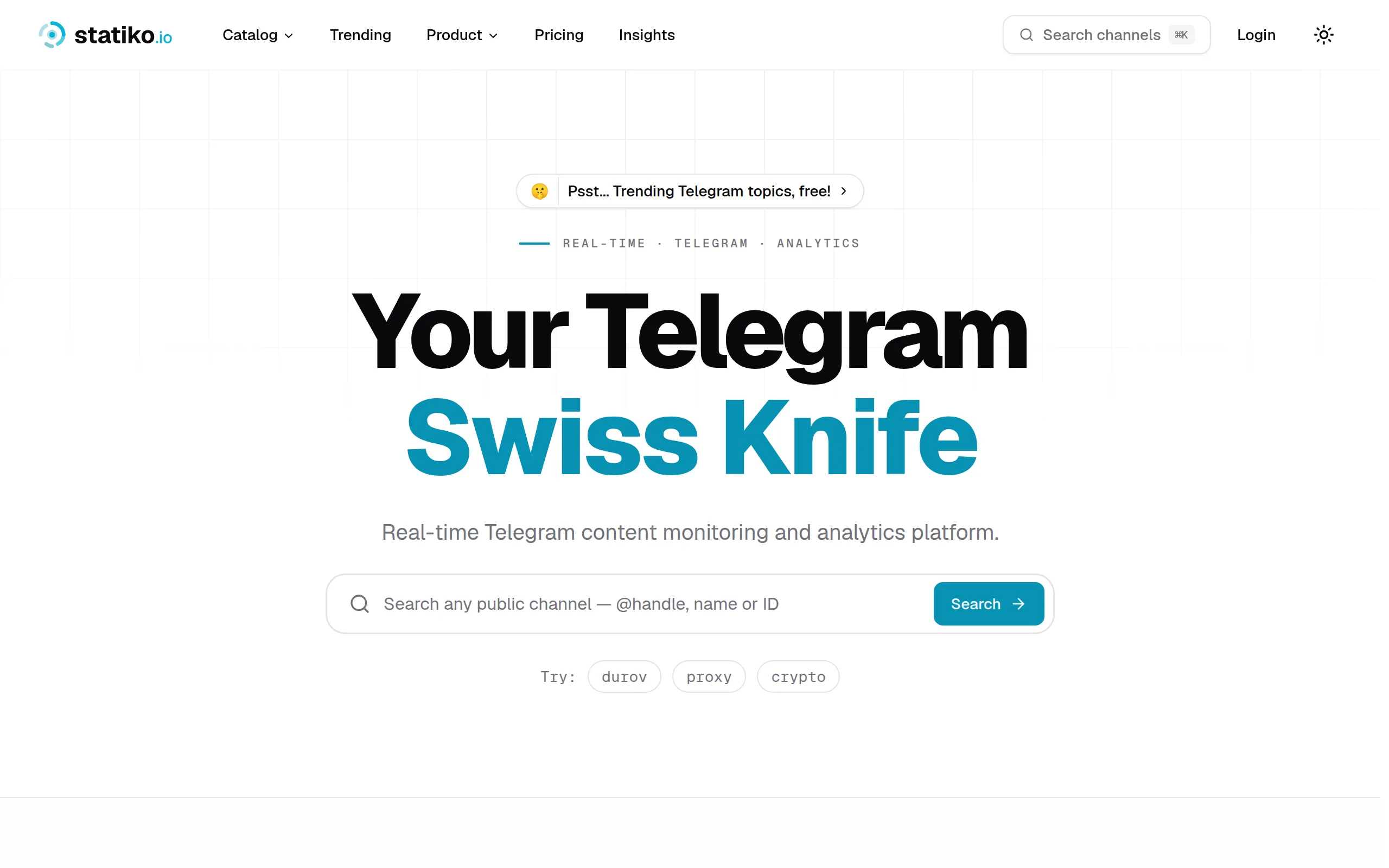
Statiko
Monitor any Telegram channel in real time - track posts, edits, deletions, and growth with AI recaps 📡

Shibui
AI website builder - describe your business, pick a niche template, edit by chatting, and publish instantly ✨
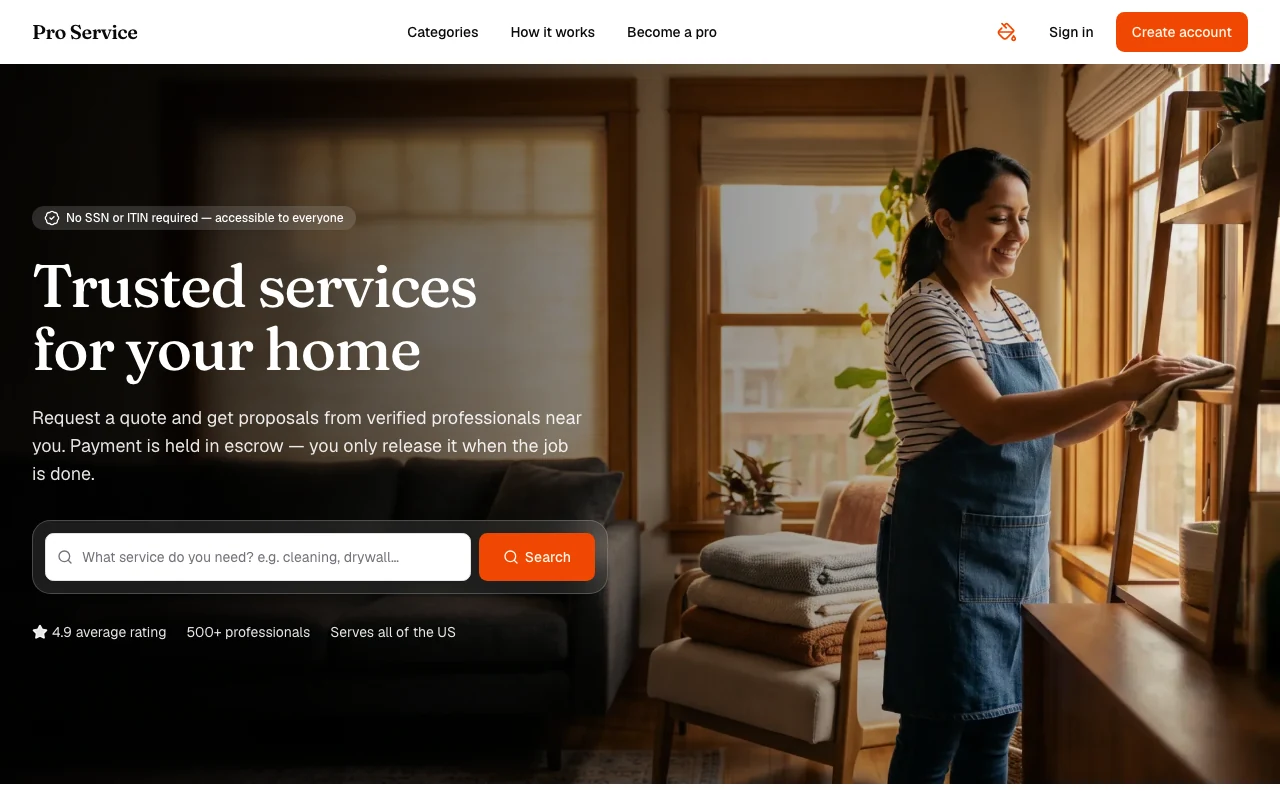
Pro Service
Find verified home service professionals, compare quotes, and pay securely through escrow - built for Brazilians across the US 🏠
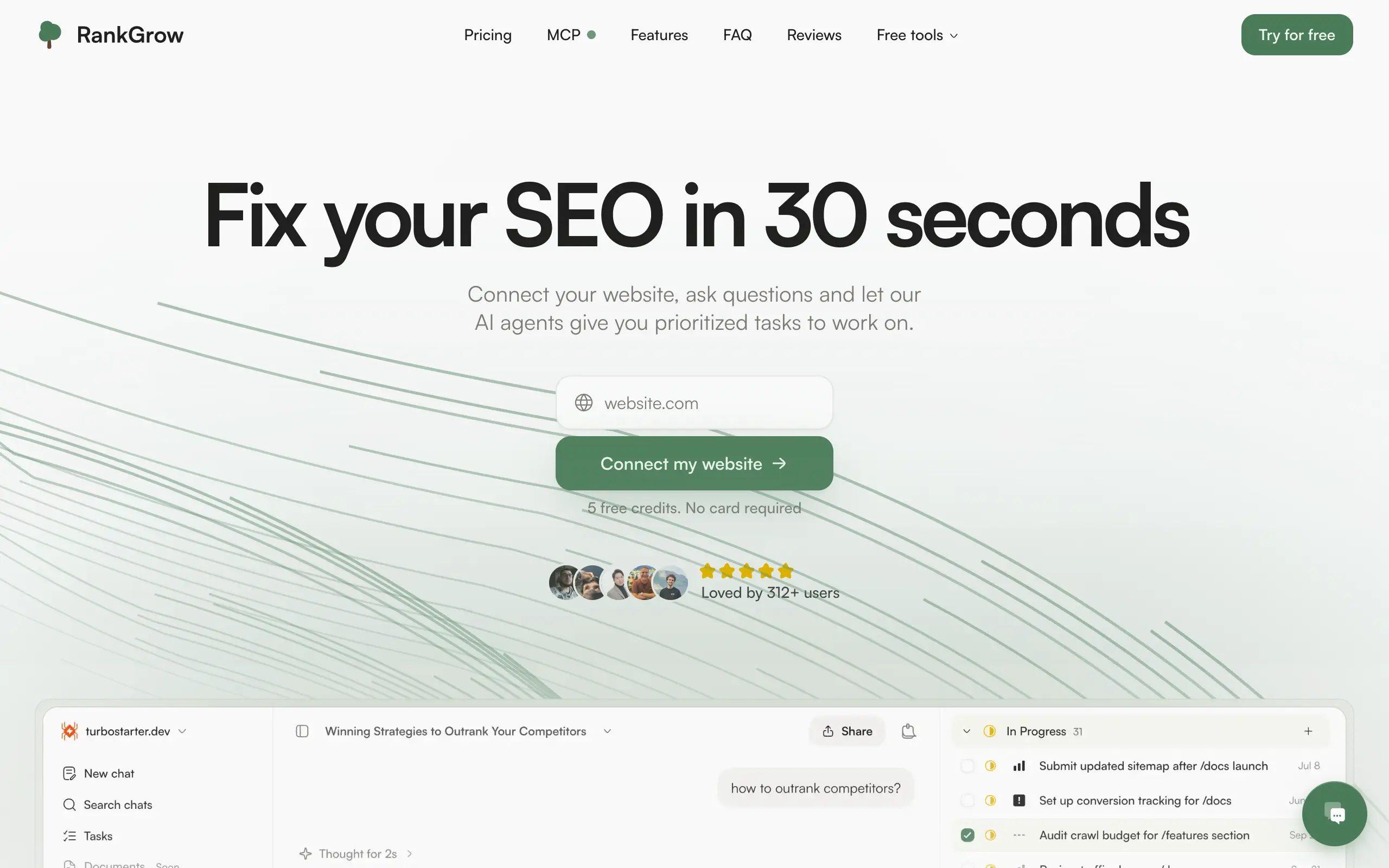
RankGrow
Fix your SEO with AI agents - connect Search Console, get prioritized tasks, and grow organic traffic 📈
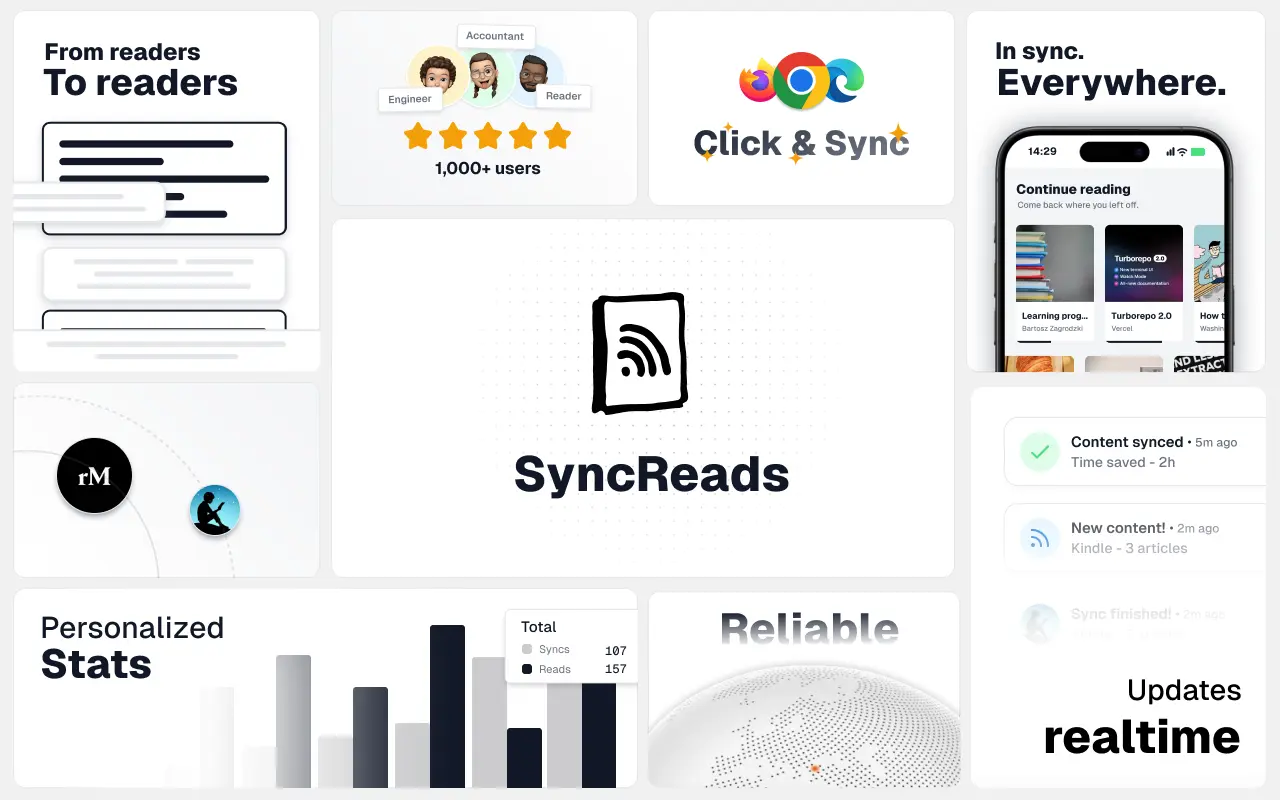
SyncReads
Sync your favorite content for distraction-free reading, save time and replace multiple apps. Anytime, anywhere 🔄
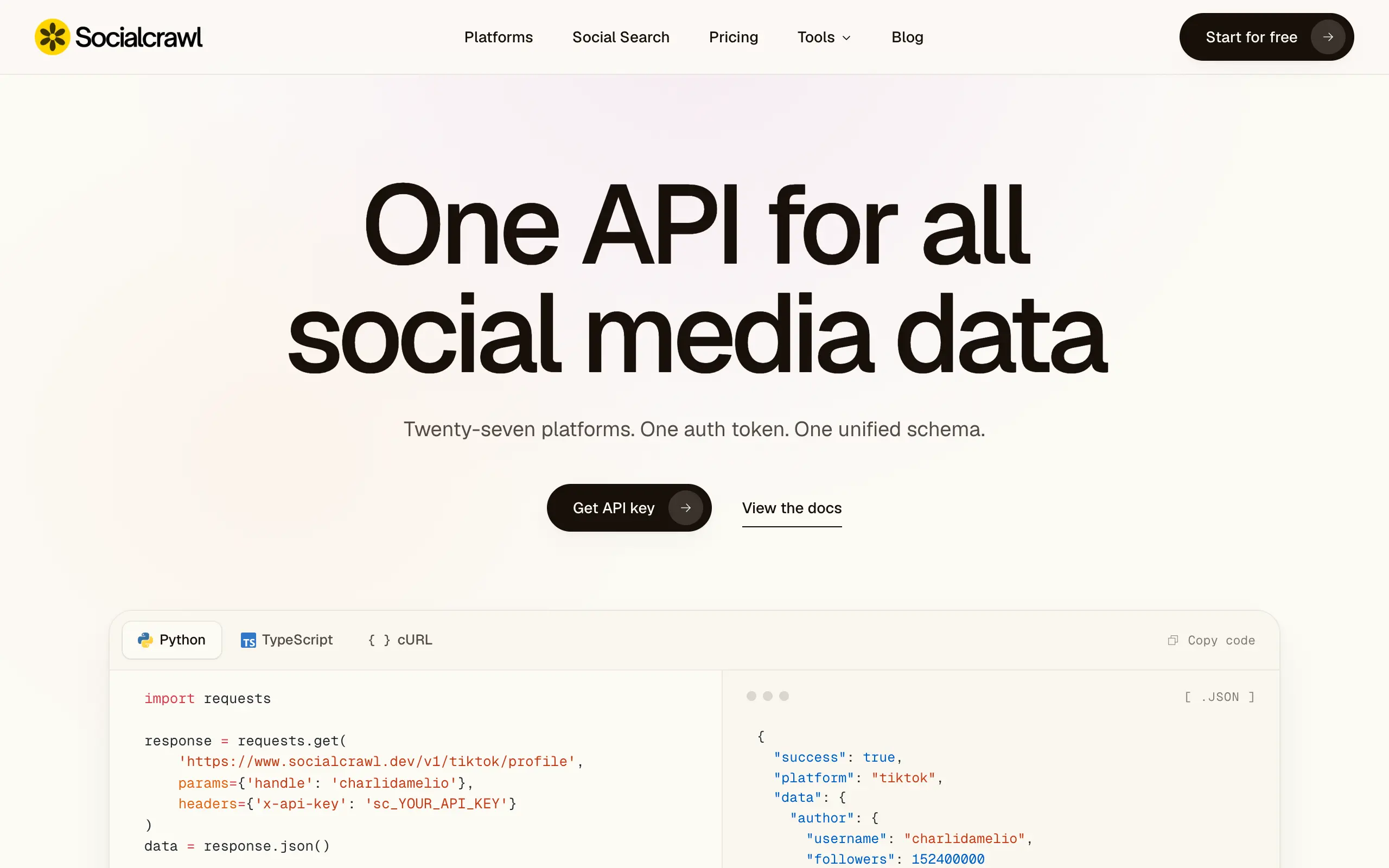
Socialcrawl
Get clean, structured data from 21 platforms like TikTok, Instagram, and YouTube with a single request 📊
Statiko
Monitor any Telegram channel in real time - track posts, edits, deletions, and growth with AI recaps 📡
Shibui
AI website builder - describe your business, pick a niche template, edit by chatting, and publish instantly ✨
Pro Service
Find verified home service professionals, compare quotes, and pay securely through escrow - built for Brazilians across the US 🏠
RankGrow
Fix your SEO with AI agents - connect Search Console, get prioritized tasks, and grow organic traffic 📈
SyncReads
Sync your favorite content for distraction-free reading, save time and replace multiple apps. Anytime, anywhere 🔄
Socialcrawl
Get clean, structured data from 21 platforms like TikTok, Instagram, and YouTube with a single request 📊
Statiko
Monitor any Telegram channel in real time - track posts, edits, deletions, and growth with AI recaps 📡
Shibui
AI website builder - describe your business, pick a niche template, edit by chatting, and publish instantly ✨
Pro Service
Find verified home service professionals, compare quotes, and pay securely through escrow - built for Brazilians across the US 🏠
RankGrow
Fix your SEO with AI agents - connect Search Console, get prioritized tasks, and grow organic traffic 📈
SyncReads
Sync your favorite content for distraction-free reading, save time and replace multiple apps. Anytime, anywhere 🔄
Socialcrawl
Get clean, structured data from 21 platforms like TikTok, Instagram, and YouTube with a single request 📊
Statiko
Monitor any Telegram channel in real time - track posts, edits, deletions, and growth with AI recaps 📡
Shibui
AI website builder - describe your business, pick a niche template, edit by chatting, and publish instantly ✨
Pro Service
Find verified home service professionals, compare quotes, and pay securely through escrow - built for Brazilians across the US 🏠
RankGrow
Fix your SEO with AI agents - connect Search Console, get prioritized tasks, and grow organic traffic 📈
SyncReads
Sync your favorite content for distraction-free reading, save time and replace multiple apps. Anytime, anywhere 🔄
Socialcrawl
Get clean, structured data from 21 platforms like TikTok, Instagram, and YouTube with a single request 📊
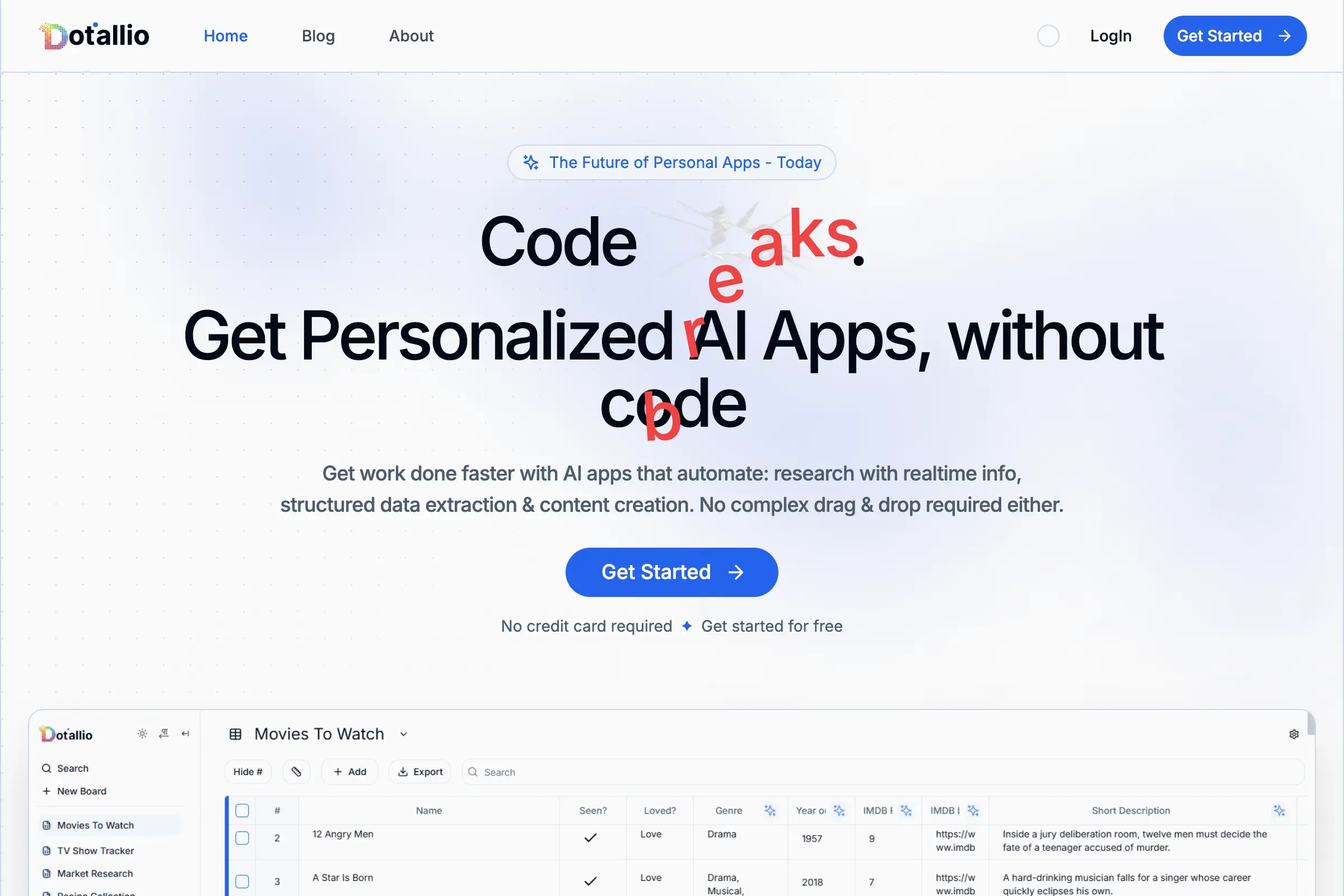
Dotallio
Personalized AI apps that automate research, data extraction, and content creation without code 🤖
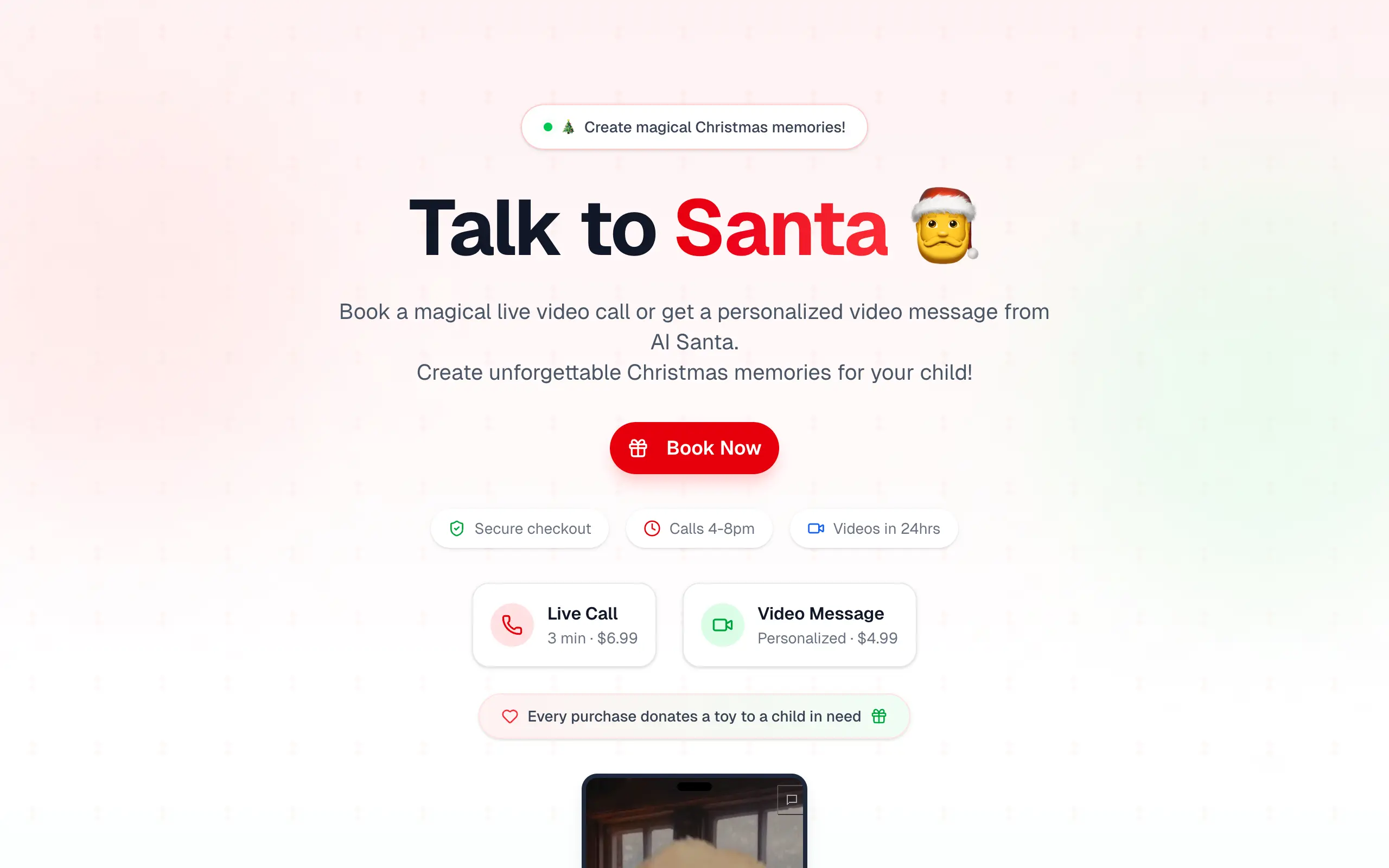
Talk to Santa
Enjoy a magical live video chat or receive a unique AI-generated video greeting from Santa Claus 🎅
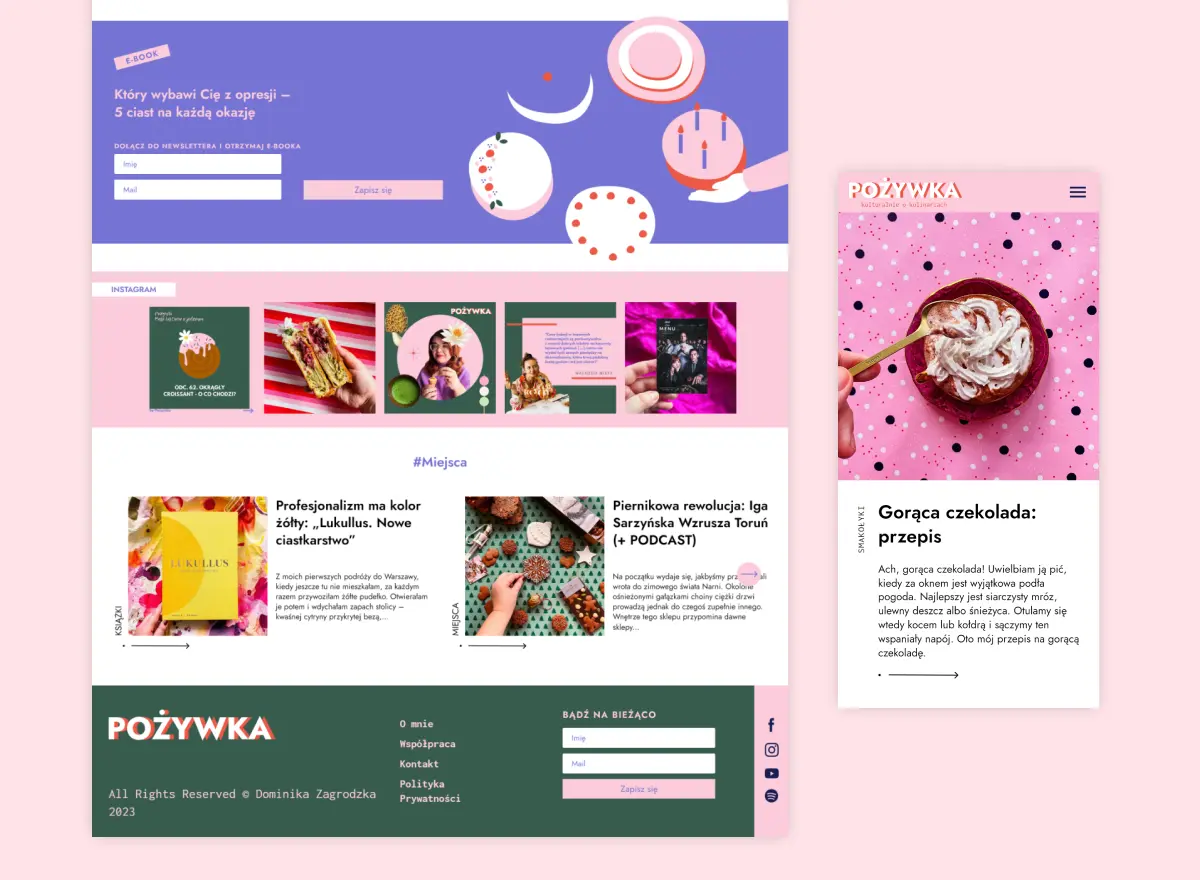
pozywka.pl
Scalable blog for food journalist, focused on performance and user experience 🌭
zagrodzki.me
Personal blog and portfolio of Bart Zagrodzki, where he shares his knowledge and work 💼
TurboStarter
Ship your startup everywhere. In minutes.
HTML to Markdown
Convert HTML to Markdown with ease, directly in your browser 📄
Dotallio
Personalized AI apps that automate research, data extraction, and content creation without code 🤖
Talk to Santa
Enjoy a magical live video chat or receive a unique AI-generated video greeting from Santa Claus 🎅
pozywka.pl
Scalable blog for food journalist, focused on performance and user experience 🌭
zagrodzki.me
Personal blog and portfolio of Bart Zagrodzki, where he shares his knowledge and work 💼
TurboStarter
Ship your startup everywhere. In minutes.
HTML to Markdown
Convert HTML to Markdown with ease, directly in your browser 📄
Dotallio
Personalized AI apps that automate research, data extraction, and content creation without code 🤖
Talk to Santa
Enjoy a magical live video chat or receive a unique AI-generated video greeting from Santa Claus 🎅
pozywka.pl
Scalable blog for food journalist, focused on performance and user experience 🌭
zagrodzki.me
Personal blog and portfolio of Bart Zagrodzki, where he shares his knowledge and work 💼
TurboStarter
Ship your startup everywhere. In minutes.
HTML to Markdown
Convert HTML to Markdown with ease, directly in your browser 📄
Dotallio
Personalized AI apps that automate research, data extraction, and content creation without code 🤖
Talk to Santa
Enjoy a magical live video chat or receive a unique AI-generated video greeting from Santa Claus 🎅
pozywka.pl
Scalable blog for food journalist, focused on performance and user experience 🌭
zagrodzki.me
Personal blog and portfolio of Bart Zagrodzki, where he shares his knowledge and work 💼
TurboStarter
Ship your startup everywhere. In minutes.
HTML to Markdown
Convert HTML to Markdown with ease, directly in your browser 📄
Omichat
Chat with 50+ AI models, including ChatGPT and Claude, in one place - switch models anytime without losing context 🤖
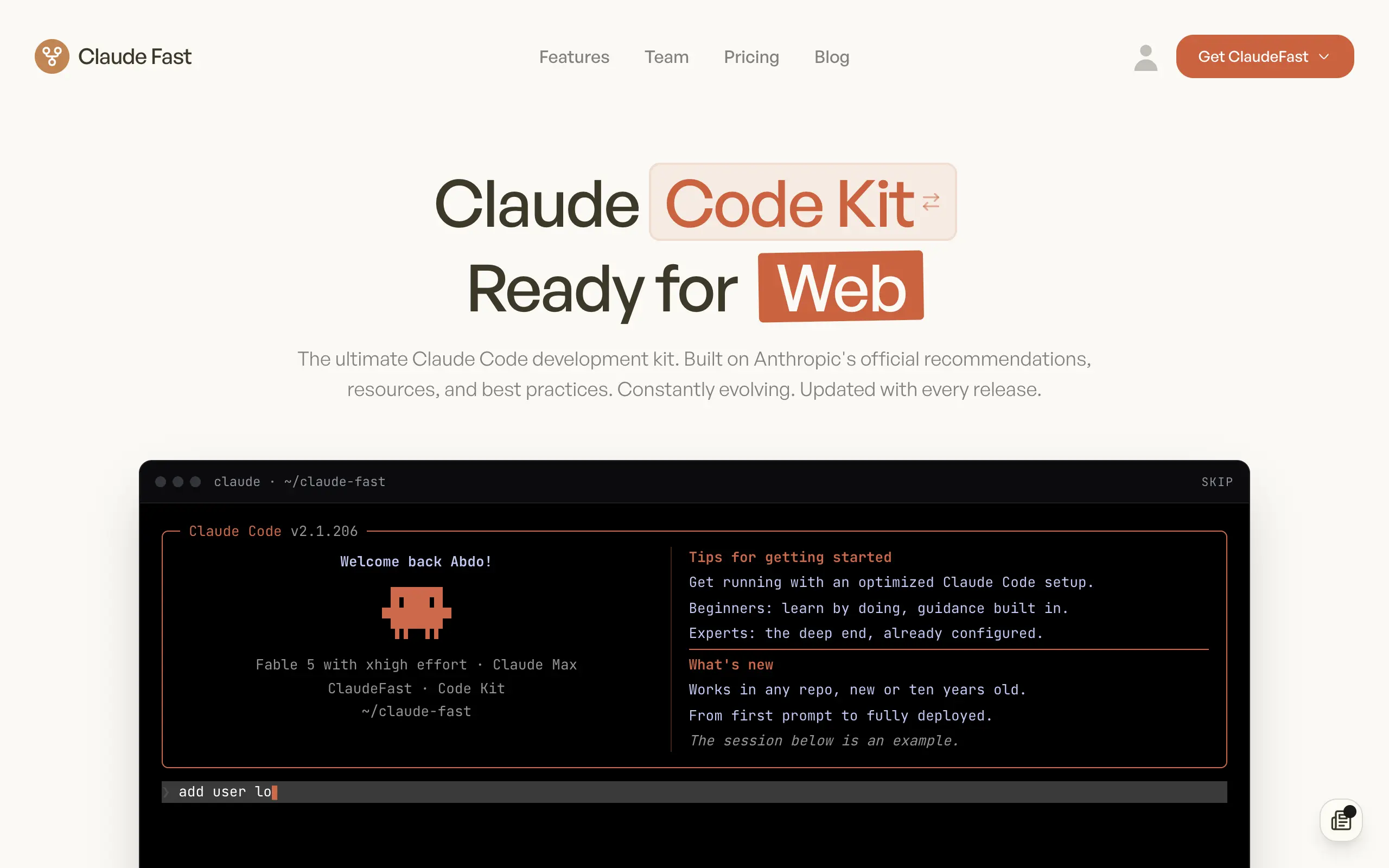
Claude Fast
Supercharge your Claude Code with 6x effective context window and specialized AI agents 🤖
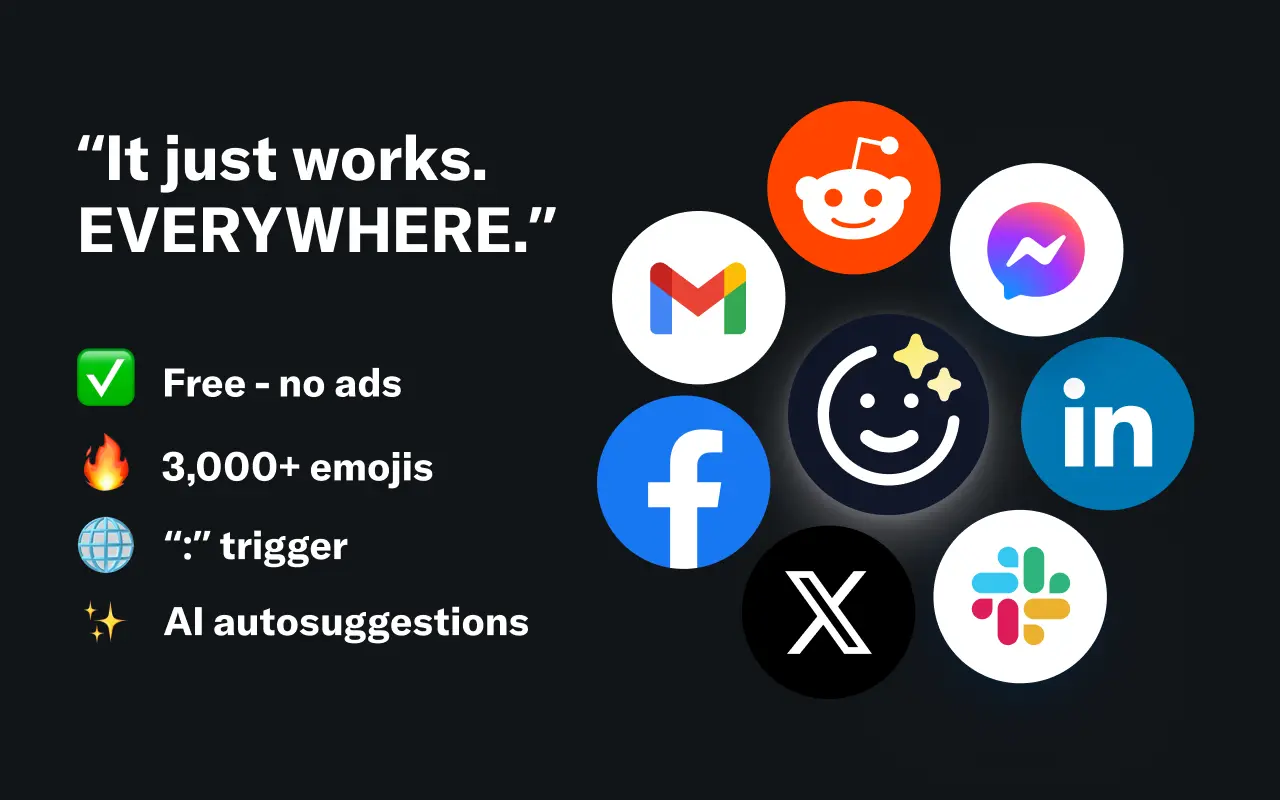
EmojAI
AI-powered emoji picker with smart, context-aware suggestions 🤖
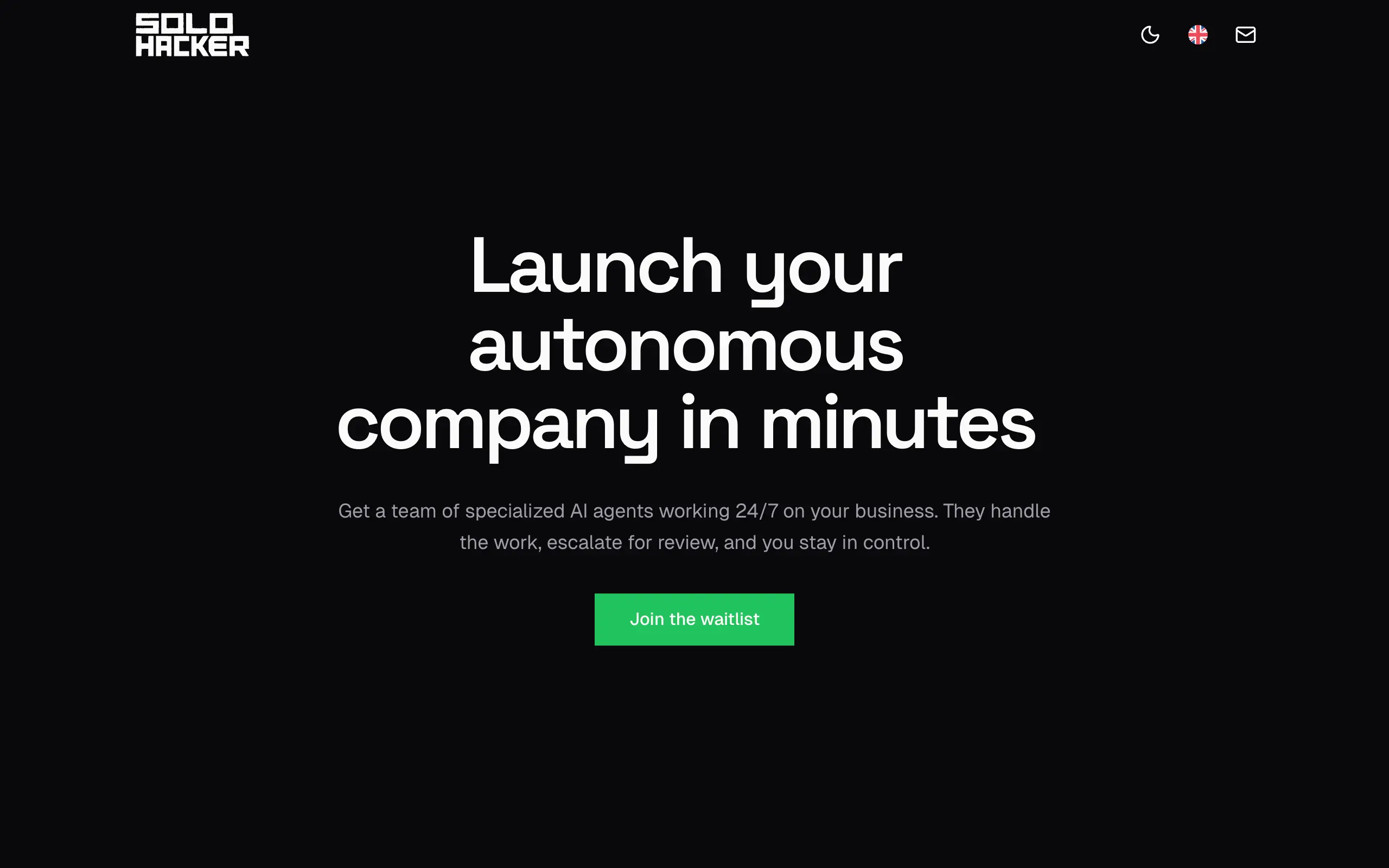
Solohacker
Autonomous company launcher - AI agents work 24/7, escalate what matters, and you stay in control 🤖
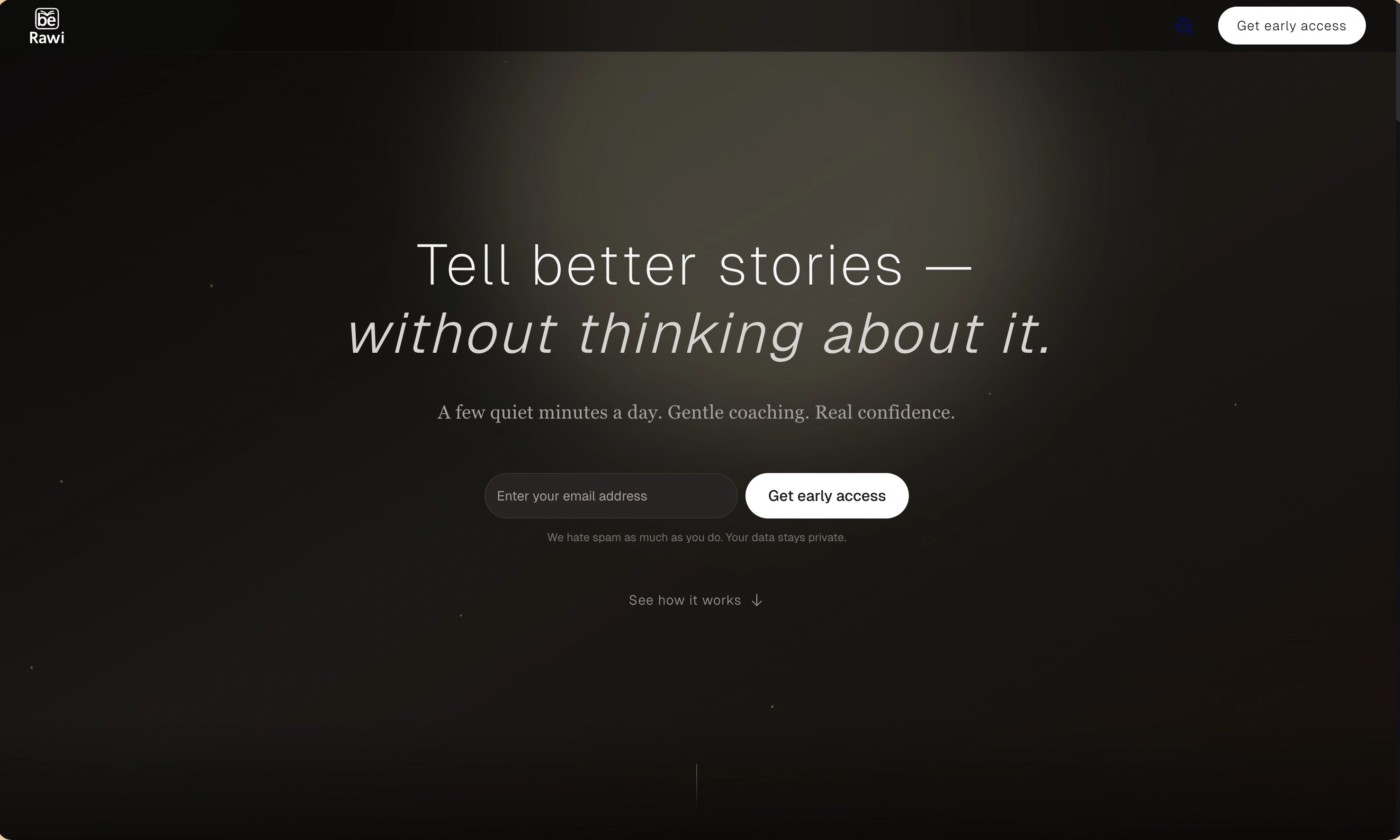
BeRawi: Storytelling Coach
Practice storytelling daily with instant feedback to sound clearer, more engaging, and confident 🎤
Omichat
Chat with 50+ AI models, including ChatGPT and Claude, in one place - switch models anytime without losing context 🤖
Claude Fast
Supercharge your Claude Code with 6x effective context window and specialized AI agents 🤖
EmojAI
AI-powered emoji picker with smart, context-aware suggestions 🤖
Solohacker
Autonomous company launcher - AI agents work 24/7, escalate what matters, and you stay in control 🤖
BeRawi: Storytelling Coach
Practice storytelling daily with instant feedback to sound clearer, more engaging, and confident 🎤
Omichat
Chat with 50+ AI models, including ChatGPT and Claude, in one place - switch models anytime without losing context 🤖
Claude Fast
Supercharge your Claude Code with 6x effective context window and specialized AI agents 🤖
EmojAI
AI-powered emoji picker with smart, context-aware suggestions 🤖
Solohacker
Autonomous company launcher - AI agents work 24/7, escalate what matters, and you stay in control 🤖
BeRawi: Storytelling Coach
Practice storytelling daily with instant feedback to sound clearer, more engaging, and confident 🎤
Omichat
Chat with 50+ AI models, including ChatGPT and Claude, in one place - switch models anytime without losing context 🤖
Claude Fast
Supercharge your Claude Code with 6x effective context window and specialized AI agents 🤖
EmojAI
AI-powered emoji picker with smart, context-aware suggestions 🤖
Solohacker
Autonomous company launcher - AI agents work 24/7, escalate what matters, and you stay in control 🤖
BeRawi: Storytelling Coach
Practice storytelling daily with instant feedback to sound clearer, more engaging, and confident 🎤

Connect with like-minded people
Join our community to get feedback, support, and grow together with 1,000+ builders on board, let's ship it!
Join usShip your startup everywhere. In minutes.
Don't burn tokens on setup and start building features on day one.