MealMind
AI-driven meal planner that creates personalized recipes, shopping lists, and nutrition tracking based on dietary needs, preferences, and local grocery deals.
MealMind is an AI-powered meal planning SaaS platform designed to revolutionize how individuals and families approach their weekly menus, grocery shopping, and dietary management. In this comprehensive guide, we’ll explore the market need for personalized meal planning, analyze the target audience, break down the core features and technology stack, and provide actionable steps for launching a successful B2C SaaS like MealMind.
Understanding the user’s search intent
When users search for terms like “AI meal planning app,” “personalized meal planner,” or “meal planning SaaS,” they’re typically seeking:
- Inspiration: Ideas for healthy, convenient, or budget-friendly meals.
- Validation: Evidence that AI meal planning apps can save time, money, and improve nutrition.
- Technical details: How such platforms work, what features they offer, and how they handle dietary needs.
- Market analysis: The business opportunity and competitive landscape.
- Implementation steps: Guidance on building, launching, or using a meal planning SaaS.
This article addresses all these intents, providing expert insights and actionable advice.
Target audience analysis: Who benefits from MealMind?
Understanding the core user base is essential for any B2C SaaS. MealMind’s primary audience includes:
- Busy professionals and families: Individuals with limited time for meal planning and grocery shopping.
- Health-conscious users: People managing specific diets (e.g., keto, vegan, gluten-free) or tracking nutrition for fitness goals.
- Budget-focused shoppers: Users aiming to reduce food waste and save money by planning efficient grocery lists.
- People with dietary restrictions: Those with allergies, intolerances, or medical conditions requiring tailored meal plans.
- Tech-savvy millennials and Gen Z: Early adopters comfortable with AI-driven solutions and mobile apps.
Secondary audiences may include:
- Nutritionists and dietitians seeking tools for client meal planning.
- Fitness coaches integrating meal plans into training programs.
- Grocery retailers or delivery services interested in partnerships.
Time-strapped professionals
Automated weekly menus and shopping lists save hours each week.
Health-focused individuals
Personalized plans adapt to dietary needs and nutrition goals.
Budget-conscious families
Optimized shopping lists reduce food waste and grocery bills.
Market opportunity and gap analysis
The growing demand for personalized meal planning
The global meal kit and meal planning market has seen rapid growth, driven by:
- Rising health awareness: Consumers are increasingly focused on nutrition, weight management, and chronic disease prevention.
- Busy lifestyles: Time constraints make meal planning and grocery shopping a challenge.
- Digital adoption: Mobile apps and AI are transforming how people manage daily routines.
According to Statista, the meal kit market in the US alone is projected to surpass $10 billion by 2024. However, many existing solutions are either too generic, lack true personalization, or require expensive subscriptions.
Key market gaps
- Lack of true personalization: Most meal planning apps offer static templates, not dynamic, AI-driven recommendations.
- Limited dietary flexibility: Few platforms can handle complex dietary restrictions or evolving user preferences.
- Manual grocery management: Many apps don’t automate shopping lists or integrate with local grocery delivery.
- Cost barriers: High subscription fees deter price-sensitive users.
MealMind addresses these gaps by leveraging AI to deliver hyper-personalized, adaptive meal plans and seamless grocery management.
Core features and solution details
A successful AI meal planning SaaS must deliver tangible value through robust, user-centric features. Here’s how MealMind stands out:
1. AI-powered personalized meal planning
- Dynamic weekly menus: AI algorithms generate meal plans based on user preferences, dietary needs, and past feedback.
- Continuous learning: The system adapts over time, refining recommendations as users rate meals or update their profiles.
- Recipe diversity: Access to a vast, curated recipe database ensures variety and prevents “menu fatigue.”
2. Automated, smart shopping lists
- Ingredient aggregation: Automatically compiles a consolidated shopping list from the week’s menu.
- Pantry tracking: Users can mark items they already have, reducing waste and unnecessary purchases.
- Grocery integration: Potential to sync with local grocery delivery services or e-commerce platforms.
3. Dietary and allergy management
- Customizable restrictions: Support for allergies, intolerances, and medical diets (e.g., low-FODMAP, diabetic-friendly).
- Nutrition tracking: Macro and micronutrient breakdowns for each meal and daily totals.
- Goal setting: Users can set calorie, protein, or other nutrition targets.
4. Cost optimization
- Budget-based planning: Users can set a weekly grocery budget; AI suggests recipes and shopping lists accordingly.
- Seasonal and local ingredient suggestions: Reduces costs and supports sustainability.
5. User experience and engagement
- Intuitive mobile and web interfaces: Clean, responsive design for easy access on any device.
- Meal feedback and ratings: Users can rate meals, flag favorites, and exclude disliked ingredients.
- Social sharing: Option to share meal plans or recipes with friends and family.
MealMind uses machine learning models trained on user preferences, dietary data, and recipe attributes. As users interact with the app—rating meals, updating restrictions, or providing feedback—the AI refines its recommendations, ensuring each week’s menu is more tailored than the last.
Yes. The platform supports multiple, overlapping dietary restrictions and can adapt to evolving health goals or medical requirements.
MealMind is designed to integrate with major grocery APIs, enabling one-click shopping or delivery in supported regions.
Recommended tech stack for building MealMind
Selecting the right technology stack is crucial for scalability, performance, and rapid development. Here’s a recommended stack for a modern AI meal planning SaaS:
Frontend
- React (reactjs.org): Popular for building dynamic, responsive user interfaces.
- Next.js (nextjs.org): Enables server-side rendering, SEO optimization, and fast page loads.
- Tailwind CSS (tailwindcss.com): Utility-first CSS framework for rapid UI development.
- TypeScript (typescriptlang.org): Adds type safety and improves code maintainability.
Backend
- Node.js (nodejs.org): Scalable JavaScript runtime for API development.
- Express (expressjs.com): Minimalist web framework for building RESTful APIs.
- Python (python.org): Ideal for AI/ML components, recipe parsing, and data processing.
- FastAPI (fastapi.tiangolo.com): High-performance Python framework for serving AI models.
Database
- PostgreSQL (postgresql.org): Robust, open-source relational database for user data and recipes.
- Redis (redis.io): In-memory store for caching and session management.
AI/ML
- TensorFlow (tensorflow.org) or PyTorch (pytorch.org): For building and training recommendation models.
- OpenAI API (openai.com): For advanced natural language processing (e.g., recipe parsing, ingredient substitutions).
Infrastructure
- AWS (aws.amazon.com), GCP (cloud.google.com), or Azure (azure.microsoft.com): Cloud hosting, storage, and AI services.
- Docker (docker.com): Containerization for consistent deployment.
- TurboStarter (TurboStarter): For rapid SaaS boilerplate setup, authentication, payments, and scalable infrastructure.
Why use TurboStarter?
TurboStarter accelerates SaaS development by providing pre-built modules for authentication, billing, and user management—allowing you to focus on core AI features and user experience.
Trade-offs and considerations
- Monolithic vs. microservices: Start with a monolithic architecture for speed, then refactor to microservices as the user base grows.
- Custom AI vs. third-party APIs: Building proprietary models offers differentiation but requires more resources. Leveraging APIs like OpenAI can speed up initial development.
- Mobile app: Consider React Native (reactnative.dev) for cross-platform mobile support.
Monetization strategy options
A B2C SaaS like MealMind can employ several monetization models:
1. Freemium
- Free tier: Basic meal planning and limited recipes.
- Premium tier: Advanced AI personalization, dietary management, grocery integration, and nutrition tracking.
2. Subscription-based
- Monthly/annual plans: Unlock all features, ad-free experience, and priority support.
3. Affiliate partnerships
- Grocery delivery integration: Earn commissions from partner retailers when users order groceries via the app.
- Sponsored recipes or products: Feature branded ingredients or kitchen tools.
4. In-app purchases
- Recipe packs: Curated meal plans for specific diets or occasions.
- Personalized coaching: Access to nutritionists or meal planning experts.
| Freemium | Subscription | Affiliate | In-app purchases | Ads |
|---|---|---|---|---|
| ✅ | ❌ | ❌ | ✅ | ❌ |
| ✅ | ❌ | ✅ | ✅ | ❌ |
Tip: Combining freemium and affiliate models can maximize user acquisition and revenue.
Potential risks and mitigation strategies
Launching a B2C SaaS in the meal planning space comes with challenges. Here’s how to address them:
1. Data privacy and security
- Risk: Handling sensitive dietary and health data.
- Mitigation: Implement robust encryption, comply with GDPR/CCPA, and be transparent about data usage.
2. AI accuracy and bias
- Risk: Inaccurate or culturally insensitive meal recommendations.
- Mitigation: Continuously train models on diverse datasets and allow user feedback to refine suggestions.
3. User retention
- Risk: Users may lose interest if meal plans become repetitive or irrelevant.
- Mitigation: Regularly update recipe databases, introduce seasonal menus, and gamify engagement (e.g., streaks, badges).
4. Competition
- Risk: Competing with established meal kit services and free apps.
- Mitigation: Emphasize unique AI-driven personalization, cost savings, and superior user experience.
5. Integration challenges
- Risk: Difficulty integrating with grocery APIs or third-party services.
- Mitigation: Start with manual list exports, then phase in integrations as partnerships develop.
Competitive advantage analysis: What makes MealMind unique?
MealMind’s unique selling proposition (USP) lies in its AI-driven, adaptive personalization and holistic approach to meal planning. Here’s how it stands out:
- True AI personalization: Unlike static meal planners, MealMind learns and evolves with each user.
- Comprehensive dietary support: Handles complex, overlapping restrictions and nutrition goals.
- Seamless grocery management: Automated, optimized shopping lists and potential for direct grocery integration.
- Cost and time savings: Focuses on reducing food waste and grocery bills, not just convenience.
- User-centric design: Intuitive interfaces, feedback loops, and social features drive engagement.
Adaptive AI
Continuously learns from user feedback for ever-improving recommendations.
All-in-one solution
Combines meal planning, nutrition tracking, and grocery management.
Budget optimization
Helps users save money by planning around sales, seasons, and pantry items.
Actionable implementation steps
Ready to build or launch a SaaS like MealMind? Here’s a step-by-step roadmap:
Conclusion: Bringing AI meal planning to life
The demand for personalized, AI-powered meal planning is only set to grow as consumers seek healthier, more convenient, and cost-effective ways to manage their diets. By focusing on adaptive personalization, robust dietary support, and seamless grocery management, MealMind is well-positioned to capture this market.
For founders and developers, leveraging modern tech stacks and platforms like TurboStarter can dramatically accelerate your go-to-market timeline, letting you focus on what matters most: delivering real value to users.
Frequently asked questions
By optimizing meal plans around seasonal ingredients, pantry items, and user-set budgets, MealMind reduces food waste and unnecessary purchases.
Yes, the platform supports multi-user profiles and can generate family-friendly meal plans.
Absolutely. The AI engine is designed to handle complex, overlapping restrictions and adapt as your needs change.
Further reading and resources
- Statista: Meal kit market size
- React documentation
- TurboStarter SaaS boilerplate
- OpenAI API
- Next.js documentation
By following these strategies and leveraging the latest in AI and SaaS development, you can build a meal planning platform that truly stands out in a crowded market.
More 👥 B2C Application SaaS ideas
Discover more innovative b2c application SaaS ideas that are trending in 2026. Each idea is AI-generated with market validation and growth potential to help you find your next profitable venture faster than competitors.
Your competitors are building with TurboStarter
Below are some of the SaaS ideas that have been generated and built with our starter kit.
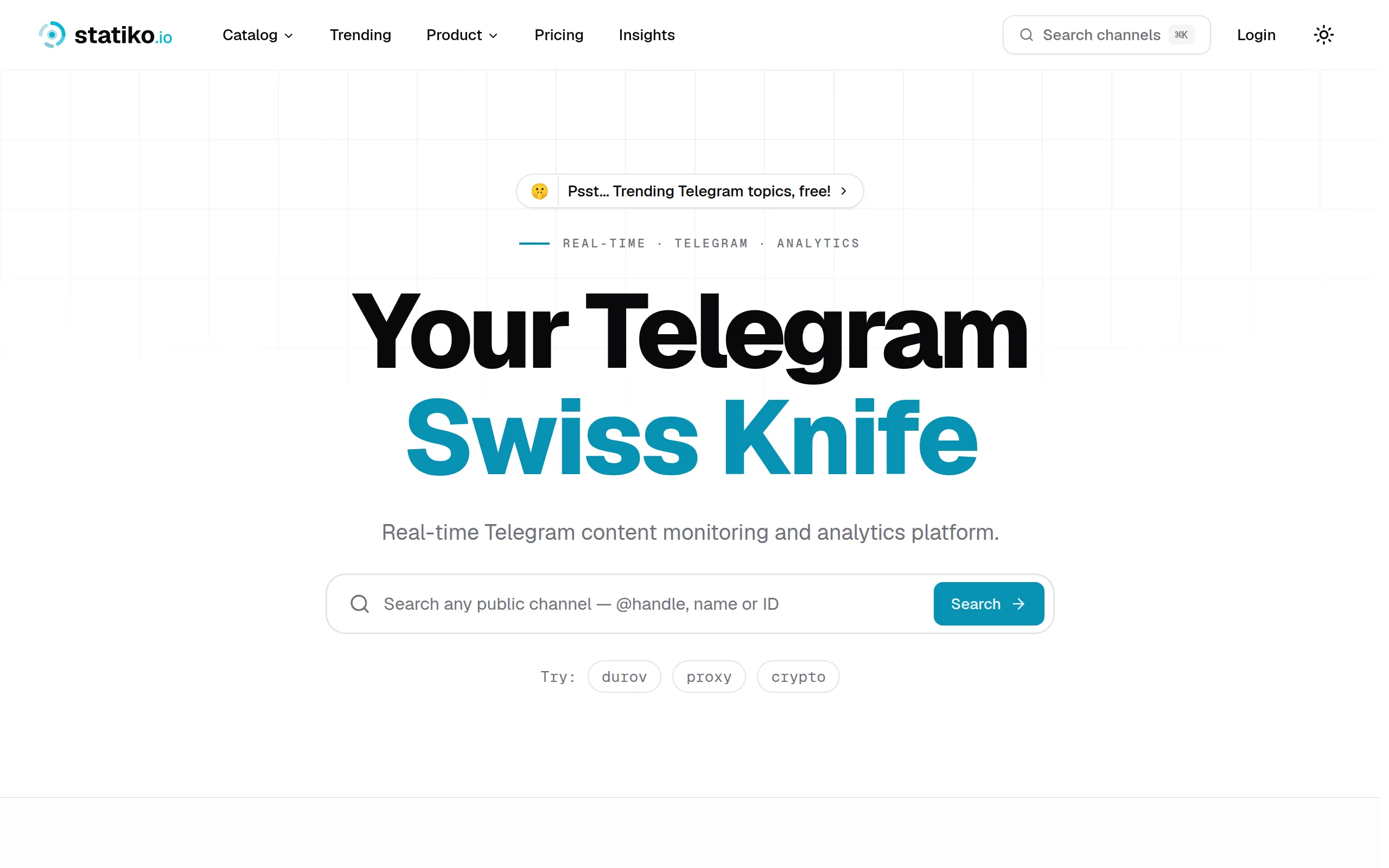
Statiko
Monitor any Telegram channel in real time - track posts, edits, deletions, and growth with AI recaps 📡

Shibui
AI website builder - describe your business, pick a niche template, edit by chatting, and publish instantly ✨

Pro Service
Find verified home service professionals, compare quotes, and pay securely through escrow - built for Brazilians across the US 🏠
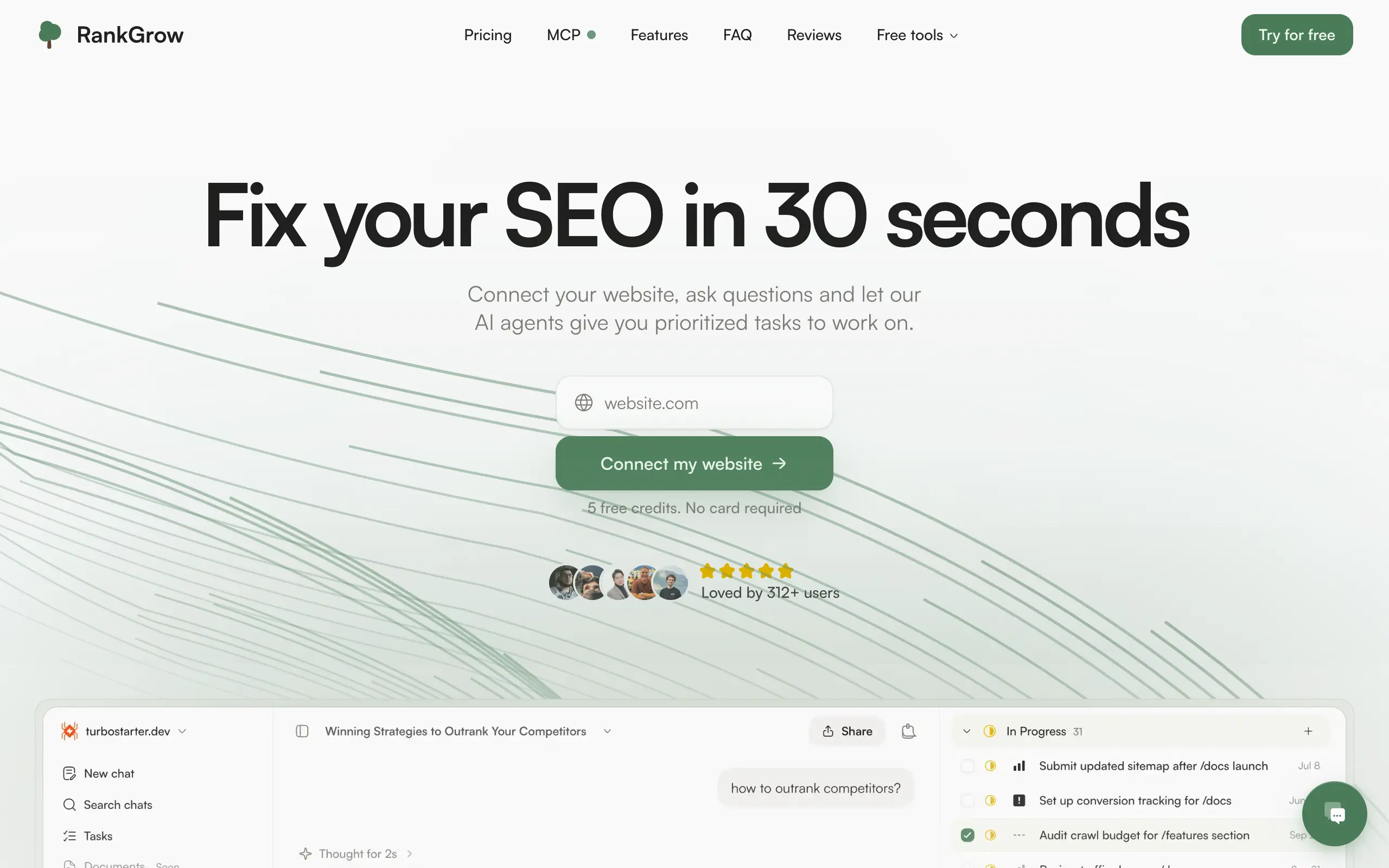
RankGrow
Fix your SEO with AI agents - connect Search Console, get prioritized tasks, and grow organic traffic 📈
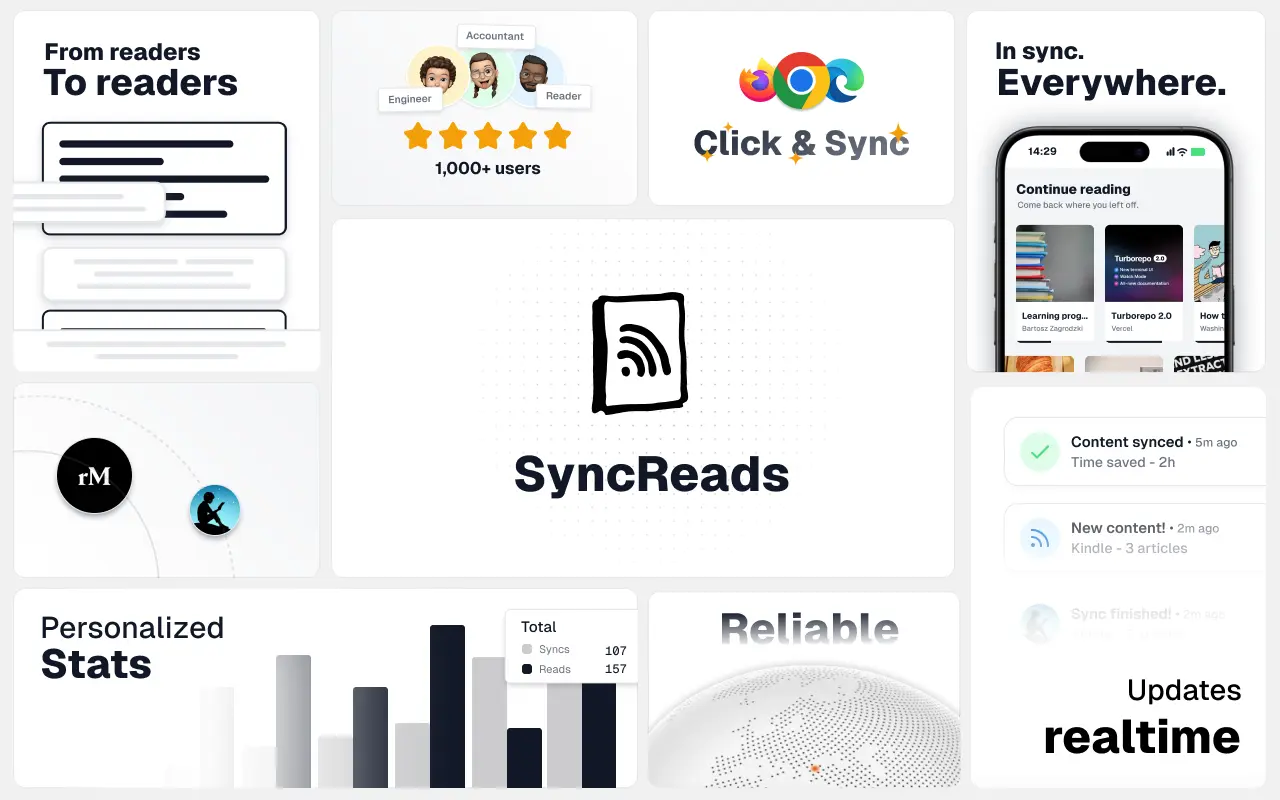
SyncReads
Sync your favorite content for distraction-free reading, save time and replace multiple apps. Anytime, anywhere 🔄
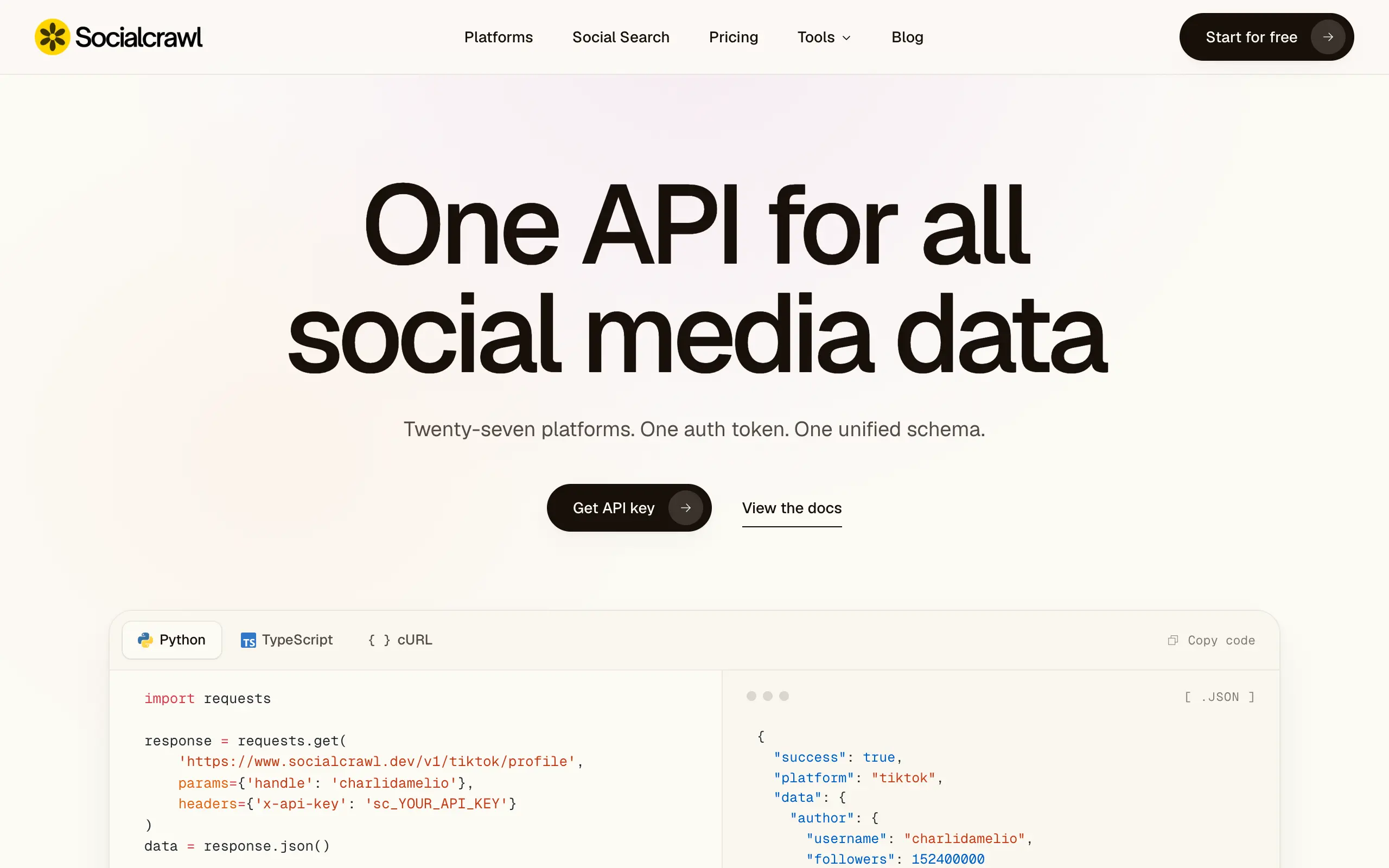
Socialcrawl
Get clean, structured data from 21 platforms like TikTok, Instagram, and YouTube with a single request 📊
Statiko
Monitor any Telegram channel in real time - track posts, edits, deletions, and growth with AI recaps 📡
Shibui
AI website builder - describe your business, pick a niche template, edit by chatting, and publish instantly ✨
Pro Service
Find verified home service professionals, compare quotes, and pay securely through escrow - built for Brazilians across the US 🏠
RankGrow
Fix your SEO with AI agents - connect Search Console, get prioritized tasks, and grow organic traffic 📈
SyncReads
Sync your favorite content for distraction-free reading, save time and replace multiple apps. Anytime, anywhere 🔄
Socialcrawl
Get clean, structured data from 21 platforms like TikTok, Instagram, and YouTube with a single request 📊
Statiko
Monitor any Telegram channel in real time - track posts, edits, deletions, and growth with AI recaps 📡
Shibui
AI website builder - describe your business, pick a niche template, edit by chatting, and publish instantly ✨
Pro Service
Find verified home service professionals, compare quotes, and pay securely through escrow - built for Brazilians across the US 🏠
RankGrow
Fix your SEO with AI agents - connect Search Console, get prioritized tasks, and grow organic traffic 📈
SyncReads
Sync your favorite content for distraction-free reading, save time and replace multiple apps. Anytime, anywhere 🔄
Socialcrawl
Get clean, structured data from 21 platforms like TikTok, Instagram, and YouTube with a single request 📊
Statiko
Monitor any Telegram channel in real time - track posts, edits, deletions, and growth with AI recaps 📡
Shibui
AI website builder - describe your business, pick a niche template, edit by chatting, and publish instantly ✨
Pro Service
Find verified home service professionals, compare quotes, and pay securely through escrow - built for Brazilians across the US 🏠
RankGrow
Fix your SEO with AI agents - connect Search Console, get prioritized tasks, and grow organic traffic 📈
SyncReads
Sync your favorite content for distraction-free reading, save time and replace multiple apps. Anytime, anywhere 🔄
Socialcrawl
Get clean, structured data from 21 platforms like TikTok, Instagram, and YouTube with a single request 📊
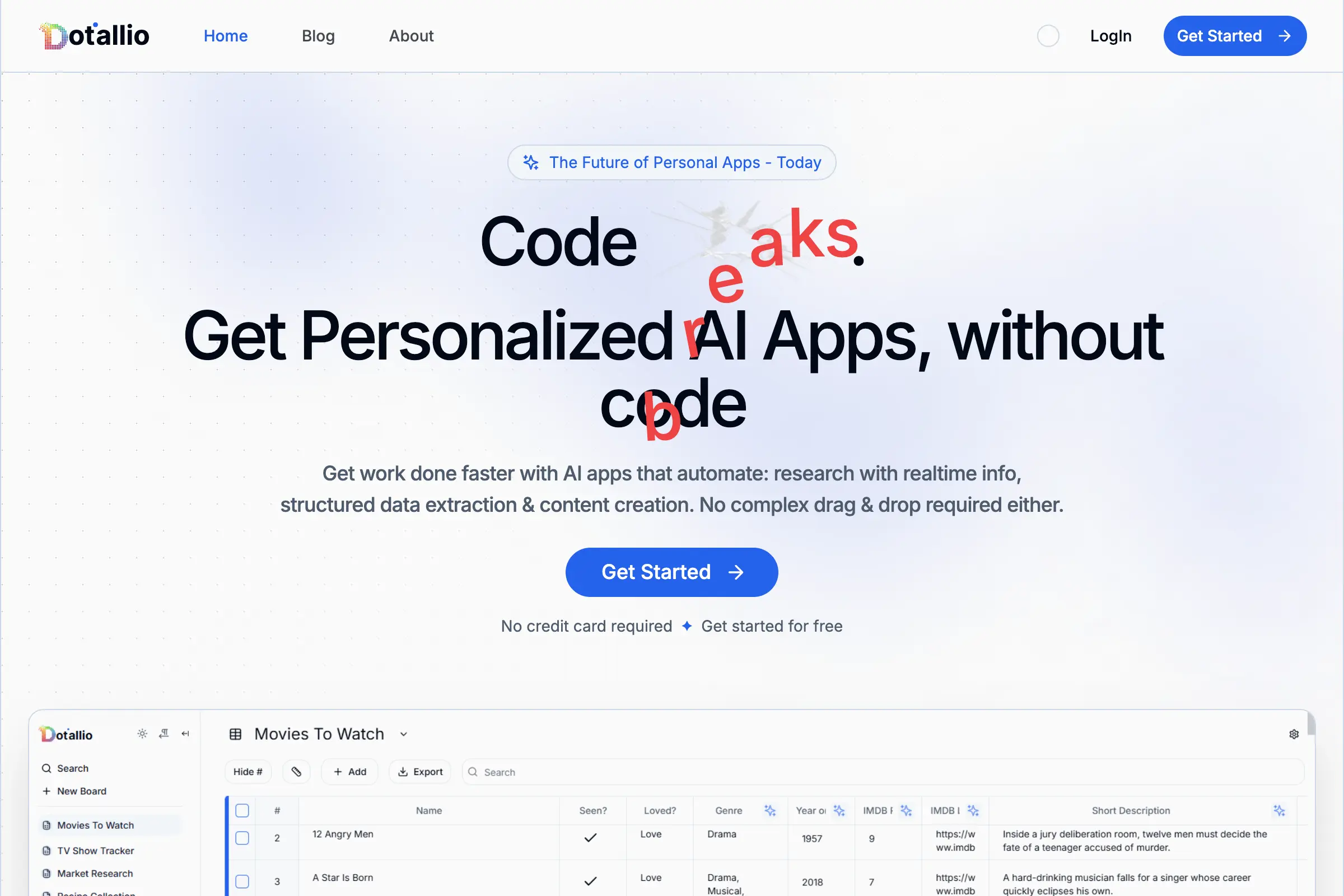
Dotallio
Personalized AI apps that automate research, data extraction, and content creation without code 🤖
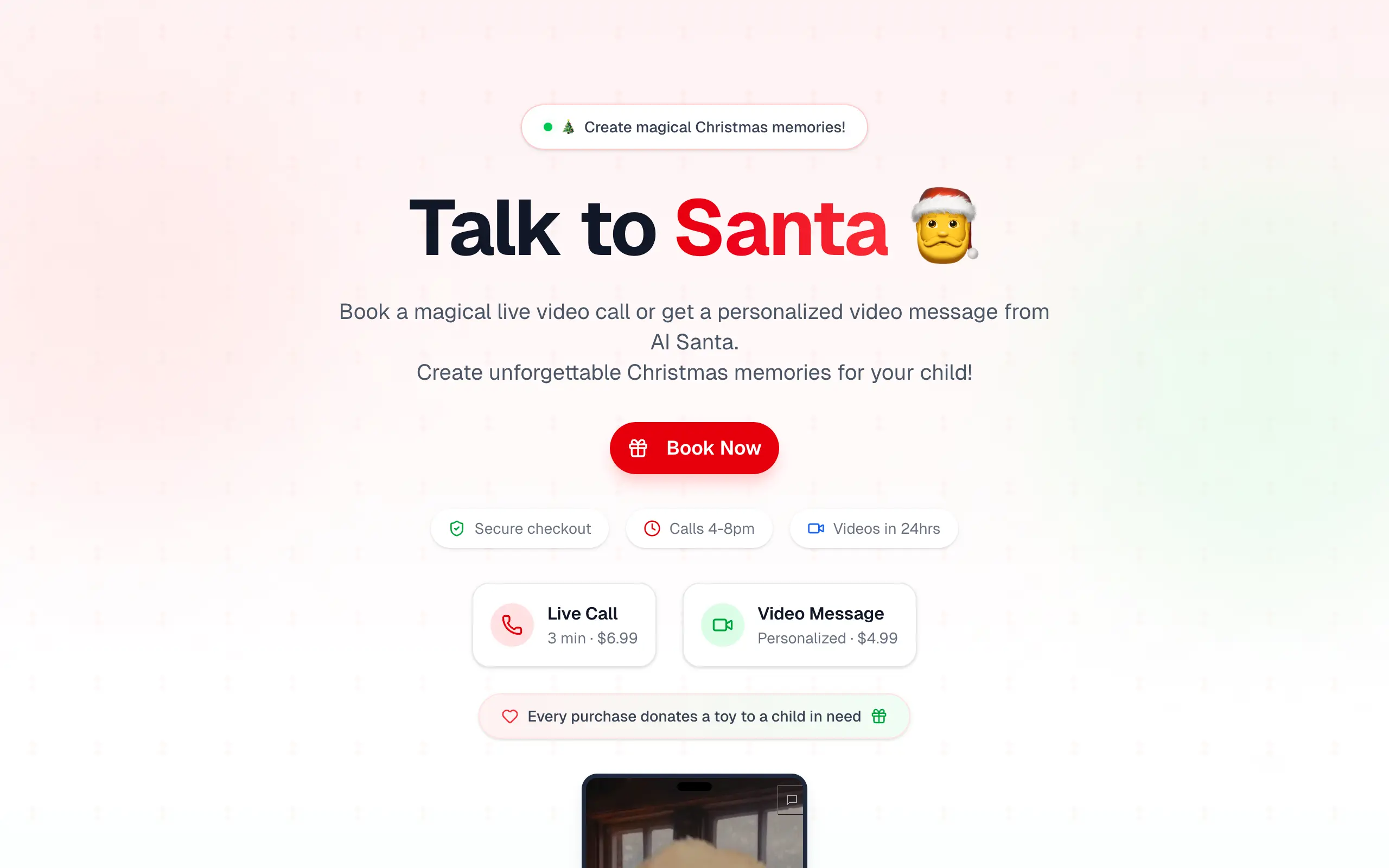
Talk to Santa
Enjoy a magical live video chat or receive a unique AI-generated video greeting from Santa Claus 🎅
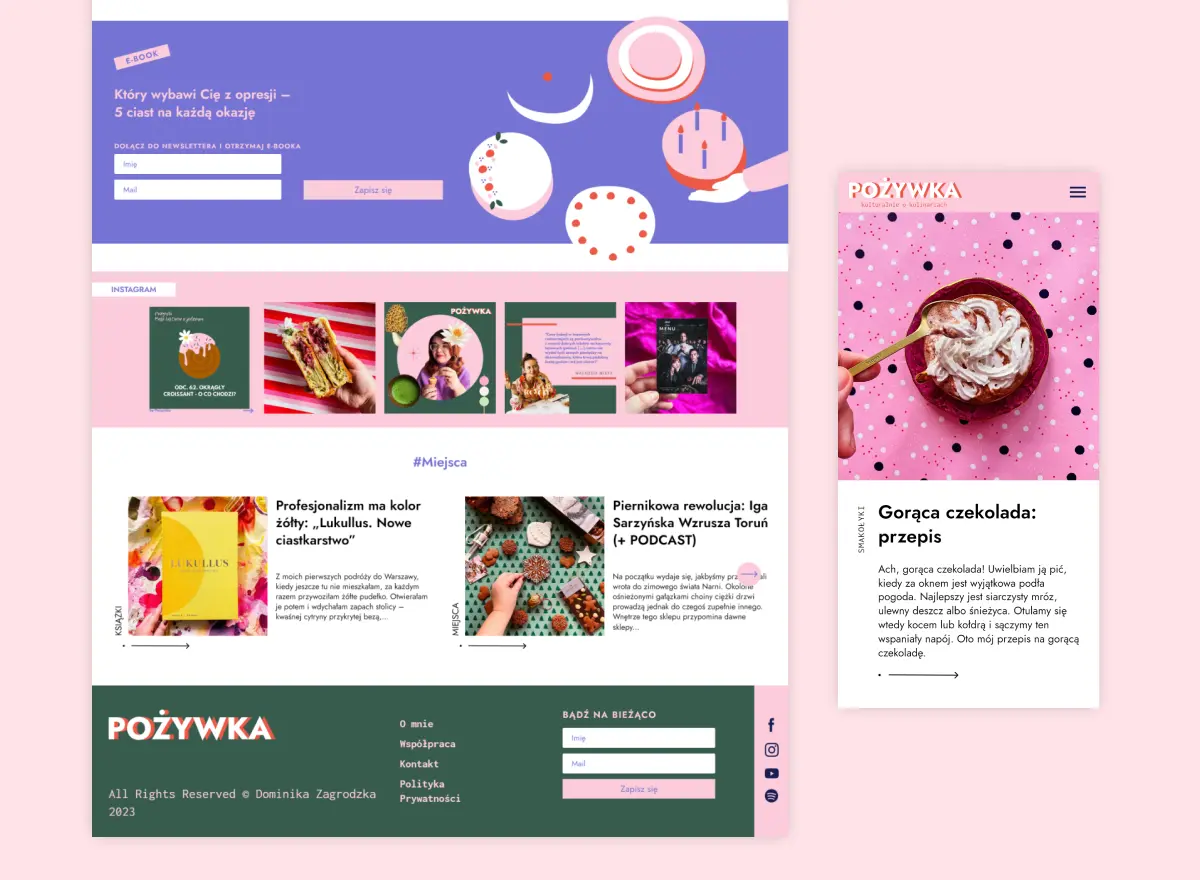
pozywka.pl
Scalable blog for food journalist, focused on performance and user experience 🌭
zagrodzki.me
Personal blog and portfolio of Bart Zagrodzki, where he shares his knowledge and work 💼
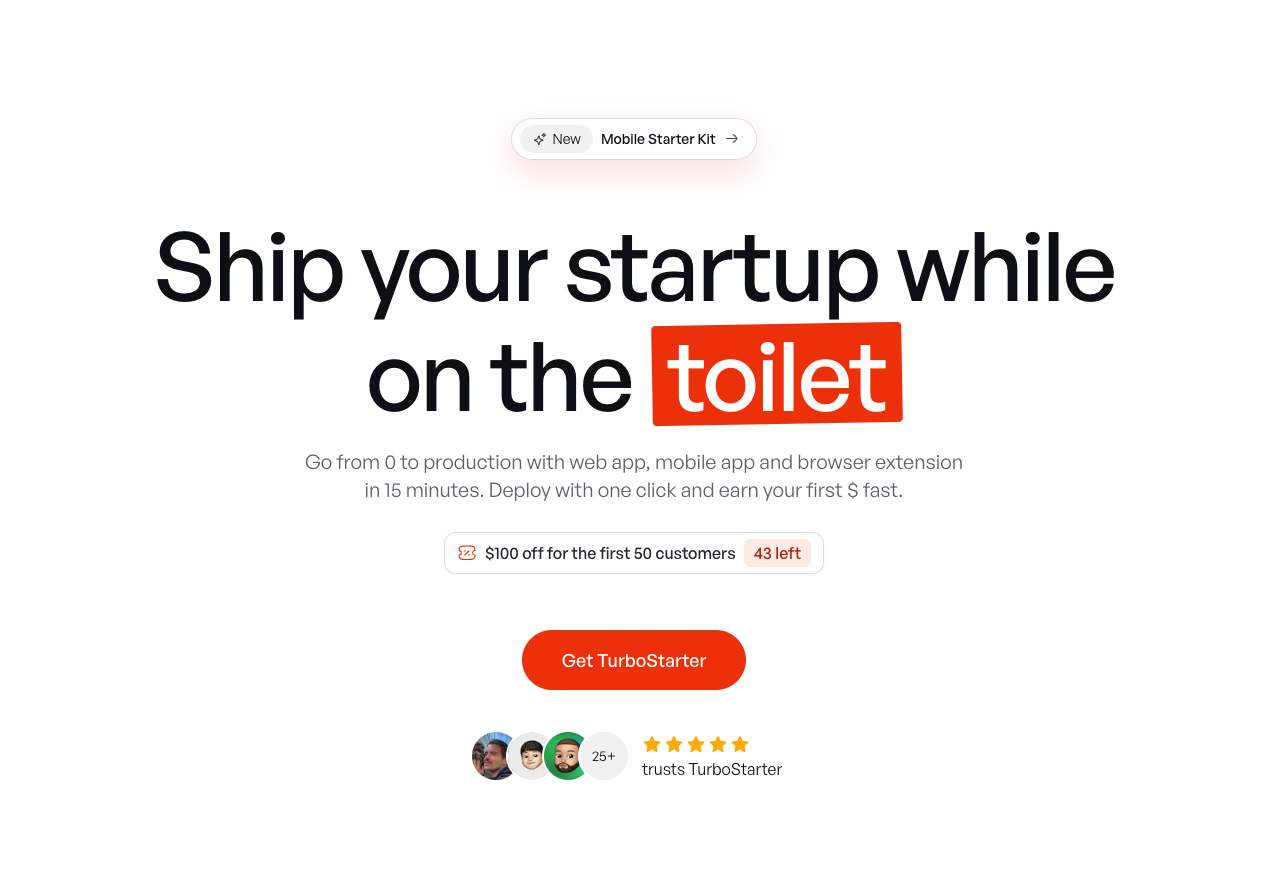
TurboStarter
Ship your startup everywhere. In minutes.
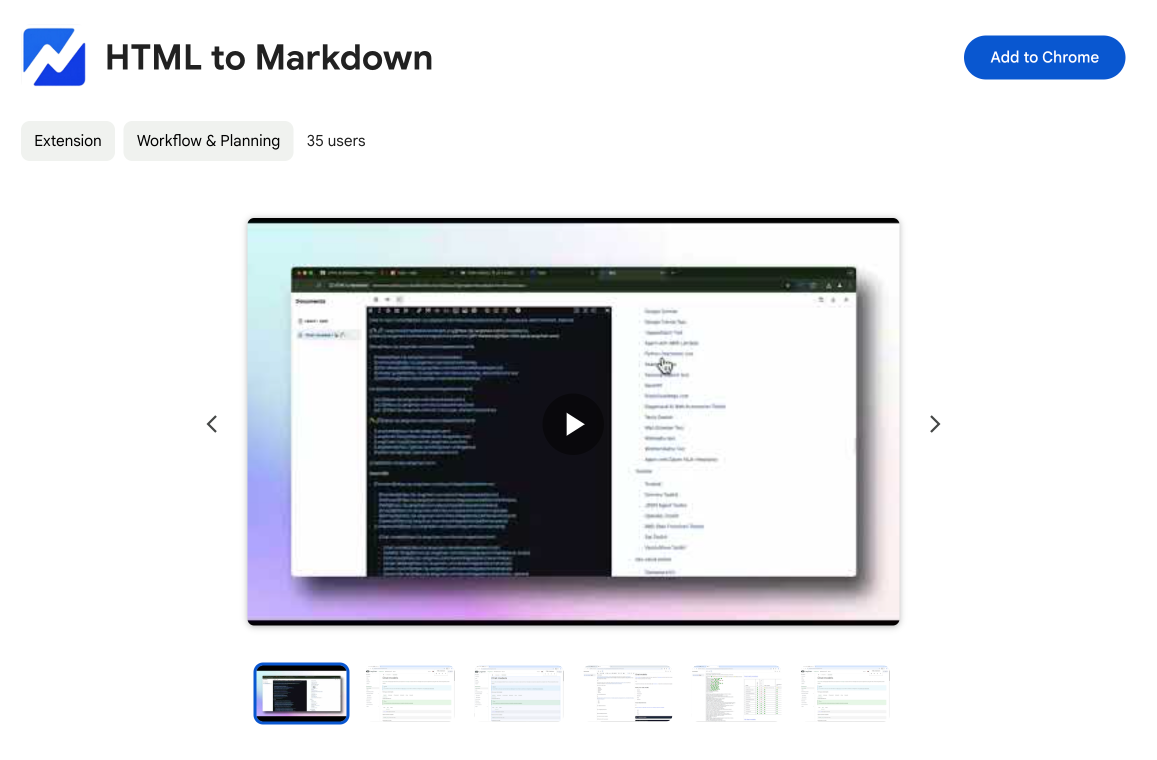
HTML to Markdown
Convert HTML to Markdown with ease, directly in your browser 📄
Dotallio
Personalized AI apps that automate research, data extraction, and content creation without code 🤖
Talk to Santa
Enjoy a magical live video chat or receive a unique AI-generated video greeting from Santa Claus 🎅
pozywka.pl
Scalable blog for food journalist, focused on performance and user experience 🌭
zagrodzki.me
Personal blog and portfolio of Bart Zagrodzki, where he shares his knowledge and work 💼
TurboStarter
Ship your startup everywhere. In minutes.
HTML to Markdown
Convert HTML to Markdown with ease, directly in your browser 📄
Dotallio
Personalized AI apps that automate research, data extraction, and content creation without code 🤖
Talk to Santa
Enjoy a magical live video chat or receive a unique AI-generated video greeting from Santa Claus 🎅
pozywka.pl
Scalable blog for food journalist, focused on performance and user experience 🌭
zagrodzki.me
Personal blog and portfolio of Bart Zagrodzki, where he shares his knowledge and work 💼
TurboStarter
Ship your startup everywhere. In minutes.
HTML to Markdown
Convert HTML to Markdown with ease, directly in your browser 📄
Dotallio
Personalized AI apps that automate research, data extraction, and content creation without code 🤖
Talk to Santa
Enjoy a magical live video chat or receive a unique AI-generated video greeting from Santa Claus 🎅
pozywka.pl
Scalable blog for food journalist, focused on performance and user experience 🌭
zagrodzki.me
Personal blog and portfolio of Bart Zagrodzki, where he shares his knowledge and work 💼
TurboStarter
Ship your startup everywhere. In minutes.
HTML to Markdown
Convert HTML to Markdown with ease, directly in your browser 📄
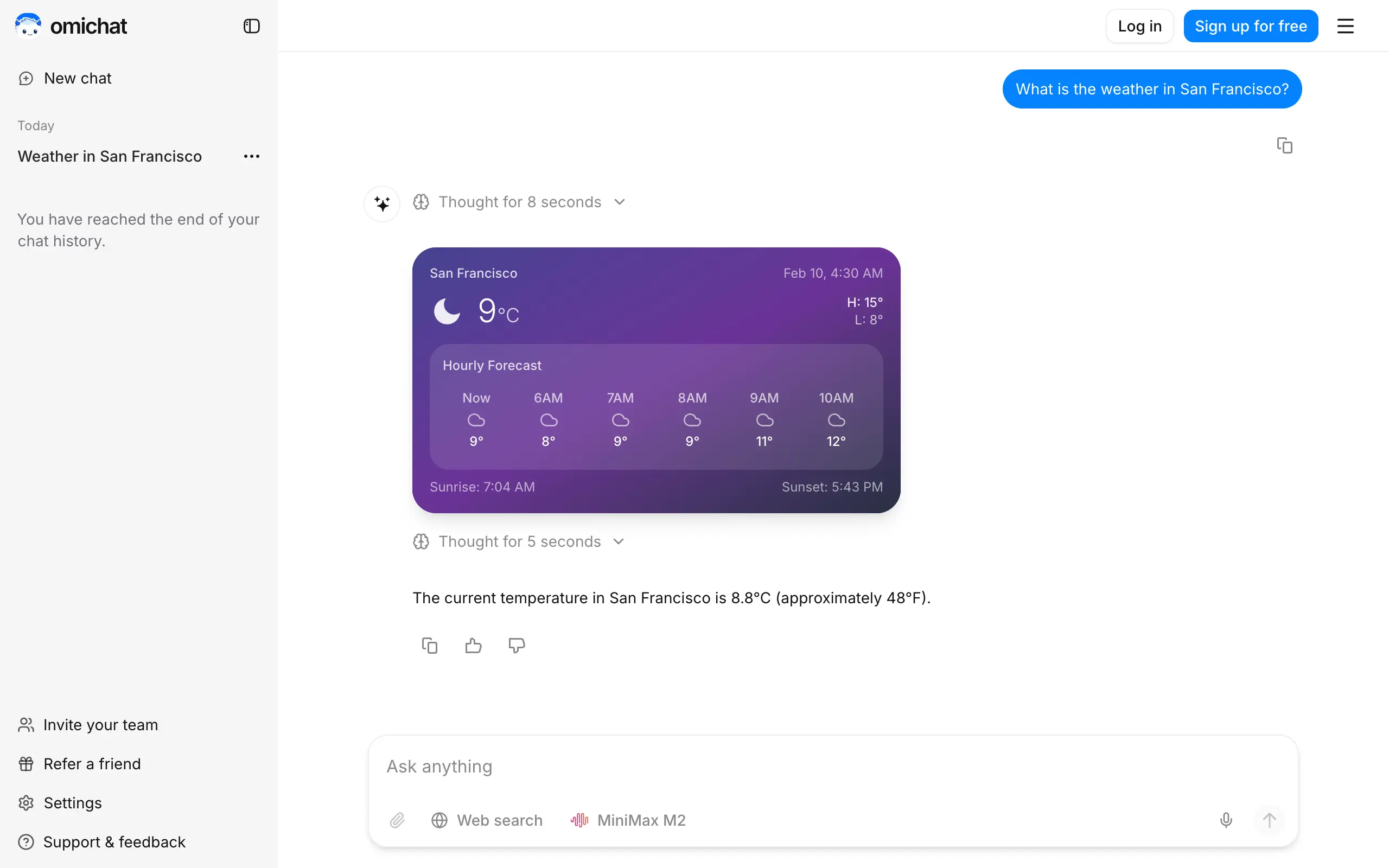
Omichat
Chat with 50+ AI models, including ChatGPT and Claude, in one place - switch models anytime without losing context 🤖
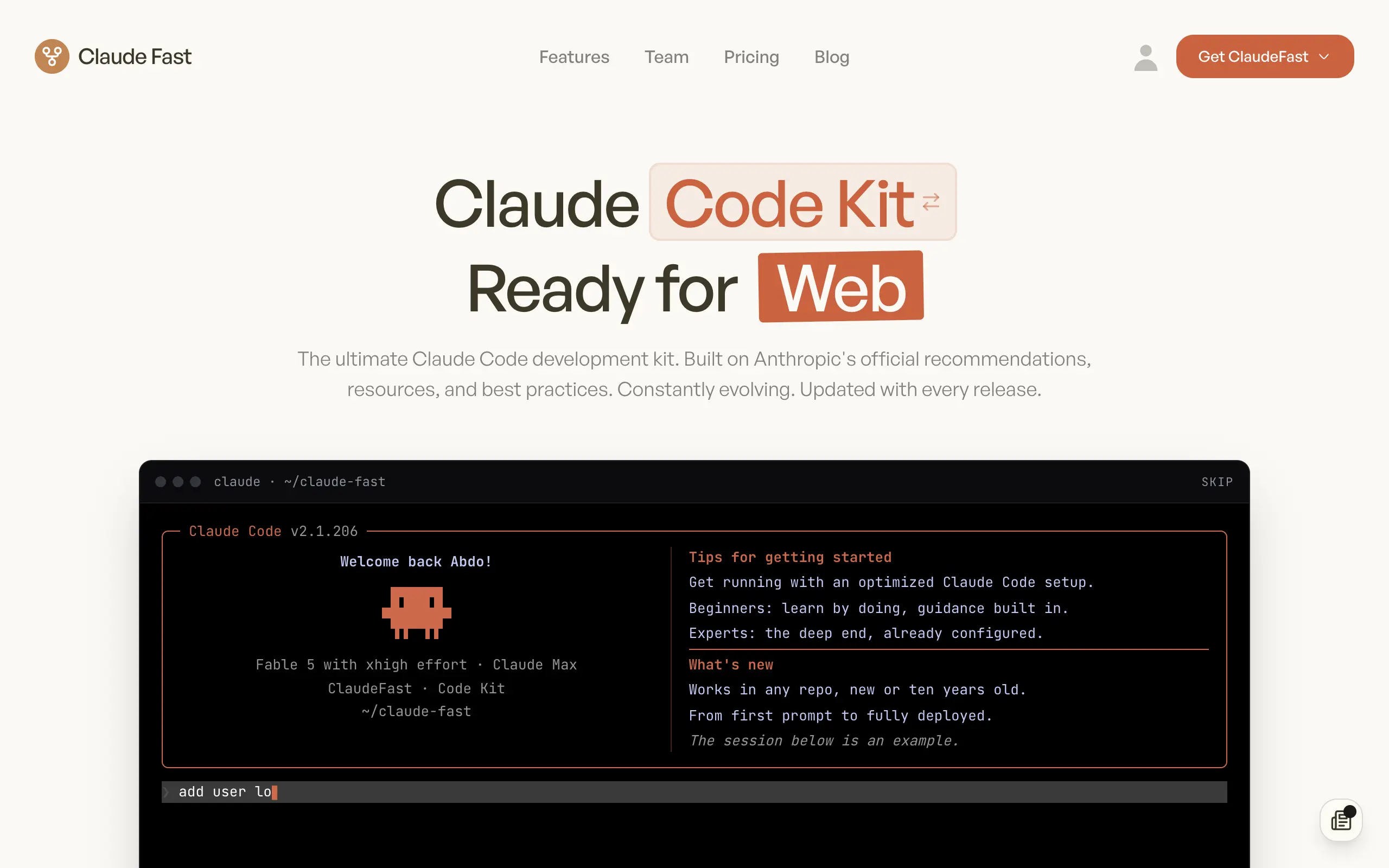
Claude Fast
Supercharge your Claude Code with 6x effective context window and specialized AI agents 🤖
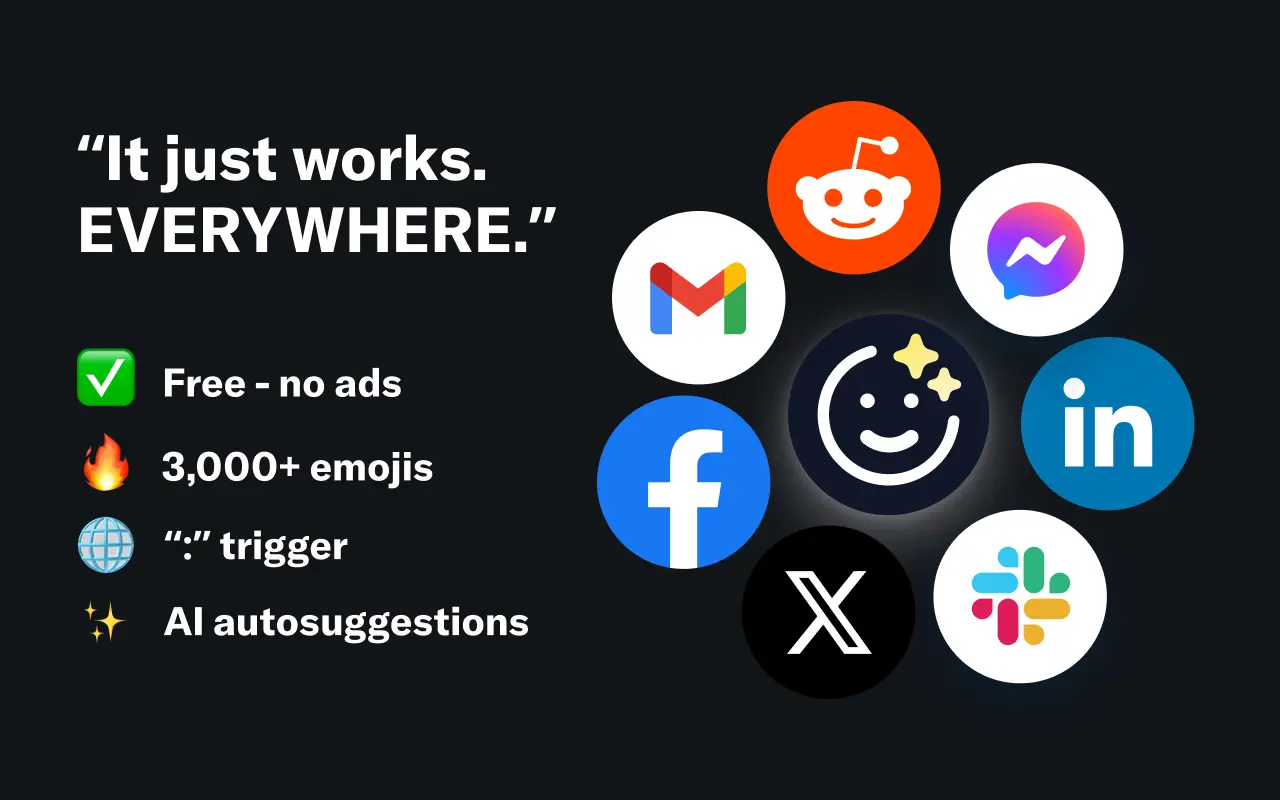
EmojAI
AI-powered emoji picker with smart, context-aware suggestions 🤖
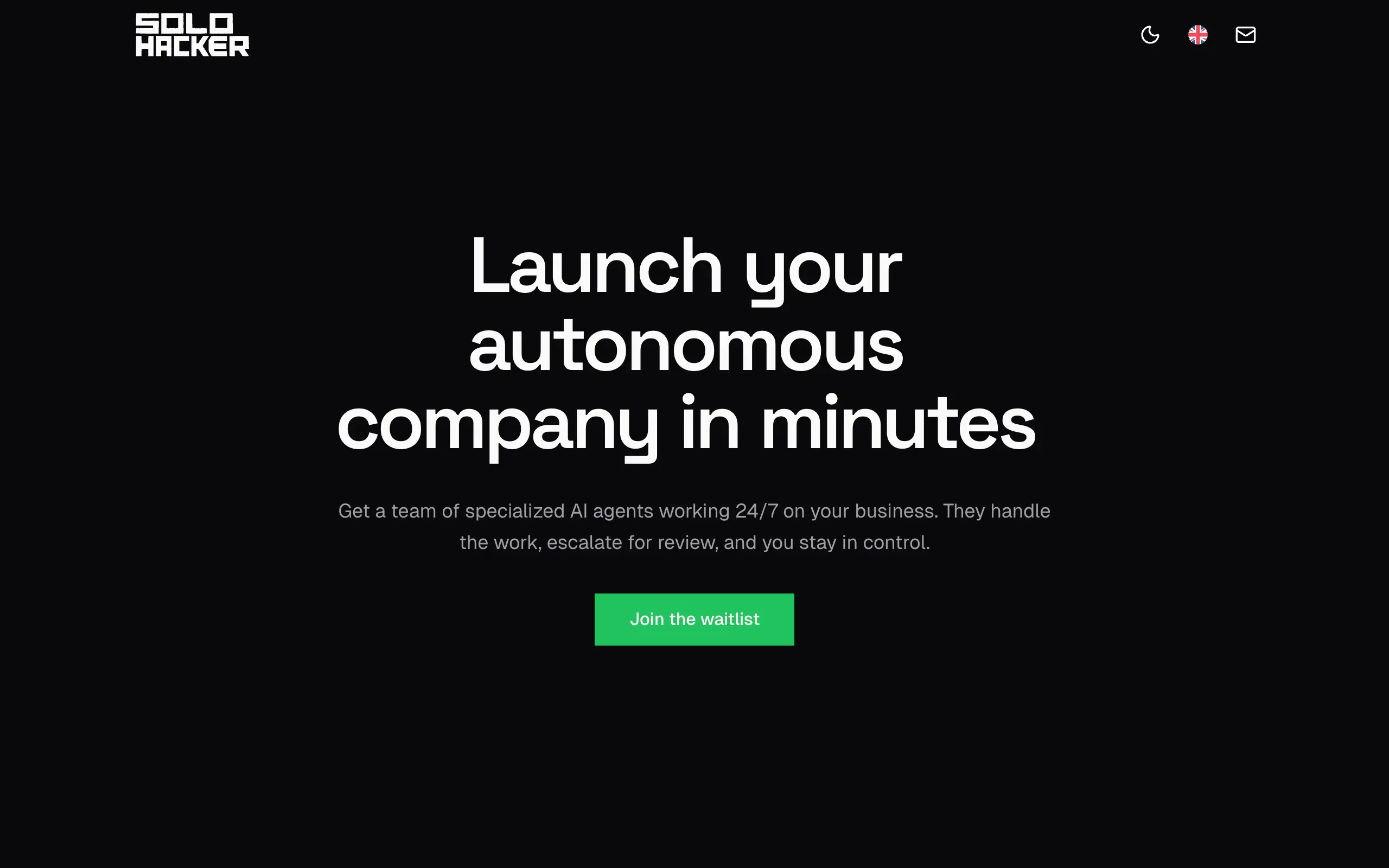
Solohacker
Autonomous company launcher - AI agents work 24/7, escalate what matters, and you stay in control 🤖
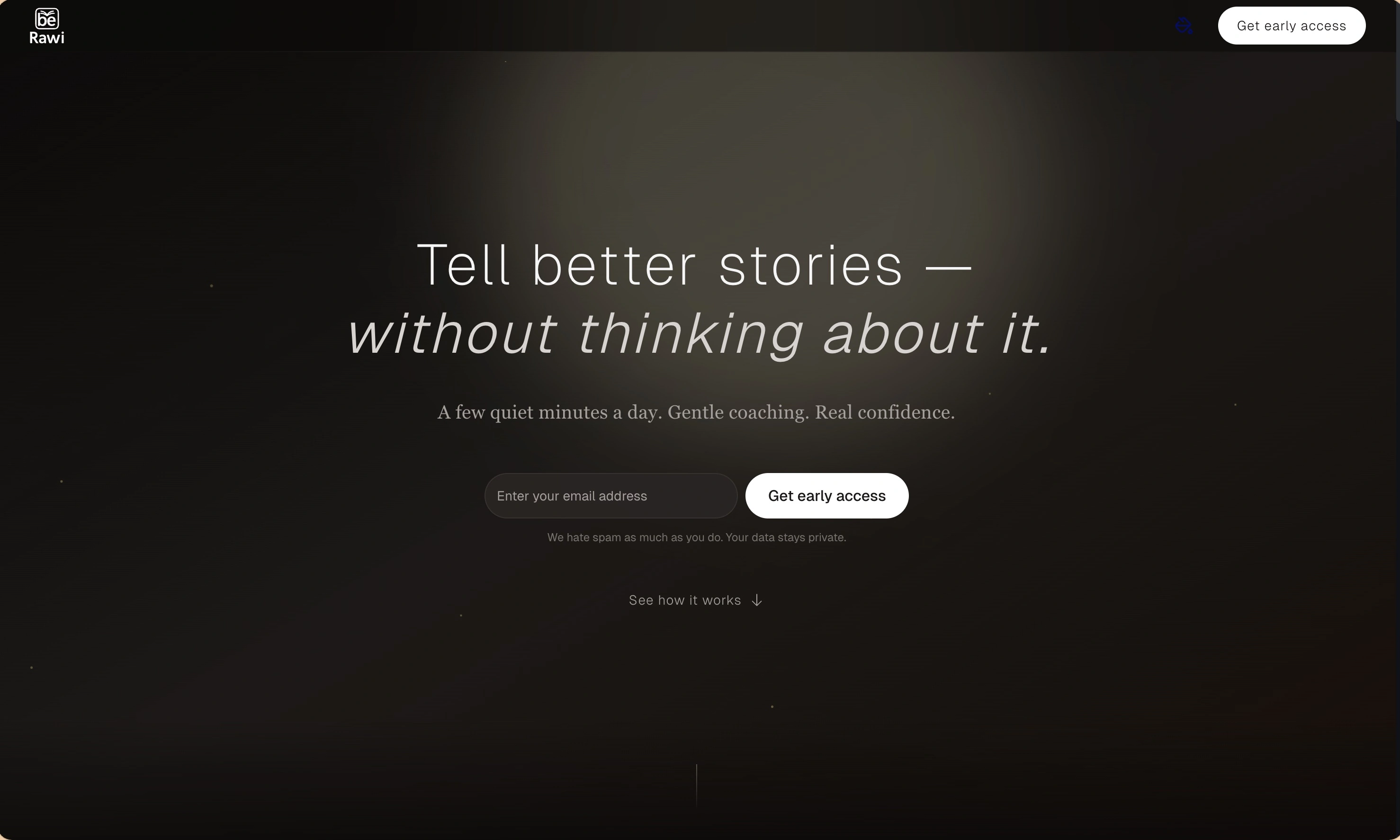
BeRawi: Storytelling Coach
Practice storytelling daily with instant feedback to sound clearer, more engaging, and confident 🎤
Omichat
Chat with 50+ AI models, including ChatGPT and Claude, in one place - switch models anytime without losing context 🤖
Claude Fast
Supercharge your Claude Code with 6x effective context window and specialized AI agents 🤖
EmojAI
AI-powered emoji picker with smart, context-aware suggestions 🤖
Solohacker
Autonomous company launcher - AI agents work 24/7, escalate what matters, and you stay in control 🤖
BeRawi: Storytelling Coach
Practice storytelling daily with instant feedback to sound clearer, more engaging, and confident 🎤
Omichat
Chat with 50+ AI models, including ChatGPT and Claude, in one place - switch models anytime without losing context 🤖
Claude Fast
Supercharge your Claude Code with 6x effective context window and specialized AI agents 🤖
EmojAI
AI-powered emoji picker with smart, context-aware suggestions 🤖
Solohacker
Autonomous company launcher - AI agents work 24/7, escalate what matters, and you stay in control 🤖
BeRawi: Storytelling Coach
Practice storytelling daily with instant feedback to sound clearer, more engaging, and confident 🎤
Omichat
Chat with 50+ AI models, including ChatGPT and Claude, in one place - switch models anytime without losing context 🤖
Claude Fast
Supercharge your Claude Code with 6x effective context window and specialized AI agents 🤖
EmojAI
AI-powered emoji picker with smart, context-aware suggestions 🤖
Solohacker
Autonomous company launcher - AI agents work 24/7, escalate what matters, and you stay in control 🤖
BeRawi: Storytelling Coach
Practice storytelling daily with instant feedback to sound clearer, more engaging, and confident 🎤

Connect with like-minded people
Join our community to get feedback, support, and grow together with 1,000+ builders on board, let's ship it!
Join usShip your startup everywhere. In minutes.
Don't burn tokens on setup and start building features on day one.