MicroHabit Loop
A minimalist habit tracker that focuses on one 30-day micro-goal at a time with daily accountability nudges.
Why single-focus habit tracking is the future of behavior change
The global self-improvement and habit-building market has exploded over the past decade. From productivity apps to mental wellness platforms, consumers are actively searching for tools that help them improve daily routines, build discipline, and achieve long-term goals.
Yet most habit tracking apps overwhelm users.
They encourage tracking 10, 15, or even 20 habits simultaneously, creating complexity that leads to burnout. Research in behavioral psychology consistently shows that willpower and cognitive bandwidth are limited resources. When users try to change too much at once, they fail.
That’s where MicroHabit Loop stands out.
MicroHabit Loop is a minimalist habit tracker focused on one 30-day micro-goal at a time, reinforced with daily accountability nudges. Instead of encouraging multitasking, it promotes depth, consistency, and behavioral reinforcement through repetition.
This article provides a comprehensive breakdown of:
- Target audience analysis
- Market gap and opportunity
- Core features and product architecture
- Recommended tech stack
- Monetization strategies
- Competitive advantage
- Risks and mitigation
- Step-by-step implementation roadmap
If you’re exploring building a B2C SaaS in the habit tracking or productivity space, this guide will help you validate and execute the concept strategically.
Understanding user search intent
Users searching for:
- “best habit tracker app”
- “30 day habit challenge app”
- “minimalist habit tracker”
- “micro habit builder”
- “accountability habit app”
are typically looking for:
- Simplicity
- Focus
- Consistency
- Accountability
- Proven psychological structure
They are often frustrated by:
- Overloaded dashboards
- Too many reminders
- Complicated analytics
- Losing streaks
- Abandoning goals mid-way
MicroHabit Loop directly addresses this pain by narrowing focus to one single habit for 30 days.
That positioning aligns with rising interest in:
- Micro habits (popularized by behavior experts)
- 30-day challenges
- Atomic habit frameworks
- Digital minimalism
- Cognitive load reduction
This clarity is a strong SEO and product positioning advantage.
The psychology behind MicroHabit Loop
MicroHabit Loop isn’t just another habit tracker. It’s grounded in behavioral science principles:
1. Habit loop theory
Charles Duhigg’s habit loop model (cue → routine → reward) explains that repetition under consistent conditions builds automaticity.
MicroHabit Loop emphasizes:
- A daily cue (notification)
- A simple action (micro goal)
- Immediate reinforcement (visual completion feedback)
2. The power of constraint
Studies in behavioral economics suggest that constraints increase commitment. By limiting users to one habit at a time, the product removes decision fatigue.
3. 30-day reinforcement window
While habit formation timelines vary (some research suggests ~66 days on average), a 30-day cycle:
- Feels achievable
- Matches common challenge culture
- Encourages commitment
- Enables subscription cycles
4. Micro-commitment theory
Small commitments reduce resistance. Users are more likely to stick to:
- “Drink one glass of water every morning”
- “Read one page per day”
- “Do 5 pushups”
rather than vague or large-scale goals.
MicroHabit Loop’s design aligns tightly with these psychological levers.
Target audience analysis
MicroHabit Loop is a B2C product with broad potential appeal, but success depends on focusing on specific high-intent segments first.
Primary audience: Self-improvement beginners (18–35)
Profile:
- Students
- Young professionals
- Fitness beginners
- People entering a new life phase
Pain points:
- Overwhelmed by productivity systems
- Starting habits but failing quickly
- Low discipline consistency
- Social media distraction
Why they convert: They want structure without complexity.
Secondary audience: Burned-out productivity enthusiasts
Profile:
- Previously used Notion, Todoist, or complex trackers
- Tried multiple habit apps
- Experienced “habit fatigue”
Pain points:
- Too many tracked goals
- Data overload
- Guilt from broken streaks
Why they convert: MicroHabit Loop feels like a reset.
Tertiary audience: Wellness-focused users
- Mindfulness practitioners
- Yoga/fitness beginners
- Therapy patients working on behavioral change
- Recovery program participants
These users value accountability and structure but prefer minimal friction.
Market opportunity and competitive gap
The habit tracker market is saturated — but not optimized.
Major players include:
- Habitica
- Streaks
- Loop Habit Tracker
- Productive
- Fabulous
However, most apps share characteristics:
- Multi-habit tracking
- Complex dashboards
- Gamification overload
- Analytics-heavy interfaces
MicroHabit Loop introduces a single-focus framework.
Competitive positioning table
| Feature | MicroHabit Loop | Typical Habit App | Gamified App | Notion Templates | Paper Journal |
|---|---|---|---|---|---|
| Single habit focus | ✅ | ❌ | ❌ | ❌ | ✅ |
| Daily nudges | ✅ | ✅ | ✅ | ❌ | |
| 30-day structured cycle | ✅ | ❌ | ❌ | ❌ | |
| Low cognitive load | ✅ | ❌ | ❌ | ✅ | |
| Data analytics depth | ❌ | ✅ | ✅ | ❌ |
The gap is clear: extreme minimalism + structured accountability.
Core features of MicroHabit Loop
To stay aligned with the product philosophy, features must be carefully curated.
1. One active micro-habit dashboard
- User selects one habit
- Defines measurable micro goal
- Sets time of day
- Chooses reminder window
No additional habits allowed until cycle completion.
2. 30-day visual loop tracker
Instead of streak counters, use:
- Circular 30-day visual grid
- Completed days fill in
- Missed days remain neutral (no red shame indicators)
This reduces psychological discouragement.
3. Smart accountability nudges
Daily reminders that feel human:
- “Small steps count. Did you do your 5 pushups?”
- “Day 12 of 30. Keep the loop alive.”
Push notification personalization increases engagement.
4. Reflection checkpoint system
At:
- Day 7
- Day 14
- Day 30
Prompt short reflection questions:
- How hard was today?
- What obstacle showed up?
- What helped you succeed?
This deepens behavioral awareness.
5. Restart or evolve flow
After 30 days:
Users can:
- Repeat the habit
- Upgrade the intensity
- Start a new micro-habit
6. Minimal analytics
Provide:
- Completion percentage
- Consistency heat map
- Reflection summary
Avoid over-engineering data visualization.
UX philosophy: frictionless commitment
MicroHabit Loop must feel:
- Calm
- Clean
- Intuitive
- Non-judgmental
Design principles:
- Large whitespace
- Soft color palette
- No red error states for missed days
- Encouraging copywriting tone
Microcopy matters more than features.
Recommended tech stack
For a scalable, modern B2C SaaS, here’s an optimal stack.
Frontend
Why:
- SEO optimization via SSR
- Excellent performance
- Clean UI iteration
- Scalable component structure
Backend
Option A: Firebase
Option B: Supabase
Option C: Node.js + PostgreSQL
Recommended: Supabase
- Postgres-based
- Built-in auth
- Realtime support
- Lower complexity than custom backend
Notifications
- Firebase Cloud Messaging (mobile)
- Web push via service workers
- Email reminders (Resend or SendGrid)
Example schema (simplified)
// habit table
{
  id: string;
  user_id: string;
  title: string;
  description: string;
  start_date: Date;
  end_date: Date;
  reminder_time: string;
}

// habit_log table
{
  id: string;
  habit_id: string;
  date: Date;
  completed: boolean;
  reflection_note?: string;
}
Mobile strategy
Two approaches:
Pros
- Faster launch
- Single codebase
- Lower development cost
Cons
- Push notification limitations on iOS
- Less native feel
Pros
- Better engagement
- Reliable notifications
- Higher retention
Cons
- Higher cost
- App store complexity
Recommendation: Launch as PWA → validate → then build native wrapper.
Monetization strategy
MicroHabit Loop works best with subscription pricing.
Option 1: Freemium
Free:
- One habit at a time
- Basic tracking
Premium:
- Advanced reflections
- Habit history archive
- Custom reminder tones
- Habit templates
- Export reports
Option 2: 30-day challenge pass
Users pay per cycle:
- $4.99 per 30-day challenge
- Includes guided accountability
Psychologically aligned with commitment framing.
Option 3: Annual subscription
$39–59 per year.
Best for:
- Serious self-improvement users
- Coaches recommending app
Pricing psychology insight
Because the app focuses on a 30-day window, subscription cycles should align with this structure.
That creates coherence between product experience and billing model.
Growth and acquisition strategy
1. SEO content marketing
Create blog content targeting:
- “30 day habit challenge ideas”
- “micro habits for productivity”
- “how to build habits that stick”
- “simple habit tracker app”
Educational authority builds trust.
2. Social proof loops
Encourage:
- Shareable 30-day completion badge
- Twitter/Instagram story share
- Referral reward system
3. Influencer partnerships
Partner with:
- Productivity YouTubers
- Self-improvement TikTok creators
- Fitness micro-influencers
Offer affiliate revenue.
4. Community-based challenges
Monthly public themes:
- “30 days of hydration”
- “30 days of reading”
- “30 days of meditation”
Build momentum through shared experiences.
Competitive advantage analysis
MicroHabit Loop’s moat lies in:
1. Extreme focus
Most apps add features. MicroHabit Loop removes them.
2. Psychological coherence
Every feature supports the 30-day loop.
3. Emotional safety
No shame mechanics. No guilt streaks.
4. Simplicity moat
Simplicity is hard to copy because it requires discipline.
Risks and mitigation
Risk 1: Users want multiple habits
Mitigation: Offer sequential habit stacking: Complete one → unlock next.
Risk 2: Retention drop after 30 days
Mitigation:
- Renewal prompts
- Personalized suggestions
- Evolution challenge flow
Risk 3: Competitive cloning
Mitigation:
- Brand identity
- Strong community
- Emotional positioning
Risk 4: Notification fatigue
Mitigation: Allow:
- Custom reminder tone
- Smart frequency adaptation
- “Encouragement style” preference
Implementation roadmap
MVP feature priority list
Must-have:
- User authentication
- Habit creation
- Daily completion toggle
- Reminder notification
- 30-day progress visualization
Nice-to-have:
- Reflection prompts
- Exportable summary
- Share badge
- Dark mode
Keep V1 lean.
Brand positioning strategy
MicroHabit Loop is not:
- A productivity system
- A life dashboard
- A complex planner
It is:
A calm, focused 30-day accountability companion.
That clarity drives conversion.
Building faster with the right foundation
Instead of building from scratch, founders can accelerate development using a pre-built SaaS foundation like TurboStarter.
It provides:
- Authentication
- Payments
- Database setup
- UI components
- SaaS boilerplate
This reduces time-to-market significantly, allowing founders to focus on product psychology and UX instead of infrastructure.
Long-term expansion opportunities
Once validated, MicroHabit Loop can expand into:
Coach Mode
Allow therapists or productivity coaches to monitor client progress.
Corporate Wellness
Offer 30-day team habit challenges for companies.
AI Reflection Insights
Use AI to summarize reflection notes and detect patterns.
Each expansion layer must preserve minimalism.
Legal and compliance considerations
- GDPR compliance for EU users
- Clear data retention policy
- Transparent notification permissions
- Mental health disclaimers (not medical advice)
Trust is critical in wellness apps.
Final thoughts: why MicroHabit Loop can win
In a world overloaded with productivity systems and optimization tools, users crave simplicity.
MicroHabit Loop succeeds by:
- Limiting choices
- Structuring commitment
- Removing shame
- Encouraging repetition
- Aligning product design with behavioral science
It doesn’t try to change your life overnight.
It helps you change one small thing — consistently — for 30 days.
That’s powerful.
Actionable next steps for founders
- Define your ideal user persona.
- Build a landing page focused on the 30-day promise.
- Collect early signups.
- Develop MVP with strict feature discipline.
- Launch publicly within 8–12 weeks.
- Iterate based on real user behavior.
- Scale via content + community loops.
Keep it simple. Keep it focused. Keep the loop alive.
More 👥 B2C Application SaaS ideas
Discover more innovative b2c application SaaS ideas that are trending in 2026. Each idea is AI-generated with market validation and growth potential to help you find your next profitable venture faster than competitors.
Your competitors are building with TurboStarter
Below are some of the SaaS ideas that have been generated and built with our starter kit.
Statiko
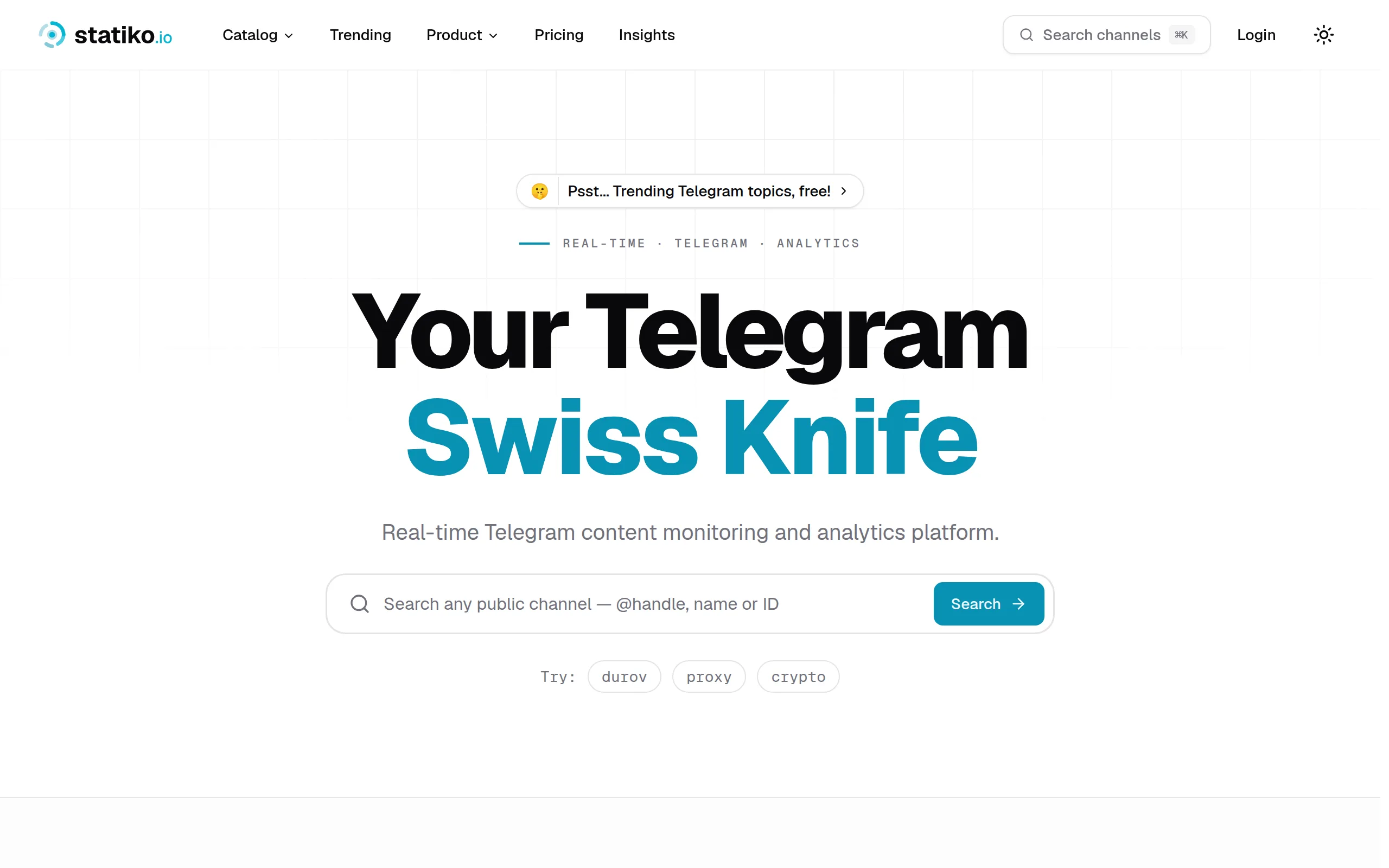
Monitor any Telegram channel in real time - track posts, edits, deletions, and growth with AI recaps 📡

Shibui
AI website builder - describe your business, pick a niche template, edit by chatting, and publish instantly ✨

Pro Service
Find verified home service professionals, compare quotes, and pay securely through escrow - built for Brazilians across the US 🏠
RankGrow
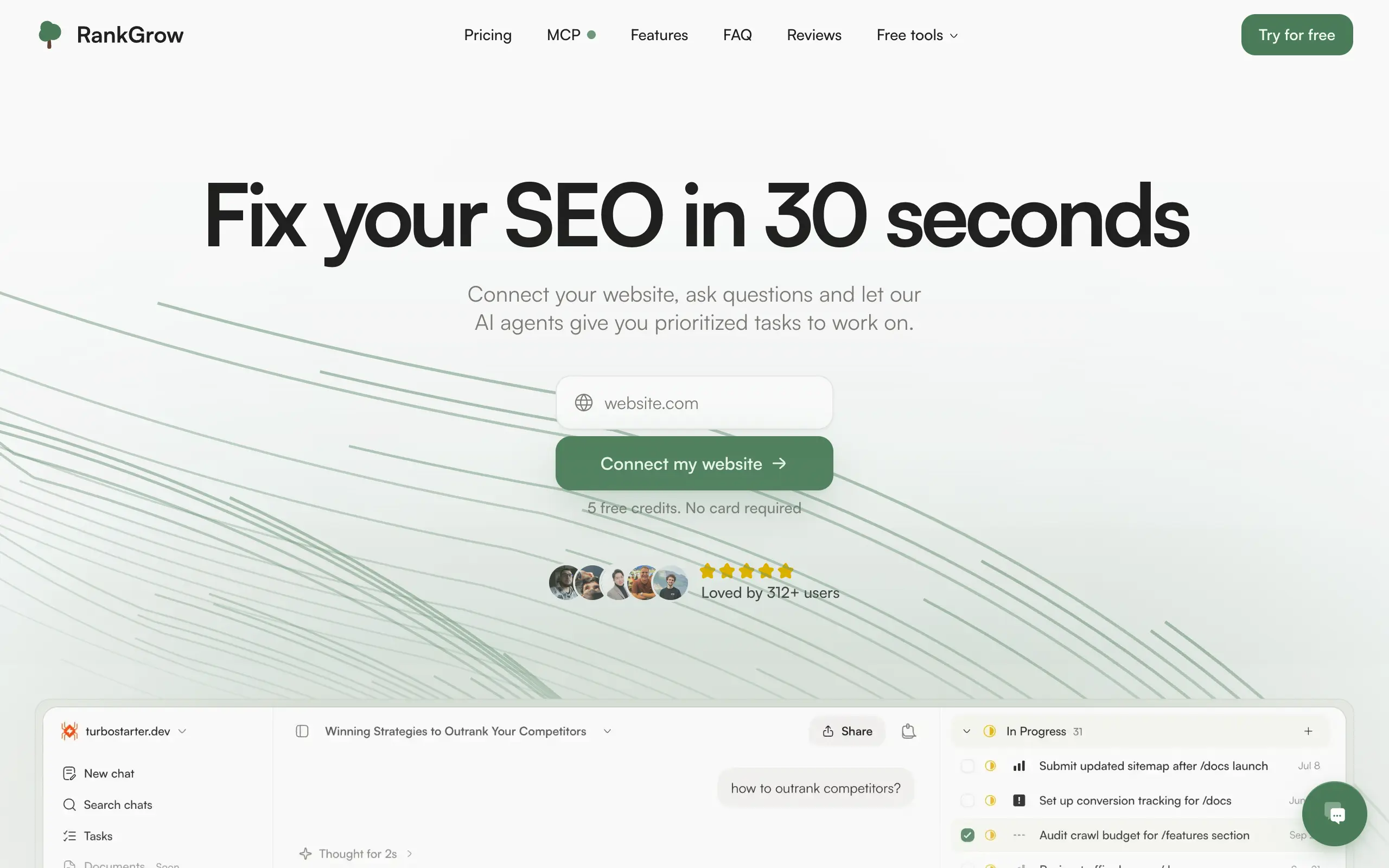
Fix your SEO with AI agents - connect Search Console, get prioritized tasks, and grow organic traffic 📈
SyncReads
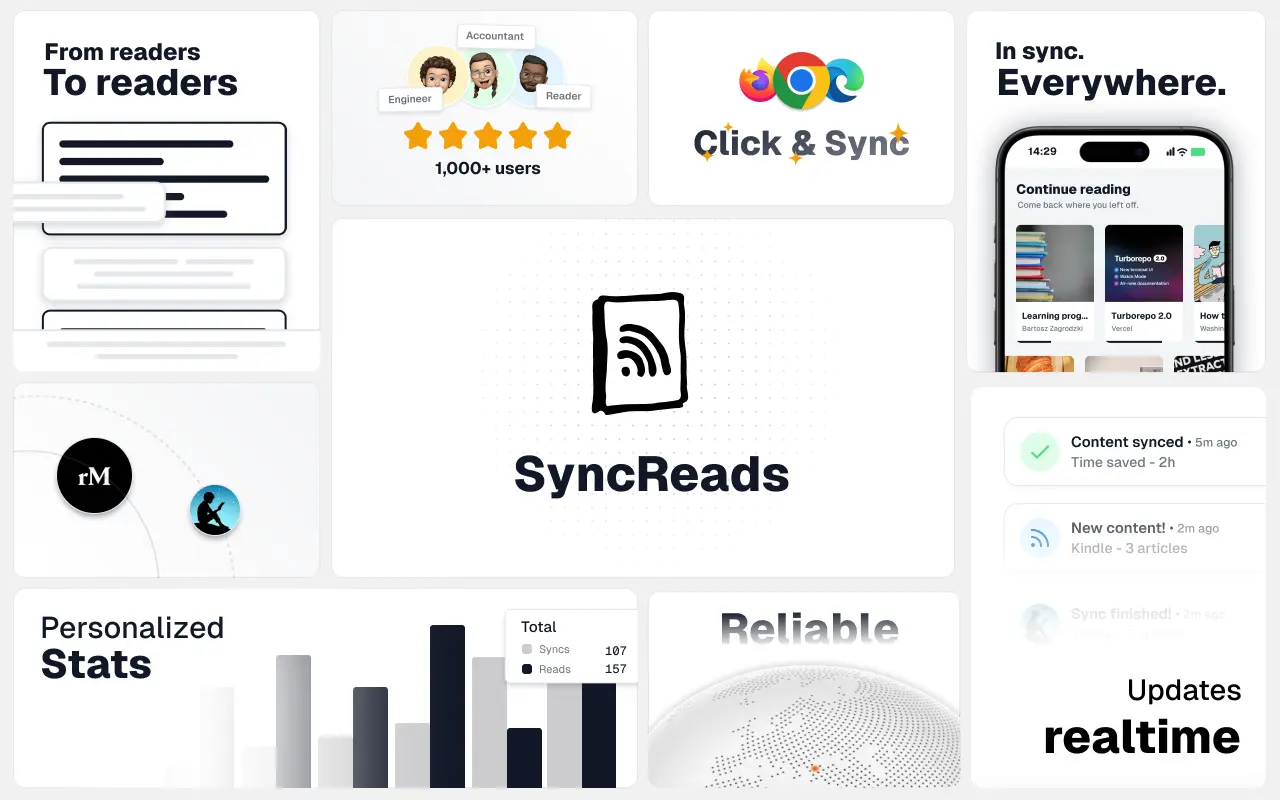
Sync your favorite content for distraction-free reading, save time and replace multiple apps. Anytime, anywhere 🔄
Socialcrawl
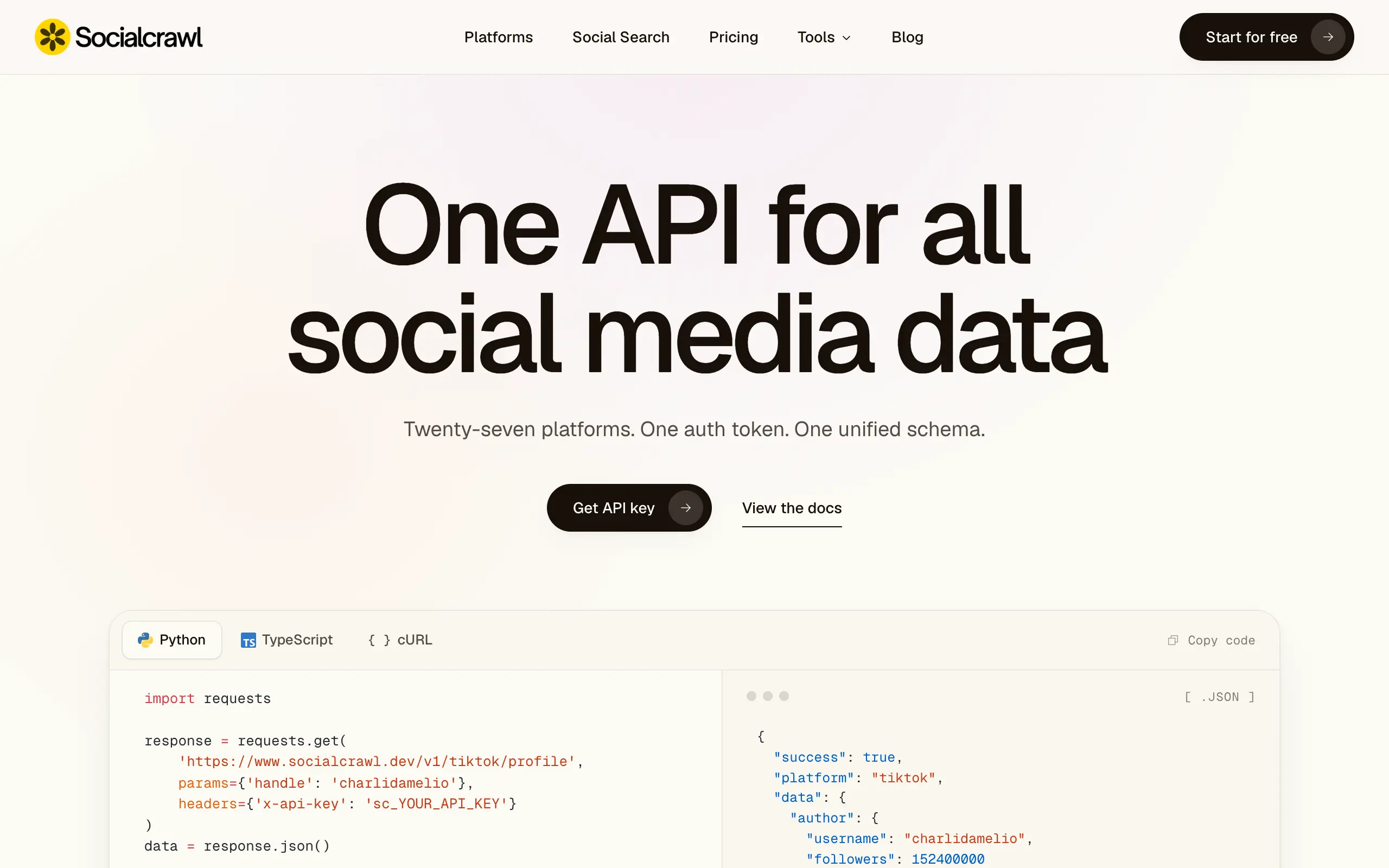
Get clean, structured data from 21 platforms like TikTok, Instagram, and YouTube with a single request 📊
Statiko
Monitor any Telegram channel in real time - track posts, edits, deletions, and growth with AI recaps 📡
Shibui
AI website builder - describe your business, pick a niche template, edit by chatting, and publish instantly ✨
Pro Service
Find verified home service professionals, compare quotes, and pay securely through escrow - built for Brazilians across the US 🏠
RankGrow
Fix your SEO with AI agents - connect Search Console, get prioritized tasks, and grow organic traffic 📈
SyncReads
Sync your favorite content for distraction-free reading, save time and replace multiple apps. Anytime, anywhere 🔄
Socialcrawl
Get clean, structured data from 21 platforms like TikTok, Instagram, and YouTube with a single request 📊
Statiko
Monitor any Telegram channel in real time - track posts, edits, deletions, and growth with AI recaps 📡
Shibui
AI website builder - describe your business, pick a niche template, edit by chatting, and publish instantly ✨
Pro Service
Find verified home service professionals, compare quotes, and pay securely through escrow - built for Brazilians across the US 🏠
RankGrow
Fix your SEO with AI agents - connect Search Console, get prioritized tasks, and grow organic traffic 📈
SyncReads
Sync your favorite content for distraction-free reading, save time and replace multiple apps. Anytime, anywhere 🔄
Socialcrawl
Get clean, structured data from 21 platforms like TikTok, Instagram, and YouTube with a single request 📊
Statiko
Monitor any Telegram channel in real time - track posts, edits, deletions, and growth with AI recaps 📡
Shibui
AI website builder - describe your business, pick a niche template, edit by chatting, and publish instantly ✨
Pro Service
Find verified home service professionals, compare quotes, and pay securely through escrow - built for Brazilians across the US 🏠
RankGrow
Fix your SEO with AI agents - connect Search Console, get prioritized tasks, and grow organic traffic 📈
SyncReads
Sync your favorite content for distraction-free reading, save time and replace multiple apps. Anytime, anywhere 🔄
Socialcrawl
Get clean, structured data from 21 platforms like TikTok, Instagram, and YouTube with a single request 📊
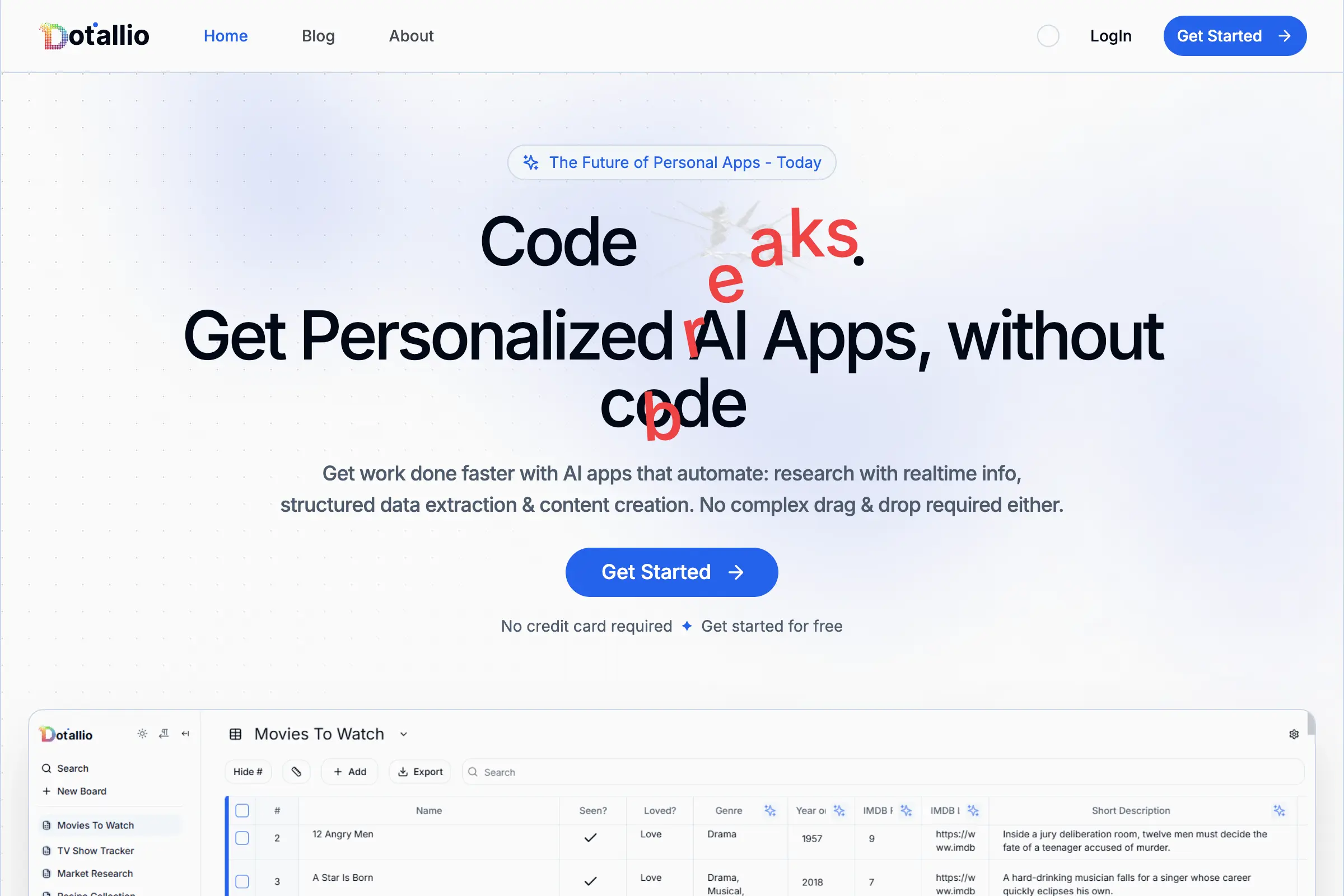
Dotallio
Personalized AI apps that automate research, data extraction, and content creation without code 🤖
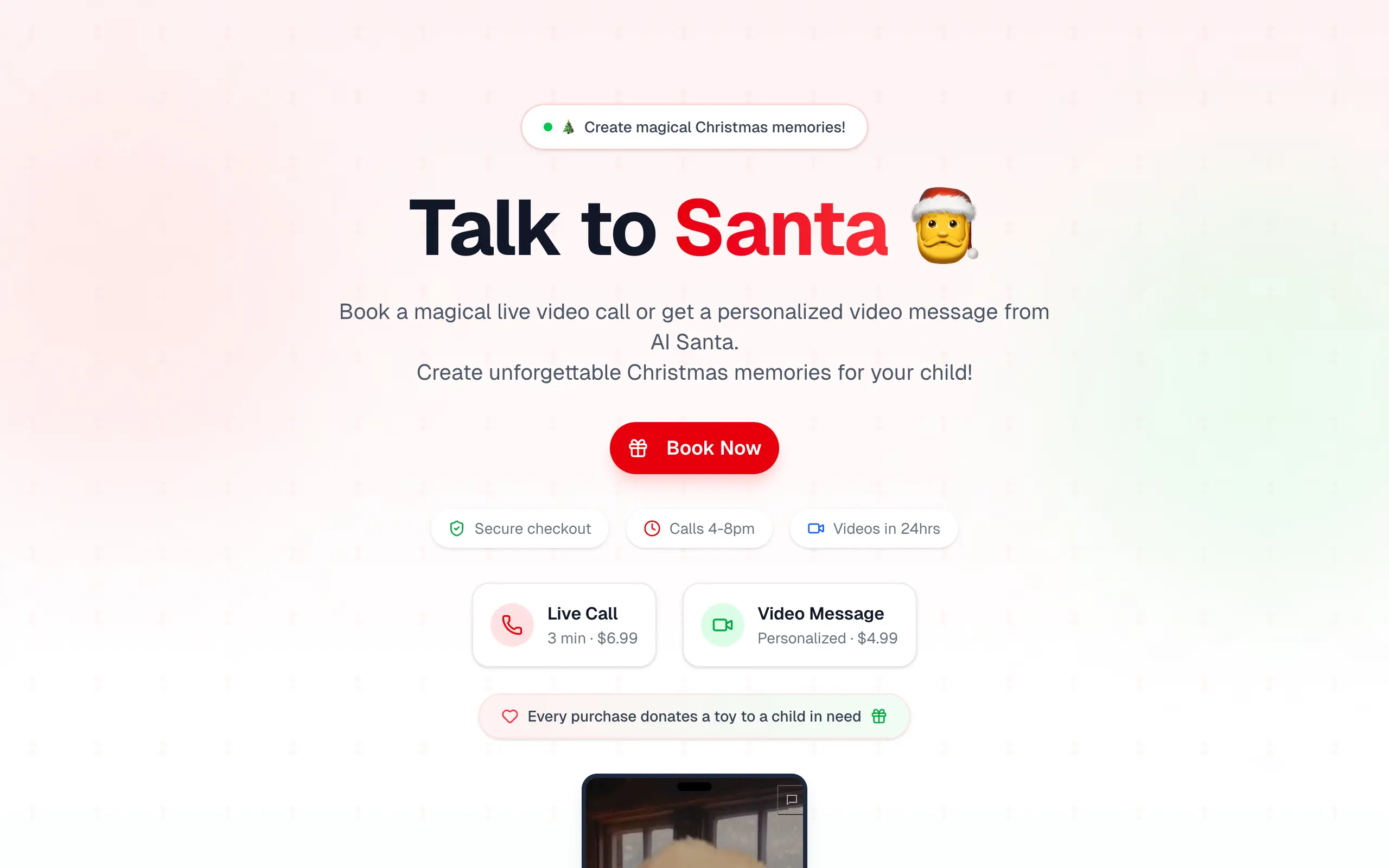
Talk to Santa
Enjoy a magical live video chat or receive a unique AI-generated video greeting from Santa Claus 🎅
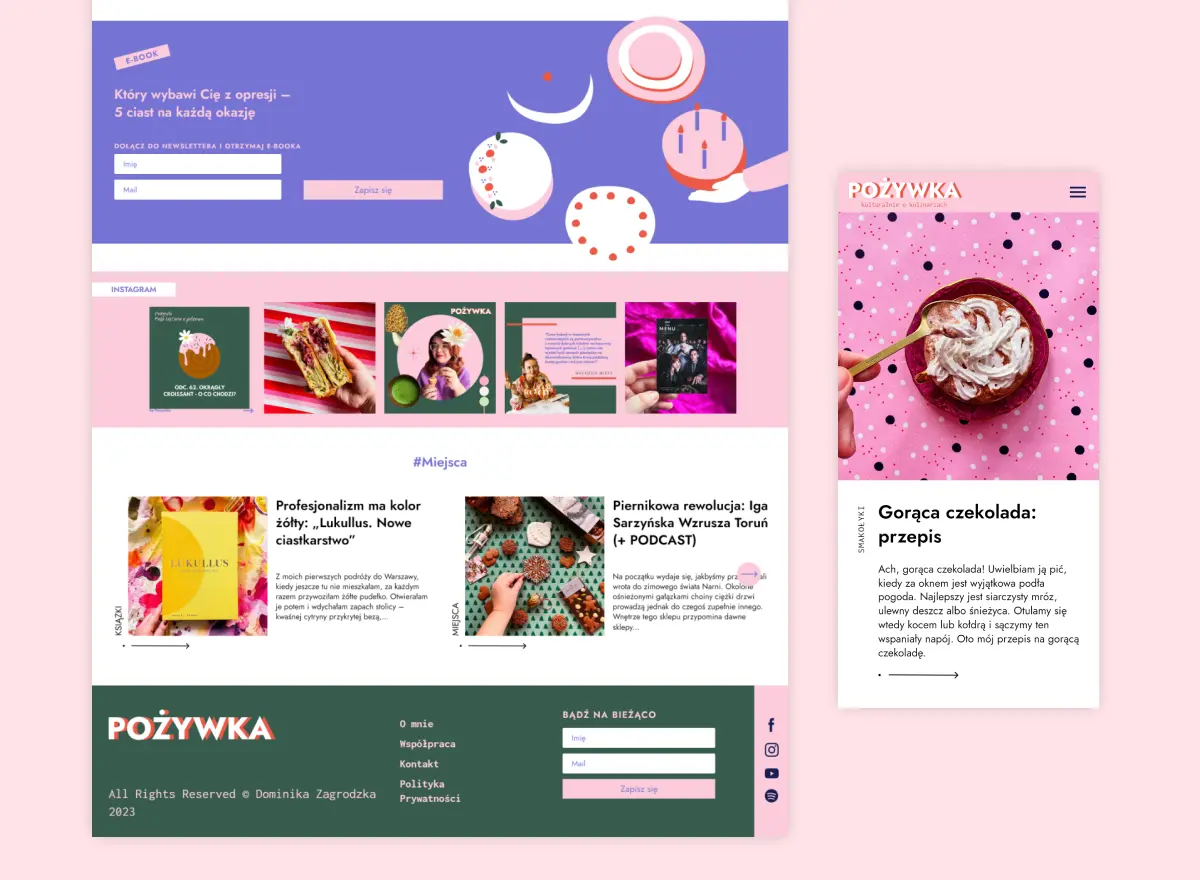
pozywka.pl
Scalable blog for food journalist, focused on performance and user experience 🌭
zagrodzki.me
Personal blog and portfolio of Bart Zagrodzki, where he shares his knowledge and work 💼
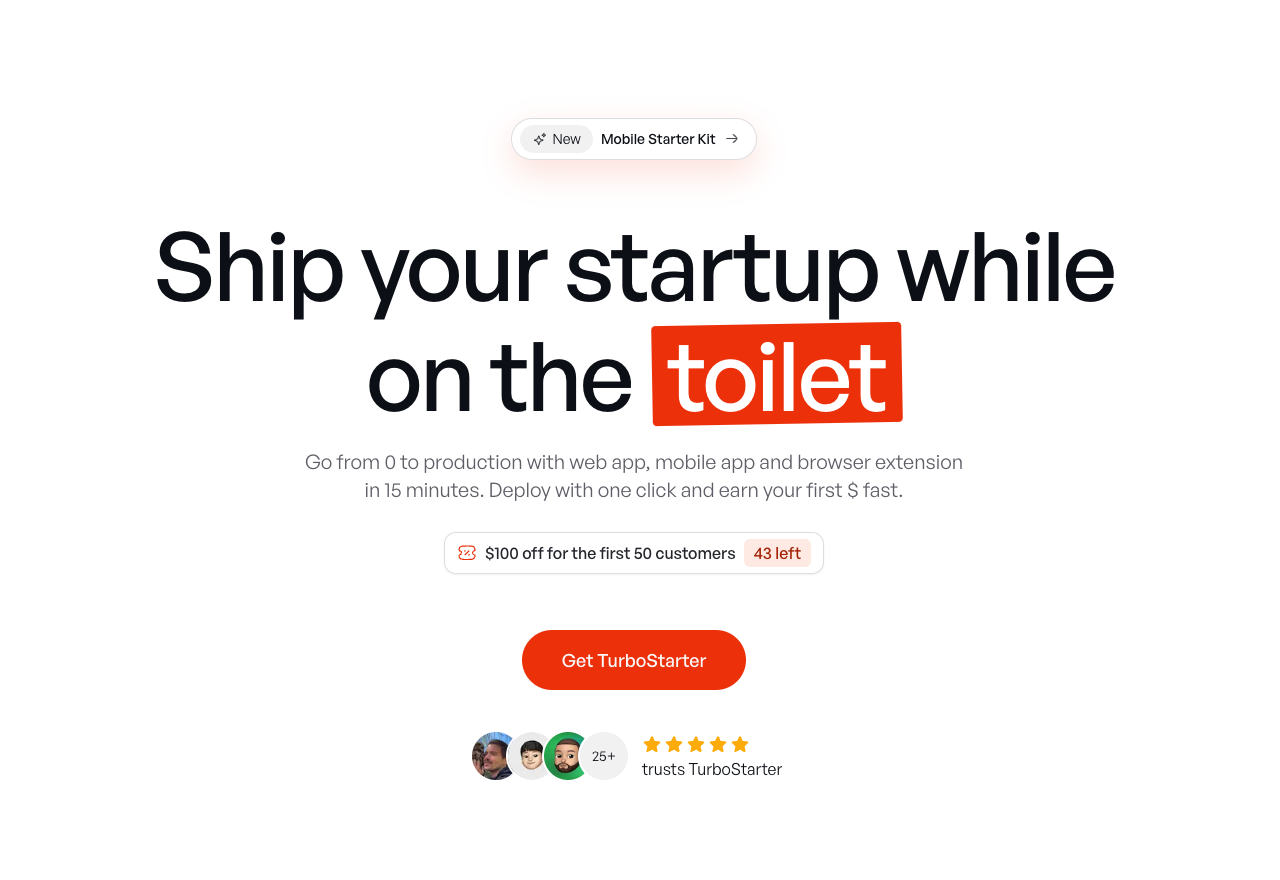
TurboStarter
Ship your startup everywhere. In minutes.
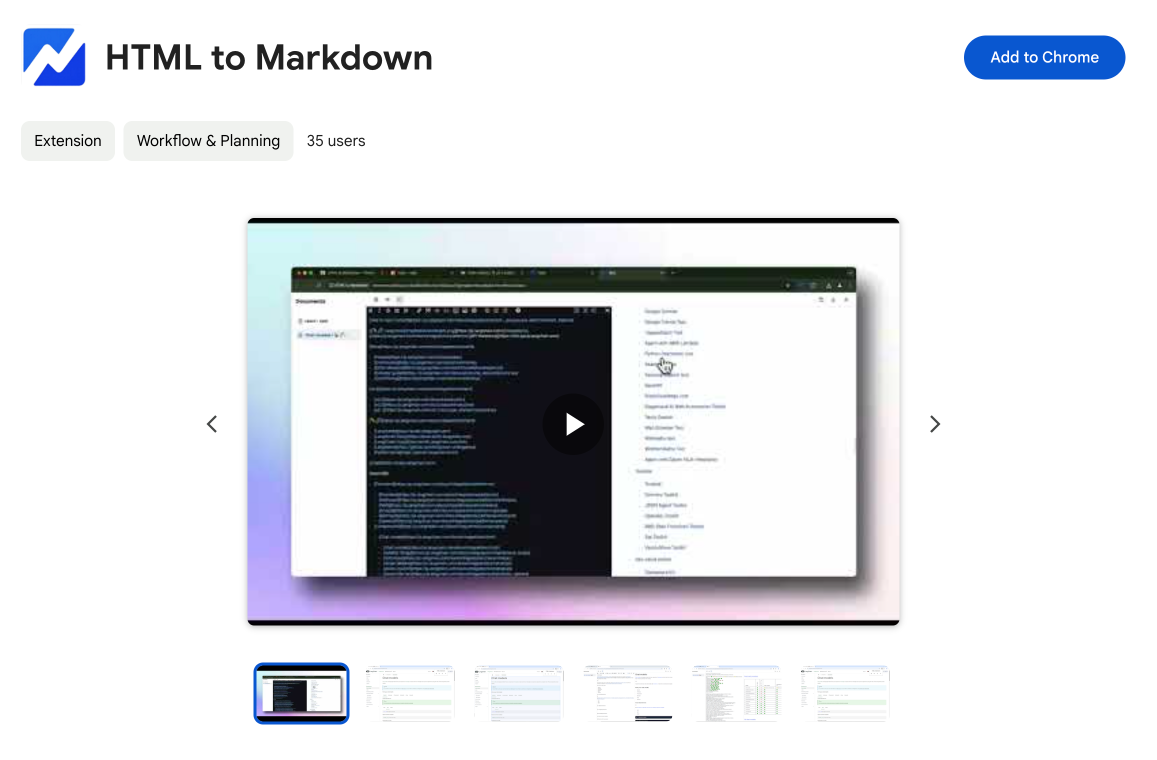
HTML to Markdown
Convert HTML to Markdown with ease, directly in your browser 📄
Dotallio
Personalized AI apps that automate research, data extraction, and content creation without code 🤖
Talk to Santa
Enjoy a magical live video chat or receive a unique AI-generated video greeting from Santa Claus 🎅
pozywka.pl
Scalable blog for food journalist, focused on performance and user experience 🌭
zagrodzki.me
Personal blog and portfolio of Bart Zagrodzki, where he shares his knowledge and work 💼
TurboStarter
Ship your startup everywhere. In minutes.
HTML to Markdown
Convert HTML to Markdown with ease, directly in your browser 📄
Dotallio
Personalized AI apps that automate research, data extraction, and content creation without code 🤖
Talk to Santa
Enjoy a magical live video chat or receive a unique AI-generated video greeting from Santa Claus 🎅
pozywka.pl
Scalable blog for food journalist, focused on performance and user experience 🌭
zagrodzki.me
Personal blog and portfolio of Bart Zagrodzki, where he shares his knowledge and work 💼
TurboStarter
Ship your startup everywhere. In minutes.
HTML to Markdown
Convert HTML to Markdown with ease, directly in your browser 📄
Dotallio
Personalized AI apps that automate research, data extraction, and content creation without code 🤖
Talk to Santa
Enjoy a magical live video chat or receive a unique AI-generated video greeting from Santa Claus 🎅
pozywka.pl
Scalable blog for food journalist, focused on performance and user experience 🌭
zagrodzki.me
Personal blog and portfolio of Bart Zagrodzki, where he shares his knowledge and work 💼
TurboStarter
Ship your startup everywhere. In minutes.
HTML to Markdown
Convert HTML to Markdown with ease, directly in your browser 📄
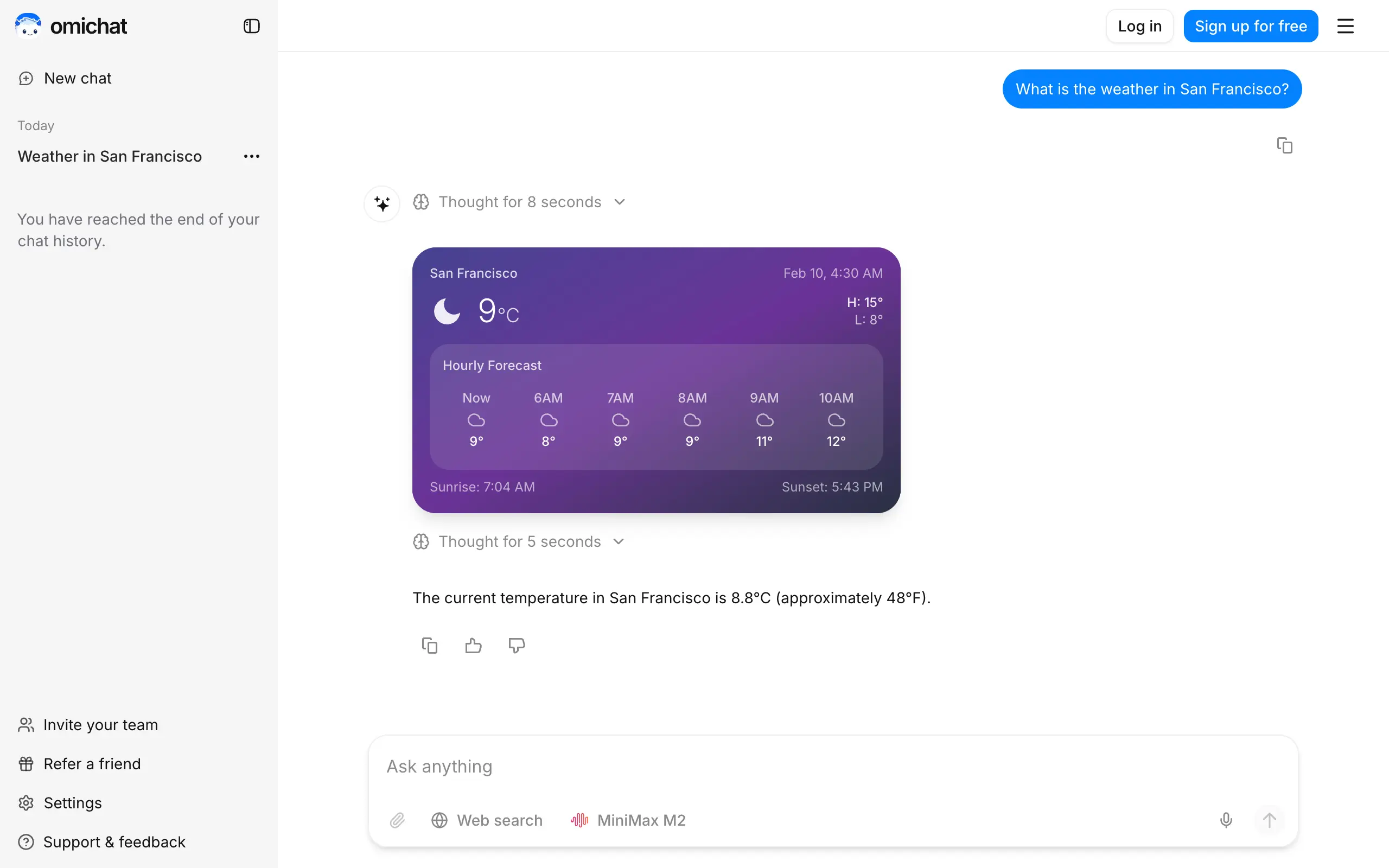
Omichat
Chat with 50+ AI models, including ChatGPT and Claude, in one place - switch models anytime without losing context 🤖
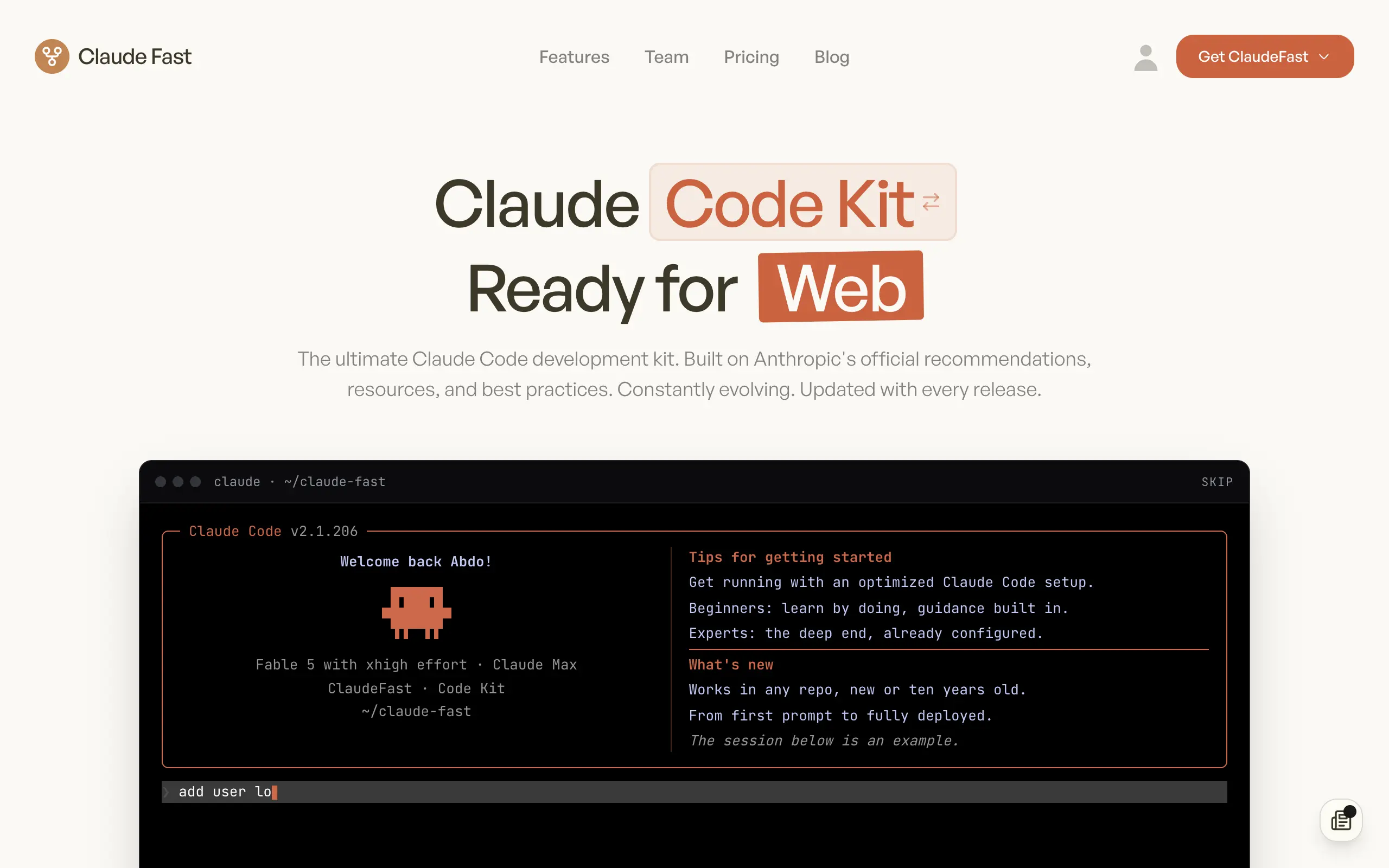
Claude Fast
Supercharge your Claude Code with 6x effective context window and specialized AI agents 🤖
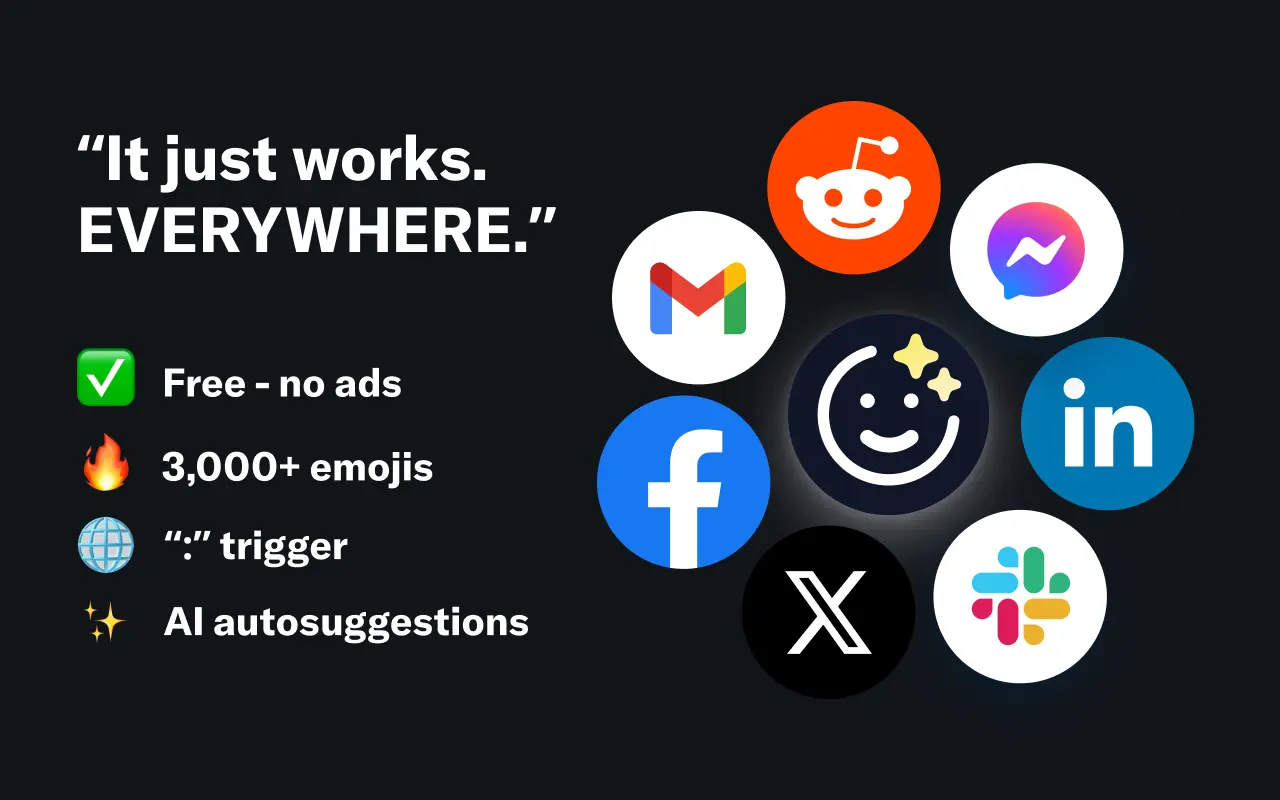
EmojAI
AI-powered emoji picker with smart, context-aware suggestions 🤖

Solohacker
Autonomous company launcher - AI agents work 24/7, escalate what matters, and you stay in control 🤖
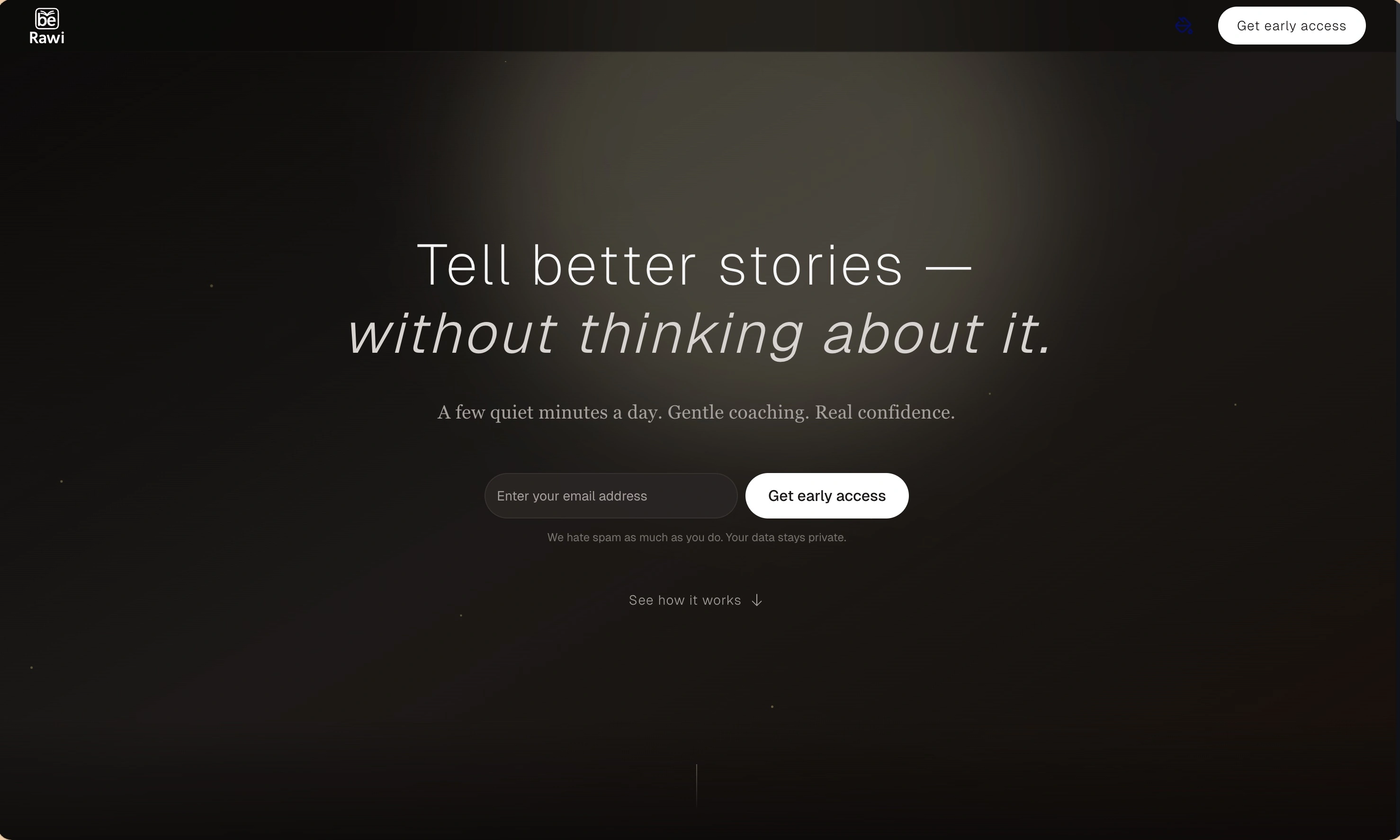
BeRawi: Storytelling Coach
Practice storytelling daily with instant feedback to sound clearer, more engaging, and confident 🎤
Omichat
Chat with 50+ AI models, including ChatGPT and Claude, in one place - switch models anytime without losing context 🤖
Claude Fast
Supercharge your Claude Code with 6x effective context window and specialized AI agents 🤖
EmojAI
AI-powered emoji picker with smart, context-aware suggestions 🤖
Solohacker
Autonomous company launcher - AI agents work 24/7, escalate what matters, and you stay in control 🤖
BeRawi: Storytelling Coach
Practice storytelling daily with instant feedback to sound clearer, more engaging, and confident 🎤
Omichat
Chat with 50+ AI models, including ChatGPT and Claude, in one place - switch models anytime without losing context 🤖
Claude Fast
Supercharge your Claude Code with 6x effective context window and specialized AI agents 🤖
EmojAI
AI-powered emoji picker with smart, context-aware suggestions 🤖
Solohacker
Autonomous company launcher - AI agents work 24/7, escalate what matters, and you stay in control 🤖
BeRawi: Storytelling Coach
Practice storytelling daily with instant feedback to sound clearer, more engaging, and confident 🎤
Omichat
Chat with 50+ AI models, including ChatGPT and Claude, in one place - switch models anytime without losing context 🤖
Claude Fast
Supercharge your Claude Code with 6x effective context window and specialized AI agents 🤖
EmojAI
AI-powered emoji picker with smart, context-aware suggestions 🤖
Solohacker
Autonomous company launcher - AI agents work 24/7, escalate what matters, and you stay in control 🤖
BeRawi: Storytelling Coach
Practice storytelling daily with instant feedback to sound clearer, more engaging, and confident 🎤

Connect with like-minded people
Join our community to get feedback, support, and grow together with 1,000+ builders on board, let's ship it!
Join usShip your startup everywhere. In minutes.
Don't burn tokens on setup and start building features on day one.