MindMosaic
A guided daily reflection and decision journal that helps users clarify thoughts, track moods, and make smarter life choices over time.
Understanding MindMosaic: A modern, personalized mental wellness app
MindMosaic is positioned to address the rapidly growing demand for accessible, personalized mental wellness solutions. By integrating daily therapy exercises, intelligent mood tracking, and video-based self-guided sessions designed by licensed psychologists, MindMosaic aims to empower individuals to proactively manage their mental health.
Let's dive deep into what makes MindMosaic uniquely positioned in the digital mental wellness market, the value it offers users, technical considerations, and how it stands out from both direct and indirect competitors.
Target audience analysis: Who is MindMosaic for?
Understanding user intent and audience psychology is foundational for a successful SaaS product, especially in the sensitive domain of mental wellness. MindMosaic's core user base includes:
- Young professionals & students seeking effective but convenient ways to reduce stress, anxiety, or burnout.
- Individuals experiencing mild to moderate mental health challenges who may not need full clinical intervention but recognize the benefits of daily support or self-therapy.
- People looking for affordable, stigma-free, and private alternatives to traditional therapy.
- Users dissatisfied with generic wellness apps (e.g. habit trackers, meditation) and searching for personalized, clinically-validated tools.
- The “therapy curious” — individuals unsure about formal consultations but open to expert-guided mental health improvement.
Key user needs and search intent
- Personalization: "How can I get mental health support tailored to my needs?"
- Science-backed strategies: "What are effective therapeutic exercises I can do at home?"
- Progress tracking: "How do I monitor my mental wellness over time?"
- Guided experiences: "Are there video-based therapy exercises I can follow without seeing a therapist in person?"
- Credibility and safety: "Are these programs designed by real psychologists?"
Identifying the market opportunity and gaps
Mental wellness is a massive, underserved digital domain
The global mental health apps market was valued at over $5 billion in 2022, with projections indicating growth toward $20 billion by 2030 (source: Statista). Despite this surge, many existing solutions fall short in a few key areas:
- Lack of personalization: Most apps focus on a one-size-fits-all content library.
- Superficial engagement: They often fail to provide true therapeutic value or ongoing guidance rooted in psychological research.
- Limited credentialed input: Few apps heavily feature content crafted or reviewed by licensed mental health professionals.
- Fragmented user experience: Tracking, learning, and self-assessment tools are rarely seamlessly integrated.
Where MindMosaic creates value
MindMosaic is uniquely poised to bridge these gaps by:
- Fusing mood tracking with personalized daily exercises based on user data and real clinical frameworks.
- Offering self-guided video therapy sessions recorded and validated by licensed psychologists.
- Delivering actionable insights and progress reports, increasing user retention through visible outcomes.
Industry trend
Recent research suggests that hybrid and self-guided therapy approaches, when developed with professional guidance, can be nearly as effective as traditional face-to-face therapy for many users (reference). This underscores the time and cost efficiency for both users and providers.
Core features and solution details
At the heart of MindMosaic is a synergy between personalization, evidence-based practice, and digital convenience. Here’s what makes it robust and appealing:
Personalized therapy exercises
- Dynamic daily prompts based on user mood data and self-assessments.
- Exercises targeting stress reduction, resilience, and emotional regulation.
- Backed by cognitive-behavioral therapy (CBT), mindfulness, and positive psychology.
- Recommendations adapt over time for maximal relevance.
Advanced mood tracking and analytics
- Daily mood check-ins with customizable scales and notes.
- Automatic trend analysis and risk flagging for users showing negative patterns.
- Visual data dashboards to see improvement or identify triggers.
- Optionally, secure insights can be shared with a therapist.
Video-based, self-guided sessions
- Short, engaging videos (5–20 min) led by licensed mental health professionals.
- Structured as progressive programs (e.g., “Managing Everyday Anxiety” or “Building Emotional Resilience”).
- Interactive reflection prompts before and after each session.
- Transcripts and accessibility features included.
Tailoring by licensed psychologists
- All therapeutic content is created, reviewed, or curated by credentialed experts.
- Bi-weekly “Ask a Psychologist” webinars for extra support.
- Transparent information about the qualifications and specialties of contributors.
Data privacy and security
- End-to-end encryption for mood logs and personal notes.
- Optional anonymity for all user interactions.
- Compliance with GDPR and other relevant data security standards.
Recommended tech stack for MindMosaic
Building a high-quality mental wellness SaaS requires a modern, secure, and scalable technology stack. Here’s an expert recommendation, including trade-offs for each selection:
Frontend
- React: Ideal for dynamic, interactive UIs; large ecosystem and robust support for accessibility.
- TailwindCSS: Rapid, responsive styling; excellent for prototyping and enforcing visual consistency.
- TypeScript: Ensures type safety, especially crucial for handling complex user data.
Trade-off: Advanced state management (e.g., global mood data, session progress) may increase complexity—consider Redux or Recoil.
Backend
- Node.js: Scalable and performant for RESTful APIs.
- PostgreSQL: Reliable, ACID-compliant storage for sensitive structured data.
- Firebase (optional): Fast push notifications and real-time data synchronization.
Trade-off: Balancing speed and security; Firebase simplifies notifications but may complicate GDPR compliance if not configured correctly.
Video hosting & streaming
- Mux or Vimeo: For secure, adaptive video streaming.
- Amazon S3: For scalable, encrypted media storage.
Analytics and user insights
Security and compliance
- Auth0 or Okta: Secure authentication, social login integrations.
- OneTrust: Manage consent, privacy, and cookie preferences.
React’s composability suits the highly interactive, modular interface required for features like mood tracking and exercise customization. Its ecosystem also speeds up development and cross-platform (web/mobile) alignment.
For SaaS MVPs such as MindMosaic, a modular monolith is often preferable—simplifying deployment and maintenance, and reducing overhead. As user scale grows, microservices allow easier scaling of high-load features (e.g., analytics, video).
Monetization strategy options
For B2C mental wellness apps like MindMosaic, the balance between accessibility and profitability is crucial. Here are some effective, industry-proven approaches:
Freemium model
Offer core features (daily mood tracking, sample exercises) for free; charge for full access to video sessions, deep analytics, and advanced tailoring.
Monthly/annual subscriptions
Tiered subscriptions for individuals, students, or families, unlock all self-guided programs and new content monthly.
Corporate partnerships
Package MindMosaic as an employee wellness offering for startups or remote teams, featuring group analytics and reports.
In-app purchases
Sell one-off advanced programs or exclusive workshops (e.g., 'Overcoming Social Anxiety').
Additional monetization insights
- Allow limited free consults or discounts for students/low-income users to expand reach and social impact.
- Consider a referral program that rewards users with free months for bringing friends.
- Carefully vet all ad or affiliate content to maintain user trust and app credibility.
Avoiding over-monetization
Overly aggressive paywalls can deter help-seeking behavior and harm reputation. Always prioritize user well-being and transparency in pricing.
Potential risks and mitigation strategies
Building trust and maintaining adherence to regulations are paramount when handling sensitive personal health data. Here’s a breakdown of major risks and how MindMosaic can address them:
Privacy, security, and compliance risks
- Risk: Data breaches or leaks affecting user trust.
- Mitigation: End-to-end encryption, regular security audits, and transparent privacy policies.
User engagement and churn
- Risk: Users disengage if they don’t see progress or find content repetitive.
- Mitigation: Personalized nudges, gamified milestones, feedback loops, and frequent content refreshes.
Professional credibility
- Risk: Users or the public question the qualifications of psychologists or the efficacy of content.
- Mitigation: Clearly display credentials, publish bios, and enable peer-reviews of programs.
Legal and regulatory hurdles
- Risk: Operating in multiple countries may trigger varying digital healthcare regulations.
- Mitigation: Start with a narrow geography, employ legal counsel, and build regulatory adaptability into the product roadmap.
Competitive landscape risk
- Risk: Larger, funded competitors launching similar features.
- Mitigation: Focus on UX quality, deeper personalization, and strong brand trust.
| Privacy | Credentialed Content | Content Variety | User Engagement | Regulatory Compliance |
|---|---|---|---|---|
| ✅ | ❌ | ❌ | ✅ | ❌ |
| ✅ | ❌ | ✅ | ✅ | ❌ |
Competitive advantage analysis: How MindMosaic stands out
While the digital wellness space includes popular apps like Calm, Headspace, and BetterHelp, MindMosaic’s unique selling proposition (USP) revolves around:
- Authentic personalization—dynamic exercises shaped by actual mood data and user trends, not just “choose your mood.”
- Content built and reviewed by real, licensed psychologists, not only “wellness coaches” or generic script writers.
- Integrated video-based self-guided sessions, offering the benefits of therapy at a user’s own pace and privacy.
- Transparent expertise—profiles of contributors, science behind exercises, and citations for all clinical claims.
- Robust privacy and compliance commitments from day one.
What users get with MindMosaic (vs. competitors)
- More relevant daily interventions tied to actual emotional needs.
- True confidentiality with advanced encryption and anonymous modes.
- Actionable insights that help users recognize growth and set new mental wellness goals—instead of generic platitudes.
- Continuous engagement through evolving content, analytics, and professional support.
To reinforce differentiation, MindMosaic can partner with universities or mental health organizations, publish pilot study results, and feature in-depth case studies with real user journeys—further increasing both search and real-world credibility.
Actionable steps to launch MindMosaic
Launching an expert-level SaaS in mental wellness requires deliberate, user-centric execution. Here’s a clear step-by-step plan:
Final thoughts: Why MindMosaic is the next step in mental wellness technology
MindMosaic isn’t just another mental health app—it's designed at the intersection of clinical credibility, user empowerment, and digital accessibility. By leveraging expert-designed, data-driven personalization and accessible multimedia guidance, MindMosaic is primed for real impact and industry leadership.
If you’re passionate about transforming digital wellness—or seeking a proven framework to build your own SaaS—the MindMosaic strategy offers a blend of scalable tech, ethical monetization, and true evidence-based care.
Ready to bring your SaaS vision to life? Explore how TurboStarter can accelerate you from idea to MVP success.
Frequently asked questions about MindMosaic
MindMosaic is designed for users looking for supportive, self-guided mental wellness resources. While it is developed by licensed psychologists and uses therapeutic techniques, it should not replace professional, individualized therapy for clinical needs.
MindMosaic is built as a responsive web app, accessible via browsers and optimized for mobile. Native app development (iOS/Android) is planned post-launch.
MindMosaic uses advanced encryption and strict privacy protocols. User entries, mood data, and session engagement are always anonymized unless a user explicitly opts in to share some insights with a professional.
All content is created or reviewed by licensed psychologists with clear clinical backgrounds. MindMosaic ensures that every therapeutic exercise is evidence-based, citing published research and professional guidelines.
More 👥 B2C Application SaaS ideas
Discover more innovative b2c application SaaS ideas that are trending in 2026. Each idea is AI-generated with market validation and growth potential to help you find your next profitable venture faster than competitors.
Your competitors are building with TurboStarter
Below are some of the SaaS ideas that have been generated and built with our starter kit.
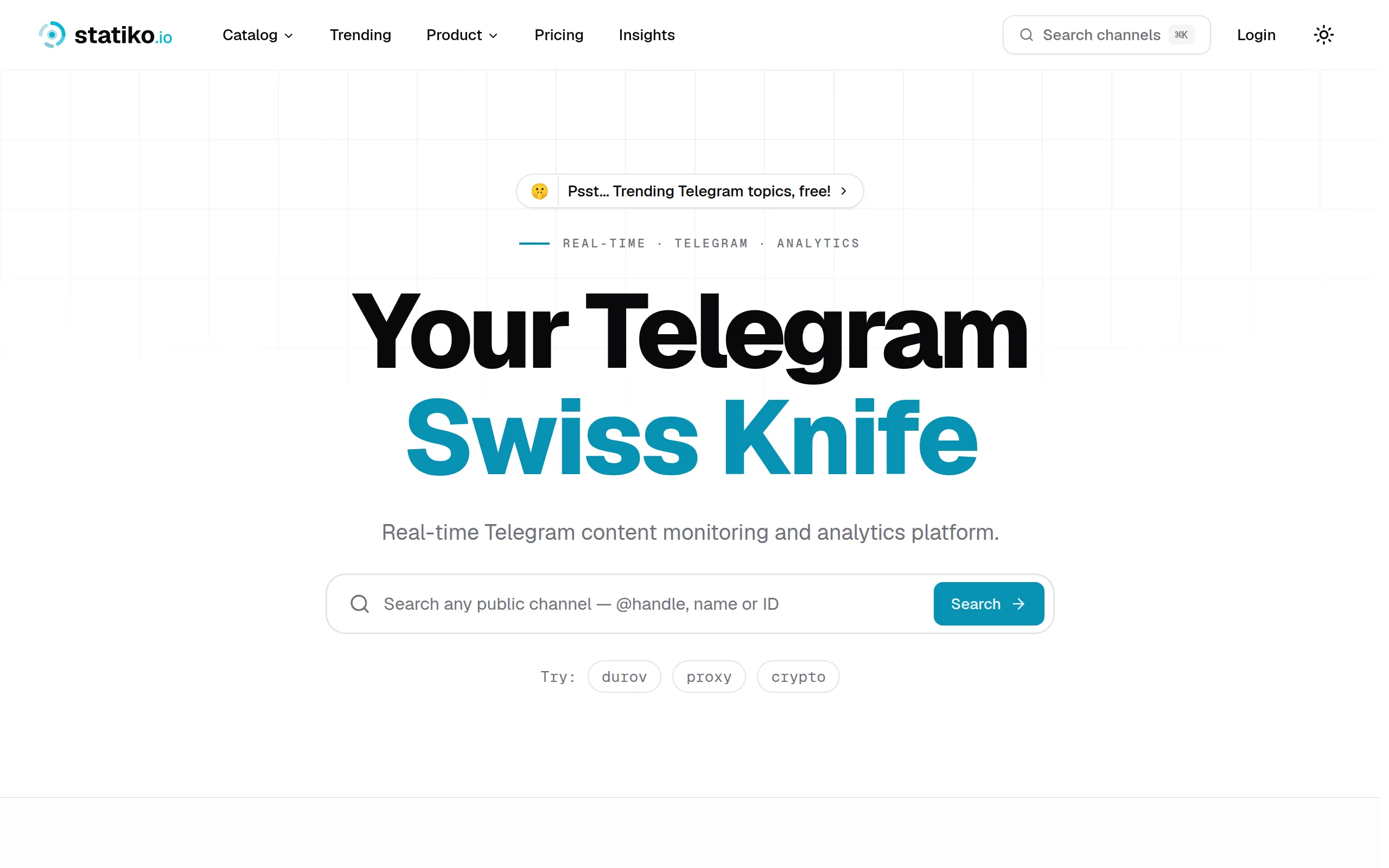
Statiko
Monitor any Telegram channel in real time - track posts, edits, deletions, and growth with AI recaps 📡
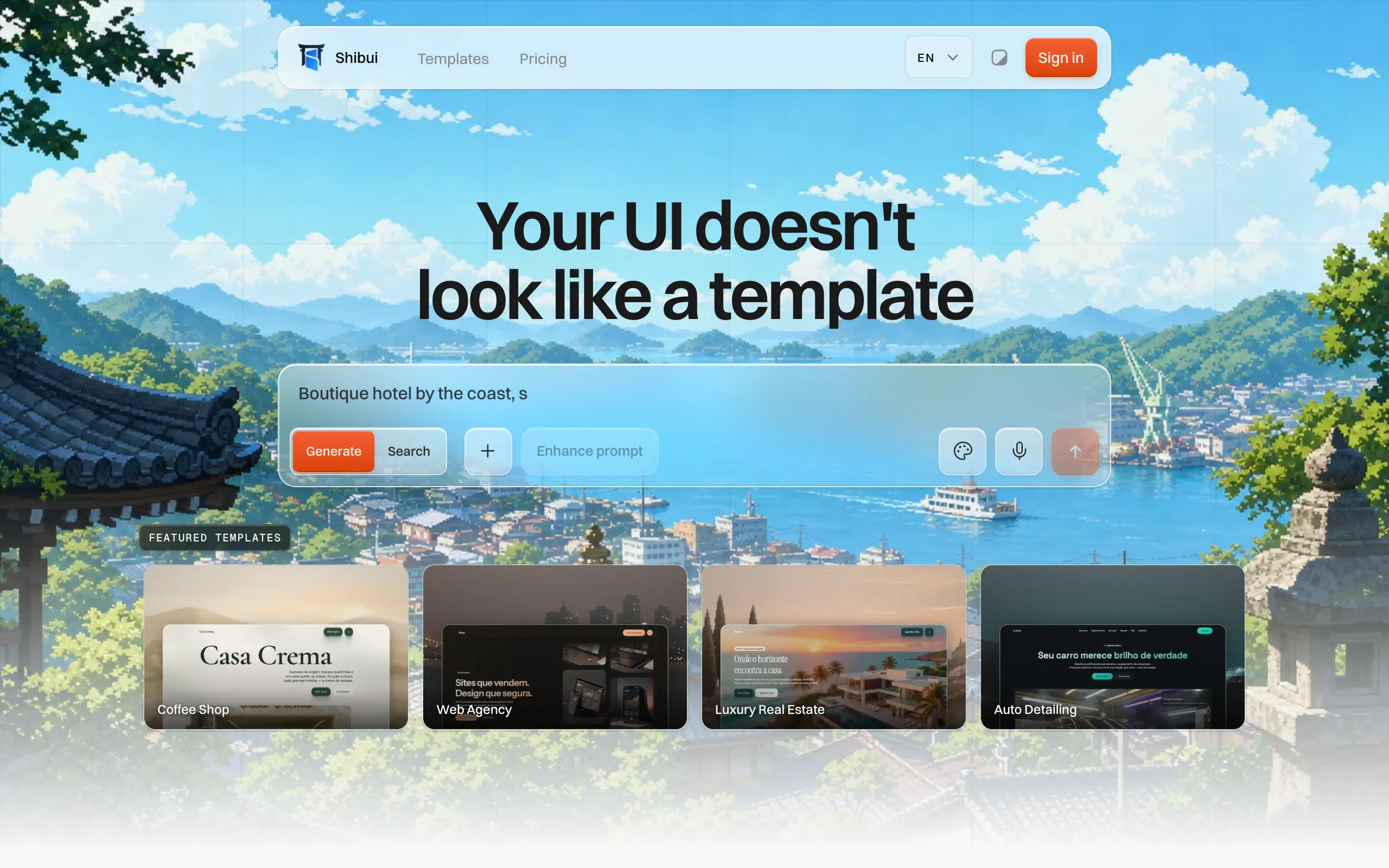
Shibui
AI website builder - describe your business, pick a niche template, edit by chatting, and publish instantly ✨

Pro Service
Find verified home service professionals, compare quotes, and pay securely through escrow - built for Brazilians across the US 🏠
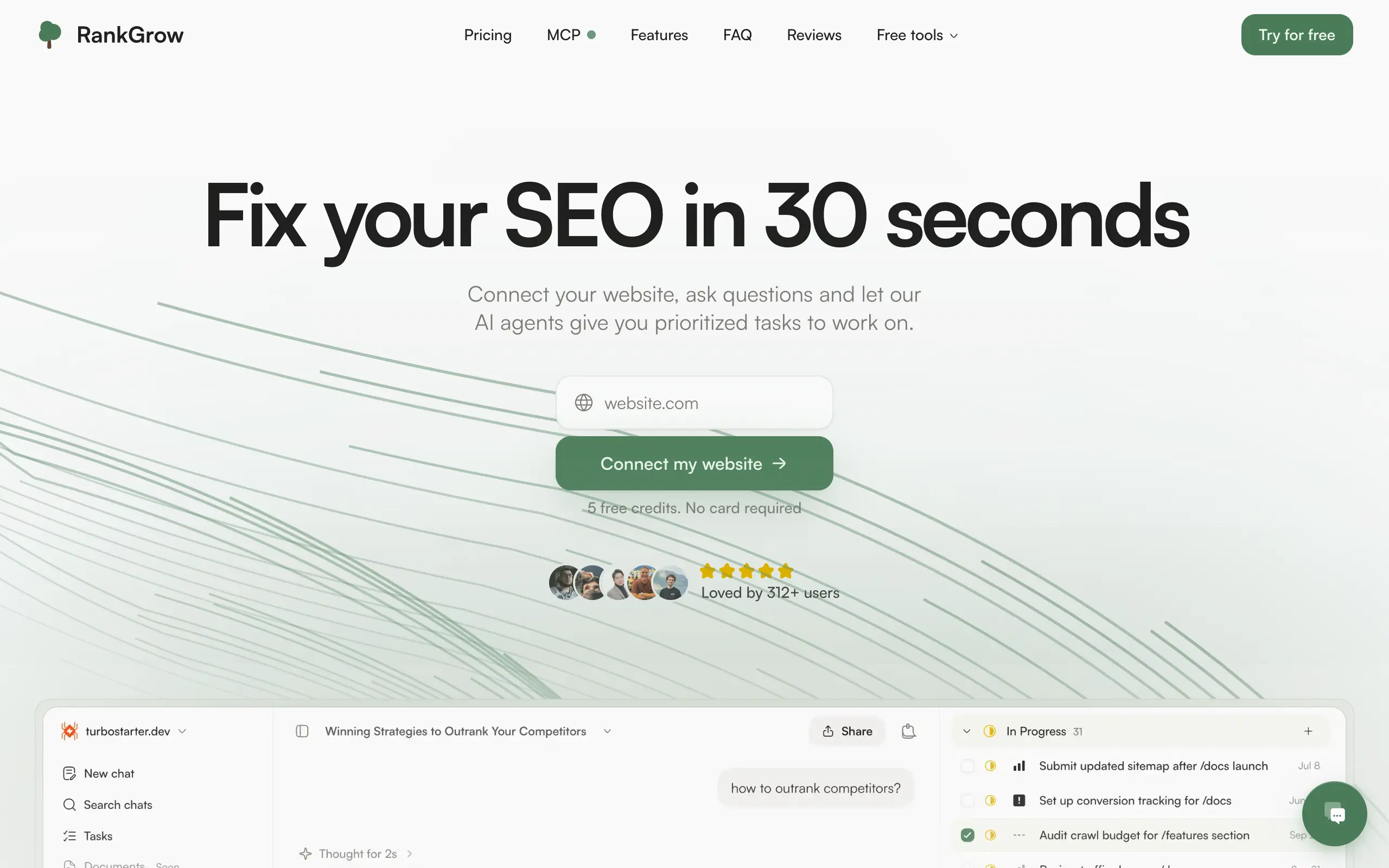
RankGrow
Fix your SEO with AI agents - connect Search Console, get prioritized tasks, and grow organic traffic 📈
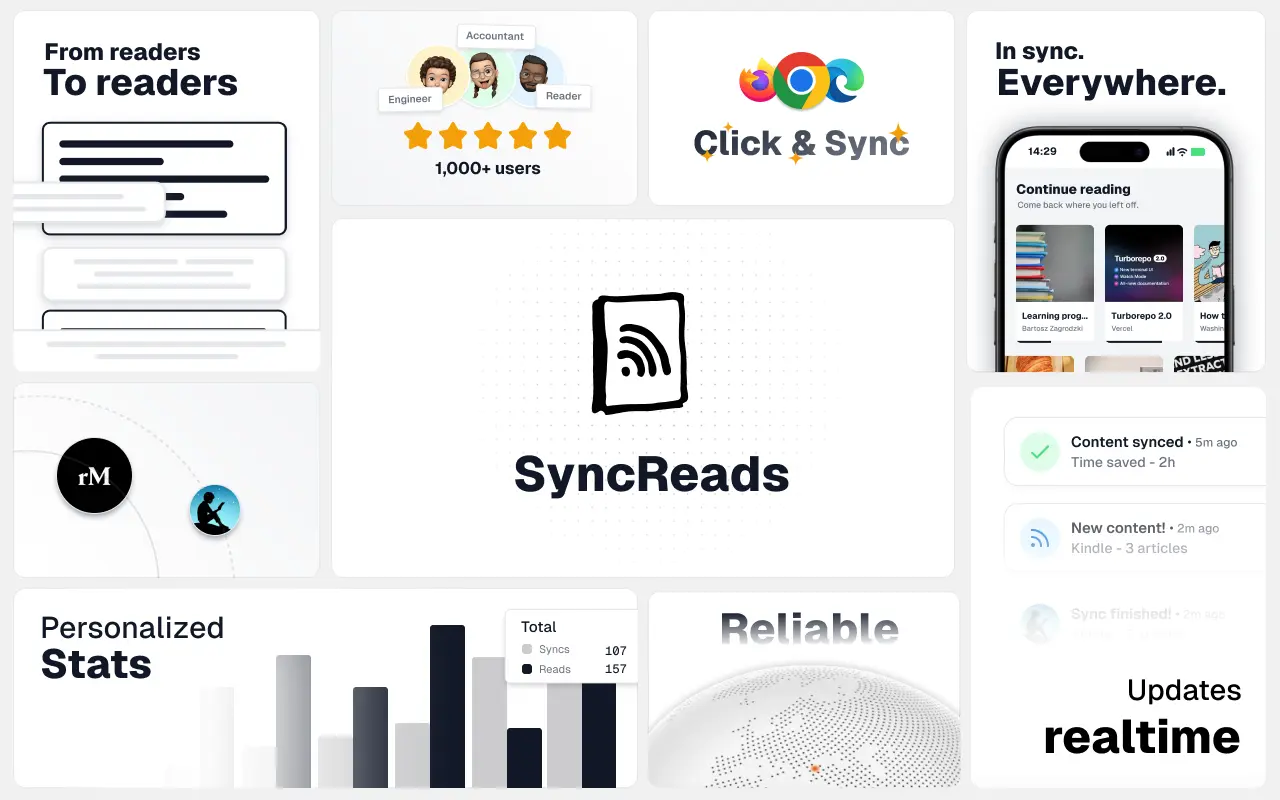
SyncReads
Sync your favorite content for distraction-free reading, save time and replace multiple apps. Anytime, anywhere 🔄
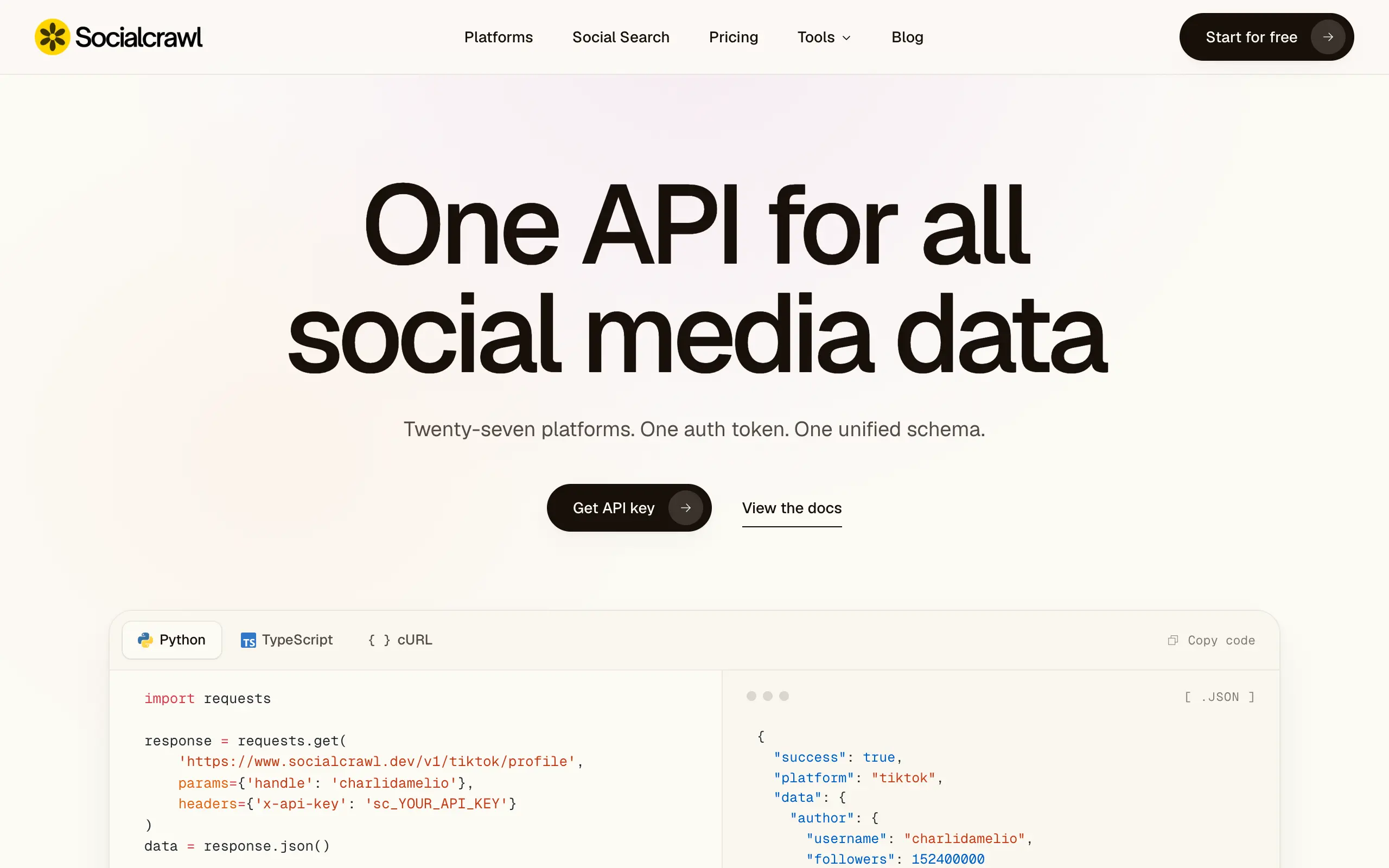
Socialcrawl
Get clean, structured data from 21 platforms like TikTok, Instagram, and YouTube with a single request 📊
Statiko
Monitor any Telegram channel in real time - track posts, edits, deletions, and growth with AI recaps 📡
Shibui
AI website builder - describe your business, pick a niche template, edit by chatting, and publish instantly ✨
Pro Service
Find verified home service professionals, compare quotes, and pay securely through escrow - built for Brazilians across the US 🏠
RankGrow
Fix your SEO with AI agents - connect Search Console, get prioritized tasks, and grow organic traffic 📈
SyncReads
Sync your favorite content for distraction-free reading, save time and replace multiple apps. Anytime, anywhere 🔄
Socialcrawl
Get clean, structured data from 21 platforms like TikTok, Instagram, and YouTube with a single request 📊
Statiko
Monitor any Telegram channel in real time - track posts, edits, deletions, and growth with AI recaps 📡
Shibui
AI website builder - describe your business, pick a niche template, edit by chatting, and publish instantly ✨
Pro Service
Find verified home service professionals, compare quotes, and pay securely through escrow - built for Brazilians across the US 🏠
RankGrow
Fix your SEO with AI agents - connect Search Console, get prioritized tasks, and grow organic traffic 📈
SyncReads
Sync your favorite content for distraction-free reading, save time and replace multiple apps. Anytime, anywhere 🔄
Socialcrawl
Get clean, structured data from 21 platforms like TikTok, Instagram, and YouTube with a single request 📊
Statiko
Monitor any Telegram channel in real time - track posts, edits, deletions, and growth with AI recaps 📡
Shibui
AI website builder - describe your business, pick a niche template, edit by chatting, and publish instantly ✨
Pro Service
Find verified home service professionals, compare quotes, and pay securely through escrow - built for Brazilians across the US 🏠
RankGrow
Fix your SEO with AI agents - connect Search Console, get prioritized tasks, and grow organic traffic 📈
SyncReads
Sync your favorite content for distraction-free reading, save time and replace multiple apps. Anytime, anywhere 🔄
Socialcrawl
Get clean, structured data from 21 platforms like TikTok, Instagram, and YouTube with a single request 📊
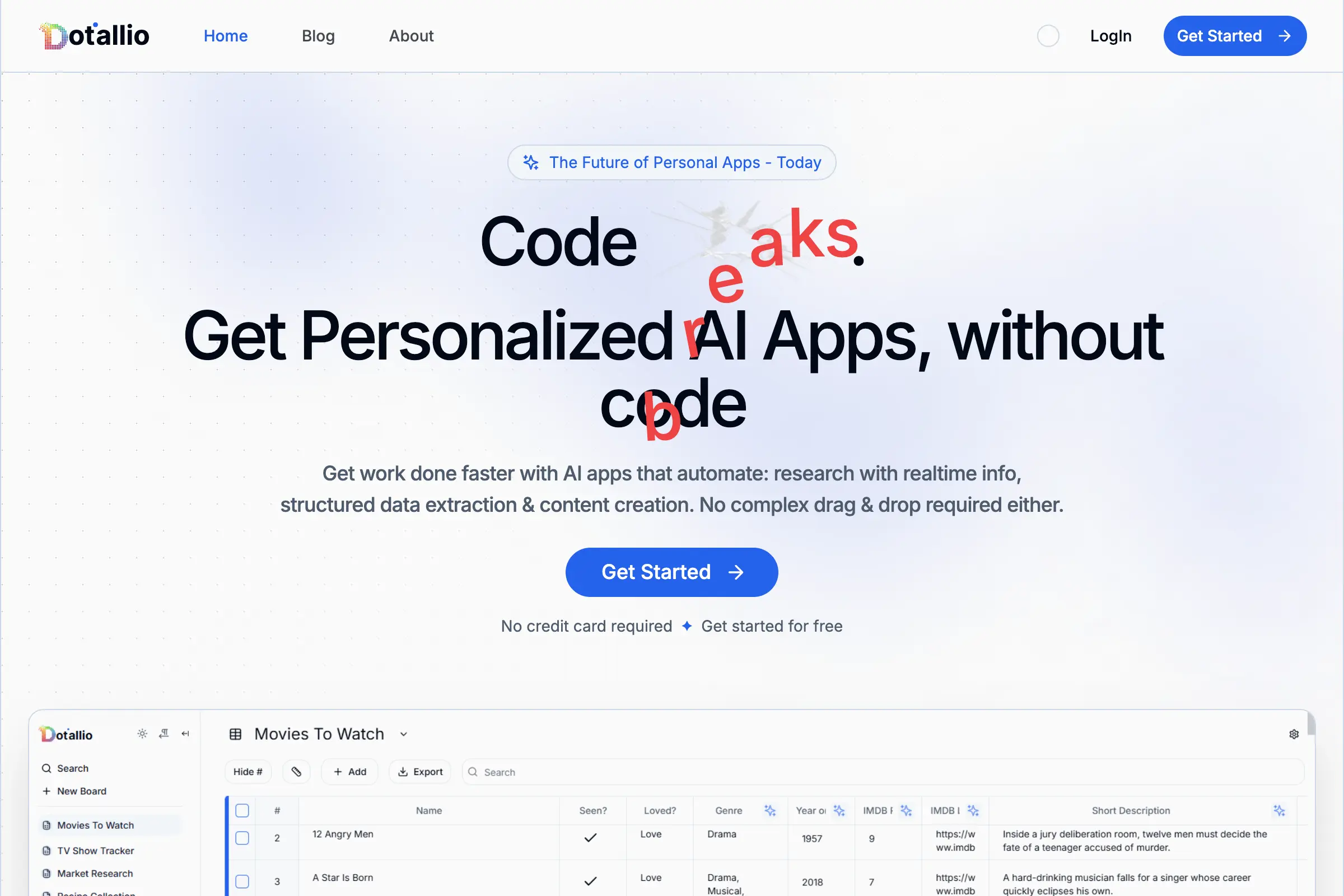
Dotallio
Personalized AI apps that automate research, data extraction, and content creation without code 🤖
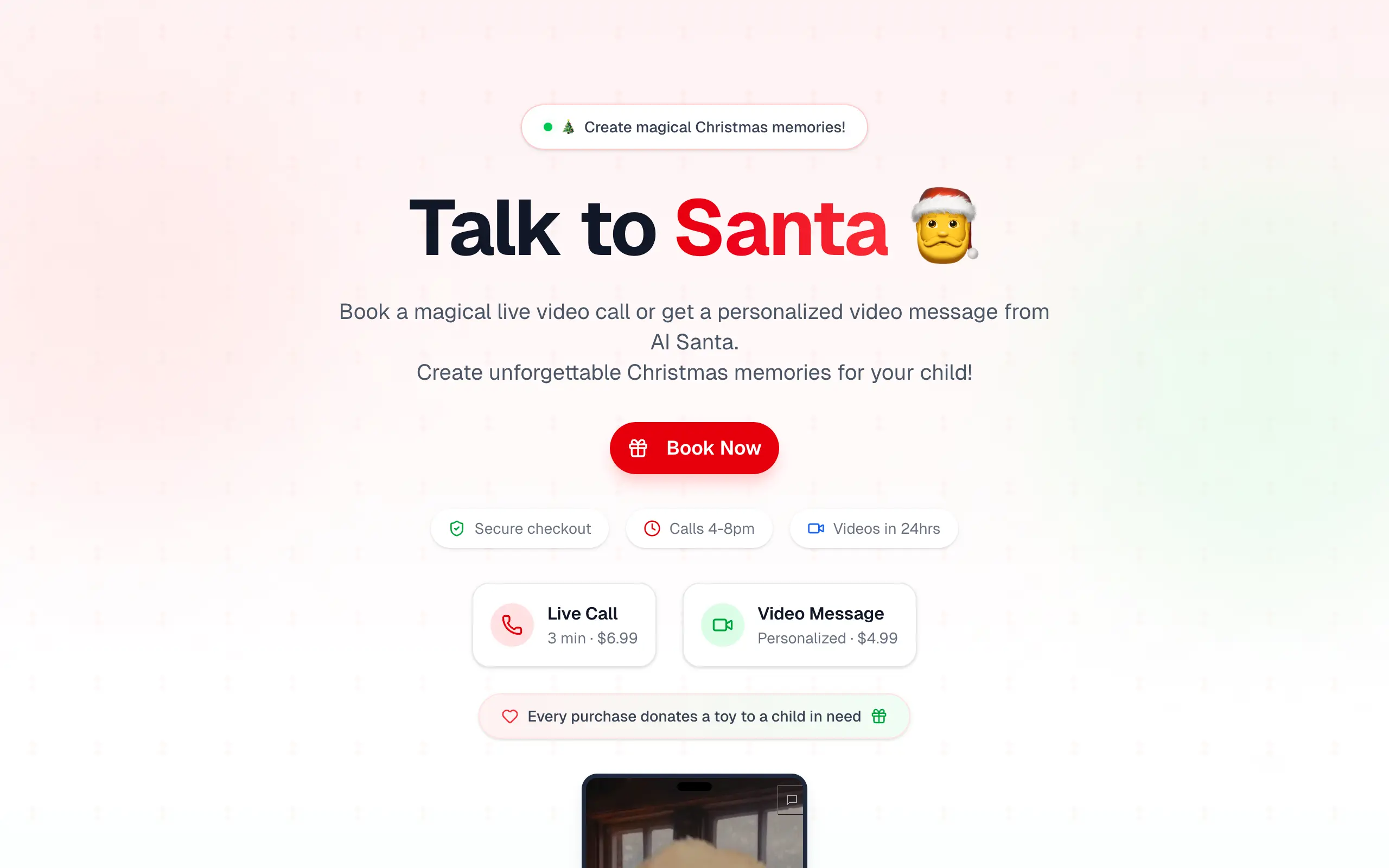
Talk to Santa
Enjoy a magical live video chat or receive a unique AI-generated video greeting from Santa Claus 🎅
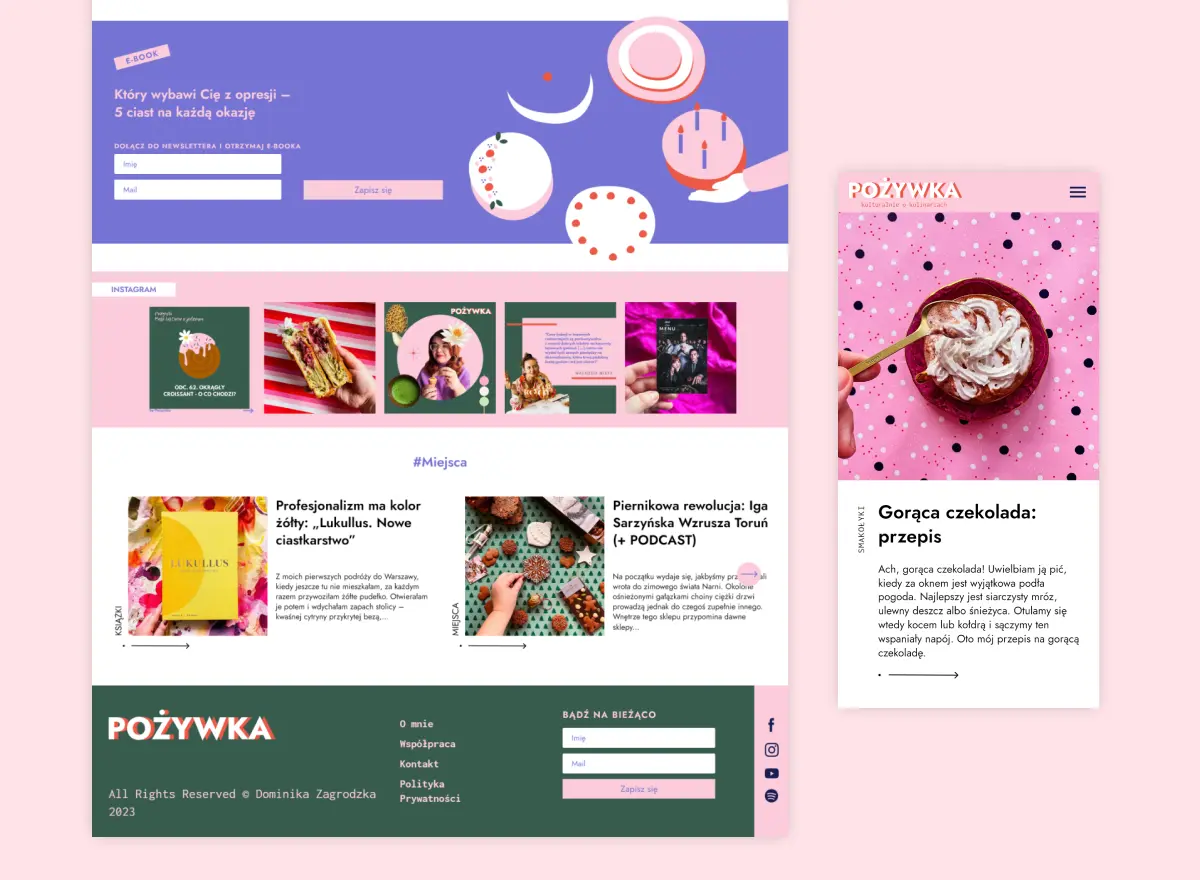
pozywka.pl
Scalable blog for food journalist, focused on performance and user experience 🌭
zagrodzki.me
Personal blog and portfolio of Bart Zagrodzki, where he shares his knowledge and work 💼
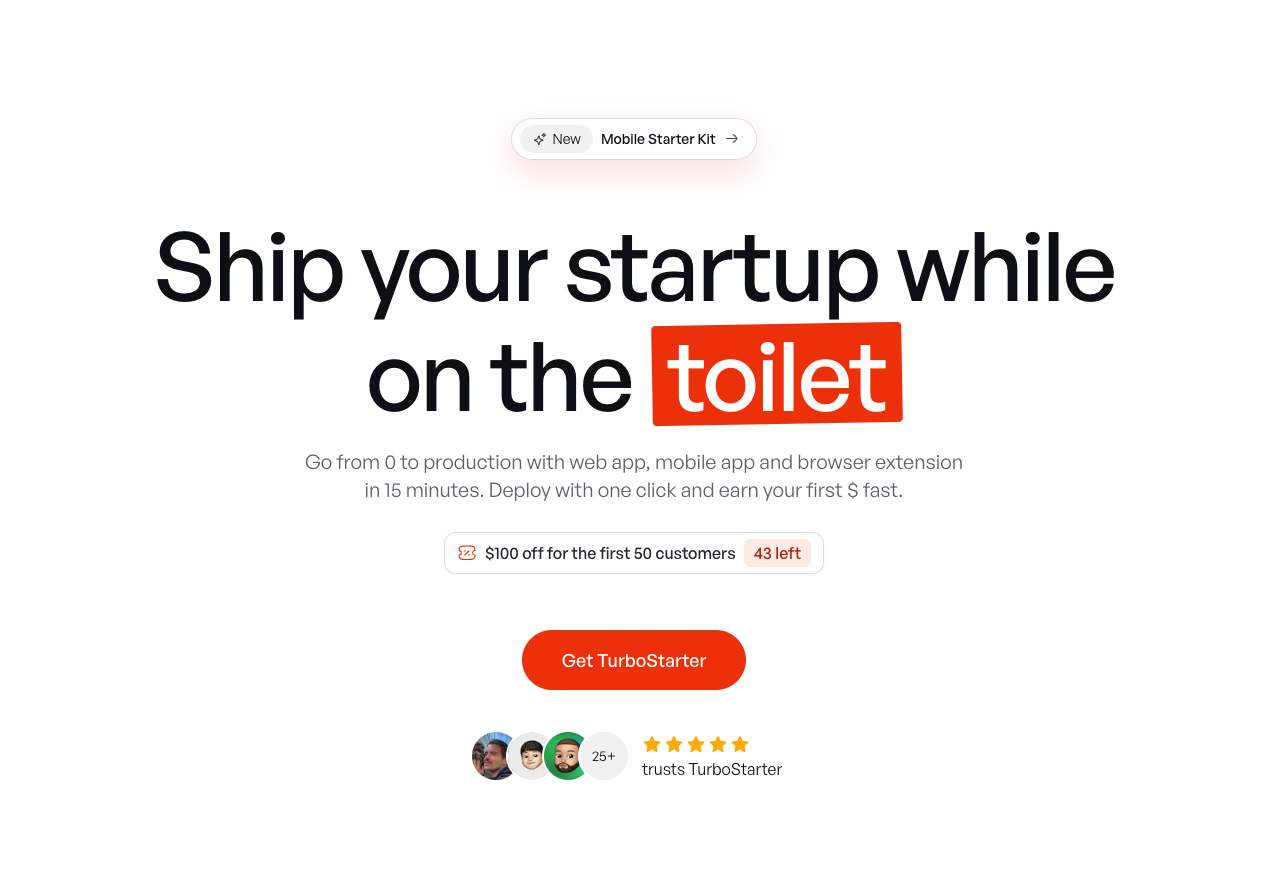
TurboStarter
Ship your startup everywhere. In minutes.
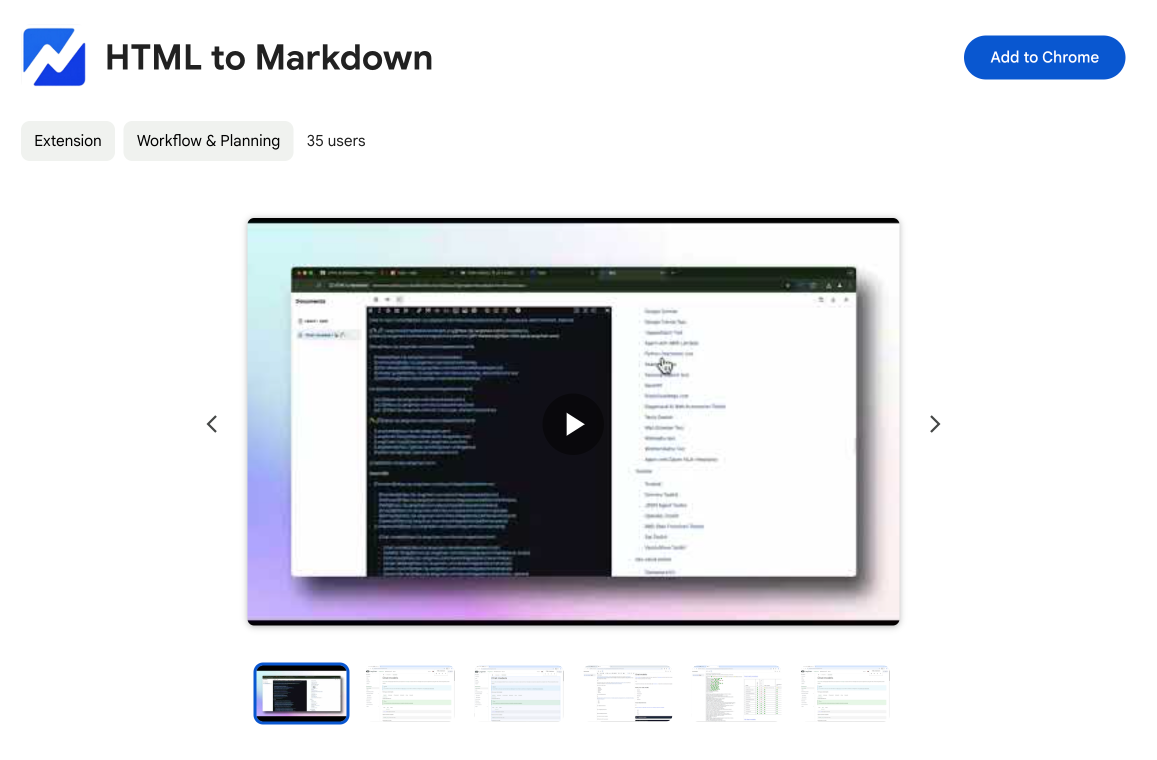
HTML to Markdown
Convert HTML to Markdown with ease, directly in your browser 📄
Dotallio
Personalized AI apps that automate research, data extraction, and content creation without code 🤖
Talk to Santa
Enjoy a magical live video chat or receive a unique AI-generated video greeting from Santa Claus 🎅
pozywka.pl
Scalable blog for food journalist, focused on performance and user experience 🌭
zagrodzki.me
Personal blog and portfolio of Bart Zagrodzki, where he shares his knowledge and work 💼
TurboStarter
Ship your startup everywhere. In minutes.
HTML to Markdown
Convert HTML to Markdown with ease, directly in your browser 📄
Dotallio
Personalized AI apps that automate research, data extraction, and content creation without code 🤖
Talk to Santa
Enjoy a magical live video chat or receive a unique AI-generated video greeting from Santa Claus 🎅
pozywka.pl
Scalable blog for food journalist, focused on performance and user experience 🌭
zagrodzki.me
Personal blog and portfolio of Bart Zagrodzki, where he shares his knowledge and work 💼
TurboStarter
Ship your startup everywhere. In minutes.
HTML to Markdown
Convert HTML to Markdown with ease, directly in your browser 📄
Dotallio
Personalized AI apps that automate research, data extraction, and content creation without code 🤖
Talk to Santa
Enjoy a magical live video chat or receive a unique AI-generated video greeting from Santa Claus 🎅
pozywka.pl
Scalable blog for food journalist, focused on performance and user experience 🌭
zagrodzki.me
Personal blog and portfolio of Bart Zagrodzki, where he shares his knowledge and work 💼
TurboStarter
Ship your startup everywhere. In minutes.
HTML to Markdown
Convert HTML to Markdown with ease, directly in your browser 📄
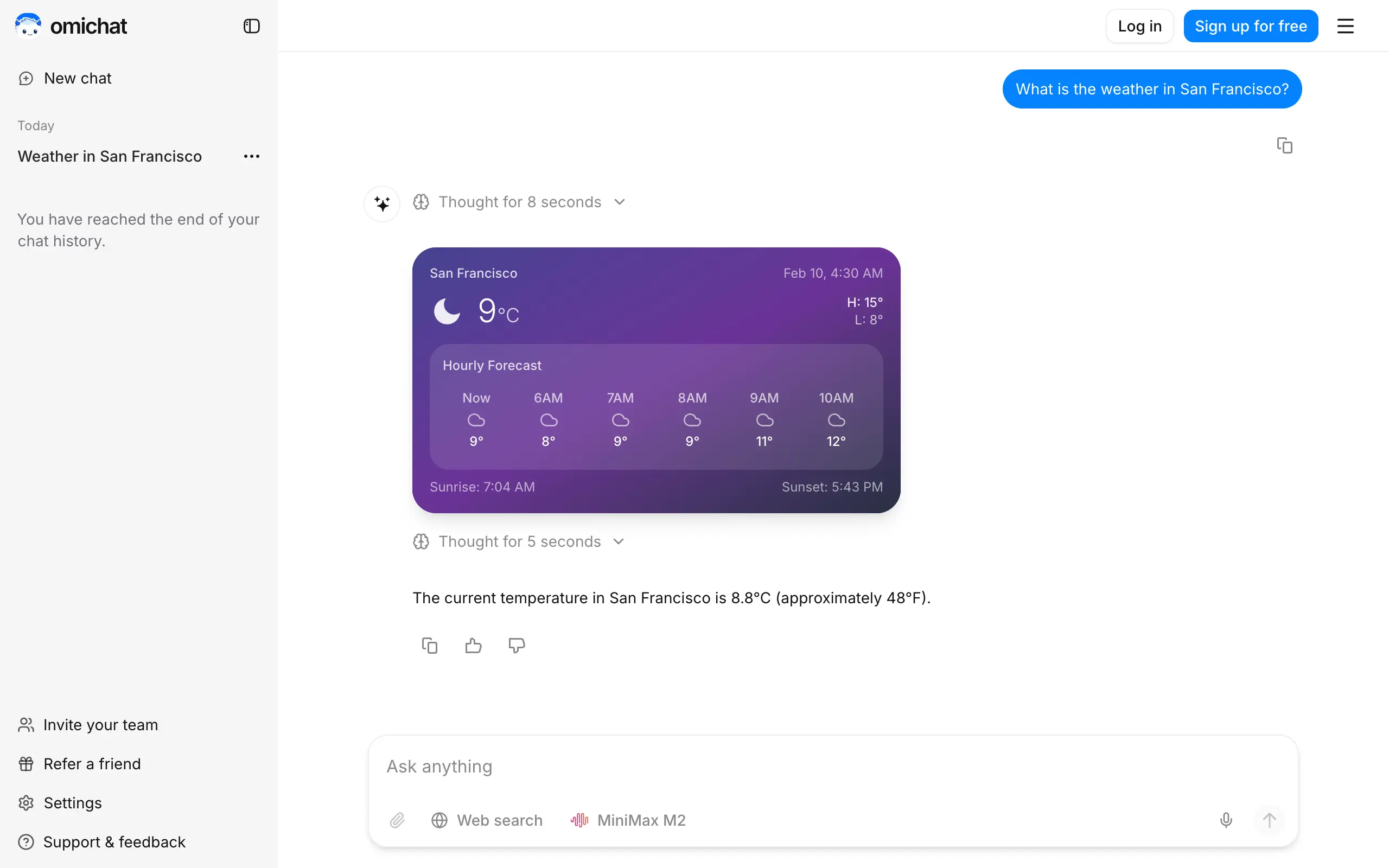
Omichat
Chat with 50+ AI models, including ChatGPT and Claude, in one place - switch models anytime without losing context 🤖
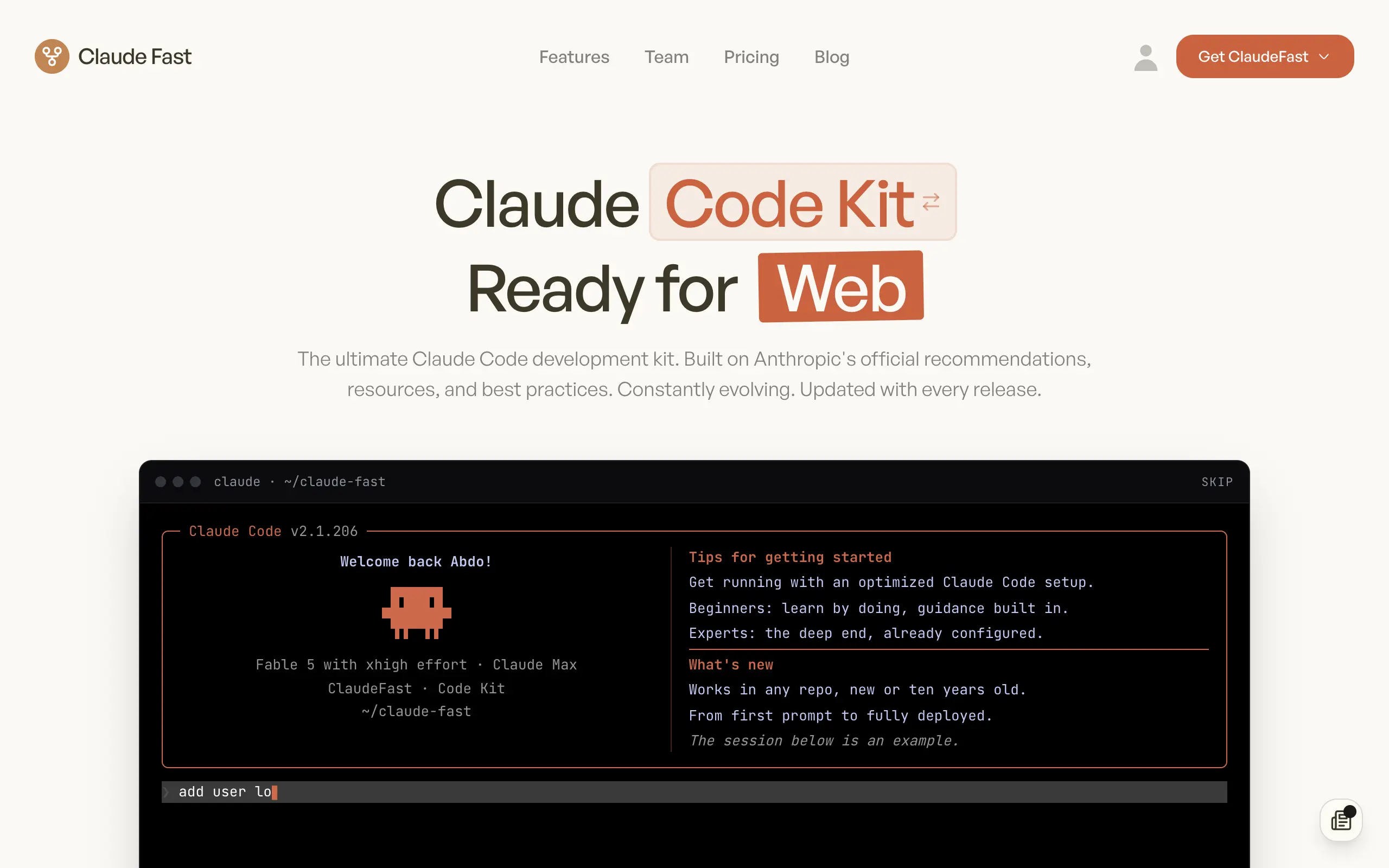
Claude Fast
Supercharge your Claude Code with 6x effective context window and specialized AI agents 🤖
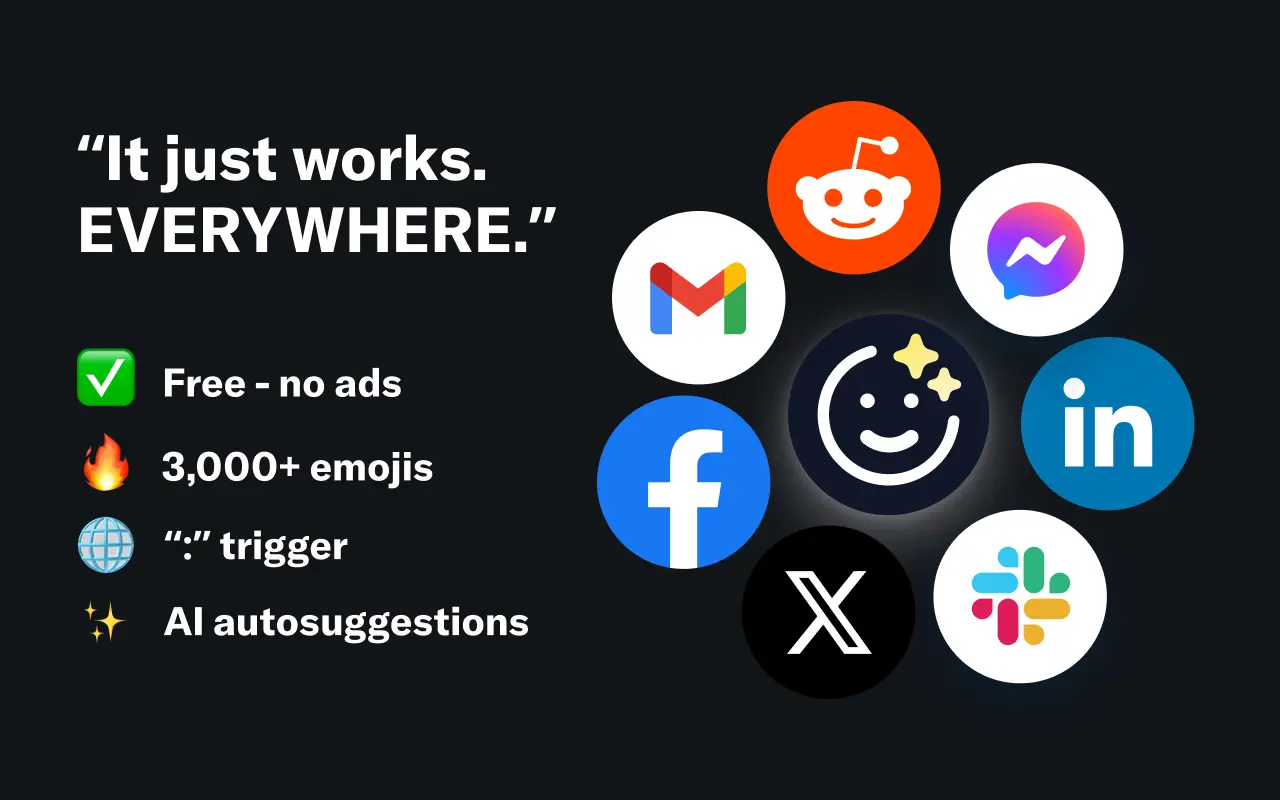
EmojAI
AI-powered emoji picker with smart, context-aware suggestions 🤖
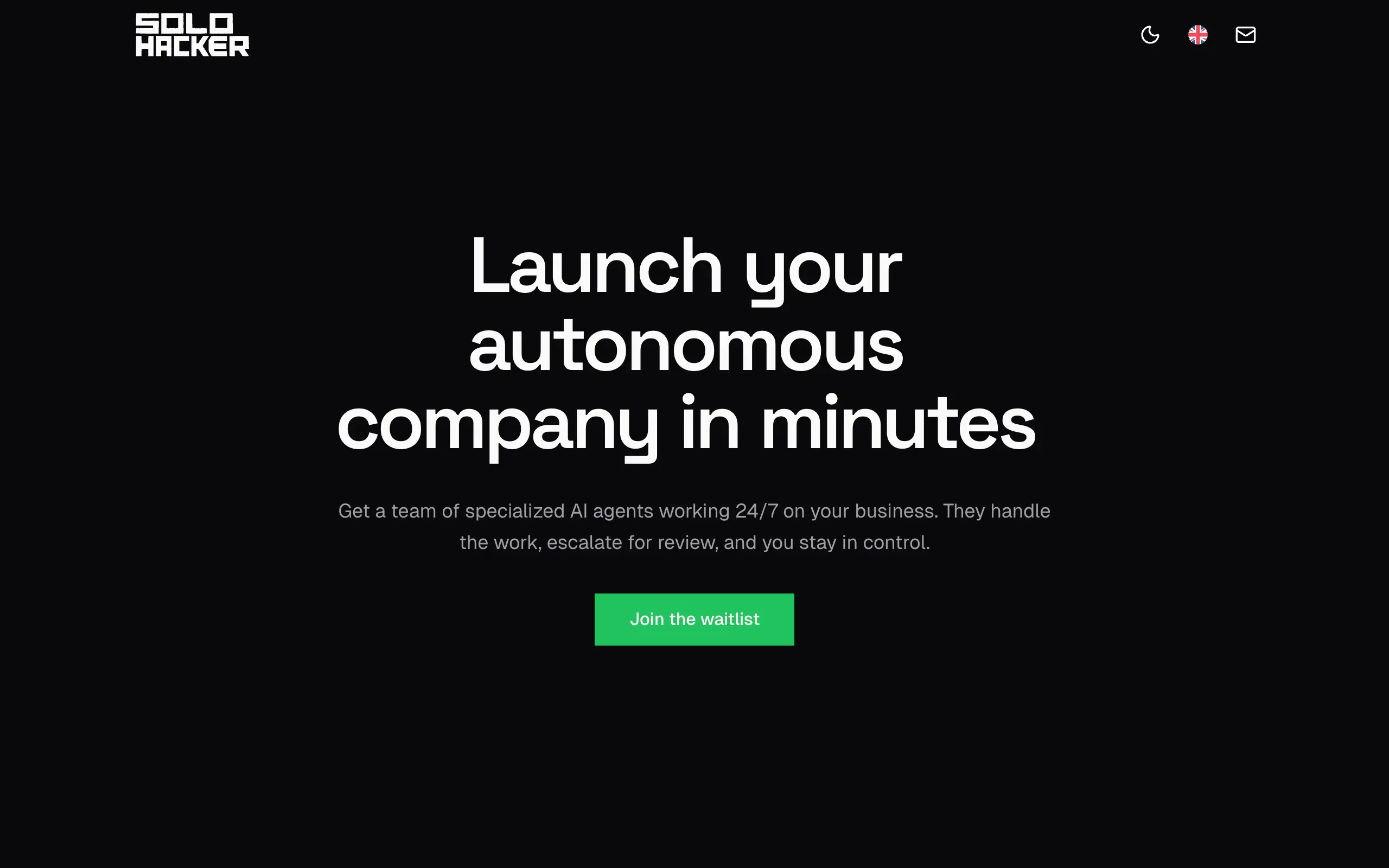
Solohacker
Autonomous company launcher - AI agents work 24/7, escalate what matters, and you stay in control 🤖
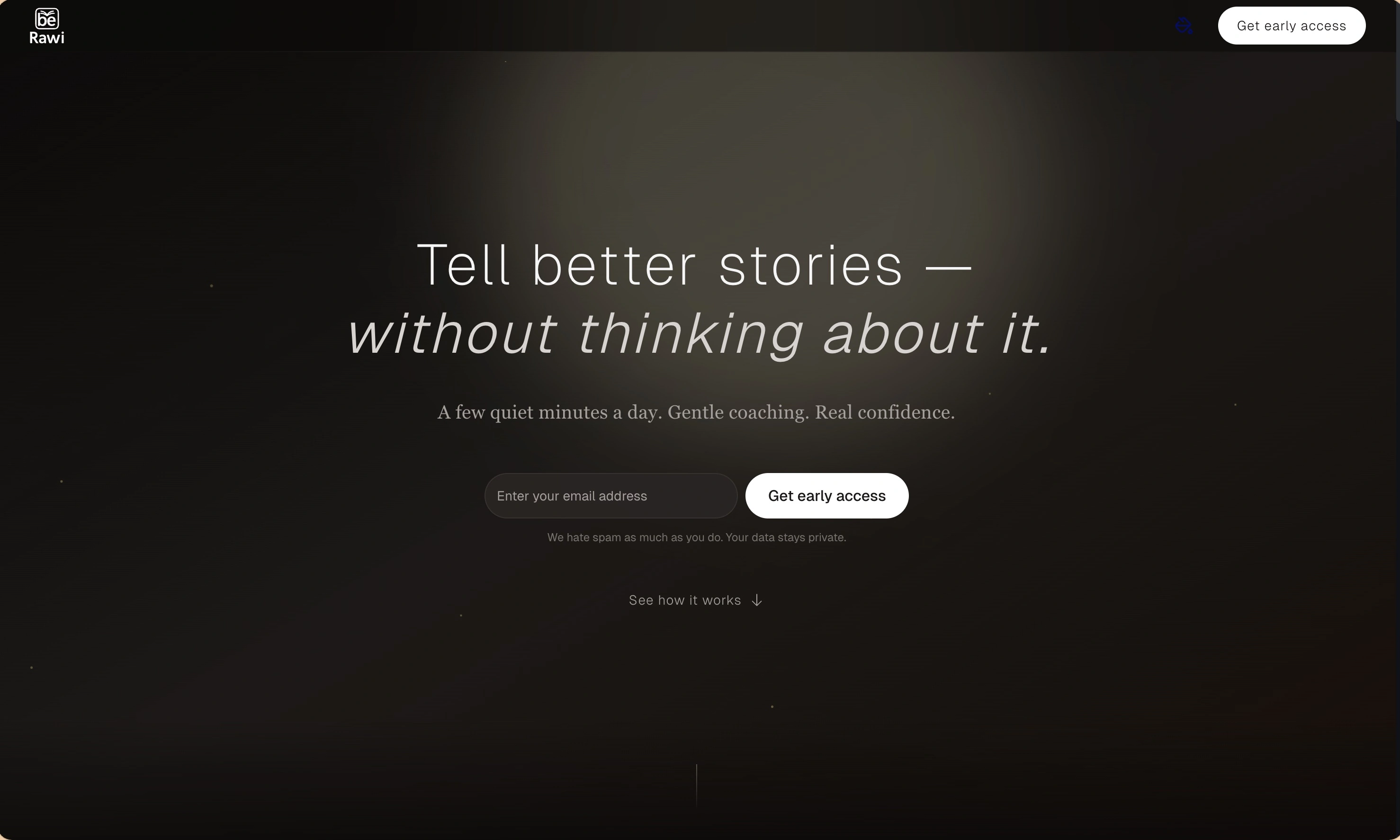
BeRawi: Storytelling Coach
Practice storytelling daily with instant feedback to sound clearer, more engaging, and confident 🎤
Omichat
Chat with 50+ AI models, including ChatGPT and Claude, in one place - switch models anytime without losing context 🤖
Claude Fast
Supercharge your Claude Code with 6x effective context window and specialized AI agents 🤖
EmojAI
AI-powered emoji picker with smart, context-aware suggestions 🤖
Solohacker
Autonomous company launcher - AI agents work 24/7, escalate what matters, and you stay in control 🤖
BeRawi: Storytelling Coach
Practice storytelling daily with instant feedback to sound clearer, more engaging, and confident 🎤
Omichat
Chat with 50+ AI models, including ChatGPT and Claude, in one place - switch models anytime without losing context 🤖
Claude Fast
Supercharge your Claude Code with 6x effective context window and specialized AI agents 🤖
EmojAI
AI-powered emoji picker with smart, context-aware suggestions 🤖
Solohacker
Autonomous company launcher - AI agents work 24/7, escalate what matters, and you stay in control 🤖
BeRawi: Storytelling Coach
Practice storytelling daily with instant feedback to sound clearer, more engaging, and confident 🎤
Omichat
Chat with 50+ AI models, including ChatGPT and Claude, in one place - switch models anytime without losing context 🤖
Claude Fast
Supercharge your Claude Code with 6x effective context window and specialized AI agents 🤖
EmojAI
AI-powered emoji picker with smart, context-aware suggestions 🤖
Solohacker
Autonomous company launcher - AI agents work 24/7, escalate what matters, and you stay in control 🤖
BeRawi: Storytelling Coach
Practice storytelling daily with instant feedback to sound clearer, more engaging, and confident 🎤

Connect with like-minded people
Join our community to get feedback, support, and grow together with 1,000+ builders on board, let's ship it!
Join usShip your startup everywhere. In minutes.
Don't burn tokens on setup and start building features on day one.