MirrorFlow
Automatically generate and rotate backup mirror links when ISPs block access. Stay online with seamless failover and real-time Telegram notifications.
what is an automatic mirror link generator and why it matters
Internet censorship, ISP-level blocking, and regional restrictions have become increasingly common across many parts of the world. Whether you're running a content platform, SaaS product, community forum, or even a simple informational site, the risk of sudden downtime due to blocking is very real.
This is where an automatic mirror link generator like MirrorFlow becomes essential.
MirrorFlow is designed to automatically generate, rotate, and manage backup mirror domains, ensuring that users can always access your service—even when your primary domain is blocked. Combined with real-time Telegram notifications and seamless failover mechanisms, it offers a resilient, modern approach to availability in hostile network environments.
This article explores the full business and technical potential of a SaaS like MirrorFlow, including its target market, features, monetization, risks, and implementation strategy.
understanding the core problem: ISP blocking and service disruption
Before diving into the solution, it’s critical to understand the problem space.
why websites get blocked
Websites can be blocked for several reasons:
- Government censorship or regulatory restrictions
- ISP-level DNS filtering
- Legal takedown requests
- Content policy violations (real or alleged)
- Overblocking by automated systems
These blocks often happen suddenly and without warning, leaving businesses scrambling to respond.
impact on businesses and users
The consequences are severe:
- Loss of revenue due to inaccessible services
- User churn as visitors assume the site is down permanently
- Brand damage from perceived unreliability
- Operational chaos as teams manually deploy mirrors
current workaround limitations
Many companies attempt manual solutions:
- Registering backup domains
- Hosting duplicate sites
- Sharing links via social media or Telegram
But these approaches are:
- Time-consuming
- Error-prone
- Not scalable
- Ineffective against dynamic blocking
This gap creates a strong opportunity for a fully automated mirror management SaaS.
mirrorflow: the core solution explained
MirrorFlow acts as a resilience layer between your service and end users.
key capabilities
- Automatic generation of mirror domains
- Continuous monitoring of domain accessibility
- Intelligent failover when a domain is blocked
- Real-time notifications via Telegram
- Dynamic routing to the best available mirror
Instead of reacting to blocks manually, MirrorFlow proactively ensures uptime.
how it works (simplified flow)
This creates a seamless experience where users rarely notice disruptions.
target audience analysis
MirrorFlow is primarily a B2C-facing SaaS with strong crossover into B2B niches.
primary user segments
1. content platforms in restricted regions
- Streaming platforms
- File-sharing services
- News/media outlets
- Community forums
These businesses frequently face ISP blocking and need instant recovery.
2. crypto and web3 platforms
Crypto-related services are often targeted by regulators.
- Exchanges
- Wallet platforms
- DeFi dashboards
MirrorFlow ensures continuous access regardless of regional policies.
3. online communities and creators
- Telegram-first communities
- Membership platforms
- Exclusive content creators
These users benefit from automated link rotation shared directly with audiences.
4. privacy-focused users
- VPN providers
- Privacy tools
- Decentralized apps
Their audience expects uptime even under restrictive conditions.
market opportunity and gap analysis
growing censorship trends
Global internet restrictions are increasing. Reports from organizations like Freedom House consistently highlight:
- Rising digital censorship
- Increased ISP-level intervention
- Expansion of content filtering infrastructure
(You can reference Freedom House or similar reports for supporting data.)
lack of specialized tooling
While tools like CDNs (e.g., Cloudflare) offer some protection, they are not designed for:
- Automated mirror generation
- Real-time link distribution
- Multi-domain failover at scale
This leaves a clear product gap.
why now is the right time
Several trends make MirrorFlow especially relevant:
- Rise of decentralized platforms
- Increased reliance on Telegram communities
- Growing awareness of digital resilience
- Low-cost domain provisioning and automation APIs
core features that define mirrorflow
1. automatic mirror generation
MirrorFlow continuously creates and maintains mirror domains.
- Supports multiple TLDs
- Integrates with domain registrars
- Enables bulk provisioning
2. real-time accessibility monitoring
- Checks DNS resolution and HTTP response
- Detects ISP-level blocking patterns
- Uses geo-distributed probes
3. intelligent failover routing
- Automatically switches traffic
- Maintains session continuity where possible
- Uses load balancing logic
4. Telegram integration
A standout feature.
- Instant alerts when a mirror goes down
- Automatic posting of new working links
- Bot integration for community updates
5. link rotation system
- Rotates links proactively
- Prevents long-term tracking or blocking
- Reduces reliance on a single domain
6. analytics dashboard
- Uptime metrics
- Regional accessibility insights
- Mirror performance tracking
feature comparison vs traditional approaches
| Capability | Manual mirrors | CDN only | VPN workaround | MirrorFlow |
|---|---|---|---|---|
| Automatic failover | ❌ | ❌ | ❌ | ✅ |
| Real-time monitoring | ❌ | ✅ | ❌ | ✅ |
| Link rotation | ❌ | ❌ | ❌ | ✅ |
| Telegram integration | ❌ | ❌ | ❌ | ✅ |
technical architecture and recommended stack
Building MirrorFlow requires a robust, distributed architecture.
frontend
Why:
- Fast UI development
- Highly customizable dashboards
- Scalable component system
backend
- Node.js (with NestJS or Express)
- Go (optional for performance-critical services)
Trade-offs:
- Node.js offers faster development
- Go offers better concurrency for monitoring systems
infrastructure
- Kubernetes for orchestration
- Multi-region deployment (AWS / GCP)
- DNS providers (Cloudflare API)
monitoring engine
- Distributed probes (global VPS nodes)
- Health-check microservices
- Queue system (Redis or Kafka)
database
- PostgreSQL for relational data
- Redis for caching and real-time state
Telegram integration
- Telegram Bot API
- Webhooks for real-time updates
example: simple monitoring worker
import axios from "axios";

async function checkDomain(url: string) {
  try {
    const response = await axios.get(url, { timeout: 5000 });
    return response.status === 200;
  } catch (error) {
    return false;
  }
}

setInterval(async () => {
  const isUp = await checkDomain("https://example.com");
  console.log("Domain status:", isUp ? "UP" : "DOWN");
}, 10000);
This is a simplified version of what MirrorFlow would scale globally.
monetization strategy
MirrorFlow has strong monetization potential due to its mission-critical value.
subscription tiers
- Free tier
- Limited mirrors
- Basic monitoring
- Pro ($10–$30/month)
- Multiple domains
- Telegram alerts
- Faster failover
- Business ($50–$200/month)
- Unlimited mirrors
- Advanced analytics
- Priority infrastructure
usage-based pricing
- Charge per:
- Active mirror
- Monitoring frequency
- API usage
enterprise offering
- Custom deployments
- Dedicated infrastructure
- SLA guarantees
competitive advantage and differentiation
MirrorFlow stands out due to its specialization and automation.
key differentiators
Full automation
Unlike manual solutions, MirrorFlow handles everything from generation to failover automatically.
Telegram-first distribution
Real-time link sharing where users already are.
Proactive rotation
Prevents blocking instead of reacting to it.
Global monitoring
Detects region-specific issues instantly.
why competitors struggle
Most alternatives focus on:
- Hosting (not accessibility)
- Security (not censorship resilience)
- CDN optimization (not domain failover)
MirrorFlow targets a very specific and underserved need.
risks and mitigation strategies
legal and compliance risks
Some jurisdictions may restrict mirror usage.
Mitigation:
- Provide compliance guidelines
- Allow geo-restriction settings
- Offer enterprise legal configurations
abuse potential
Bad actors could misuse mirror systems.
Mitigation:
- Strict terms of service
- Abuse detection systems
- Domain verification requirements
infrastructure costs
Monitoring and domain management can be expensive.
Mitigation:
- Optimize probe frequency
- Use spot instances
- Tiered pricing model
detection by ISPs
Advanced blocking systems may adapt.
Mitigation:
- Frequent rotation
- Diverse TLD usage
- Traffic obfuscation techniques
seo and growth strategy for mirrorflow
To grow organically, MirrorFlow should target high-intent keywords like:
- "how to bypass ISP blocking"
- "automatic mirror site generator"
- "website failover solution"
- "backup domain system"
- "unblock website access tools"
content marketing ideas
- Case studies of blocked platforms recovering traffic
- Guides on internet censorship
- Tutorials on building resilient infrastructure
distribution channels
- Reddit (privacy and tech communities)
- Telegram groups
- Hacker News
- Indie Hackers
step-by-step implementation roadmap
advanced product expansion opportunities
API platform
Allow developers to integrate mirror logic into their apps.
browser extensions
Auto-redirect users to working mirrors.
decentralized hosting integration
- IPFS support
- Blockchain-based domain systems
AI-based blocking prediction
Predict which domains are likely to be blocked next.
frequently asked questions
It depends on the jurisdiction and the content being mirrored. MirrorFlow should provide tools for compliance but not guarantee legality in all regions.
In theory yes, but frequent rotation and diverse infrastructure make it significantly harder.
No. MirrorFlow complements CDNs by handling accessibility and failover, not just performance.
final thoughts: why mirrorflow is a strong SaaS opportunity
MirrorFlow addresses a real, growing, and urgent problem. As internet restrictions increase, the need for resilient access infrastructure will only grow.
What makes this idea especially compelling:
- Clear pain point with high urgency
- Strong willingness to pay
- Low direct competition
- High technical defensibility
If executed well, MirrorFlow could become the default infrastructure layer for censorship-resistant access.
ready to build mirrorflow?
If you're serious about launching a SaaS like MirrorFlow, starting with the right foundation matters.
Using a proven starter kit like TurboStarter can dramatically reduce development time, giving you pre-built infrastructure for authentication, billing, and scalable architecture—so you can focus on the core innovation.
Now is the perfect time to build tools that keep the internet open, accessible, and resilient.
More 👥 B2C Application SaaS ideas
Discover more innovative b2c application SaaS ideas that are trending in 2026. Each idea is AI-generated with market validation and growth potential to help you find your next profitable venture faster than competitors.
Your competitors are building with TurboStarter
Below are some of the SaaS ideas that have been generated and built with our starter kit.

Statiko
Monitor any Telegram channel in real time - track posts, edits, deletions, and growth with AI recaps 📡

Shibui
AI website builder - describe your business, pick a niche template, edit by chatting, and publish instantly ✨

Pro Service
Find verified home service professionals, compare quotes, and pay securely through escrow - built for Brazilians across the US 🏠
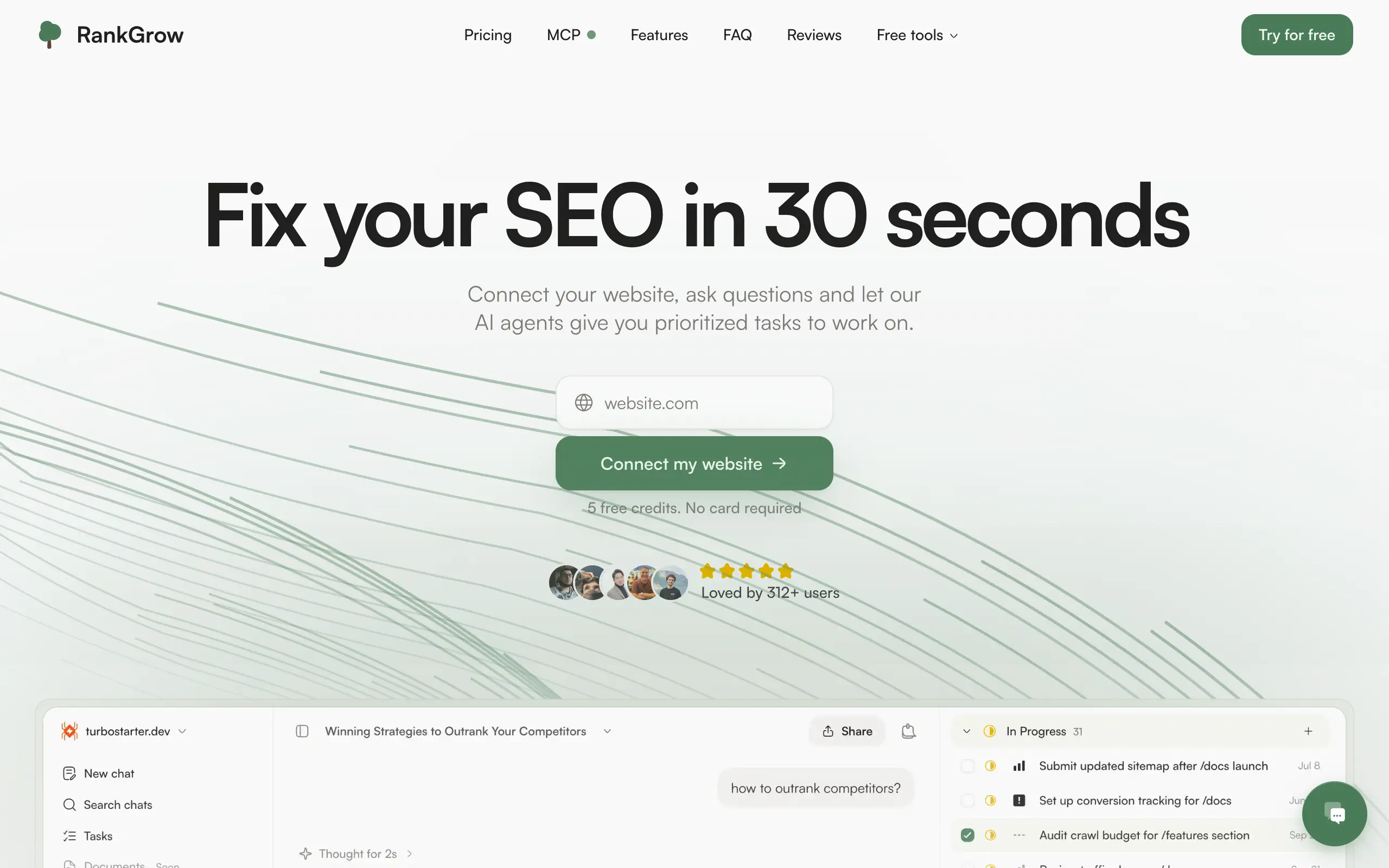
RankGrow
Fix your SEO with AI agents - connect Search Console, get prioritized tasks, and grow organic traffic 📈
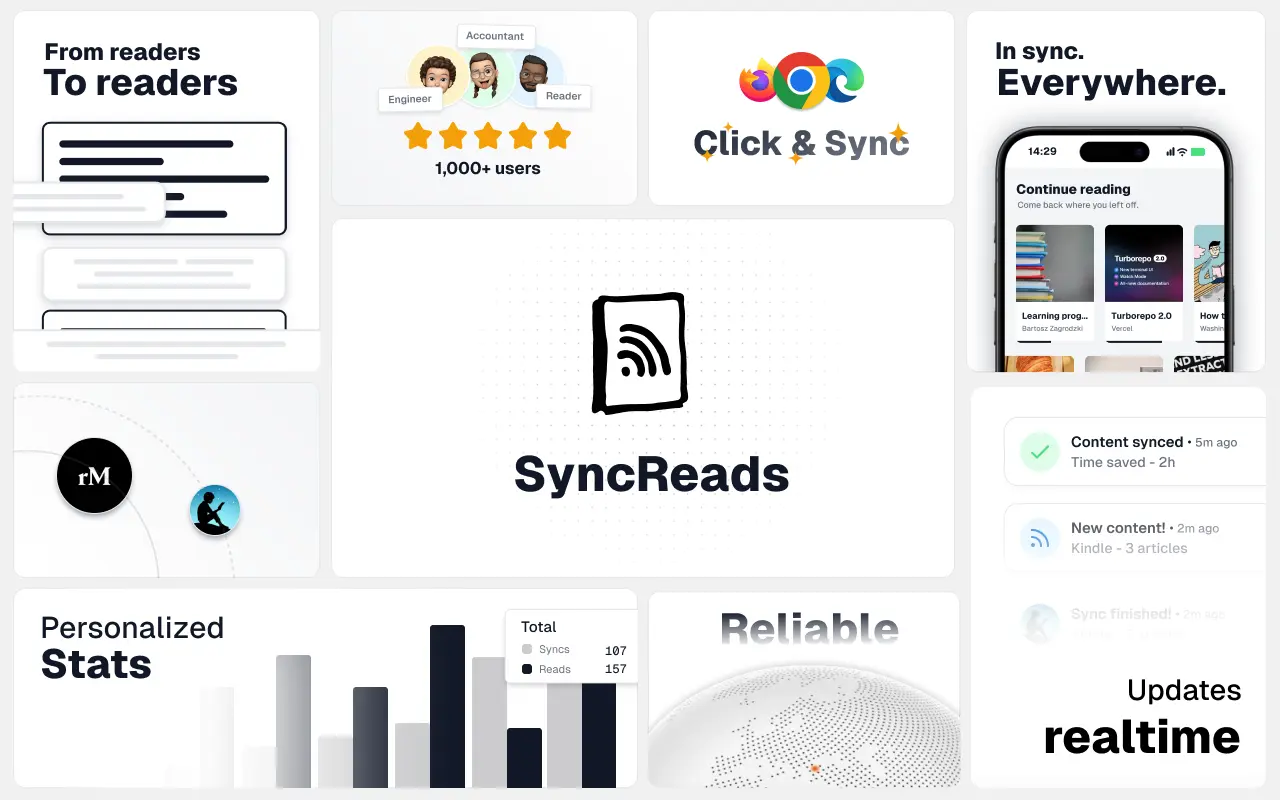
SyncReads
Sync your favorite content for distraction-free reading, save time and replace multiple apps. Anytime, anywhere 🔄
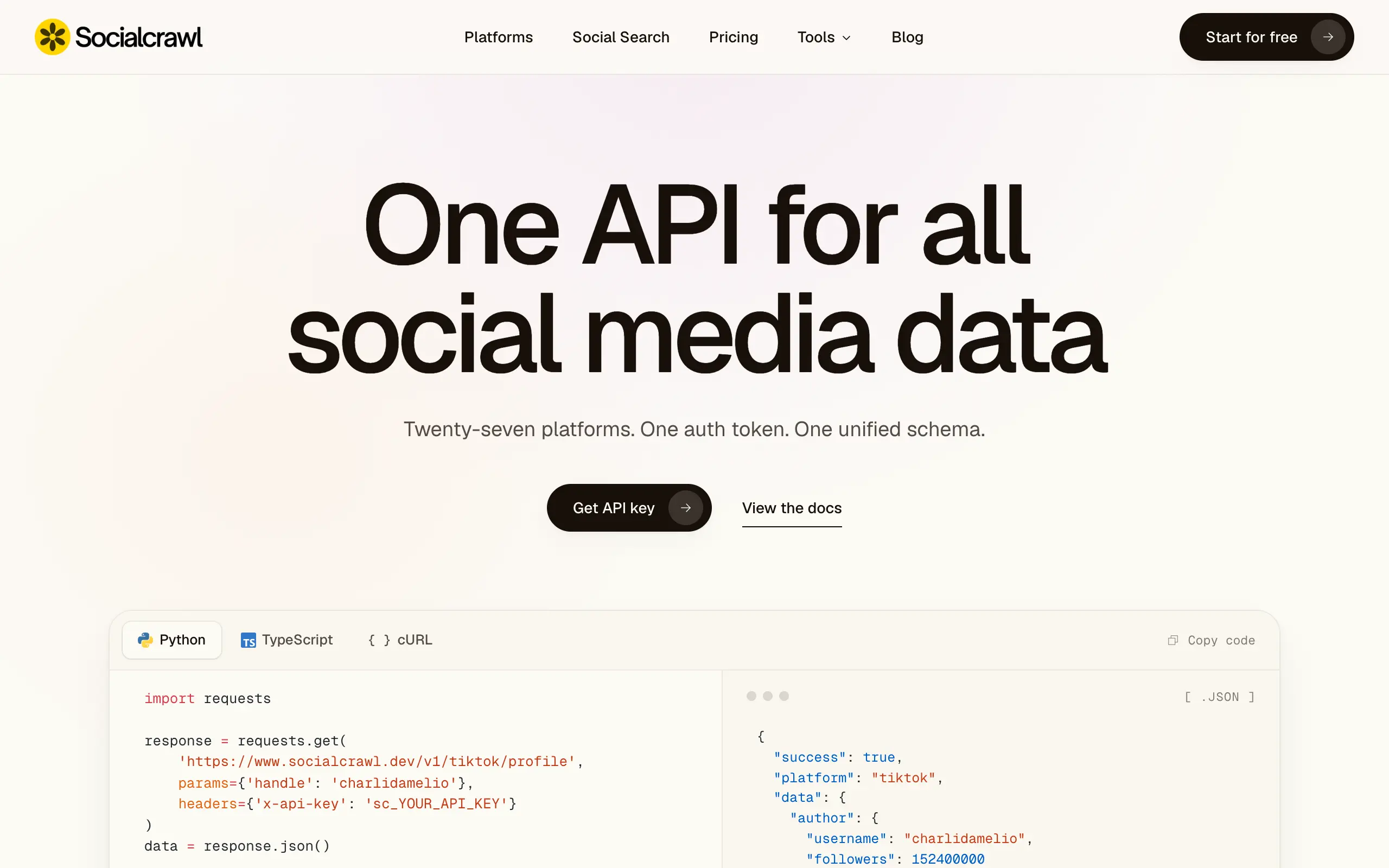
Socialcrawl
Get clean, structured data from 21 platforms like TikTok, Instagram, and YouTube with a single request 📊
Statiko
Monitor any Telegram channel in real time - track posts, edits, deletions, and growth with AI recaps 📡
Shibui
AI website builder - describe your business, pick a niche template, edit by chatting, and publish instantly ✨
Pro Service
Find verified home service professionals, compare quotes, and pay securely through escrow - built for Brazilians across the US 🏠
RankGrow
Fix your SEO with AI agents - connect Search Console, get prioritized tasks, and grow organic traffic 📈
SyncReads
Sync your favorite content for distraction-free reading, save time and replace multiple apps. Anytime, anywhere 🔄
Socialcrawl
Get clean, structured data from 21 platforms like TikTok, Instagram, and YouTube with a single request 📊
Statiko
Monitor any Telegram channel in real time - track posts, edits, deletions, and growth with AI recaps 📡
Shibui
AI website builder - describe your business, pick a niche template, edit by chatting, and publish instantly ✨
Pro Service
Find verified home service professionals, compare quotes, and pay securely through escrow - built for Brazilians across the US 🏠
RankGrow
Fix your SEO with AI agents - connect Search Console, get prioritized tasks, and grow organic traffic 📈
SyncReads
Sync your favorite content for distraction-free reading, save time and replace multiple apps. Anytime, anywhere 🔄
Socialcrawl
Get clean, structured data from 21 platforms like TikTok, Instagram, and YouTube with a single request 📊
Statiko
Monitor any Telegram channel in real time - track posts, edits, deletions, and growth with AI recaps 📡
Shibui
AI website builder - describe your business, pick a niche template, edit by chatting, and publish instantly ✨
Pro Service
Find verified home service professionals, compare quotes, and pay securely through escrow - built for Brazilians across the US 🏠
RankGrow
Fix your SEO with AI agents - connect Search Console, get prioritized tasks, and grow organic traffic 📈
SyncReads
Sync your favorite content for distraction-free reading, save time and replace multiple apps. Anytime, anywhere 🔄
Socialcrawl
Get clean, structured data from 21 platforms like TikTok, Instagram, and YouTube with a single request 📊
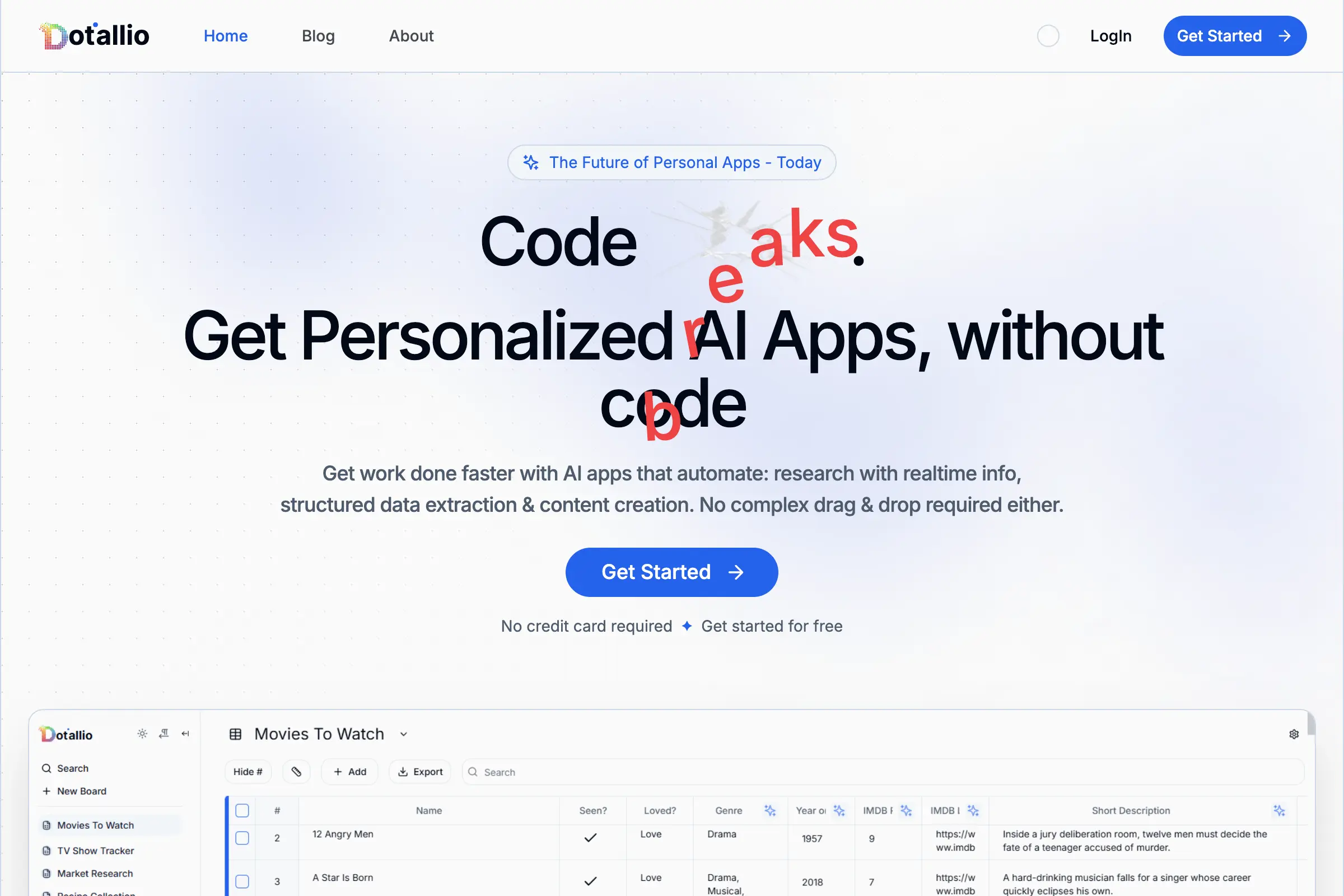
Dotallio
Personalized AI apps that automate research, data extraction, and content creation without code 🤖

Talk to Santa
Enjoy a magical live video chat or receive a unique AI-generated video greeting from Santa Claus 🎅

pozywka.pl
Scalable blog for food journalist, focused on performance and user experience 🌭
zagrodzki.me
Personal blog and portfolio of Bart Zagrodzki, where he shares his knowledge and work 💼
TurboStarter
Ship your startup everywhere. In minutes.
HTML to Markdown
Convert HTML to Markdown with ease, directly in your browser 📄
Dotallio
Personalized AI apps that automate research, data extraction, and content creation without code 🤖
Talk to Santa
Enjoy a magical live video chat or receive a unique AI-generated video greeting from Santa Claus 🎅
pozywka.pl
Scalable blog for food journalist, focused on performance and user experience 🌭
zagrodzki.me
Personal blog and portfolio of Bart Zagrodzki, where he shares his knowledge and work 💼
TurboStarter
Ship your startup everywhere. In minutes.
HTML to Markdown
Convert HTML to Markdown with ease, directly in your browser 📄
Dotallio
Personalized AI apps that automate research, data extraction, and content creation without code 🤖
Talk to Santa
Enjoy a magical live video chat or receive a unique AI-generated video greeting from Santa Claus 🎅
pozywka.pl
Scalable blog for food journalist, focused on performance and user experience 🌭
zagrodzki.me
Personal blog and portfolio of Bart Zagrodzki, where he shares his knowledge and work 💼
TurboStarter
Ship your startup everywhere. In minutes.
HTML to Markdown
Convert HTML to Markdown with ease, directly in your browser 📄
Dotallio
Personalized AI apps that automate research, data extraction, and content creation without code 🤖
Talk to Santa
Enjoy a magical live video chat or receive a unique AI-generated video greeting from Santa Claus 🎅
pozywka.pl
Scalable blog for food journalist, focused on performance and user experience 🌭
zagrodzki.me
Personal blog and portfolio of Bart Zagrodzki, where he shares his knowledge and work 💼
TurboStarter
Ship your startup everywhere. In minutes.
HTML to Markdown
Convert HTML to Markdown with ease, directly in your browser 📄
Omichat
Chat with 50+ AI models, including ChatGPT and Claude, in one place - switch models anytime without losing context 🤖
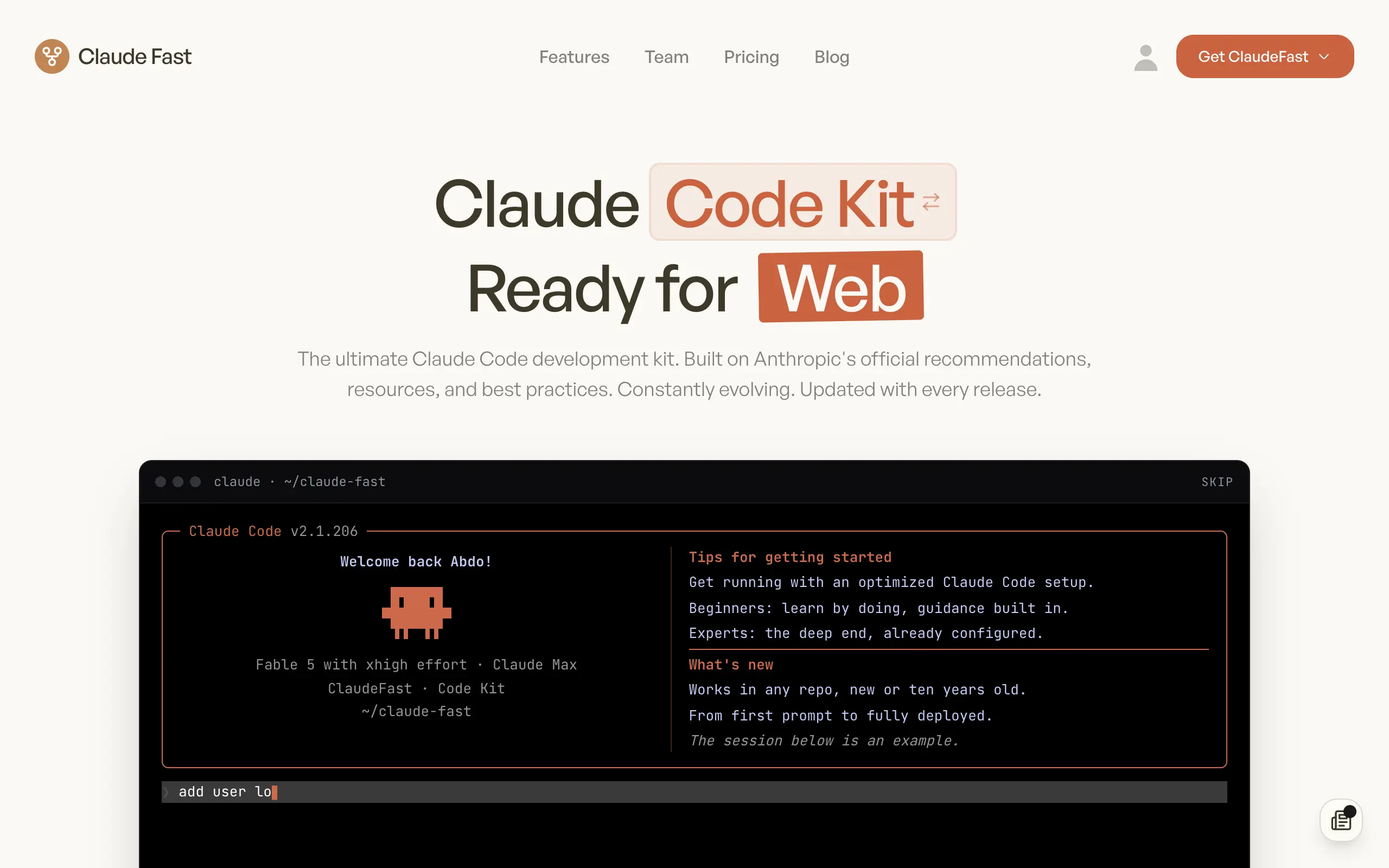
Claude Fast
Supercharge your Claude Code with 6x effective context window and specialized AI agents 🤖
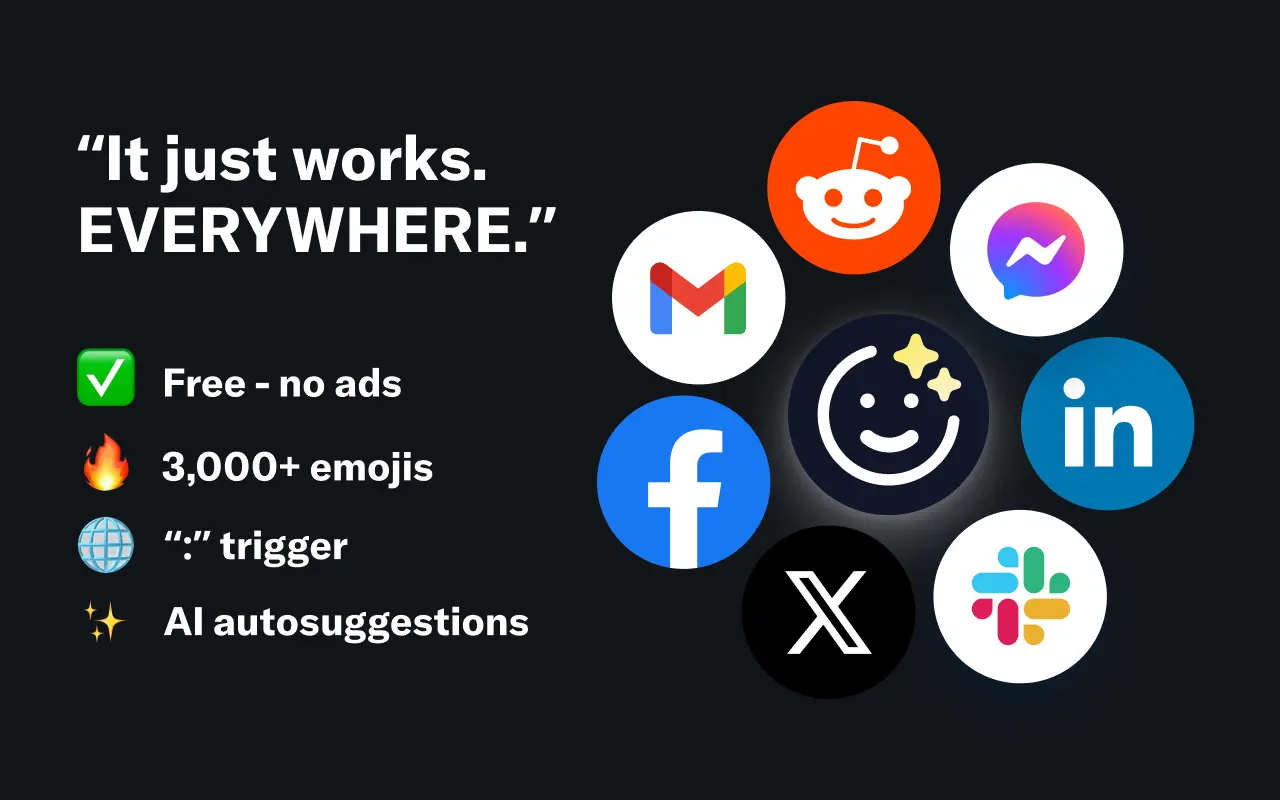
EmojAI
AI-powered emoji picker with smart, context-aware suggestions 🤖

Solohacker
Autonomous company launcher - AI agents work 24/7, escalate what matters, and you stay in control 🤖

BeRawi: Storytelling Coach
Practice storytelling daily with instant feedback to sound clearer, more engaging, and confident 🎤
Omichat
Chat with 50+ AI models, including ChatGPT and Claude, in one place - switch models anytime without losing context 🤖
Claude Fast
Supercharge your Claude Code with 6x effective context window and specialized AI agents 🤖
EmojAI
AI-powered emoji picker with smart, context-aware suggestions 🤖
Solohacker
Autonomous company launcher - AI agents work 24/7, escalate what matters, and you stay in control 🤖
BeRawi: Storytelling Coach
Practice storytelling daily with instant feedback to sound clearer, more engaging, and confident 🎤
Omichat
Chat with 50+ AI models, including ChatGPT and Claude, in one place - switch models anytime without losing context 🤖
Claude Fast
Supercharge your Claude Code with 6x effective context window and specialized AI agents 🤖
EmojAI
AI-powered emoji picker with smart, context-aware suggestions 🤖
Solohacker
Autonomous company launcher - AI agents work 24/7, escalate what matters, and you stay in control 🤖
BeRawi: Storytelling Coach
Practice storytelling daily with instant feedback to sound clearer, more engaging, and confident 🎤
Omichat
Chat with 50+ AI models, including ChatGPT and Claude, in one place - switch models anytime without losing context 🤖
Claude Fast
Supercharge your Claude Code with 6x effective context window and specialized AI agents 🤖
EmojAI
AI-powered emoji picker with smart, context-aware suggestions 🤖
Solohacker
Autonomous company launcher - AI agents work 24/7, escalate what matters, and you stay in control 🤖
BeRawi: Storytelling Coach
Practice storytelling daily with instant feedback to sound clearer, more engaging, and confident 🎤

Connect with like-minded people
Join our community to get feedback, support, and grow together with 1,000+ builders on board, let's ship it!
Join usShip your startup everywhere. In minutes.
Don't burn tokens on setup and start building features on day one.