MoveFlow
A consumer move-planning app that turns any relocation into a timed packing, purchasing and delivery plan with live task handoffs for family and helpers.
Why a move planning app solves an expensive consumer problem
Moving home is one of those life events that looks simple from a distance and becomes chaotic in practice. People must coordinate packing, address changes, purchases, deliveries, movers, children, pets, roommates, landlords, utilities, and an unpredictable number of last-minute tasks. Most households still manage this process with a mix of notes apps, spreadsheets, browser tabs, group chats, retailer emails, and memory.
That fragmented workflow is the opportunity behind MoveFlow, a consumer move-planning app that turns a relocation into a personalized, time-based plan for packing, purchasing, deliveries, and shared task handoffs.
The primary keyword for this product category is move planning app. Related search terms include relocation planner, moving checklist app, packing timeline, moving task manager, home move organizer, moving schedule, shared moving checklist, and moving house planner.
MoveFlow is not simply another static moving checklist. Its central value is operational coordination. It helps a household answer practical questions that generic lists cannot answer well:
- What needs to happen this week rather than eventually?
- Which room should be packed first based on the moving date?
- What items need to be purchased before packing can be completed?
- When should a bed, desk, appliance, or internet service be delivered?
- Which tasks belong to a partner, family member, friend, or paid helper?
- What is blocking the next stage of the move?
A strong move planning app reduces mental load by transforming a large, ambiguous project into an adaptive sequence of clear actions.
The core product thesis
MoveFlow should position itself as a relocation operating system for households, not as a digital version of a printable moving checklist.
The target audience for MoveFlow
The most promising MoveFlow customers are consumers dealing with a move that has enough complexity to make coordination painful, but not enough budget or need to hire a full-service relocation manager.
Primary audience: busy households and families
Families moving between homes are a strong initial market because they have more rooms, belongings, dependencies, and people to coordinate. Their moving process often includes school transitions, childcare needs, furniture purchases, address updates, and timing constraints around work.
Their main pain points include:
- Keeping track of dozens of time-sensitive tasks
- Coordinating a partner without repeating reminders
- Deciding what to pack, donate, sell, or replace
- Managing delivery windows around the moving date
- Making sure essential rooms are usable immediately after arrival
- Preventing last-minute surprises, such as missing utilities or unpacked bedding
For this audience, MoveFlow should emphasize calm, visibility, shared ownership, and family-friendly planning.
Secondary audience: first-time renters and homebuyers
First-time movers are likely to search for a moving checklist app because they do not yet have a reliable mental model for the process. They may not know when to reserve movers, update insurance, redirect mail, arrange utilities, or order essential furniture.
MoveFlow can offer significant value by converting uncertainty into guidance. Instead of presenting an overwhelming master checklist, the app can recommend tasks based on relocation type, property size, move date, household members, and whether the user is renting or buying.
Third audience: long-distance and multi-stage movers
Long-distance moves create special complexity around inventory, shipping, temporary storage, travel, delivery coordination, and move-in timing. These users are also more likely to need detailed task dependencies.
For example, users should be able to represent a dependency like this:
- “Book appliance delivery” only becomes urgent after the new address is confirmed.
- “Pack kitchen” should be split into everyday essentials and nonessential items.
- “Schedule internet installation” needs to happen before the household begins working remotely.
- “Arrange pet travel” may need to be completed before the final packing day.
Adjacent audience: helpers and informal coordinators
Not every MoveFlow user is the person moving. Adult children may coordinate a parent’s move. A friend may help a roommate organize a shared relocation. A partner may take responsibility for procurement and deliveries while another manages packing.
This creates a valuable collaboration angle. MoveFlow should support lightweight participation so helpers can complete assigned tasks without needing to become full administrators.
Families
Need shared responsibility, room-by-room packing plans, and a predictable move-in sequence.
First-time movers
Need education, confidence, and deadline-driven guidance rather than a generic checklist.
Long-distance movers
Need delivery tracking, dependency management, inventory visibility, and handoffs.
The market gap in consumer relocation planning
The moving market is crowded with blogs, printable checklists, moving company websites, inventory apps, marketplace listings, and calendar tools. However, consumers typically lack one practical workspace that connects the tasks across these services.
The gap is not a shortage of moving advice. It is a shortage of adaptive execution support.
Static moving checklists have several weaknesses:
- They assume every move follows the same timeline.
- They do not account for a user’s specific home, moving date, or household.
- They do not track dependencies between packing, purchasing, and delivery tasks.
- They do not make accountability visible across family members or helpers.
- They rarely adapt when a move date changes.
- They do not distinguish between “urgent,” “important,” and “blocked.”
A move planning app has an opportunity to own the active planning layer between inspiration and execution. The app does not need to replace moving companies, furniture retailers, calendar tools, or utility providers. Instead, it should coordinate the decisions and timing around them.
This market also benefits from recurring demand. Individual customers may use MoveFlow once every few years, but the broader audience is continuously refreshed by renters, buyers, families, students, and relocating professionals. The product needs a focused acquisition strategy because B2C relocation planning has low natural retention after a move is complete. The solution is to maximize transaction value, referrals, partnerships, and post-move utility.
Search intent MoveFlow should target
SEO content should satisfy different levels of intent rather than only targeting broad “moving checklist” queries.
| Search intent | Example query | What the visitor needs | Best MoveFlow response | Conversion path |
|---|---|---|---|---|
| Planning | moving checklist app | A usable plan | Interactive timeline | Create a free move |
| Timing | when to start packing for a move | Practical timing guidance | Dynamic packing schedule | Choose move date |
| Coordination | shared moving checklist | Task ownership | Family handoffs | Invite collaborators |
| Purchasing | what to buy before moving | Move-in essentials | Purchase and delivery plan | Build room plan |
For market-size statements or moving-industry data, publish references to authoritative sources such as national housing agencies, government migration reports, established real estate research organizations, and major moving industry associations. Avoid unsupported market-size claims in product pages. Trust is especially important when users are making expensive decisions.
MoveFlow’s unique value proposition
MoveFlow’s unique selling proposition is straightforward:
It converts a household move into a coordinated, date-aware execution plan with live task handoffs.
That positioning is more differentiated than “moving checklist app” because it describes the real outcome. Users do not merely want a list. They want to arrive at a functioning home with fewer missed tasks, fewer delivery conflicts, and less friction between the people helping.
A strong product promise could be:
Plan your move by date, room, and responsibility, then keep every packing, purchase, and delivery task moving forward.
The three product pillars are:
-
Adaptive planning
The plan changes based on the move date, property type, household profile, inventory, and selected priorities. -
Operational coordination
Tasks are assigned, acknowledged, completed, blocked, or handed off with visible ownership. -
Move-in readiness
MoveFlow connects packing tasks with purchases and delivery timing so essential rooms work from day one.
This is particularly valuable because the move itself is not the finish line. A successful move means the household can sleep, eat, work, bathe, and care for children or pets without unnecessary disruption.
Core MoveFlow features for an effective relocation planner
Personalized onboarding and move profile
The first-run experience should collect only the information required to produce a useful plan. Excessive setup creates abandonment, while too little information produces generic recommendations.
A practical onboarding flow can ask for:
- Move date or estimated move window
- Current and new home type
- Number of bedrooms and key rooms
- Household size
- Children, pets, and accessibility needs
- Rental, purchase, or temporary move type
- Local, long-distance, or international relocation
- Whether movers, storage, or self-moving are involved
- Major purchases expected before move-in
- People who will help manage the move
The app should clearly explain why each answer matters. For example, a user who has children should receive an earlier plan for school records, bedroom setup, and childcare coverage on moving day.
Dynamic moving timeline
The timeline is the heart of the move planning app. Rather than showing a fixed “eight weeks before moving” checklist, MoveFlow should calculate work based on the user’s move date and available time.
A robust task engine can sort tasks into:
- Critical tasks that have hard deadlines
- Recommended tasks that reduce future stress
- Optional optimization tasks, such as selling unused furniture
- Blocked tasks that require a previous action
- Delegated tasks that need another person’s confirmation
Each task should contain a deadline, estimated effort, owner, room or category, dependencies, status, notes, and attachments when useful.
A user who changes the move date should not need to rebuild the plan. MoveFlow should recalculate deadlines while preserving tasks that are already complete or intentionally scheduled.
Room-by-room packing plans
Generic packing lists often fail because users do not know where to begin. A room-based approach is easier to understand and easier to delegate.
MoveFlow can create packing workstreams for:
- Kitchen and pantry
- Bedrooms and closets
- Bathrooms
- Living room and entertainment equipment
- Home office
- Garage, basement, attic, or storage areas
- Children’s rooms
- Pet supplies
- Outdoor items
Each room plan should distinguish between items that can be packed early, items required until moving day, and a small “first night” essentials group.
The app can also use simple prompts such as “How often do you use this?” or “Will this be replaced before the move?” to determine whether an item should be packed, donated, sold, stored, or purchased new.
Purchase and delivery coordination
This is a key differentiator for MoveFlow. Many households need to buy furniture, cleaning supplies, curtains, tools, storage items, appliances, or move-in essentials. Those purchases create timing risks.
A delivery planning module should allow users to track:
- Item name and room destination
- Purchase status
- Budget estimate and actual cost
- Delivery date or delivery window
- Seller or retailer details
- Assembly requirement
- Required dependencies, such as building access or someone being home
- Delivery owner and backup contact
The product should flag risky delivery conflicts. For example, it can warn users if a mattress is scheduled after the first night or if a refrigerator delivery overlaps with a building’s move-in restrictions.
Shared tasks and live handoffs
MoveFlow’s collaboration model should be intentionally simple. Most households do not need enterprise project management features. They need clarity.
Every task should have one accountable owner, optional helpers, a due date, and a status. A handoff occurs when the task cannot proceed without another person.
Examples include:
- One partner packs the home office, then hands off donation items for collection.
- A family member orders a washing machine, then hands off delivery acceptance to someone at the new home.
- A helper picks up packing supplies, then marks the task ready for the packing lead.
- A roommate cancels old utilities, then assigns the new account setup to another roommate.
A useful status model could include not_started, in_progress, waiting_on_someone, blocked, ready_for_handoff, and done.
type MoveTaskStatus =
  | "not_started"
  | "in_progress"
  | "waiting_on_someone"
  | "blocked"
  | "ready_for_handoff"
  | "done";

type MoveTask = {
  id: string;
  title: string;
  dueDate: string;
  ownerId: string;
  room?: string;
  status: MoveTaskStatus;
  dependencyIds: string[];
  handoffNote?: string;
};
Move-day and first-night mode
Move day is stressful because the household is operating under time pressure. The app should simplify rather than add complexity.
A dedicated move-day view can prioritize:
- Essential documents and keys
- Final meter readings or property photos
- Moving vehicle or mover arrival details
- Critical contact numbers
- Inventory checks
- Essentials bag confirmation
- Immediate cleaning tasks
- First-night setup checklist
- Delivery acceptance and damage documentation
The first-night checklist should cover the minimum viable home. This is a powerful emotional benefit because it turns “we have arrived” into “we can function.”
Focus on reservations, utilities, packing, inventory, address changes, and delivery bookings.
Surface only critical tasks such as keys, movers, documents, essential bags, property checks, and immediate access.
Guide unpacking priorities, furniture assembly, repairs, local services, and household settling tasks.
Recommended tech stack for a scalable move planning app
MoveFlow should prioritize speed, reliability, privacy, and excellent mobile usability. Consumers are likely to update tasks while standing in a store, packing a room, accepting a delivery, or communicating with helpers.
A web-first responsive product can validate demand quickly, while native mobile apps can follow after the planning workflow is proven.
Suggested product architecture
-
Frontend
Build a responsive web app with React and Next.js. Next.js supports search-friendly content pages, server-side rendering, route handling, and application features in one ecosystem. -
Styling
Use Tailwind CSS for consistent responsive UI development. The trade-off is that utility-first styling requires a disciplined component system to prevent inconsistent patterns. -
Backend and database
Use PostgreSQL for relational data such as households, members, tasks, handoffs, purchases, deliveries, and audit events. Relational modeling is a better fit than a document-only database because task ownership and dependencies require reliable joins and constraints. -
Authentication
Use an established authentication provider or framework-supported solution with email login, social login, invitation flows, and secure session management. Household collaboration depends on frictionless invites. -
Real-time updates
Add real-time events only where they improve coordination, such as task reassignment, comments, handoffs, and delivery updates. Full real-time synchronization adds complexity, so begin with optimistic updates and selective event subscriptions. -
Notifications
Start with email and browser notifications. Add push notifications after users demonstrate a need for urgent reminders and handoff prompts. -
Payments
Use Stripe for subscriptions and one-time move-plan upgrades. Stripe reduces payment-compliance overhead and supports pricing experiments. -
Analytics
Track activation events, task completion, collaborator invites, delivery plans created, first-week retention, conversion, and referral actions. Product analytics should support decisions, not become a surveillance layer.
Data model considerations
The core data model should separate a move from a user. A household can have multiple members, and a user may eventually manage more than one move. This is useful for repeat relocations, helping relatives, or coordinating a second property.
Key entities include:
usershouseholdshousehold_membersmovesroomstaskstask_dependenciestask_assignmentshandoffspurchasesdeliveriesnotificationsactivity_events
Privacy deserves special attention. A relocation app may hold addresses, move dates, household composition, delivery details, and access instructions. Collect only necessary data, encrypt sensitive information at rest where appropriate, use role-based access, and provide clear account deletion controls.
Monetization strategies for MoveFlow
A B2C move planning app should monetize around the period of highest value, which is usually the weeks before and shortly after relocation. A subscription can work, but a one-time move pass may better match consumer expectations.
Freemium with a premium move pass
The free plan can provide a standard moving checklist, basic timeline, and limited household sharing. A paid move pass can unlock advanced planning features for one active move.
Premium features may include:
- Fully personalized timeline
- Unlimited collaborators and handoffs
- Purchase and delivery planning
- Budget tracking
- Advanced reminders
- Exportable move binder
- Inventory and high-value item tracking
- Move-day mode
- Post-move settling plan
A one-time price reduces subscription friction for users who know they only need the app for a few months.
Monthly subscription for active moves
A monthly plan can suit long-distance moves, multi-stage moves, or users who want ongoing support. This model may be easier to test operationally, but it risks poor sentiment if customers forget to cancel after their move.
Mitigate this by offering a clear planned end date, pause option, and automatic conversion to a free post-move archive.
Partner referrals and affiliate revenue
MoveFlow can later earn referral revenue from relevant providers, but this should not compromise planning quality. Potential categories include:
- Moving companies
- Storage providers
- Utility connection services
- Cleaning services
- Furniture and appliance retailers
- Packing supply vendors
- Insurance providers
The main risk is trust erosion. Recommendations must be clearly labeled, optional, relevant to the user’s location, and never allowed to override the best task timing.
B2B2C partnerships
Partnerships with real estate agents, property managers, employers, mortgage brokers, and relocation services could provide lower-cost acquisition. These partners may offer MoveFlow as a client benefit or branded onboarding tool.
This model can become defensible, but it should come after the direct-to-consumer experience is validated. A weak consumer product will not become strong merely because it is white-labeled.
Competitive advantage and defensibility
MoveFlow will compete indirectly with task managers, calendars, moving company checklists, household apps, inventory tools, and general-purpose AI assistants. Its advantage comes from being purpose-built for the moving workflow.
MoveFlow compared with general task management apps
General task managers are flexible, but that flexibility puts planning labor back on the user. A customer must create tasks, determine sequence, assign ownership, and remember critical dependencies.
MoveFlow provides structured defaults. The app understands that a move has rooms, move dates, delivery windows, essential items, handoffs, and first-night priorities.
MoveFlow compared with static moving checklists
Static checklists can be useful acquisition content, but they are not operational products. They do not react when timelines change, tasks are delegated, or deliveries move.
MoveFlow should offer checklist-quality education while adding personalization, status visibility, and collaboration.
MoveFlow compared with moving service platforms
Moving service marketplaces can help users book providers, but they often do not manage the complete household move. MoveFlow can remain service-neutral and become the trusted planning layer across vendors.
Its long-term moat can come from:
- A high-quality relocation task taxonomy
- Rules for dynamic task timing and dependencies
- A dataset of anonymized planning patterns, handled with privacy safeguards
- Household collaboration workflows designed for low technical effort
- Partner integrations that are useful without becoming intrusive
- Strong SEO content around every stage of the relocation journey
Risks and mitigation for a relocation planning SaaS
Most consumers do not move frequently. Design the business around one-time value, referrals, move archives, and useful post-move features instead of assuming long subscriptions.
A generic plan feels like a blog checklist. Use onboarding data, editable templates, and feedback loops to make recommendations clearly relevant.
Too many reminders create distrust and app abandonment. Let users choose reminder intensity, quiet hours, and which categories deserve urgent alerts.
Treat address information, access instructions, and household details as sensitive. Minimize collection, apply strict access controls, and explain data practices in plain language.
Keep paid placements separate from task logic. Disclose commercial relationships and always preserve a neutral planning experience.
The biggest product risk is building too much before proving the core behavior. MoveFlow does not need a moving marketplace, full inventory scanner, AI concierge, and dozens of integrations on day one. It needs users to create a move, complete tasks, invite helpers, and feel that the timeline reduced stress.
An actionable MVP implementation plan
The MVP should focus on a narrow but complete outcome: help a household coordinate a move from planning through the first week in the new home.
A practical MVP metric set could include:
- Percentage of users who generate a plan after onboarding
- Percentage who complete at least five tasks in the first seven days
- Percentage who invite at least one collaborator
- Percentage who create a delivery or purchase plan
- Percentage who return during the final week before moving
- Percentage who report that MoveFlow reduced moving stress
- Conversion rate from free plan to premium move pass
Qualitative interviews are equally important. Ask customers what they almost forgot, where the timeline felt wrong, which tasks they delegated, and what caused the most anxiety. Those answers will improve the planning rules faster than adding broad feature sets.
For rapid implementation, a production-ready SaaS foundation can reduce time spent on non-differentiating work such as authentication, billing, database setup, and account management. TurboStarter can be a useful starting point for founders who want to focus their engineering effort on MoveFlow’s relocation workflow instead of rebuilding standard SaaS infrastructure.
Final recommendation
MoveFlow has a credible B2C SaaS opportunity because moving is a high-stress, deadline-driven consumer workflow that remains poorly coordinated by existing tools. The strongest version of the product is not an information library and not a generic to-do list.
It is a personalized move planning app that gives each household a realistic timeline, makes responsibility visible, connects purchases to delivery timing, and guides users toward a functional first night in their new home.
Start with the core planning engine and shared task handoffs. If users consistently complete tasks, invite helpers, and report lower stress, MoveFlow can expand into delivery coordination, partner services, move budgeting, inventory, and post-move settling. The product’s durable advantage will come from making one of life’s most fragmented projects feel organized, collaborative, and manageable.
More 👥 B2C Application SaaS ideas
Discover more innovative b2c application SaaS ideas that are trending in 2026. Each idea is AI-generated with market validation and growth potential to help you find your next profitable venture faster than competitors.
Your competitors are building with TurboStarter
Below are some of the SaaS ideas that have been generated and built with our starter kit.
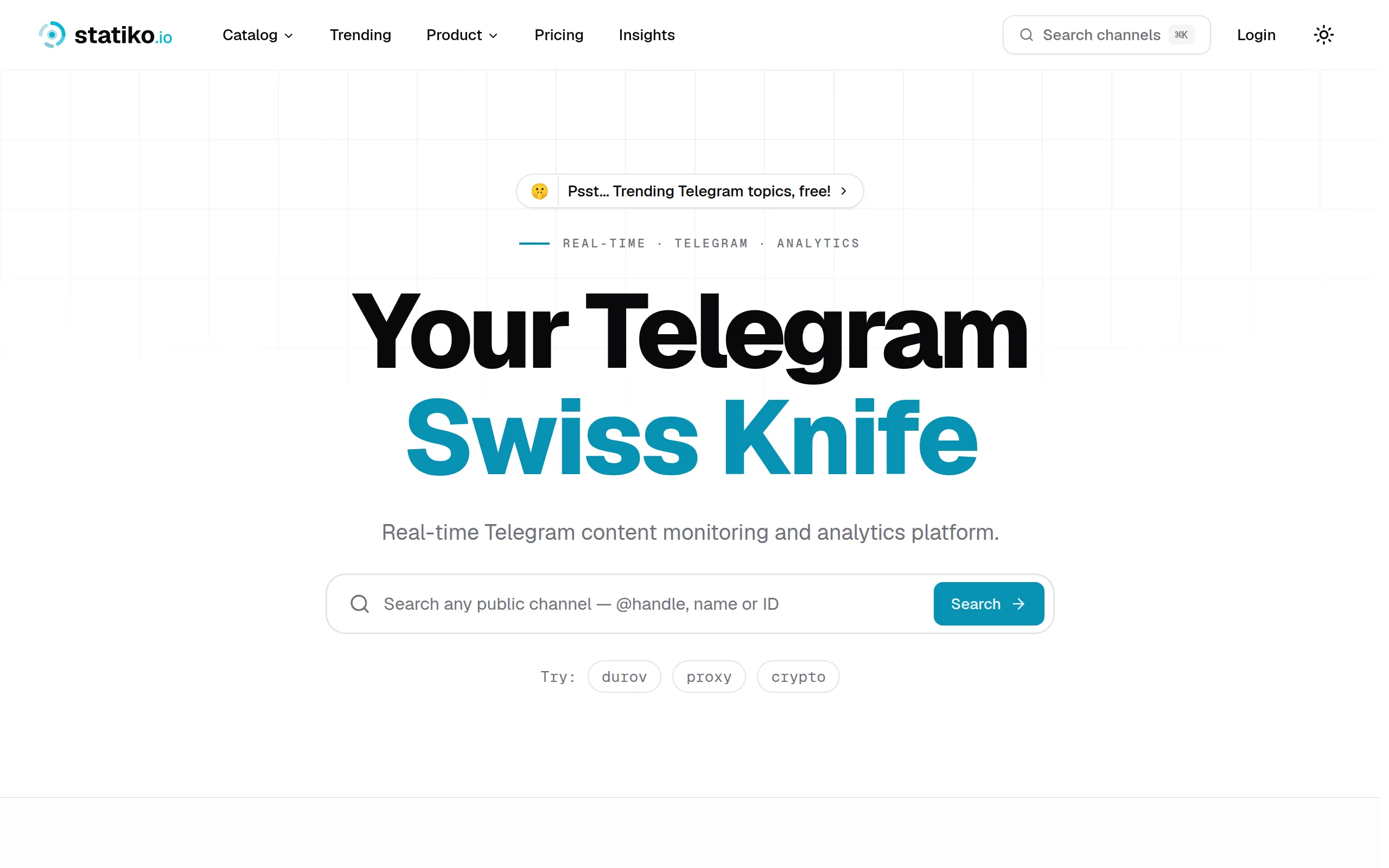
Statiko
Monitor any Telegram channel in real time - track posts, edits, deletions, and growth with AI recaps 📡

Shibui
AI website builder - describe your business, pick a niche template, edit by chatting, and publish instantly ✨
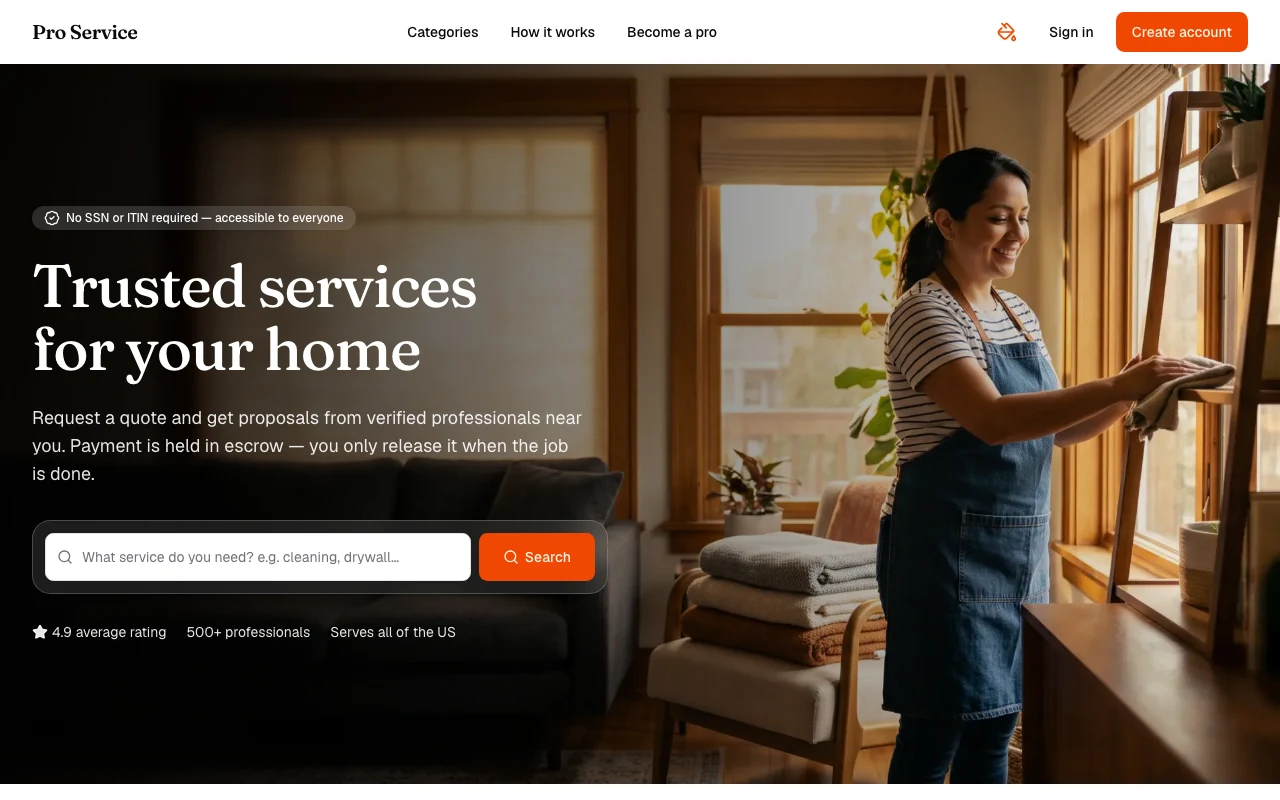
Pro Service
Find verified home service professionals, compare quotes, and pay securely through escrow - built for Brazilians across the US 🏠
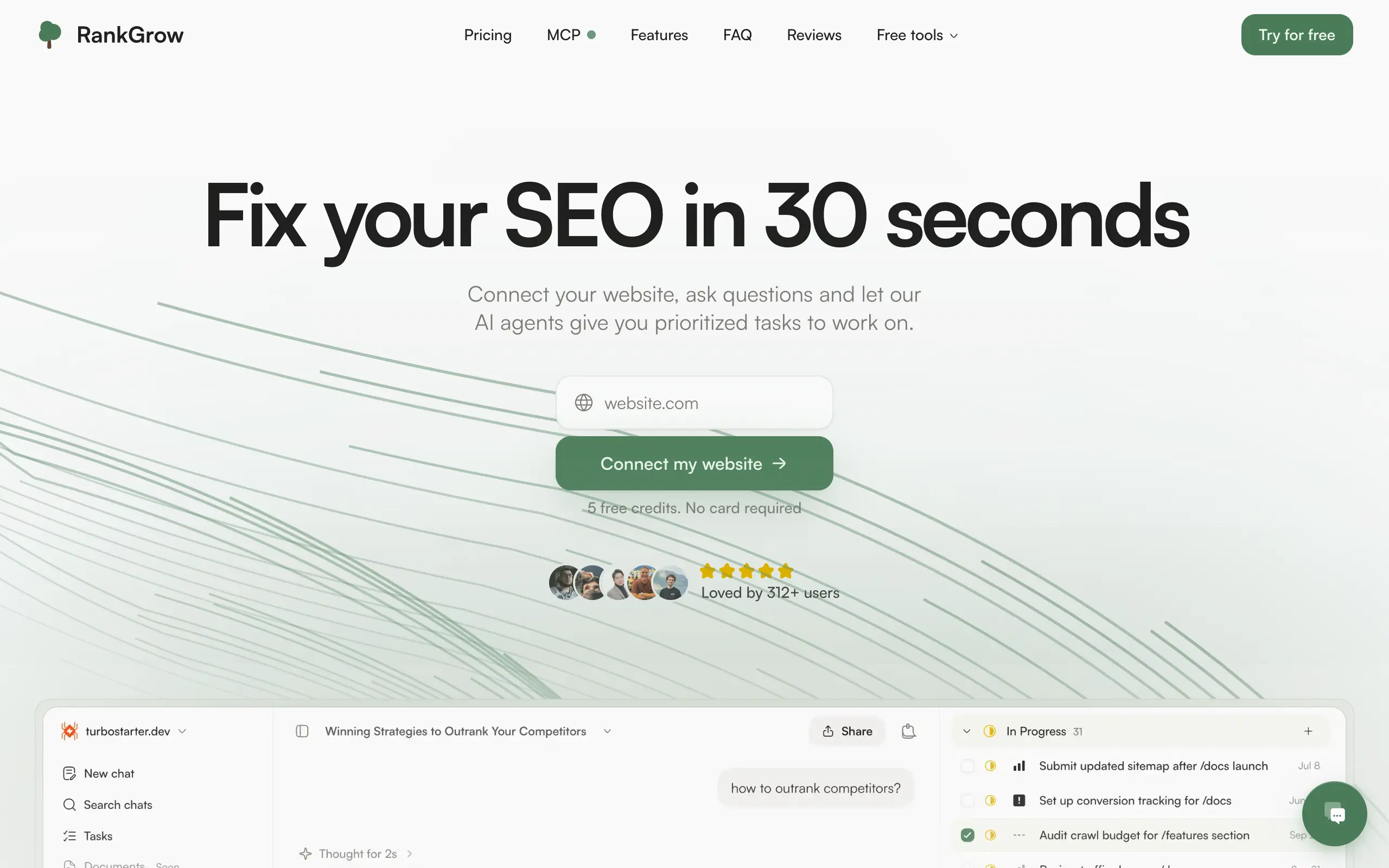
RankGrow
Fix your SEO with AI agents - connect Search Console, get prioritized tasks, and grow organic traffic 📈
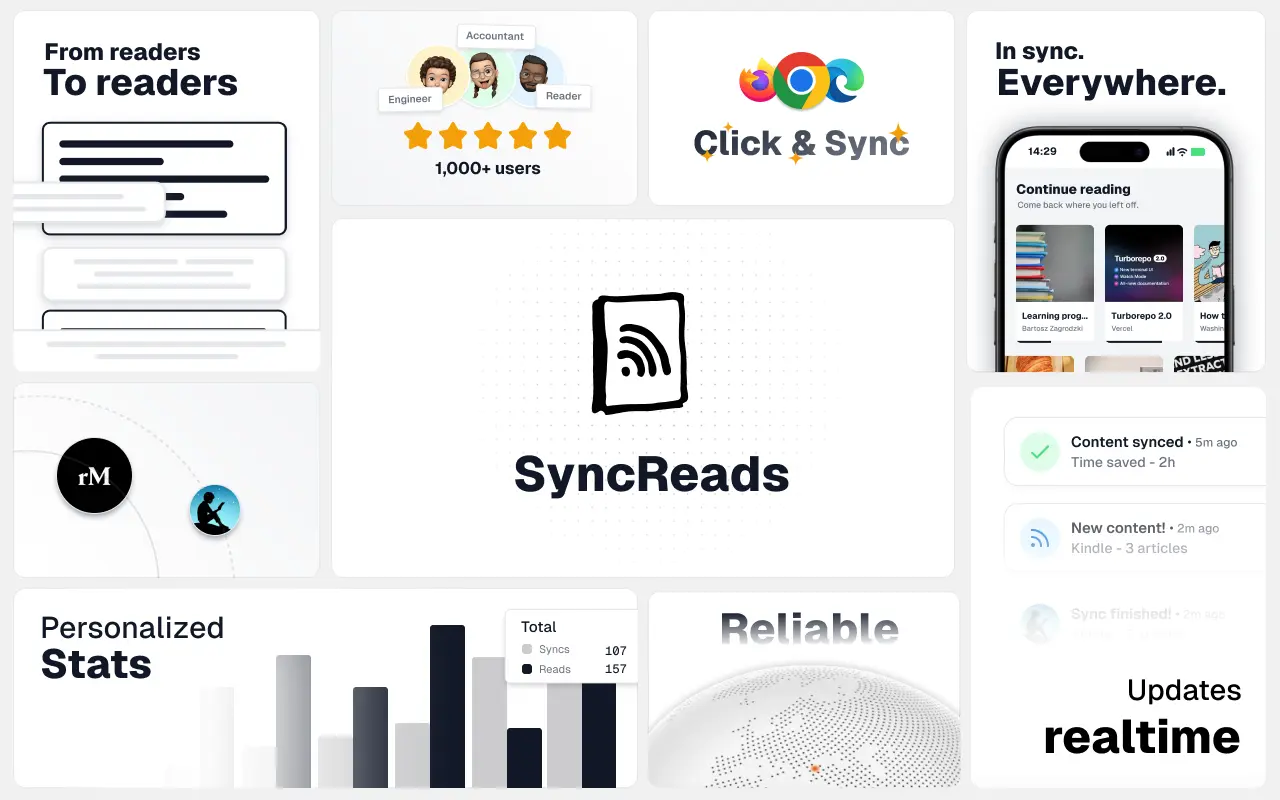
SyncReads
Sync your favorite content for distraction-free reading, save time and replace multiple apps. Anytime, anywhere 🔄
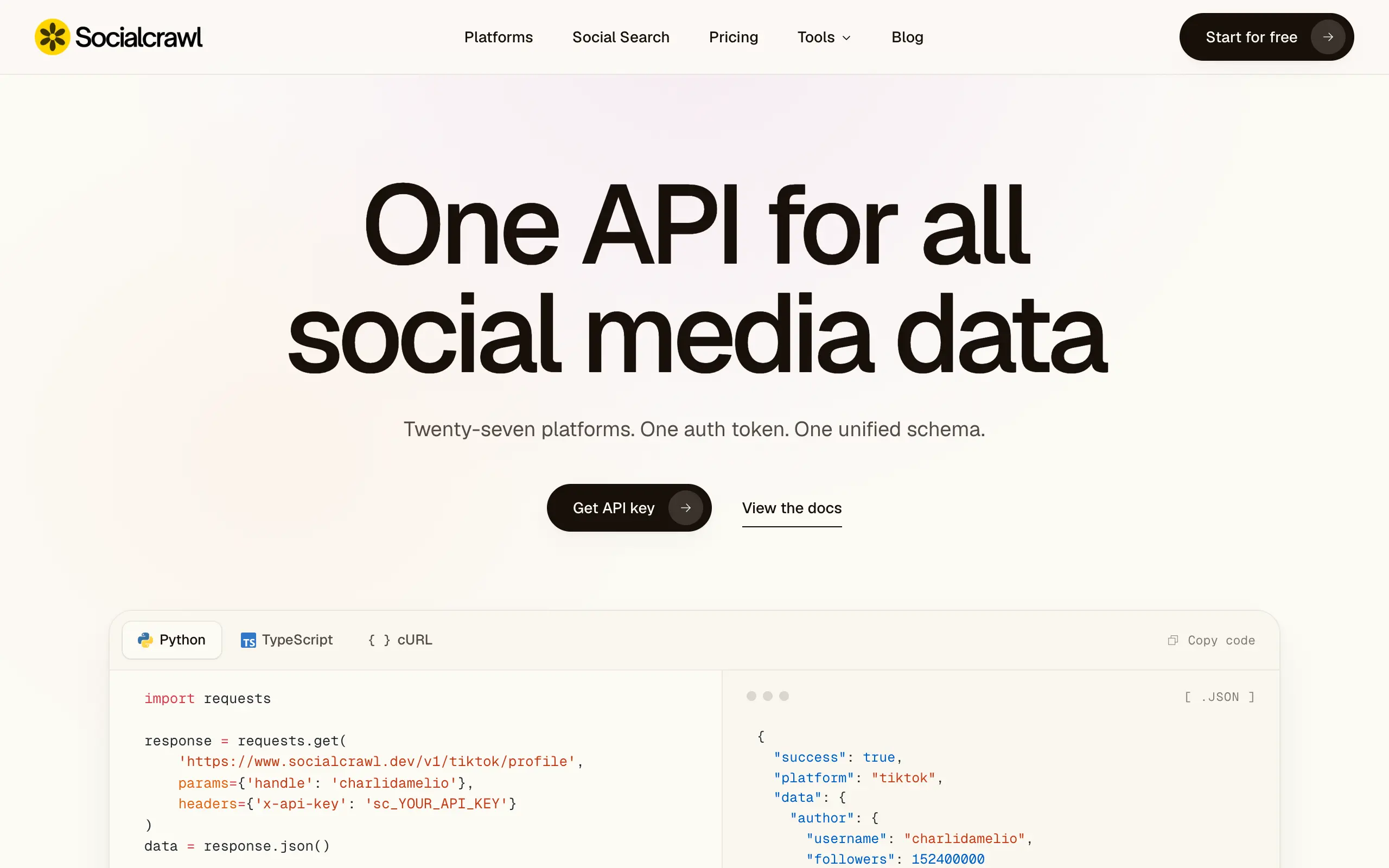
Socialcrawl
Get clean, structured data from 21 platforms like TikTok, Instagram, and YouTube with a single request 📊
Statiko
Monitor any Telegram channel in real time - track posts, edits, deletions, and growth with AI recaps 📡
Shibui
AI website builder - describe your business, pick a niche template, edit by chatting, and publish instantly ✨
Pro Service
Find verified home service professionals, compare quotes, and pay securely through escrow - built for Brazilians across the US 🏠
RankGrow
Fix your SEO with AI agents - connect Search Console, get prioritized tasks, and grow organic traffic 📈
SyncReads
Sync your favorite content for distraction-free reading, save time and replace multiple apps. Anytime, anywhere 🔄
Socialcrawl
Get clean, structured data from 21 platforms like TikTok, Instagram, and YouTube with a single request 📊
Statiko
Monitor any Telegram channel in real time - track posts, edits, deletions, and growth with AI recaps 📡
Shibui
AI website builder - describe your business, pick a niche template, edit by chatting, and publish instantly ✨
Pro Service
Find verified home service professionals, compare quotes, and pay securely through escrow - built for Brazilians across the US 🏠
RankGrow
Fix your SEO with AI agents - connect Search Console, get prioritized tasks, and grow organic traffic 📈
SyncReads
Sync your favorite content for distraction-free reading, save time and replace multiple apps. Anytime, anywhere 🔄
Socialcrawl
Get clean, structured data from 21 platforms like TikTok, Instagram, and YouTube with a single request 📊
Statiko
Monitor any Telegram channel in real time - track posts, edits, deletions, and growth with AI recaps 📡
Shibui
AI website builder - describe your business, pick a niche template, edit by chatting, and publish instantly ✨
Pro Service
Find verified home service professionals, compare quotes, and pay securely through escrow - built for Brazilians across the US 🏠
RankGrow
Fix your SEO with AI agents - connect Search Console, get prioritized tasks, and grow organic traffic 📈
SyncReads
Sync your favorite content for distraction-free reading, save time and replace multiple apps. Anytime, anywhere 🔄
Socialcrawl
Get clean, structured data from 21 platforms like TikTok, Instagram, and YouTube with a single request 📊
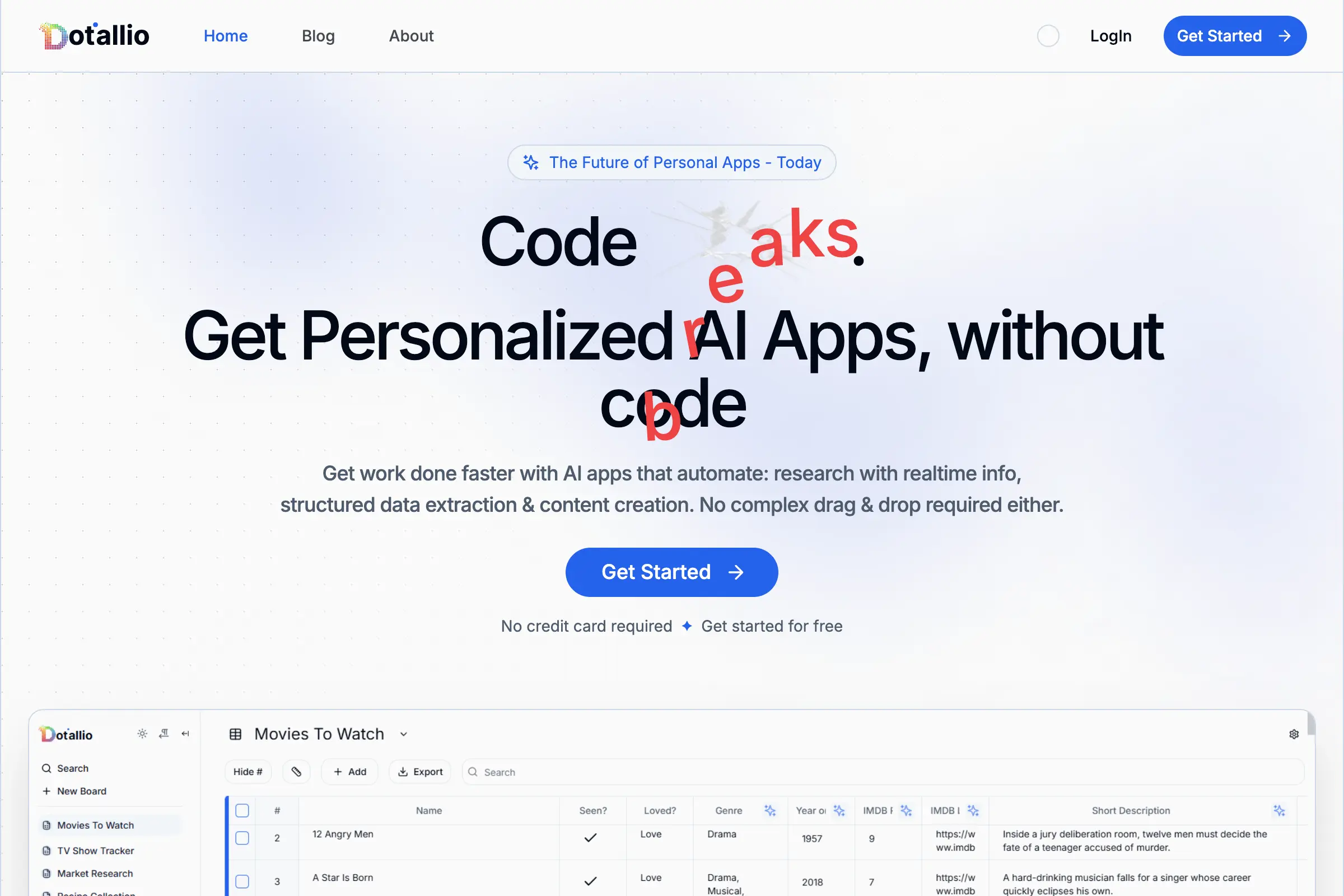
Dotallio
Personalized AI apps that automate research, data extraction, and content creation without code 🤖
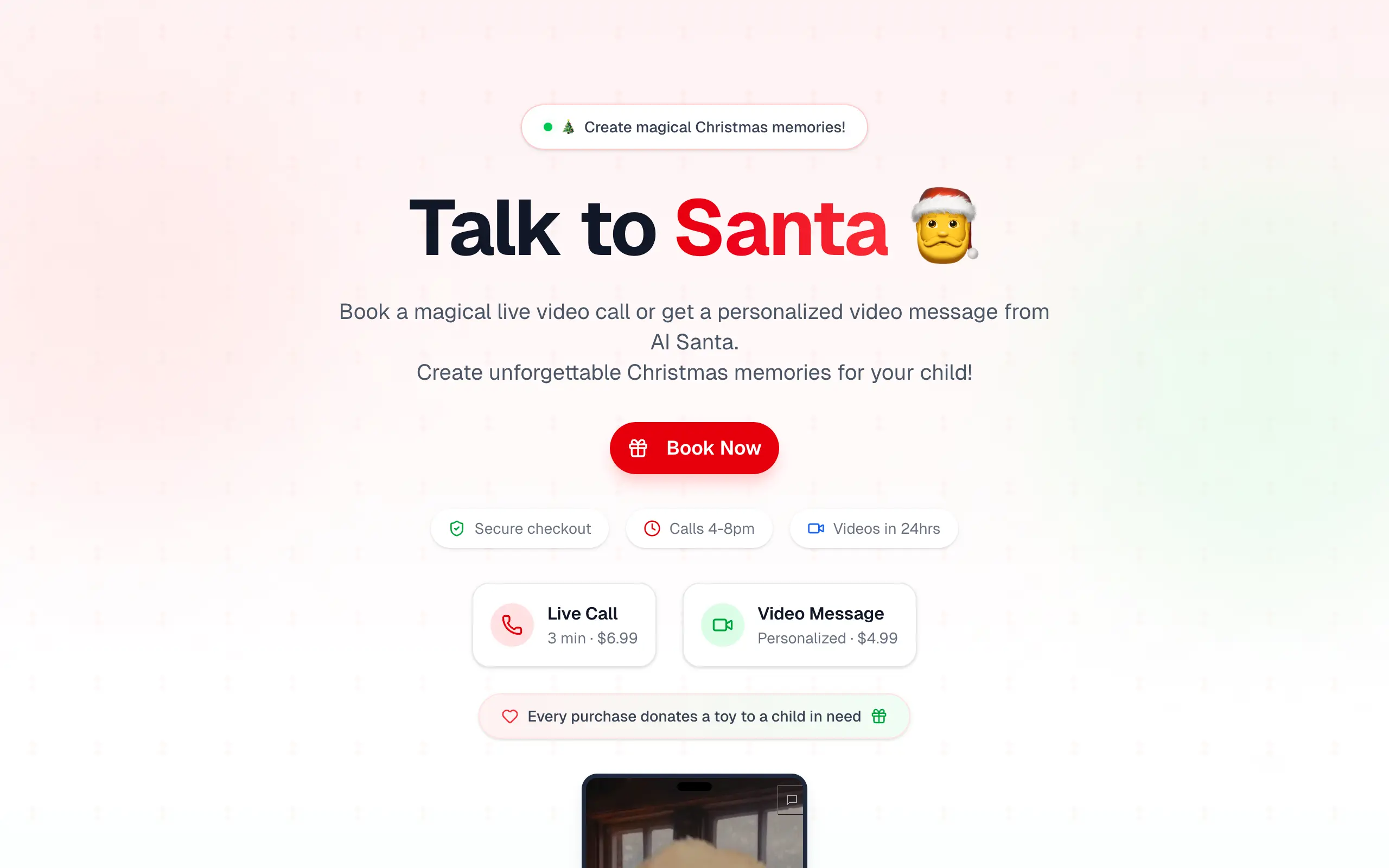
Talk to Santa
Enjoy a magical live video chat or receive a unique AI-generated video greeting from Santa Claus 🎅
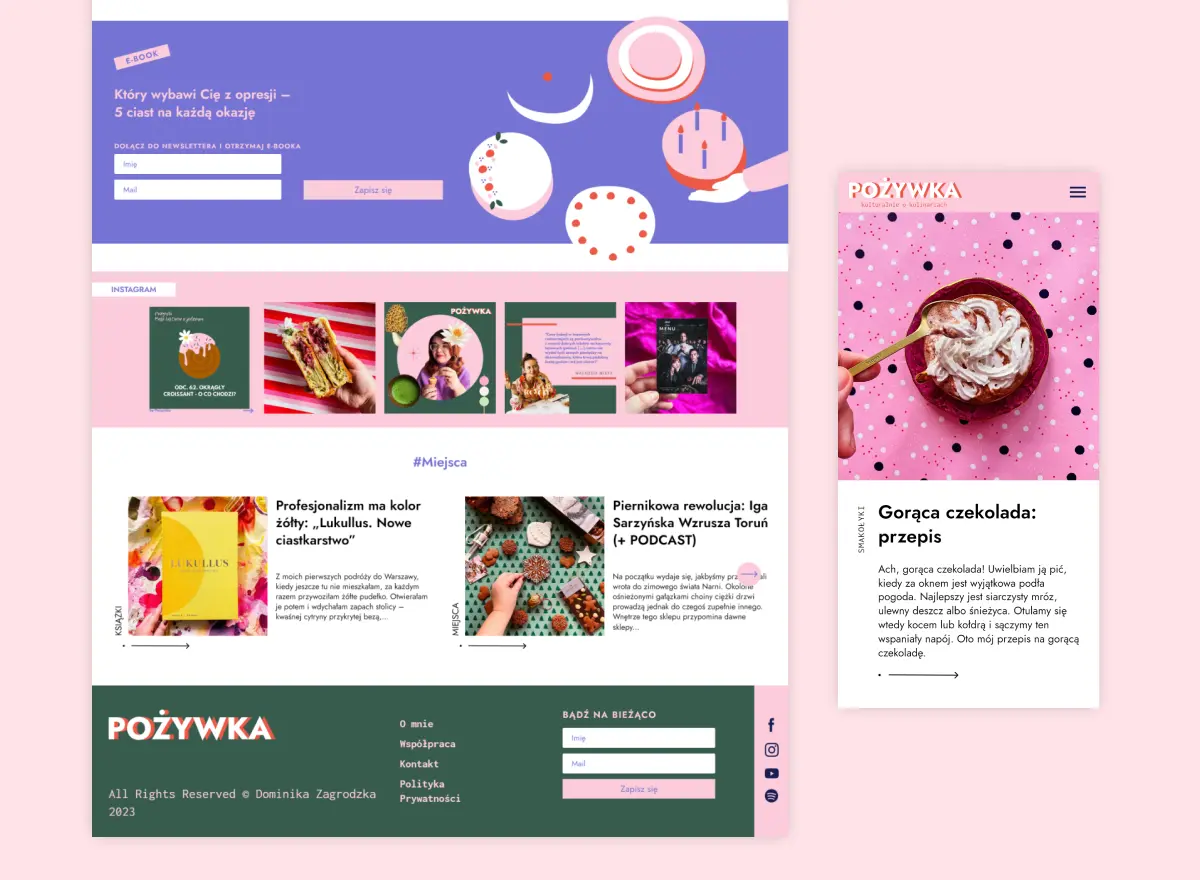
pozywka.pl
Scalable blog for food journalist, focused on performance and user experience 🌭
zagrodzki.me
Personal blog and portfolio of Bart Zagrodzki, where he shares his knowledge and work 💼
TurboStarter
Ship your startup everywhere. In minutes.
HTML to Markdown
Convert HTML to Markdown with ease, directly in your browser 📄
Dotallio
Personalized AI apps that automate research, data extraction, and content creation without code 🤖
Talk to Santa
Enjoy a magical live video chat or receive a unique AI-generated video greeting from Santa Claus 🎅
pozywka.pl
Scalable blog for food journalist, focused on performance and user experience 🌭
zagrodzki.me
Personal blog and portfolio of Bart Zagrodzki, where he shares his knowledge and work 💼
TurboStarter
Ship your startup everywhere. In minutes.
HTML to Markdown
Convert HTML to Markdown with ease, directly in your browser 📄
Dotallio
Personalized AI apps that automate research, data extraction, and content creation without code 🤖
Talk to Santa
Enjoy a magical live video chat or receive a unique AI-generated video greeting from Santa Claus 🎅
pozywka.pl
Scalable blog for food journalist, focused on performance and user experience 🌭
zagrodzki.me
Personal blog and portfolio of Bart Zagrodzki, where he shares his knowledge and work 💼
TurboStarter
Ship your startup everywhere. In minutes.
HTML to Markdown
Convert HTML to Markdown with ease, directly in your browser 📄
Dotallio
Personalized AI apps that automate research, data extraction, and content creation without code 🤖
Talk to Santa
Enjoy a magical live video chat or receive a unique AI-generated video greeting from Santa Claus 🎅
pozywka.pl
Scalable blog for food journalist, focused on performance and user experience 🌭
zagrodzki.me
Personal blog and portfolio of Bart Zagrodzki, where he shares his knowledge and work 💼
TurboStarter
Ship your startup everywhere. In minutes.
HTML to Markdown
Convert HTML to Markdown with ease, directly in your browser 📄
Omichat
Chat with 50+ AI models, including ChatGPT and Claude, in one place - switch models anytime without losing context 🤖
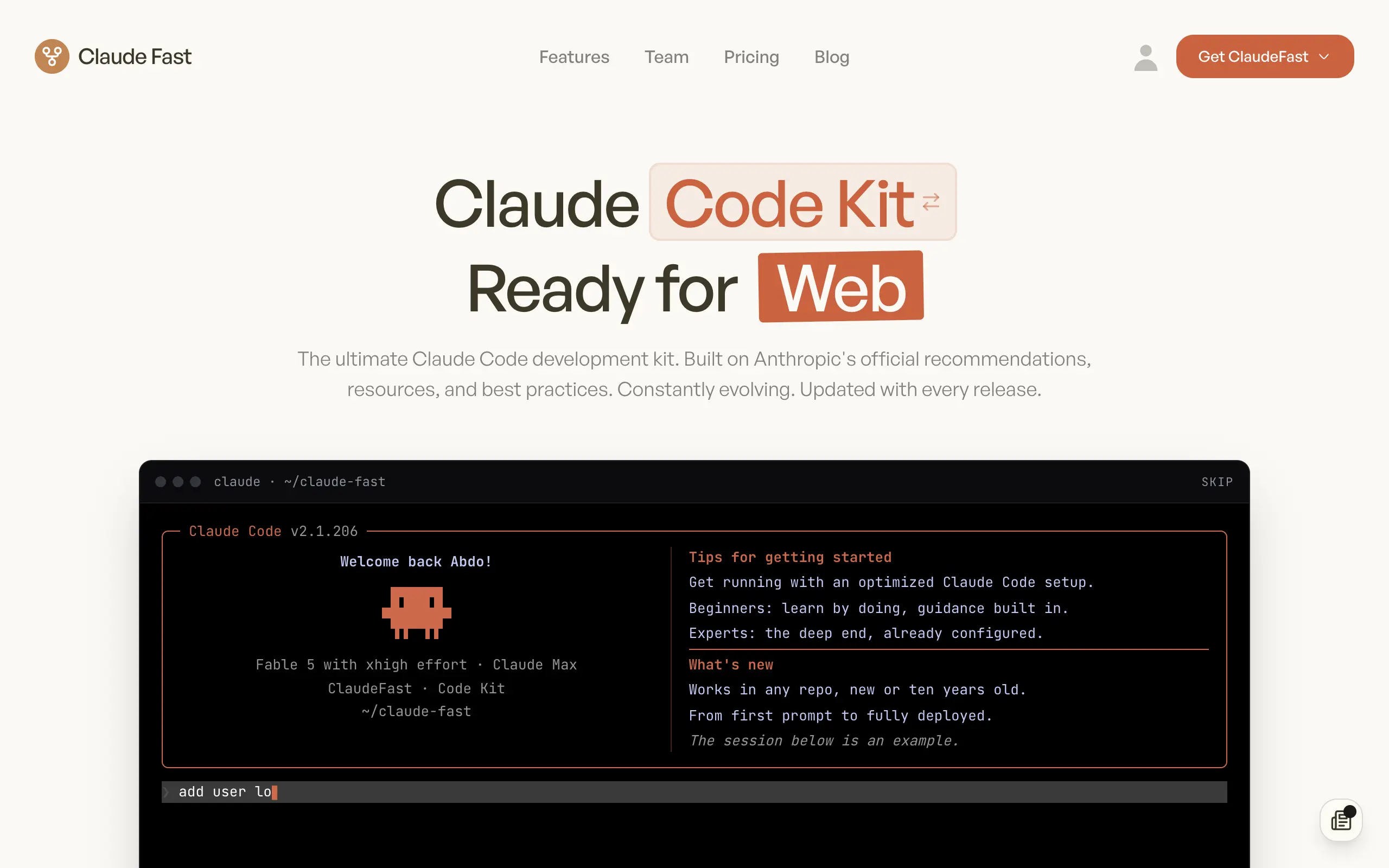
Claude Fast
Supercharge your Claude Code with 6x effective context window and specialized AI agents 🤖
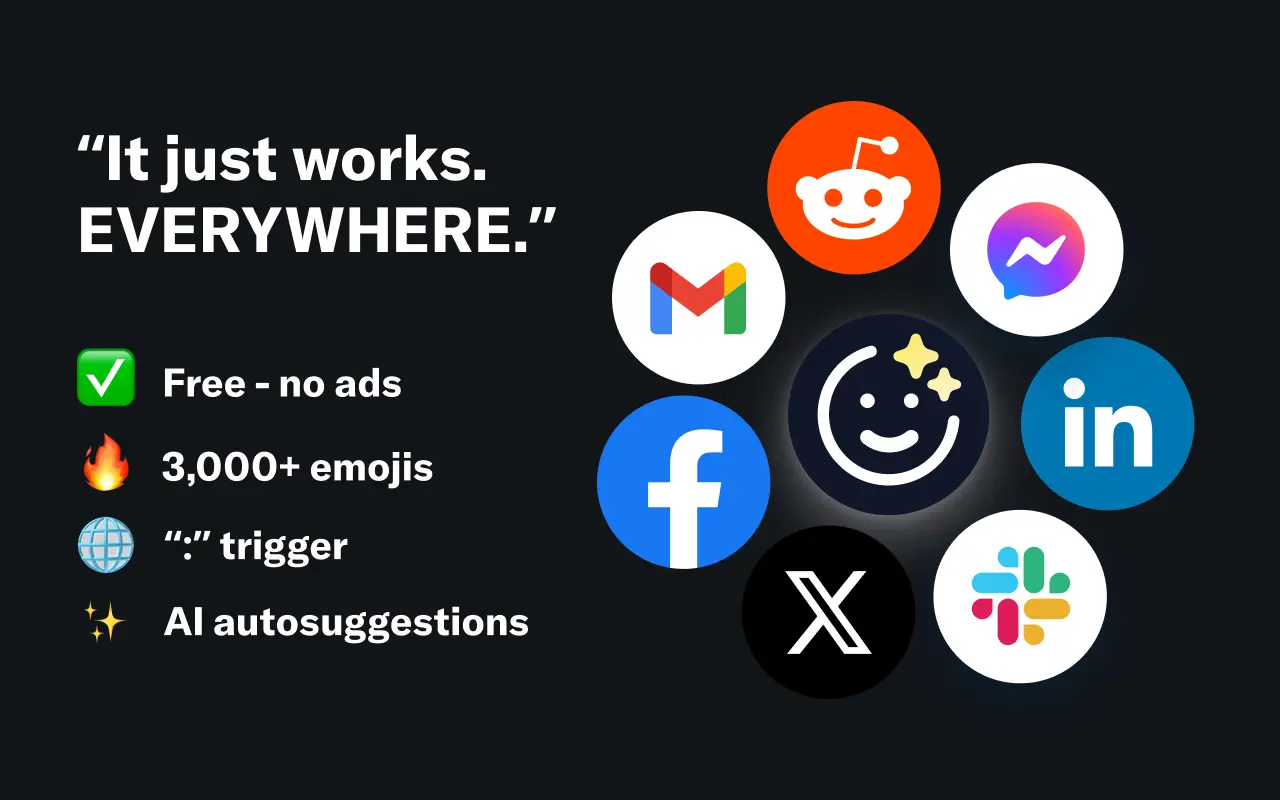
EmojAI
AI-powered emoji picker with smart, context-aware suggestions 🤖
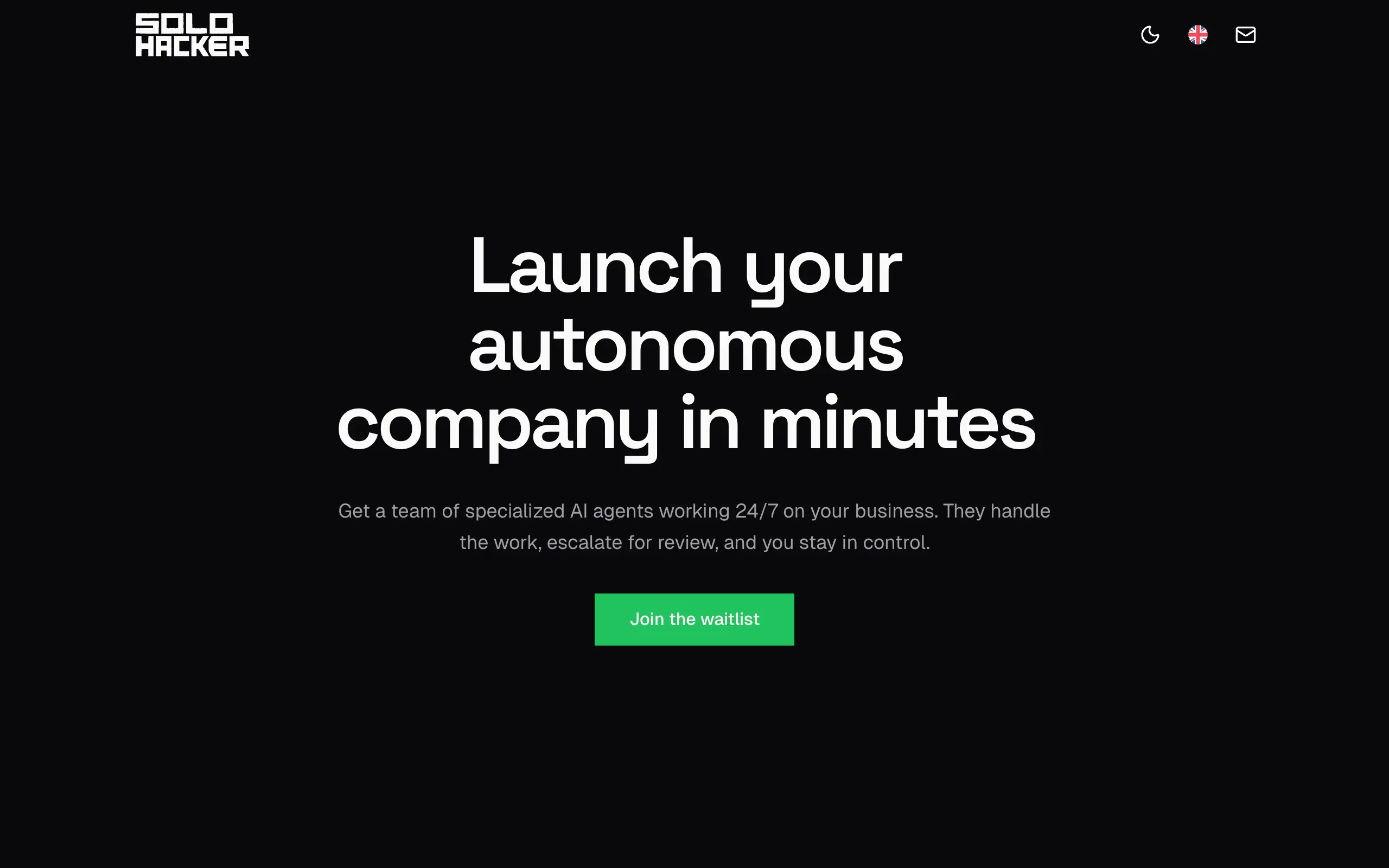
Solohacker
Autonomous company launcher - AI agents work 24/7, escalate what matters, and you stay in control 🤖

BeRawi: Storytelling Coach
Practice storytelling daily with instant feedback to sound clearer, more engaging, and confident 🎤
Omichat
Chat with 50+ AI models, including ChatGPT and Claude, in one place - switch models anytime without losing context 🤖
Claude Fast
Supercharge your Claude Code with 6x effective context window and specialized AI agents 🤖
EmojAI
AI-powered emoji picker with smart, context-aware suggestions 🤖
Solohacker
Autonomous company launcher - AI agents work 24/7, escalate what matters, and you stay in control 🤖
BeRawi: Storytelling Coach
Practice storytelling daily with instant feedback to sound clearer, more engaging, and confident 🎤
Omichat
Chat with 50+ AI models, including ChatGPT and Claude, in one place - switch models anytime without losing context 🤖
Claude Fast
Supercharge your Claude Code with 6x effective context window and specialized AI agents 🤖
EmojAI
AI-powered emoji picker with smart, context-aware suggestions 🤖
Solohacker
Autonomous company launcher - AI agents work 24/7, escalate what matters, and you stay in control 🤖
BeRawi: Storytelling Coach
Practice storytelling daily with instant feedback to sound clearer, more engaging, and confident 🎤
Omichat
Chat with 50+ AI models, including ChatGPT and Claude, in one place - switch models anytime without losing context 🤖
Claude Fast
Supercharge your Claude Code with 6x effective context window and specialized AI agents 🤖
EmojAI
AI-powered emoji picker with smart, context-aware suggestions 🤖
Solohacker
Autonomous company launcher - AI agents work 24/7, escalate what matters, and you stay in control 🤖
BeRawi: Storytelling Coach
Practice storytelling daily with instant feedback to sound clearer, more engaging, and confident 🎤

Connect with like-minded people
Join our community to get feedback, support, and grow together with 1,000+ builders on board, let's ship it!
Join usShip your startup everywhere. In minutes.
Don't burn tokens on setup and start building features on day one.