MoveMosaic
A moving command center that turns a new address into personalized utility transfers, checklists, local services, and cost forecasts.
Moving is not a single transaction. It is a time-sensitive sequence of decisions involving utilities, addresses, service providers, documents, budgets, deadlines, and household coordination. Yet most people still manage the process with fragmented spreadsheets, browser tabs, email threads, and generic moving checklists.
MoveMosaic is a B2C moving command center designed to replace that fragmented experience. It turns a new address into a personalized relocation plan with utility transfer guidance, local service recommendations, adaptive checklists, and realistic cost forecasts.
The core opportunity is not simply to build another moving checklist app. It is to become the trusted digital operating system for one of life’s highest-friction events.
What is MoveMosaic?
MoveMosaic is a personalized moving management app for renters, homeowners, families, remote workers, and anyone changing addresses. A user enters their current address, destination address, move date, household details, and priorities. The platform then creates a dynamic move plan based on their specific situation.
Instead of giving every customer the same static checklist, MoveMosaic can organize tasks around variables such as:
- Whether the move is local, interstate, or international
- Whether the user is renting, buying, selling, or moving in with family
- Whether utilities need to be transferred or newly activated
- Whether the household includes children, pets, vehicles, or accessibility requirements
- Whether the user needs movers, cleaners, storage, internet, insurance, or furniture delivery
- Whether the destination is in a new city or an unfamiliar neighborhood
- Whether the household has a strict moving budget
The product’s core promise is simple:
Enter a new address once, then receive a practical plan for everything that address changes.
That includes utility setup, address changes, moving timelines, local service discovery, financial planning, and post-move settling-in tasks.
Why a moving command center solves a real customer problem
The moving industry is full of service providers, but the customer journey remains disconnected. Consumers can find movers, compare internet providers, browse storage units, and update addresses independently. The problem is that no single system reliably coordinates the entire process around the customer’s move date and destination.
A moving command center fills that orchestration gap.
The current moving experience is fragmented
A typical household may need to manage dozens of moving-related activities:
- Book a mover or rent a truck
- Transfer electricity, gas, water, and waste services
- Select a home internet provider
- Update insurance policies
- Change mailing addresses
- Notify banks, schools, employers, and subscriptions
- Arrange cleaning and repairs
- Find local healthcare, childcare, pet care, and parking information
- Estimate deposits, fees, supplies, and transportation costs
- Track receipts and confirm service appointments
Most existing tools solve only one slice of this workflow. A mover marketplace helps users book movers. A utility marketplace helps them compare providers. A generic checklist helps them remember tasks. None of these products consistently connect the individual tasks into one context-aware moving plan.
MoveMosaic can differentiate by owning the workflow rather than just a transaction.
Moving creates urgency and high intent
Relocation is a deadline-driven event. A user does not casually browse moving services for months without intent. They often need answers quickly because a lease start date, closing date, utility shutoff date, or moving truck reservation is approaching.
This creates several advantages for a moving management SaaS product:
- Users have a clear reason to onboard immediately.
- Personalized recommendations have high practical value.
- Service bookings can generate affiliate or referral revenue.
- Reminders and checklists create repeated engagement before and after the move.
- The move date provides a natural timeline for automated task prioritization.
For market sizing, cite authoritative sources such as national census agencies, real estate associations, housing reports, and consumer expenditure research. Rather than relying on a single broad statistic, validate the opportunity through annual household mobility rates, rental turnover, home sales, and utility connection activity in the target geography.
The strategic insight
MoveMosaic should not compete as a generic task manager. Its product moat comes from address-aware orchestration, local intelligence, and a workflow that changes as the user’s move progresses.
Target audience for a moving management app
MoveMosaic should begin with segments that experience significant relocation complexity and are likely to value organization, recommendations, and cost visibility.
Primary audience: digitally active renters
Renters are an excellent initial audience for a moving command center because they often move more frequently than homeowners and face recurring logistics.
Typical renter pain points include:
- Tight lease end and move-in timelines
- Security deposit concerns
- Utility activation requirements
- Internet installation scheduling
- Limited local knowledge after relocating
- Upfront costs such as deposits, application fees, moving supplies, and truck rental
- Address updates across banking, employment, deliveries, and subscriptions
A renter-focused onboarding flow can ask simple questions about lease dates, unit type, roommates, pets, and desired services. That information can generate a plan that feels substantially more useful than a downloadable moving checklist.
Secondary audience: first-time homebuyers
First-time buyers face a more complex and expensive version of the moving journey. Their needs can include mortgage-related documents, home insurance, property tax awareness, repairs, deep cleaning, changing locks, security systems, landscaping, and contractor discovery.
This segment may have a higher willingness to pay for a premium relocation planning experience, particularly when paired with cost forecasting and vetted local services.
High-value audience: families and long-distance movers
Families and long-distance movers have more dependencies, more deadlines, and more potential failure points. Their move plans may involve school enrollment, childcare, pet relocation, medical record transfers, vehicle registration, storage, travel bookings, and temporary housing.
These users benefit from a more advanced moving dashboard with shared household access, document storage, dependency tracking, and location-specific recommendations.
Partner-facing audience: real estate and relocation professionals
Although MoveMosaic is a B2C product, a future B2B2C expansion can serve:
- Real estate agents
- Mortgage brokers
- Property managers
- Apartment communities
- Employer relocation teams
- Moving companies
- Home service providers
These partners have strong incentives to improve the move-in experience. A white-labeled or co-branded MoveMosaic dashboard could become a valuable acquisition channel after the consumer product has proven its core workflow.
The market gap MoveMosaic can own
The strongest market gap is between generic move planning and local transaction marketplaces.
Generic checklists are easy to create but do not adapt to the user’s address, move type, household, budget, or timing. Service marketplaces have commercial utility but often optimize for lead capture rather than a complete customer experience.
MoveMosaic can sit between these categories as an intelligent relocation layer.
| Solution category | Personalized timeline | Address-aware utilities | Cost forecasting | Local service coordination |
|---|---|---|---|---|
| Printable checklist | ❌ | ❌ | ❌ | ❌ |
| Task management app | ✅ | ❌ | ❌ | ❌ |
| Single-service marketplace | ❌ | Sometimes | ❌ | Limited |
| MoveMosaic command center | ✅ | ✅ | ✅ | ✅ |
The important distinction is that MoveMosaic does not merely recommend what to buy. It helps the customer understand what must happen next, why it matters, how much it may cost, and who can help.
Core features for MoveMosaic
The best first version should focus on delivering a clear “wow” moment shortly after onboarding. A user should enter their move details and immediately see a credible, personalized plan that reduces stress.
Personalized move plan and adaptive checklist
The adaptive checklist is the center of the product. It should be generated from move-specific inputs rather than a universal template.
Key inputs may include:
- Current and destination postal codes
- Move date and key handover dates
- Move distance
- Household size
- Renter, owner, buyer, or seller status
- Pets, children, vehicles, and roommates
- Budget range
- Required services
- Moving method, such as DIY, truck rental, or full-service mover
The output should organize tasks by urgency and phase:
- Eight weeks before the move
- Four weeks before the move
- One week before the move
- Moving day
- First week after arrival
- First month after moving
Each task should provide a practical next action, a due date, a completion state, and relevant contextual guidance.
For example, “Set up home internet” could show different instructions based on whether the destination address supports the user’s preferred providers, whether installation is required, and how many days remain before move-in.
Utility transfer and setup hub
Utilities are one of the most painful parts of a move because availability, account setup rules, deposits, and notice periods vary by location.
A utility transfer hub can help users manage categories such as:
- Electricity
- Natural gas
- Water and sewer
- Waste and recycling
- Internet
- Mobile service
- Home security
- Streaming and media subscriptions
The product should avoid implying that every provider can be activated directly through the platform from day one. In an MVP, the experience can provide verified next steps, provider contact details, activation reminders, and links to official provider pages where appropriate.
Over time, integrations and affiliate partnerships can enable more direct flows.
Moving cost forecast and budget tracker
Cost uncertainty is a major source of moving stress. Many consumers underestimate deposits, supplies, temporary lodging, cleaning, utility connection fees, and incidental purchases.
MoveMosaic should create a transparent forecast that separates estimated and confirmed costs.
Useful budget categories include:
- Moving company or vehicle rental
- Fuel, tolls, and transportation
- Packing supplies
- Storage
- Cleaning
- Security deposits
- Utility activation fees
- Internet equipment and installation
- Insurance
- Furniture and household essentials
- Pet or child-related relocation expenses
- Emergency contingency fund
The forecast should show a low, expected, and high range when exact pricing is unavailable. This is more trustworthy than presenting a single overly precise number.
Cost estimates need careful positioning
Forecasts should be clearly labeled as estimates, show the assumptions behind each number, and allow users to override defaults. Financial guidance must not be presented as professional financial advice.
Local services marketplace
The local services layer can make the app more useful while creating an important monetization path. It may include discovery and referrals for:
- Movers and truck rentals
- Cleaning services
- Storage units
- Handypersons and locksmiths
- Internet providers
- Furniture assembly
- Junk removal
- Pet care
- Childcare resources
- Home security
- Local healthcare and essential community services
Early on, quality matters more than coverage. A narrow geography with reliable service data is more valuable than a nationwide directory full of outdated information.
Shared household workspace
Moving is rarely managed by one person alone. Couples, roommates, family members, and relocation coordinators need visibility without duplicate work.
A shared household workspace should support:
- Multiple collaborators per move
- Task assignment
- Comments and activity history
- Shared budget visibility
- Appointment reminders
- Permission levels for sensitive documents
- A single source of truth for move status
This feature also improves retention because more than one person becomes embedded in the workflow.
Address change and notification tracker
Changing an address is a deceptively long-tail process. Users need to notify institutions over weeks or months, and it is easy to forget less frequent accounts.
MoveMosaic can offer an address update tracker with categories such as:
- Financial institutions
- Insurance providers
- Government services
- Employers
- Healthcare providers
- Schools
- Retail subscriptions
- Delivery accounts
- Memberships
- Friends and family
The platform should provide task guidance and status tracking, while being explicit about what it can and cannot update automatically. Trust is improved when automation boundaries are clear.
The MoveMosaic user journey
A successful product experience should reduce time-to-value in the first session. The goal is not to collect every possible data point. It is to ask enough questions to create a useful plan immediately.
A strong onboarding experience should make the product feel like a concierge without pretending to replace human judgment. The language should be direct and practical, such as “Your electricity should be scheduled before your keys are released” rather than vague productivity phrasing.
Recommended tech stack for a moving command center
MoveMosaic needs a stack that supports fast iteration, location-aware data, secure user accounts, workflow automation, and future marketplace integrations.
Frontend and application framework
A modern TypeScript web application is a sensible starting point.
- Next.js offers server-side rendering, routing, API capabilities, and strong SEO support for content-driven acquisition.
- React provides a mature component model for interactive dashboards and shared household workflows.
- Tailwind CSS speeds up consistent interface development and is well suited to responsive product design.
- TypeScript reduces avoidable errors in complex task, budget, and integration models.
Next.js is especially appropriate because MoveMosaic may need both an authenticated application and a public SEO content layer covering moving checklists, utility transfer guides, neighborhood moving resources, and cost planning templates.
Backend, database, and authentication
For an MVP, choose a backend that minimizes operational overhead while preserving room to grow.
A practical combination could include:
- Supabase for PostgreSQL, authentication, file storage, and row-level security
- Prisma if the team prefers a type-safe ORM workflow
- PostgreSQL for relational data such as users, moves, tasks, household members, providers, and budgets
- Stripe for subscriptions and future marketplace payment flows
The relational model matters. A move contains many tasks, service recommendations, appointments, documents, household members, and budget entries. PostgreSQL is generally a better fit than a document-only database when reporting, filtering, permissions, and multi-step workflow logic become important.
Maps, geocoding, and local intelligence
Address normalization is core product infrastructure, not a secondary feature. Poor address data will damage utility recommendations, service coverage, and location-specific tasks.
Potential capabilities include:
- Address autocomplete
- Geocoding and postal-code extraction
- Distance and route estimates
- Local provider coverage matching
- Region-based checklist rules
- Neighborhood context
Use a reputable geocoding provider and store only the data necessary for the user experience. Address data is sensitive, so the privacy model must be designed before launch.
Workflow and notification infrastructure
Moving plans are deadline-based. The product needs reliable scheduled jobs and notification delivery.
Useful capabilities include:
- Daily deadline evaluation
- Email reminders
- Push notifications for mobile users
- Calendar sync
- Task dependency rules
- Appointment alerts
- Follow-up sequences after move completion
A queue-based architecture becomes valuable as the product grows. It prevents reminder processing and data refresh jobs from slowing down the customer-facing application.
AI features and their trade-offs
AI can enhance MoveMosaic, but it should not be the product’s foundation. The most valuable early experience is deterministic: users need accurate deadlines, understandable tasks, and reliable location-specific recommendations.
AI can help with:
- Converting free-text notes into tasks
- Explaining checklist items in plain language
- Creating packing plans from household details
- Summarizing local service options
- Drafting moving notification emails
- Identifying missing budget categories
The risk is hallucinated local information or overly confident advice. AI-generated guidance should be grounded in curated rules, verified provider data, or clearly marked general recommendations.
Use rules-based checklists, structured user inputs, and verified local data. Add AI only for summarization, writing assistance, and optional planning support.
Build retrieval-backed assistants that answer questions from approved provider, policy, and regional content sources. Include citations or source labels inside the product where practical.
Monetization strategies for MoveMosaic
A strong moving command center can combine subscription revenue with transaction-based revenue. The best model depends on the depth of integrations and the cost of acquiring customers.
Freemium subscription model
A free plan can provide the core moving checklist and basic budget template. A premium plan can unlock more valuable coordination features.
Possible premium features include:
- Shared household collaboration
- Detailed cost forecasting
- Custom reminders
- Document storage
- Advanced address update tracking
- Premium local service recommendations
- Move-day timeline planning
- Multiple active moves for landlords or frequent movers
This model is straightforward but has a challenge: moving is episodic. Many users will only need the product for one to three months. Pricing should reflect that reality.
A one-time “move pass” may outperform a recurring subscription for consumers who dislike another monthly charge.
Affiliate and referral revenue
Affiliate partnerships can create meaningful revenue when MoveMosaic sends high-intent customers to relevant services.
Potential partner categories include:
- Moving companies
- Truck rental providers
- Storage providers
- Internet providers
- Home security companies
- Cleaning companies
- Insurance providers
- Furniture and home goods retailers
This model works only when recommendations remain trustworthy. The ranking system should not silently prioritize the highest-paying partner over the best customer fit.
Lead generation marketplace
MoveMosaic could eventually capture qualified leads for local providers. This can be attractive because moving services have high order values, but it introduces quality-control and regulatory considerations.
The product should disclose when a provider relationship exists and allow users to compare options fairly.
B2B2C partnerships
The most scalable long-term distribution opportunity may be partnerships with real estate and relocation businesses.
Potential commercial offerings include:
- Agent-branded client move portals
- Apartment resident onboarding workflows
- Corporate relocation dashboards
- Moving-company customer portals
- White-labeled utility and address-change workflows
This model can lower customer acquisition costs and provide predictable contract revenue. However, it should come after the direct-to-consumer workflow is validated, not before.
Competitive advantage and the MoveMosaic USP
MoveMosaic’s unique selling proposition is:
A personalized moving command center that transforms a destination address into an actionable plan for utilities, tasks, services, and moving costs.
The product wins when it is more useful than a generic checklist, more neutral than a lead-generation site, and more comprehensive than a single-service marketplace.
Defensible advantages to build
MoveMosaic can create durable differentiation through several layers.
Address-aware planning
Tasks and recommendations adapt to the destination, not just a generic moving timeline.
Workflow orchestration
Utilities, budget, service bookings, and address changes are coordinated around one move date.
Trusted local data
Verified service coverage, local rules, and provider information improve usefulness over time.
Household collaboration
Shared ownership prevents missed tasks and makes the product relevant to more than one user.
Data network effects
If users confirm utility providers, service appointments, actual moving costs, and task completion patterns, MoveMosaic can gradually improve its planning engine.
For example, the system could learn that:
- Certain move types commonly require more lead time
- Specific regions have recurring utility setup requirements
- Household size affects packing supply estimates
- Long-distance moves produce different expense patterns
- Users often forget certain post-move tasks
This data must be aggregated and handled responsibly. Individual addresses, account details, and financial records should never be repurposed in ways users do not expect.
Risks and mitigation strategies
A compelling moving SaaS concept also has important execution risks. Addressing them early improves customer trust and investor readiness.
Risk: inaccurate local service or utility data
Provider availability, utility rules, and local service details can change frequently. Incorrect information can result in missed appointments, unnecessary costs, or lost trust.
Mitigation should include:
- Start with a limited geography
- Use explicit data freshness timestamps
- Build provider verification workflows
- Allow users to report outdated information
- Clearly distinguish verified facts from general guidance
- Avoid claiming direct activation where no integration exists
Risk: seasonal demand and limited retention
Moving activity can be seasonal, and many users may stop using the app after they settle in.
Mitigation options include:
- Offer a one-time move pass
- Build a post-move settling-in phase
- Add renewal reminders for annual services
- Support future moves with archived move profiles
- Expand into home organization and household administration carefully
- Use B2B2C partnerships to create recurring account volume
Risk: high customer acquisition costs
Search ads for moving, internet, and real estate-related terms can be expensive. Competing directly for broad keywords may be difficult for an early-stage company.
Mitigation should include:
- Build SEO pages around specific high-intent questions
- Create useful free tools such as moving budget calculators
- Partner with agents, property managers, and apartment communities
- Offer referral incentives to existing users
- Develop local content only where the product can truly support it
Risk: privacy concerns around address and household data
A new address, moving date, household composition, and documents are highly sensitive. Security and privacy are product requirements, not legal afterthoughts.
Mitigation should include:
- Collect the minimum necessary data
- Encrypt sensitive data in transit and at rest
- Use role-based access for household members
- Provide clear deletion controls
- Publish a plain-language privacy policy
- Avoid selling personally identifiable moving data
- Conduct security reviews before adding document storage or financial integrations
Risk: overbuilding integrations too early
Integrating with every utility, mover, and local provider can consume years of engineering and business development effort.
Mitigation should include:
- Deliver value with structured guidance first
- Prioritize the highest-impact integrations by geography
- Use referral links and verified outbound actions before deep integrations
- Measure which tasks users struggle with most
- Build APIs only after demand and partner readiness are proven
SEO strategy for a moving command center
MoveMosaic can use content marketing to attract users before they are ready to create an account. The most effective strategy is to publish genuinely useful relocation content that leads naturally into the personalized product.
High-intent SEO topics
Potential content clusters include:
- Moving checklist by timeline
- How to transfer utilities when moving
- Moving cost calculator guides
- First apartment moving checklist
- Long-distance moving budget planning
- Address change checklist
- Internet setup before moving
- Moving with pets checklist
- Moving with children checklist
- Local city-to-city relocation guides
Each article should answer the question fully, then explain how a personalized moving dashboard can automate the broader process.
Avoid producing thin city pages that only swap location names. Local content should include real distinctions such as utility structures, parking considerations, rental norms, seasonal weather risks, and relevant move planning advice.
Product-led SEO tools
Interactive tools can attract links and convert users more effectively than informational articles alone.
Examples include:
- A moving cost estimator
- A moving date countdown calculator
- A packing supplies calculator
- An address change checklist generator
- A utility transfer timeline generator
- A move readiness score
These tools should provide immediate value without requiring account creation, while making it obvious that MoveMosaic can save the user’s results and turn them into a full plan.
A practical MVP roadmap
The MVP should prove that personalized move planning creates activation and repeated use. It does not need nationwide service integrations or an AI concierge at launch.
Phase one: validate the core workflow
Build the smallest version that can generate a credible personalized plan.
Key MVP capabilities include:
- Account creation and secure login
- Address and move-date onboarding
- Household profile inputs
- Rules-based dynamic checklist
- Budget forecast with editable line items
- Task reminders
- Basic utility and address-change guidance
- Dashboard progress tracking
- Feedback collection after task completion
Success metrics should focus on activation rather than vanity traffic.
Useful early metrics include:
- Percentage of users who complete onboarding
- Percentage who complete at least five tasks
- Number of return sessions before moving day
- Number of household invites sent
- Budget entries created or updated
- Conversion from free plan to move pass
- Net promoter score after the move
Phase two: improve local utility and service value
Once the core checklist is working, add data-rich services in selected locations.
Priorities may include:
- Provider matching by address
- Service recommendation comparison
- Referral tracking
- Appointment status tracking
- Localized checklist rules
- Better cost estimates from real usage data
Phase three: build distribution partnerships
After establishing consumer value, launch partner programs for real estate professionals, property managers, and relocation teams.
The partner offering should solve a real workflow problem rather than act as a logo placement. For example, an apartment community could invite future residents into a branded move-in dashboard with building-specific move instructions, utility information, parking guidance, and local service resources.
How to launch MoveMosaic efficiently
The fastest path is to choose a narrow initial audience and geography, then learn from real moves.
A sensible launch approach could target renters moving within one metro area. This reduces local-data complexity and allows the team to refine the onboarding flow against a consistent set of utility providers, moving services, lease patterns, and local requirements.
Build the first version around the question users ask most often:
“What do I need to do before I move, and when do I need to do it?”
Then expand toward more sophisticated utility setup, service booking, and partner distribution.
For founders who want to move quickly, TurboStarter can provide a strong SaaS foundation for building authentication, billing, dashboard experiences, and production-ready application workflows without spending early months recreating common infrastructure.
Final takeaways
MoveMosaic has the potential to become more than a moving checklist app. Its strongest position is as an address-aware moving command center that coordinates the fragmented work surrounding a relocation.
The opportunity is compelling because moving is urgent, complex, expensive, and full of high-intent service decisions. Customers need clarity, not another generic list of tasks.
The winning product should focus on four fundamentals:
- Create a personalized move plan immediately after onboarding.
- Make utility transfers, deadlines, and costs easier to understand.
- Build trust through accurate data, transparent recommendations, and strong privacy practices.
- Expand into local service referrals and B2B2C partnerships only after the core workflow proves valuable.
If MoveMosaic can reliably turn “I am moving to this address” into “Here is exactly what I should do next,” it can own a meaningful and defensible place in the relocation technology market.
More 👥 B2C Application SaaS ideas
Discover more innovative b2c application SaaS ideas that are trending in 2026. Each idea is AI-generated with market validation and growth potential to help you find your next profitable venture faster than competitors.
Your competitors are building with TurboStarter
Below are some of the SaaS ideas that have been generated and built with our starter kit.
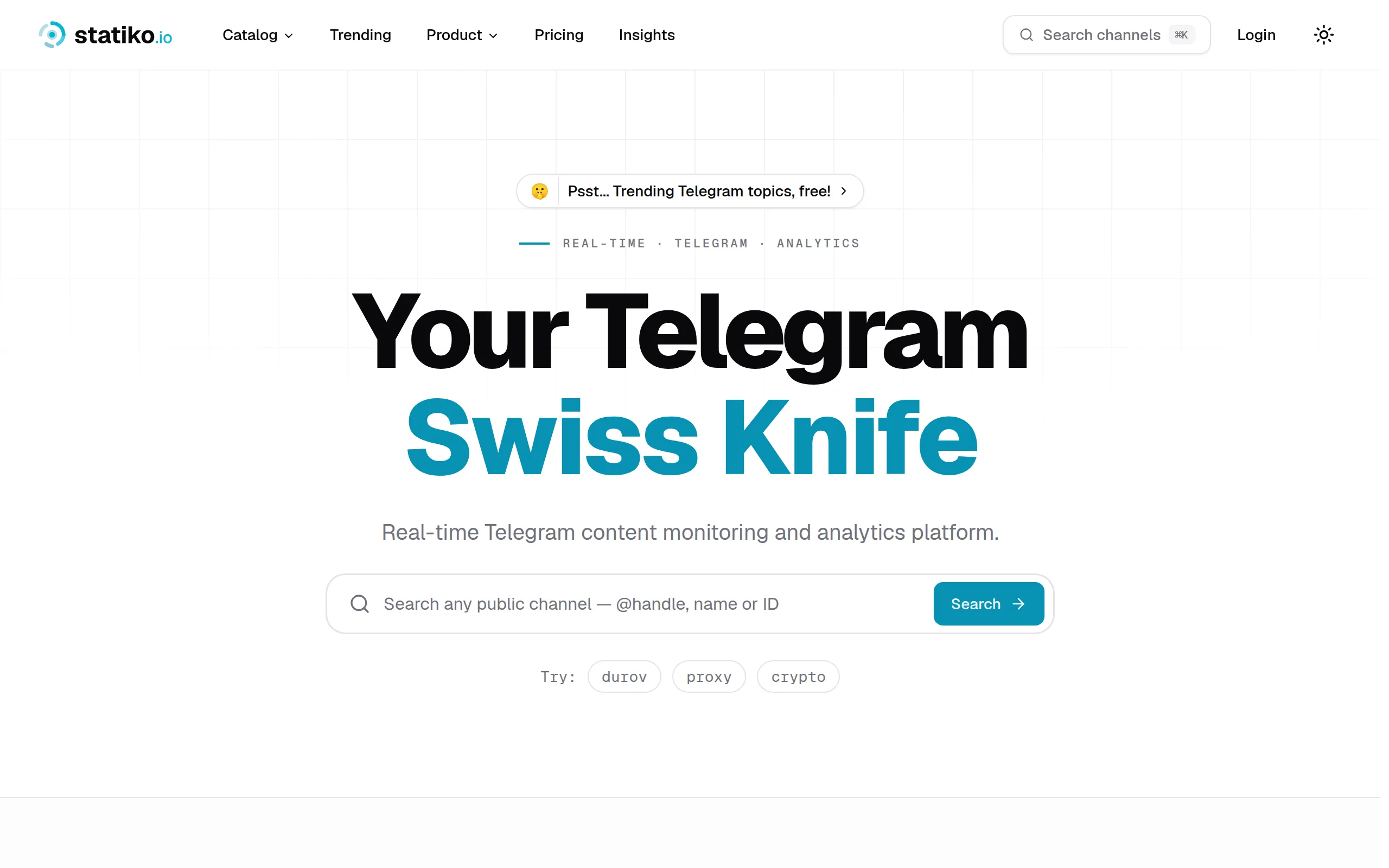
Statiko
Monitor any Telegram channel in real time - track posts, edits, deletions, and growth with AI recaps 📡

Shibui
AI website builder - describe your business, pick a niche template, edit by chatting, and publish instantly ✨

Pro Service
Find verified home service professionals, compare quotes, and pay securely through escrow - built for Brazilians across the US 🏠
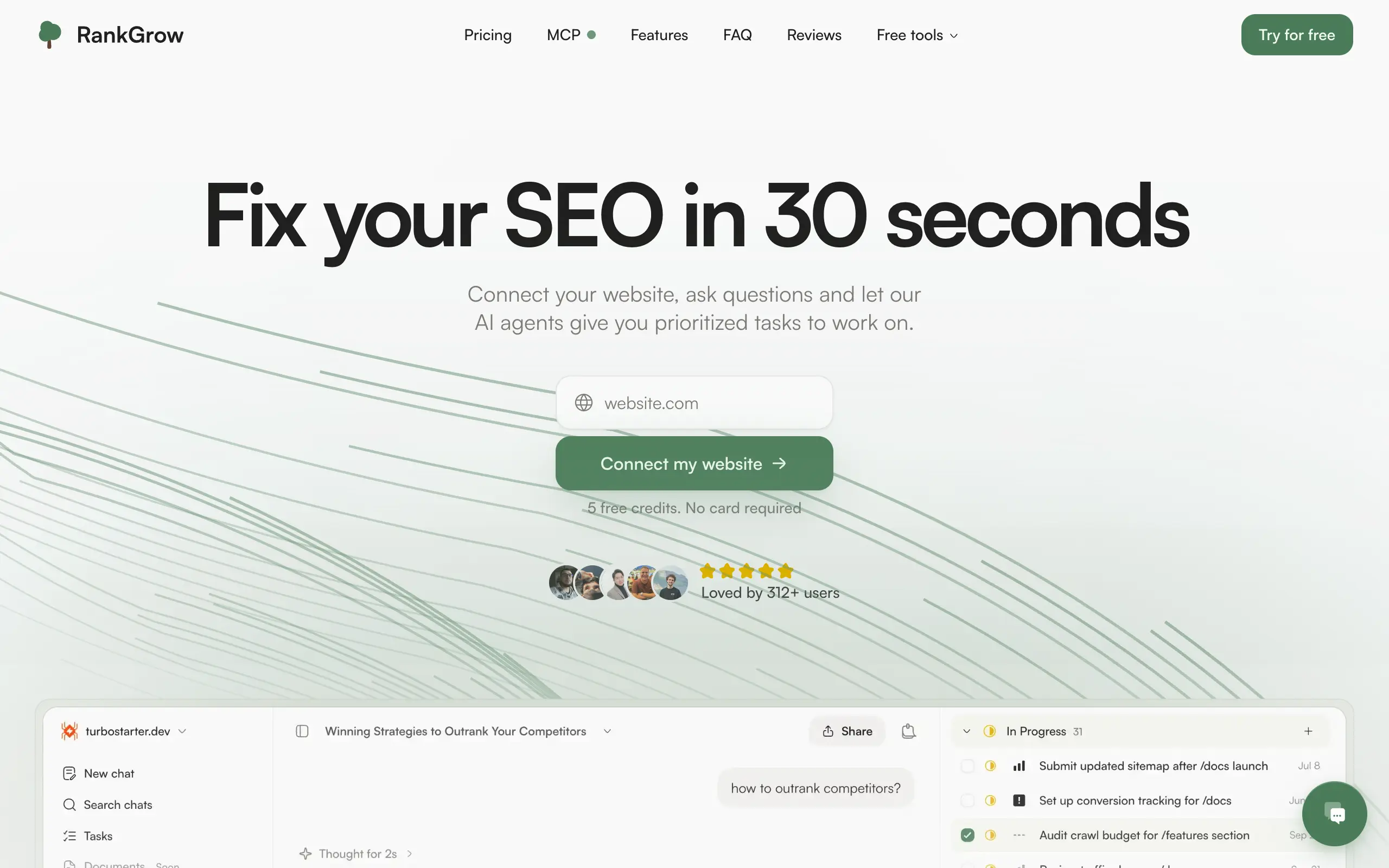
RankGrow
Fix your SEO with AI agents - connect Search Console, get prioritized tasks, and grow organic traffic 📈
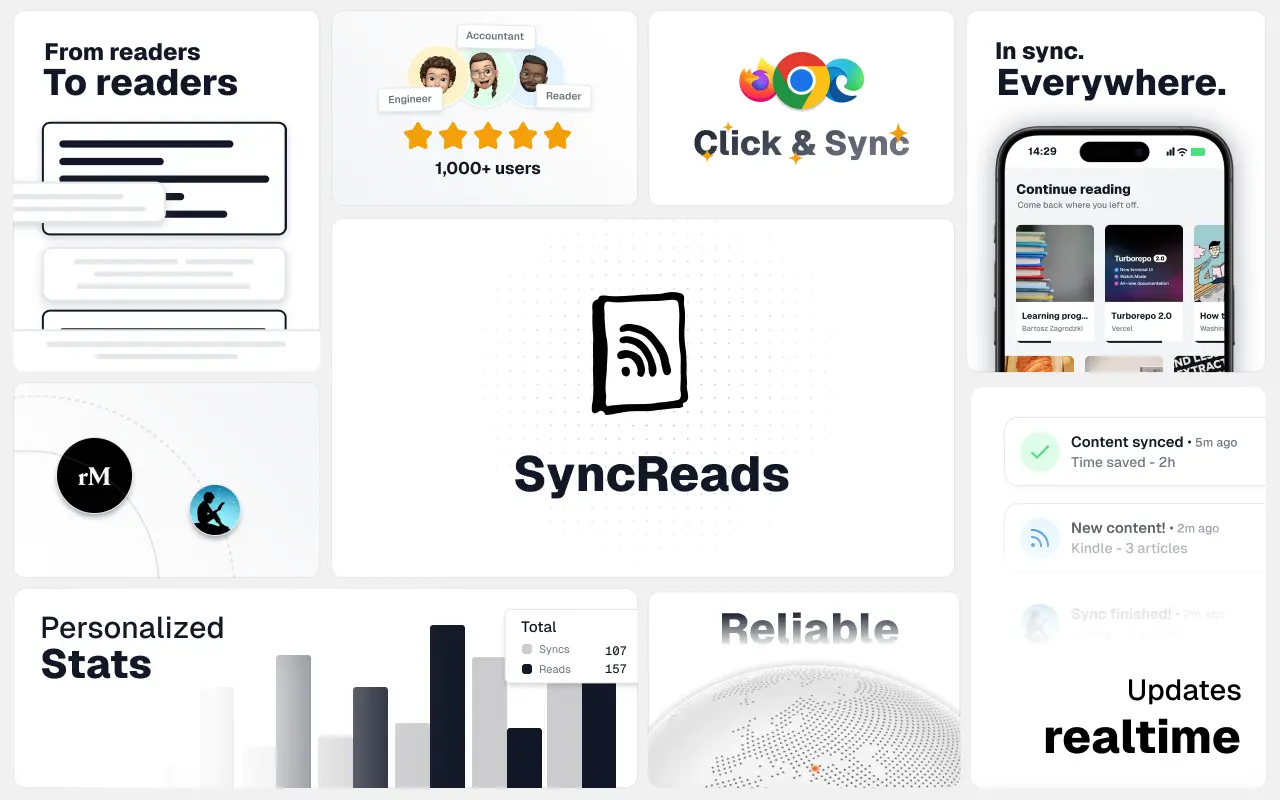
SyncReads
Sync your favorite content for distraction-free reading, save time and replace multiple apps. Anytime, anywhere 🔄
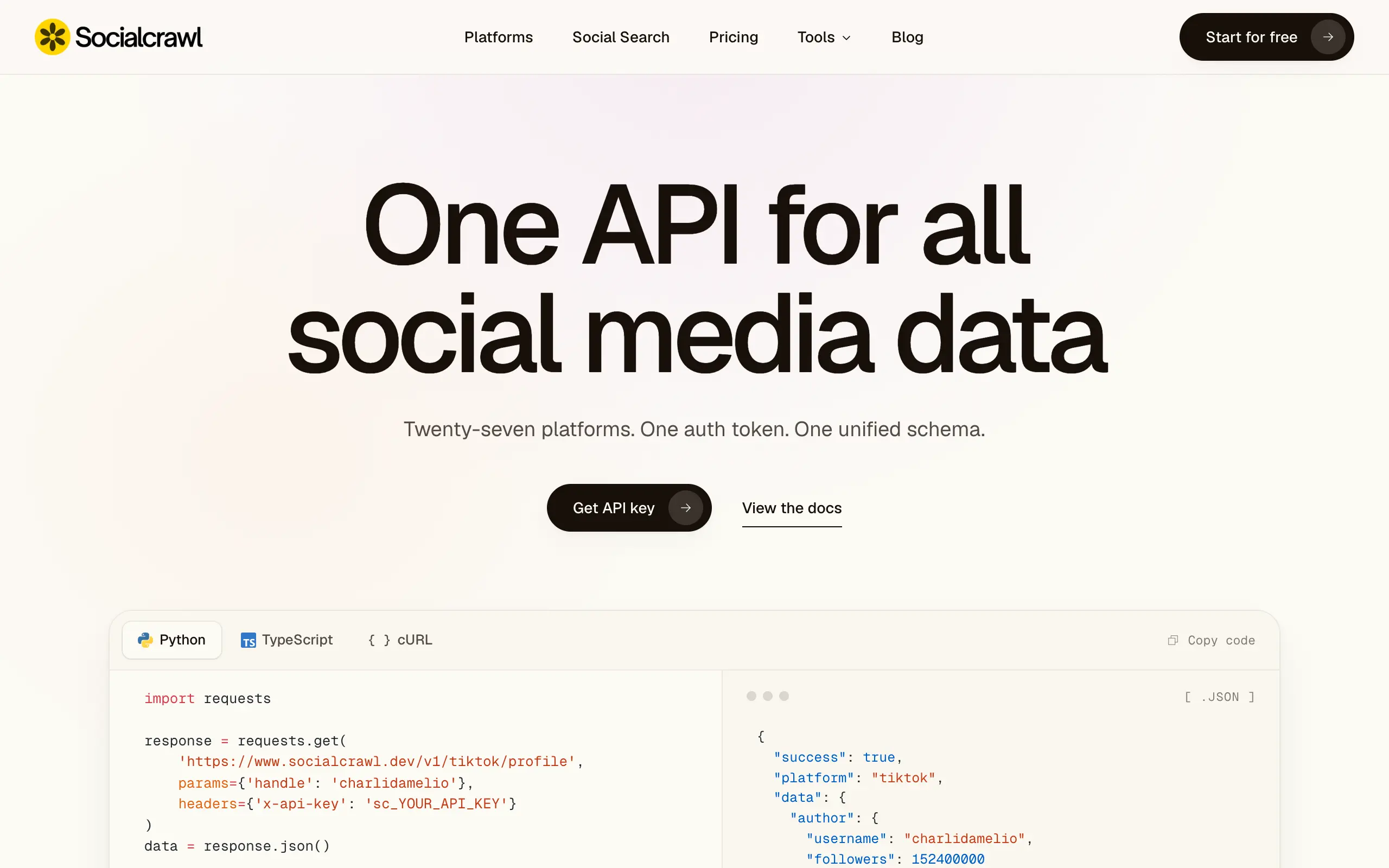
Socialcrawl
Get clean, structured data from 21 platforms like TikTok, Instagram, and YouTube with a single request 📊
Statiko
Monitor any Telegram channel in real time - track posts, edits, deletions, and growth with AI recaps 📡
Shibui
AI website builder - describe your business, pick a niche template, edit by chatting, and publish instantly ✨
Pro Service
Find verified home service professionals, compare quotes, and pay securely through escrow - built for Brazilians across the US 🏠
RankGrow
Fix your SEO with AI agents - connect Search Console, get prioritized tasks, and grow organic traffic 📈
SyncReads
Sync your favorite content for distraction-free reading, save time and replace multiple apps. Anytime, anywhere 🔄
Socialcrawl
Get clean, structured data from 21 platforms like TikTok, Instagram, and YouTube with a single request 📊
Statiko
Monitor any Telegram channel in real time - track posts, edits, deletions, and growth with AI recaps 📡
Shibui
AI website builder - describe your business, pick a niche template, edit by chatting, and publish instantly ✨
Pro Service
Find verified home service professionals, compare quotes, and pay securely through escrow - built for Brazilians across the US 🏠
RankGrow
Fix your SEO with AI agents - connect Search Console, get prioritized tasks, and grow organic traffic 📈
SyncReads
Sync your favorite content for distraction-free reading, save time and replace multiple apps. Anytime, anywhere 🔄
Socialcrawl
Get clean, structured data from 21 platforms like TikTok, Instagram, and YouTube with a single request 📊
Statiko
Monitor any Telegram channel in real time - track posts, edits, deletions, and growth with AI recaps 📡
Shibui
AI website builder - describe your business, pick a niche template, edit by chatting, and publish instantly ✨
Pro Service
Find verified home service professionals, compare quotes, and pay securely through escrow - built for Brazilians across the US 🏠
RankGrow
Fix your SEO with AI agents - connect Search Console, get prioritized tasks, and grow organic traffic 📈
SyncReads
Sync your favorite content for distraction-free reading, save time and replace multiple apps. Anytime, anywhere 🔄
Socialcrawl
Get clean, structured data from 21 platforms like TikTok, Instagram, and YouTube with a single request 📊
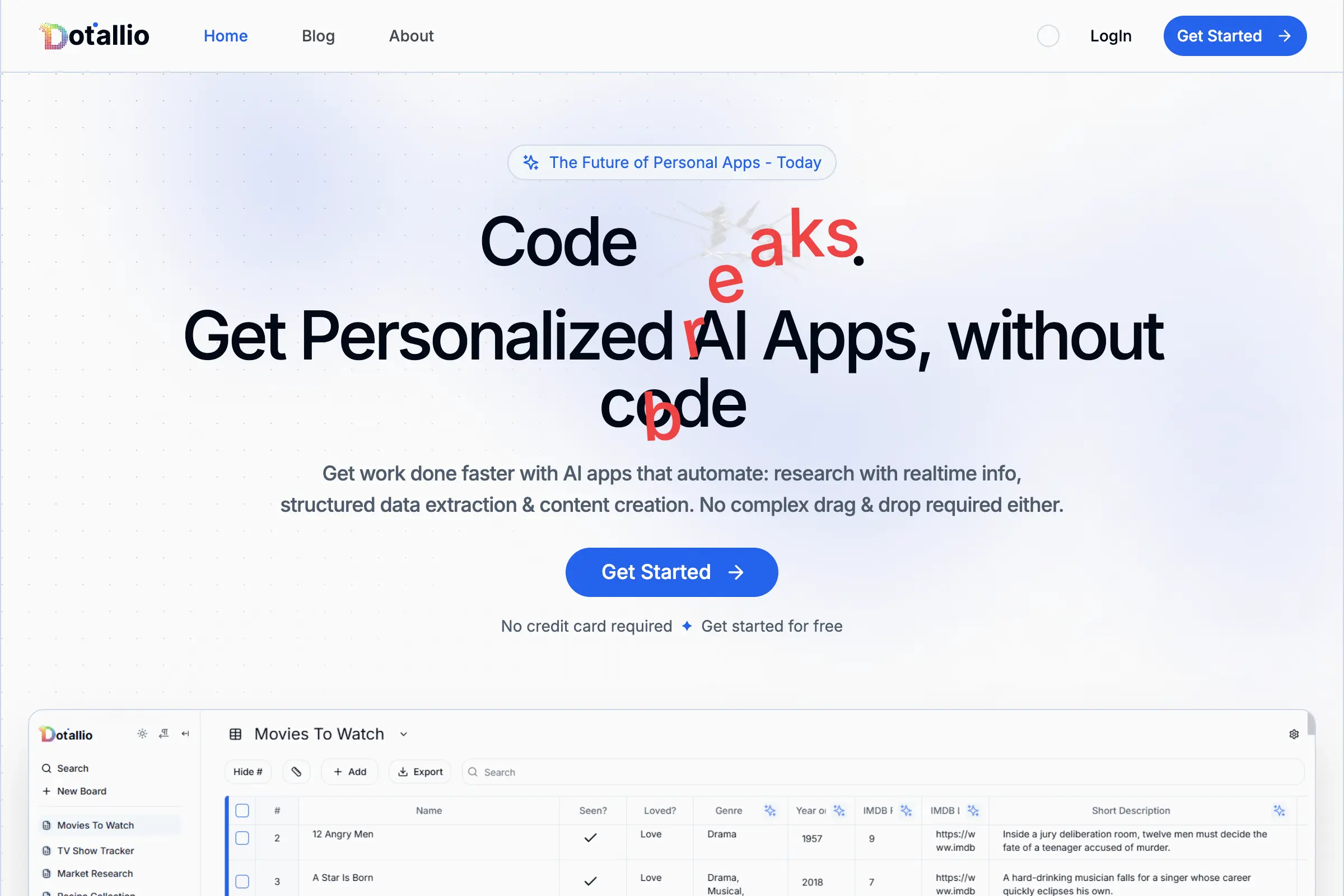
Dotallio
Personalized AI apps that automate research, data extraction, and content creation without code 🤖
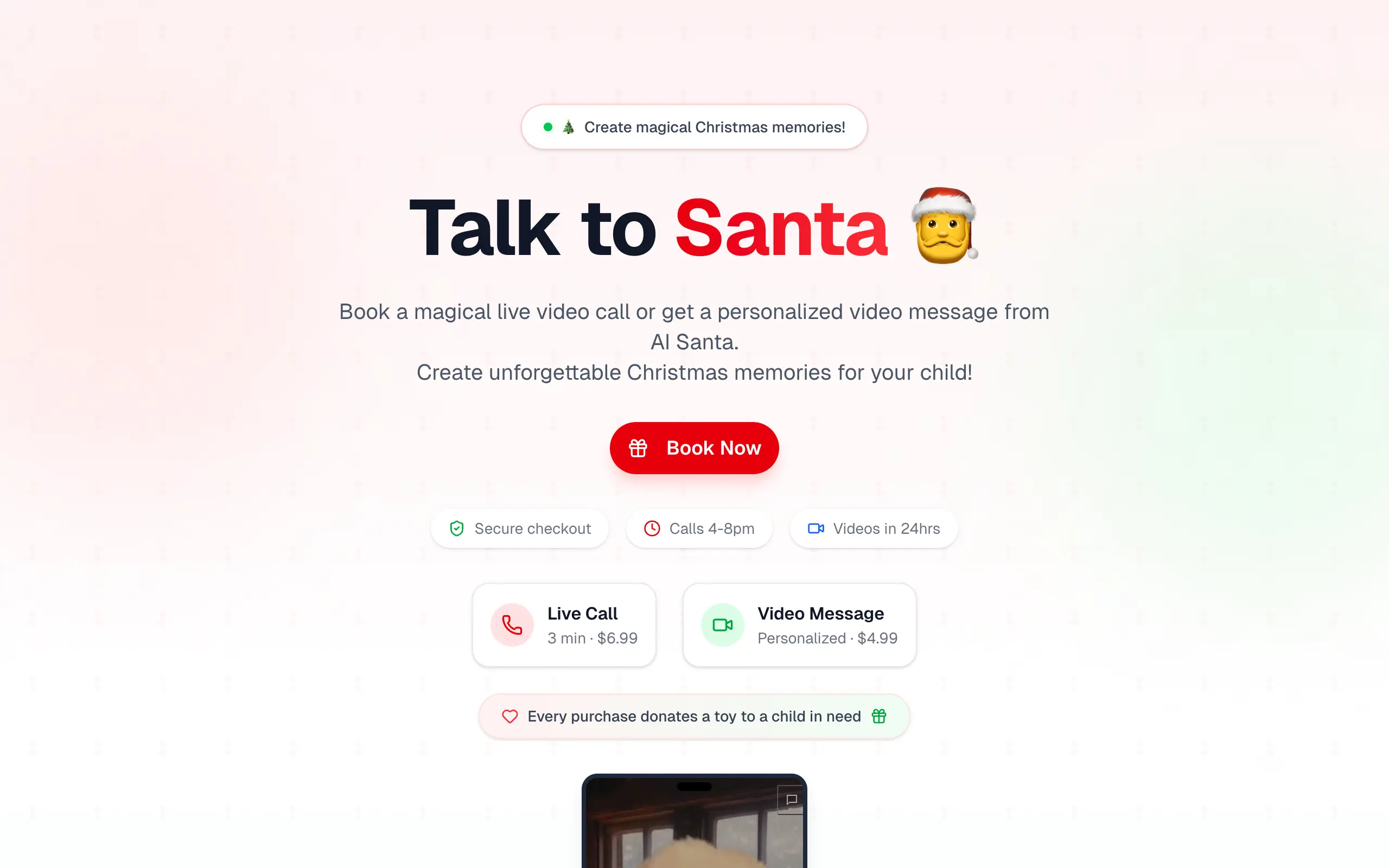
Talk to Santa
Enjoy a magical live video chat or receive a unique AI-generated video greeting from Santa Claus 🎅
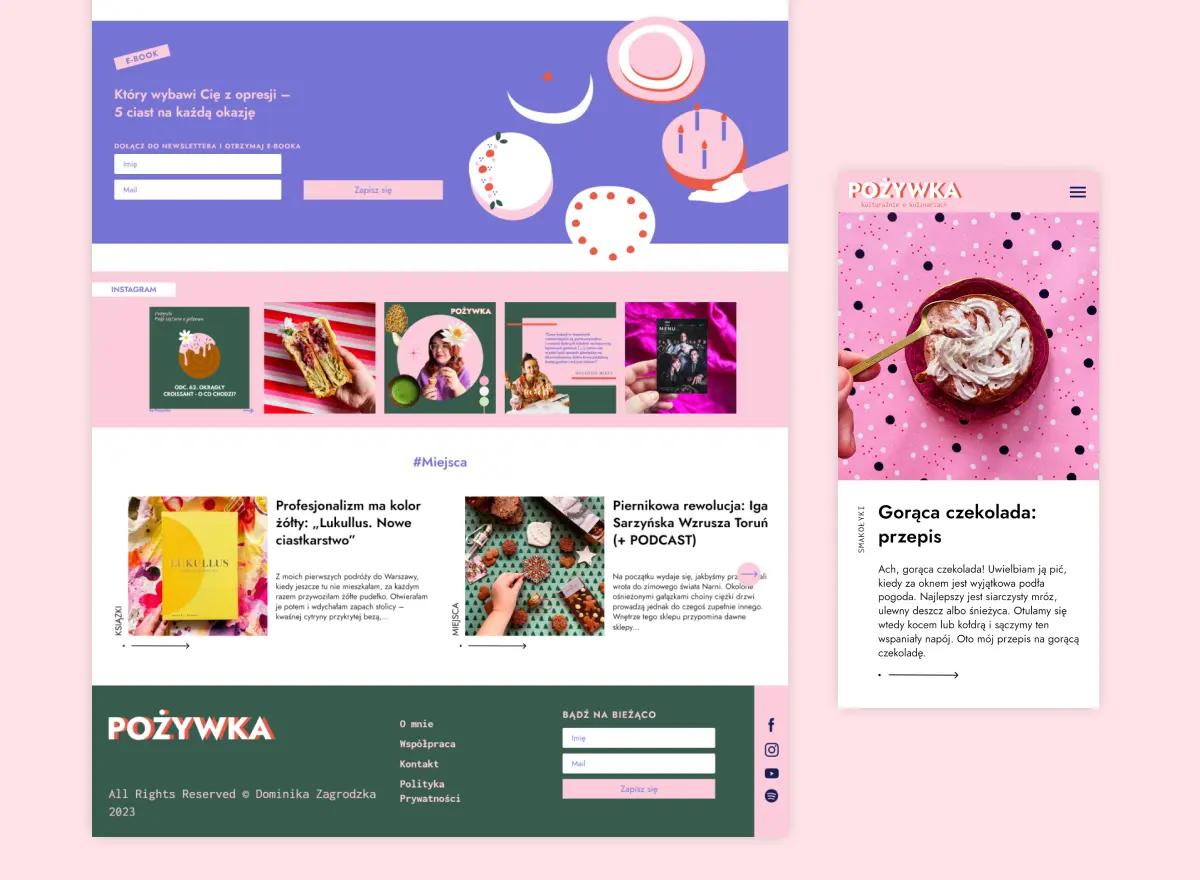
pozywka.pl
Scalable blog for food journalist, focused on performance and user experience 🌭
zagrodzki.me
Personal blog and portfolio of Bart Zagrodzki, where he shares his knowledge and work 💼
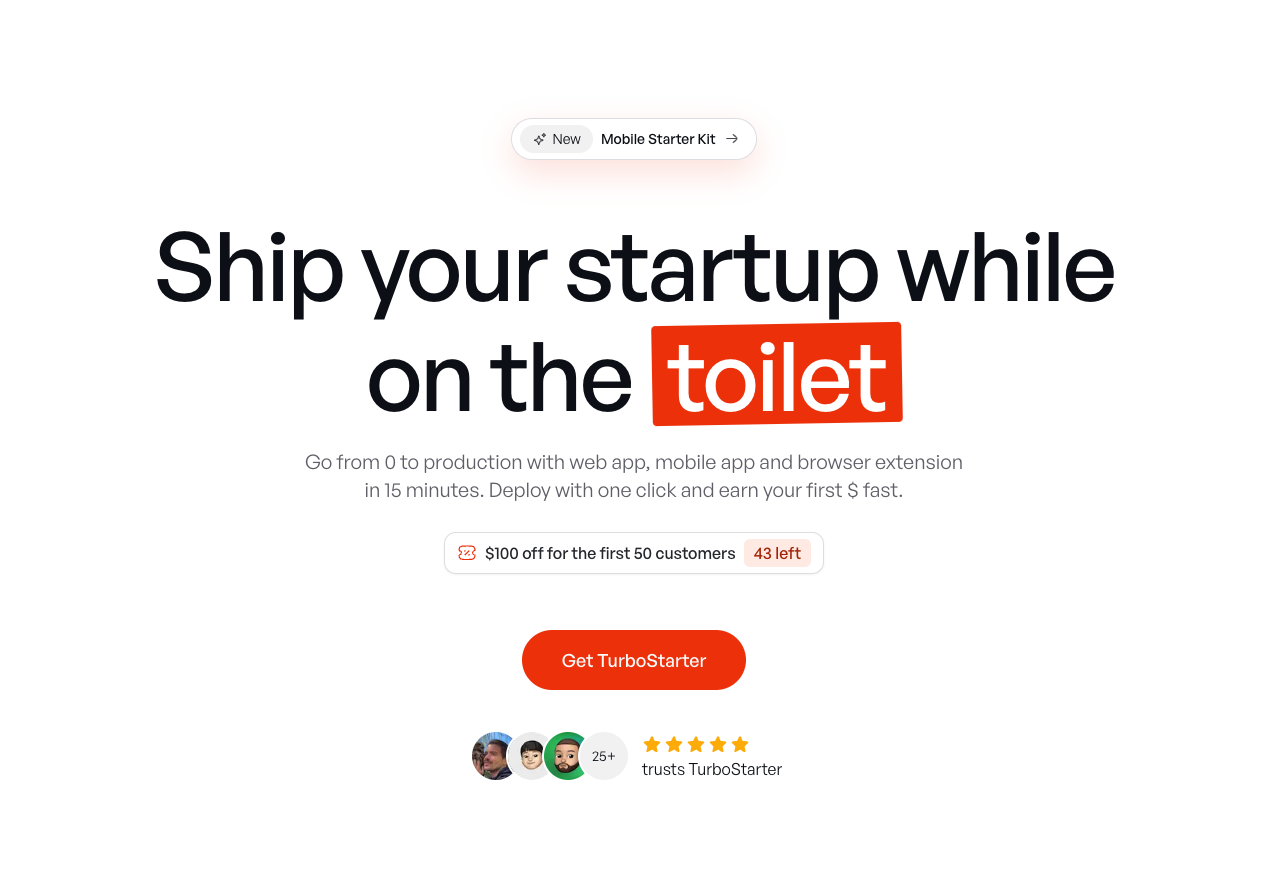
TurboStarter
Ship your startup everywhere. In minutes.
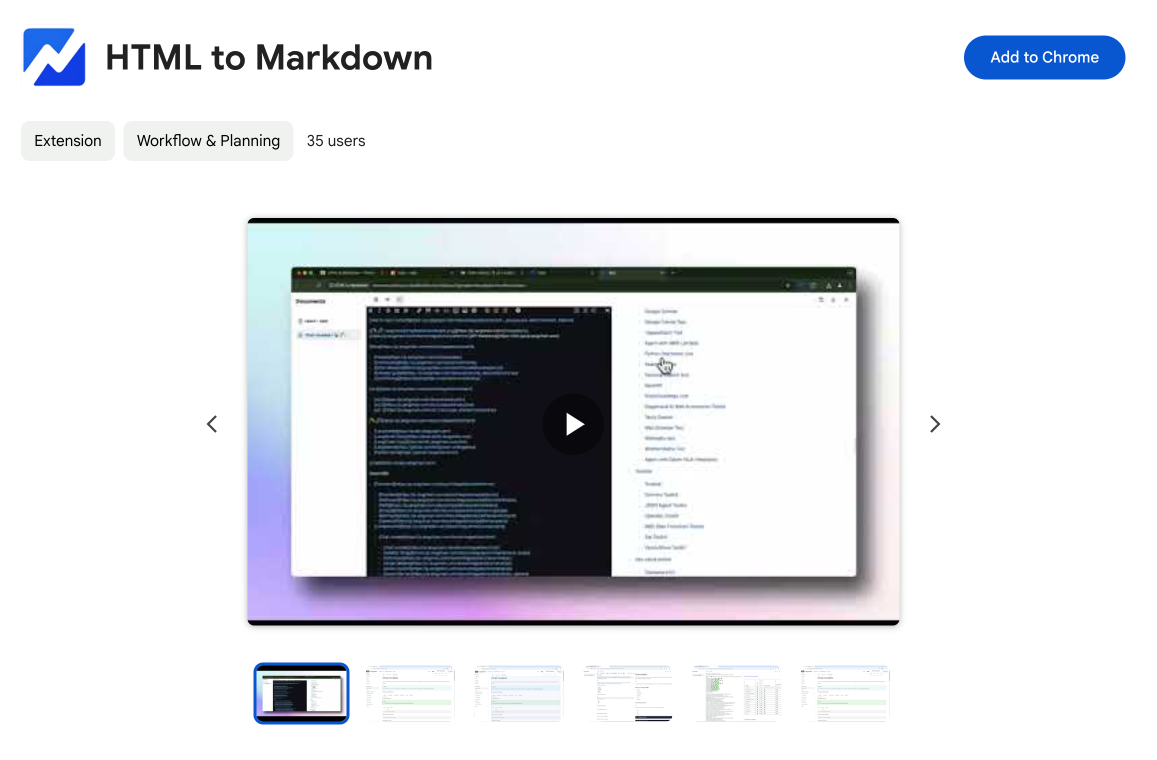
HTML to Markdown
Convert HTML to Markdown with ease, directly in your browser 📄
Dotallio
Personalized AI apps that automate research, data extraction, and content creation without code 🤖
Talk to Santa
Enjoy a magical live video chat or receive a unique AI-generated video greeting from Santa Claus 🎅
pozywka.pl
Scalable blog for food journalist, focused on performance and user experience 🌭
zagrodzki.me
Personal blog and portfolio of Bart Zagrodzki, where he shares his knowledge and work 💼
TurboStarter
Ship your startup everywhere. In minutes.
HTML to Markdown
Convert HTML to Markdown with ease, directly in your browser 📄
Dotallio
Personalized AI apps that automate research, data extraction, and content creation without code 🤖
Talk to Santa
Enjoy a magical live video chat or receive a unique AI-generated video greeting from Santa Claus 🎅
pozywka.pl
Scalable blog for food journalist, focused on performance and user experience 🌭
zagrodzki.me
Personal blog and portfolio of Bart Zagrodzki, where he shares his knowledge and work 💼
TurboStarter
Ship your startup everywhere. In minutes.
HTML to Markdown
Convert HTML to Markdown with ease, directly in your browser 📄
Dotallio
Personalized AI apps that automate research, data extraction, and content creation without code 🤖
Talk to Santa
Enjoy a magical live video chat or receive a unique AI-generated video greeting from Santa Claus 🎅
pozywka.pl
Scalable blog for food journalist, focused on performance and user experience 🌭
zagrodzki.me
Personal blog and portfolio of Bart Zagrodzki, where he shares his knowledge and work 💼
TurboStarter
Ship your startup everywhere. In minutes.
HTML to Markdown
Convert HTML to Markdown with ease, directly in your browser 📄
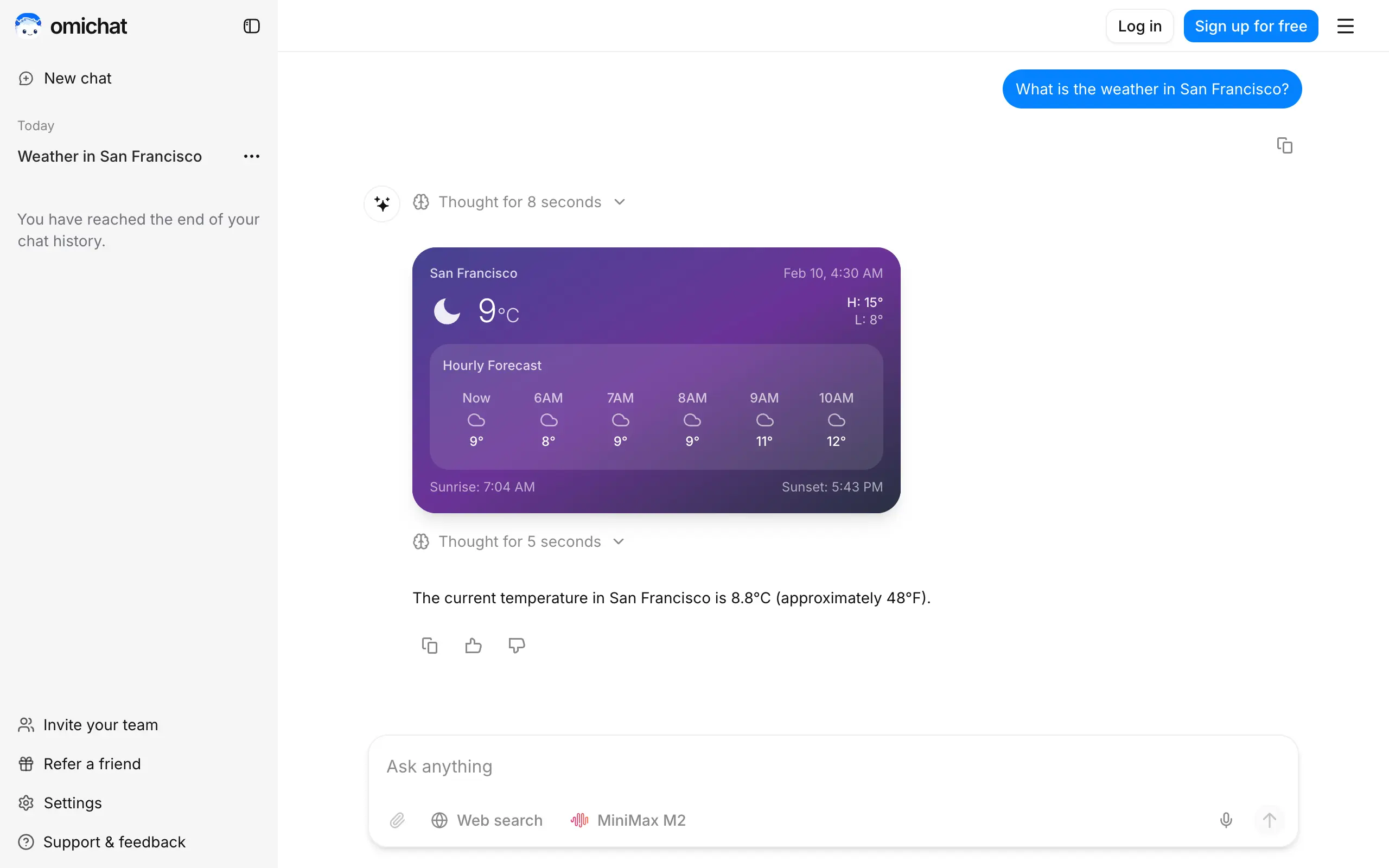
Omichat
Chat with 50+ AI models, including ChatGPT and Claude, in one place - switch models anytime without losing context 🤖
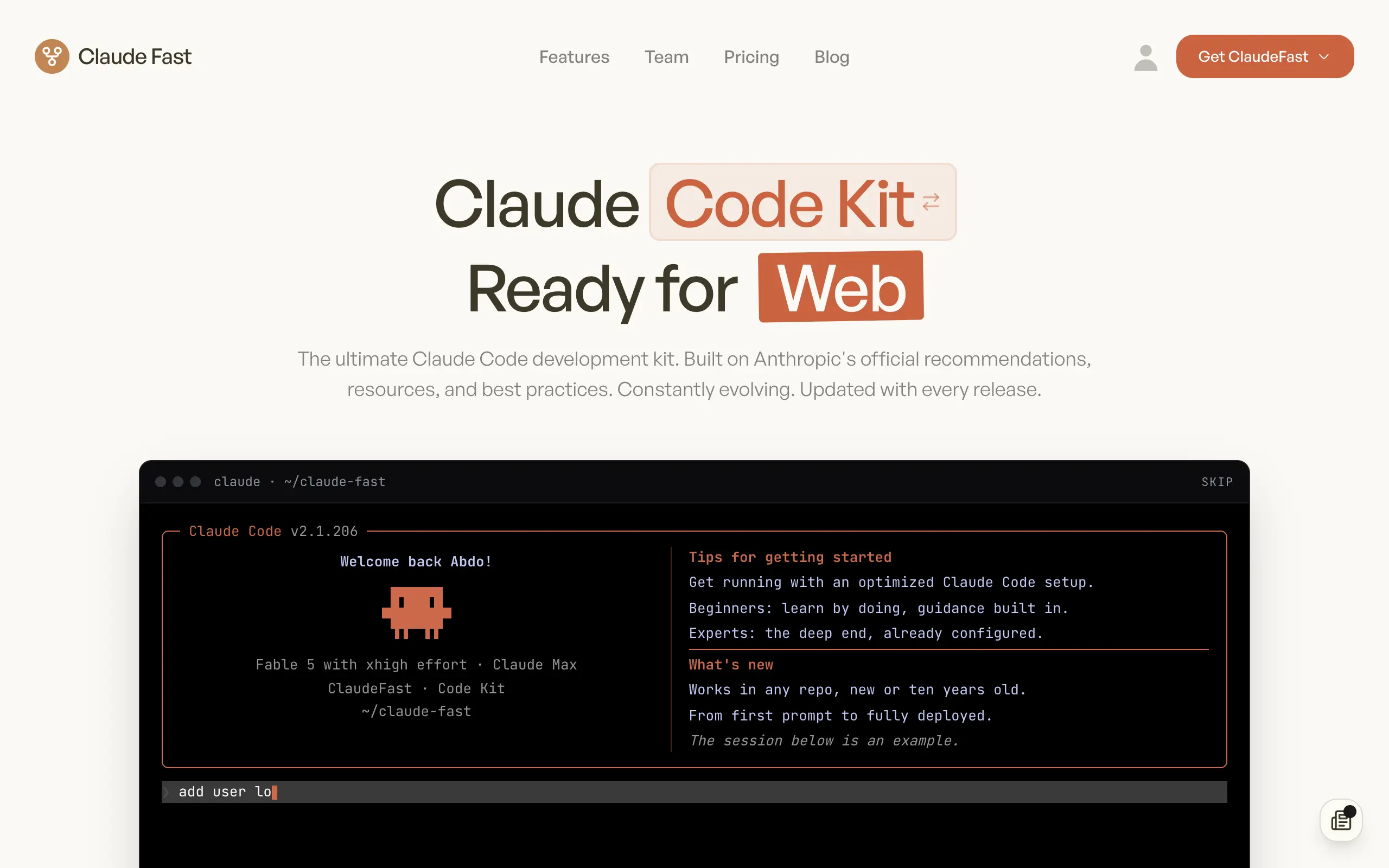
Claude Fast
Supercharge your Claude Code with 6x effective context window and specialized AI agents 🤖
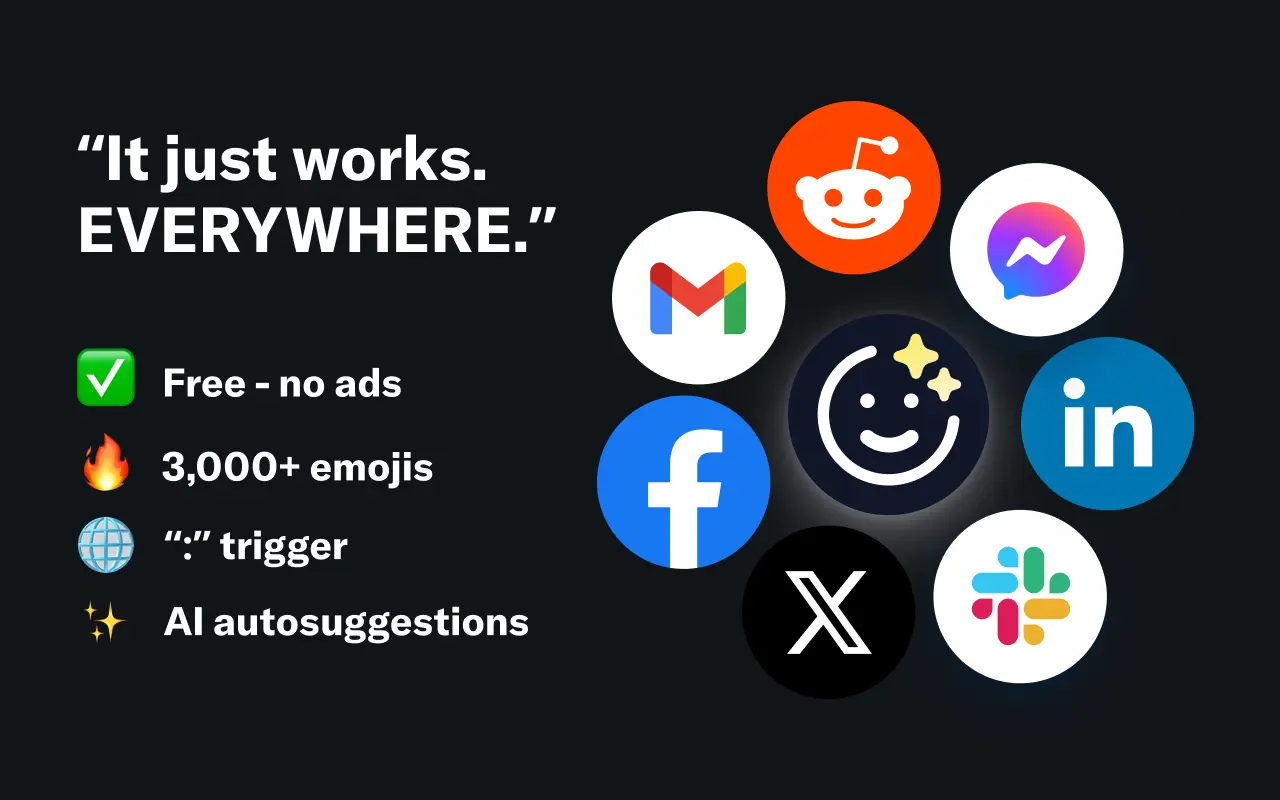
EmojAI
AI-powered emoji picker with smart, context-aware suggestions 🤖
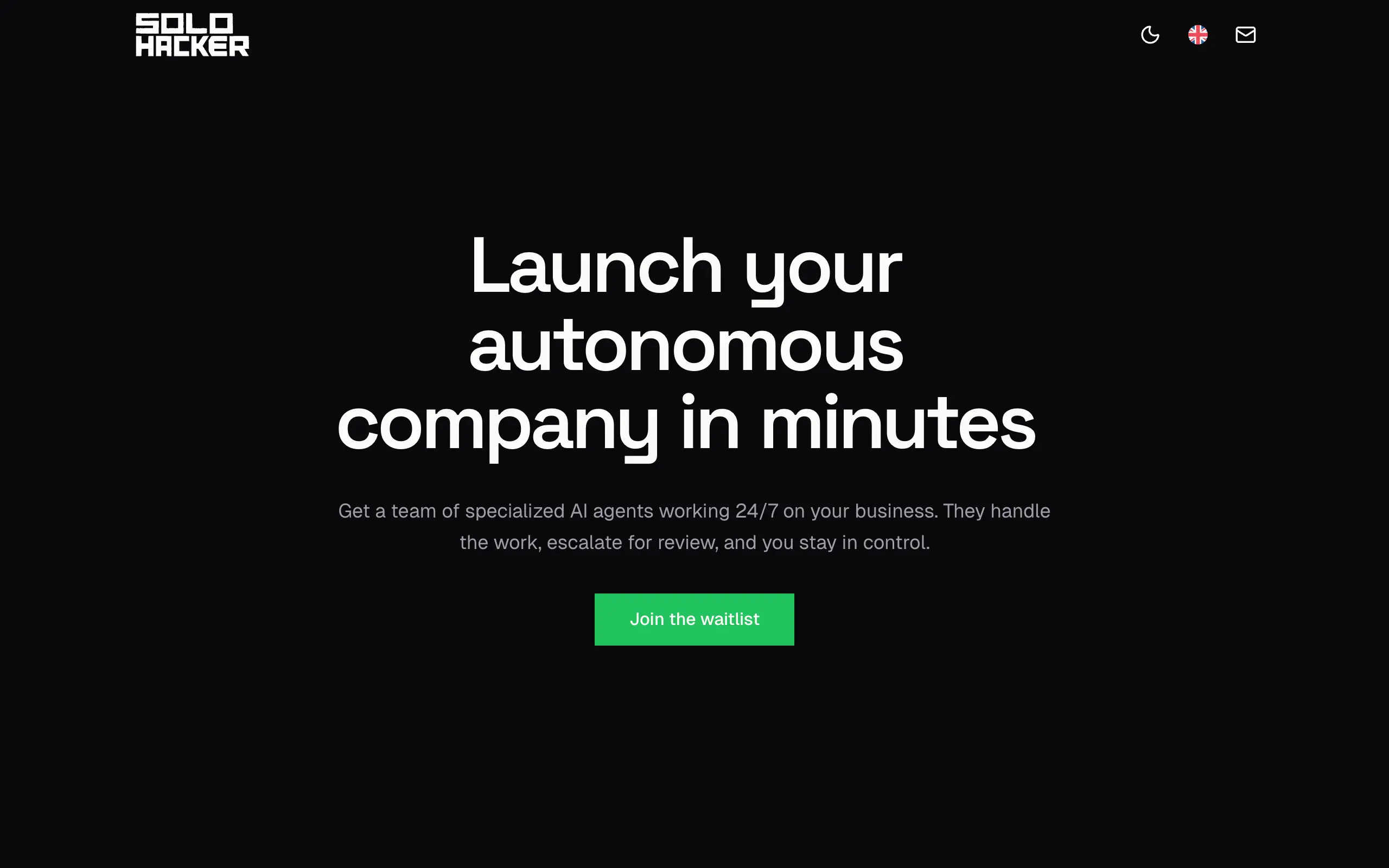
Solohacker
Autonomous company launcher - AI agents work 24/7, escalate what matters, and you stay in control 🤖

BeRawi: Storytelling Coach
Practice storytelling daily with instant feedback to sound clearer, more engaging, and confident 🎤
Omichat
Chat with 50+ AI models, including ChatGPT and Claude, in one place - switch models anytime without losing context 🤖
Claude Fast
Supercharge your Claude Code with 6x effective context window and specialized AI agents 🤖
EmojAI
AI-powered emoji picker with smart, context-aware suggestions 🤖
Solohacker
Autonomous company launcher - AI agents work 24/7, escalate what matters, and you stay in control 🤖
BeRawi: Storytelling Coach
Practice storytelling daily with instant feedback to sound clearer, more engaging, and confident 🎤
Omichat
Chat with 50+ AI models, including ChatGPT and Claude, in one place - switch models anytime without losing context 🤖
Claude Fast
Supercharge your Claude Code with 6x effective context window and specialized AI agents 🤖
EmojAI
AI-powered emoji picker with smart, context-aware suggestions 🤖
Solohacker
Autonomous company launcher - AI agents work 24/7, escalate what matters, and you stay in control 🤖
BeRawi: Storytelling Coach
Practice storytelling daily with instant feedback to sound clearer, more engaging, and confident 🎤
Omichat
Chat with 50+ AI models, including ChatGPT and Claude, in one place - switch models anytime without losing context 🤖
Claude Fast
Supercharge your Claude Code with 6x effective context window and specialized AI agents 🤖
EmojAI
AI-powered emoji picker with smart, context-aware suggestions 🤖
Solohacker
Autonomous company launcher - AI agents work 24/7, escalate what matters, and you stay in control 🤖
BeRawi: Storytelling Coach
Practice storytelling daily with instant feedback to sound clearer, more engaging, and confident 🎤

Connect with like-minded people
Join our community to get feedback, support, and grow together with 1,000+ builders on board, let's ship it!
Join usShip your startup everywhere. In minutes.
Don't burn tokens on setup and start building features on day one.