NativeTongue Dutch
A pronunciation-first Dutch learning app using short native audio clips, shadowing exercises, and real-time accent scoring to sound truly local.
Understanding the problem: why most Dutch learners never sound local
Learning Dutch is deceptively challenging. While the grammar is relatively approachable for English speakers, Dutch pronunciation and accent mastery are among the hardest in Europe. Sounds like ui, g/ch, vowel length distinctions, and sentence-level intonation are notoriously difficult to internalize without constant exposure to native speech.
Most learners face the same frustration:
- They understand written Dutch fairly well
- They can read aloud with confidence
- Yet native speakers immediately switch to English when they speak
This gap exists because traditional language learning tools prioritize vocabulary and grammar over pronunciation. Apps often rely on synthetic text-to-speech, slow recordings, or generic “repeat after me” exercises that fail to replicate real Dutch spoken in daily life.
NativeTongue Dutch addresses this exact gap by being a pronunciation-first Dutch learning app designed for learners who want to sound truly local, not just be understood.
What is NativeTongue Dutch?
NativeTongue Dutch is a B2C SaaS language-learning platform focused exclusively on Dutch pronunciation, accent training, and phonetic accuracy. Instead of overwhelming learners with grammar tables or vocabulary lists, it starts with the most critical—and often ignored—skill: how Dutch actually sounds when spoken by natives.
At its core, NativeTongue Dutch combines:
- Short native audio clips recorded by real Dutch speakers
- Shadowing-based exercises proven in phonetic research
- Real-time accent scoring powered by speech analysis
- Feedback loops that help learners adjust pronunciation immediately
The goal is simple but ambitious:
Help learners speak Dutch in a way that sounds natural, confident, and local.
Primary keyword focus and search intent
The primary keyword for this product is:
“Dutch pronunciation app”
Related semantic and LSI keywords naturally addressed throughout this article include:
- Learn Dutch pronunciation
- Dutch accent training
- Sound like a native Dutch speaker
- Dutch speaking practice
- Dutch shadowing exercises
- Dutch pronunciation trainer
- Dutch language learning app
Search intent analysis
Users searching for these terms typically want:
- A solution to improve Dutch pronunciation
- Validation that accent training is possible as an adult
- Clarity on how an app can help them sound native
- Comparison against generic language-learning apps
- Practical steps to start improving immediately
This article is structured to answer all five intents comprehensively.
Target audience analysis: who NativeTongue Dutch is for
NativeTongue Dutch is not for everyone—and that’s a strength.
Primary audience segments
Expats in the Netherlands
Professionals and long-term residents who want to integrate socially and professionally without being answered in English.
Advanced Dutch learners (A2–C1)
Learners who already know vocabulary and grammar but feel stuck with their accent.
International students
Students attending Dutch universities who want confidence in daily spoken interactions.
Pronunciation-focused language enthusiasts
Polyglots and learners who care deeply about sounding native-like.
What this audience is not looking for
- Gamified vocabulary drills with cartoonish UX
- Grammar-heavy academic courses
- “Learn Dutch in 7 days” promises
NativeTongue Dutch positions itself as a serious pronunciation training tool, not a casual language game.
Market opportunity: the pronunciation gap in language learning
The broader language-learning market
The global language-learning app market is valued in the tens of billions of dollars, dominated by players like Duolingo, Babbel, and Rosetta Stone. However, these platforms share a common weakness:
Pronunciation is treated as a secondary feature, not a core competency.
Why pronunciation-first is a defensible niche
Pronunciation training requires:
- High-quality native audio
- Phonetic modeling and scoring
- Real-time speech analysis
- Pedagogical expertise
This creates higher barriers to entry compared to flashcard-based apps.
Strategic insight
Pronunciation-focused tools benefit from higher user commitment and lower churn, because users feel tangible improvement when feedback is immediate and specific.
Why Dutch specifically?
- Dutch has unique phonemes not found in English
- Learners receive constant negative feedback socially (“Sorry, English?”)
- There are few high-quality Dutch-specific pronunciation tools
- The Netherlands has a large, affluent expat population
This creates a clear, underserved opportunity.
The core learning philosophy: pronunciation before production
NativeTongue Dutch is built around a simple but evidence-based principle:
You cannot produce sounds accurately if you cannot hear and imitate them correctly.
Shadowing as the foundation
Shadowing is a technique where learners:
- Listen to a native speaker
- Repeat immediately, matching rhythm and intonation
- Receive corrective feedback
This method is widely supported in phonetics and second-language acquisition research.
Shadowing forces learners to process pronunciation, timing, and intonation simultaneously, activating auditory and motor memory pathways more effectively than delayed repetition.
Core features of NativeTongue Dutch
1. Short native audio clips
Instead of long dialogues, NativeTongue Dutch uses bite-sized, high-frequency phrases spoken by real Dutch natives.
Benefits include:
- Exposure to natural speed and intonation
- Reduced cognitive load
- Easier repetition and comparison
2. Real-time accent scoring
Using speech analysis, the app evaluates:
- Vowel accuracy
- Consonant articulation (e.g., g, r)
- Stress and rhythm
Feedback is delivered instantly, allowing learners to self-correct.
3. Phoneme-level feedback
Rather than a generic score, learners see which sounds are off and why.
Important distinction
Accent scoring is not about perfection. NativeTongue Dutch focuses on intelligibility and naturalness, not eliminating every trace of a foreign accent.
4. Progressive difficulty
Lessons evolve from:
- Isolated sounds
- Common word pairs
- Everyday phrases
- Natural sentence flow
This scaffolding ensures confidence at every stage.
Competitive analysis: how NativeTongue Dutch stands out
| Feature | Duolingo | Babbel | NativeTongue Dutch | Private tutor |
|---|---|---|---|---|
| Native audio focus | ❌ | ✅ | ✅ | ✅ |
| Real-time accent scoring | ❌ | ❌ | ✅ | ❌ |
| Dutch-specific phonetics | ❌ | ❌ | ✅ | ✅ |
| Affordable scalability | ✅ | ✅ | ✅ | ❌ |
Unique selling proposition (USP)
NativeTongue Dutch is the only app designed exclusively to help learners sound Dutch—not just speak Dutch.
Recommended tech stack and architecture
Building a pronunciation-first app requires careful technical decisions.
Frontend
- React – flexible, component-driven UI (React)
- TypeScript – type safety for complex audio interactions
- Tailwind CSS – rapid, consistent UI styling (TailwindCSS)
Mobile delivery
- React Native or Expo for cross-platform support
- Alternatively, a high-performance PWA for faster iteration
Backend & audio processing
- Node.js for API services
- Web Audio API for recording and playback
- Integration with speech analysis services or custom ML models
Trade-offs to consider
Building in-house accent scoring offers differentiation but requires ML expertise. Third-party APIs accelerate MVP development but may limit customization.
Monetization strategy options
NativeTongue Dutch lends itself well to subscription-based monetization.
Recommended pricing model
- Free tier with limited daily exercises
- Premium subscription (€10–€20/month) unlocking:
- Full lesson library
- Advanced accent analysis
- Personalized feedback history
Additional revenue opportunities
- One-time pronunciation bootcamps
- Corporate expat training packages
- University partnerships
Potential risks and mitigation strategies
Risk: accent scoring feels discouraging
Mitigation:
Frame feedback as progress-oriented, using ranges and encouragement rather than harsh pass/fail metrics.
Risk: limited audience size (Dutch only)
Mitigation:
Dutch serves as a strong initial niche. The underlying system can later expand to other languages.
Risk: content production cost
Mitigation:
Focus on high-frequency phrases first; quality beats quantity.
Validation signals and early traction ideas
To validate demand quickly:
- Launch a waitlist targeting Dutch expat communities
- Share pronunciation clips on social media
- Offer a free “Dutch accent self-test”
How to build and launch NativeTongue Dutch faster
If you want to move from idea to MVP without months of setup, using a production-ready SaaS starter kit can dramatically reduce risk.
Platforms like TurboStarter provide authentication, subscriptions, and deployment out of the box, letting you focus on the core learning experience instead of boilerplate.
Step-by-step implementation roadmap
The long-term vision: beyond “learning Dutch”
NativeTongue Dutch has the potential to become:
- The gold standard for Dutch pronunciation
- A reference model for pronunciation-first language learning
- A platform expandable to other “hard-to-sound-native” languages
By focusing deeply on one problem—sounding local—it builds trust, authority, and genuine learner transformation.
Final thoughts: why NativeTongue Dutch is a strong SaaS idea
NativeTongue Dutch succeeds because it:
- Solves a real, emotionally painful problem
- Targets a clearly defined audience
- Differentiates on methodology, not marketing
- Builds a defensible niche in language learning
For learners, it promises confidence and belonging.
For builders, it offers focus and long-term expansion potential.
If executed well, NativeTongue Dutch won’t just teach pronunciation—it will change how learners experience speaking Dutch forever.
More 👥 B2C Application SaaS ideas
Discover more innovative b2c application SaaS ideas that are trending in 2026. Each idea is AI-generated with market validation and growth potential to help you find your next profitable venture faster than competitors.
Your competitors are building with TurboStarter
Below are some of the SaaS ideas that have been generated and built with our starter kit.
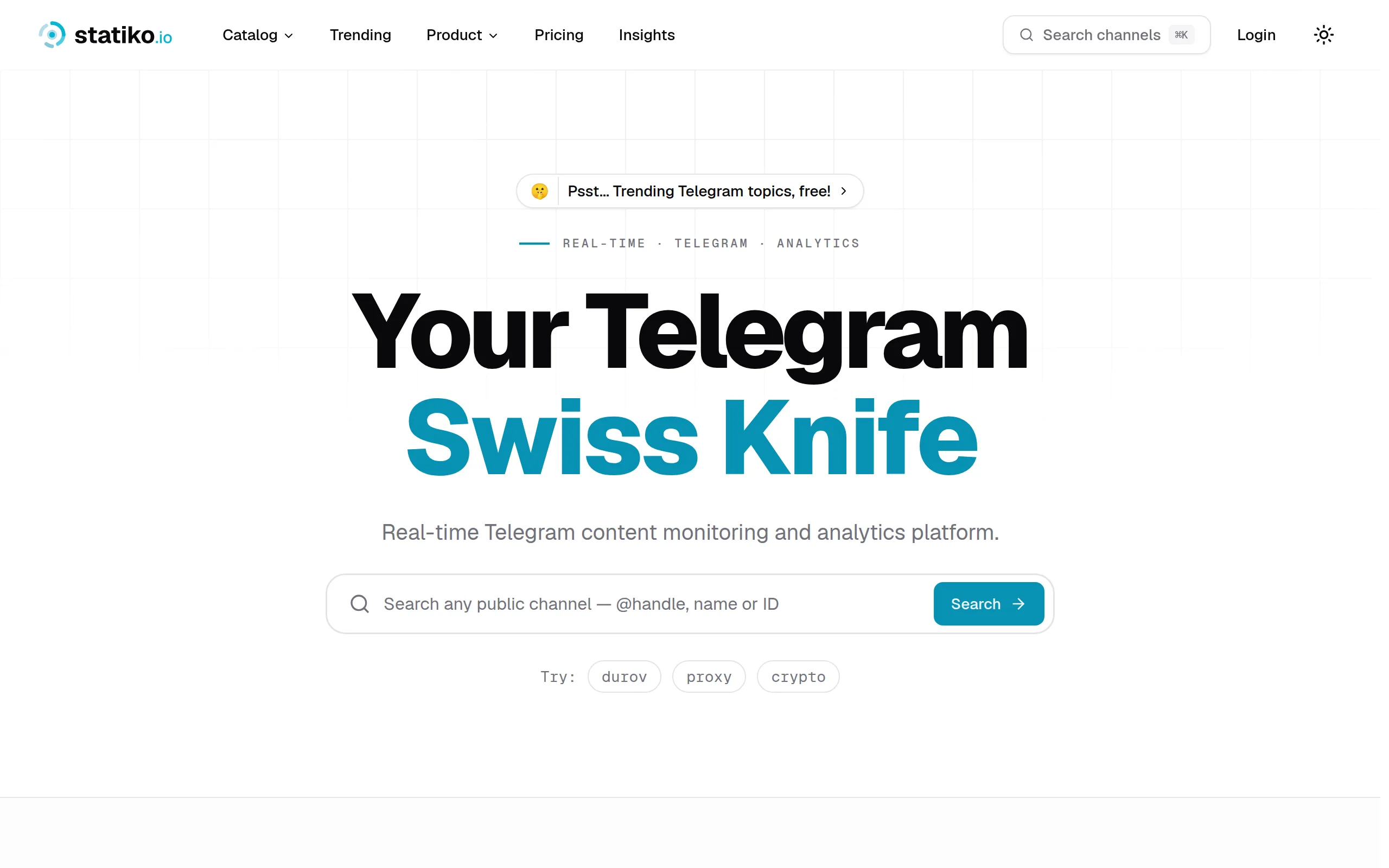
Statiko
Monitor any Telegram channel in real time - track posts, edits, deletions, and growth with AI recaps 📡
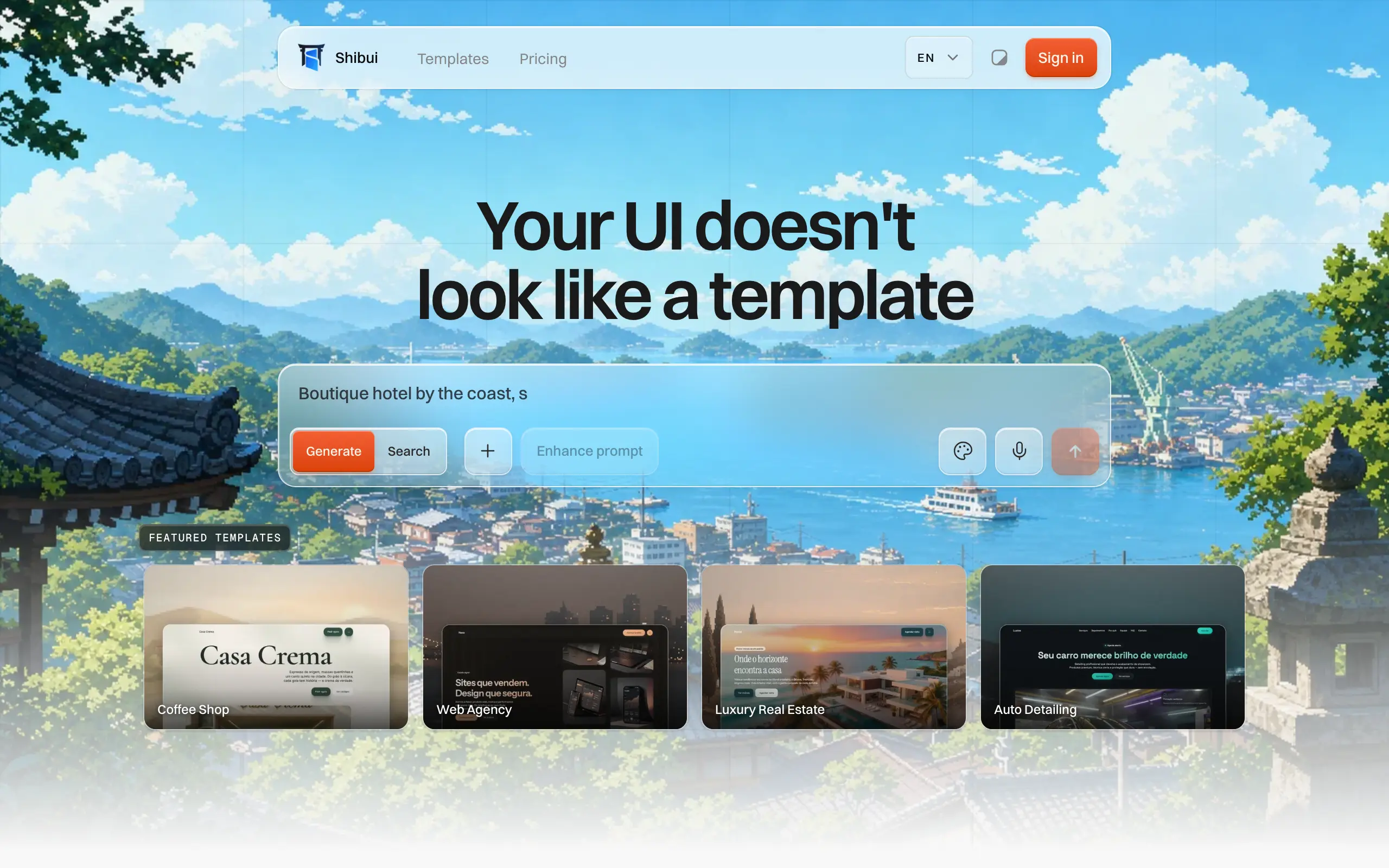
Shibui
AI website builder - describe your business, pick a niche template, edit by chatting, and publish instantly ✨

Pro Service
Find verified home service professionals, compare quotes, and pay securely through escrow - built for Brazilians across the US 🏠
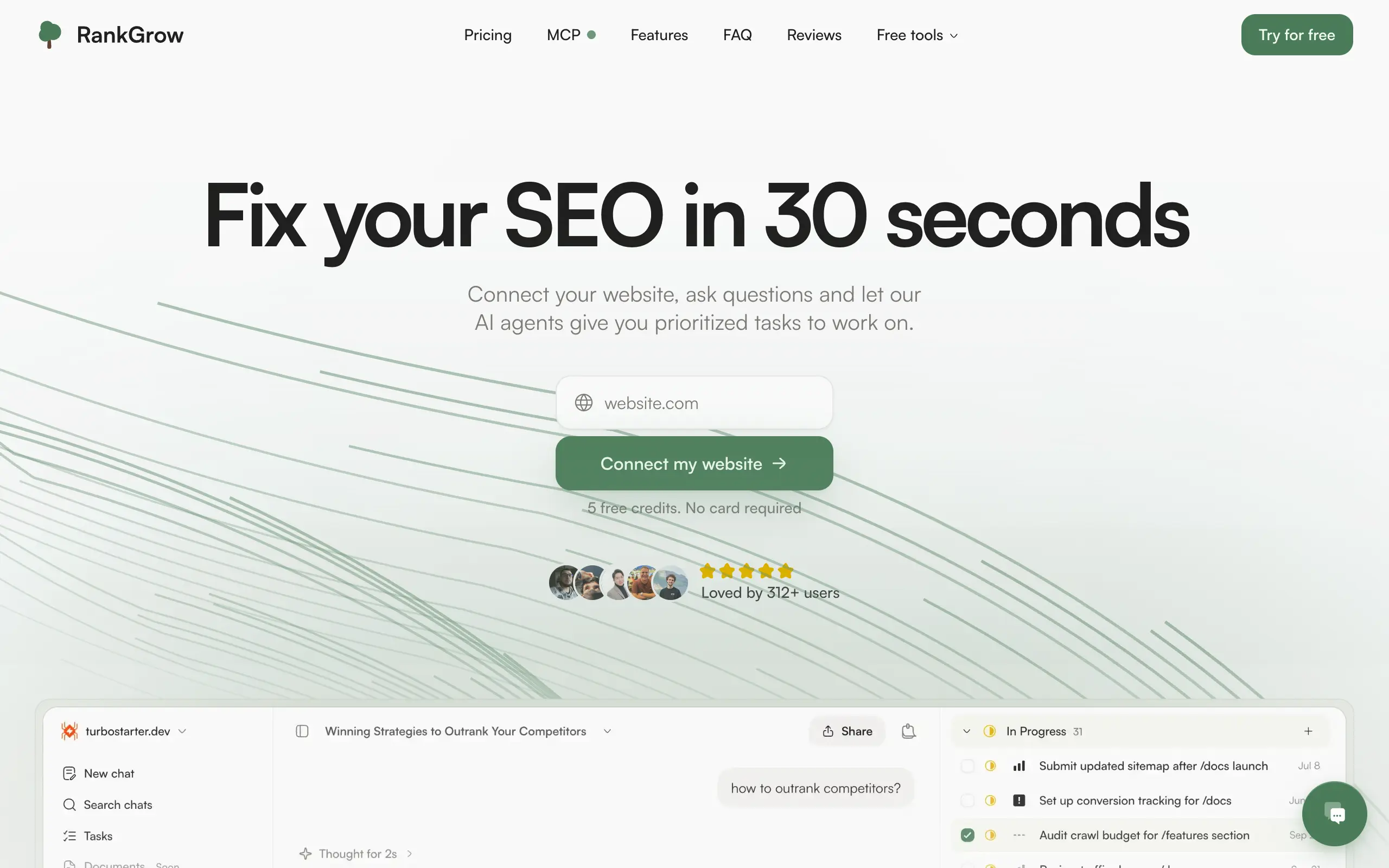
RankGrow
Fix your SEO with AI agents - connect Search Console, get prioritized tasks, and grow organic traffic 📈
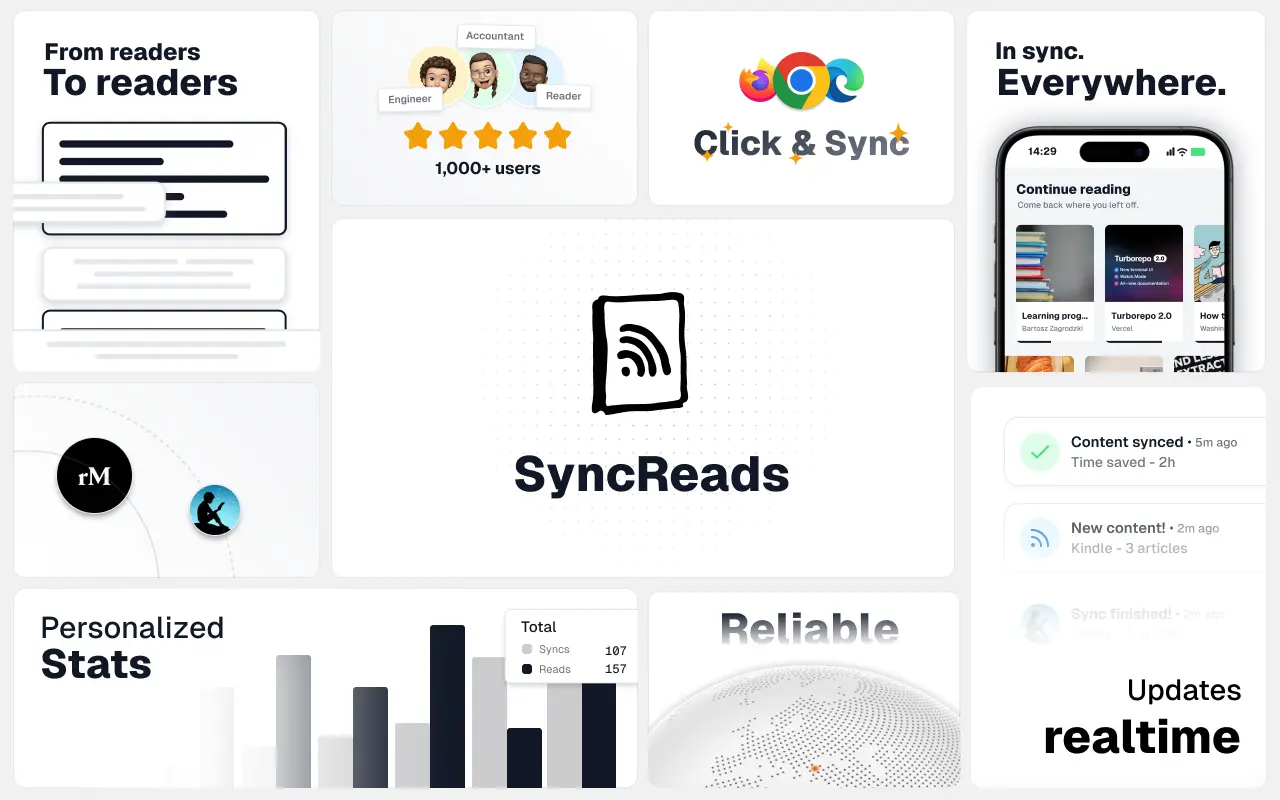
SyncReads
Sync your favorite content for distraction-free reading, save time and replace multiple apps. Anytime, anywhere 🔄
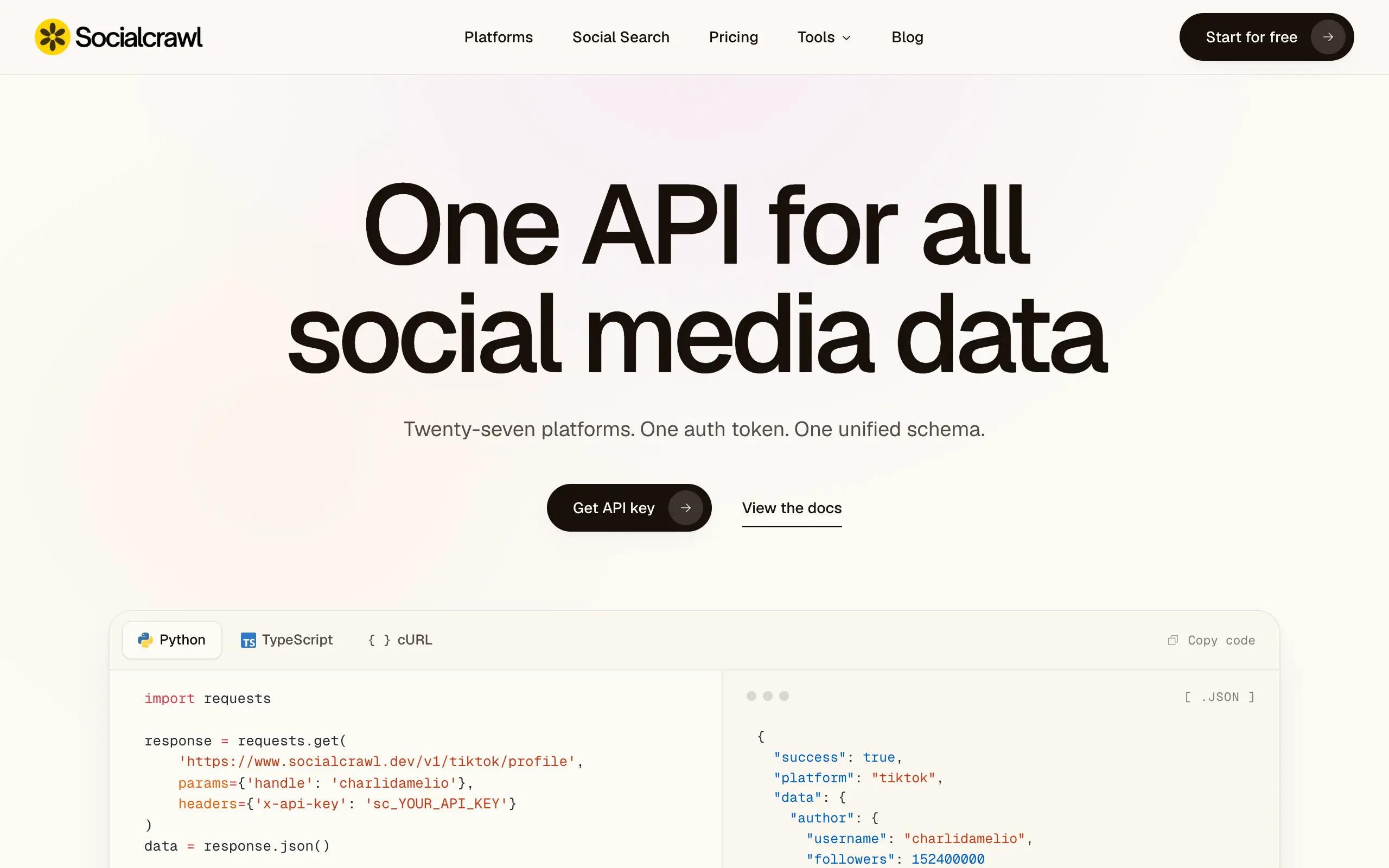
Socialcrawl
Get clean, structured data from 21 platforms like TikTok, Instagram, and YouTube with a single request 📊
Statiko
Monitor any Telegram channel in real time - track posts, edits, deletions, and growth with AI recaps 📡
Shibui
AI website builder - describe your business, pick a niche template, edit by chatting, and publish instantly ✨
Pro Service
Find verified home service professionals, compare quotes, and pay securely through escrow - built for Brazilians across the US 🏠
RankGrow
Fix your SEO with AI agents - connect Search Console, get prioritized tasks, and grow organic traffic 📈
SyncReads
Sync your favorite content for distraction-free reading, save time and replace multiple apps. Anytime, anywhere 🔄
Socialcrawl
Get clean, structured data from 21 platforms like TikTok, Instagram, and YouTube with a single request 📊
Statiko
Monitor any Telegram channel in real time - track posts, edits, deletions, and growth with AI recaps 📡
Shibui
AI website builder - describe your business, pick a niche template, edit by chatting, and publish instantly ✨
Pro Service
Find verified home service professionals, compare quotes, and pay securely through escrow - built for Brazilians across the US 🏠
RankGrow
Fix your SEO with AI agents - connect Search Console, get prioritized tasks, and grow organic traffic 📈
SyncReads
Sync your favorite content for distraction-free reading, save time and replace multiple apps. Anytime, anywhere 🔄
Socialcrawl
Get clean, structured data from 21 platforms like TikTok, Instagram, and YouTube with a single request 📊
Statiko
Monitor any Telegram channel in real time - track posts, edits, deletions, and growth with AI recaps 📡
Shibui
AI website builder - describe your business, pick a niche template, edit by chatting, and publish instantly ✨
Pro Service
Find verified home service professionals, compare quotes, and pay securely through escrow - built for Brazilians across the US 🏠
RankGrow
Fix your SEO with AI agents - connect Search Console, get prioritized tasks, and grow organic traffic 📈
SyncReads
Sync your favorite content for distraction-free reading, save time and replace multiple apps. Anytime, anywhere 🔄
Socialcrawl
Get clean, structured data from 21 platforms like TikTok, Instagram, and YouTube with a single request 📊
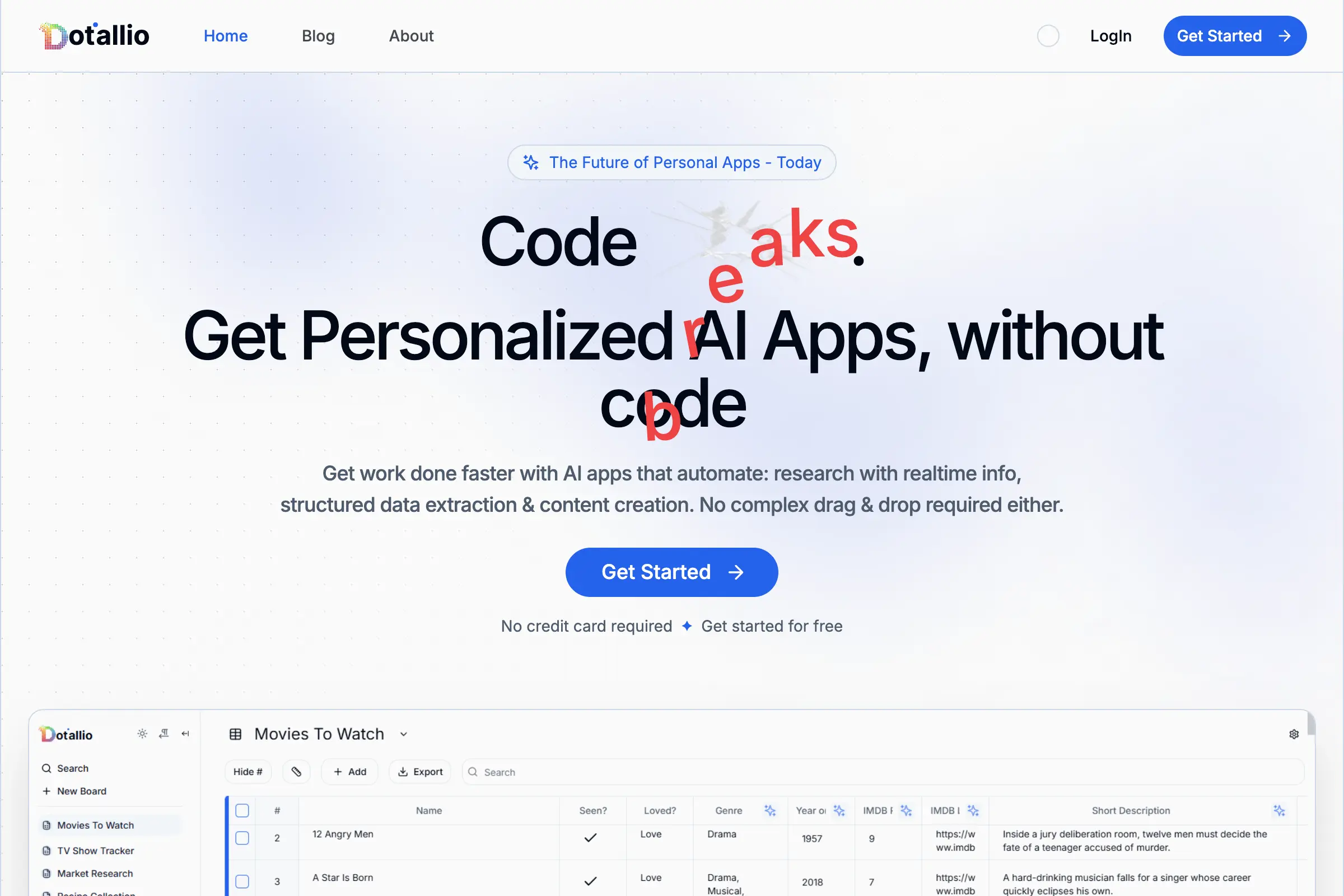
Dotallio
Personalized AI apps that automate research, data extraction, and content creation without code 🤖
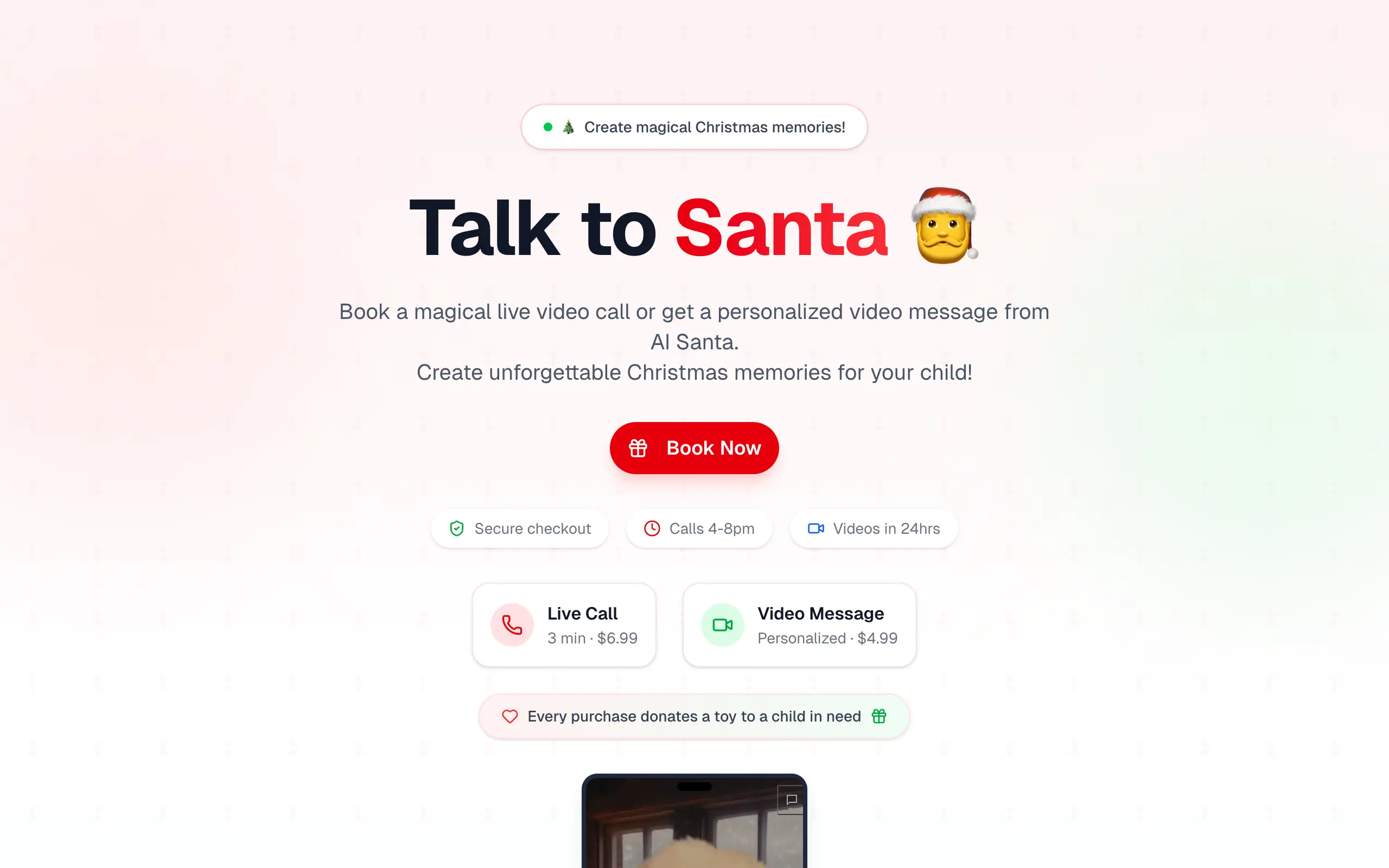
Talk to Santa
Enjoy a magical live video chat or receive a unique AI-generated video greeting from Santa Claus 🎅
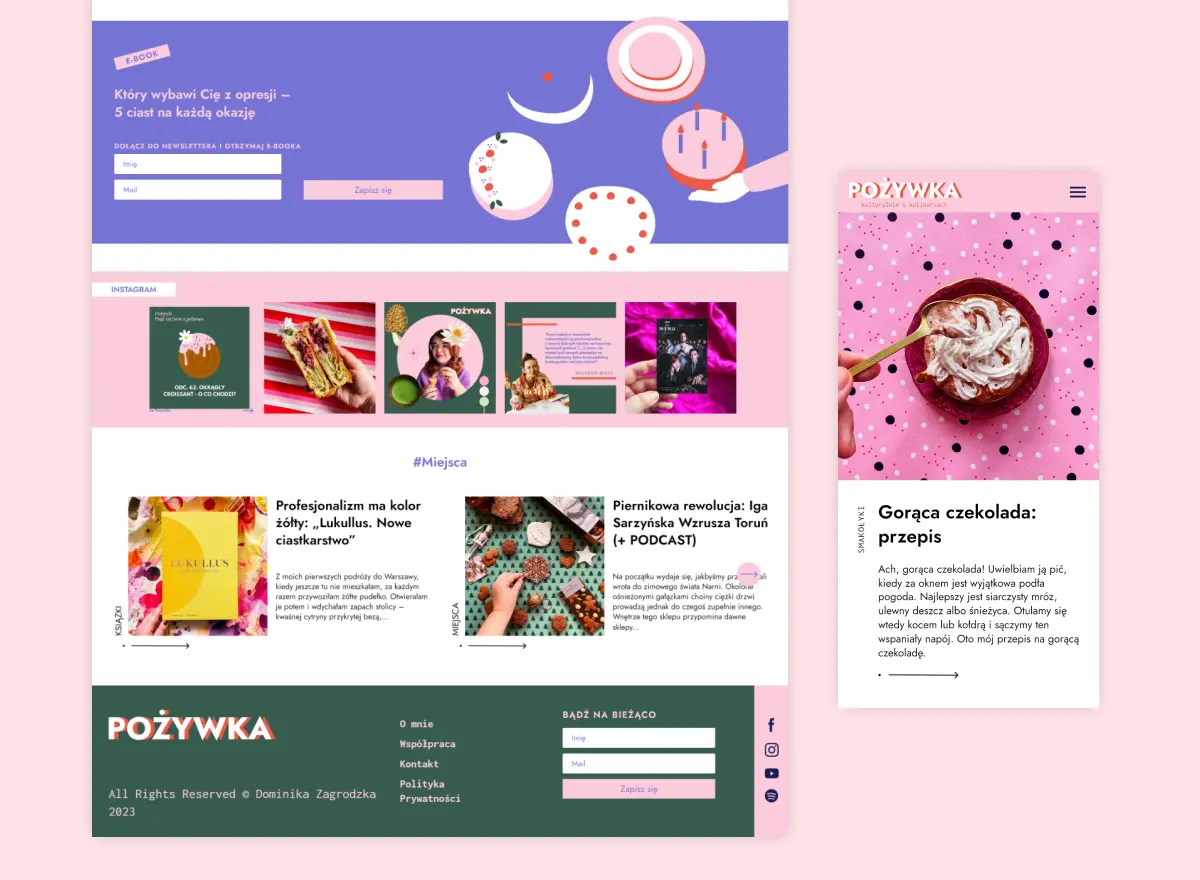
pozywka.pl
Scalable blog for food journalist, focused on performance and user experience 🌭
zagrodzki.me
Personal blog and portfolio of Bart Zagrodzki, where he shares his knowledge and work 💼
TurboStarter
Ship your startup everywhere. In minutes.
HTML to Markdown
Convert HTML to Markdown with ease, directly in your browser 📄
Dotallio
Personalized AI apps that automate research, data extraction, and content creation without code 🤖
Talk to Santa
Enjoy a magical live video chat or receive a unique AI-generated video greeting from Santa Claus 🎅
pozywka.pl
Scalable blog for food journalist, focused on performance and user experience 🌭
zagrodzki.me
Personal blog and portfolio of Bart Zagrodzki, where he shares his knowledge and work 💼
TurboStarter
Ship your startup everywhere. In minutes.
HTML to Markdown
Convert HTML to Markdown with ease, directly in your browser 📄
Dotallio
Personalized AI apps that automate research, data extraction, and content creation without code 🤖
Talk to Santa
Enjoy a magical live video chat or receive a unique AI-generated video greeting from Santa Claus 🎅
pozywka.pl
Scalable blog for food journalist, focused on performance and user experience 🌭
zagrodzki.me
Personal blog and portfolio of Bart Zagrodzki, where he shares his knowledge and work 💼
TurboStarter
Ship your startup everywhere. In minutes.
HTML to Markdown
Convert HTML to Markdown with ease, directly in your browser 📄
Dotallio
Personalized AI apps that automate research, data extraction, and content creation without code 🤖
Talk to Santa
Enjoy a magical live video chat or receive a unique AI-generated video greeting from Santa Claus 🎅
pozywka.pl
Scalable blog for food journalist, focused on performance and user experience 🌭
zagrodzki.me
Personal blog and portfolio of Bart Zagrodzki, where he shares his knowledge and work 💼
TurboStarter
Ship your startup everywhere. In minutes.
HTML to Markdown
Convert HTML to Markdown with ease, directly in your browser 📄
Omichat
Chat with 50+ AI models, including ChatGPT and Claude, in one place - switch models anytime without losing context 🤖
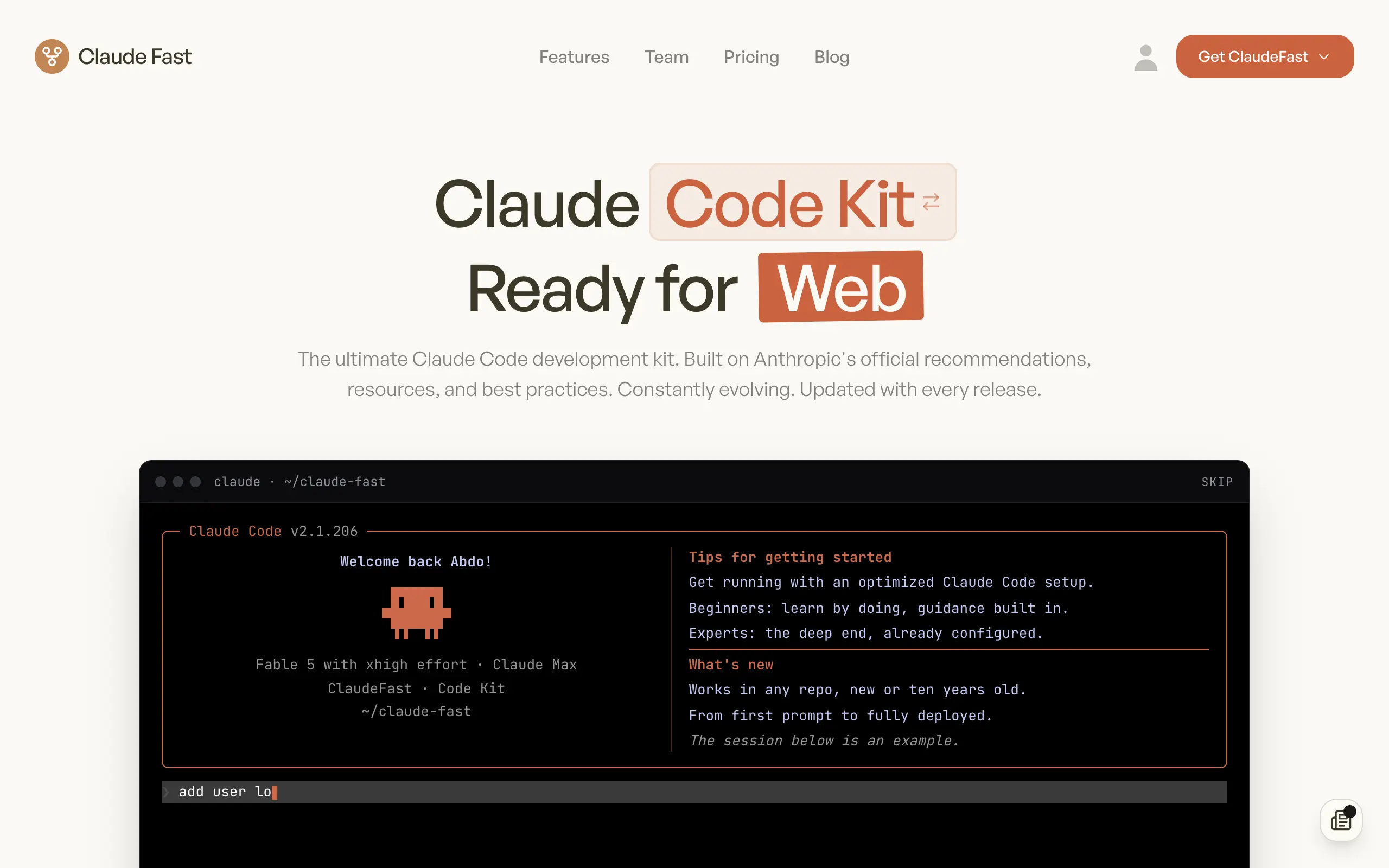
Claude Fast
Supercharge your Claude Code with 6x effective context window and specialized AI agents 🤖
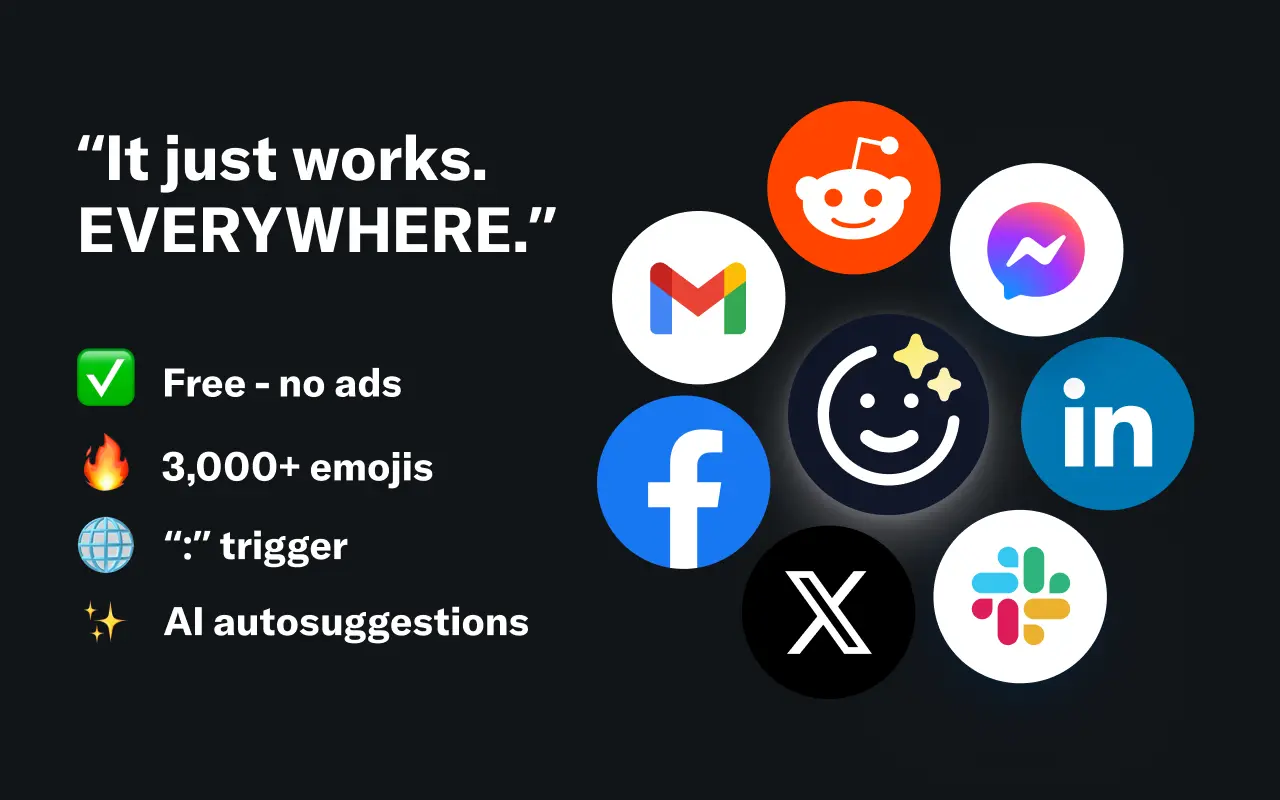
EmojAI
AI-powered emoji picker with smart, context-aware suggestions 🤖
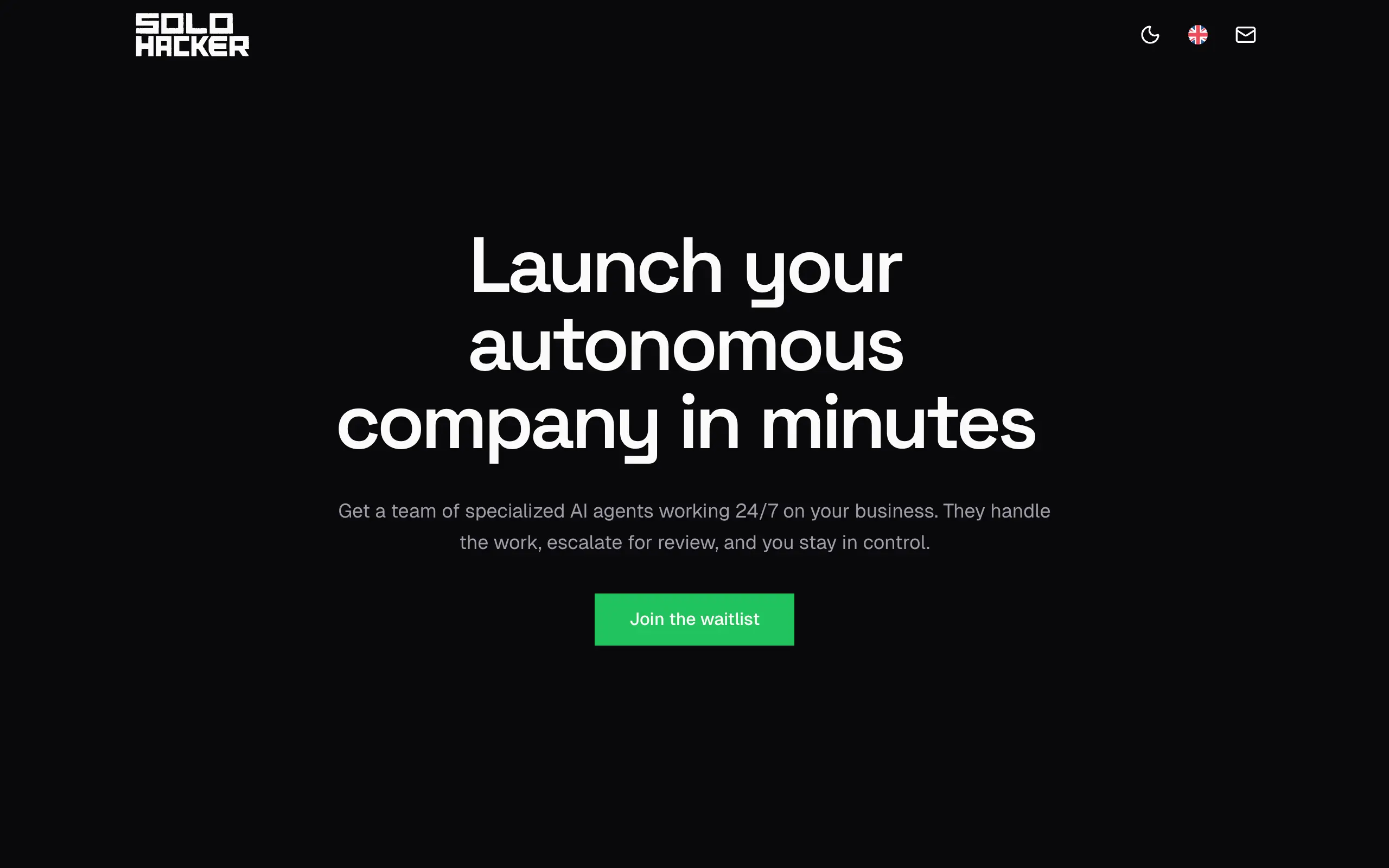
Solohacker
Autonomous company launcher - AI agents work 24/7, escalate what matters, and you stay in control 🤖
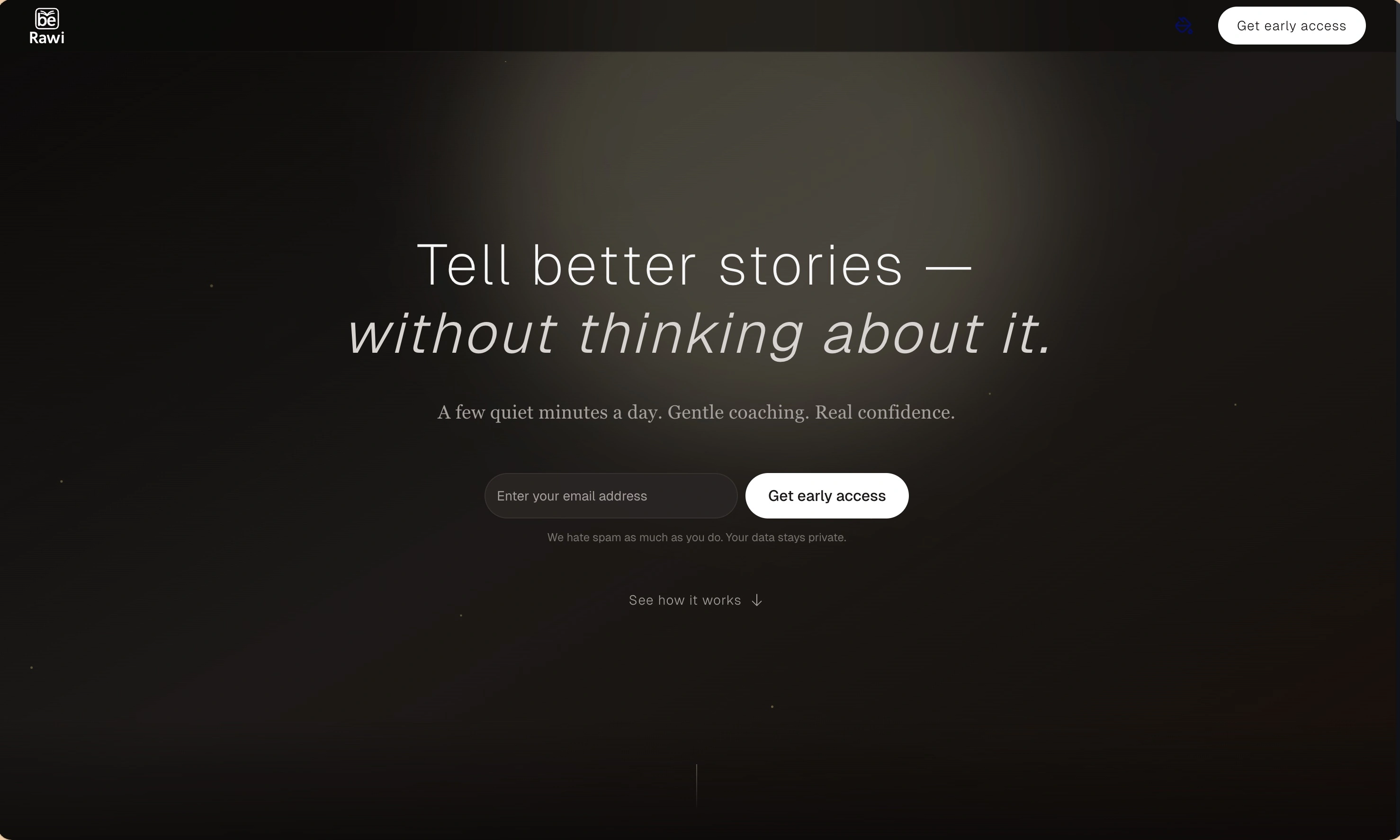
BeRawi: Storytelling Coach
Practice storytelling daily with instant feedback to sound clearer, more engaging, and confident 🎤
Omichat
Chat with 50+ AI models, including ChatGPT and Claude, in one place - switch models anytime without losing context 🤖
Claude Fast
Supercharge your Claude Code with 6x effective context window and specialized AI agents 🤖
EmojAI
AI-powered emoji picker with smart, context-aware suggestions 🤖
Solohacker
Autonomous company launcher - AI agents work 24/7, escalate what matters, and you stay in control 🤖
BeRawi: Storytelling Coach
Practice storytelling daily with instant feedback to sound clearer, more engaging, and confident 🎤
Omichat
Chat with 50+ AI models, including ChatGPT and Claude, in one place - switch models anytime without losing context 🤖
Claude Fast
Supercharge your Claude Code with 6x effective context window and specialized AI agents 🤖
EmojAI
AI-powered emoji picker with smart, context-aware suggestions 🤖
Solohacker
Autonomous company launcher - AI agents work 24/7, escalate what matters, and you stay in control 🤖
BeRawi: Storytelling Coach
Practice storytelling daily with instant feedback to sound clearer, more engaging, and confident 🎤
Omichat
Chat with 50+ AI models, including ChatGPT and Claude, in one place - switch models anytime without losing context 🤖
Claude Fast
Supercharge your Claude Code with 6x effective context window and specialized AI agents 🤖
EmojAI
AI-powered emoji picker with smart, context-aware suggestions 🤖
Solohacker
Autonomous company launcher - AI agents work 24/7, escalate what matters, and you stay in control 🤖
BeRawi: Storytelling Coach
Practice storytelling daily with instant feedback to sound clearer, more engaging, and confident 🎤

Connect with like-minded people
Join our community to get feedback, support, and grow together with 1,000+ builders on board, let's ship it!
Join usShip your startup everywhere. In minutes.
Don't burn tokens on setup and start building features on day one.