Navbat
A multilingual queue and appointment app for Tajik clinics, salons, and service desks, with SMS reminders for customers without constant internet.
Why Navbat can win the Tajikistan appointment and queue management market
Navbat is a multilingual queue and appointment app designed for clinics, salons, and service desks in Tajikistan. Its defining advantage is practical rather than flashy: it helps organizations manage bookings and walk-in queues while still reaching customers through SMS when they do not have reliable mobile data, smartphone access, or constant internet connectivity.
The primary opportunity is not simply to build another booking calendar. It is to create a localized appointment scheduling and queue management platform for Tajik businesses and customers that works in the way people actually communicate, arrive, wait, and receive services.
For many small clinics, beauty salons, diagnostic centers, government-facing service desks, repair shops, and local specialists, the current workflow is fragmented:
- Phone calls are recorded in notebooks or personal messaging apps.
- Walk-in visitors have no visibility into their place in line.
- Staff manually call customers to remind them about appointments.
- Missed appointments create costly gaps in daily schedules.
- Customers may not understand a Russian-only or English-only interface.
- Business owners have little data about demand, delays, no-shows, or staff utilization.
Navbat can address these operational problems through multilingual booking, digital queue tickets, SMS notifications, staff calendars, and lightweight customer access. The strongest product positioning is not “modern scheduling software.” It is a reliable digital navbat system for local services, built for real connectivity conditions in Tajikistan.
Core positioning
Navbat should position itself as a local appointment and queue management system that works for both smartphone users and customers who depend on SMS. This creates a broader addressable market than app-only booking products.
The target audience for a Tajik queue and appointment app
Although Navbat is described as a B2C idea, the most viable go-to-market model is likely B2B2C. Businesses pay for the workflow software, while consumers use it to book appointments, receive reminders, and track their queue position.
This structure matters because service providers experience the immediate financial pain of missed appointments, disorganized waiting rooms, and staff time spent answering routine calls.
Primary users: service businesses and their staff
The first customer segment should consist of organizations with recurring appointments, unpredictable walk-ins, or both.
Private clinics and medical centers
Need appointment scheduling, patient reminders, provider calendars, queue visibility, and reduced waiting-room congestion.
Beauty salons and barbershops
Need staff-specific booking, service durations, repeat appointments, no-show reduction, and simple customer communication.
Service desks and repair centers
Need digital tickets, estimated wait times, counter assignment, and a fair first-come-first-served queue.
Diagnostics, dental, and specialist practices
Need visit preparation reminders, time-slot controls, follow-up bookings, and more predictable workloads.
Within these organizations, Navbat needs to satisfy several different roles:
- Owners and managers need visibility into demand, revenue-related capacity, busy periods, and no-show patterns.
- Receptionists need a fast screen for booking, check-in, rescheduling, and queue movement.
- Service providers need clear daily schedules and enough context to prepare for each customer.
- Customers need a low-friction way to reserve a slot or join a queue without being forced to install a complex app.
- Administrators need multilingual controls, staff permissions, branch settings, and dependable messaging.
Consumer needs and behavior
The consumer side of Navbat must account for varying digital confidence. A young urban customer may prefer a mobile web booking flow, while an older patient may use a basic phone and depend entirely on SMS notifications.
A successful customer experience should support:
- Tajik, Russian, and potentially Uzbek language options where relevant
- A simple phone-number-first experience
- Minimal form fields for initial bookings
- Clear confirmation messages
- SMS appointment reminders
- Easy cancellation or rescheduling
- Queue ticket numbers and estimated service times
- Directions, operating hours, and service preparation notes
- Family booking for parents, children, or dependents
The key product principle is simple: do not make the customer download an app to receive value. A mobile-friendly web experience plus SMS can cover many early use cases. A native mobile app can become more valuable after Navbat has enough supply-side adoption and repeat consumers.
The market gap Navbat should solve
The market gap is created by the collision of three realities: service businesses need operational software, customers want convenience, and internet connectivity cannot always be assumed.
Global appointment booking tools are often poorly fitted for this environment because they can be expensive, English-first, difficult to configure, reliant on email, or built for markets where every customer uses a stable internet connection. Generic calendar software also does not solve physical queue management.
A notebook and a phone call may appear cheap, but the hidden costs are substantial:
- Double-booked appointments
- Lost or forgotten booking details
- No-shows with no reminder process
- Staff time spent calling customers
- Crowded waiting areas
- Frustrated customers who leave before being served
- No history of visit demand or peak hours
- Difficulty coordinating multiple staff members or branches
Navbat can create value by unifying appointments and walk-in queues in one operational system.
The local-first opportunity
Localization should go beyond translating interface text. For Navbat, meaningful localization includes:
- Local names, phone-number formats, and familiar terminology
- Tajik and Russian language support at minimum
- Service categories that match local businesses
- SMS as a core channel, not a secondary add-on
- Low-bandwidth page performance
- Flexible working hours, breaks, and walk-in rules
- Payment workflows that do not assume universal card adoption
- Local onboarding and human support
This creates a defensible position. International competitors may provide generic scheduling features, but Navbat can become the operational layer that local teams trust every day.
Why SMS is an important differentiator
SMS reminders are especially important for appointments with high no-show costs, including medical consultations, diagnostics, beauty services, and repair bookings.
SMS has several advantages:
- It reaches customers without requiring a mobile app.
- It does not depend on users opening an email inbox.
- It can work on basic mobile devices.
- It is familiar to a broad range of customers.
- It gives the business a clear, direct reminder channel.
- It can include an appointment time, location, queue number, or cancellation instruction.
However, SMS should be implemented carefully. Businesses must obtain appropriate customer consent, limit unnecessary messages, protect phone numbers, and provide an understandable opt-out process. Messaging costs must also be visible to business customers so that they understand how credits or bundled notifications are used.
Core Navbat features for appointments and digital queues
The minimum viable product should focus on the smallest set of features that delivers measurable operational value. Avoid building a broad marketplace, complex medical records system, or full payment infrastructure before validating the core workflow.
Booking and appointment scheduling
The appointment scheduling experience should let a customer choose a business, service, staff member, date, and available time slot.
Essential capabilities include:
- Configurable services and service durations
- Staff calendars and working hours
- Buffer time between appointments
- Booking lead-time rules
- Capacity limits for group or shared services
- Manual booking by reception staff
- Customer booking via mobile web
- Cancellation and rescheduling policies
- Internal notes for staff
- Appointment statuses such as booked, confirmed, checked in, completed, canceled, and no-show
For clinics, the product should avoid claiming to be a full electronic health record. Start with administrative scheduling data, not sensitive clinical documentation. This keeps the early product easier to adopt and reduces privacy and compliance complexity.
Walk-in queue management
A strong digital queue system is a major part of the Navbat value proposition. It should allow receptionists to create a ticket for each visitor, assign a service category, and place that person in a fair and transparent queue.
Key functions should include:
- Digital ticket creation through staff, kiosk, or customer mobile web
- Queue number assignment
- Multiple queues by department, service, provider, or counter
- Priority rules when appropriate
- Check-in and absent-customer handling
- Queue status boards for waiting areas
- Estimated waiting time
- “Your turn is approaching” SMS alerts
- Counter or room assignment
- Queue performance reports
The first version does not need perfect waiting-time predictions. A transparent estimate based on current queue length and average service duration is already more useful than no information at all.
Notifications and communication
Notifications should be designed as a workflow engine, not merely a message-sending feature.
A robust initial notification set can include:
- Immediate booking confirmation
- Reminder 24 hours before an appointment
- Reminder one or two hours before an appointment
- Rescheduling confirmation
- Cancellation confirmation
- Queue join confirmation
- “Please arrive” or “Your turn is soon” alert
- Post-visit feedback request
Each business should be able to control reminder timing, languages, sender identity where supported, and notification templates.
Multilingual user experience
Language support is central to the product, not an optional setting buried in an account menu. Navbat should provide consistent translations across customer booking pages, SMS templates, staff dashboards, and help documentation.
Recommended initial language priorities are:
- Tajik
- Russian
- English for internal administration or selected business use cases
Each business should be able to set a default language while customers choose their preferred communication language. This is particularly important for SMS reminders, where clarity directly affects attendance.
Business dashboard and operational reporting
Small businesses do not need overwhelming analytics. They need answers to practical questions:
- Which services are booked most often?
- Which providers have the highest utilization?
- What are the busiest days and hours?
- How many customers missed appointments?
- How long do customers wait on average?
- Which bookings were created online versus by staff?
- How many SMS reminders were sent?
- Which branch needs additional staffing?
A concise dashboard that answers these questions can turn Navbat from a utility into a decision-making tool.
Recommended technology stack for Navbat
Navbat should use a modern web architecture that prioritizes reliability, localization, mobile performance, and maintainability. The product has two distinct surfaces: a customer-facing booking and queue experience, and a staff-facing business dashboard.
Frontend and application framework
A strong foundation is Next.js with React and TypeScript.
This stack is well suited to Navbat because it supports:
- Fast, search-friendly public business pages
- Mobile-responsive booking flows
- Server-rendered content for good performance on slower connections
- Secure backend routes for booking and messaging logic
- Shared UI components for customer and staff views
- Type safety across a growing codebase
For interface development, Tailwind CSS can accelerate consistent design while keeping the bundle and styling workflow manageable.
A practical implementation can begin with a responsive web application rather than native iOS and Android apps. A progressive web app approach can give users an app-like experience while reducing launch complexity. Native apps should be considered once repeat consumer usage, push notification needs, and offline requirements justify the investment.
Backend, data, and authentication
For data storage, PostgreSQL is a strong choice because appointments, queues, users, branches, staff, and notifications all benefit from relational data integrity.
Use a managed database provider with:
- Automated backups
- Encryption at rest
- Point-in-time recovery
- Monitoring
- Regional availability considerations
- Clear data retention controls
For database access, Prisma can help teams model relationships and reduce common query errors.
Authentication should support phone-first workflows. Business staff can use passwordless email or phone verification, while customers may only need a verified phone number for booking confirmation. Do not require customers to create a permanent account before making an appointment unless the business requires it.
Queue consistency and real-time updates
Queue systems are sensitive to race conditions. Two people should not receive the same ticket number, and staff should not accidentally call the same customer twice.
Use database transactions and row-level locking where necessary for:
- Ticket generation
- Queue position updates
- Check-in events
- Counter assignment
- Appointment slot reservations
For real-time staff dashboards and waiting-room displays, WebSockets or server-sent events can be useful. However, do not make the core workflow dependent on persistent real-time connections. The system should gracefully fall back to polling and server-confirmed state changes in weaker network conditions.
SMS provider integration
SMS delivery is a critical vendor dependency. The architecture should isolate the SMS provider behind a messaging service layer so Navbat can switch providers or route messages based on price, delivery performance, and local coverage.
A good notification service should support:
- Delivery status tracking
- Retries for transient failures
- Template versioning
- Language selection
- Idempotency to prevent duplicate sends
- Per-business messaging limits
- Cost reporting
- Opt-out preference storage
Before selecting a provider, validate local delivery coverage, sender ID rules, message encoding behavior for Tajik and Cyrillic text, throughput limits, support quality, and pricing. A technically elegant integration is not useful if messages are delayed or inconsistently delivered.
| Layer | Recommended choice | Why it fits Navbat | Trade-off | Priority |
|---|---|---|---|---|
| Web application | Next.js and React | Fast mobile web and staff dashboard | Requires disciplined server and client boundaries | High |
| Database | PostgreSQL | Reliable relational booking and queue data | Needs schema planning and backups | High |
| ORM | Prisma | Typed data access and migrations | May need raw SQL for advanced reporting | High |
| Notifications | SMS provider abstraction | Supports local routing and delivery tracking | Per-message cost and vendor dependency | High |
| Native app | Later-stage investment | Useful for repeat users and push alerts | Higher development and maintenance cost | Medium |
Monetization strategy for Navbat
Navbat should primarily monetize businesses, not consumers. Customers should generally be able to book appointments and receive essential notifications for free.
A recurring SaaS subscription model offers predictable revenue and aligns with the ongoing operational value of the platform.
Recommended pricing structure
Offer simple plans based on business size, branches, staff members, and notification volume.
- Starter plan — for independent specialists and small salons with one location, basic booking, one or a few staff accounts, and a limited number of SMS messages.
- Business plan — for clinics and growing service businesses needing multiple staff, queue management, reporting, custom booking pages, and higher SMS allocations.
- Multi-branch plan — for organizations managing multiple locations, centralized reporting, role permissions, priority support, and integrations.
- Enterprise or public-sector plan — for large clinics, service centers, and institutions requiring custom onboarding, service-level agreements, audit logs, and tailored deployment support.
SMS can be included as a monthly allowance, then billed as usage-based overage. This prevents a low subscription price from being eroded by high messaging expenses.
Additional revenue opportunities
Once core adoption is proven, Navbat can add optional revenue streams:
- Paid onboarding and data setup
- Branded booking pages and custom domains
- Digital waiting-room displays
- Additional SMS bundles
- Advanced analytics
- Multi-branch administration
- API access and integrations
- Payment collection or deposits where local payment infrastructure supports it
- Appointment marketplace placement for consumer discovery
Be cautious with marketplace monetization early on. A marketplace requires consumer demand, accurate availability, provider quality control, and strong trust. Navbat should first become indispensable operational software for businesses.
Competitive advantage and unique selling proposition
Navbat’s unique selling proposition is its ability to combine multilingual appointment booking, real-world queue management, and SMS-first customer communication for Tajik service businesses.
That combination is more defensible than any individual feature.
A generic booking tool may offer calendars. A messaging platform may offer SMS. A spreadsheet may track appointments. But Navbat can connect each part of the service journey:
- A customer books online or through staff.
- The system confirms the time in the customer’s language.
- SMS reminders reduce forgotten appointments.
- The customer checks in or joins a walk-in queue.
- Staff manage the line from a shared dashboard.
- The customer receives an alert when their turn approaches.
- The business learns from no-show, wait-time, and capacity data.
Where Navbat can outperform generic alternatives
- Local language depth — Tajik and Russian across the customer and business experience.
- Low-connectivity design — SMS remains useful when mobile internet is unreliable.
- Hybrid workflow support — appointments and walk-in queues work together.
- Operational simplicity — designed for reception teams, not only digitally mature businesses.
- Local onboarding — setup assistance can be a decisive advantage in early adoption.
- Affordable packaging — pricing calibrated for local small and medium service providers.
- Trust through reliability — simple, dependable notifications are often more valuable than excessive features.
The product should avoid competing solely on feature count. It should compete on adoption, reliability, localization, and measurable operational outcomes.
Risks and mitigation strategies
Every SaaS opportunity has execution risks. Navbat’s risk profile is manageable, but it requires deliberate product and commercial choices.
SMS can become expensive at scale, and delivery quality may vary by provider or carrier. Mitigate this by using multiple provider options, monitoring delivery events, bundling messages into plans, setting notification rules, and offering customer preference controls.
Some businesses may rely on notebooks because they appear free. Sell outcomes rather than software features. Demonstrate fewer no-shows, less receptionist workload, shorter waiting times, and more completed appointments through a simple pilot.
Receptionists may fear that new software will slow them down. Design a fast dashboard, provide local-language training, offer migration help, and make manual booking easier than writing in a notebook.
Healthcare-related scheduling can involve personal information. Collect only necessary data, use encryption, implement role-based access, maintain audit logs, and clearly explain data handling practices.
A web-only workflow can fail during connection disruptions. Build graceful degradation, cache essential screens where feasible, make SMS notifications independent of dashboard sessions, and ensure staff actions sync safely after reconnection.
It is tempting to build payments, telemedicine, marketplace listings, loyalty tools, and CRM features immediately. Protect focus by measuring whether appointment booking, reminders, and queues are being used weekly before expanding scope.
Privacy and trust requirements
Trust is particularly important when Navbat serves clinics. Even if the product initially stores only appointment metadata, users must believe their data is handled responsibly.
The platform should include:
- Role-based access control
- Secure authentication and session handling
- Encryption in transit using HTTPS
- Encryption at rest through managed infrastructure
- Data minimization
- Configurable retention policies
- Audit logs for sensitive staff actions
- Clear privacy notices in supported languages
- Backup and recovery procedures
- Incident response documentation
For any legal or regulatory requirements, consult qualified local counsel before launch. Product teams should not assume that global privacy frameworks automatically cover local obligations.
Go-to-market strategy for a queue management SaaS in Tajikistan
Navbat should not begin with a nationwide consumer marketing campaign. Supply density and real business success stories matter more than downloads.
Start with a focused vertical
The best initial vertical is likely one where the pain is visible, the booking process is repeatable, and the owner can make a quick decision.
Potential starting points include:
- Private dental clinics
- Beauty salons with multiple specialists
- Diagnostic centers
- Barbershop chains
- Repair and customer service centers
A narrow launch segment makes onboarding, templates, sales messaging, and product feedback much clearer. For example, a dental clinic template can include doctor schedules, consultation durations, confirmation reminders, and waiting-room queue management from day one.
Use a pilot-led sales motion
Offer a structured pilot to a small cohort of local businesses. The pilot should have a defined timeline and success criteria.
Track:
- Number of appointments created
- Percentage of appointments confirmed
- No-show rate before and after reminders
- Average waiting time
- Staff time spent on booking administration
- Customer satisfaction feedback
- Monthly willingness to pay after the pilot
Do not rely only on anecdotal feedback. A business owner who says the product is “nice” may not become a paying customer. A business owner who sees fewer empty appointment slots has a concrete reason to subscribe.
Build distribution through trusted local channels
Potential channels include:
- Local business associations
- Medical equipment and clinic software consultants
- Salon supply distributors
- Telecommunications and SMS partners
- Digital agencies serving local businesses
- Referral incentives for existing customers
- On-site product demonstrations
- Short training videos in Tajik and Russian
Local trust and implementation support may be more important than performance marketing in the earliest stage.
A practical MVP roadmap for Navbat
The MVP should prove that businesses will adopt the workflow and pay to reduce scheduling chaos. The first release does not need advanced artificial intelligence, a large consumer marketplace, or deep integrations.
What to delay until product-market fit
Delay these features unless pilot customers repeatedly identify them as purchase blockers:
- Full electronic health records
- Complex insurance workflows
- Large consumer marketplace features
- Native mobile apps for every platform
- AI chatbot booking agents
- Advanced payments and invoicing
- Broad CRM automation
- Highly customized enterprise integrations
The right MVP is not the smallest possible product. It is the smallest product that reliably solves a painful, recurring workflow for a specific customer group.
Building Navbat faster with a production-ready SaaS foundation
Launching an appointment and queue management product requires more than interface screens. Founders must implement authentication, subscriptions, team permissions, billing, transactional messaging architecture, database design, analytics, and reliable deployment.
Using a SaaS starter can reduce the time spent rebuilding common product infrastructure. TurboStarter can be useful for teams that want to start with a structured SaaS foundation and concentrate their effort on Navbat’s differentiated features: multilingual booking, SMS communication, and local queue workflows.
Final recommendation
Navbat has a credible opportunity because it targets a practical gap in service operations: many businesses need better appointment scheduling and queue control, but customers cannot be expected to depend on always-on mobile internet or app downloads.
The strongest version of Navbat is a local-first, SMS-enabled appointment and digital queue platform for Tajikistan. It should begin with a focused service vertical, prove measurable value through pilots, and expand only after businesses regularly use the system to manage real appointments and walk-in visitors.
The winning strategy is straightforward:
- Build for Tajik and Russian language accessibility.
- Treat SMS as a core customer communication channel.
- Make staff workflows exceptionally simple.
- Support both appointments and physical queues.
- Price for local business realities.
- Measure reduced no-shows, shorter waits, and stronger capacity utilization.
- Earn trust through dependable uptime, clear privacy practices, and responsive onboarding.
If Navbat becomes the system that a receptionist opens first every morning and a customer trusts before leaving home, it can build a durable position in Tajikistan’s service software market.
More 👥 B2C Application SaaS ideas
Discover more innovative b2c application SaaS ideas that are trending in 2026. Each idea is AI-generated with market validation and growth potential to help you find your next profitable venture faster than competitors.
Your competitors are building with TurboStarter
Below are some of the SaaS ideas that have been generated and built with our starter kit.
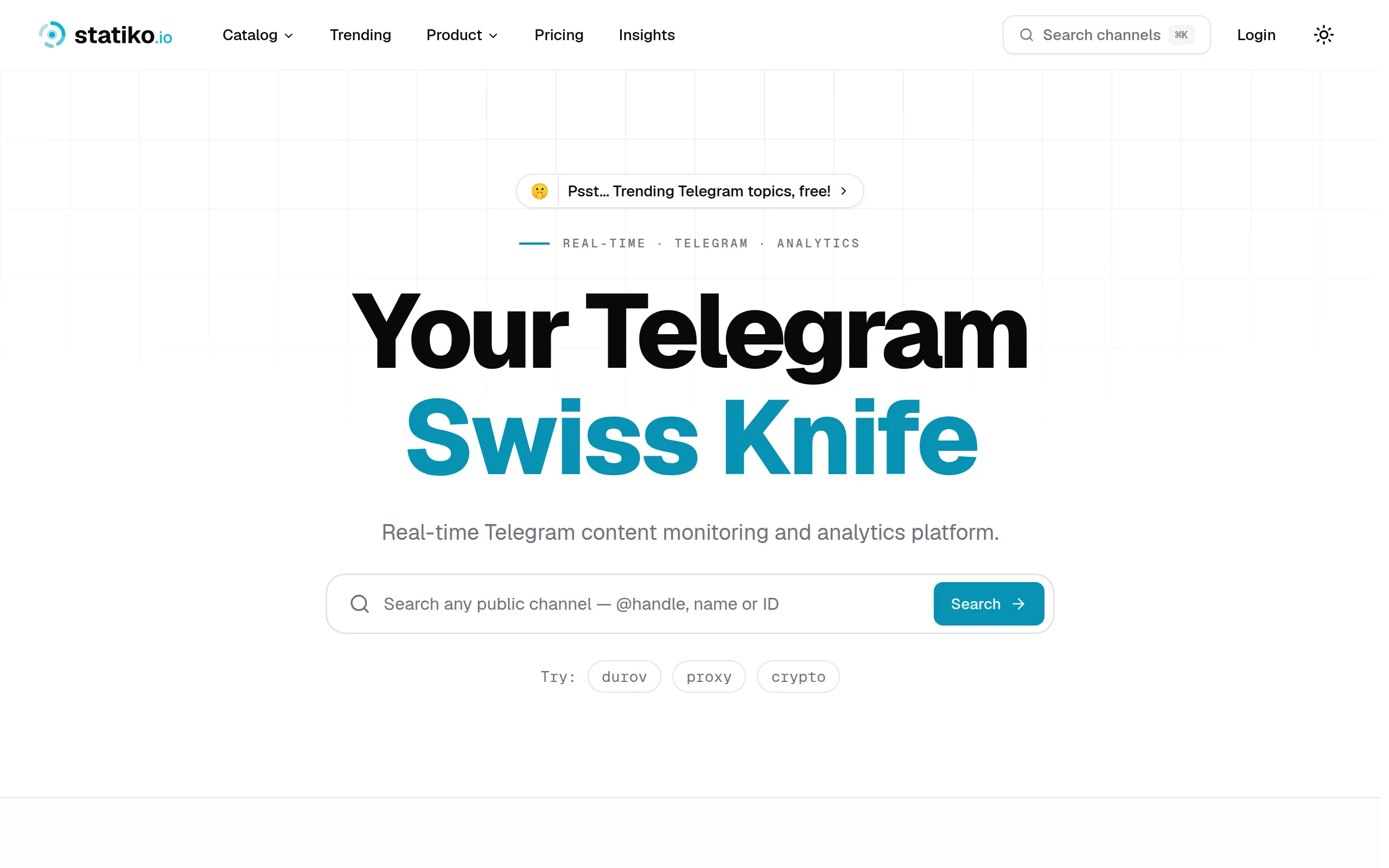
Statiko
Monitor any Telegram channel in real time - track posts, edits, deletions, and growth with AI recaps 📡
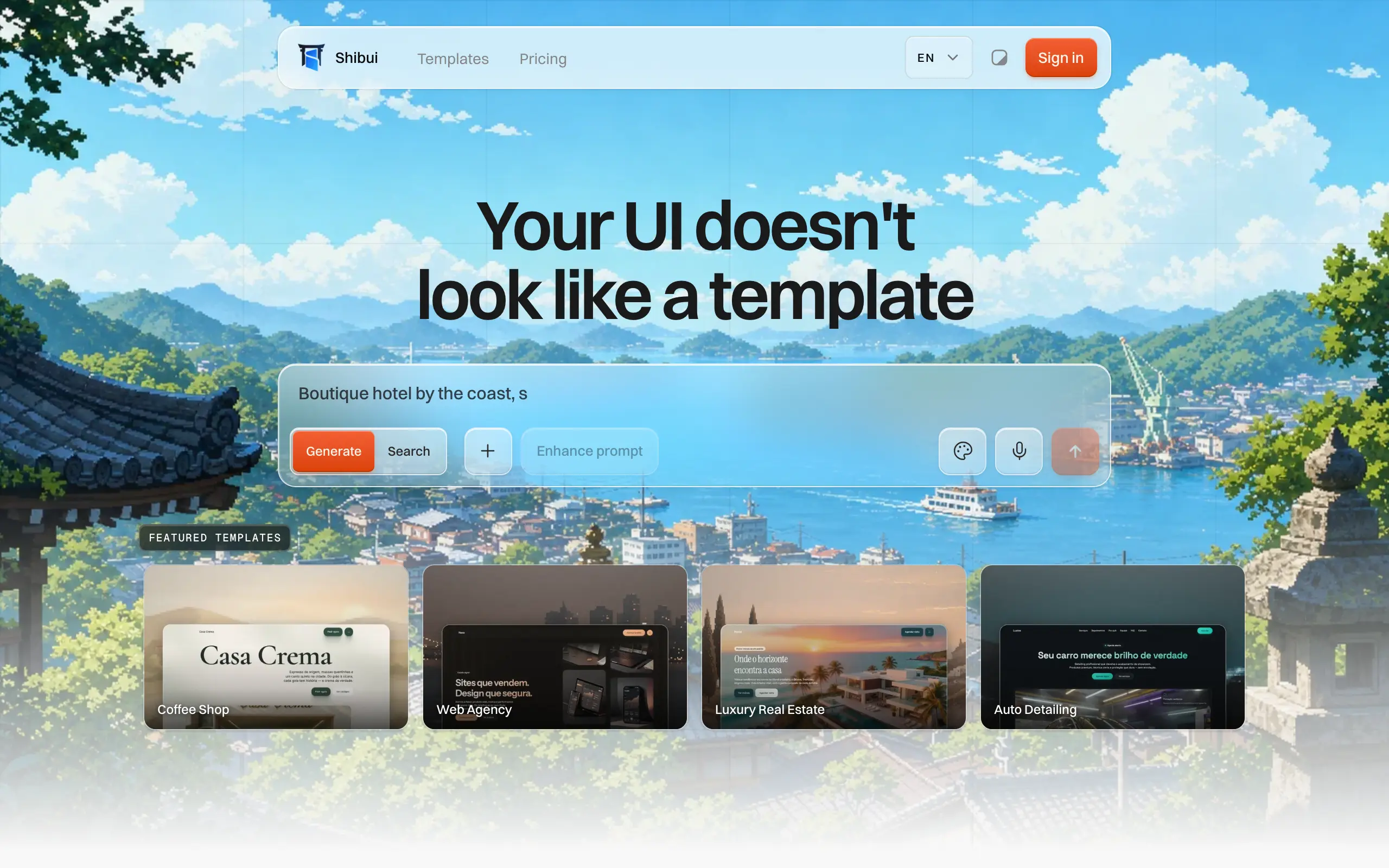
Shibui
AI website builder - describe your business, pick a niche template, edit by chatting, and publish instantly ✨
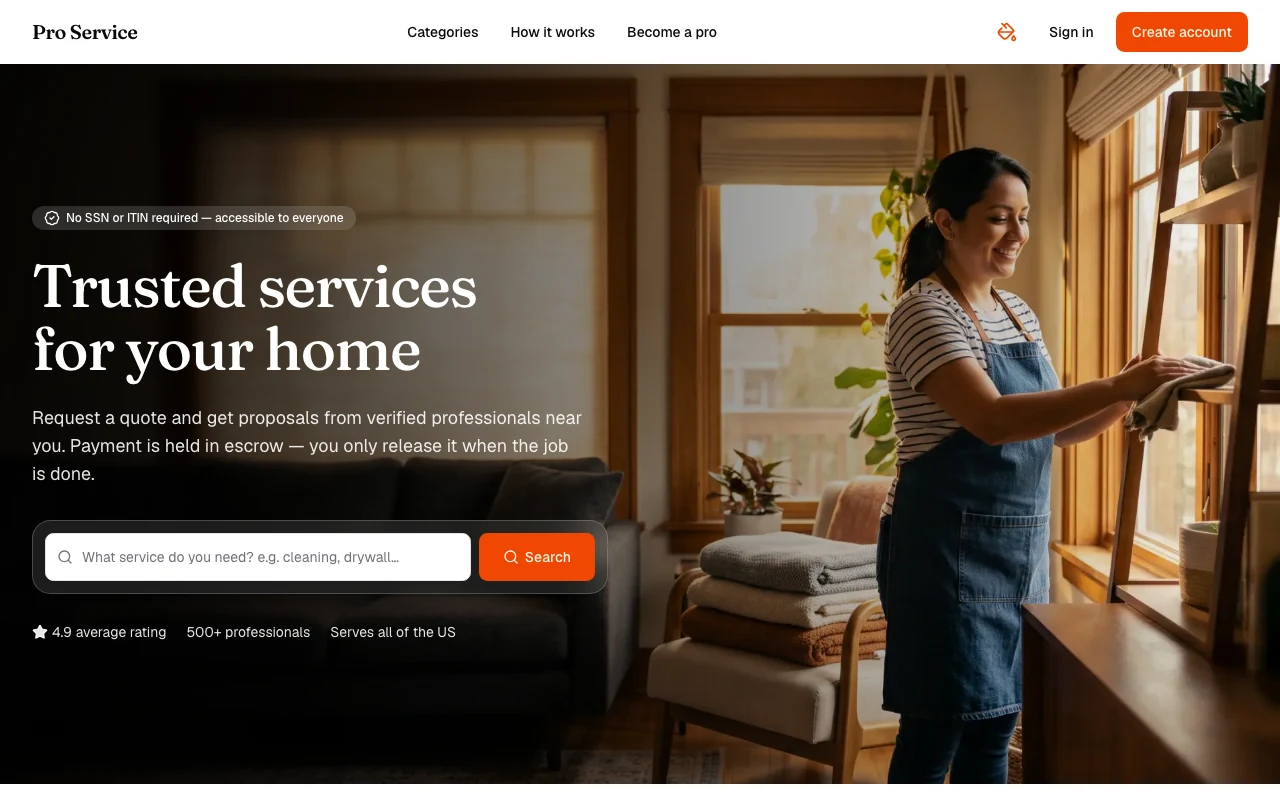
Pro Service
Find verified home service professionals, compare quotes, and pay securely through escrow - built for Brazilians across the US 🏠
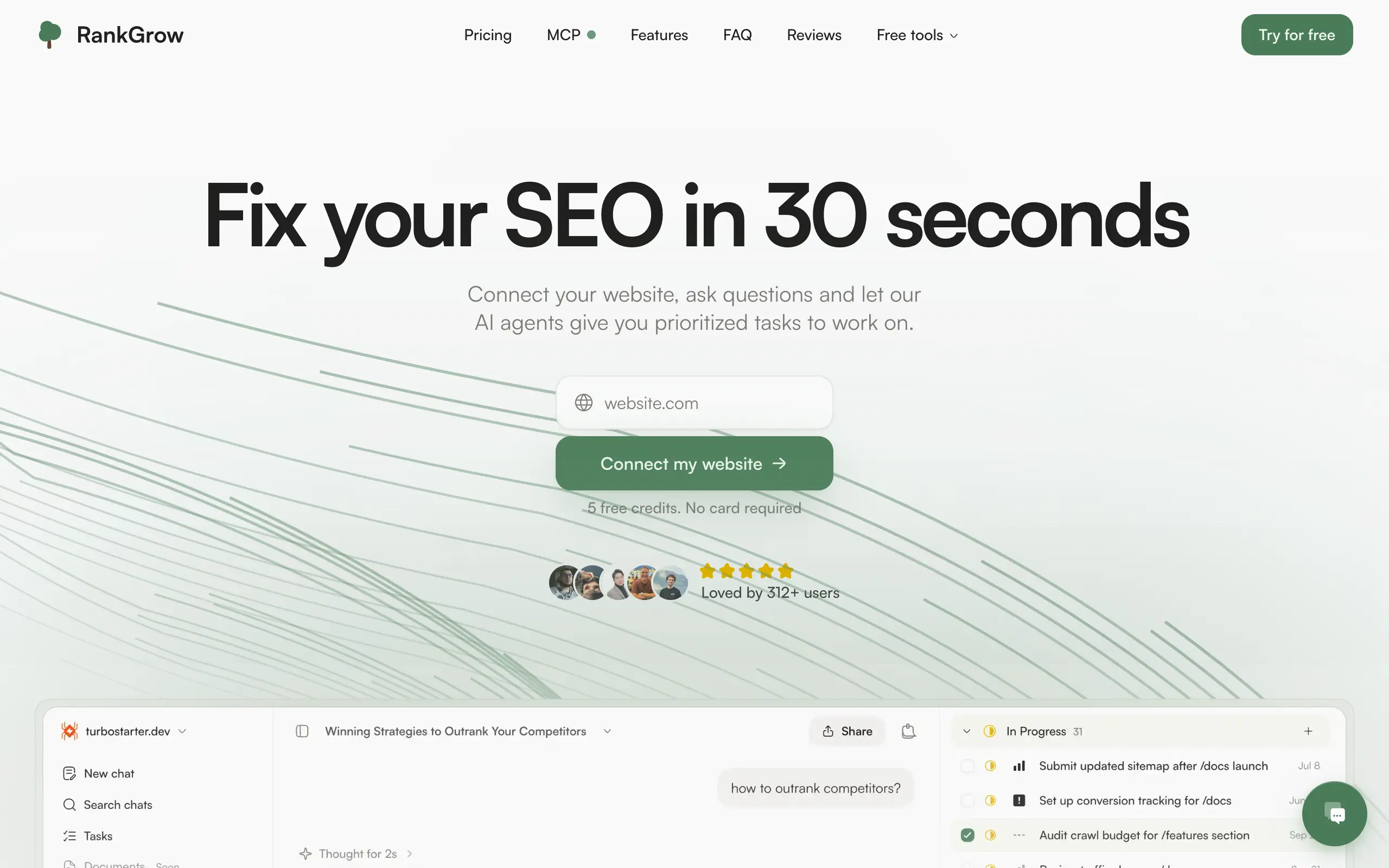
RankGrow
Fix your SEO with AI agents - connect Search Console, get prioritized tasks, and grow organic traffic 📈
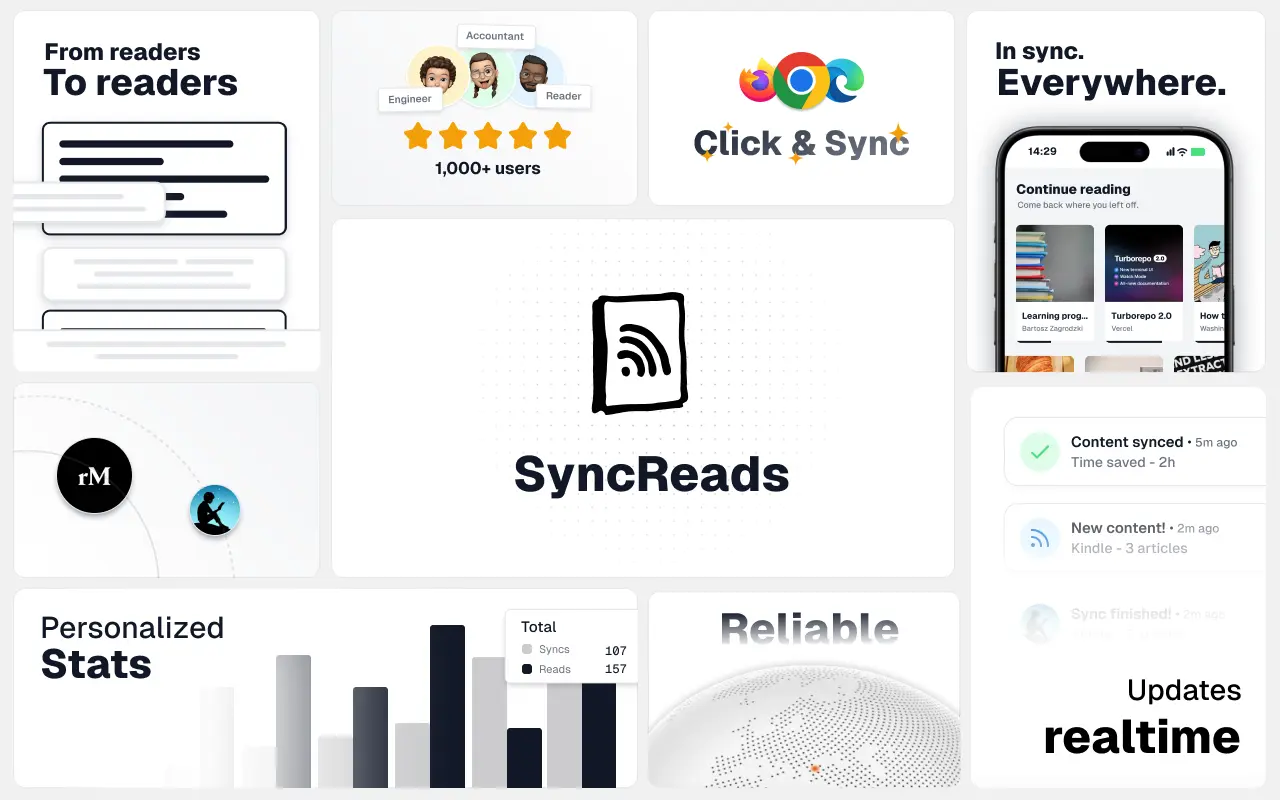
SyncReads
Sync your favorite content for distraction-free reading, save time and replace multiple apps. Anytime, anywhere 🔄
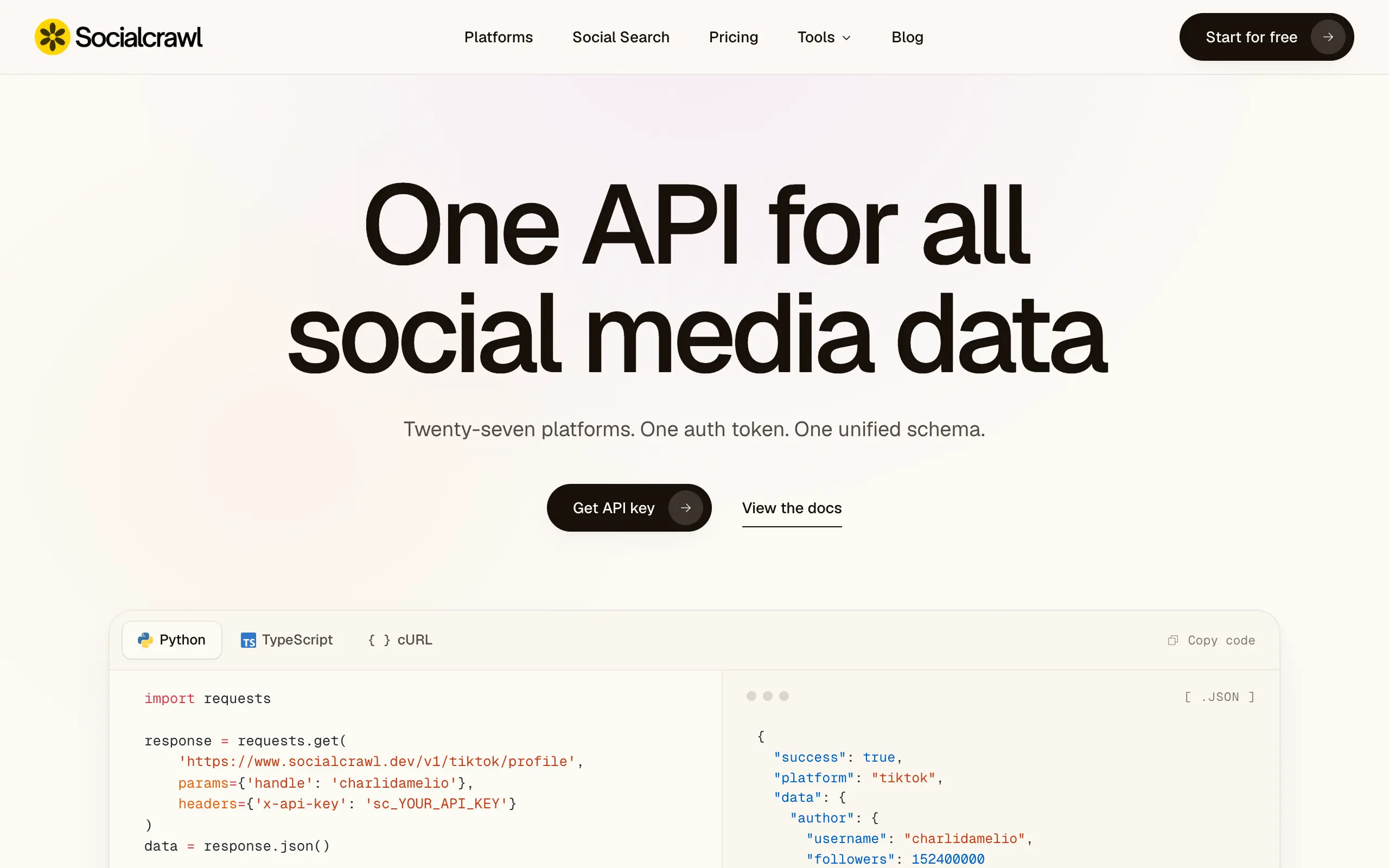
Socialcrawl
Get clean, structured data from 21 platforms like TikTok, Instagram, and YouTube with a single request 📊
Statiko
Monitor any Telegram channel in real time - track posts, edits, deletions, and growth with AI recaps 📡
Shibui
AI website builder - describe your business, pick a niche template, edit by chatting, and publish instantly ✨
Pro Service
Find verified home service professionals, compare quotes, and pay securely through escrow - built for Brazilians across the US 🏠
RankGrow
Fix your SEO with AI agents - connect Search Console, get prioritized tasks, and grow organic traffic 📈
SyncReads
Sync your favorite content for distraction-free reading, save time and replace multiple apps. Anytime, anywhere 🔄
Socialcrawl
Get clean, structured data from 21 platforms like TikTok, Instagram, and YouTube with a single request 📊
Statiko
Monitor any Telegram channel in real time - track posts, edits, deletions, and growth with AI recaps 📡
Shibui
AI website builder - describe your business, pick a niche template, edit by chatting, and publish instantly ✨
Pro Service
Find verified home service professionals, compare quotes, and pay securely through escrow - built for Brazilians across the US 🏠
RankGrow
Fix your SEO with AI agents - connect Search Console, get prioritized tasks, and grow organic traffic 📈
SyncReads
Sync your favorite content for distraction-free reading, save time and replace multiple apps. Anytime, anywhere 🔄
Socialcrawl
Get clean, structured data from 21 platforms like TikTok, Instagram, and YouTube with a single request 📊
Statiko
Monitor any Telegram channel in real time - track posts, edits, deletions, and growth with AI recaps 📡
Shibui
AI website builder - describe your business, pick a niche template, edit by chatting, and publish instantly ✨
Pro Service
Find verified home service professionals, compare quotes, and pay securely through escrow - built for Brazilians across the US 🏠
RankGrow
Fix your SEO with AI agents - connect Search Console, get prioritized tasks, and grow organic traffic 📈
SyncReads
Sync your favorite content for distraction-free reading, save time and replace multiple apps. Anytime, anywhere 🔄
Socialcrawl
Get clean, structured data from 21 platforms like TikTok, Instagram, and YouTube with a single request 📊
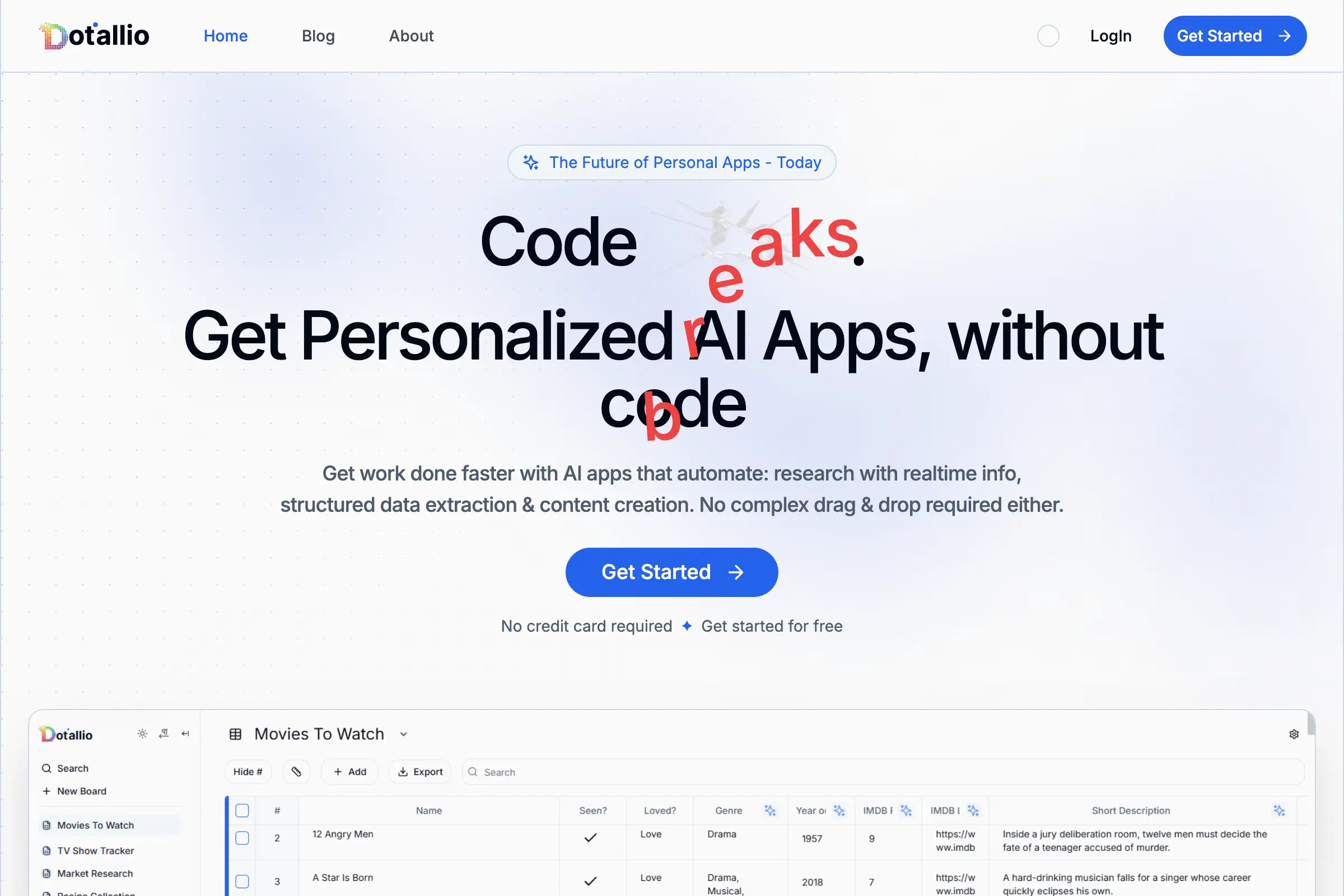
Dotallio
Personalized AI apps that automate research, data extraction, and content creation without code 🤖
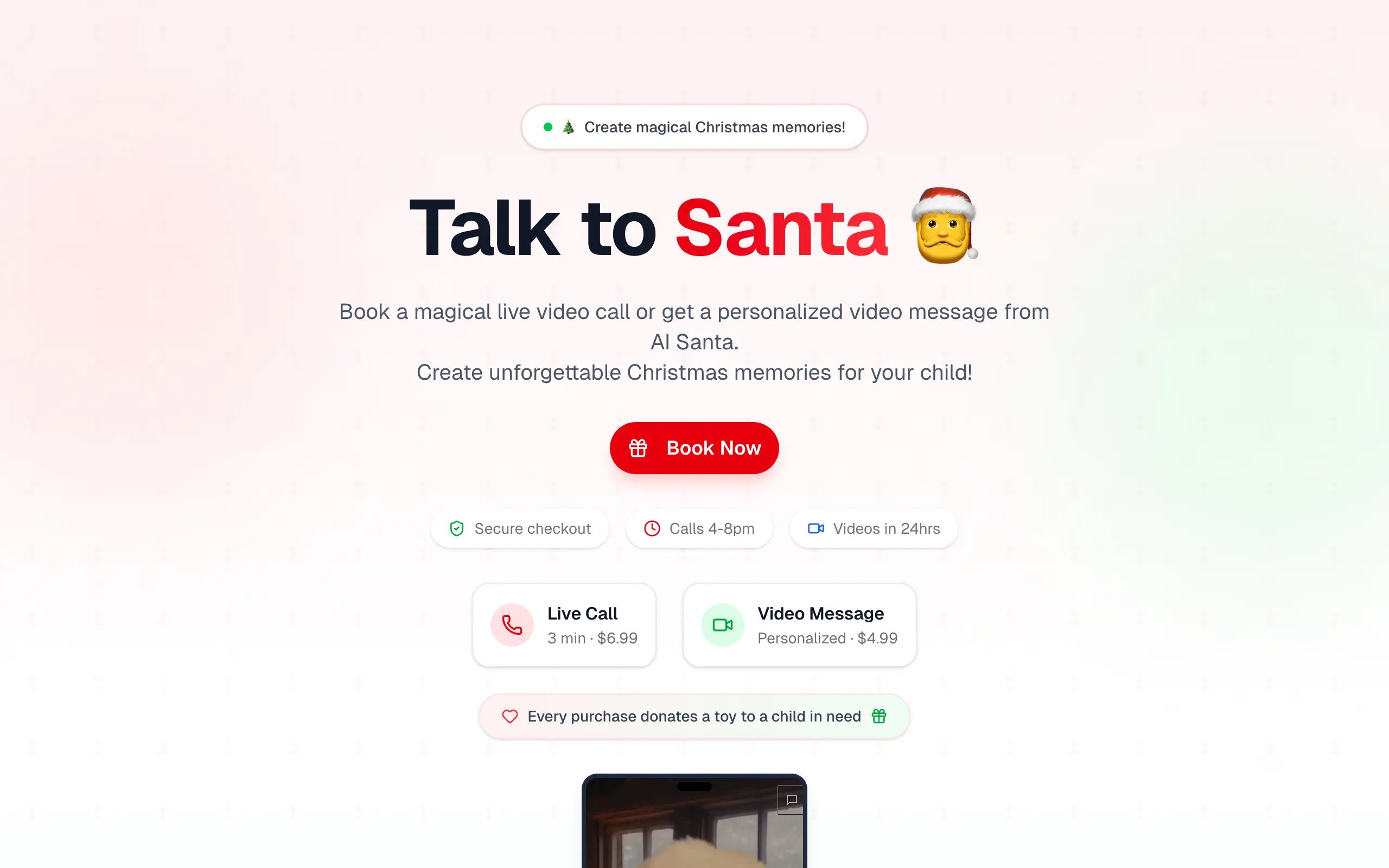
Talk to Santa
Enjoy a magical live video chat or receive a unique AI-generated video greeting from Santa Claus 🎅
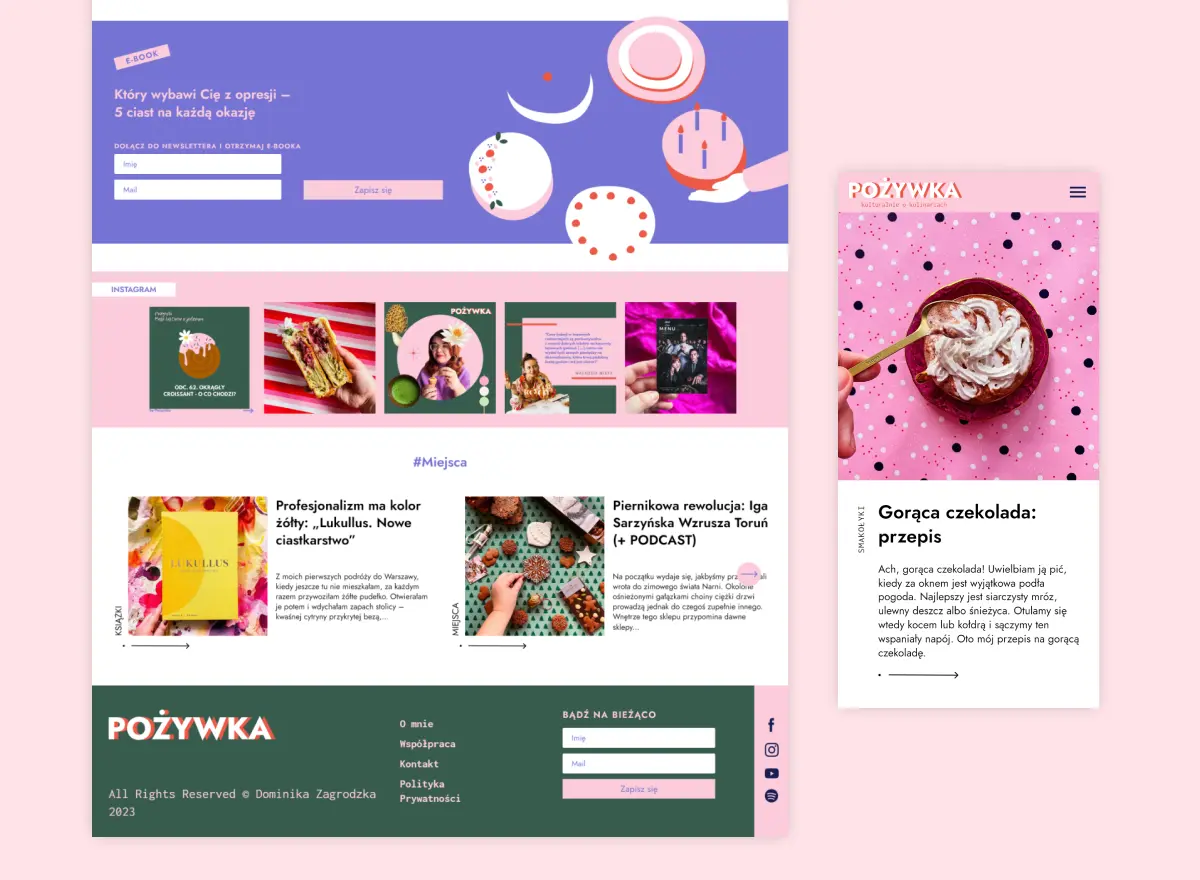
pozywka.pl
Scalable blog for food journalist, focused on performance and user experience 🌭
zagrodzki.me
Personal blog and portfolio of Bart Zagrodzki, where he shares his knowledge and work 💼
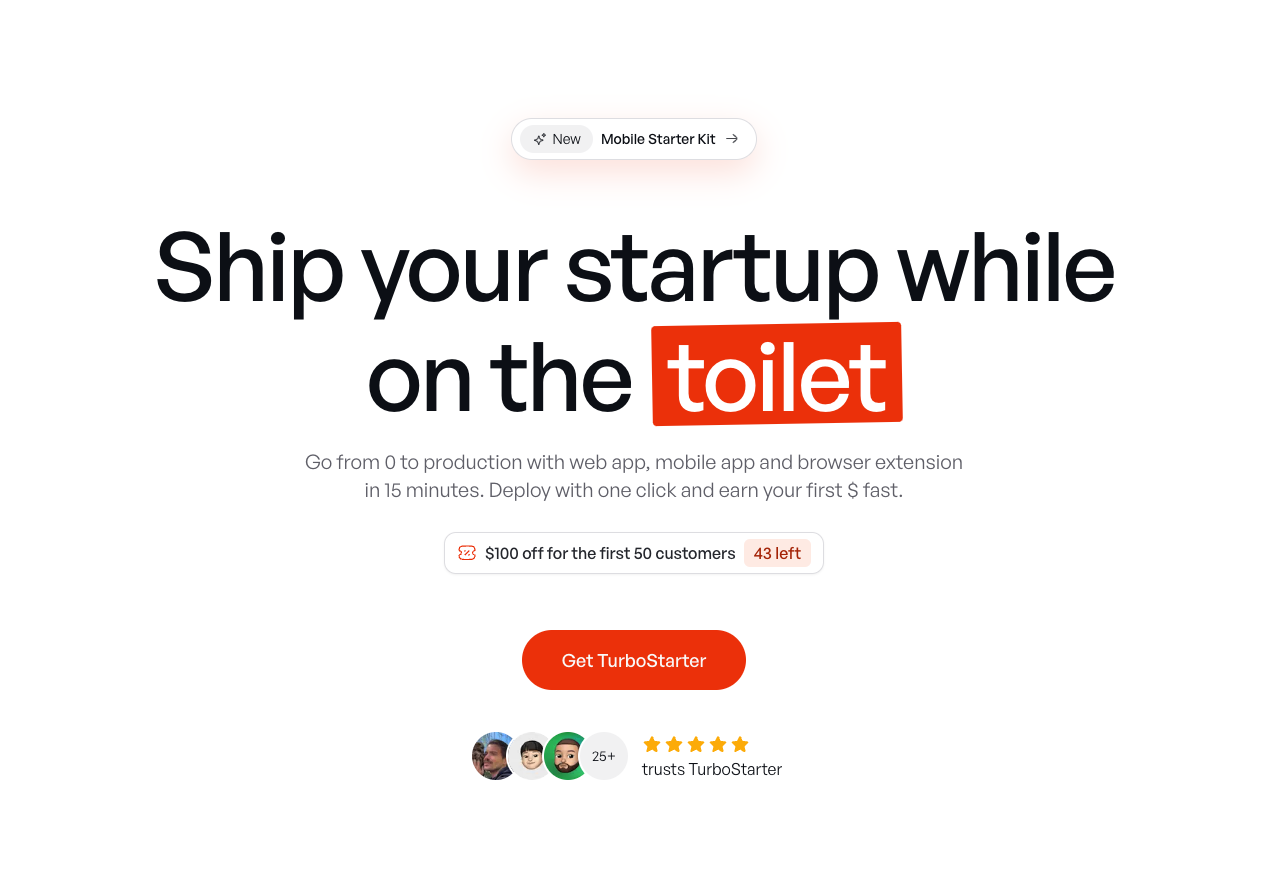
TurboStarter
Ship your startup everywhere. In minutes.
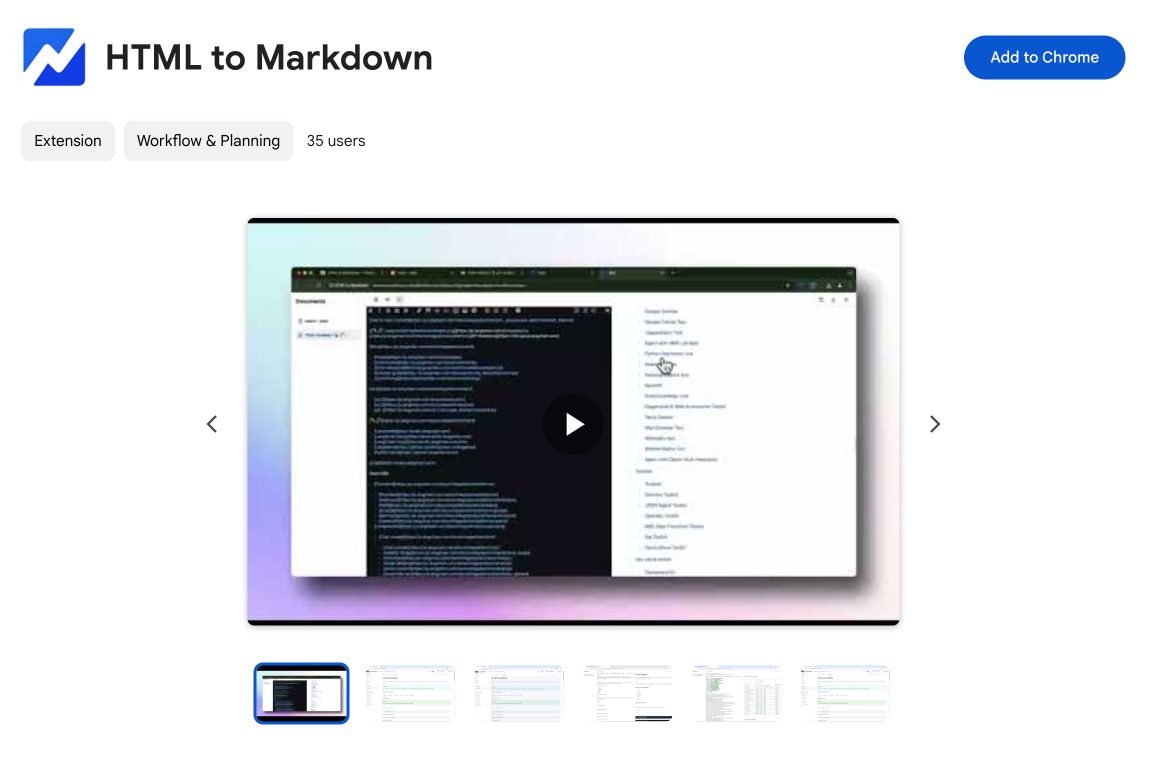
HTML to Markdown
Convert HTML to Markdown with ease, directly in your browser 📄
Dotallio
Personalized AI apps that automate research, data extraction, and content creation without code 🤖
Talk to Santa
Enjoy a magical live video chat or receive a unique AI-generated video greeting from Santa Claus 🎅
pozywka.pl
Scalable blog for food journalist, focused on performance and user experience 🌭
zagrodzki.me
Personal blog and portfolio of Bart Zagrodzki, where he shares his knowledge and work 💼
TurboStarter
Ship your startup everywhere. In minutes.
HTML to Markdown
Convert HTML to Markdown with ease, directly in your browser 📄
Dotallio
Personalized AI apps that automate research, data extraction, and content creation without code 🤖
Talk to Santa
Enjoy a magical live video chat or receive a unique AI-generated video greeting from Santa Claus 🎅
pozywka.pl
Scalable blog for food journalist, focused on performance and user experience 🌭
zagrodzki.me
Personal blog and portfolio of Bart Zagrodzki, where he shares his knowledge and work 💼
TurboStarter
Ship your startup everywhere. In minutes.
HTML to Markdown
Convert HTML to Markdown with ease, directly in your browser 📄
Dotallio
Personalized AI apps that automate research, data extraction, and content creation without code 🤖
Talk to Santa
Enjoy a magical live video chat or receive a unique AI-generated video greeting from Santa Claus 🎅
pozywka.pl
Scalable blog for food journalist, focused on performance and user experience 🌭
zagrodzki.me
Personal blog and portfolio of Bart Zagrodzki, where he shares his knowledge and work 💼
TurboStarter
Ship your startup everywhere. In minutes.
HTML to Markdown
Convert HTML to Markdown with ease, directly in your browser 📄
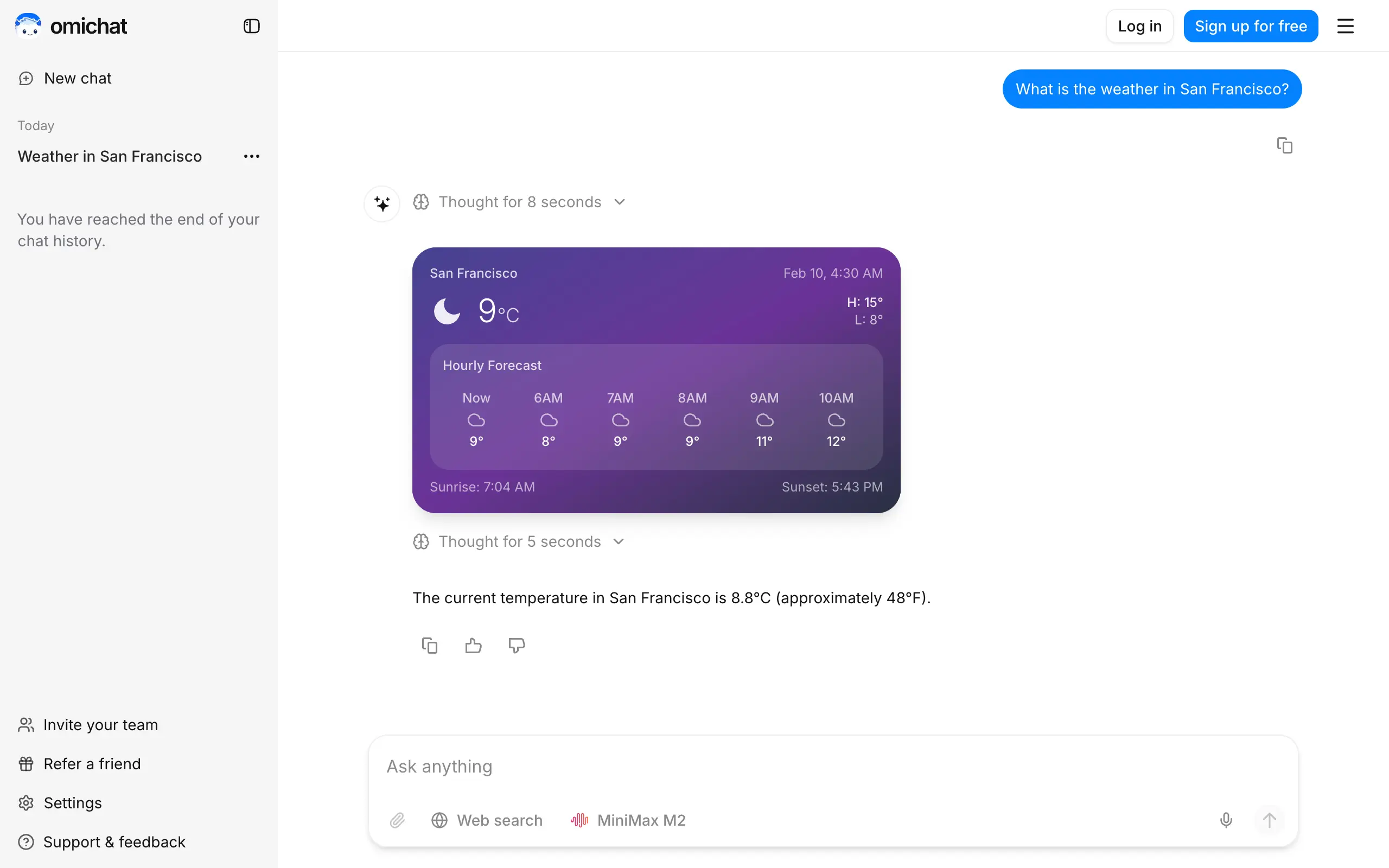
Omichat
Chat with 50+ AI models, including ChatGPT and Claude, in one place - switch models anytime without losing context 🤖
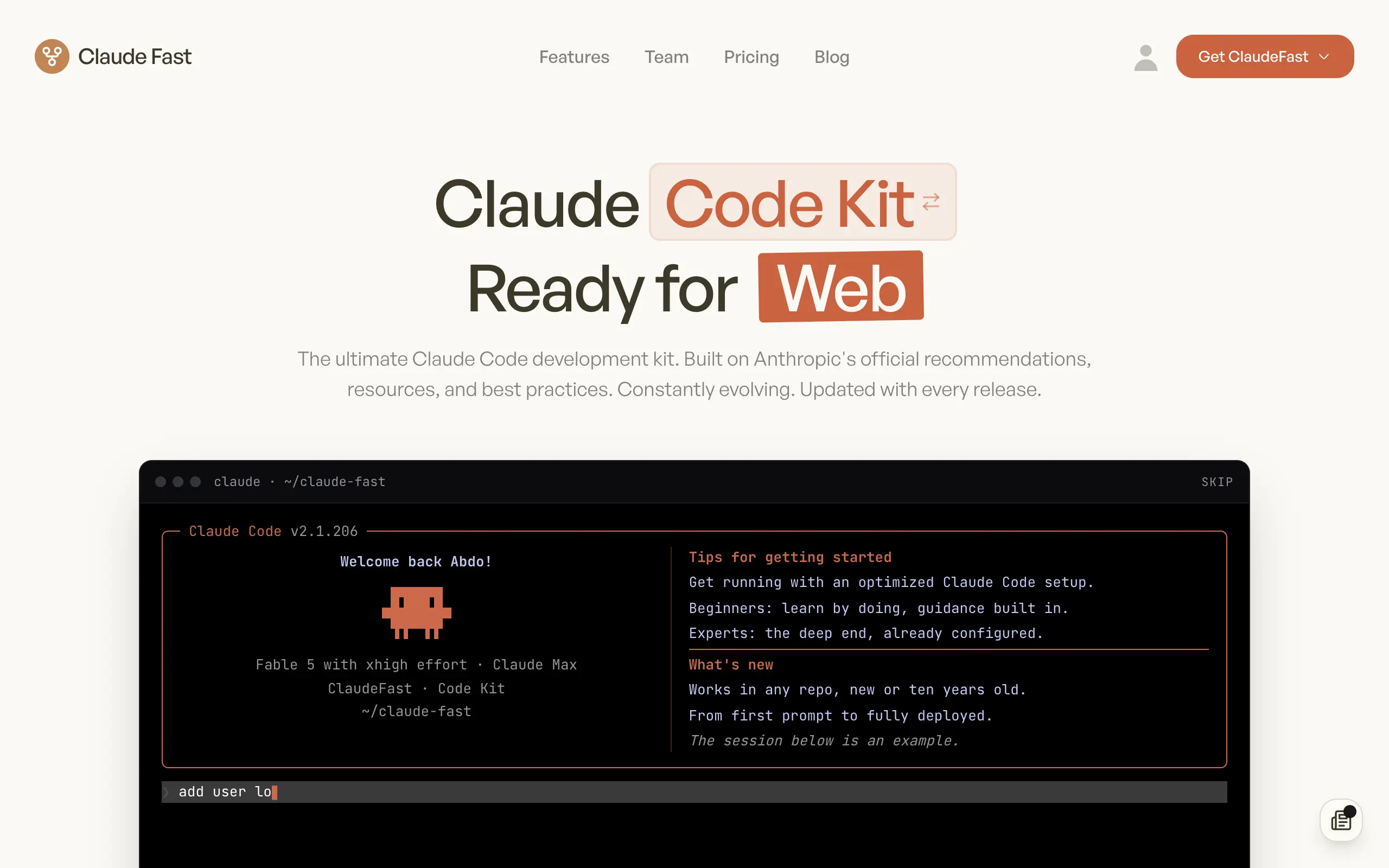
Claude Fast
Supercharge your Claude Code with 6x effective context window and specialized AI agents 🤖
EmojAI
AI-powered emoji picker with smart, context-aware suggestions 🤖
Solohacker
Autonomous company launcher - AI agents work 24/7, escalate what matters, and you stay in control 🤖
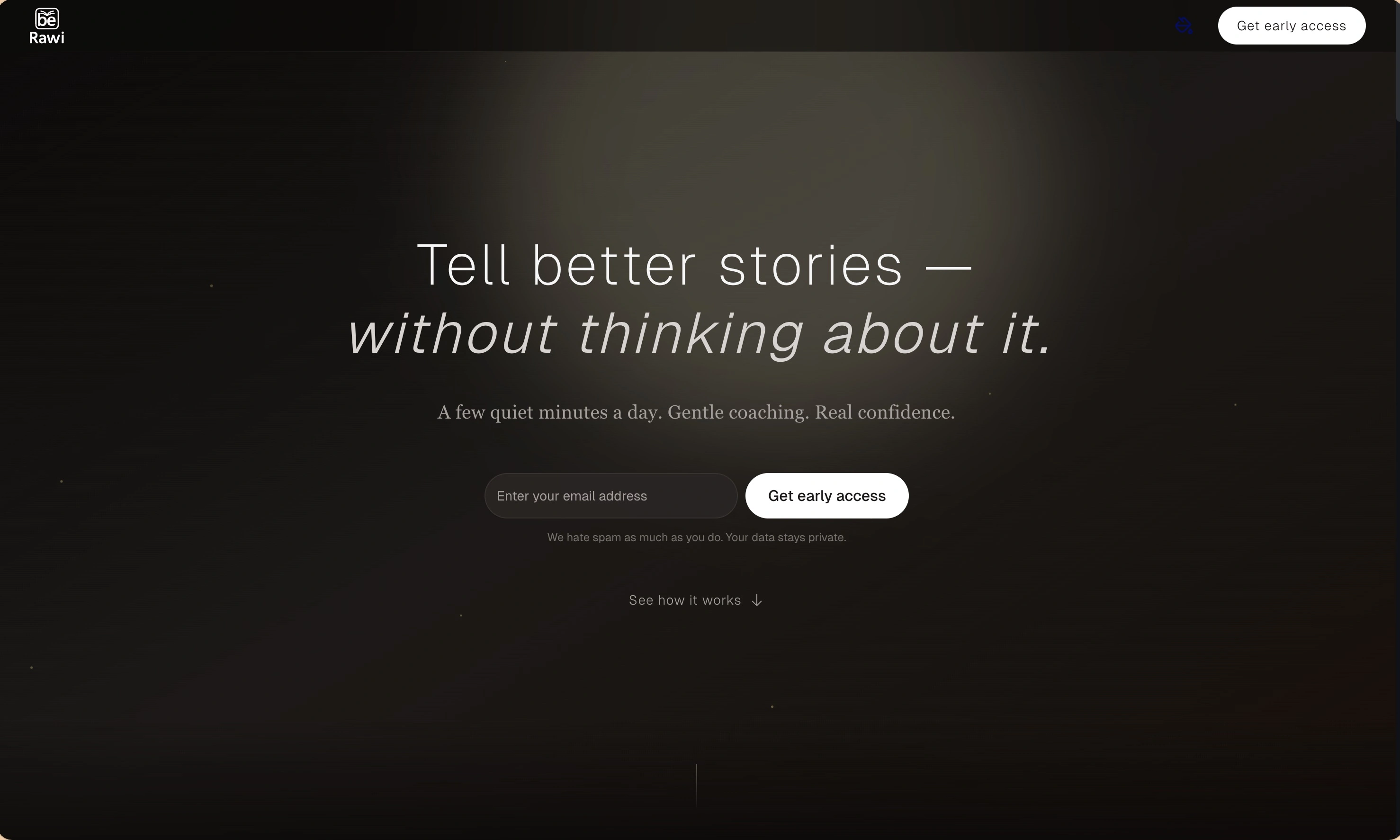
BeRawi: Storytelling Coach
Practice storytelling daily with instant feedback to sound clearer, more engaging, and confident 🎤
Omichat
Chat with 50+ AI models, including ChatGPT and Claude, in one place - switch models anytime without losing context 🤖
Claude Fast
Supercharge your Claude Code with 6x effective context window and specialized AI agents 🤖
EmojAI
AI-powered emoji picker with smart, context-aware suggestions 🤖
Solohacker
Autonomous company launcher - AI agents work 24/7, escalate what matters, and you stay in control 🤖
BeRawi: Storytelling Coach
Practice storytelling daily with instant feedback to sound clearer, more engaging, and confident 🎤
Omichat
Chat with 50+ AI models, including ChatGPT and Claude, in one place - switch models anytime without losing context 🤖
Claude Fast
Supercharge your Claude Code with 6x effective context window and specialized AI agents 🤖
EmojAI
AI-powered emoji picker with smart, context-aware suggestions 🤖
Solohacker
Autonomous company launcher - AI agents work 24/7, escalate what matters, and you stay in control 🤖
BeRawi: Storytelling Coach
Practice storytelling daily with instant feedback to sound clearer, more engaging, and confident 🎤
Omichat
Chat with 50+ AI models, including ChatGPT and Claude, in one place - switch models anytime without losing context 🤖
Claude Fast
Supercharge your Claude Code with 6x effective context window and specialized AI agents 🤖
EmojAI
AI-powered emoji picker with smart, context-aware suggestions 🤖
Solohacker
Autonomous company launcher - AI agents work 24/7, escalate what matters, and you stay in control 🤖
BeRawi: Storytelling Coach
Practice storytelling daily with instant feedback to sound clearer, more engaging, and confident 🎤

Connect with like-minded people
Join our community to get feedback, support, and grow together with 1,000+ builders on board, let's ship it!
Join usShip your startup everywhere. In minutes.
Don't burn tokens on setup and start building features on day one.