NavbatTJ
Find nearby clinics, salons, and service offices in Tajikistan, reserve a time slot, and avoid wasted queues. Built for low-bandwidth mobile use.
Why a Tajikistan appointment booking app solves a real everyday problem
NavbatTJ is a low-bandwidth Tajikistan appointment booking app designed to help people find nearby clinics, salons, government-adjacent service offices, and local providers, then reserve a time slot before leaving home.
The idea is simple, but the operational impact can be significant. In many service environments, customers still rely on physical queues, phone calls, handwritten schedules, or informal messaging. That creates uncertainty for customers and administrative strain for businesses.
A person may spend an hour commuting to a clinic only to find a crowded waiting room. A salon customer may need to call multiple times to confirm availability. A service office may have no consistent way to explain whether someone is confirmed, waiting, late, or unable to attend.
NavbatTJ addresses this by making appointments and queue visibility accessible from a mobile device, even when connectivity is limited.
Its strongest positioning is not merely “online bookings.” It is a local digital queue management platform for Tajikistan that is optimized for the practical realities of the market:
- Mobile-first behavior
- Intermittent or expensive internet access
- Multiple language needs
- Businesses with limited technical resources
- Customers who may prefer a simple flow over account-heavy apps
- Service providers that still depend on paper schedules or phone calls
For a B2C product, the opportunity is to become the default starting point when someone asks, “Where can I book a doctor, salon visit, or service appointment nearby?”
The core value proposition
NavbatTJ helps customers spend less time waiting and helps local service providers turn unpredictable walk-in queues into manageable, trackable appointments.
The target audience for NavbatTJ
A successful booking marketplace needs to solve problems for both sides of the platform. Customers need convenience and confidence. Service providers need more organized operations and a clear return on investment.
Customers who need to avoid wasted queues
The primary customer segment includes urban and semi-urban residents in Tajikistan who use smartphones but may not always have fast, reliable mobile internet.
High-potential customer groups include:
- "Patients and families": People booking consultations, diagnostics, dental visits, pediatric care, and recurring appointments.
- "Working professionals": Customers who cannot afford to wait for hours during a workday.
- "Students": Mobile-first users looking for affordable salons, clinics, tutors, repair services, and administrative help.
- "Parents and caregivers": People managing appointments for children, parents, or relatives.
- "Beauty and wellness customers": Users booking salons, barbers, nail appointments, massage sessions, and cosmetic services.
- "People visiting unfamiliar areas": Customers who need a trusted nearby provider with clear hours, pricing cues, and availability.
- "Users with limited data access": People who need a fast product that loads quickly without large images, heavy maps, or unnecessary app downloads.
For these customers, the real job to be done is not simply booking a slot. It is reducing uncertainty.
They want answers to practical questions:
- Is this provider open today?
- Is there availability after work?
- How much waiting should I expect?
- Is this clinic close to me?
- Can I book without making a phone call?
- Will the provider actually honor my appointment?
- Can I reschedule if my plans change?
A Tajikistan online queue system succeeds when it answers these questions in a few taps.
Service providers that need better appointment operations
The supply side is equally important. NavbatTJ should prioritize providers that already experience queue friction, repeat booking volume, or high staff time spent answering phone calls.
The best early provider categories are likely to include:
- Private clinics and individual medical practices
- Dental clinics
- Diagnostic centers and laboratories
- Beauty salons and barbershops
- Aesthetic and wellness studios
- Legal consultation offices
- Phone and electronics repair shops
- Auto service centers
- Educational consultants and tutors
- Small professional service offices
These businesses vary greatly in digital maturity. Some may already use messaging apps for bookings, while others use paper notebooks, spreadsheets, or verbal arrangements.
That means the provider dashboard must be much simpler than enterprise scheduling software. A business owner should be able to understand the value in minutes:
- Add services and working hours.
- Open appointment slots.
- Receive bookings.
- Confirm, reschedule, or mark no-shows.
- See tomorrow’s schedule.
Geographic focus and launch sequencing
NavbatTJ should initially concentrate supply and demand in one dense market rather than attempting nationwide coverage from day one.
Dushanbe is a logical first market because it has a high concentration of clinics, beauty businesses, office-based services, and smartphone users. Once the product has booking density, it can expand city by city.
A practical rollout sequence could be:
- Dushanbe private clinics, dentists, and salons
- Khujand and nearby urban service providers
- Bokhtar, Kulob, and additional regional centers
- Specialized verticals such as diagnostics, automotive services, and government-adjacent offices
- Nationwide discovery and provider onboarding
Marketplace products depend on local density. A directory with a thousand providers spread across the country may look impressive, but it is less useful than a focused platform where users can find and book dozens of relevant services in their immediate area.
The market gap for online appointment booking in Tajikistan
The market gap is created by the mismatch between consumer expectations and the current booking processes used by many local businesses.
Customers increasingly expect digital convenience. They search on mobile, compare providers, read reviews, and use messaging applications. Yet the actual booking process frequently ends with an unanswered call, a vague message exchange, or a physical visit.
This creates a clear gap for a mobile appointment booking app that combines discovery, scheduling, reminders, and queue management.
The hidden cost of offline queues
Physical queues create costs for every party involved.
For customers, the costs include:
- Lost time and transportation expenses
- Missed work, school, or family responsibilities
- Stress from uncertain wait times
- Difficulty coordinating care or services for relatives
- Limited ability to compare alternatives
For providers, the costs include:
- Staff time spent handling repetitive phone inquiries
- Overbooking or accidental double booking
- Missed appointments without reminder workflows
- Poor customer experience during peak hours
- Lost revenue when open slots are not visible
- No reliable record of demand patterns
For the broader service economy, fragmented booking creates lower operational efficiency. A local clinic may have an overloaded morning schedule and unused afternoon capacity, but without an accessible online booking system, customers cannot easily see or claim those open slots.
Why low-bandwidth design is a competitive requirement
A conventional booking app can fail if it assumes reliable high-speed connectivity, modern devices, and users comfortable with long signup flows.
NavbatTJ should treat low-bandwidth support as a core product advantage rather than a technical afterthought.
This means:
- Small page payloads and compressed assets
- Fast loading on entry-level Android devices
- Minimal dependence on autoplay video or large promotional media
- Server-rendered or statically optimized discovery pages
- Clear text-first appointment flows
- Lightweight map alternatives, such as landmark and address fields
- Cached recent bookings and provider details where appropriate
- SMS-based confirmations for users who do not regularly check email
- Support for a progressive web app experience
A product that remains usable on a weak mobile connection can earn trust faster than a visually impressive but slow competitor.
A differentiated opportunity beyond directories and messaging apps
Generic business directories help people discover providers. Messaging apps help customers contact them. Social networks help businesses promote themselves.
However, none of these tools consistently solve the full scheduling workflow:
- Search for a trusted local provider
- Check live availability
- Select a service and time
- Receive confirmation
- Get a reminder
- Arrive at the right time
- Allow the business to manage attendance
- Rebook easily after the visit
NavbatTJ can own this end-to-end flow.
Customer benefit
Find a suitable nearby provider, choose an available time, and reduce the chance of spending hours in an uncertain queue.
Provider benefit
Replace scattered phone calls and paper schedules with an accessible booking calendar, reminders, and simple customer records.
Marketplace benefit
Create a local availability network where supply becomes easier to discover and unused service capacity becomes easier to fill.
The core features of a Tajikistan appointment booking app
The minimum viable product should focus on creating a booking that both the customer and provider trust. Fancy marketplace features can wait until the platform has reliable provider inventory and repeat usage.
Provider discovery with local relevance
The customer-facing search experience should let users find nearby services based on what they actually need.
Useful filters include:
- Service category
- Neighborhood or city
- Open now status
- Earliest available appointment
- Language spoken
- Price range where appropriate
- Home visit availability
- Provider type
- Rating and verified status
- Accessibility features
Search should tolerate spelling variations and local language differences. If a customer searches for a dentist, dental clinic, tooth pain, or a local equivalent, the platform should return useful results.
Each provider profile should include:
- Business name and verified contact details
- Address, landmark, and directions
- Services offered
- Appointment duration
- Starting price or price range when appropriate
- Working hours
- Available time slots
- Provider photos optimized for mobile performance
- Cancellation policy
- Languages supported
- Reviews after the platform has sufficient transaction integrity
- A visible verification badge where applicable
Real-time scheduling and slot management
The booking engine is the operational heart of NavbatTJ.
A provider should be able to configure:
- Standard workdays and hours
- Break periods
- Service durations
- Buffer time between appointments
- Staff-specific availability
- Walk-in capacity
- Holiday closures
- Maximum bookings per slot
- Booking cutoff windows
- Manual approval requirements for specific services
The customer should experience a simple selection flow:
The product should prevent double bookings through transactional slot reservation. When a user begins booking a scarce slot, the system can temporarily hold it for a short period while confirmation is completed. This is especially important when connectivity is unstable or payment flows take longer than expected.
Digital queue management for walk-ins
Appointments will not eliminate walk-ins immediately, especially in clinics and public-facing service environments. Instead, NavbatTJ should support a hybrid queue model.
A provider can offer:
- Reserved appointments
- Same-day virtual queue tickets
- Walk-in registration by staff
- Estimated wait windows
- A “you are next soon” notification
- Separate service lines for different staff members
- Priority categories when legally and operationally appropriate
This makes NavbatTJ more useful than a simple calendar. It becomes a digital queue management system that helps businesses transition gradually from walk-in operations to planned visits.
Do not promise exact wait times too early
Wait-time estimates can be valuable, but healthcare visits and complex services are inherently variable. Early versions should communicate a window or queue position rather than guaranteeing a precise minute of service.
Booking confirmations and reminders
No-show reduction is one of the strongest provider value propositions. A basic reminder system can produce meaningful operational benefits, especially for appointment-based services.
Recommended communication channels include:
- SMS confirmation
- SMS reminder before the appointment
- Push notifications for users who install the progressive web app
- WhatsApp or Telegram notification integrations only where providers and users actively adopt them
- Provider-side alerts for new, canceled, or rescheduled appointments
Each notification should be short, localized, and action-oriented. The customer should be able to open a lightweight confirmation page that shows:
- Booking reference number
- Provider name
- Date and time
- Address or landmark
- Phone number
- Instructions before arrival
- Cancellation or rescheduling action
Local language and accessibility support
NavbatTJ should be designed for Tajik-speaking users from the beginning while providing Russian and potentially Uzbek language support depending on market needs.
Localization is more than translating interface strings. It includes:
- Date and time conventions familiar to local users
- Clear terms for booking, queue, confirmation, and cancellation
- Location descriptions built around landmarks, not only map pins
- Support for local phone number patterns
- Carefully written healthcare disclaimers
- Simple explanations for first-time users
Accessibility should also be considered. Large touch targets, high color contrast, readable typography, and low-cognitive-load forms improve usability for all users, not just those with formal accessibility needs.
Provider dashboard and staff workflows
The provider dashboard should favor clarity over feature density.
A small clinic manager should be able to use it from a phone, tablet, or low-cost laptop. The daily view must show the information needed to run operations:
- Today’s appointments
- Customer phone number
- Booked service
- Arrival status
- Notes visible only to authorized staff
- Queue order
- Cancellations and no-shows
- Available capacity
- Staff member assigned
For larger providers, the product can later support roles and permissions for receptionists, practitioners, managers, and owners.
Recommended technology stack for NavbatTJ
The best technology stack for a low-bandwidth appointment booking platform is one that balances speed, reliability, developer productivity, and long-term maintainability.
A modern web-first approach is usually better than starting with separate native iOS and Android apps. It reduces launch cost, simplifies iteration, and makes the platform accessible from a link.
Front end and user experience layer
A strong implementation can use Next.js with React for the customer product and provider dashboard.
This approach offers several practical benefits:
- Server-side rendering for search-friendly provider pages
- Fast initial loading for discovery pages
- Responsive mobile interfaces
- Reusable components across consumer and provider workflows
- Straightforward progressive web app enhancements
- Strong ecosystem support
Tailwind CSS is a good fit for building a consistent and lightweight design system quickly. It can help teams enforce spacing, typography, and responsive behavior without shipping a large custom CSS architecture.
For forms, React Hook Form can reduce unnecessary re-renders and support efficient validation. Booking forms should validate phone numbers, selected services, and time slot availability while keeping the interaction lightweight.
Backend, database, and booking integrity
A relational database is the right foundation for appointments because scheduling data has strong relationships and requires reliable transactions.
PostgreSQL is a recommended database option because it provides:
- Transactional consistency
- Strong indexing options for availability queries
- Reliable relational data modeling
- Date and time capabilities
- Flexible JSON support for evolving provider metadata
- Mature backup and operational tooling
The booking system should use database transactions and explicit locking or conflict prevention rules. This prevents two customers from confirming the same appointment slot during periods of high demand.
For object-relational mapping, Prisma can improve development speed and type safety in a TypeScript codebase. However, teams should still understand the generated database queries and design indexes carefully. Appointment availability can become query-intensive as provider inventory grows.
Authentication and phone verification
A B2C scheduling product should avoid forcing users through a burdensome registration process before they see value.
A practical approach is:
- Browse providers without an account
- Start booking with a mobile number
- Verify the number with a one-time code when needed
- Create a lightweight profile automatically after the first successful booking
- Let customers manage bookings through a secure link or verified account
Phone-based authentication is particularly suitable because it supports reminders and allows providers to contact customers about appointment changes.
The trade-off is that SMS delivery has costs and can be subject to carrier reliability. NavbatTJ should build fallback processes, rate limits, and fraud controls from the beginning.
Maps and geolocation trade-offs
Maps are valuable for discovery, but they can increase page size and technical complexity.
NavbatTJ should not require a map to make a booking. A provider page should remain useful with:
- City and neighborhood
- Written address
- Nearby landmark
- Tap-to-call phone number
- Optional directions link
- Latitude and longitude stored in the database
For users with strong connectivity, a map preview can improve discovery. For low-bandwidth users, the app can defer loading the interactive map until they explicitly request it.
Notifications and background jobs
Appointment reminders, booking confirmations, and queue alerts should be processed asynchronously rather than inside the customer-facing request.
A job queue can handle:
- Scheduled reminders
- Provider booking alerts
- Post-visit review requests
- Expired slot holds
- Queue position updates
- Daily provider summaries
This architecture prevents an SMS provider delay from slowing down a booking confirmation page.
For observability, teams should track booking failures, notification delivery failures, duplicate booking attempts, and database latency. In scheduling products, silent failures directly harm trust.
Build faster without neglecting the product foundation
A starter kit can reduce the time needed to build authentication, billing, dashboards, transactional email patterns, and production-ready application structure. TurboStarter can be useful for teams that want to move from concept validation to a maintainable SaaS foundation faster.
The important caveat is that a starter kit does not replace marketplace-specific architecture. NavbatTJ still needs carefully designed provider onboarding, availability logic, localization, low-bandwidth optimization, and operational support workflows.
Use Next.js, React, Tailwind CSS, PostgreSQL, Prisma, phone verification, SMS reminders, and a responsive provider dashboard. Prioritize one city, a small number of provider categories, and reliable booking confirmation.
Add staff roles, live queue status, analytics, review moderation, payment support, multilingual content management, caching, search indexing, audit logs, and deeper integrations once the marketplace demonstrates repeat booking behavior.
A practical data model for appointment scheduling
The appointment domain should be modeled carefully before implementation. Poor data structures often lead to unreliable availability, confusing provider workflows, and difficult reporting.
Core entities may include:
- "User": Customer identity, verified phone number, communication preferences, and booking history.
- "Provider": A clinic, salon, office, or service business listed on the platform.
- "Location": Physical branch information, local landmarks, coordinates, and operating notes.
- "Staff member": A practitioner, stylist, receptionist, or service employee who can receive appointments.
- "Service": A bookable offering with duration, price indication, category, and booking rules.
- "Schedule": Working hours, breaks, closures, and recurring availability patterns.
- "Appointment": The confirmed or pending reservation linking customer, service, staff member, and timeslot.
- "Queue ticket": A same-day ticket for walk-in or virtual queue use.
- "Notification": Delivery history for confirmations and reminders.
- "Review": Post-appointment feedback with moderation status.
- "Audit event": A record of sensitive schedule changes, cancellations, and staff actions.
A simplified appointment model could look like this:
type AppointmentStatus =
  | "pending"
  | "confirmed"
  | "checked_in"
  | "completed"
  | "cancelled"
  | "no_show";

type Appointment = {
  id: string;
  providerId: string;
  locationId: string;
  serviceId: string;
  staffMemberId?: string;
  customerPhone: string;
  startsAt: Date;
  endsAt: Date;
  status: AppointmentStatus;
  bookingReference: string;
  createdAt: Date;
};
The key implementation detail is not the type definition itself. It is the rule that a confirmed appointment must only be created when the underlying availability is valid at the time of confirmation.
Monetization strategies for NavbatTJ
NavbatTJ can monetize through providers while keeping core booking free or very low-friction for customers. This aligns with the value exchange because providers benefit from reduced administrative work and more predictable demand.
Freemium provider subscriptions
A freemium model can lower resistance during early marketplace growth.
A free provider plan could include:
- Basic business profile
- Limited monthly bookings
- One location
- Simple appointment calendar
- Booking confirmation notifications
- Basic customer management
Paid plans can add:
- Unlimited appointments
- Multiple staff members
- Multiple locations
- Advanced reminders
- Queue management
- Analytics and reporting
- Promotional placement
- Custom cancellation policies
- Exportable records
- Priority support
Subscription pricing should be tied to provider value, not just feature count. A salon with one chair and a multi-location clinic have very different willingness to pay.
Per-booking fees
Per-booking fees can work for certain service categories, especially higher-value appointments. However, they can create provider resistance if businesses feel they are being charged for customers they might have acquired anyway.
A blended model is often better:
- Free or low-cost subscription for basic booking tools
- Optional premium placement fee
- Transaction fee only for prepaid or deposit-backed appointments
- Higher tier for advanced operations features
Featured listings and local advertising
Once NavbatTJ has meaningful search traffic, providers may pay for increased visibility in a category or neighborhood.
This should be handled transparently. Sponsored results should be clearly labeled and should not override safety, relevance, or provider verification standards.
High-trust categories such as healthcare require particular care. A featured clinic should not appear more trustworthy than it actually is simply because it paid for visibility.
Payment and deposit revenue
Prepayments or deposits can reduce no-shows, especially for salons, consultations, and high-demand services. NavbatTJ could eventually earn a small fee on payment processing or reservation deposits.
This should be launched only after the platform has:
- Clear refund rules
- Reliable appointment confirmation
- Provider dispute workflows
- Payment reconciliation processes
- Customer support capacity
- Compliance review for applicable local financial regulations
Competitive advantage and unique selling proposition
The unique selling proposition of NavbatTJ is its focus on practical appointment access and queue reduction for Tajikistan, rather than copying a generic global marketplace model.
Its defensible advantage comes from combining local operations knowledge with a technically efficient product.
| Capability | Phone calls | Social messaging | Generic directory | NavbatTJ | Value to users |
|---|---|---|---|---|---|
| Live appointment availability | ❌ | Sometimes | ❌ | ✅ | Faster decisions |
| Low-bandwidth booking flow | ✅ | ✅ | Varies | ✅ | Broader mobile access |
| Queue and reminder workflow | ❌ | Manual | ❌ | ✅ | Fewer missed visits |
| Local provider discovery | ❌ | Limited | ✅ | ✅ | Better service choice |
Localization becomes a moat when it is operational
A competitor can translate buttons. It is harder to understand how local providers schedule, how customers describe locations, what reminder channels work, and what causes users to abandon a booking.
NavbatTJ can build a moat by learning from real booking behavior:
- Which time slots have the highest no-show rate
- Which services require deposits
- Which appointment durations are commonly underestimated
- Which neighborhoods have high demand but limited provider supply
- Which providers need walk-in queue tools
- Which reminder timing produces the highest attendance rate
- Which localized words and labels improve conversion
Over time, this operational data can make the platform more useful for providers and more reliable for customers.
Risks and mitigation strategies
Every marketplace and scheduling product has risks. Addressing them early increases trust and reduces costly redesign later.
Provider inventory risk
The biggest early risk is launching with too few bookable providers. Customers may visit once, find limited choices, and never return.
Mitigation actions include:
- Focus on one city and a few categories
- Personally onboard early providers
- Offer a free founding-provider period
- Create provider profiles even before online scheduling is enabled
- Help businesses import their existing schedules
- Provide simple training and onboarding materials
- Ensure each launch category has enough real availability
Customer trust risk
Customers may worry that an online reservation will not be honored by the provider. This concern is especially likely when the market is accustomed to informal scheduling.
Mitigation actions include:
- Verify provider contact details and locations
- Show clear confirmation screens and booking references
- Send reminders to both customer and provider
- Allow users to call the provider directly from the booking page
- Display reliable cancellation information
- Monitor repeated provider failures
- Use a visible verification process for healthcare and sensitive categories
No-show and late cancellation risk
No-shows reduce provider confidence in the platform. Providers may stop opening appointment slots if they believe online customers are unreliable.
Mitigation actions include:
- Send reminders at useful intervals
- Make cancellation easy rather than forcing customers to disappear
- Track no-show rates by customer and provider
- Offer deposits for selected services
- Add provider-configurable cancellation windows
- Use waitlists to fill openings
- Encourage rebooking after completed services
Health data and privacy risk
Healthcare appointments can involve sensitive personal information. NavbatTJ should avoid collecting detailed medical history unless it has a clear legal, operational, and security reason to do so.
Mitigation actions include:
- Collect only the data required to schedule the appointment
- Keep health-related booking notes minimal
- Encrypt sensitive data in transit and at rest
- Implement staff permissions and audit logs
- Define retention and deletion policies
- Publish plain-language privacy terms
- Seek local legal guidance before expanding into patient records or medical triage
Marketplace quality risk
A platform can lose credibility if listings are outdated, fake, misleading, or poorly managed.
Mitigation actions include:
- Verify providers before enabling bookings
- Require periodic profile reconfirmation
- Allow users to report incorrect information
- Moderate reviews and prevent obvious fraud
- Monitor cancellation and complaint patterns
- Remove inactive or repeatedly unreliable providers
Healthcare has a strong queue-management need, but it also introduces higher trust, privacy, and regulatory expectations. A balanced launch with clinics, dental providers, salons, and other appointment-heavy services can diversify demand while the team builds category-specific safeguards.
For most categories, customer booking should remain free. Charging customers too early may reduce adoption. Deposits are more appropriate for high-demand or high-value appointments where they clearly reduce no-shows and are transparently refundable under defined conditions.
No. A fast mobile web experience and progressive web app can reach more users quickly. Native apps become more valuable after there is repeat usage that justifies push notifications, deeper offline functionality, and app-store distribution.
Metrics that validate the NavbatTJ business model
The platform should not measure success only by downloads or registered users. The key question is whether the product reliably converts local service discovery into completed appointments.
Important marketplace metrics include:
- "Active bookable providers": Providers with current availability and recent booking activity.
- "Search-to-booking conversion": The share of users who complete a booking after searching.
- "Booking confirmation rate": The percentage of attempted bookings that become confirmed appointments.
- "Attendance rate": The share of confirmed appointments that result in completed visits.
- "No-show rate": A leading indicator of provider confidence and reminder effectiveness.
- "Repeat booking rate": The percentage of customers who book again within 30, 60, or 90 days.
- "Provider retention": The percentage of providers still accepting bookings after their initial onboarding period.
- "Time to first booking": How quickly a newly onboarded provider receives its first appointment.
- "Customer acquisition cost": Marketing spend required to generate an active booker.
- "Provider acquisition cost": Sales and onboarding cost per active provider.
- "Average revenue per provider": Subscription, promotional, and transaction revenue generated from each provider.
- "Support resolution time": The speed of resolving booking disputes or schedule problems.
For market sizing, investor materials should cite official population, mobile connectivity, and health or small-business statistics from reputable sources such as national statistical agencies, telecommunications reports, multilateral development institutions, and recognized market research firms. Use the publication date and methodology alongside every statistic.
Actionable implementation steps for launching NavbatTJ
The best way to launch NavbatTJ is to prove one narrow workflow before building a broad “everything services” marketplace.
Phase one: validate the customer and provider problem
Interview customers and service providers before committing to features.
Ask customers:
- How do you currently book appointments?
- What happens when you arrive without a reservation?
- Which service categories create the longest waits?
- Would you trust an SMS booking confirmation?
- What would make you cancel or avoid using an online booking platform?
Ask providers:
- How are appointments tracked today?
- How many calls or messages does staff handle daily?
- What are the busiest hours?
- How often do no-shows happen?
- Would staff update availability from a phone?
- What features would make the product worth paying for?
Aim for evidence, not compliments. A provider saying “this is interesting” is not validation. A provider agreeing to open real appointment slots and direct customers to the platform is validation.
Phase two: build a narrow MVP
The first NavbatTJ version should include:
- Provider listings in one launch city
- Category and location search
- Provider pages with services and availability
- Phone-based booking confirmation
- A provider schedule dashboard
- Appointment cancellation and rescheduling
- SMS reminders
- Basic admin verification tools
- Mobile-first, low-bandwidth performance optimization
- Tajik and Russian interface support where appropriate
Avoid building complex loyalty programs, advanced reviews, medical records, AI assistants, or a full payment system until the booking loop is working.
Phase three: onboard supply before paid marketing
Personally recruit an initial group of high-quality providers. The exact number matters less than the availability quality. A customer should be able to find multiple useful options in each launch category.
During onboarding:
- Help providers create accurate profiles
- Configure realistic service durations
- Explain how bookings and reminders work
- Add staff schedules
- Test a real booking with them
- Create escalation paths for schedule issues
- Gather feedback after the first week
Phase four: drive local demand and repeat use
Early growth should rely on practical local distribution rather than broad, expensive awareness campaigns.
Potential channels include:
- Provider-owned social media pages
- QR codes at reception desks
- Appointment confirmation cards
- Local community channels
- Referral incentives for completed bookings
- Search-optimized provider pages
- Partnerships with clinics, beauty associations, and service networks
- Localized content explaining how to avoid queues
The message should remain concrete: book a time, receive confirmation, and avoid waiting unnecessarily.
Phase five: expand only after operational reliability
Before entering a new city or adding a complex category, verify that the existing marketplace has stable performance.
Signs of readiness include:
- Providers regularly maintain availability
- Customers receive and trust confirmations
- Booking disputes are rare and resolved quickly
- Repeat bookings are growing
- No-show rates are manageable
- Provider retention is healthy
- The support team understands common edge cases
Implementation priority
A reliable appointment confirmation is more valuable than a large feature list. Trust is the product in a queue-management marketplace.
NavbatTJ has the potential to become essential infrastructure for local services in Tajikistan by making time visible, bookable, and manageable. The strongest path forward is to launch with a focused city, build dependable provider supply, optimize relentlessly for low-bandwidth mobile use, and earn trust one confirmed appointment at a time.
More 👥 B2C Application SaaS ideas
Discover more innovative b2c application SaaS ideas that are trending in 2026. Each idea is AI-generated with market validation and growth potential to help you find your next profitable venture faster than competitors.
Your competitors are building with TurboStarter
Below are some of the SaaS ideas that have been generated and built with our starter kit.
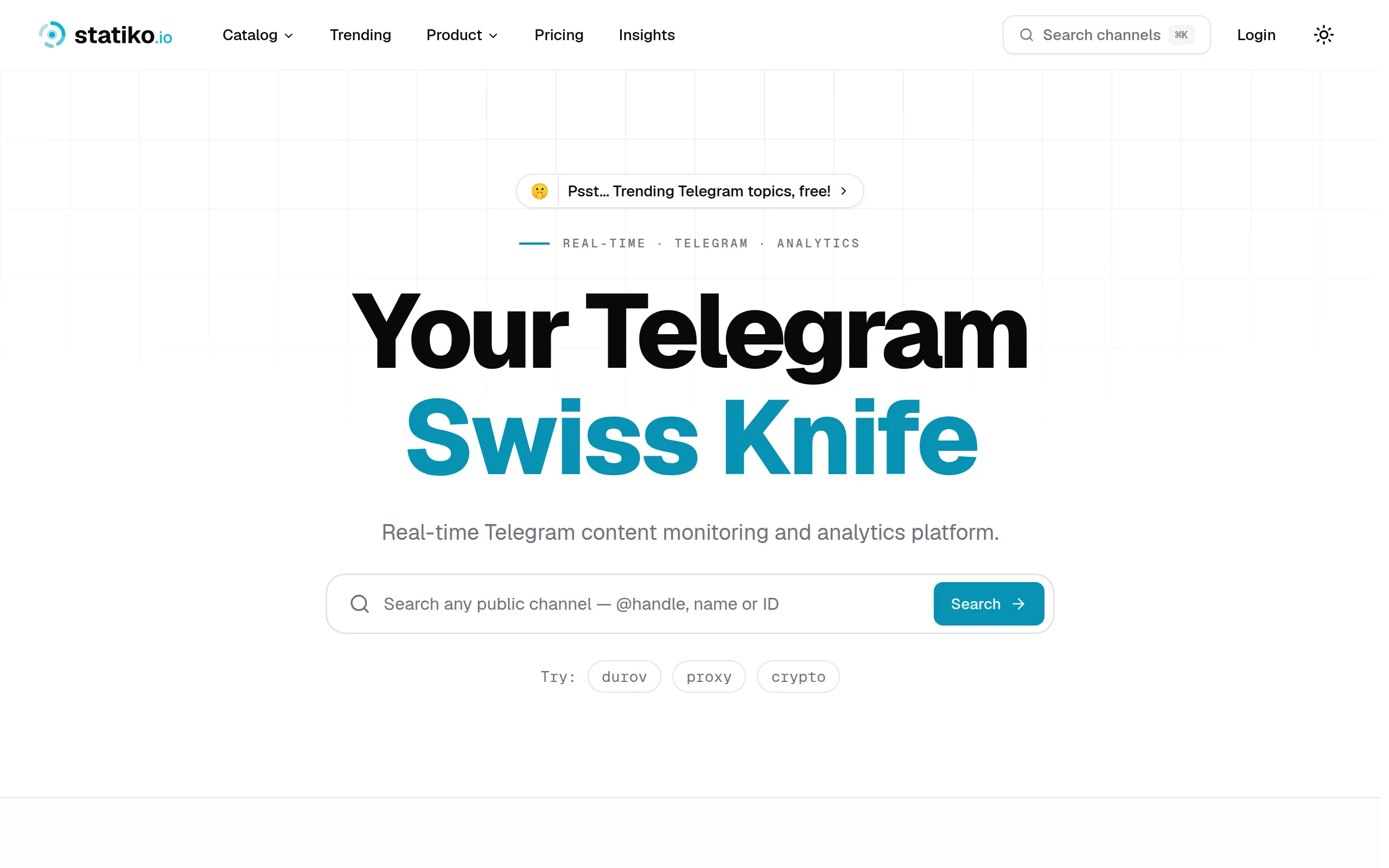
Statiko
Monitor any Telegram channel in real time - track posts, edits, deletions, and growth with AI recaps 📡
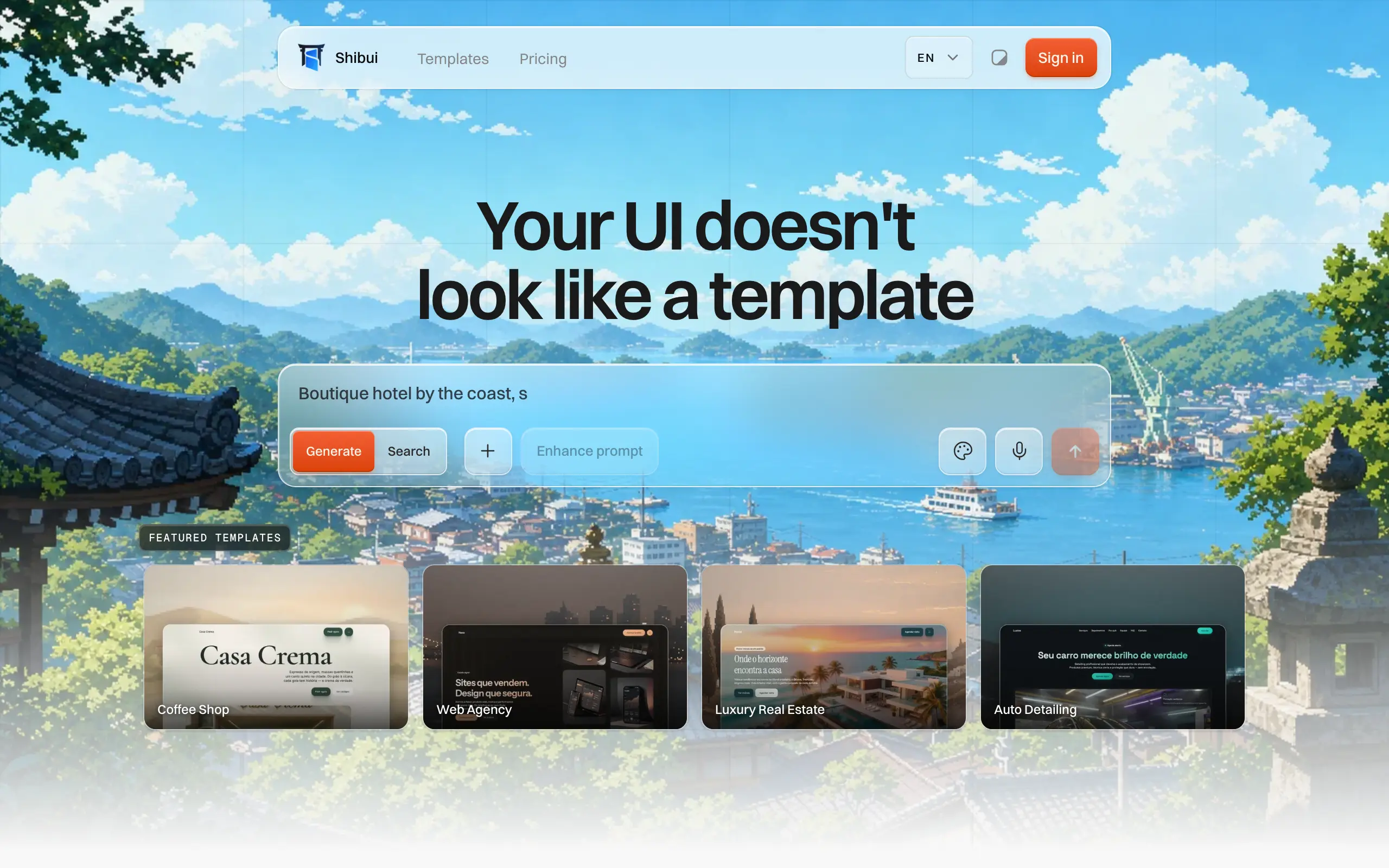
Shibui
AI website builder - describe your business, pick a niche template, edit by chatting, and publish instantly ✨
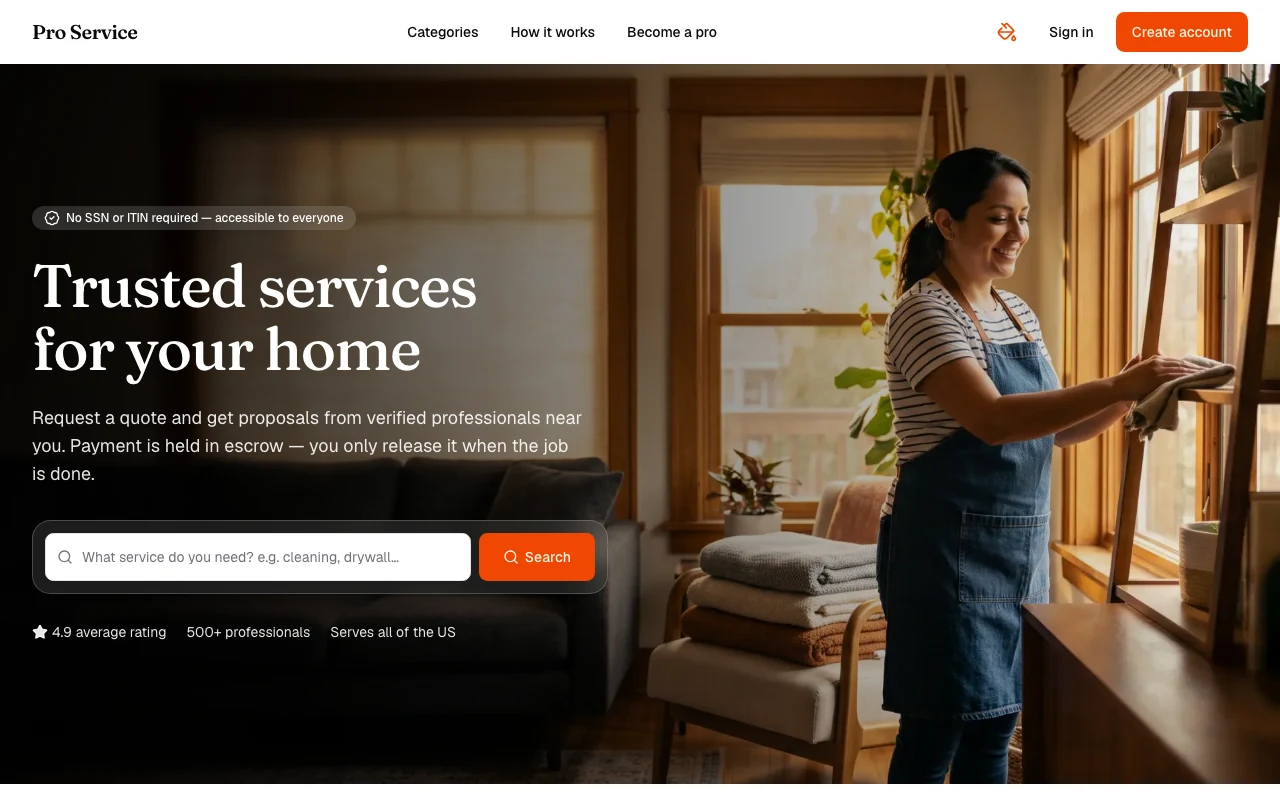
Pro Service
Find verified home service professionals, compare quotes, and pay securely through escrow - built for Brazilians across the US 🏠
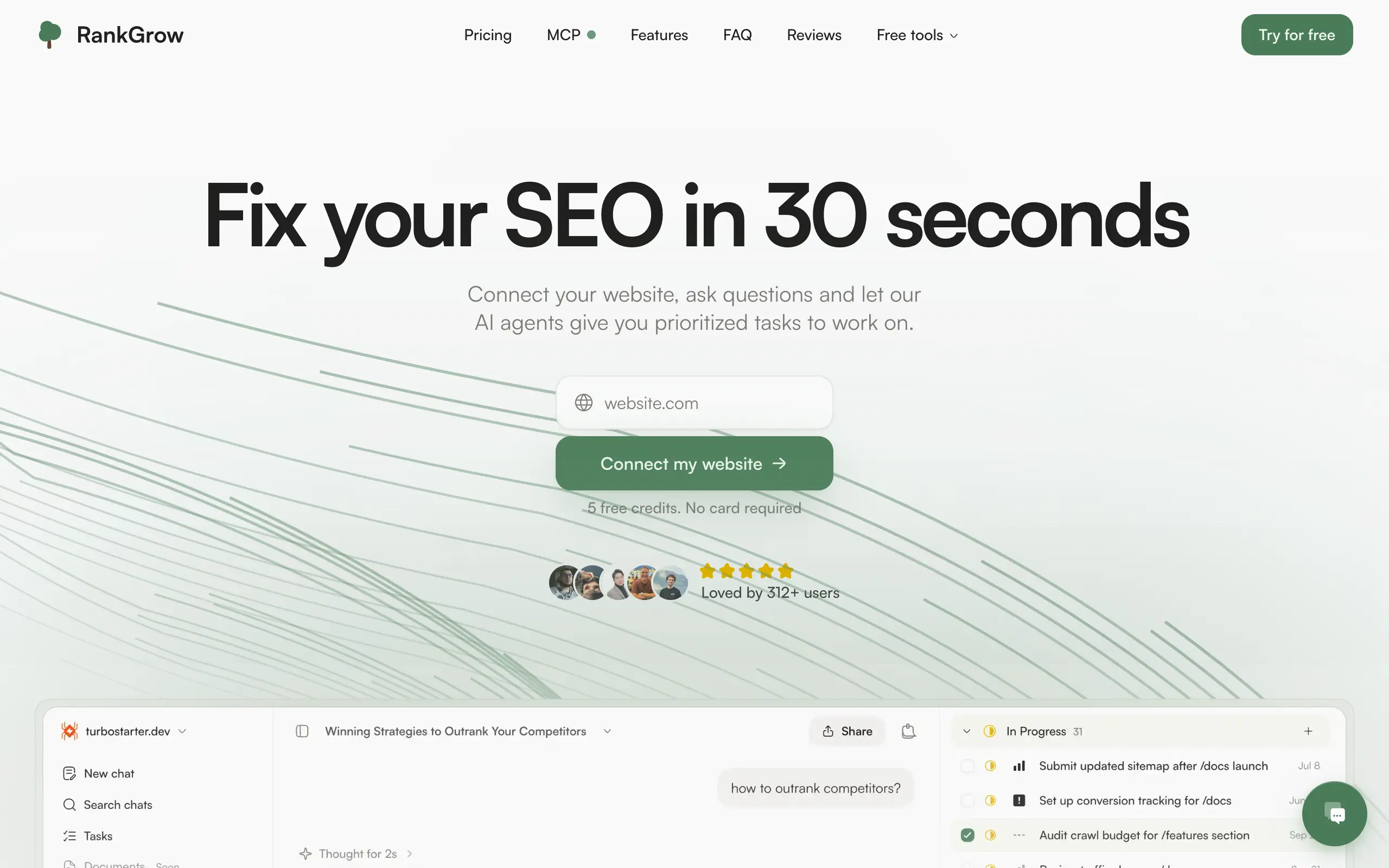
RankGrow
Fix your SEO with AI agents - connect Search Console, get prioritized tasks, and grow organic traffic 📈
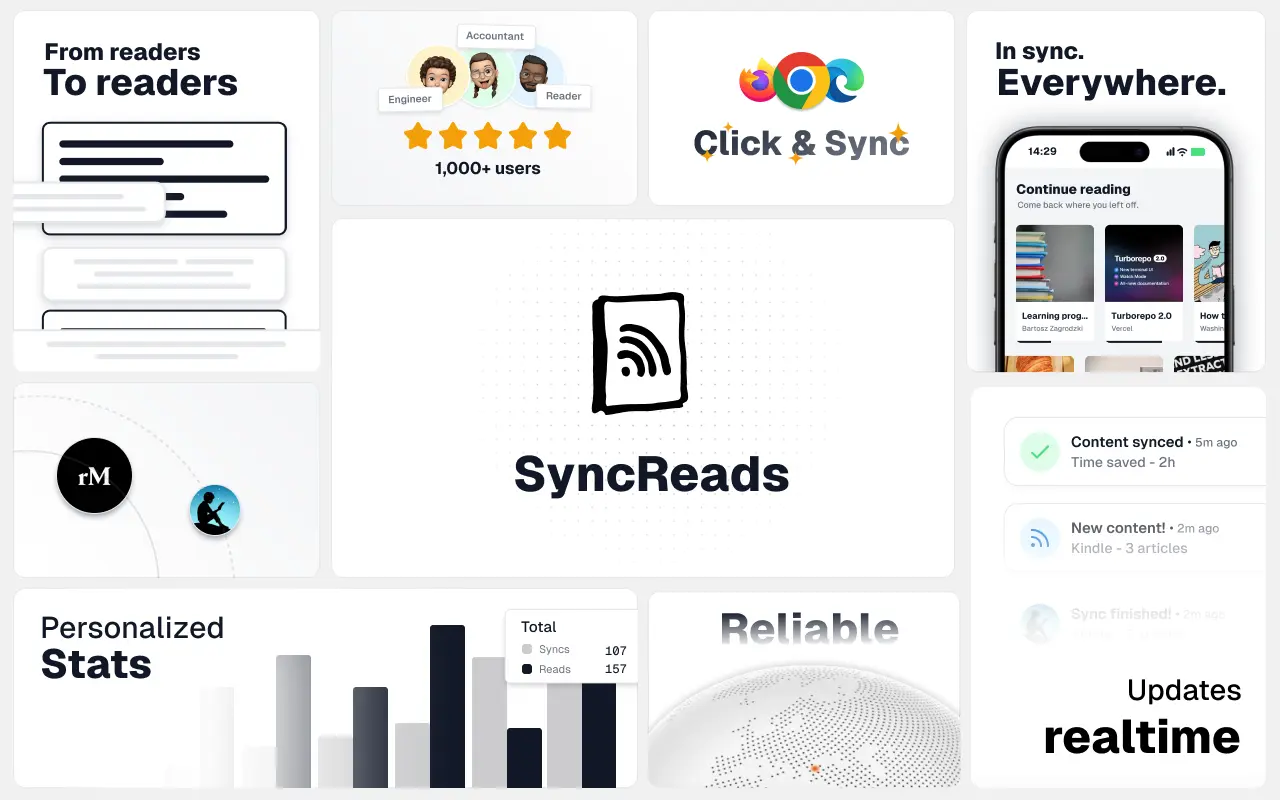
SyncReads
Sync your favorite content for distraction-free reading, save time and replace multiple apps. Anytime, anywhere 🔄
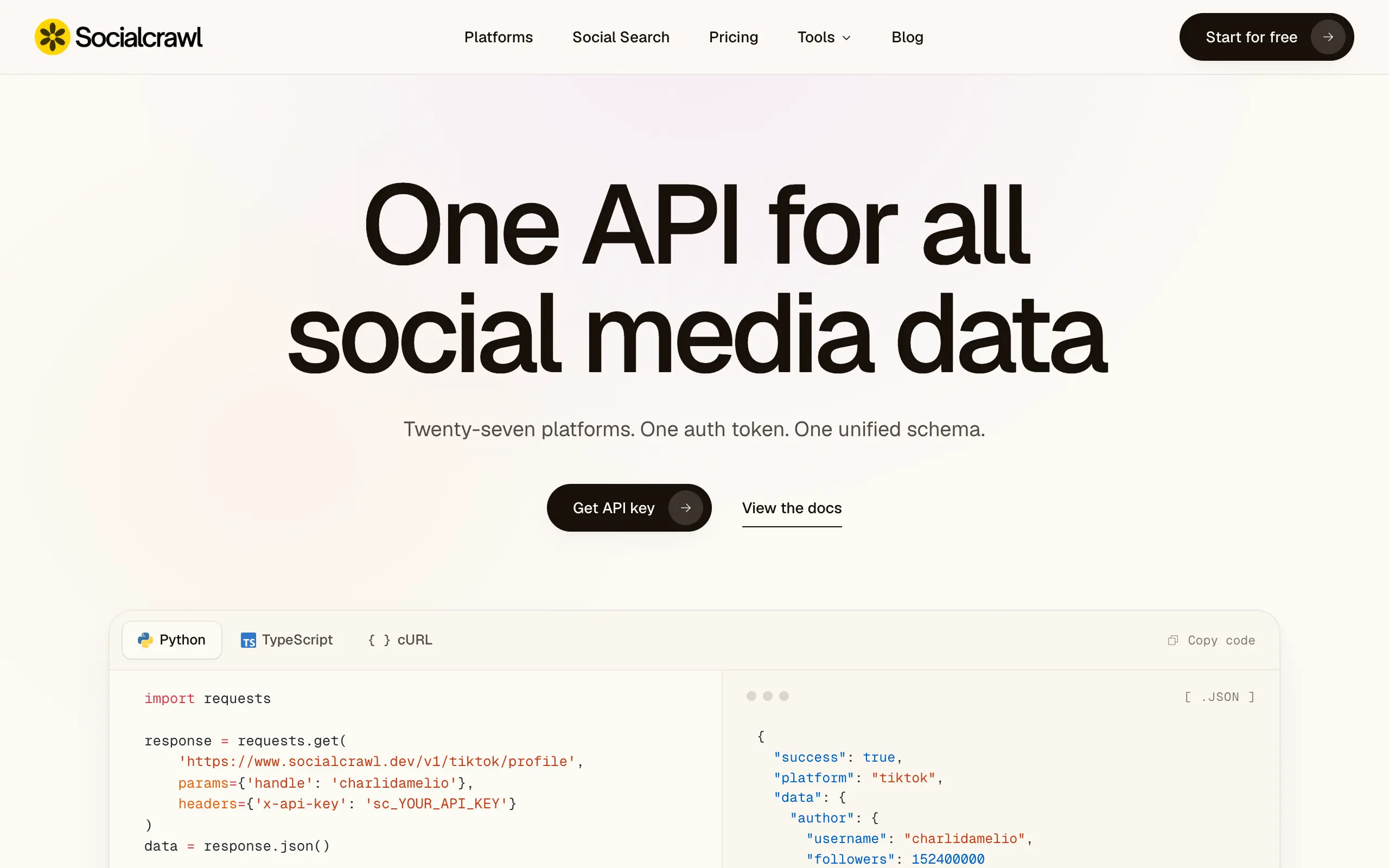
Socialcrawl
Get clean, structured data from 21 platforms like TikTok, Instagram, and YouTube with a single request 📊
Statiko
Monitor any Telegram channel in real time - track posts, edits, deletions, and growth with AI recaps 📡
Shibui
AI website builder - describe your business, pick a niche template, edit by chatting, and publish instantly ✨
Pro Service
Find verified home service professionals, compare quotes, and pay securely through escrow - built for Brazilians across the US 🏠
RankGrow
Fix your SEO with AI agents - connect Search Console, get prioritized tasks, and grow organic traffic 📈
SyncReads
Sync your favorite content for distraction-free reading, save time and replace multiple apps. Anytime, anywhere 🔄
Socialcrawl
Get clean, structured data from 21 platforms like TikTok, Instagram, and YouTube with a single request 📊
Statiko
Monitor any Telegram channel in real time - track posts, edits, deletions, and growth with AI recaps 📡
Shibui
AI website builder - describe your business, pick a niche template, edit by chatting, and publish instantly ✨
Pro Service
Find verified home service professionals, compare quotes, and pay securely through escrow - built for Brazilians across the US 🏠
RankGrow
Fix your SEO with AI agents - connect Search Console, get prioritized tasks, and grow organic traffic 📈
SyncReads
Sync your favorite content for distraction-free reading, save time and replace multiple apps. Anytime, anywhere 🔄
Socialcrawl
Get clean, structured data from 21 platforms like TikTok, Instagram, and YouTube with a single request 📊
Statiko
Monitor any Telegram channel in real time - track posts, edits, deletions, and growth with AI recaps 📡
Shibui
AI website builder - describe your business, pick a niche template, edit by chatting, and publish instantly ✨
Pro Service
Find verified home service professionals, compare quotes, and pay securely through escrow - built for Brazilians across the US 🏠
RankGrow
Fix your SEO with AI agents - connect Search Console, get prioritized tasks, and grow organic traffic 📈
SyncReads
Sync your favorite content for distraction-free reading, save time and replace multiple apps. Anytime, anywhere 🔄
Socialcrawl
Get clean, structured data from 21 platforms like TikTok, Instagram, and YouTube with a single request 📊
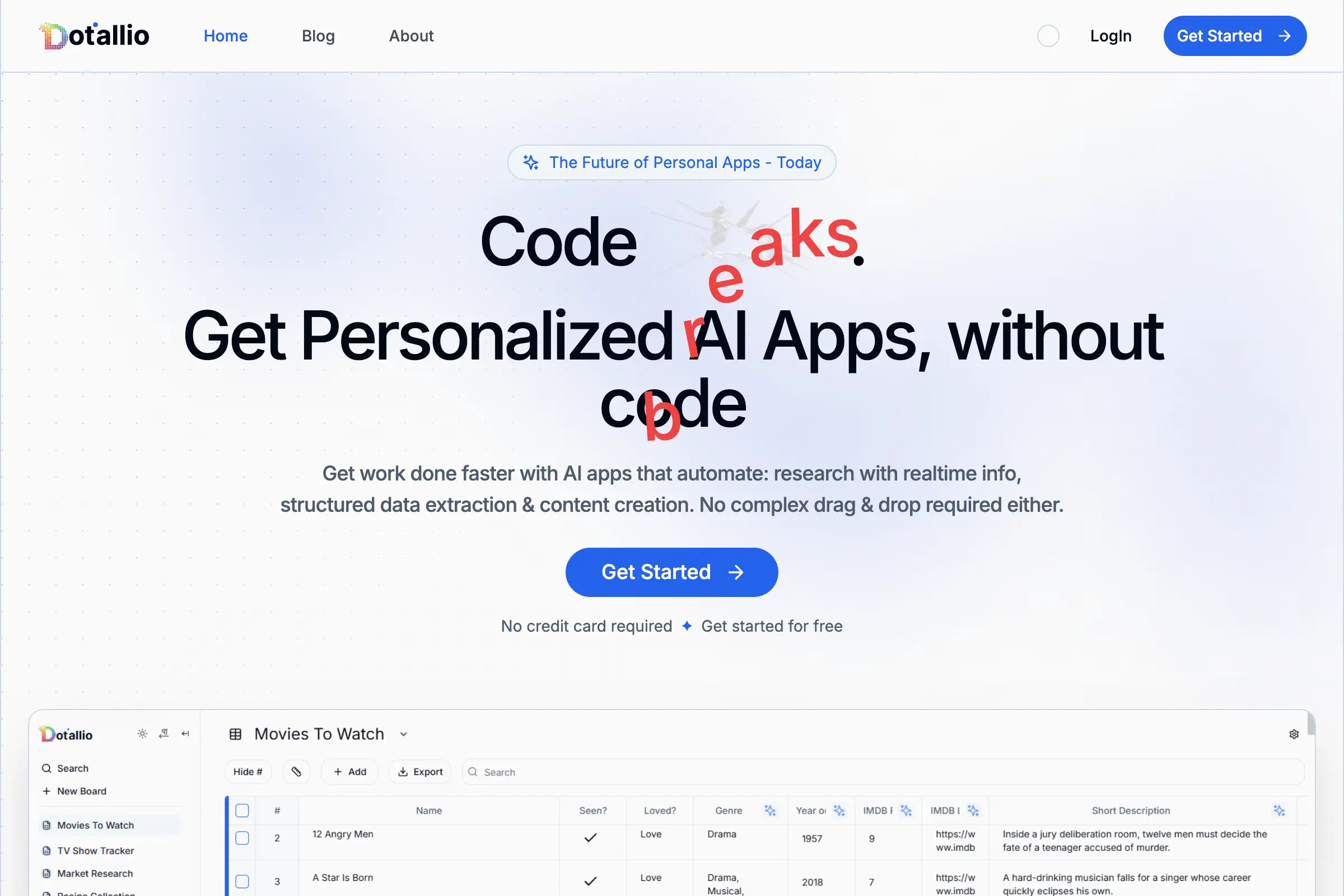
Dotallio
Personalized AI apps that automate research, data extraction, and content creation without code 🤖
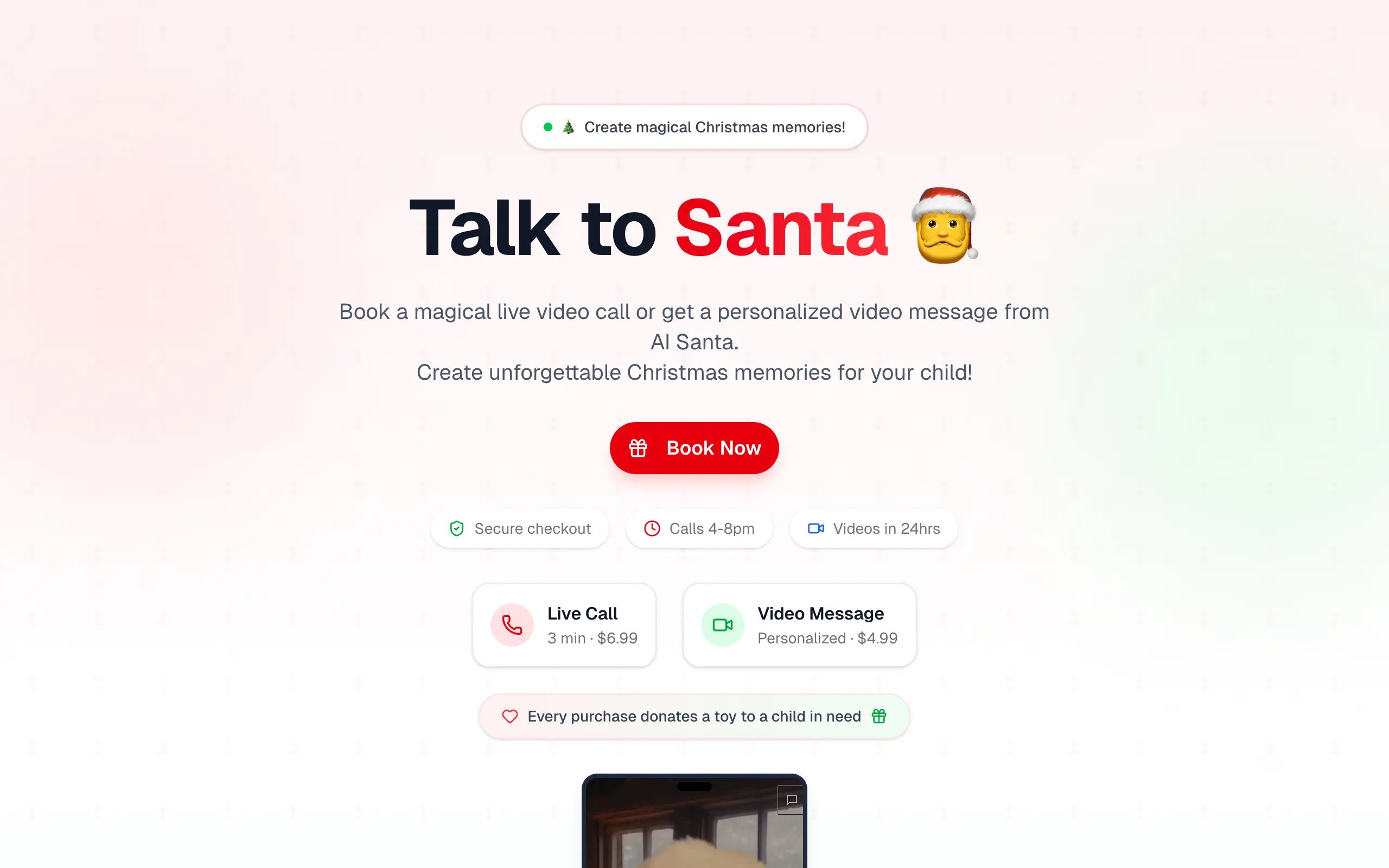
Talk to Santa
Enjoy a magical live video chat or receive a unique AI-generated video greeting from Santa Claus 🎅
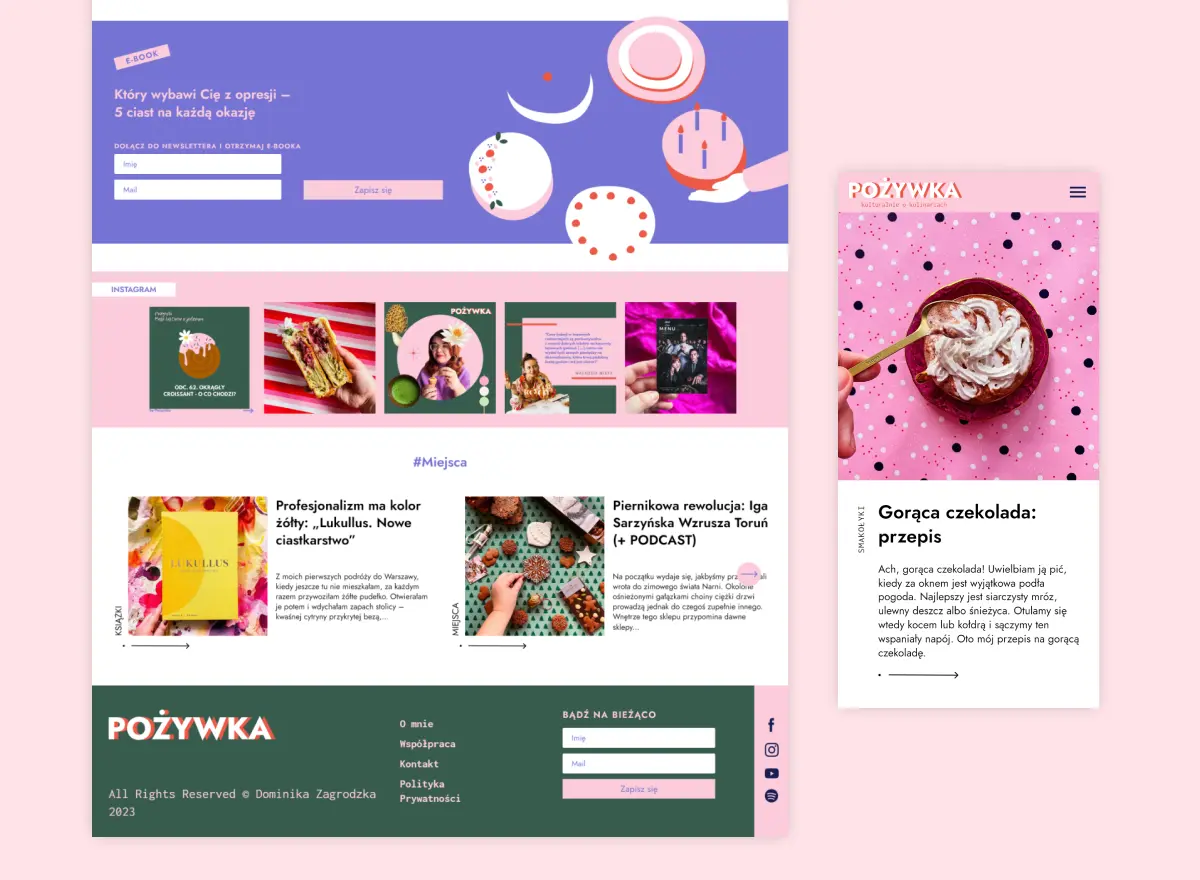
pozywka.pl
Scalable blog for food journalist, focused on performance and user experience 🌭
zagrodzki.me
Personal blog and portfolio of Bart Zagrodzki, where he shares his knowledge and work 💼
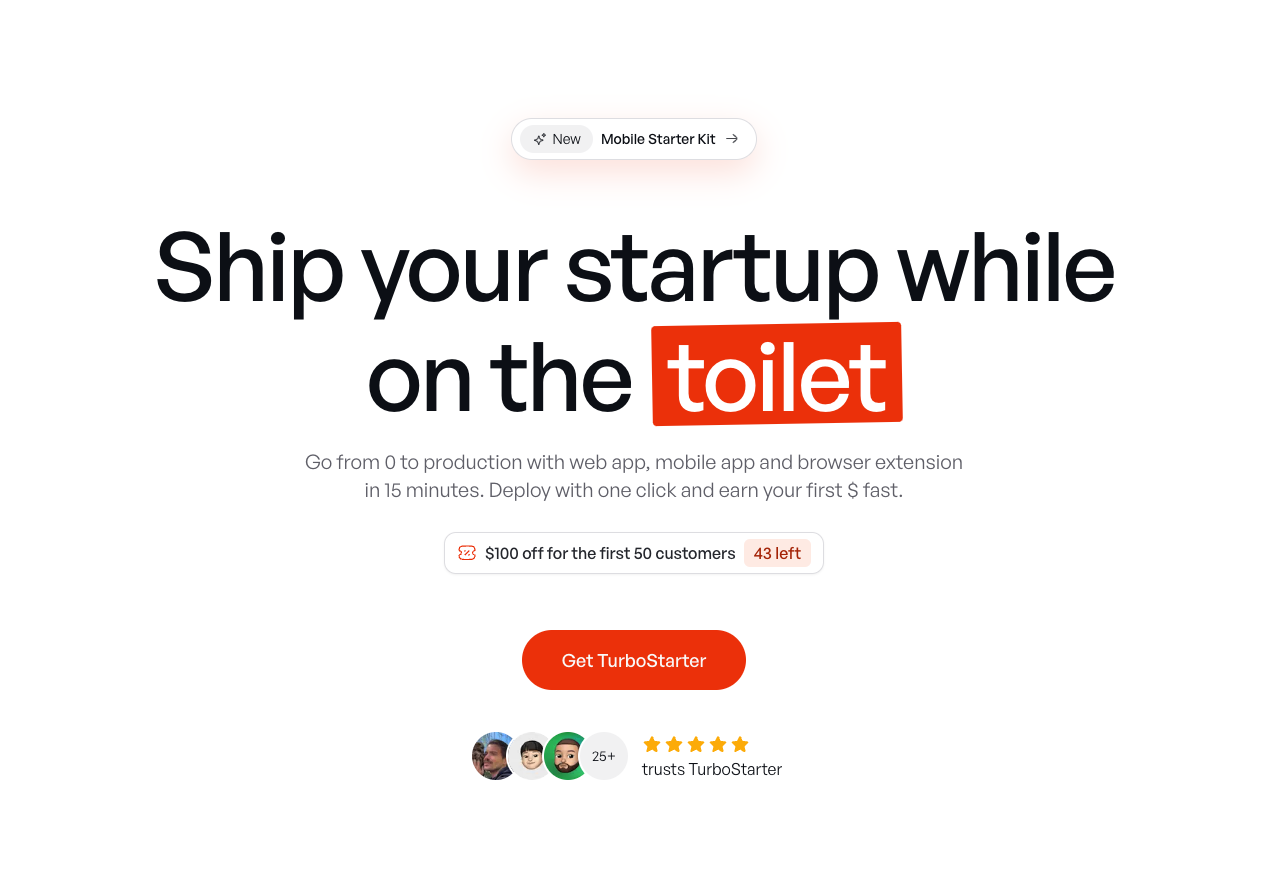
TurboStarter
Ship your startup everywhere. In minutes.
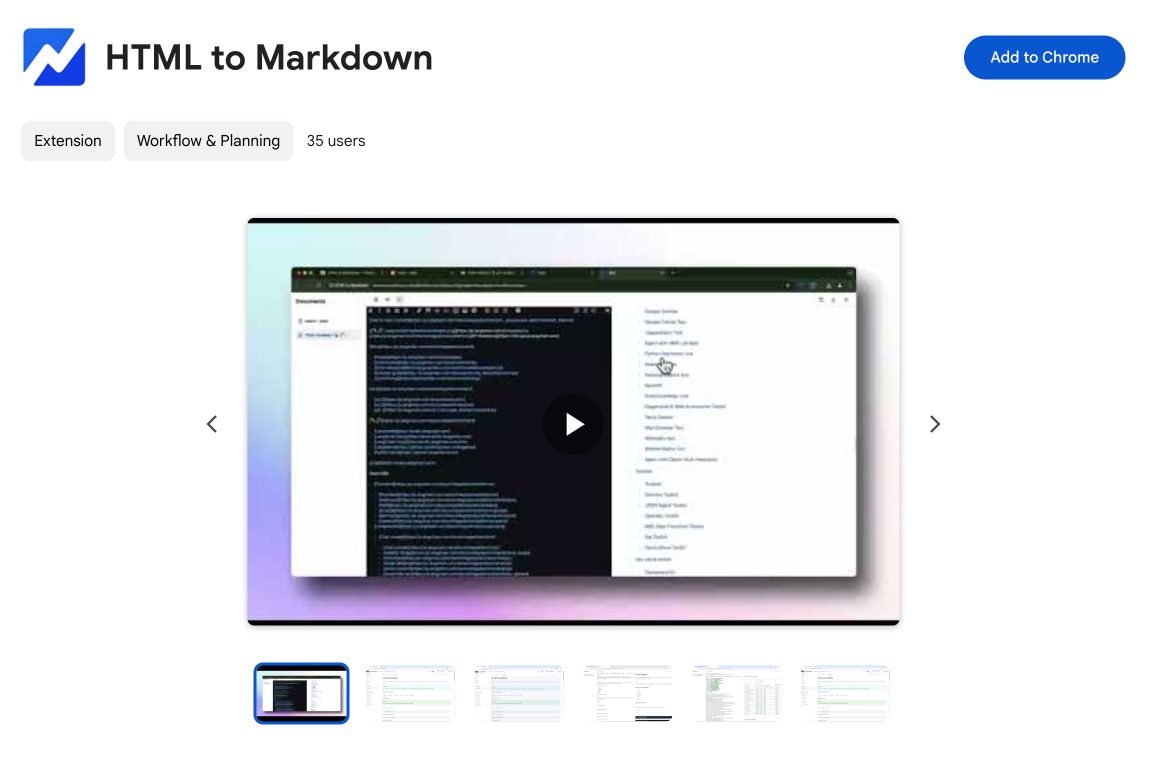
HTML to Markdown
Convert HTML to Markdown with ease, directly in your browser 📄
Dotallio
Personalized AI apps that automate research, data extraction, and content creation without code 🤖
Talk to Santa
Enjoy a magical live video chat or receive a unique AI-generated video greeting from Santa Claus 🎅
pozywka.pl
Scalable blog for food journalist, focused on performance and user experience 🌭
zagrodzki.me
Personal blog and portfolio of Bart Zagrodzki, where he shares his knowledge and work 💼
TurboStarter
Ship your startup everywhere. In minutes.
HTML to Markdown
Convert HTML to Markdown with ease, directly in your browser 📄
Dotallio
Personalized AI apps that automate research, data extraction, and content creation without code 🤖
Talk to Santa
Enjoy a magical live video chat or receive a unique AI-generated video greeting from Santa Claus 🎅
pozywka.pl
Scalable blog for food journalist, focused on performance and user experience 🌭
zagrodzki.me
Personal blog and portfolio of Bart Zagrodzki, where he shares his knowledge and work 💼
TurboStarter
Ship your startup everywhere. In minutes.
HTML to Markdown
Convert HTML to Markdown with ease, directly in your browser 📄
Dotallio
Personalized AI apps that automate research, data extraction, and content creation without code 🤖
Talk to Santa
Enjoy a magical live video chat or receive a unique AI-generated video greeting from Santa Claus 🎅
pozywka.pl
Scalable blog for food journalist, focused on performance and user experience 🌭
zagrodzki.me
Personal blog and portfolio of Bart Zagrodzki, where he shares his knowledge and work 💼
TurboStarter
Ship your startup everywhere. In minutes.
HTML to Markdown
Convert HTML to Markdown with ease, directly in your browser 📄
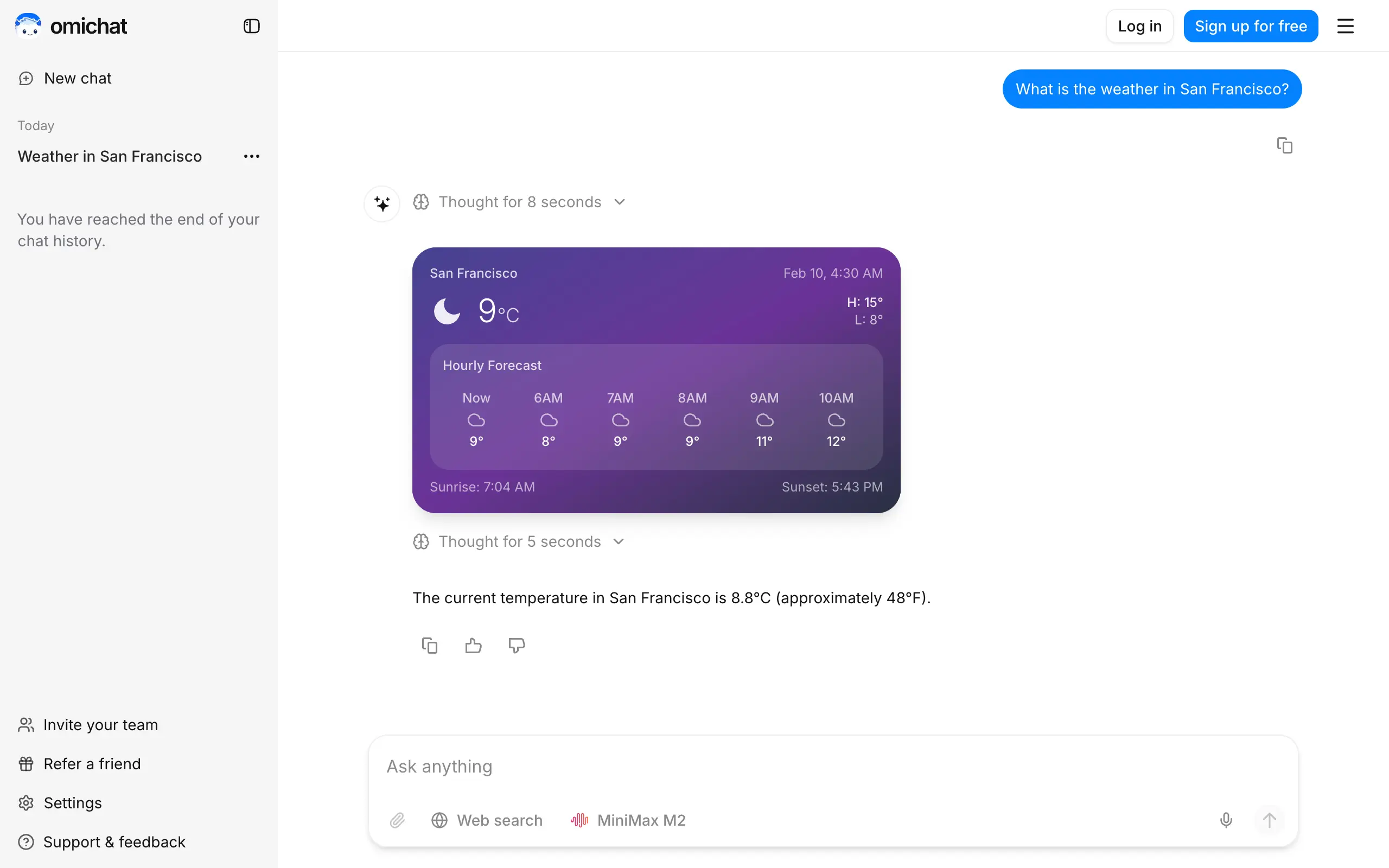
Omichat
Chat with 50+ AI models, including ChatGPT and Claude, in one place - switch models anytime without losing context 🤖
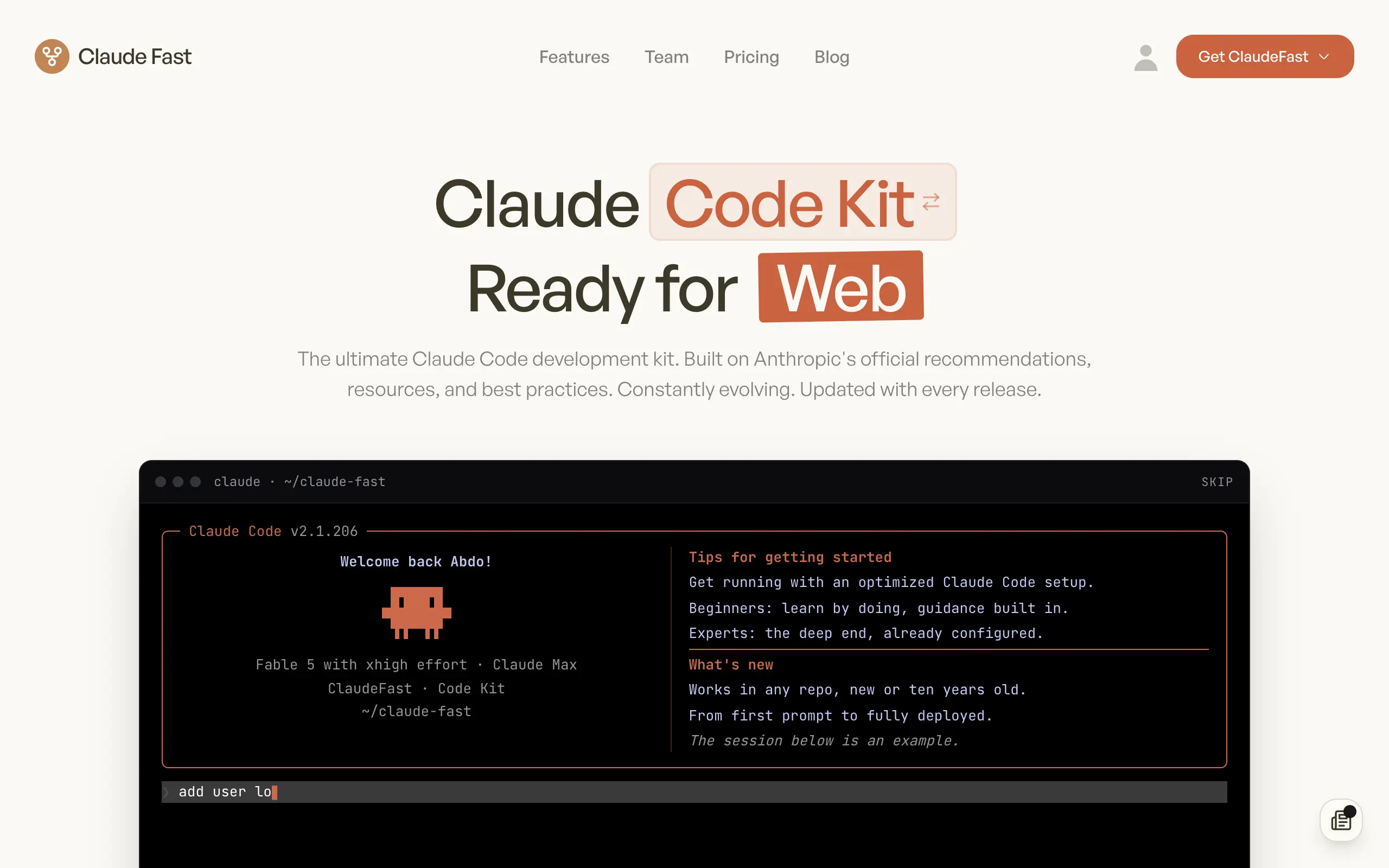
Claude Fast
Supercharge your Claude Code with 6x effective context window and specialized AI agents 🤖
EmojAI
AI-powered emoji picker with smart, context-aware suggestions 🤖
Solohacker
Autonomous company launcher - AI agents work 24/7, escalate what matters, and you stay in control 🤖
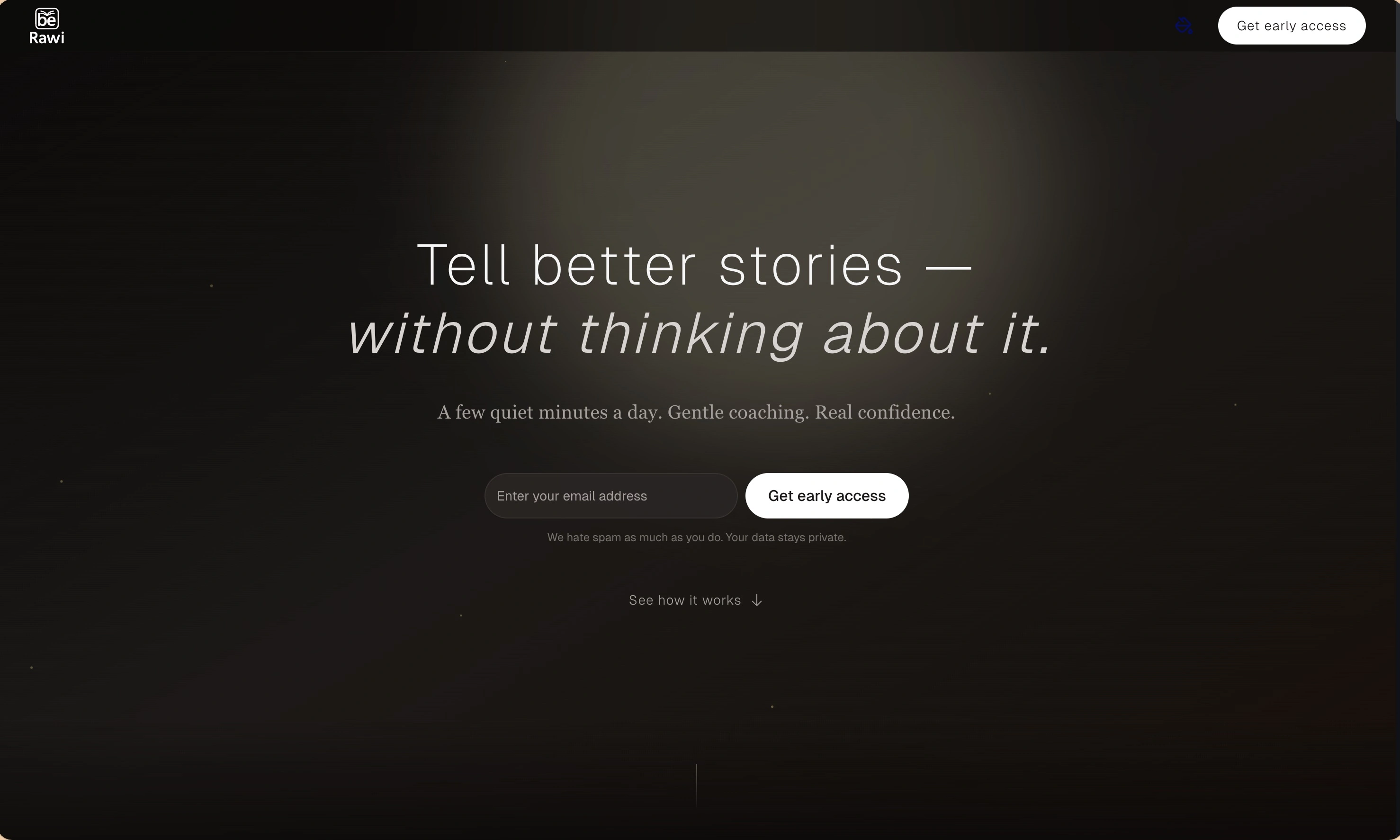
BeRawi: Storytelling Coach
Practice storytelling daily with instant feedback to sound clearer, more engaging, and confident 🎤
Omichat
Chat with 50+ AI models, including ChatGPT and Claude, in one place - switch models anytime without losing context 🤖
Claude Fast
Supercharge your Claude Code with 6x effective context window and specialized AI agents 🤖
EmojAI
AI-powered emoji picker with smart, context-aware suggestions 🤖
Solohacker
Autonomous company launcher - AI agents work 24/7, escalate what matters, and you stay in control 🤖
BeRawi: Storytelling Coach
Practice storytelling daily with instant feedback to sound clearer, more engaging, and confident 🎤
Omichat
Chat with 50+ AI models, including ChatGPT and Claude, in one place - switch models anytime without losing context 🤖
Claude Fast
Supercharge your Claude Code with 6x effective context window and specialized AI agents 🤖
EmojAI
AI-powered emoji picker with smart, context-aware suggestions 🤖
Solohacker
Autonomous company launcher - AI agents work 24/7, escalate what matters, and you stay in control 🤖
BeRawi: Storytelling Coach
Practice storytelling daily with instant feedback to sound clearer, more engaging, and confident 🎤
Omichat
Chat with 50+ AI models, including ChatGPT and Claude, in one place - switch models anytime without losing context 🤖
Claude Fast
Supercharge your Claude Code with 6x effective context window and specialized AI agents 🤖
EmojAI
AI-powered emoji picker with smart, context-aware suggestions 🤖
Solohacker
Autonomous company launcher - AI agents work 24/7, escalate what matters, and you stay in control 🤖
BeRawi: Storytelling Coach
Practice storytelling daily with instant feedback to sound clearer, more engaging, and confident 🎤

Connect with like-minded people
Join our community to get feedback, support, and grow together with 1,000+ builders on board, let's ship it!
Join usShip your startup everywhere. In minutes.
Don't burn tokens on setup and start building features on day one.