NavoiPay
A Tajik-first household bill tracker that scans payment slips, sends due-date reminders, and shows simple family spending insights in Somoni.
What NavoiPay solves for households in Tajikistan
Managing household bills is deceptively difficult when payment information is spread across paper receipts, SMS messages, utility counters, and family conversations. A household may pay electricity, water, internet, mobile, heating, rent, school fees, or building maintenance at different times each month. When no one has a clear, shared record, families can miss deadlines, pay late fees, duplicate payments, or lose visibility into where their money goes.
NavoiPay is a Tajik-first household bill tracker designed to make recurring payments easier to manage in Tajik somoni. Its core workflow is simple:
- A user scans or photographs a payment slip.
- NavoiPay extracts the important payment details.
- The app creates a bill record and due-date reminder.
- Family members can see upcoming obligations and recent spending.
- The household receives straightforward, local-currency insights.
The product opportunity is not just another personal finance app. NavoiPay can become a practical financial organization tool for people who need a low-friction way to track real household payments in Tajikistan.
Core product positioning
NavoiPay should position itself as a household payment memory system, not as an intimidating budgeting platform. The strongest promise is simple: scan receipts, remember due dates, and understand family bills in somoni.
The primary search and positioning keyword for this concept is Tajik household bill tracker. Related terms include bill reminder app in Tajikistan, Somoni expense tracker, utility bill tracker, receipt scanner app, family budget app, and household spending insights.
Why a Tajik household bill tracker has a real market gap
Many global budget apps are built for card-first banking ecosystems. They often assume users can connect bank accounts, import transactions automatically, categorize digital purchases, and review charts in English or other global languages. That model does not always fit households that make payments through cash, payment terminals, bank branches, mobile wallets, agent networks, or paper receipts.
A Tajik-first bill tracking app can serve a more practical use case. Instead of asking users to fully digitize their financial life, it can help them organize the records they already have.
The current household bill-management problem
For many households, the current process is fragmented:
- Payment slips are stored in drawers, wallets, folders, or lost entirely.
- Due dates are remembered informally or written on paper calendars.
- One family member makes payments while another manages household expenses.
- People cannot quickly confirm whether a bill was paid last month.
- A household may not know its average electricity, internet, or water spending.
- Receipts may contain valuable account numbers and payment references that are difficult to retrieve later.
- Generic finance applications may not support Tajik, Russian, somoni formatting, local bill categories, or receipt-based workflows.
The problem becomes more urgent for families handling several service providers, multi-generational households, landlords managing a small number of apartments, and people supporting relatives from another city or country.
Why local relevance matters more than feature volume
A successful Tajikistan bill reminder app does not need to compete feature-for-feature with a global neobank. It needs to reduce everyday anxiety around household obligations.
Local relevance can include:
- Tajik and Russian language support from the first release
- Somoni as the default currency with familiar number formatting
- Categories that reflect real household payments
- Receipt scanning optimized for printed payment slips
- Reminder channels that work for local user habits
- Shared household visibility without requiring a complex financial setup
- A low-data, mobile-first experience for inconsistent connectivity
This is a meaningful product wedge because it meets users where they are. NavoiPay can start by solving the narrow but recurring pain of remembering, proving, and understanding bill payments.
The broader financial wellness opportunity
Bill tracking is often the first useful layer of personal finance. Once a household has several months of payment history, NavoiPay can help users answer valuable questions:
- How much do we usually spend on utilities each month?
- Which bills are due in the next seven days?
- Has our electricity spending increased compared with last month?
- Did we already pay the internet bill?
- Which categories are becoming harder to afford?
- How much should we reserve for recurring household payments?
That progression creates a natural path from receipt storage to spending awareness, then to light budgeting and financial planning.
Target audience for NavoiPay
NavoiPay should not target “everyone with bills” at launch. The product will be easier to validate and market when it focuses on groups with high bill complexity and a clear need for reminders.
| Audience | Main problem | Strongest value | Likely device behavior | Revenue potential |
|---|---|---|---|---|
| Urban families | Multiple recurring bills | Shared reminders and receipt history | Mobile-first | Medium |
| Household managers | Manual tracking and missed due dates | Clear payment calendar | Daily mobile use | High |
| Landlords | Several properties or tenant bills | Bill records by property | Mobile and desktop | High |
| Families abroad | Supporting relatives remotely | Payment visibility and coordination | Mobile-first | Medium |
Primary audience: household financial organizers
The primary customer is likely the person who informally manages household logistics. This may be a parent, spouse, adult child, or another household member responsible for keeping receipts, paying utilities, and reminding others about obligations.
They are not necessarily looking for sophisticated investment tracking. They need confidence that essential payments are visible and organized.
Their practical goals include:
- Avoiding late payments and service disruption
- Finding past receipts quickly
- Keeping bills in one place
- Understanding how much the household spends in somoni
- Sharing reminders with another trusted person
- Reducing arguments or uncertainty about whether something was paid
Secondary audience: small landlords and property caretakers
A lightweight landlord use case can become a valuable expansion path. Someone managing a few apartments may need to track utility receipts and due dates by property. This audience has a greater willingness to pay because each missed payment or missing record can create tenant friction.
However, this should be a later feature set rather than the initial product focus. A B2C bill tracker should first deliver an exceptionally simple household experience.
Jobs to be done
NavoiPay should be designed around clear jobs rather than abstract personas.
Remember what is due
Help users see upcoming payments before deadlines become a problem.
Prove what was paid
Turn scattered paper slips into a searchable digital receipt archive.
Understand household costs
Show understandable monthly patterns without requiring accounting knowledge.
Coordinate with family
Give trusted household members a shared, current view of bill status.
The NavoiPay product solution and core features
The best MVP for NavoiPay should prioritize habit formation. Users need a reason to return after they scan their first receipt. Due-date reminders and a simple upcoming-bills view provide that reason.
Receipt scanning and payment-slip capture
Receipt scanning is the signature feature. A user should be able to open the app, take a photo, review extracted details, and save the record in under a minute.
The scanner should aim to detect:
- Merchant or provider name
- Payment date
- Payment amount in somoni
- Account or customer reference number
- Receipt number or transaction ID
- Payment category
- Payment method when available
- Due date when printed on the document
Because receipt formats vary, the app must always support easy manual correction. Optical character recognition should accelerate data entry, not create a rigid dependency on perfect extraction.
A strong scan workflow includes image enhancement, edge detection, cropping, blur detection, and a review screen. The original image should remain attached to the bill record, allowing users to verify extracted information later.
Bill calendar and due-date reminders
The next critical experience is the bill calendar. Users should immediately understand which payments are:
- Due soon
- Due today
- Overdue
- Paid recently
- Recurring next month
Notifications should be configurable rather than excessive. A user may want reminders seven days, three days, and one day before a due date. Another person may prefer only one reminder.
Reminder messages should be specific and actionable. “Internet payment is due in three days” is more useful than a generic message such as “You have a task.”
For recurring bills, NavoiPay can suggest the next expected due date based on prior payment history. The app should make it clear that this is an estimate until the user confirms the actual bill.
Family sharing with privacy controls
Household finances are collaborative, but they are also sensitive. NavoiPay can offer a shared household space where members see selected bill records, reminders, and summaries.
The privacy model should be explicit:
- A household owner can invite trusted members.
- Each member can add receipts and mark bills as paid.
- Users can choose whether personal notes are visible to others.
- Account numbers should be masked by default in shared views.
- Household access can be removed at any time.
- Important changes should be logged in a simple activity history.
Avoid making family sharing mandatory in the MVP. A personal bill tracker should be useful for a single user, with sharing as an optional upgrade.
Spending insights in somoni
The spending insights experience should be intentionally plain-language. Most users do not need a complex dashboard with dozens of financial ratios.
Useful insights include:
- Total household bills paid this month
- Spending by category
- Comparison with the previous month
- Average monthly utility spending
- Highest recurring bill
- Bills due in the next 30 days
- Unusual increase alerts when a category rises materially
A quality insight tells the user what changed and why it matters. For example, “Electricity payments are 24% higher than your three-month average” is more helpful than a chart without context.
Manual bills and flexible categories
Not every payment will have a scannable receipt. Users should be able to add a bill manually in seconds.
Recommended initial categories include:
- Electricity
- Water
- Gas or heating
- Internet
- Mobile services
- Rent
- Building maintenance
- School and education
- Insurance
- Loan or installment payments
- Other household expenses
Category design should stay flexible. The product should permit custom categories without making setup difficult.
Searchable receipt archive
A receipt archive becomes especially valuable after several months of use. Users should be able to search by provider, amount, date, category, property, or account number.
For privacy, search should support masked references where possible. A user could identify a bill using the last four digits of an account reference without exposing the full value across every screen.
A recommended product roadmap for the bill reminder app
The product should not begin with bank integrations, payment processing, advanced AI forecasting, or a large marketplace. Those features increase complexity before NavoiPay has proven that households will consistently scan and revisit bills.
Focus on Tajik and Russian onboarding, manual bill entry, receipt photo capture, OCR-assisted extraction, reminders, a calendar, basic categories, and monthly somoni summaries.
Add household sharing, smarter recurring-bill suggestions, searchable receipt archives, notification preferences, exportable records, and category trend alerts.
Consider provider directories, verified bill templates, payment links where partnerships permit, property views, deeper analytics, and small-landlord plans.
MVP features that should be non-negotiable
The first release should include the smallest feature set that produces repeat value:
- Secure phone or email sign-in
- Tajik and Russian interface options
- Somoni-first amount formatting
- Manual bill creation
- Receipt image upload and camera capture
- OCR-assisted detail extraction with manual edits
- One-time and recurring due-date reminders
- A simple upcoming bills screen
- A monthly spending summary
- Data export and account deletion controls
The app does not need perfect OCR on day one. It does need users to trust that the receipt image is safely stored and that the reminder will arrive when expected.
Features to delay deliberately
Some features look attractive but can slow down validation:
- Direct utility payment processing
- Bank transaction aggregation
- Credit scoring
- Lending offers
- Investment tools
- Social feeds
- Excessive gamification
- Complex household budgeting rules
- Automated tax calculations
These can be evaluated after NavoiPay proves strong user retention around the central bill-tracking workflow.
Recommended tech stack for NavoiPay
A dependable bill tracker requires more than an attractive mobile interface. It needs reliable notifications, secure file storage, multilingual content, audit-friendly data handling, and OCR that can improve over time.
Frontend and application framework
A practical web-first approach is Next.js with React and TypeScript. This combination supports fast product development, typed data models, server-side capabilities, and an installable progressive web app experience.
A progressive web app is a strong early choice because it can reduce distribution friction. Users can access NavoiPay from a browser, add it to a home screen, and receive an app-like experience without immediately requiring separate native applications.
For a polished interface, use Tailwind CSS. Its utility-first workflow makes it efficient to create consistent mobile layouts, accessible states, responsive components, and language-aware design variations.
Mobile strategy trade-offs
There are three realistic paths:
- "Responsive web app": fastest path to validation, easiest deployment, and simpler maintenance.
- "Progressive web app": adds installability and some offline behavior while preserving a web codebase.
- "Native mobile app": provides stronger camera and notification capabilities but increases development and release overhead.
For NavoiPay, a progressive web app is the strongest starting point. Receipt capture and reminders must be tested carefully across target devices, but the speed of learning generally outweighs the cost of building native apps too early.
If native apps become necessary, React Native offers code-sharing advantages for a TypeScript team. The trade-off is more platform-specific testing, especially for camera permissions, notification behavior, and offline image uploads.
Backend, database, and storage
A relational database is a natural fit because bills, households, users, reminders, receipt files, categories, and audit events have clear relationships. PostgreSQL is a mature, reliable choice.
A typical data model could include:
type Bill = {
  id: string;
  householdId: string;
  categoryId: string;
  providerName: string;
  amountSomoni: number;
  dueDate: string | null;
  paidAt: string | null;
  recurring: boolean;
  recurrenceRule: string | null;
  receiptImageUrl: string | null;
  accountReferenceMasked: string | null;
  createdAt: string;
};
Receipt images should be stored in a private object storage bucket rather than directly in the database. Access should use short-lived signed URLs, and original receipt files should never be publicly accessible by default.
OCR and document intelligence
Receipt OCR should be treated as a pipeline:
- Upload the image securely.
- Validate file size and format.
- Improve the image when needed.
- Extract text using an OCR provider or model.
- Parse likely amounts, dates, provider names, and references.
- Show the extracted values for user confirmation.
- Save the confirmed result and use corrections to improve parsing rules.
There is an important trade-off between a cloud OCR service and on-device OCR.
- "Cloud OCR": often easier to implement and more accurate, but it introduces processing costs and data privacy considerations.
- "On-device OCR": can reduce data transmission and improve privacy, but implementation, device support, and language accuracy may be more difficult.
Since receipts can contain personal data, NavoiPay should clearly explain where images are processed, how long they are retained, and whether a user can delete them permanently.
Notifications and background jobs
Reliable reminders require a job queue or scheduled task system. Do not rely on a user opening the app to trigger due-date checks.
The system should:
- Run daily reminder jobs in the user’s local time zone
- Avoid duplicate notifications
- Track notification delivery attempts
- Allow users to opt out by reminder type
- Recalculate reminders when a bill is marked paid
- Handle recurring bills without creating duplicate records
Push notifications are useful, but SMS can be an important fallback for users who prefer it or do not reliably receive app notifications. SMS should be introduced only after pricing and consent requirements are understood, as recurring message costs can quickly affect B2C unit economics.
Security and privacy requirements
NavoiPay handles personal financial records. It should therefore be designed with privacy as a product feature, not a legal afterthought.
Minimum security controls should include:
- Encryption in transit using HTTPS
- Encryption at rest for sensitive stored data
- Passwordless sign-in or secure password handling
- Rate limiting for login and upload endpoints
- Access checks on every household and receipt request
- Private receipt storage with expiring access links
- Audit logs for household-sharing changes
- Data export and deletion flows
- Backups and disaster-recovery testing
- Clear retention rules for deleted accounts
Avoid overpromising financial security
NavoiPay should not imply that it is a bank, payment processor, or regulated financial institution unless that is legally and operationally true. Use precise language such as “organize and track household bills” rather than claims that could create false expectations.
Monetization options for NavoiPay
A B2C household bill tracker should earn revenue without putting essential reminder functionality behind an aggressive paywall. The free tier must be useful enough to establish trust and recurring behavior.
Freemium subscription model
The most straightforward model is a freemium plan.
- "Free plan": limited number of active bills, basic reminders, receipt storage limit, monthly summary, and one household member.
- "Premium plan": unlimited receipts, multiple household members, advanced reminders, longer history, exports, trend insights, and priority support.
- "Family plan": more members, multiple homes, shared categories, and expanded storage.
- "Property plan": a later plan for small landlords managing several units.
Premium value should center on convenience and shared coordination, not on withholding basic visibility into a household’s financial obligations.
Partnerships with service providers
In the longer term, utility providers, internet companies, mobile operators, banks, and payment networks may benefit from better customer payment behavior. NavoiPay could explore partnerships for verified bill templates, provider-specific onboarding, or official payment pathways.
This is attractive but operationally complex. It may involve commercial agreements, technical integration, customer support coordination, and compliance review. It should be pursued only after NavoiPay has demonstrated a meaningful active user base.
Carefully selected affiliate revenue
NavoiPay could eventually introduce relevant offers, such as home internet plans, insurance products, or payment services. However, financial data creates a high-trust environment. Advertising that feels intrusive can damage the core product.
Any offers should be:
- Clearly labeled
- Optional
- Relevant to a user’s stated needs
- Separated from bill status and reminders
- Never based on exposing personal receipt content to advertisers
Trust is worth more than short-term ad revenue.
Competitive advantage and unique selling proposition
NavoiPay’s strongest competitive advantage is not that it has a bill calendar. Many tools have calendars. Its advantage is delivering a bill-management workflow that is intentionally designed around the realities of Tajik households.
The core USP can be expressed as:
NavoiPay turns paper payment slips and scattered household obligations into clear reminders and easy spending insights in somoni.
Where general-purpose finance apps fall short
Global expense trackers often optimize for bank sync, debit cards, and transaction feeds. Spreadsheet templates require manual discipline. Calendar apps can send reminders but do not preserve receipt evidence or summarize household spending. Cloud storage can save images but does not understand bills.
NavoiPay combines the useful parts of each workflow:
- Receipt archive
- Payment tracking
- Due-date reminders
- Family coordination
- Local-currency insights
- Tajik-first accessibility
Defensible product advantages
NavoiPay can build defensibility through execution in several areas:
-
Localized bill templates
Over time, the product can recognize common provider layouts and improve data extraction for the documents people actually use. -
Localized language experience
High-quality Tajik and Russian content is more than translation. It includes understandable categories, clear notifications, and familiar financial terminology. -
Household-specific data model
Most budget apps are centered on an individual. NavoiPay can make shared bill responsibility a first-class product concept. -
Useful data history
As users scan receipts over time, NavoiPay can provide personalized trends that are difficult to recreate in a generic note-taking tool. -
Trust and privacy reputation
A transparent approach to data, deletion, sharing, and permissions can become a meaningful brand advantage.
Risks and mitigation strategies
Every SaaS concept involving personal financial records has execution risks. Addressing them early improves product quality and investor or partner confidence.
Receipt layouts, image quality, and language support can vary. Mitigate this by making manual edits fast, saving the original receipt image, measuring extraction confidence, and prioritizing the most common receipt formats after launch.
A one-time receipt upload does not create retention. Tie every saved bill to a useful future event, such as a reminder, recurring estimate, monthly summary, or shared household task.
Push notifications may be disabled or delayed. Let users choose channels, display in-app due-date alerts, provide reminder settings, and consider SMS only when costs and consent are sustainable.
Use plain-language privacy explanations, private-by-default receipt storage, masked references, clear deletion tools, and visible household access controls.
Do not make payment processing a launch dependency. Start as a tracking and reminder product, then pursue verified payment links and integrations once demand is proven.
Key product metrics to monitor
NavoiPay should measure behavior that reflects genuine value, not only downloads.
Important metrics include:
- Activation rate for users who add their first bill
- Percentage of users who scan or upload a first receipt
- Number of active bills per household
- Reminder engagement rate
- Bills marked paid after a reminder
- Monthly retained households
- Receipt scan correction rate
- Household invite acceptance rate
- Free-to-premium conversion rate
- Customer support tickets related to OCR and reminders
A useful early retention signal is whether a new user returns around the next expected bill date. If users add bills but never return, the product is likely functioning as a storage tool rather than a trusted household assistant.
How to validate the NavoiPay idea before a full build
Validation should begin with real household workflows rather than broad survey questions. People may say they want a budgeting app, but their actual willingness to photograph receipts and respond to reminders is what matters.
Conduct problem interviews
Interview 15 to 30 people who currently pay or organize household bills. Include households with different ages, income levels, locations, and payment habits.
Ask about recent behavior:
- Tell me about the last utility bill you paid.
- Where did you put the receipt?
- How do you know when the next bill is due?
- Have you ever been unsure whether a bill was already paid?
- Who else in your household needs to know about payments?
- Which receipts do you keep, and why?
- Would reminders in Tajik, Russian, or both be most useful?
- What would make you reluctant to upload a payment slip?
Avoid asking, “Would you use this app?” Instead, seek proof of current pain and existing workarounds.
Prototype the core journey
A clickable prototype should demonstrate:
- Adding a photo of a receipt
- Confirming amount and provider
- Setting a due date
- Viewing the upcoming bills list
- Receiving a sample reminder
- Viewing a simple monthly somoni summary
Test whether users understand the app without explanation. If they hesitate over terminology such as “recurrence,” use simpler labels such as “repeat every month.”
Run a concierge pilot
Before building automated OCR, a small pilot can use human-assisted extraction. Invite 20 to 50 households to send receipt images through a controlled prototype or beta workflow. Return structured bill records and reminders manually or semi-manually.
This validates:
- Whether people will submit receipts
- Which bill categories matter most
- How often receipts are unclear
- Whether reminders lead to action
- Which language and notification channel users prefer
- Whether household sharing is requested
The objective is to learn which workflow deserves automation, not to create a manual service that cannot scale.
Actionable implementation steps for launching NavoiPay
A modern SaaS starter can reduce the time spent rebuilding authentication, billing foundations, dashboards, database patterns, and deployment workflows. TurboStarter is worth evaluating when the goal is to move quickly from validation to a production-ready SaaS foundation.
Final perspective on the NavoiPay opportunity
NavoiPay has a credible opportunity because it addresses a recurring, practical, and locally specific household problem. Families do not need another complicated finance dashboard. They need to know what is due, what was paid, where the receipt is, and how much the household spends each month.
The winning product will be simple enough for everyday use, trustworthy enough for sensitive records, and local enough to feel immediately relevant. By starting with receipt capture, due-date reminders, and clear somoni insights, NavoiPay can establish a durable habit before expanding into deeper financial tools, provider partnerships, or property-management workflows.
The most important launch principle is straightforward: make every scanned payment slip useful again.
More 👥 B2C Application SaaS ideas
Discover more innovative b2c application SaaS ideas that are trending in 2026. Each idea is AI-generated with market validation and growth potential to help you find your next profitable venture faster than competitors.
Your competitors are building with TurboStarter
Below are some of the SaaS ideas that have been generated and built with our starter kit.
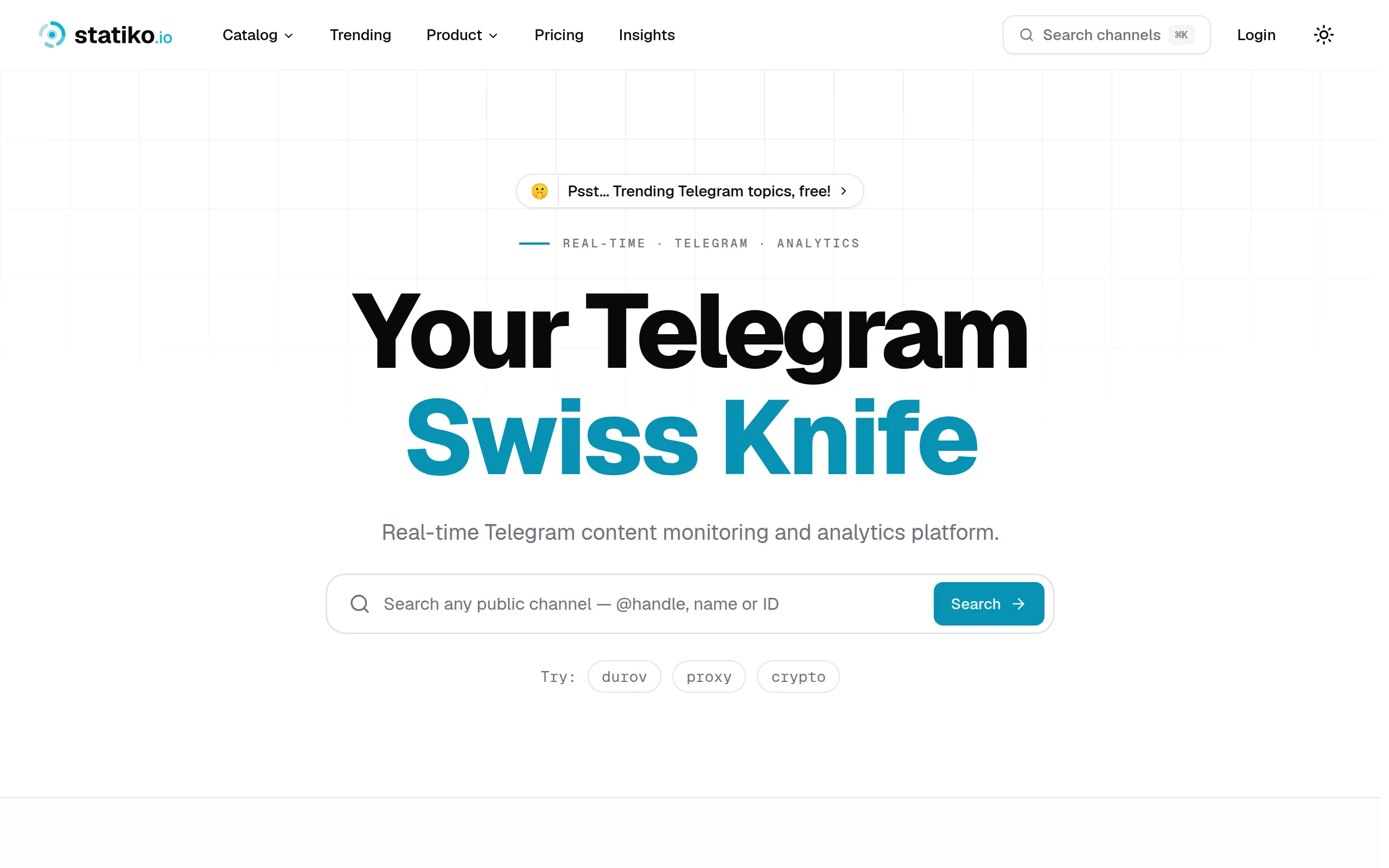
Statiko
Monitor any Telegram channel in real time - track posts, edits, deletions, and growth with AI recaps 📡

Shibui
AI website builder - describe your business, pick a niche template, edit by chatting, and publish instantly ✨
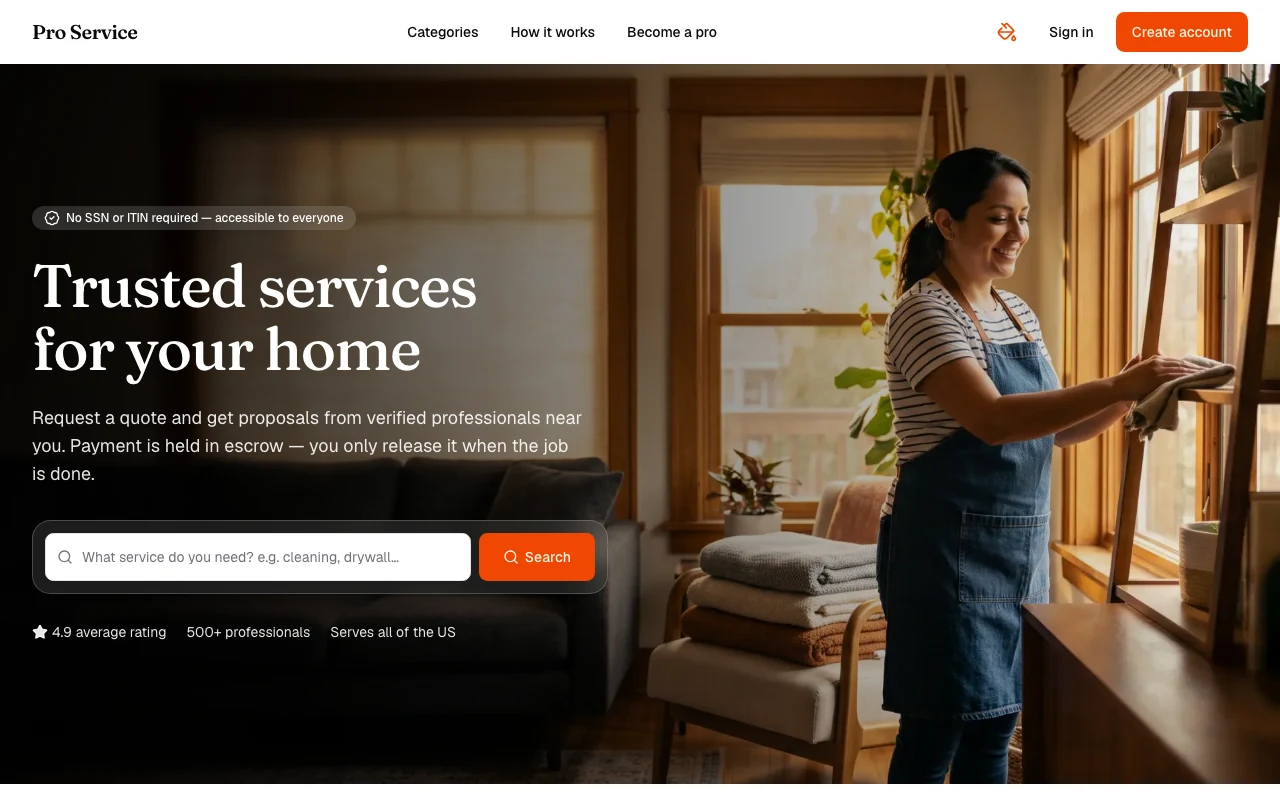
Pro Service
Find verified home service professionals, compare quotes, and pay securely through escrow - built for Brazilians across the US 🏠
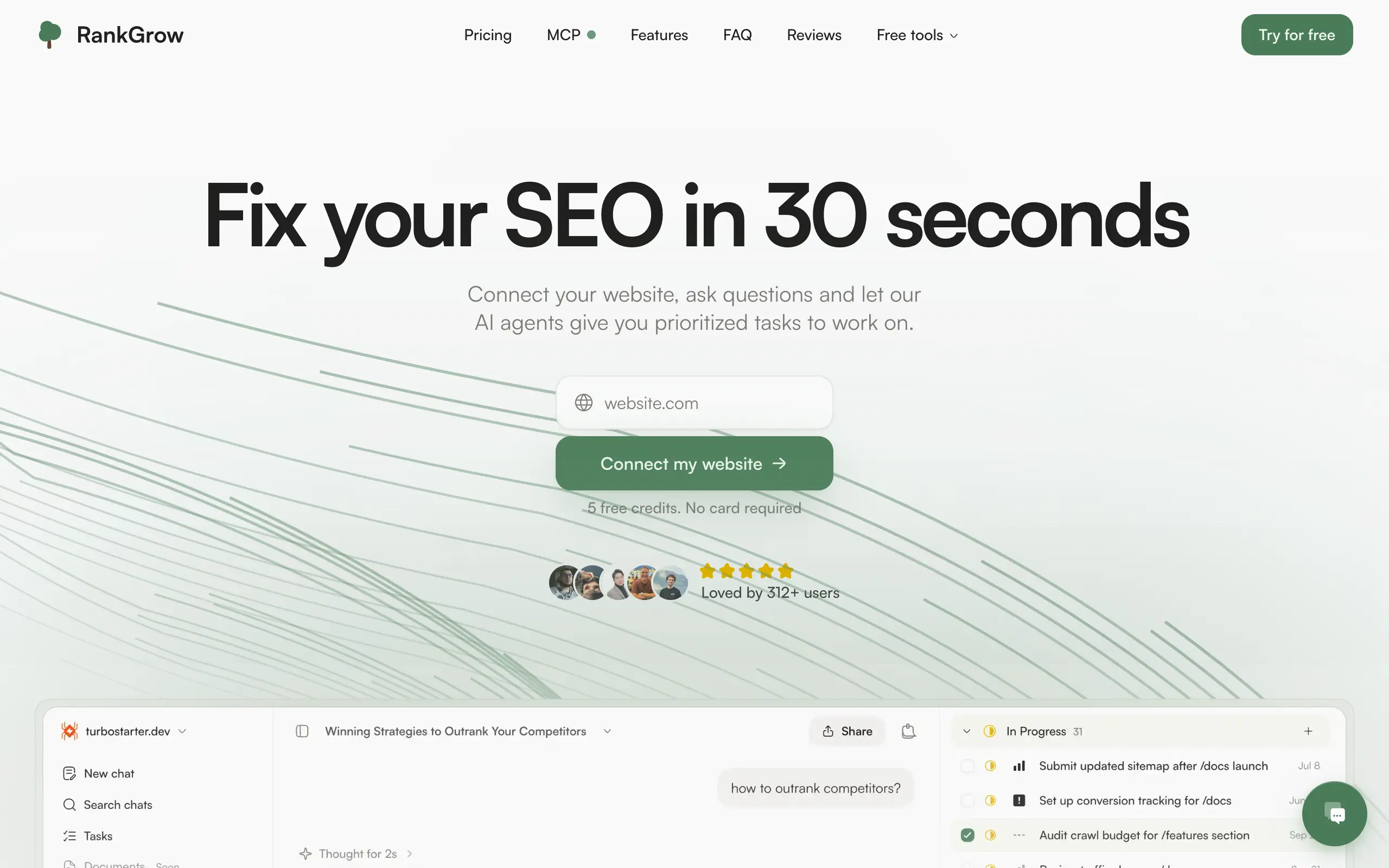
RankGrow
Fix your SEO with AI agents - connect Search Console, get prioritized tasks, and grow organic traffic 📈
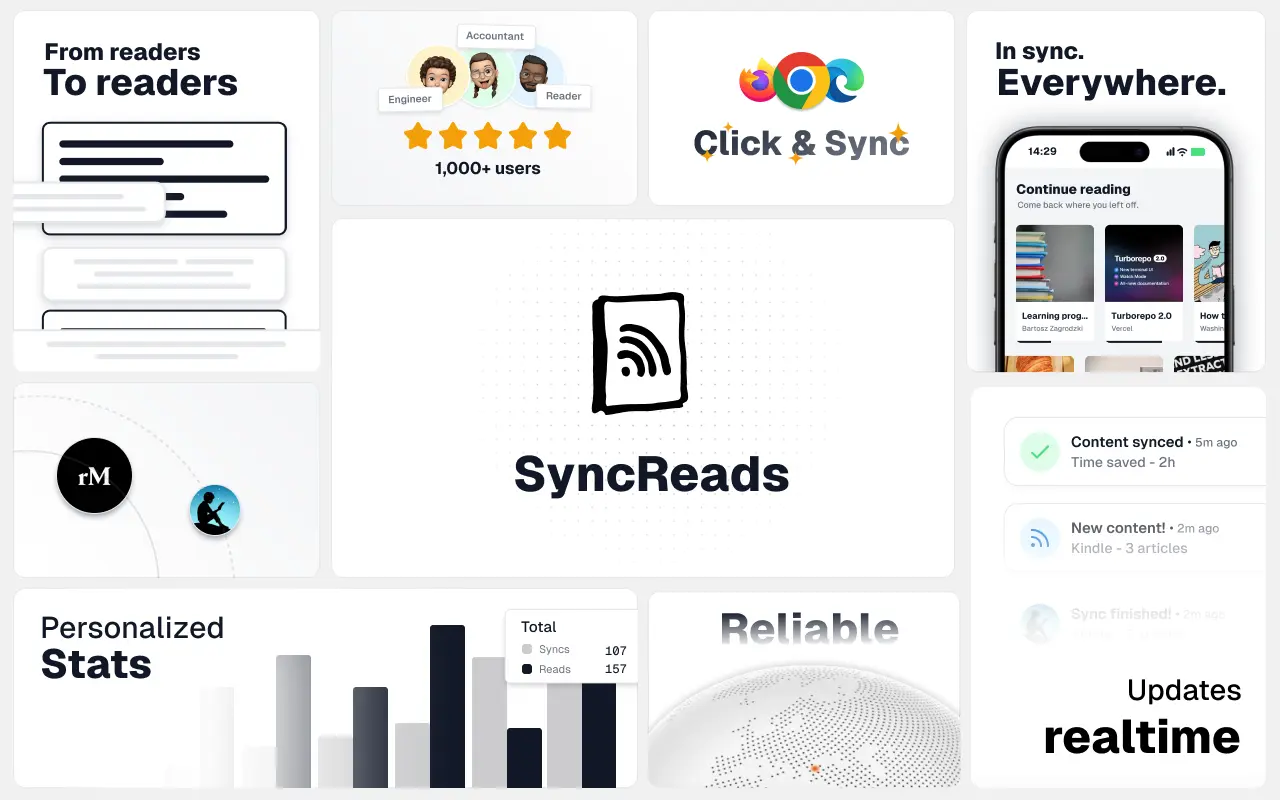
SyncReads
Sync your favorite content for distraction-free reading, save time and replace multiple apps. Anytime, anywhere 🔄
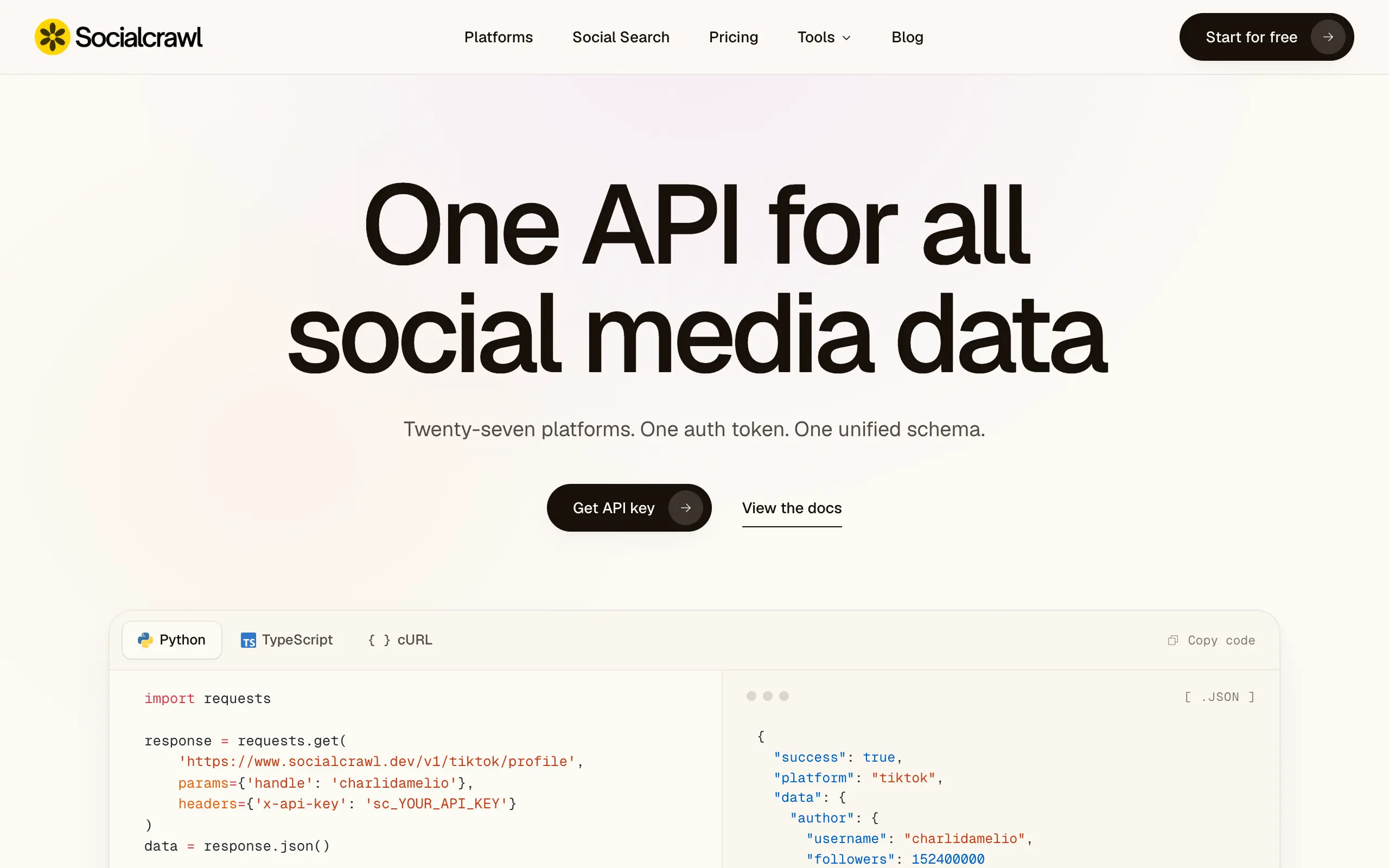
Socialcrawl
Get clean, structured data from 21 platforms like TikTok, Instagram, and YouTube with a single request 📊
Statiko
Monitor any Telegram channel in real time - track posts, edits, deletions, and growth with AI recaps 📡
Shibui
AI website builder - describe your business, pick a niche template, edit by chatting, and publish instantly ✨
Pro Service
Find verified home service professionals, compare quotes, and pay securely through escrow - built for Brazilians across the US 🏠
RankGrow
Fix your SEO with AI agents - connect Search Console, get prioritized tasks, and grow organic traffic 📈
SyncReads
Sync your favorite content for distraction-free reading, save time and replace multiple apps. Anytime, anywhere 🔄
Socialcrawl
Get clean, structured data from 21 platforms like TikTok, Instagram, and YouTube with a single request 📊
Statiko
Monitor any Telegram channel in real time - track posts, edits, deletions, and growth with AI recaps 📡
Shibui
AI website builder - describe your business, pick a niche template, edit by chatting, and publish instantly ✨
Pro Service
Find verified home service professionals, compare quotes, and pay securely through escrow - built for Brazilians across the US 🏠
RankGrow
Fix your SEO with AI agents - connect Search Console, get prioritized tasks, and grow organic traffic 📈
SyncReads
Sync your favorite content for distraction-free reading, save time and replace multiple apps. Anytime, anywhere 🔄
Socialcrawl
Get clean, structured data from 21 platforms like TikTok, Instagram, and YouTube with a single request 📊
Statiko
Monitor any Telegram channel in real time - track posts, edits, deletions, and growth with AI recaps 📡
Shibui
AI website builder - describe your business, pick a niche template, edit by chatting, and publish instantly ✨
Pro Service
Find verified home service professionals, compare quotes, and pay securely through escrow - built for Brazilians across the US 🏠
RankGrow
Fix your SEO with AI agents - connect Search Console, get prioritized tasks, and grow organic traffic 📈
SyncReads
Sync your favorite content for distraction-free reading, save time and replace multiple apps. Anytime, anywhere 🔄
Socialcrawl
Get clean, structured data from 21 platforms like TikTok, Instagram, and YouTube with a single request 📊
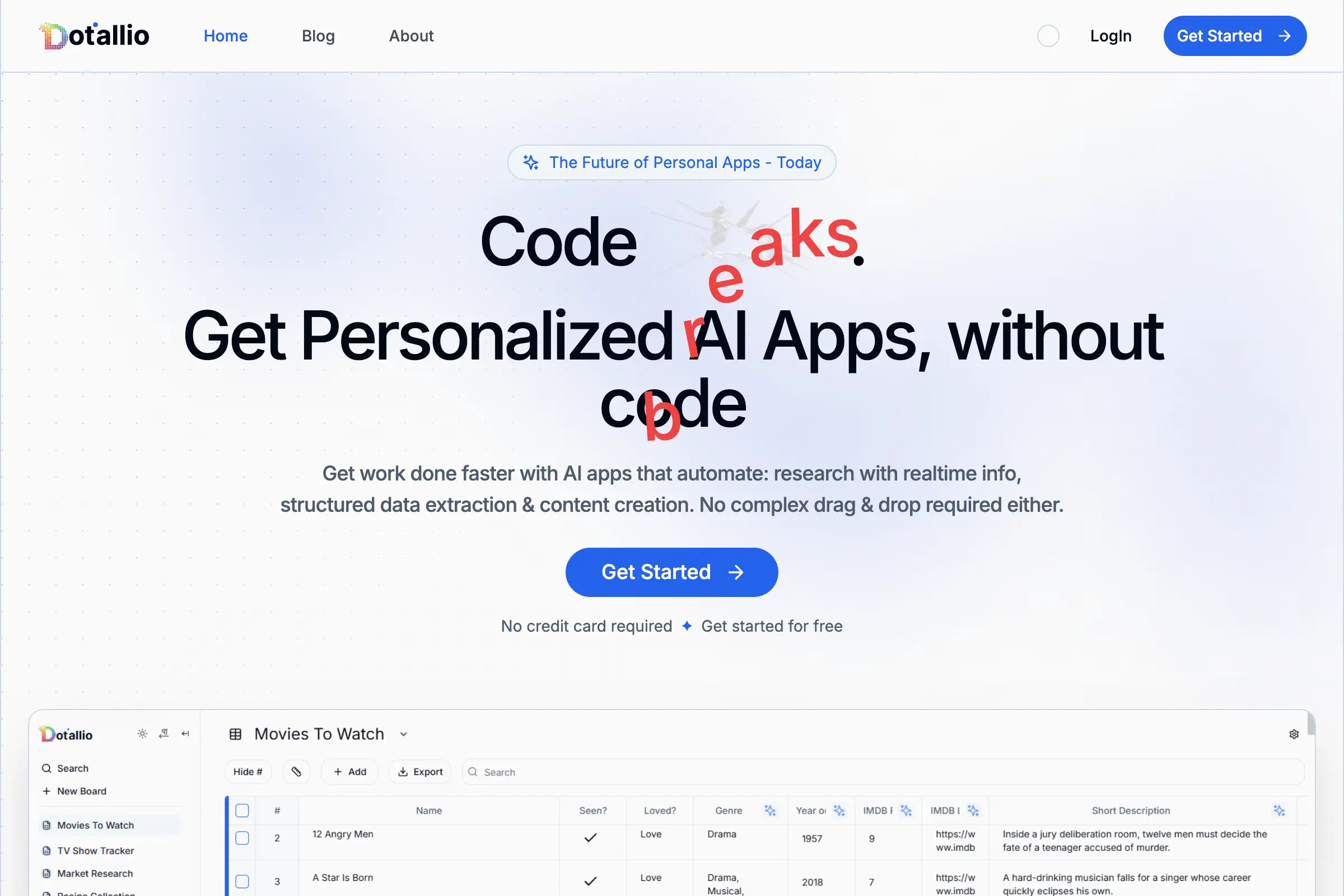
Dotallio
Personalized AI apps that automate research, data extraction, and content creation without code 🤖
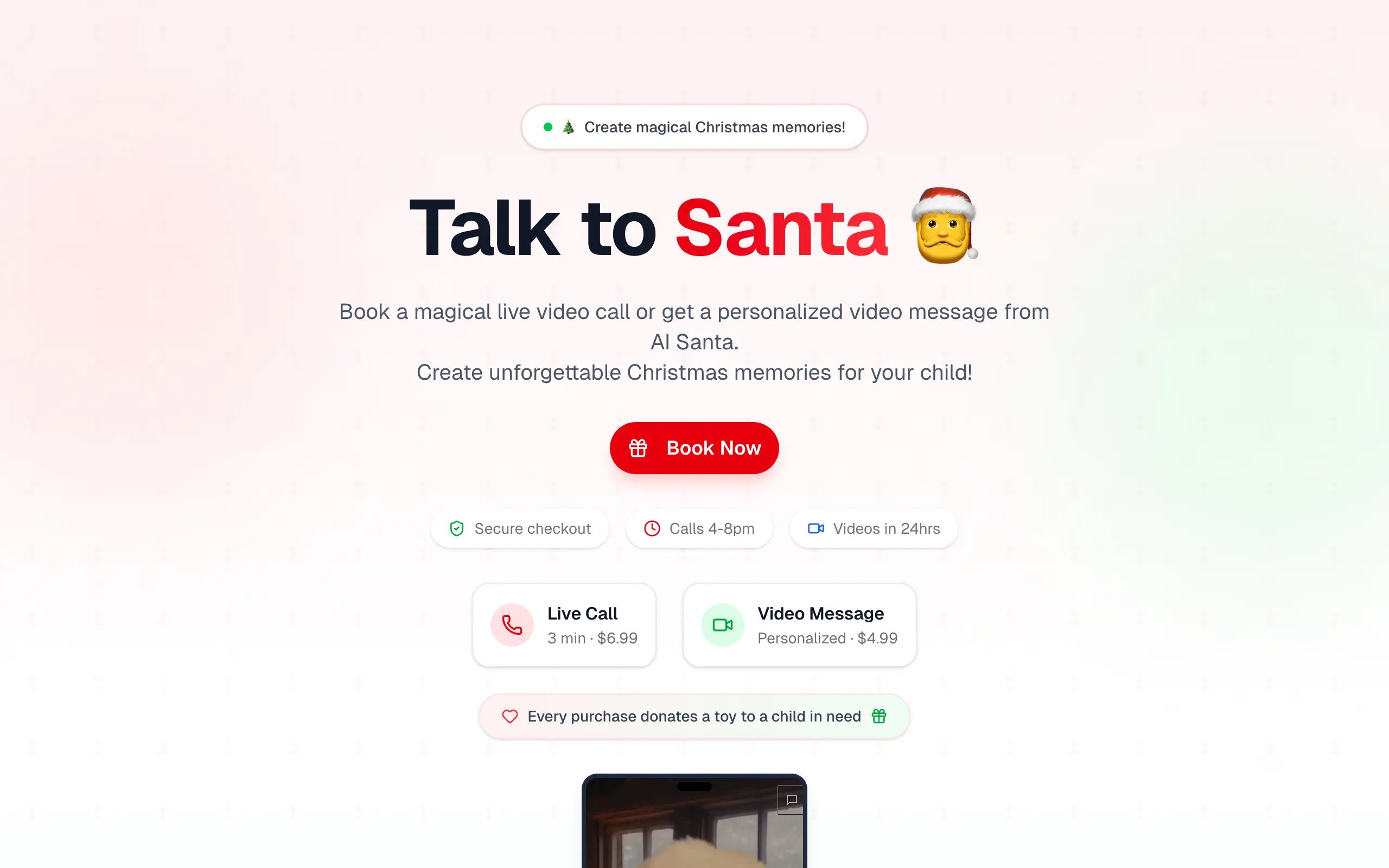
Talk to Santa
Enjoy a magical live video chat or receive a unique AI-generated video greeting from Santa Claus 🎅
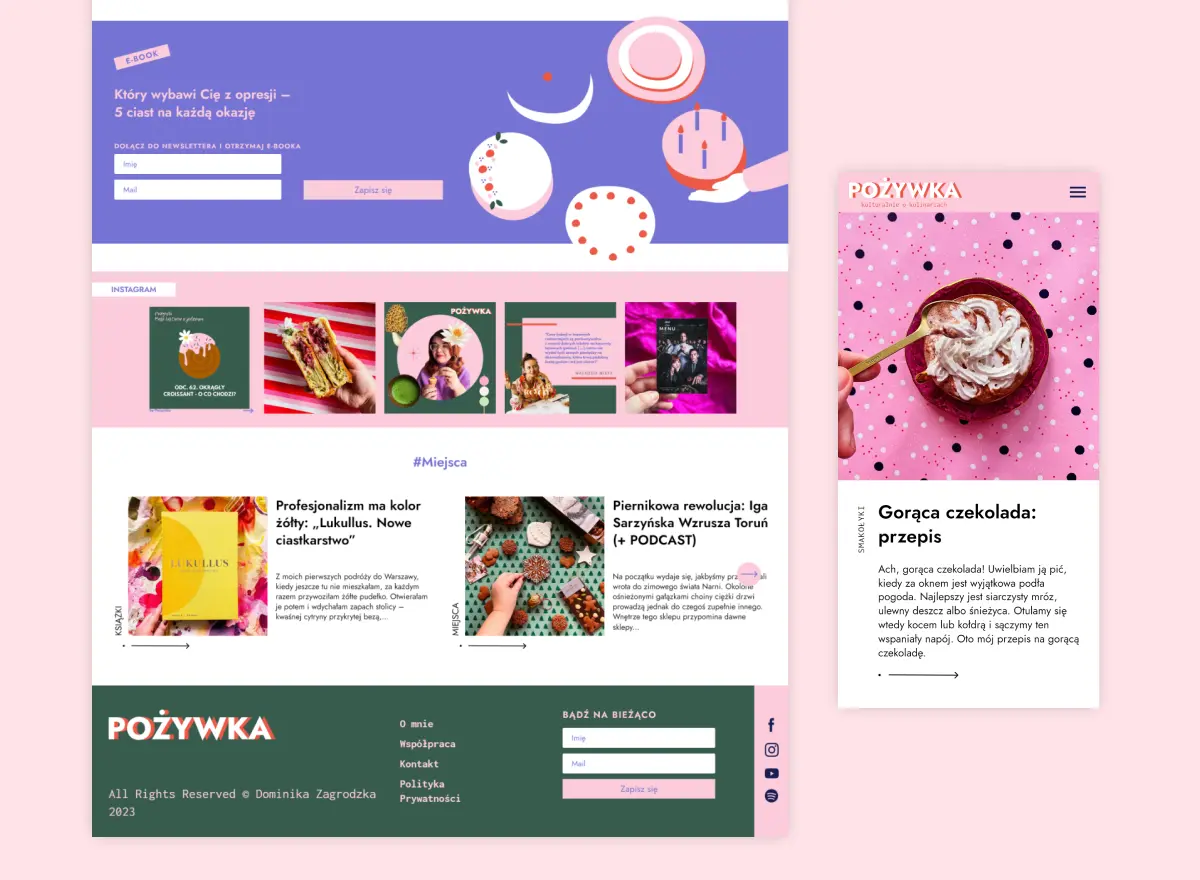
pozywka.pl
Scalable blog for food journalist, focused on performance and user experience 🌭
zagrodzki.me
Personal blog and portfolio of Bart Zagrodzki, where he shares his knowledge and work 💼
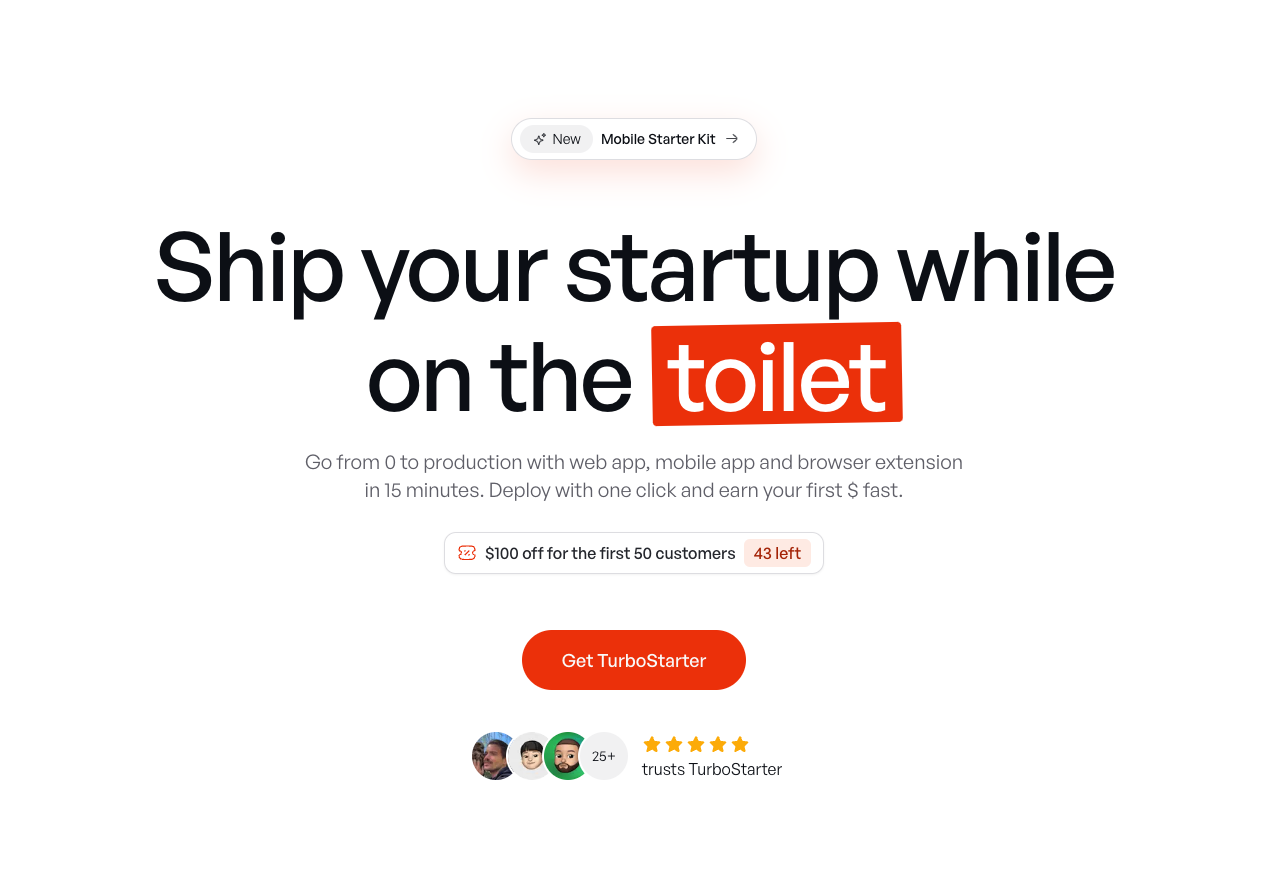
TurboStarter
Ship your startup everywhere. In minutes.
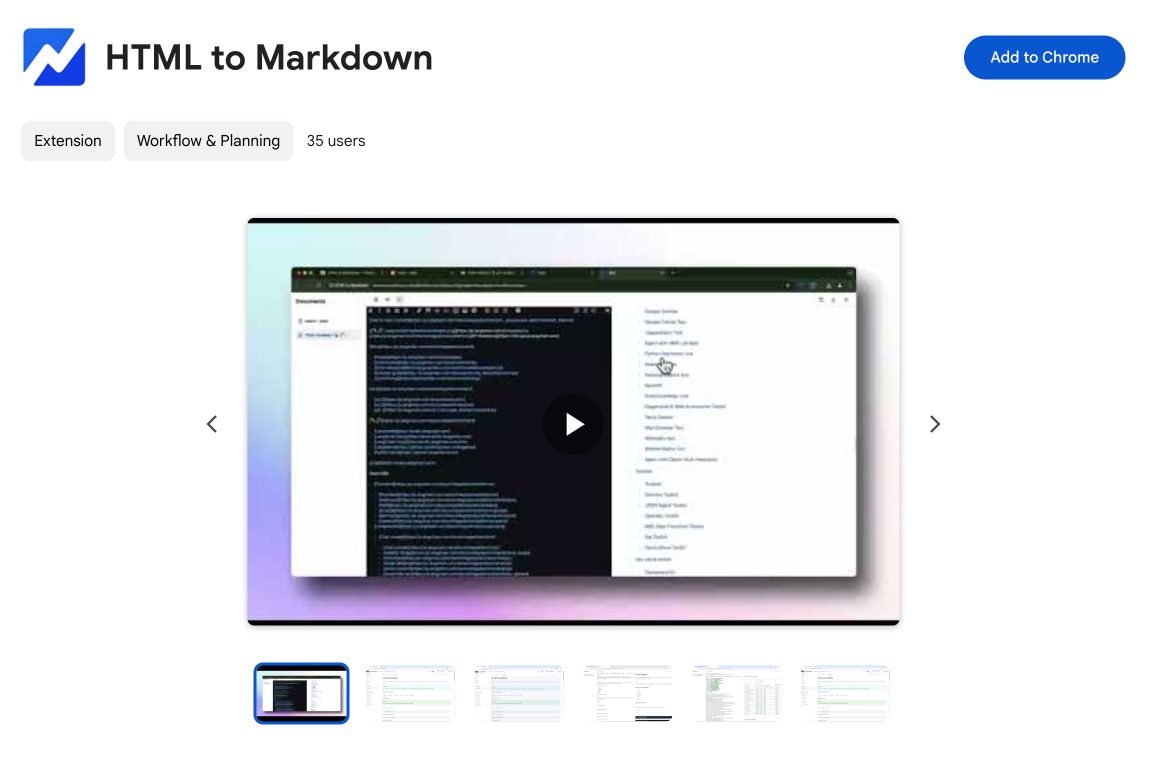
HTML to Markdown
Convert HTML to Markdown with ease, directly in your browser 📄
Dotallio
Personalized AI apps that automate research, data extraction, and content creation without code 🤖
Talk to Santa
Enjoy a magical live video chat or receive a unique AI-generated video greeting from Santa Claus 🎅
pozywka.pl
Scalable blog for food journalist, focused on performance and user experience 🌭
zagrodzki.me
Personal blog and portfolio of Bart Zagrodzki, where he shares his knowledge and work 💼
TurboStarter
Ship your startup everywhere. In minutes.
HTML to Markdown
Convert HTML to Markdown with ease, directly in your browser 📄
Dotallio
Personalized AI apps that automate research, data extraction, and content creation without code 🤖
Talk to Santa
Enjoy a magical live video chat or receive a unique AI-generated video greeting from Santa Claus 🎅
pozywka.pl
Scalable blog for food journalist, focused on performance and user experience 🌭
zagrodzki.me
Personal blog and portfolio of Bart Zagrodzki, where he shares his knowledge and work 💼
TurboStarter
Ship your startup everywhere. In minutes.
HTML to Markdown
Convert HTML to Markdown with ease, directly in your browser 📄
Dotallio
Personalized AI apps that automate research, data extraction, and content creation without code 🤖
Talk to Santa
Enjoy a magical live video chat or receive a unique AI-generated video greeting from Santa Claus 🎅
pozywka.pl
Scalable blog for food journalist, focused on performance and user experience 🌭
zagrodzki.me
Personal blog and portfolio of Bart Zagrodzki, where he shares his knowledge and work 💼
TurboStarter
Ship your startup everywhere. In minutes.
HTML to Markdown
Convert HTML to Markdown with ease, directly in your browser 📄
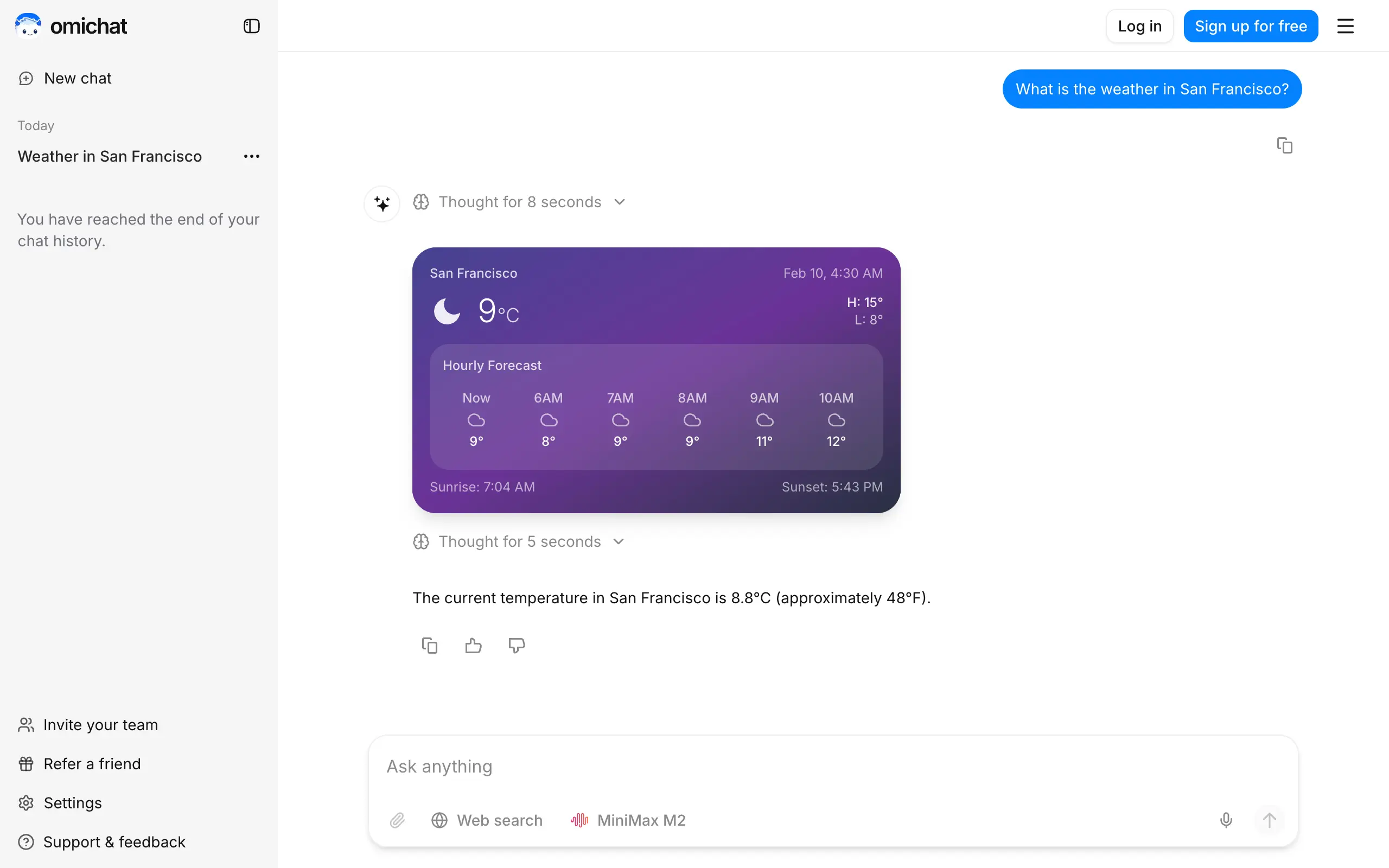
Omichat
Chat with 50+ AI models, including ChatGPT and Claude, in one place - switch models anytime without losing context 🤖
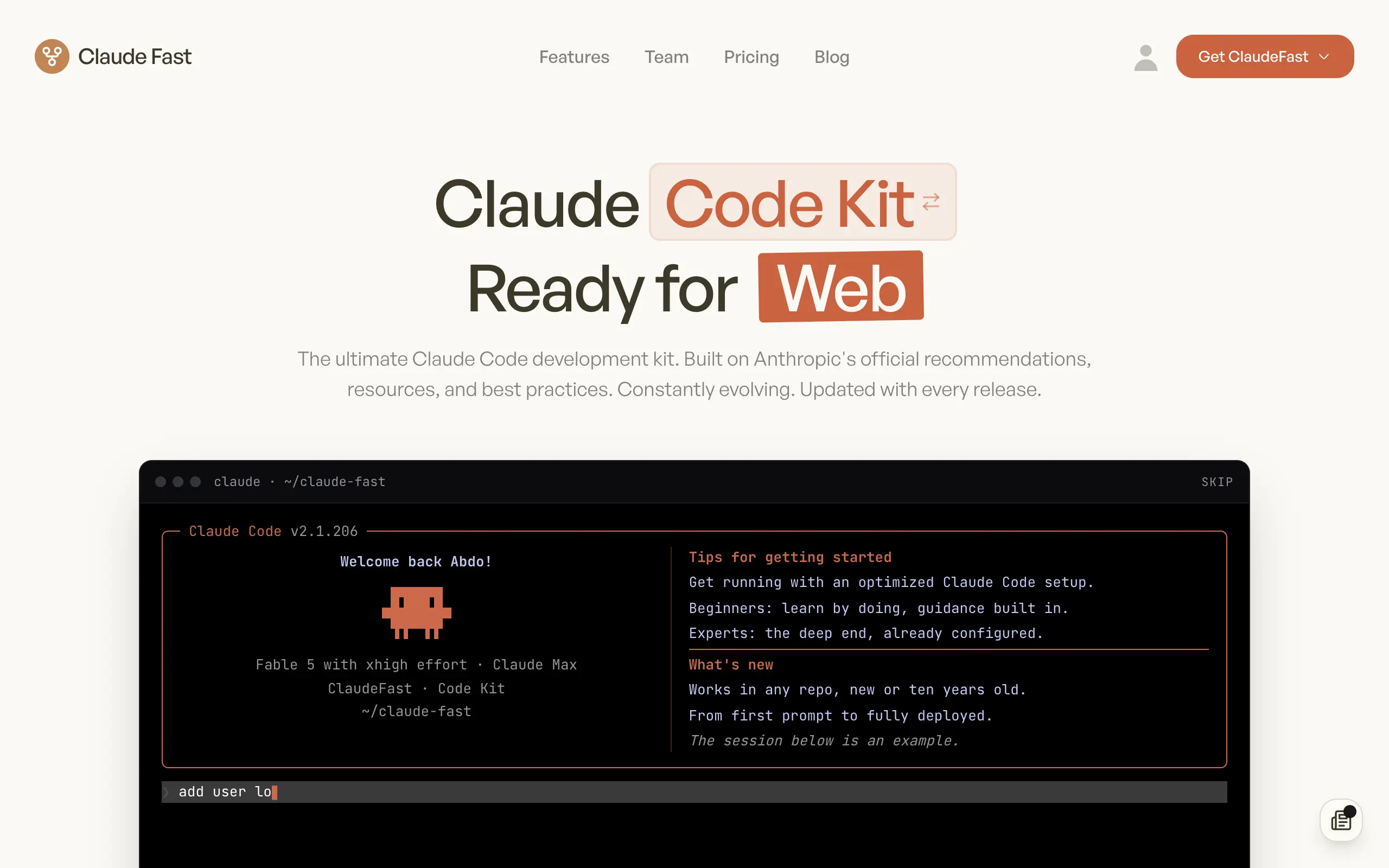
Claude Fast
Supercharge your Claude Code with 6x effective context window and specialized AI agents 🤖
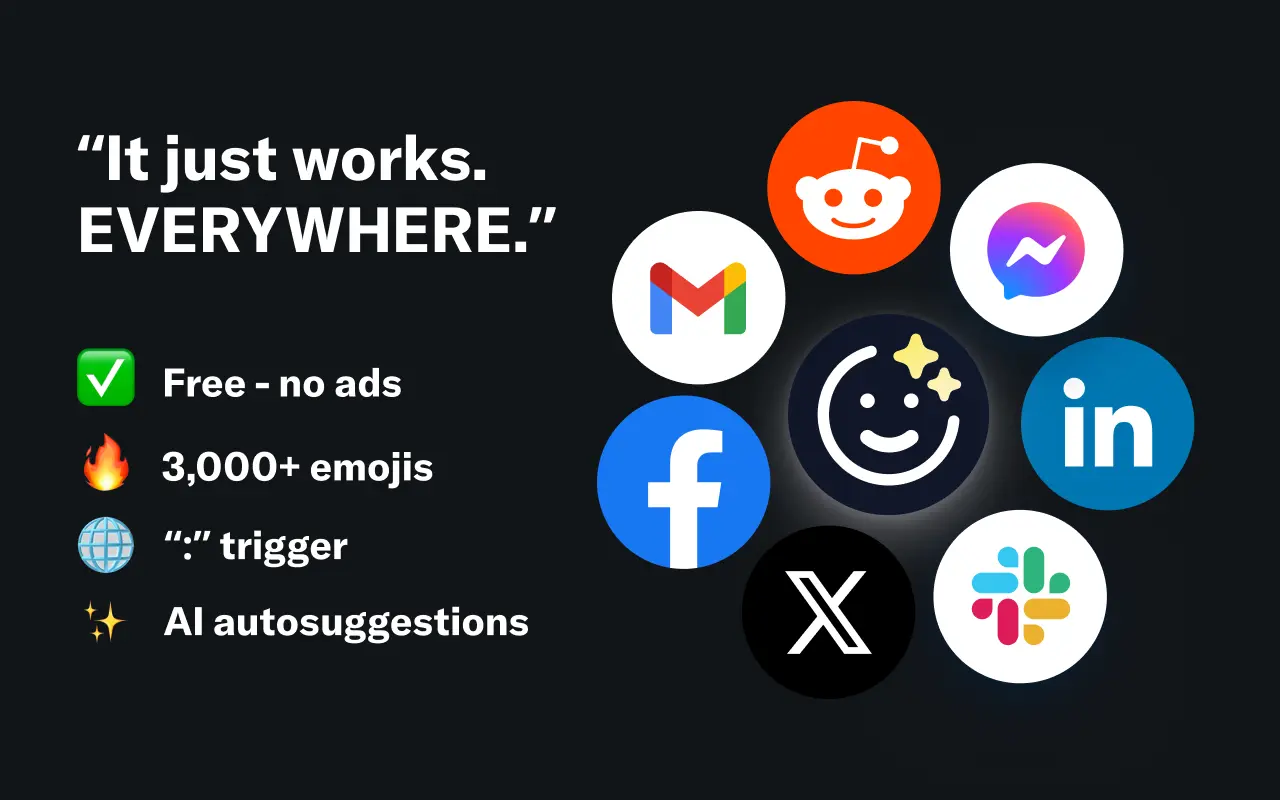
EmojAI
AI-powered emoji picker with smart, context-aware suggestions 🤖
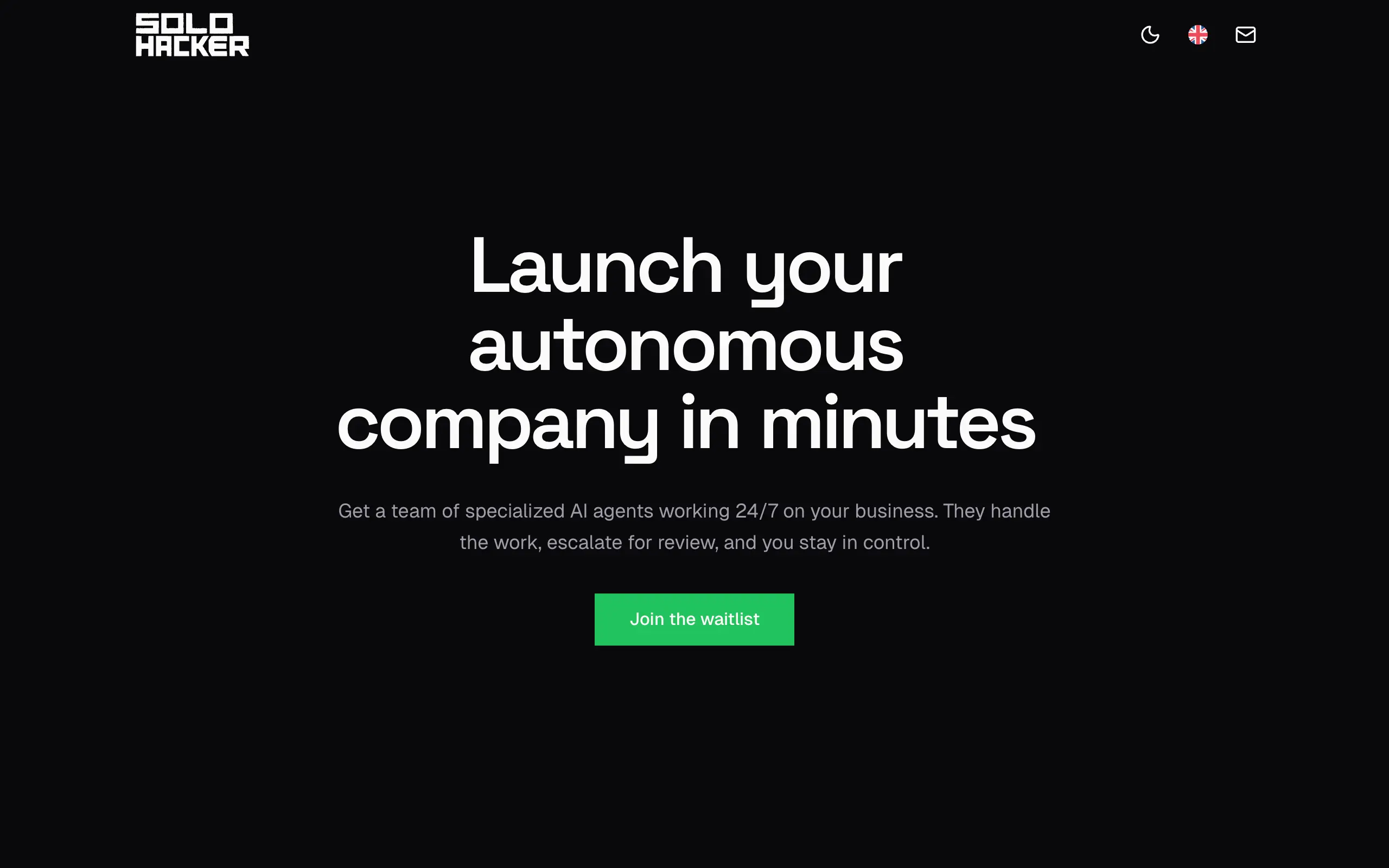
Solohacker
Autonomous company launcher - AI agents work 24/7, escalate what matters, and you stay in control 🤖
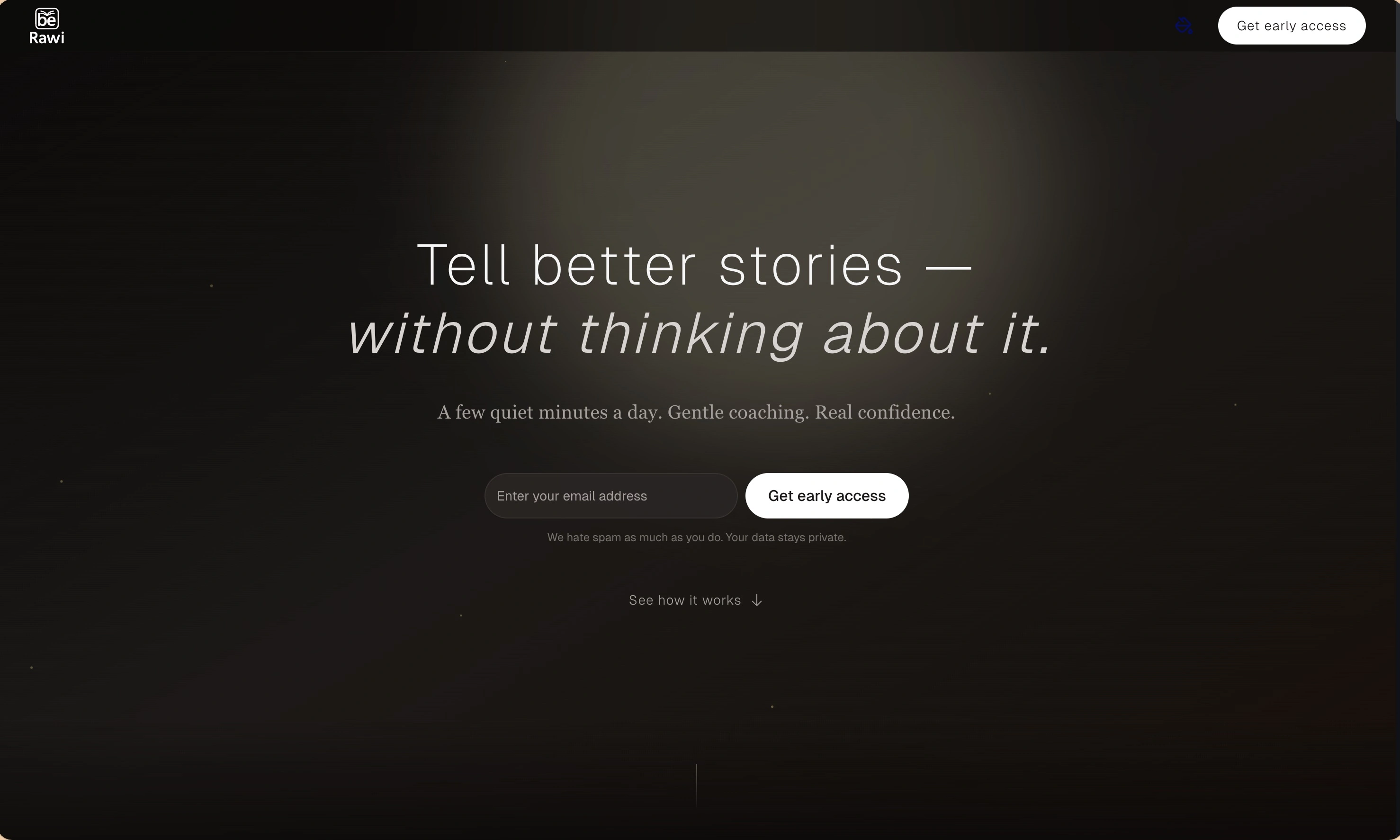
BeRawi: Storytelling Coach
Practice storytelling daily with instant feedback to sound clearer, more engaging, and confident 🎤
Omichat
Chat with 50+ AI models, including ChatGPT and Claude, in one place - switch models anytime without losing context 🤖
Claude Fast
Supercharge your Claude Code with 6x effective context window and specialized AI agents 🤖
EmojAI
AI-powered emoji picker with smart, context-aware suggestions 🤖
Solohacker
Autonomous company launcher - AI agents work 24/7, escalate what matters, and you stay in control 🤖
BeRawi: Storytelling Coach
Practice storytelling daily with instant feedback to sound clearer, more engaging, and confident 🎤
Omichat
Chat with 50+ AI models, including ChatGPT and Claude, in one place - switch models anytime without losing context 🤖
Claude Fast
Supercharge your Claude Code with 6x effective context window and specialized AI agents 🤖
EmojAI
AI-powered emoji picker with smart, context-aware suggestions 🤖
Solohacker
Autonomous company launcher - AI agents work 24/7, escalate what matters, and you stay in control 🤖
BeRawi: Storytelling Coach
Practice storytelling daily with instant feedback to sound clearer, more engaging, and confident 🎤
Omichat
Chat with 50+ AI models, including ChatGPT and Claude, in one place - switch models anytime without losing context 🤖
Claude Fast
Supercharge your Claude Code with 6x effective context window and specialized AI agents 🤖
EmojAI
AI-powered emoji picker with smart, context-aware suggestions 🤖
Solohacker
Autonomous company launcher - AI agents work 24/7, escalate what matters, and you stay in control 🤖
BeRawi: Storytelling Coach
Practice storytelling daily with instant feedback to sound clearer, more engaging, and confident 🎤

Connect with like-minded people
Join our community to get feedback, support, and grow together with 1,000+ builders on board, let's ship it!
Join usShip your startup everywhere. In minutes.
Don't burn tokens on setup and start building features on day one.