NearCart
Find products available nearby and choose pickup or fast local delivery from independent shops. Live ERP inventory and 3PL connections help prevent stale listings and missed orders.
NearCart is a local product discovery and commerce platform that helps shoppers find items available at nearby independent stores, then choose convenient pickup or fast local delivery. Its central promise is simple: show products that are genuinely available, not just listings that happen to appear in a search.
That promise addresses a familiar frustration. A shopper finds a product online, travels to a store, and discovers it is out of stock. Or they want to support a neighborhood business but cannot tell which shop carries the item, whether it is open, or how quickly it can be delivered. NearCart can bridge that gap by connecting local product search with live inventory, store operations, and delivery fulfillment.
For founders evaluating this idea, the opportunity is not simply to build another marketplace. It is to make nearby commerce more searchable and dependable. The challenge is coordinating product data, inventory accuracy, merchant workflows, and last-mile delivery well enough that every search result can lead to a successful purchase.
What NearCart does and why it matters
NearCart is a B2C local shopping platform for discovering products sold by independent shops. It combines three capabilities that are often fragmented across separate tools:
- Nearby product discovery helps shoppers find relevant items at local businesses.
- Inventory-aware listings use ERP or point-of-sale connections to reduce stale availability information.
- Local fulfillment lets shoppers choose pickup or fast delivery, potentially using third-party logistics providers.
The result should feel more useful than a general web search and more convenient than calling several stores. A shopper could search for a specific product, compare nearby options, see whether each shop is open, and choose a fulfillment method at checkout.
NearCart's strongest product principle is availability before promotion. A local commerce app may have attractive photos, filters, and discounts, but if the inventory shown is inaccurate, shoppers quickly lose confidence. Reliable availability is not a minor feature. It is the foundation of the customer experience.
The problem with local product discovery
Independent stores offer a wide range of products, but their inventory is often difficult to discover online. Many have a basic website, a social media profile, or a listing in a general directory. Those channels may communicate the store's identity and location, but they do not always provide a searchable, current view of what is available.
This creates friction for both sides of a transaction.
Shoppers face uncertainty
A shopper looking for a specific item may have to:
- Search across multiple store websites.
- Check whether product pages are current.
- Call or message shops to verify stock.
- Travel to a store without knowing whether the item is still available.
- Arrange delivery separately, if the shop offers it at all.
Each extra step makes an online retailer with clear inventory and delivery options more appealing. Even shoppers who prefer to buy locally may choose the easier option when the local alternative is uncertain.
Independent retailers struggle with digital reach
Small businesses can have strong products, knowledgeable staff, and loyal customers while lacking the resources to build a sophisticated ecommerce operation. Common constraints include limited staff time, fragmented systems, incomplete product data, and uncertainty about local delivery.
A storefront may already use a point-of-sale system or an ERP platform, but that information does not automatically become a reliable shopping experience. Products need usable titles and categories. Inventory needs to be updated at an appropriate frequency. Orders need to reach the store in a format employees can fulfill.
NearCart can reduce these barriers by connecting existing business systems to a shared local discovery and fulfillment experience.
Target audience for NearCart
NearCart has two core audiences: shoppers and local merchants. It may also need to serve fulfillment partners and the software providers that make inventory integrations possible.
Local shoppers
The most promising early customers are people who already value convenience and local businesses but do not want to sacrifice confidence or speed. They may include:
- Residents searching for a specific item near home, work, or a destination.
- Shoppers who prefer pickup over waiting for standard shipping.
- People who need a product quickly and want to compare nearby availability.
- Customers who want to support independent businesses but find local options hard to search.
- Visitors who need to locate familiar or practical items in an unfamiliar neighborhood.
NearCart should not assume every shopper begins with a strong preference for buying locally. Some will simply want the fastest reliable way to get a product. The platform can earn their attention by presenting local stores as a convenient choice, not just an ethical one.
Independent retailers
NearCart may be especially valuable to merchants that have physical inventory and local demand but limited ecommerce capacity. Potential early merchant categories include:
- Specialty food and beverage shops.
- Home, hobby, and craft retailers.
- Pet supply stores.
- Independent pharmacies and wellness retailers, subject to applicable rules.
- Bookshops, gift shops, and local department stores.
- Hardware and repair supply stores.
- Outdoor, sports, or seasonal goods retailers.
The best initial category is not necessarily the one with the most stores. It is the category where product attributes are searchable, inventory can be connected, and shoppers have a meaningful reason to buy locally or quickly.
Delivery and technology partners
Third-party logistics providers can support local delivery, but their role is operational rather than merely technical. NearCart needs to understand service areas, availability, delivery timing, cancellation policies, proof of delivery, and responsibility for failed handoffs.
ERP and point-of-sale partners are equally important. Integrations determine how much effort a merchant must spend to keep listings and stock information current. A platform that is easy for shoppers but difficult for merchants to maintain will struggle to build reliable supply.
Market opportunity and the gap NearCart can address
NearCart sits at the intersection of local search, ecommerce, inventory management, and last-mile fulfillment. That creates a potentially valuable position, but it also means the product competes with established behaviors and tools rather than with one clearly defined category.
Shoppers may already use a search engine to find businesses, a retailer's own site to check products, a marketplace to compare options, or a delivery app to get items quickly. Independent stores may use ecommerce plugins, social media, local directories, or point-of-sale marketplaces. Each option solves part of the problem.
The gap is the connected experience:
- Search for a product rather than only a store.
- See nearby businesses with relevant stock.
- Understand how current the availability information is.
- Choose pickup or local delivery without starting over elsewhere.
- Give merchants an order workflow that fits their existing operations.
NearCart's opportunity depends on delivering this experience in a focused geography or product category. Launching everywhere at once would make it harder to create enough useful inventory density. A shopper cannot get much value from a local discovery app if only a few stores participate nearby.
Build local density before broad reach
A practical marketplace launch should prioritize depth in a defined area over a long list of thinly populated regions. That means building a strong selection of participating stores and useful products in a limited service zone before expanding.
Local density improves the experience in several ways:
- More stores are likely to carry the product a shopper wants.
- Shoppers have meaningful choices between pickup and delivery.
- Merchant referrals can create neighborhood awareness.
- Operations teams can learn from a manageable set of routes and store workflows.
- Product relevance and inventory quality can be measured in context.
The right launch area should be selected through direct merchant conversations and shopper research. Useful indicators include the number of viable independent retailers, their willingness to share inventory data, the distance between stores and likely customers, and the availability of delivery partners.
Validate willingness, not just interest
Positive feedback about supporting local stores is not enough to validate NearCart. The team should test whether shoppers actually search, reserve, and complete purchases through the platform. On the merchant side, it should verify whether shops can maintain accurate listings without creating excessive manual work.
Early validation can include:
- Interviews with shoppers about recent product searches and failed shopping journeys.
- Merchant interviews focused on inventory systems, order handling, and fulfillment constraints.
- A concierge pilot where the team manually confirms stock and coordinates a small number of orders.
- Landing-page tests that measure search demand by product category and neighborhood.
- A limited live marketplace that tracks conversion from product view to completed pickup or delivery.
When using external market statistics in a business plan, cite the source, publication date, geography, and methodology. For example, use a reference format such as “Source: [publisher], [report title], [publication year], [relevant geography].” Avoid combining broad ecommerce figures with local-market assumptions without explaining how they relate.
Core features of a local product discovery platform
NearCart should be built around a small number of dependable workflows rather than a large list of speculative features.
Search products by location and intent
Product search should accept natural shopper behavior. Users may know an exact brand and model, or they may search for a broad need such as a replacement part, a gift, or a particular ingredient.
A useful search experience should support:
- Query suggestions and spelling tolerance.
- Filters for distance, price, category, availability, and fulfillment method.
- Store hours and estimated pickup or delivery windows.
- Clear differentiation between in-stock, low-stock, and unconfirmed listings.
- Useful product details, including variants and relevant attributes.
- Map and list views that preserve the same search criteria.
Search ranking should balance relevance and operational quality. A nearby item that is likely available and can be fulfilled today may be a better result than a distant listing with a slightly closer keyword match.
Show trustworthy inventory information
Inventory is not always a precise number. A shop may have one unit on the shelf, an item awaiting restock, or a product count that has not synchronized recently. NearCart should represent this uncertainty honestly rather than presenting every listing as equally reliable.
Possible availability states include:
- In stock, based on a recent inventory update and sufficient quantity.
- Limited stock, when only a small number of units are reported.
- Availability needs confirmation, when the data is old or incomplete.
- Out of stock, when the connected system reports no sellable inventory.
- Preorder or backorder, only when the merchant supports those options.
The product should retain a timestamp for the last successful inventory update. If a connection fails, the system can reduce confidence, change the displayed status, or temporarily suppress a listing from high-intent searches.
Make pickup and delivery clear at checkout
Local fulfillment introduces choices that need to be presented before the shopper commits. At minimum, the customer should understand:
- Whether pickup is available and when the order is expected to be ready.
- Whether delivery is available at the destination.
- The delivery fee and any minimum order.
- The estimated delivery window and how it was calculated.
- What happens if the store cannot fulfill the order.
- How cancellations, substitutions, refunds, and failed deliveries are handled.
Do not promise “fast delivery” as a universal guarantee unless the operations and delivery network can support it. A credible estimate is more useful than an aggressive promise that is frequently missed.
Give merchants a practical order workflow
A local marketplace depends on merchant participation. The merchant experience should help staff see incoming orders, confirm availability, prepare items, and mark them ready for pickup or handoff.
Useful merchant capabilities include:
- A simple order queue with clear status changes.
- Notifications for new orders and changes.
- A way to confirm or reject an order when inventory confidence is low.
- Support for substitutions where the shopper has agreed to them.
- Store hours, service areas, and fulfillment settings.
- Basic sales and fulfillment reporting.
- An integration status page that makes sync problems visible.
Merchant workflows should be tested with real staff during busy periods. A process that is manageable during a demonstration may fail when employees are serving in-store customers at the same time.
How live ERP and 3PL connections should work
The technical differentiator in NearCart's concept is the connection between product availability and fulfillment. These integrations can make the service more useful, but they also create operational complexity.
Treat inventory as time-sensitive data
An inventory feed should not be treated as a permanent truth. The platform should track the source, quantity, and time of each update, then make decisions based on freshness and business rules.
A practical inventory flow could be:
- Receive an inventory update from a point-of-sale or ERP system.
- Map the merchant's product identifiers to NearCart catalog records.
- Validate quantities, variants, and store locations.
- Update the local availability record.
- Exclude invalid or stale data from high-confidence search results.
- Reserve or recheck stock when a customer begins checkout.
- Record the final fulfillment outcome to improve future reliability.
Reservations need special care. If NearCart does not reserve stock until after checkout, two customers may purchase the last unit through different channels. If it reserves inventory too early, abandoned carts can make a product appear unavailable. The right approach depends on the source system's capabilities and the merchant's operational model.
Plan for inconsistent ERP systems
Different retailers use different data models, identifiers, and synchronization methods. One system may provide real-time events, while another only supports scheduled exports. Some merchants may not have a usable integration at all.
NearCart can manage this variation through a layered integration strategy:
- Start with a small number of systems used by target merchants.
- Use normalized internal records for products, stores, inventory, and orders.
- Track sync status and errors for each connected merchant.
- Offer a structured catalog import when a direct integration is unavailable.
- Add manual confirmation for low-confidence inventory where appropriate.
- Build an integration adapter layer so provider-specific logic does not spread across the application.
The goal is not to claim that every listing is live if the underlying system cannot support that promise. The platform should clearly distinguish real-time or near-real-time updates from scheduled or manually maintained information.
Treat 3PL fulfillment as a stateful workflow
A delivery integration should do more than request a courier. It should handle a sequence of events, including quote creation, dispatch, pickup, delivery, cancellation, and failure.
NearCart should define:
- Which party is responsible for delivery service levels.
- How a delivery quote expires or changes.
- What order information is shared with the provider.
- How tracking updates appear to shoppers and merchants.
- How failed delivery attempts are handled.
- Whether a delivery can be canceled after dispatch.
- Who bears the cost of refunds, loss, or damage.
A delivery provider's coverage and operating rules may vary by area and time. Build the interface so the platform can return “delivery unavailable” or offer pickup rather than forcing every order into the same fulfillment path.
Recommended technology stack for NearCart
NearCart needs a responsive customer experience, dependable search, integration workflows, and an operationally clear merchant interface. The best stack is one the team can operate and evolve, not simply the stack with the most current tools.
Frontend and application layer
A TypeScript-based web application is a practical choice for an early product. React can support the shopper experience and merchant dashboard, while a server-rendered framework can help with product discovery pages, page speed, and search visibility.
A component-based design system can keep product cards, availability indicators, filters, and checkout flows consistent. The team should pay particular attention to mobile usability because local product searches often happen while a shopper is on the move.
For an early SaaS build, TurboStarter can help accelerate the foundation for authentication, billing, and application structure. That can free the team to focus on the marketplace-specific work: catalog normalization, inventory freshness, location-aware discovery, and fulfillment orchestration.
Backend and data storage
A relational database such as PostgreSQL is a strong default for users, merchants, stores, orders, and transaction records. It supports structured business data and clear relationships while leaving room for location-aware queries through a geospatial extension such as PostGIS.
A search engine may become useful when the catalog grows or when relevance tuning requires features beyond database search. The team can begin with a simpler implementation and move to a dedicated search service when measured query performance or search quality justifies the added operational burden.
A common architecture could include:
- An API layer for shopper, merchant, and administrative workflows.
- A relational database for core records and order state.
- A background job system for imports, inventory updates, and provider callbacks.
- Object storage for product images and merchant documents.
- A cache for frequently requested search or configuration data.
- Centralized logs and monitoring for integration failures.
Avoid introducing multiple databases and event systems before the product has proven a need for them. Each additional service increases deployment, debugging, and data consistency work.
Location-aware search
NearCart must interpret a shopper's location and a store's service area responsibly. Location can come from a user-selected address, a browser permission, or a manually entered neighborhood or postal code. The product should remain usable if a person declines location access.
Search can use distance as one factor alongside relevance, stock confidence, fulfillment availability, and store quality. A simple ranking model is easier to explain and debug than an opaque system that merchants cannot understand. As the platform gathers meaningful interaction data, the team can test ranking changes against actual outcomes such as product views, orders, cancellations, and fulfillment success.
Integration and observability
ERP and 3PL connections should run through asynchronous jobs where practical. This makes it easier to retry temporary failures without blocking a shopper's request. Each external event should be traceable to a merchant, integration, and relevant order or inventory record.
Operational monitoring should track:
- Inventory sync success and delay.
- Product mapping failures.
- Order submission and acknowledgment time.
- Delivery quote and dispatch errors.
- Duplicate events and retry behavior.
- The rate of orders rejected due to unavailable stock.
Logs should not expose payment credentials, sensitive customer data, or unnecessary personal information. Access to operational dashboards should be permissioned and audited.
Monetization options and marketplace economics
NearCart may need to balance consumer adoption with merchant affordability. Independent businesses are often cautious about adding another monthly expense, particularly before the service demonstrates incremental sales.
Commission on completed orders
A transaction fee aligns revenue with successful purchases. It may be easier for a merchant to accept than a large fixed fee, but it can become complicated when orders are split across stores, refunded, canceled, or fulfilled through an external provider.
The terms should clearly explain how the commission is calculated, when it is charged, and how taxes, delivery charges, discounts, and refunds are treated.
Merchant subscription plans
A subscription can provide predictable revenue and may suit merchants that use NearCart as a product discovery channel or order management tool. Possible plan differences include catalog size, integration options, analytics, staff accounts, and promotional tools.
Keep essential order handling accessible. If a merchant must pay for advanced features before they can reliably receive orders, the platform may slow its own supply growth.
Delivery and service fees
A customer-facing service fee or delivery fee may help cover payment processing, operations, or courier costs. Pricing must be shown before checkout. Hidden fees can damage conversion and trust, especially when shoppers are comparing local options with familiar retail alternatives.
Sponsored placement
Promoted results may eventually create another revenue stream, but they should not undermine search quality. Clearly label paid placements and maintain eligibility requirements for accurate inventory and good fulfillment performance. A sponsored listing that repeatedly disappoints customers is not valuable advertising.
A balanced starting model
An early monetization strategy could combine a modest transaction fee with optional paid merchant tools after the platform demonstrates demand. This approach reduces upfront friction while giving NearCart a path to recurring revenue. The team should model unit economics by order type, including payment costs, support time, discounts, failed fulfillment, and delivery subsidies.
Competitive advantage and unique selling proposition
NearCart's USP is local product discovery backed by inventory connections and fulfillment choices. The distinction is not merely that it lists nearby stores. It aims to connect a product query to a realistic purchase option.
| Capability | General search | Store directories | Delivery marketplaces | NearCart opportunity |
|---|---|---|---|---|
| Search for specific products | Sometimes | Rarely | Often, within participating catalogs | Core experience |
| Independent store discovery | Broad but uneven | Yes | Depends on provider coverage | Designed around local shops |
| Inventory freshness | Not guaranteed | Usually limited | Varies by merchant and system | ERP and POS connections |
| Pickup and delivery options | Disconnected | Usually absent | Often delivery-focused | Pickup and delivery together |
| Merchant operational workflow | No | Limited | Often platform-specific | Integration-led order handling |
This comparison describes product positioning, not a guarantee that competitors lack any listed capability. Competitive offerings vary by location, category, and merchant participation. NearCart should validate its positioning through local research and competitive testing before making comparative claims in marketing.
Why the position can be defensible
A catalog alone is easy to copy. A more durable advantage may come from the quality of the operating network:
- More connected merchants create broader product coverage.
- Better product mapping improves search relevance.
- Accurate availability builds shopper trust.
- Reliable order handoffs encourage merchant retention.
- Local fulfillment knowledge improves delivery estimates and exception handling.
These advantages compound only if NearCart has permission to use the data, protects it appropriately, and consistently delivers value to participating stores. Integration count is not itself a moat. The resulting customer and merchant experience is what matters.
Risks and how to mitigate them
Inaccurate inventory
Risk: Shoppers place orders for items that are no longer available.
Mitigation: Track update times, create confidence levels, recheck stock at checkout, and provide a clear path for merchant confirmation. Measure cancellations caused by stock mismatch as a core quality metric.
Low marketplace liquidity
Risk: Shoppers see too few useful products, while merchants see too little demand to justify participation.
Mitigation: Launch in a concentrated region and category. Recruit a balanced initial selection of merchants, then promote searches where local supply is already strong.
Merchant onboarding friction
Risk: Product setup and order management take too much staff time.
Mitigation: Offer guided catalog import, clear integration diagnostics, and simple order handling. Watch real employees use the product and remove steps that do not create value.
Fulfillment failures
Risk: A courier is delayed, an order is not ready, or the pickup handoff fails.
Mitigation: Define status ownership, share realistic delivery windows, provide support procedures, and offer pickup as an alternative. Analyze failure rates by store, provider, and route rather than treating every problem as a one-off.
Thin margins
Risk: Small order values cannot support delivery, customer support, payment fees, and promotions.
Mitigation: Model costs at the order level before scaling. Test minimum baskets, delivery pricing, pickup incentives, and category-specific economics. Avoid subsidizing every delivery without knowing whether repeat behavior can recover the cost.
Privacy and data protection
Risk: The platform handles customer addresses, purchase data, and business inventory information.
Mitigation: Collect only data needed for the service, restrict staff access, document retention policies, secure integrations, and explain data use to shoppers and merchants. Review applicable privacy, payment, consumer protection, and sector-specific requirements with qualified counsel.
Platform and partner dependency
Risk: A provider changes its API, pricing, coverage, or terms.
Mitigation: Keep provider-specific logic behind adapters, record service dependencies, and maintain fallback workflows. Where practical, avoid making a single external partner essential to all orders.
Metrics that show whether NearCart is working
A useful measurement plan should connect marketplace activity with successful outcomes. App downloads or catalog size alone do not show whether shoppers can complete dependable local purchases.
Track metrics across four areas:
- Discovery: Search success rate, product click-through rate, searches with no results, and time from search to product selection.
- Availability quality: Inventory freshness, stock mismatch rate, order acceptance rate, and cancellation reasons.
- Fulfillment: Pickup readiness, delivery completion, on-time performance, failed handoffs, and support contacts per order.
- Marketplace health: Active merchants, repeat purchase rate, orders per merchant, merchant retention, and contribution margin by fulfillment type.
Define each metric before launch. For example, “on-time delivery” needs a consistent reference point, such as the original quoted window, and should distinguish provider delays from store preparation delays. Clear definitions make experiments and operational decisions more reliable.
Actionable implementation steps
The safest path is to validate the service in stages rather than building a broad marketplace before confirming demand and operational feasibility.
1. Choose a focused launch segment
Select one geographic area and a product category where shoppers have a real reason to search locally. Confirm that enough stores can participate and that their inventory systems are accessible.
2. Interview shoppers and merchants
Ask shoppers about recent occasions when they could not find a product nearby. Ask merchants how they track stock, receive online orders, and handle pickup or delivery. Focus on observed behavior and operational constraints, not only enthusiasm for the concept.
3. Map the inventory and fulfillment landscape
Document the systems used by prospective merchants, the data each system can provide, update frequency, product identifiers, and order capabilities. Separately document delivery coverage, cost, timing, and exception handling.
4. Run a small concierge pilot
Before automating every integration, help a small group of merchants publish products and process a limited set of orders. Manually verify inventory where necessary. Use the pilot to identify which data and workflow problems are most important to automate.
5. Build the minimum dependable product
Prioritize location-aware product search, trustworthy availability states, store details, pickup or delivery selection, basic checkout, merchant order handling, and administrative tools for resolving exceptions.
6. Measure quality before expansion
Review search success, stock mismatch, order acceptance, fulfillment completion, repeat purchasing, and merchant workload. Improve the weakest part of the customer journey before adding more locations or categories.
7. Expand integrations based on merchant demand
Add ERP, POS, and 3PL connections in response to the systems used by qualified merchants. Maintain monitoring and fallback processes so that a new integration does not silently degrade listing quality.
The launch standard
NearCart should be able to explain why a product is shown as available, when that information was last updated, and what happens if the store cannot fulfill the order. If the team cannot answer those questions clearly, the product is not ready to promise reliable local availability.
Is NearCart a viable SaaS and marketplace idea?
NearCart addresses a concrete problem: shoppers want to find products nearby, while independent retailers need practical ways to make local inventory discoverable and fulfill orders. The strongest version of the idea is not a generic directory or a thin delivery layer. It is an inventory-aware local commerce experience that connects search, store operations, and fulfillment.
Its viability will depend on execution in three areas:
- Local marketplace density so shoppers find enough relevant options.
- Inventory trust so availability claims reflect operational reality.
- Fulfillment reliability so orders succeed after checkout.
These requirements make NearCart more operationally demanding than a simple ecommerce catalog. They also create an opportunity to differentiate through system integrations and a better customer journey. A focused pilot can test whether the model works before the company invests in a broad network or complex automation.
For founders, the next step is to identify one area where shoppers have unmet demand and independent merchants are willing to participate. Validate inventory access, fulfillment economics, and repeat behavior in that market. Then build the smallest product that can complete the entire journey reliably, from search to successful pickup or delivery.
More 👥 B2C Application SaaS ideas
Discover more innovative b2c application SaaS ideas that are trending in 2026. Each idea is AI-generated with market validation and growth potential to help you find your next profitable venture faster than competitors.
Your competitors are building with TurboStarter
Below are some of the SaaS ideas that have been generated and built with our starter kit.
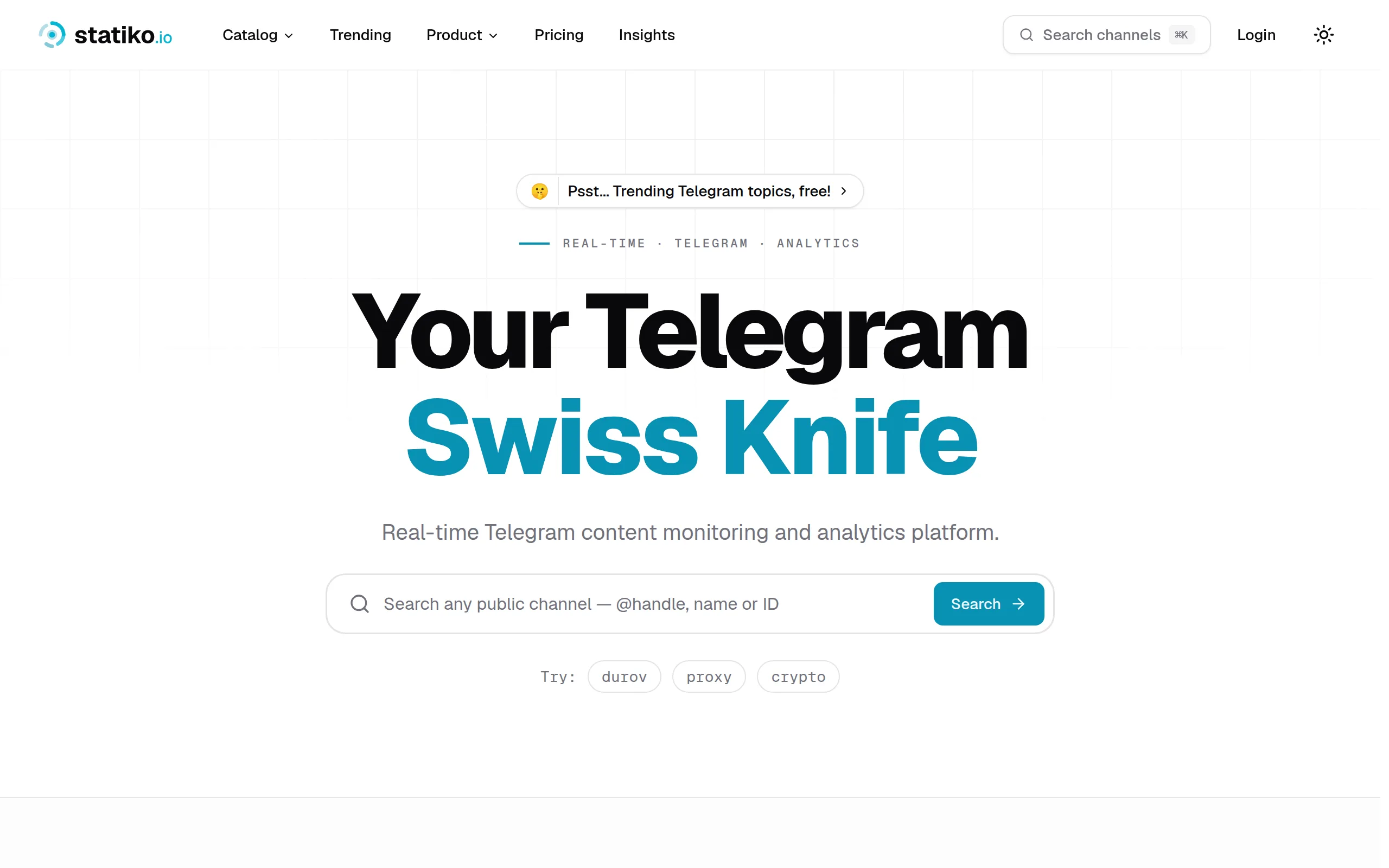
Statiko
Monitor any Telegram channel in real time - track posts, edits, deletions, and growth with AI recaps 📡

Shibui
AI website builder - describe your business, pick a niche template, edit by chatting, and publish instantly ✨

Pro Service
Find verified home service professionals, compare quotes, and pay securely through escrow - built for Brazilians across the US 🏠
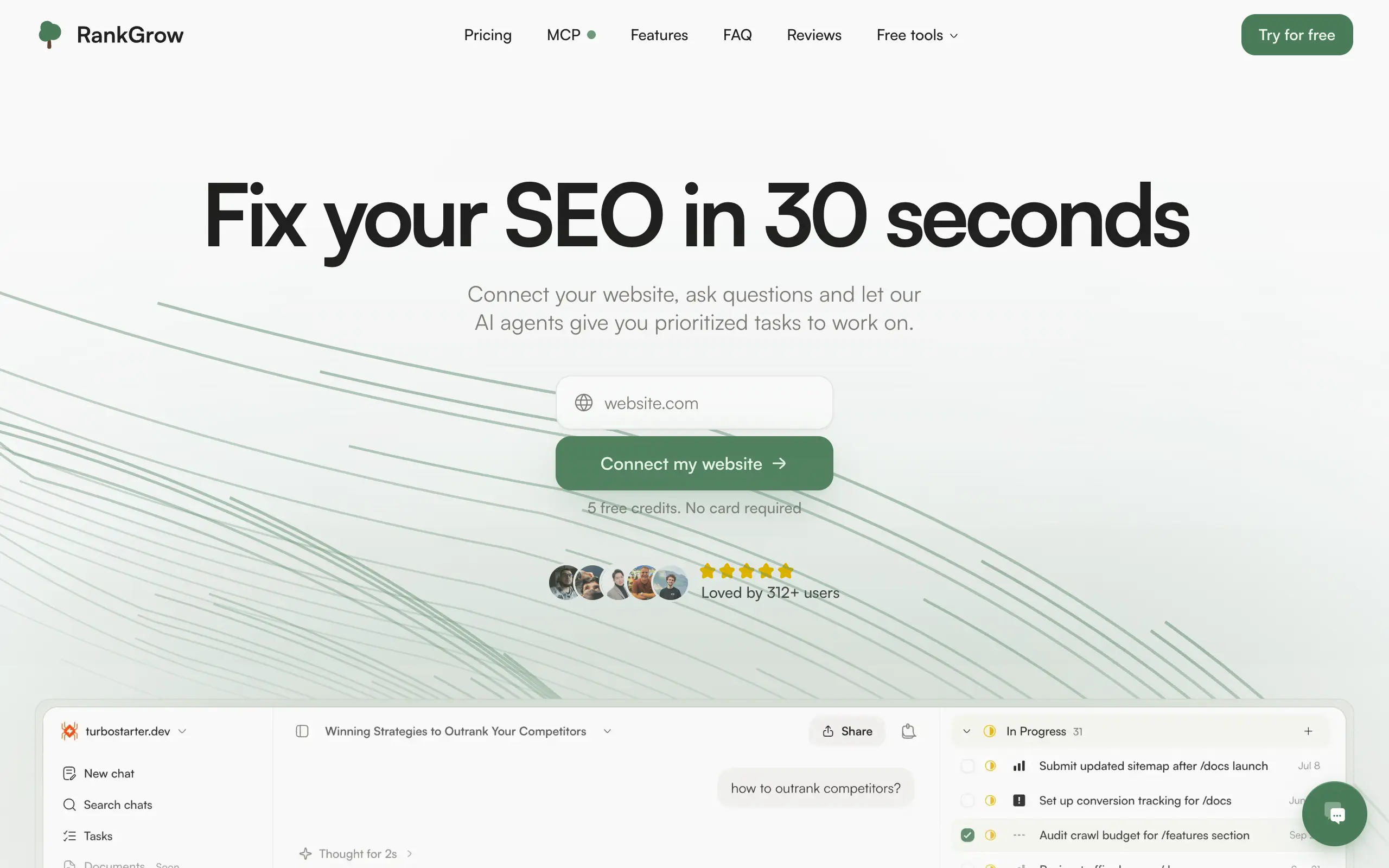
RankGrow
Fix your SEO with AI agents - connect Search Console, get prioritized tasks, and grow organic traffic 📈
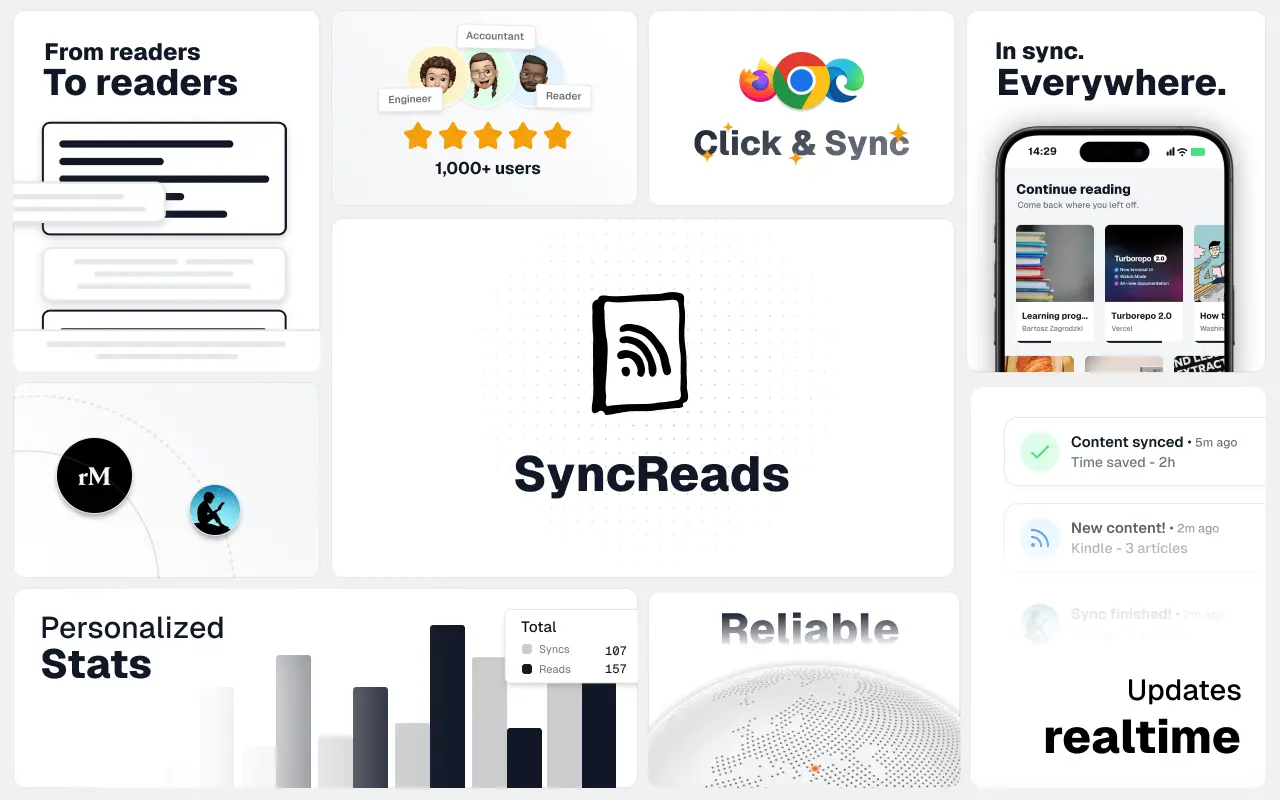
SyncReads
Sync your favorite content for distraction-free reading, save time and replace multiple apps. Anytime, anywhere 🔄
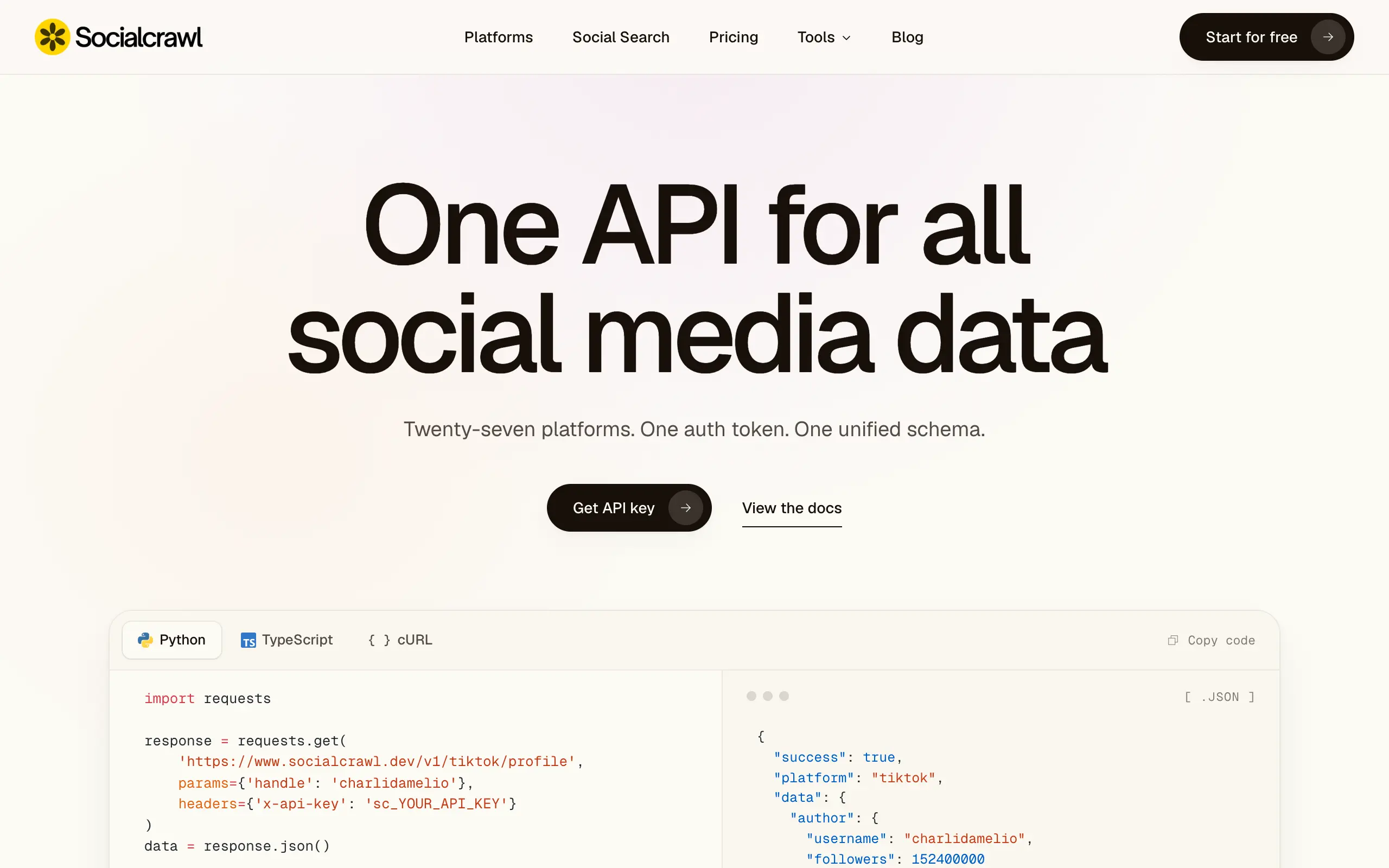
Socialcrawl
Get clean, structured data from 21 platforms like TikTok, Instagram, and YouTube with a single request 📊
Statiko
Monitor any Telegram channel in real time - track posts, edits, deletions, and growth with AI recaps 📡
Shibui
AI website builder - describe your business, pick a niche template, edit by chatting, and publish instantly ✨
Pro Service
Find verified home service professionals, compare quotes, and pay securely through escrow - built for Brazilians across the US 🏠
RankGrow
Fix your SEO with AI agents - connect Search Console, get prioritized tasks, and grow organic traffic 📈
SyncReads
Sync your favorite content for distraction-free reading, save time and replace multiple apps. Anytime, anywhere 🔄
Socialcrawl
Get clean, structured data from 21 platforms like TikTok, Instagram, and YouTube with a single request 📊
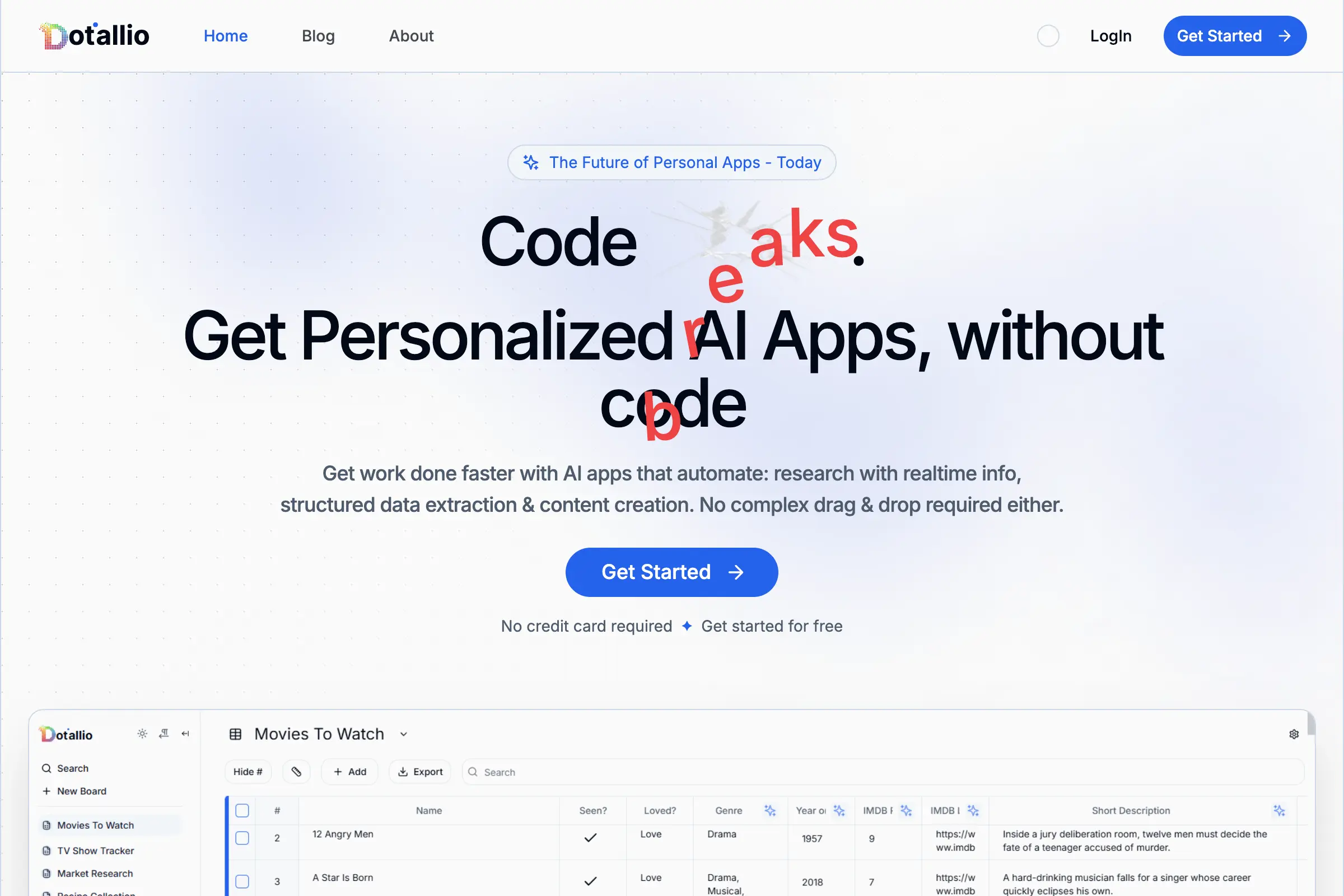
Dotallio
Personalized AI apps that automate research, data extraction, and content creation without code 🤖

Talk to Santa
Enjoy a magical live video chat or receive a unique AI-generated video greeting from Santa Claus 🎅

pozywka.pl
Scalable blog for food journalist, focused on performance and user experience 🌭
zagrodzki.me
Personal blog and portfolio of Bart Zagrodzki, where he shares his knowledge and work 💼
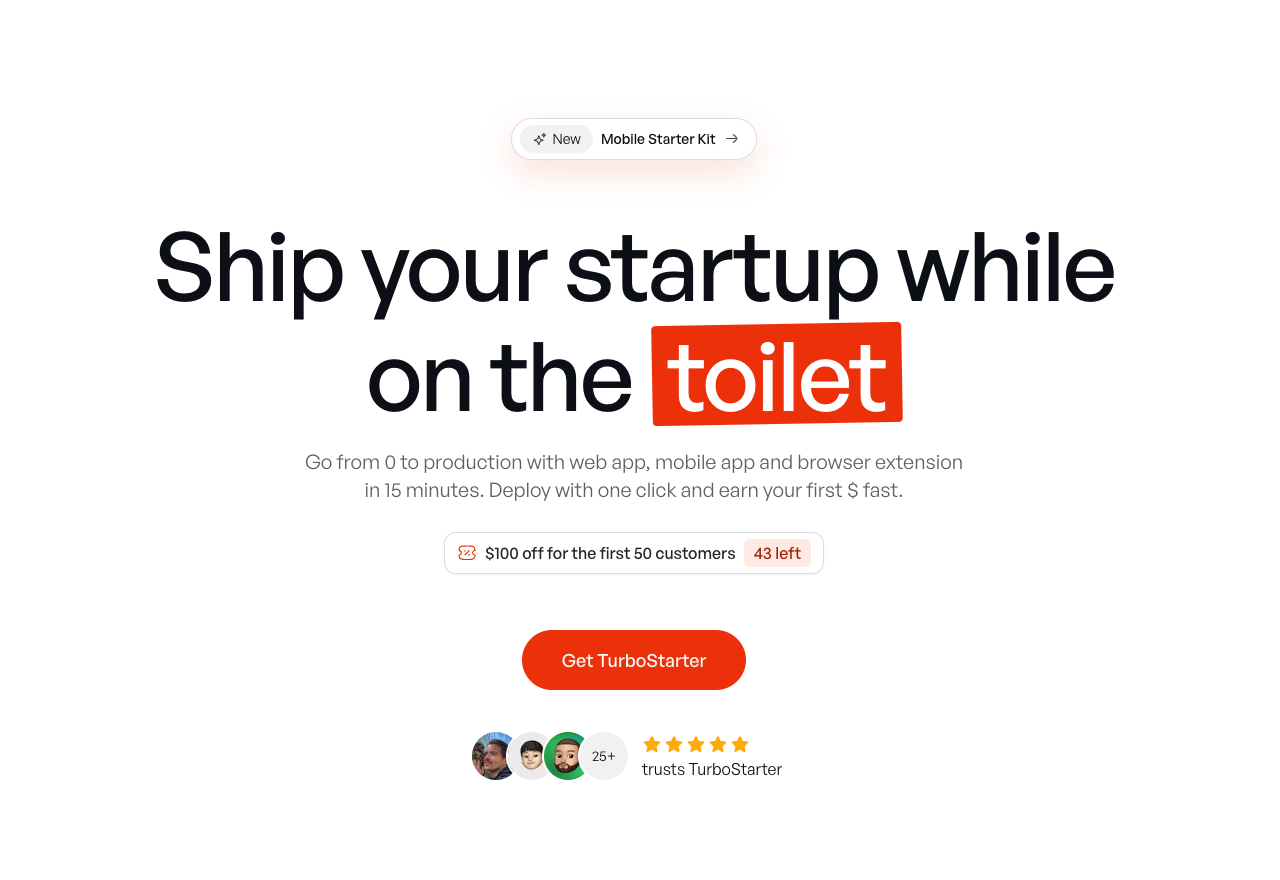
TurboStarter
Ship your startup everywhere. In minutes.
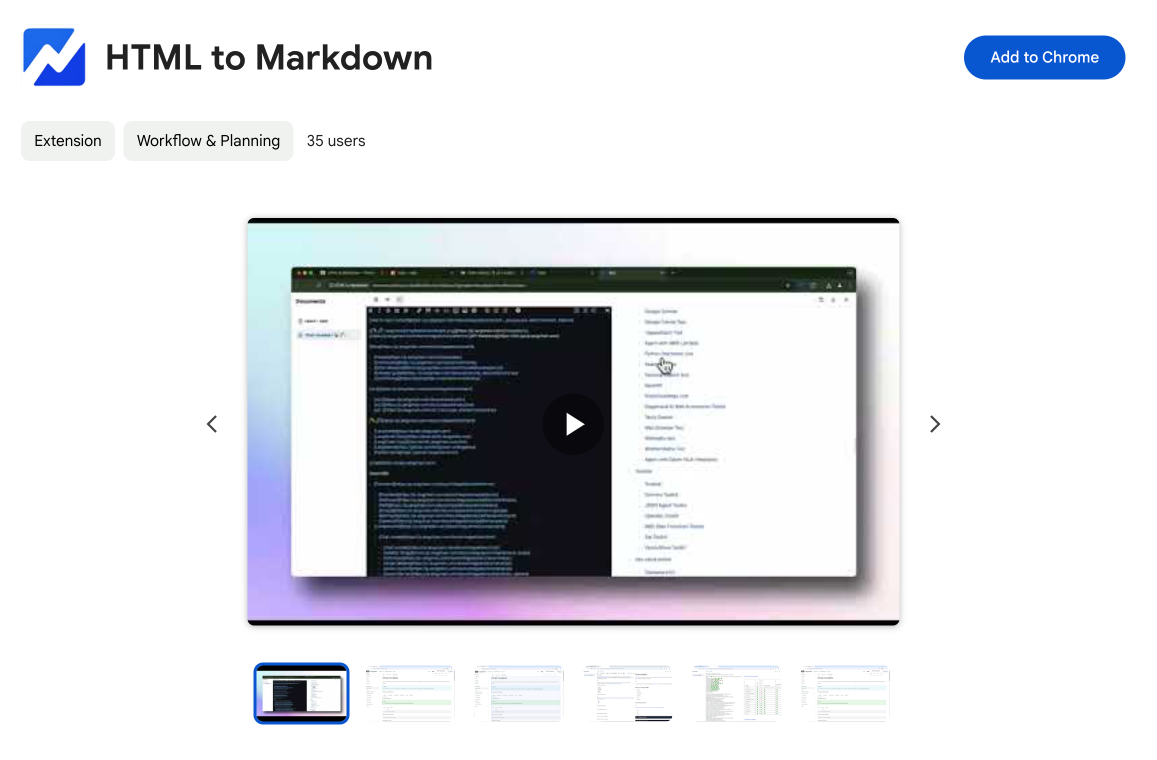
HTML to Markdown
Convert HTML to Markdown with ease, directly in your browser 📄
Dotallio
Personalized AI apps that automate research, data extraction, and content creation without code 🤖
Talk to Santa
Enjoy a magical live video chat or receive a unique AI-generated video greeting from Santa Claus 🎅
pozywka.pl
Scalable blog for food journalist, focused on performance and user experience 🌭
zagrodzki.me
Personal blog and portfolio of Bart Zagrodzki, where he shares his knowledge and work 💼
TurboStarter
Ship your startup everywhere. In minutes.
HTML to Markdown
Convert HTML to Markdown with ease, directly in your browser 📄
Omichat
Chat with 50+ AI models, including ChatGPT and Claude, in one place - switch models anytime without losing context 🤖
Claude Fast
Supercharge your Claude Code with 6x effective context window and specialized AI agents 🤖
EmojAI
AI-powered emoji picker with smart, context-aware suggestions 🤖

Solohacker
Autonomous company launcher - AI agents work 24/7, escalate what matters, and you stay in control 🤖

BeRawi: Storytelling Coach
Practice storytelling daily with instant feedback to sound clearer, more engaging, and confident 🎤
Omichat
Chat with 50+ AI models, including ChatGPT and Claude, in one place - switch models anytime without losing context 🤖
Claude Fast
Supercharge your Claude Code with 6x effective context window and specialized AI agents 🤖
EmojAI
AI-powered emoji picker with smart, context-aware suggestions 🤖
Solohacker
Autonomous company launcher - AI agents work 24/7, escalate what matters, and you stay in control 🤖
BeRawi: Storytelling Coach
Practice storytelling daily with instant feedback to sound clearer, more engaging, and confident 🎤

Connect with like-minded people
Join our community to get feedback, support, and grow together with 1,000+ builders on board, let's ship it!
Join usShip your startup everywhere. In minutes.
Don't burn tokens on setup and start building features on day one.