PackMint
Student creators turn Canva designs into polished digital downloads with mockups, product listings, and a simple storefront. Launch without complex ecommerce setup.
PackMint is a digital product creation and selling platform for students who want to turn their designs into downloadable products without building an ecommerce operation from scratch. The concept combines a guided product workflow, polished mockups, listing creation, and a simple storefront so creators can move from finished design to a shareable product page with fewer technical decisions.
The opportunity is not simply to help people make digital files. Many design tools already support creation, and many ecommerce platforms already support checkout. PackMint’s potential lies in connecting the steps between those activities: preparing a download, presenting it convincingly, writing a useful listing, and making it available for sale.
For the product to stand out, it should make this process feel approachable for first-time sellers while still producing professional results. This article explores PackMint’s audience, market opportunity, product features, business model, technical choices, risks, and a practical launch plan.
What PackMint does and who it serves
PackMint is a B2C SaaS product for student creators and other early-stage digital product sellers. A user brings an existing design, document, or creative asset into PackMint, prepares it for delivery, creates product imagery and listing copy, and publishes it to a lightweight storefront.
The core promise is straightforward: launch a polished digital product without stitching together a design tool, mockup generator, listing document, and ecommerce setup manually.
That promise matters because first-time creators often face a gap between making something useful and feeling ready to sell it. They may know how to create a planner, template, study guide, worksheet, or social media asset. But they may not know:
- Which file formats buyers expect.
- How to show the product in a product image.
- What information belongs in a listing.
- How to deliver files after a purchase.
- How to create a storefront without learning a complicated ecommerce system.
PackMint can reduce that friction by treating product launch as a guided workflow rather than a collection of unrelated tools.
The primary audience
The strongest initial audience is likely students who already create digital assets and want to test whether those assets can become a source of income. Possible users include:
- Student designers creating presentation templates, social media graphics, or brand kits.
- Study-focused creators making revision planners, flashcard templates, note layouts, and study trackers.
- Educators and tutors in training building worksheets, activity packs, or learning resources.
- Campus creators producing event invitations, club graphics, printable posters, or community resources.
- Early-stage entrepreneurs experimenting with digital products before investing in a full ecommerce setup.
These users are not all equally ready to pay. A student selling their first download may be highly price-sensitive, while a creator with repeat customers may value faster listing workflows, a branded storefront, and a more organized product library.
PackMint should therefore avoid defining its audience only by age or student status. A more useful segmentation is based on seller maturity:
- Explorers have an idea but no finished product.
- First-time sellers have a file and need help packaging and publishing it.
- Repeat creators have multiple products and want consistency and efficiency.
- Growing micro-businesses need branding, analytics, and more control over their storefront.
The best initial product experience is likely designed for the second group: users who already have a digital asset and are close to publishing but feel uncertain about the steps that remain.
The market opportunity and product gap
PackMint operates at the intersection of digital product creation, creator commerce, and lightweight ecommerce. These are active categories, but the product should not assume that a large overall creator economy automatically creates demand for this specific solution. The relevant question is narrower: do beginner creators struggle enough with packaging and publishing to adopt a dedicated workflow?
A useful way to evaluate the opportunity is to map the user journey and identify where existing tools leave work to the user.
| Workflow stage | Common user need | Typical source of friction | PackMint opportunity | MVP priority |
|---|---|---|---|---|
| Design | Create the original asset | A design may not be organized for delivery | Accept finished files and offer practical export guidance | Medium |
| Packaging | Prepare buyer-ready files | Formats, versions, and instructions can be unclear | Bundle files and create a clear download experience | High |
| Presentation | Show what the buyer receives | A flat file may be difficult to preview | Generate or arrange polished mockup images | High |
| Listing | Explain value and contents | Beginners may not know what to write | Provide structured listing prompts and editable copy | High |
| Selling | Accept payment and deliver files | Store setup can feel too complex | Provide a simple storefront and checkout workflow | High |
| Growth | Understand what works | New sellers may have little useful feedback | Surface basic visits, sales, and conversion signals | Later |
The gap is not necessarily a missing design editor or a missing marketplace. It may be the launch layer connecting a creator’s finished design to a buyer-ready digital product.
Why a focused workflow could win
A general ecommerce platform may offer extensive control, but that control can create setup work. A design tool may make it easy to create an asset, but it may not guide the creator through delivery and selling. A marketplace may provide discovery, but the creator may have limited control over their presentation and customer experience.
PackMint can position itself between these categories:
- More guided than a general storefront builder.
- More commerce-oriented than a design editor.
- More creator-controlled than relying entirely on a marketplace.
- More focused on product launch than a broad business suite.
This positioning is a hypothesis to validate, not a reason to build every feature at once. Interviews and launch experiments should determine whether users value an all-in-one workflow, or whether they primarily want one specific capability such as mockups, listing assistance, or file delivery.
How to research demand responsibly
Before investing in a large build, test the problem with evidence from prospective users. Interview student creators who have attempted to sell a digital download, including those who abandoned the effort. Ask them to describe what they did last time, rather than asking whether they like PackMint.
Useful questions include:
- What was the last digital product you created?
- How did you prepare the files for a buyer?
- Where did you try to sell it?
- Which step took the most time?
- What did you do when you were unsure how to present the product?
- Did you publish it? If not, what stopped you?
- What tools did you pay for, and what did you avoid paying for?
- How do you currently know whether a product is performing well?
If PackMint later makes claims about creator income, ecommerce trends, or student purchasing behavior, support them with current research. Good sources may include government publications, platform documentation, academic studies, or clearly described first-party research. For market statistics, record the publisher, report title, publication date, relevant definition, and methodology. A statistic without context can create more confusion than credibility.
PackMint’s unique selling proposition
PackMint’s strongest potential USP is a beginner-friendly launch workflow for digital downloads, built around presentation and readiness rather than storefront complexity.
That distinction should appear in the product experience, messaging, and feature roadmap. A visitor should quickly understand that PackMint is not primarily a blank website builder or a new design canvas. It helps a creator turn an existing digital asset into a product that is easier to understand, preview, and buy.
A clear positioning statement could be:
PackMint helps student creators package, present, and sell digital downloads from one guided workspace.
This positioning has several advantages:
- It focuses on a concrete outcome: publishing a product.
- It gives the product a defined audience and use case.
- It leaves room to support multiple design tools and file types.
- It can be tested with a narrow MVP before expanding into a broader creator platform.
The product should avoid implying guaranteed sales or income. PackMint can improve preparation and presentation, but it cannot guarantee demand, traffic, or conversion. Trustworthy messaging should be explicit about what the platform does and what remains the creator’s responsibility.
Core features and solution details
PackMint should be built around a small set of connected capabilities. A feature is valuable when it helps the user move closer to a published, understandable, deliverable product.
1. A guided product setup flow
The user should be able to start a new product and follow clear steps:
- Name the product and describe its intended buyer.
- Upload or organize the files.
- Add previews and product imagery.
- Draft the product listing.
- Set a price and delivery method.
- Preview the page and publish.
The workflow should save progress automatically. First-time sellers may not have every product detail ready when they begin, so forcing them to complete a long form in one sitting could increase abandonment.
A readiness checklist can make the process concrete. For example, PackMint might flag that a listing has no preview image or that the creator has not explained which files are included. The platform should distinguish between required items and useful suggestions so that guidance does not become an unnecessary barrier.
2. File packaging and digital delivery
For digital products, delivery is part of the product experience. Buyers should know what they will receive before purchase, and creators should be able to provide the promised files reliably.
A first version could support:
- Multiple files per product.
- Common document and image formats.
- Optional ZIP bundles.
- Version labels or a short “included files” description.
- A clear post-purchase download page.
- Configurable limits for file size and download access.
Avoid building a complex digital asset management system before validating the need. Start with secure, dependable delivery for a small set of expected file types. Use clear error messages for unsupported formats and uploads that fail.
PackMint should also explain that creators are responsible for having the rights to sell the content they upload. The platform can offer policy guidance and reporting channels, but it should not imply that uploading a file automatically makes it legally safe to sell.
3. Product mockups and previews
A buyer often needs to understand how a digital download works before purchasing it. A study planner, for instance, may be easier to evaluate when shown as a set of page previews rather than as a filename.
PackMint’s mockup tools could allow creators to:
- Place a cover or preview image into a small set of prepared layouts.
- Arrange several preview pages in a gallery.
- Add simple backgrounds and labels.
- Export product images in consistent dimensions.
- Reuse a visual style across multiple products.
Keep the first version focused. A few well-designed templates with strong defaults may be more useful than a large editor with too many controls. The goal is to make a product look clear and trustworthy, not to recreate a full graphic design application.
If the platform uses user-uploaded designs or content from external design tools, explain how those files are stored and processed. Do not imply a partnership or integration unless one exists. A manual upload workflow can be a reasonable starting point while PackMint learns which formats and creator workflows matter most.
4. Listing assistance
Writing product copy can be intimidating for a new seller. PackMint can make it easier with a structured listing builder that prompts the creator to explain:
- Who the product is for.
- What problem it helps solve.
- What files are included.
- How the buyer can use the product.
- Whether printing, editing, or specific software is needed.
- What the buyer should know before purchasing.
The platform could offer editable copy suggestions, but the creator should remain responsible for reviewing each claim. If AI writing assistance is added, make it clear that generated text may need correction. The system should not invent product features, file contents, compatibility details, or outcomes.
An effective listing editor can also check for missing information. For example, it may prompt the seller to describe whether a planner is printable, editable, or intended for a particular application. These checks can improve buyer confidence without pretending to guarantee search rankings or sales.
5. A simple storefront
The storefront should help a creator share products without asking them to configure a full ecommerce site. An initial version could include:
- A creator profile or shop name.
- A product grid.
- Product detail pages.
- A shareable storefront URL.
- Basic branding choices.
- A mobile-friendly layout.
- A straightforward purchase and download flow.
The storefront should prioritize clarity over deep customization. A beginner usually needs a professional page more than dozens of layout settings.
PackMint should decide early whether the storefront is the main product surface or a supporting feature. If discovery is not part of the strategy, the platform should avoid language that suggests it will send buyers to creators’ products. A shareable storefront is not the same thing as a marketplace with built-in customer traffic.
6. Basic business insights
Once creators publish, they need to understand whether people are finding and buying their products. A lightweight analytics view might report:
- Product page views.
- Purchases.
- Gross sales and fees.
- Conversion rate, where measurement is reliable.
- Performance by product over a selected period.
Analytics should be understandable to someone who has never used a commerce dashboard. Explain what each metric means, and avoid presenting small sample sizes as definitive evidence. Early creators may have too little traffic for a conversion rate to be meaningful.
7. Account, trust, and support features
Commerce products require more than a product editor. PackMint should plan for account recovery, reliable file storage, purchase receipts, customer support, and clear policies. The launch experience should also explain how refunds, buyer questions, and disputes are handled.
Trust is part of the product. Users need to know what happens to their files, what buyers receive after a purchase, and which responsibilities belong to PackMint versus the creator.
A practical MVP scope
The MVP should test whether the guided launch workflow solves a real problem. It does not need to include every feature in the long-term vision.
A focused MVP could include:
- Account creation and a creator dashboard.
- Product creation with file uploads.
- A small set of mockup layouts.
- A listing editor with structured prompts.
- A hosted product page.
- Payment and digital delivery through a dependable provider.
- Basic sales reporting.
- Clear creator and buyer support documentation.
Defer features such as a full design editor, a public marketplace, complex team permissions, advanced marketing automation, and broad analytics. Each adds engineering and operational costs. Build them only when user behavior shows that they are needed.
A useful MVP test
Measure whether creators can publish a complete product with less uncertainty and fewer abandoned steps. Sign-ups alone do not prove that PackMint has solved the launch problem.
Recommended technology stack
The technology stack should support quick iteration, secure file handling, and a maintainable path from a small MVP to a growing SaaS product. The exact choices depend on the team’s experience and the payment and storage providers available in the target market.
Frontend and application framework
A modern React-based application is a reasonable fit for PackMint’s interactive product editor, dashboard, and storefront. React provides the component model for building reusable interface elements. A framework such as Next.js can support routing and server-rendered pages, which may be useful for public product pages that need to load quickly and present crawlable product information.
The trade-off is complexity. A framework offers more flexibility but also introduces conventions and deployment decisions. If the team is already experienced with another full-stack framework, familiarity may be more valuable than selecting a trendy tool.
For styling, Tailwind CSS can help a small team build consistent interfaces quickly. The risk is producing generic-looking pages if the team relies on default patterns. PackMint should establish a small design system with accessible colors, typography, spacing, and reusable form components.
Backend and data model
A relational database is a practical choice because PackMint’s core data has clear relationships. A user owns a shop, a shop has products, products have files and listings, and purchases refer to products and buyers. PostgreSQL is a well-established option for this kind of structured data.
A managed backend service can reduce the time needed to build authentication and database operations, but it should be evaluated for security controls, backup policies, operational reliability, and portability. Whether the team chooses a managed platform or a custom backend, access rules must ensure that creators can edit only their own products and that private delivery files are not exposed through public URLs.
A basic data model might include:
- Users and creator profiles.
- Shops and storefront settings.
- Products and product status.
- Product files and preview assets.
- Orders and payment references.
- Download events or delivery records.
- Subscription plans and billing status, if applicable.
Keep payment details with the payment provider rather than storing sensitive card data in PackMint’s database. Store only the identifiers and transaction information required for the product’s operational needs.
File storage and image processing
Digital downloads and product previews need reliable storage. Use an object storage service with private access for purchased files and public or controlled access for preview images. Consider:
- Maximum file sizes and supported formats.
- Malware scanning or other upload safety controls.
- Signed or time-limited download links.
- Backup and retention policies.
- Image resizing and compression.
- Logging for failed uploads and downloads.
The right storage design depends on the file types and expected volume. Avoid keeping large user files directly in the application server’s local filesystem, where deploys and scaling can make persistence unreliable.
Payments and billing
PackMint may need to process one-time product purchases, SaaS subscriptions, or both. These are separate payment flows and should be designed deliberately.
A payment provider such as Stripe may support payment processing and recurring billing, depending on the business’s location, account eligibility, and chosen product configuration. Before selecting a provider, compare fees, supported countries, payout timing, tax-related tools, dispute workflows, and marketplace capabilities.
If PackMint collects money on behalf of many creators and pays them out, the product may face additional compliance, tax, and operational requirements. That model is more complex than charging creators for a subscription while letting them use a simpler, supported checkout arrangement. Get qualified legal and financial advice before deciding how funds will flow.
Security and privacy fundamentals
PackMint should design for data protection from the beginning:
- Require authorization checks on every private product and file operation.
- Use least-privilege access for staff and services.
- Encrypt data in transit and use appropriate storage protections.
- Record important account and purchase events.
- Provide account deletion and data export processes where required.
- Publish accurate privacy and retention policies.
- Test payment webhooks for duplicate or delayed events.
Security is not a one-time checklist. It requires ongoing maintenance, dependency updates, incident response planning, and a process for users to report issues.
Build versus accelerate
A small team may benefit from a starter foundation for authentication, payments, and application structure, provided it reviews the implementation and understands the trade-offs. TurboStarter is one option to evaluate when accelerating a SaaS build. A starter kit can save setup time, but it does not replace product-specific security review, operational planning, or testing.
Monetization strategy options
PackMint should choose a revenue model that matches the value it provides and the financial reality of its audience. Student creators may be reluctant to pay before they make their first sale, so pricing should be tested with real behavior rather than chosen only by competitor comparison.
Freemium with paid upgrades
A free plan can help creators try the product without committing. Paid plans could add features such as:
- More active products.
- Additional mockup templates.
- Custom storefront branding.
- Advanced analytics.
- Larger storage limits.
- A custom domain or expanded customization.
The challenge is drawing a fair line between free and paid. If the free plan blocks a creator from completing a useful launch, it may prevent the product from demonstrating its value.
Subscription pricing
A monthly or annual subscription can create predictable revenue, particularly for repeat sellers. It works best when PackMint provides ongoing value, such as storefront hosting, product management, analytics, or frequent workflow improvements.
Potential drawbacks include subscription fatigue and low perceived value for creators who publish only one product. PackMint can explore a free entry tier, annual discounts, or a lower-cost plan for occasional sellers.
Transaction fee
A fee on sales lowers the upfront commitment for new creators. It may align PackMint’s revenue with creator success, but it creates more complex payment operations and may reduce margins on low-priced products.
Creators should be able to understand the total fees before they publish. Show the platform fee and payment processing costs clearly, and explain whether fees apply to refunds or disputes.
One-time purchase or credits
Some features, such as premium mockup packs or a one-time product launch bundle, could be sold separately. This may suit casual users, but a credits system can become confusing if creators cannot predict how many credits they need.
A sensible test is to compare a low-friction free plan, a subscription, and a transaction-based option with a small group of creators. Track conversion, retention, support needs, and whether users understand the pricing—not just which price produces the most sign-ups.
Competitive advantage analysis
PackMint is likely to compete indirectly with several types of products rather than only one identical platform. Its competitive set may include:
- Design tools that help users create assets.
- Ecommerce platforms that host products and process orders.
- Digital marketplaces where buyers browse products.
- Mockup tools that create product imagery.
- File delivery and creator storefront services.
The opportunity is to make a focused workflow feel easier and more coherent than a collection of separate tools. However, “all in one” is not automatically a competitive advantage. A broad feature list can increase complexity and make the product harder to maintain.
| Alternative category | What it may do well | Potential friction for a beginner | PackMint’s possible edge | PackMint’s limitation |
|---|---|---|---|---|
| Design software | Create and edit visual assets | Selling steps may be outside the main workflow | Connect finished designs to product preparation | Not a replacement for advanced design tools |
| General ecommerce tools | Offer broad store configuration | Setup can feel like more than a first-time seller needs | Guide creators through a narrow launch flow | May offer less customization and ecosystem depth |
| Marketplaces | Provide a place to list products | Creator branding and customer access may be limited | Give creators a simple shareable storefront | A storefront alone does not guarantee discovery |
| Mockup generators | Create product presentation assets | May not handle listing, checkout, or delivery | Combine presentation with publishing steps | Mockups must remain flexible and high quality |
| Manual tool combinations | Let creators choose every tool | Work is fragmented across accounts and files | Reduce context switching with one workflow | Integration must be reliable to justify consolidation |
PackMint’s durable advantage would likely come from the quality of its workflow and accumulated product insight, not from a single mockup template. If creators repeatedly use the platform to publish and manage products, PackMint can learn which steps are confusing and improve them. That learning becomes an advantage only if it translates into better outcomes and the platform remains trustworthy.
Risks and how to mitigate them
Weak willingness to pay
Student creators may like the concept but still avoid paying, especially before their first sale.
Mitigation: Test payment willingness with actual pricing and a usable prototype. Track activation and paid conversion, and interview users who decline to upgrade. Do not use positive feedback as a substitute for purchase behavior.
Crowded tool categories
PackMint may be compared with design platforms, ecommerce services, and marketplaces, each of which may already offer adjacent features.
Mitigation: Focus on a specific user and moment: a creator with a finished digital asset who needs to package and publish it. Make that workflow measurably easier instead of attempting to match every competitor feature.
No built-in audience
A storefront can make it easier to sell, but it does not necessarily bring buyers.
Mitigation: Be explicit about the difference between storefront hosting and marketplace discovery. Provide useful sharing and product presentation features, and avoid promises of sales or traffic.
Copyright and content disputes
Creators may upload or sell content they do not have permission to distribute. Products may also use trademarks, images, fonts, or other assets subject to licensing conditions.
Mitigation: Publish clear creator terms, provide a reporting process, respond consistently to valid complaints, and seek qualified legal advice on platform policies. Offer reminders that users must have the necessary rights to sell their materials.
Payment, tax, and refund complexity
Selling digital goods across locations can introduce payment, tax, refund, and consumer protection questions.
Mitigation: Choose the initial launch geography carefully. Document how charges, payouts, refunds, and buyer support work. Obtain professional advice for legal and tax obligations before expanding into additional markets or handling creator payouts.
File security and delivery failures
A buyer may lose access to a purchased file, or a private download could be exposed.
Mitigation: Use controlled file access, test the full purchase-to-download flow, monitor delivery errors, and create a clear support and recovery process. Back up operational data and plan for provider outages.
AI-generated listing errors
If PackMint adds generative writing tools, the system could invent product claims or omit important limitations.
Mitigation: Treat generated copy as a draft, require creator review, and base suggestions on information the seller provides. Make it easy to edit or delete generated text, and avoid implying that AI output guarantees search performance.
Scope creep
The idea can expand into a design editor, marketplace, ecommerce platform, marketing suite, and analytics product.
Mitigation: Tie each roadmap item to a validated user problem and a measurable product outcome. Keep the first release focused on product readiness, presentation, listing, and delivery.
Metrics that show whether PackMint is working
A useful measurement plan follows the creator journey from first visit to product launch and repeat use.
Consider tracking:
- Activation: the share of new users who create a first product.
- Completion: the share of started products that reach a publishable state.
- Time to publish: how long it takes an active creator to publish a product.
- First sale: the share of published products that receive a purchase, interpreted in light of traffic.
- Repeat publishing: whether creators return to create another product.
- Paid conversion: the share of eligible users who choose a paid plan.
- Support burden: common questions and failures during upload, checkout, and delivery.
- Trust signals: refund requests, delivery complaints, and payment disputes.
Do not optimize only for time to publish. A fast workflow that produces confusing listings or unreliable delivery is not a successful experience. Combine quantitative metrics with interviews and usability tests to understand why users do or do not complete a launch.
Actionable implementation steps
Define the first user and job to be done. Focus on a specific creator segment, such as students who already have a printable or template and want to sell it. Write down the problem they experience and the outcome PackMint promises to help them achieve.
Interview creators and review existing workflows. Speak with people who have launched, attempted, or abandoned digital products. Observe how they prepare files, create previews, write listings, and deliver purchases. Record repeated friction rather than assuming every requested feature is essential.
Test the positioning before building the full platform. Create a landing page or clickable prototype that explains the product workflow. Test whether prospective users understand the value and whether they will take a meaningful next step, such as joining a pilot or paying for early access.
Build the smallest complete launch path. Implement product setup, file organization, a limited set of presentation templates, listing creation, a storefront page, and dependable delivery. A complete narrow workflow is more informative than a broad collection of unfinished tools.
Run a supported pilot. Work closely with a small group of creators. Help them publish real products, observe where they hesitate, and test a real buyer journey with consent and clear expectations. Log errors and support requests as product research.
Measure behavior and refine the workflow. Review product completion, publication, repeat usage, payment conversion, and delivery reliability. Improve the highest-friction steps before adding major features.
Expand carefully. Add more mockup options, analytics, integrations, pricing tiers, or audience-specific templates only when user evidence supports them. Revisit policies, support capacity, security, and financial operations as the business grows.
The long-term opportunity for PackMint
PackMint has a focused opportunity to help first-time creators cross the gap between making a digital asset and presenting it as a product. Its value depends on making that transition meaningfully easier—not on promising that every creator will become a successful seller.
The strongest version of the product will be opinionated about the beginner journey while remaining flexible about the tools creators use to make their designs. It will help sellers explain what they are offering, show it clearly, deliver it reliably, and understand what happens after publication.
For founders, the practical priority is to validate the launch workflow before expanding the feature set. Start with creators who already have something to sell, observe their real process, and build around the steps that repeatedly stop them from publishing. That approach gives PackMint a clearer competitive position, a more manageable MVP, and a stronger basis for sustainable monetization.
If the team can turn a confusing, fragmented process into a calm and dependable product launch experience, PackMint can become more than a storefront tool. It can become the practical starting point for creators learning how to package and sell their first digital download.
More 👥 B2C Application SaaS ideas
Discover more innovative b2c application SaaS ideas that are trending in 2026. Each idea is AI-generated with market validation and growth potential to help you find your next profitable venture faster than competitors.
Your competitors are building with TurboStarter
Below are some of the SaaS ideas that have been generated and built with our starter kit.
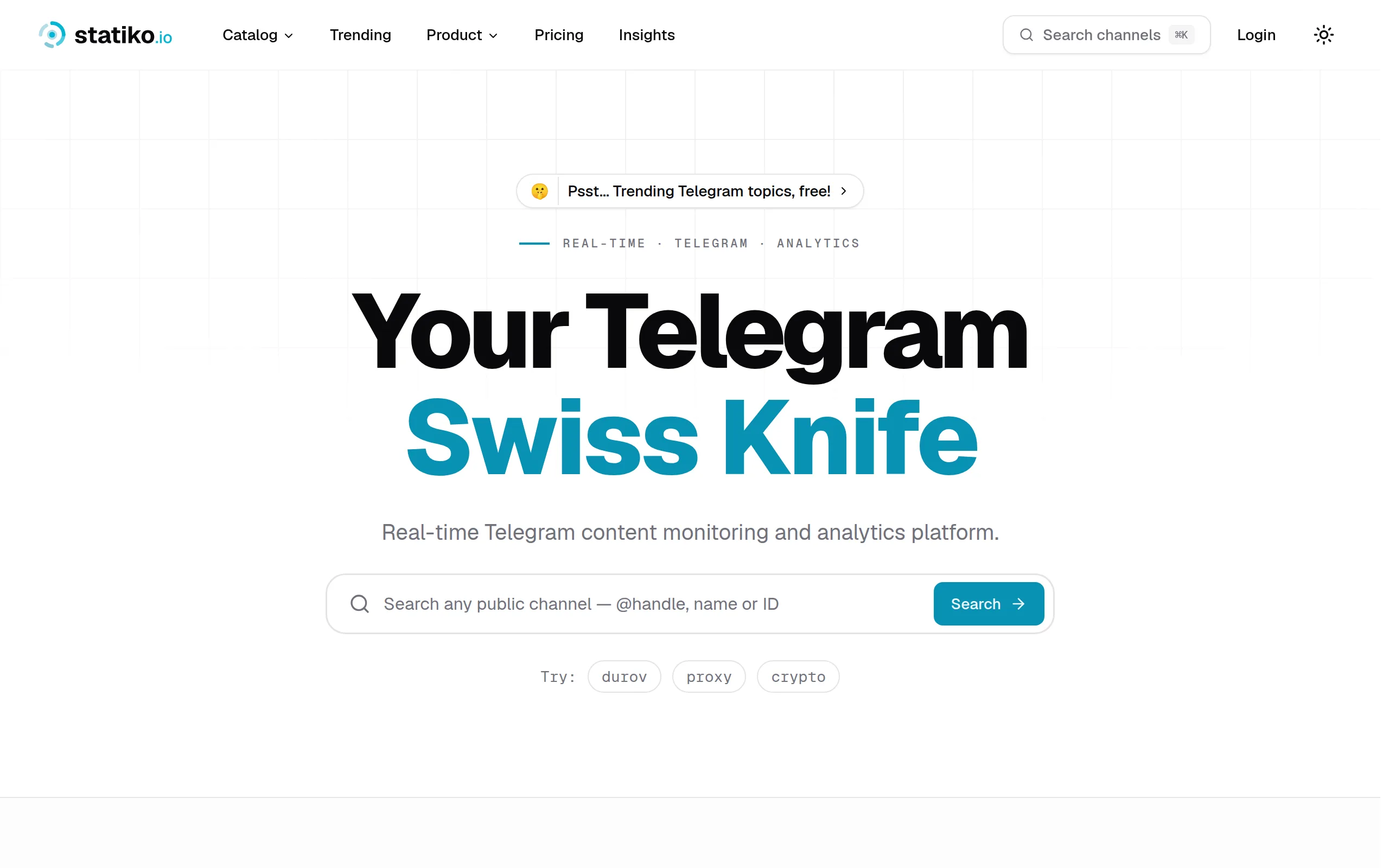
Statiko
Monitor any Telegram channel in real time - track posts, edits, deletions, and growth with AI recaps 📡

Shibui
AI website builder - describe your business, pick a niche template, edit by chatting, and publish instantly ✨

Pro Service
Find verified home service professionals, compare quotes, and pay securely through escrow - built for Brazilians across the US 🏠
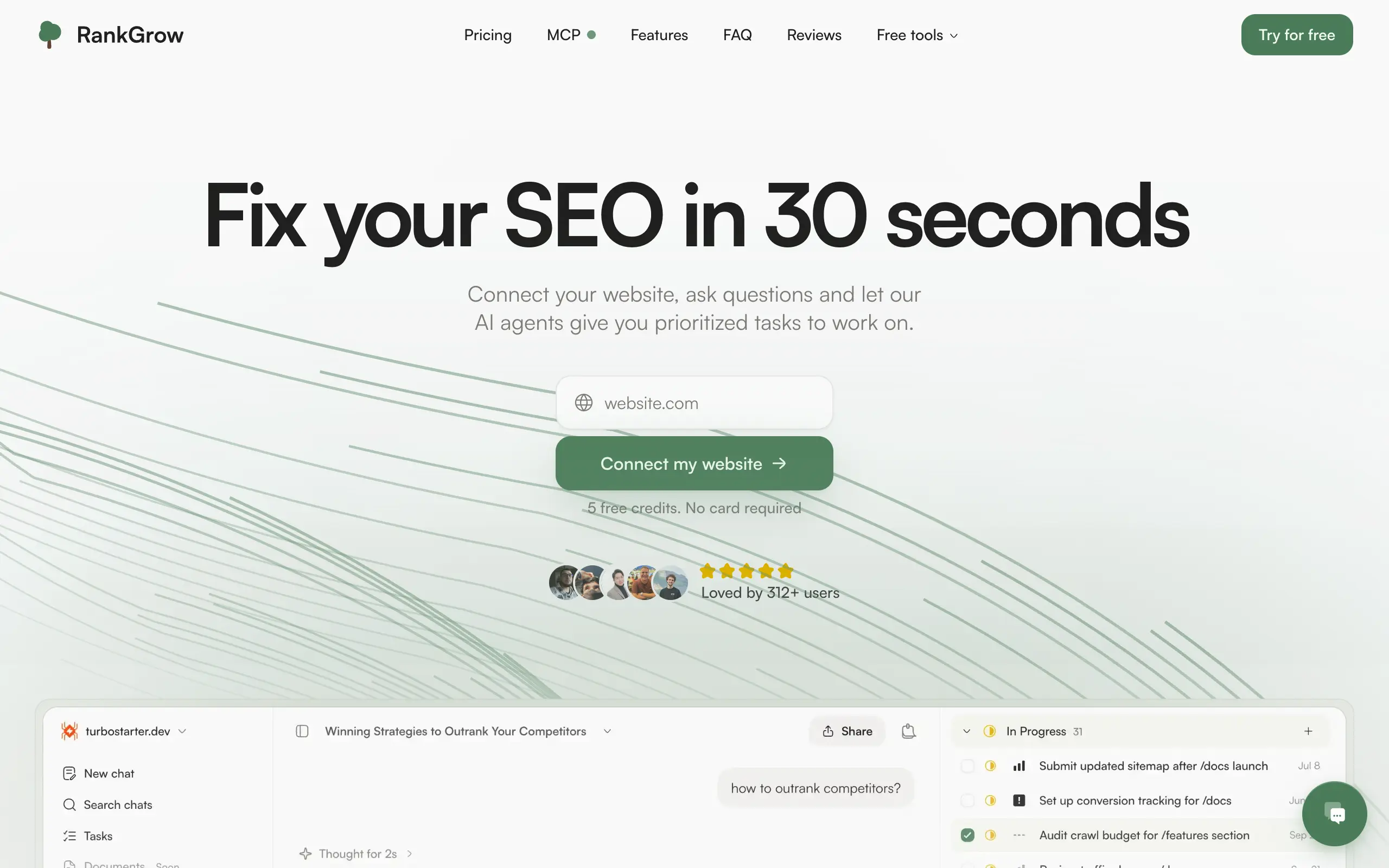
RankGrow
Fix your SEO with AI agents - connect Search Console, get prioritized tasks, and grow organic traffic 📈
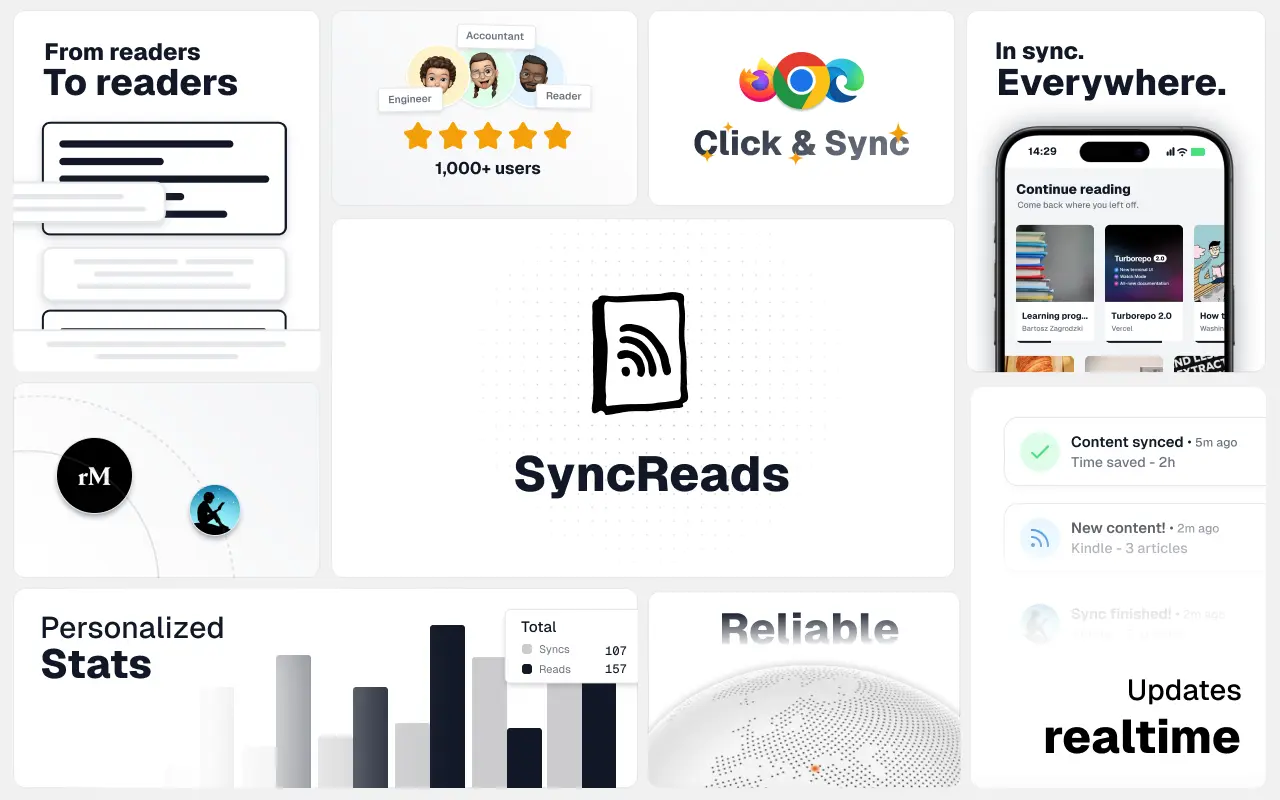
SyncReads
Sync your favorite content for distraction-free reading, save time and replace multiple apps. Anytime, anywhere 🔄
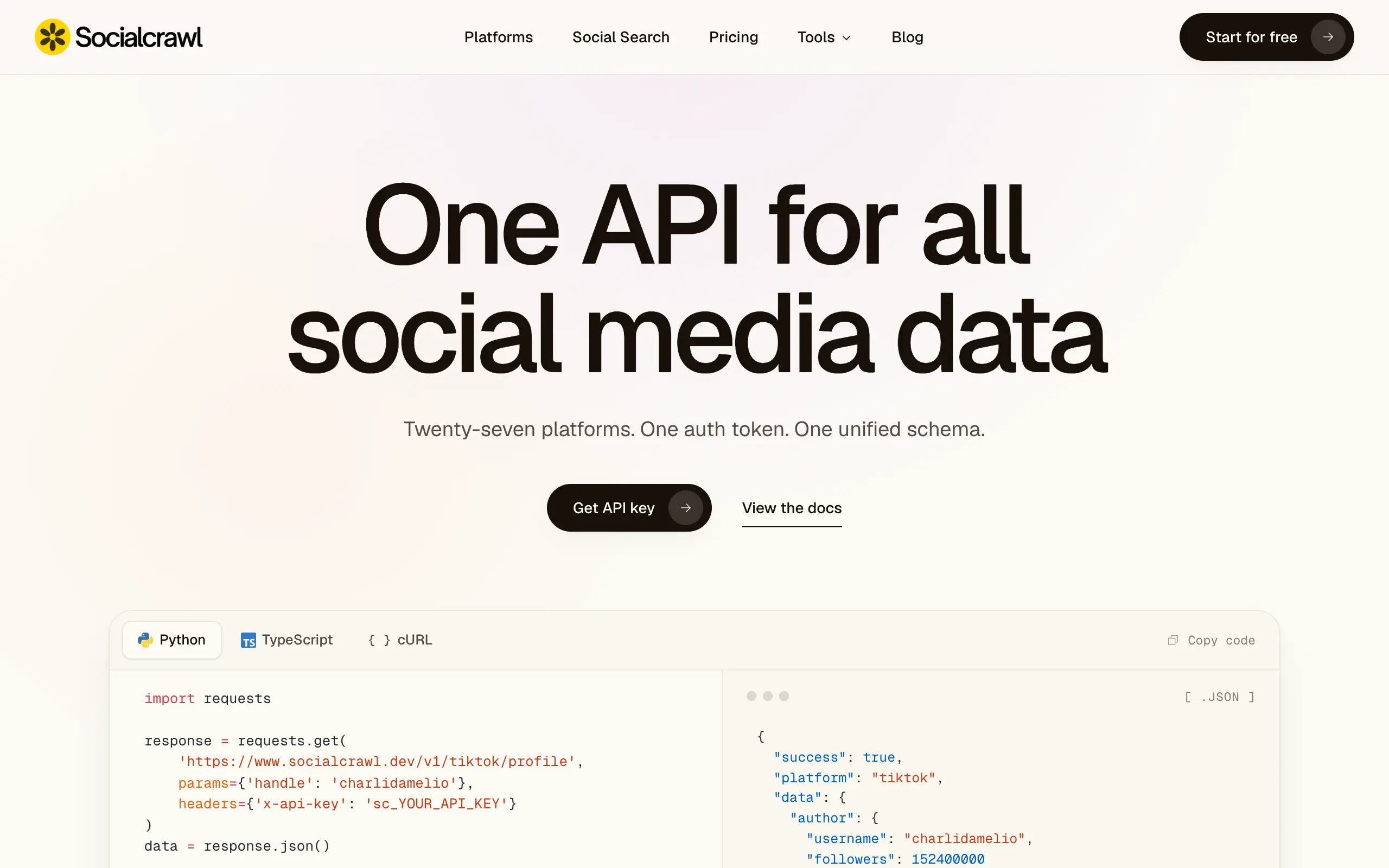
Socialcrawl
Get clean, structured data from 21 platforms like TikTok, Instagram, and YouTube with a single request 📊
Statiko
Monitor any Telegram channel in real time - track posts, edits, deletions, and growth with AI recaps 📡
Shibui
AI website builder - describe your business, pick a niche template, edit by chatting, and publish instantly ✨
Pro Service
Find verified home service professionals, compare quotes, and pay securely through escrow - built for Brazilians across the US 🏠
RankGrow
Fix your SEO with AI agents - connect Search Console, get prioritized tasks, and grow organic traffic 📈
SyncReads
Sync your favorite content for distraction-free reading, save time and replace multiple apps. Anytime, anywhere 🔄
Socialcrawl
Get clean, structured data from 21 platforms like TikTok, Instagram, and YouTube with a single request 📊
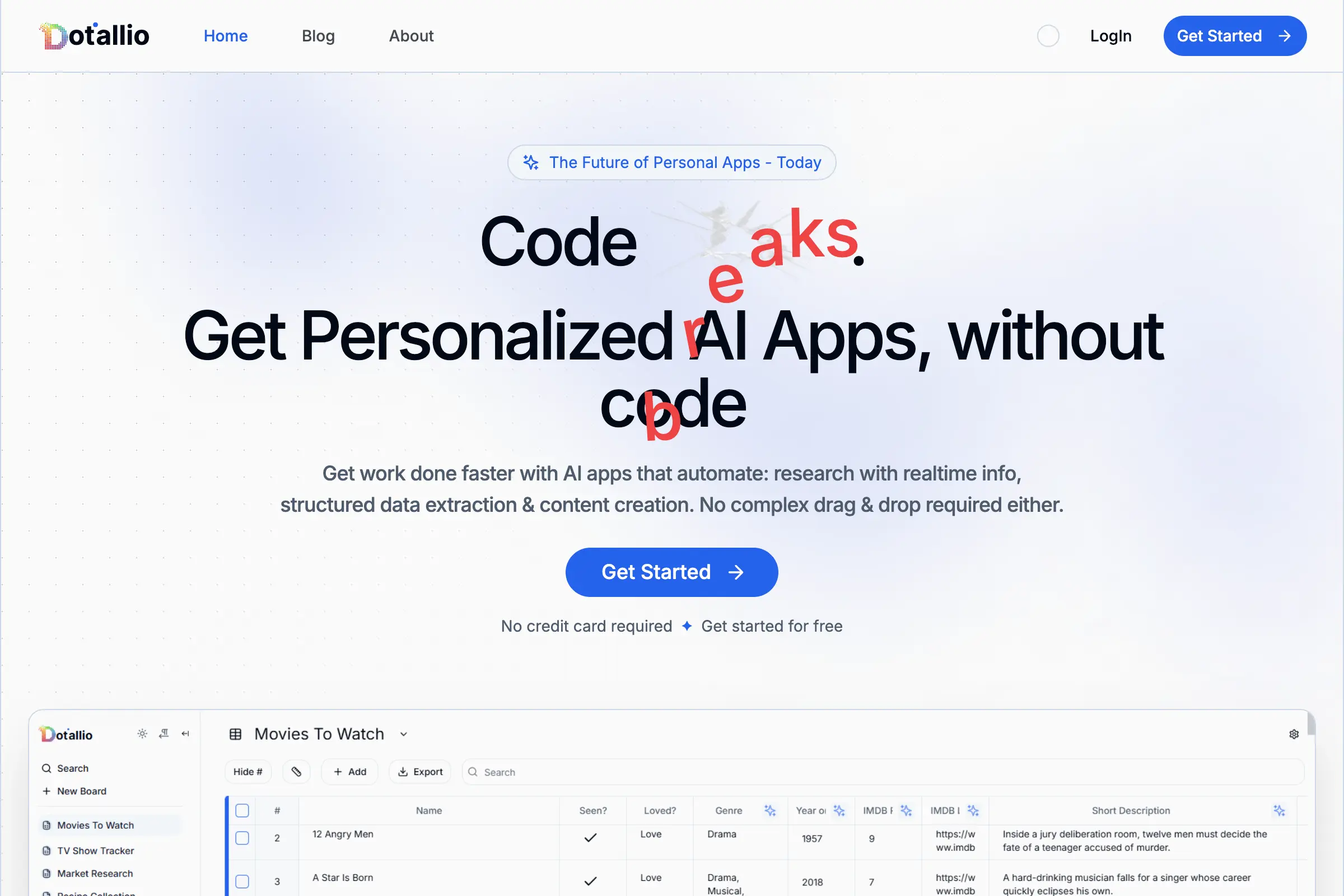
Dotallio
Personalized AI apps that automate research, data extraction, and content creation without code 🤖

Talk to Santa
Enjoy a magical live video chat or receive a unique AI-generated video greeting from Santa Claus 🎅
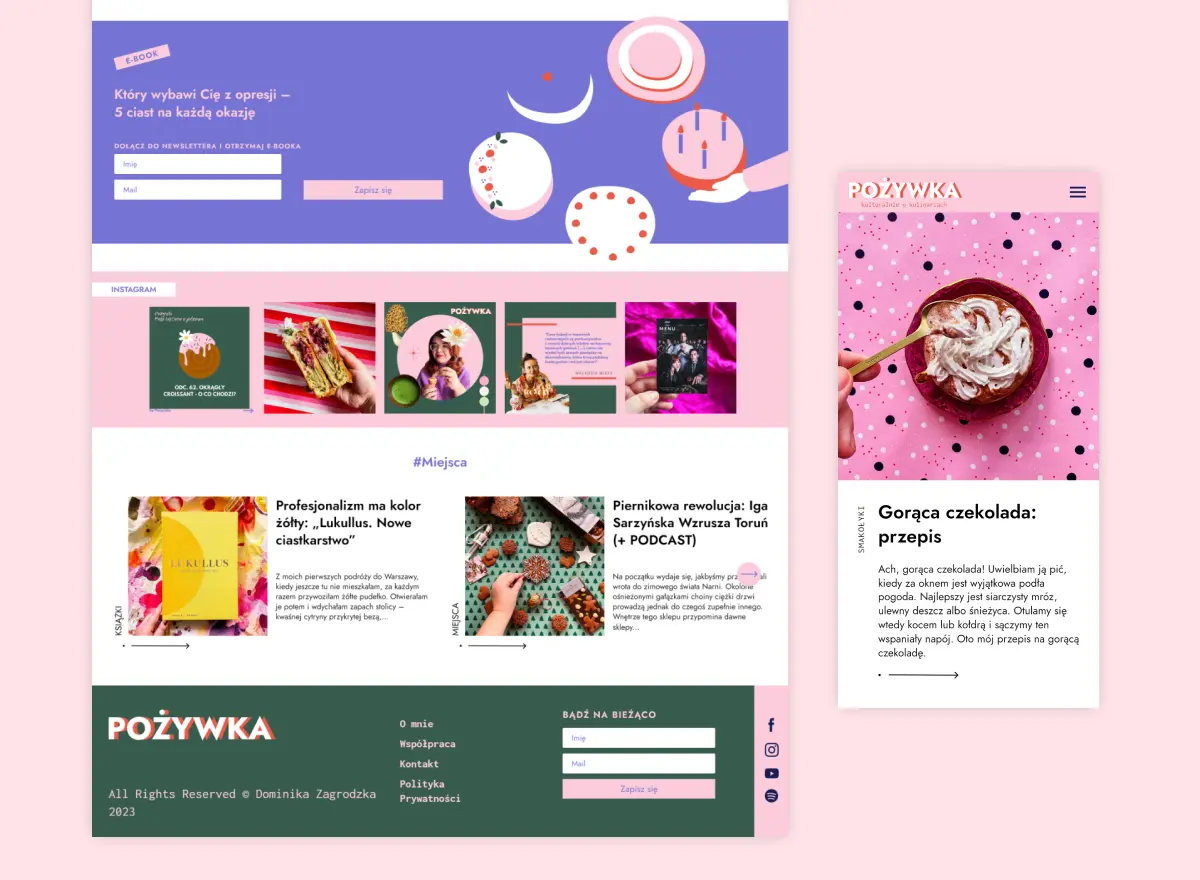
pozywka.pl
Scalable blog for food journalist, focused on performance and user experience 🌭
zagrodzki.me
Personal blog and portfolio of Bart Zagrodzki, where he shares his knowledge and work 💼
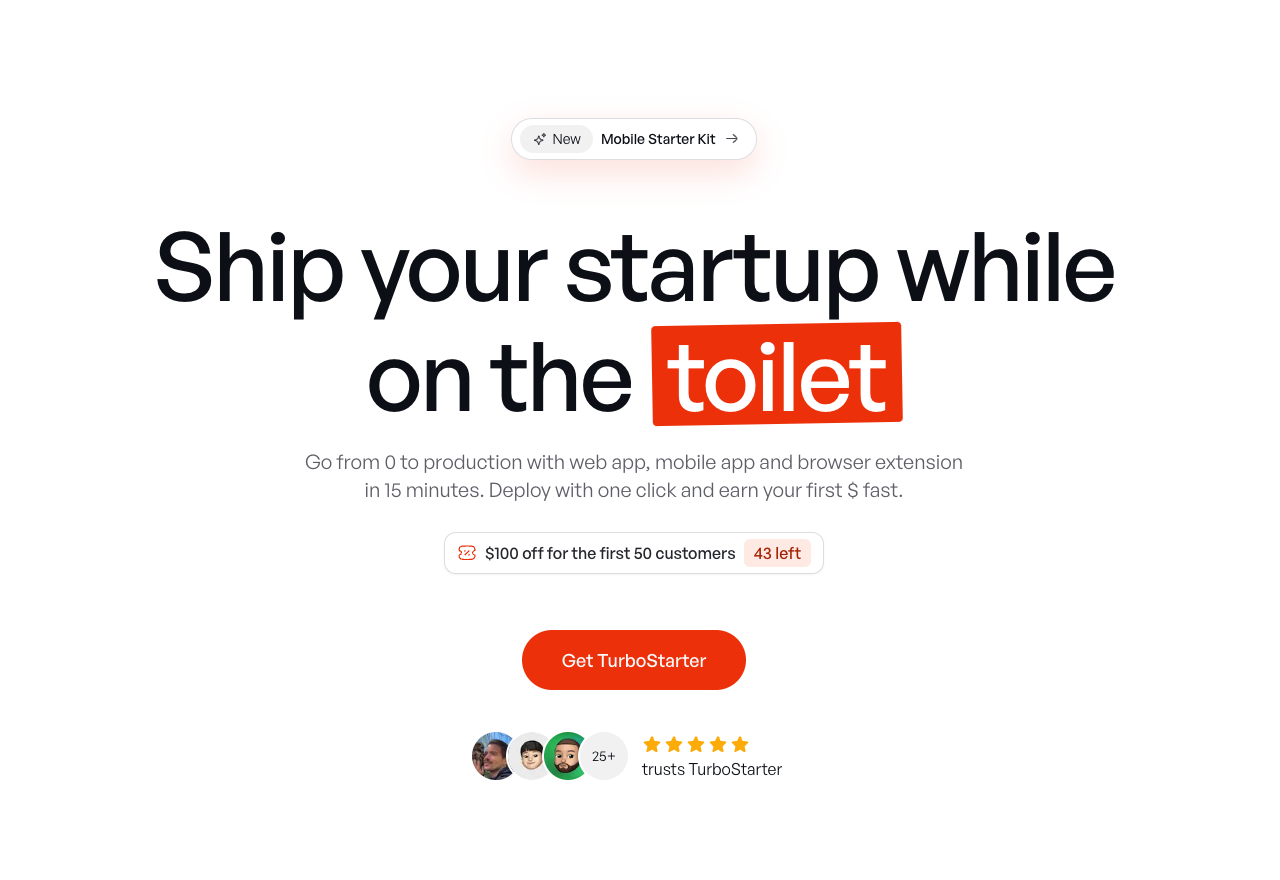
TurboStarter
Ship your startup everywhere. In minutes.
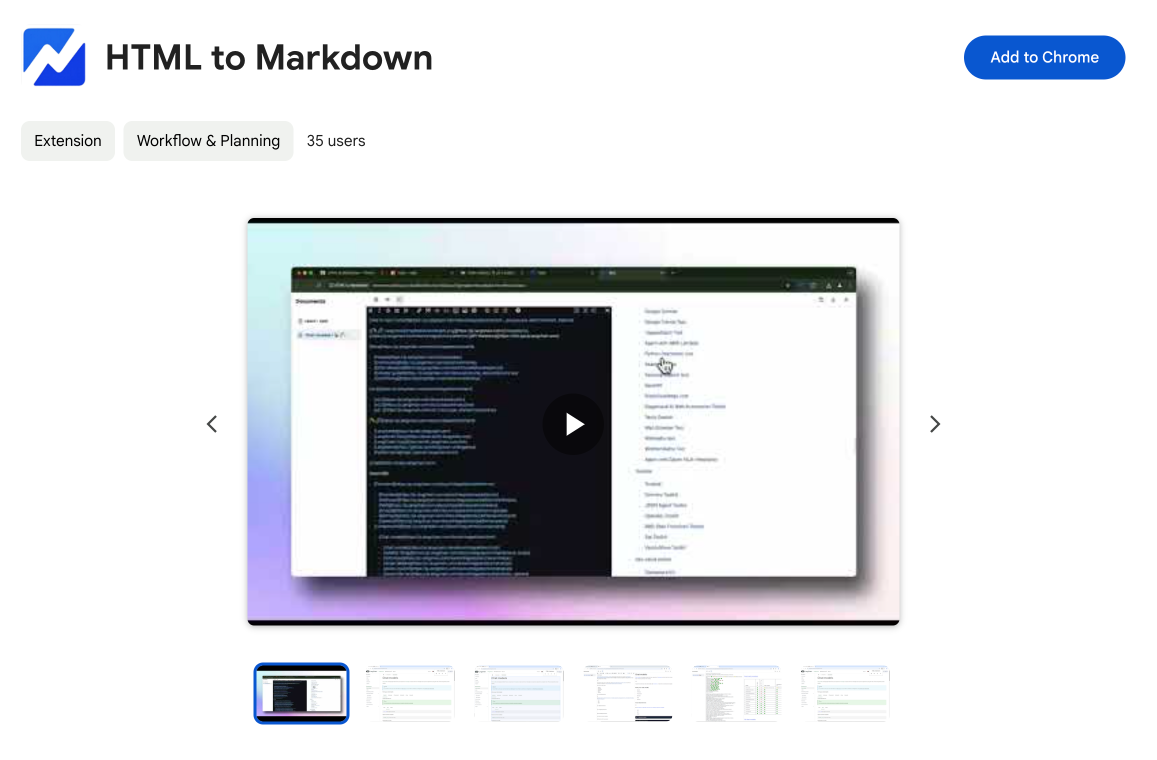
HTML to Markdown
Convert HTML to Markdown with ease, directly in your browser 📄
Dotallio
Personalized AI apps that automate research, data extraction, and content creation without code 🤖
Talk to Santa
Enjoy a magical live video chat or receive a unique AI-generated video greeting from Santa Claus 🎅
pozywka.pl
Scalable blog for food journalist, focused on performance and user experience 🌭
zagrodzki.me
Personal blog and portfolio of Bart Zagrodzki, where he shares his knowledge and work 💼
TurboStarter
Ship your startup everywhere. In minutes.
HTML to Markdown
Convert HTML to Markdown with ease, directly in your browser 📄
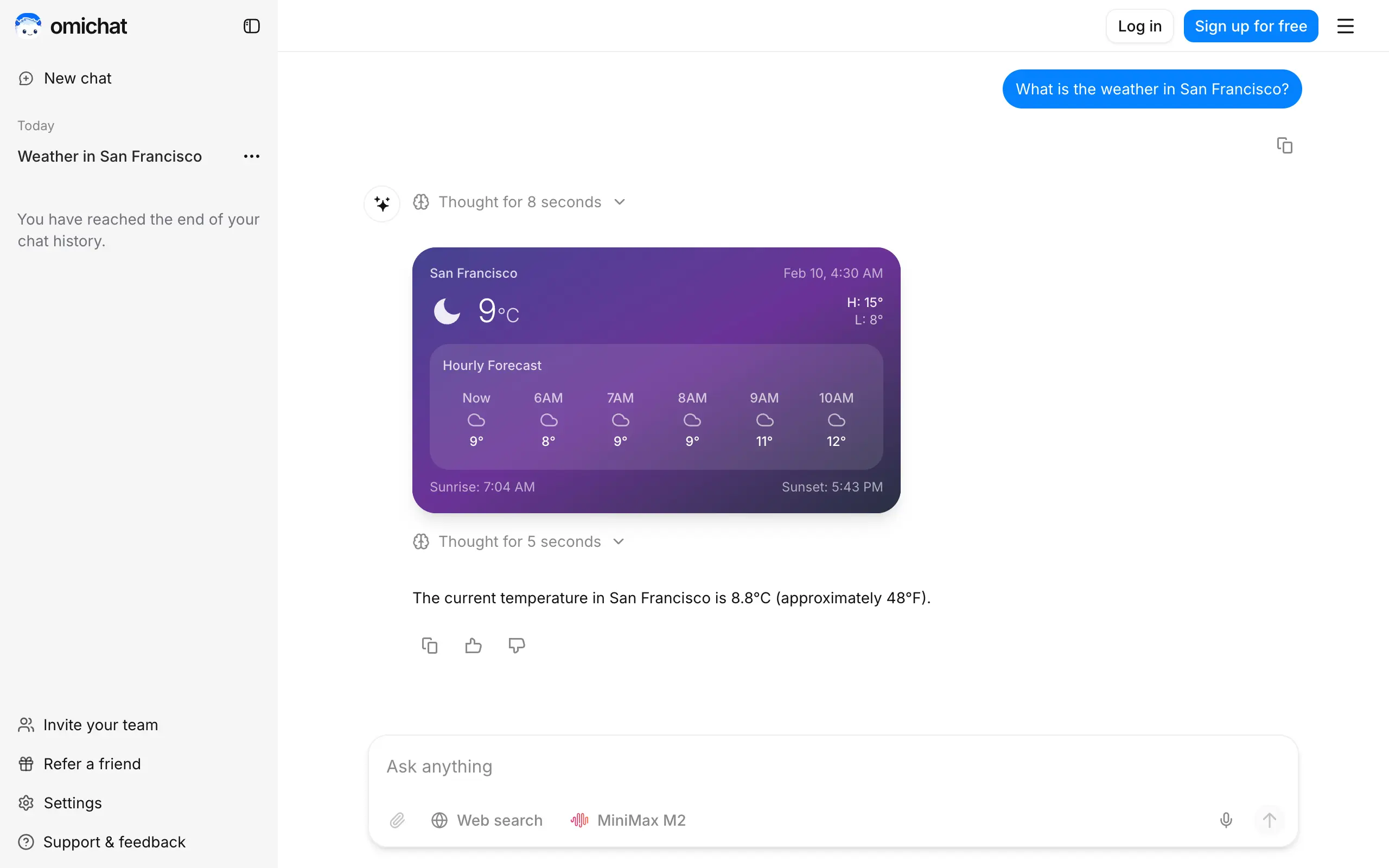
Omichat
Chat with 50+ AI models, including ChatGPT and Claude, in one place - switch models anytime without losing context 🤖
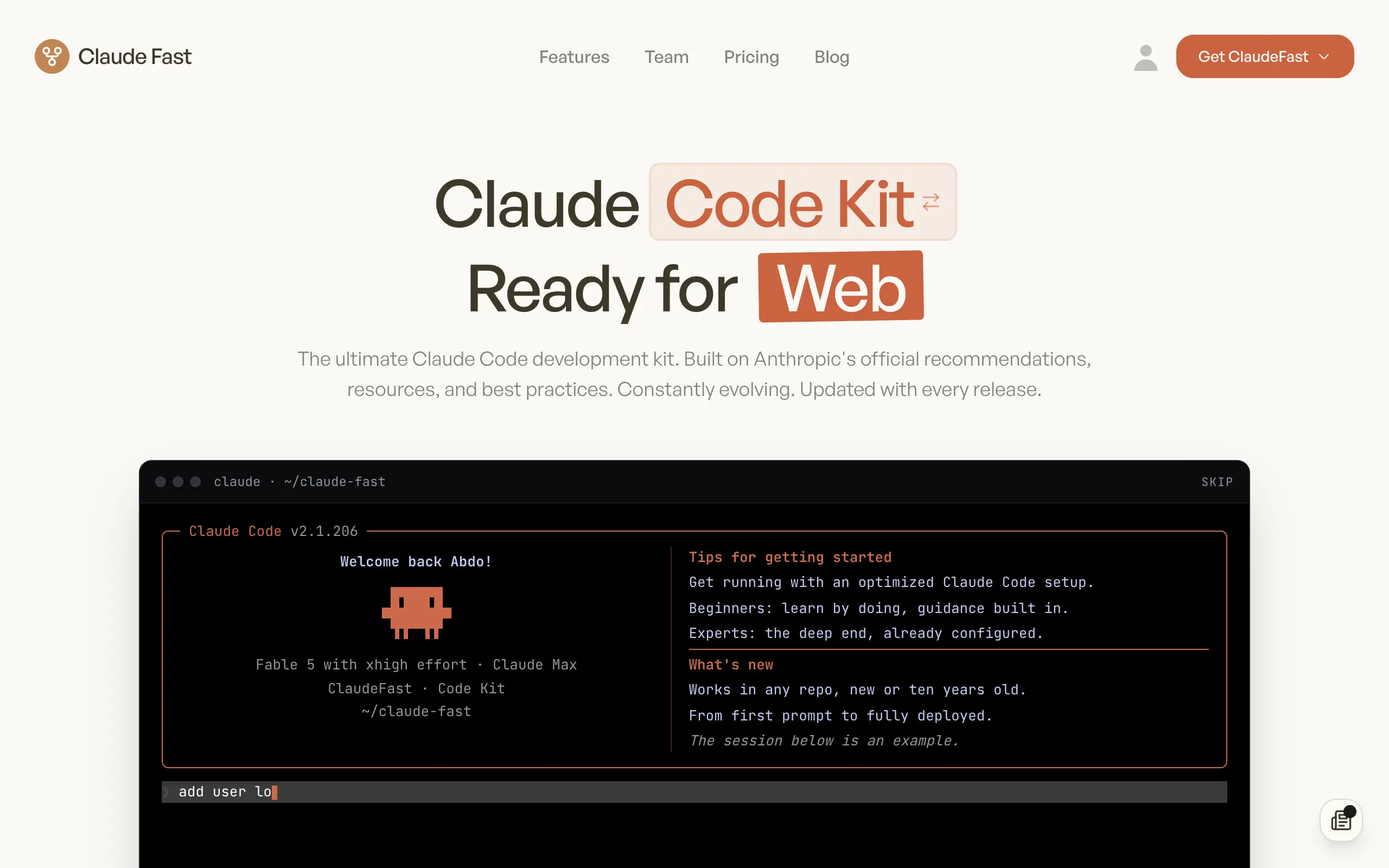
Claude Fast
Supercharge your Claude Code with 6x effective context window and specialized AI agents 🤖
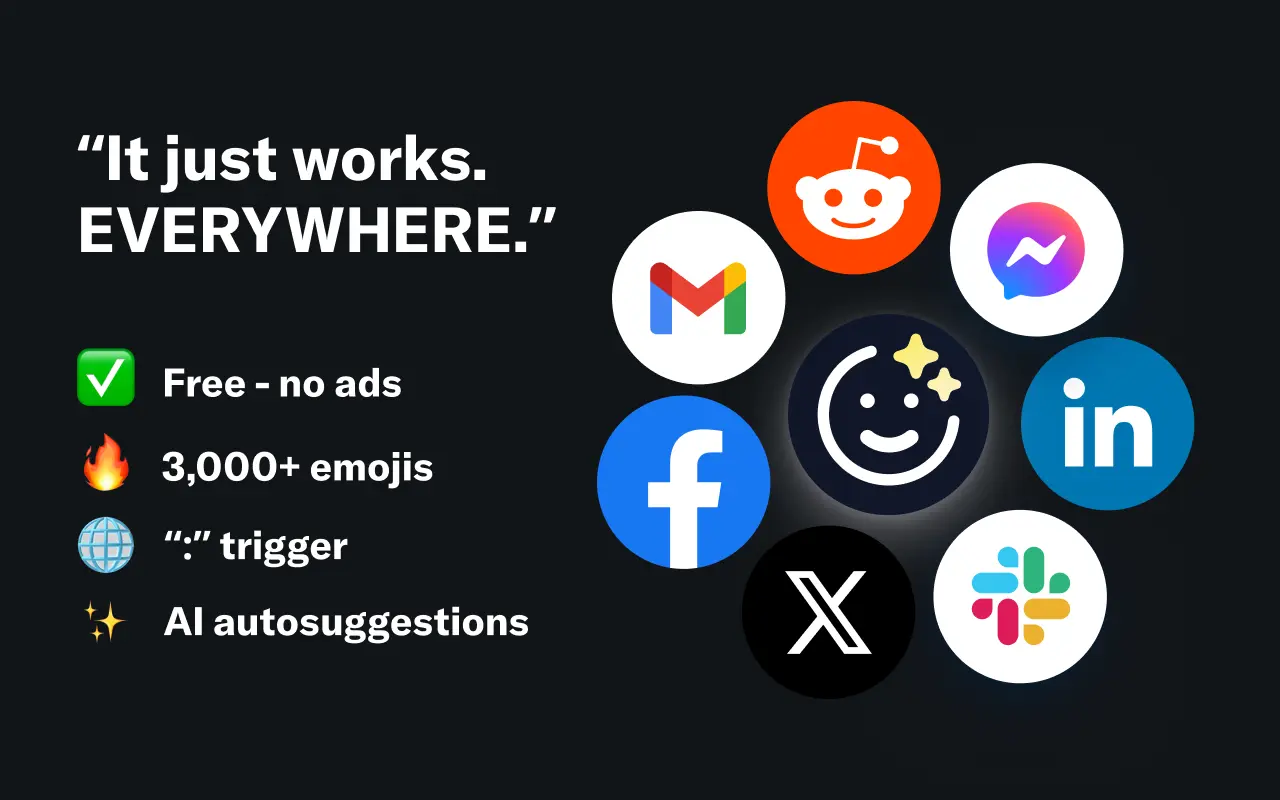
EmojAI
AI-powered emoji picker with smart, context-aware suggestions 🤖
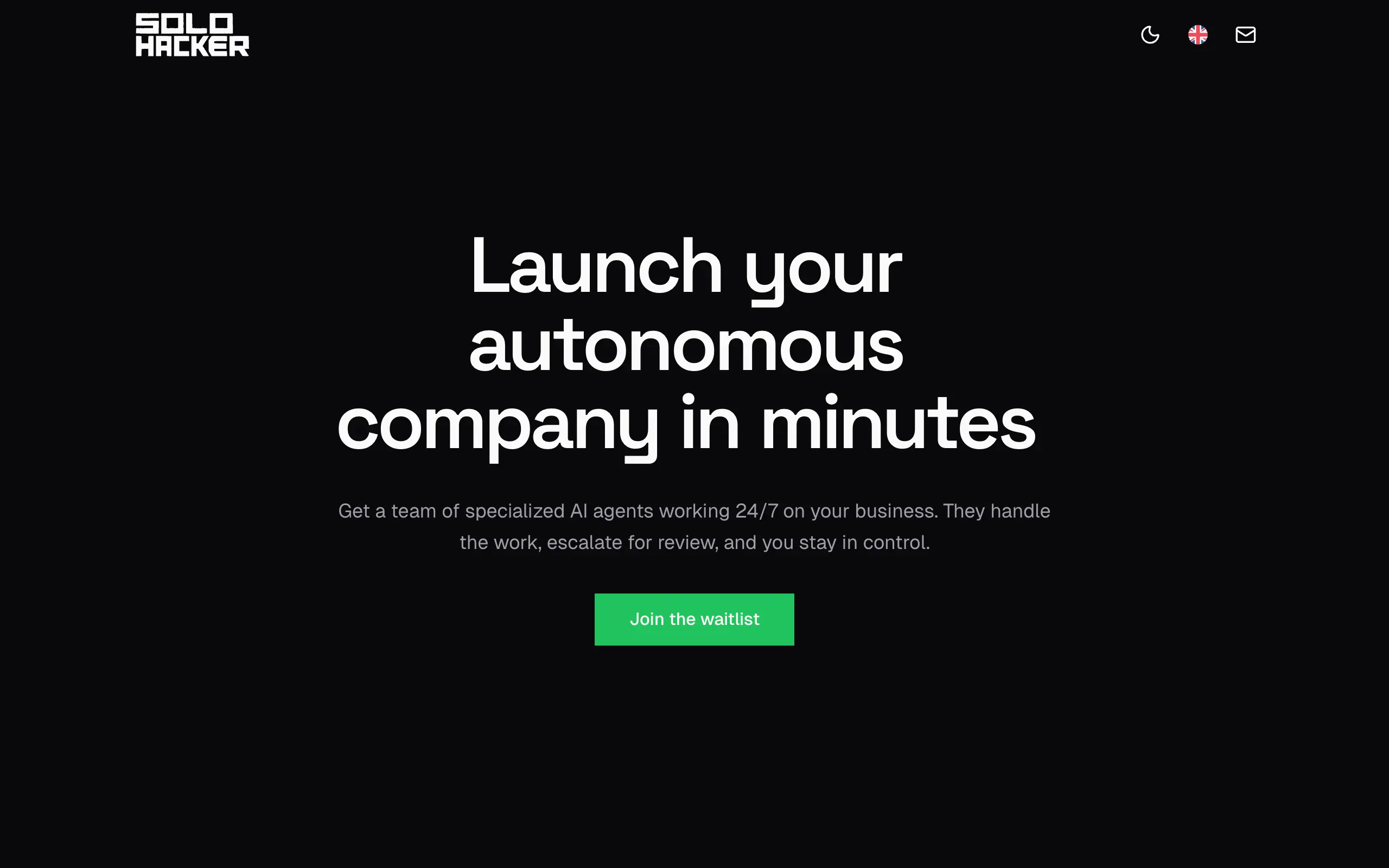
Solohacker
Autonomous company launcher - AI agents work 24/7, escalate what matters, and you stay in control 🤖
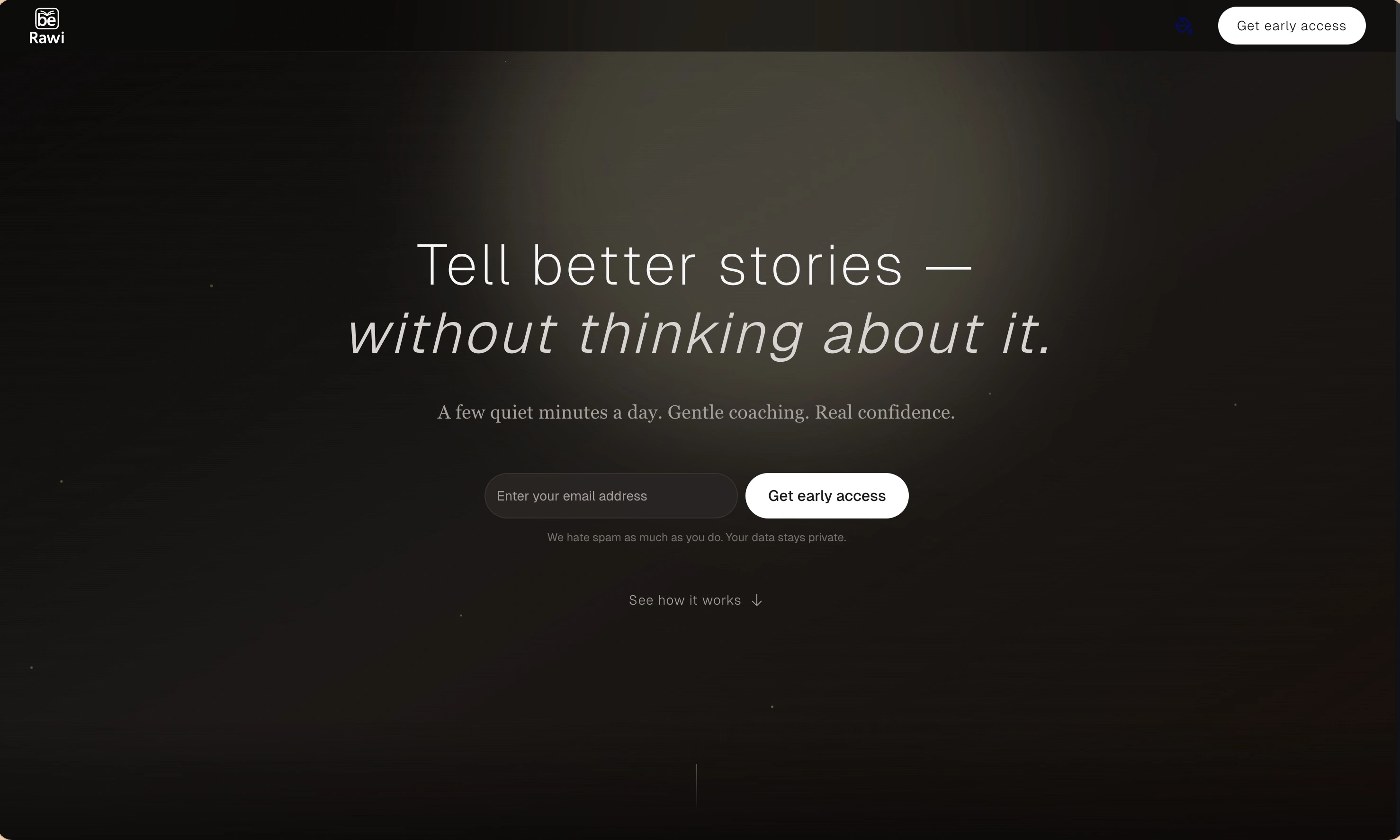
BeRawi: Storytelling Coach
Practice storytelling daily with instant feedback to sound clearer, more engaging, and confident 🎤
Omichat
Chat with 50+ AI models, including ChatGPT and Claude, in one place - switch models anytime without losing context 🤖
Claude Fast
Supercharge your Claude Code with 6x effective context window and specialized AI agents 🤖
EmojAI
AI-powered emoji picker with smart, context-aware suggestions 🤖
Solohacker
Autonomous company launcher - AI agents work 24/7, escalate what matters, and you stay in control 🤖
BeRawi: Storytelling Coach
Practice storytelling daily with instant feedback to sound clearer, more engaging, and confident 🎤

Connect with like-minded people
Join our community to get feedback, support, and grow together with 1,000+ builders on board, let's ship it!
Join usShip your startup everywhere. In minutes.
Don't burn tokens on setup and start building features on day one.