PantryPilot
PantryPilot predicts household replenishment needs from receipts and scans, then builds low-waste shopping lists around expiry dates, budgets and meals.
What PantryPilot solves for modern households
PantryPilot is a smart pantry management app that helps households predict what they will need to buy, reduce avoidable food waste, and create shopping lists that account for what is already at home.
The central problem is deceptively simple. People buy groceries with good intentions, then lose track of quantities, duplicate items, forget produce in a drawer, or realize too late that a key ingredient has expired. Traditional shopping-list apps solve only one small part of this workflow. They let users write down items they intend to buy, but they rarely understand:
- What was purchased recently
- What is likely to run out soon
- Which ingredients are approaching expiry
- What meals can use existing food first
- Whether a planned shop fits a household budget
- Which purchases are duplicates of items already in the pantry
PantryPilot addresses this gap by combining receipt capture, barcode or product scanning, inventory tracking, expiry-aware recommendations, budget controls, and meal planning signals. Instead of asking users to manually maintain a perfect pantry database, the product should use automation to keep the household inventory useful enough to drive decisions.
Its unique value proposition is clear:
PantryPilot turns purchase history and pantry scans into practical, low-waste grocery decisions.
For consumers, that means fewer forgotten ingredients and fewer unnecessary trips. For a SaaS founder, it creates a compelling B2C opportunity at the intersection of personal finance, meal planning, household organization, and sustainability.
The product principle
A pantry app only creates lasting value when it saves users effort at the exact moment they need to decide what to cook or buy. PantryPilot should prioritize useful recommendations over exhaustive manual tracking.
Why a smart pantry management app has strong consumer demand
Food management is a recurring household problem. Unlike many productivity tools that are used occasionally, grocery shopping and meal planning happen every week, often several times per week. That frequency gives PantryPilot an opportunity to become a habit-based consumer product.
The broader category is supported by several durable consumer trends:
- Rising grocery costs make shoppers more sensitive to waste, duplicates, and impulse purchases.
- Busy households increasingly use meal-planning, grocery-delivery, and budgeting tools.
- Consumers are more aware of food waste, especially when they can see unused food translate into money lost.
- Mobile cameras, OCR, barcode APIs, and AI extraction models make receipt-driven inventory tracking much more realistic than it was a few years ago.
- Families want shared systems that work across multiple shoppers rather than one person's disconnected notes app.
A useful market narrative should not rely on vague sustainability messaging alone. People care about reducing waste, but they are even more likely to adopt a product that makes everyday life easier. PantryPilot should lead with practical benefits:
- Buy less by avoiding duplicate purchases
- Use food before it expires
- Know what to cook from ingredients already at home
- Stay within a grocery budget
- Coordinate shopping across a household
Sustainability becomes the reinforcing benefit rather than the only reason to subscribe.
When publishing market-facing claims, support numerical statements with credible sources. For example, a future version of this article could cite food-waste estimates from organizations such as the United Nations Environment Programme, national environmental agencies, or peer-reviewed household food-waste research. Use a clear reference format such as:
Source suggestion: United Nations Environment Programme, Food Waste Index Report, publication year and relevant household waste table.
This approach strengthens trust without relying on unverified statistics.
Target audience for PantryPilot
PantryPilot should not initially target every grocery shopper. A focused launch audience improves activation, messaging, and product prioritization.
Budget-conscious families
Families are likely to feel the pain of duplicate buying and food waste most intensely. Multiple people may shop, children may influence meal choices, and household inventory changes quickly.
Their biggest needs include:
- Shared grocery lists
- Pantry visibility across family members
- Budget-aware shopping recommendations
- Meal suggestions that work for several people
- Reminders for perishable foods
- Household-level usage patterns
For this audience, PantryPilot should position itself as a family grocery organizer rather than a detailed inventory spreadsheet.
Busy professionals and couples
Professionals who shop after work often make hurried decisions. They may already use a grocery list, a meal-kit service, or a delivery app, but still buy ingredients that go unused.
They value:
- Fast receipt scanning
- Minimal data entry
- Expiry notifications that are not annoying
- “Use this first” meal ideas
- Smart shopping lists based on predicted replenishment
- A simple view of current spending
This group is especially useful for an early beta because it can quickly reveal whether PantryPilot's automation is better than manual list management.
Meal planners and home cooks
Home cooks tend to have stronger interest in pantry organization, recipe discovery, ingredients, and reducing waste. They may tolerate more setup if PantryPilot can recommend recipes based on available food.
However, they should not define the entire product roadmap. Advanced meal planners can create edge-case complexity around substitutions, nutrition, pantry staples, bulk ingredients, and recipe imports. The initial product should solve core shopping and expiry workflows before becoming a full recipe-management platform.
Sustainability-minded consumers
This audience may be highly receptive to PantryPilot's mission, particularly if the app translates waste prevention into understandable personal outcomes.
Useful messaging includes:
- “Use what you buy”
- “Spend less by wasting less”
- “See what needs using next”
- “Build a lower-waste grocery routine”
Avoid making environmental claims that cannot be calculated accurately. If PantryPilot estimates money saved or waste avoided, label the result as an estimate and clearly describe the assumptions.
People managing dietary needs
Users with allergies, dietary restrictions, or health goals can become a valuable later segment. PantryPilot could eventually support allergen flags, dietary filters, nutrition data, and meal suggestions tailored to preferences.
This is a strong expansion area, but it should be handled carefully. Dietary guidance and health-related recommendations require reliable data and careful product language. PantryPilot should never imply medical advice unless the product has the necessary expertise, review processes, and compliance foundations.
The market gap between grocery lists and pantry inventory apps
Existing tools generally fall into separate categories:
- Basic grocery list apps
- Recipe and meal-planning platforms
- Pantry inventory trackers
- Retailer loyalty and shopping apps
- Budgeting applications
- Food-delivery or grocery-delivery services
The gap is that these products often treat shopping, inventory, expiry, budgets, and meals as disconnected jobs. A user may have a shopping list in one app, grocery receipts in email, recipes saved on social media, and an unclear pantry at home.
PantryPilot can win by connecting these data points into one decision engine.
| Consumer task | Basic list app | Inventory tracker | Meal planner | PantryPilot opportunity |
|---|---|---|---|---|
| Capture groceries bought | Usually manual | Often manual | Rarely supported | Receipt and scan ingestion |
| Prevent duplicate purchases | Limited | Possible but effort-heavy | Limited | Inventory-aware list warnings |
| Use expiring food | Not supported | Supported inconsistently | Often generic | Expiry-prioritized meal prompts |
| Stay within budget | Limited | Rarely supported | Rarely supported | Price history and basket planning |
| Predict replenishment | Not supported | Usually manual | Not supported | Usage-based purchase predictions |
The defensible product insight is not simply “track food.” It is:
The best grocery list is generated from the gap between what a household has, what it uses, what is about to expire, what it plans to eat, and what it can afford.
That insight creates a differentiated product category: an expiry-aware grocery planning app.
Core PantryPilot features for an effective MVP
The temptation with a smart pantry app is to build a huge feature set immediately. That is risky. The MVP should establish a reliable loop:
- Capture purchases
- Maintain a reasonably accurate inventory
- Deliver a useful recommendation
- Help the user shop
- Learn from what they buy and consume
Receipt scanning and item extraction
Receipt ingestion is the highest-leverage feature because it reduces manual setup. A user should be able to photograph or upload a receipt, review detected items, and add them to the pantry.
A robust receipt workflow needs more than OCR. Retail receipts are notoriously inconsistent. Product names can be abbreviated, quantities may be unclear, discounts may distort totals, and receipts can include non-food products.
The product pipeline should include:
- Image quality checks before upload
- OCR text extraction
- Merchant detection where possible
- Line-item parsing
- Product name normalization
- Category mapping
- Quantity and unit extraction
- Price extraction
- User review for ambiguous items
- Inventory creation after confirmation
Do not promise perfect automation. Instead, make correction fast. A one-tap “This is bananas” mapping may be more valuable than trying to infer every product correctly.
Barcode and manual pantry scans
Receipt scanning captures purchases, while barcode scanning helps users add items without receipts and verify pantry inventory.
Barcode support is especially useful for packaged goods such as:
- Canned food
- Pasta and grains
- Snacks
- Dairy products
- Frozen food
- Pantry staples
- Household consumables, if the product scope expands
Fresh produce needs a different workflow. Users should be able to add items through common shortcuts such as “6 apples,” “1 bag of spinach,” or “2 chicken breasts.” PantryPilot should make fresh-food entry fast because those items have the greatest expiry-related value.
Expiry tracking with confidence levels
Expiry tracking needs thoughtful UX because printed dates vary by country and product type. “Best before,” “use by,” “sell by,” and “freeze by” do not mean the same thing.
PantryPilot should treat expiry as a confidence-based prediction rather than an absolute universal fact. Inputs can include:
- Printed date entered or scanned by the user
- Date of purchase
- Food category
- Storage location
- Whether an item was opened
- User-defined freshness preferences
- Household historical consumption patterns
The app can then display useful, non-alarmist states:
- Use soon
- Plan this week
- Check freshness
- Likely still usable
- Past stated date
This language is safer and more practical than declaring food automatically unsafe. For product guidance, distinguish quality-related dates from safety-related dates and encourage users to follow local food-safety guidance.
Low-waste meal recommendations
This feature makes PantryPilot feel proactive rather than administrative.
The recommendation system should prioritize meals that:
- Use ingredients approaching expiry
- Match household dietary preferences
- Require only a few additional purchases
- Fit the available cooking time
- Stay within a desired budget
- Avoid unnecessarily complex recipes
A strong recommendation card might say:
“Use your spinach and mushrooms tonight. Add eggs and tortillas for a 20-minute meal.”
This is more actionable than showing a generic recipe gallery.
For an MVP, do not generate recipes from scratch without guardrails. Begin with a vetted recipe catalog, structured ingredients, substitutions, and clear portions. Generative AI can help create explanations, ingredient substitutions, and meal variations, but the underlying ingredient data should remain structured.
Predictive shopping lists
The predictive shopping list is PantryPilot's signature feature. It should combine:
- Pantry inventory
- Recent purchases
- Consumption estimates
- Planned meals
- Expiry dates
- Reorder thresholds
- Budget constraints
- Household preferences
The result should not be a rigid automatic order. It should be a suggested list users can approve, edit, and share.
A useful list may group recommendations into:
- Buy now
- Buy if on sale
- Running low
- Optional for planned meals
- Avoid buying because you already have enough
The “avoid buying” insight may be one of the most memorable value moments in the product.
Shared household collaboration
B2C retention improves when a product becomes embedded in a household routine. PantryPilot should let users invite a partner, roommate, or family member to a household workspace.
Important collaboration rules include:
- One shared pantry
- Shared shopping lists
- Activity history
- Permission levels if needed
- Clear conflict handling when multiple users update the same item
- Notifications that are helpful but not overwhelming
For example, if one person buys milk, the shared list should update quickly enough to prevent a second person from buying another carton.
High-value MVP moment
A user scans a receipt, sees two ingredients that need using soon, receives a realistic dinner suggestion, and gets a shopping list that avoids duplicate purchases.
Retention moment
A household member opens PantryPilot before shopping because it already knows what is low, what is expiring, and what the family plans to eat.
Trust moment
The app clearly shows why it suggested an item, lets users correct the data, and never hides uncertainty behind false precision.
How PantryPilot's recommendation engine should work
A useful recommendation engine does not require advanced machine learning on day one. The first version can use transparent rules, then improve as household data grows.
Start with rules before machine learning
Early-stage machine learning often fails because the product lacks enough clean user behavior data. PantryPilot should begin with explainable rules.
For example:
- Recommend milk when estimated quantity falls below the household threshold.
- Prioritize spinach when it has a near-term expiry date.
- Do not suggest pasta if enough pasta was purchased recently.
- Suggest a meal if it uses at least two “use soon” ingredients.
- Flag a duplicate risk if an item exists in sufficient quantity at home.
Rule-based recommendations provide three major advantages:
- They are easier to test.
- They are easier to explain to users.
- They create clean behavioral data for later models.
Build a household consumption model
As users scan receipts and confirm items, PantryPilot can estimate replenishment cadence. The model should be conservative and transparent.
A simple calculation might use:
type ReplenishmentSignal = {
  productId: string;
  averageDaysBetweenPurchases: number;
  estimatedDaysRemaining: number;
  confidence: "low" | "medium" | "high";
};

function shouldSuggestReorder(signal: ReplenishmentSignal) {
  const nearReorderWindow = signal.estimatedDaysRemaining <= 3;
  const reliablePattern = signal.confidence === "high";

  return nearReorderWindow && reliablePattern;
}
This is intentionally simple. A production system should account for quantity, household size, skipped purchases, seasonality, item substitutions, and whether the user marked an item as discarded or consumed.
The key is to avoid pretending that a prediction is certain. If PantryPilot has limited history, say “You may be running low” rather than “You need to buy this today.”
Explain every recommendation
Recommendation explainability is a competitive advantage. Users are more likely to trust suggestions when they understand the source.
Every recommendation should answer “why am I seeing this?” with language such as:
- “You purchased this about every 10 days over the last two months.”
- “This item is marked as use soon.”
- “This recipe uses three ingredients currently in your pantry.”
- “You already have two units, so we removed this from your suggested list.”
- “This item may take your planned basket above the weekly budget.”
Transparent logic also gives users a way to spot bad data and correct it.
Recommended tech stack for PantryPilot
PantryPilot needs a mobile-first experience, reliable image processing, structured inventory data, and a backend that can securely handle household collaboration.
A practical stack for a SaaS MVP can be built with a web application and a progressive mobile path. TurboStarter can reduce setup time by providing a production-oriented foundation for SaaS development, allowing the team to focus on PantryPilot's core product workflows.
Frontend and application framework
A strong option is Next.js with React. This combination supports a fast web experience, server-rendered marketing pages, authenticated application flows, and API routes or server actions where appropriate.
For styling, Tailwind CSS enables rapid iteration on dense mobile-friendly interfaces such as shopping lists, expiry states, and scan-review screens.
Recommended frontend considerations include:
- Installable progressive web app behavior
- Mobile camera access for receipts and barcodes
- Offline-friendly shopping lists
- Optimistic updates for shared household changes
- Accessible color and text states for expiry urgency
- Large tap targets for in-store use
A PWA is often the fastest initial route. Native iOS and Android apps can follow if camera performance, push notifications, offline reliability, or app-store distribution become growth constraints.
Backend and data layer
For the backend, a TypeScript-first stack keeps product logic consistent across the application.
A sensible starting architecture includes:
- Node.js for server-side JavaScript and TypeScript workloads
- PostgreSQL for relational household, inventory, receipt, and subscription data
- Prisma for type-safe database access and migrations
- Object storage for receipt images
- A job queue for OCR processing, expiry reminders, and recurring prediction jobs
- Analytics instrumentation for activation and recommendation quality
PostgreSQL is a good fit because PantryPilot has strongly relational data. Users belong to households, households own pantry items, pantry items originate from receipts, receipts contain line items, and recommendations depend on several connected records.
Receipt OCR and product enrichment trade-offs
Receipt extraction is one of the hardest technical areas. There are three broad options.
Third-party receipt extraction services can accelerate launch and often return structured merchant, total, date, and line-item data. The trade-off is recurring cost, vendor dependence, variable performance by retailer, and potential data-processing concerns.
General vision and OCR APIs offer flexibility and can work well for text extraction, but PantryPilot must build more of the receipt-specific parsing, product normalization, and confidence handling itself.
A custom receipt pipeline offers the most control at scale but requires a large labeled dataset, machine-learning operations, quality monitoring, and substantial engineering investment. It is rarely the right MVP choice.
The best early approach is usually a hybrid. Use a reliable external extraction service or OCR provider, preserve the original receipt image securely, normalize items through internal rules, and route low-confidence results to a quick review UI.
Product catalog and barcode data
PantryPilot needs a normalized product layer separate from raw receipt text. “MLK 2% GAL,” “2% Milk,” and a branded milk SKU may all map to a common product concept.
The data model should separate:
- Raw receipt line item
- Merchant-specific product name
- Canonical product
- Brand and package variation
- Pantry category
- Barcode identifiers
- Storage recommendations
- Default expiry assumptions
- Nutrition and allergen data, if later included
Do not assume public barcode datasets are complete, current, or commercially usable for every market. Product data licensing should be reviewed before building dependencies into the core experience.
AI usage that adds real value
Generative AI is useful for PantryPilot when it improves the interface between structured data and human decisions. Good use cases include:
- Turning pantry items into natural-language meal suggestions
- Explaining why a food should be used soon
- Generating recipe substitutions with clear constraints
- Helping users categorize unfamiliar receipt line items
- Summarizing a weekly grocery spending pattern
AI should not be the source of truth for expiry safety, nutrition, allergen data, or inventory quantity. Those areas require structured data, explicit user input, and careful validation.
Monetization strategies for PantryPilot
PantryPilot is a B2C product, so pricing must be simple enough for individuals while still reflecting the recurring value of reduced waste and time saved.
Freemium subscription model
The most practical model is a free tier with a premium household subscription.
A free tier could include:
- One household
- Basic pantry tracking
- Limited receipt scans each month
- Manual shopping lists
- Basic expiry reminders
- A small number of meal suggestions
A premium tier could include:
- Unlimited receipt scans
- Shared household access
- Smart replenishment predictions
- Advanced budget planning
- Personalized meal recommendations
- Receipt history and spending insights
- Custom reminder schedules
- Exportable household reports
The value metric should be understandable. “Unlimited smart scans and household planning” is easier to understand than abstract AI credits.
Household plans
A household plan creates natural willingness to pay because the product serves several people at once. It also improves retention because shared data and routines are harder to replace than a single-user list.
Consider pricing around household utility rather than per-seat pricing. Consumers generally do not want to calculate how many family members can access a grocery app.
Affiliate and commerce partnerships
Later, PantryPilot could create revenue through grocery partnerships, retailer integrations, or affiliate links. This path should be treated cautiously.
Potential benefits include:
- Convenient grocery basket handoff
- Revenue from qualified shopping referrals
- Localized product pricing
- Retailer-specific offers
Potential risks include:
- Damaged user trust if recommendations become biased
- Complex retailer integrations
- Regional availability differences
- Privacy implications around purchase behavior
Any commercial recommendation must be clearly labeled. PantryPilot's core promise is to help users buy only what they need, so monetization should never push unnecessary purchases.
Premium insights and financial planning
A higher-value premium feature could provide monthly household insights:
- Grocery spending by category
- Estimated duplicate purchases avoided
- Items most often discarded
- Meal-plan adherence
- Replenishment patterns
- Budget variance
These insights should be informative rather than judgmental. The goal is to help users improve their routine, not make them feel guilty about food waste.
Competitive advantage and defensibility
PantryPilot will compete with simple, free tools. Its advantage must therefore come from superior outcomes, not from having a longer feature checklist.
The PantryPilot moat is decision quality
The strongest competitive advantage is a recommendation system that connects inventory, expiry, consumption behavior, budget, and meals.
A typical shopping-list app can tell a user to buy eggs because the user wrote “eggs.” PantryPilot can say:
“You may need eggs this week based on recent purchases. You also have vegetables that should be used soon, so eggs would support two suggested meals.”
That is a more valuable decision.
Household data improves personalization
Over time, each household builds a private behavioral dataset:
- Preferred foods
- Purchase intervals
- Typical quantities
- Meal patterns
- Waste-prone categories
- Budget sensitivity
- Household member behavior
- Store and product preferences
This makes PantryPilot more useful over time, assuming users are given clear privacy controls. A new competitor can copy surface-level features, but it cannot immediately reproduce a household's accumulated shopping context.
Trust is a product differentiator
This category involves personal behavior, receipts, household routines, and sometimes dietary information. Trust should be designed into the product.
PantryPilot can differentiate with:
- Clear data-use explanations
- Easy receipt deletion
- Exportable household data
- Strong access controls for shared homes
- Transparent recommendation logic
- Explicit uncertainty states
- No dark patterns around subscriptions
- No misleading sustainability claims
Trust is not merely a legal requirement. It is a retention strategy.
Risks and mitigation strategies
Every smart pantry app faces important product, technical, and business risks.
Manual inventory maintenance is the most common failure mode in this category. Mitigate it with receipt capture, barcode scanning, quick adjustments, default quantities, and a design philosophy that accepts imperfect data. PantryPilot should deliver value even when the pantry is only partially accurate.
Use confidence scores, merchant-specific parsing rules, editable scan results, and a feedback loop for corrections. Never silently add uncertain items as if they were verified.
Use cautious language, distinguish date labels where possible, show the original entered date, and encourage users to follow package instructions and local food-safety guidance. Avoid claims that an item is definitely safe or unsafe based only on a prediction.
Let users choose reminder frequency, quiet hours, and notification categories. The best notification is specific and actionable, such as a meal prompt tied to food that needs using soon.
Start with organic acquisition channels that fit the product, including food-waste education, meal-planning templates, family budgeting content, creator partnerships, and referral loops built around shared households.
Collect only needed data, publish a clear privacy policy, protect receipt images, make deletion easy, and explain whether data is used to improve models. Privacy controls should be accessible from the app, not buried in legal pages.
Key metrics that validate the PantryPilot idea
The right metrics should measure whether PantryPilot is creating a useful habit, not merely generating downloads.
Activation metrics
A user is activated when they experience the core value loop. A reasonable activation definition may include:
- Creating a household
- Adding a first receipt or several pantry items
- Receiving a smart recommendation
- Saving or completing a suggested shopping list
- Returning within the first week
Track the conversion rate at each step to find friction.
Product value metrics
Useful metrics include:
- Percentage of users who scan a receipt in their first session
- Average time from receipt upload to confirmed inventory
- Recommendation save rate
- Shopping-list completion rate
- Meal suggestion engagement rate
- Duplicate-purchase warnings shown and accepted
- Expiry reminders acted upon
- Weekly active households
- Shared household invite rate
Retention metrics
Consumer utility products should examine cohort retention carefully. Daily active users may not be the right north-star metric because many people grocery shop weekly. Weekly and monthly household retention are likely more meaningful.
A particularly strong signal is whether users return before a shopping trip without being prompted. That behavior indicates PantryPilot has become part of the household's planning process.
Accuracy metrics
Recommendation quality needs direct monitoring:
- Receipt line-item correction rate
- Product-category correction rate
- False positive reorder suggestions
- False negative reorder suggestions
- Expiry-date override rate
- User dismissal rate for meal suggestions
- Recommendation explanation views
High correction rates are not automatically bad in an early product. They reveal where parsing and normalization need improvement.
A practical go-to-market strategy
PantryPilot should launch with a narrow promise and a focused audience. “Manage every item in your home” is too broad. “Stop buying duplicates and use groceries before they go to waste” is specific and emotionally resonant.
Start with a clear wedge
A strong early positioning statement could be:
PantryPilot helps busy households turn grocery receipts into smarter shopping lists and low-waste meal ideas.
This message speaks to both financial and practical motivations.
Build useful SEO content around high-intent searches
The content strategy can target searchers looking for solutions to a concrete problem. Relevant topic clusters include:
- How to keep track of pantry inventory
- How to reduce food waste at home
- Grocery list planning for families
- How to organize food by expiry date
- Meal planning with pantry ingredients
- How to stop buying duplicate groceries
- Grocery budget planning tips
- Best way to track food expiration dates
Each article should solve the user's problem independently, then introduce PantryPilot as a tool that makes the process easier. Avoid publishing thin pages that repeat product claims without giving useful guidance.
Use referral loops in shared households
The household invitation flow is a natural growth mechanic. A user who invites a partner or roommate increases the product's utility and introduces another potential advocate.
Good referral prompts are contextual:
- “Invite a household member to keep the list in sync.”
- “Share this shopping list before your next store run.”
- “Add a second shopper so duplicate purchases are less likely.”
Avoid forcing invitations before the first value moment.
Actionable implementation roadmap
The fastest path is not to build every feature. It is to prove that receipt-driven pantry intelligence creates a better shopping decision than a normal list app.
A practical initial build can be delivered quickly with a modern SaaS foundation, then refined through real household behavior rather than assumptions. TurboStarter is a useful starting point for teams that want to spend less time configuring SaaS infrastructure and more time building PantryPilot's receipt, pantry, recommendation, and subscription experiences.
Final perspective on PantryPilot
PantryPilot has the potential to become more than another grocery list app. Its opportunity is to act as a household decision layer: a system that understands what was bought, what is available, what should be used first, and what is genuinely worth buying next.
The product will succeed if it avoids one major trap: asking users to do more work in order to be organized. The best version of PantryPilot quietly removes work through receipt scanning, quick corrections, intelligent defaults, and recommendations that are visibly useful.
Focus on accuracy where it matters, transparency where uncertainty exists, and simple household outcomes that users can feel every week. If PantryPilot consistently helps people avoid duplicate purchases, rescue ingredients before they are forgotten, and plan more confidently within a budget, it can earn both consumer trust and durable subscription revenue.
More 👥 B2C Application SaaS ideas
Discover more innovative b2c application SaaS ideas that are trending in 2026. Each idea is AI-generated with market validation and growth potential to help you find your next profitable venture faster than competitors.
Your competitors are building with TurboStarter
Below are some of the SaaS ideas that have been generated and built with our starter kit.

Statiko
Monitor any Telegram channel in real time - track posts, edits, deletions, and growth with AI recaps 📡

Shibui
AI website builder - describe your business, pick a niche template, edit by chatting, and publish instantly ✨

Pro Service
Find verified home service professionals, compare quotes, and pay securely through escrow - built for Brazilians across the US 🏠

RankGrow
Fix your SEO with AI agents - connect Search Console, get prioritized tasks, and grow organic traffic 📈
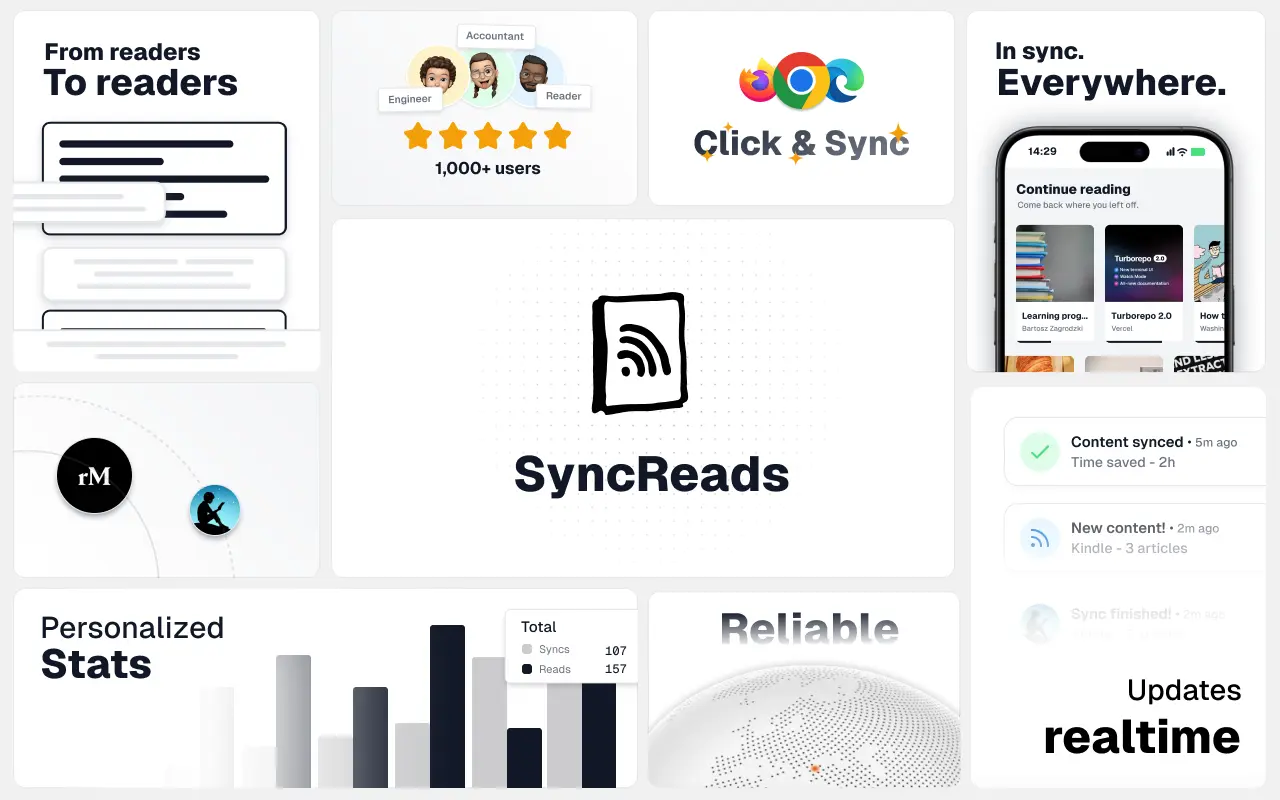
SyncReads
Sync your favorite content for distraction-free reading, save time and replace multiple apps. Anytime, anywhere 🔄
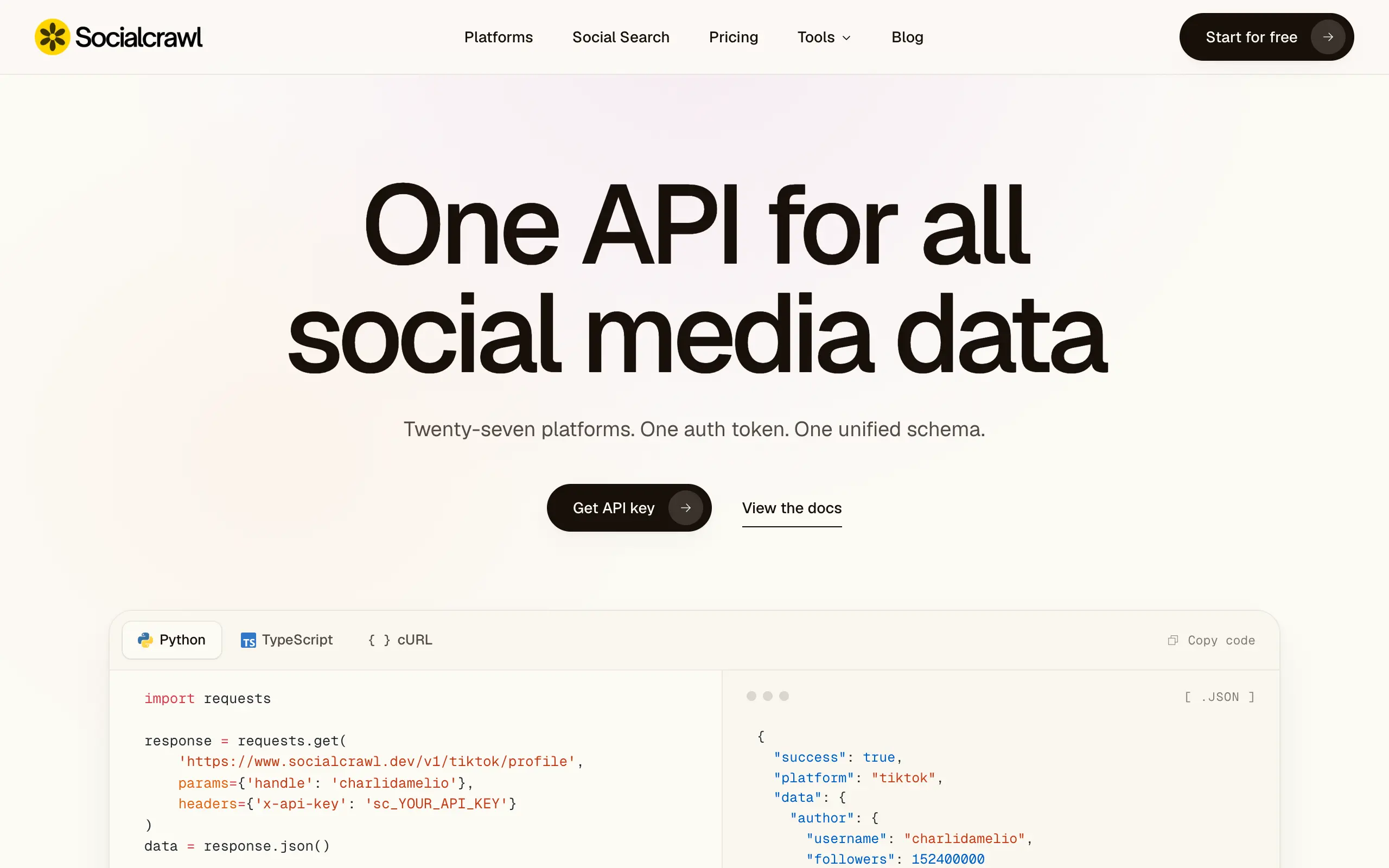
Socialcrawl
Get clean, structured data from 21 platforms like TikTok, Instagram, and YouTube with a single request 📊
Statiko
Monitor any Telegram channel in real time - track posts, edits, deletions, and growth with AI recaps 📡
Shibui
AI website builder - describe your business, pick a niche template, edit by chatting, and publish instantly ✨
Pro Service
Find verified home service professionals, compare quotes, and pay securely through escrow - built for Brazilians across the US 🏠
RankGrow
Fix your SEO with AI agents - connect Search Console, get prioritized tasks, and grow organic traffic 📈
SyncReads
Sync your favorite content for distraction-free reading, save time and replace multiple apps. Anytime, anywhere 🔄
Socialcrawl
Get clean, structured data from 21 platforms like TikTok, Instagram, and YouTube with a single request 📊
Statiko
Monitor any Telegram channel in real time - track posts, edits, deletions, and growth with AI recaps 📡
Shibui
AI website builder - describe your business, pick a niche template, edit by chatting, and publish instantly ✨
Pro Service
Find verified home service professionals, compare quotes, and pay securely through escrow - built for Brazilians across the US 🏠
RankGrow
Fix your SEO with AI agents - connect Search Console, get prioritized tasks, and grow organic traffic 📈
SyncReads
Sync your favorite content for distraction-free reading, save time and replace multiple apps. Anytime, anywhere 🔄
Socialcrawl
Get clean, structured data from 21 platforms like TikTok, Instagram, and YouTube with a single request 📊
Statiko
Monitor any Telegram channel in real time - track posts, edits, deletions, and growth with AI recaps 📡
Shibui
AI website builder - describe your business, pick a niche template, edit by chatting, and publish instantly ✨
Pro Service
Find verified home service professionals, compare quotes, and pay securely through escrow - built for Brazilians across the US 🏠
RankGrow
Fix your SEO with AI agents - connect Search Console, get prioritized tasks, and grow organic traffic 📈
SyncReads
Sync your favorite content for distraction-free reading, save time and replace multiple apps. Anytime, anywhere 🔄
Socialcrawl
Get clean, structured data from 21 platforms like TikTok, Instagram, and YouTube with a single request 📊
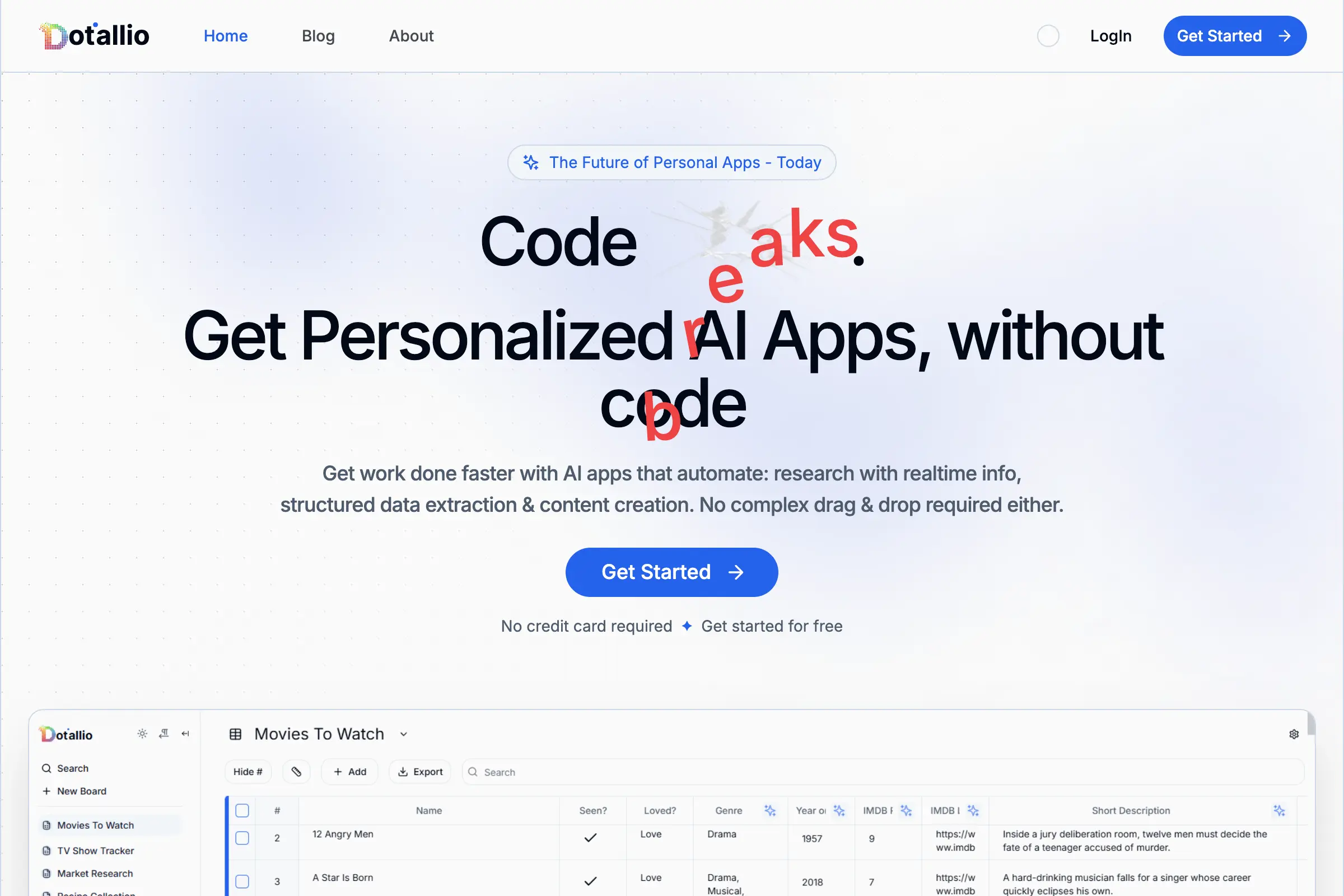
Dotallio
Personalized AI apps that automate research, data extraction, and content creation without code 🤖

Talk to Santa
Enjoy a magical live video chat or receive a unique AI-generated video greeting from Santa Claus 🎅

pozywka.pl
Scalable blog for food journalist, focused on performance and user experience 🌭
zagrodzki.me
Personal blog and portfolio of Bart Zagrodzki, where he shares his knowledge and work 💼
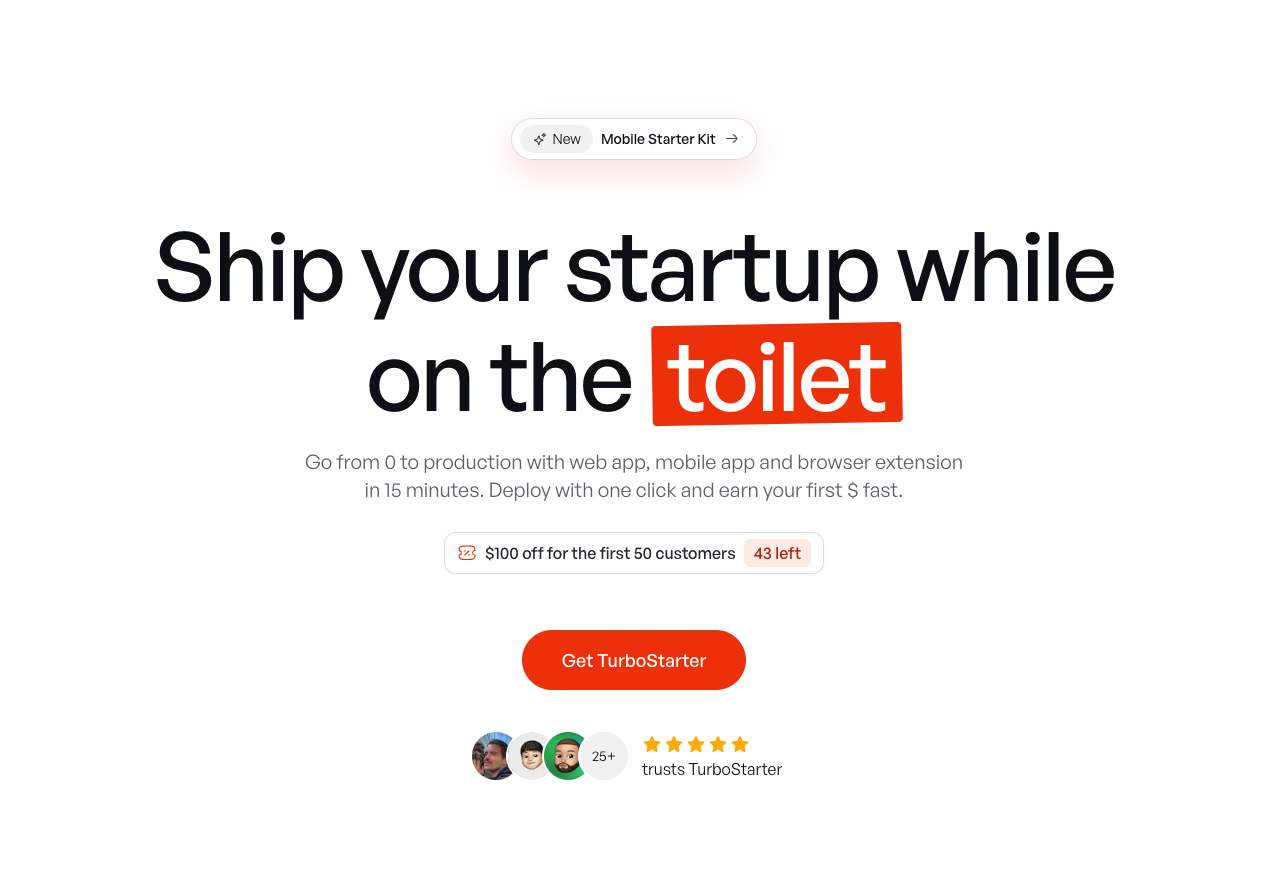
TurboStarter
Ship your startup everywhere. In minutes.
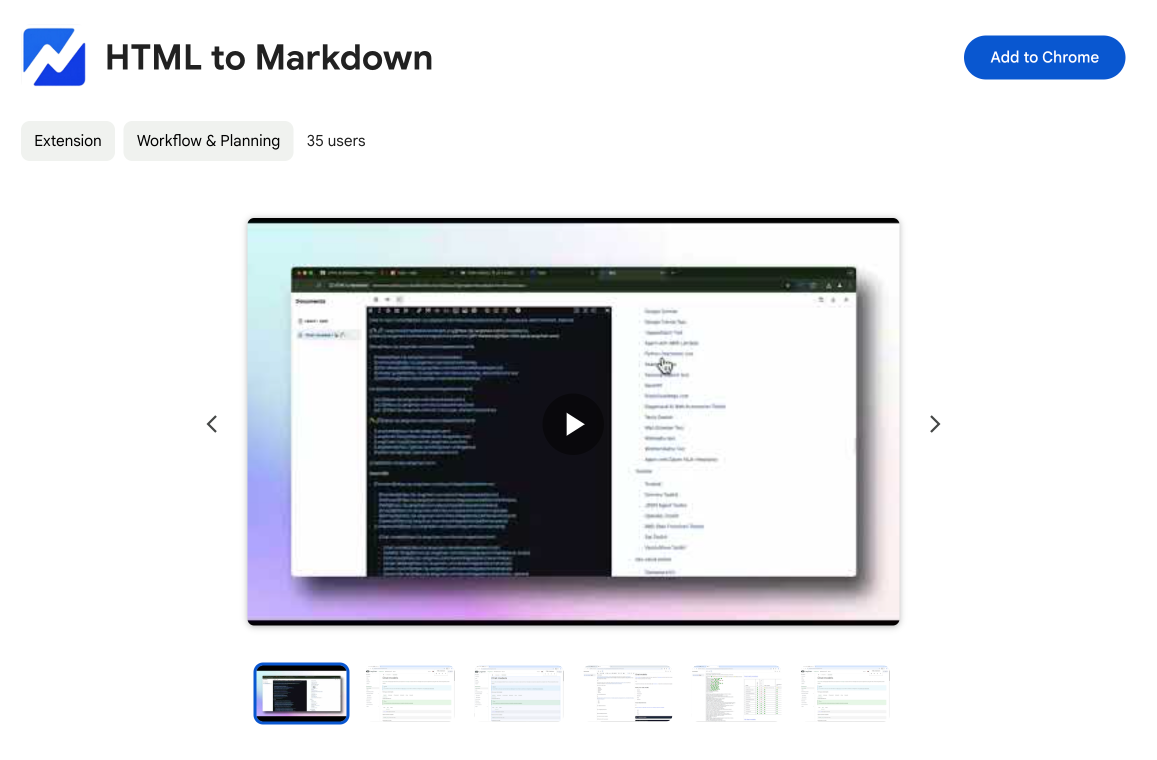
HTML to Markdown
Convert HTML to Markdown with ease, directly in your browser 📄
Dotallio
Personalized AI apps that automate research, data extraction, and content creation without code 🤖
Talk to Santa
Enjoy a magical live video chat or receive a unique AI-generated video greeting from Santa Claus 🎅
pozywka.pl
Scalable blog for food journalist, focused on performance and user experience 🌭
zagrodzki.me
Personal blog and portfolio of Bart Zagrodzki, where he shares his knowledge and work 💼
TurboStarter
Ship your startup everywhere. In minutes.
HTML to Markdown
Convert HTML to Markdown with ease, directly in your browser 📄
Dotallio
Personalized AI apps that automate research, data extraction, and content creation without code 🤖
Talk to Santa
Enjoy a magical live video chat or receive a unique AI-generated video greeting from Santa Claus 🎅
pozywka.pl
Scalable blog for food journalist, focused on performance and user experience 🌭
zagrodzki.me
Personal blog and portfolio of Bart Zagrodzki, where he shares his knowledge and work 💼
TurboStarter
Ship your startup everywhere. In minutes.
HTML to Markdown
Convert HTML to Markdown with ease, directly in your browser 📄
Dotallio
Personalized AI apps that automate research, data extraction, and content creation without code 🤖
Talk to Santa
Enjoy a magical live video chat or receive a unique AI-generated video greeting from Santa Claus 🎅
pozywka.pl
Scalable blog for food journalist, focused on performance and user experience 🌭
zagrodzki.me
Personal blog and portfolio of Bart Zagrodzki, where he shares his knowledge and work 💼
TurboStarter
Ship your startup everywhere. In minutes.
HTML to Markdown
Convert HTML to Markdown with ease, directly in your browser 📄
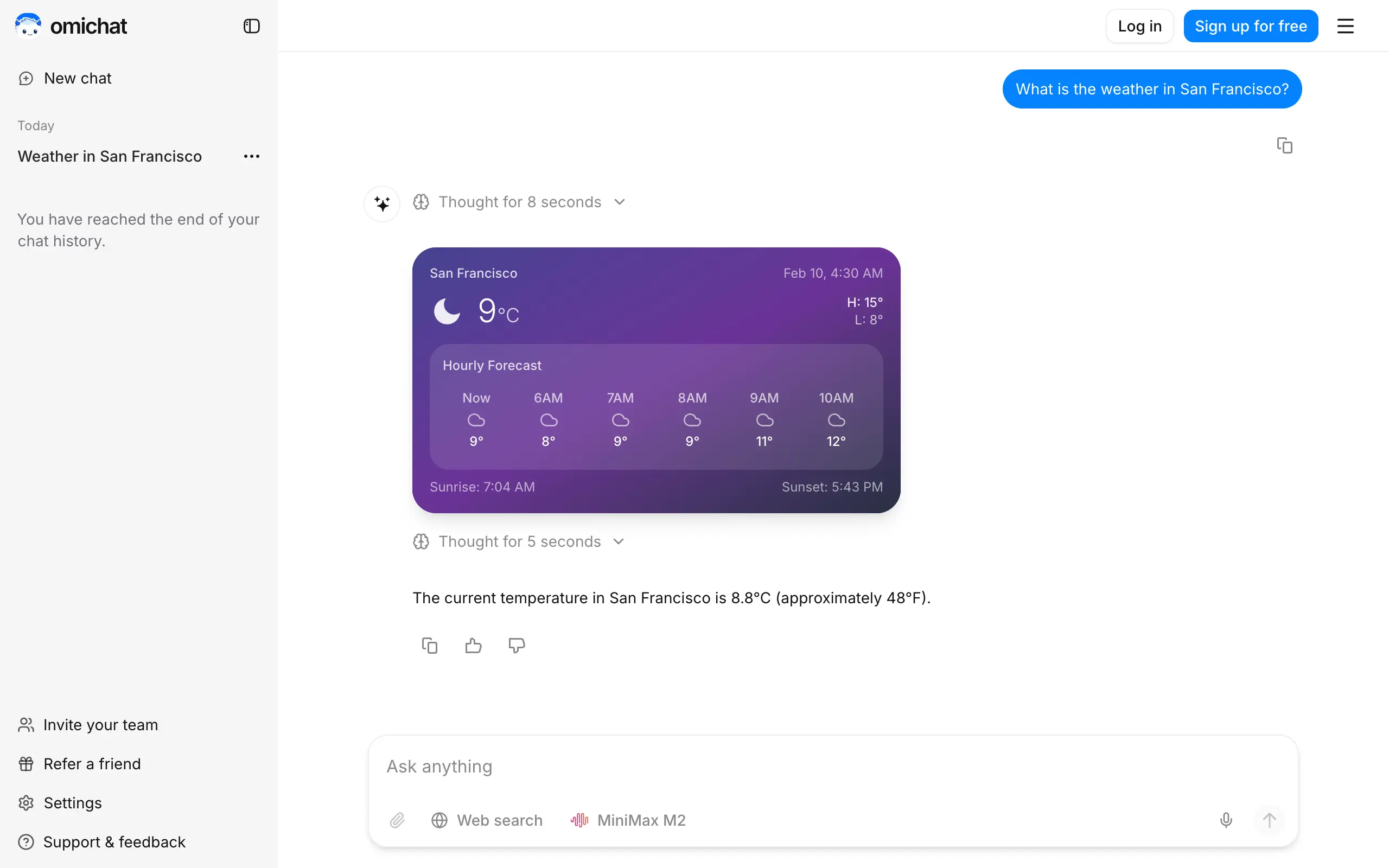
Omichat
Chat with 50+ AI models, including ChatGPT and Claude, in one place - switch models anytime without losing context 🤖
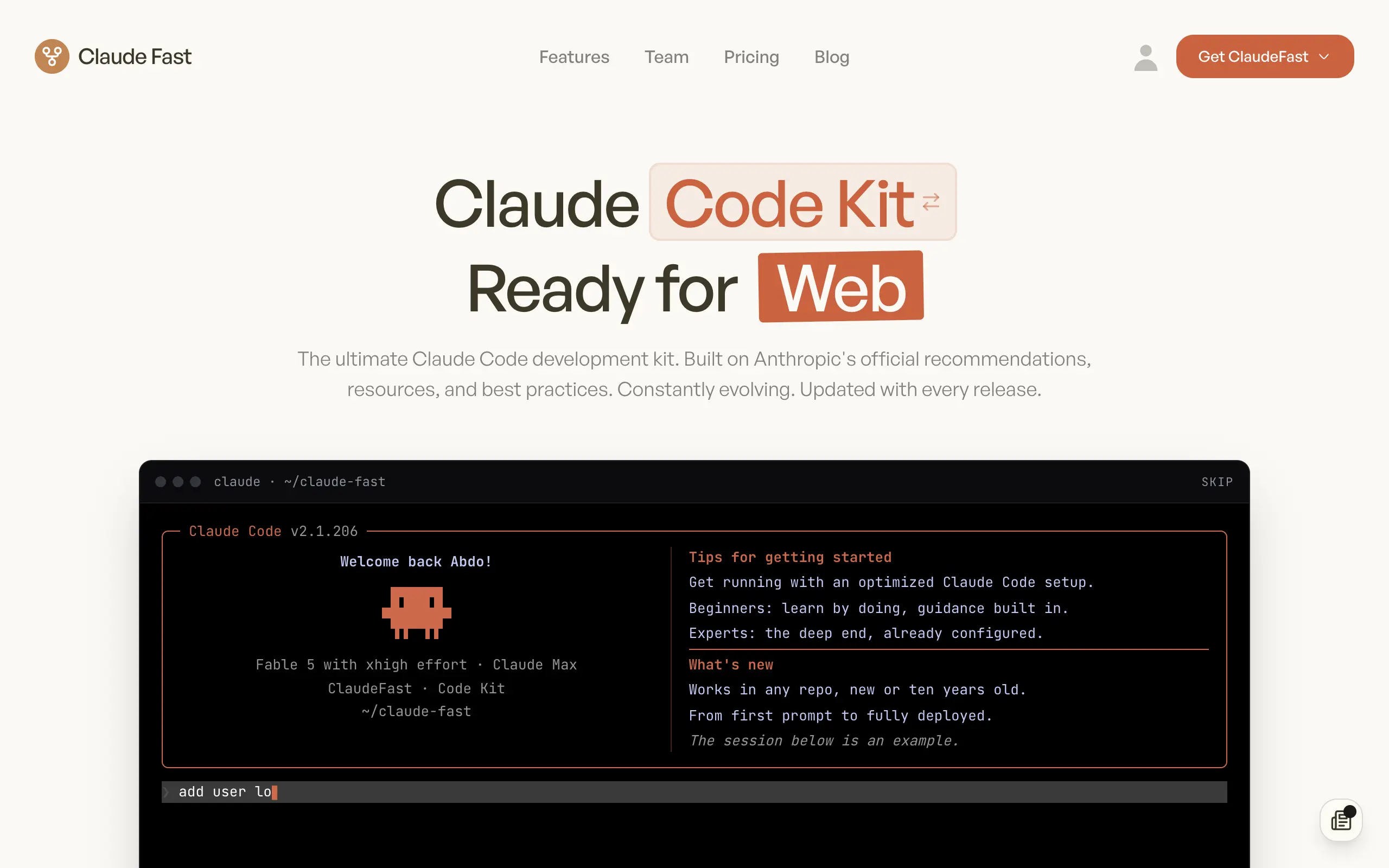
Claude Fast
Supercharge your Claude Code with 6x effective context window and specialized AI agents 🤖
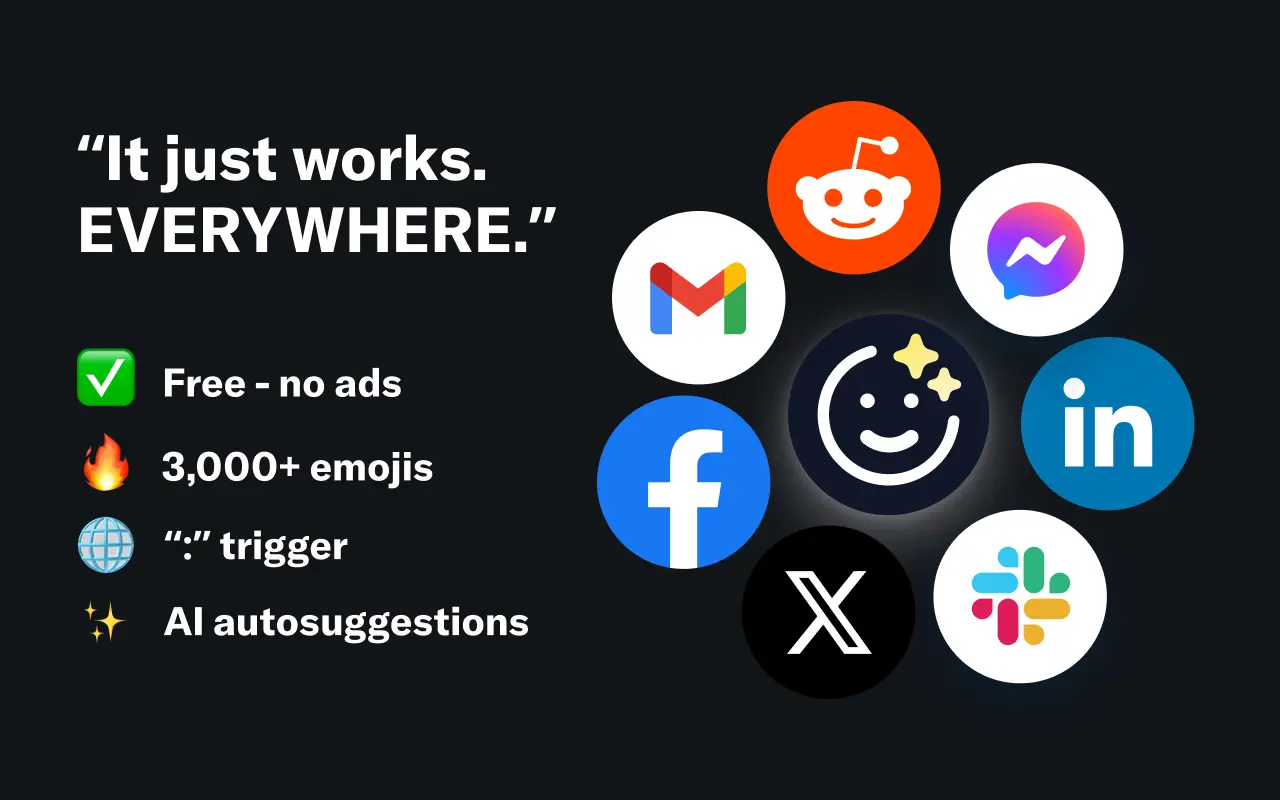
EmojAI
AI-powered emoji picker with smart, context-aware suggestions 🤖

Solohacker
Autonomous company launcher - AI agents work 24/7, escalate what matters, and you stay in control 🤖

BeRawi: Storytelling Coach
Practice storytelling daily with instant feedback to sound clearer, more engaging, and confident 🎤
Omichat
Chat with 50+ AI models, including ChatGPT and Claude, in one place - switch models anytime without losing context 🤖
Claude Fast
Supercharge your Claude Code with 6x effective context window and specialized AI agents 🤖
EmojAI
AI-powered emoji picker with smart, context-aware suggestions 🤖
Solohacker
Autonomous company launcher - AI agents work 24/7, escalate what matters, and you stay in control 🤖
BeRawi: Storytelling Coach
Practice storytelling daily with instant feedback to sound clearer, more engaging, and confident 🎤
Omichat
Chat with 50+ AI models, including ChatGPT and Claude, in one place - switch models anytime without losing context 🤖
Claude Fast
Supercharge your Claude Code with 6x effective context window and specialized AI agents 🤖
EmojAI
AI-powered emoji picker with smart, context-aware suggestions 🤖
Solohacker
Autonomous company launcher - AI agents work 24/7, escalate what matters, and you stay in control 🤖
BeRawi: Storytelling Coach
Practice storytelling daily with instant feedback to sound clearer, more engaging, and confident 🎤
Omichat
Chat with 50+ AI models, including ChatGPT and Claude, in one place - switch models anytime without losing context 🤖
Claude Fast
Supercharge your Claude Code with 6x effective context window and specialized AI agents 🤖
EmojAI
AI-powered emoji picker with smart, context-aware suggestions 🤖
Solohacker
Autonomous company launcher - AI agents work 24/7, escalate what matters, and you stay in control 🤖
BeRawi: Storytelling Coach
Practice storytelling daily with instant feedback to sound clearer, more engaging, and confident 🎤

Connect with like-minded people
Join our community to get feedback, support, and grow together with 1,000+ builders on board, let's ship it!
Join usShip your startup everywhere. In minutes.
Don't burn tokens on setup and start building features on day one.