ParcelPilot
Track every online order in one consumer app, with proactive delivery updates and easy return options. Retailer ERP and 3PL integrations keep status and return steps accurate.
ParcelPilot is a consumer package tracking app designed to bring online orders from different retailers into one place. Its promise is simple: show shoppers where their purchases are, explain what happens next, and make it easier to start a return when plans change. Behind that straightforward experience is a demanding product challenge: delivery data comes from many retailers, carriers, enterprise resource planning (ERP) systems, and third-party logistics providers (3PLs), each with different rules and levels of detail.
This guide examines the opportunity for ParcelPilot, including its target audience, market gap, product features, integrations, technology choices, monetization options, competitive positioning, and practical launch plan. The central strategic question is not whether people need another tracking screen. It is whether ParcelPilot can make online orders easier to manage from purchase through delivery and return.
What ParcelPilot is and why it matters
ParcelPilot is a B2C parcel tracking and returns app. It aims to consolidate a shopper’s online orders in one consumer-facing experience and provide useful updates before the shopper has to search a retailer’s website, open a carrier page, or contact support.
A compelling version of the product would let someone:
- Add or discover orders from participating retailers.
- See estimated delivery dates and shipment milestones in one place.
- Receive timely notifications when an order is delayed, out for delivery, or delivered.
- Understand which company currently has responsibility for the shipment.
- Start or review a return without hunting for a retailer’s policy or portal.
- Find clear, current instructions when a return requires a label, drop-off, pickup, or other action.
That positioning makes ParcelPilot more than a parcel tracking app. It is an order-management companion for consumers, spanning the time after checkout through delivery and, when needed, the return process.
The distinction matters. Basic tracking tells a shopper where a package is. A more useful service explains what the status means, what action is available, and where the shopper should go next. ParcelPilot’s strongest opportunity is to connect those pieces without pretending it controls the retailer, carrier, or refund timeline.
The customer problem ParcelPilot should solve
Online purchases often leave shoppers with information scattered across inboxes, retailer accounts, carrier websites, and tracking notifications. That fragmentation becomes more frustrating when a purchase includes multiple packages, a carrier handoff, a delivery exception, or a return.
A consumer app can reduce that effort, but only if it solves a real problem better than existing habits. Many people already use email search, retailer apps, carrier apps, or tracking websites. ParcelPilot has to earn a place in that routine by making order information easier to find and more actionable.
Tracking is fragmented across retailers and carriers
A shopper may buy from several stores and receive packages through several delivery networks. Each retailer can present order status differently, while carrier updates may use unfamiliar terminology. Some shipments move through multiple logistics providers, and a tracking number may not tell the shopper which source has the latest information.
ParcelPilot can create value by presenting order and shipment details consistently. That does not require every retailer to use the same internal process. It does require ParcelPilot to normalize the information it receives and make uncertainty clear when a source is incomplete or delayed.
Delivery updates can be hard to interpret
A status such as “in transit” does not always answer the shopper’s real questions:
- Is the package still moving?
- Has the delivery date changed?
- Is action required?
- Is the package with the retailer, a carrier, or a local delivery partner?
- What should the shopper do if the shipment stops updating?
ParcelPilot should translate source data into concise explanations without overstating what it knows. For instance, it can distinguish a confirmed delivery exception from a shipment that simply has not received a new scan. Clear wording builds trust; false certainty damages it.
Returns add a second layer of friction
Starting a return can involve finding the right order, checking eligibility, locating a policy, selecting a reason, choosing a return method, and obtaining a label or QR code. The steps vary by retailer, product, and purchase.
A unified app can help shoppers locate the relevant return pathway, but it should not imply that every retailer supports a standardized return flow. In early versions, ParcelPilot may need to direct customers to a retailer’s return portal while preserving the order details and instructions in one place. Deeper integrations can make more of the process seamless over time.
Target audience for a consumer parcel tracking app
ParcelPilot should start with a defined customer segment rather than trying to serve every online shopper equally. A focused audience makes it easier to choose integrations, validate the product, and communicate a clear benefit.
Frequent online shoppers
People who routinely shop across multiple retailers are likely to feel the cost of fragmented order management more often. Their problem is not necessarily that any one retailer provides poor tracking. It is that they must repeatedly switch between systems to get a complete view of their purchases.
Potential indicators of a strong early user include:
- Several active shipments at once.
- Purchases from a variety of retailers.
- A preference for a single, organized view of personal tasks.
- High reliance on mobile notifications.
- Regularly buying gifts, household items, or replenishment products online.
These are hypotheses to validate in customer interviews and product analytics, not assumptions to treat as proven market facts.
Households coordinating deliveries
In many households, one person places an order while another receives the package. Shared visibility could help reduce missed handoffs and uncertainty about who is expecting what.
ParcelPilot could eventually support household features such as shared shipment access, delivery notes, or limited notifications for selected orders. These features should be designed carefully: order information can reveal purchasing habits, addresses, and other sensitive details. Sharing should be explicit, revocable, and understandable.
People who frequently return purchases
Some shoppers make frequent purchases in categories where fit, preference, or compatibility can lead to returns. For them, the useful product is not just a tracking inbox; it is a clear record of what was ordered, what arrived, and how to send an item back.
ParcelPilot can test whether return reminders and centralized instructions are valuable without making broad claims about return rates. Early research should ask users to describe their recent return experiences and identify exactly where they lost time or became confused.
Gift buyers and seasonal shoppers
Gift purchases can make tracking more important because delivery timing matters. Users may want a clear view of expected arrival dates without repeatedly checking multiple retailer accounts.
Seasonal demand could help test ParcelPilot’s value proposition, but the product should not depend on a single holiday spike. The longer-term objective is to make order management useful throughout the year.
Market opportunity and the gap to explore
ParcelPilot sits at the intersection of consumer order management, shipment tracking, delivery notifications, and returns. Those categories already contain established retailer, carrier, and third-party products. That means the opportunity is not simply to reproduce tracking features. It is to identify the workflow that existing options leave fragmented.
The coordination gap
Retailers usually have the strongest context about the purchase itself, including product details, order changes, and return eligibility. Carriers have the strongest context about their own shipment scans and delivery operations. Consumers, however, may need information from both sides to answer a simple question: “What is happening with my order?”
ParcelPilot can occupy the consumer coordination layer between those systems. Its value depends on combining reliable sources and making the result more useful than a list of tracking numbers.
The returns and delivery gap
Tracking and returns are often treated as separate experiences. A shopper may use one tool to monitor a parcel and another to find the return portal after delivery. ParcelPilot’s opportunity is to connect the lifecycle:
- An order is placed.
- A shipment is identified.
- Delivery progress is explained.
- The package is marked delivered or an issue is raised.
- The shopper can find the correct next step, including a return route when available.
The product should start by connecting these steps at the interface level. It can pursue deeper transaction capabilities only after it has the retailer permissions and data quality to support them.
How to validate the opportunity
Before investing in a broad integration network, test the underlying user need. Useful discovery methods include:
- Interviewing people who regularly shop at multiple online stores.
- Asking participants to walk through their most recent delivery problem.
- Reviewing anonymized support themes from prospective retail partners.
- Testing whether users prefer automatic order discovery, manual forwarding, or both.
- Measuring whether return instructions are used after delivery.
- Comparing repeat engagement for tracking-only users and users who use return features.
Avoid treating downloads or notification opt-ins as proof of product-market fit. Stronger evidence includes repeated use across multiple orders, successful order matching, low notification opt-out rates, and users returning to ParcelPilot without a reminder from an acquisition campaign.
Core ParcelPilot features and how to prioritize them
A useful first release should focus on trustworthy order consolidation and clear shipment updates. Every additional integration or workflow increases complexity, so prioritize features by whether they improve accuracy, reduce user effort, or support repeat use.
Unified order inbox
The home screen should show a shopper’s current and recent orders in a consistent format. A useful order card can include:
- Retailer name and order reference.
- Product name or a recognizable thumbnail, where available.
- Current shipment status.
- Estimated delivery date, with a clear indication of whether it is confirmed or approximate.
- A link to the original order or retailer page.
- A short explanation of the latest important update.
Orders should be grouped or filtered by status, such as preparing, in transit, delivered, and action needed. Users should be able to find a past order without scrolling through an endless feed.
Order discovery and connection
Order discovery is a major product decision. Possible approaches include:
- Manual entry of a tracking number.
- Sharing a tracking link with ParcelPilot from another app.
- Forwarding a shipping confirmation email to a dedicated address.
- Connecting a mailbox through a permission-based integration.
- Receiving order data directly from participating retailers.
These methods have different privacy, reliability, and engineering costs. A practical launch can support manual entry and link sharing first, then test email-based discovery with clear consent and data minimization. Retailer integrations can improve accuracy and enable richer order details, but they require partner access and ongoing maintenance.
Shipment timeline and normalized status
ParcelPilot should convert inconsistent source events into a readable timeline. A normalization layer can map carrier and retailer messages into a smaller set of consumer-facing states, such as label created, moving through the network, out for delivery, delivered, delayed, or action required.
Normalization should not erase important detail. Keep the original source event available in an expanded view, and record which system provided it. If sources conflict, the interface should communicate that the latest information is uncertain rather than silently choosing a misleading status.
Proactive delivery notifications
Notifications should be useful, timely, and configurable. Possible triggers include:
- A meaningful change to the delivery estimate.
- A shipment exception requiring attention.
- An order going out for delivery.
- A delivery confirmation.
- A return deadline or next step, if the retailer’s policy data supports it.
Users should control notification categories and quiet hours. Avoid sending a push notification for every scan; excessive alerts can cause people to disable notifications or uninstall the app. The product should measure notification usefulness, not just delivery success.
Return guidance and initiation
Return functionality can develop in stages:
- Show the retailer’s return policy or a link to it.
- Display order-specific instructions supplied by a retailer or reliable source.
- Deep-link the shopper to the correct return portal.
- Support an integrated return flow for retailers that provide the required capabilities.
The app should clearly identify who processes the return and who makes decisions about eligibility, refunds, and shipping costs. ParcelPilot can help users navigate a return without claiming to authorize it.
Search, archive, and household support
Search helps users locate orders by retailer, item, or tracking number. An archive keeps completed shipments available without cluttering the active inbox. Household sharing may be valuable later, but it should follow a strong privacy model rather than being treated as a default feature.
Competitive advantage and positioning
ParcelPilot will compete with retailer order pages, carrier tracking apps, email inboxes, and multi-carrier tracking services. Its advantage should come from the combination of consumer-focused order context, proactive updates, and return guidance, not from claiming that no alternatives exist.
| Alternative | What it does well | Common limitation | ParcelPilot opportunity | Strategic priority |
|---|---|---|---|---|
| Retailer order pages | Show purchase details and retailer-specific policies | May cover only one retailer at a time | Bring participating orders together in a consumer inbox | High |
| Carrier tracking apps | Provide shipment updates from that carrier | May not show a shopper’s orders across carriers and stores | Normalize updates from supported sources | High |
| Email search | Preserves order confirmations and shipment messages | Requires users to search and interpret messages | Offer optional order discovery and structured status | Medium |
| General tracking services | Can consolidate tracking numbers from multiple carriers | May focus more on shipment status than order and return context | Connect shipment information to order details and next steps | High |
ParcelPilot’s potential unique selling proposition is one trusted consumer view of orders, delivery progress, and available return next steps, even when the underlying data comes from different retailers and logistics providers.
That proposition depends on execution. If order discovery is unreliable, the unified inbox feels incomplete. If status updates are stale, proactive notifications become a liability. If return guidance is generic, it does not save the shopper meaningful effort. The defensible advantage is therefore not the interface alone; it is the quality of the integrations, data normalization, user trust, and workflow design.
Recommended technology stack
ParcelPilot’s architecture should support multiple data sources, asynchronous updates, and careful handling of personal information. The initial stack can be relatively simple, but integration boundaries should be designed so that one retailer or carrier does not dictate the entire data model.
Front end and mobile experience
For a web dashboard or web-based product, React provides a flexible component model for building an order inbox, shipment timelines, and settings. A product team that wants a full-stack React framework can assess Next.js, while a mobile-first launch may use a cross-platform framework such as React Native or a native iOS and Android approach.
The trade-off is not just development speed. A web app can be easier to ship and iterate, while native or cross-platform mobile apps can provide a more direct push-notification experience and better fit for frequent use. Validate whether customers need an installed app before committing to the cost of maintaining multiple mobile platforms.
For styling, Tailwind CSS can help teams create consistent interfaces quickly. A design system should prioritize accessibility, readable status labels, and clear distinction between confirmed updates and estimates.
Backend and data storage
A TypeScript backend can share validation and data types with a TypeScript front end. Options include a modular application server or a managed backend, depending on team size and operational needs. A relational database such as PostgreSQL is a sensible foundation because orders, shipments, retailers, events, and users have structured relationships.
A core data model might include:
- User records and notification preferences.
- Order records, including retailer references and order dates.
- Shipment records, including carrier, tracking identifier, and estimated delivery.
- Tracking event records with source, timestamp, and normalized status.
- Integration connection records with authorization and sync state.
- Return case records for instructions, links, and user-visible progress.
Store source events separately from normalized events. This makes it possible to improve status mapping without losing the original information needed for debugging and auditability.
Integration and event processing
Retailer and 3PL integrations are likely to differ in authentication, event formats, rate limits, and data completeness. Use adapters to isolate each integration from the product’s core order model. A queue or event-processing system can help handle retries, scheduled polling, webhook events, and temporary provider failures without blocking the user interface.
Important operational capabilities include:
- Idempotent event processing to avoid duplicate status changes.
- Retry policies with backoff for transient failures.
- Monitoring for stale connections and integration errors.
- Rate-limit handling and provider-specific quotas.
- Event timestamps that distinguish source time from processing time.
- A clear way to disable or repair a failing integration.
A single integration provider may accelerate early coverage, but it can also create dependency risk and limit control over coverage or costs. Compare providers on documented data sources, supported markets, event freshness, service reliability, pricing, data rights, and exit options. Do not choose solely on the number of logos in a coverage list.
Security, authentication, and observability
ParcelPilot may handle order details, addresses, email-derived data, and account connections. Use least-privilege access, secure token storage, encryption in transit and at rest, and a documented retention policy. Avoid collecting information that is not needed for the product’s core function.
Authentication should support secure account recovery and appropriate session management. Observability should help the team detect missing updates, failed order matching, and provider outages before users report them. Track operational metrics without placing sensitive order details in logs.
A product team can use TurboStarter as a starting point for building a SaaS foundation, then adapt the architecture to ParcelPilot’s consumer and integration requirements.
Monetization strategy options
ParcelPilot’s business model should fit the trust expectations of a consumer utility. Users may be cautious about paying for basic tracking, while retailers may see value in reducing “where is my order?” support contacts or improving the post-purchase experience. Test willingness to pay rather than assuming a particular model will work.
Freemium consumer subscription
A free plan could support core tracking, while a paid plan adds features such as longer order history, household sharing, advanced notification controls, or richer organization tools.
The challenge is identifying premium benefits that users value repeatedly. Basic delivery information may be difficult to gate without frustrating people. A subscription should solve an ongoing problem, not charge users to access information they can already get from a retailer or carrier.
Retailer and logistics partnerships
Retailers or logistics providers may pay for access to a consumer-facing post-purchase experience, integrations, or aggregated operational insights. Such partnerships can improve data access and support deeper return flows.
Any business-to-business offering should preserve the consumer’s trust. Clearly distinguish sponsored content from operational notifications, and never let commercial incentives distort delivery status or return guidance.
Referral and affiliate revenue
ParcelPilot could explore carefully selected referral revenue, such as links to relevant services or replacement products. This model has a clear conflict risk: users must believe that shipment information and recommendations are presented for their benefit. Disclose commercial relationships, keep them separate from tracking events, and avoid recommendations that exploit a delivery problem.
White-label or platform licensing
A retailer, marketplace, or logistics company may want to license parts of ParcelPilot’s order visibility or returns workflow. This can provide revenue beyond consumer subscriptions, but a white-label focus can pull the product away from its original consumer proposition. Establish product boundaries early so partner work strengthens rather than replaces the core experience.
Risks and mitigation
ParcelPilot’s largest risks are not limited to software development. Data quality, integration access, privacy, and user trust will shape whether the product can deliver on its promise.
Unreliable or incomplete shipment data
Risk: A carrier or retailer may provide delayed, missing, inconsistent, or conflicting updates.
Mitigation: Preserve source attribution, show update timestamps, distinguish estimates from confirmed events, and monitor stale shipments. Provide a clear route to the source retailer or carrier when ParcelPilot cannot verify the latest status.
Integration dependency
Risk: A provider can change its API, pricing, coverage, or terms, affecting the product’s service.
Mitigation: Use adapter-based integrations, review contractual rights, maintain contingency plans for critical data sources, and avoid promising coverage that depends on a single unstable connection.
Privacy and mailbox access
Risk: Automatic order discovery can require access to sensitive email or purchase data, creating a high trust barrier.
Mitigation: Offer lower-permission alternatives, explain exactly what data is accessed and why, request consent at the point of need, minimize retention, and provide a straightforward disconnect and deletion process. Have privacy and legal specialists review the product’s practices for the jurisdictions it serves.
Misleading return expectations
Risk: Users may interpret return instructions as approval, or assume ParcelPilot controls refunds and eligibility.
Mitigation: Identify the retailer as the decision-maker where appropriate. Display source and date for policy information, avoid guarantees, and make clear when a user must complete an action through the retailer.
Notification fatigue
Risk: Too many low-value updates can cause users to mute notifications.
Mitigation: Prioritize meaningful changes, give users granular controls, and measure notification opt-outs and engagement by event type. Do not treat sending more alerts as evidence of better service.
Weak repeat engagement
Risk: Users may install ParcelPilot for one shipment and not return.
Mitigation: Focus on frictionless order discovery, a useful order archive, and genuinely helpful delivery or return workflows. Test retention across cohorts and investigate whether users are returning because of value, not only because of a temporary delivery issue.
Regulatory and operational exposure
Risk: Handling personal information, consumer communications, and retailer data can create obligations that vary by market and partnership.
Mitigation: Obtain qualified legal advice, document data flows and retention, review partner terms, and establish an incident response process. Treat compliance as part of product design rather than a launch-week checklist.
Metrics that show whether ParcelPilot is working
A focused measurement plan helps the team distinguish a useful product from an attractive prototype. Avoid relying on total downloads alone.
Activation and order connection
Measure the percentage of new users who successfully add or discover an order, how long that takes, and where the process fails. Break results down by discovery method and integration source. A high signup rate with low order connection indicates that the core value is not reaching users.
Data quality and status freshness
Track order matching accuracy, duplicate rates, stale shipment rates, event-processing failures, and the time between a source update and a ParcelPilot update. Define these metrics carefully so the team can separate provider delays from its own processing issues.
User value and retention
Evaluate whether users return to check multiple orders, revisit the app after a notification, or use return guidance after delivery. Cohort analysis can reveal whether the product is useful beyond the first shipment. Qualitative research should accompany the numbers, especially when users stop engaging.
Trust and notification health
Monitor notification opt-outs, notification opens, support contacts about incorrect statuses, and user-reported data errors. A low open rate is not automatically a failure if an alert gave the user useful information at the right moment; interpret metrics in context.
Actionable implementation plan
ParcelPilot should launch in stages, proving its core promise before taking on a broad integration and returns roadmap.
Define the initial customer and use case
Choose a specific early audience, such as frequent multi-retailer shoppers in one launch market. Interview prospective users and document their recent order-tracking and return workflows. Identify the moments that cause them to switch apps, contact support, or lose confidence.
Validate order discovery
Prototype manual tracking entry, link sharing, and one permission-based discovery method. Compare completion rates, accuracy, and user comfort. Do not assume automatic email access is the preferred method simply because it reduces typing.
Build the unified order inbox
Create the minimum experience for adding, viewing, searching, and archiving orders. Make shipment status, estimated delivery, last update, and source information easy to understand. Test the interface with real, varied shipment scenarios.
Add a narrow set of reliable integrations
Start with the integrations that best serve the selected audience and can be supported operationally. Build adapters, event normalization, retry handling, and monitoring before adding a long list of providers.
Introduce proactive notifications carefully
Begin with a small number of high-value events, such as a meaningful delivery change or an exception requiring attention. Give users control and review opt-outs, complaints, and repeat usage before expanding notification volume.
Test return guidance with real retailer policies
Start with accurate links and instructions where data is available. Clearly separate ParcelPilot’s guidance from retailer decisions. Expand to integrated return initiation only when partner access and operational support make the flow dependable.
Run a limited beta and improve the trust model
Invite a small group of target users. Observe order-matching errors, stale updates, confusing wording, and privacy concerns. Resolve high-impact reliability issues before investing heavily in acquisition.
Expand based on evidence
Add retailers, carriers, household sharing, or paid features only when user research and product data show that they solve a recurring need. Review integration costs and support load alongside engagement metrics.
Why ParcelPilot can stand out
ParcelPilot’s strongest position is as a consumer-first layer connecting orders, delivery progress, and return next steps. A carrier app can be effective for that carrier’s shipments, and a retailer can provide details for its own purchases. ParcelPilot can stand out by helping shoppers manage the whole experience across supported sources.
To sustain that advantage, the product needs to do four things particularly well:
- Earn permission: explain why data is needed and give users meaningful control.
- Be transparent: show where information came from and when it was last updated.
- Make information actionable: tell users what they can do next without implying control it does not have.
- Improve through integrations: use retailer, ERP, and 3PL connections to reduce gaps rather than simply collecting more shipment events.
The product should compete on dependable coordination, not on the number of tracking statuses displayed. A smaller set of trustworthy updates can be more valuable than an exhaustive timeline that users cannot interpret.
Conclusion and next steps
ParcelPilot addresses a recognizable consumer problem: online order information is spread across retailers, carriers, email, and return portals. Its opportunity is to make that information easier to manage in one place while helping shoppers understand what has happened and what they can do next.
The most practical path is to begin with a focused audience and a reliable unified order inbox. Validate how users want to add orders, prove that shipment updates are accurate enough to trust, and introduce return guidance in a way that respects retailer policies. From there, expand integrations and monetization based on evidence rather than feature ambition.
The strategic test is simple: does ParcelPilot save shoppers effort across multiple purchases without asking them to trust information the product cannot verify? If the answer becomes consistently yes, the app can build a meaningful advantage through its data quality, integrations, and consumer-centered experience.
Frequently asked questions about ParcelPilot
ParcelPilot is a proposed consumer app for tracking online orders from multiple retailers in one place. It is designed to combine proactive delivery updates with accessible return guidance, using retailer, ERP, and 3PL integrations where available.
A carrier tracking app generally focuses on shipments handled by that carrier. ParcelPilot’s intended role is to organize supported orders across retailers and logistics providers, connect shipment information with order context, and help users find available next steps.
That depends on the retailer and the integrations available. A first version could show accurate instructions or direct users to the retailer’s return portal. Direct return initiation requires retailer support and should clearly communicate who determines eligibility and issues refunds.
Reliable data access is a central challenge. Retailers, carriers, and logistics providers can expose different information, at different times, and through different technical arrangements. ParcelPilot must also explain uncertainty honestly and protect sensitive order data.
Potential models include a consumer subscription, retailer or logistics partnerships, carefully disclosed referral revenue, and licensing. The best choice should be tested against customer willingness to pay and the trust expectations of a personal order-management app.
More 👥 B2C Application SaaS ideas
Discover more innovative b2c application SaaS ideas that are trending in 2026. Each idea is AI-generated with market validation and growth potential to help you find your next profitable venture faster than competitors.
Your competitors are building with TurboStarter
Below are some of the SaaS ideas that have been generated and built with our starter kit.
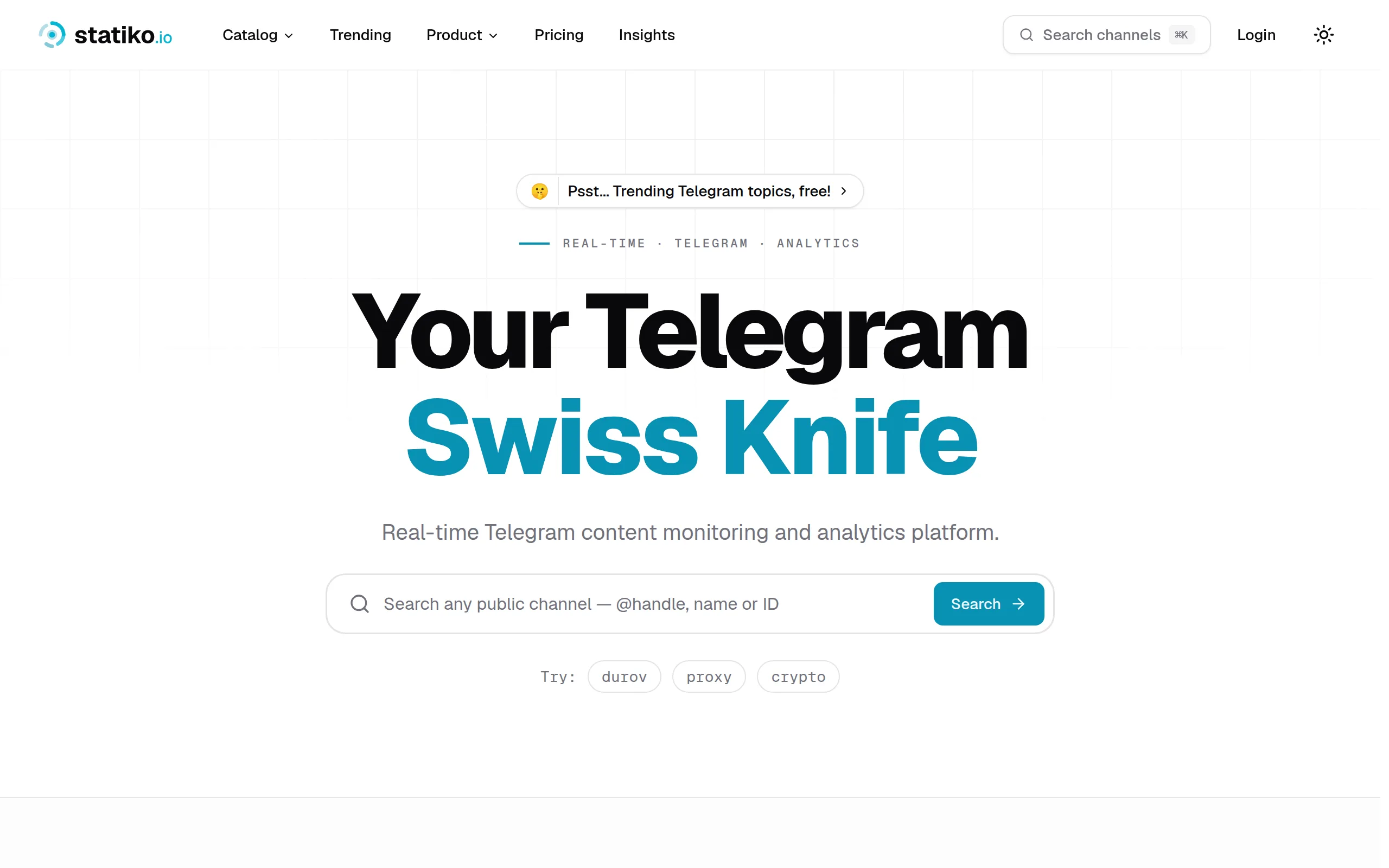
Statiko
Monitor any Telegram channel in real time - track posts, edits, deletions, and growth with AI recaps 📡

Shibui
AI website builder - describe your business, pick a niche template, edit by chatting, and publish instantly ✨
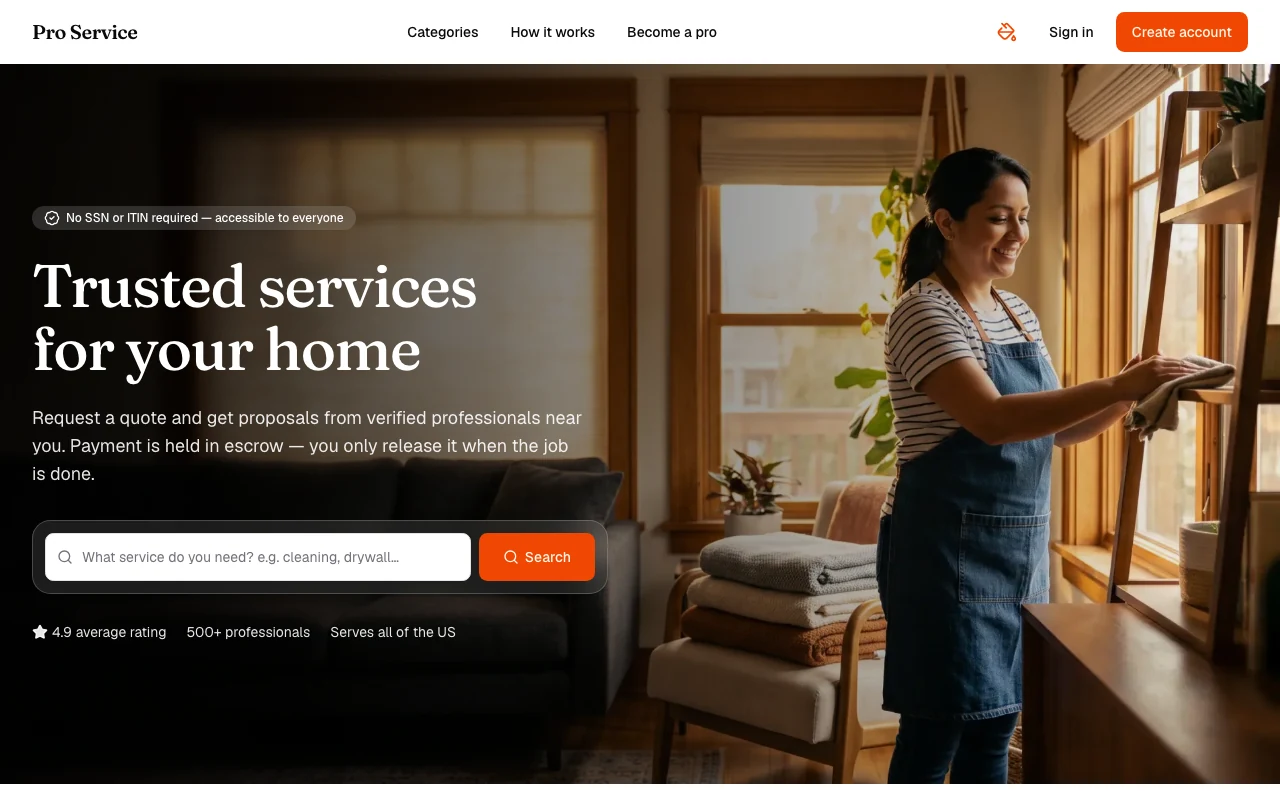
Pro Service
Find verified home service professionals, compare quotes, and pay securely through escrow - built for Brazilians across the US 🏠
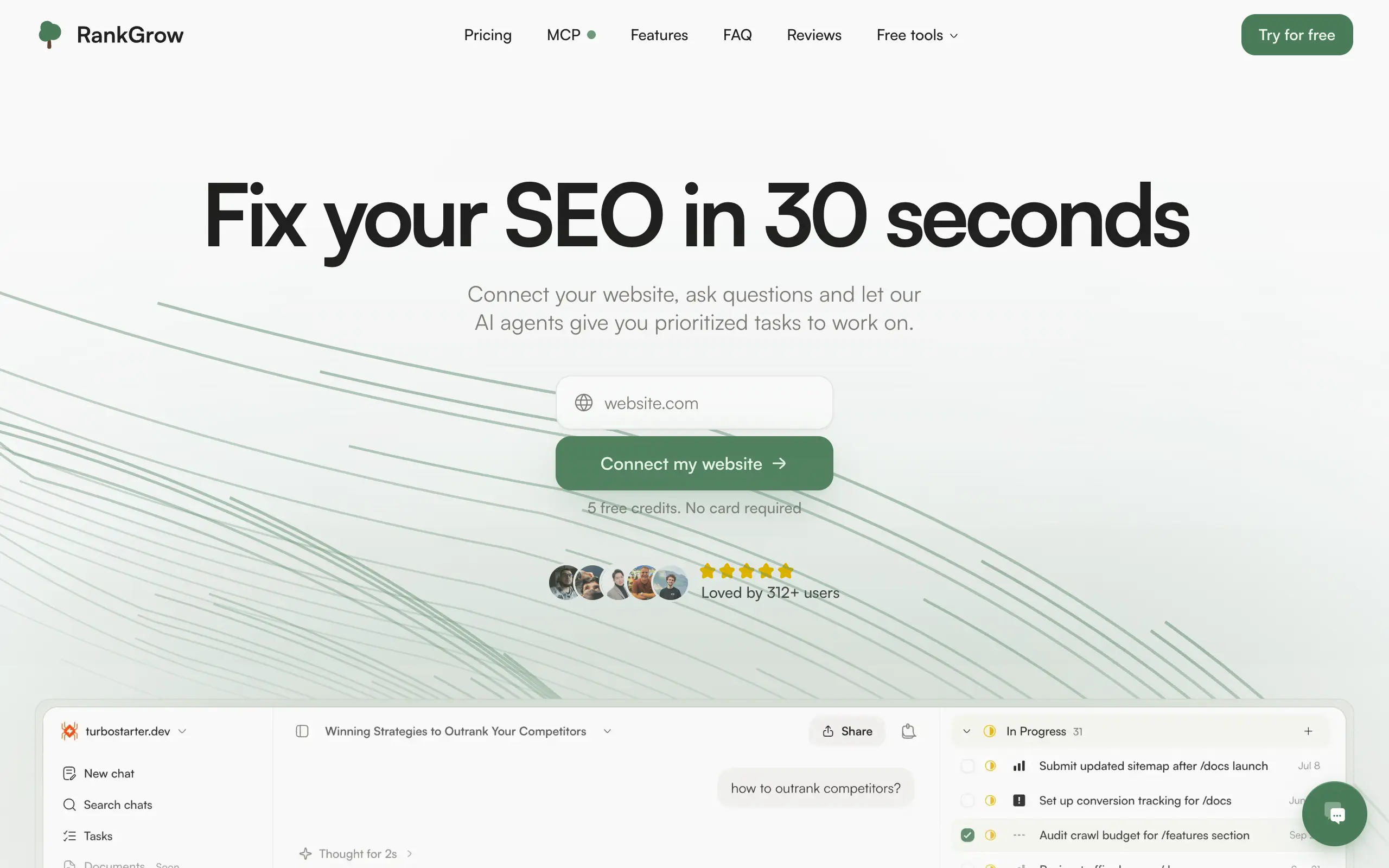
RankGrow
Fix your SEO with AI agents - connect Search Console, get prioritized tasks, and grow organic traffic 📈
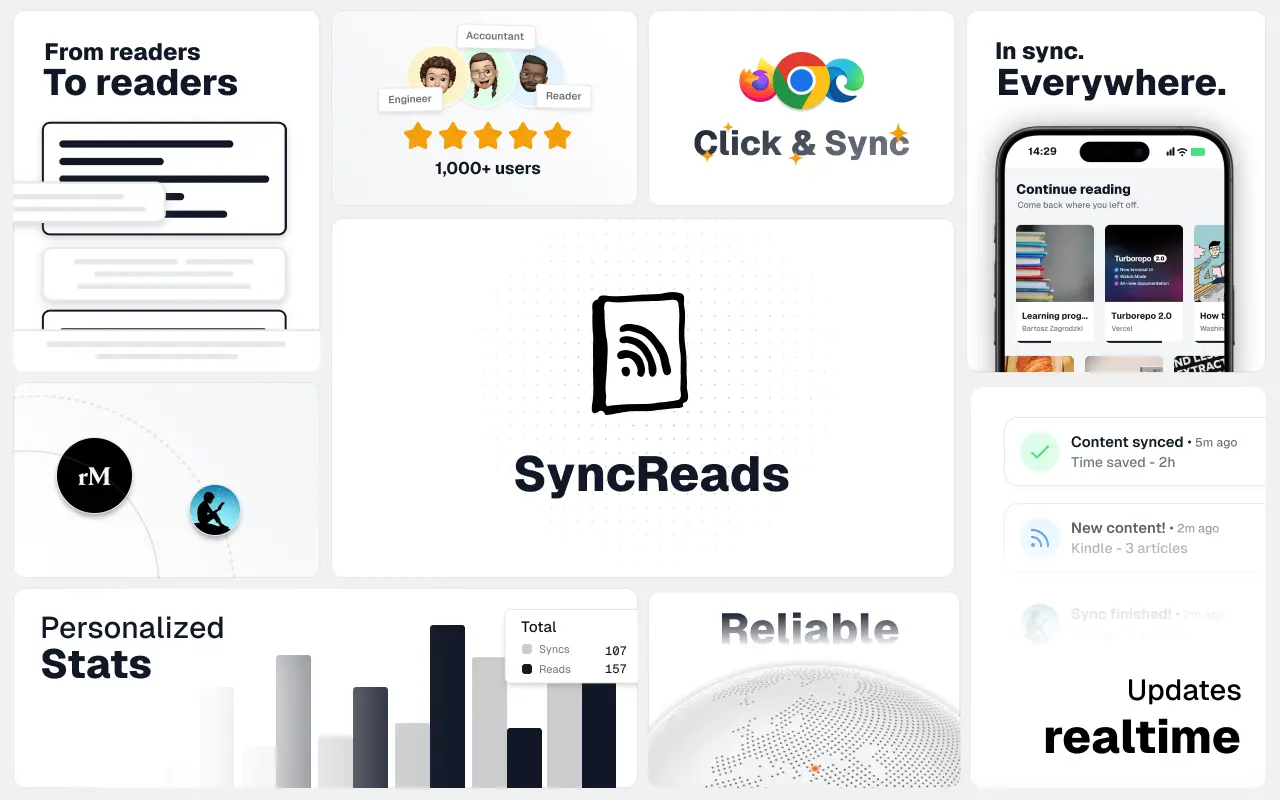
SyncReads
Sync your favorite content for distraction-free reading, save time and replace multiple apps. Anytime, anywhere 🔄
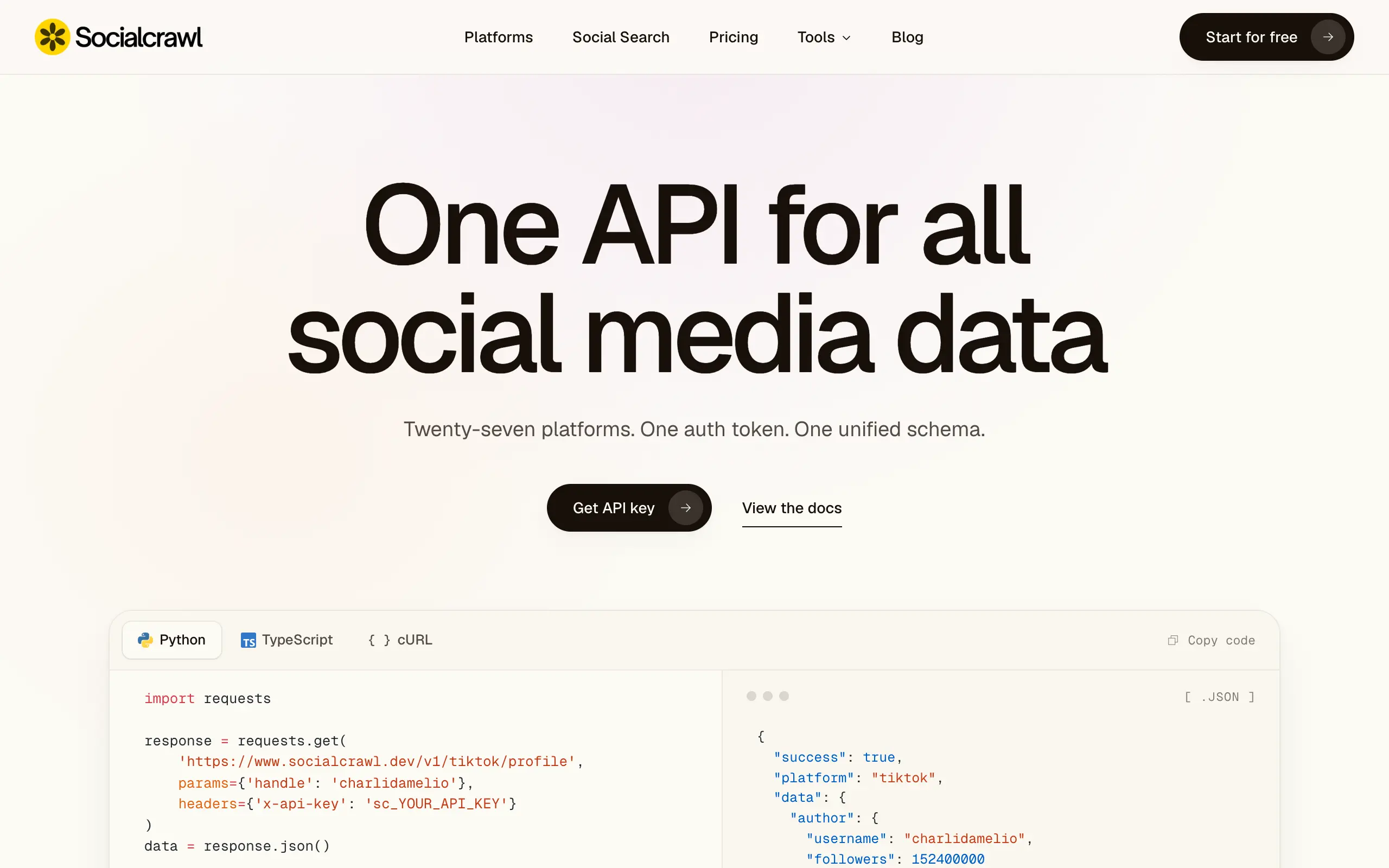
Socialcrawl
Get clean, structured data from 21 platforms like TikTok, Instagram, and YouTube with a single request 📊
Statiko
Monitor any Telegram channel in real time - track posts, edits, deletions, and growth with AI recaps 📡
Shibui
AI website builder - describe your business, pick a niche template, edit by chatting, and publish instantly ✨
Pro Service
Find verified home service professionals, compare quotes, and pay securely through escrow - built for Brazilians across the US 🏠
RankGrow
Fix your SEO with AI agents - connect Search Console, get prioritized tasks, and grow organic traffic 📈
SyncReads
Sync your favorite content for distraction-free reading, save time and replace multiple apps. Anytime, anywhere 🔄
Socialcrawl
Get clean, structured data from 21 platforms like TikTok, Instagram, and YouTube with a single request 📊
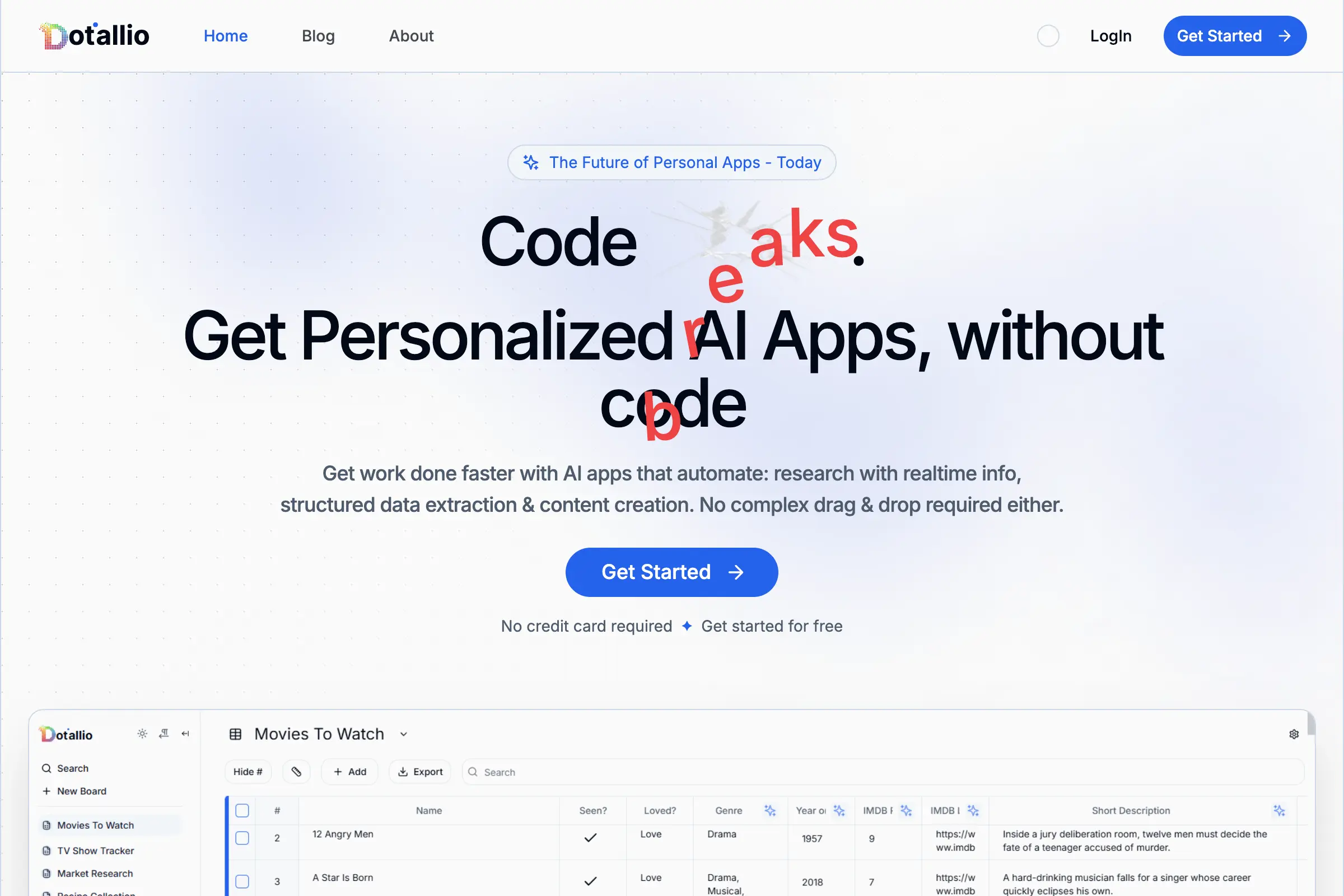
Dotallio
Personalized AI apps that automate research, data extraction, and content creation without code 🤖
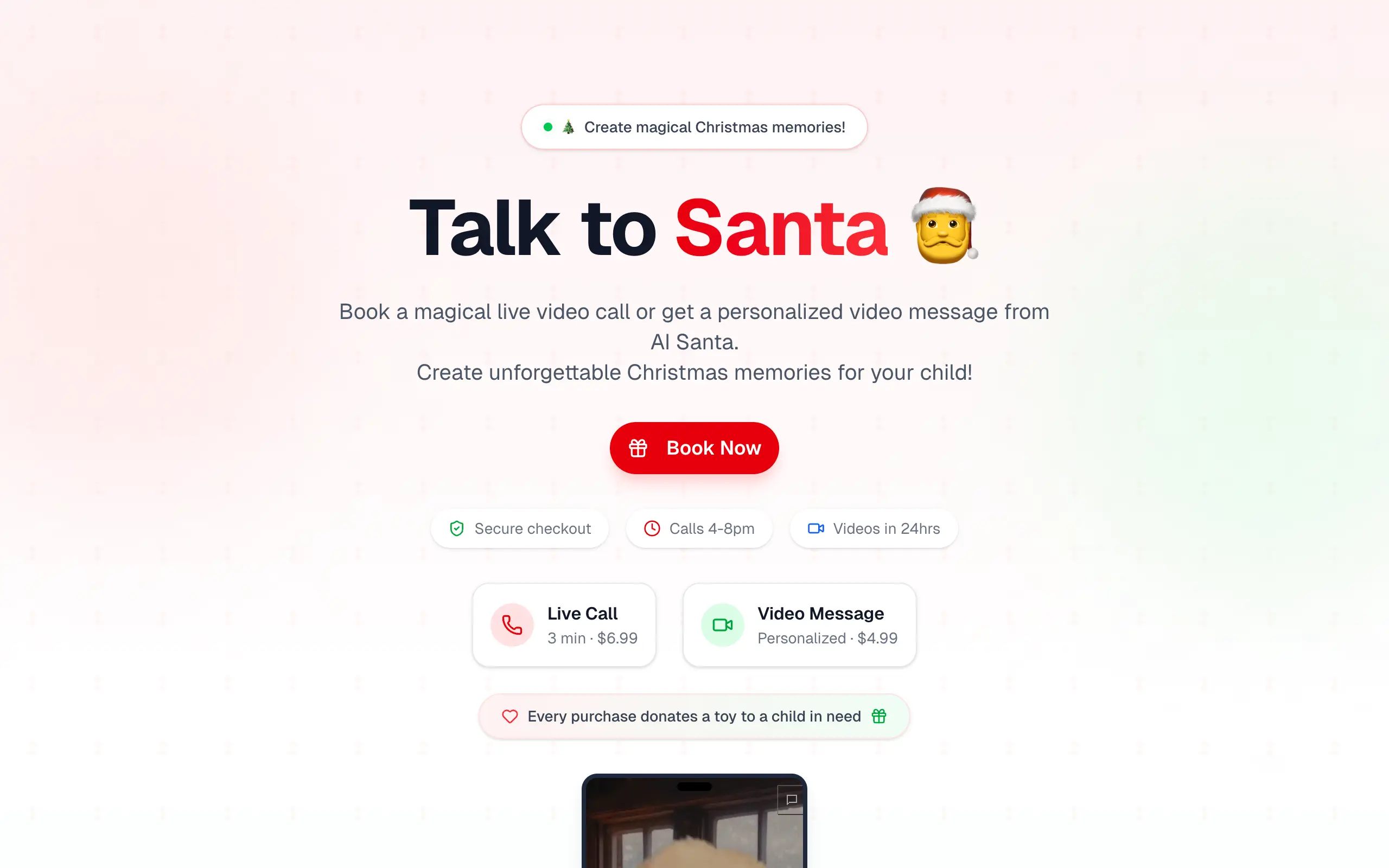
Talk to Santa
Enjoy a magical live video chat or receive a unique AI-generated video greeting from Santa Claus 🎅

pozywka.pl
Scalable blog for food journalist, focused on performance and user experience 🌭
zagrodzki.me
Personal blog and portfolio of Bart Zagrodzki, where he shares his knowledge and work 💼

TurboStarter
Ship your startup everywhere. In minutes.
HTML to Markdown
Convert HTML to Markdown with ease, directly in your browser 📄
Dotallio
Personalized AI apps that automate research, data extraction, and content creation without code 🤖
Talk to Santa
Enjoy a magical live video chat or receive a unique AI-generated video greeting from Santa Claus 🎅
pozywka.pl
Scalable blog for food journalist, focused on performance and user experience 🌭
zagrodzki.me
Personal blog and portfolio of Bart Zagrodzki, where he shares his knowledge and work 💼
TurboStarter
Ship your startup everywhere. In minutes.
HTML to Markdown
Convert HTML to Markdown with ease, directly in your browser 📄
Omichat
Chat with 50+ AI models, including ChatGPT and Claude, in one place - switch models anytime without losing context 🤖
Claude Fast
Supercharge your Claude Code with 6x effective context window and specialized AI agents 🤖

EmojAI
AI-powered emoji picker with smart, context-aware suggestions 🤖

Solohacker
Autonomous company launcher - AI agents work 24/7, escalate what matters, and you stay in control 🤖

BeRawi: Storytelling Coach
Practice storytelling daily with instant feedback to sound clearer, more engaging, and confident 🎤
Omichat
Chat with 50+ AI models, including ChatGPT and Claude, in one place - switch models anytime without losing context 🤖
Claude Fast
Supercharge your Claude Code with 6x effective context window and specialized AI agents 🤖
EmojAI
AI-powered emoji picker with smart, context-aware suggestions 🤖
Solohacker
Autonomous company launcher - AI agents work 24/7, escalate what matters, and you stay in control 🤖
BeRawi: Storytelling Coach
Practice storytelling daily with instant feedback to sound clearer, more engaging, and confident 🎤

Connect with like-minded people
Join our community to get feedback, support, and grow together with 1,000+ builders on board, let's ship it!
Join usShip your startup everywhere. In minutes.
Don't burn tokens on setup and start building features on day one.