Patch & Pint
Turns game patches, movie releases, and local happy-hour deals into shareable plans, so friend groups actually choose a night out.
Why Patch & Pint solves a real social planning problem
Patch & Pint is a social outing planning app built around a simple but persistent problem: friend groups want to do things together, but deciding what, when, and where creates enough friction that the plan often never happens.
A new game patch launches. A highly anticipated movie reaches theaters. A favorite bar announces happy-hour specials. Each event is a natural reason to gather, yet these moments usually disappear into a noisy group chat.
Someone shares a trailer. Another person posts patch notes. Someone else says, “We should go.” Then the conversation moves on.
Patch & Pint turns those scattered signals into a shareable, decision-ready plan. It helps users discover timely reasons to meet, pair them with relevant local deals, and quickly coordinate the details with friends.
The product sits at the intersection of several durable consumer behaviors:
- Gaming communities organize around live-service updates, new seasons, and launches.
- Moviegoers look for shared cultural experiences rather than isolated entertainment.
- Young professionals and friend groups seek social activities that feel easy to justify and organize.
- Local bars, restaurants, and venues need cost-effective ways to fill seats during slower periods.
- Group chats remain the default coordination layer, even though they are poor planning tools.
The opportunity is not to replace every event platform, reservation app, gaming community, or local discovery service. The opportunity is to own the moment between “this looks fun” and “we have a plan.”
The central product insight
People rarely need another generic event calendar. They need a low-friction way to convert a timely shared interest into a concrete group outing before enthusiasm fades.
The target audience for a social outing planning app
Patch & Pint should initially focus on users who already have a social group and recurring shared interests. These customers do not need to be convinced that spending time together matters. They need help overcoming planning inertia.
Primary audience: social gamers aged 21 to 40
The strongest early segment is likely adult gamers who play socially, follow game updates, and occasionally meet in person for drinks, food, watch parties, or launch-night celebrations.
This audience is especially promising because game updates create recurring, time-sensitive triggers. A major patch, expansion, competitive season, crossover event, or new character release gives a group a reason to reconnect.
Typical behaviors include:
- Sharing patch notes or trailers in Discord, WhatsApp, iMessage, Telegram, or group chats
- Watching esports, showcases, or launch streams together
- Meeting at bars after work before playing online
- Hosting low-key game nights that need an easy date and venue decision
- Looking for themed events, gaming bars, trivia, or venues with screens
The phrase “we should grab a drink and try the new patch” is already common social behavior. Patch & Pint can make that intention actionable.
Secondary audience: moviegoing friend groups
Movies create a similarly valuable planning trigger. New releases have a narrower time window than most evergreen events, creating urgency and an easy default activity.
A moviegoing group may use Patch & Pint to:
- Find showtimes for a release everyone wants to see
- Coordinate a pre-movie happy hour or post-movie discussion spot
- Vote on the best night without a long message thread
- Share a polished plan card with time, location, attendees, and deal details
- Discover screenings, fan events, and themed venue promotions
This is not merely a ticketing use case. The product’s value comes from packaging the full social plan around the release.
Third audience: local social organizers
A third segment includes the person in every group who routinely makes plans. They may not have an official title, but they are the one who asks, “Who is free Friday?” and follows up until something happens.
These informal organizers are highly valuable because they experience the pain most directly. They also invite others, creating built-in product distribution.
Their priorities are straightforward:
- Minimize back-and-forth
- Avoid choosing an option nobody likes
- Find something timely enough to motivate people
- Share one clear source of truth
- Know attendance before booking or showing up
Patch & Pint should treat this user as a power user, even in a consumer product. Features that save organizers time will improve repeat usage and referrals.
Local business customers as a future demand-side audience
Although Patch & Pint is a B2C product, its long-term marketplace value comes from local venues. Bars, breweries, restaurants, theaters, gaming lounges, and entertainment venues all benefit when groups arrive with a defined purpose.
Businesses may eventually pay to:
- Promote verified happy-hour offers
- Target users interested in specific games, genres, films, or neighborhoods
- Sponsor release-night plans
- Create themed events around cultural moments
- Access attribution data tied to plan creation, RSVPs, and offer redemption
The product should earn consumer trust first. A venue marketplace works only when the consumer experience remains useful, transparent, and not overloaded with paid placement.
The market gap between discovery and commitment
Most existing products solve one part of planning, not the complete path to a group decision.
A user can find a bar through a maps app. They can buy movie tickets through a ticketing platform. They can discuss a game update on Discord. They can create an event on a social network. They can reserve a table through a restaurant platform.
But the user still has to stitch these services together manually.
That gap is where a social outing planning app can win.
| User need | Group chat | Discovery app | Reservation or ticketing app | Patch & Pint opportunity |
|---|---|---|---|---|
| Discover a timely reason to meet | Sometimes | Yes | Limited | Yes, through releases and local offers |
| Decide with friends quickly | Weak | No | No | Yes, through voting and RSVP flows |
| Connect activity, time, and venue | Manual | Partial | Single category | Yes, in one shareable plan |
| Keep the plan visible after sharing | Weak | No | Limited | Yes, with a plan page and reminders |
The market gap is best understood as decision compression.
People already have abundant options. The problem is not lack of information. The problem is that each extra decision lowers the chance that the group follows through.
For example, a group interested in a new multiplayer game update must answer several questions:
- Is anyone interested enough to meet?
- Which night works?
- Should they meet before or after playing?
- Which venue is affordable and convenient?
- Does the venue have a relevant deal?
- Who is actually coming?
- Where is the final information once the chat thread gets buried?
Patch & Pint reduces these questions into a guided, shareable flow.
The Patch & Pint value proposition
The core value proposition should be clear in one sentence:
Patch & Pint turns game patches, movie releases, and local happy-hour deals into plans that friend groups can vote on, share, and actually attend.
That positioning is stronger than “event discovery” because it promises an outcome. It is also more differentiated than “local deals” because the deal is contextualized within a social occasion.
The unique selling proposition is the combination of three inputs:
- Cultural triggers such as game patches, launches, trailers, and movie releases
- Local context such as neighborhood venues, happy hours, themed events, and availability
- Group coordination such as voting, RSVP status, reminders, and shareable plan links
A user should not have to start with a blank calendar. Patch & Pint gives them a reason to plan, then makes the plan easy to complete.
The ideal user journey
An effective first-time experience might look like this:
A user sees a newly released game patch, upcoming movie, or relevant local promotion in a personalized feed.
They tap a prompt such as “Make it a night” and choose a suggested date range.
Patch & Pint recommends nearby venues based on timing, group size, price preference, and active deals.
The user sends a shareable plan card to the existing group chat.
Friends vote on time or venue, RSVP, and receive a clear finalized plan.
The key is that invitees should not need to download the app immediately. A web-based plan page with lightweight RSVP functionality reduces friction. Native app installation can become more valuable later for saved preferences, reminders, personalized discovery, and loyalty benefits.
Core features for the Patch & Pint MVP
An MVP should focus on the narrowest experience that proves the product’s central hypothesis: timely entertainment triggers can produce more completed social plans when combined with simple group coordination.
Avoid building a giant local discovery marketplace before validating plan conversion.
1. Curated release and patch feed
The feed should surface a manageable selection of relevant triggers rather than every possible entertainment event.
Early categories could include:
- Major game patches and seasonal launches
- New video game releases
- Wide theatrical movie releases
- Select streaming premieres with social relevance
- Local happy hours and themed venue events
- Major esports, awards, or fandom events where local gatherings are plausible
Each item should have enough context to answer why it matters:
- Release date or availability window
- Brief summary of the update or movie
- Genre, franchise, or game tags
- Suggested social format such as “pre-patch drinks,” “opening-night showing,” or “watch party”
- Relevant local venue recommendations
Editorial quality matters here. Users do not need a feed that feels like an unfiltered news aggregator. They need culturally useful prompts.
2. One-tap plan creation
Plan creation should begin from a trigger, not a blank form.
A plan template can prefill:
- A title based on the trigger
- Suggested date windows
- A default duration
- Suggested nearby venues
- A relevant image or cover treatment
- Suggested poll options
For example, selecting a new movie release could create “See [movie] and grab happy hour after” with theater options and nearby bars. Selecting a game patch could create “Patch night at [venue] before we queue up” with deals during the desired time.
The less typing required, the more likely the organizer is to share the plan.
3. Voting and RSVP mechanics
The voting experience should be intentionally lightweight. The app is not trying to run a corporate scheduling process.
Useful options include:
- Vote for a preferred day
- Vote for one of three venue options
- Indicate availability as yes, no, or maybe
- Add dietary or accessibility notes
- Set a response deadline
- Automatically recommend a winner based on group responses
A smart default is to cap options. Too many choices recreate the problem that Patch & Pint is designed to solve.
4. Shareable plan pages
Shareability is a growth feature, not a cosmetic detail.
Every plan should produce a mobile-friendly page that can be sent through text messages, Discord, WhatsApp, iMessage, Instagram direct messages, or any other existing channel. The page should clearly display:
- The activity or release being celebrated
- Date and time options
- Venue details and map context
- Deal information, if available
- RSVP status
- Poll actions
- A clear organizer identity
- Calendar add functionality after finalization
The link should work well for users who have not created an account. If account creation is required before someone can simply respond “I’m in,” growth will slow considerably.
5. Local happy-hour and venue discovery
Local offers provide a practical reason to choose a particular place and create a route toward monetization.
However, deal accuracy is essential. Nothing damages trust faster than arriving at a venue and discovering the promotion is outdated, unavailable, or applies only under restrictive conditions.
Venue listings should include:
- Deal days and hours
- Offer terms and exclusions
- Price range
- Distance and neighborhood
- Group suitability
- Screens, game-friendly environment, or event capacity where relevant
- Last verified date
- Venue-provided confirmation badge when available
A “last verified” timestamp is a small product detail with outsized trust benefits.
6. Smart reminders and plan completion
The product’s real success metric is not just plan creation. It is plan completion.
Helpful notifications may include:
- A reminder before the RSVP deadline
- A prompt when a poll has a clear winner
- A final confirmation on the day of the outing
- A weather or transit reminder where appropriate
- A check-in prompt after the event
- A follow-up suggestion based on the next relevant patch or release
Notifications need strict user controls. A social planning app that becomes noisy will be deleted quickly.
Product principles that protect trust
Patch & Pint is handling friend-group coordination, local deals, and potentially location data. Trust should be designed into the experience from the beginning.
Keep commercial placement transparent
Sponsored venues and promoted plans can be valuable, but users should always know when a business has paid for visibility. Paid placement must not obscure the best organic option for a group’s stated needs.
Use clear labels such as “Sponsored” and preserve filters and sorting controls.
Minimize location collection
A city or neighborhood preference may be enough for much of the experience. Precise location should be optional and used only when it improves results.
Explain why the app asks for location and allow users to set a manual location. This is particularly important for users who may share plans publicly or coordinate with people outside their immediate area.
Build deal verification workflows
Venue data is operationally difficult. Build a verification loop early:
- Let businesses claim their listings
- Require offers to have an expiration date
- Let users report inaccurate details
- Flag stale deals for review
- Show when a deal was last confirmed
- Track redemption disputes internally
A smaller catalog of reliable deals is more valuable than a large catalog of questionable promotions.
Avoid the stale-data trap
Local offer data changes constantly. Do not market a deal as guaranteed unless it is verified through a venue integration, a current merchant submission, or a recent confirmation process.
Recommended tech stack for Patch & Pint
The best tech stack for a B2C social planning app should prioritize fast iteration, mobile performance, reliable sharing, and clean data boundaries. It should also support a future transition from curated data to business-managed inventory.
Web application and sharing layer
A responsive web application is essential because plan links will be opened by people who have not installed an app.
A strong foundation includes:
- Next.js for server-rendered and shareable web experiences
- React for UI composition and client-side interactions
- TypeScript for safer application logic and data contracts
- Tailwind CSS for fast, consistent interface development
- Vercel for deployment, edge delivery, preview environments, and operational simplicity
Server rendering improves the quality of shared plan pages and supports search visibility for public, indexable local landing pages. It also helps social previews render meaningful titles, descriptions, and images when users share a plan in a messaging app.
Mobile strategy
For the MVP, a responsive web app and progressive web app behavior may be enough. It reduces build complexity and makes links universally accessible.
A native mobile application becomes more compelling when Patch & Pint needs:
- Reliable push notifications
- Persistent location-aware experiences
- Saved group preferences
- Faster repeat planning
- Native calendar and contact integrations
- Loyalty or check-in experiences
If native apps are needed, React Native is a reasonable choice because it allows the team to reuse TypeScript expertise and some business logic across web and mobile.
The trade-off is clear. A web-first product launches faster and improves viral sharing. A native app can improve retention later, but building it too early risks splitting product effort before the core workflow is validated.
Backend, database, and authentication
A practical backend stack could include:
- Supabase for authentication, PostgreSQL, storage, and real-time capabilities
- PostgreSQL as the durable relational database
- Prisma for typed database access and schema management
- Stripe for subscriptions, paid boosts, or merchant billing
PostgreSQL is well suited to Patch & Pint because the product has strongly relational data:
- Users belong to multiple groups
- Plans have organizers, invitees, venues, votes, and RSVP records
- Venues publish many offers
- Releases map to categories, dates, and suggested plans
- Businesses may manage multiple locations and promotions
A relational model will be easier to reason about than a document-first approach as permissions and marketplace workflows become more sophisticated.
Search, maps, and venue data
Local discovery requires thoughtful vendor selection.
Possible needs include:
- Geocoding
- Place search
- Directions
- Map rendering
- Venue photos and metadata
- Hours and location validation
Google Maps Platform is broadly capable, but its usage-based pricing and data terms require close review. Mapbox can be attractive for custom map experiences and visual flexibility.
The most important architectural recommendation is to store your own normalized venue and offer records rather than treating an external places API as the source of truth. External data can enrich discovery, but Patch & Pint needs first-party fields for verification status, merchant ownership, offer terms, and conversion metrics.
Event ingestion and content operations
Game patch notes and movie release information are not a purely technical ingestion problem. Sources vary in quality, format, licensing, and reliability.
Start with a hybrid model:
- Curate major releases and patches manually
- Use trusted source feeds only where terms permit
- Create internal editorial tools for adding trigger content
- Link users to official patch notes or official trailers when appropriate
- Record source, publication date, and review status for each item
Automation can expand later, but editorial review should remain part of the workflow. A poor summary or inaccurate release date can undermine the planning experience.
Use curated content, manually verified venue deals, web-first sharing, and a small number of cities. This maximizes quality while the team learns which triggers produce plans.
Add merchant dashboards, automated deal expiry, recommendation models, native notifications, city expansion tooling, and API integrations only after repeat planning and venue conversion are proven.
Monetization strategies for Patch & Pint
The strongest monetization model is likely a phased hybrid approach. Consumer users should receive clear utility for free, while businesses pay for measurable demand generation.
Free consumer tier
The core planning workflow should remain free. Users should be able to discover plans, invite friends, vote, RSVP, and access standard venue information without a paywall.
This is necessary because every invitee is a potential future organizer. Charging too early harms network growth.
Premium organizer subscription
A paid consumer tier can work if it offers convenience rather than gating basic social participation.
Potential premium features include:
- Unlimited recurring groups
- Advanced availability polling
- Shared group calendars
- Priority deal alerts
- Private custom event templates
- Expense splitting integrations
- Personalized release alerts
- Premium themed plan designs
This should be tested cautiously. Many users may only plan occasional outings, making a recurring subscription difficult to justify. An annual plan or group-level subscription could fit better than a high monthly price.
Merchant subscriptions
Merchant tools offer a more direct path to recurring revenue.
A local business plan could include:
- Claimed and verified venue profile
- Ability to publish time-bound offers
- Analytics on impressions, saves, plan inclusions, and RSVPs
- Themed campaign tools for releases and events
- Featured placement within relevant local recommendations
- Audience targeting based on category affinity and geography
Pricing should be tied to the merchant’s expected value. Small independent venues may prefer low monthly pricing, while multi-location operators may need centralized campaign controls and reporting.
Sponsored cultural moments
Game publishers, movie distributors, beverage brands, theaters, and entertainment venues may sponsor themed planning campaigns.
Examples include:
- A launch-week plan collection for a major game expansion
- A branded opening-night movie and cocktail itinerary
- A neighborhood crawl tied to a seasonal event
- A trivia night campaign aligned with a franchise release
These partnerships can be high value, but the product should not depend on them in the early stage. They require audience scale, reliable targeting, and a proven ability to drive action.
Performance-based offers
Longer term, Patch & Pint could charge per verified redemption, completed reservation, or ticket conversion. This aligns incentives, but it is operationally more complex.
Attribution challenges include:
- Users may visit without redeeming digitally
- Groups may change venues at the last minute
- A person may view an offer but attend separately
- Venue point-of-sale integrations can be difficult
Start with simple merchant subscriptions and campaign fees. Introduce performance pricing only when the tracking model is credible.
Competitive advantage and defensibility
Patch & Pint will compete indirectly with group chats, maps, local discovery apps, ticketing platforms, reservation tools, event platforms, and social networks.
Its advantage does not come from trying to beat each category at its own job. It comes from connecting them around a specific behavior: turning entertainment moments into group plans.
The competitive moat is workflow ownership
If users discover a movie in one app, pick a bar in another, coordinate in a group chat, and buy tickets in a third product, no single service owns the planning workflow.
Patch & Pint can become the layer where intent turns into action.
That creates valuable behavioral data over time:
- Which releases lead to group plans
- Which group sizes respond to certain deal types
- Which neighborhoods are popular for pre- and post-event outings
- Which venue attributes correlate with completed plans
- Which users are organizers, responders, or frequent no-shows
- Which triggers are most effective by city and demographic segment
This data can improve recommendations and merchant ROI. Importantly, it is first-party behavioral data tied to a real planning workflow, not just passive browsing.
Local density is more important than broad coverage
The product should resist launching everywhere at once. A deeply useful experience in a few neighborhoods is more defensible than shallow listings across hundreds of cities.
Local density means:
- Enough reliable venues to create good options
- Timely offer coverage
- Partnerships with businesses that fit the audience
- Strong recommendations for common group sizes
- A recognizable local brand identity
- Repeated use by the same friend networks
A city-by-city playbook also makes operations manageable.
Social graph effects can lower acquisition costs
Every plan invite introduces Patch & Pint to another potential user. If the invitee can RSVP in seconds and sees immediate value, the product can grow through natural group behavior.
The referral loop is especially strong when the product gives users something better to share than a plain text message. A clean plan card with a release, venue, voting choices, and attendance status can make Patch & Pint feel useful before anyone installs an app.
Timely triggers
Game patches and movie releases create built-in urgency that generic event platforms often lack.
Local utility
Happy-hour deals and venue suggestions turn interest into an affordable, practical outing.
Group conversion
Voting, RSVP flows, and reminders reduce the decision friction that kills plans in chat.
Risks and mitigation strategies
Every marketplace-adjacent local product has execution risks. Identifying them early improves the odds of building a resilient business.
Risk: insufficient repeat usage
A user may enjoy making one plan but not return frequently enough to create a sustainable retention curve.
Mitigation should focus on recurring triggers:
- Follow favorite games, studios, genres, and franchises
- Notify users about relevant upcoming patches and releases
- Support recurring rituals such as Thursday happy hour or monthly movie night
- Encourage group profiles with shared interests
- Offer post-event prompts that seed the next plan
The goal is to become a habit around social rituals, not an app used only for special occasions.
Risk: inaccurate local deal data
Happy-hour details can change without notice, especially for independent venues.
Mitigation includes merchant claiming, expiration dates, user reporting, regular audits, and a visible verification timestamp. Initially, it is better to support fewer venues with high confidence.
Risk: cold-start marketplace dynamics
Consumers need appealing venue options. Venues want evidence of consumer demand.
The answer is not to build both sides nationally. Launch with consumer-friendly, manually curated deals in one focused geography. Use plan creation and venue click data to identify businesses worth onboarding directly.
Risk: dependence on third-party data
Game, movie, place, and mapping data may come with licensing constraints, pricing changes, or usage restrictions.
Mitigation requires a data-source strategy that prioritizes official links, internally managed normalized records, source tracking, and alternatives for critical vendors. Legal review is advisable before scraping or republishing any content.
Risk: social friction and low response rates
Even an excellent interface cannot force friends to be available.
Patch & Pint should help groups reach a decision without creating pressure. Features such as response deadlines, automatic winner selection, and “maybe” RSVP status are useful. The product should make it easy to move forward with the people who can attend rather than waiting indefinitely for unanimous agreement.
SEO strategy for Patch & Pint and its content ecosystem
Patch & Pint can build organic visibility through pages that match high-intent local and entertainment searches. The strongest SEO approach is not generic blog publishing alone. It is creating genuinely useful, structured pages around timely local planning intent.
Potential content clusters include:
- “Best bars to watch [game event] in [city]”
- “Happy hours near [theater or neighborhood]”
- “Where to celebrate [game release] in [city]”
- “Best post-movie bars in [neighborhood]”
- “What to do after seeing [movie]”
- “Game night bars and gaming lounges in [city]”
- “Weekend plans for gamers in [city]”
Each page should be editorially reviewed and provide genuine local detail. Thin city pages with swapped keywords will not build long-term search authority.
For release-based content, freshness matters. Publish early enough to help users plan, then update the page as dates, showtimes, patches, and venue offers change. Where specific market statistics are used, reference authoritative research from sources such as industry associations, government tourism boards, or established market research firms in the editorial process.
Structured data may eventually support better search visibility for events, local businesses, and offers. Implementation should follow current search engine guidance and only mark up details that are visibly present and accurate on the page.
A practical implementation roadmap
The best path is to validate behavior before investing heavily in marketplace complexity.
Phase one: validate the planning trigger
Build the smallest product that supports:
- A curated feed of game patches, movie releases, and selected local deals
- Plan templates tied to each trigger
- Venue selection from a small verified catalog
- Shareable web plan pages
- Voting and RSVP
- Basic analytics for creation, shares, responses, and finalized plans
Choose one launch city or metro area. Focus content around a limited number of high-engagement game communities and movie releases.
Phase two: improve plan completion
Once users create plans, improve the parts that drive attendance:
- Calendar integration
- Reminder flows
- Better venue matching
- Group preference profiles
- RSVP deadline handling
- Plan finalization logic
- Offer redemption tracking
Measure whether groups actually move from shared link to confirmed outing.
Phase three: build merchant tools
After identifying which venues appear most often in successful plans, invite those businesses into a merchant program.
Start with simple capabilities:
- Claim venue listing
- Confirm hours and deal terms
- Add limited-time offers
- Review basic plan attribution
- Purchase clearly labeled featured placement
This sequencing ensures merchant features are based on observed demand rather than assumptions.
Phase four: expand density, not just geography
Use successful city launch patterns to enter adjacent neighborhoods and similar markets. Repeatable expansion should include venue onboarding, local editorial coverage, community partnerships, and release-specific campaigns.
For founders who want to move quickly without rebuilding common SaaS fundamentals such as authentication, billing, dashboards, and production-ready architecture, TurboStarter can reduce setup time and keep more attention on the differentiated Patch & Pint workflow.
Final takeaway
Patch & Pint has a compelling B2C SaaS opportunity because it addresses a universal, emotionally familiar problem: making plans with friends should be easier than it is.
Its strongest strategic position is not as another event listing site or another local deals app. It is a social outing planning app that turns cultural moments into concrete nights out.
The winning product will be opinionated. It will reduce choices, surface timely triggers, recommend trustworthy local options, and make group decisions simple enough to complete in the same moment the idea appears.
Start with one city, a narrow set of entertainment triggers, reliable venue data, and a frictionless sharing flow. If Patch & Pint can consistently turn “we should do that” into “see you there,” it can build both consumer loyalty and a valuable local demand engine.
More 👥 B2C Application SaaS ideas
Discover more innovative b2c application SaaS ideas that are trending in 2026. Each idea is AI-generated with market validation and growth potential to help you find your next profitable venture faster than competitors.
Your competitors are building with TurboStarter
Below are some of the SaaS ideas that have been generated and built with our starter kit.
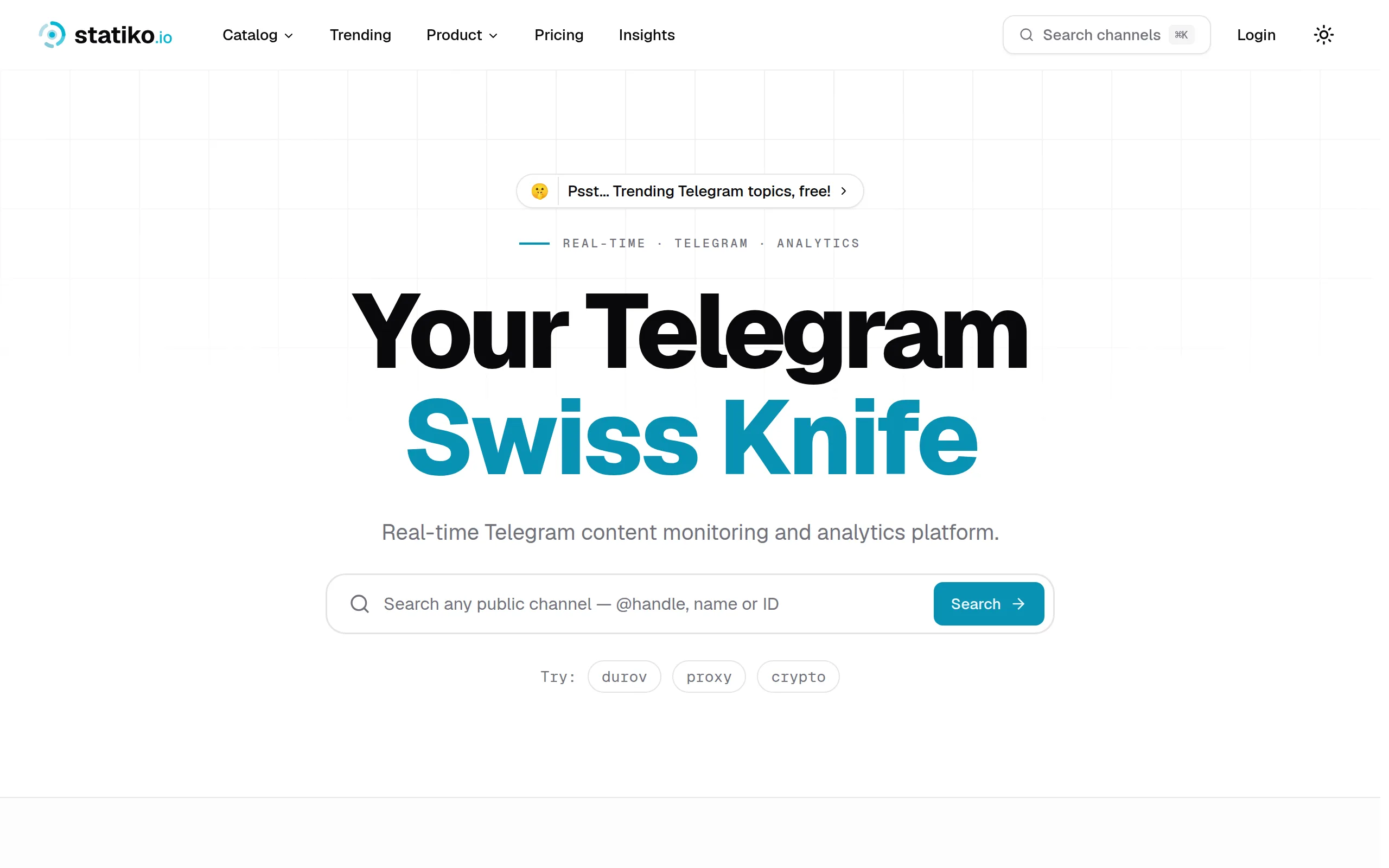
Statiko
Monitor any Telegram channel in real time - track posts, edits, deletions, and growth with AI recaps 📡
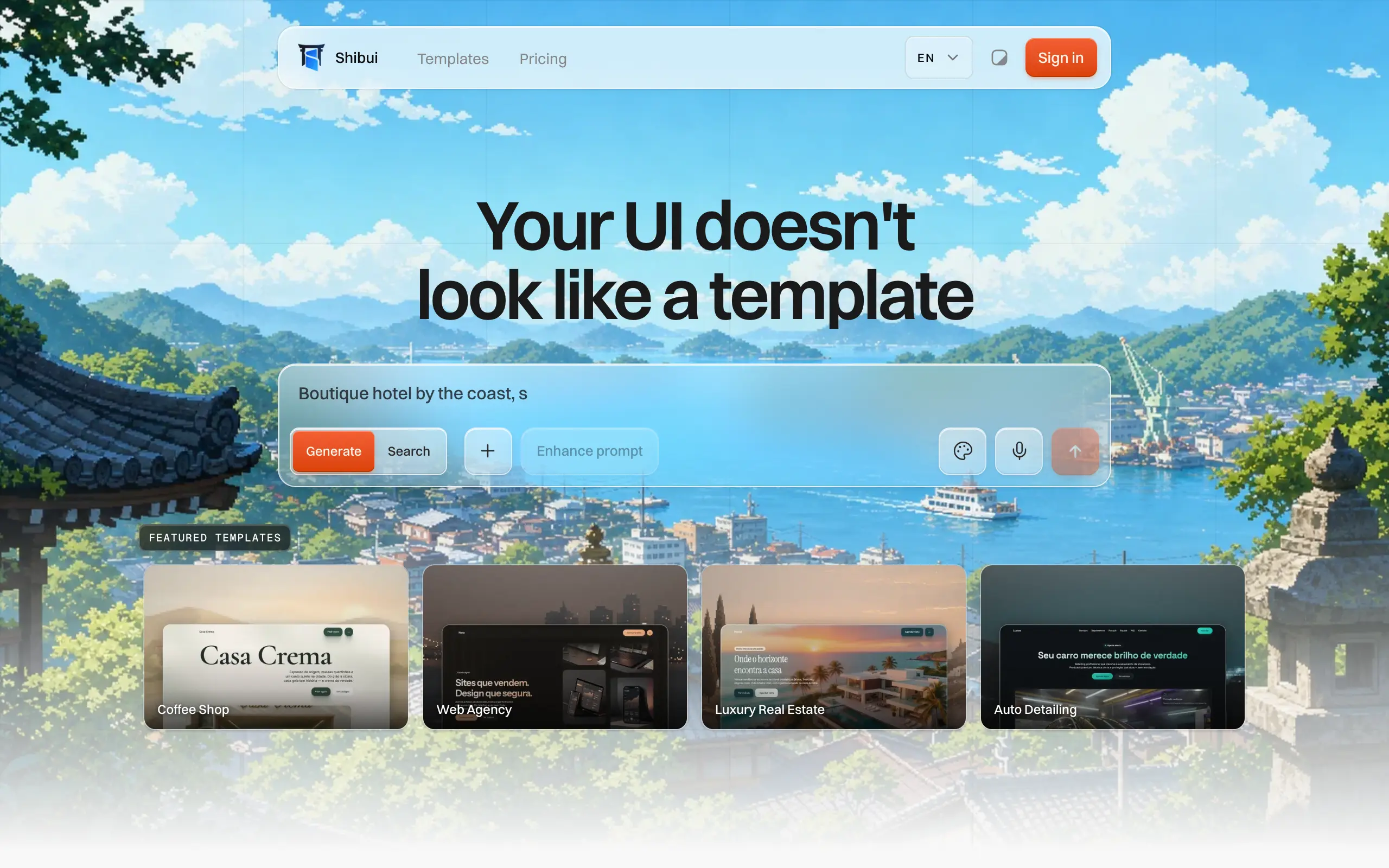
Shibui
AI website builder - describe your business, pick a niche template, edit by chatting, and publish instantly ✨
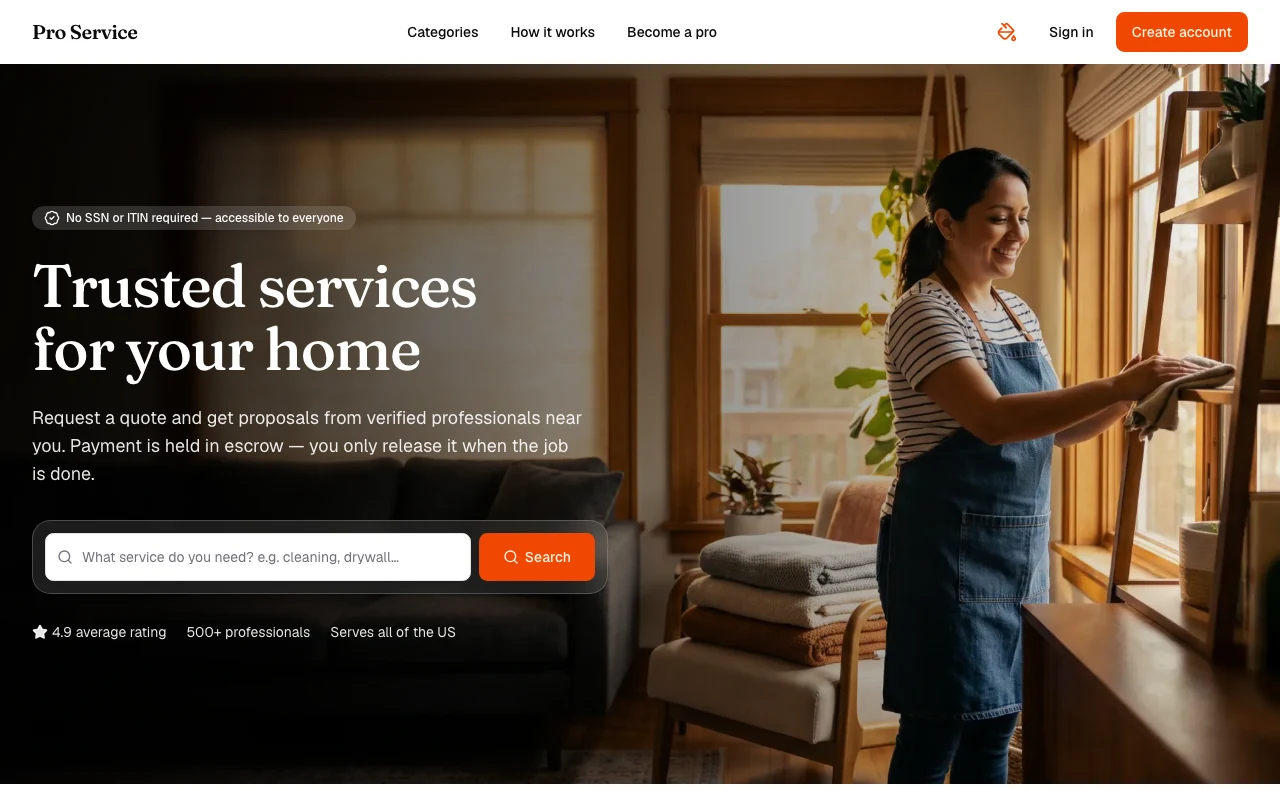
Pro Service
Find verified home service professionals, compare quotes, and pay securely through escrow - built for Brazilians across the US 🏠
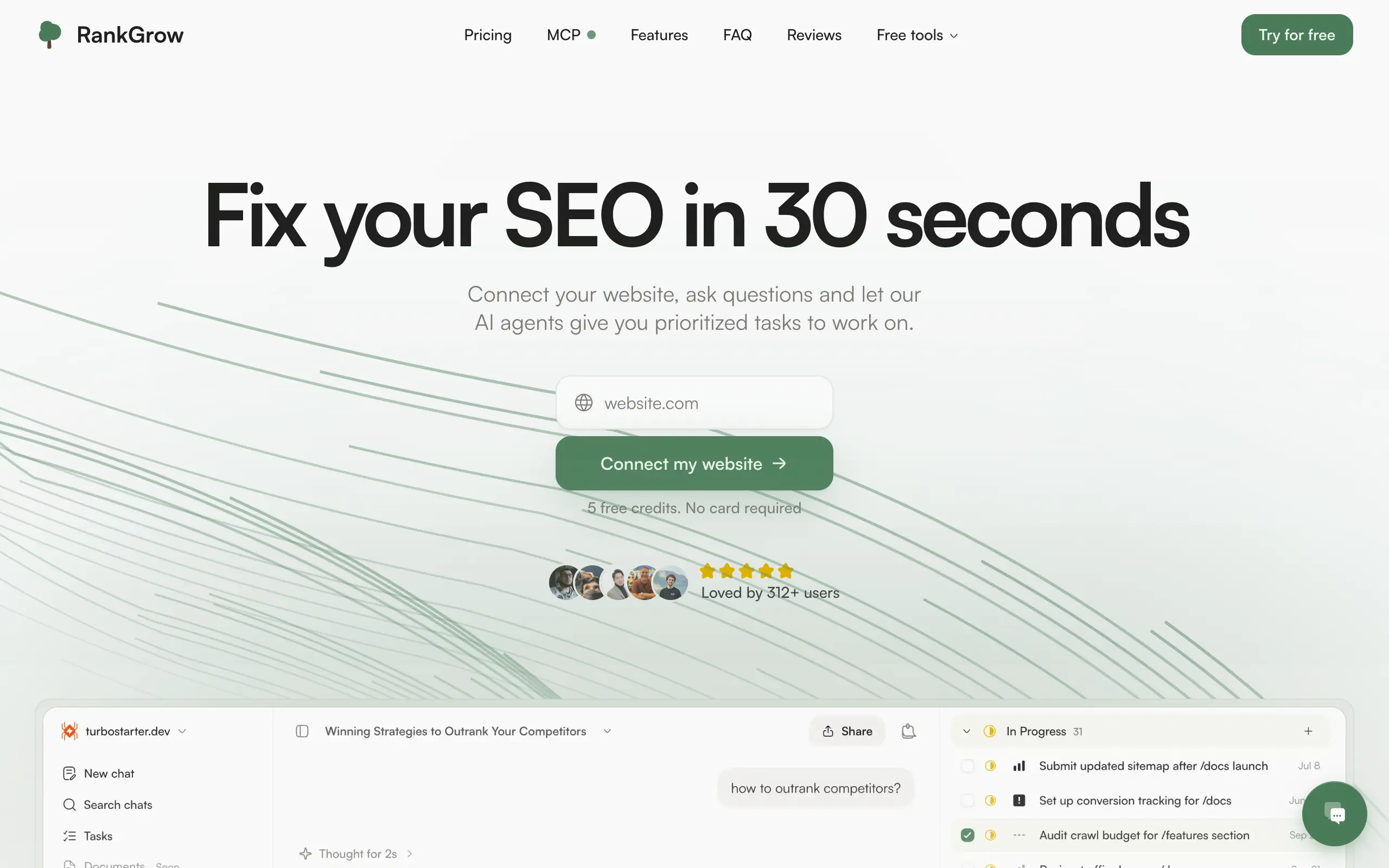
RankGrow
Fix your SEO with AI agents - connect Search Console, get prioritized tasks, and grow organic traffic 📈
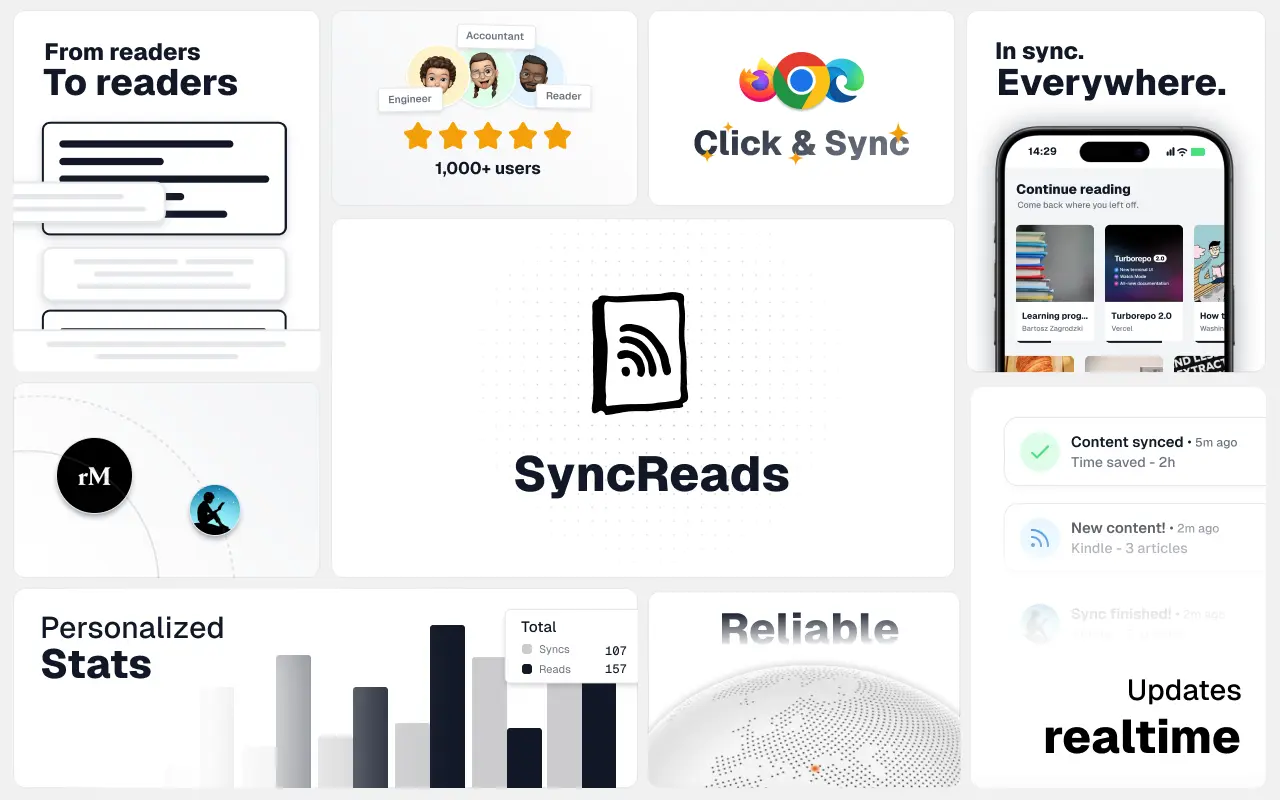
SyncReads
Sync your favorite content for distraction-free reading, save time and replace multiple apps. Anytime, anywhere 🔄
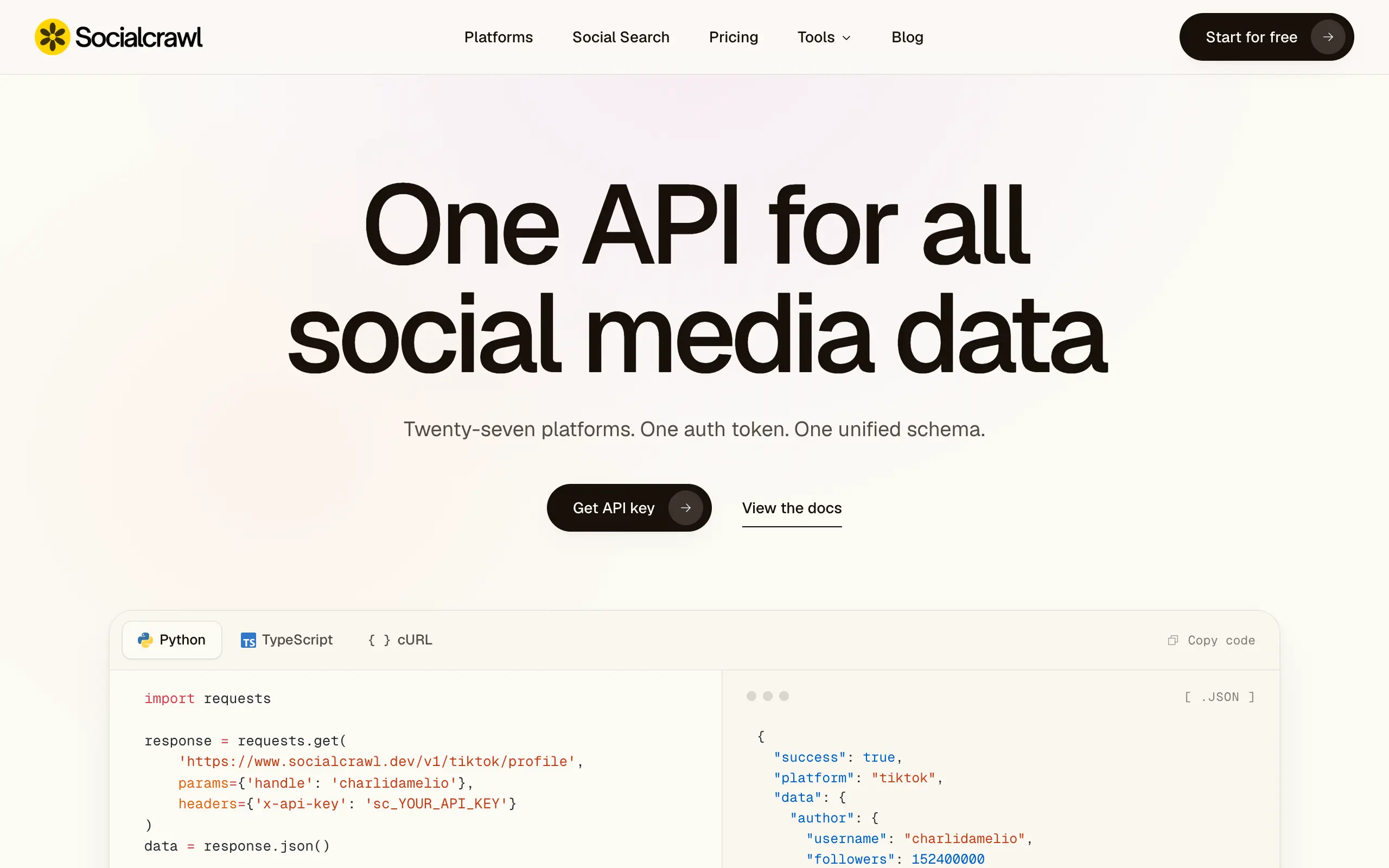
Socialcrawl
Get clean, structured data from 21 platforms like TikTok, Instagram, and YouTube with a single request 📊
Statiko
Monitor any Telegram channel in real time - track posts, edits, deletions, and growth with AI recaps 📡
Shibui
AI website builder - describe your business, pick a niche template, edit by chatting, and publish instantly ✨
Pro Service
Find verified home service professionals, compare quotes, and pay securely through escrow - built for Brazilians across the US 🏠
RankGrow
Fix your SEO with AI agents - connect Search Console, get prioritized tasks, and grow organic traffic 📈
SyncReads
Sync your favorite content for distraction-free reading, save time and replace multiple apps. Anytime, anywhere 🔄
Socialcrawl
Get clean, structured data from 21 platforms like TikTok, Instagram, and YouTube with a single request 📊
Statiko
Monitor any Telegram channel in real time - track posts, edits, deletions, and growth with AI recaps 📡
Shibui
AI website builder - describe your business, pick a niche template, edit by chatting, and publish instantly ✨
Pro Service
Find verified home service professionals, compare quotes, and pay securely through escrow - built for Brazilians across the US 🏠
RankGrow
Fix your SEO with AI agents - connect Search Console, get prioritized tasks, and grow organic traffic 📈
SyncReads
Sync your favorite content for distraction-free reading, save time and replace multiple apps. Anytime, anywhere 🔄
Socialcrawl
Get clean, structured data from 21 platforms like TikTok, Instagram, and YouTube with a single request 📊
Statiko
Monitor any Telegram channel in real time - track posts, edits, deletions, and growth with AI recaps 📡
Shibui
AI website builder - describe your business, pick a niche template, edit by chatting, and publish instantly ✨
Pro Service
Find verified home service professionals, compare quotes, and pay securely through escrow - built for Brazilians across the US 🏠
RankGrow
Fix your SEO with AI agents - connect Search Console, get prioritized tasks, and grow organic traffic 📈
SyncReads
Sync your favorite content for distraction-free reading, save time and replace multiple apps. Anytime, anywhere 🔄
Socialcrawl
Get clean, structured data from 21 platforms like TikTok, Instagram, and YouTube with a single request 📊
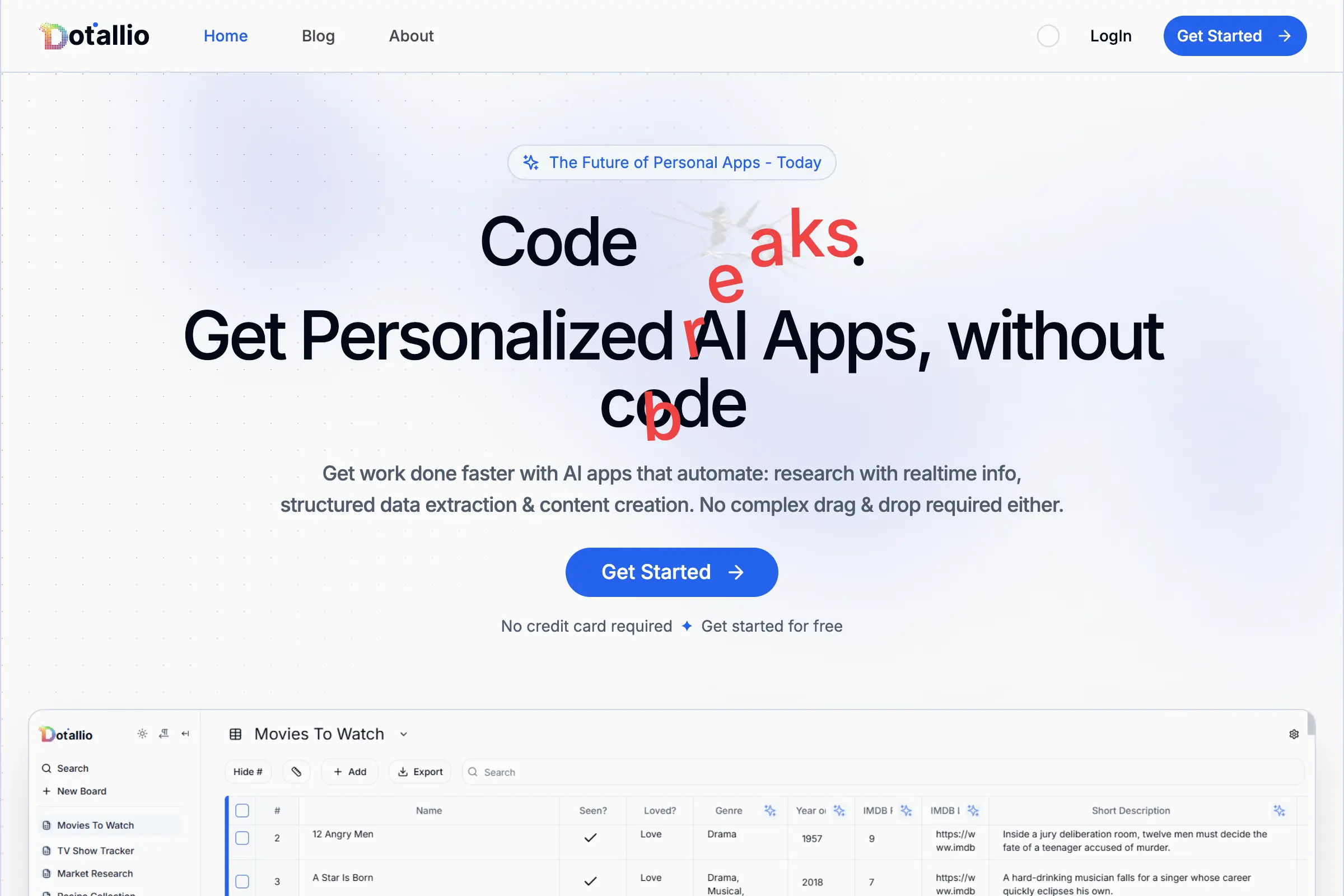
Dotallio
Personalized AI apps that automate research, data extraction, and content creation without code 🤖
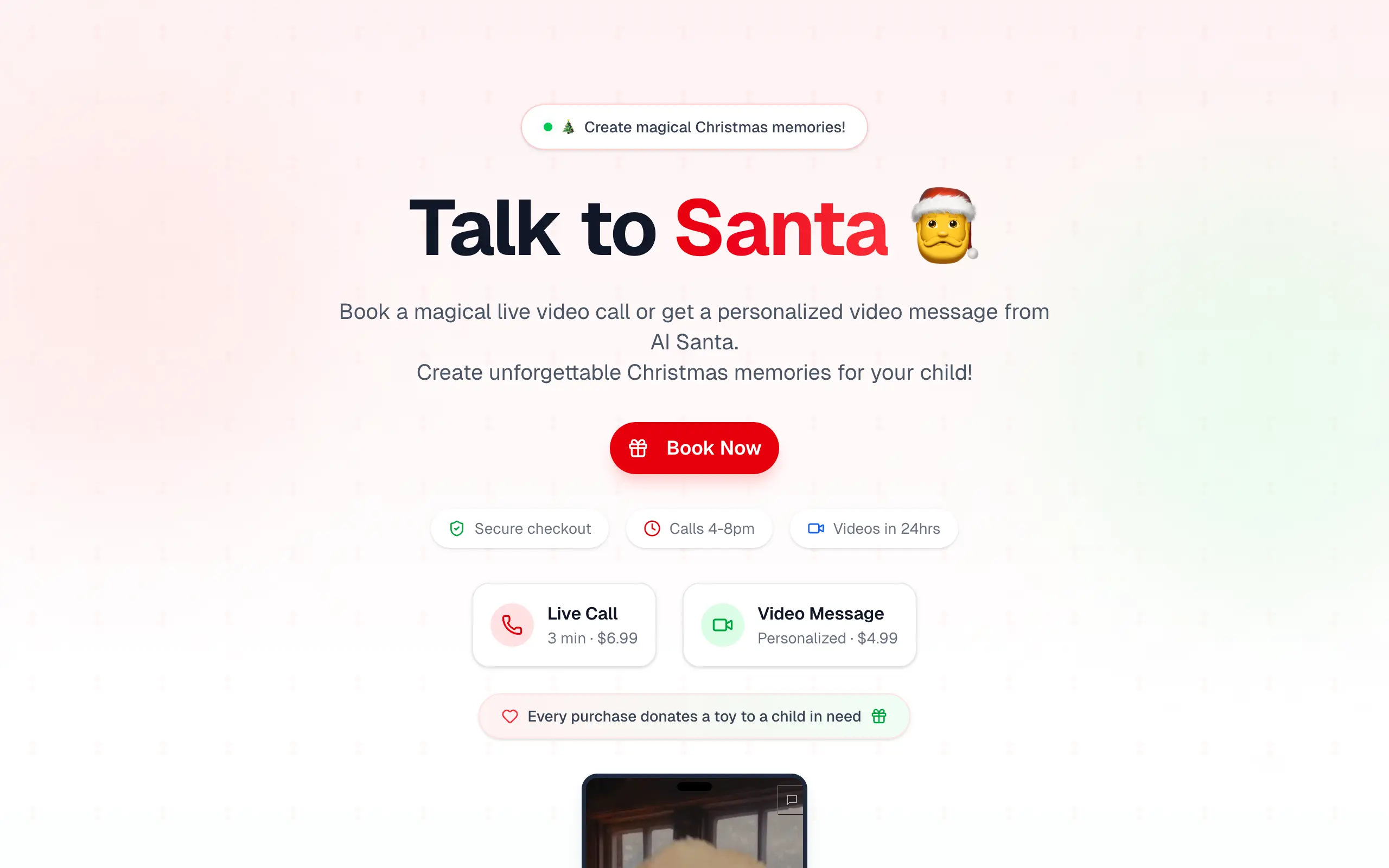
Talk to Santa
Enjoy a magical live video chat or receive a unique AI-generated video greeting from Santa Claus 🎅
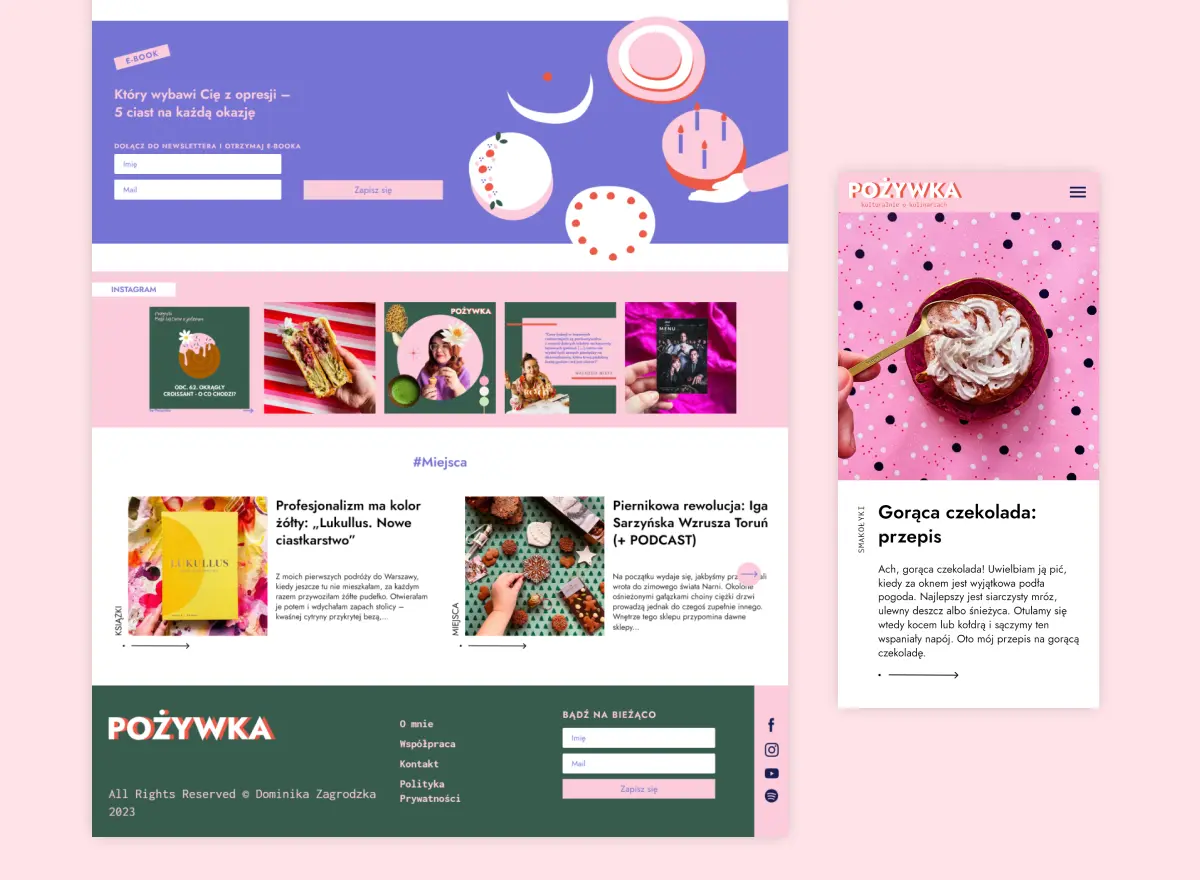
pozywka.pl
Scalable blog for food journalist, focused on performance and user experience 🌭
zagrodzki.me
Personal blog and portfolio of Bart Zagrodzki, where he shares his knowledge and work 💼
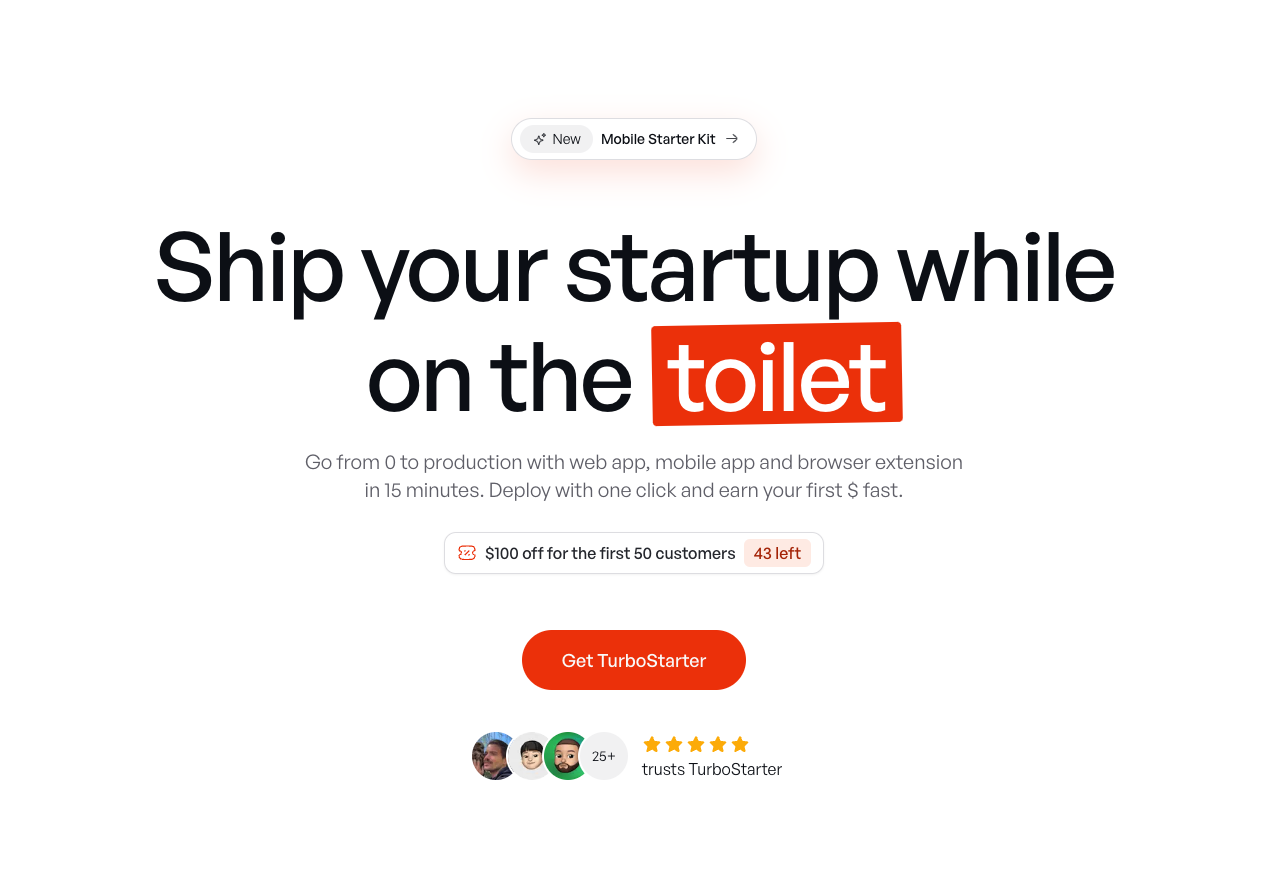
TurboStarter
Ship your startup everywhere. In minutes.
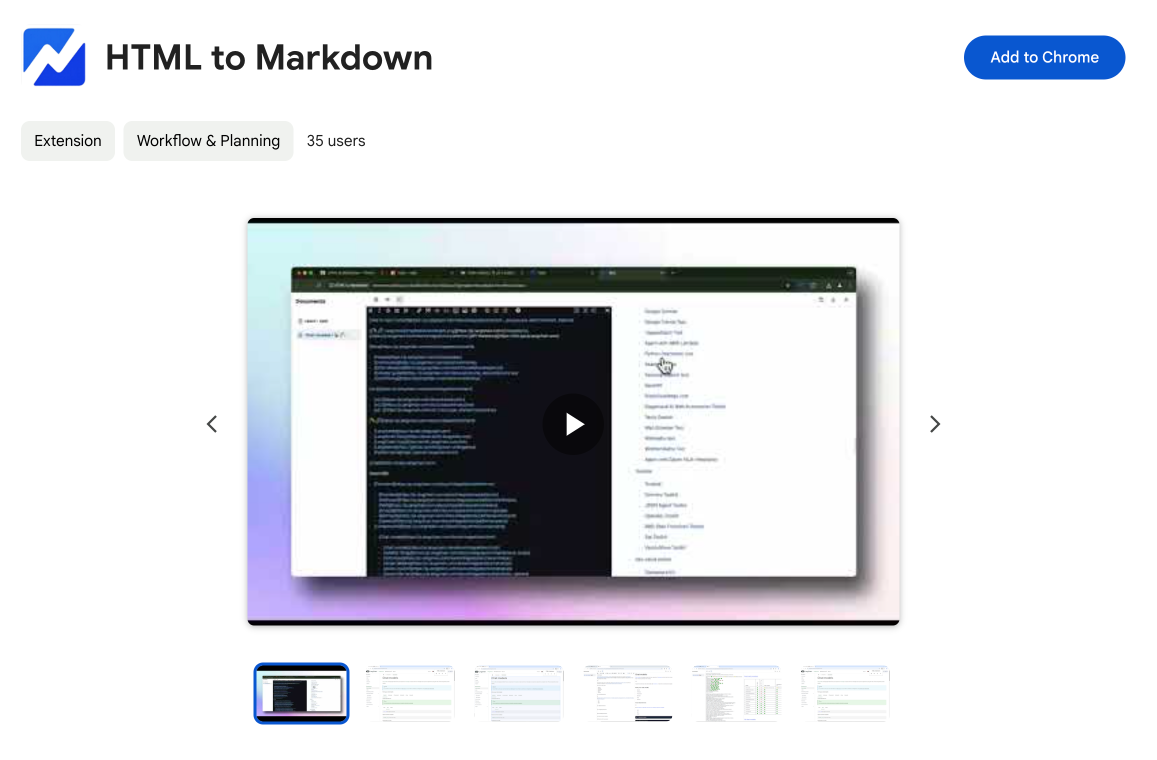
HTML to Markdown
Convert HTML to Markdown with ease, directly in your browser 📄
Dotallio
Personalized AI apps that automate research, data extraction, and content creation without code 🤖
Talk to Santa
Enjoy a magical live video chat or receive a unique AI-generated video greeting from Santa Claus 🎅
pozywka.pl
Scalable blog for food journalist, focused on performance and user experience 🌭
zagrodzki.me
Personal blog and portfolio of Bart Zagrodzki, where he shares his knowledge and work 💼
TurboStarter
Ship your startup everywhere. In minutes.
HTML to Markdown
Convert HTML to Markdown with ease, directly in your browser 📄
Dotallio
Personalized AI apps that automate research, data extraction, and content creation without code 🤖
Talk to Santa
Enjoy a magical live video chat or receive a unique AI-generated video greeting from Santa Claus 🎅
pozywka.pl
Scalable blog for food journalist, focused on performance and user experience 🌭
zagrodzki.me
Personal blog and portfolio of Bart Zagrodzki, where he shares his knowledge and work 💼
TurboStarter
Ship your startup everywhere. In minutes.
HTML to Markdown
Convert HTML to Markdown with ease, directly in your browser 📄
Dotallio
Personalized AI apps that automate research, data extraction, and content creation without code 🤖
Talk to Santa
Enjoy a magical live video chat or receive a unique AI-generated video greeting from Santa Claus 🎅
pozywka.pl
Scalable blog for food journalist, focused on performance and user experience 🌭
zagrodzki.me
Personal blog and portfolio of Bart Zagrodzki, where he shares his knowledge and work 💼
TurboStarter
Ship your startup everywhere. In minutes.
HTML to Markdown
Convert HTML to Markdown with ease, directly in your browser 📄
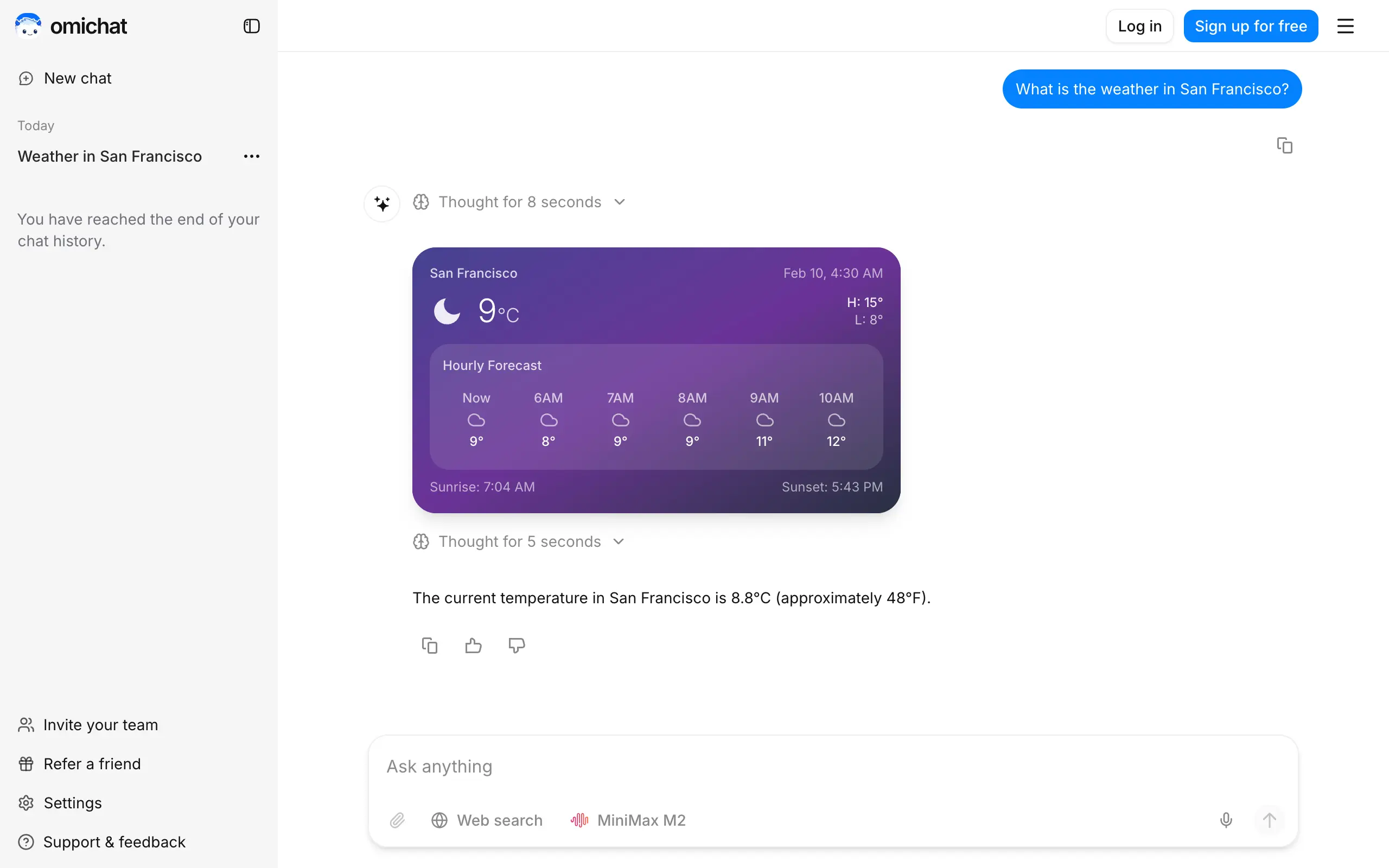
Omichat
Chat with 50+ AI models, including ChatGPT and Claude, in one place - switch models anytime without losing context 🤖
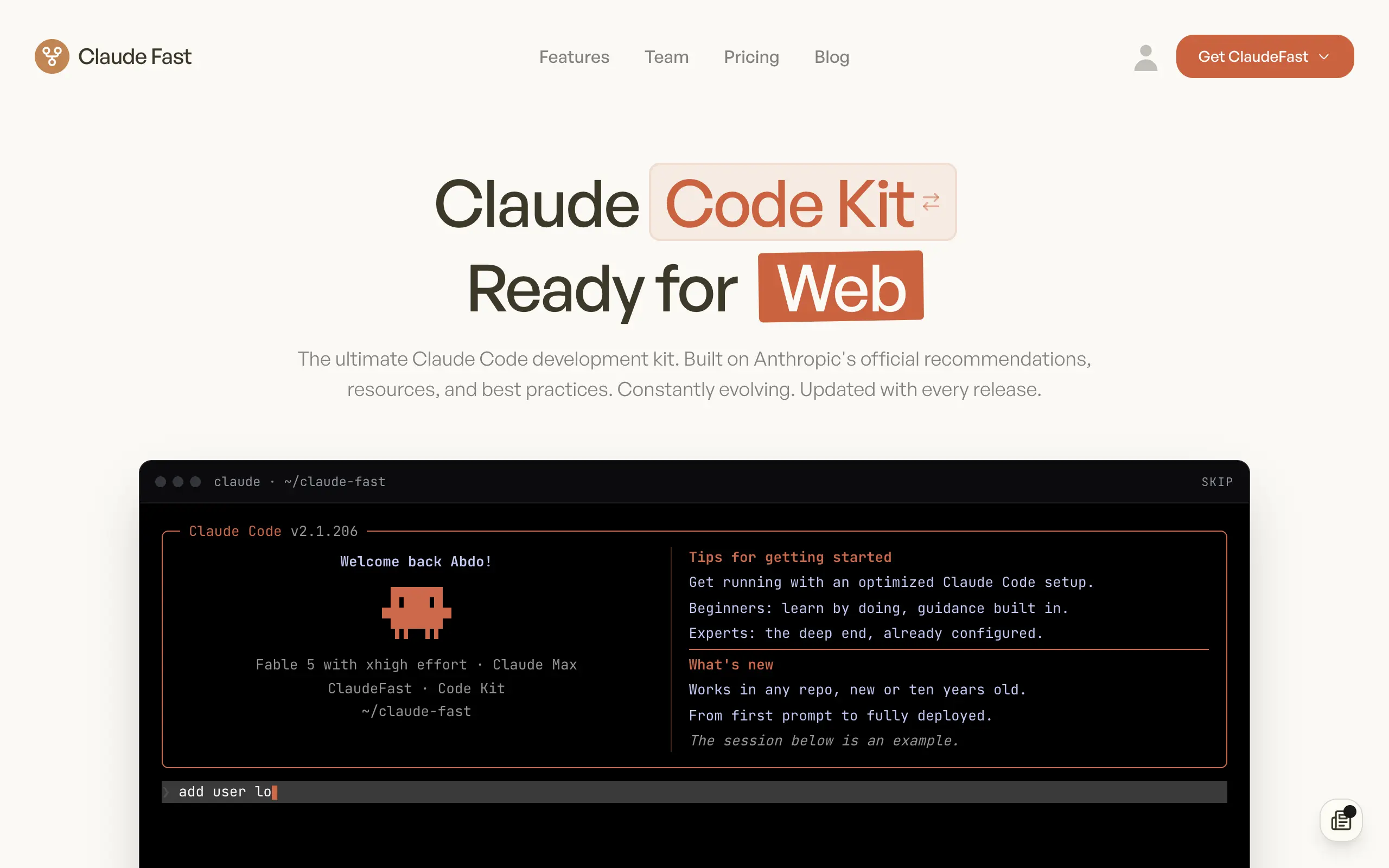
Claude Fast
Supercharge your Claude Code with 6x effective context window and specialized AI agents 🤖
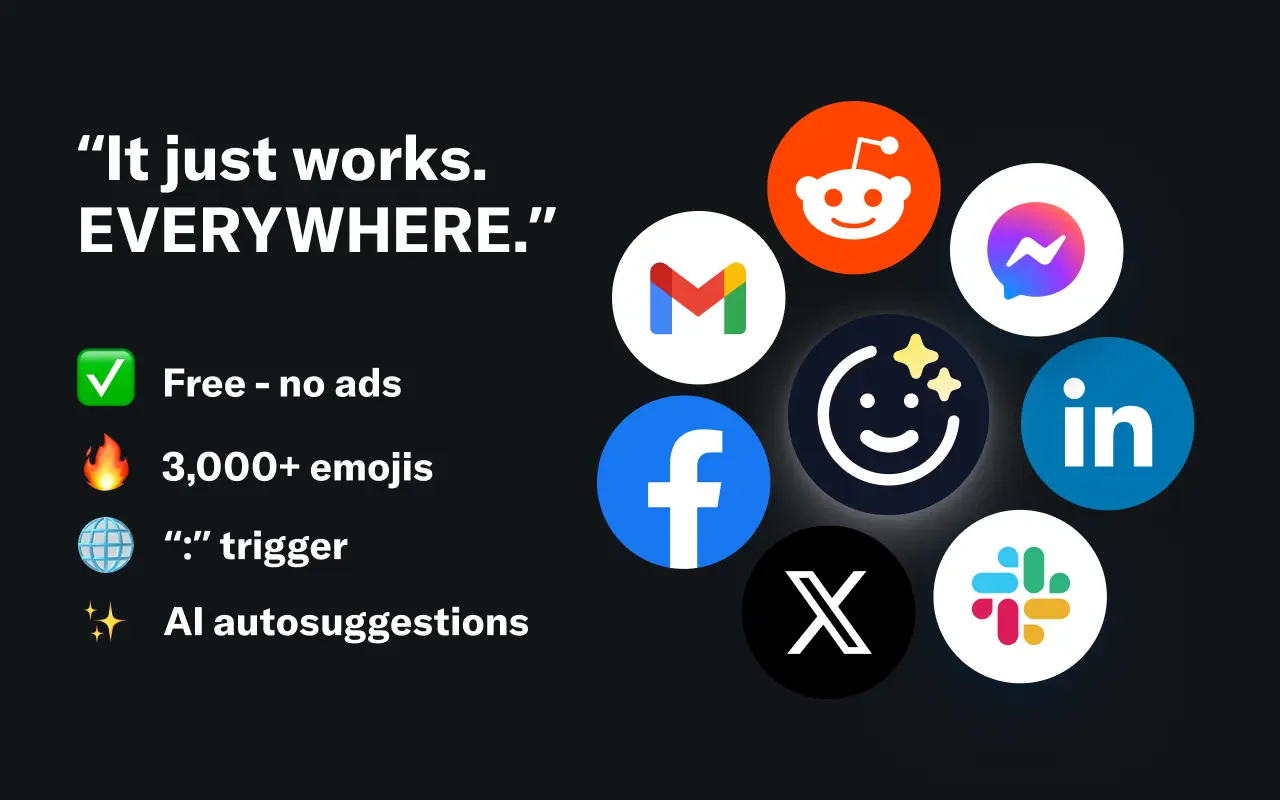
EmojAI
AI-powered emoji picker with smart, context-aware suggestions 🤖
Solohacker
Autonomous company launcher - AI agents work 24/7, escalate what matters, and you stay in control 🤖
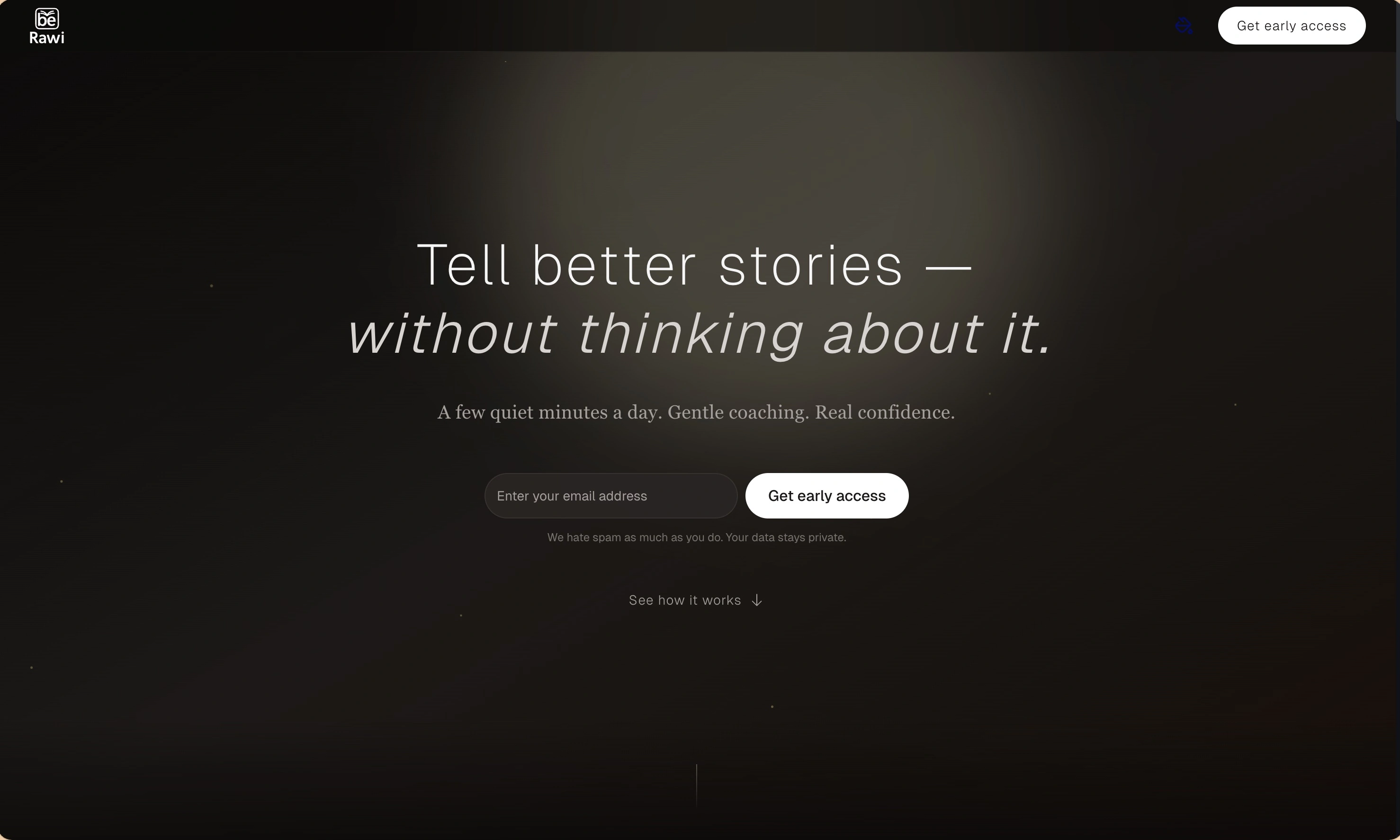
BeRawi: Storytelling Coach
Practice storytelling daily with instant feedback to sound clearer, more engaging, and confident 🎤
Omichat
Chat with 50+ AI models, including ChatGPT and Claude, in one place - switch models anytime without losing context 🤖
Claude Fast
Supercharge your Claude Code with 6x effective context window and specialized AI agents 🤖
EmojAI
AI-powered emoji picker with smart, context-aware suggestions 🤖
Solohacker
Autonomous company launcher - AI agents work 24/7, escalate what matters, and you stay in control 🤖
BeRawi: Storytelling Coach
Practice storytelling daily with instant feedback to sound clearer, more engaging, and confident 🎤
Omichat
Chat with 50+ AI models, including ChatGPT and Claude, in one place - switch models anytime without losing context 🤖
Claude Fast
Supercharge your Claude Code with 6x effective context window and specialized AI agents 🤖
EmojAI
AI-powered emoji picker with smart, context-aware suggestions 🤖
Solohacker
Autonomous company launcher - AI agents work 24/7, escalate what matters, and you stay in control 🤖
BeRawi: Storytelling Coach
Practice storytelling daily with instant feedback to sound clearer, more engaging, and confident 🎤
Omichat
Chat with 50+ AI models, including ChatGPT and Claude, in one place - switch models anytime without losing context 🤖
Claude Fast
Supercharge your Claude Code with 6x effective context window and specialized AI agents 🤖
EmojAI
AI-powered emoji picker with smart, context-aware suggestions 🤖
Solohacker
Autonomous company launcher - AI agents work 24/7, escalate what matters, and you stay in control 🤖
BeRawi: Storytelling Coach
Practice storytelling daily with instant feedback to sound clearer, more engaging, and confident 🎤

Connect with like-minded people
Join our community to get feedback, support, and grow together with 1,000+ builders on board, let's ship it!
Join usShip your startup everywhere. In minutes.
Don't burn tokens on setup and start building features on day one.