Pawsitive Trainer
Smart dog training app with personalized, AI-driven routines and real-time feedback—perfect for building healthier habits and stronger bonds.
Understanding the dog training software landscape
If you’re considering a new tool to enhance how you train your dog, you’re not alone. The pet care landscape is quickly evolving, and smart training apps like Pawsitive Trainer are at the forefront. Whether you’re an owner struggling with obedience basics, a trainer looking to enhance client results, or someone interested in pet tech, understanding the market, the technology, and the opportunities is vital to making the right decision.
This in-depth guide explores Pawsitive Trainer—a B2C SaaS platform designed as a smart dog training app with personalized, AI-driven routines and real-time feedback. We’ll uncover key features, market gaps, technology, monetization strategies, and concrete steps for users and potential founders alike.
Target audience analysis: Who benefits from a smart dog training app?
To succeed, any SaaS solution must deeply understand who it serves. For Pawsitive Trainer, the audience is broad yet defined by real needs and pain points.
Core user segments
-
First-time or busy dog owners
These users want quick, trustworthy guidance tailored to their unique dog (age, breed, behavior issues) and prefer digital assistance for convenience. -
Experienced dog owners
They look for engaging, science-backed ways to reinforce or refresh good habits, often exploring advanced training or fun tricks. -
Pet trainers and canine professionals
Professionals can use the app for tracking training, offering virtual sessions, or managing multiple dogs and clients. -
Rescue organizations and shelters
They frequently need a scalable, consistent tool for rehabilitating dogs ahead of adoption.
User intent and pain points
- Personalized guidance, not generic content: Owners struggle with one-size-fits-all solutions that fail to address their dog’s quirks.
- Low time and high motivation: Busy lifestyles mean instructions must be bite-sized, actionable, and measurable.
- Trust and accuracy: Users want science-backed techniques that foster real progress and positive reinforcement.
- Real-time feedback: Many struggle to recognize mistakes or reinforce behaviors promptly, leading to confusion for dogs and frustration for owners.
Demographics
- Millennial and Gen Z pet owners, with high smartphone adoption and digital app affinity.
- Suburban and urban dwellers, where structured routines and indoor-friendly training are vital.
- Global reach: The desire for quality, accessible dog training is not limited by geography, particularly with multi-language support.
Market opportunity: Trends, gaps, and why now
The pet tech sector is booming. According to industry data, the global pet tech market is projected to surpass $20 billion by 2028, with smart training solutions representing a rapidly growing segment [Consider referencing recent industry reports for source].
Existing options—and their limits
Current dog training apps are numerous but rarely excel at both personalization and feedback. Most fall into one of these categories:
- Generic training guides with static content
- Video-based courses without interactivity
- Wearable-driven trackers lacking actionable steps
- Apps focusing only on scheduling, ignoring behavioral nuance
Identified market gaps
- Lack of true personalization: Few integrate AI to adapt guidance to a specific dog’s progress or setbacks.
- Real-time feedback: Solutions often lack instant cues or correction recommendations, making mistakes harder to address in the moment.
- Bond-building focus: The relationship aspect—helping humans and dogs connect emotionally—is often missing.
Timing: Why launch now?
- AI technology maturity: Advances in machine learning enable reliable behavior recognition and personalized improvement plans.
- Shift to positive reinforcement: Trends in humane, reward-based training align with digitally delivered, scientifically validated routines.
- Remote services boom: Pandemic-era habits endure, with more pet owners expecting at-home, on-demand solutions.
Personalized AI Routines
Dynamic training plans adapt to each dog’s age, breed, progress, and behavioral challenges.
Real-Time Feedback
Instant corrections or encouragement using sound, vibration, or video—building better habits fast.
Bond-Focused Outcomes
Routine elements designed to strengthen owner-pet relationships, not just obedience.
Core features: How Pawsitive Trainer delivers a smarter experience
A successful dog training app must meet users where they are—merging expertise, usability, and rapid feedback. Here’s how Pawsitive Trainer stands out.
Personalized, AI-driven routines
- Dynamic plans adjusted for breed, age, temperament, and real-time progress.
- Progressive levels (basic obedience, advanced tricks, problem behaviors).
- Training reminders and streak tracking for accountability.
- Behavioral analytics: Insights on common pitfalls, breakthrough moments, and adjustments when habits stall.
Real-time feedback and corrections
- Interactive cues: The app provides immediate auditory or visual signals if a behavior is performed incorrectly or needs reinforcement.
- Video/audio analysis: Use device camera and mic for instant recognition of behaviors (e.g., “sit” detected via pose estimation).
- Gamified progress: Earn badges, compete with friends, share milestones.
Robust knowledge base
- Expert-vetted content: Video tutorials, FAQs, troubleshooting, and science-backed articles.
- Community Q&A: Users can ask for guidance, moderated by canine experts.
- Ask the AI trainer: Chatbot support for instant answers or routine adjustments.
Multi-pet and multi-user support
- Households with multiple dogs: Create profiles, track separate routines, and see aggregate progress.
- Trainer mode: Optional module for professionals to manage several dogs/clients, share progress, and customize plans.
Solution workflow: What users experience
Let’s walk through a typical journey with Pawsitive Trainer:
Recommended tech stack for a smart training app
Technology matters, both for performance and the user’s experience. For a robust, AI-powered SaaS targeting B2C dog training, the following stack is recommended:
Frontend
- React: Modern, component-based UI development.
- TailwindCSS: Rapid, responsive, and easily themeable design system for beautiful mobile-first screens.
- React Native or Flutter (for mobile): For seamless cross-platform mobile app deployment.
Backend & AI
- Node.js with TypeScript: Scalable, event-driven server logic.
- Python (for AI/ML routines): Preferred for deep learning models and behavior analysis algorithms.
- TensorFlow Lite or ONNX: Edge inference for on-device camera/mic processing (video/audio behavior recognition).
- PostgreSQL or MongoDB**: Reliable data store for profiles, routines, and usage analytics.
Cloud & Integrations
- Firebase: Authentication, push notifications, cloud hosting.
- AWS / Azure: For scalable backend tasks, AI model hosting, and data storage.
- Twilio or SendGrid: For communication (SMS/email reminders).
Trade-offs to consider
- React Native vs. Flutter: React Native offers faster integration with JavaScript-heavy web stacks but may require more custom modules for video processing. Flutter is more performant for UI, but brings Dart into the mix.
- Cloud AI vs. Edge AI: Running AI models on-device protects user privacy and enables offline routines, but constrains model size and requires close optimization.
Tip for founders
Careful data governance in training and analytics is crucial—privacy concerns are rising, and users value transparency.
Monetization strategy: Making the SaaS viable
The path to sustainable revenue for Pawsitive Trainer lies in blending value, scalability, and user psychology.
Freemium model with tiered subscriptions
- Free tier: Basic routines, daily reminders, access to community Q&A.
- Premium tier(s): Advanced AI customization, real-time feedback, multi-dog support, pro guidance, video analysis, and badge gamification.
Microtransactions and add-ons
- Virtual goods: Custom badges, achievement trophies, or outfit options for dog avatars.
- One-time expert consultations: Book time with vetted trainers for complex behavioral issues.
- Specialized routines: Purchase premium plans (e.g., “puppy potty training bootcamp”).
Partnership revenue
- Affiliate links: Curated pet accessories, treats, or partner services.
- B2B contracts: White-label or “trainer mode” licensing for pet pros, shelters, and clinics.
Pricing advice
- Ensure transparent, accessible pricing with monthly and annual plans.
- Offer “family” or “trainer” plans for multiple dogs or users.
- Consider a trial period to drive premium conversions.
Risks and mitigation: Navigating potential pitfalls
No SaaS journey is risk-free. Here are key risks for a dog training SaaS and how to proactively address them:
Primary risks
- AI inaccuracy: Misinterpreting a dog’s behavior can erode user trust.
Mitigation: Continually validate algorithms with real-world data and allow manual override of progress. - Privacy and data security: User camera and mic usage raises concerns. Mitigation: Store only necessary data, use robust encryption, and be transparent.
- Market competition: Standing out in a crowded field. Mitigation: Double down on unique, high-quality features and community-driven feedback.
- Churn of free users: Many users try and abandon training apps quickly. Mitigation: Leverage high engagement (streaks, badges, reminders), and personalize onboarding.
Scalability and tech risks
- Video/audio processing workload: Ensuring smooth feedback on low-end devices is challenging.
- AI model drift or bias: Regularly retrain models on diverse datasets.
By blending expert input with AI feedback, and letting users verify or override corrections, trust stays high.
Access to advanced AI-driven features is reserved for premium tiers, but core routines and community support remain free.
Competitive advantage: What makes Pawsitive Trainer unique?
Success isn’t about building an app; it’s about building the right app.
Unique selling propositions
- Truly personalized, adaptive training routines
Pawsitive Trainer’s AI analyzes not just the breed or age, but also learning pace, setbacks, and even the emotional aspect of human-canine bonds. - Real-time, corrective feedback
No other leading solution offers such granular, instant cueing using video, audio, or device feedback—empowering owners to correct or encourage at the perfect moment. - Bond-building focus, not just obedience
Evidence-based exercises focus as much on owner-dog connection, wellbeing, and joy as they do on strict "commands." - Community and pro layers
Integrated social and expert features foster peer support, troubleshooting, and continued engagement.
Feature comparison table
| Personalization | Real-Time Feedback | Trainer Tools | Gamification | Community/Q&A |
|---|---|---|---|---|
| ✅ | ❌ | ❌ | ✅ | ❌ |
| ✅ | ❌ | ✅ | ✅ | ❌ |
Actionable implementation steps: Bringing your smart dog training vision to life
Ready to either become a customer or launch a similar SaaS? Here’s a clear roadmap:
Conclusion: Why a modern, AI-fueled dog training app is a win-win
The future of pet care will be both smarter and more human. With Pawsitive Trainer, users access not simply a training schedule, but a rich, personalized journey—one that strengthens bonds and respects the individuality of every dog and owner.
If you’re seeking to start or scale a SaaS in this space, success hinges on combining scientific rigor, community, and empathy. As AI and pet technology continue to merge, opportunities for innovation abound—especially for those who prioritize E-E-A-T, actionable design, and unwavering focus on user needs.
For dog owners, smarter habits mean happier, healthier companions. For entrepreneurs, Pawsitive Trainer is proof that intelligent, purposeful SaaS can go beyond tools—becoming trusted partners in daily life.
More 👥 B2C Application SaaS ideas
Discover more innovative b2c application SaaS ideas that are trending in 2026. Each idea is AI-generated with market validation and growth potential to help you find your next profitable venture faster than competitors.
Your competitors are building with TurboStarter
Below are some of the SaaS ideas that have been generated and built with our starter kit.

Statiko
Monitor any Telegram channel in real time - track posts, edits, deletions, and growth with AI recaps 📡

Shibui
AI website builder - describe your business, pick a niche template, edit by chatting, and publish instantly ✨

Pro Service
Find verified home service professionals, compare quotes, and pay securely through escrow - built for Brazilians across the US 🏠

RankGrow
Fix your SEO with AI agents - connect Search Console, get prioritized tasks, and grow organic traffic 📈
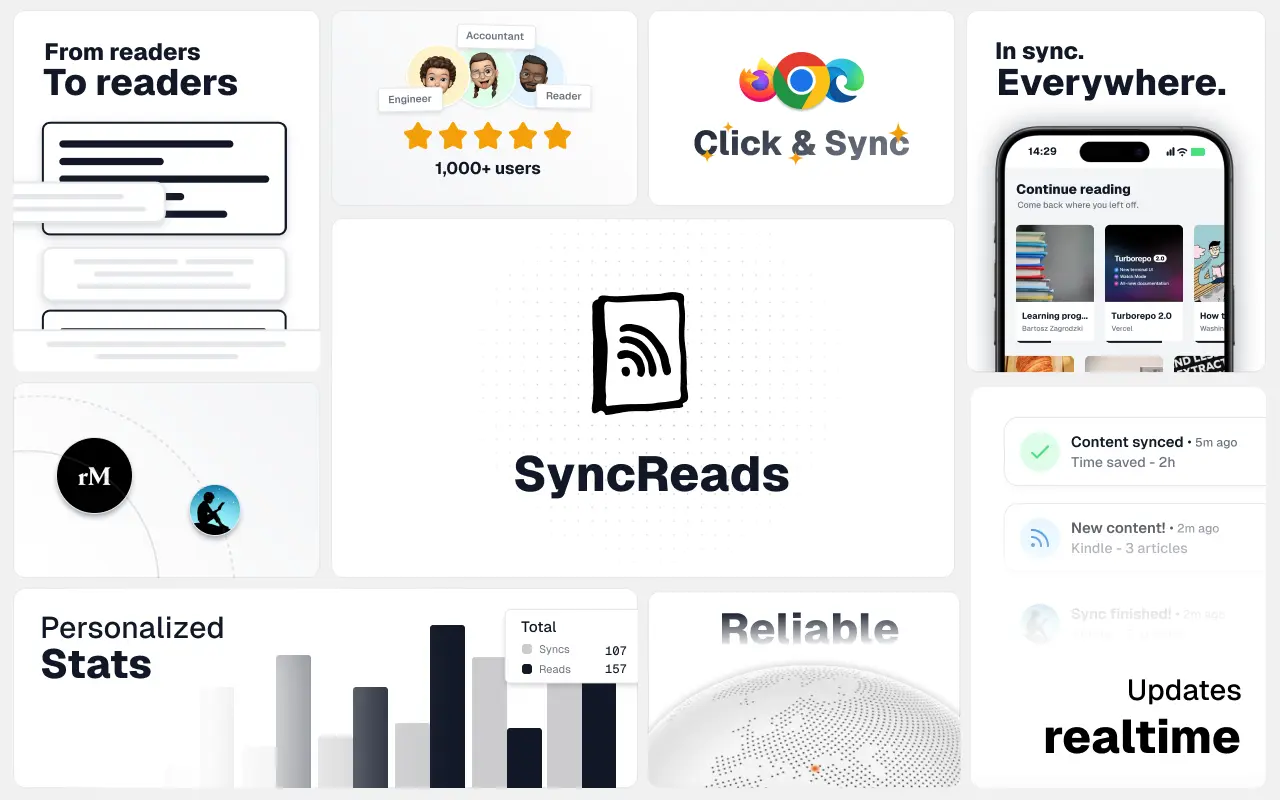
SyncReads
Sync your favorite content for distraction-free reading, save time and replace multiple apps. Anytime, anywhere 🔄
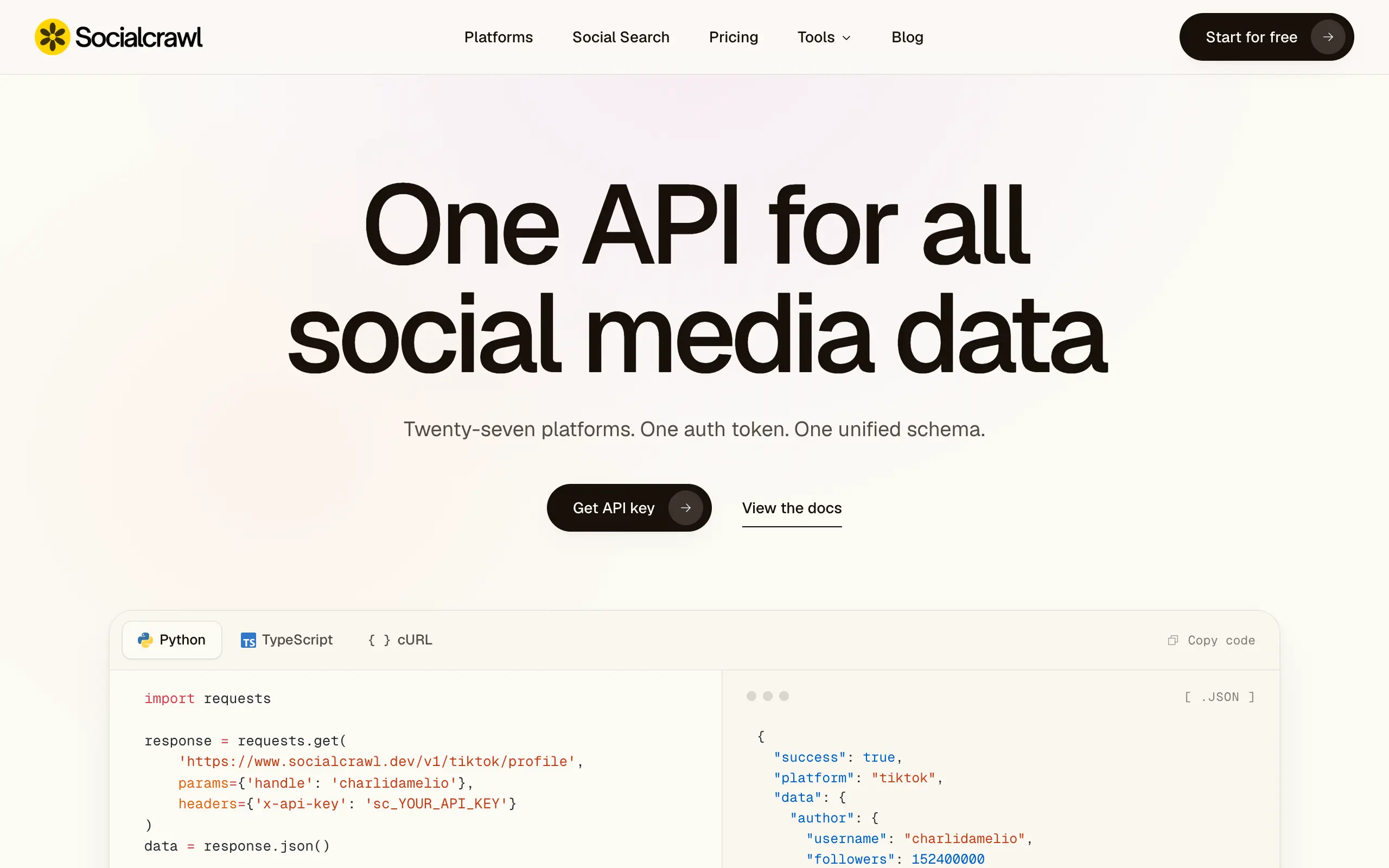
Socialcrawl
Get clean, structured data from 21 platforms like TikTok, Instagram, and YouTube with a single request 📊
Statiko
Monitor any Telegram channel in real time - track posts, edits, deletions, and growth with AI recaps 📡
Shibui
AI website builder - describe your business, pick a niche template, edit by chatting, and publish instantly ✨
Pro Service
Find verified home service professionals, compare quotes, and pay securely through escrow - built for Brazilians across the US 🏠
RankGrow
Fix your SEO with AI agents - connect Search Console, get prioritized tasks, and grow organic traffic 📈
SyncReads
Sync your favorite content for distraction-free reading, save time and replace multiple apps. Anytime, anywhere 🔄
Socialcrawl
Get clean, structured data from 21 platforms like TikTok, Instagram, and YouTube with a single request 📊
Statiko
Monitor any Telegram channel in real time - track posts, edits, deletions, and growth with AI recaps 📡
Shibui
AI website builder - describe your business, pick a niche template, edit by chatting, and publish instantly ✨
Pro Service
Find verified home service professionals, compare quotes, and pay securely through escrow - built for Brazilians across the US 🏠
RankGrow
Fix your SEO with AI agents - connect Search Console, get prioritized tasks, and grow organic traffic 📈
SyncReads
Sync your favorite content for distraction-free reading, save time and replace multiple apps. Anytime, anywhere 🔄
Socialcrawl
Get clean, structured data from 21 platforms like TikTok, Instagram, and YouTube with a single request 📊
Statiko
Monitor any Telegram channel in real time - track posts, edits, deletions, and growth with AI recaps 📡
Shibui
AI website builder - describe your business, pick a niche template, edit by chatting, and publish instantly ✨
Pro Service
Find verified home service professionals, compare quotes, and pay securely through escrow - built for Brazilians across the US 🏠
RankGrow
Fix your SEO with AI agents - connect Search Console, get prioritized tasks, and grow organic traffic 📈
SyncReads
Sync your favorite content for distraction-free reading, save time and replace multiple apps. Anytime, anywhere 🔄
Socialcrawl
Get clean, structured data from 21 platforms like TikTok, Instagram, and YouTube with a single request 📊
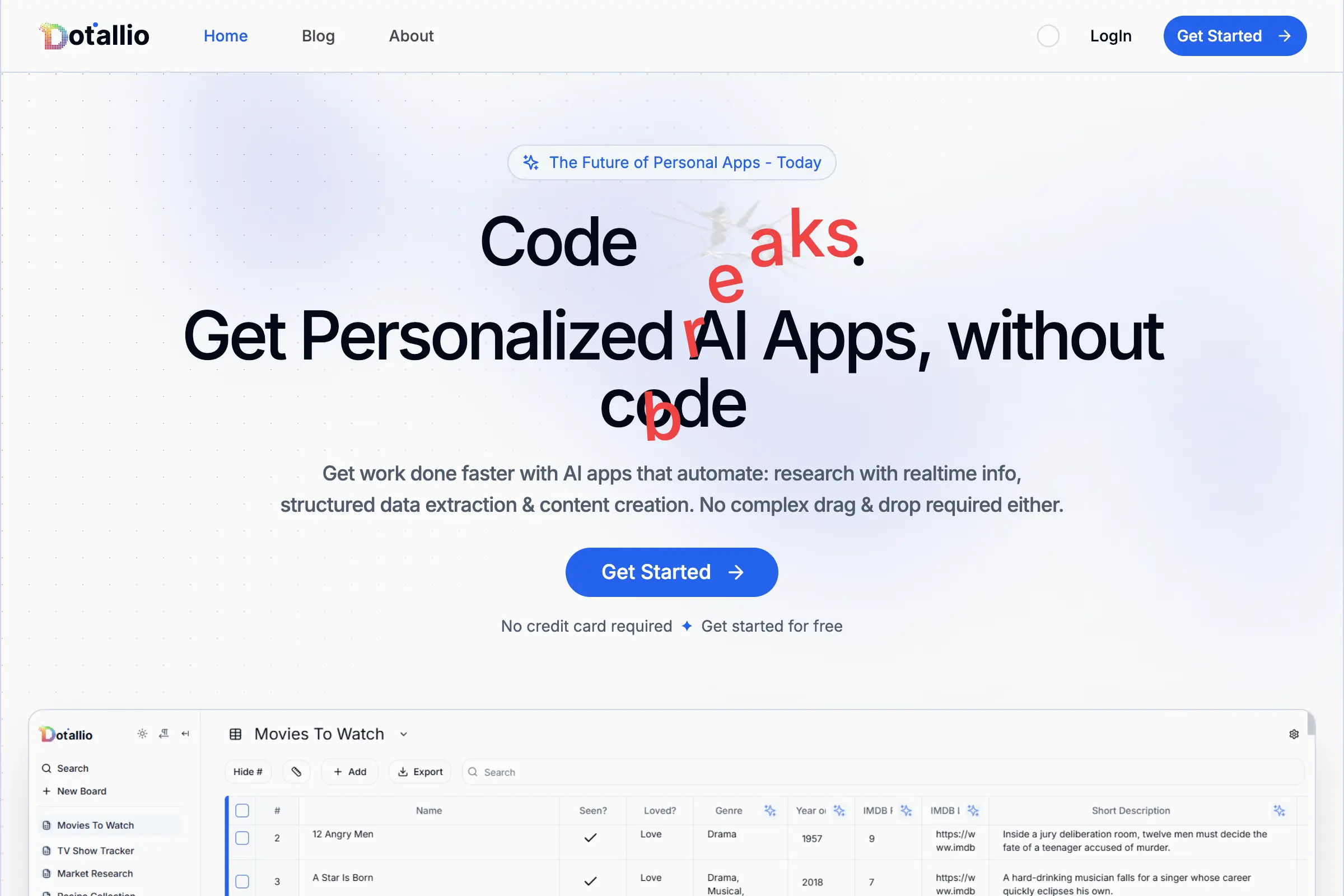
Dotallio
Personalized AI apps that automate research, data extraction, and content creation without code 🤖

Talk to Santa
Enjoy a magical live video chat or receive a unique AI-generated video greeting from Santa Claus 🎅

pozywka.pl
Scalable blog for food journalist, focused on performance and user experience 🌭
zagrodzki.me
Personal blog and portfolio of Bart Zagrodzki, where he shares his knowledge and work 💼
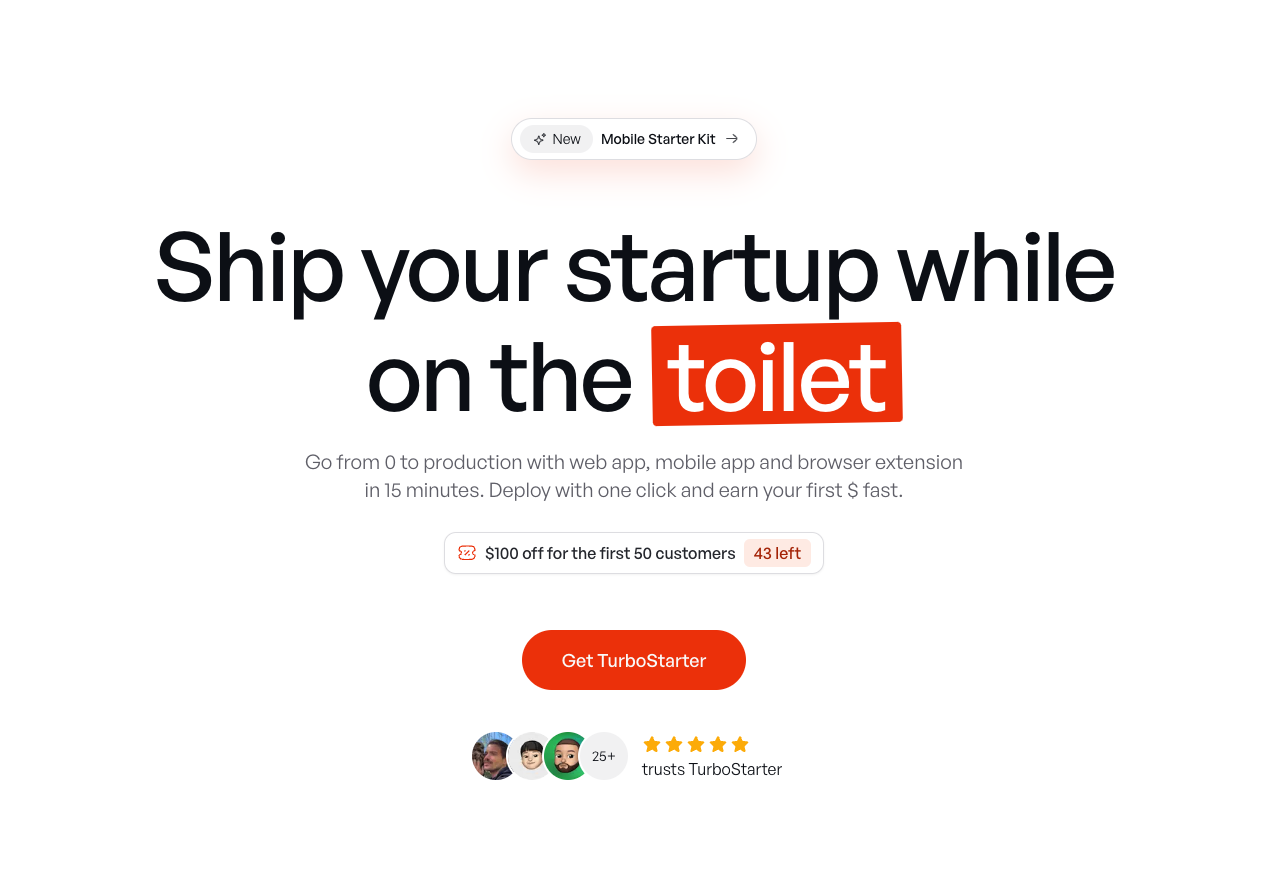
TurboStarter
Ship your startup everywhere. In minutes.
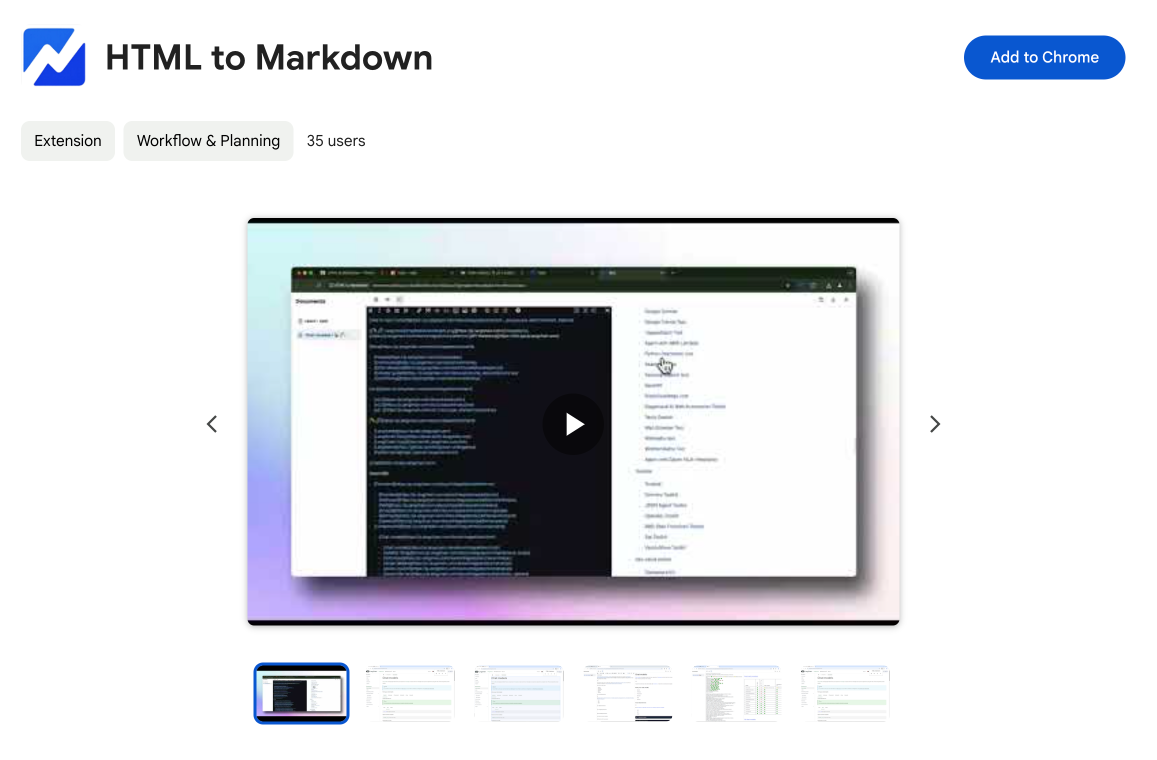
HTML to Markdown
Convert HTML to Markdown with ease, directly in your browser 📄
Dotallio
Personalized AI apps that automate research, data extraction, and content creation without code 🤖
Talk to Santa
Enjoy a magical live video chat or receive a unique AI-generated video greeting from Santa Claus 🎅
pozywka.pl
Scalable blog for food journalist, focused on performance and user experience 🌭
zagrodzki.me
Personal blog and portfolio of Bart Zagrodzki, where he shares his knowledge and work 💼
TurboStarter
Ship your startup everywhere. In minutes.
HTML to Markdown
Convert HTML to Markdown with ease, directly in your browser 📄
Dotallio
Personalized AI apps that automate research, data extraction, and content creation without code 🤖
Talk to Santa
Enjoy a magical live video chat or receive a unique AI-generated video greeting from Santa Claus 🎅
pozywka.pl
Scalable blog for food journalist, focused on performance and user experience 🌭
zagrodzki.me
Personal blog and portfolio of Bart Zagrodzki, where he shares his knowledge and work 💼
TurboStarter
Ship your startup everywhere. In minutes.
HTML to Markdown
Convert HTML to Markdown with ease, directly in your browser 📄
Dotallio
Personalized AI apps that automate research, data extraction, and content creation without code 🤖
Talk to Santa
Enjoy a magical live video chat or receive a unique AI-generated video greeting from Santa Claus 🎅
pozywka.pl
Scalable blog for food journalist, focused on performance and user experience 🌭
zagrodzki.me
Personal blog and portfolio of Bart Zagrodzki, where he shares his knowledge and work 💼
TurboStarter
Ship your startup everywhere. In minutes.
HTML to Markdown
Convert HTML to Markdown with ease, directly in your browser 📄
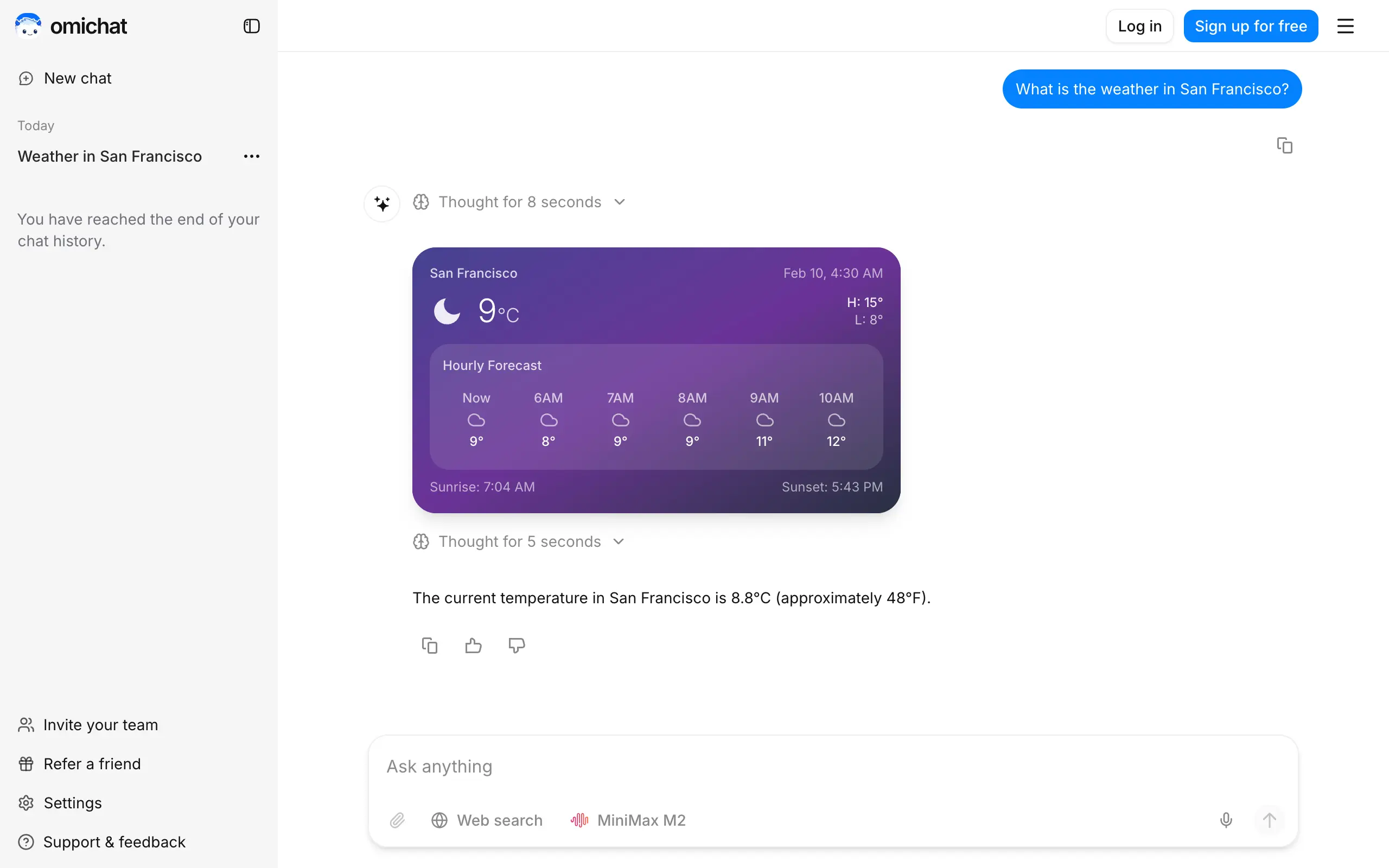
Omichat
Chat with 50+ AI models, including ChatGPT and Claude, in one place - switch models anytime without losing context 🤖
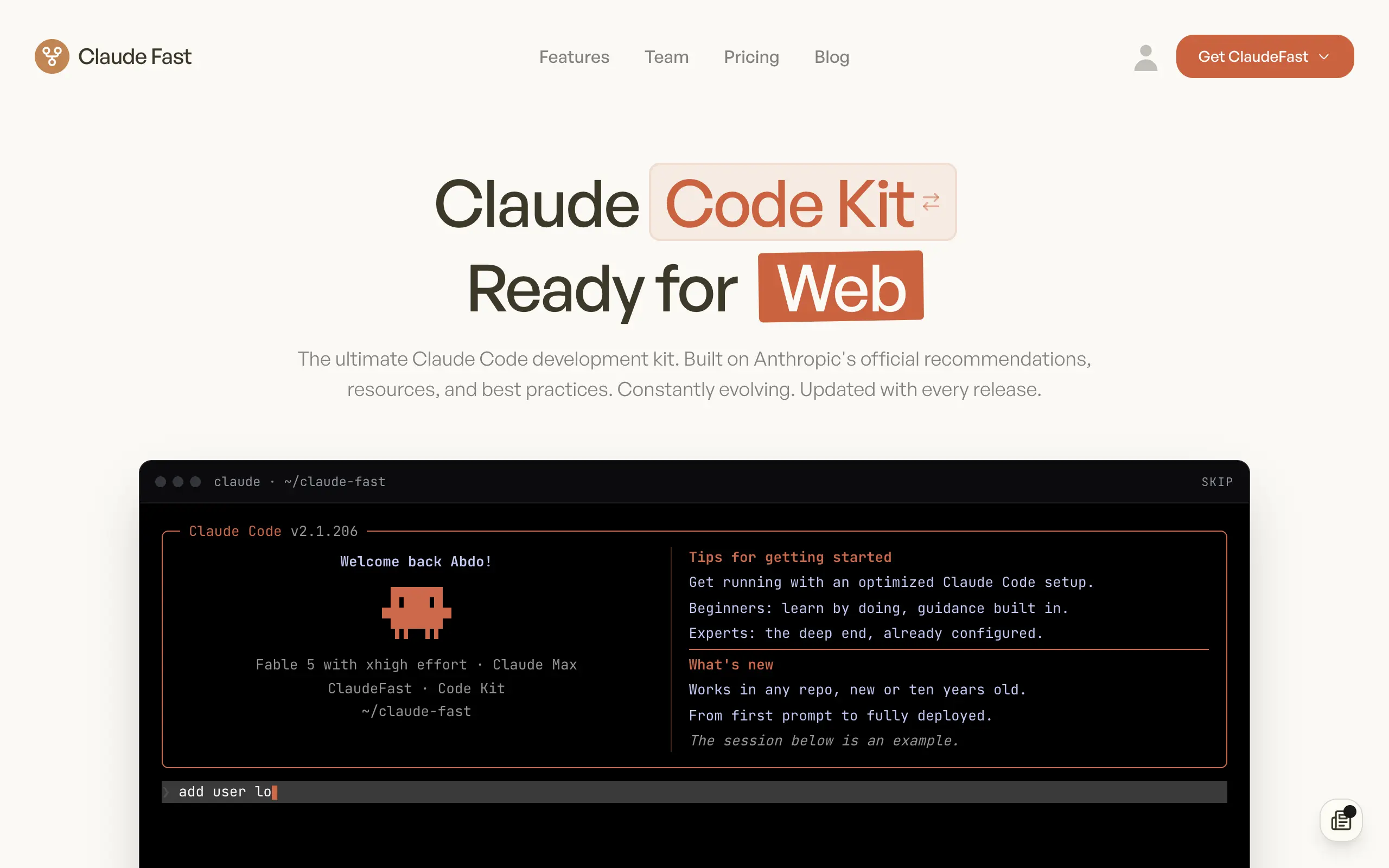
Claude Fast
Supercharge your Claude Code with 6x effective context window and specialized AI agents 🤖
EmojAI
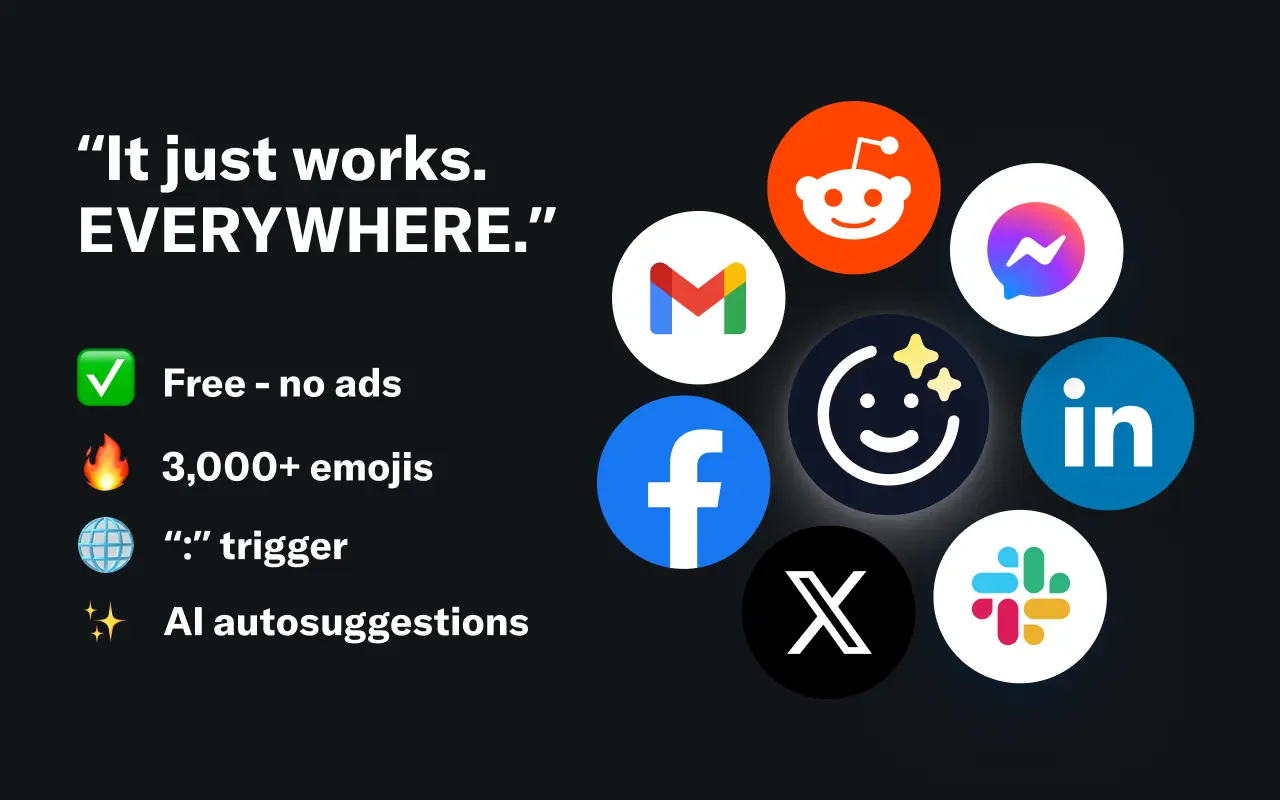
AI-powered emoji picker with smart, context-aware suggestions 🤖

Solohacker
Autonomous company launcher - AI agents work 24/7, escalate what matters, and you stay in control 🤖

BeRawi: Storytelling Coach
Practice storytelling daily with instant feedback to sound clearer, more engaging, and confident 🎤
Omichat
Chat with 50+ AI models, including ChatGPT and Claude, in one place - switch models anytime without losing context 🤖
Claude Fast
Supercharge your Claude Code with 6x effective context window and specialized AI agents 🤖
EmojAI
AI-powered emoji picker with smart, context-aware suggestions 🤖
Solohacker
Autonomous company launcher - AI agents work 24/7, escalate what matters, and you stay in control 🤖
BeRawi: Storytelling Coach
Practice storytelling daily with instant feedback to sound clearer, more engaging, and confident 🎤
Omichat
Chat with 50+ AI models, including ChatGPT and Claude, in one place - switch models anytime without losing context 🤖
Claude Fast
Supercharge your Claude Code with 6x effective context window and specialized AI agents 🤖
EmojAI
AI-powered emoji picker with smart, context-aware suggestions 🤖
Solohacker
Autonomous company launcher - AI agents work 24/7, escalate what matters, and you stay in control 🤖
BeRawi: Storytelling Coach
Practice storytelling daily with instant feedback to sound clearer, more engaging, and confident 🎤
Omichat
Chat with 50+ AI models, including ChatGPT and Claude, in one place - switch models anytime without losing context 🤖
Claude Fast
Supercharge your Claude Code with 6x effective context window and specialized AI agents 🤖
EmojAI
AI-powered emoji picker with smart, context-aware suggestions 🤖
Solohacker
Autonomous company launcher - AI agents work 24/7, escalate what matters, and you stay in control 🤖
BeRawi: Storytelling Coach
Practice storytelling daily with instant feedback to sound clearer, more engaging, and confident 🎤

Connect with like-minded people
Join our community to get feedback, support, and grow together with 1,000+ builders on board, let's ship it!
Join usShip your startup everywhere. In minutes.
Don't burn tokens on setup and start building features on day one.