PhotoFixer AI
An affordable AI-driven photo enhancement and restoration tool for consumers, offering batch processing and easy social sharing.
Understanding the need for AI-driven photo enhancement and restoration
In today's digital-first world, the demand for high-quality images is at an all-time high. Whether it's for social media, personal memories, or professional portfolios, consumers want their photos to look their best. However, not everyone has the skills or time to manually edit and restore images. This is where PhotoFixer AI, an affordable AI-driven photo enhancement and restoration tool, steps in to bridge the gap.
PhotoFixer AI leverages advanced artificial intelligence to automate complex photo editing tasks, making it accessible to everyday users. With features like batch processing and seamless social sharing, it aims to democratize professional-grade photo enhancement.
Who is PhotoFixer AI for? Target audience analysis
Understanding the target audience is crucial for any B2C SaaS product. PhotoFixer AI is designed with the following user segments in mind:
- Casual consumers: Individuals who want to enhance personal photos for social media, family albums, or digital scrapbooks.
- Social media enthusiasts: Users who regularly post on platforms like Instagram, Facebook, or TikTok and want their images to stand out.
- Small business owners: Entrepreneurs and solopreneurs who need polished images for marketing, e-commerce, or branding but lack the budget for professional editing.
- Photography hobbyists: Amateur photographers seeking quick, high-quality enhancements without mastering complex software.
- Genealogy and memory keepers: People interested in restoring old family photos or digitizing physical albums.
Social media users
Quickly enhance and share photos to boost engagement.
Small business owners
Improve product images for e-commerce and marketing.
Memory preservers
Restore and digitize old family photos with ease.
Key user needs:
- Fast, high-quality photo enhancement without a steep learning curve
- Affordable pricing compared to professional editing services
- Batch processing to save time
- Easy sharing to social platforms
Identifying the market opportunity and gaps
The photo editing and restoration market is vast, but several pain points remain unaddressed for everyday consumers:
- Complexity of existing tools: Professional software like Adobe Photoshop is powerful but intimidating and expensive for non-experts.
- Limited automation: Many tools require manual adjustments, which can be time-consuming.
- High cost of professional services: Outsourcing photo restoration or enhancement can be prohibitively expensive for most consumers.
- Lack of batch processing: Many consumer-grade apps only allow one photo at a time, making large projects tedious.
- Fragmented sharing workflows: Users often have to save, export, and manually upload images to social media.
PhotoFixer AI addresses these gaps by offering:
- AI-powered, one-click enhancements and restorations
- Affordable subscription plans
- Batch processing capabilities
- Direct social sharing integrations
Industry trend
According to Grand View Research, the global photo editing software market is expected to reach $1.5 billion by 2027, driven by consumer demand for easy-to-use, automated solutions.
Core features and solution details
PhotoFixer AI's value proposition lies in its blend of powerful AI technology and user-friendly design. Here’s a breakdown of its core features:
1. AI-driven photo enhancement
- Automatic color correction: Instantly balances exposure, contrast, and saturation.
- Noise reduction: Removes graininess from low-light or old photos.
- Sharpening and upscaling: Enhances details and increases resolution using AI super-resolution.
- Face retouching: Smooths skin, brightens eyes, and removes blemishes while preserving natural appearance.
2. Photo restoration
- Scratch and dust removal: AI detects and repairs common damage in scanned or old photos.
- Colorization: Converts black-and-white images to realistic color.
- Fading correction: Restores vibrancy to faded prints.
3. Batch processing
- Upload multiple photos: Enhance or restore entire albums in one go.
- Consistent results: Ensures uniform quality across all images.
4. Easy social sharing
- One-click sharing: Directly post to Instagram, Facebook, Twitter, and more.
- Customizable export options: Choose formats, sizes, and watermarks.
5. User-friendly interface
- Drag-and-drop uploads
- Real-time previews
- Undo/redo and side-by-side comparisons
PhotoFixer AI uses deep learning models trained on millions of images to identify and correct common issues. Techniques like convolutional neural networks (CNNs) and generative adversarial networks (GANs) enable the tool to intelligently enhance details, remove artifacts, and restore missing information.
All photos are processed securely, and user privacy is a top priority. Images are deleted from servers after processing, and no data is shared with third parties.
Recommended tech stack for PhotoFixer AI
Building a robust, scalable, and affordable AI photo enhancement SaaS requires careful selection of technologies. Here’s a recommended stack:
Frontend
- React: For building a responsive, interactive user interface.
- Tailwind CSS: For rapid, utility-first styling.
- Next.js: Enables server-side rendering and API routes for better performance and SEO.
Backend
- Python: Ideal for AI/ML model integration and image processing.
- FastAPI: High-performance API framework for serving AI models.
- Celery: For managing background tasks like batch processing.
AI/ML
- PyTorch: For developing and deploying deep learning models.
- OpenCV: For image manipulation and preprocessing.
- Hugging Face Transformers: For leveraging pre-trained models and transfer learning.
Storage and hosting
- AWS S3: Secure, scalable storage for user images.
- Vercel: For deploying the frontend and serverless functions.
- Docker: Containerization for consistent deployment.
Integrations
- Cloudinary: For image optimization and CDN delivery.
- Social media APIs: For direct sharing capabilities.
Rapid prototyping
For founders looking to accelerate development, TurboStarter offers a no-code/low-code platform to scaffold SaaS products with AI integrations, authentication, and payment systems out of the box.
Tech stack trade-offs
While Python and PyTorch offer flexibility and a rich ecosystem for AI, they may require more resources to scale compared to serverless or edge-compute solutions. Using Next.js and Vercel ensures fast, SEO-friendly frontends but may introduce cold start latency for serverless APIs. Consider your target scale and budget when making final choices.
Monetization strategy options
A successful B2C SaaS like PhotoFixer AI needs a clear, sustainable revenue model. Here are proven strategies:
1. Freemium model
- Free tier: Limited number of photo enhancements/restorations per month.
- Premium plans: Unlock batch processing, higher resolution exports, and priority processing.
2. Pay-per-use
- Credit system: Users purchase credits for one-off enhancements or restorations, ideal for infrequent users.
3. Subscription plans
- Monthly/annual subscriptions: Offer unlimited or high-volume processing for a flat fee.
- Family or team plans: Allow multiple users under one account.
4. Add-on services
- Professional retouching: Upsell manual editing for complex restorations.
- Physical prints: Partner with print-on-demand services for photo books or canvases.
| Freemium | Pay-per-use | Subscription | Add-ons | Ads |
|---|---|---|---|---|
| ✅ | ❌ | ❌ | ✅ | ❌ |
| ✅ | ❌ | ✅ | ✅ | ❌ |
Best practice: Start with a freemium model to drive user acquisition, then optimize conversion funnels for premium features.
Potential risks and mitigation strategies
Launching an AI-driven photo enhancement SaaS comes with unique challenges. Here’s how to address them:
1. Data privacy and security
- Risk: Handling user photos raises privacy concerns.
- Mitigation: Implement end-to-end encryption, secure storage (e.g., AWS S3 with strict access controls), and automatic deletion of images after processing.
2. Model bias and quality
- Risk: AI models may not perform equally well on all skin tones, ages, or photo types.
- Mitigation: Train models on diverse datasets and regularly audit outputs for fairness and accuracy.
3. Scalability
- Risk: Batch processing and high-resolution enhancements are resource-intensive.
- Mitigation: Use cloud-based GPU instances and queue management (e.g., Celery) to handle peak loads.
4. Competition
- Risk: Established players like Remini or Fotor have strong brand recognition.
- Mitigation: Differentiate with unique features (e.g., batch processing, affordable pricing, privacy focus) and superior user experience.
5. Legal and copyright issues
- Risk: Users may upload copyrighted or sensitive images.
- Mitigation: Include clear terms of service and implement content moderation for flagged uploads.
Competitive advantage analysis
PhotoFixer AI stands out in a crowded market by focusing on:
- Affordability: Lower price point than professional services or premium apps.
- Batch processing: Rare among consumer tools, saving users significant time.
- AI-powered restoration: Not just enhancement, but true restoration (e.g., scratch removal, colorization).
- Seamless social sharing: Direct integrations reduce friction for users.
- Privacy-first approach: Automatic deletion and no third-party data sharing.
Unique selling proposition
PhotoFixer AI combines affordable, batch AI photo enhancement and restoration with privacy and ease of use.
Actionable implementation steps
Ready to bring PhotoFixer AI to life? Here’s a step-by-step roadmap:
For rapid prototyping and to reduce time-to-market, consider leveraging TurboStarter, which provides ready-made SaaS scaffolding, authentication, and payment integrations—allowing you to focus on your unique AI features.
Conclusion: Why PhotoFixer AI is the next big thing in consumer photo enhancement
The intersection of AI and consumer photo editing is ripe for disruption. PhotoFixer AI’s blend of affordability, batch processing, and advanced restoration fills a clear market gap. By focusing on user-friendly design, privacy, and seamless sharing, it offers a compelling alternative to both manual editing and expensive professional services.
Whether you’re a founder, developer, or entrepreneur, the opportunity to build a differentiated, high-impact SaaS in this space is clear. Start by validating your assumptions, leverage modern tech stacks (and platforms like TurboStarter for speed), and prioritize user experience at every step.
Frequently asked questions
Yes, the AI models are trained to restore common issues like scratches, fading, and dust. However, extremely damaged photos may require manual intervention, which could be offered as a premium add-on.
While the initial launch may focus on web, a mobile app can be developed using React Native or Flutter for cross-platform support.
Users can upload multiple photos at once. The backend queues and processes each image, delivering results via email or in-app notifications.
Its unique combination of batch processing, true AI restoration (not just filters), affordable pricing, and privacy-first design.
Further reading and resources
- Grand View Research: Photo Editing Software Market
- PyTorch documentation
- OpenCV tutorials
- TurboStarter for SaaS MVPs
- Adobe Photoshop
- Remini AI
- Fotor
By following this comprehensive guide, you’ll be well-equipped to launch, scale, and differentiate PhotoFixer AI in the competitive world of consumer photo enhancement SaaS.
More 👥 B2C Application SaaS ideas
Discover more innovative b2c application SaaS ideas that are trending in 2026. Each idea is AI-generated with market validation and growth potential to help you find your next profitable venture faster than competitors.
Your competitors are building with TurboStarter
Below are some of the SaaS ideas that have been generated and built with our starter kit.

SyncReads
Sync your favorite content for distraction-free reading, save time and replace multiple apps. Anytime, anywhere 🔄
Socialcrawl
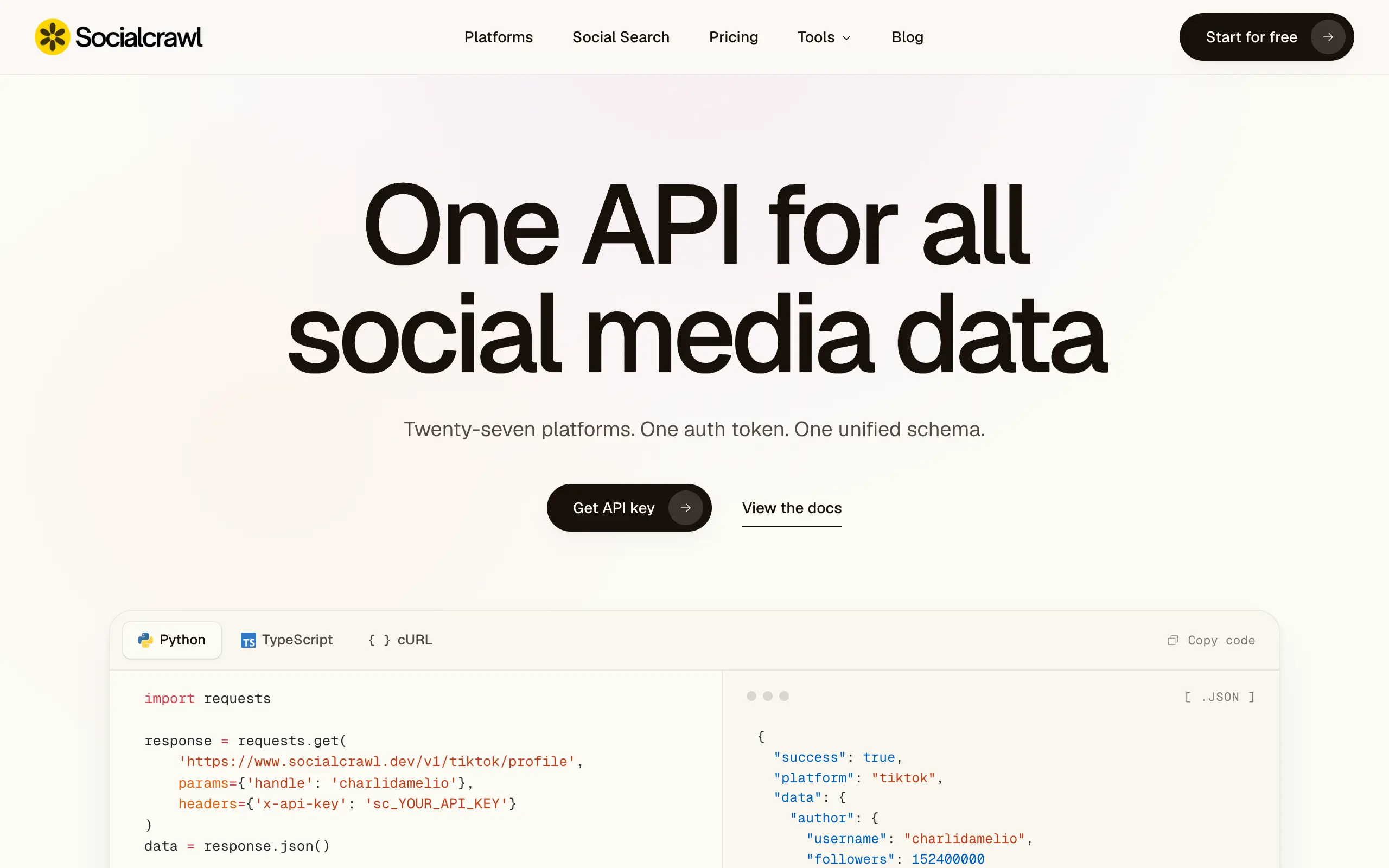
Get clean, structured data from 21 platforms like TikTok, Instagram, and YouTube with a single request 📊
Dotallio
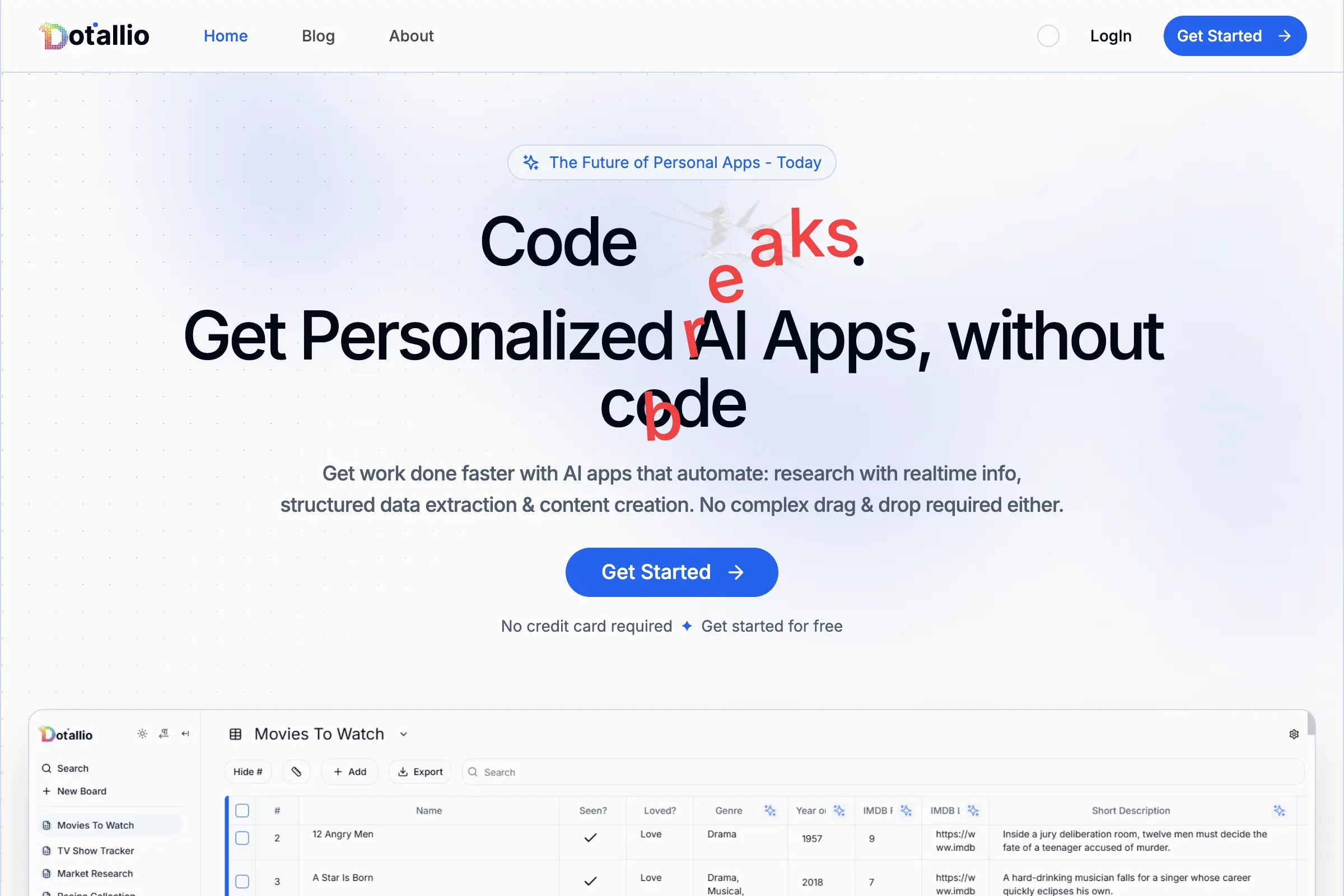
Personalized AI apps that automate research, data extraction, and content creation without code 🤖

Talk to Santa
Enjoy a magical live video chat or receive a unique AI-generated video greeting from Santa Claus 🎅

pozywka.pl
Scalable blog for food journalist, focused on performance and user experience 🌭
SyncReads
Sync your favorite content for distraction-free reading, save time and replace multiple apps. Anytime, anywhere 🔄
Socialcrawl
Get clean, structured data from 21 platforms like TikTok, Instagram, and YouTube with a single request 📊
Dotallio
Personalized AI apps that automate research, data extraction, and content creation without code 🤖
Talk to Santa
Enjoy a magical live video chat or receive a unique AI-generated video greeting from Santa Claus 🎅
pozywka.pl
Scalable blog for food journalist, focused on performance and user experience 🌭
SyncReads
Sync your favorite content for distraction-free reading, save time and replace multiple apps. Anytime, anywhere 🔄
Socialcrawl
Get clean, structured data from 21 platforms like TikTok, Instagram, and YouTube with a single request 📊
Dotallio
Personalized AI apps that automate research, data extraction, and content creation without code 🤖
Talk to Santa
Enjoy a magical live video chat or receive a unique AI-generated video greeting from Santa Claus 🎅
pozywka.pl
Scalable blog for food journalist, focused on performance and user experience 🌭
SyncReads
Sync your favorite content for distraction-free reading, save time and replace multiple apps. Anytime, anywhere 🔄
Socialcrawl
Get clean, structured data from 21 platforms like TikTok, Instagram, and YouTube with a single request 📊
Dotallio
Personalized AI apps that automate research, data extraction, and content creation without code 🤖
Talk to Santa
Enjoy a magical live video chat or receive a unique AI-generated video greeting from Santa Claus 🎅
pozywka.pl
Scalable blog for food journalist, focused on performance and user experience 🌭
zagrodzki.me
Personal blog and portfolio of Bart Zagrodzki, where he share his knowledge and work 💼
TurboStarter
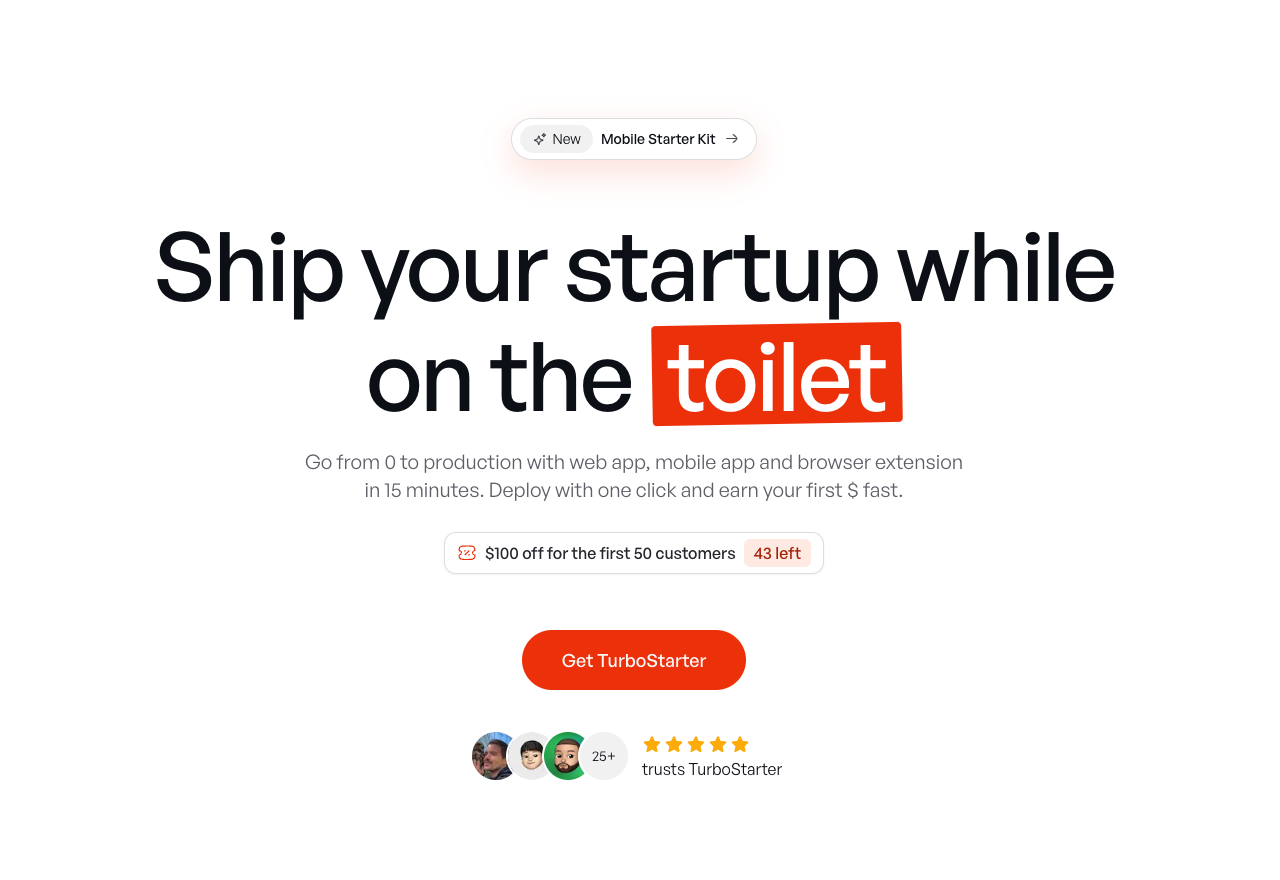
Ship your startup everywhere. In minutes.
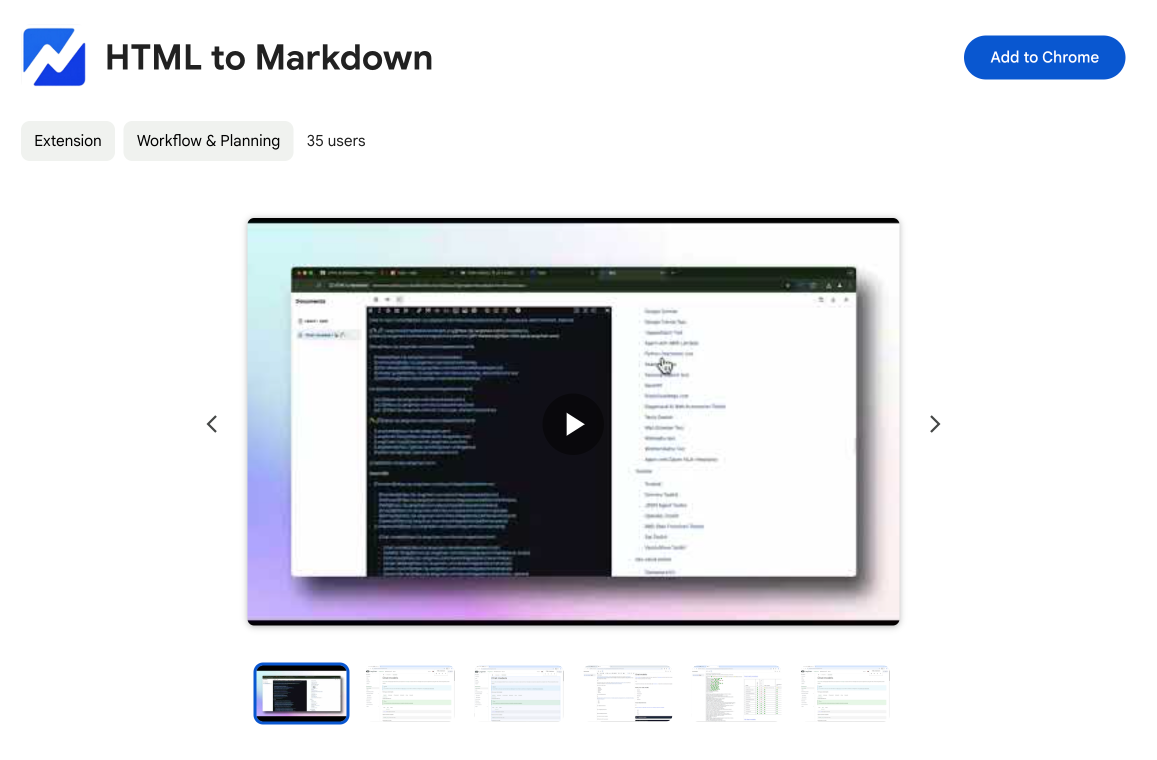
HTML to Markdown
Convert HTML to Markdown with ease, directly in your browser 📄
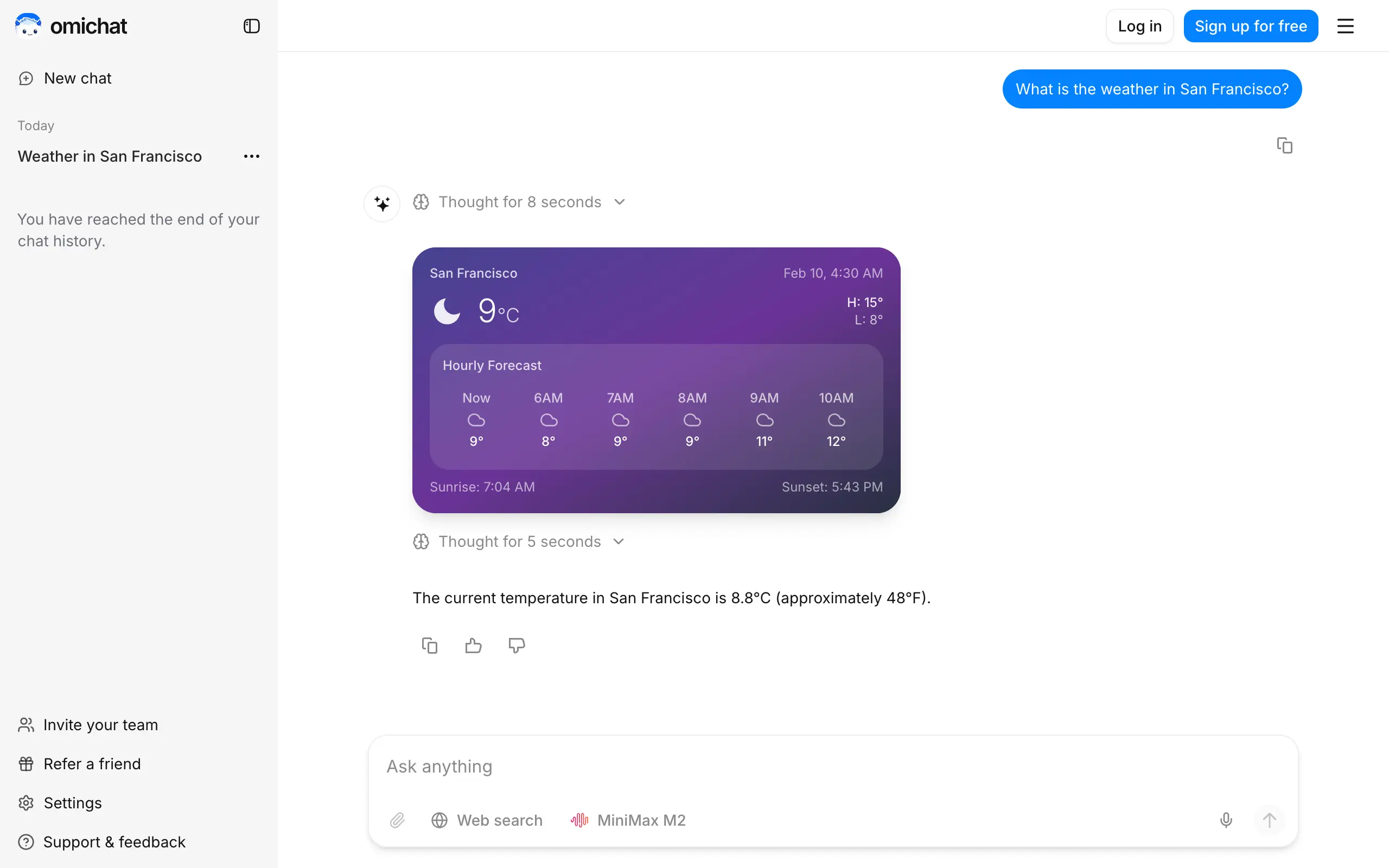
Omichat
Chat with 50+ AI models, including ChatGPT and Claude, in one place - switch models anytime without losing context 🤖
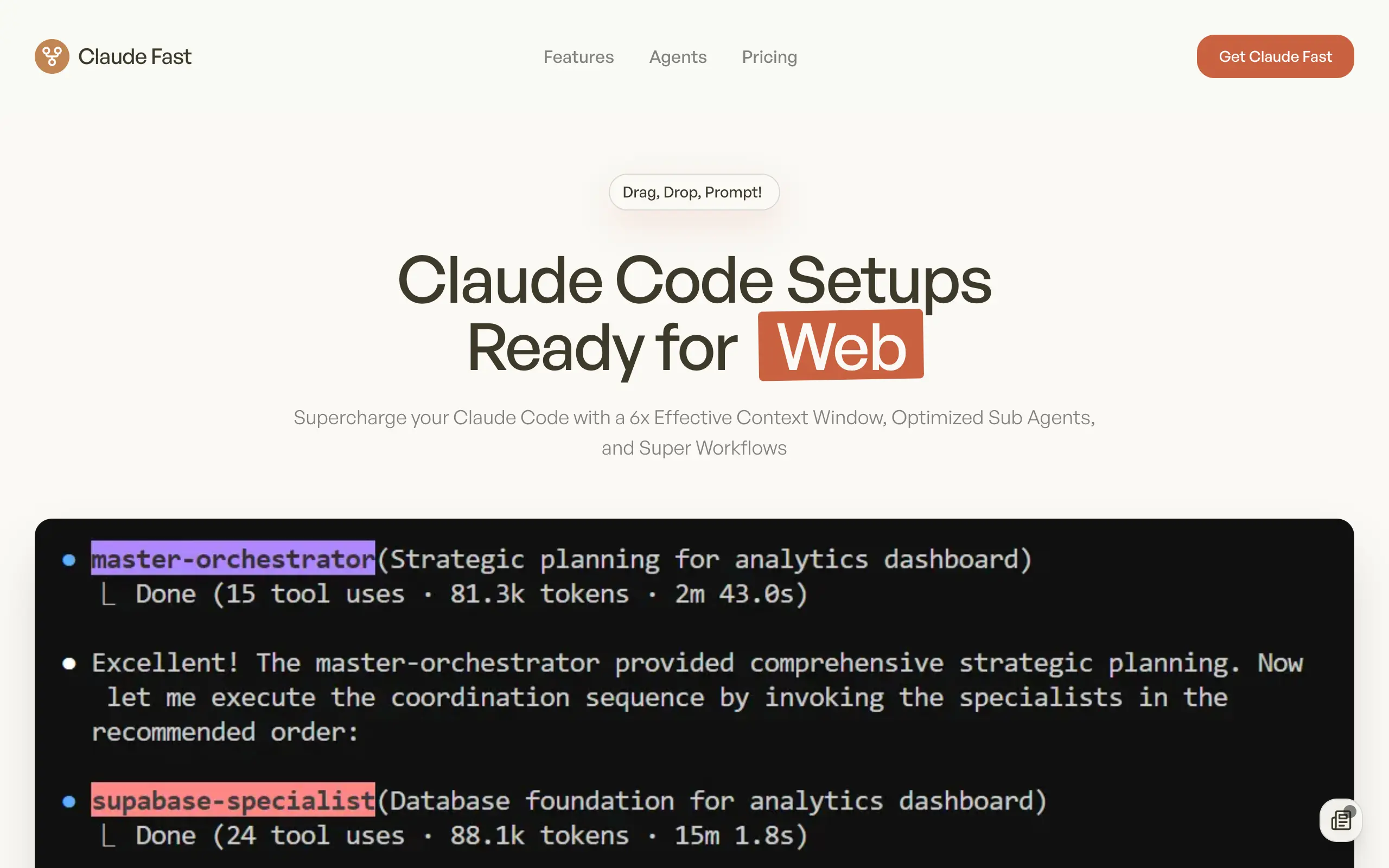
Claude Fast
Supercharge your Claude Code with 6x effective context window and specialized AI agents 🤖
zagrodzki.me
Personal blog and portfolio of Bart Zagrodzki, where he share his knowledge and work 💼
TurboStarter
Ship your startup everywhere. In minutes.
HTML to Markdown
Convert HTML to Markdown with ease, directly in your browser 📄
Omichat
Chat with 50+ AI models, including ChatGPT and Claude, in one place - switch models anytime without losing context 🤖
Claude Fast
Supercharge your Claude Code with 6x effective context window and specialized AI agents 🤖
zagrodzki.me
Personal blog and portfolio of Bart Zagrodzki, where he share his knowledge and work 💼
TurboStarter
Ship your startup everywhere. In minutes.
HTML to Markdown
Convert HTML to Markdown with ease, directly in your browser 📄
Omichat
Chat with 50+ AI models, including ChatGPT and Claude, in one place - switch models anytime without losing context 🤖
Claude Fast
Supercharge your Claude Code with 6x effective context window and specialized AI agents 🤖
zagrodzki.me
Personal blog and portfolio of Bart Zagrodzki, where he share his knowledge and work 💼
TurboStarter
Ship your startup everywhere. In minutes.
HTML to Markdown
Convert HTML to Markdown with ease, directly in your browser 📄
Omichat
Chat with 50+ AI models, including ChatGPT and Claude, in one place - switch models anytime without losing context 🤖
Claude Fast
Supercharge your Claude Code with 6x effective context window and specialized AI agents 🤖
EmojAI
AI-powered emoji picker with smart, context-aware suggestions 🤖

Solohacker
Autonomous company launcher—AI agents work 24/7, escalate what matters, and you stay in control 🤖
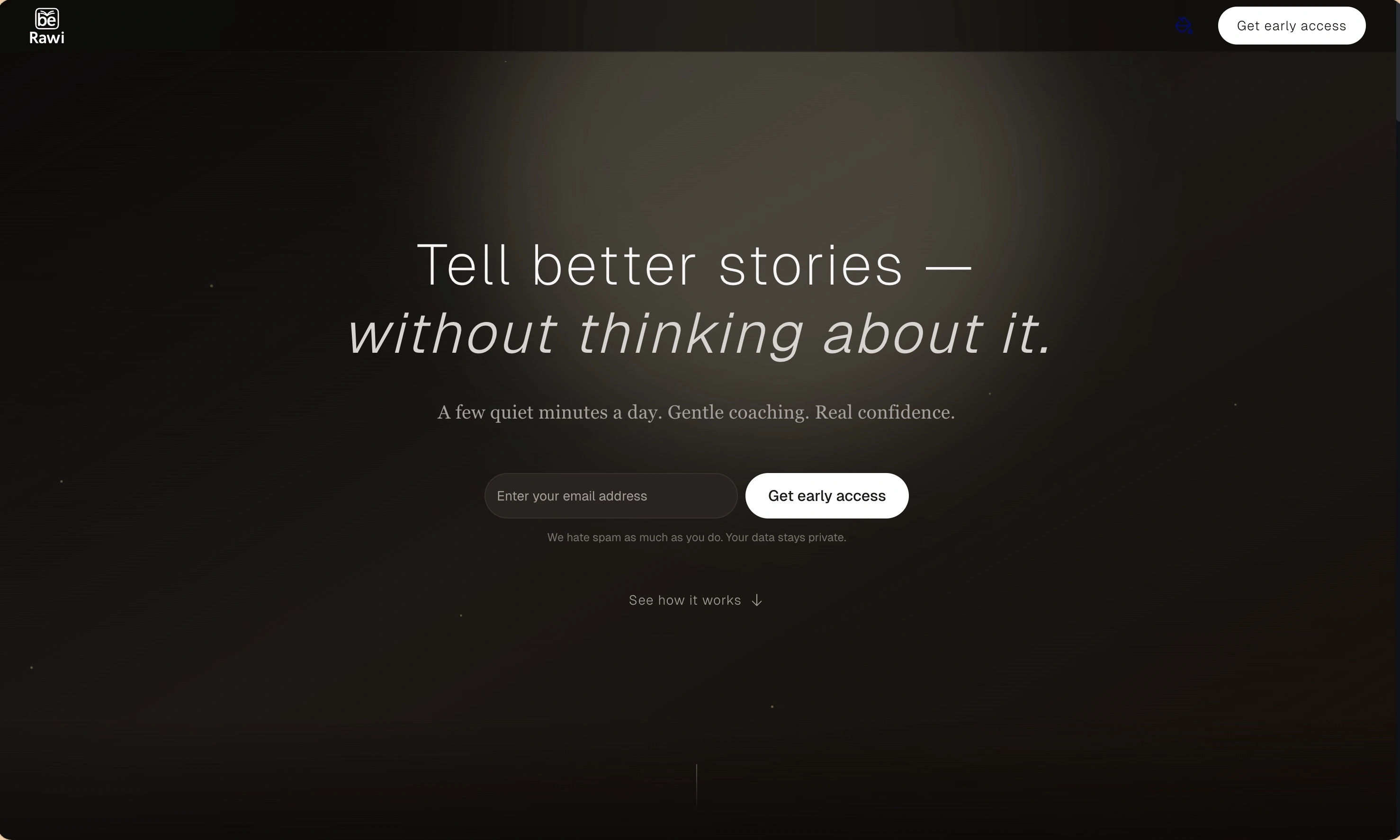
BeRawi: Storytelling Coach
Practice storytelling daily with instant feedback to sound clearer, more engaging, and confident 🎤
EmojAI
AI-powered emoji picker with smart, context-aware suggestions 🤖
Solohacker
Autonomous company launcher—AI agents work 24/7, escalate what matters, and you stay in control 🤖
BeRawi: Storytelling Coach
Practice storytelling daily with instant feedback to sound clearer, more engaging, and confident 🎤
EmojAI
AI-powered emoji picker with smart, context-aware suggestions 🤖
Solohacker
Autonomous company launcher—AI agents work 24/7, escalate what matters, and you stay in control 🤖
BeRawi: Storytelling Coach
Practice storytelling daily with instant feedback to sound clearer, more engaging, and confident 🎤
EmojAI
AI-powered emoji picker with smart, context-aware suggestions 🤖
Solohacker
Autonomous company launcher—AI agents work 24/7, escalate what matters, and you stay in control 🤖
BeRawi: Storytelling Coach
Practice storytelling daily with instant feedback to sound clearer, more engaging, and confident 🎤

Connect with like-minded people
Join our community to get feedback, support, and grow together with 600+ builders on board, let's ship it!
Join usShip your startup everywhere. In minutes.
Skip the complex setups and start building features on day one.