Playtest Pulse
AI playtest companions turn player recordings, chat, and clicks into prioritized bug reports and fun-factor insights for indie game creators.
Why AI playtest companions are becoming essential for indie games
Indie game development has never had more accessible tools for building, publishing, and marketing a game. What remains difficult is knowing whether players are actually having fun, where they become confused, and which issues deserve attention before launch.
That is the problem an AI playtest companion like Playtest Pulse can solve.
Playtest Pulse is an AI-powered playtesting platform that turns player screen recordings, gameplay clicks, in-game events, and chat feedback into prioritized bug reports and fun-factor insights. Instead of asking a solo developer to manually review hours of footage or interpret vague comments such as “the controls felt weird,” the product identifies meaningful moments, groups recurring issues, and gives creators a clear action list.
For an indie creator, better playtest analysis can mean the difference between shipping a polished game with a clear onboarding flow and launching a game where early players churn before discovering its best mechanics.
The opportunity is especially timely because modern game teams can now capture rich behavioral data from early builds, while multimodal AI can interpret video, text, and event sequences at a scale that was previously reserved for studios with dedicated QA and user research departments.
The core opportunity
An AI playtest companion should not try to replace human game designers or QA testers. Its highest-value role is reducing the time between player behavior and a trustworthy design decision.
What Playtest Pulse does for indie game creators
Playtest Pulse sits between traditional bug tracking software, gameplay analytics, and user research tools. Its central promise is simple: upload or connect playtest evidence, then receive a prioritized understanding of what players experienced.
A useful AI playtesting workflow can combine several inputs:
- Screen recordings from remote or in-person playtests
- Webcam or voice recordings when participants consent
- Player chat messages and written survey responses
- Clicks, controller inputs, and session replay events
- Game telemetry such as deaths, retries, quest abandonment, and menu exits
- Build version, platform, level, and device details
- Developer notes that explain intended mechanics or known test goals
The system then creates outputs that are easier to act on:
- Prioritized bug reports with evidence and reproduction context
- Friction alerts for onboarding, controls, UI, difficulty, or navigation
- Fun-factor observations that identify excitement, boredom, surprise, or satisfaction
- Clips linked to key moments in a player journey
- Issue clusters showing whether multiple testers encountered the same problem
- Release-readiness summaries for a specific build or milestone
This is more useful than generic AI summarization because video game playtests require context. A player dying repeatedly may indicate a bug, poor tuning, a misunderstood mechanic, or an intentional challenge that the target audience enjoys. Playtest Pulse should surface the evidence, state its confidence, and preserve the developer’s ability to make the final judgment.
The target audience for AI playtesting software
The ideal early customer is not every game studio. A focused customer profile gives Playtest Pulse a stronger product roadmap, better messaging, and a clearer acquisition strategy.
Primary audience: solo developers and micro-studios
The first target segment is indie developers working alone or in teams of two to ten people. These creators often have limited time, no dedicated researcher, and a growing amount of qualitative playtest material.
Their most common challenges include:
- Reviewing playtest recordings late at night after development work
- Losing valuable feedback in Discord channels, spreadsheets, and survey forms
- Struggling to distinguish isolated complaints from repeated patterns
- Creating bug tickets manually without enough reproduction context
- Not knowing whether an early tutorial teaches players effectively
- Delaying playtests because analyzing results feels overwhelming
For this audience, the value proposition is time savings and confidence. They want an answer to questions such as:
- Where do new players get stuck?
- Which issues affected the most testers?
- Are players using the feature we spent weeks building?
- Do players understand the core loop?
- Is the difficulty curve frustrating or motivating?
- Which bugs should be fixed before the next demo?
Secondary audience: small studios preparing a demo or launch
Studios approaching a Steam demo, crowdfunding campaign, publisher pitch, or Early Access launch are another strong segment. At this stage, the cost of a confusing first hour is high. A bad first impression can affect wishlists, reviews, influencer coverage, and community sentiment.
These teams need a repeatable playtest process that can run weekly across multiple builds. They may also need a sharable report that helps producers, designers, artists, and engineers align on priorities.
Tertiary audience: game design students and incubators
Game development programs, accelerators, game jams, and incubators can become a valuable distribution channel. These groups frequently run playtest sessions but lack a consistent method for analyzing feedback. An educator plan can introduce Playtest Pulse to developers early in their careers and establish long-term brand familiarity.
Solo developers
Need fast, affordable evidence from a small number of testers without manually reviewing every session.
Indie studios
Need a shared workflow for validating onboarding, core loops, balance, bugs, and release readiness.
Programs and communities
Need structured feedback workflows for cohorts, classrooms, game jams, and mentorship programs.
The market gap in indie game playtesting
Traditional game testing tools often solve only part of the problem.
Bug trackers are excellent for organizing known defects, but they depend on someone noticing the issue, writing it clearly, assigning it, and attaching evidence. Product analytics platforms can measure events at scale, but they may not explain why a player abandoned a level or misunderstood an objective. User research platforms capture recordings and surveys, but manual review is expensive.
The gap is an affordable workflow that connects player behavior, player sentiment, and development priorities.
An indie team does not merely need a list of everything that happened. It needs an answer to what matters most.
For example, imagine ten players testing a puzzle game tutorial:
- Eight players open the inventory but fail to equip the required item.
- Six players reread the objective text several times.
- Five players say in chat that they do not know what the highlighted icon means.
- Four players quit before reaching the first satisfying puzzle solution.
- One player encounters a rare visual bug.
A conventional workflow might create ten separate notes and one manual bug ticket. Playtest Pulse can identify a high-confidence onboarding issue, group the supporting evidence, and show that the rare visual issue should not outrank the tutorial failure.
This prioritization layer is the market gap. The product is not simply “AI that watches gameplay.” It is a decision-support system for game development.
The unique selling proposition of Playtest Pulse
The strongest positioning for Playtest Pulse is:
An AI playtest companion that turns messy player sessions into evidence-backed decisions for indie game creators.
That positioning has several important distinctions.
First, it focuses on multimodal evidence. The system should interpret recordings, chat, inputs, and telemetry together rather than treating them as separate data sources.
Second, it prioritizes fun-factor insights alongside defects. Indie developers care deeply about whether players understand mechanics, feel momentum, enjoy discovery, and want another run. A bug tracker alone cannot answer those questions.
Third, it is built for small teams with limited research capacity. The workflow should feel lighter than enterprise user research software and more game-aware than general session replay tools.
Fourth, it should provide verifiable AI outputs. Every conclusion needs links back to clips, timestamps, quotes, and event trails. This makes the platform more trustworthy than a black-box score or generic summary.
A defensible product principle: evidence before recommendations
AI-generated recommendations are helpful only when developers can inspect the reasoning behind them.
A high-quality Playtest Pulse report should include:
- The issue title in plain language
- An issue type such as bug, confusion, friction, balance, delight, or suggestion
- Severity and confidence indicators
- The number and percentage of affected playtesters
- Relevant build and platform information
- Video clips and timestamps
- Supporting chat excerpts or survey responses
- Related telemetry events
- Suggested next investigation steps
This structure prevents the product from making ungrounded claims such as “players hate combat.” Instead, it can say that seven of twelve new players died during the first encounter, six opened the controls menu, and four mentioned that dodge timing felt unclear.
Core features for an AI playtest companion MVP
A successful minimum viable product should focus on the shortest path from raw playtest session to an actionable insight. The first release does not need every possible analytics feature.
Session ingestion and project setup
Creators need a simple way to create a project, upload recordings, and identify the build being tested.
The setup flow should support:
- Project and game metadata
- Build version tags
- Platform labels such as Windows, macOS, web, or Steam Deck
- Test objectives such as tutorial clarity, combat feel, or first-session retention
- Player consent confirmation
- Uploads for video, audio, chat exports, and survey answers
- Optional telemetry file imports
A practical MVP can begin with uploaded video and structured feedback forms. Direct SDK integrations can follow once the team validates which telemetry fields creators actually use.
Automated transcription and session timelines
A transcript makes recorded playtests searchable. When combined with timestamps, it lets a developer jump directly to comments such as “I do not know where to go” or “that felt amazing.”
The timeline should display relevant signals together:
- Voice or chat messages
- Major game events
- Detected pauses or repeated actions
- Deaths, retries, and restarts
- UI interactions
- AI-generated markers for likely friction or delight moments
An interactive timeline becomes the core review surface. It avoids forcing users to watch a full 45-minute recording to find the three moments that matter.
AI issue detection and clustering
Issue detection is where Playtest Pulse earns its name. The model should identify potential events, but the product must avoid presenting every anomaly as a confirmed problem.
Useful issue categories include:
- Bugs and technical defects
- Navigation and wayfinding confusion
- UI and readability friction
- Control discoverability issues
- Difficulty spikes
- Repetitive or unclear gameplay loops
- Positive engagement moments
- Performance problems
- Accessibility barriers
- Feature requests and player suggestions
Clustering should group similar evidence across multiple sessions. For example, “could not find the map,” “where is the map button,” and repeated opening of the pause menu may belong to a single navigation discoverability cluster.
Prioritization that respects game development reality
Prioritization should be transparent and adjustable. A useful score can combine impact, frequency, severity, confidence, and strategic relevance to the current test objective.
A conceptual prioritization model could be expressed as:
const priorityScore =
  affectedPlayers * 0.35 +
  issueSeverity * 0.25 +
  evidenceConfidence * 0.2 +
  testObjectiveRelevance * 0.15 +
  recencyWeight * 0.05;
The implementation should not expose this formula as an unquestionable truth. Instead, creators should be able to change weights. A studio validating tutorial clarity may prioritize onboarding friction above all else, while a team in closed beta may elevate crashes and technical failures.
Fun-factor and qualitative insight reporting
Fun-factor analysis is the feature that can make Playtest Pulse distinct from a typical QA platform.
The product should help creators identify:
- Moments where players express excitement or surprise
- Features players voluntarily revisit
- Pacing sections that create boredom or uncertainty
- Mechanics that players understand without explanation
- Moments where a player’s stated opinion conflicts with their behavior
- Differences between novice and experienced player reactions
A “fun score” alone would be too reductive. A better approach is a qualitative fun map with evidence-backed highlights. For example, the report might show that players were enthusiastic after unlocking a traversal ability but disengaged during a long unskippable dialogue sequence.
Export, collaboration, and integrations
Insights only create value when they reach the existing workflow.
Early integrations should prioritize destinations that indie developers already use, including:
- CSV and Markdown exports for simple portability
- Discord notifications for community-driven testing
- Linear, Jira, or GitHub issue creation for engineering workflows
- Notion-friendly reports for planning and retrospectives
- Shareable read-only playtest summaries for publishers or collaborators
When building integrations, preserve source context. A ticket should include the build, timestamps, player count, evidence clips, and confidence level rather than a vague AI-written paragraph.
Comparing Playtest Pulse with existing approaches
| Approach | Bug organization | Player behavior context | Fun-factor insights | Cross-session patterns |
|---|---|---|---|---|
| Manual notes and spreadsheets | Limited | Often fragmented | Possible but slow | Manual effort |
| Traditional bug tracker | Strong | Depends on reporter | Weak | Limited |
| Generic product analytics | Limited | Strong for events | Weak without research | Strong |
| Playtest Pulse | Strong with evidence | Video, chat, inputs, and telemetry | Core capability | AI-assisted clustering |
Recommended tech stack for Playtest Pulse
The technical architecture must support large media uploads, asynchronous AI processing, secure player data handling, and an interface that makes evidence easy to review.
A pragmatic stack should optimize for speed of iteration before moving to specialized infrastructure.
Product application and dashboard
For the web application, Next.js provides a strong foundation for authenticated dashboards, server-rendered marketing pages, API routes, and background-work coordination. Use React for the interactive session review interface, including filters, timelines, issue drawers, and video controls.
For UI development, Tailwind CSS can help a small team build a consistent design system without spending excessive time on custom styling. The core dashboard should prioritize clarity over visual novelty because creators may review dozens of clips in one working session.
Data and authentication
Supabase is a practical early-stage option for PostgreSQL, authentication, storage, and row-level security. PostgreSQL is especially useful because playtest data has relational requirements:
- A project contains builds and test sessions
- A session contains uploads, transcripts, events, and participant metadata
- An issue links to multiple evidence items
- A report groups issues for a chosen build or test cohort
For semantic search across transcripts, feedback, and issue summaries, add embeddings and vector search. PostgreSQL extensions can work well at MVP scale, while a dedicated vector database can be considered later if retrieval volume and latency requirements grow substantially.
Video processing and asynchronous jobs
Video processing must never block the main application request. Use a job queue and worker architecture for:
- File validation
- Transcoding
- Audio extraction
- Speech-to-text transcription
- Frame sampling
- Visual event analysis
- Embedding generation
- Insight extraction
- Issue clustering
A managed queue is faster to operate early on, while a self-hosted queue can provide more control at higher volume. The trade-off is operational complexity. For an MVP, reliability and observability usually matter more than minimizing infrastructure cost per minute of video.
AI and multimodal analysis
Playtest Pulse needs multiple AI tasks, not a single prompt:
- Speech transcription and speaker-aware segmentation where available
- Video frame analysis for visible UI states and gameplay context
- Text classification for feedback sentiment and issue type
- Retrieval over developer-provided game context
- Structured issue extraction
- Clustering of semantically similar reports
- Report generation grounded in evidence
Use a model provider with documented multimodal capabilities and structured output support. The OpenAI developer platform is one possible option for AI-assisted extraction and summarization workflows. The key engineering decision is to store intermediate outputs, model versions, prompts, and evidence references for every generated insight.
That audit trail is essential. It allows the team to improve prompts, evaluate false positives, reproduce results, and explain why an insight appeared.
Game SDK strategy
Avoid building a complicated SDK before validating demand. Start with uploads and lightweight event imports. Then introduce SDKs based on engine demand.
Unity and Unreal Engine are logical targets because they support a substantial share of indie development workflows. Initial SDK functionality can focus on:
- Anonymous session IDs
- Build version reporting
- Custom gameplay events
- Deaths, checkpoints, quest transitions, and menu actions
- Performance markers
- Consent state
- Optional screen capture hooks
The trade-off is clear. Deep integrations improve analysis quality but increase support requirements across engine versions, platforms, and developer environments. Build only the event instrumentation that directly improves prioritization.
Start with video uploads, transcripts, surveys, tags, AI summaries, issue clusters, and Markdown exports. This validates whether developers trust the insights before the team invests in SDK maintenance.
Add Unity and Unreal SDKs, live telemetry ingestion, automatic build comparisons, richer clip generation, team permissions, and issue tracker integrations after a repeatable core workflow is established.
Data privacy, consent, and trust requirements
A playtest analysis product processes potentially sensitive material. Screen recordings can contain player voices, usernames, personal messages, browser notifications, and biometric-like emotional signals if webcams are involved.
Trust cannot be treated as a future feature.
At a minimum, Playtest Pulse should offer:
- Clear participant consent language for every recorded session
- Controls for whether voice, webcam, chat, and input data are collected
- A way to redact or delete recordings on request
- Per-project retention settings
- Encryption in transit and at rest
- Access controls for collaborators and external reviewers
- Audit logs for enterprise-oriented plans
- AI processing disclosures that explain how data is handled
- A policy that does not train public models on customer content without explicit permission
Avoid making emotion detection the centerpiece of the product. Inferring emotion from facial expressions or tone can be inaccurate and culturally unreliable. It can also create unnecessary privacy concerns. Prioritize observable behavior and player-provided feedback instead.
Do not overclaim AI certainty
A player pausing, failing, or becoming quiet does not prove frustration. Label AI findings as observations, include confidence, and link to source evidence so creators can validate the interpretation.
Monetization strategies for AI playtesting software
A B2C-oriented indie game tool should offer a low-friction entry point, but media processing and AI analysis create real variable costs. The pricing model needs to align revenue with usage without making experimentation feel expensive.
Freemium with processing credits
A free plan can offer a small number of session minutes or a limited number of processed playtests per month. This helps creators experience the “aha” moment before committing.
A possible structure includes:
- Free tier with a limited monthly processing allowance
- Indie tier for solo creators with more sessions and exports
- Studio tier with collaboration, integrations, and longer retention
- Team or education tier for shared workspaces and cohorts
- Add-on credits for high-volume video processing
Credits work well because video duration, transcription, and multimodal analysis are direct cost drivers. However, the pricing page must clearly explain what consumes credits. Hidden usage mechanics quickly damage trust.
Subscription plans based on active projects
Another option is to price based on active game projects, with a generous number of sessions per project. This can feel more intuitive for developers who are focused on one title at a time.
The downside is that high-usage projects can become unprofitable if the plan lacks reasonable limits. A hybrid model often works best: a project-based subscription with included processing capacity and transparent overage credits.
Premium launch-readiness reports
Playtest Pulse can also sell higher-value report generation for key milestones. A studio might pay for a “demo readiness review” that synthesizes multiple test rounds into a shareable report.
This should remain productized rather than becoming an agency service. The report can include:
- Top release blockers
- Onboarding and usability findings
- Evidence clips
- Recurring player language
- Positive player moments worth emphasizing in marketing
- Recommendations organized by expected impact
Education and community partnerships
Game schools, accelerators, incubators, and playtest communities can be effective partners. A cohort license creates predictable revenue and brings many future indie developers into the ecosystem.
Competitive advantage and moat analysis
AI features alone are not a durable moat. Models and summaries can be copied. Playtest Pulse should build defensibility through workflow depth, proprietary evaluation data, and user trust.
Evidence-linked insight quality
The first moat is the quality of the insight-to-evidence chain. If every report can be traced to clips, transcripts, inputs, and telemetry, users will trust it more than generic AI summaries.
Over time, the product can learn which issue patterns developers confirm, dismiss, or prioritize. That feedback loop improves ranking quality for game-specific scenarios.
Game-specific taxonomy and context
A general customer feedback tool may understand “checkout friction,” but not the difference between intentional challenge, bad difficulty tuning, unclear telegraphing, or a broken combat mechanic.
Playtest Pulse can build a taxonomy that recognizes game design concepts:
- Core loop comprehension
- Player agency
- Readability and visual hierarchy
- Difficulty and mastery
- Risk-reward feedback
- Tutorialization
- Pacing
- Progression
- Accessibility
- Technical performance
Creators can also provide game context such as genre, intended audience, design pillars, and test objectives. This allows the AI to evaluate playtest evidence against what the team is trying to achieve.
Historical build comparisons
A powerful long-term feature is comparing outcomes between builds. If version 0.4 changed the tutorial prompts, Playtest Pulse should show whether new players completed the tutorial faster, opened fewer menus, or expressed less confusion.
This turns the product from a recording analyzer into a design learning system. Historical data becomes increasingly valuable as a game evolves.
Community distribution and benchmarks
With permission and strong anonymization, future aggregated benchmarks could help creators understand patterns across genres. For example, the product might eventually identify common onboarding failure modes in roguelites or narrative games.
This is not an MVP feature, and it must be approached carefully because developers may consider gameplay data commercially sensitive. Still, a privacy-first benchmark layer could become a meaningful advantage over time.
Risks and how to mitigate them
Every SaaS idea has execution risks. Playtest Pulse has several that deserve explicit planning.
Mitigate this with confidence labels, evidence clips, human feedback controls, and language that distinguishes observed behavior from interpretation. Track whether users confirm, dismiss, or edit each insight to improve future ranking.
Use upload limits, compression policies, processing credits, background queues, and tiered analysis depth. Process low-cost transcript signals first, then reserve expensive visual analysis for moments likely to matter.
Provide lightweight recruitment templates, feedback forms, Discord workflows, and guidance for running useful five-player tests. The product should help creators collect better evidence, not only analyze existing evidence.
Avoid simplistic emotional scoring. Show concrete behavioral evidence, let users set test goals, and frame outputs as hypotheses for designers to investigate.
Launch with upload and import workflows. Add engine integrations only after identifying the telemetry events and engines most requested by paying users.
A practical go-to-market strategy
The most effective early marketing strategy is to focus on visible, useful outcomes rather than leading with technical AI language.
Instead of saying “multimodal AI playtest intelligence,” lead with messaging such as:
- Turn playtest recordings into prioritized issues
- Find where players get stuck without watching every session
- See what players enjoy, misunderstand, and abandon
- Turn Discord feedback and gameplay clips into actionable design decisions
Content marketing opportunities
Search-driven content can attract developers with immediate problems. High-intent topics include:
- How to run an indie game playtest
- Game playtest questions for early builds
- How many playtesters does an indie game need
- How to analyze gameplay recordings
- Game tutorial usability testing
- How to prioritize game bugs before a demo
- Player feedback analysis for game developers
Each article should include practical frameworks, templates, and examples. The goal is to establish Playtest Pulse as a trusted educator before asking users to adopt the software.
When using industry figures in content, cite the original source directly or use a clear reference note such as “Source: annual developer survey published by the relevant industry organization.” Avoid unsupported claims about market size, retention improvements, or time saved.
Community-led distribution
Indie developers already gather in places where feedback is exchanged:
- Discord game development communities
- Reddit communities focused on indie development and game design
- Steam festivals and demo events
- Game jam communities
- Local game developer meetups
- Engine-specific forums
- University game design programs
A compelling acquisition loop is a shareable playtest report. When a developer sends a report to a collaborator, mentor, publisher, or tester, the recipient should understand the product’s value without needing a sales call.
How to validate Playtest Pulse before building too much
Validation should test behavior, not just interest. Many creators will say that automated playtest analysis sounds useful. The important question is whether they will upload real recordings, trust the findings, and pay to continue using it.
Run a concierge pilot
Recruit ten to fifteen indie creators who already have recent recordings. Ask for permission to analyze their sessions manually with AI assistance behind the scenes.
Deliver a structured report that includes:
- The top five prioritized issues
- Supporting clips and timestamps
- A summary of recurring player confusion
- Three positive moments to preserve or emphasize
- Questions that need another playtest round
Then ask whether the report changed what they planned to work on next. That is a better signal than asking whether they “liked” the idea.
Measure the right early metrics
Track metrics that reveal workflow value:
- Time from upload to first useful insight
- Percentage of users who open at least one evidence clip
- Percentage of AI issues marked useful
- Number of issues exported or converted into tickets
- Weekly return rate during an active playtest period
- Number of additional sessions uploaded after the first report
- Conversion from free processing credits to a paid plan
The strongest early signal is repeat usage around new builds. If a creator uploads another playtest after acting on the first report, Playtest Pulse is becoming part of their development loop.
Implementation roadmap for the first 90 days
A disciplined roadmap protects the team from overbuilding analytics, SDKs, and AI features before core user value is proven.
For founders who want to move quickly, TurboStarter can provide a practical foundation for building the SaaS layer around authentication, billing, dashboards, and product workflows. That lets the team spend more effort on the specialized playtest intelligence that differentiates Playtest Pulse.
Final takeaway
Playtest Pulse has a strong opportunity because it addresses a painful, recurring problem for indie game creators: turning unstructured player feedback into confident development priorities.
Its winning product is not a generic video summarizer and not another issue tracker. It is an AI playtesting software platform that connects what players do, what they say, and what the game records. By grounding every insight in evidence, focusing on both bugs and fun-factor signals, and serving the constraints of small game teams, Playtest Pulse can become a valuable companion throughout prototyping, demo preparation, Early Access, and launch.
The most important next step is not building an expansive AI platform. It is proving that creators will trust a focused report enough to change their next sprint.
More 👥 B2C Application SaaS ideas
Discover more innovative b2c application SaaS ideas that are trending in 2026. Each idea is AI-generated with market validation and growth potential to help you find your next profitable venture faster than competitors.
Your competitors are building with TurboStarter
Below are some of the SaaS ideas that have been generated and built with our starter kit.

Shibui
AI website builder - describe your business, pick a niche template, edit by chatting, and publish instantly ✨

Pro Service
Find verified home service professionals, compare quotes, and pay securely through escrow - built for Brazilians across the US 🏠
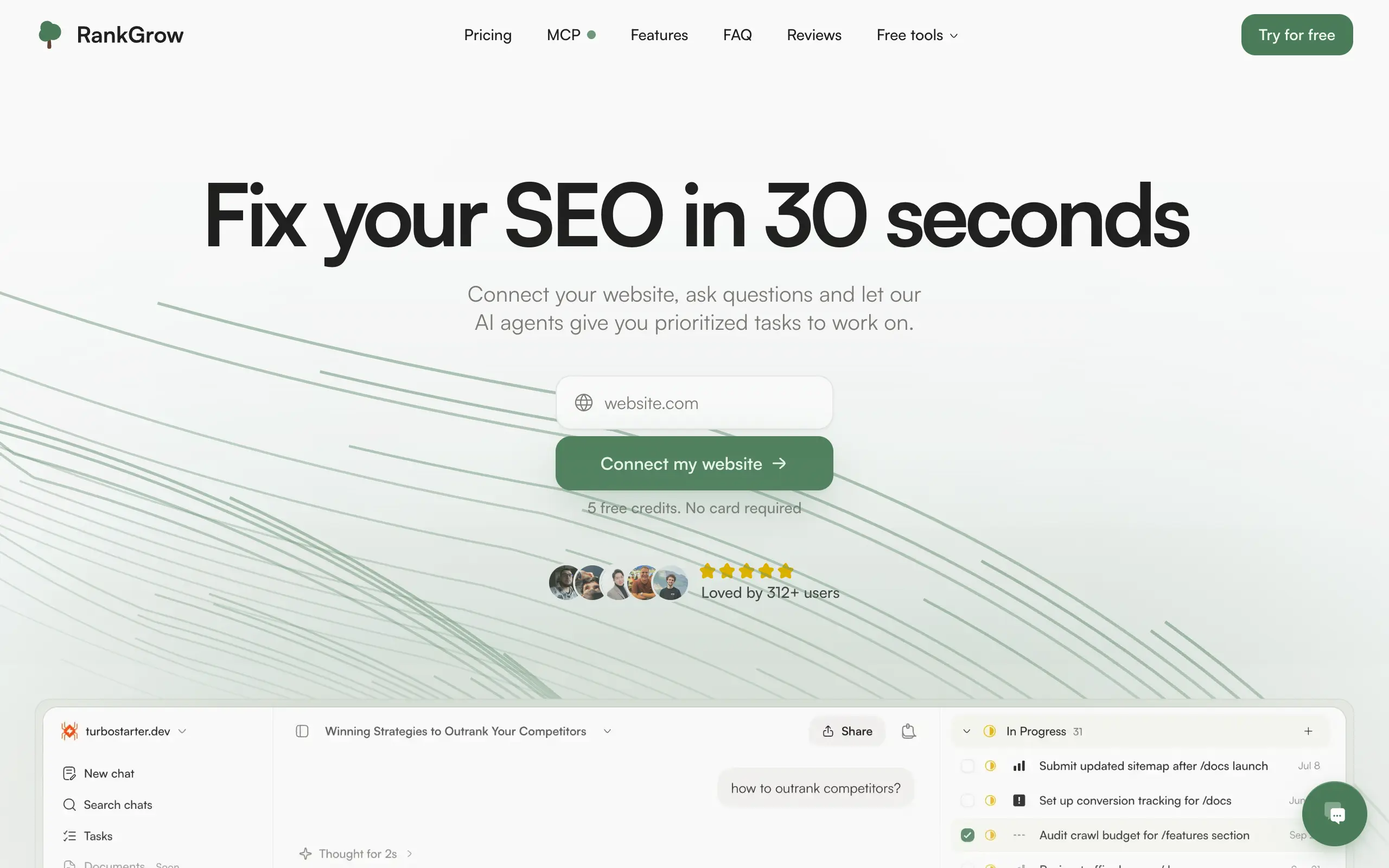
RankGrow
Fix your SEO with AI agents - connect Search Console, get prioritized tasks, and grow organic traffic 📈
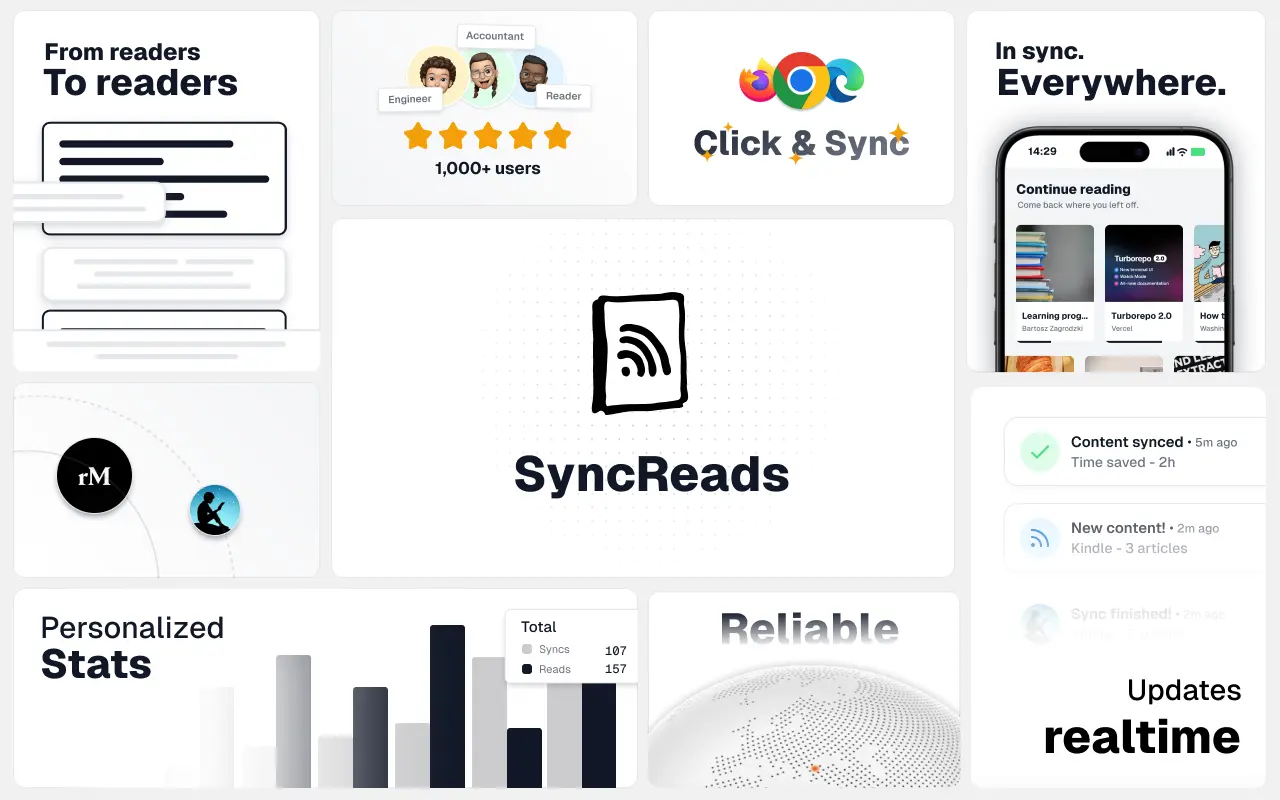
SyncReads
Sync your favorite content for distraction-free reading, save time and replace multiple apps. Anytime, anywhere 🔄
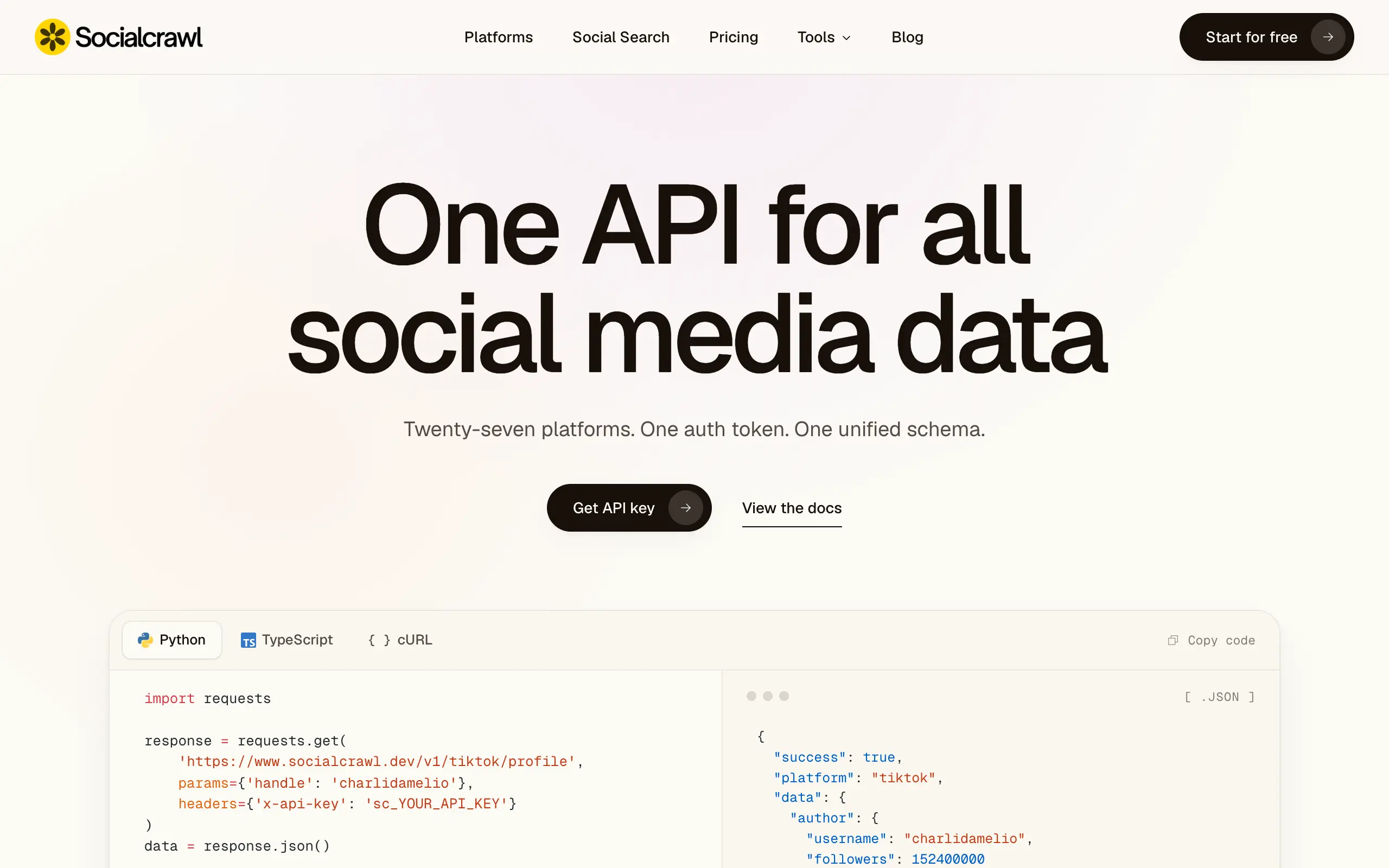
Socialcrawl
Get clean, structured data from 21 platforms like TikTok, Instagram, and YouTube with a single request 📊
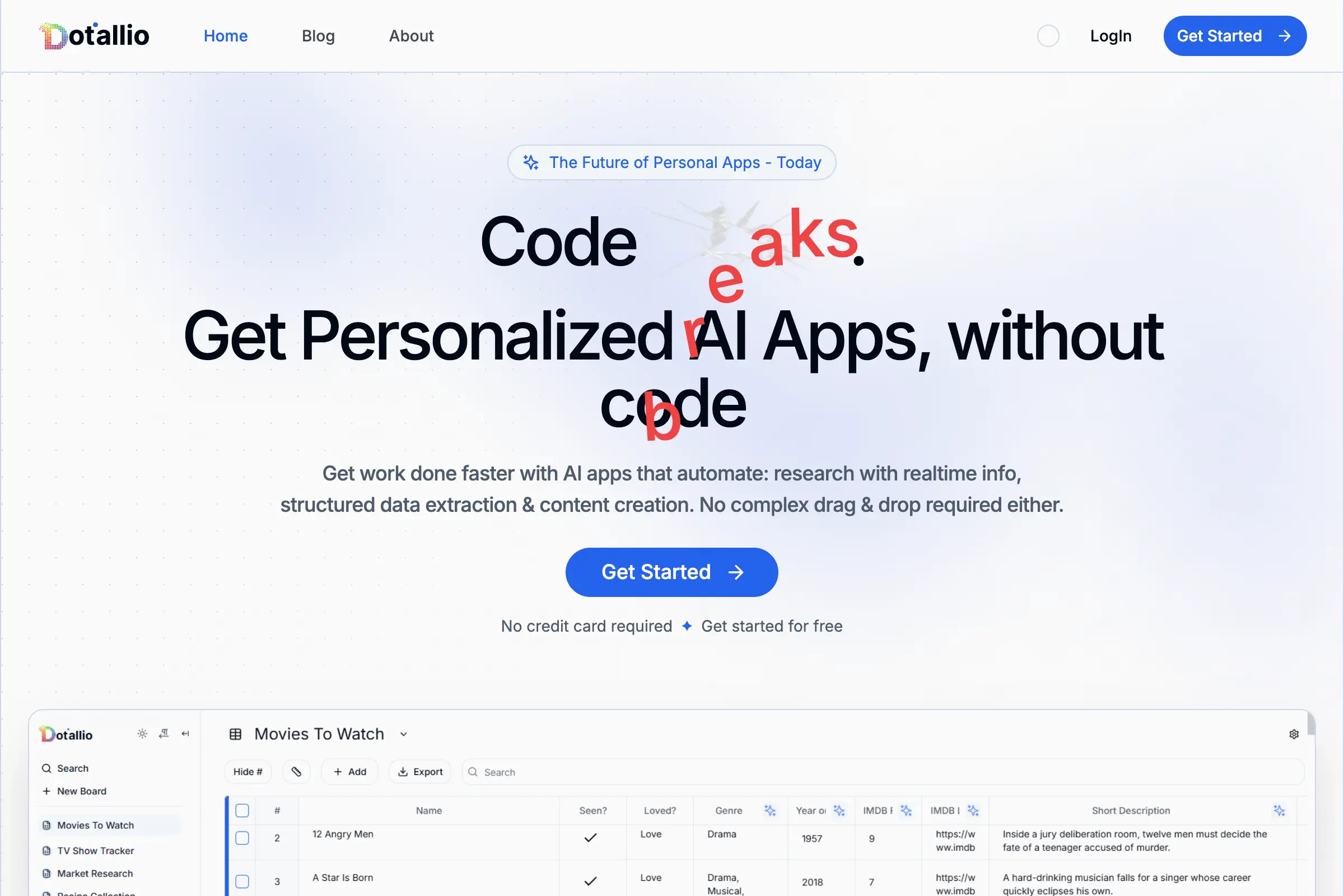
Dotallio
Personalized AI apps that automate research, data extraction, and content creation without code 🤖
Shibui
AI website builder - describe your business, pick a niche template, edit by chatting, and publish instantly ✨
Pro Service
Find verified home service professionals, compare quotes, and pay securely through escrow - built for Brazilians across the US 🏠
RankGrow
Fix your SEO with AI agents - connect Search Console, get prioritized tasks, and grow organic traffic 📈
SyncReads
Sync your favorite content for distraction-free reading, save time and replace multiple apps. Anytime, anywhere 🔄
Socialcrawl
Get clean, structured data from 21 platforms like TikTok, Instagram, and YouTube with a single request 📊
Dotallio
Personalized AI apps that automate research, data extraction, and content creation without code 🤖
Shibui
AI website builder - describe your business, pick a niche template, edit by chatting, and publish instantly ✨
Pro Service
Find verified home service professionals, compare quotes, and pay securely through escrow - built for Brazilians across the US 🏠
RankGrow
Fix your SEO with AI agents - connect Search Console, get prioritized tasks, and grow organic traffic 📈
SyncReads
Sync your favorite content for distraction-free reading, save time and replace multiple apps. Anytime, anywhere 🔄
Socialcrawl
Get clean, structured data from 21 platforms like TikTok, Instagram, and YouTube with a single request 📊
Dotallio
Personalized AI apps that automate research, data extraction, and content creation without code 🤖
Shibui
AI website builder - describe your business, pick a niche template, edit by chatting, and publish instantly ✨
Pro Service
Find verified home service professionals, compare quotes, and pay securely through escrow - built for Brazilians across the US 🏠
RankGrow
Fix your SEO with AI agents - connect Search Console, get prioritized tasks, and grow organic traffic 📈
SyncReads
Sync your favorite content for distraction-free reading, save time and replace multiple apps. Anytime, anywhere 🔄
Socialcrawl
Get clean, structured data from 21 platforms like TikTok, Instagram, and YouTube with a single request 📊
Dotallio
Personalized AI apps that automate research, data extraction, and content creation without code 🤖
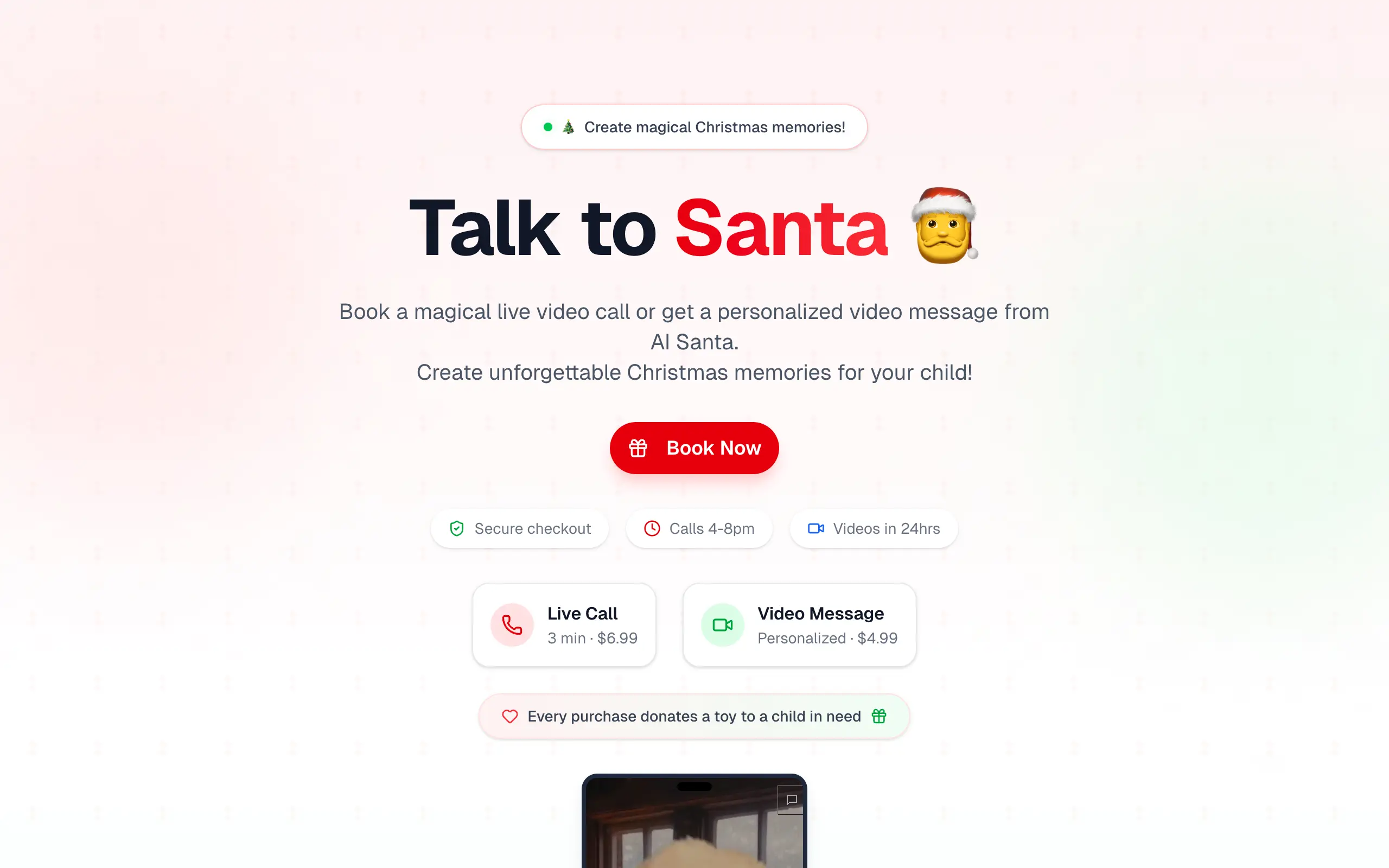
Talk to Santa
Enjoy a magical live video chat or receive a unique AI-generated video greeting from Santa Claus 🎅

pozywka.pl
Scalable blog for food journalist, focused on performance and user experience 🌭
zagrodzki.me
Personal blog and portfolio of Bart Zagrodzki, where he shares his knowledge and work 💼
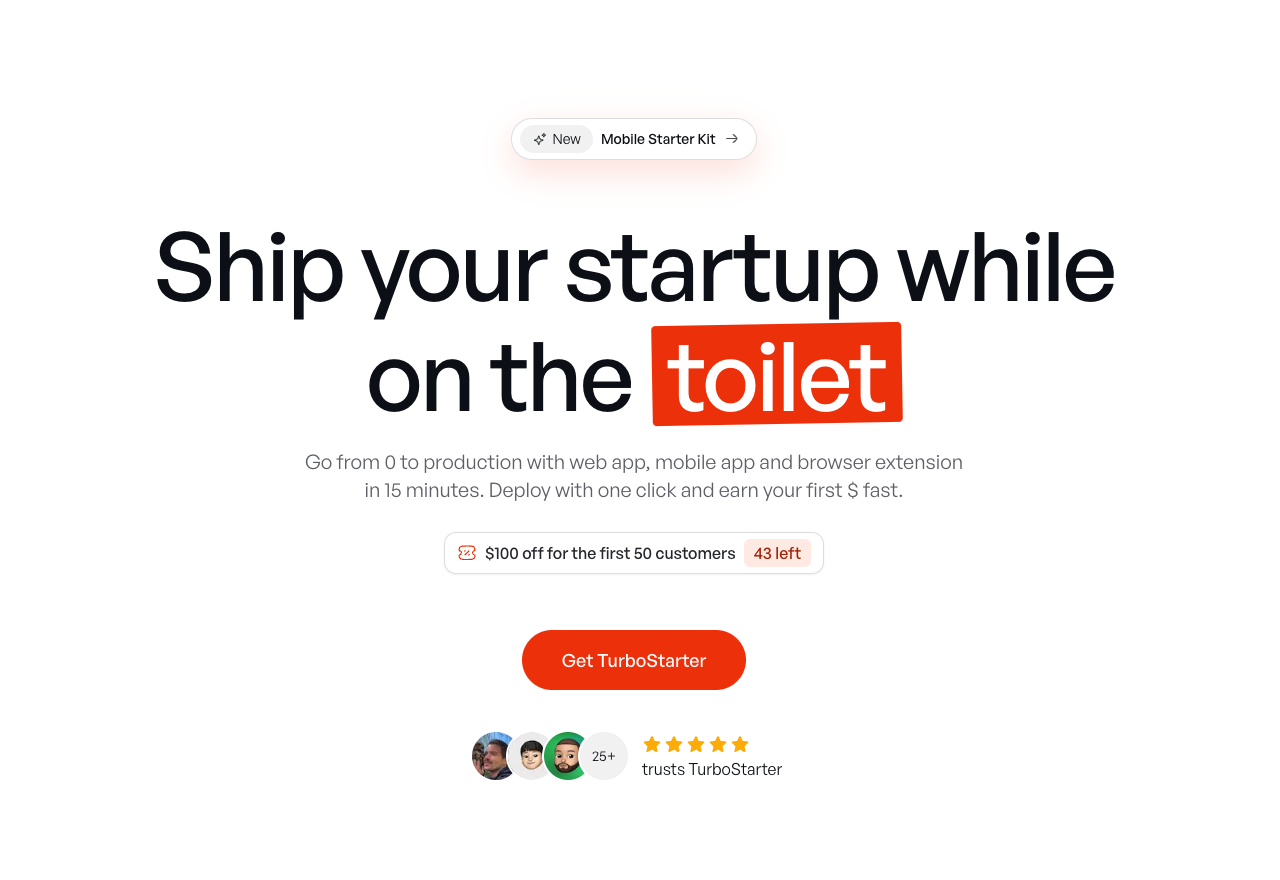
TurboStarter
Ship your startup everywhere. In minutes.
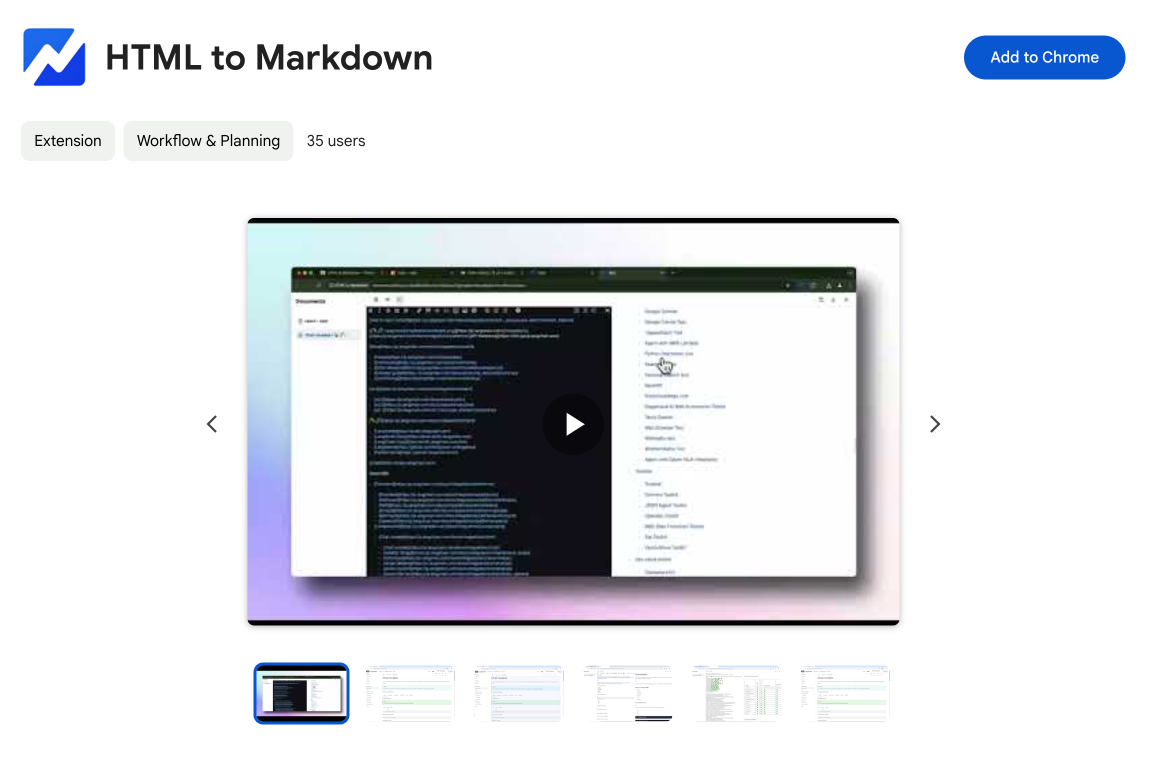
HTML to Markdown
Convert HTML to Markdown with ease, directly in your browser 📄
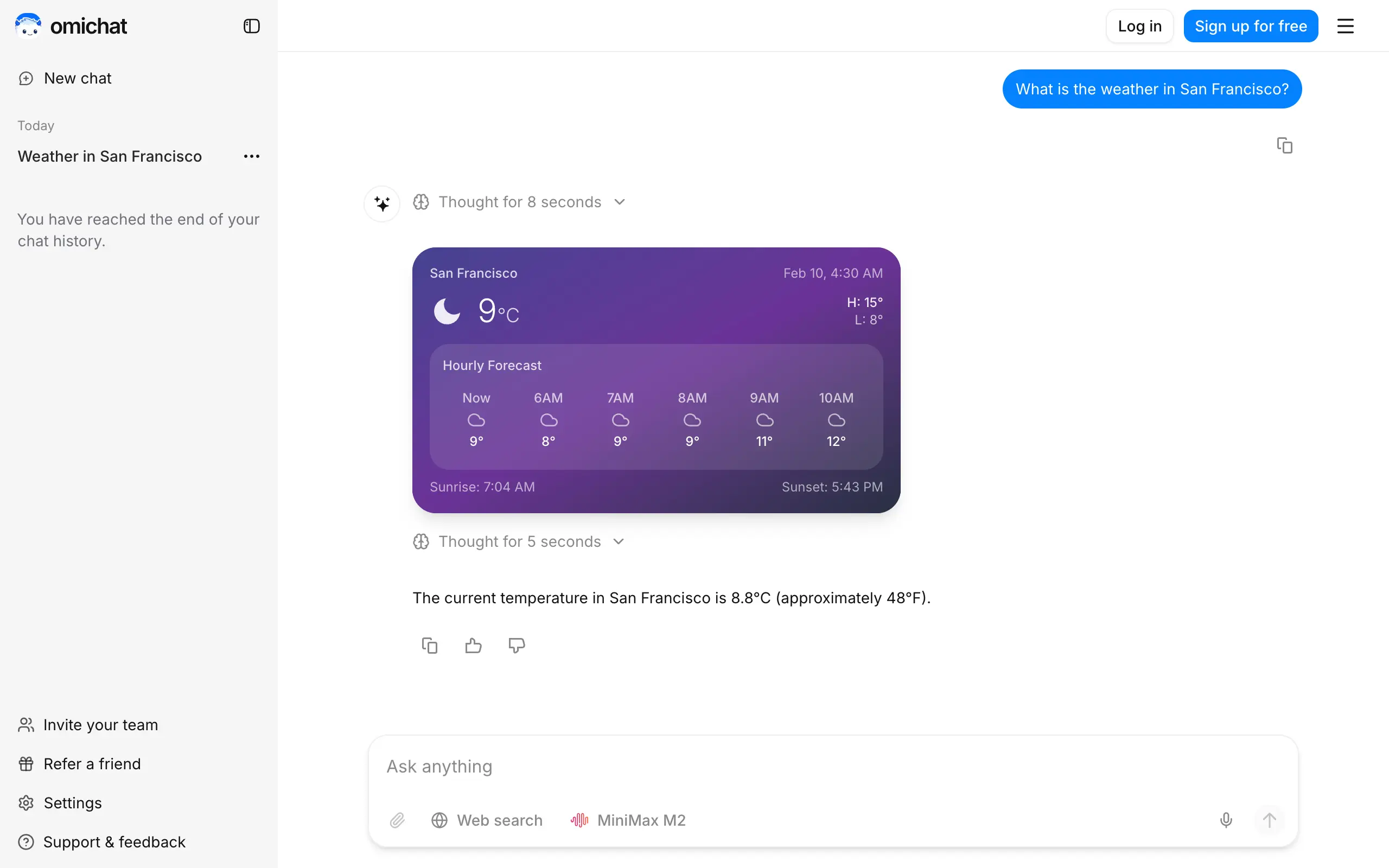
Omichat
Chat with 50+ AI models, including ChatGPT and Claude, in one place - switch models anytime without losing context 🤖
Talk to Santa
Enjoy a magical live video chat or receive a unique AI-generated video greeting from Santa Claus 🎅
pozywka.pl
Scalable blog for food journalist, focused on performance and user experience 🌭
zagrodzki.me
Personal blog and portfolio of Bart Zagrodzki, where he shares his knowledge and work 💼
TurboStarter
Ship your startup everywhere. In minutes.
HTML to Markdown
Convert HTML to Markdown with ease, directly in your browser 📄
Omichat
Chat with 50+ AI models, including ChatGPT and Claude, in one place - switch models anytime without losing context 🤖
Talk to Santa
Enjoy a magical live video chat or receive a unique AI-generated video greeting from Santa Claus 🎅
pozywka.pl
Scalable blog for food journalist, focused on performance and user experience 🌭
zagrodzki.me
Personal blog and portfolio of Bart Zagrodzki, where he shares his knowledge and work 💼
TurboStarter
Ship your startup everywhere. In minutes.
HTML to Markdown
Convert HTML to Markdown with ease, directly in your browser 📄
Omichat
Chat with 50+ AI models, including ChatGPT and Claude, in one place - switch models anytime without losing context 🤖
Talk to Santa
Enjoy a magical live video chat or receive a unique AI-generated video greeting from Santa Claus 🎅
pozywka.pl
Scalable blog for food journalist, focused on performance and user experience 🌭
zagrodzki.me
Personal blog and portfolio of Bart Zagrodzki, where he shares his knowledge and work 💼
TurboStarter
Ship your startup everywhere. In minutes.
HTML to Markdown
Convert HTML to Markdown with ease, directly in your browser 📄
Omichat
Chat with 50+ AI models, including ChatGPT and Claude, in one place - switch models anytime without losing context 🤖
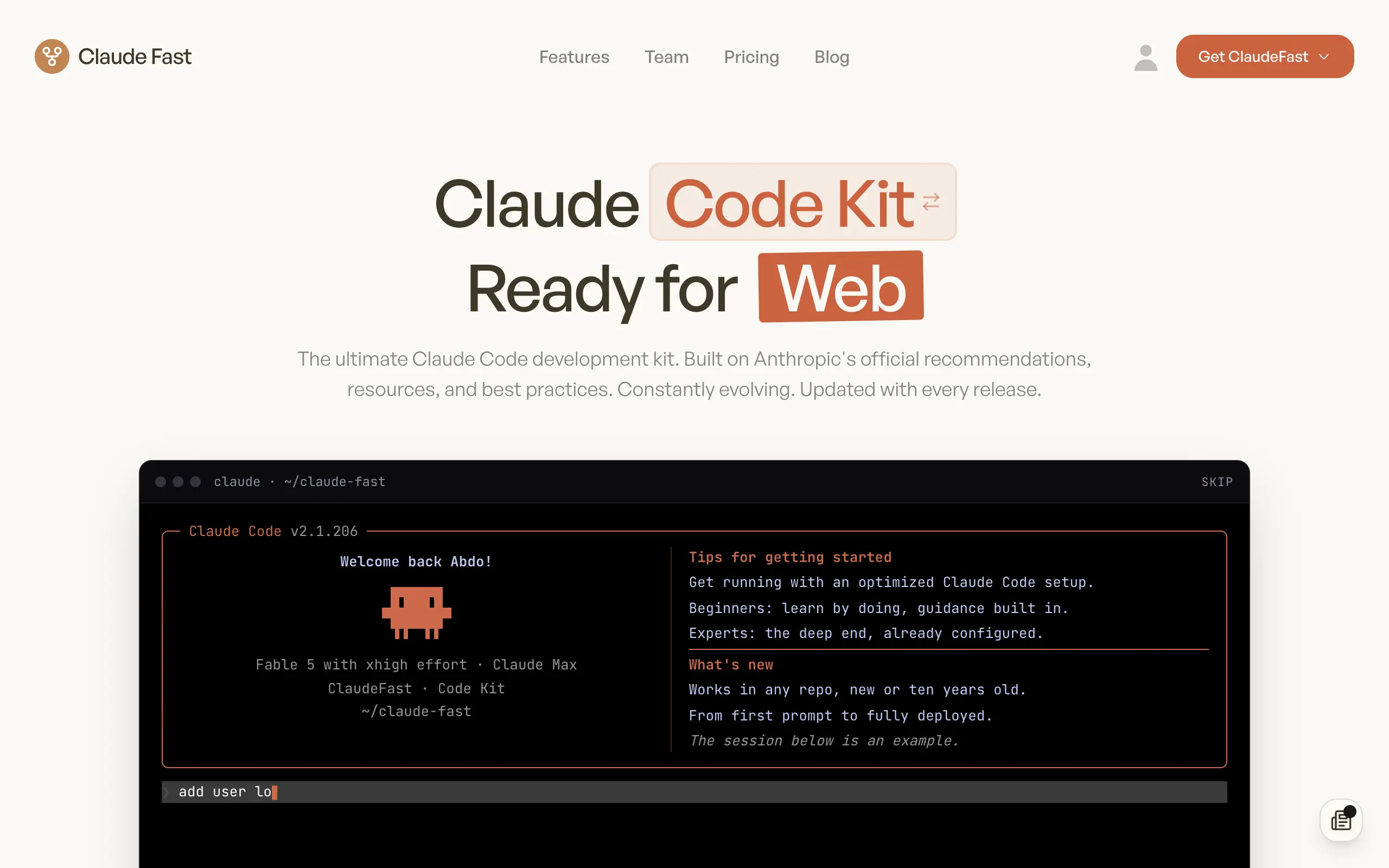
Claude Fast
Supercharge your Claude Code with 6x effective context window and specialized AI agents 🤖
EmojAI
AI-powered emoji picker with smart, context-aware suggestions 🤖
Solohacker
Autonomous company launcher - AI agents work 24/7, escalate what matters, and you stay in control 🤖
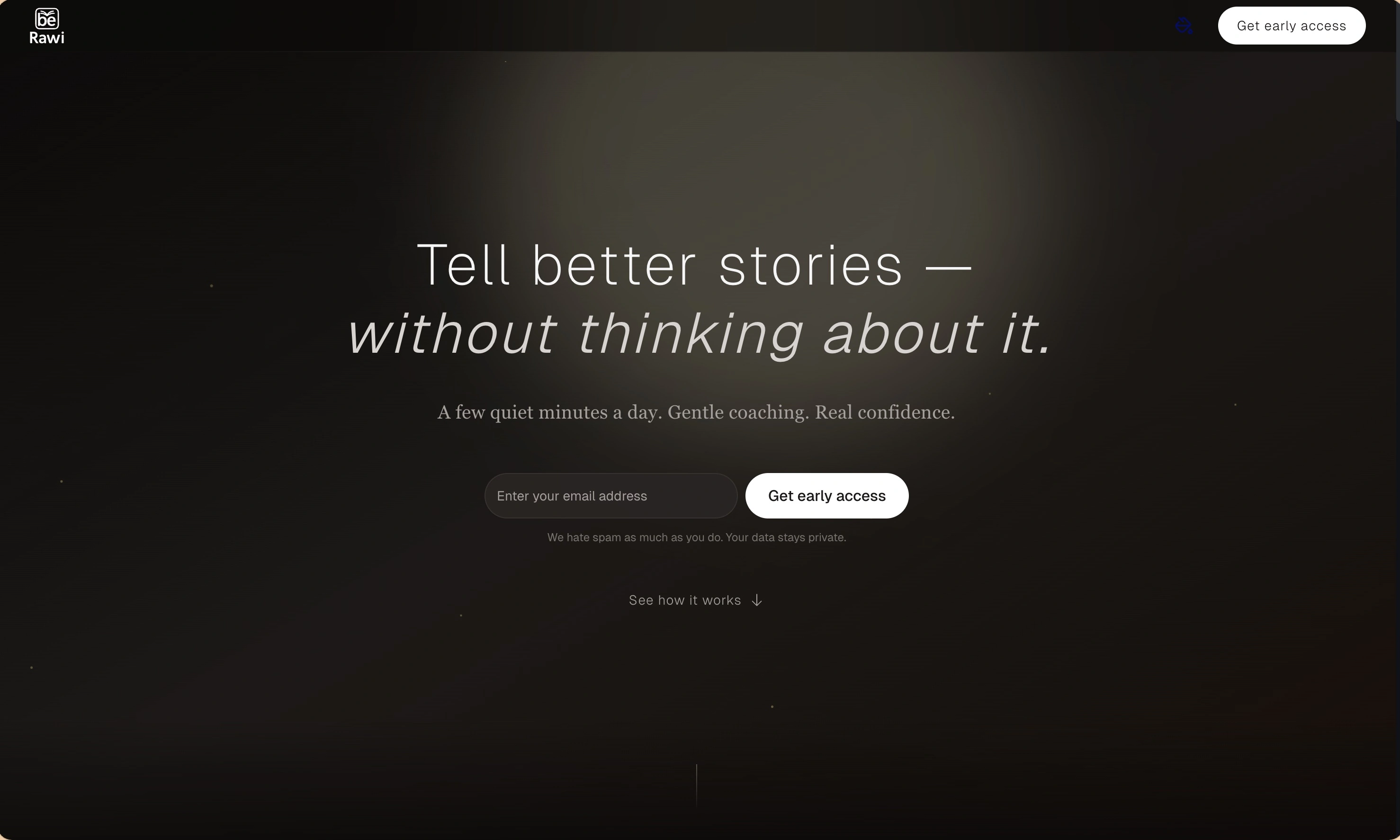
BeRawi: Storytelling Coach
Practice storytelling daily with instant feedback to sound clearer, more engaging, and confident 🎤
Claude Fast
Supercharge your Claude Code with 6x effective context window and specialized AI agents 🤖
EmojAI
AI-powered emoji picker with smart, context-aware suggestions 🤖
Solohacker
Autonomous company launcher - AI agents work 24/7, escalate what matters, and you stay in control 🤖
BeRawi: Storytelling Coach
Practice storytelling daily with instant feedback to sound clearer, more engaging, and confident 🎤
Claude Fast
Supercharge your Claude Code with 6x effective context window and specialized AI agents 🤖
EmojAI
AI-powered emoji picker with smart, context-aware suggestions 🤖
Solohacker
Autonomous company launcher - AI agents work 24/7, escalate what matters, and you stay in control 🤖
BeRawi: Storytelling Coach
Practice storytelling daily with instant feedback to sound clearer, more engaging, and confident 🎤
Claude Fast
Supercharge your Claude Code with 6x effective context window and specialized AI agents 🤖
EmojAI
AI-powered emoji picker with smart, context-aware suggestions 🤖
Solohacker
Autonomous company launcher - AI agents work 24/7, escalate what matters, and you stay in control 🤖
BeRawi: Storytelling Coach
Practice storytelling daily with instant feedback to sound clearer, more engaging, and confident 🎤

Connect with like-minded people
Join our community to get feedback, support, and grow together with 1,000+ builders on board, let's ship it!
Join usShip your startup everywhere. In minutes.
Don't burn tokens on setup and start building features on day one.