Pocket Quest
Turn spare minutes into nearby micro-adventures with live time, budget, weather, and energy filters. Build a personal done-list, not another feed.
Why a micro-adventure app fits modern consumer behavior
Pocket Quest is a B2C micro-adventure app designed for a simple but underserved moment in daily life: someone has a little free time, limited energy, a realistic budget, and wants to do something memorable without planning an entire day around it.
The core promise is compelling because it avoids the behavior that makes many discovery products exhausting. Instead of presenting an endless feed of places, videos, and aspirational itineraries, Pocket Quest answers a practical question:
“What can I do nearby right now that fits the time, money, weather, and energy I actually have?”
That positioning gives Pocket Quest a clear opportunity in the local discovery, wellness, travel, and lifestyle app markets. It is not trying to replace Google Maps, TripAdvisor, AllTrails, or event platforms. It can become the decision layer between a person’s available moment and an activity worth doing.
The primary keyword for this concept is micro-adventure app. Related search terms and semantic keywords include:
- Nearby adventure ideas
- Things to do near me
- Local activity discovery
- Spontaneous outing planner
- Weekend activity app
- Outdoor activity finder
- Local experience app
- Personalized activity recommendations
- Real-time local recommendations
- Personal done-list app
Pocket Quest stands out because it reframes local discovery as an action-oriented product. The user is not collecting recommendations for someday. They are choosing an achievable quest for today.
Core product insight
The best micro-adventure app does not maximize content consumption. It minimizes decision friction and helps users leave the house with a plan they can realistically complete.
The problem Pocket Quest solves for everyday explorers
People often have spare time but fail to use it well. A 45-minute gap between meetings, a quiet Saturday afternoon, a free evening after work, or an unexpected sunny window can all create opportunities for small experiences. Yet these moments frequently turn into scrolling, indecision, or default routines.
The problem is rarely a lack of options. Most cities and neighborhoods already contain walks, viewpoints, markets, exhibits, independent cafés, short trails, public art, bookstores, low-cost events, and local landmarks. The real issue is that users cannot quickly identify which option fits their current constraints.
Traditional discovery products commonly create four types of friction.
- Users must search with a destination or category already in mind.
- Results do not reliably account for the user’s actual available time.
- Recommendations may ignore changing weather, travel time, opening hours, or live costs.
- Saved places accumulate without becoming completed experiences.
Pocket Quest turns those constraints into its recommendation inputs. A user can indicate that they have 30 minutes, $10, low energy, and cloudy weather. The app should return a short list of achievable adventures rather than hundreds of generic nearby listings.
This is especially valuable for users who want more novelty and intentionality without needing to become highly organized planners.
Target audience for a micro-adventure app
Pocket Quest should not initially target everyone who enjoys travel or local events. A narrow early audience improves product clarity, makes recommendation quality easier to measure, and allows the team to develop a repeatable acquisition strategy.
Urban professionals with fragmented free time
The first high-potential audience is urban and suburban professionals between roughly 24 and 45 years old. These users often have disposable income, access to nearby venues, and a strong desire to use their personal time more intentionally.
They may work hybrid schedules, experience routine fatigue, or find themselves defaulting to streaming and social media after work. They do not necessarily need a full itinerary. They need a practical nudge toward a satisfying local experience.
Their typical needs include:
- Ideas that fit a 20-minute to 2-hour window
- Clear total time estimates including travel
- Low-planning activities
- Affordable suggestions
- Options that work solo, with a partner, or with friends
- Confidence that a place is open and worth visiting
Parents and caregivers seeking manageable outings
Parents, guardians, and caregivers represent a valuable secondary audience. They often need nearby activity ideas that account for nap schedules, transit limitations, weather, cost, and child-friendly accessibility.
This segment benefits from filters such as:
- Suitable age range
- Stroller accessibility
- Restroom availability
- Indoor or outdoor environment
- Noise level
- Estimated total cost
- Parking or transit access
Pocket Quest can help families move beyond the same familiar playground or restaurant by presenting small, realistic adventures that fit a narrow time window.
Students and budget-conscious explorers
Students, new city residents, and early-career workers are likely to respond strongly to the app’s budget filters and novelty-driven experience design. These users may have time flexibility but limited money. They want to feel connected to their city without spending heavily.
A free or low-cost micro-adventure app can create meaningful value through:
- Public art walks
- Community events
- Libraries and cultural spaces
- Free museum periods
- Affordable food stops
- Campus-area discoveries
- Scenic urban routes
- Volunteer opportunities
Wellness-focused users who want gentle motivation
A growing group of consumers wants more movement, outdoor time, and social connection but does not identify as a “fitness” user. Pocket Quest can serve this audience with low-pressure quests that make wellness feel exploratory rather than prescriptive.
For example, an app recommendation could be a 25-minute waterfront walk, a quiet garden visit, or a “try one new local drink” mission. These experiences offer emotional rewards while requiring less commitment than a workout program or full weekend trip.
The market gap in local activity discovery
The opportunity for Pocket Quest comes from the gap between broad local search tools and tightly constrained real-time decision-making.
Maps products are excellent for navigating to known destinations. Event marketplaces are useful when users want ticketed entertainment. Travel guides work well for planned trips. Outdoor apps help users find trails and routes. However, few consumer products combine all of the following in a single discovery experience:
| Decision factor | Why it matters | Common discovery gap | Pocket Quest opportunity | User outcome |
|---|---|---|---|---|
| Available time | Most spontaneous plans have a hard limit | Search results rarely include door-to-door duration | Rank quests by realistic total time | Fewer abandoned plans |
| Live weather | Conditions influence comfort and safety | Weather is usually separate from discovery | Adapt quest recommendations dynamically | More relevant suggestions |
| Energy level | Motivation changes through the day | Most platforms assume equal user readiness | Match effort to mood and capacity | More completed activities |
| Personal history | Users want progress, not saved clutter | Saved lists become passive bookmarks | Create a meaningful done-list | Visible personal momentum |
The strongest market gap is not merely “find local things to do.” That category is crowded. The gap is context-aware activity selection for short, unplanned windows of time.
Pocket Quest should own a specific job to be done:
Help me quickly choose and complete a nearby experience that fits my life right now.
This job has a natural frequency advantage. A user might take a major trip once or twice a year, but they encounter spare moments every week. If the app delivers genuinely useful recommendations, it can establish a repeat habit rather than a seasonal one.
Pocket Quest’s unique selling proposition
The unique selling proposition is simple and memorable:
Pocket Quest turns spare minutes into completed nearby micro-adventures using live context instead of generic recommendations.
Three elements make that positioning stronger than a standard local discovery platform.
It starts with constraints, not categories
Most local discovery apps begin by asking users where they want to go or what category they want to browse. Pocket Quest should start with the realities of the moment.
A lightweight quest builder might ask:
- How much time do you have?
- What is your budget?
- How much energy do you have?
- Do you want to be indoors, outdoors, or either?
- Are you alone, with friends, or with children?
- Do you want calm, social, active, creative, or food-focused?
This input model reduces the burden of knowing what to search for. It is particularly effective for users who are bored but cannot articulate what would feel worthwhile.
It converts recommendations into completed experiences
A saved place is not the same as a completed memory. Pocket Quest’s done-list is a defensible product mechanic because it rewards real-world action.
Each completed quest can become part of a personal record containing:
- The place or route completed
- Date and approximate duration
- A user photo or short note
- The quest category
- Whether the user would recommend it
- A private memory marker
- Optional badges or seasonal collections
The done-list should feel personal, not performative. Users should never feel pressure to publish their activities publicly. Private progress and reflection are often more sustainable than a social feed.
It makes recommendations adaptive
A high-quality recommendation system should adapt when a user’s situation changes. If rain begins, a short outdoor walk can be replaced with an indoor gallery, café, bookstore, or covered market. If a venue closes early, the app should avoid surfacing it. If public transit delays lengthen travel time, recommendations should adjust.
That level of relevance is where Pocket Quest can earn trust. The user should feel that the app understands real life, not just location data.
Core features for an MVP micro-adventure app
The MVP should be focused. Building every category, social feature, reward system, and travel integration before validating user behavior would create unnecessary complexity.
The initial product should prove one metric above all others: whether users complete nearby quests at a repeatable rate.
Quest matcher
A quick input flow that converts available time, budget, weather tolerance, energy, and preferences into a small set of relevant ideas.
Live feasibility engine
A ranking system that considers travel time, opening hours, weather, cost, venue status, and distance.
Personal done-list
A private, motivating record of completed outings that turns exploration into visible progress.
Context-aware quest filters
The filters are the heart of Pocket Quest. They should be easy enough to use in seconds and specific enough to produce practical recommendations.
Recommended MVP filters include:
- Time available in 15-minute increments
- Budget bands such as free, low-cost, moderate, and flexible
- Walking, cycling, driving, and transit preferences
- Energy levels such as low, medium, and high
- Indoor, outdoor, or flexible setting
- Solo, couple, friends, family, or pet-friendly options
- Interest themes such as food, nature, culture, movement, learning, and hidden gems
Use defaults intelligently. For example, the app can estimate travel mode from previous behavior and surface the current weather automatically after receiving permission.
Quest cards with decision-ready information
Each recommendation must answer the questions that prevent action. A quest card should include:
- A clear activity title
- Total estimated time from the user’s current location
- Expected cost range
- Distance and travel mode
- Current open or closed status
- Weather suitability
- Effort level
- Why the app recommends it now
- A concise completion prompt
Instead of saying “Visit Riverside Park,” Pocket Quest can phrase the opportunity as “Take the 35-minute riverside loop before sunset.” This turns a location into a concrete, time-bounded experience.
Personal done-list and lightweight reflection
The done-list should be useful even if users never share anything publicly. After a quest, Pocket Quest can ask a single low-friction question such as “How did that feel?”
Possible responses might include:
- Recharged
- Relaxed
- Energized
- Connected
- Curious
- Not for me
Over time, these reflections improve personalization. If a user frequently marks quiet cultural activities as recharging, the recommendation engine can prioritize similar experiences during low-energy moments.
Smart rerouting and fallback options
A reliable micro-adventure app needs graceful recovery when plans fail. Real-world data is imperfect, weather changes, venues close unexpectedly, and users sometimes arrive to find a place too busy.
Pocket Quest should offer fallback options with one tap:
- Find an indoor alternative
- Find something free nearby
- Reduce this quest to 30 minutes
- Show a lower-energy option
- Keep the theme but change the location
This feature is important for retention. A poor recommendation does not need to become a failed session if the product can quickly help users recover.
Curated local collections
After the MVP proves core utility, curated collections can improve discovery and editorial differentiation. Examples include:
- Rainy-day micro-adventures
- First-date quests under two hours
- Free things to do this weekend
- Quiet solo outings
- Lunch-break city resets
- Accessible local adventures
- Dog-friendly neighborhood quests
- Seasonal sunset walks
Curated collections are also valuable for SEO because they align with high-intent searches around local activities and specific use cases.
Recommendation engine and data strategy
Pocket Quest should not begin by trying to build a complex artificial intelligence system. The first version needs a transparent ranking model, reliable data sources, and a feedback loop that measures what users actually complete.
A useful baseline recommendation score can combine:
- Geographic proximity
- Door-to-door travel estimate
- Opening status
- Weather compatibility
- Budget compatibility
- Energy compatibility
- User interest match
- Novelty level
- Venue quality confidence
- Predicted completion likelihood
The core principle is simple. A less exciting activity that a user can genuinely complete today is often more valuable than an idealized recommendation that requires too much time or energy.
Data sources to evaluate
The product will need structured place, route, weather, and event data. Data licensing and attribution requirements should be reviewed carefully before launch.
Potential data categories include:
- Place and business listings
- Hours and venue attributes
- Mapping and directions
- Transit and travel-time estimates
- Weather forecasts and alerts
- Public park and trail datasets
- Municipal event calendars
- Ticketed event inventory
- Internal user-generated recommendations
For local coverage, public open-data portals can be especially useful. Many cities publish park, public art, library, trail, accessibility, and event information. These datasets may have uneven quality, but they can create differentiated quest categories that generic platforms overlook.
Human curation plus machine ranking
A pure algorithmic approach can produce technically relevant but emotionally bland recommendations. A pure editorial approach is difficult to scale city by city. Pocket Quest should combine both.
The system can use curation to define high-quality quest templates, safety rules, and local collections. It can then use ranking logic to decide which quests fit a person’s current context.
This approach helps maintain brand quality while still enabling personalization.
Trust is a product requirement
Do not present uncertain business hours, crowd conditions, or accessibility details as facts. Show confidence levels, data timestamps, and clear “verify before you go” guidance when live information is incomplete.
Recommended tech stack for Pocket Quest
A micro-adventure app needs fast mobile interactions, location-aware search, reliable notifications, and data systems that can support personalization without overengineering the first release.
Mobile application and web experience
For a mobile-first B2C launch, React Native is a practical option. It enables a shared JavaScript or TypeScript codebase for iOS and Android while maintaining access to device capabilities such as location, notifications, cameras, and maps.
Expo can accelerate early development by simplifying build workflows, device APIs, and over-the-air updates. It is particularly useful for a lean team validating an MVP.
A companion web application can support SEO landing pages, curated city guides, account management, referral pages, and waitlist acquisition. Next.js is well suited for this use case because it supports modern React development, server rendering, and content-focused page performance.
Backend and database
A TypeScript backend keeps the stack coherent and helps teams move quickly. Good options include:
- Node.js with a REST or GraphQL API
- NestJS for opinionated backend architecture
- Supabase for a fast MVP with authentication, PostgreSQL, storage, and real-time features
- PostgreSQL with PostGIS for geospatial queries
PostgreSQL with PostGIS is especially valuable because Pocket Quest needs location-aware logic. It can efficiently query venues and quests within a radius, calculate geographic relationships, and support geo-indexed data models.
Search and recommendation infrastructure
The MVP may not require a dedicated search engine. PostgreSQL full-text search and geospatial filtering can be sufficient in the first city. As inventory and search complexity grow, consider adding:
- Algolia for fast, polished faceted search
- Elasticsearch for advanced self-managed search and analytics needs
- A vector database only when semantic discovery materially improves user outcomes
The trade-off is operational complexity. A dedicated search stack is powerful, but it is not necessary if the earliest goal is validating completion behavior in a limited geographic market.
Maps, weather, analytics, and notifications
Pocket Quest requires integrations that directly support real-world feasibility.
- Mapbox can provide mapping, geocoding, directions, and visual map experiences.
- OpenWeather can support weather-based filtering and forecast context.
- PostHog can help teams measure activation, recommendation clicks, quest starts, completions, and retention.
- Sentry can monitor production errors and mobile performance issues.
For notifications, use a provider that supports mobile push workflows and segmentation. Notifications should be sparing and contextually useful, such as a sunny 45-minute window, a nearby event starting soon, or a streak-friendly weekend prompt.
Building quickly without sacrificing foundations
For founders who want a production-minded starting point, TurboStarter can reduce setup time for common SaaS requirements such as authentication, billing, database workflows, dashboards, and deployment foundations.
The key trade-off is that a starter kit should accelerate proven product work, not dictate the product architecture. Pocket Quest’s location, recommendation, and mobile-specific capabilities still require deliberate design.
Monetization strategies for Pocket Quest
A B2C micro-adventure app should avoid charging too early for the basic value of helping people get outside and discover local options. The first priority is habit formation, recommendation quality, and local supply density.
A freemium model is the most natural long-term starting point.
Freemium subscription model
Free users can receive a limited number of personalized daily or weekly quests, basic filters, and a standard done-list. Paid subscribers can unlock deeper personalization and planning features.
Premium benefits could include:
- Unlimited personalized quest generation
- Advanced filters for accessibility, pet-friendliness, quietness, and family needs
- Offline saved quest packs
- Seasonal and premium local collections
- Personalized weekly adventure plans
- Couple or group planning tools
- Detailed done-list insights
- Ad-free discovery
- Early access to partner offers
The pricing should be tested by market and user segment. A low monthly price may work for frequent urban users, while an annual plan can appeal to committed explorers.
Local partner referrals and affiliate revenue
Pocket Quest can earn referral revenue from ticketed experiences, classes, tours, restaurants, and local attractions. This is attractive because it aligns revenue with completed activities.
However, partner content must be clearly labeled. If sponsored or commissionable experiences receive higher placement, users need transparent disclosure. Trust is more valuable than short-term affiliate revenue.
B2B local business tools
Once the consumer experience is established in a city, Pocket Quest could offer local businesses a lightweight partner offering. Potential features include:
- Verified business profile details
- Last-minute availability signals
- Quest inclusion requests
- Offer creation for specific time windows
- Attribution reporting
- Customer discovery insights
This should not turn Pocket Quest into an ad-heavy local directory. Paid placement should remain constrained by quality, fit, and disclosure rules.
Sponsored city collections
Tourism boards, business improvement districts, universities, coworking spaces, and real estate communities may sponsor curated collections. For example, a city district could support a “historic downtown in 90 minutes” collection.
The best sponsored collections still provide real utility. Editorial standards should remain consistent regardless of the sponsor.
Competitive advantage and defensibility
Pocket Quest will compete indirectly with large discovery platforms that have significant data advantages. It should not attempt to beat them at broad search. Its advantage comes from a narrower, better-executed user experience.
The done-list creates meaningful retention
The personal done-list can become a durable retention loop. The more users complete and reflect on quests, the more valuable their personal history becomes. This is not simply a database of places visited. It is a record of how they spend their life outside routine.
That creates an emotional switching cost that generic map bookmarks do not provide.
Completion data improves recommendation quality
The strongest data asset is not clicks or saves. It is verified or self-reported completion behavior combined with contextual inputs.
Over time, Pocket Quest can learn patterns such as:
- A user completes low-energy indoor cultural outings on weekday evenings.
- A user prefers outdoor food-related quests on sunny weekends.
- A user declines activities requiring more than 20 minutes of travel.
- A user is highly likely to complete a quest when it includes a friend invitation.
This behavioral data improves personalization and creates a feedback loop that generic lists cannot easily replicate.
Local quest design is a differentiated content layer
Pocket Quest can package locations into experiences. A map may show a park, coffee shop, and gallery separately. Pocket Quest can create a 75-minute “quiet reset” that combines them in a cohesive, achievable route.
That editorial layer makes the product more memorable and easier to market through search, social content, partnerships, and referrals.
Risks and mitigation strategies
Every location-based consumer application faces execution risks. Pocket Quest should address them early because a single disappointing recommendation can reduce trust.
Business hours, event details, prices, and access conditions change frequently. Use multiple sources where possible, store timestamps, allow user corrections, and display verification prompts for low-confidence information.
A new app with generic venue results will feel interchangeable. Launch in one tightly defined city or neighborhood cluster, curate excellent starter quests, and expand only after proving completion and retention.
Location data is sensitive. Collect the minimum necessary information, provide clear consent controls, allow location access only while using the app, and explain how location improves recommendations.
Overusing push notifications can lead to opt-outs and churn. Trigger alerts only when there is high confidence that the user has a relevant opportunity, such as favorable weather and a known free-time pattern.
Avoid recommending isolated routes late at night, areas with known access restrictions, or activities with uncertain conditions. Build safety rules, daylight checks, route constraints, and clear user reporting tools.
Go-to-market strategy for the first city
Pocket Quest should launch geographically narrow. Local discovery products become more useful when recommendations are dense, timely, and culturally specific. A focused launch creates a higher-quality user experience and makes local partnerships manageable.
Choose an initial city or neighborhood based on:
- Strong walking, transit, or cycling infrastructure
- A dense mix of parks, independent businesses, cultural venues, and public spaces
- A large population of young professionals, students, or active families
- Reliable public place and event data
- Seasonal variety that makes weather-aware recommendations valuable
- Local creators and community organizations open to partnerships
Content-led SEO acquisition
Search content can become an important acquisition channel, especially for city-specific intent. Build useful pages around real questions rather than producing thin location pages at scale.
High-value content themes include:
- Things to do in a city when you only have one hour
- Free micro-adventures in a neighborhood
- Rainy-day activities near a transit district
- Low-energy weekend ideas
- Unique date ideas under a set budget
- Short outdoor activities before sunset
- Solo things to do near a city center
These pages should contain genuinely curated advice, updated practical details, and clear criteria. Avoid publishing large numbers of interchangeable “things to do” pages with little local insight.
For research-backed claims about consumer behavior, local tourism, outdoor participation, or wellness trends, cite authoritative sources in editorial production. Useful reference types include public tourism board reports, government recreation data, reputable market research, and recognized consumer surveys. Add a publication date and source name near every statistic.
Local creator and community partnerships
Pocket Quest is highly visual and experiential, which makes it a strong fit for partnerships with local creators. Collaborate with people who already document neighborhoods, food scenes, outdoor routes, arts communities, and accessible city experiences.
Rather than paying creators for generic app promotion, invite them to build quest collections. This produces useful content and gives their audience a tangible reason to download the app.
Potential partners include:
- Neighborhood newsletter authors
- Local walking tour guides
- University communities
- Coworking spaces
- Independent cafés and bookstores
- Outdoor clubs
- Parent groups
- Community arts organizations
Referral loops built around real-world plans
Users should be able to invite someone into a quest with minimal friction. A shared quest link can include the activity, estimated total time, cost, meeting point, and weather note.
The referral reward should reinforce exploration. Examples include unlocking a premium collection, earning a seasonal badge, or receiving a partner perk. Avoid rewards that encourage low-quality invitations.
Metrics that validate the business model
Vanity metrics such as downloads and page views are not enough for Pocket Quest. The key question is whether users repeatedly convert spare time into completed activities.
Track a funnel that measures meaningful action.
- Quest generation rate after onboarding
- Recommendation click-through rate
- Quest start rate
- Navigation handoff rate
- Self-reported completion rate
- Done-list entry rate
- Seven-day and 30-day retention
- Average quests completed per active user
- Repeat completion by quest category
- Push notification conversion rate
- Subscription conversion after repeated use
A particularly useful north-star metric is:
Completed micro-adventures per monthly active user
This metric aligns with Pocket Quest’s mission. It rewards relevance, feasibility, satisfaction, and repeat behavior more directly than simple engagement time.
Actionable implementation plan
The fastest path to validation is not building a nationwide activity platform. It is proving that a small group of people in one location returns to Pocket Quest because it consistently helps them do something worthwhile.
A practical MVP can be built around a limited set of quest types, such as walks, food stops, local culture, free events, and quiet indoor escapes. The product should excel at making those few categories feel timely and personal before widening the catalog.
Final perspective on building Pocket Quest
Pocket Quest has the potential to become more than a nearby activity app. Its strongest version is a practical companion for living more intentionally in the place users already call home.
The opportunity lies in helping people act on small pockets of time that would otherwise disappear into indecision. By combining live constraints, local data, thoughtful curation, and a private done-list, Pocket Quest can deliver a distinctly human value proposition:
less scrolling, less planning, and more life actually lived.
The winning product will not be the one with the largest database of venues. It will be the micro-adventure app that users trust when they have an hour, a little curiosity, and a desire to make the moment count.
More 👥 B2C Application SaaS ideas
Discover more innovative b2c application SaaS ideas that are trending in 2026. Each idea is AI-generated with market validation and growth potential to help you find your next profitable venture faster than competitors.
Your competitors are building with TurboStarter
Below are some of the SaaS ideas that have been generated and built with our starter kit.
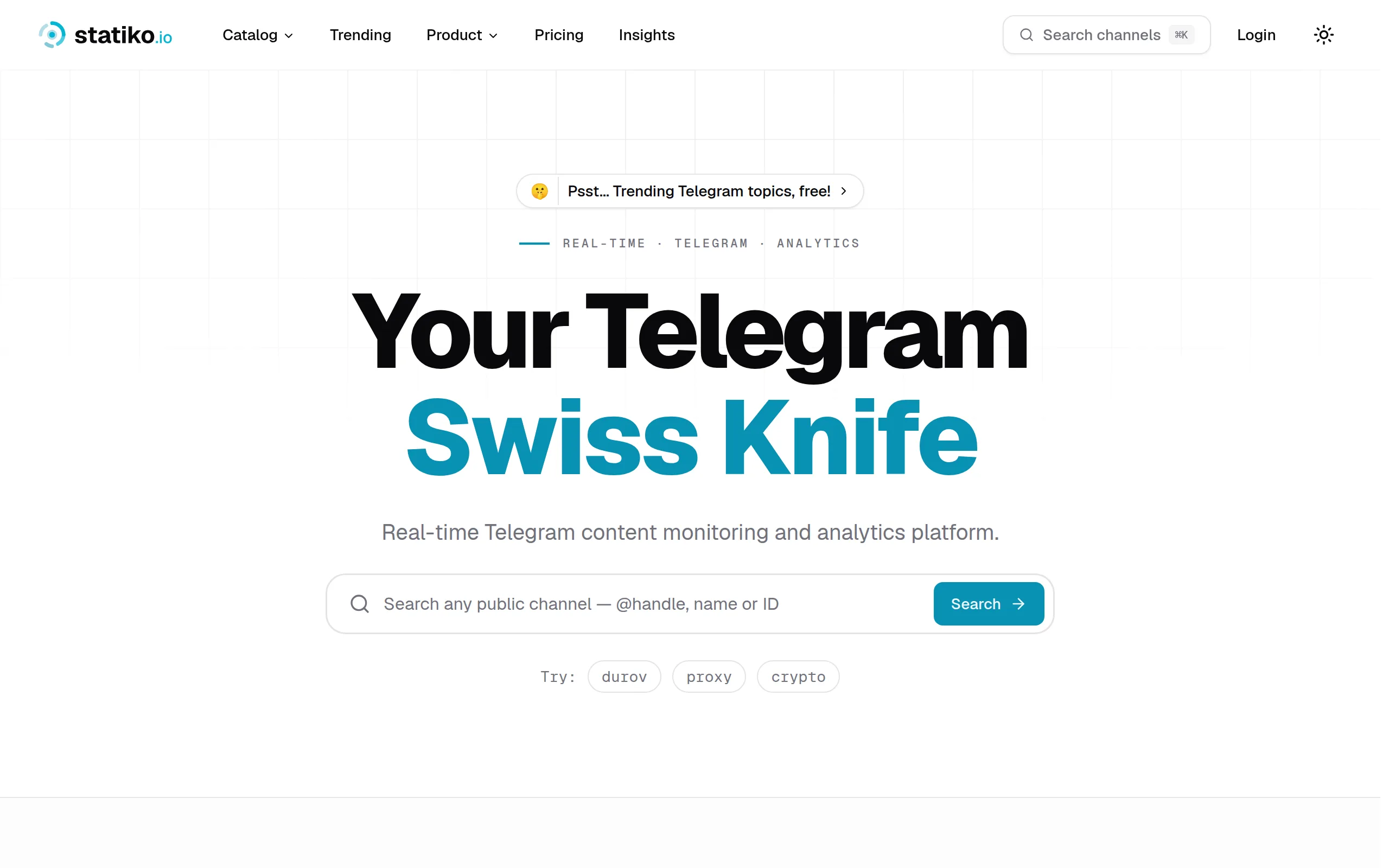
Statiko
Monitor any Telegram channel in real time - track posts, edits, deletions, and growth with AI recaps 📡
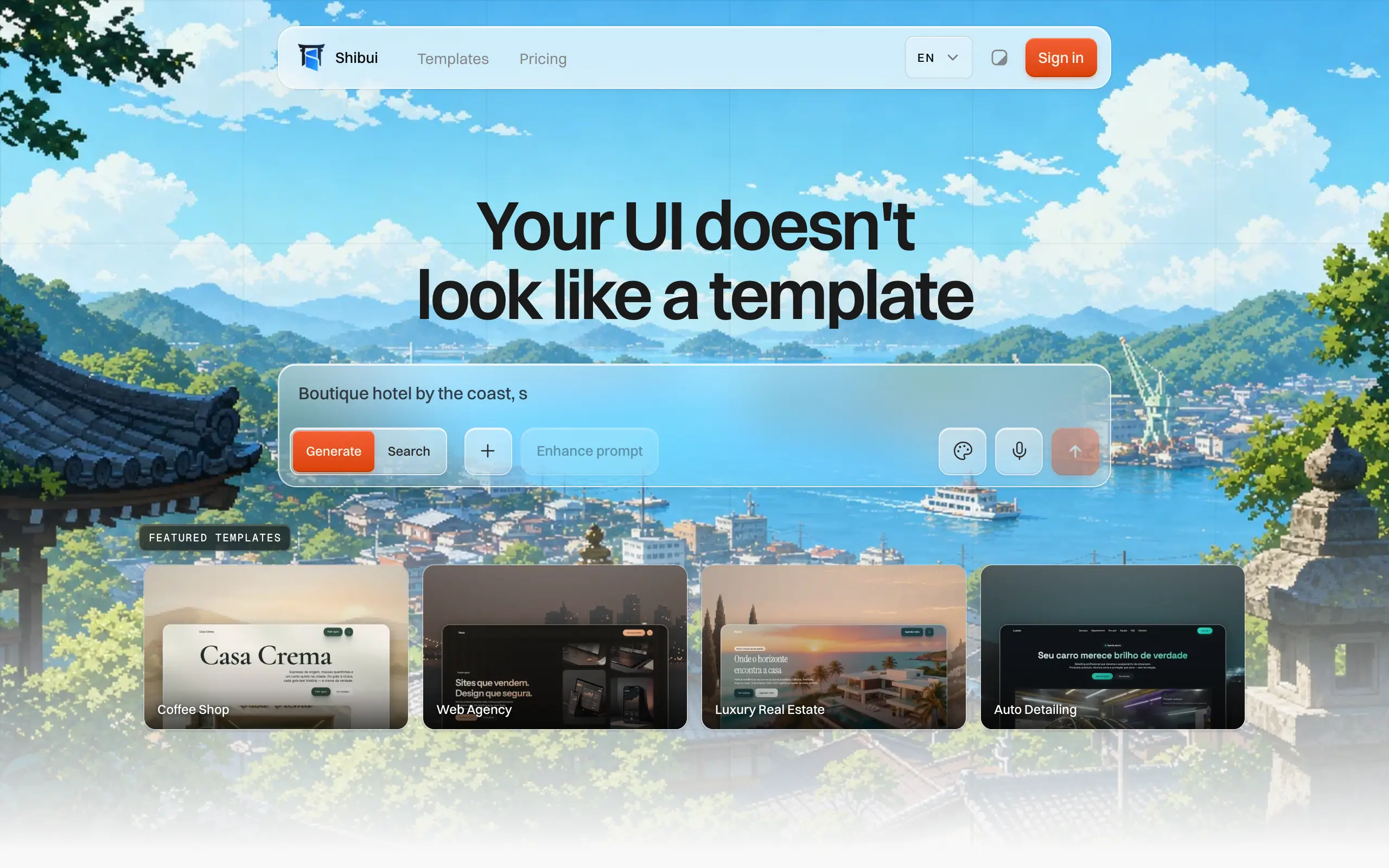
Shibui
AI website builder - describe your business, pick a niche template, edit by chatting, and publish instantly ✨
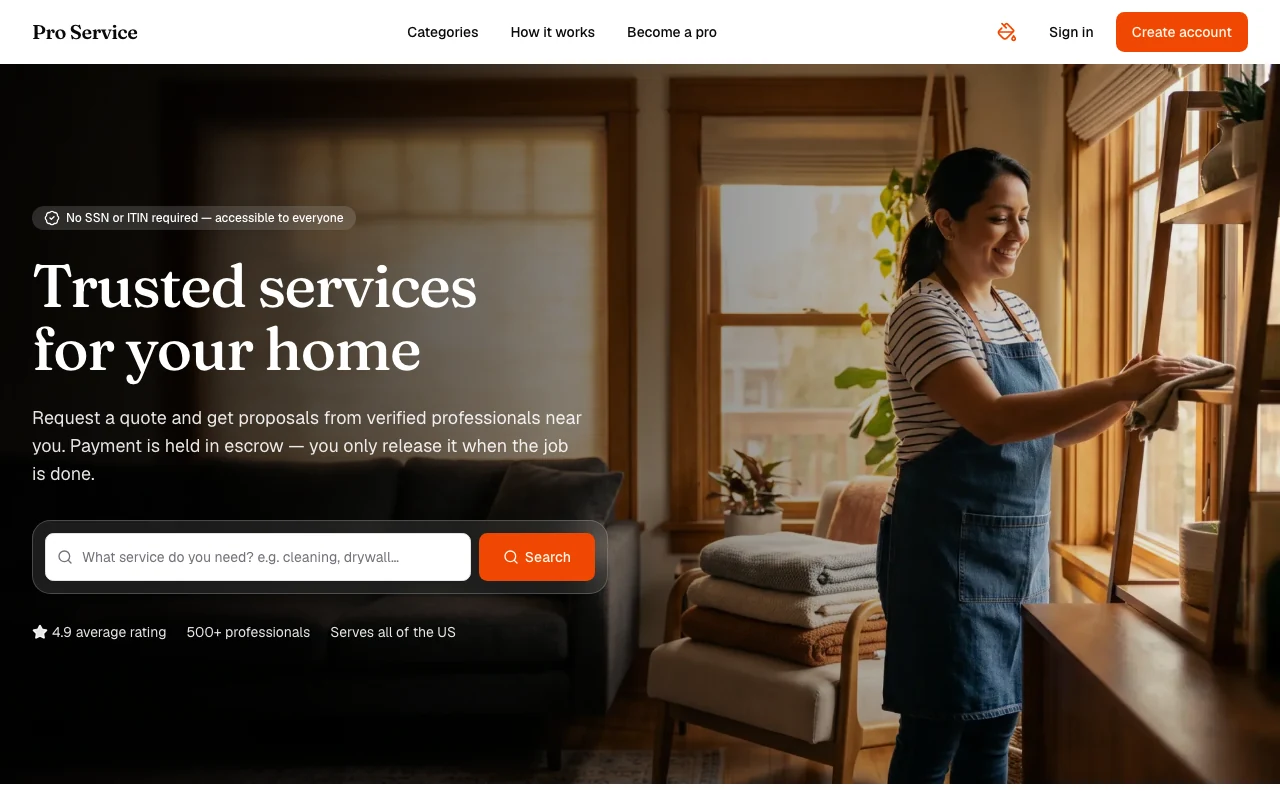
Pro Service
Find verified home service professionals, compare quotes, and pay securely through escrow - built for Brazilians across the US 🏠
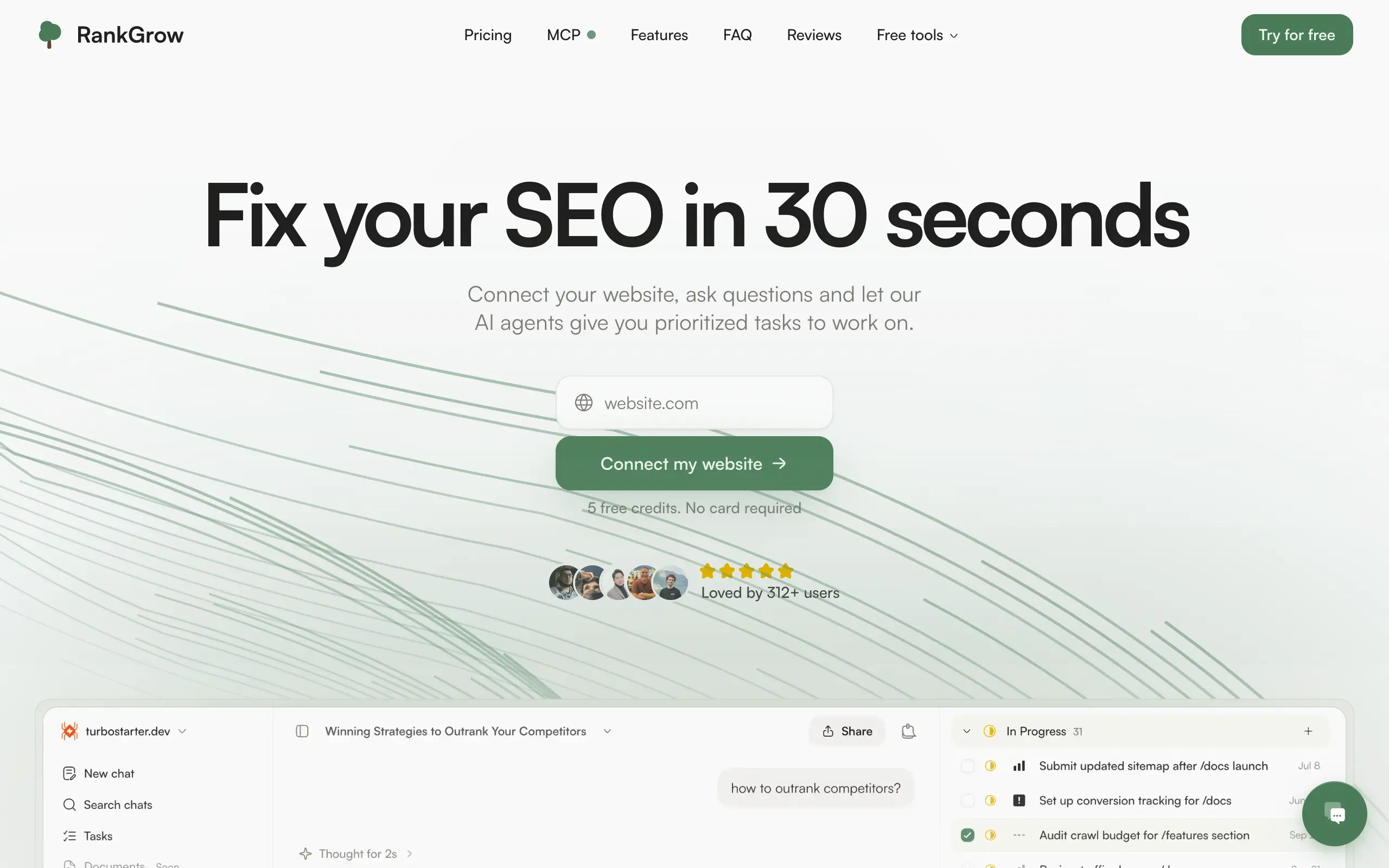
RankGrow
Fix your SEO with AI agents - connect Search Console, get prioritized tasks, and grow organic traffic 📈
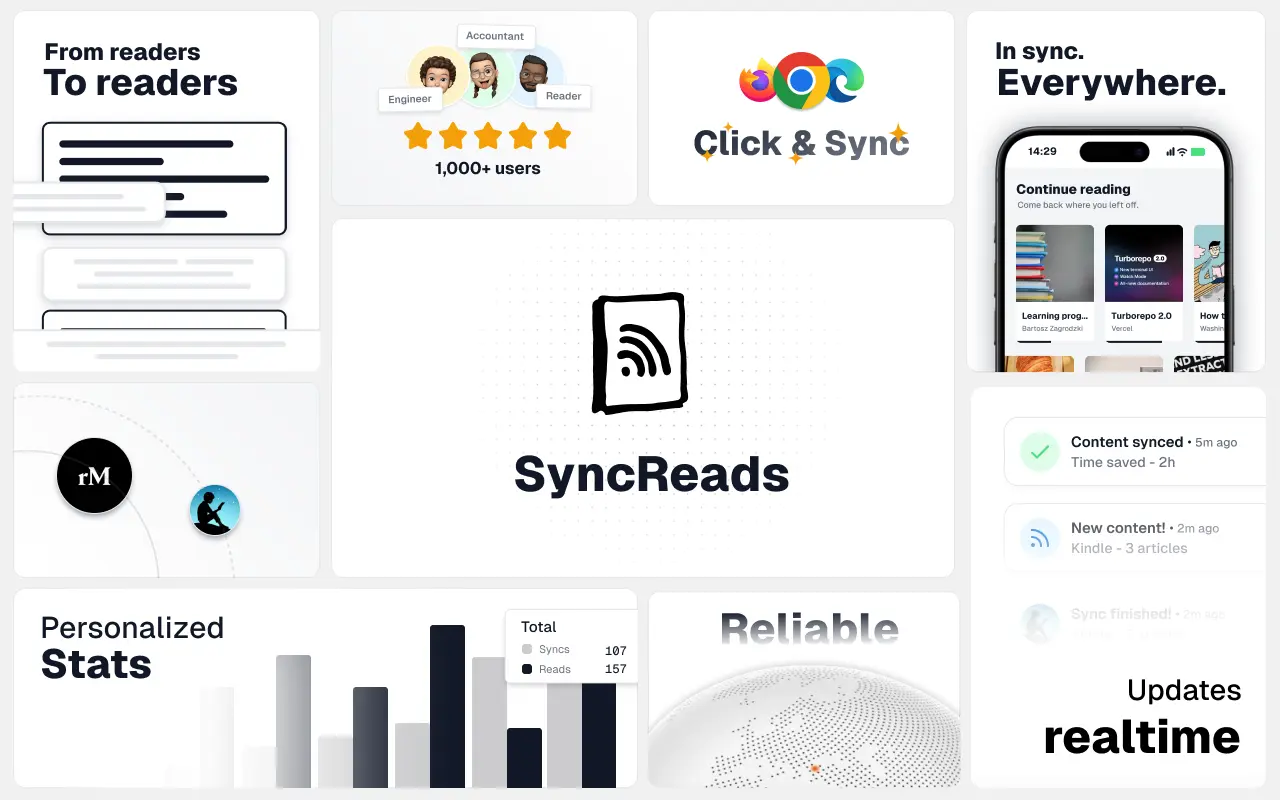
SyncReads
Sync your favorite content for distraction-free reading, save time and replace multiple apps. Anytime, anywhere 🔄
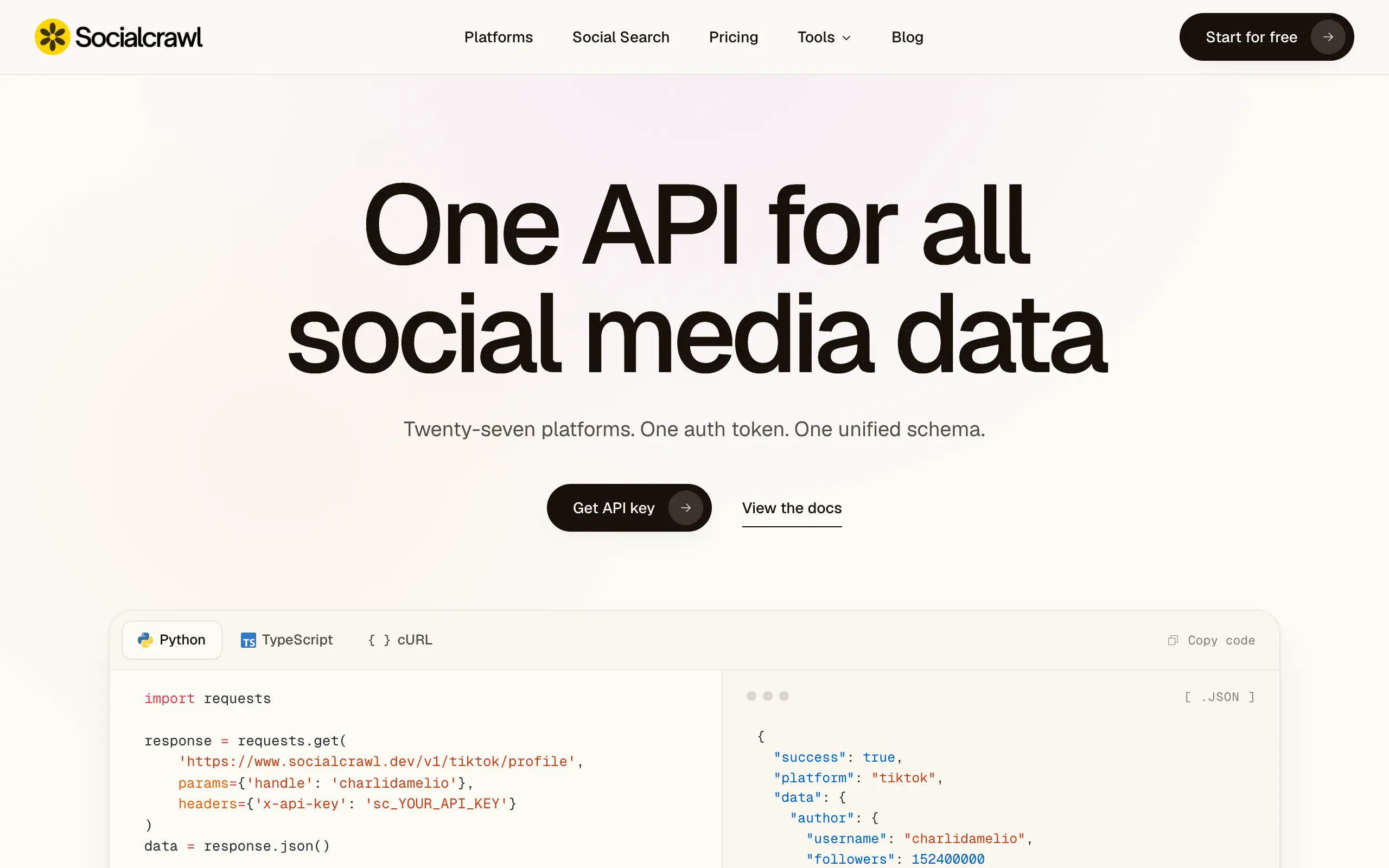
Socialcrawl
Get clean, structured data from 21 platforms like TikTok, Instagram, and YouTube with a single request 📊
Statiko
Monitor any Telegram channel in real time - track posts, edits, deletions, and growth with AI recaps 📡
Shibui
AI website builder - describe your business, pick a niche template, edit by chatting, and publish instantly ✨
Pro Service
Find verified home service professionals, compare quotes, and pay securely through escrow - built for Brazilians across the US 🏠
RankGrow
Fix your SEO with AI agents - connect Search Console, get prioritized tasks, and grow organic traffic 📈
SyncReads
Sync your favorite content for distraction-free reading, save time and replace multiple apps. Anytime, anywhere 🔄
Socialcrawl
Get clean, structured data from 21 platforms like TikTok, Instagram, and YouTube with a single request 📊
Statiko
Monitor any Telegram channel in real time - track posts, edits, deletions, and growth with AI recaps 📡
Shibui
AI website builder - describe your business, pick a niche template, edit by chatting, and publish instantly ✨
Pro Service
Find verified home service professionals, compare quotes, and pay securely through escrow - built for Brazilians across the US 🏠
RankGrow
Fix your SEO with AI agents - connect Search Console, get prioritized tasks, and grow organic traffic 📈
SyncReads
Sync your favorite content for distraction-free reading, save time and replace multiple apps. Anytime, anywhere 🔄
Socialcrawl
Get clean, structured data from 21 platforms like TikTok, Instagram, and YouTube with a single request 📊
Statiko
Monitor any Telegram channel in real time - track posts, edits, deletions, and growth with AI recaps 📡
Shibui
AI website builder - describe your business, pick a niche template, edit by chatting, and publish instantly ✨
Pro Service
Find verified home service professionals, compare quotes, and pay securely through escrow - built for Brazilians across the US 🏠
RankGrow
Fix your SEO with AI agents - connect Search Console, get prioritized tasks, and grow organic traffic 📈
SyncReads
Sync your favorite content for distraction-free reading, save time and replace multiple apps. Anytime, anywhere 🔄
Socialcrawl
Get clean, structured data from 21 platforms like TikTok, Instagram, and YouTube with a single request 📊
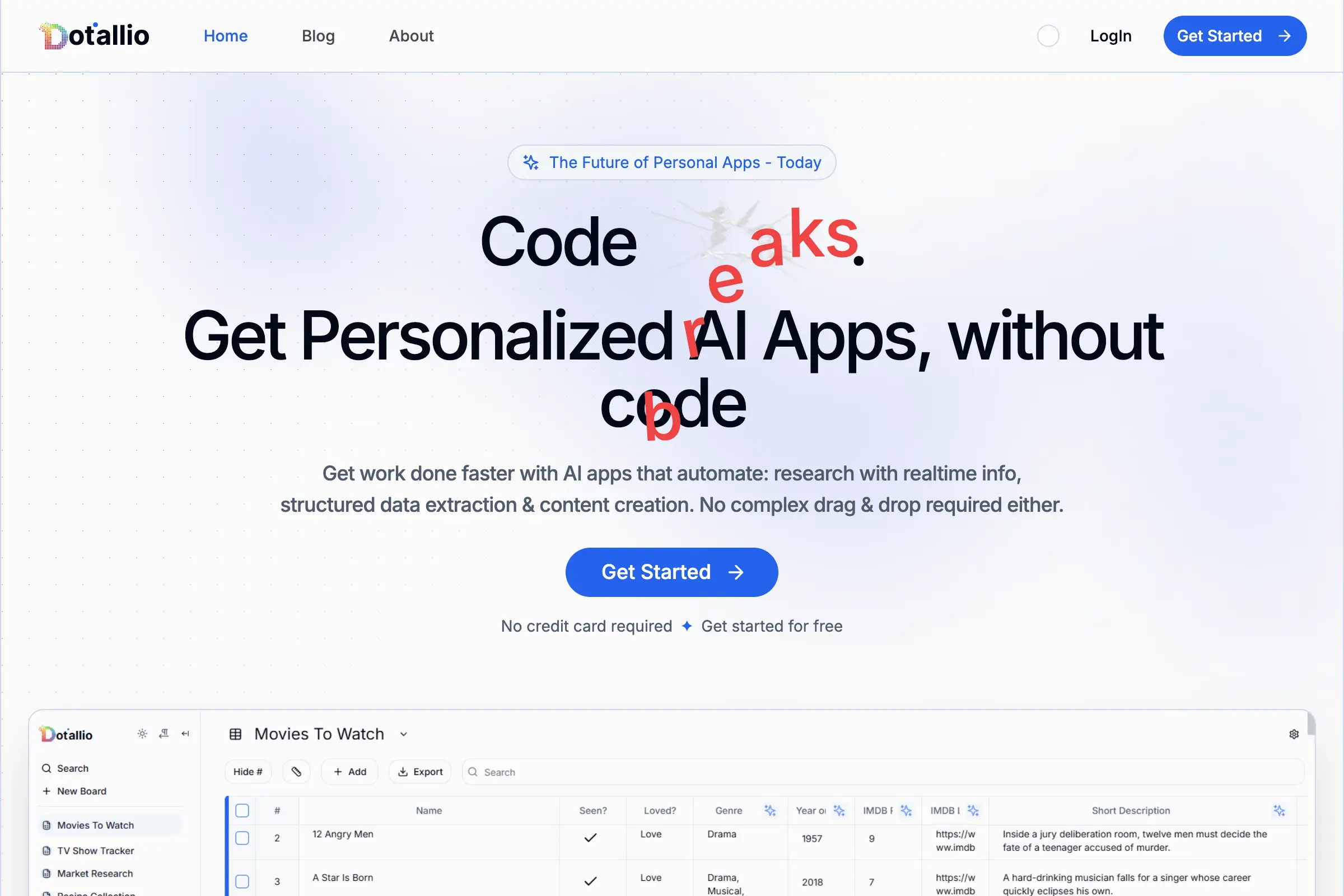
Dotallio
Personalized AI apps that automate research, data extraction, and content creation without code 🤖
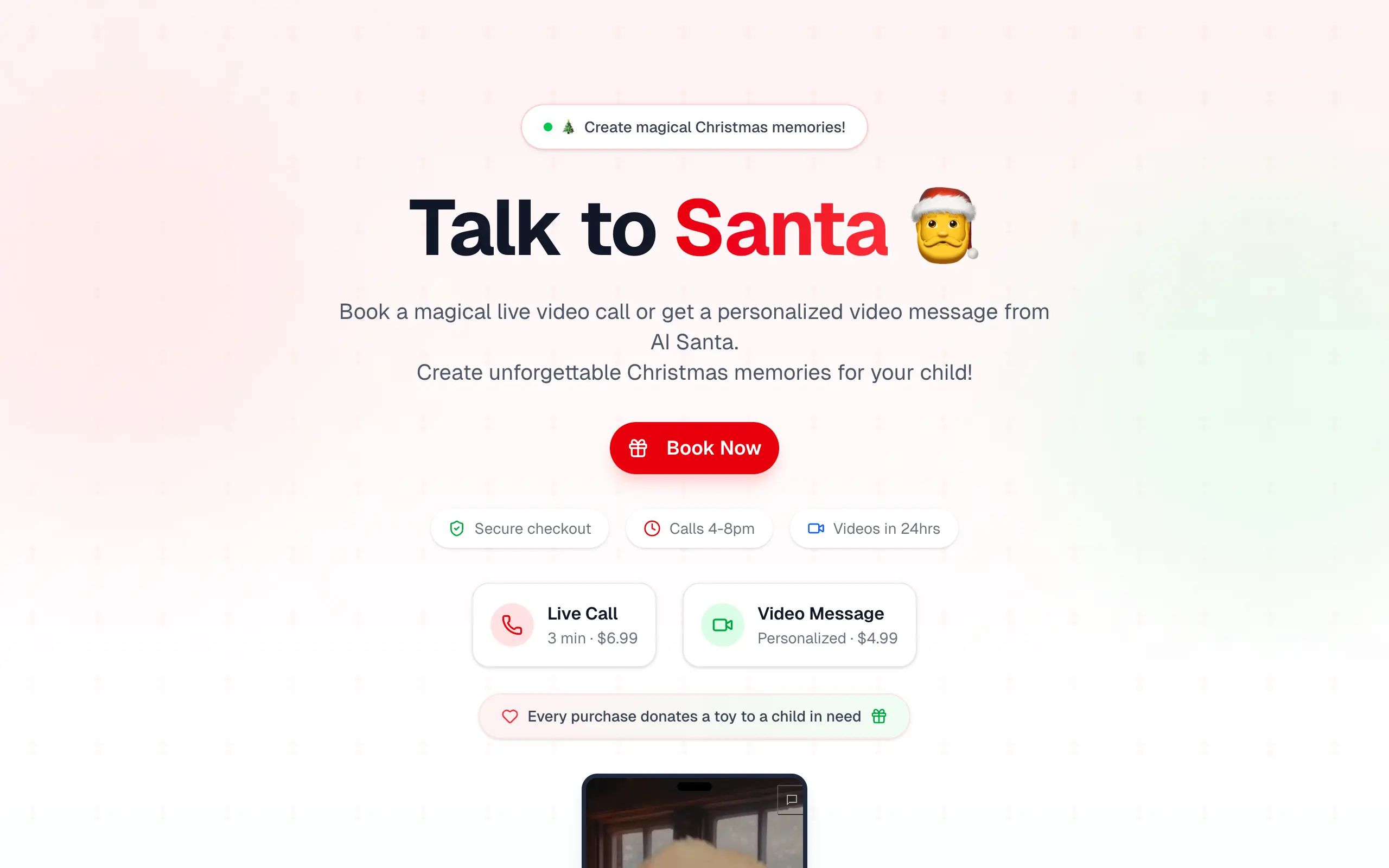
Talk to Santa
Enjoy a magical live video chat or receive a unique AI-generated video greeting from Santa Claus 🎅
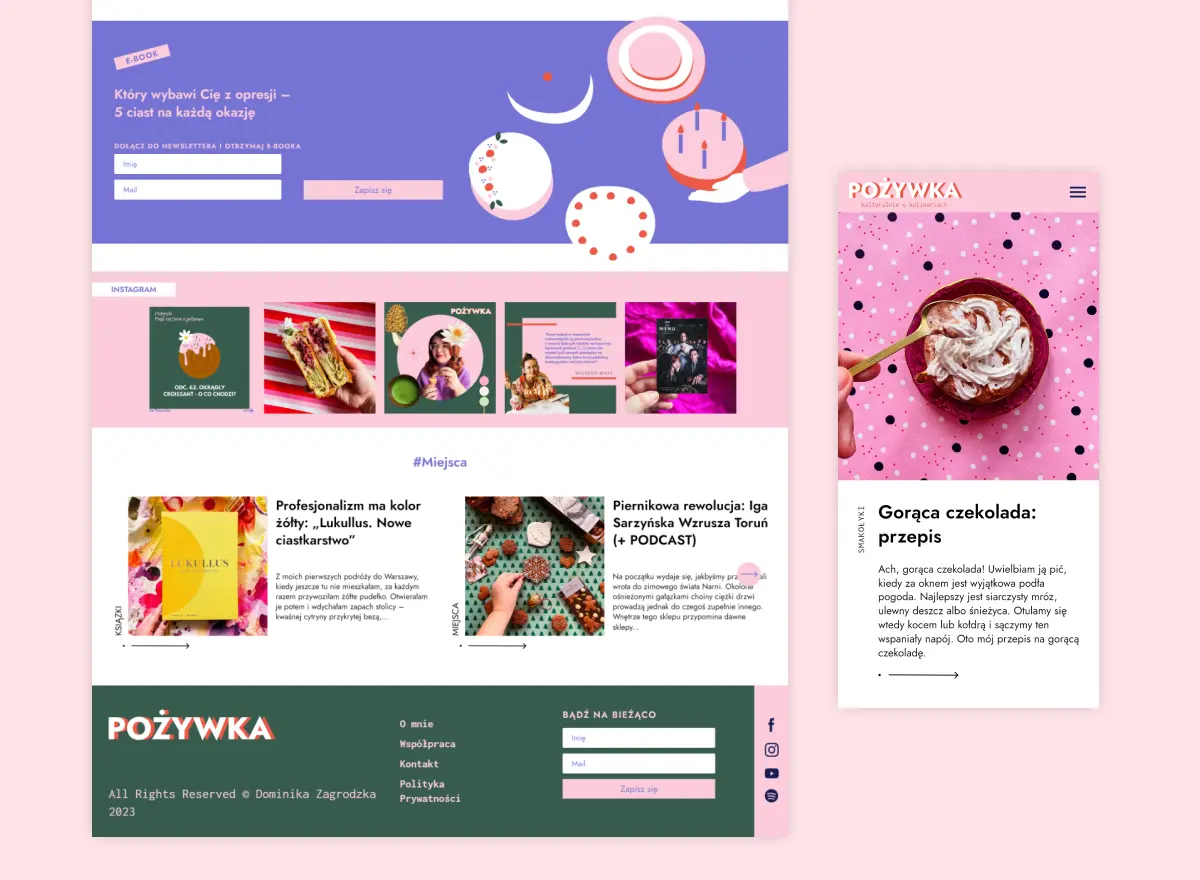
pozywka.pl
Scalable blog for food journalist, focused on performance and user experience 🌭
zagrodzki.me
Personal blog and portfolio of Bart Zagrodzki, where he shares his knowledge and work 💼
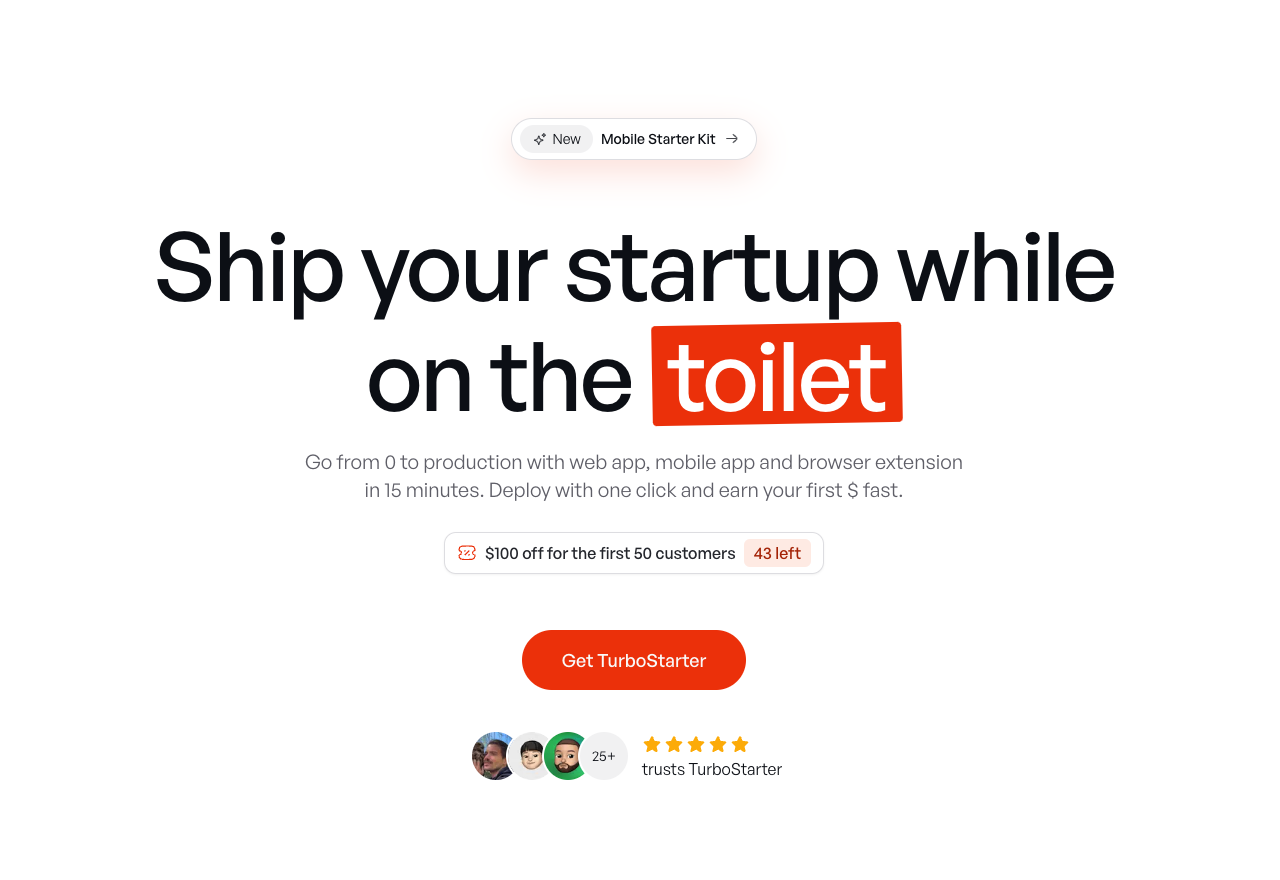
TurboStarter
Ship your startup everywhere. In minutes.
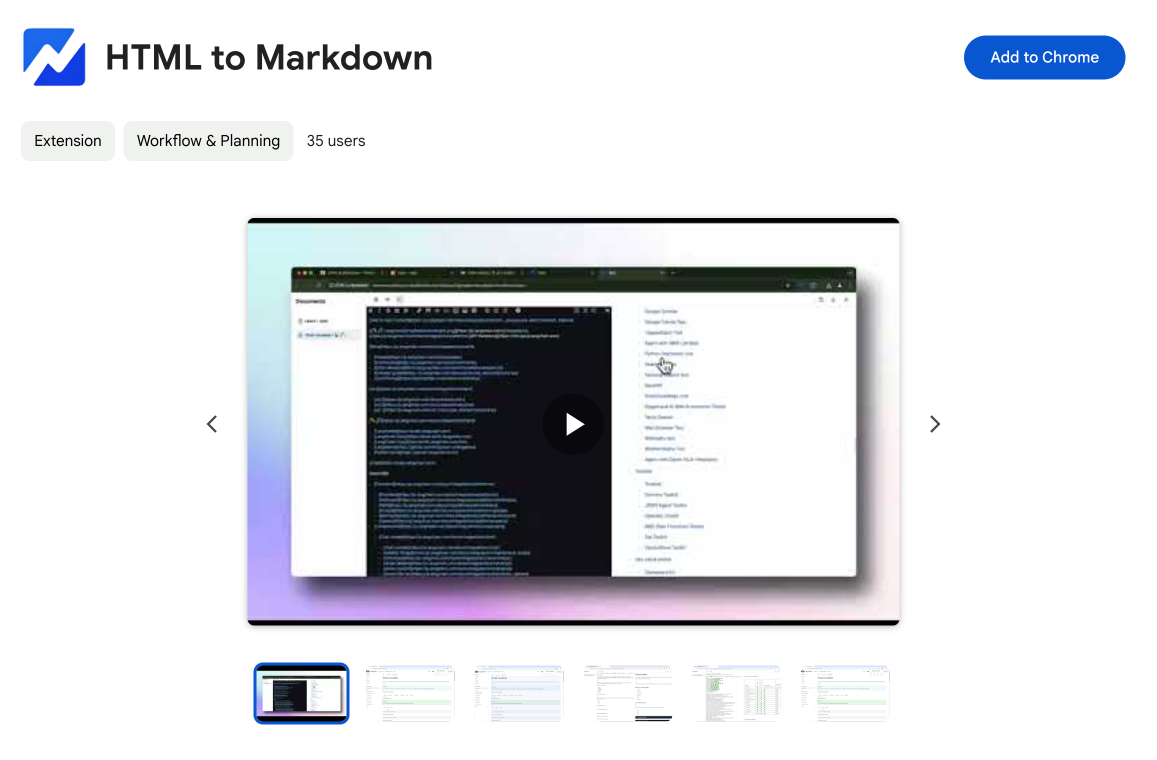
HTML to Markdown
Convert HTML to Markdown with ease, directly in your browser 📄
Dotallio
Personalized AI apps that automate research, data extraction, and content creation without code 🤖
Talk to Santa
Enjoy a magical live video chat or receive a unique AI-generated video greeting from Santa Claus 🎅
pozywka.pl
Scalable blog for food journalist, focused on performance and user experience 🌭
zagrodzki.me
Personal blog and portfolio of Bart Zagrodzki, where he shares his knowledge and work 💼
TurboStarter
Ship your startup everywhere. In minutes.
HTML to Markdown
Convert HTML to Markdown with ease, directly in your browser 📄
Dotallio
Personalized AI apps that automate research, data extraction, and content creation without code 🤖
Talk to Santa
Enjoy a magical live video chat or receive a unique AI-generated video greeting from Santa Claus 🎅
pozywka.pl
Scalable blog for food journalist, focused on performance and user experience 🌭
zagrodzki.me
Personal blog and portfolio of Bart Zagrodzki, where he shares his knowledge and work 💼
TurboStarter
Ship your startup everywhere. In minutes.
HTML to Markdown
Convert HTML to Markdown with ease, directly in your browser 📄
Dotallio
Personalized AI apps that automate research, data extraction, and content creation without code 🤖
Talk to Santa
Enjoy a magical live video chat or receive a unique AI-generated video greeting from Santa Claus 🎅
pozywka.pl
Scalable blog for food journalist, focused on performance and user experience 🌭
zagrodzki.me
Personal blog and portfolio of Bart Zagrodzki, where he shares his knowledge and work 💼
TurboStarter
Ship your startup everywhere. In minutes.
HTML to Markdown
Convert HTML to Markdown with ease, directly in your browser 📄
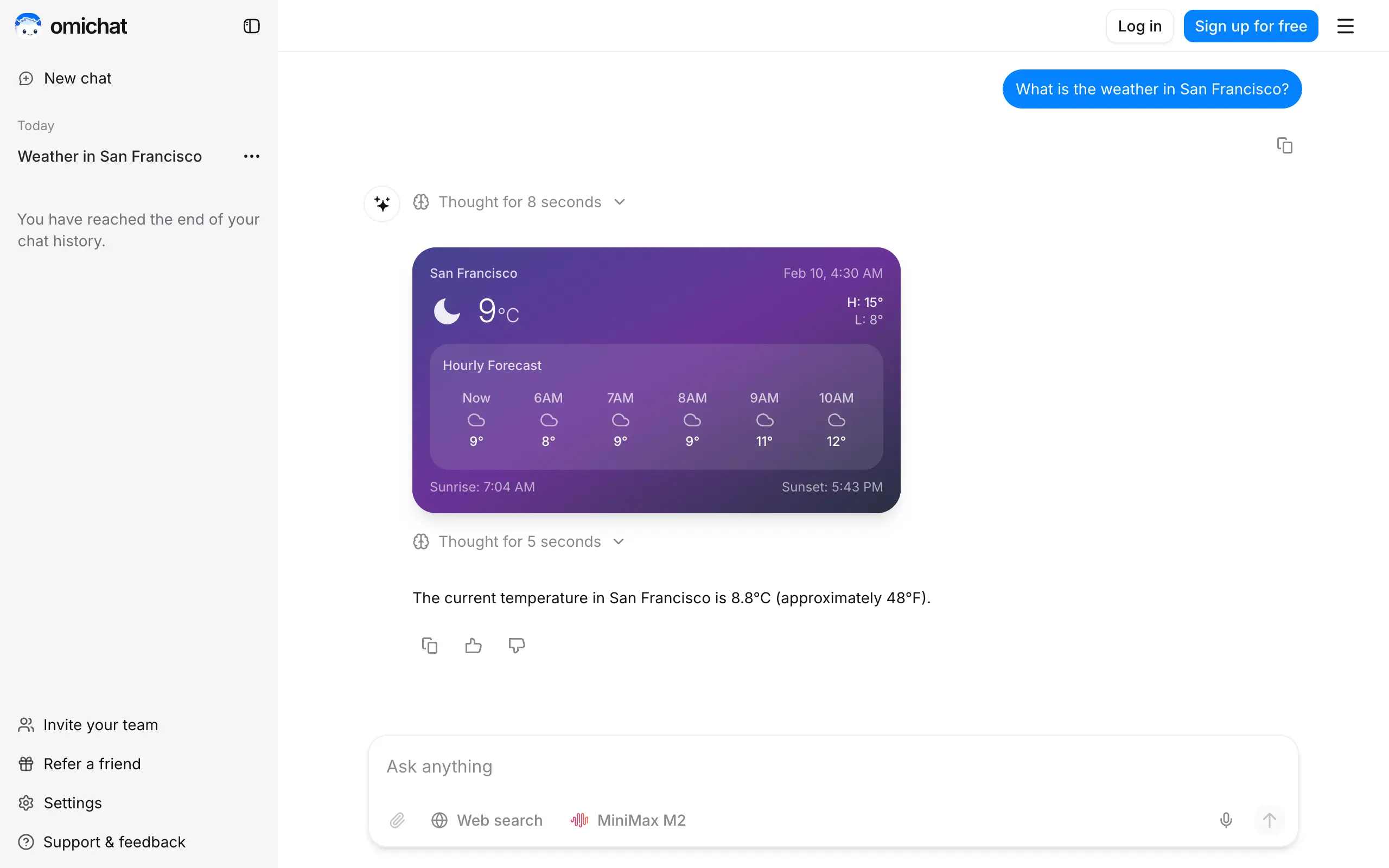
Omichat
Chat with 50+ AI models, including ChatGPT and Claude, in one place - switch models anytime without losing context 🤖
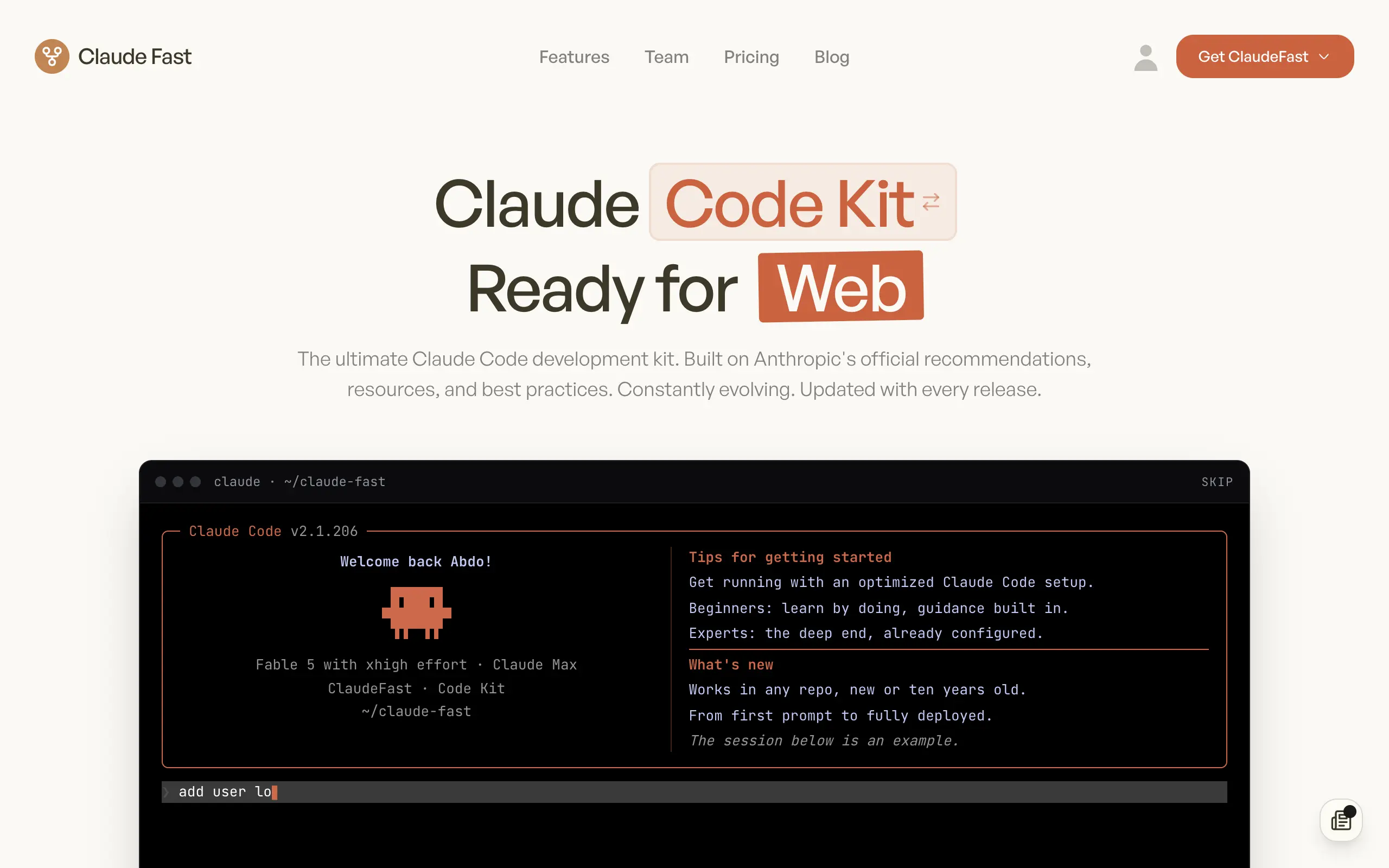
Claude Fast
Supercharge your Claude Code with 6x effective context window and specialized AI agents 🤖
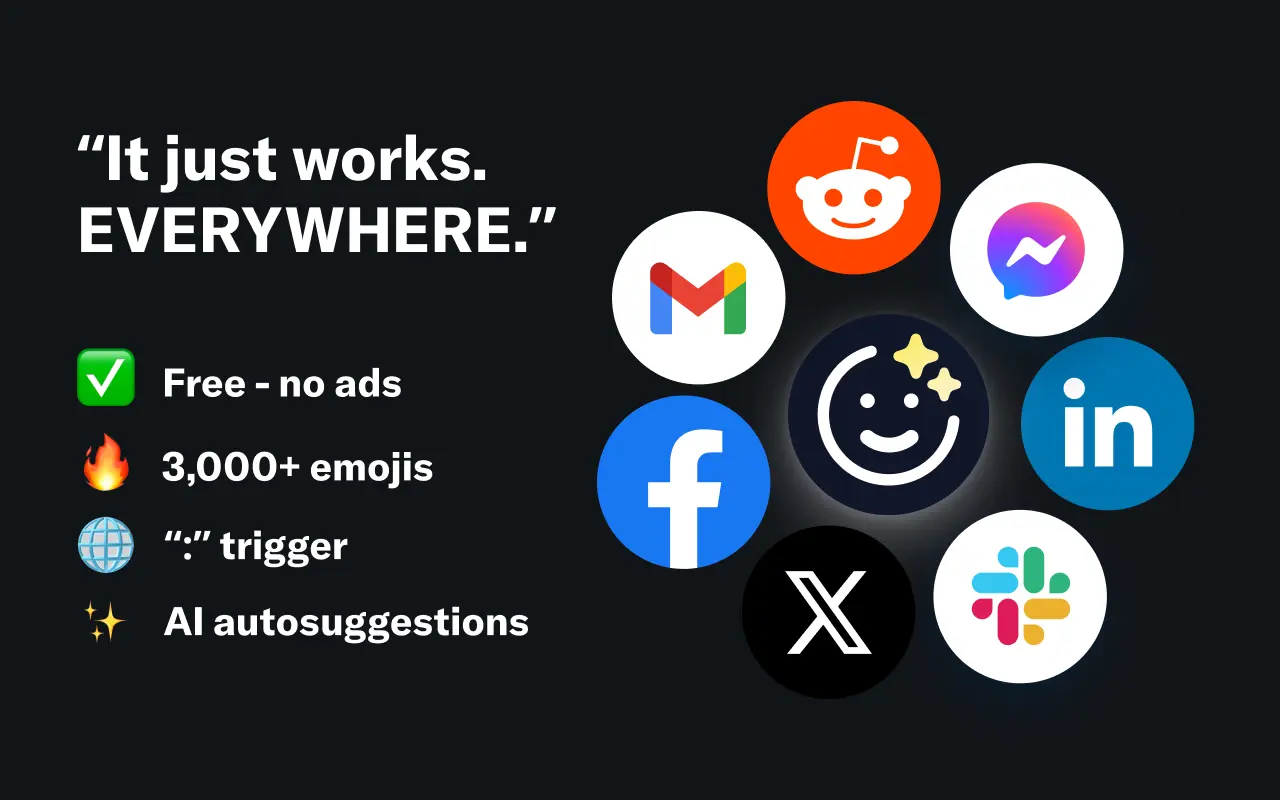
EmojAI
AI-powered emoji picker with smart, context-aware suggestions 🤖
Solohacker
Autonomous company launcher - AI agents work 24/7, escalate what matters, and you stay in control 🤖
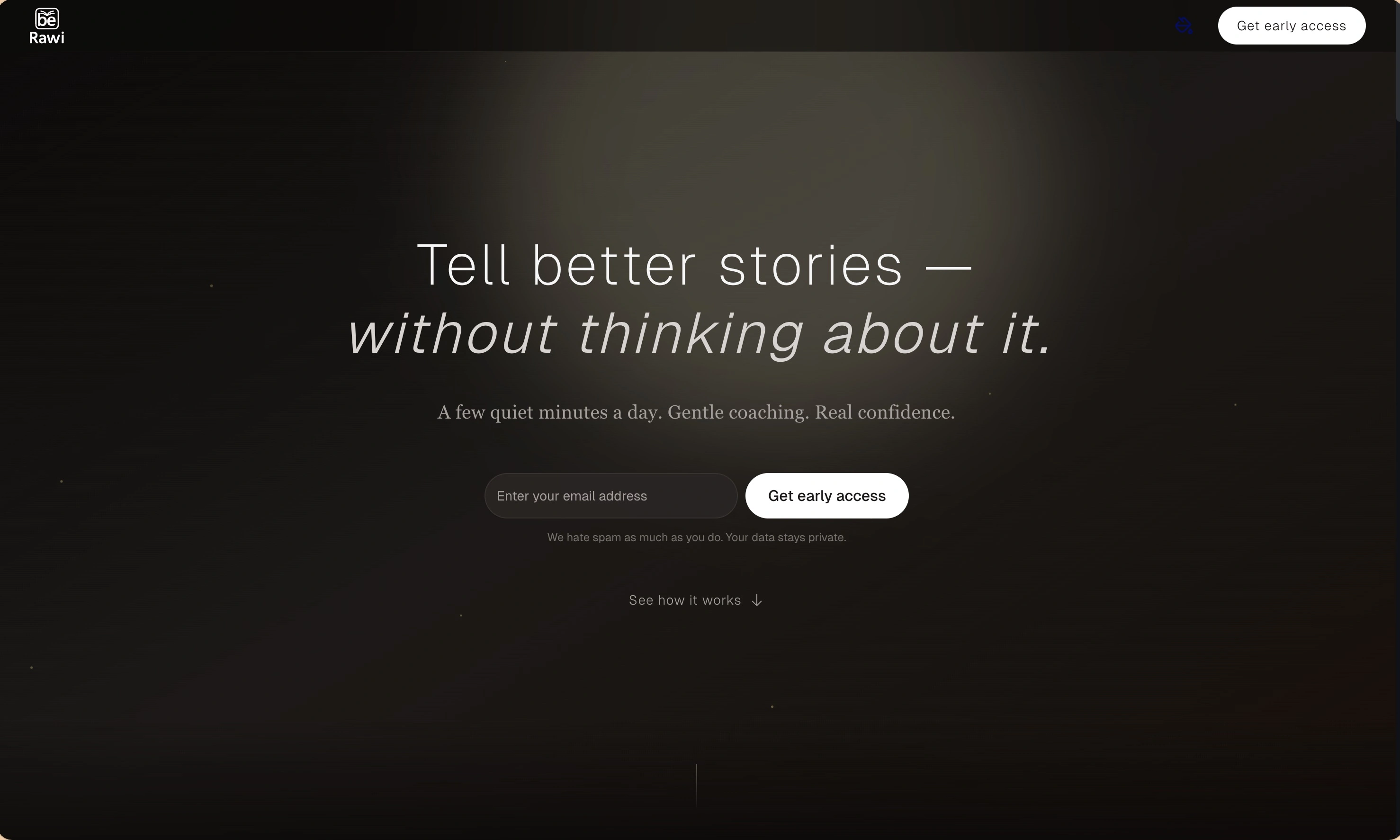
BeRawi: Storytelling Coach
Practice storytelling daily with instant feedback to sound clearer, more engaging, and confident 🎤
Omichat
Chat with 50+ AI models, including ChatGPT and Claude, in one place - switch models anytime without losing context 🤖
Claude Fast
Supercharge your Claude Code with 6x effective context window and specialized AI agents 🤖
EmojAI
AI-powered emoji picker with smart, context-aware suggestions 🤖
Solohacker
Autonomous company launcher - AI agents work 24/7, escalate what matters, and you stay in control 🤖
BeRawi: Storytelling Coach
Practice storytelling daily with instant feedback to sound clearer, more engaging, and confident 🎤
Omichat
Chat with 50+ AI models, including ChatGPT and Claude, in one place - switch models anytime without losing context 🤖
Claude Fast
Supercharge your Claude Code with 6x effective context window and specialized AI agents 🤖
EmojAI
AI-powered emoji picker with smart, context-aware suggestions 🤖
Solohacker
Autonomous company launcher - AI agents work 24/7, escalate what matters, and you stay in control 🤖
BeRawi: Storytelling Coach
Practice storytelling daily with instant feedback to sound clearer, more engaging, and confident 🎤
Omichat
Chat with 50+ AI models, including ChatGPT and Claude, in one place - switch models anytime without losing context 🤖
Claude Fast
Supercharge your Claude Code with 6x effective context window and specialized AI agents 🤖
EmojAI
AI-powered emoji picker with smart, context-aware suggestions 🤖
Solohacker
Autonomous company launcher - AI agents work 24/7, escalate what matters, and you stay in control 🤖
BeRawi: Storytelling Coach
Practice storytelling daily with instant feedback to sound clearer, more engaging, and confident 🎤

Connect with like-minded people
Join our community to get feedback, support, and grow together with 1,000+ builders on board, let's ship it!
Join usShip your startup everywhere. In minutes.
Don't burn tokens on setup and start building features on day one.