Proof of Work
Build a shareable profile of projects, experiments, and startup skills to stand out while you’re open to work. Show founders what you can do.
What is a proof-of-work profile?
A proof-of-work profile is a shareable page that helps someone demonstrate what they can do through projects, experiments, and evidence—not just job titles or a list of skills. The proposed Proof of Work product turns that idea into a focused profile for people who are open to work and want founders, hiring managers, or collaborators to see their capabilities quickly.
Instead of asking a visitor to infer ability from a résumé, the profile can show the work itself: what the person made, why they made it, what decisions they took, and what happened as a result. That makes Proof of Work more than a portfolio builder. Its central promise is a clear, credible, easy-to-share story about a person’s ability to contribute.
The idea has a plausible audience, but its success depends on solving a specific behavior problem. People need a reason to create a profile, enough guidance to make it useful, and a compelling reason to share it with someone who can offer work. A polished page alone is not the product’s lasting advantage. The advantage must come from helping users turn scattered evidence into a strong professional narrative—and making that narrative easy to discover, trust, and act on.
Positioning hypothesis
Proof of Work can help early-career professionals, career changers, independent builders, and startup-minded specialists show practical ability through selected work, experiments, and project context in one shareable profile.
The problem Proof of Work can solve
Résumés remain useful for summarizing experience, but they are not always a strong format for demonstrating practical skills. A bullet point may say that someone can design a product, analyze data, write code, or run an experiment. It rarely shows the work behind that claim.
At the same time, a conventional portfolio is not a fit for everyone. A designer may already have a collection of case studies. A software developer may have a GitHub profile. But a product generalist, aspiring founder, operations specialist, marketer, or career changer may have evidence spread across documents, prototypes, write-ups, and small experiments. They may also have work that cannot be made public without breaching confidentiality.
This creates a gap between having useful evidence and presenting it in a way that a potential employer or founder can quickly understand.
Proof of Work can address that gap by helping a person:
- Gather projects and experiments into one professional profile.
- Explain the problem, their contribution, and the result behind each piece of work.
- Show skills through concrete evidence instead of unsupported claims.
- Share a single link in outreach, applications, communities, or social profiles.
- Make their current availability and preferred opportunities clear.
- Update their profile as they complete new work or change direction.
The product should not claim that a profile guarantees a job or replaces a hiring process. A more credible promise is that it reduces the effort required to communicate relevant evidence and gives a visitor a better starting point for a conversation.
Target audience analysis
“People who are open to work” is a large audience, but it is too broad to guide a first product launch. Each group has different work samples, different privacy needs, and different reasons to share a profile. The initial audience should be narrow enough that the product can provide useful templates, examples, and onboarding for its members.
Early-career professionals and recent graduates
People with limited full-time experience may have coursework, volunteer projects, hackathon entries, personal projects, or internships that demonstrate capability. Their challenge is often not a lack of effort. It is knowing which work is relevant and how to describe it professionally.
Useful product support for this group could include:
- Prompts that help explain a project’s purpose and the user’s contribution.
- Examples that distinguish a class assignment from a portfolio-ready case study.
- Guidance for presenting collaborative work accurately.
- A way to mark an item as an experiment rather than imply it was a commercial launch.
Career changers
Career changers need to connect prior experience with a new target role. A former teacher moving into instructional design, for example, may have transferable work that is not obvious from their job title. A profile can help them curate relevant projects, show newly acquired skills, and explain the direction of the transition.
The important product decision is to support contextual storytelling. A project should not just be a link or image. The creator should be able to explain what skill the project demonstrates and why that skill matters for the opportunities they want.
Startup-minded builders
Founders and early-stage teams often need people who are comfortable learning quickly and working across disciplines. Builders who have created prototypes, run experiments, published research, or contributed to open-source work may want to show their initiative before they have a long employment history.
This group may respond well to a profile that highlights:
- Projects shipped or tested.
- The user’s role and decisions.
- What changed after feedback or results.
- Skills the person wants to use on a small team.
- A direct way to start a conversation.
Independent professionals and freelancers
Freelancers may use Proof of Work to showcase projects and communicate the kind of work they want next. However, they may already have a website or portfolio. For them, the product must be faster to update, easier to share, or more explicitly connected to their availability than a general website builder.
A focused offer could be a lightweight work profile that complements an existing site rather than asking users to replace it.
Specialists whose work is difficult to display
Many valuable roles do not produce a visually obvious portfolio. Operations, research, recruiting, customer success, finance, and growth professionals may need ways to demonstrate their thinking without exposing private company information.
The product should support alternative evidence, such as:
- Redacted or anonymized case studies.
- Process documentation.
- Public writing and presentations.
- Side projects and simulations.
- Descriptions of decisions, methods, and outcomes without confidential data.
This audience could become a differentiator if Proof of Work makes it easy to show credible work without requiring a conventional design portfolio.
Market opportunity and the product gap
Proof of Work would operate across several existing categories: résumé tools, portfolio builders, personal websites, professional networks, and creator pages. Those categories validate the underlying need to present professional identity, but they also make differentiation essential. A generic page builder with a new name is unlikely to be memorable.
The opportunity is not simply “another place to host a profile.” It is to make the work-to-opportunity connection easier:
- Help a user choose evidence relevant to the role or opportunity they want.
- Help them explain that evidence in a concise, credible format.
- Give the viewer enough context to understand the work.
- Make the next step—contacting or evaluating the person—clear.
That is a narrower and more defensible product direction than competing on visual customization alone.
Where existing alternatives can fall short
Different alternatives solve different parts of the problem:
- A résumé is compact and familiar, but often gives limited room for evidence and context.
- A personal website is flexible, but can require design, writing, and maintenance work.
- A general portfolio platform can work well for visual disciplines, but may not fit less visual roles.
- A professional network can make profiles discoverable, but users have less control over how their work is organized and presented.
- A document or slide deck is quick to create, but can be awkward to update and share consistently.
These are strategic observations, not proof that every existing product has the same weaknesses. Product discovery should test which frustrations the target audience actually experiences and which tools they already use.
A useful initial wedge
A strong starting point could be shareable proof-of-work profiles for people pursuing early-stage startup roles. This audience may value initiative, visible experiments, and cross-functional ability. It is also narrow enough to shape the profile prompts and example content around real use cases.
Other possible wedges include:
- Career changers who need to demonstrate transferable skills.
- Early-career candidates who want to make projects more visible.
- Non-design startup generalists who need a portfolio format that fits their work.
- Independent builders looking for collaborators or early-stage roles.
The best wedge is not necessarily the group with the largest theoretical market. It is the group that can be reached, interviewed, and served exceptionally well in the first version.
Core features for a proof-of-work profile
The first release should focus on helping users create a profile that is clear, credible, and shareable. Features that do not improve one of those outcomes should be treated as secondary.
Structured project pages
Each project should have a lightweight structure that helps a creator tell a useful story without turning profile creation into a long writing assignment. A starting template might include:
- Project name and format: What the work is and whether it is a product, experiment, case study, or contribution.
- Problem or goal: What the creator set out to understand or achieve.
- Personal contribution: What the creator did, particularly in collaborative work.
- Approach: The key methods, tools, or decisions.
- Outcome or learning: What happened, what changed, or what the creator learned.
- Evidence: A link, image, demo, document, or short description.
Not every project needs a numerical result. The interface should make room for honest outcomes such as “tested with five users,” “prototype not launched,” or “identified a usability issue.” This helps users communicate evidence without feeling pressure to invent impact.
Skills connected to evidence
A list of skills is more useful when a visitor can see where each skill appears. Users could tag a project with skills such as research, front-end development, product strategy, analysis, or writing. Selecting a skill could reveal the projects that support it.
This helps the profile answer a practical question: “Where can I see this person using the skill they say they have?” The product should avoid presenting self-selected skills as verified credentials. Clear language can distinguish a user’s claims from third-party validation.
Availability and opportunity preferences
Because the idea is aimed at people who are open to work, availability should be an optional but prominent profile detail. Users might specify:
- The kinds of roles or projects they are seeking.
- Preferred working arrangements or locations.
- Whether they are open to freelance work, full-time roles, or collaboration.
- A preferred contact method.
- Whether their profile is public, unlisted, or temporarily hidden.
These settings should be easy to update. A stale “open to work” signal can undermine trust, so a periodic reminder to confirm availability may be more useful than automatically displaying an old status.
Profile themes and presentation
A small set of polished, accessible themes is likely a better initial choice than a complex website builder. The profile should prioritize readable typography, mobile-friendly layouts, fast loading, and clear links to work.
Customization can be added gradually. The core test is whether a visitor can understand the person’s focus, evidence, and next step without struggling to navigate a highly customized page.
Privacy controls
Users may need different levels of visibility for different projects. A public profile may link to fully public work, while another project may contain a redacted case study or be excluded from the public page.
Privacy controls should be understandable and testable. Users should know what is visible to anyone with a link, what can be indexed by search engines, and what happens when they remove a project or deactivate their profile. Do not promise that an unlisted link is confidential; anyone who receives it may be able to share it.
Share and engagement tools
The product should make sharing easy while providing useful feedback to the profile owner. Potential tools include:
- A memorable profile URL.
- A downloadable résumé or one-page summary.
- A QR code for events or printed materials.
- A contact button with spam protection.
- Basic profile and project view counts.
- Optional notifications when a profile receives interest.
Analytics should be introduced with care. A page view is not the same as hiring intent, and presenting weak signals as high-value leads could erode trust.
How Proof of Work could stand out
The strongest competitive advantage would come from the combination of guided evidence, role-relevant storytelling, and low-friction sharing. Each part matters:
- Guided evidence: Users get help choosing and describing work, not only a blank page.
- Role relevance: The profile can make it easy to adapt what is featured for a type of opportunity.
- Low-friction sharing: The finished profile is simple to publish, update, and send.
- Honest representation: Outcomes and contributions can be described without inflated claims.
- Support beyond visual portfolios: People in non-design roles can present work in formats that suit their discipline.
| Product approach | Helps organize work | Supports non-visual roles | Guides project storytelling | Designed around availability |
|---|---|---|---|---|
| Traditional résumé | Yes | Yes | Limited | Sometimes |
| General website builder | Yes | Yes | User-managed | User-managed |
| Visual portfolio tool | Yes | Often limited | Varies by template | Sometimes |
| Professional network profile | Yes | Yes | Format-constrained | Often |
| Proof of Work concept | Yes | Yes | Core product opportunity | Core product opportunity |
This comparison is a positioning framework, not a claim that every product in a category behaves identically. Before making comparative marketing claims, research specific competitors, document their current features, and avoid implying that Proof of Work verifies a person’s skills unless a real verification process exists.
The unique selling proposition
A concise USP could be:
Turn projects and experiments into a shareable work profile that helps people show what they can do and what they want to do next.
That positioning is distinct from “build a personal website” because it centers on evidence and the opportunity-seeking context. It is more credible than promising employment outcomes, and broad enough to accommodate different professions if the product supports flexible project formats.
Recommended technology stack
The right stack depends on team experience, product scope, and whether the first release needs sophisticated publishing, analytics, or search. For an early-stage SaaS product, favor a stack that lets the team test the value proposition quickly while maintaining clear boundaries around user data and public profile content.
Front end and application framework
React is a widely used component-based UI library. A team already familiar with React can build the profile editor and public profile views using reusable components. A common trade-off is that React alone does not prescribe a complete application architecture, so the team must select routing, rendering, and data-fetching patterns.
Next.js can provide a full-stack React framework and is a reasonable choice for a product with authenticated editing and publicly accessible profile pages. Server rendering and static generation options can support public pages, but the team should decide how profile updates affect caching and page freshness. Avoid adding rendering complexity until search visibility or performance requirements justify it.
Tailwind CSS can accelerate interface styling through utility classes, particularly when the product uses a small design system. The trade-off is that class-heavy components can become difficult to maintain without conventions. Reusable UI components and design tokens help keep visual consistency.
Data storage and authentication
A managed backend such as Supabase can provide a database, authentication, and storage capabilities that reduce infrastructure work for an early product. The team should still design access controls carefully. Public profiles, private drafts, contact details, and unpublished project materials should not be exposed through overly broad database policies.
A relational data model could include:
- User accounts and profile settings.
- Projects and associated evidence.
- Skills and project-skill relationships.
- Visibility settings.
- Contact submissions and abuse-prevention signals.
- Subscription status, if paid plans are introduced.
Start with the simplest model that supports the product’s actual workflows. Overly generic schemas can make content management harder, while a rigid schema may limit different project formats.
Payments and subscription management
If Proof of Work introduces paid plans, Stripe is one potential payment provider. The product team should evaluate supported markets, tax needs, billing requirements, and operational overhead before selecting a provider. Do not make premium features dependent on payment until user interviews and usage data show that people receive value from the free experience.
Analytics and privacy
Use analytics to answer specific product questions, such as:
- How many users publish a profile after starting one?
- Which onboarding step causes users to stop?
- Do users add a second project?
- Do profile visitors click a contact or external-work link?
- Which acquisition channels bring people who complete a profile?
Collect only the data needed for those questions, explain relevant tracking in the privacy documentation, and provide appropriate controls. For metrics that could be misleading—such as profile views—show definitions and limitations clearly.
Build versus buy
A startup can spend months assembling infrastructure before learning whether the product is useful. A practical approach is to build the distinctive workflow and use proven services for routine capabilities where the economics and privacy requirements make sense.
TurboStarter is one option for accelerating the foundation of a SaaS application. A starter kit can reduce time spent on common setup, but it does not validate the product idea. Review the architecture, licensing, deployment process, and included features against the team’s needs before adopting any starter.
Monetization strategy options
Proof of Work should make the basic job-to-be-done useful before restricting essential functionality behind a paywall. If users cannot create and share a credible profile without paying, the product may struggle to earn the trust and adoption needed to validate its value.
Freemium profile with paid upgrades
A free plan can offer a public profile and a limited number of projects. A paid plan might include additional themes, custom domains, advanced analytics, multiple profile versions, or downloadable materials.
The risk is charging for surface-level customization before users experience meaningful value. Test whether people actually want and use paid upgrades rather than assuming that a larger feature list will convert.
One-time purchase for premium assets
Some users may prefer a one-time payment for a custom domain, a profile review, or a polished export. This can be easier to understand than a subscription for people who are job searching temporarily. The trade-off is less predictable recurring revenue and possible support costs.
Career services and expert review
A paid profile review, writing session, or portfolio workshop could help users who want feedback. These services may be valuable but are more operationally intensive than software. Start with a small, clearly scoped service and measure whether it improves profile quality or user outcomes.
Team, community, or education plans
Bootcamps, universities, workforce programs, and startup communities may want to help members publish work profiles. These partnerships could create a distribution channel, but they add sales, onboarding, and administration needs. They are better explored after individual users have demonstrated repeatable value.
Employer-side offerings
An employer-facing product, such as a directory of candidates who opt in to discovery, could eventually support revenue. This direction introduces substantial trust and privacy obligations. It should not be added casually: users need control over who can find them, and the product must avoid implying that profile visibility equals endorsement or verification.
Go-to-market strategy
A two-sided marketplace is not necessary for the initial product. Proof of Work can begin as a self-serve profile tool and learn whether users create and share profiles before attempting to attract employers or founders.
Start with a focused launch audience
Choose one reachable audience, such as early-career startup candidates or career changers in a specific profession. Create examples and onboarding that speak directly to their work. A generic “for everyone” launch makes it difficult to learn which message, templates, and distribution channel are effective.
Use practical examples as acquisition content
Useful content can demonstrate the product’s value without relying on exaggerated career promises. Potential editorial topics include:
- How to write a project case study when the project did not launch.
- How to show transferable skills in a career change.
- How to present collaborative work accurately.
- How to build a portfolio for a non-design role.
- How to share work that includes confidential information.
Each article should provide standalone advice and make the product a relevant next step rather than a forced conclusion.
Encourage sharing through product value
A profile link is naturally shareable, but users will only share it if it represents them well. Provide a guided publishing checklist, clear previews, and simple ways to update content. Consider referral mechanics only after users have a genuine reason to recommend the product.
Measure quality, not just sign-ups
Sign-ups can be a misleading early metric. Track whether users publish a complete profile, add projects, share the page, and receive meaningful actions. A useful activation event might be “published a profile with at least one project and a contact method,” though the exact definition should be tested against user behavior.
Risks and mitigation
Users may not know what to include
A blank profile editor can leave users stuck. Provide focused prompts, examples across disciplines, and optional templates. Avoid forcing users to fill every field; an incomplete but truthful profile is better than a polished page with invented outcomes.
Profiles may be hard to keep current
People may create a profile once and forget it. Make updates quick, offer reminders that users can control, and display the last-updated date only if it is helpful and accurate. Do not treat a low-frequency use case as a problem to solve with unnecessary engagement notifications.
Public profiles can create privacy concerns
Users may not want an employer to know they are searching, or they may need to protect details about a current job. Offer privacy settings that are understandable, minimize collection of sensitive information, and explain the difference between public, unlisted, and private content. Seek qualified legal guidance for the jurisdictions in which the product operates.
Users may overstate skills or outcomes
A portfolio is largely user-generated, so the product cannot imply that every claim has been independently verified. Encourage specific descriptions, distinguish individual from team contributions, and let users label work accurately. If verification is introduced later, define what is verified and what is not.
The product may look too much like existing tools
A profile page alone is easy to imitate. The defense should be a better creation workflow, strong templates for overlooked professions, a trusted brand, and distribution through communities that serve the target audience. Collect evidence that users value these differences before investing heavily in advanced features.
Monetization may conflict with job seekers’ needs
People seeking work may be price-sensitive, and an aggressive paywall can feel poorly timed. Keep the core sharing experience useful, test willingness to pay through interviews and small experiments, and be transparent about what is included in each plan.
Contact tools may attract spam or abuse
Public contact forms can expose users to unwanted messages. Use rate limits, abuse reporting, reasonable spam protection, and controls that let users disable contact features or choose an external contact link.
Actionable implementation steps
A disciplined launch can test the central assumption before the team builds a large platform. The goal is to learn whether users can create a profile they are proud to share and whether viewers find it useful.
Interview a narrow audience
Recruit people who are actively pursuing a defined type of opportunity. Ask how they currently present their work, what they share, where they feel misunderstood, and what makes them reluctant to publish. Ask about recent behavior rather than only hypothetical interest.
Test the profile structure manually
Create a simple prototype or concierge version using a small set of profile fields and project prompts. Observe where users hesitate, which evidence they choose, and what information viewers need to understand each project. Revise the structure before building advanced editing tools.
Define a measurable first-value moment
Choose a practical activation definition, such as a published profile containing at least one project and a clear opportunity preference. Track completion steps and interview people who abandon the process. Treat the metric as a learning tool, not proof of product-market fit.
Build the minimum useful product
Develop account creation, a structured profile editor, project entries, visibility settings, a public profile page, and a simple sharing flow. Include mobile-friendly rendering and basic abuse protection. Defer employer search, complex social features, and extensive theme customization until evidence supports them.
Run a small, supported launch
Invite a defined group through relevant communities, educational programs, or professional networks. Help early users complete their profiles, then ask whether they shared them and what response they received. Record both positive feedback and friction.
Improve the profile-to-conversation journey
Use observed behavior to refine the public page. Check whether visitors understand the person’s focus, can identify relevant work, and know how to make contact. Add features only when they address a demonstrated obstacle.
A practical initial success measure might combine profile completion, sharing behavior, and meaningful visitor actions. For example, the team could track the percentage of new users who publish a profile, the percentage who share it within a defined period, and the proportion of published profiles that receive a contact click. Establish baselines during the pilot rather than inventing an industry benchmark.
What to validate before scaling
Before adding more integrations or pursuing a broad audience, validate the assumptions that make Proof of Work valuable:
- Creation value: Can users turn existing projects into a profile without excessive effort?
- Communication value: Do viewers understand the person’s strengths better than they do from a résumé alone?
- Sharing value: Do users include the profile in real outreach or applications?
- Trust value: Can users represent their work honestly while protecting private information?
- Retention value: Do users return to update the profile as their work or goals change?
- Payment value: Will a meaningful segment pay for features or services that improve their outcome?
Useful evidence comes from a mix of interviews, usability tests, product analytics, and follow-up conversations. If the team publishes market-size or hiring-effectiveness claims, support them with current, reputable research and cite the source, date, population, and methodology. Avoid turning a small pilot’s results into broad claims about all job seekers or employers.
Conclusion
Proof of Work has a clear product opportunity: help people make their abilities easier to see by bringing projects, experiments, and professional goals into one shareable profile. Its strongest initial audience is likely a focused group whose work is not well represented by a résumé alone and who can be reached through existing communities.
The product will stand out if it does more than host a page. It should guide users toward relevant evidence, help them explain their individual contribution, support non-visual work, and make sharing straightforward. Privacy, honesty, and user control are foundational—not optional extras—because the profile represents a person’s reputation and, potentially, their job search.
The most sensible next move is a small validation cycle: interview a specific audience, test the project-story format, publish a lightweight version, and measure whether people share it and whether viewers take useful next steps. Build toward demonstrated behavior, not assumptions. That approach gives Proof of Work the best chance to become a practical job seeker portfolio and a trusted way for people to show founders what they can do.
More 👥 B2C Application SaaS ideas
Discover more innovative b2c application SaaS ideas that are trending in 2026. Each idea is AI-generated with market validation and growth potential to help you find your next profitable venture faster than competitors.
Your competitors are building with TurboStarter
Below are some of the SaaS ideas that have been generated and built with our starter kit.
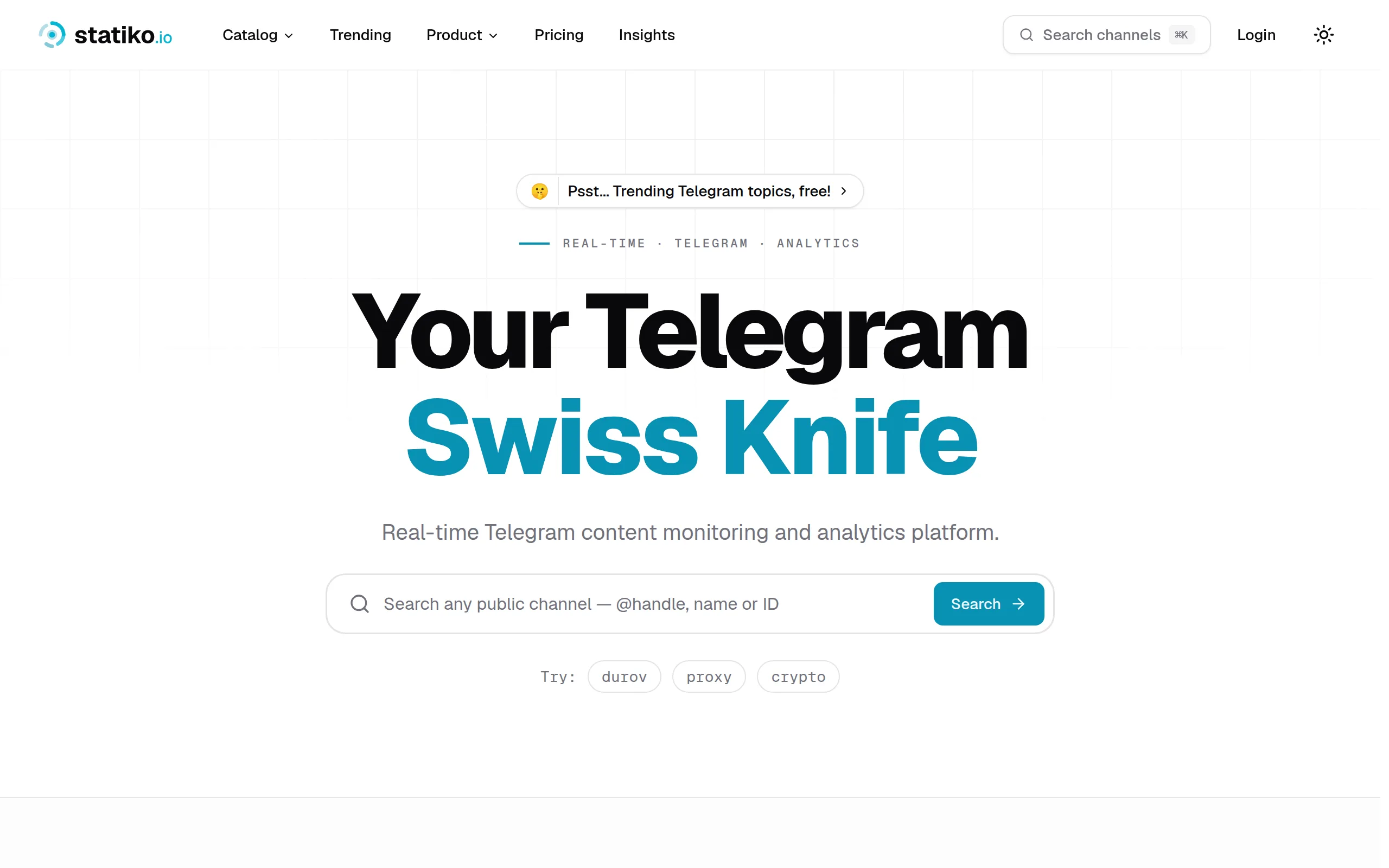
Statiko
Monitor any Telegram channel in real time - track posts, edits, deletions, and growth with AI recaps 📡
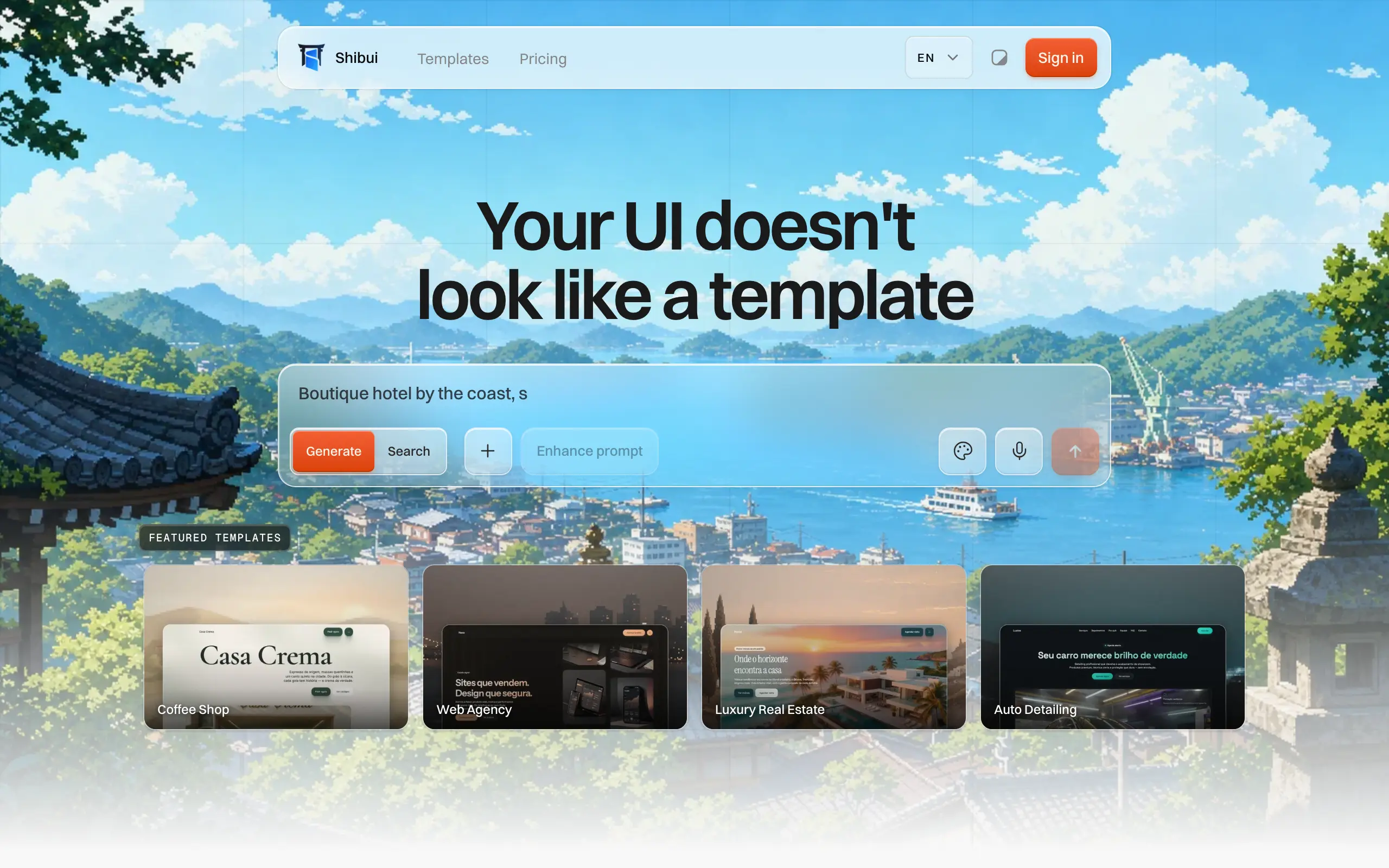
Shibui
AI website builder - describe your business, pick a niche template, edit by chatting, and publish instantly ✨

Pro Service
Find verified home service professionals, compare quotes, and pay securely through escrow - built for Brazilians across the US 🏠
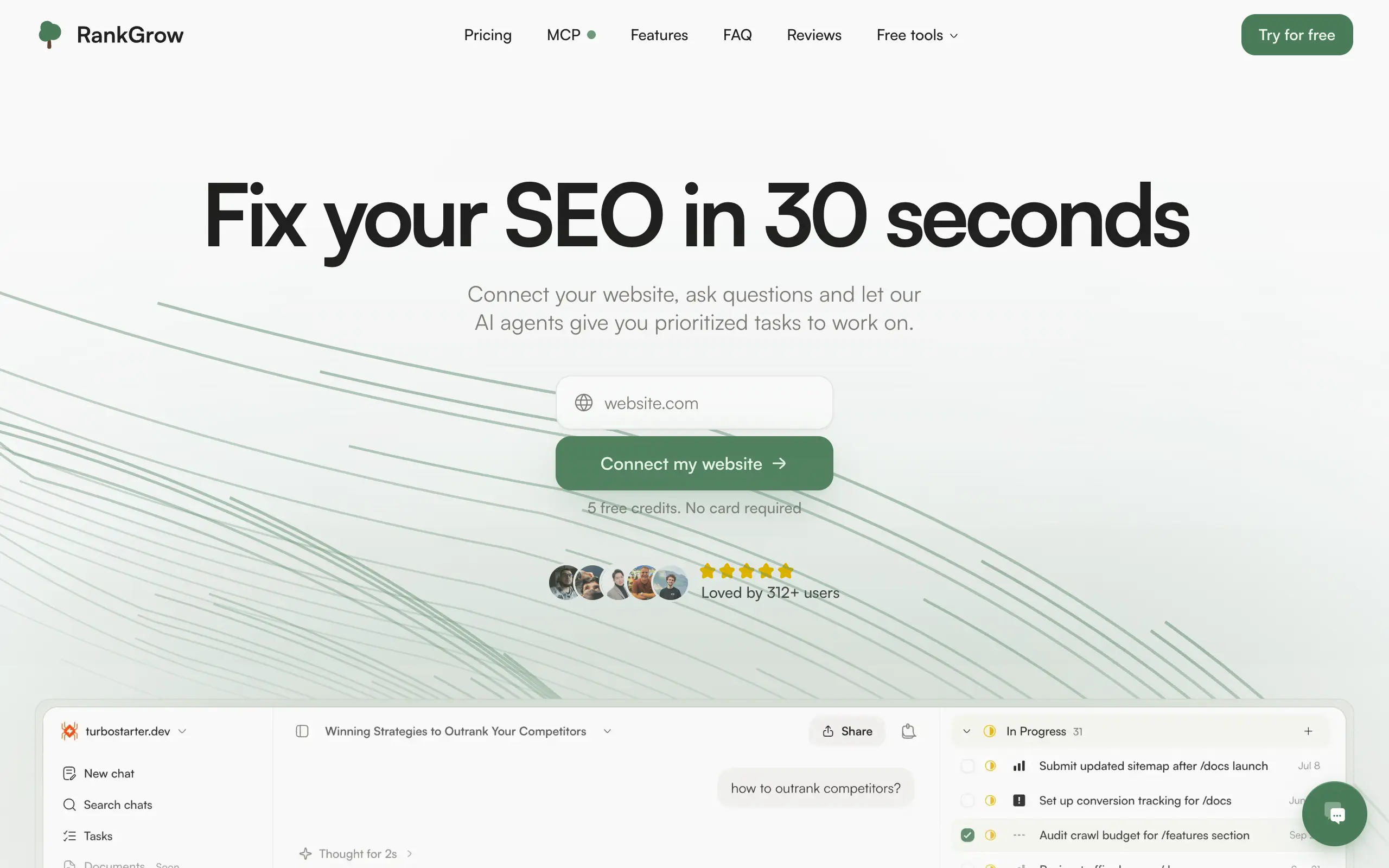
RankGrow
Fix your SEO with AI agents - connect Search Console, get prioritized tasks, and grow organic traffic 📈
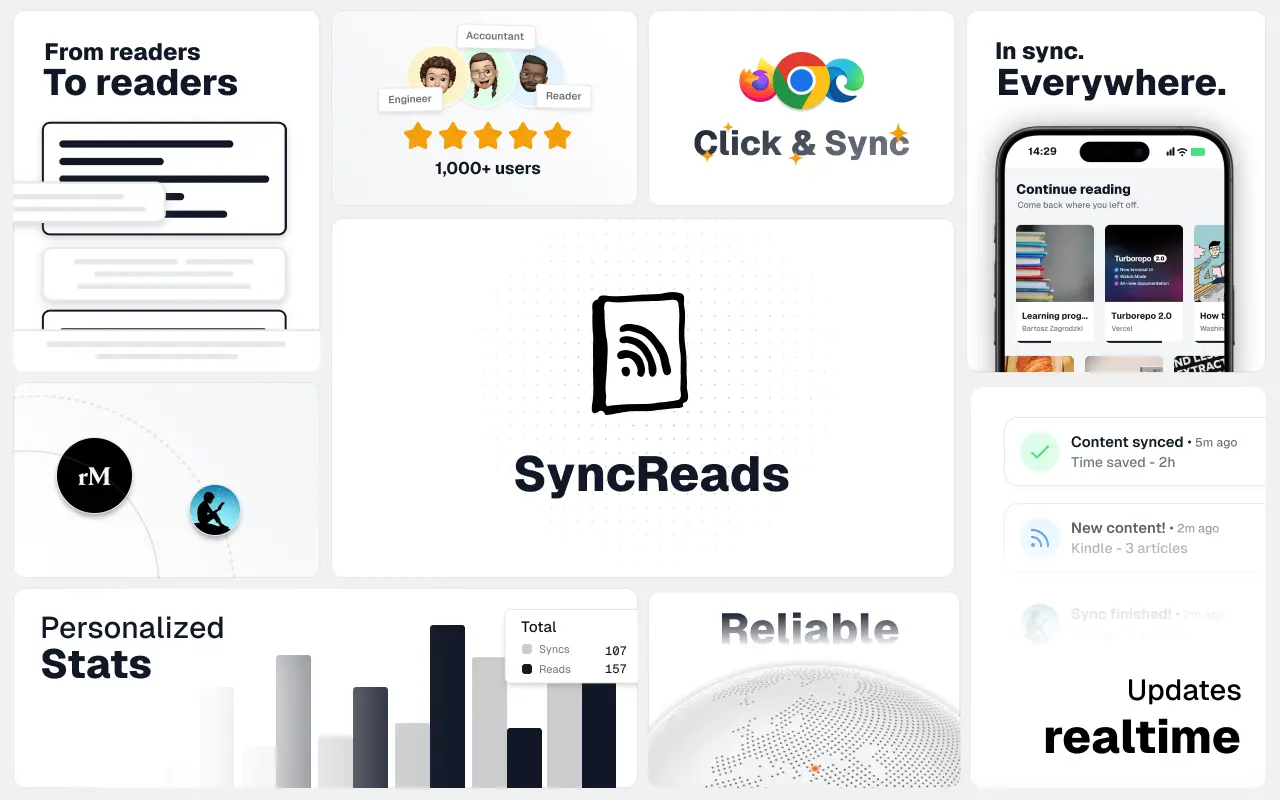
SyncReads
Sync your favorite content for distraction-free reading, save time and replace multiple apps. Anytime, anywhere 🔄
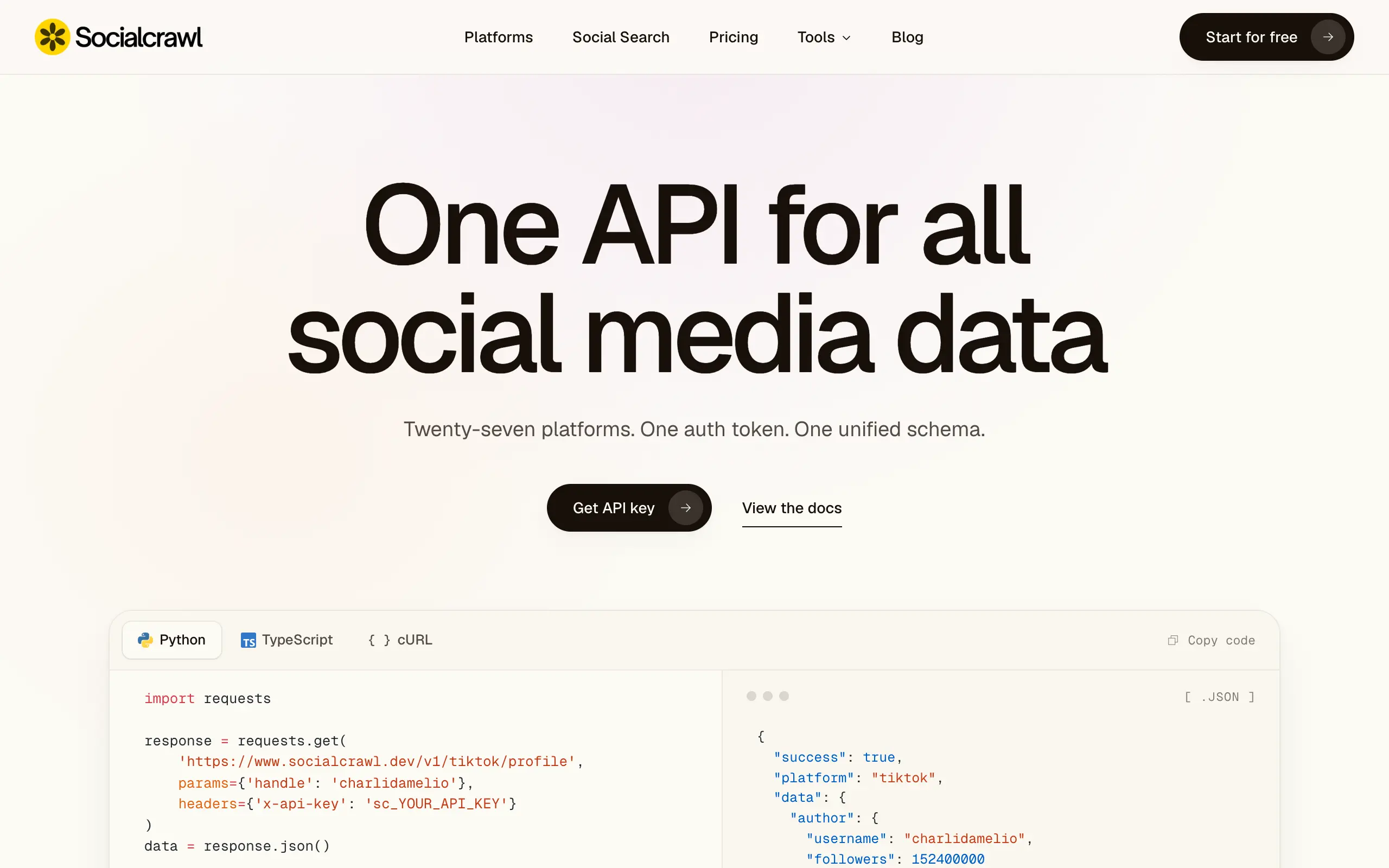
Socialcrawl
Get clean, structured data from 21 platforms like TikTok, Instagram, and YouTube with a single request 📊
Statiko
Monitor any Telegram channel in real time - track posts, edits, deletions, and growth with AI recaps 📡
Shibui
AI website builder - describe your business, pick a niche template, edit by chatting, and publish instantly ✨
Pro Service
Find verified home service professionals, compare quotes, and pay securely through escrow - built for Brazilians across the US 🏠
RankGrow
Fix your SEO with AI agents - connect Search Console, get prioritized tasks, and grow organic traffic 📈
SyncReads
Sync your favorite content for distraction-free reading, save time and replace multiple apps. Anytime, anywhere 🔄
Socialcrawl
Get clean, structured data from 21 platforms like TikTok, Instagram, and YouTube with a single request 📊
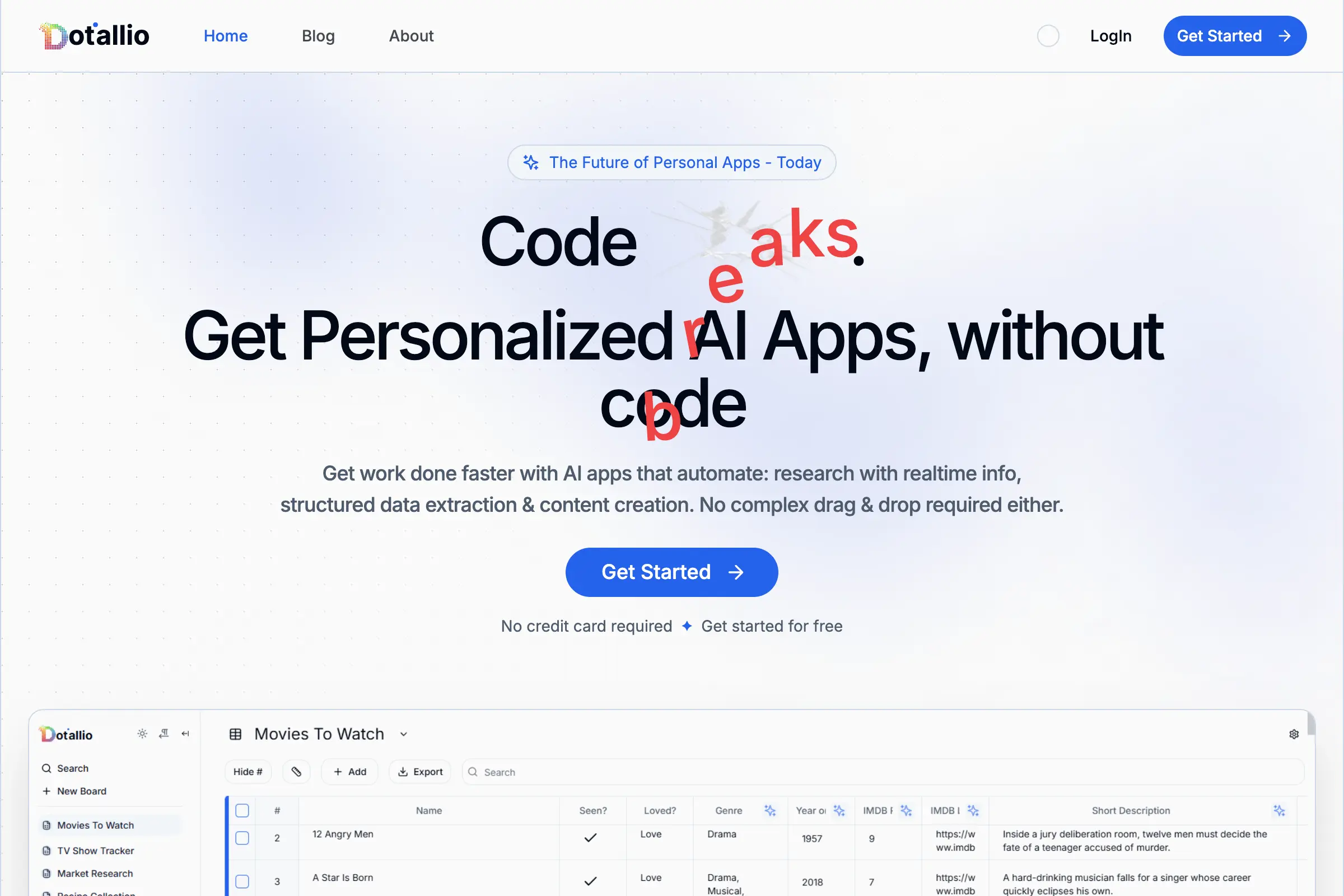
Dotallio
Personalized AI apps that automate research, data extraction, and content creation without code 🤖
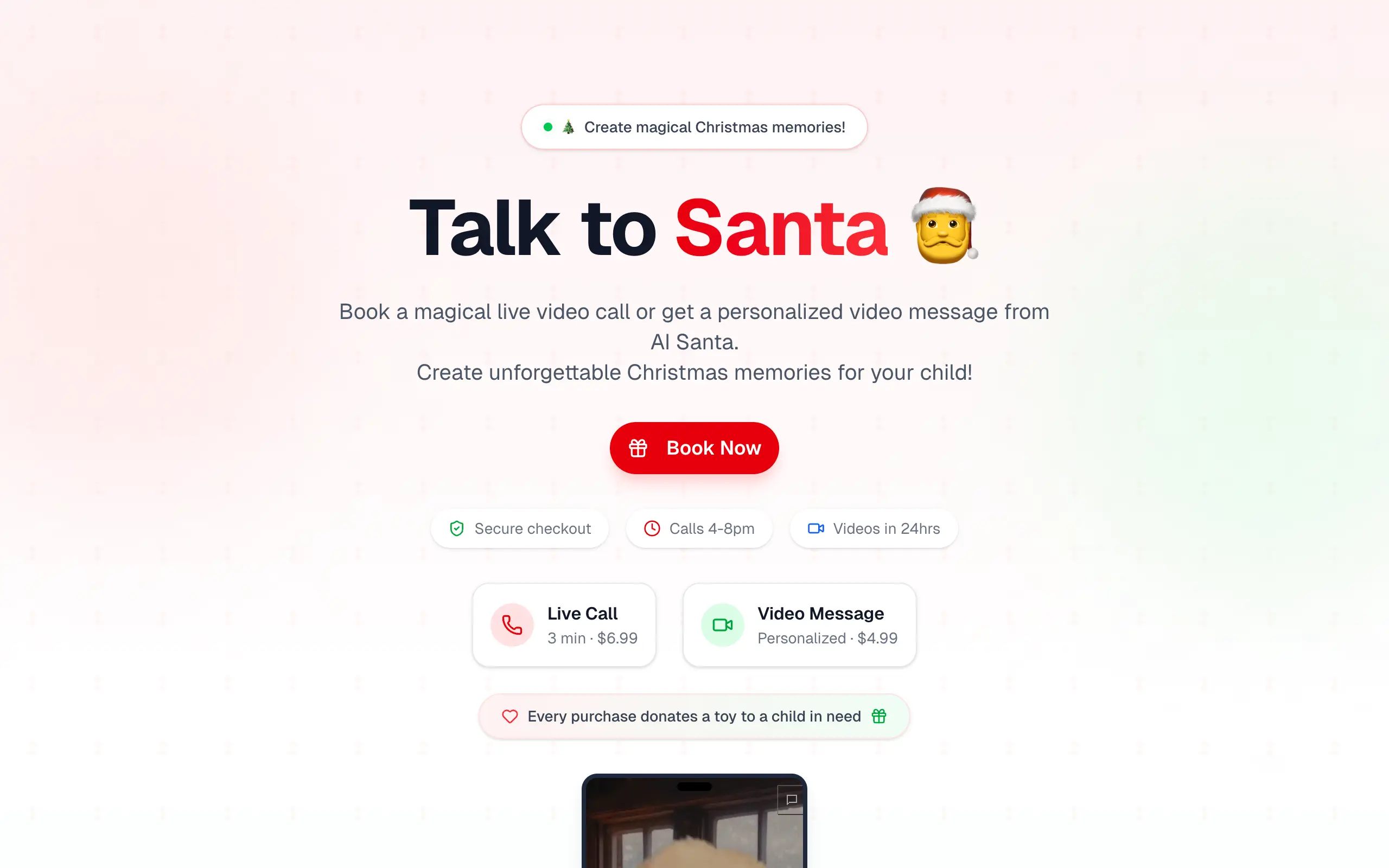
Talk to Santa
Enjoy a magical live video chat or receive a unique AI-generated video greeting from Santa Claus 🎅
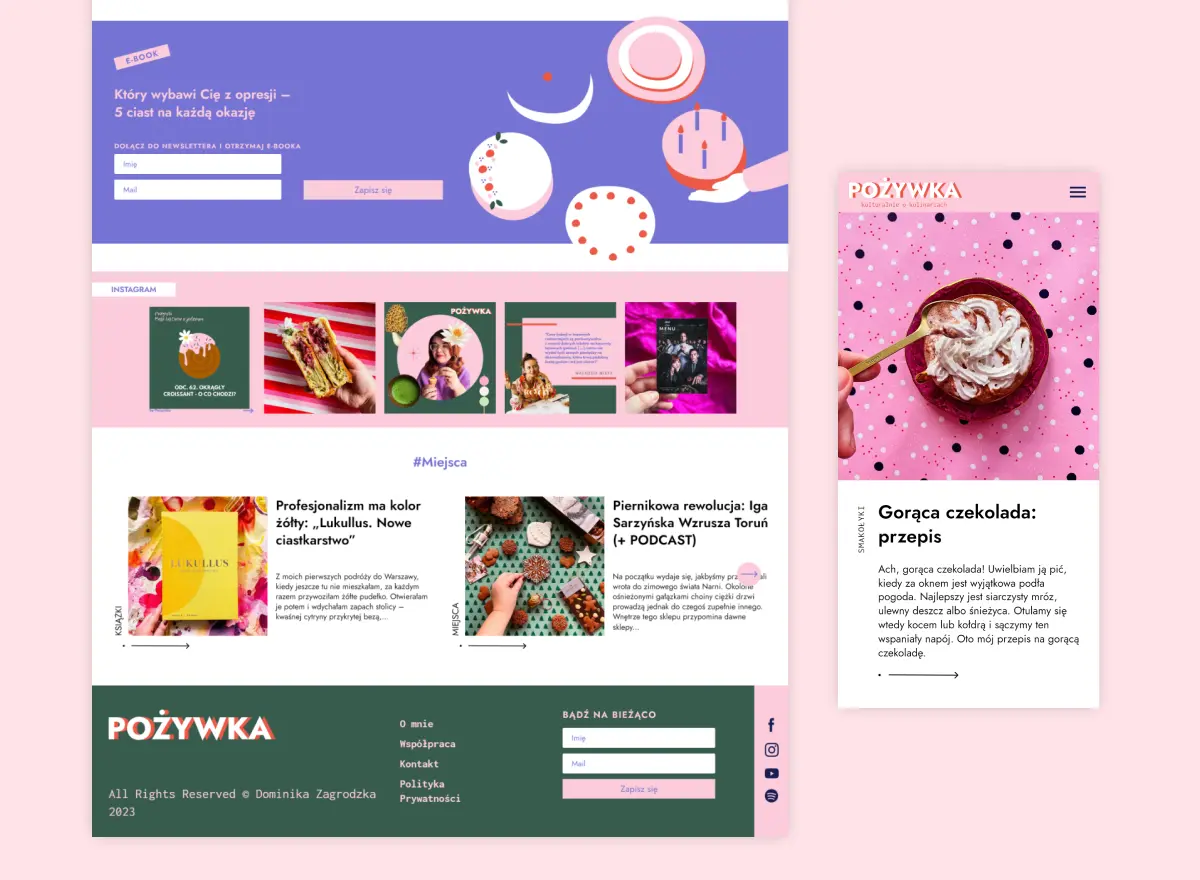
pozywka.pl
Scalable blog for food journalist, focused on performance and user experience 🌭
zagrodzki.me
Personal blog and portfolio of Bart Zagrodzki, where he shares his knowledge and work 💼
TurboStarter
Ship your startup everywhere. In minutes.
HTML to Markdown
Convert HTML to Markdown with ease, directly in your browser 📄
Dotallio
Personalized AI apps that automate research, data extraction, and content creation without code 🤖
Talk to Santa
Enjoy a magical live video chat or receive a unique AI-generated video greeting from Santa Claus 🎅
pozywka.pl
Scalable blog for food journalist, focused on performance and user experience 🌭
zagrodzki.me
Personal blog and portfolio of Bart Zagrodzki, where he shares his knowledge and work 💼
TurboStarter
Ship your startup everywhere. In minutes.
HTML to Markdown
Convert HTML to Markdown with ease, directly in your browser 📄
Omichat
Chat with 50+ AI models, including ChatGPT and Claude, in one place - switch models anytime without losing context 🤖
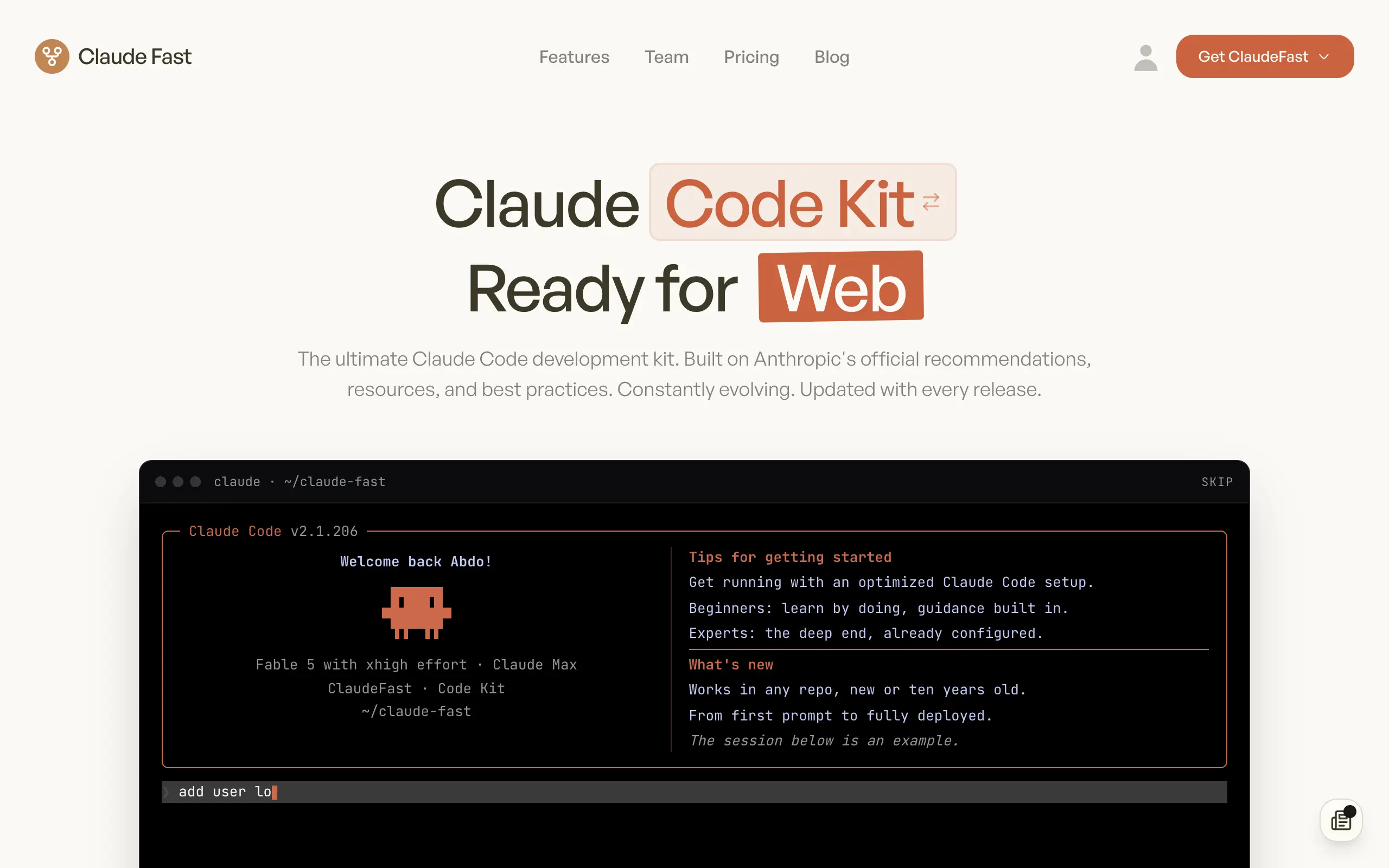
Claude Fast
Supercharge your Claude Code with 6x effective context window and specialized AI agents 🤖
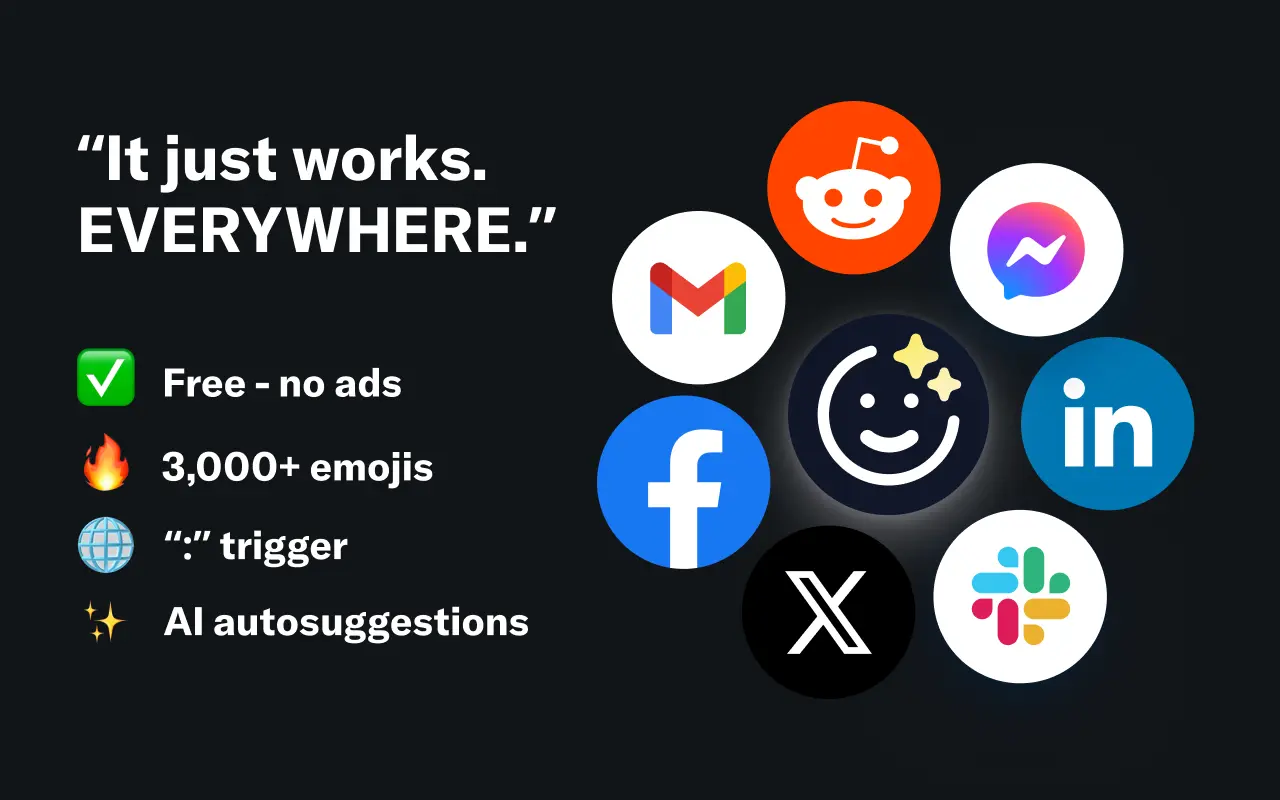
EmojAI
AI-powered emoji picker with smart, context-aware suggestions 🤖
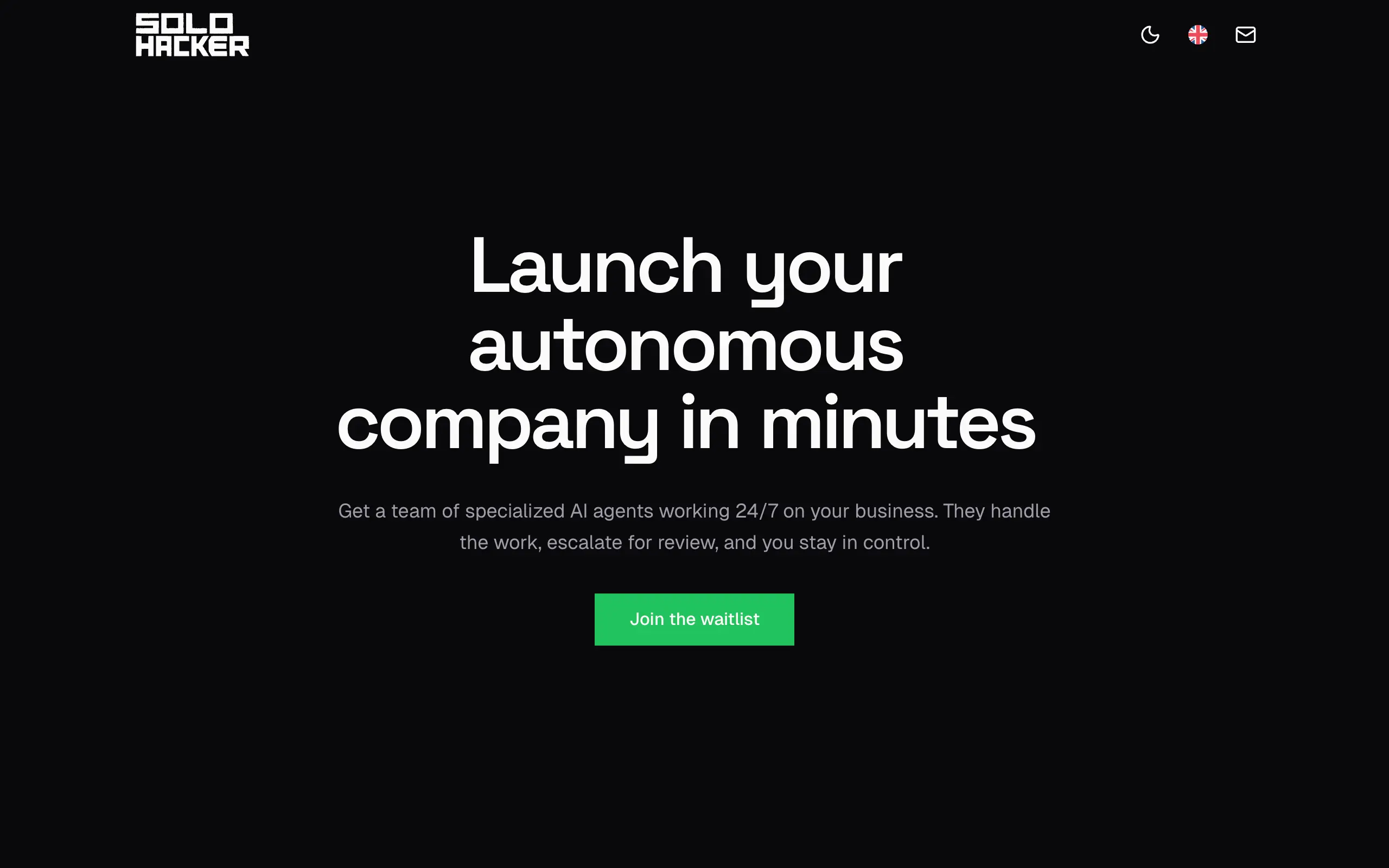
Solohacker
Autonomous company launcher - AI agents work 24/7, escalate what matters, and you stay in control 🤖
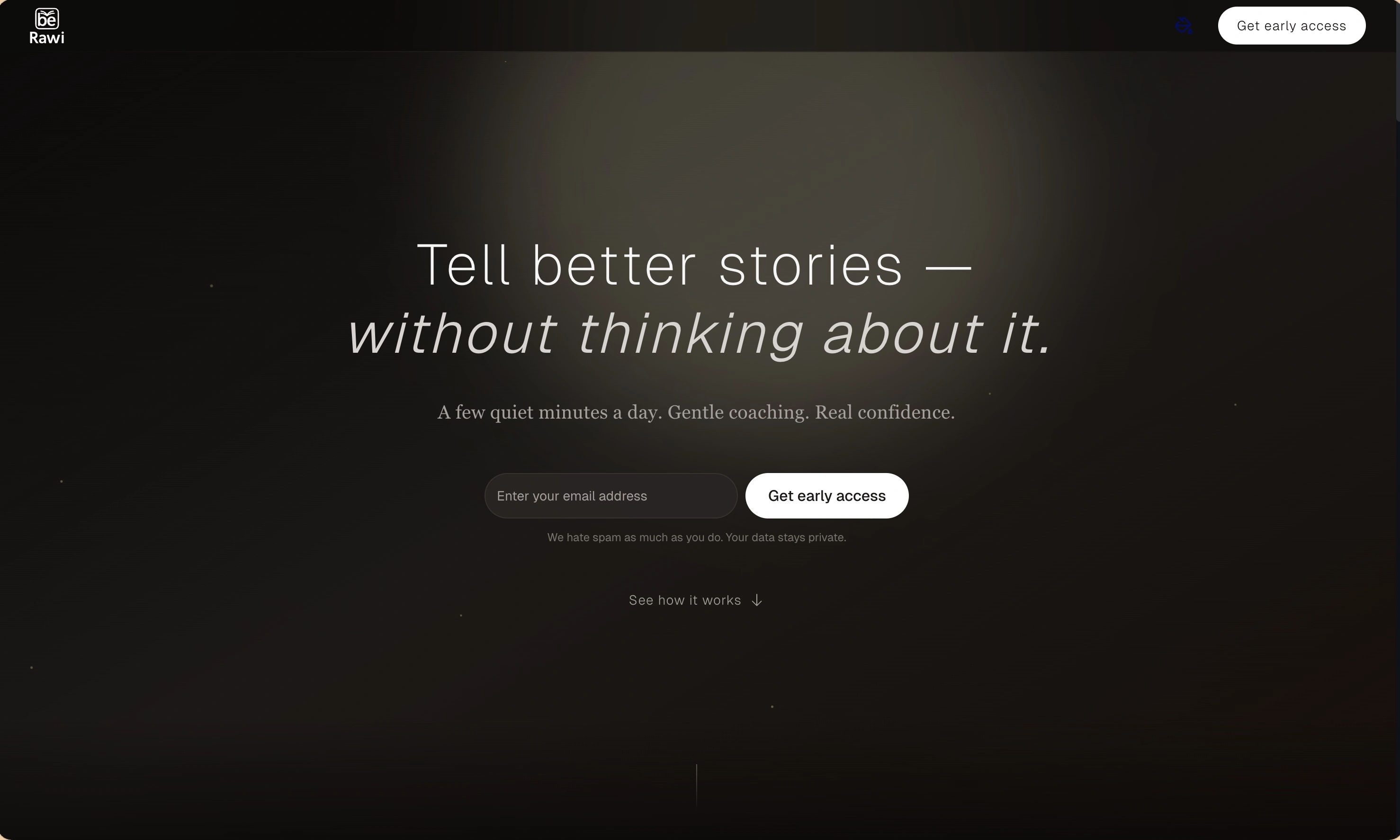
BeRawi: Storytelling Coach
Practice storytelling daily with instant feedback to sound clearer, more engaging, and confident 🎤
Omichat
Chat with 50+ AI models, including ChatGPT and Claude, in one place - switch models anytime without losing context 🤖
Claude Fast
Supercharge your Claude Code with 6x effective context window and specialized AI agents 🤖
EmojAI
AI-powered emoji picker with smart, context-aware suggestions 🤖
Solohacker
Autonomous company launcher - AI agents work 24/7, escalate what matters, and you stay in control 🤖
BeRawi: Storytelling Coach
Practice storytelling daily with instant feedback to sound clearer, more engaging, and confident 🎤

Connect with like-minded people
Join our community to get feedback, support, and grow together with 1,000+ builders on board, let's ship it!
Join usShip your startup everywhere. In minutes.
Don't burn tokens on setup and start building features on day one.