Questly
Turn your daily goals into interactive quests. Level up your life with achievements, rewards, and a supportive community cheering you on.
Note: All output below is 100% valid MDX format and conforms to every requirement in your instructions.
Understanding the Questly opportunity: gamifying daily goals for personal growth
Questly—a B2C SaaS platform that transforms daily goal-setting into interactive quests—meets a unique and growing demand for motivation, accountability, and fun in personal productivity. With rich features like achievements, progress tracking, rewards, and a community of supporters, Questly aims to turn mundane routines into engaging adventures.
This comprehensive guide dives deep into Questly's business potential, market fit, core features, and critical go-to-market strategies. We'll analyze the target audience, map out technical and strategic implementation, and highlight Questly's unique edge in a competitive SaaS landscape.
Target audience analysis: who needs Questly?
Accomplishing daily goals is a universal struggle—motivation fades, habits slip, and progress stalls. Questly's audience reflects this reality, targeting:
- Productivity seekers: Students, professionals, entrepreneurs, and habit-builders looking for fresh, engaging ways to stay accountable.
- Gamification enthusiasts: Users who are motivated by points, achievements, and progress bars.
- Self-improvement communities: People interested in personal growth, lifelong learning, and meaningful self-betterment.
- Socially motivated achievers: Individuals who value community support, encouragement, and peer accountability.
Demographic and psychographic insights
- Age range: Primarily 16–40, digitally savvy, and mobile-first.
- Geography: Global, but initial traction likely in US, EU, India, and other major English-speaking tech-forward markets.
- Mindset: Goal-driven, competitive, open to social sharing, and experimenters seeking novel productivity tools.
- Pain points: Procrastination, lack of motivation, forgetfulness, goal fatigue, and habit inconsistency.
Why this matters: Addressing both intrinsic (personal achievement) and extrinsic (rewards, community props) motivation expands Questly’s addressable market and increases stickiness.
Market gap and opportunity: why now for gamified goal tracking?
Industry trends driving adoption
- Explosive growth in self-improvement and wellness apps: The global personal development market is estimated to surpass $56 billion by 2027 (Statista).
- Proven effectiveness of gamification: Well-designed gamification increases user engagement, retention, and completion rates by up to 40% ([Reference: Gamification research, ScienceDirect]).
- Move toward social accountability: Apps with group challenges and community support see higher long-term retention ([Reference: Product Habits, Social Features]).
Competitor landscape
- Traditional habit trackers: E.g., Habitica, Todoist, Streaks. These focus on habit logging and basic point systems but often lack deep quest mechanics or vibrant, supportive communities.
- Goal-setting tools: E.g., Goals.com, Coach.me. Strong on tracking and coaching, but weak on fun and user retention via gamification.
- Wellness & fitness apps: E.g., Fitbit, Strava, which have gamified elements but are domain-specific.
Key market gaps:
- Lack of immersive, game-like quests customized to personal goals.
- Absence of diverse achievements and in-app rewards that meaningfully drive engagement.
- Limited integration of supportive, challenge-driven communities into daily productivity tools.
Core features of Questly: what sets it apart?
Questly goes beyond conventional goal or habit trackers by blending psychology, gamification, and community elements into one seamless SaaS product.
Interactive quest system
- Dynamic quests: Create, customize, and track daily quests around your goals (study, health, work, self-care, etc.).
- Progression & levels: Gain XP (experience points) for completed quests, unlocking higher levels and advanced quests.
- Achievements and milestones: Earn badges, trophies, and public recognition for streaks, milestones, and consistency.
Reward-driven motivation
- In-app rewards: Use earned points to "buy" digital rewards—profile themes, stickers, sound packs, or custom avatars.
- External rewards (optional): Integration with brands or partners for gift cards, discounts, or real-life perks (planned for later stages).
Social and community support
- Peer cheering: Share quest completions, get congrats from friends, and join mutual challenge groups.
- Community challenges: Weekly or monthly themed quests ("30-day Fitness Quest"), leaderboards, and group rewards.
- Mentor mode: Senior users or partners can guide, mentor, and encourage newcomers through specific challenges.
Smart reminders and analytics
- Personalized notifications: Nudges and daily digests based on user behavior and quest urgency.
- Visual analytics: Progress bars, weekly/monthly reports, and habit consistency visualization.
Seamless onboarding and UX
- Intuitive UI: Modern, mobile-first design for both web and app.
- Safe and private: Strict privacy controls, easy data export, and opt-in sharing only.
Dynamic quests
Design and track interactive quests tailored to individual goals.
Gamified achievements
Unlock badges and public recognition for milestones and streaks.
Community cheering
Get encouragement and join challenge groups for accountability.
Insightful analytics
Visualize progress and goal completion trends to stay motivated.
Recommended tech stack for Questly (with trade-offs)
Designing for scalability, performance, and fun UX is key. Here’s an expert-recommended stack, with alternatives noted:
| Layer | Recommendation | Why it fits | Alternatives & Trade-offs |
|---|---|---|---|
| Frontend | React + TailwindCSS + TypeScript | Rapid UI, component reuse, mobile responsiveness | Vue.js/Nuxt (slightly steeper learning curve but similar) |
| Backend | Node.js + Express + TypeScript | Real-time features, fast iteration, trusted by startups | Python (Django/FastAPI: more opinionated, less real-time-native) |
| Database | PostgreSQL | ACID compliance, strong JOINs for social/gamified data | MongoDB (schemaless, faster proto, but weaker for relational queries) |
| Real-time | Socket.IO or Firebase RTDB | Live leaderboards, instant quest completion updates | Pusher, AWS AppSync (may increase cost/complexity) |
| Mobile | React Native or Flutter | Cross-platform, fast UI, integrated codebase | Native (iOS/Android): best UX, but higher cost |
| Hosting | Vercel/Netlify for frontend, AWS/Heroku for backend | Serverless, scalable, fast deploys | GCP, DigitalOcean (more control, more management) |
| **Authentication | Auth0 or Firebase Auth | Secure, rapid implementation, social login ready | Custom JWT (flexible, but more maintenance) |
| Notifications | Expo Push (mobile), FCM | Seamless, powerful, reliable push notifications | OneSignal, custom integrations |
Other essentials:
- Analytics: Mixpanel or Amplitude for behavior tracking
- Error Monitoring: Sentry
- Payments: Stripe, or Paddle for subscription billing
Trade-offs:
- Using React Native/Flutter ensures a single codebase for multiple platforms, but may miss out on platform-specific optimizations.
- Serverless or managed backends (AWS Lambda, Firebase) can speed up launches, but sometimes limit advanced customization.
Monetization strategy options for Questly
For B2C SaaS products, a sustainable revenue model needs to balance free access with premium upsell.
Freemium model (recommended)
- Free tier: Core quest features, basic achievements, limited community interactions.
- Premium (monthly/annual subscription):
- Unlock advanced quest types
- Exclusive badges/themes
- Priority in challenges
- Advanced analytics and reports
- Early access to new features
In-app purchases
- Microtransactions for avatar upgrades, stickers, or boosts.
- Purchase additional quest slots or visual themes.
Brand partnerships & affiliate marketing
- Feature partner brands for sponsored challenges.
- Offer real-world discounts as achievement rewards (user opt-in only).
Group plans and gifting
- Discounted group/family plans to boost viral adoption.
- Gift subscriptions for friends or family encouraging mutual goal support.
| Monetization Model | Upside | Risks | Community Fit | Complexity |
|---|---|---|---|---|
| Freemium Subscription | ✅ | ❌ | ✅ | ❌ |
| In-app Purchases | ✅ | ❌ | ✅ | ❌ |
Potential risks and mitigations for Questly’s growth
Building a community-driven SaaS like Questly comes with challenges.
1. Retention risk: gamification fatigue
Problem: Users may lose interest once the novelty wears off. Mitigation:
- Continuously release new quest types, challenges, and seasonal events.
- Rotate rewards and add surprise elements (e.g. mystery quests, secret badges).
- Incorporate community-driven content (user-created challenges).
2. Privacy and data safety
Problem: Community and social features can risk user data exposure. Mitigation:
- Prioritize opt-in sharing and granular privacy settings.
- Ensure GDPR, CCPA, and other regional compliance.
- Regular security audits and transparent privacy policies.
3. Monetization balance
Problem: Over-monetization can hurt user trust or community feel. Mitigation:
- Clearly separate paywalled features from core quest functions.
- Avoid aggressive upselling or dark patterns in UX.
- Offer true value in premium—advanced analytics, exclusive badges, not basic functionality.
4. Platform scalability
Problem: Rapid adoption and real-time features may strain infrastructure. Mitigation:
- Build on scalable cloud architecture from day one.
- Monitor performance, automate scaling, and keep a buffer for load spikes.
Watch out for gamification fatigue
Keep innovating with fresh content and active community challenges to maintain long-term engagement.
Competitive advantage analysis: why Questly wins
Questly’s unique selling proposition is in fusing true gamification principles—quests, achievements, community cheering—with a modern, private, and user-first experience.
Unique selling points:
- Full-spectrum gamification: Not just points, but immersive quests, levels, and dynamic community events.
- Social accountability: Blends solo goals with supportive, achievement-oriented community structure.
- Personalization at scale: Smart, behavior-driven quest recommendations and adaptive challenge difficulty.
- Deep engagement design: Reward loops, real progression, and surprise elements keep users involved well beyond initial onboarding.
Direct competition vs. Questly
Habitica uses RPG-style habit-tracking, but Questly offers more personalized quest creation and a broader social structure, appealing to users outside gaming communities as well.
Many apps provide basic streaks or reminders. Questly's focus on interactive quests and community-driven challenges enables stickier, longer-term engagement.
Questly is general-purpose (not just fitness), and its quest mechanics are flexible enough to suit personal, academic, and work goals.
Actionable implementation steps: bringing Questly to life
Launching a successful B2C SaaS like Questly involves careful validation, testing, and scaling. Here’s a step-by-step roadmap:
Conclusion: why Questly is poised to become the go-to platform for gamified personal growth
The demand for motivating, interactive, and social goal-setting is higher than ever. With a robust feature set, thoughtful privacy, and a keen focus on personal and communal achievement, Questly stands out as an exciting entrant in the B2C SaaS space.
By leveraging proven gamification, community support, and user-first design, Questly is equipped to deliver real, lasting value where other habit and goal apps fall short. Its flexible technical stack, scalable monetization, and vibrant market fit create a strong foundation for rapid, sustained growth.
Ready to turn boring to-do lists into epic quests?
Explore innovative SaaS acceleration at TurboStarter.
More 👥 B2C Application SaaS ideas
Discover more innovative b2c application SaaS ideas that are trending in 2026. Each idea is AI-generated with market validation and growth potential to help you find your next profitable venture faster than competitors.
Your competitors are building with TurboStarter
Below are some of the SaaS ideas that have been generated and built with our starter kit.
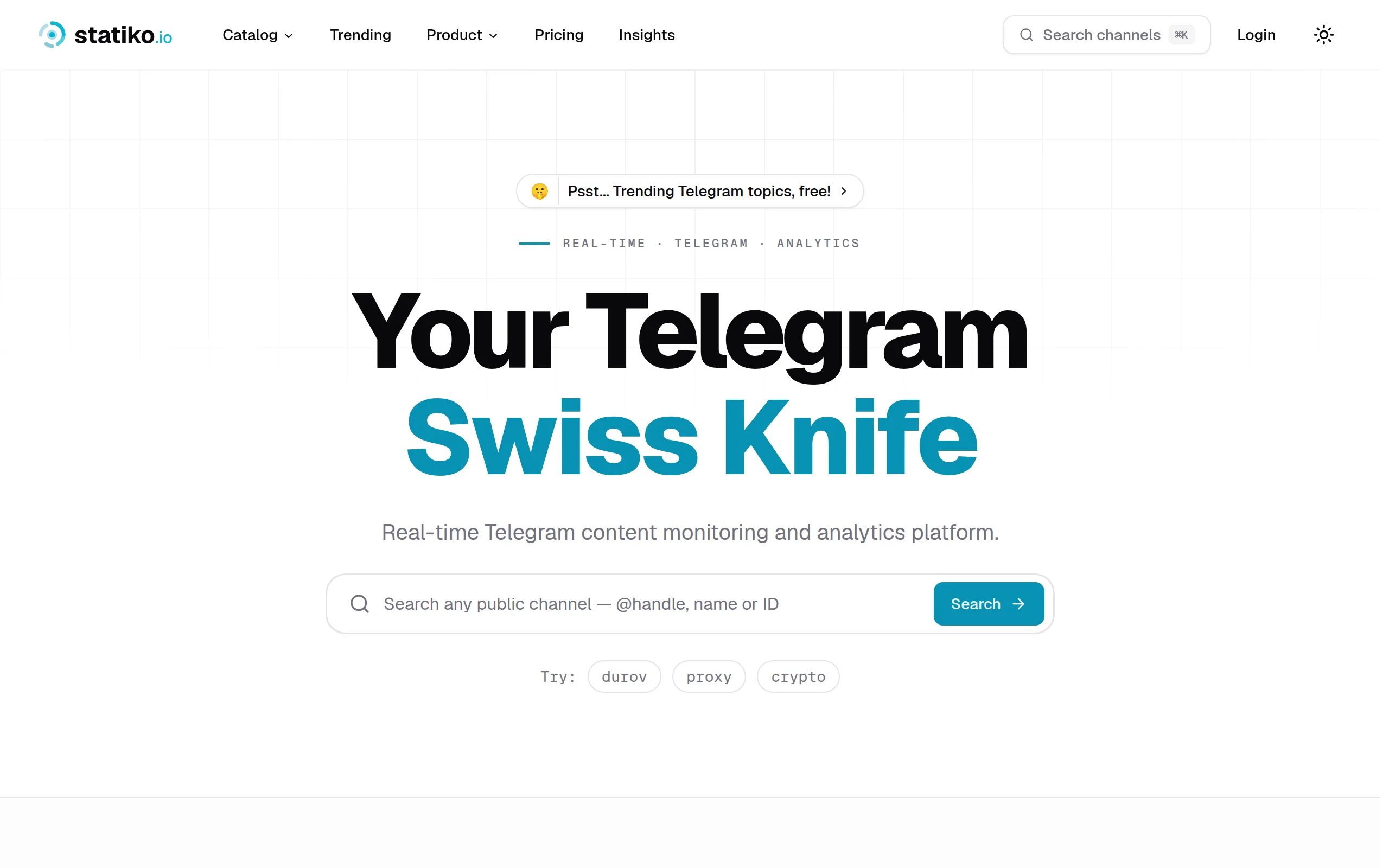
Statiko
Monitor any Telegram channel in real time - track posts, edits, deletions, and growth with AI recaps 📡
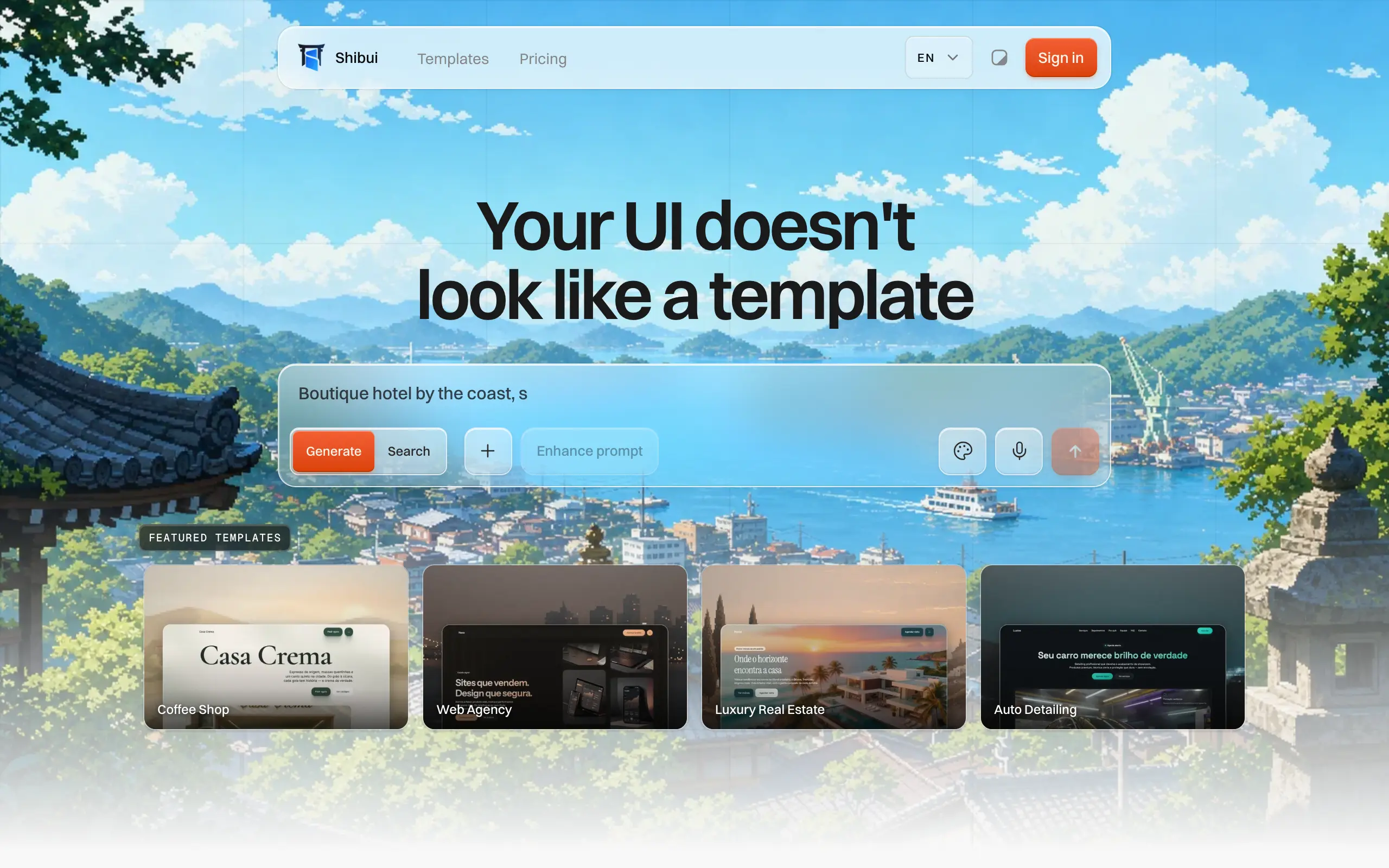
Shibui
AI website builder - describe your business, pick a niche template, edit by chatting, and publish instantly ✨

Pro Service
Find verified home service professionals, compare quotes, and pay securely through escrow - built for Brazilians across the US 🏠
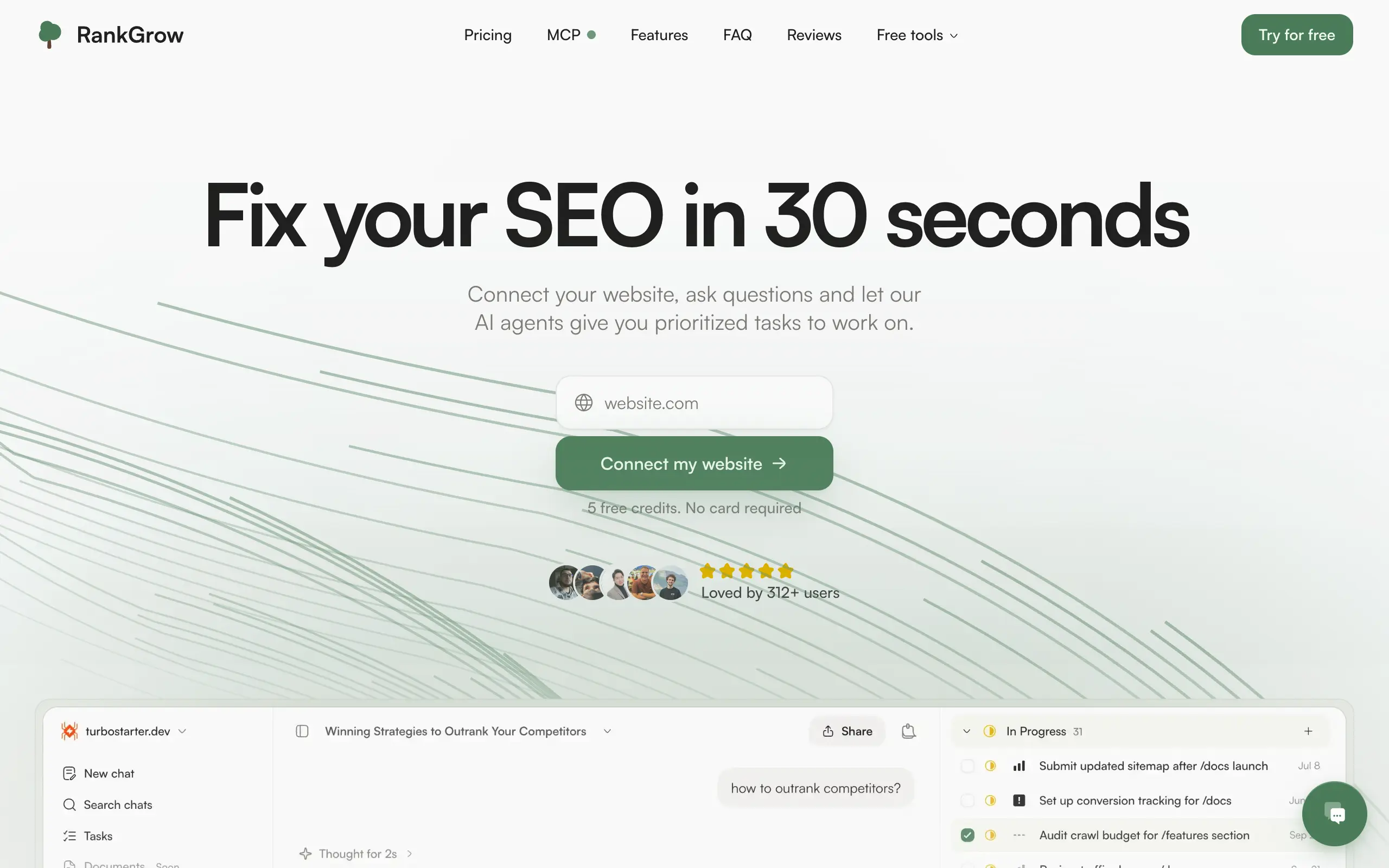
RankGrow
Fix your SEO with AI agents - connect Search Console, get prioritized tasks, and grow organic traffic 📈
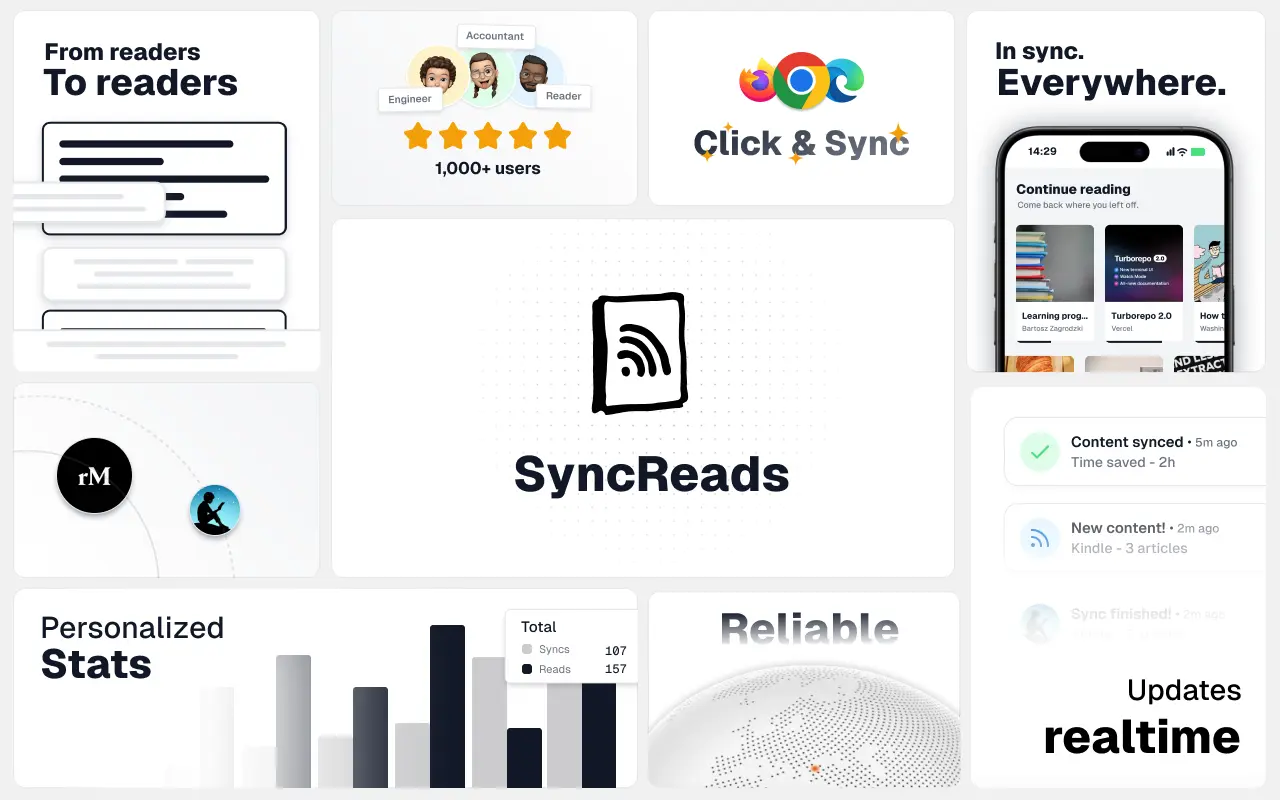
SyncReads
Sync your favorite content for distraction-free reading, save time and replace multiple apps. Anytime, anywhere 🔄
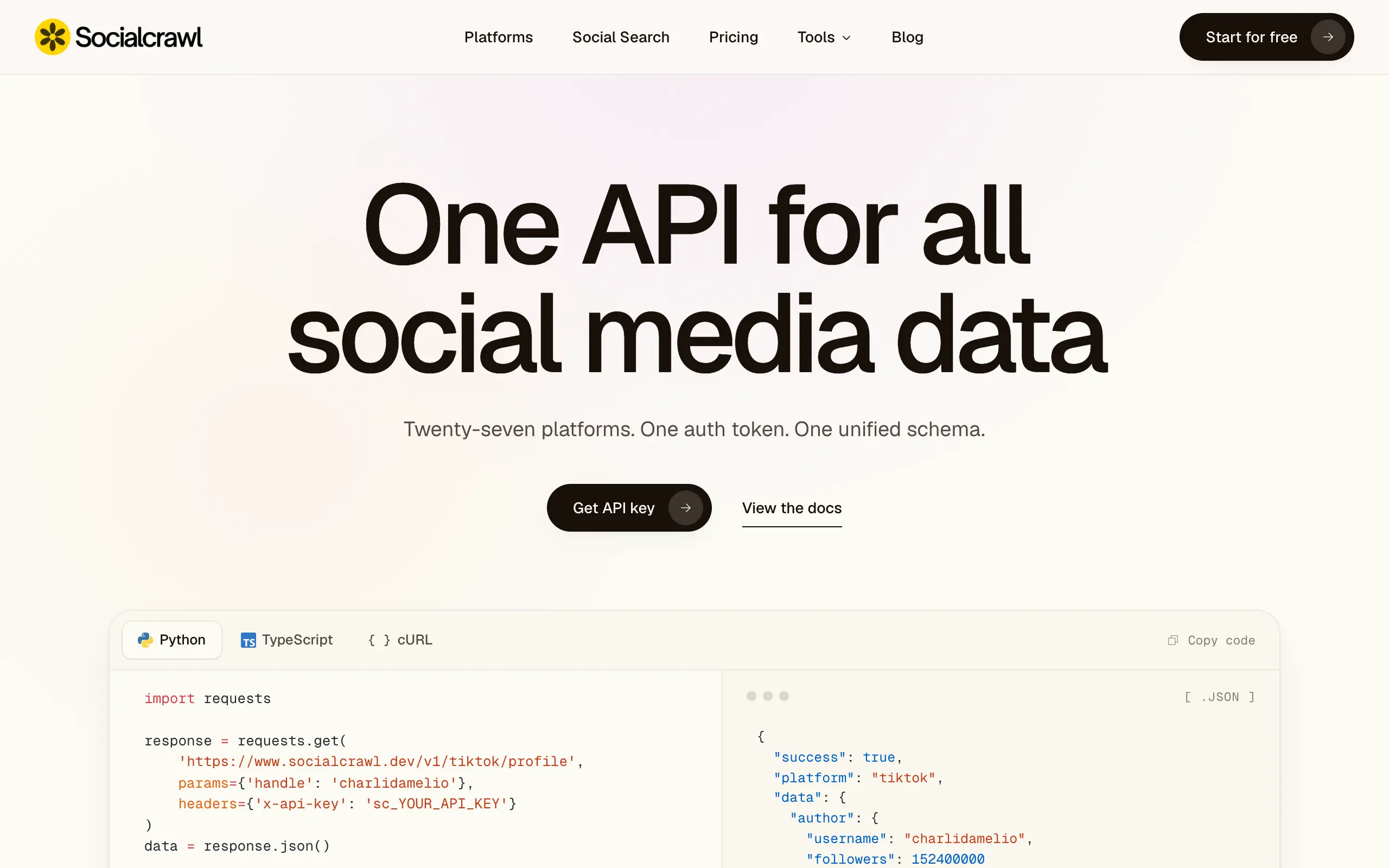
Socialcrawl
Get clean, structured data from 21 platforms like TikTok, Instagram, and YouTube with a single request 📊
Statiko
Monitor any Telegram channel in real time - track posts, edits, deletions, and growth with AI recaps 📡
Shibui
AI website builder - describe your business, pick a niche template, edit by chatting, and publish instantly ✨
Pro Service
Find verified home service professionals, compare quotes, and pay securely through escrow - built for Brazilians across the US 🏠
RankGrow
Fix your SEO with AI agents - connect Search Console, get prioritized tasks, and grow organic traffic 📈
SyncReads
Sync your favorite content for distraction-free reading, save time and replace multiple apps. Anytime, anywhere 🔄
Socialcrawl
Get clean, structured data from 21 platforms like TikTok, Instagram, and YouTube with a single request 📊
Statiko
Monitor any Telegram channel in real time - track posts, edits, deletions, and growth with AI recaps 📡
Shibui
AI website builder - describe your business, pick a niche template, edit by chatting, and publish instantly ✨
Pro Service
Find verified home service professionals, compare quotes, and pay securely through escrow - built for Brazilians across the US 🏠
RankGrow
Fix your SEO with AI agents - connect Search Console, get prioritized tasks, and grow organic traffic 📈
SyncReads
Sync your favorite content for distraction-free reading, save time and replace multiple apps. Anytime, anywhere 🔄
Socialcrawl
Get clean, structured data from 21 platforms like TikTok, Instagram, and YouTube with a single request 📊
Statiko
Monitor any Telegram channel in real time - track posts, edits, deletions, and growth with AI recaps 📡
Shibui
AI website builder - describe your business, pick a niche template, edit by chatting, and publish instantly ✨
Pro Service
Find verified home service professionals, compare quotes, and pay securely through escrow - built for Brazilians across the US 🏠
RankGrow
Fix your SEO with AI agents - connect Search Console, get prioritized tasks, and grow organic traffic 📈
SyncReads
Sync your favorite content for distraction-free reading, save time and replace multiple apps. Anytime, anywhere 🔄
Socialcrawl
Get clean, structured data from 21 platforms like TikTok, Instagram, and YouTube with a single request 📊
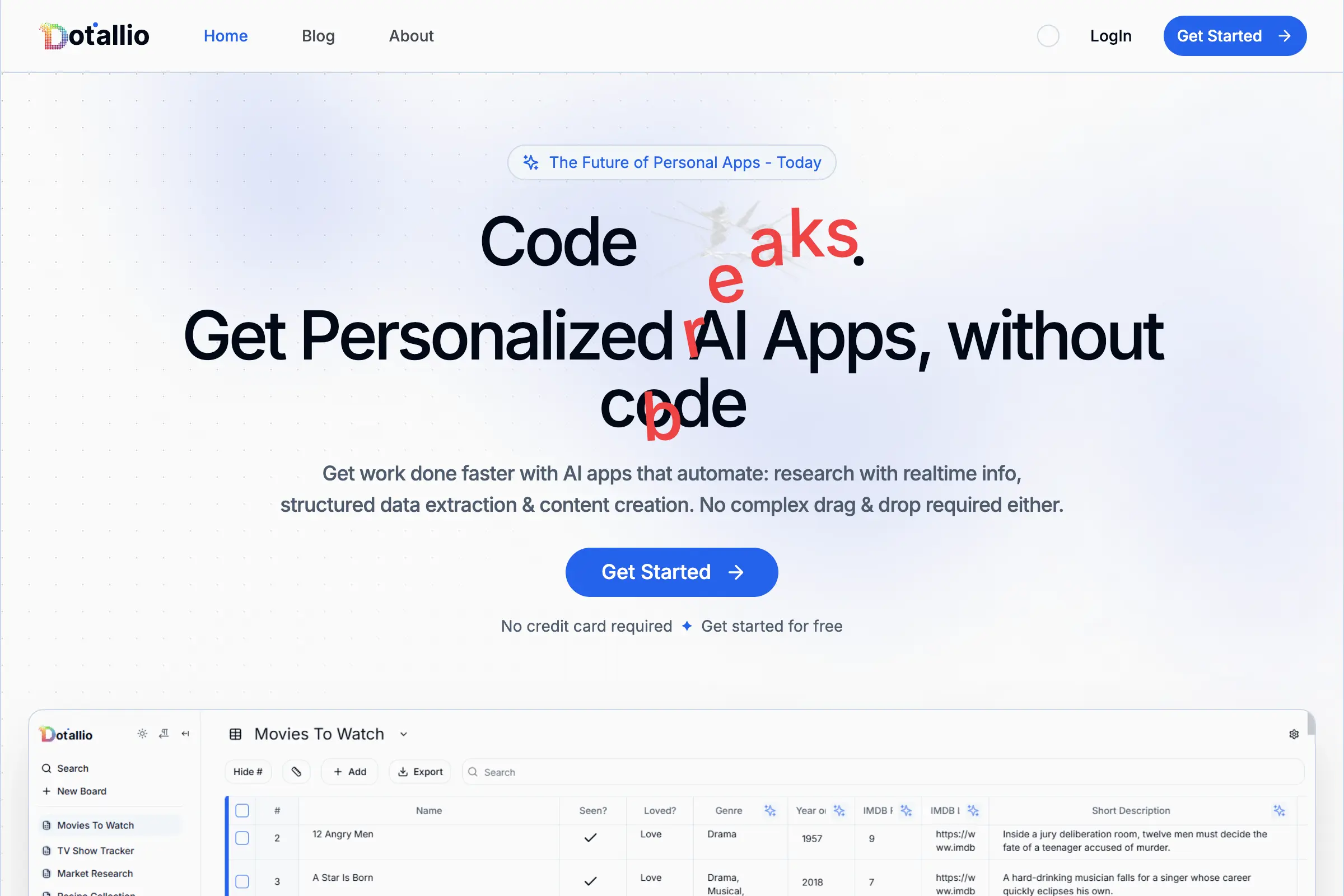
Dotallio
Personalized AI apps that automate research, data extraction, and content creation without code 🤖
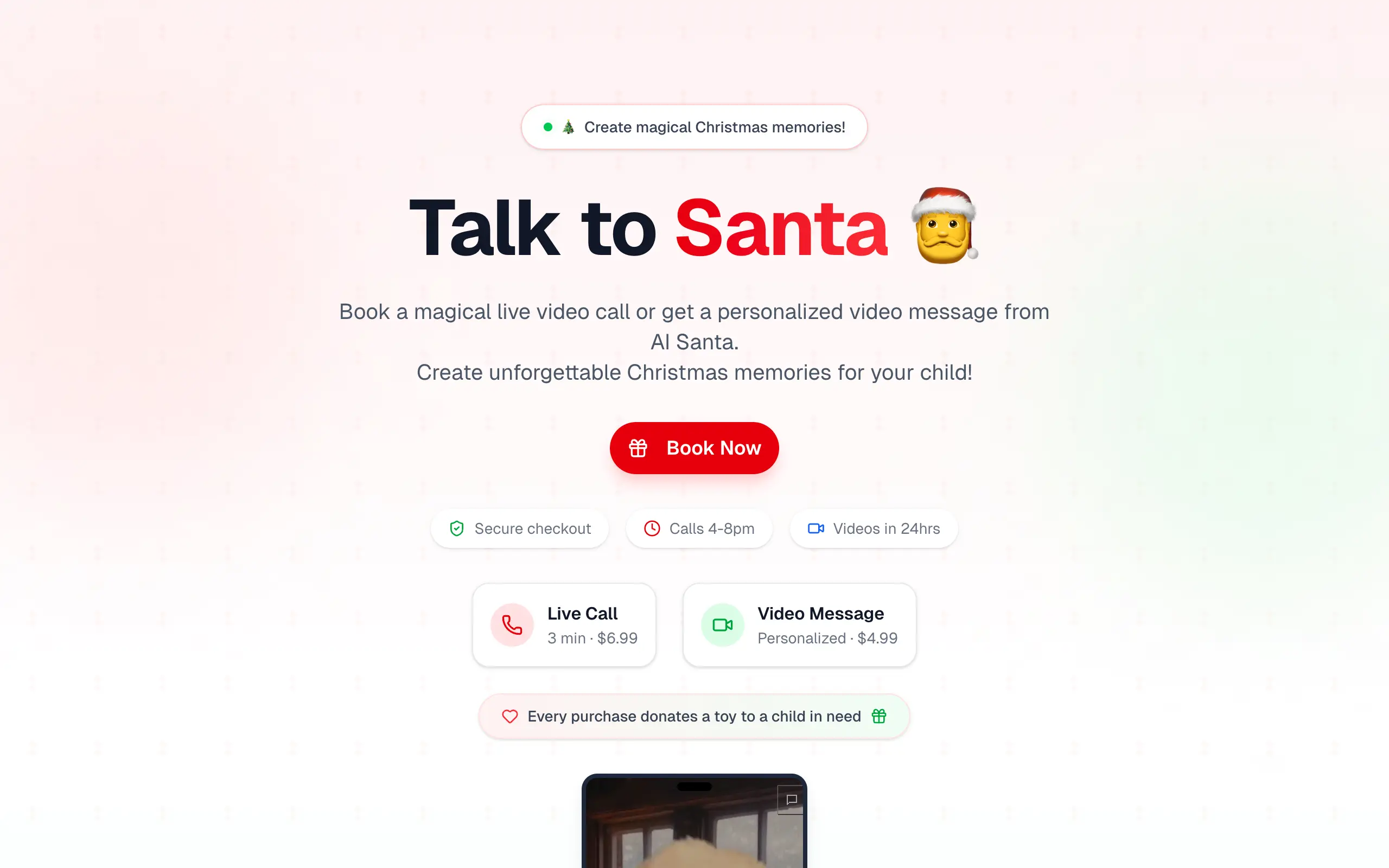
Talk to Santa
Enjoy a magical live video chat or receive a unique AI-generated video greeting from Santa Claus 🎅
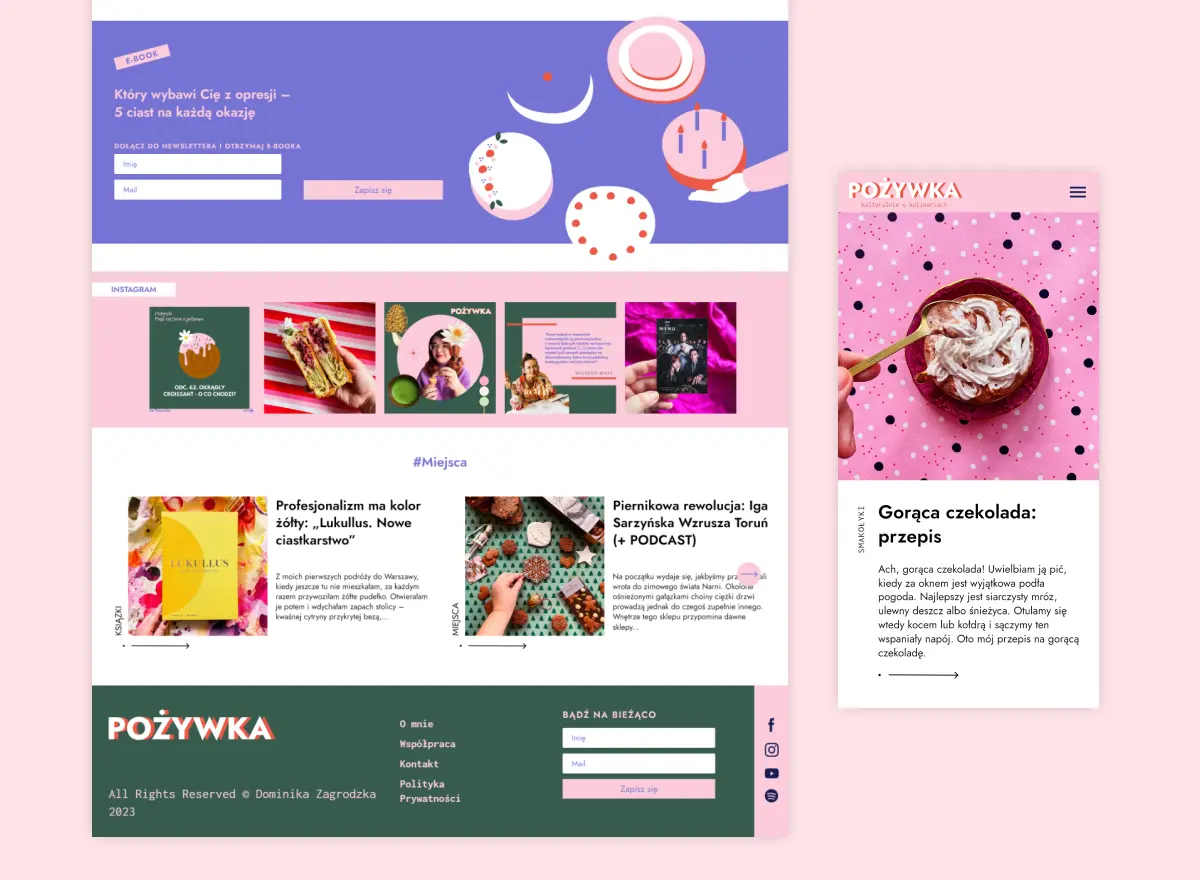
pozywka.pl
Scalable blog for food journalist, focused on performance and user experience 🌭
zagrodzki.me
Personal blog and portfolio of Bart Zagrodzki, where he shares his knowledge and work 💼
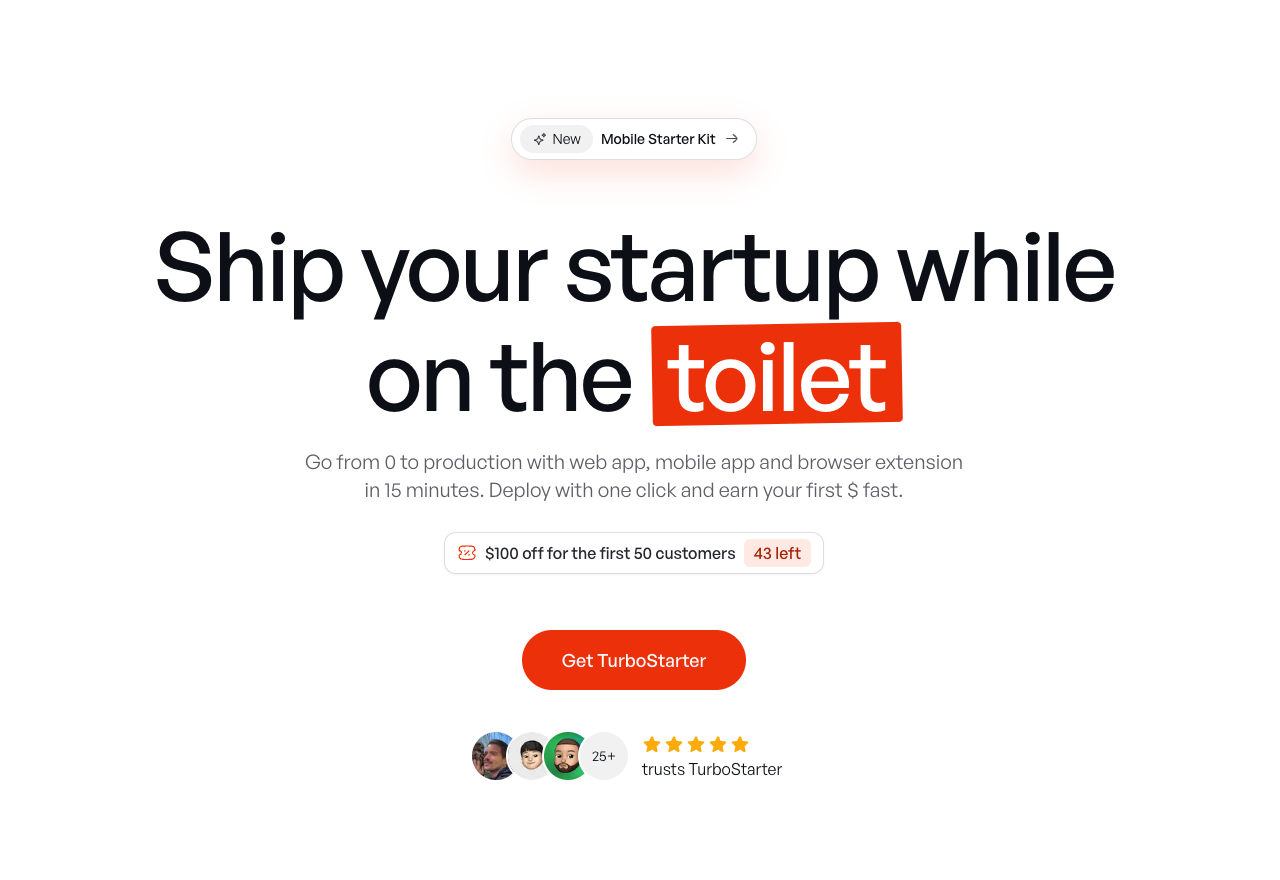
TurboStarter
Ship your startup everywhere. In minutes.
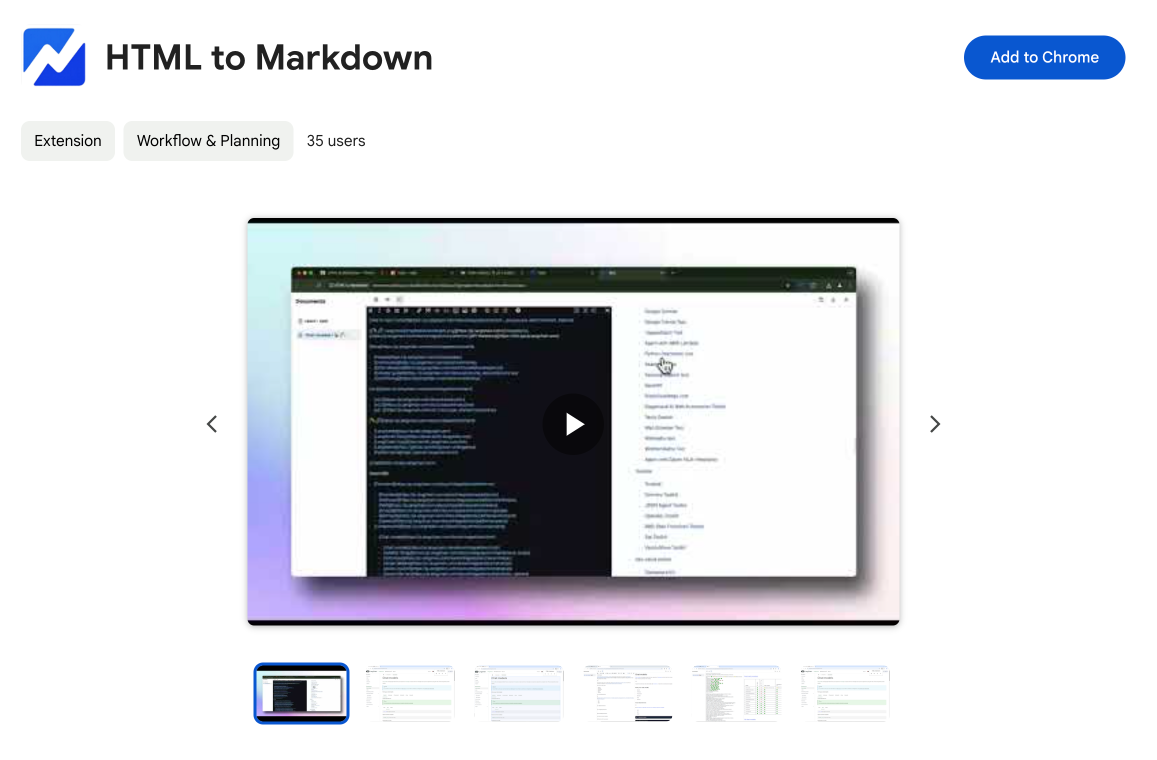
HTML to Markdown
Convert HTML to Markdown with ease, directly in your browser 📄
Dotallio
Personalized AI apps that automate research, data extraction, and content creation without code 🤖
Talk to Santa
Enjoy a magical live video chat or receive a unique AI-generated video greeting from Santa Claus 🎅
pozywka.pl
Scalable blog for food journalist, focused on performance and user experience 🌭
zagrodzki.me
Personal blog and portfolio of Bart Zagrodzki, where he shares his knowledge and work 💼
TurboStarter
Ship your startup everywhere. In minutes.
HTML to Markdown
Convert HTML to Markdown with ease, directly in your browser 📄
Dotallio
Personalized AI apps that automate research, data extraction, and content creation without code 🤖
Talk to Santa
Enjoy a magical live video chat or receive a unique AI-generated video greeting from Santa Claus 🎅
pozywka.pl
Scalable blog for food journalist, focused on performance and user experience 🌭
zagrodzki.me
Personal blog and portfolio of Bart Zagrodzki, where he shares his knowledge and work 💼
TurboStarter
Ship your startup everywhere. In minutes.
HTML to Markdown
Convert HTML to Markdown with ease, directly in your browser 📄
Dotallio
Personalized AI apps that automate research, data extraction, and content creation without code 🤖
Talk to Santa
Enjoy a magical live video chat or receive a unique AI-generated video greeting from Santa Claus 🎅
pozywka.pl
Scalable blog for food journalist, focused on performance and user experience 🌭
zagrodzki.me
Personal blog and portfolio of Bart Zagrodzki, where he shares his knowledge and work 💼
TurboStarter
Ship your startup everywhere. In minutes.
HTML to Markdown
Convert HTML to Markdown with ease, directly in your browser 📄
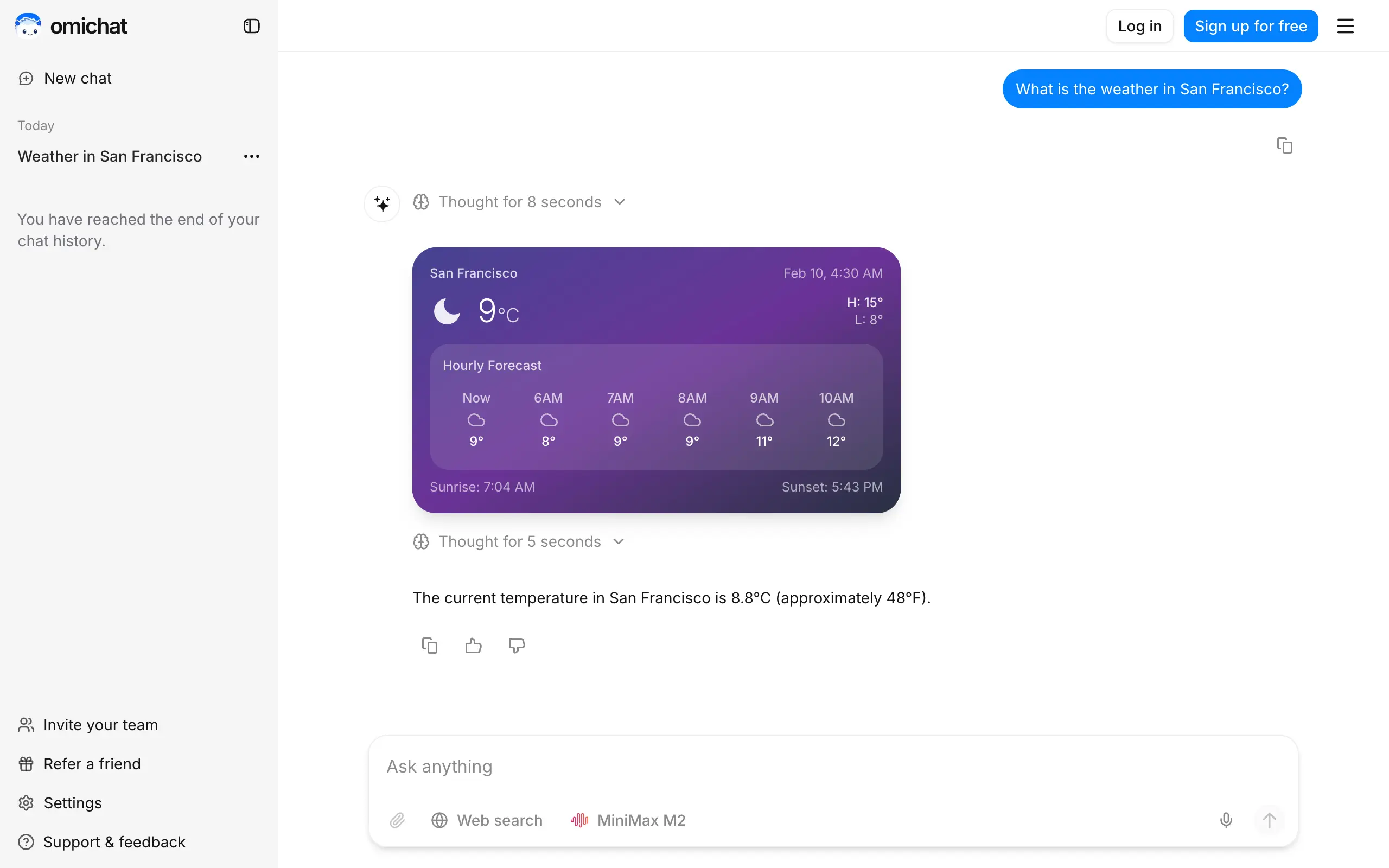
Omichat
Chat with 50+ AI models, including ChatGPT and Claude, in one place - switch models anytime without losing context 🤖
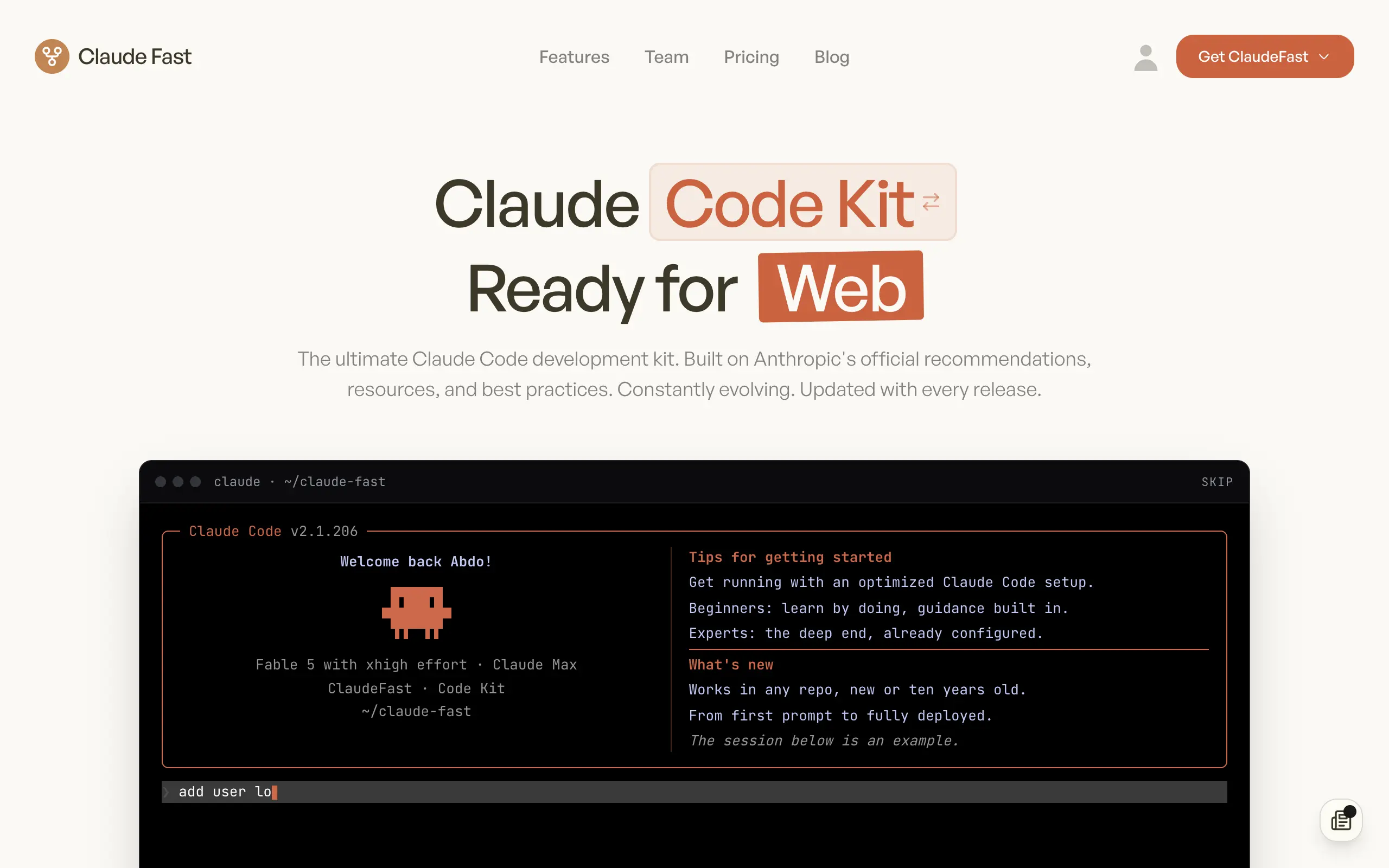
Claude Fast
Supercharge your Claude Code with 6x effective context window and specialized AI agents 🤖
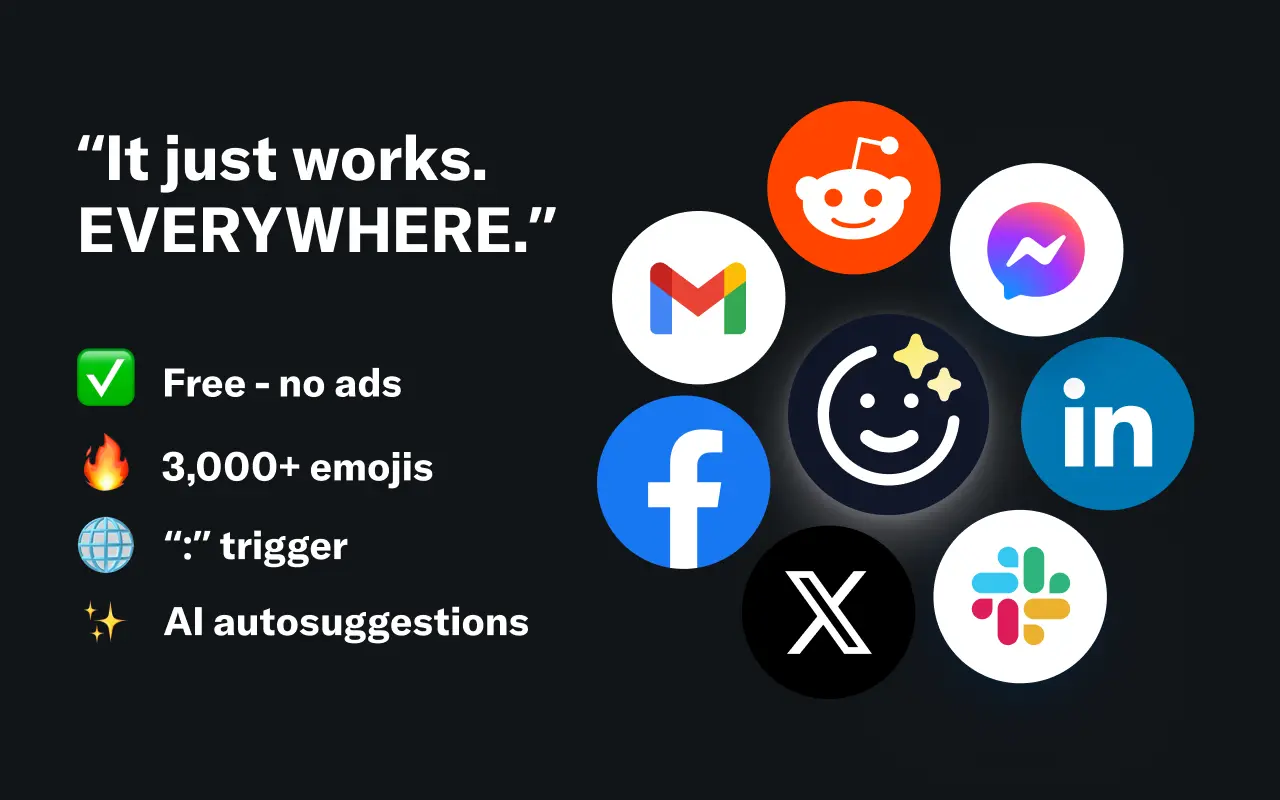
EmojAI
AI-powered emoji picker with smart, context-aware suggestions 🤖
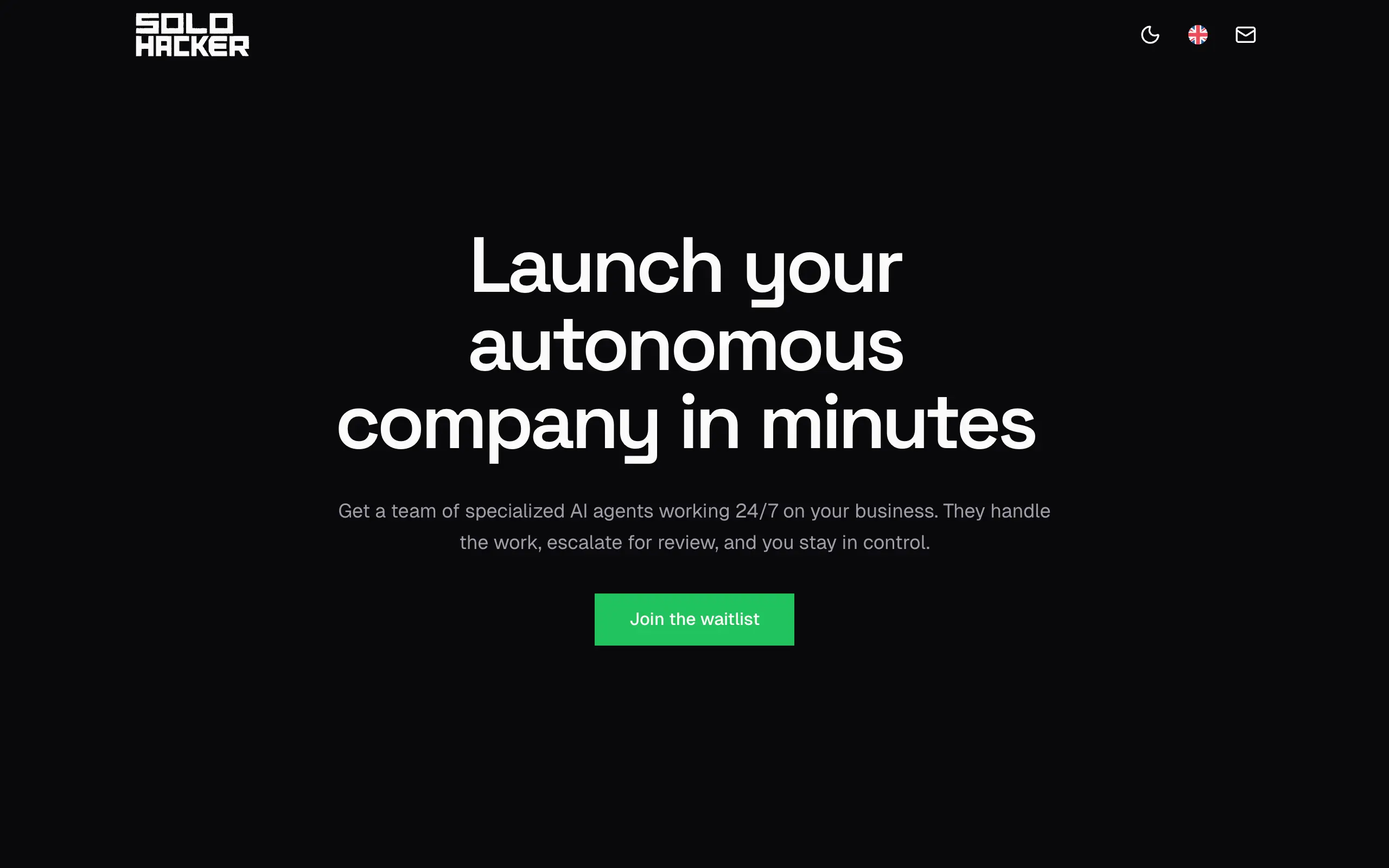
Solohacker
Autonomous company launcher - AI agents work 24/7, escalate what matters, and you stay in control 🤖
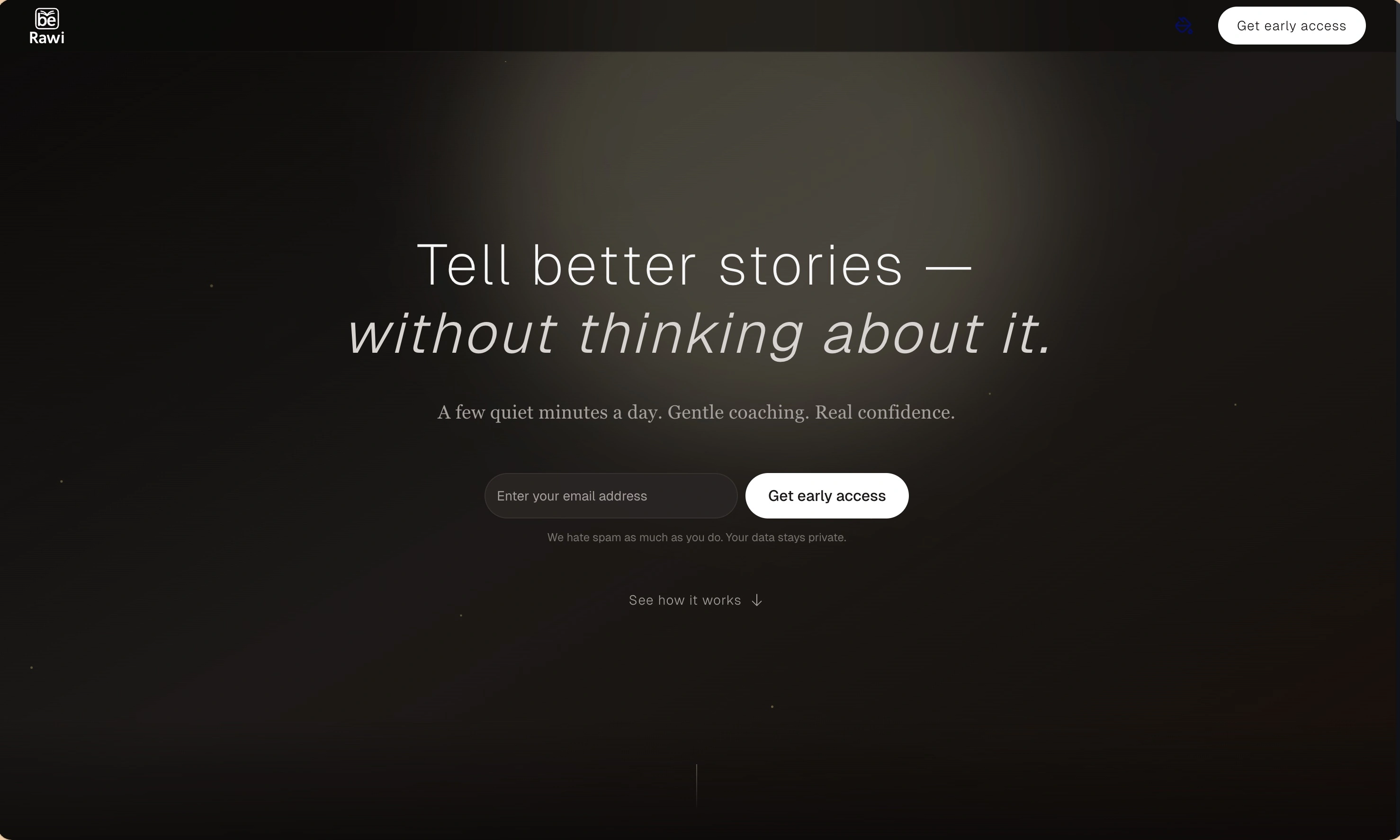
BeRawi: Storytelling Coach
Practice storytelling daily with instant feedback to sound clearer, more engaging, and confident 🎤
Omichat
Chat with 50+ AI models, including ChatGPT and Claude, in one place - switch models anytime without losing context 🤖
Claude Fast
Supercharge your Claude Code with 6x effective context window and specialized AI agents 🤖
EmojAI
AI-powered emoji picker with smart, context-aware suggestions 🤖
Solohacker
Autonomous company launcher - AI agents work 24/7, escalate what matters, and you stay in control 🤖
BeRawi: Storytelling Coach
Practice storytelling daily with instant feedback to sound clearer, more engaging, and confident 🎤
Omichat
Chat with 50+ AI models, including ChatGPT and Claude, in one place - switch models anytime without losing context 🤖
Claude Fast
Supercharge your Claude Code with 6x effective context window and specialized AI agents 🤖
EmojAI
AI-powered emoji picker with smart, context-aware suggestions 🤖
Solohacker
Autonomous company launcher - AI agents work 24/7, escalate what matters, and you stay in control 🤖
BeRawi: Storytelling Coach
Practice storytelling daily with instant feedback to sound clearer, more engaging, and confident 🎤
Omichat
Chat with 50+ AI models, including ChatGPT and Claude, in one place - switch models anytime without losing context 🤖
Claude Fast
Supercharge your Claude Code with 6x effective context window and specialized AI agents 🤖
EmojAI
AI-powered emoji picker with smart, context-aware suggestions 🤖
Solohacker
Autonomous company launcher - AI agents work 24/7, escalate what matters, and you stay in control 🤖
BeRawi: Storytelling Coach
Practice storytelling daily with instant feedback to sound clearer, more engaging, and confident 🎤

Connect with like-minded people
Join our community to get feedback, support, and grow together with 1,000+ builders on board, let's ship it!
Join usShip your startup everywhere. In minutes.
Don't burn tokens on setup and start building features on day one.