QuestRoster
Coordinate co-op sessions, movie marathons, and nights out in one smart group calendar built around every friend’s availability.
What is QuestRoster?
QuestRoster is a smart group availability calendar for friends who want to plan shared time without the endless back-and-forth of group chats. It helps groups coordinate co-op gaming sessions, movie marathons, dinners, nights out, watch parties, weekend trips, and recurring social traditions around the times people are actually free.
The core product promise is simple:
Find the best time for the group, decide faster, and protect the social plans that usually get lost in chat.
Unlike a personal calendar, QuestRoster is designed around a shared question: when can enough of the right people make it? It combines availability collection, event proposals, group preferences, RSVPs, reminders, and lightweight planning tools in a single social scheduling experience.
For a B2C product, the opportunity is not merely to create another calendar. The opportunity is to make group coordination feel less like administrative work and more like part of the fun.
Primary positioning
QuestRoster should be positioned as a group availability calendar for social plans, rather than a generic calendar app. The distinction matters because users do not wake up wanting another calendar. They want to stop losing game nights, movie plans, and catch-ups to scheduling friction.
The group scheduling problem QuestRoster solves
Most social plans fail before anyone decides they do not want to attend. They fail because the coordination process becomes too cumbersome.
A typical group-chat planning cycle looks familiar:
- Someone suggests a game night or movie marathon.
- Several people reply with partial availability.
- Others respond hours or days later.
- The original message disappears beneath unrelated conversation.
- A date is proposed that conflicts with someone important.
- The plan is postponed, fragmented, or quietly abandoned.
This pattern affects roommates, friend groups, online gaming communities, long-distance friendships, couples with shared social circles, hobby clubs, and recurring event groups. Existing tools solve only fragments of the problem.
- "Messaging apps" are excellent for conversation but poor at aggregating schedules.
- "Traditional calendars" work well for personal commitments but can feel overly formal for social plans.
- "Polling tools" help select a date but often stop being useful once a decision has been made.
- "Event platforms" are optimized for invitations and RSVPs, not discovering mutual availability.
- "Gaming community tools" organize communities but do not necessarily account for real-world calendars and time zones.
QuestRoster bridges those gaps through a focused workflow: create a group, connect or enter availability, propose an activity, identify the best session window, confirm attendance, and keep the group informed.
Why a smart group calendar is a strong B2C SaaS opportunity
The group planning market is crowded at the category level, but it remains underserved at the experience level. Consumers have calendars, chat apps, social networks, and event tools, yet many still coordinate recurring plans manually.
That creates a meaningful product gap.
The winning product does not need to replace every tool a friend group already uses. It needs to reduce the most frustrating part of planning: determining when the group can actually meet.
Social coordination is recurring, not one-time
One-off event scheduling is valuable, but recurring coordination creates stronger retention. A group that uses QuestRoster to schedule one co-op session may return every week to organize:
- Multiplayer gaming sessions
- Movie or television watch parties
- Tabletop role-playing campaigns
- Fitness classes and running groups
- Dinner clubs and brunch rotations
- Parent meetups
- Study sessions
- Sports leagues
- Concert outings
- Holiday planning
- Remote team social events
Recurring rituals create a natural retention loop. Once a group has entered preferences, availability rules, time zones, and favorite activities, switching back to unstructured chat coordination becomes less appealing.
Availability data has compounding value
A standard event RSVP tells organizers whether people can attend a specific plan. A shared availability calendar can answer higher-value questions before the plan exists.
For example, QuestRoster can help a group discover:
- The best weekly window for a recurring game night
- Which weekend supports the largest number of attendees
- Whether a late-night session excludes members in another time zone
- Which friends consistently prefer weekday evenings
- When a movie marathon can run long without creating conflicts
- Whether an event should be split into multiple sessions
This is the product’s intelligent layer. The calendar is not simply recording dates. It is helping groups make better scheduling decisions.
Modern social habits favor lightweight planning systems
Remote work, hybrid lifestyles, online communities, subscription entertainment, multiplayer gaming, and geographically distributed friendships have increased the need for asynchronous coordination. At the same time, users expect consumer apps to be mobile-friendly, immediate, and low-effort.
QuestRoster can benefit from this trend by emphasizing:
- Fast onboarding without calendar complexity
- Mobile-first availability updates
- Time zone awareness by default
- Familiar social interactions such as reactions, polls, and reminders
- Flexible privacy controls
- Deep links that work from a group chat
- Integrations with the communication tools groups already use
For market sizing claims or behavioral statistics, cite credible sources such as consumer research firms, gaming industry reports, platform investor relations reports, or public reports from organizations such as the Pew Research Center. Avoid using unverified market-size figures merely to make the opportunity sound larger.
Target audience for QuestRoster
QuestRoster should not try to serve every kind of scheduler from day one. The initial audience should be people with a recurring social coordination problem and a clear reason to invite others.
Core audience: social gaming groups
Friends coordinating co-op games, raids, tabletop campaigns, LAN parties, or weekly multiplayer sessions across different schedules and time zones.
High-retention audience: recurring friend groups
Groups that plan a regular movie night, dinner club, trivia team, sports session, or weekend outing and want to preserve the habit.
Expansion audience: community organizers
Small clubs, creator communities, campus groups, hobby groups, and volunteer organizers who need simple availability-based planning.
Primary persona: the social organizer
The primary QuestRoster user is often not the busiest person in the group. They are the person who takes responsibility for making plans happen.
They may be a Discord moderator organizing raids, a friend who always starts the group chat, a game master coordinating a campaign, or a roommate trying to keep a social circle connected. This user experiences the pain most directly because they spend time chasing replies, comparing schedules, and reminding people.
Their goals include:
- Getting reliable responses without nagging
- Choosing a time that feels fair
- Keeping recurring traditions alive
- Avoiding avoidable cancellations
- Reducing the administrative burden of organizing
- Giving quieter group members a voice in scheduling
QuestRoster should reward this organizer with clear time savings and visible group outcomes.
Secondary persona: the casual participant
Participants do not want to maintain a complicated scheduling profile. They want a fast, trustworthy way to say when they are available and know whether a plan is happening.
Their product requirements are different:
- No forced account creation before viewing an invite
- One-tap RSVP and availability responses
- Clear local-time display
- Minimal notification noise
- Private availability controls
- Calendar export after a plan is confirmed
This distinction is important. Organizers need power features; participants need frictionless participation.
Jobs to be done
QuestRoster should be designed around real user jobs rather than a feature checklist.
- "When my friends want to play together, help us find a time that works without manually comparing schedules."
- "When I organize a recurring social event, help me keep it consistent even when availability changes."
- "When I am invited to a group plan, let me share my availability without exposing my whole private calendar."
- "When a group has people in multiple time zones, prevent mistakes about local times."
- "When plans are likely to fade in chat, give the group a visible next step and timely reminder."
The QuestRoster product experience
The best QuestRoster experience should make scheduling feel like a short, guided flow rather than a spreadsheet exercise.
Group spaces built around shared activities
Each group should have a dedicated space for a social circle or recurring activity. Examples include “Friday Raid Crew,” “Cinema Sundays,” “The Dinner Club,” or “Dungeons and Dragons Campaign.”
Every group space can include:
- A member roster
- Shared time zone context
- Upcoming sessions
- Availability heatmaps
- Activity templates
- Polls and discussion context
- Event history
- Attendance patterns
- Notification preferences
The group-first model is a competitive advantage because people plan with recurring sets of friends, not with a blank address book every time.
Availability collection without calendar oversharing
Privacy is one of the biggest barriers to group calendar adoption. Many users will not connect a personal calendar if it exposes meeting titles, locations, or sensitive details.
QuestRoster should offer multiple availability modes:
- "Quick response" where members select available windows for a specific event
- "Weekly rhythm" where members set typical free periods, such as Tuesday and Thursday evenings
- "Connected calendar" where QuestRoster reads busy/free status only
- "Manual blocks" where users mark unavailable times without disclosing why
- "Preference rules" where users indicate preferred days, maximum session duration, or cutoff times
The default should be privacy-preserving. QuestRoster needs only enough information to identify mutual free time. It does not need to know that a user has a dentist appointment, therapy session, interview, or confidential work meeting.
Smart scheduling recommendations
This is the feature that turns a shared calendar into a smart group calendar.
Rather than showing a blank grid and asking users to interpret it, QuestRoster should recommend options such as:
- Best time for every required attendee
- Best time for the largest number of people
- Best recurring weekly slot
- Best option within a defined date range
- Best slot that respects preferred hours
- Best time across multiple time zones
- Best backup slot if a primary option fails
A recommendation should also explain its reasoning in plain language.
Saturday at 7:00 PM works for 7 of 8 members, includes all required players, and avoids conflicts for the next two weeks.
This transparency builds trust. Users are more likely to accept an algorithmic recommendation when they can see why it was selected.
Event templates for common plans
Templates reduce setup time and make the product feel tailored to social life.
Useful templates may include:
- Co-op gaming session
- Raid night
- Movie marathon
- Dinner reservation
- Bar or club outing
- Board game night
- Tabletop campaign
- Sports practice
- Study session
- Weekend trip
- Watch party
A “movie marathon” template, for example, could ask for start-time preferences, runtime, breaks, venue, streaming service, and voting on the lineup. A co-op session template could ask for platform, game title, expected duration, voice channel, and required player count.
RSVP, waitlist, and attendance confidence
A simple yes-or-no RSVP is insufficient for social scheduling. QuestRoster should support nuanced response states:
- Going
- Maybe
- Not going
- Available but undecided
- Late arrival
- Leaving early
- Need a ride
- Can host
- Interested in the next session
An optional attendance confidence score can help organizers assess whether an event is likely to reach the minimum participant count. This is especially useful for raids, team sports, escape rooms, and reservation-based activities.
Avoid dark patterns
Do not use guilt-driven reminders or public availability shaming to improve response rates. Social scheduling products must preserve trust. Users should control what others see, how often they are notified, and whether recurring events automatically include them.
Core features for a minimum viable product
A strong MVP should prove that QuestRoster can reduce coordination time and improve attendance. It does not need to launch with every social planning feature.
| Feature | User problem | MVP priority | Retention impact | Complexity |
|---|---|---|---|---|
| Group creation and invite links | Bringing a friend group into one space | High | High | Low |
| Availability polling | Comparing schedules in chat | High | High | Medium |
| Smart time recommendations | Choosing the best option quickly | High | High | Medium |
| RSVPs and reminders | Uncertainty after a date is chosen | High | Medium | Low |
| Calendar sync | Manual calendar entry | Medium | High | High |
| Activity templates | Repeated event setup | Medium | Medium | Low |
MVP success metrics
QuestRoster should measure behavioral outcomes, not vanity metrics alone.
Key metrics include:
- Activation rate for organizers who create a group and send an invite
- Invite acceptance rate
- Percentage of groups reaching a confirmed event
- Median time from event proposal to confirmation
- Average number of members who submit availability
- Repeat event creation within 30 days
- Weekly active groups rather than only weekly active users
- Event attendance rate compared with RSVP count
- Notification opt-out rate
- Calendar connection rate, if calendar sync is offered
The most important early metric is likely confirmed group sessions per active group per month. It captures whether QuestRoster helps people do the thing the product promises: spend time together.
Recommended technology stack for a group availability calendar
QuestRoster needs a stack that supports a responsive consumer experience, reliable date handling, secure authentication, notifications, and scheduling logic.
Frontend and application framework
A practical foundation is Next.js with React and TypeScript. This stack supports fast iteration, server-side rendering where useful, route handlers, API endpoints, and a mature component ecosystem.
For UI development, Tailwind CSS offers speed and design consistency, particularly for a product with many responsive calendar views, cards, RSVP states, and modal interactions.
Recommended frontend choices include:
- "Framework" using Next.js for web application delivery
- "Language" using TypeScript for safer scheduling and data models
- "Styling" using Tailwind CSS for rapid, consistent interface development
- "Forms" using a validated form library and shared schemas
- "State" using server-first data patterns with lightweight client state where required
- "Mobile strategy" starting with a responsive web app, then considering native apps after retention validates the use case
A responsive web application is usually the best MVP decision. Native mobile apps can improve notification delivery and calendar integration later, but maintaining iOS, Android, and web clients too early can slow product learning.
Database and scheduling data model
Use PostgreSQL for the transactional data layer. Group memberships, events, RSVPs, permissions, availability rules, and notification settings all fit relational modeling well.
Potential core entities include:
type Group = {
  id: string
  name: string
  timezone: string
  createdByUserId: string
}

type EventProposal = {
  id: string
  groupId: string
  title: string
  startsAt: Date
  endsAt: Date
  minimumAttendees: number
  status: "draft" | "polling" | "confirmed" | "cancelled"
}

type AvailabilityWindow = {
  id: string
  userId: string
  groupId: string
  startsAt: Date
  endsAt: Date
  state: "available" | "maybe" | "unavailable"
}
The primary engineering challenge is not storing events. It is correctly calculating overlapping availability across users, date ranges, daylight saving time boundaries, recurring rules, optional attendees, and time zones.
Use well-tested date-time tooling rather than writing custom time zone logic. Product teams should explicitly test daylight saving transitions, international groups, overnight sessions, and recurring events that shift relative to UTC.
Authentication, payments, and infrastructure
For authentication, use a mature provider or a robust standards-based implementation. Social products benefit from email login, magic links, and social sign-in options that reduce invite friction.
For payments, Stripe is a strong choice for subscriptions, checkout, customer billing portals, and tax-related workflows.
For deployment, Vercel is a natural fit for a Next.js application. Add background processing for reminders, recurring event generation, notification delivery, and calendar synchronization.
Start with a modular monolith. Keep the application, database, and background jobs straightforward. This supports faster product discovery, lower operational complexity, and easier iteration while the team validates the onboarding and scheduling experience.
As usage grows, isolate notification processing, calendar synchronization, recommendation calculations, and analytics pipelines. These workloads can become operationally distinct from the main application, especially when groups have recurring events and many reminders.
Calendar integrations and their trade-offs
Calendar sync is valuable but should not block the MVP.
The product can initially offer manual availability and event export. Later, it can support integrations with Google Calendar, Apple Calendar through standard calendar feeds, and Microsoft calendars where appropriate.
Trade-offs include:
- "Read-only busy/free sync" provides better recommendations while limiting privacy risk.
- "Two-way synchronization" improves convenience but increases conflict resolution complexity.
- "ICS export" is simple and widely compatible but does not provide real-time availability.
- "OAuth calendar connections" require rigorous token security, consent screens, revocation flows, and provider policy compliance.
The initial product should prioritize availability input and confirmed-event export. Full calendar synchronization can follow once users demonstrate that it materially improves retention.
Monetization strategy for QuestRoster
The freemium model is a natural fit because group scheduling products rely on viral invitations. Charging every invited participant creates adoption friction, while charging organizers can align with the users receiving the clearest value.
Recommended pricing model
A useful initial structure is:
- "Free plan" for a limited number of active groups, availability polls, and basic reminders
- "QuestRoster Plus" for unlimited groups, recurring events, advanced availability insights, calendar sync, and custom reminders
- "Group plan" for shared premium access across a friend group or community
- "Organizer plan" for hobby organizers, small clubs, and recurring event hosts
Potential premium features include:
- Advanced recurring scheduling
- Automatic best-time recommendations
- Larger group sizes
- Attendance analytics
- Multiple event templates
- Priority notifications
- Shared planning notes
- Custom group branding
- Calendar integrations
- Advanced privacy controls
- Reservation and expense-planning integrations
Avoid placing the essential scheduling loop behind a paywall. If free users cannot successfully coordinate a group event, the product will undermine its own acquisition engine.
Additional revenue opportunities
Once core product-market fit is proven, QuestRoster could explore:
- Partner offers for games, streaming services, restaurants, and local activities
- Affiliate revenue from group bookings where disclosure is clear
- Premium templates for tabletop, travel, fitness, or community planning
- Creator and community tools
- White-label scheduling tools for paid communities
These should remain secondary to subscription revenue. Sponsored recommendations can quickly erode trust if users believe the app is steering social plans toward commercial partners rather than the best option for their group.
Competitive advantage and differentiation
QuestRoster should not compete by claiming to be a better version of every calendar, poll, or messaging product. Its advantage comes from serving a narrow but emotionally meaningful workflow better than general-purpose alternatives.
QuestRoster versus group chats
Group chats are where plans begin, but they are not where scheduling decisions are managed well. Messages are chronological, availability is unstructured, and commitments are easy to miss.
QuestRoster can complement group chat with shareable invite links, event summaries, decision-ready schedules, and reminders. The product should make it easy to start in chat and finish in QuestRoster.
QuestRoster versus polling tools
Polling tools are useful for selecting one date. QuestRoster can become more valuable by retaining group context over time.
Its differentiators include:
- Persistent group availability
- Reusable preferences
- Recurring event patterns
- Event history
- Smart recommendations
- Time zone handling
- RSVP tracking after the vote
- Calendar export and reminders
QuestRoster versus traditional calendars
Traditional calendars are often designed around individual productivity and work meetings. QuestRoster is designed around social momentum.
Its user experience should feel lighter, warmer, and more collaborative. It should prioritize questions such as “Who is free for a three-hour session this weekend?” over enterprise questions such as “Which conference room is available?”
QuestRoster is a social-first group availability calendar that helps friends find the best time for shared activities, then turns that time into a confirmed plan with minimal coordination overhead.
Users do not need to abandon chat. QuestRoster wins when it removes the scheduling chaos that chat creates, while letting groups share a simple link back into the conversation they already use.
The strongest defensibility is accumulated group context: availability patterns, recurring rituals, preferences, event history, templates, and trusted coordination habits. The more a group plans through QuestRoster, the more useful it becomes.
Risks and how to mitigate them
Every social scheduling product faces adoption, privacy, and retention risks. Addressing them early will improve both product quality and user trust.
Cold-start risk
A group calendar has limited value until several members participate. If invitees do not join or submit availability, the organizer sees no benefit.
Mitigation tactics include:
- Allowing invitees to respond without a full account
- Providing shareable links with a clear one-action flow
- Letting organizers enter expected availability manually when needed
- Sending polite, configurable nudges
- Showing partial results as responses arrive
- Offering event templates that make the value obvious immediately
Privacy risk
People are cautious about sharing schedules, especially when work and personal calendars overlap.
Mitigation tactics include:
- Defaulting to busy/free visibility rather than event details
- Making group-level visibility rules explicit
- Allowing manual availability without calendar connections
- Giving users control over what each group can see
- Providing clear data deletion and account management tools
- Publishing transparent privacy documentation before requesting sensitive calendar permissions
Notification fatigue
A social planning app can become annoying quickly if reminders are excessive.
Mitigation tactics include:
- Bundling notifications intelligently
- Offering quiet hours and per-group notification controls
- Sending reminders only when users have an action to take
- Using digest options for recurring groups
- Measuring notification opt-outs as a product health metric
Overbuilding risk
It is tempting to add chat, payments, polls, task lists, photo albums, venue discovery, and every possible social feature. This would dilute the core proposition.
Mitigation is simple: prioritize the loop of availability → recommendation → confirmation → attendance → repeat. Every feature should strengthen one part of that loop.
Actionable implementation roadmap
The fastest path to validating QuestRoster is to launch a focused MVP for one high-frequency use case, such as gaming groups or recurring friend-group events.
Define the first wedge audience. Interview 20 to 30 organizers of recurring gaming sessions, movie nights, tabletop groups, or friend-group traditions. Ask for recent examples of plans that failed and document the exact coordination workflow.
Build the smallest complete planning loop. Include group creation, invite links, event proposals, availability responses, best-time recommendations, RSVPs, and reminders.
Test privacy assumptions before adding calendar connections. Validate whether users prefer manual availability, weekly availability patterns, or busy/free calendar sync.
Launch with concierge onboarding. Personally help early organizers create their first group and schedule their first event. Observe where invitees abandon the process.
Measure confirmed sessions and repeat usage. Improve the product based on whether groups schedule again, not simply whether they create accounts.
Add recurring scheduling and calendar export after the core loop works. Expand to deeper integrations, premium plans, and vertical templates only after retention signals are clear.
For founders who want to move from validation to production faster, TurboStarter can provide a practical SaaS foundation for building authentication, billing, application structure, and launch-ready workflows without recreating common infrastructure from scratch.
Final takeaway
QuestRoster has a compelling opportunity because it solves a frequent, emotionally relevant problem that existing tools handle poorly: making social plans happen when real schedules are complicated.
Its success depends on remaining focused. The product should not become a generic calendar, a replacement messaging app, or an overloaded event platform. It should become the fastest, most trusted way for a group to answer one question:
When can we all do this together?
By combining privacy-aware availability sharing, intelligent scheduling recommendations, recurring group spaces, lightweight RSVP flows, and chat-friendly invitations, QuestRoster can turn vague plans into real shared experiences.
More 👥 B2C Application SaaS ideas
Discover more innovative b2c application SaaS ideas that are trending in 2026. Each idea is AI-generated with market validation and growth potential to help you find your next profitable venture faster than competitors.
Your competitors are building with TurboStarter
Below are some of the SaaS ideas that have been generated and built with our starter kit.
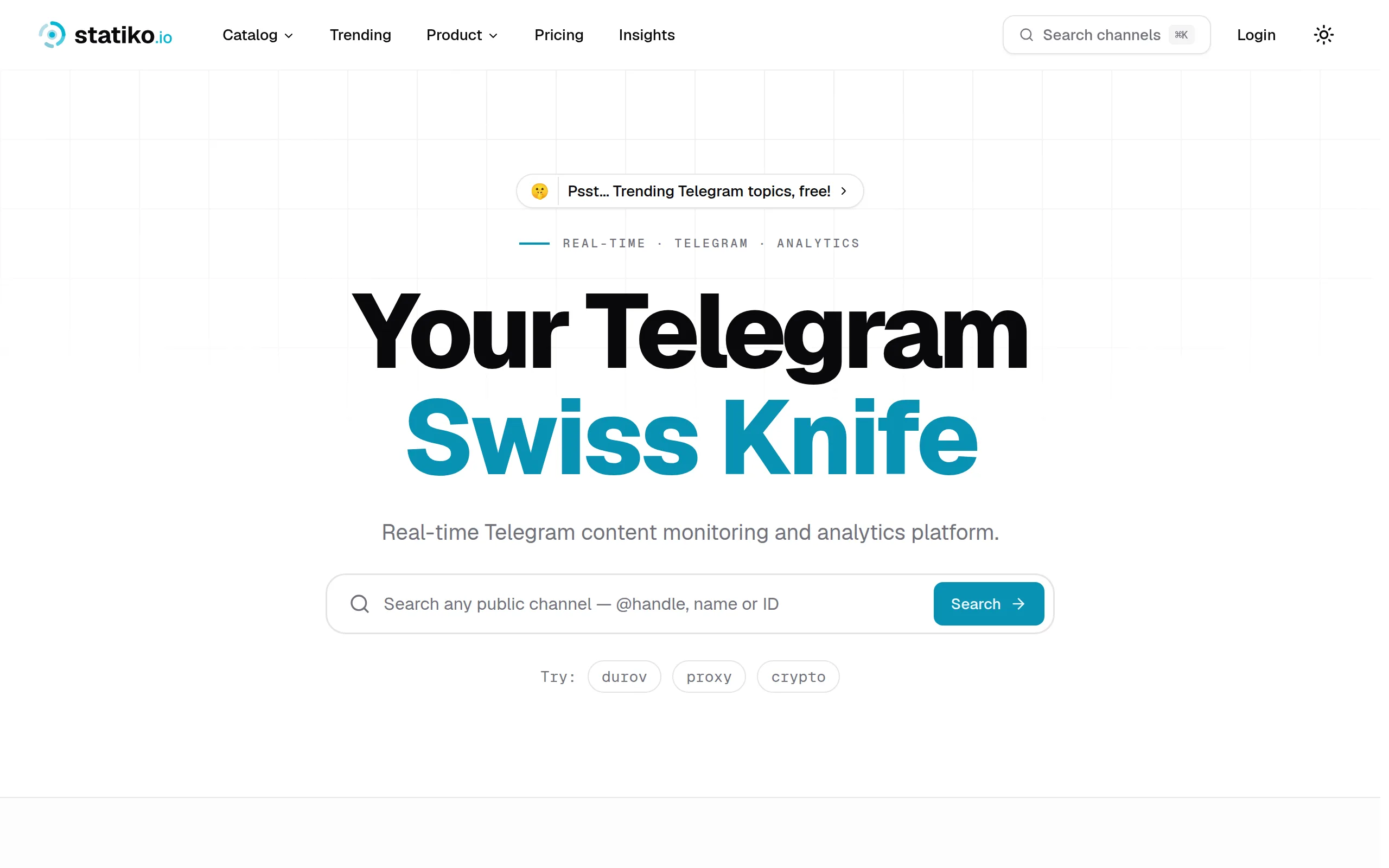
Statiko
Monitor any Telegram channel in real time - track posts, edits, deletions, and growth with AI recaps 📡
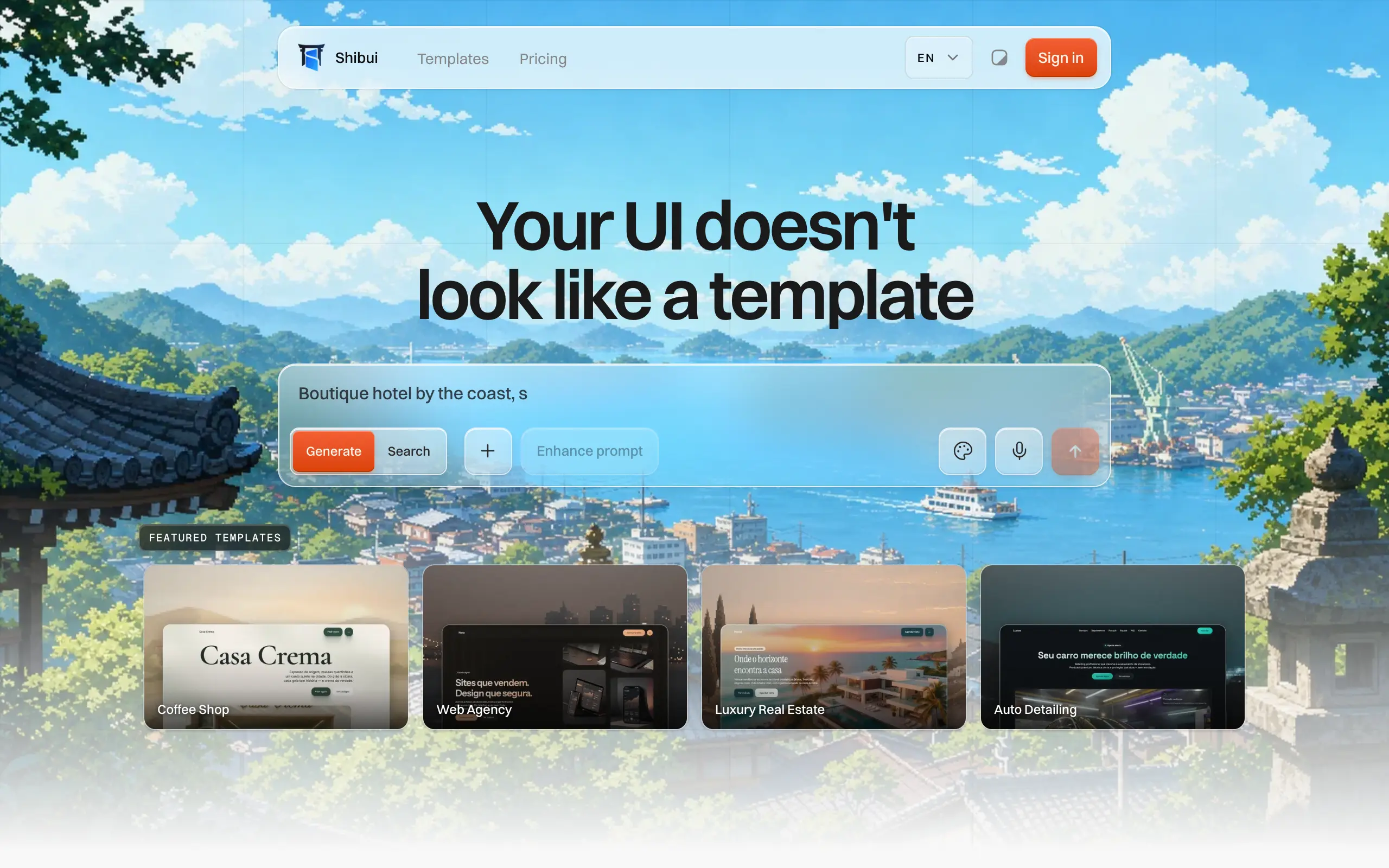
Shibui
AI website builder - describe your business, pick a niche template, edit by chatting, and publish instantly ✨
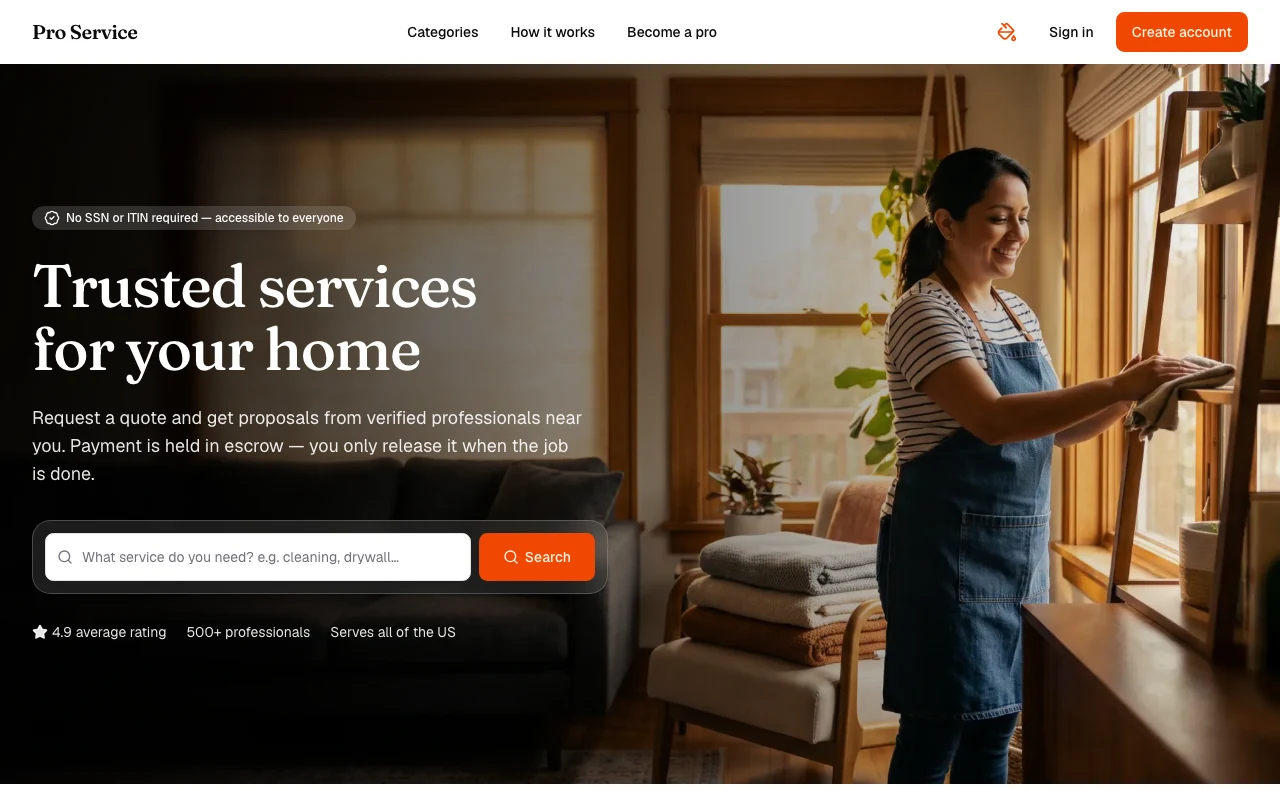
Pro Service
Find verified home service professionals, compare quotes, and pay securely through escrow - built for Brazilians across the US 🏠
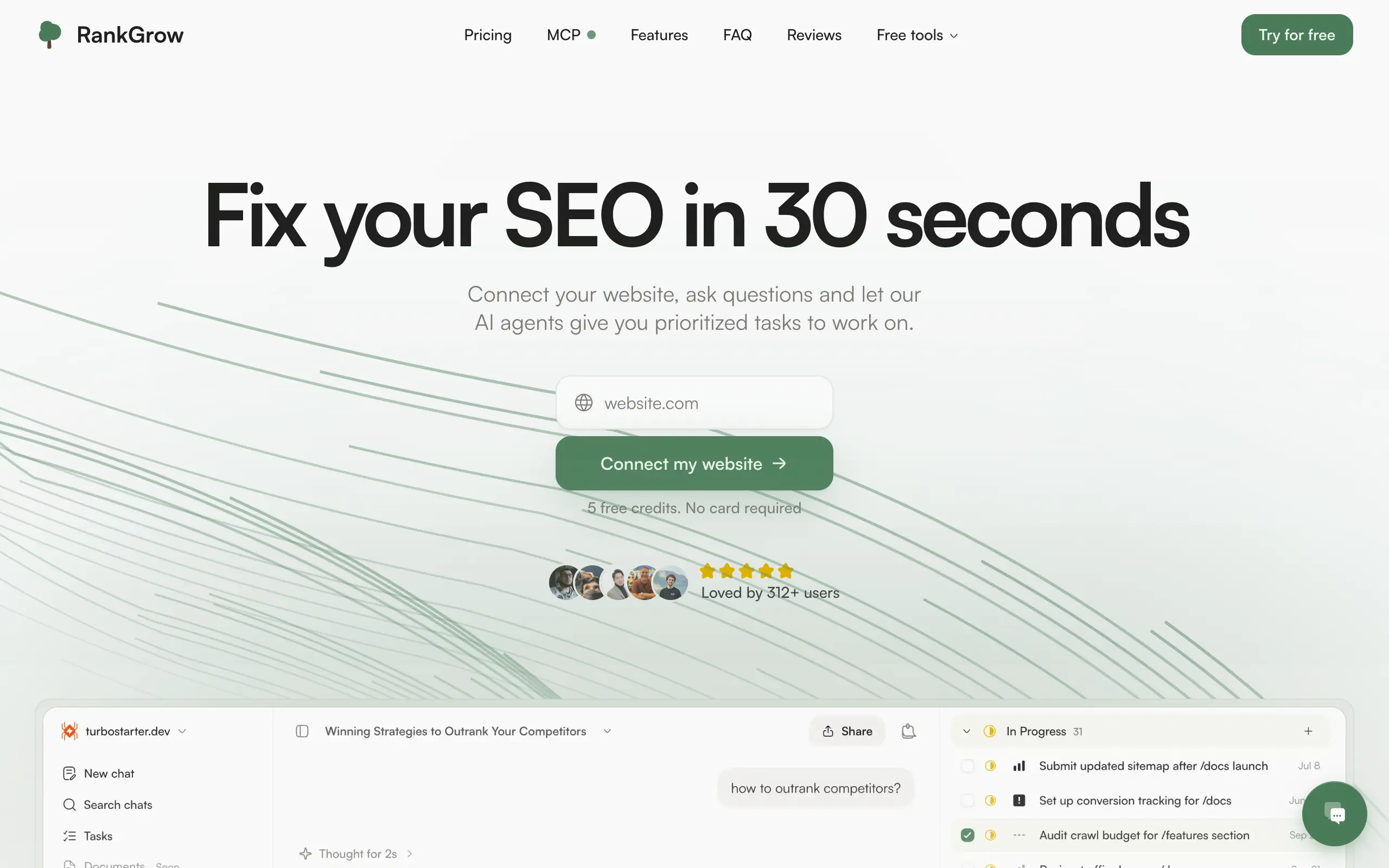
RankGrow
Fix your SEO with AI agents - connect Search Console, get prioritized tasks, and grow organic traffic 📈
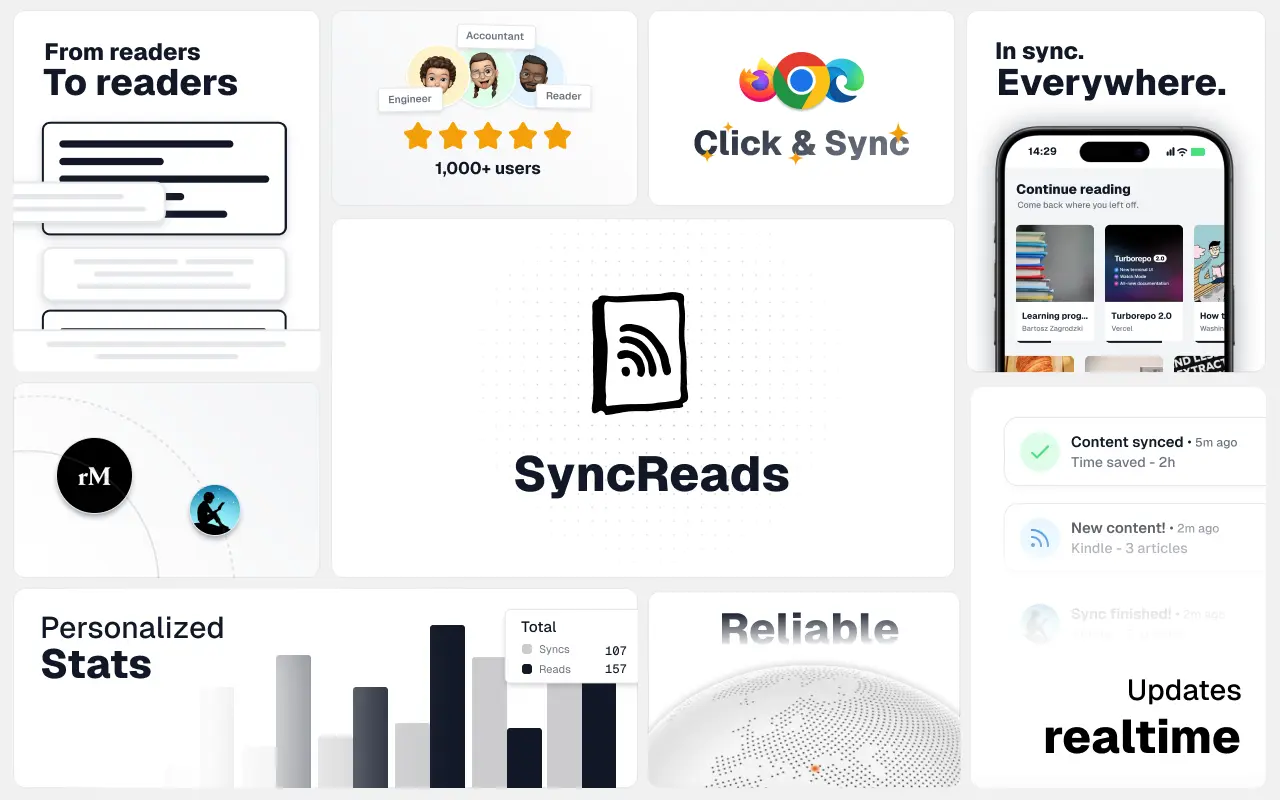
SyncReads
Sync your favorite content for distraction-free reading, save time and replace multiple apps. Anytime, anywhere 🔄
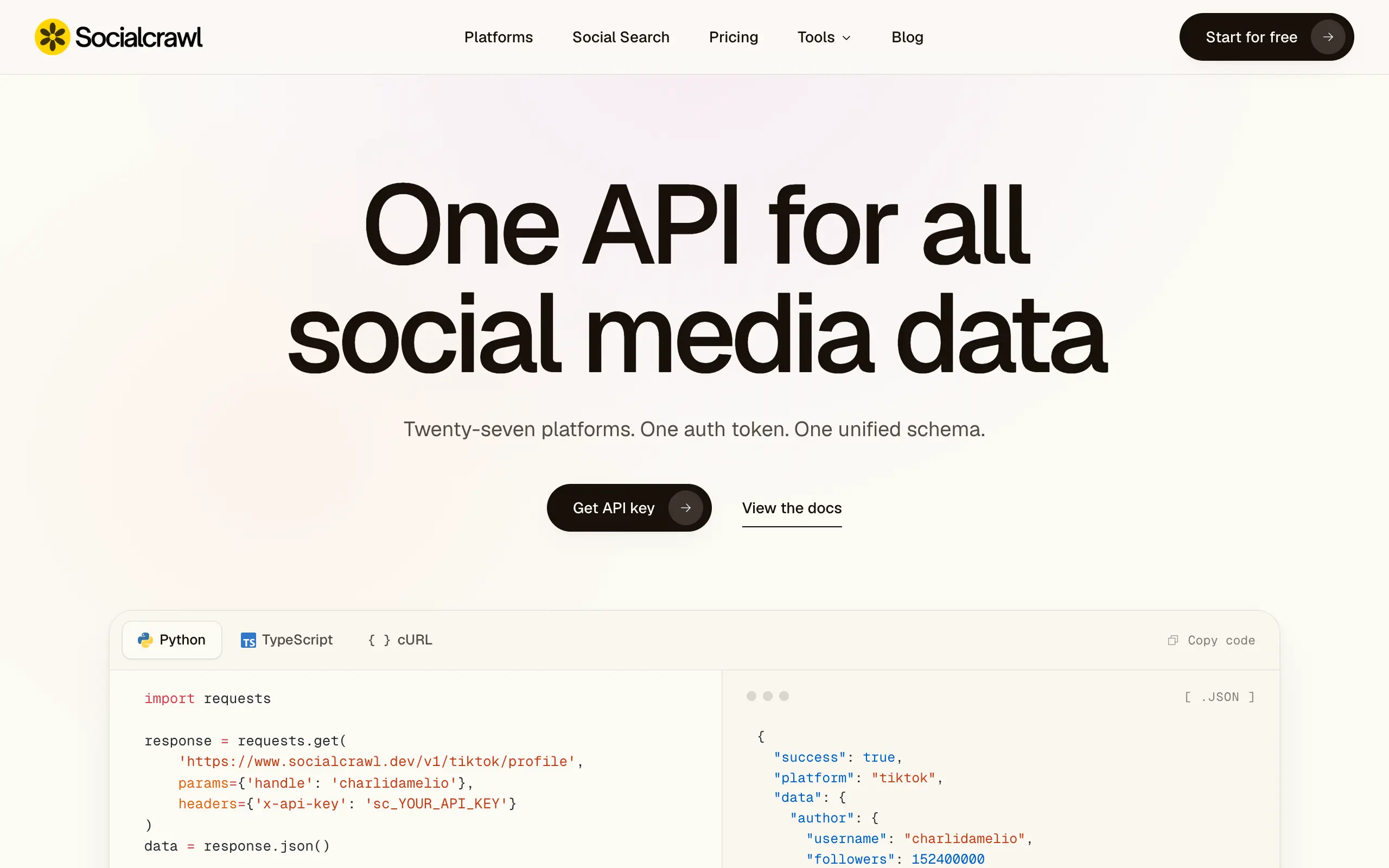
Socialcrawl
Get clean, structured data from 21 platforms like TikTok, Instagram, and YouTube with a single request 📊
Statiko
Monitor any Telegram channel in real time - track posts, edits, deletions, and growth with AI recaps 📡
Shibui
AI website builder - describe your business, pick a niche template, edit by chatting, and publish instantly ✨
Pro Service
Find verified home service professionals, compare quotes, and pay securely through escrow - built for Brazilians across the US 🏠
RankGrow
Fix your SEO with AI agents - connect Search Console, get prioritized tasks, and grow organic traffic 📈
SyncReads
Sync your favorite content for distraction-free reading, save time and replace multiple apps. Anytime, anywhere 🔄
Socialcrawl
Get clean, structured data from 21 platforms like TikTok, Instagram, and YouTube with a single request 📊
Statiko
Monitor any Telegram channel in real time - track posts, edits, deletions, and growth with AI recaps 📡
Shibui
AI website builder - describe your business, pick a niche template, edit by chatting, and publish instantly ✨
Pro Service
Find verified home service professionals, compare quotes, and pay securely through escrow - built for Brazilians across the US 🏠
RankGrow
Fix your SEO with AI agents - connect Search Console, get prioritized tasks, and grow organic traffic 📈
SyncReads
Sync your favorite content for distraction-free reading, save time and replace multiple apps. Anytime, anywhere 🔄
Socialcrawl
Get clean, structured data from 21 platforms like TikTok, Instagram, and YouTube with a single request 📊
Statiko
Monitor any Telegram channel in real time - track posts, edits, deletions, and growth with AI recaps 📡
Shibui
AI website builder - describe your business, pick a niche template, edit by chatting, and publish instantly ✨
Pro Service
Find verified home service professionals, compare quotes, and pay securely through escrow - built for Brazilians across the US 🏠
RankGrow
Fix your SEO with AI agents - connect Search Console, get prioritized tasks, and grow organic traffic 📈
SyncReads
Sync your favorite content for distraction-free reading, save time and replace multiple apps. Anytime, anywhere 🔄
Socialcrawl
Get clean, structured data from 21 platforms like TikTok, Instagram, and YouTube with a single request 📊
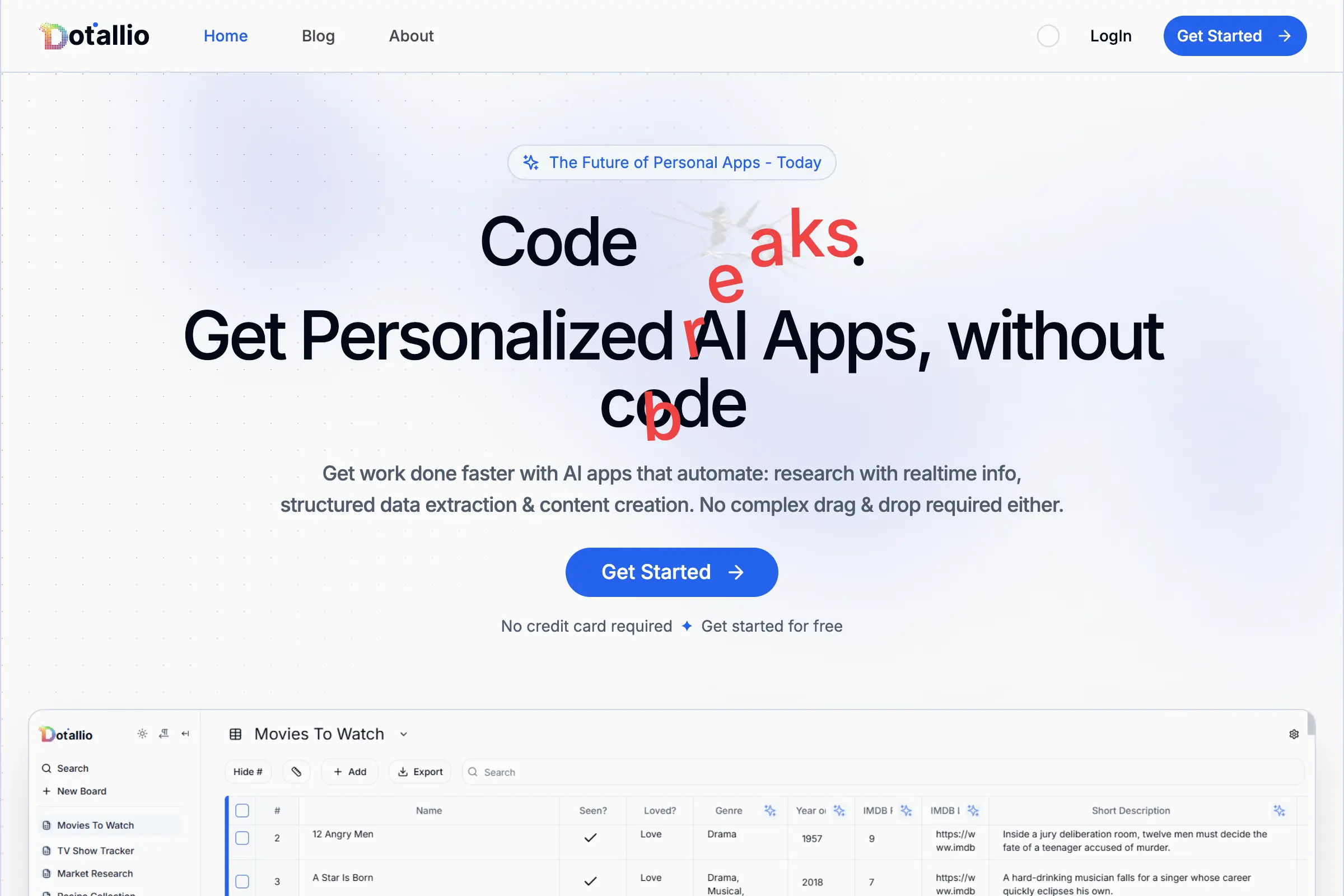
Dotallio
Personalized AI apps that automate research, data extraction, and content creation without code 🤖
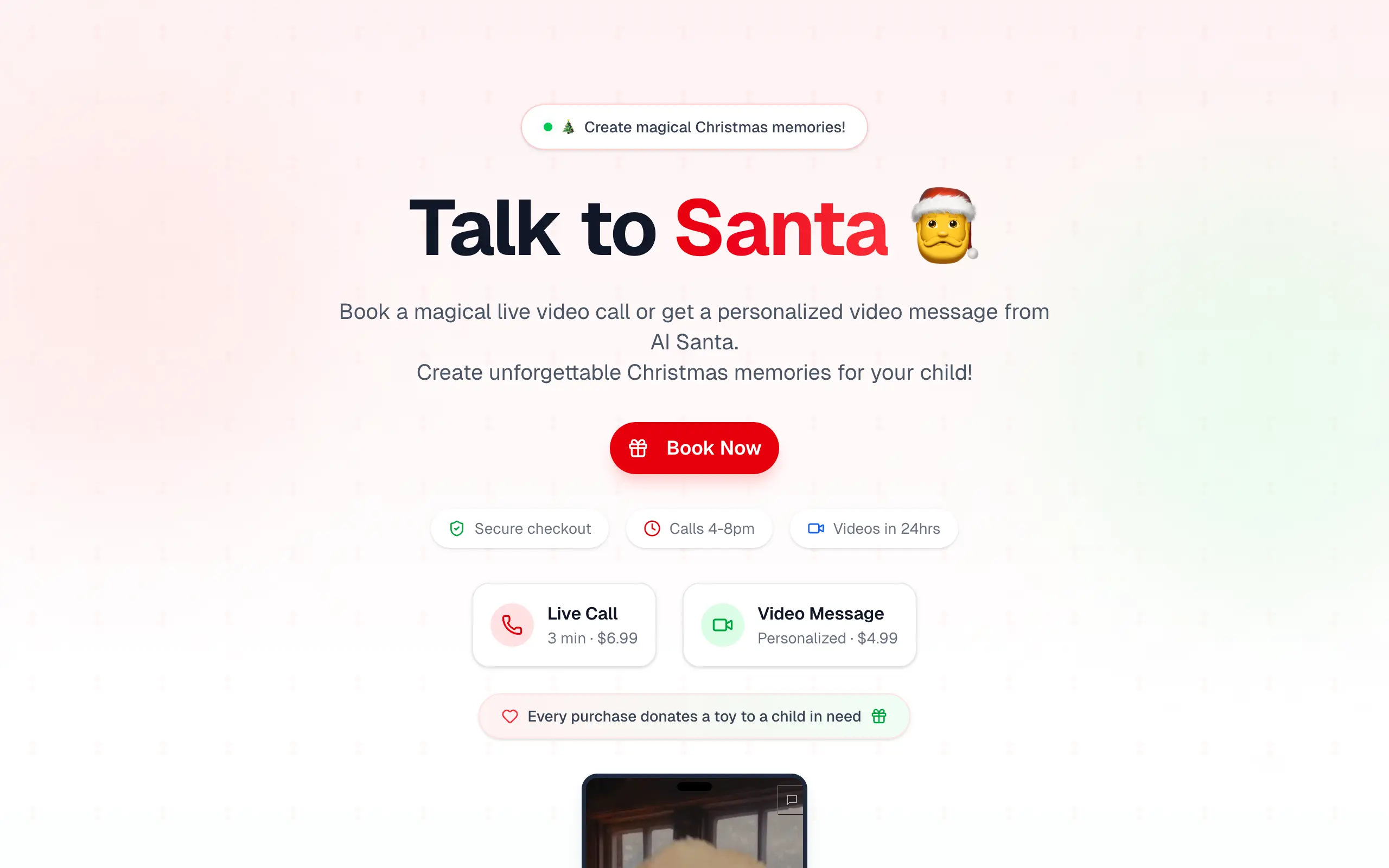
Talk to Santa
Enjoy a magical live video chat or receive a unique AI-generated video greeting from Santa Claus 🎅
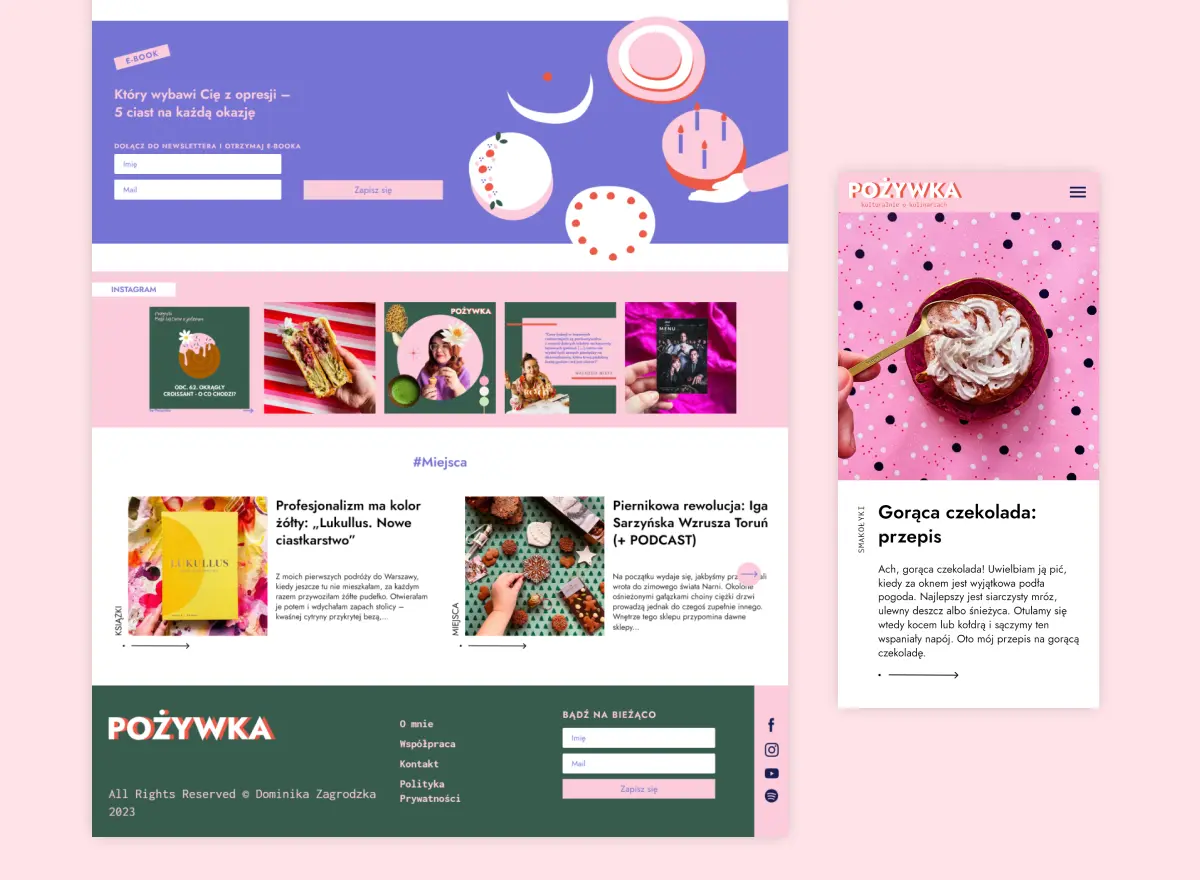
pozywka.pl
Scalable blog for food journalist, focused on performance and user experience 🌭
zagrodzki.me
Personal blog and portfolio of Bart Zagrodzki, where he shares his knowledge and work 💼
TurboStarter
Ship your startup everywhere. In minutes.
HTML to Markdown
Convert HTML to Markdown with ease, directly in your browser 📄
Dotallio
Personalized AI apps that automate research, data extraction, and content creation without code 🤖
Talk to Santa
Enjoy a magical live video chat or receive a unique AI-generated video greeting from Santa Claus 🎅
pozywka.pl
Scalable blog for food journalist, focused on performance and user experience 🌭
zagrodzki.me
Personal blog and portfolio of Bart Zagrodzki, where he shares his knowledge and work 💼
TurboStarter
Ship your startup everywhere. In minutes.
HTML to Markdown
Convert HTML to Markdown with ease, directly in your browser 📄
Dotallio
Personalized AI apps that automate research, data extraction, and content creation without code 🤖
Talk to Santa
Enjoy a magical live video chat or receive a unique AI-generated video greeting from Santa Claus 🎅
pozywka.pl
Scalable blog for food journalist, focused on performance and user experience 🌭
zagrodzki.me
Personal blog and portfolio of Bart Zagrodzki, where he shares his knowledge and work 💼
TurboStarter
Ship your startup everywhere. In minutes.
HTML to Markdown
Convert HTML to Markdown with ease, directly in your browser 📄
Dotallio
Personalized AI apps that automate research, data extraction, and content creation without code 🤖
Talk to Santa
Enjoy a magical live video chat or receive a unique AI-generated video greeting from Santa Claus 🎅
pozywka.pl
Scalable blog for food journalist, focused on performance and user experience 🌭
zagrodzki.me
Personal blog and portfolio of Bart Zagrodzki, where he shares his knowledge and work 💼
TurboStarter
Ship your startup everywhere. In minutes.
HTML to Markdown
Convert HTML to Markdown with ease, directly in your browser 📄
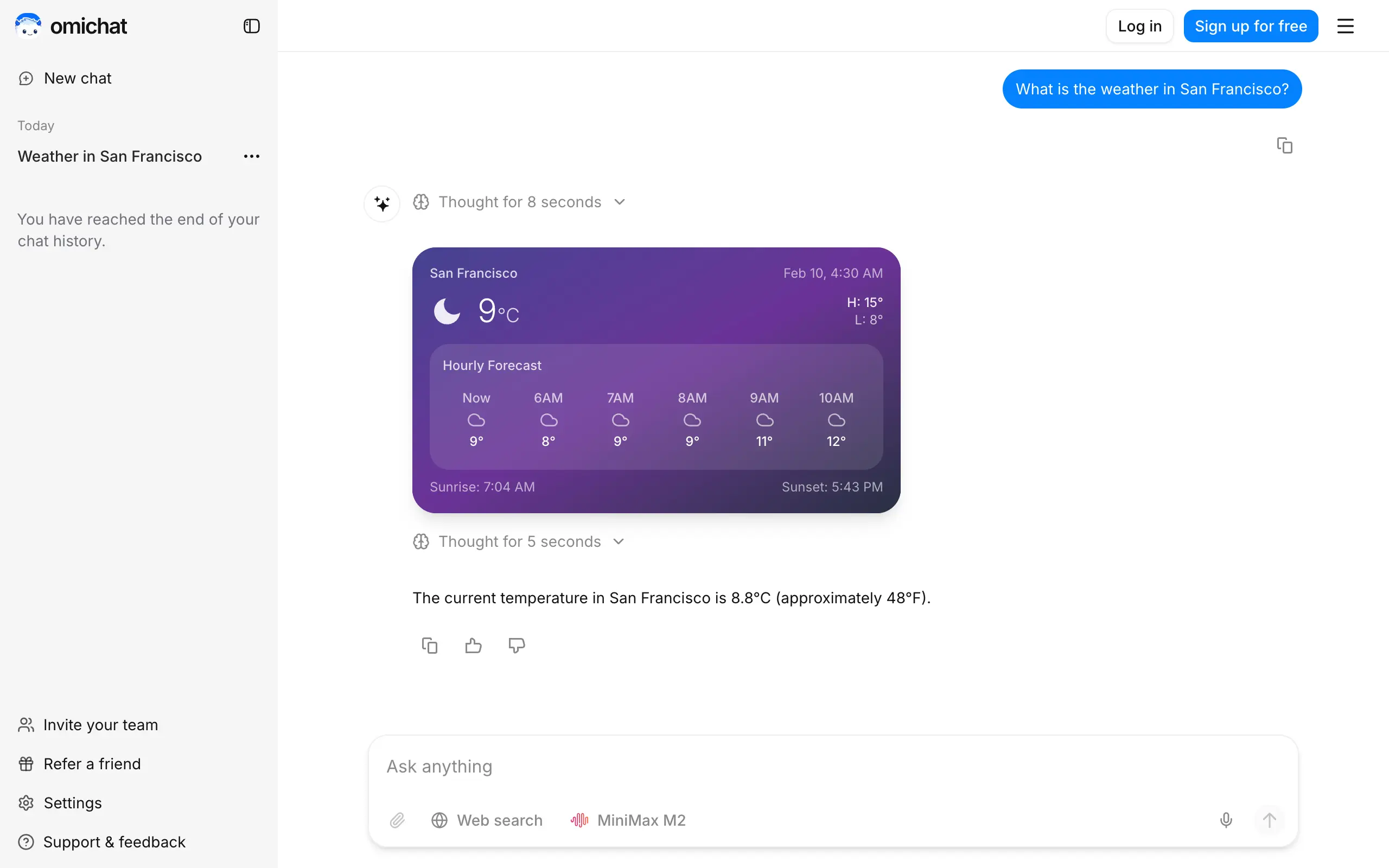
Omichat
Chat with 50+ AI models, including ChatGPT and Claude, in one place - switch models anytime without losing context 🤖
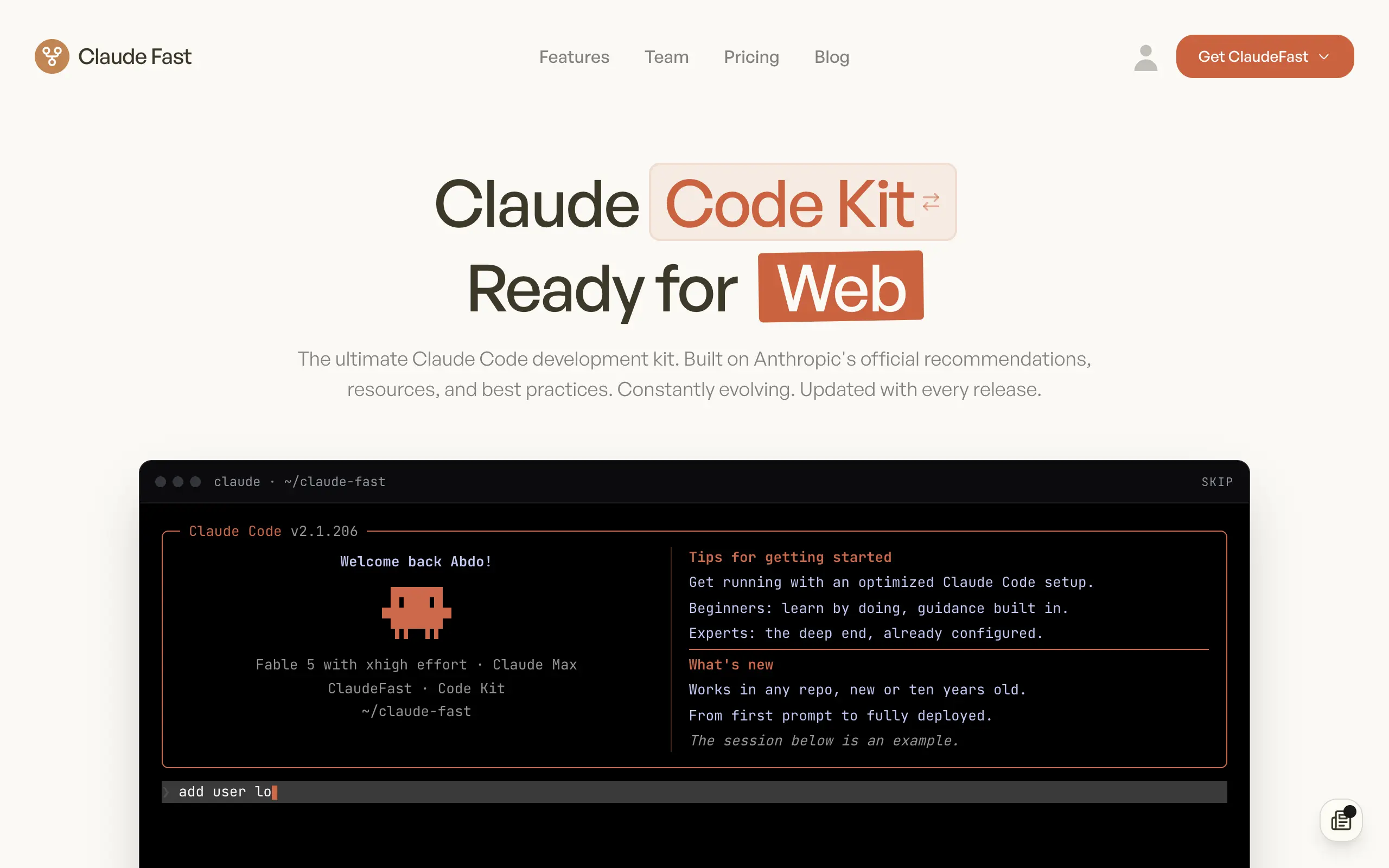
Claude Fast
Supercharge your Claude Code with 6x effective context window and specialized AI agents 🤖
EmojAI
AI-powered emoji picker with smart, context-aware suggestions 🤖
Solohacker
Autonomous company launcher - AI agents work 24/7, escalate what matters, and you stay in control 🤖
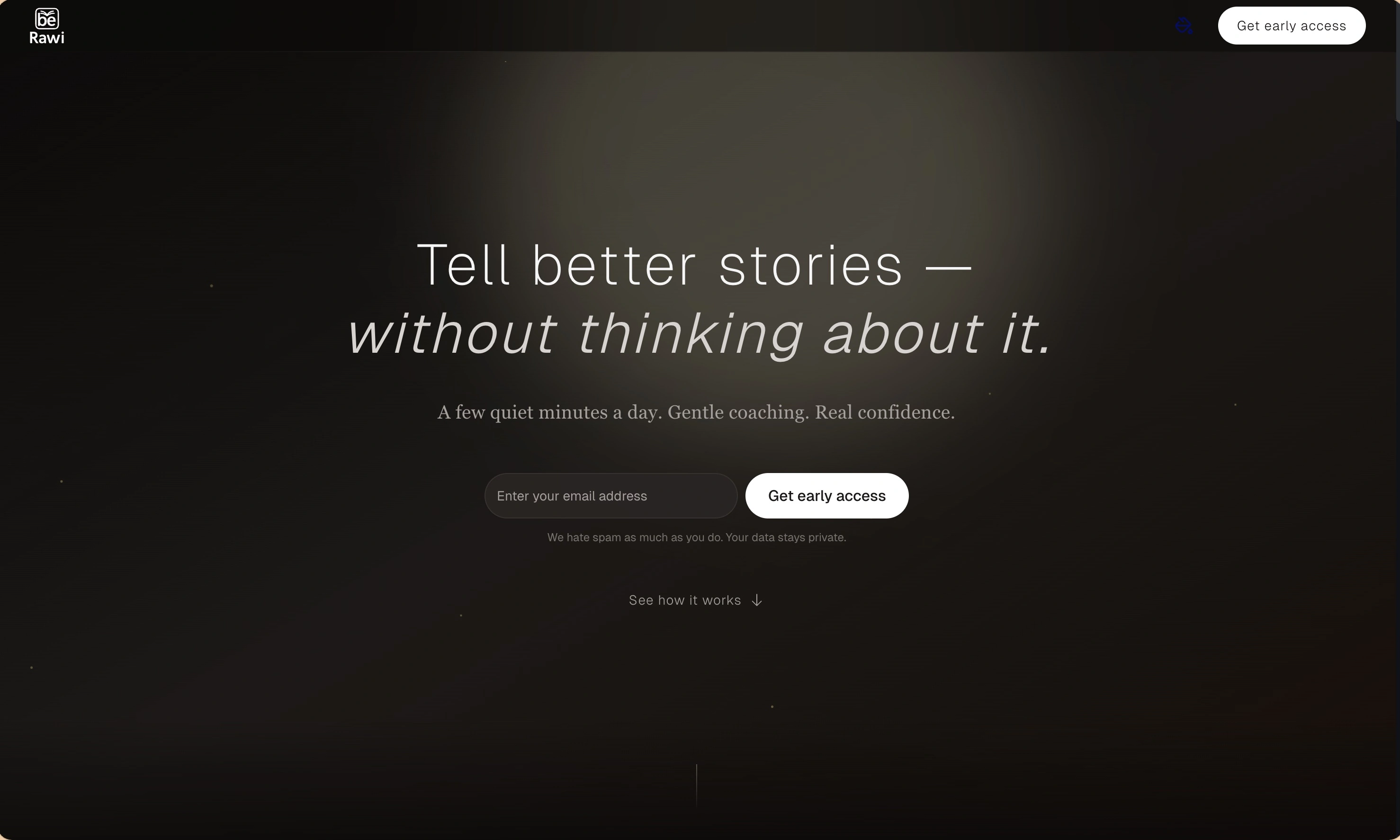
BeRawi: Storytelling Coach
Practice storytelling daily with instant feedback to sound clearer, more engaging, and confident 🎤
Omichat
Chat with 50+ AI models, including ChatGPT and Claude, in one place - switch models anytime without losing context 🤖
Claude Fast
Supercharge your Claude Code with 6x effective context window and specialized AI agents 🤖
EmojAI
AI-powered emoji picker with smart, context-aware suggestions 🤖
Solohacker
Autonomous company launcher - AI agents work 24/7, escalate what matters, and you stay in control 🤖
BeRawi: Storytelling Coach
Practice storytelling daily with instant feedback to sound clearer, more engaging, and confident 🎤
Omichat
Chat with 50+ AI models, including ChatGPT and Claude, in one place - switch models anytime without losing context 🤖
Claude Fast
Supercharge your Claude Code with 6x effective context window and specialized AI agents 🤖
EmojAI
AI-powered emoji picker with smart, context-aware suggestions 🤖
Solohacker
Autonomous company launcher - AI agents work 24/7, escalate what matters, and you stay in control 🤖
BeRawi: Storytelling Coach
Practice storytelling daily with instant feedback to sound clearer, more engaging, and confident 🎤
Omichat
Chat with 50+ AI models, including ChatGPT and Claude, in one place - switch models anytime without losing context 🤖
Claude Fast
Supercharge your Claude Code with 6x effective context window and specialized AI agents 🤖
EmojAI
AI-powered emoji picker with smart, context-aware suggestions 🤖
Solohacker
Autonomous company launcher - AI agents work 24/7, escalate what matters, and you stay in control 🤖
BeRawi: Storytelling Coach
Practice storytelling daily with instant feedback to sound clearer, more engaging, and confident 🎤

Connect with like-minded people
Join our community to get feedback, support, and grow together with 1,000+ builders on board, let's ship it!
Join usShip your startup everywhere. In minutes.
Don't burn tokens on setup and start building features on day one.