QuietNest
Find truly quiet apartments using crowd‑reported noise data, decibel heatmaps, and time‑based sound patterns. Perfect for remote workers and light sleepers.
understanding the need for a quiet apartment in a noisy world
Urban living has a noise problem—and it’s getting worse. From traffic and construction to thin walls and late-night neighbors, modern renters face constant sound exposure that affects productivity, sleep quality, and overall mental health. Yet, despite how critical noise is, most apartment search platforms barely address it.
This gap is exactly where QuietNest steps in.
QuietNest is a crowd-powered apartment discovery platform that uses real-world noise data, decibel heatmaps, and time-based sound patterns to help users find genuinely quiet living spaces. It targets a growing demographic: remote workers, digital creators, light sleepers, and anyone prioritizing peace over proximity.
In this guide, we’ll break down the full SaaS opportunity behind QuietNest—covering market demand, features, monetization strategies, tech stack, risks, and how to build it step-by-step.
the rise of noise-conscious renters
why noise is now a top decision factor
Traditionally, renters prioritized:
- Location
- Price
- Amenities
- Safety
But since 2020, lifestyle-driven housing decisions have surged. Remote work changed everything.
Now, renters increasingly value:
- Quiet environments for video calls and deep work
- Sleep-friendly neighborhoods
- Reduced stress and sensory overload
According to global health research (you can reference WHO environmental noise guidelines), chronic noise exposure is linked to sleep disorders, cardiovascular issues, and decreased productivity.
That makes noise not just an inconvenience—but a health and performance issue.
underserved search intent
Search queries like:
- "quiet apartments near me"
- "how to check apartment noise levels"
- "best neighborhoods for remote workers"
…have grown, but existing platforms like Zillow or Apartments.com don’t provide reliable answers.
This is a clear product-market gap.
what QuietNest solves (and why it matters)
QuietNest is not just another listing platform—it’s a data-driven decision engine for acoustic comfort.
core value proposition
QuietNest helps users:
- Discover apartments based on actual noise data
- Understand time-based sound patterns (day vs night)
- Compare neighborhoods using decibel heatmaps
- Avoid costly mistakes like signing a lease in a noisy area
key differentiation
Unlike traditional platforms:
- Listings aren’t just descriptive—they’re sensor-backed and crowd-validated
- Noise isn’t anecdotal—it’s quantified
- Insights aren’t static—they’re time-aware
target audience deep dive
primary segments
Remote workers
Need quiet environments for calls, focus, and productivity. Often willing to pay a premium for peace.
Light sleepers
Highly sensitive to nighttime noise. Prioritize sleep quality over location convenience.
Digital nomads
Frequently relocating and need reliable signals of livability beyond photos and rent.
Families with young children
Require calm environments for routines, naps, and safety.
secondary segments
- Students in dense urban areas
- Health-conscious individuals
- Neurodivergent individuals sensitive to noise
- Professionals working night shifts
market opportunity and timing
why now is the perfect moment
Several trends converge to make QuietNest highly viable:
- Remote work normalization
- Hybrid work is now permanent in many industries
- Sensor and IoT accessibility
- Smartphones can measure decibel levels reliably
- Crowdsourced data trust
- Platforms like Waze and Glassdoor normalized user-reported insights
- Urban density growth
- More people = more noise problems
adjacent markets validating the idea
- Sleep tech (e.g., white noise machines, sleep trackers)
- Smart home sensors
- Environmental data platforms (e.g., air quality apps)
These categories show strong willingness to pay for environmental optimization.
core features that power QuietNest
1. crowd-reported noise data
Users submit:
- Decibel readings (via phone mic calibration)
- Subjective ratings (e.g., “frequent barking”, “thin walls”)
- Time-specific observations
To maintain quality:
- Use weighted trust scores
- Require multiple reports per location
- Implement anomaly detection
2. decibel heatmaps
Interactive maps show:
- Average noise levels by area
- Peak noise zones (traffic, nightlife, airports)
- Quiet pockets within busy cities
These maps become a signature feature and major SEO driver.
3. time-based sound patterns
Noise isn’t static.
QuietNest visualizes:
- Morning noise (commute traffic)
- Afternoon quiet zones
- Nighttime disturbances
This helps users answer:
“Is this place quiet when I actually need it to be?”
4. apartment-level noise scoring
Each listing gets a QuietScore, based on:
- Crowd reports
- Time-weighted noise data
- Building materials (if available)
- External noise sources
5. smart alerts
Users can:
- Save locations
- Get alerts when quiet listings appear
- Track changes in noise trends
6. verification and trust layer
To prevent manipulation:
- Cross-check user data with known noise sources
- Flag suspicious entries
- Offer “verified quiet” badges
feature comparison vs traditional platforms
| Feature | Zillow | Apartments.com | Google Maps | QuietNest |
|---|---|---|---|---|
| Noise data | ❌ | ❌ | ❌ | ✅ |
| Time-based noise insights | ❌ | ❌ | ❌ | ✅ |
| Crowdsourced validation | ❌ | ❌ | ✅ | ✅ |
| Decibel heatmaps | ❌ | ❌ | ❌ | ✅ |
recommended tech stack
Building QuietNest requires balancing real-time data processing, geospatial visualization, and mobile-first UX.
frontend
- React – dynamic UI
- Next.js – SEO + server-side rendering
- TailwindCSS – rapid UI development
- Map rendering: Mapbox GL JS
backend
- Node.js (NestJS or Express)
- PostgreSQL with PostGIS (for geospatial queries)
- Redis (for caching frequently accessed areas)
data ingestion
- Mobile SDK for noise capture
- Background processing with queues (BullMQ or RabbitMQ)
analytics layer
- Time-series database (e.g., TimescaleDB)
- Noise pattern aggregation engine
example noise submission API
POST /api/noise-report

{
  "latitude": 40.7128,
  "longitude": -74.0060,
  "decibel": 52,
  "time": "2026-06-04T22:00:00Z",
  "tags": ["traffic", "voices"],
  "userConfidence": 0.8
}
fast-track development option
If you want to accelerate MVP launch, tools like TurboStarter can help scaffold SaaS infrastructure quickly, including auth, billing, and dashboards.
monetization strategies
1. freemium model
- Free: basic noise maps
- Premium: detailed time patterns, alerts, advanced filters
2. lead generation for landlords
- Charge landlords for:
- Verified quiet badges
- Featured listings in quiet zones
3. subscription plans
- Remote workers: “Focus plan”
- Families: “Sleep-safe plan”
4. data licensing
Sell anonymized noise insights to:
- Urban planners
- Real estate developers
- Smart city initiatives
5. affiliate partnerships
- Moving services
- Soundproofing companies
- Smart home products
SEO strategy for growth
QuietNest has massive organic potential.
high-intent keywords
- quiet apartments near me
- least noisy neighborhoods in [city]
- how to check apartment noise
- best places for remote workers to live
content strategy
Create pages like:
- “Top 10 quiet neighborhoods in NYC”
- “How to measure apartment noise before renting”
- “City noise rankings 2026”
programmatic SEO
Use dynamic data to generate:
- Location-based pages
- Noise trend reports
- Heatmap-driven landing pages
risks and mitigation
risk: unreliable crowd data
solution:
- Weight reports by user credibility
- Require multiple submissions
- Blend with external datasets
risk: low initial data density
Cold start problem
Without enough data, the platform loses value early on.
solution:
- Seed data manually in key cities
- Partner with early adopters
- Incentivize contributions (gamification)
risk: privacy concerns
solution:
- Never record audio—only decibel levels
- Anonymize all submissions
- Be transparent about data usage
risk: competition from big platforms
solution:
- Focus on niche depth (noise intelligence)
- Build brand authority early
- Leverage community-driven moat
competitive advantage
QuietNest’s moat comes from:
1. proprietary dataset
Over time, it builds:
- Historical noise patterns
- Neighborhood sound profiles
This becomes extremely difficult to replicate.
2. behavioral insight layer
Not just data—but contextual intelligence:
- When noise happens
- Why it happens
- Who it affects
3. emotional resonance
Noise is personal.
QuietNest taps into:
- Sleep quality
- Mental health
- Productivity
That creates strong user loyalty.
implementation roadmap
go-to-market strategy
phase 1: niche domination
Focus on:
- Remote workers
- Reddit communities
- Indie hacker ecosystem
phase 2: city-level authority
Own search results like:
- “quiet apartments in San Francisco”
phase 3: mainstream expansion
- Partnerships with real estate platforms
- Integration with rental apps
future expansion opportunities
hardware integration
- IoT noise sensors for higher accuracy
AI predictions
- Predict future noise trends based on:
- Traffic data
- Construction permits
- Events
smart home integrations
- Sync with devices like:
- White noise machines
- Smart windows
frequently asked questions
Accuracy improves with volume. By combining multiple reports, filtering anomalies, and weighting trusted users, QuietNest can achieve highly reliable insights.
Safeguards like anomaly detection, location verification, and contribution scoring reduce manipulation risks significantly.
No. Only decibel levels and metadata are collected—never audio recordings.
Yes, especially for suburban noise sources like highways, airports, and industrial zones.
why QuietNest stands out
QuietNest isn’t just another proptech startup—it introduces a new dimension of apartment search.
Instead of asking:
“Is this apartment nice?”
It answers:
“Will I actually be able to live peacefully here?”
That shift is powerful—and overdue.
final thoughts and next steps
If you’re building QuietNest, focus on one thing first: trustworthy data.
Everything else—SEO, monetization, growth—depends on it.
Start small:
- One city
- One core feature
- One passionate user group
Then expand methodically.
Once you establish QuietNest as the go-to source for noise-aware living, you’ll own a category that’s currently invisible—but deeply needed.
More 👥 B2C Application SaaS ideas
Discover more innovative b2c application SaaS ideas that are trending in 2026. Each idea is AI-generated with market validation and growth potential to help you find your next profitable venture faster than competitors.
Your competitors are building with TurboStarter
Below are some of the SaaS ideas that have been generated and built with our starter kit.
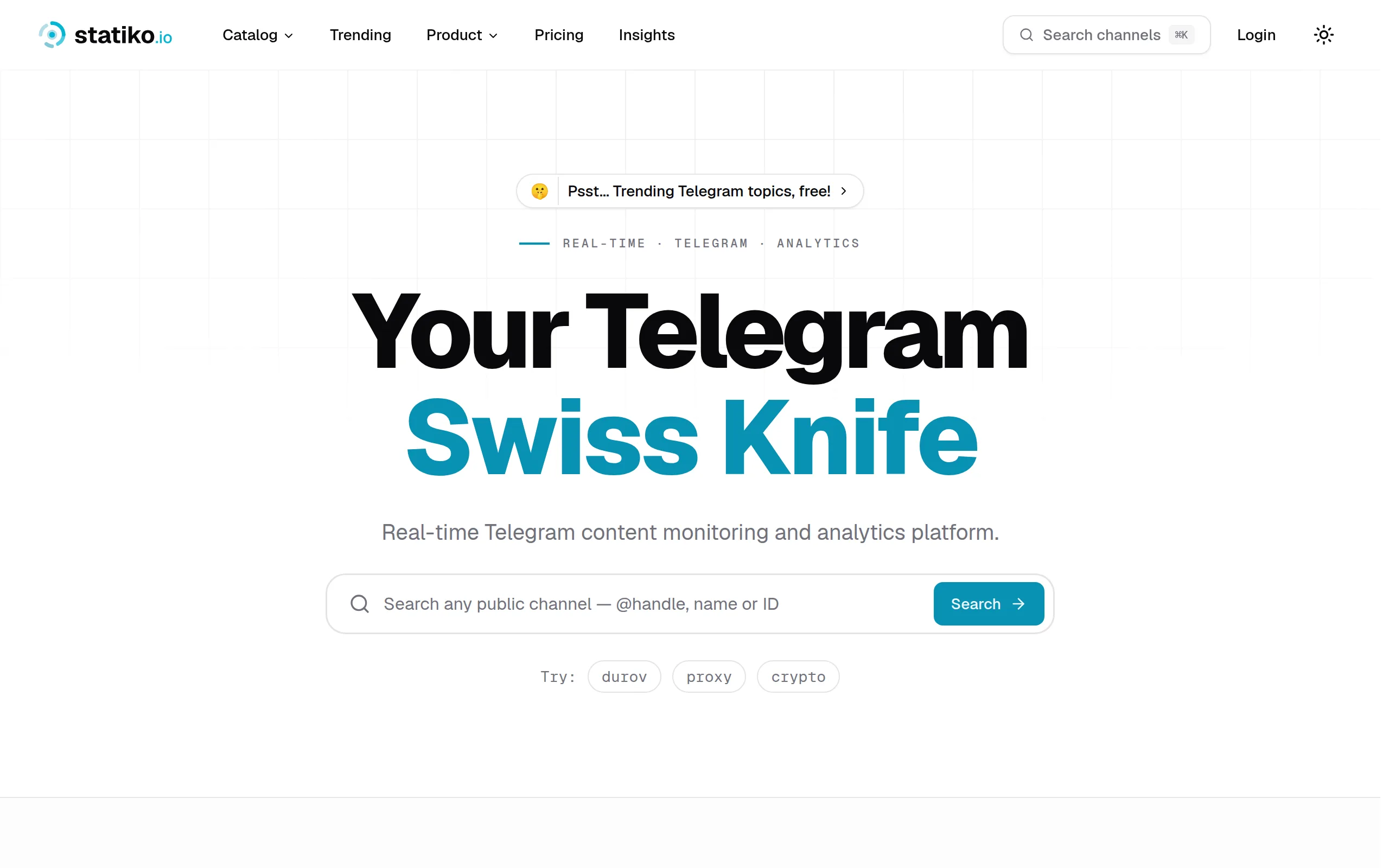
Statiko
Monitor any Telegram channel in real time - track posts, edits, deletions, and growth with AI recaps 📡
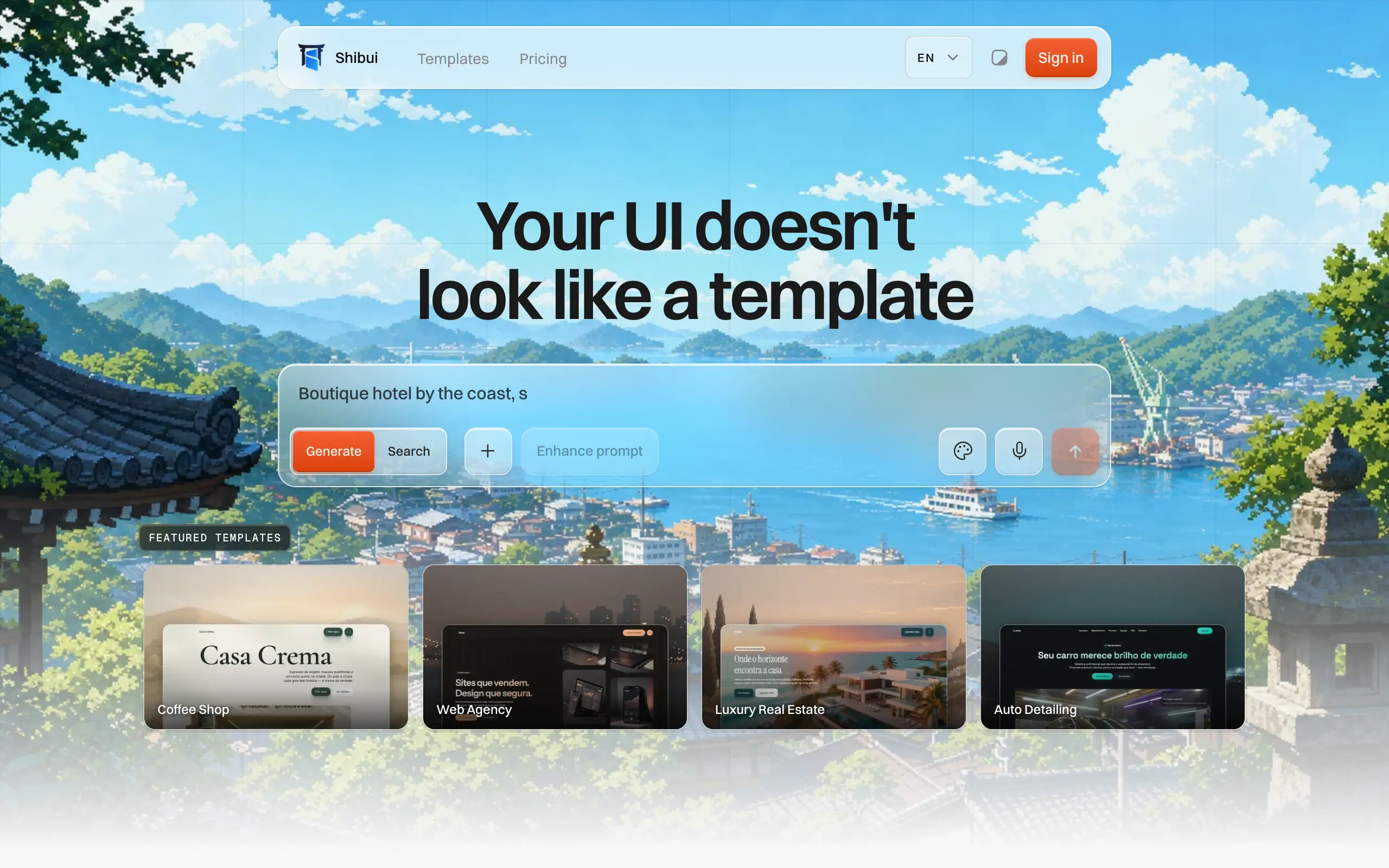
Shibui
AI website builder - describe your business, pick a niche template, edit by chatting, and publish instantly ✨
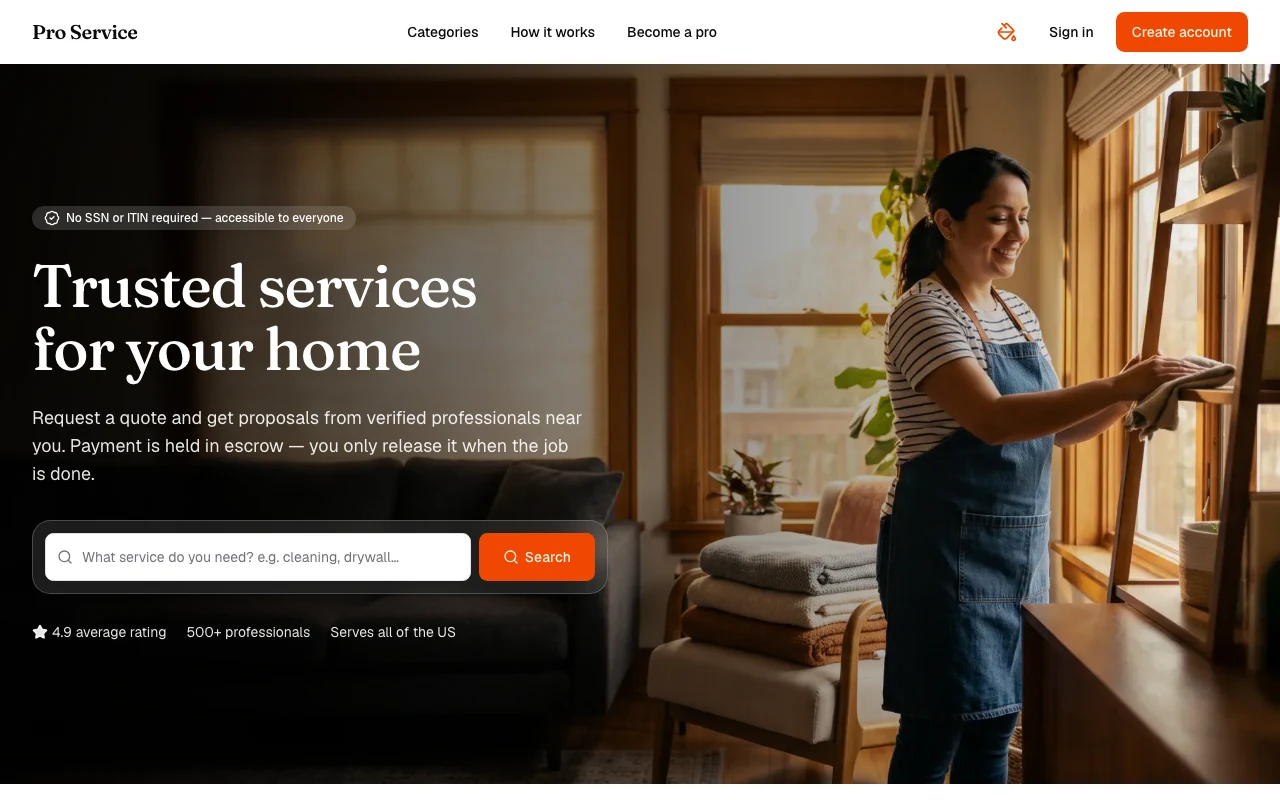
Pro Service
Find verified home service professionals, compare quotes, and pay securely through escrow - built for Brazilians across the US 🏠
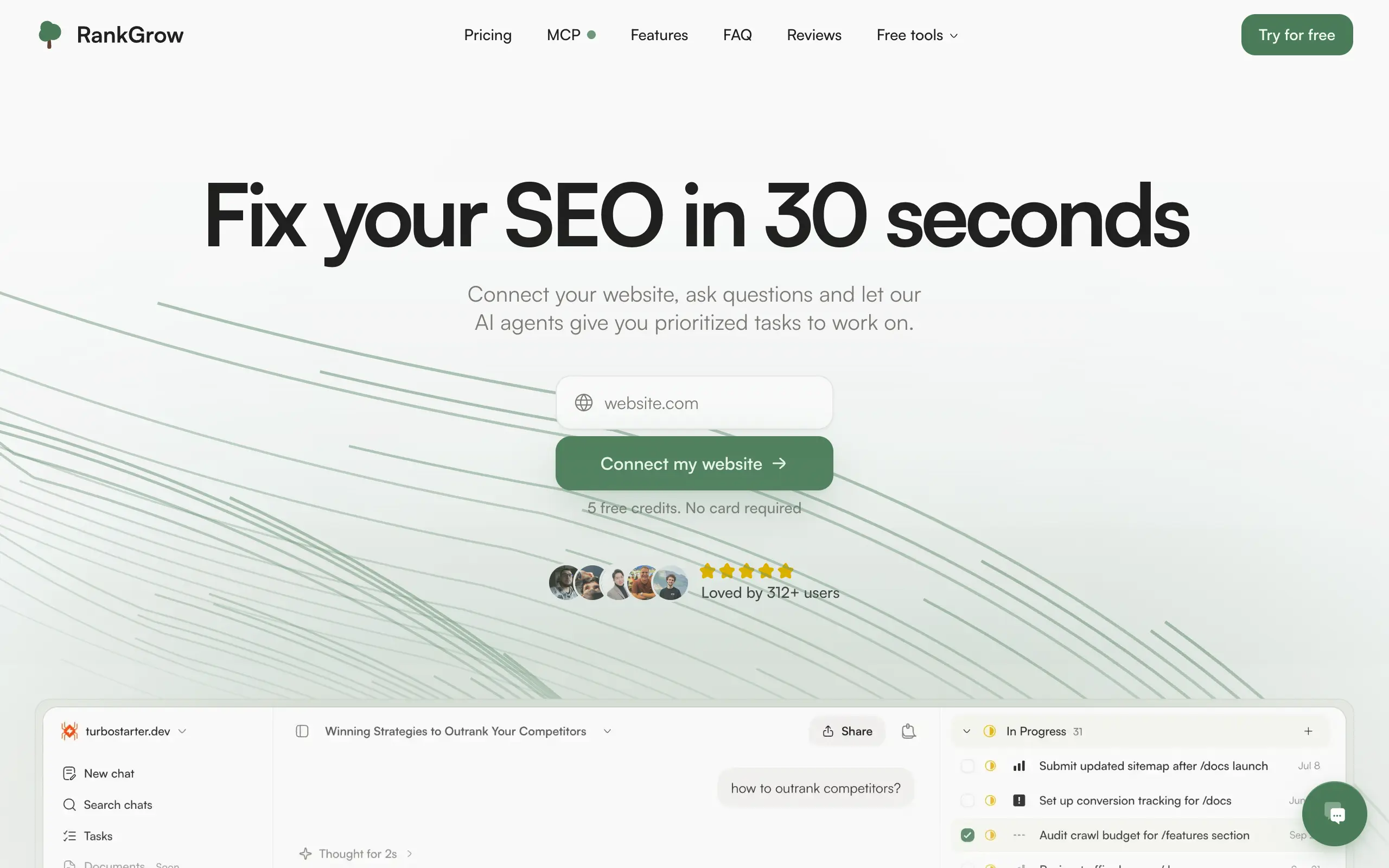
RankGrow
Fix your SEO with AI agents - connect Search Console, get prioritized tasks, and grow organic traffic 📈
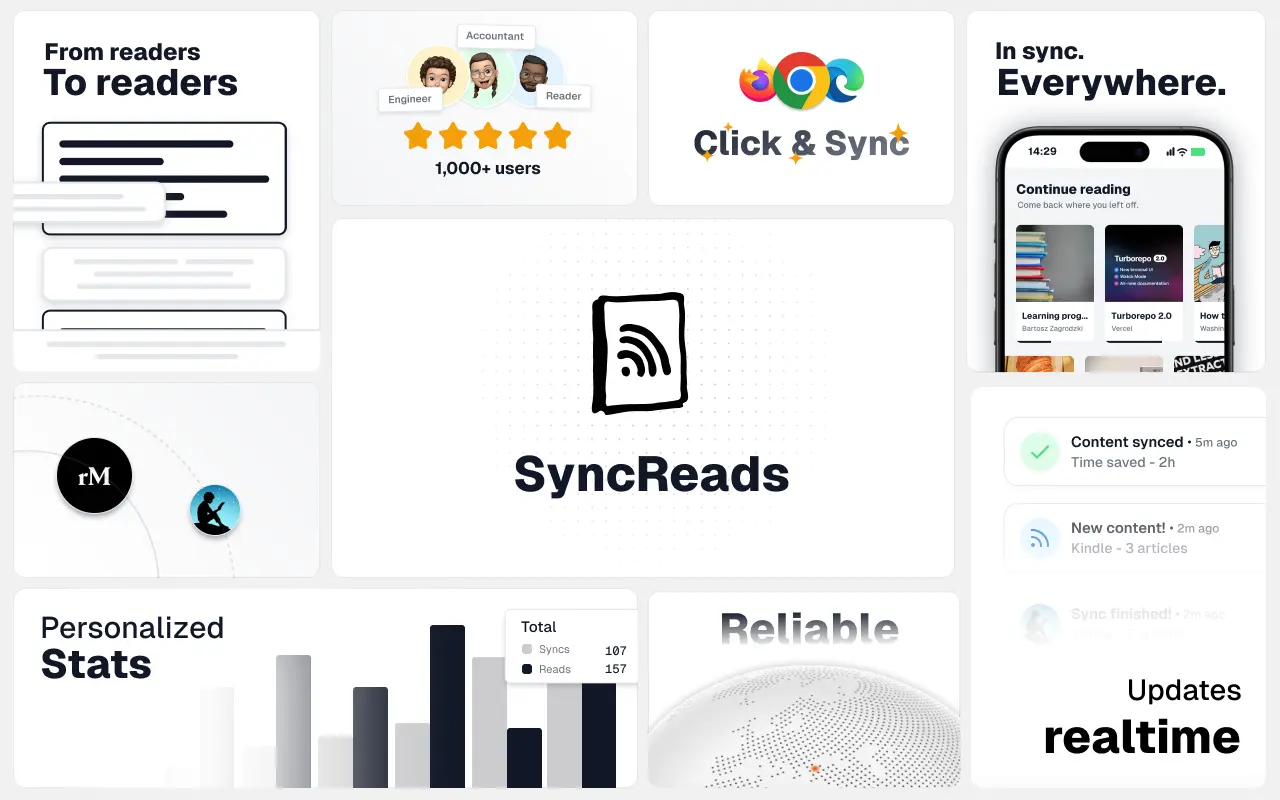
SyncReads
Sync your favorite content for distraction-free reading, save time and replace multiple apps. Anytime, anywhere 🔄
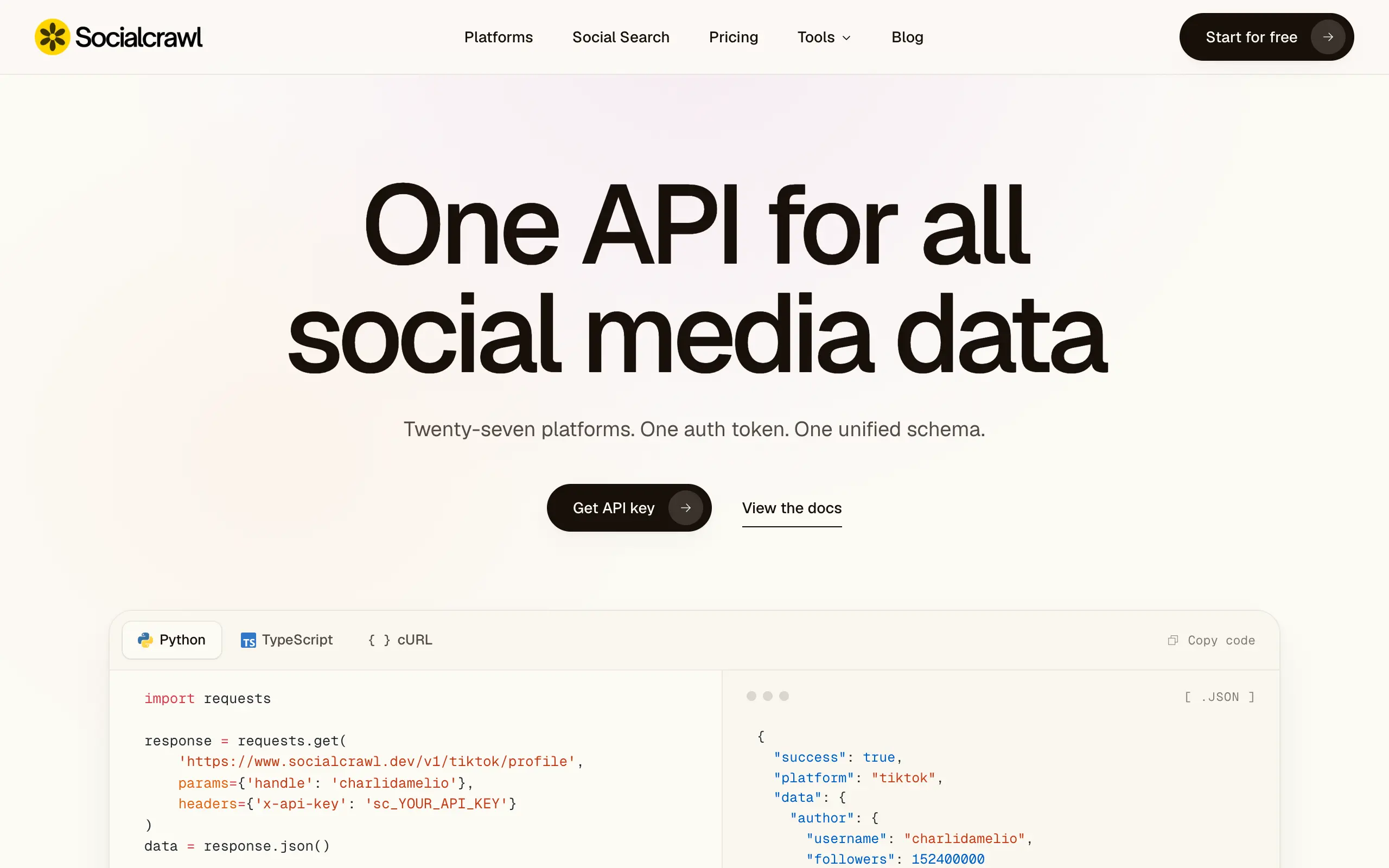
Socialcrawl
Get clean, structured data from 21 platforms like TikTok, Instagram, and YouTube with a single request 📊
Statiko
Monitor any Telegram channel in real time - track posts, edits, deletions, and growth with AI recaps 📡
Shibui
AI website builder - describe your business, pick a niche template, edit by chatting, and publish instantly ✨
Pro Service
Find verified home service professionals, compare quotes, and pay securely through escrow - built for Brazilians across the US 🏠
RankGrow
Fix your SEO with AI agents - connect Search Console, get prioritized tasks, and grow organic traffic 📈
SyncReads
Sync your favorite content for distraction-free reading, save time and replace multiple apps. Anytime, anywhere 🔄
Socialcrawl
Get clean, structured data from 21 platforms like TikTok, Instagram, and YouTube with a single request 📊
Statiko
Monitor any Telegram channel in real time - track posts, edits, deletions, and growth with AI recaps 📡
Shibui
AI website builder - describe your business, pick a niche template, edit by chatting, and publish instantly ✨
Pro Service
Find verified home service professionals, compare quotes, and pay securely through escrow - built for Brazilians across the US 🏠
RankGrow
Fix your SEO with AI agents - connect Search Console, get prioritized tasks, and grow organic traffic 📈
SyncReads
Sync your favorite content for distraction-free reading, save time and replace multiple apps. Anytime, anywhere 🔄
Socialcrawl
Get clean, structured data from 21 platforms like TikTok, Instagram, and YouTube with a single request 📊
Statiko
Monitor any Telegram channel in real time - track posts, edits, deletions, and growth with AI recaps 📡
Shibui
AI website builder - describe your business, pick a niche template, edit by chatting, and publish instantly ✨
Pro Service
Find verified home service professionals, compare quotes, and pay securely through escrow - built for Brazilians across the US 🏠
RankGrow
Fix your SEO with AI agents - connect Search Console, get prioritized tasks, and grow organic traffic 📈
SyncReads
Sync your favorite content for distraction-free reading, save time and replace multiple apps. Anytime, anywhere 🔄
Socialcrawl
Get clean, structured data from 21 platforms like TikTok, Instagram, and YouTube with a single request 📊
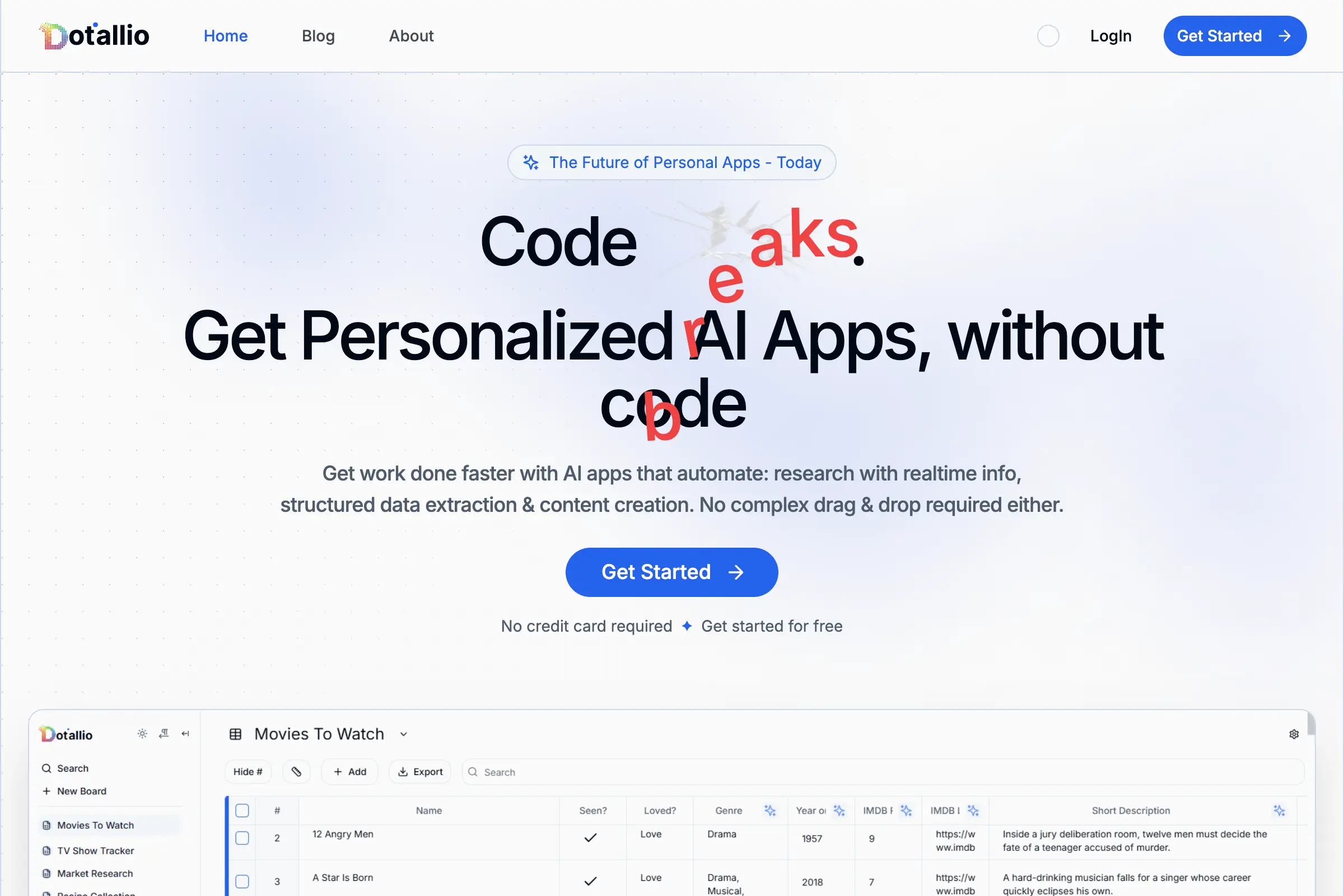
Dotallio
Personalized AI apps that automate research, data extraction, and content creation without code 🤖
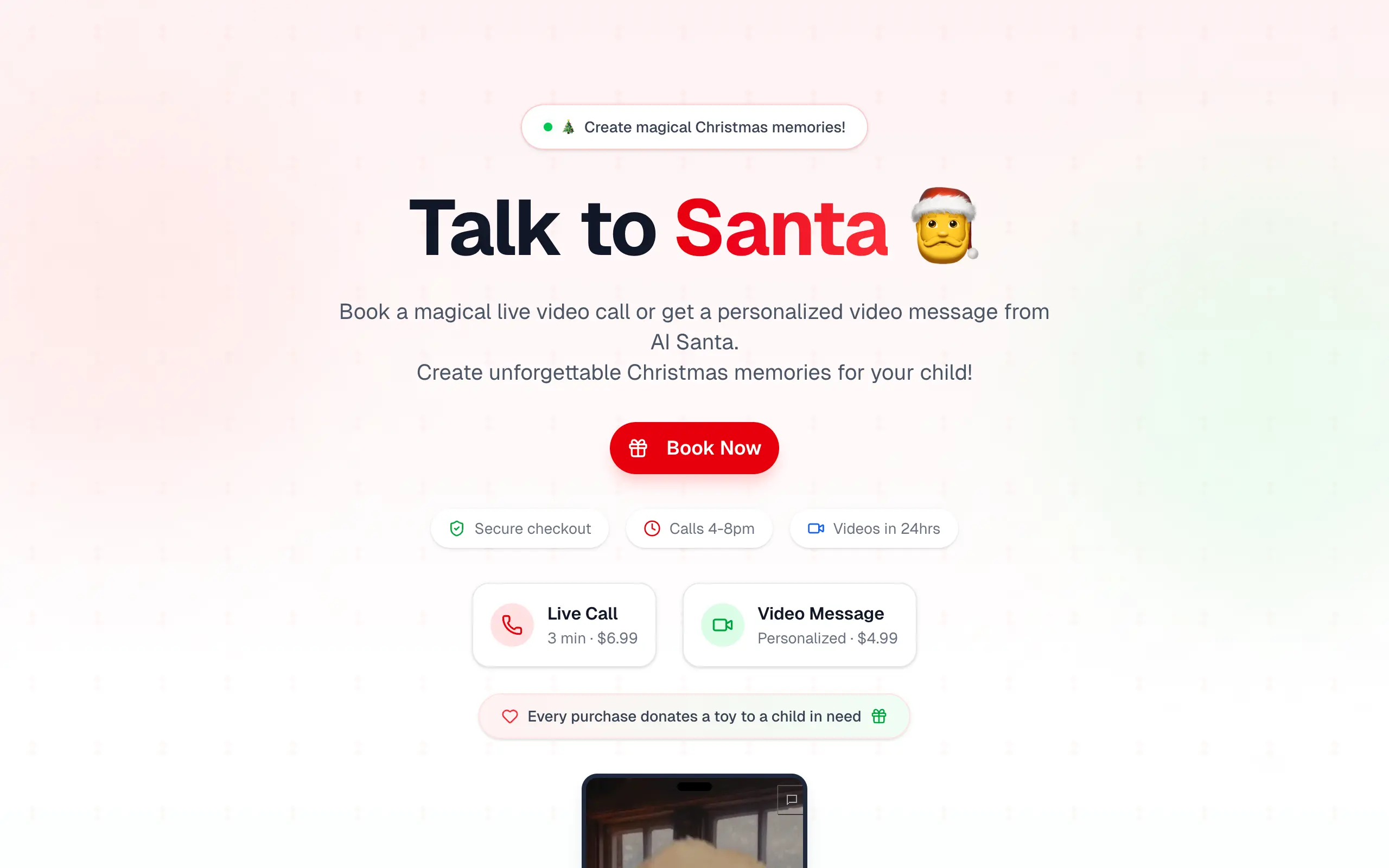
Talk to Santa
Enjoy a magical live video chat or receive a unique AI-generated video greeting from Santa Claus 🎅

pozywka.pl
Scalable blog for food journalist, focused on performance and user experience 🌭
zagrodzki.me
Personal blog and portfolio of Bart Zagrodzki, where he shares his knowledge and work 💼
TurboStarter
Ship your startup everywhere. In minutes.
HTML to Markdown
Convert HTML to Markdown with ease, directly in your browser 📄
Dotallio
Personalized AI apps that automate research, data extraction, and content creation without code 🤖
Talk to Santa
Enjoy a magical live video chat or receive a unique AI-generated video greeting from Santa Claus 🎅
pozywka.pl
Scalable blog for food journalist, focused on performance and user experience 🌭
zagrodzki.me
Personal blog and portfolio of Bart Zagrodzki, where he shares his knowledge and work 💼
TurboStarter
Ship your startup everywhere. In minutes.
HTML to Markdown
Convert HTML to Markdown with ease, directly in your browser 📄
Dotallio
Personalized AI apps that automate research, data extraction, and content creation without code 🤖
Talk to Santa
Enjoy a magical live video chat or receive a unique AI-generated video greeting from Santa Claus 🎅
pozywka.pl
Scalable blog for food journalist, focused on performance and user experience 🌭
zagrodzki.me
Personal blog and portfolio of Bart Zagrodzki, where he shares his knowledge and work 💼
TurboStarter
Ship your startup everywhere. In minutes.
HTML to Markdown
Convert HTML to Markdown with ease, directly in your browser 📄
Dotallio
Personalized AI apps that automate research, data extraction, and content creation without code 🤖
Talk to Santa
Enjoy a magical live video chat or receive a unique AI-generated video greeting from Santa Claus 🎅
pozywka.pl
Scalable blog for food journalist, focused on performance and user experience 🌭
zagrodzki.me
Personal blog and portfolio of Bart Zagrodzki, where he shares his knowledge and work 💼
TurboStarter
Ship your startup everywhere. In minutes.
HTML to Markdown
Convert HTML to Markdown with ease, directly in your browser 📄
Omichat
Chat with 50+ AI models, including ChatGPT and Claude, in one place - switch models anytime without losing context 🤖
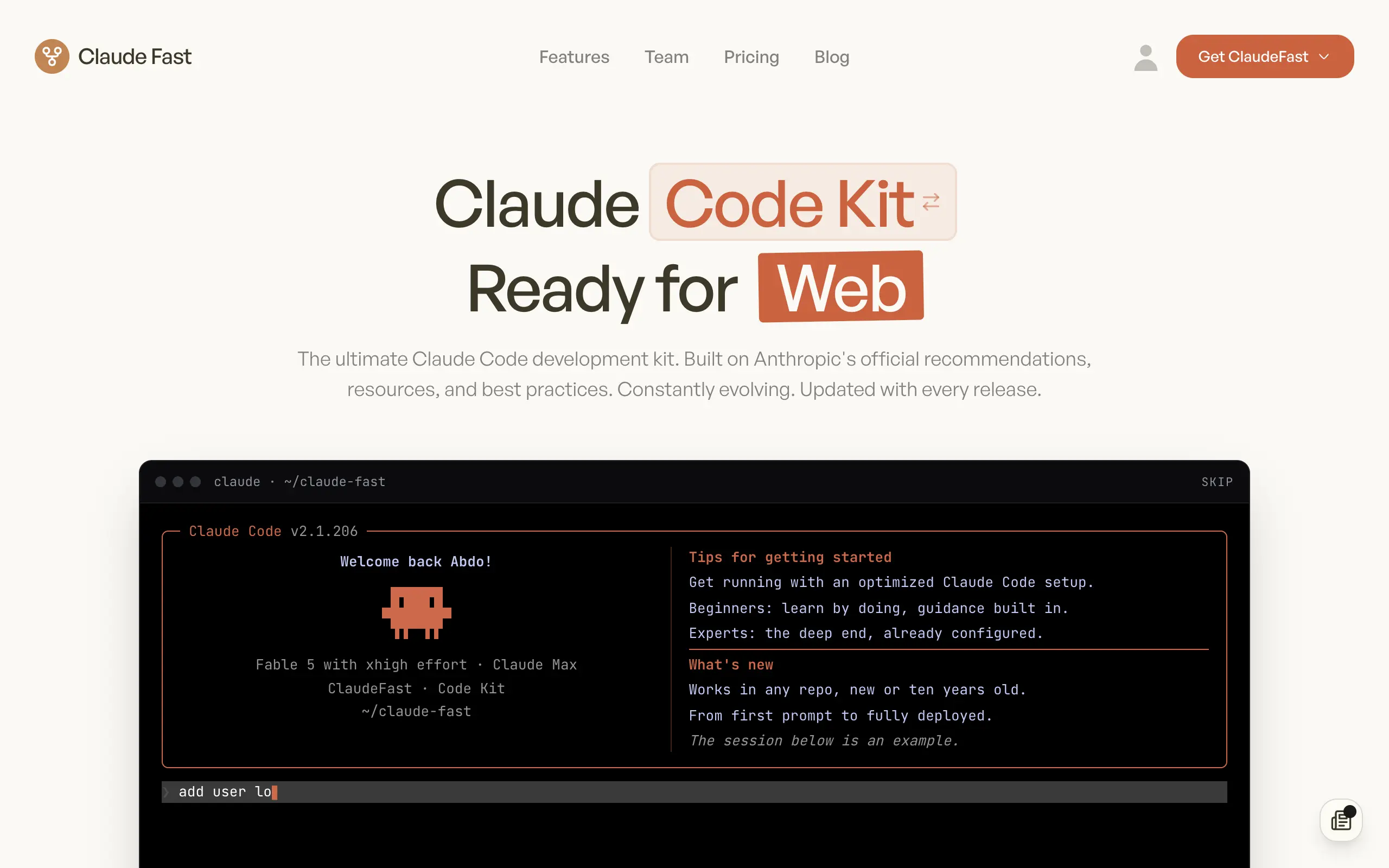
Claude Fast
Supercharge your Claude Code with 6x effective context window and specialized AI agents 🤖
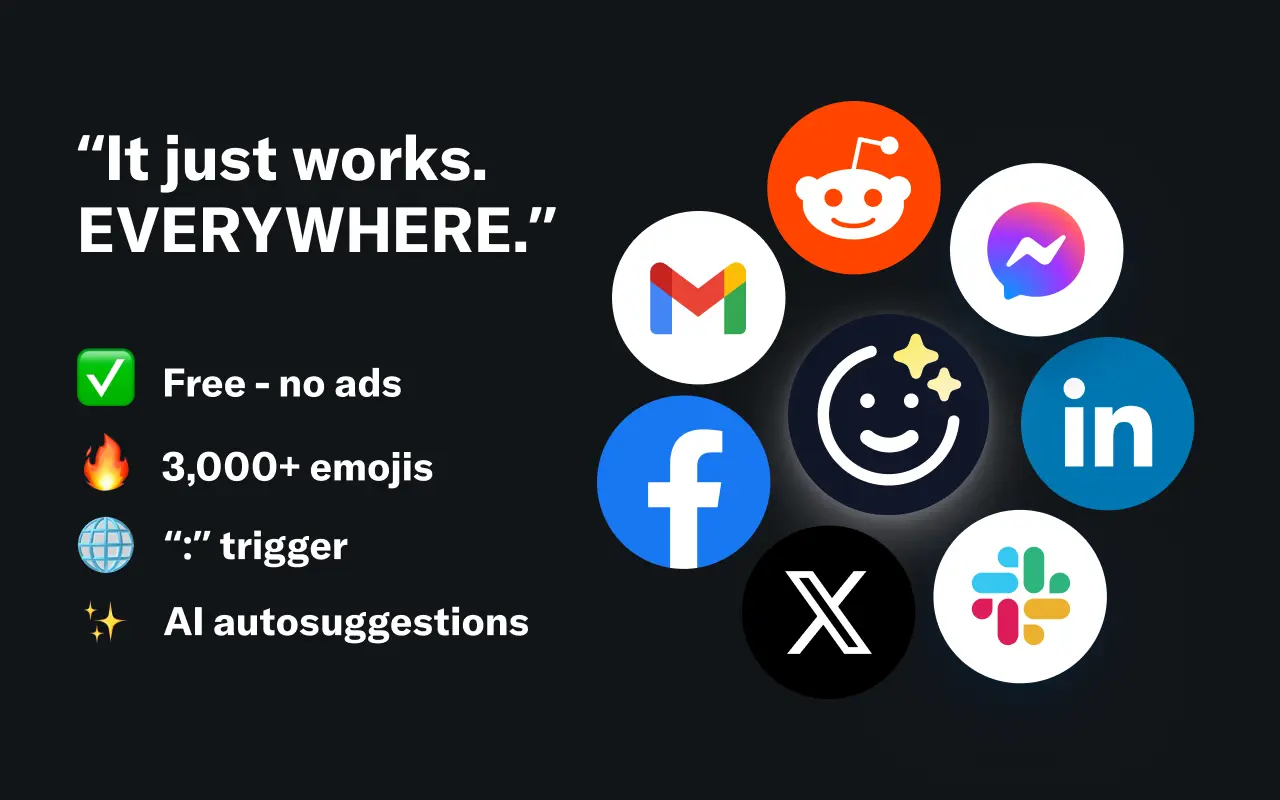
EmojAI
AI-powered emoji picker with smart, context-aware suggestions 🤖
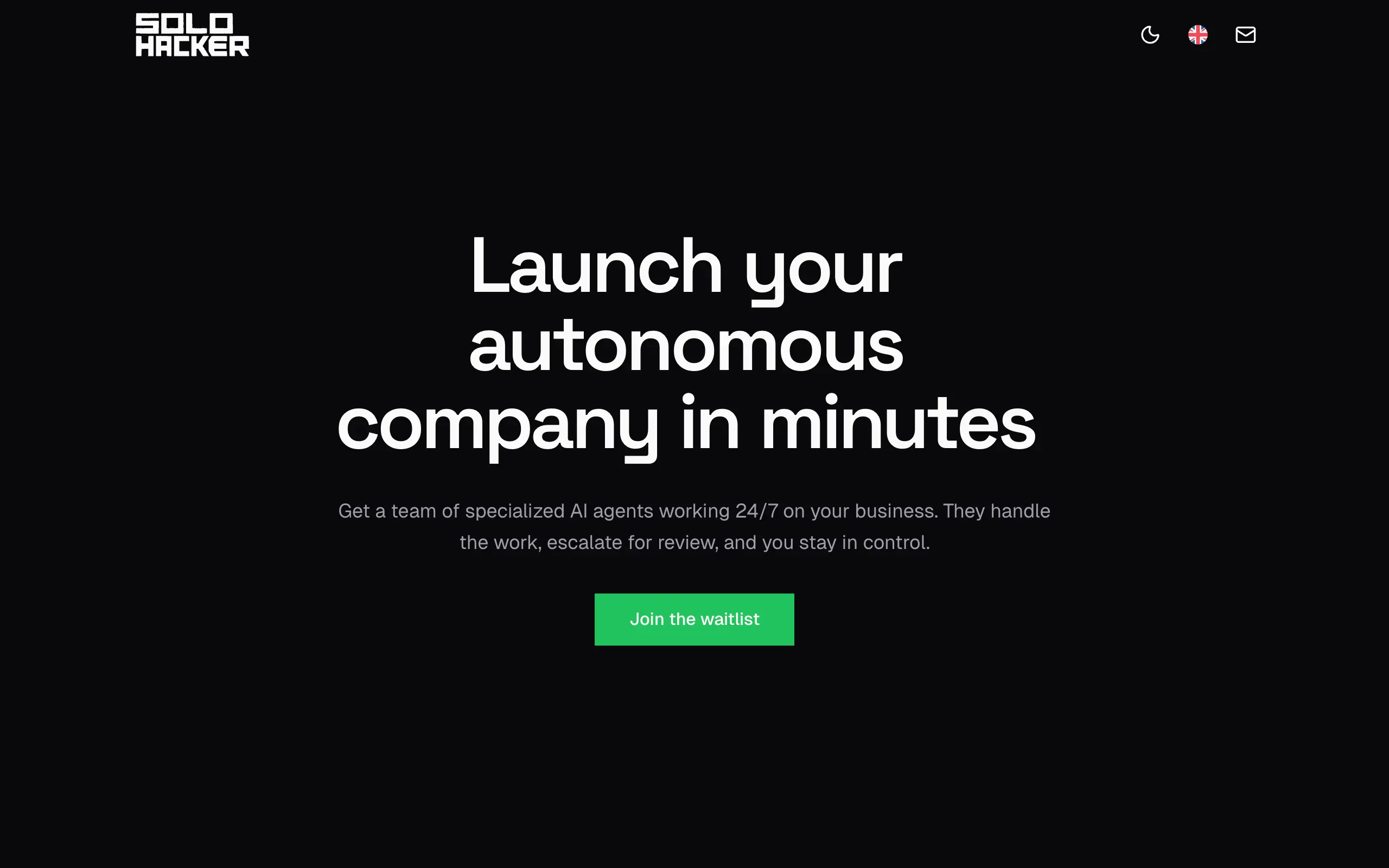
Solohacker
Autonomous company launcher - AI agents work 24/7, escalate what matters, and you stay in control 🤖
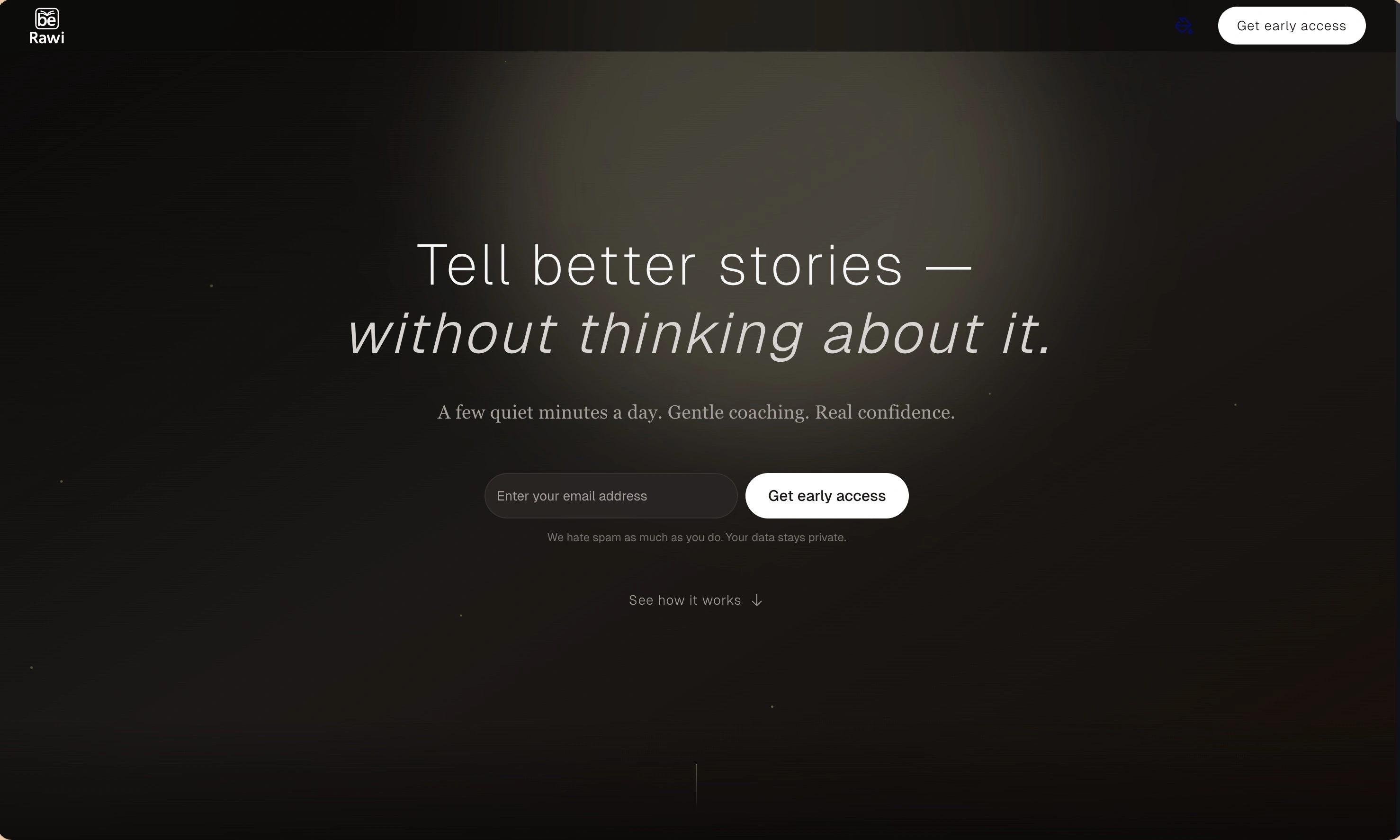
BeRawi: Storytelling Coach
Practice storytelling daily with instant feedback to sound clearer, more engaging, and confident 🎤
Omichat
Chat with 50+ AI models, including ChatGPT and Claude, in one place - switch models anytime without losing context 🤖
Claude Fast
Supercharge your Claude Code with 6x effective context window and specialized AI agents 🤖
EmojAI
AI-powered emoji picker with smart, context-aware suggestions 🤖
Solohacker
Autonomous company launcher - AI agents work 24/7, escalate what matters, and you stay in control 🤖
BeRawi: Storytelling Coach
Practice storytelling daily with instant feedback to sound clearer, more engaging, and confident 🎤
Omichat
Chat with 50+ AI models, including ChatGPT and Claude, in one place - switch models anytime without losing context 🤖
Claude Fast
Supercharge your Claude Code with 6x effective context window and specialized AI agents 🤖
EmojAI
AI-powered emoji picker with smart, context-aware suggestions 🤖
Solohacker
Autonomous company launcher - AI agents work 24/7, escalate what matters, and you stay in control 🤖
BeRawi: Storytelling Coach
Practice storytelling daily with instant feedback to sound clearer, more engaging, and confident 🎤
Omichat
Chat with 50+ AI models, including ChatGPT and Claude, in one place - switch models anytime without losing context 🤖
Claude Fast
Supercharge your Claude Code with 6x effective context window and specialized AI agents 🤖
EmojAI
AI-powered emoji picker with smart, context-aware suggestions 🤖
Solohacker
Autonomous company launcher - AI agents work 24/7, escalate what matters, and you stay in control 🤖
BeRawi: Storytelling Coach
Practice storytelling daily with instant feedback to sound clearer, more engaging, and confident 🎤

Connect with like-minded people
Join our community to get feedback, support, and grow together with 1,000+ builders on board, let's ship it!
Join usShip your startup everywhere. In minutes.
Don't burn tokens on setup and start building features on day one.