Rebuyloop
Track products you love and get notified when they’re restocked, discounted, or available secondhand. Shop across brands from one personal feed.
Why Rebuyloop could meet a real shopping need
Rebuyloop is a consumer shopping app concept built around a simple frustration: finding a product you like does not mean it is available at the right time or price. A size may be sold out, a discount may appear weeks later, or a similar item may be available secondhand—but checking every retailer repeatedly takes time.
The proposed solution is a cross-brand product restock and price-drop tracker. People save products to a personal feed, then get notified when those products are back in stock, discounted, or available secondhand. Instead of maintaining separate wish lists across retailer sites, they can keep an eye on products from different brands in one place.
That positioning gives Rebuyloop a useful product-design challenge and an opportunity: it needs to make product tracking feel dependable and effortless, even when the underlying information comes from many retailers and resale platforms.
The short version: Rebuyloop should begin as a trusted, low-friction way to save products and act on meaningful availability changes. It can expand into price history, resale discovery, and smarter recommendations after it proves that its alerts are accurate.
The core product promise
Save a product once. Rebuyloop watches for relevant changes and brings the next useful action into one personal shopping feed.
Who Rebuyloop should serve first
A broad consumer audience sounds attractive, but different shoppers care about different events. One person wants an alert when a particular sneaker size returns. Another wants to know when a costly home appliance drops in price. A third is willing to buy secondhand if the exact item is no longer sold new.
For an early product, Rebuyloop should focus on people who already monitor products manually and feel the cost of doing so.
Primary audience: deliberate shoppers
These shoppers research purchases before buying. They may keep browser tabs open, save product links in notes, or revisit retailer pages every few days. Their challenge is not a lack of products. It is the effort required to track several products across different stores.
Rebuyloop can help them:
- Save product links from multiple brands.
- See saved items in a single feed.
- Specify a size, color, or other variant when relevant.
- Receive a timely alert when a product becomes available or cheaper.
- Return to the retailer through a clear, direct link.
Secondary audience: shoppers waiting for a specific size or variant
Availability alerts are especially useful when the product is not interchangeable. Clothing, footwear, collectibles, and certain electronics often involve meaningful differences between variants.
An alert for “the item” is not enough if a shopper needs a particular size, color, model, or configuration. Rebuyloop should therefore treat variant selection as a central part of the tracking experience, not a minor preference hidden in settings.
Value-conscious shoppers
Some shoppers are willing to wait for a discount rather than pay full price. Rebuyloop can reduce the effort involved in checking prices manually, provided it explains what it knows and does not claim that a listed price is the lowest available everywhere.
Useful features for this audience include:
- A target-price setting.
- A change history for the tracked listing.
- A notification when the price crosses the shopper’s threshold.
- A clear distinction between a sale price, a coupon, and a change in shipping or other costs.
Resale-minded shoppers
A shopper may be open to secondhand alternatives when a product is discontinued, sold out, or too expensive new. This creates a valuable extension to the basic tracking experience, but it also introduces added complexity. Resale listings can vary in condition, seller reliability, size, authenticity, and availability.
Rebuyloop should present secondhand results as options to evaluate, not as guaranteed equivalents. The app should make the source, condition, and seller information visible and send users to the original marketplace to review its current listing details.
A focused initial customer profile
A practical first segment could be shoppers who regularly track apparel, footwear, or home goods. These categories are understandable to users, commonly involve variants, and make the restock, discount, and resale use cases easy to explain.
Before choosing a category, the team should interview prospective users and investigate whether it can obtain reliable product data for that category. The best audience is not only the one with the strongest stated interest. It is also the one whose products Rebuyloop can monitor consistently and lawfully.
The market opportunity and product gap
Online shopping already provides many ways to save or discover products. Retailer wish lists help people remember items on one store. Browser bookmarks can store product pages. Price-tracking tools may monitor selected listings. Shopping apps can surface products and promotions. Resale marketplaces focus on their own inventories.
Rebuyloop’s opportunity is not simply to create another wish list. It is to connect saving, monitoring, and acting across a shopper’s personal set of products.
Where existing approaches can fall short
A shopper who wants to monitor products across brands may currently combine several tools:
- Retailer accounts for store-specific wish lists.
- Browser bookmarks or notes for products from other stores.
- Separate alerts for price changes or inventory changes.
- Resale apps searched manually when a new listing is needed.
- Email inboxes containing promotional messages with little context.
Each tool can solve part of the problem. The friction appears when a shopper wants one view of what they are waiting for and a reliable way to know when something changes.
Rebuyloop can address that gap by organizing the experience around the product a person wants, rather than around a single retailer or marketplace.
The data problem is also the opportunity
A cross-brand tracker is only useful if it can tell the difference between a meaningful change and a misleading one. Product pages can change structure. A listing can disappear, a variant can remain unavailable while another returns, and a displayed price can omit shipping or depend on a promotion.
That means the product’s defensibility is not just its interface. It also depends on building a trustworthy system for:
- Identifying products consistently.
- Monitoring specific variants where possible.
- Recording observed changes with timestamps.
- Handling uncertain or stale information honestly.
- Matching resale listings carefully.
- Notifying users only when an event meets their preferences.
Teams should validate both sides of the opportunity: whether consumers want a unified tracker and whether the business can access product information at a reliable cost.
How the Rebuyloop experience should work
A strong first-use experience should deliver value quickly. A shopper should not need to build a detailed profile or understand the tracking system before saving the first product.
A simple journey might look like this:
- A shopper pastes a product link or saves an item through a supported sharing flow.
- Rebuyloop identifies the product and asks the shopper to confirm the relevant variant.
- The shopper selects which changes matter, such as restock, price drop, or secondhand availability.
- Rebuyloop adds the item to the personal feed and explains how it will be monitored.
- When a qualifying change is detected, the shopper receives a notification with the source and a direct route to review it.
That flow keeps the app centered on an understandable job: helping a person keep track of products they already care about.
Core features for a useful first version
The first release should prioritize reliability over breadth. A small number of dependable tracking experiences will build more trust than a large catalog with inconsistent alerts.
Product saving and link handling
Users need a fast way to add a product. Start with pasting a URL, then support mobile sharing and browser-based saving if research confirms that users want them.
When a link is submitted, Rebuyloop should make it clear whether the product was recognized. If the item cannot be identified, give the user a useful next step, such as saving the URL as an unverified item or trying another listing.
Product records should capture the basics where available:
- Product title and brand.
- Retailer or marketplace.
- Product image, subject to source permissions.
- Current observed price and currency.
- Availability status.
- Variant details, such as size or color.
- Source URL and last checked time.
The interface should distinguish verified information from data that is missing or out of date.
A personal shopping feed
The feed is the main organizing surface. It should let people scan their saved products without turning the app into an endless product-discovery catalog.
Helpful controls include:
- Filtering by alert type or availability.
- Sorting by most recently changed or recently added.
- Pausing a tracker without deleting it.
- Archiving products the user no longer wants.
- Showing the latest observed status and when it was checked.
A feed that explains why an item appears at the top will feel more useful than one that simply rearranges products without context.
Restock and variant alerts
A restock alert should be tied to the product or variant the user actually wants. If the system can only observe general product availability, it should say so rather than implying that a specific size is in stock.
Users should be able to choose:
- Which variant to track.
- Whether to receive alerts for any stock or only a chosen variant.
- Whether an alert should be sent once or again if availability changes later.
- Whether to pause notifications during particular times, if supported.
Price-drop tracking
Price alerts need clear rules. “Price dropped” could mean a one-cent change, a temporary promotion, or a substantial reduction. Users should be able to choose an absolute target price or a percentage decrease when the product data supports it.
The product should also show the observed price and timestamp. If taxes, shipping, membership discounts, or coupon codes are not included, Rebuyloop should disclose that limitation near the price rather than burying it in legal copy.
Secondhand discovery
Secondhand availability can make Rebuyloop more distinctive, but should be introduced carefully. The app needs a way to identify relevant listings and communicate uncertainty about whether they match the original product.
For each result, show the marketplace source and relevant available details, such as size, condition, and listing date. Avoid language that implies Rebuyloop has verified an item’s authenticity or condition unless the business has actually completed that verification.
Notifications with meaningful context
Notifications are the moment when Rebuyloop proves its value. A useful alert answers three questions:
- What changed?
- Why does this match the user’s preferences?
- Where can the user review the current listing?
Users should control notification channels and frequency. A mobile push notification may be useful for a short-lived restock, while an email summary may be better for lower-priority price changes. The appropriate mix should be tested rather than assumed.
Trust and transparency features
Shopping alerts involve money, personal preferences, and links to outside merchants. Trust should be visible throughout the product.
Rebuyloop should clearly explain:
- When a product was last checked.
- Whether availability is confirmed or inferred.
- Whether a link is sponsored or affiliate-linked.
- What information is stored about a user.
- How users can pause alerts, export data, or delete their account.
What to build now and what to defer
The risk of an idea like Rebuyloop is attempting to support every retailer, category, alert type, and resale marketplace at launch. Each addition increases the number of edge cases.
A more disciplined scope could look like this:
| Capability | First release | Later expansion | Why it matters |
|---|---|---|---|
| Save product links | ✅ | Improve sharing tools | Tests the core organizing behavior |
| Personal product feed | ✅ | Add advanced collections | Gives saved items a useful home |
| Restock alerts | ✅ | Expand category coverage | Delivers a clear, urgent benefit |
| Price-drop alerts | ✅ | Add richer price history | Helps users decide when to buy |
| Variant tracking | ✅ where data allows | Broaden supported variants | Prevents irrelevant alerts |
| Secondhand discovery | ❌ or limited pilot | ✅ | Adds differentiation but requires careful matching |
| Social sharing | ❌ | Explore after retention evidence | Useful only if people want collaborative shopping |
| Automated purchasing | ❌ | Avoid unless justified | Adds substantial trust, payment, and compliance risk |
The first release should test the core loop: save an item, receive a relevant alert, and take an action. Features that do not strengthen that loop can wait.
Competitive advantage and positioning
Rebuyloop will operate in an ecosystem that includes retailer wish lists, shopping and discovery apps, browser extensions, price trackers, and resale marketplaces. The goal should not be to claim that these products are ineffective. Many solve real parts of the shopping journey.
Instead, Rebuyloop should define its position precisely: a personal, cross-brand watchlist for products a shopper wants to buy when the right opportunity appears.
| Alternative | Typical strength | Potential limitation for this use case | Rebuyloop’s opportunity |
|---|---|---|---|
| Retailer wish lists | Convenient within one store | Items may be spread across separate accounts | Bring saved products into one feed |
| Browser bookmarks | Flexible and familiar | Do not automatically explain product changes | Add monitoring and alert preferences |
| Price-tracking tools | Focus on price changes | May not cover a shopper’s full set of products or needs | Combine price and availability tracking |
| Shopping discovery apps | Help users find products | Discovery may not center on items already chosen | Focus on follow-through, not only browsing |
| Resale marketplaces | Offer secondhand inventory | Usually focus on their own listings | Add secondhand options to a broader watchlist |
The comparison is a positioning framework, not a claim that every competing product lacks a particular feature. Teams should review current alternatives and test these assumptions with users before making public comparative claims.
Rebuyloop’s potential USP
The strongest unique selling proposition is one personal feed for the products a shopper is waiting on, across brands and purchase conditions.
That proposition is more specific than “save products” and more human than “monitor web pages.” It connects the shopper’s intent to the next meaningful event: a restock, a lower price, or a viable secondhand option.
The product can strengthen this position through:
- A simple cross-brand saving experience.
- Alerts that respect selected sizes and variants.
- Transparent timestamps and source links.
- A resale layer that complements, rather than replaces, new-product tracking.
- Controls that reduce noisy or irrelevant notifications.
The advantage will be difficult to sustain if it rests only on a polished feed. It becomes stronger when reliable data coverage, careful matching, user trust, and useful alert controls work together.
Recommended technology stack
The stack should support a consumer-facing application, user accounts, notification delivery, product monitoring jobs, and a data model that can represent product variants and observations. A familiar web stack can make the initial product easier to ship, but the monitoring architecture deserves deliberate design.
Application and interface
A web-first product can use React for interactive interfaces, with a framework such as Next.js for routing, server rendering, and application endpoints. Tailwind CSS can help a small team build and refine a consistent interface quickly.
A responsive web application is a sensible starting point because it avoids maintaining separate native apps before product demand is established. If mobile sharing, push notifications, or home-screen use prove essential, the team can evaluate a native or cross-platform application later.
Database and authentication
A relational database is a good fit for users, tracked products, retailer listings, product variants, alert preferences, and observation history. PostgreSQL is well suited to these connected records and supports querying the history needed for price and availability changes.
A managed backend such as Supabase can accelerate authentication, database setup, and application development. The trade-off is that teams should understand the service’s limits, pricing, and operational model before designing around provider-specific features. A self-managed PostgreSQL setup offers more control but requires more responsibility for maintenance and reliability.
Background jobs and monitoring
Product monitoring should not depend on a user keeping a page open. A background job system can schedule checks, normalize results, detect changes, and trigger notifications.
A robust monitoring flow should:
- Select listings due for a check.
- Request data through an approved integration or permitted source.
- Normalize the response into a consistent format.
- Compare it with the previous observation.
- Apply the user’s alert rules.
- Record the result and queue an alert if appropriate.
Use retries, rate limits, and monitoring for failed jobs. Keep a record of when checks happened so the interface can show whether information is current.
Product-data integrations
Data access is a strategic choice, not just an implementation detail. Possible sources include retailer or marketplace APIs, affiliate product feeds, licensed data providers, and merchant partnerships. Availability will differ by category and geography.
Avoid treating unrestricted scraping as a default foundation. It can create reliability, legal, and operational risks, and a retailer may change its site at any time. Before integrating a source, review its terms, permitted use, rate limits, and requirements for displaying product content.
Notifications and payments
Email is often a practical early notification channel because it is familiar and does not require a mobile app installation. Push notifications can be considered when the use case and platform support justify them. Whichever channels are used, include preference controls and protect against duplicate alerts.
If Rebuyloop introduces a paid subscription, use a payment provider that supports the markets and billing model the business needs. For example, Stripe offers billing products, but the team should compare fees, supported countries, tax requirements, and subscription-management needs before choosing a provider.
A data model that supports reliable tracking
The key data-modeling principle is to separate a product concept from the specific listing being monitored. The same product may appear in multiple stores, and each listing may have different prices, stock states, or available variants.
A simplified model could include:
type TrackedProduct = {
  id: string;
  userId: string;
  title: string;
  brand?: string;
  sourceUrl: string;
  retailerName?: string;
  variant?: {
    size?: string;
    color?: string;
    model?: string;
  };
  alertRules: {
    restock: boolean;
    priceDrop: boolean;
    targetPrice?: number;
    secondhand: boolean;
  };
  lastObservedAt?: string;
  createdAt: string;
};

type ProductObservation = {
  trackedProductId: string;
  observedAt: string;
  price?: number;
  currency?: string;
  availability?: "available" | "unavailable" | "unknown";
  sourceStatus: "verified" | "inferred" | "stale";
};
This example is intentionally simplified. A production system will likely need separate entities for a canonical product, merchant listings, variants, user tracking preferences, observations, and notification delivery records.
Keeping observations over time is valuable for more than price history. It can help the team debug false alerts, identify unreliable sources, understand monitoring costs, and explain to users why an alert was sent.
Monetization strategies for Rebuyloop
Rebuyloop should first prove that people return to the product and act on alerts. Monetization that weakens trust can undermine the feature that makes the service valuable.
Freemium subscription
A free plan can let users save a limited number of products and receive basic alerts. A paid plan might offer a higher tracking limit, more alert controls, longer price history, or faster checks where the data source supports them.
The value of a paid plan should be easy to explain. Charging for a large number of saved products is less compelling if users do not receive dependable alerts. Pricing tests should measure retention and perceived value, not only initial conversion.
Affiliate revenue
If Rebuyloop uses affiliate links, it may earn a commission when a shopper makes a qualifying purchase. This can align revenue with successful shopping activity, but it creates a transparency obligation and a risk of perceived bias.
The product should disclose affiliate relationships clearly and avoid ranking offers only by commission. Users need to trust that an alert is based on their preferences and the product opportunity, not solely on the potential payout.
Sponsored placements
Sponsored offers can generate revenue but should be visually distinguished from organic results. They should not be presented as a restock or price alert unless they genuinely match the user’s saved product and alert settings.
Merchant partnerships
Retailers may be interested in qualified traffic or inventory visibility. Partnerships can improve the data experience and create potential commercial opportunities, but they require time, negotiation, and a clear value proposition for both parties.
A sensible sequence is to test user demand first, then explore partnerships where Rebuyloop can demonstrate relevant audience intent.
Key risks and how to reduce them
Inaccurate or stale alerts
A false restock alert wastes a shopper’s time and can quickly damage trust. A missed alert makes the product feel unreliable.
Mitigation: Show last-checked times, record the source of each observation, distinguish confirmed from uncertain states, and build tools for users to report incorrect data. Measure alert accuracy as a product metric.
Product pages and data sources change
Retailer pages, feeds, and APIs can change without notice. A monitoring approach that works today may fail later.
Mitigation: Prefer documented and permitted integrations, isolate each source behind an adapter, monitor failure rates, and avoid promising universal retailer coverage. Communicate unsupported links honestly.
Variant mismatch
An alert for a product in the wrong size, color, or configuration is not useful and may feel deceptive.
Mitigation: Store variants separately when possible, ask users to confirm important details, and make the limits of variant detection visible.
Secondhand matching and listing quality
A used item may look similar to a saved product but differ in model, condition, or authenticity. Matching the wrong listing could harm user confidence.
Mitigation: Present resale results as candidate listings with visible source and condition details. Avoid claims of verification unless a verification process exists. Consider launching resale discovery only in a limited pilot.
Notification fatigue
A high volume of low-value messages can cause users to mute notifications or abandon the app.
Mitigation: Give users control over event types, thresholds, channels, and frequency. Track unsubscribes, mute rates, and alert actions together rather than optimizing for notification volume.
Retailer, privacy, and compliance concerns
The service may process product links, shopping preferences, email addresses, and notification settings. Data collection and commercial integrations can also involve contractual and regulatory obligations.
Mitigation: Collect only what is needed, publish clear privacy disclosures, secure account data, honor deletion requests, and review applicable privacy laws and source terms with qualified counsel. Make affiliate or sponsored relationships easy to recognize.
Monetization conflicts
If users suspect the service is recommending the most profitable item rather than the best match, trust can erode.
Mitigation: Separate commercial placement from alert logic, explain paid relationships, and make user preferences the primary basis for recommendations.
Metrics that show whether the product is working
Downloads and registrations are not enough to establish that Rebuyloop solves a recurring problem. The team should measure whether people successfully track products and respond to useful changes.
Useful early metrics include:
- Activation rate: the share of new users who save at least one product and configure an alert.
- Time to first tracked product: how quickly a user reaches the main value proposition.
- Tracked-product retention: whether users return to manage or review their saved items.
- Alert precision: the share of delivered alerts that users consider relevant and accurate.
- Alert action rate: the share of alerts that lead to a product view or outbound visit.
- False-alert reports: user-reported cases where availability, price, or variant details were incorrect.
- Notification opt-out rate: whether alert volume or relevance is causing users to disengage.
- Monitoring cost per active user: the cost of obtaining and processing product observations.
- Paid conversion and cancellation: if a subscription is introduced, whether users continue to perceive enough value to pay.
Metrics should be interpreted in context. For example, a high click-through rate does not prove that the product is trustworthy if users are also reporting mismatched listings. Pair behavioral data with user interviews and support feedback.
Actionable implementation steps
A staged launch can reduce uncertainty before the team invests in broad retailer coverage or complex resale integrations.
Interview shoppers about their current workaround
Talk with people who have recently waited for a product to restock, monitored a price, or searched for a secondhand alternative. Ask what they did, what failed, and how often the problem occurs. Focus on observed behavior rather than asking only whether they like the idea.
Choose one audience and product category
Select a category where users have a clear tracking need and the team can investigate reliable data access. Define what a successful alert means for that category, including how variants will be handled.
Test the product-saving experience
Create a clickable prototype or lightweight web app that lets people save links, confirm product details, and organize a personal feed. Test whether the interface makes it clear which products can actually be monitored.
Validate data access before promising coverage
Review potential APIs, affiliate feeds, retailer partnerships, and other permitted sources. Document coverage, refresh limits, and failure modes. Make the supported-source list explicit during the pilot.
Build the smallest trustworthy alert loop
Implement link saving, user preferences, background checks, change detection, and one notification channel. Show timestamps and avoid sending alerts when the system cannot confidently verify a change.
Run a closed beta and investigate every false alert
Invite a small group of target users. Review alert feedback, source failures, variant mismatches, and notification settings. Improve the data pipeline and product language before expanding coverage.
Test retention and monetization assumptions
Measure whether users continue tracking products after the first alert. Only test paid plans or affiliate placements after the team can demonstrate consistent product value and disclose commercial relationships clearly.
For teams that want a head start on common SaaS foundations, TurboStarter may help accelerate the initial application setup. Treat any starter kit as an implementation accelerator, not a substitute for validating product-data access, alert accuracy, and the consumer shopping experience.
Frequently asked questions
Rebuyloop is a proposed consumer shopping app that lets people save products from different brands in one personal feed and get notified when those products are restocked, discounted, or available secondhand.
A retailer wish list usually centers on one store. Rebuyloop’s concept is to organize products across brands and connect each saved product to relevant changes, such as a restock or price drop. The practical difference will depend on which retailers the product can support reliably.
Not necessarily. Secondhand discovery could make the product more distinctive, but matching resale listings to saved products introduces additional data and trust challenges. A focused launch could validate restock and price alerts first, then pilot resale discovery with clear sourcing and condition details.
Reliable product data is likely to be a central challenge. The app needs to identify listings, detect changes, respect source restrictions, and avoid alerts that are stale or irrelevant. The exact difficulty depends on the selected category and the data integrations available.
Potential models include a freemium subscription, transparent affiliate revenue, sponsored placements, and merchant partnerships. Each option should be evaluated against user trust. Paid placement and affiliate relationships should never be confused with neutral product alerts.
The opportunity ahead
Rebuyloop has a clear consumer premise: people often know what they want but do not want to repeatedly check whether it is available, more affordable, or offered secondhand. Bringing those signals into one personal feed could turn a fragmented shopping routine into a more useful service.
The idea’s success will depend less on how many features appear in the launch announcement and more on whether the core promise holds up in everyday use. Product tracking needs to be accurate enough to earn trust, simple enough to become a habit, and transparent enough that shoppers understand what the app knows.
Start with one audience, a manageable set of product sources, and a reliable alert loop. Validate the data and user behavior before expanding into a universal shopping assistant. If Rebuyloop can consistently help people act when the right opportunity appears, its cross-brand feed can become more than a convenient wish list: it can become a trusted companion for intentional shopping.
More 👥 B2C Application SaaS ideas
Discover more innovative b2c application SaaS ideas that are trending in 2026. Each idea is AI-generated with market validation and growth potential to help you find your next profitable venture faster than competitors.
Your competitors are building with TurboStarter
Below are some of the SaaS ideas that have been generated and built with our starter kit.
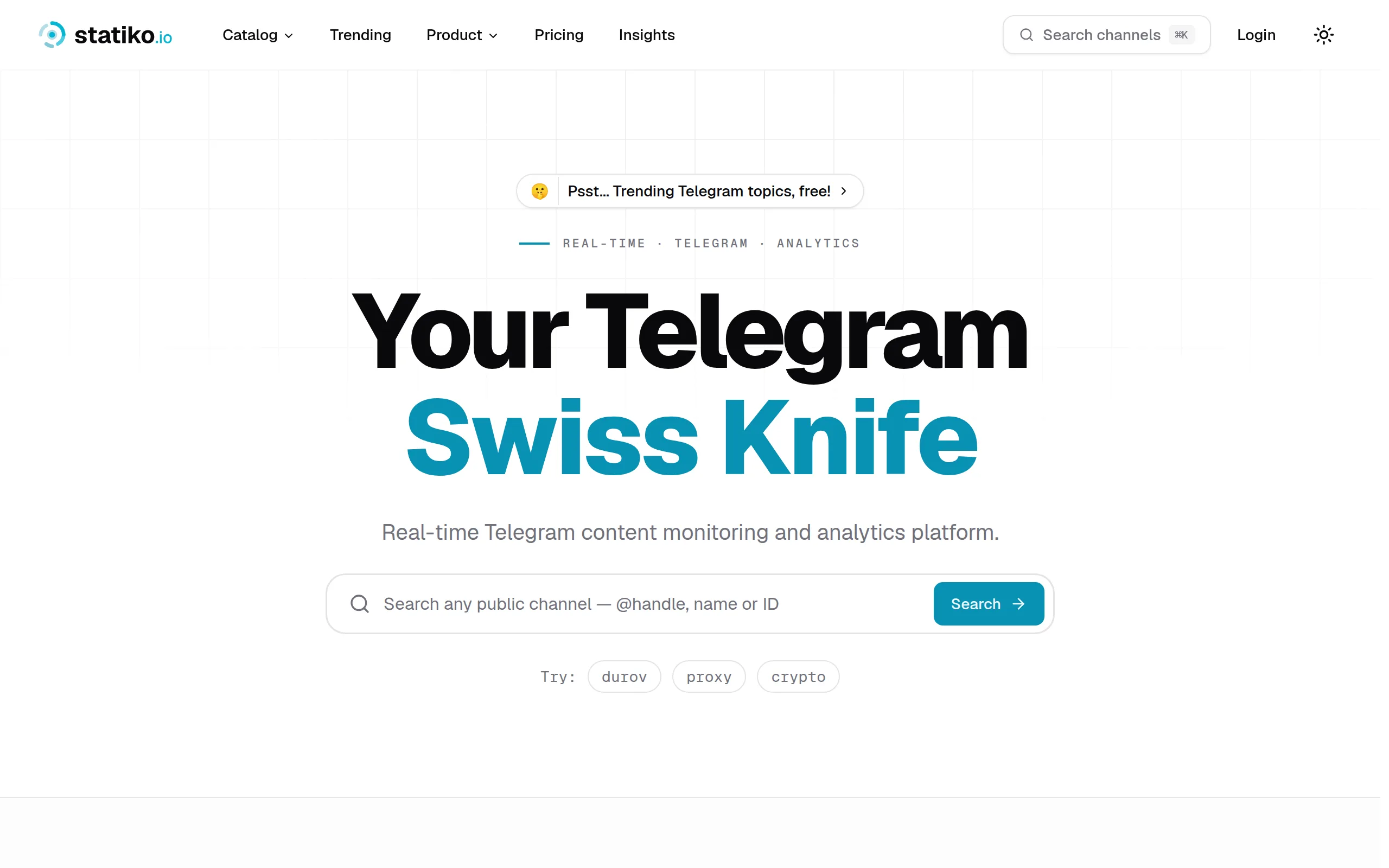
Statiko
Monitor any Telegram channel in real time - track posts, edits, deletions, and growth with AI recaps 📡

Shibui
AI website builder - describe your business, pick a niche template, edit by chatting, and publish instantly ✨

Pro Service
Find verified home service professionals, compare quotes, and pay securely through escrow - built for Brazilians across the US 🏠

RankGrow
Fix your SEO with AI agents - connect Search Console, get prioritized tasks, and grow organic traffic 📈
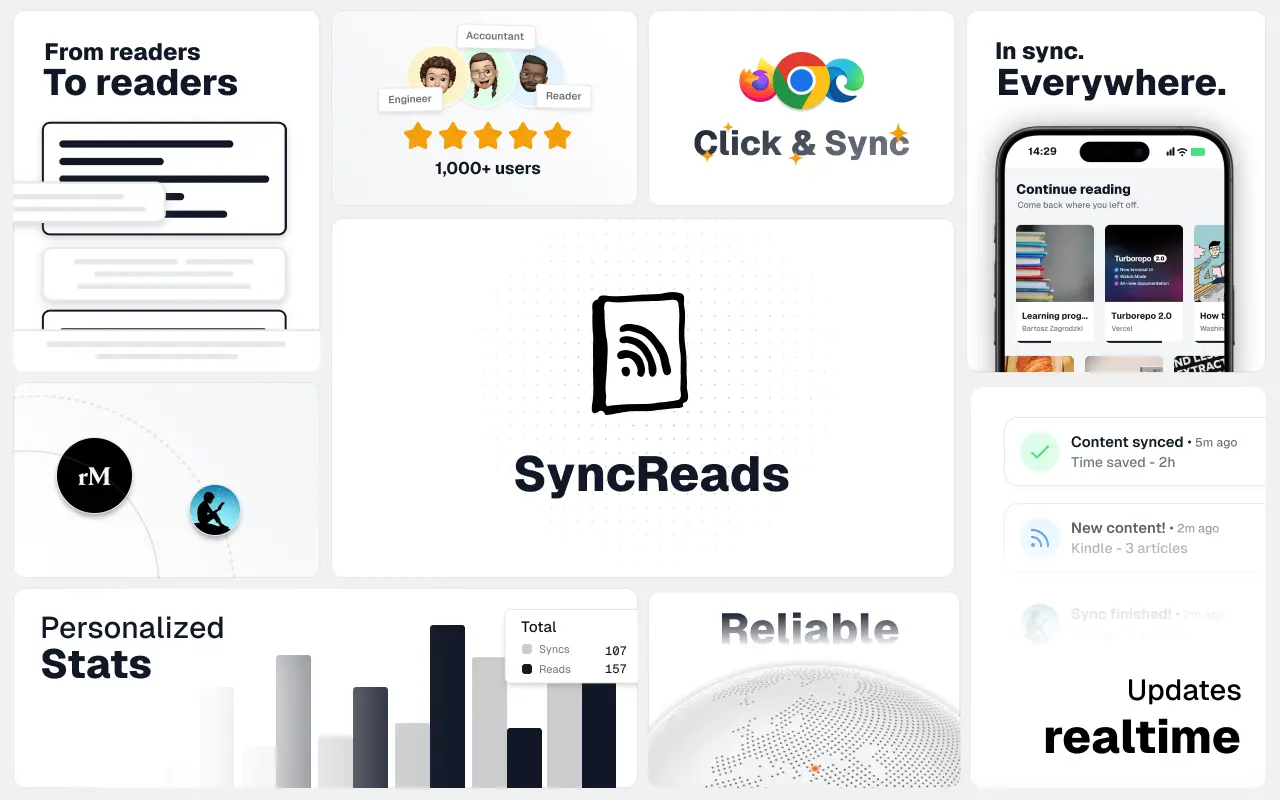
SyncReads
Sync your favorite content for distraction-free reading, save time and replace multiple apps. Anytime, anywhere 🔄
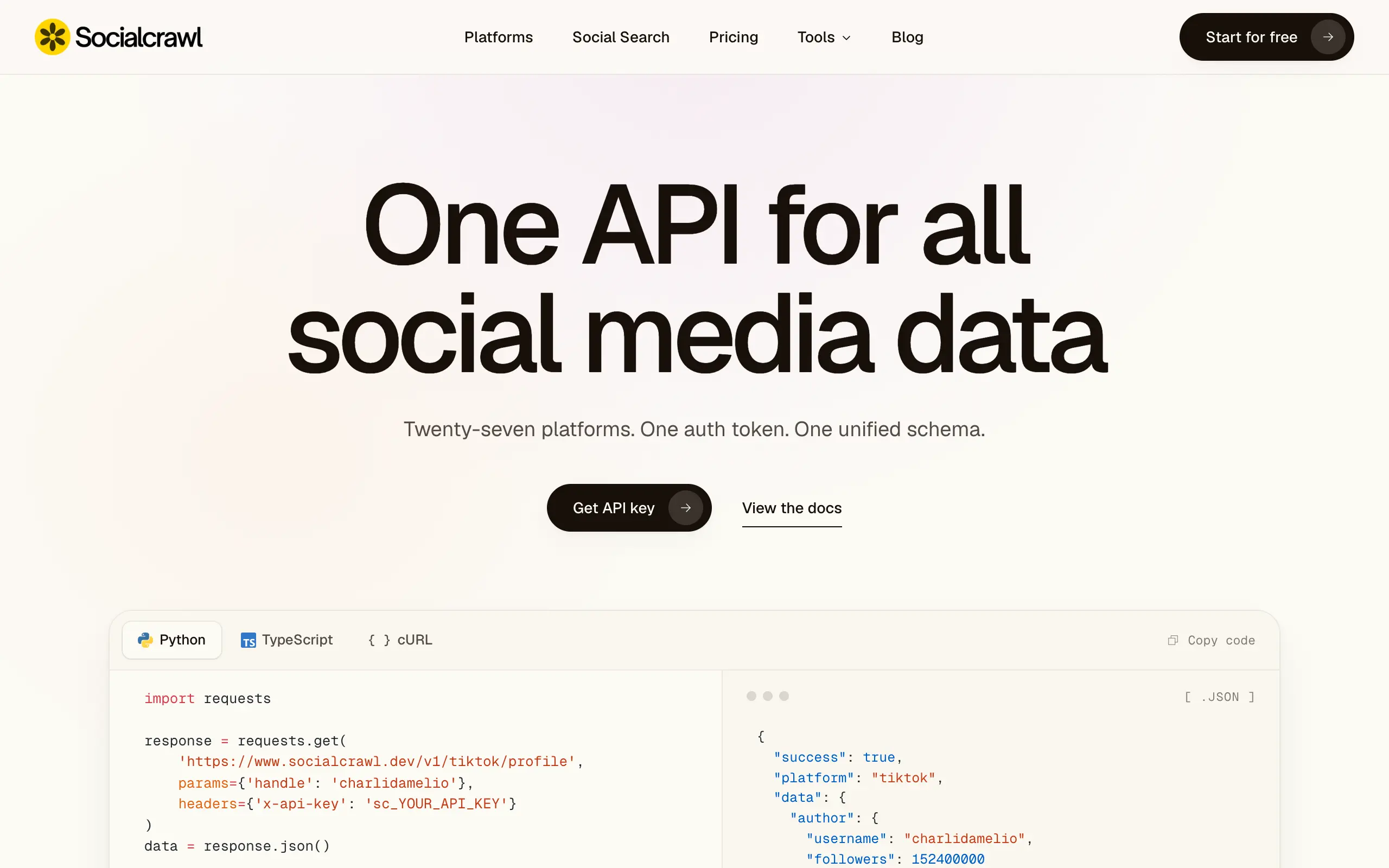
Socialcrawl
Get clean, structured data from 21 platforms like TikTok, Instagram, and YouTube with a single request 📊
Statiko
Monitor any Telegram channel in real time - track posts, edits, deletions, and growth with AI recaps 📡
Shibui
AI website builder - describe your business, pick a niche template, edit by chatting, and publish instantly ✨
Pro Service
Find verified home service professionals, compare quotes, and pay securely through escrow - built for Brazilians across the US 🏠
RankGrow
Fix your SEO with AI agents - connect Search Console, get prioritized tasks, and grow organic traffic 📈
SyncReads
Sync your favorite content for distraction-free reading, save time and replace multiple apps. Anytime, anywhere 🔄
Socialcrawl
Get clean, structured data from 21 platforms like TikTok, Instagram, and YouTube with a single request 📊
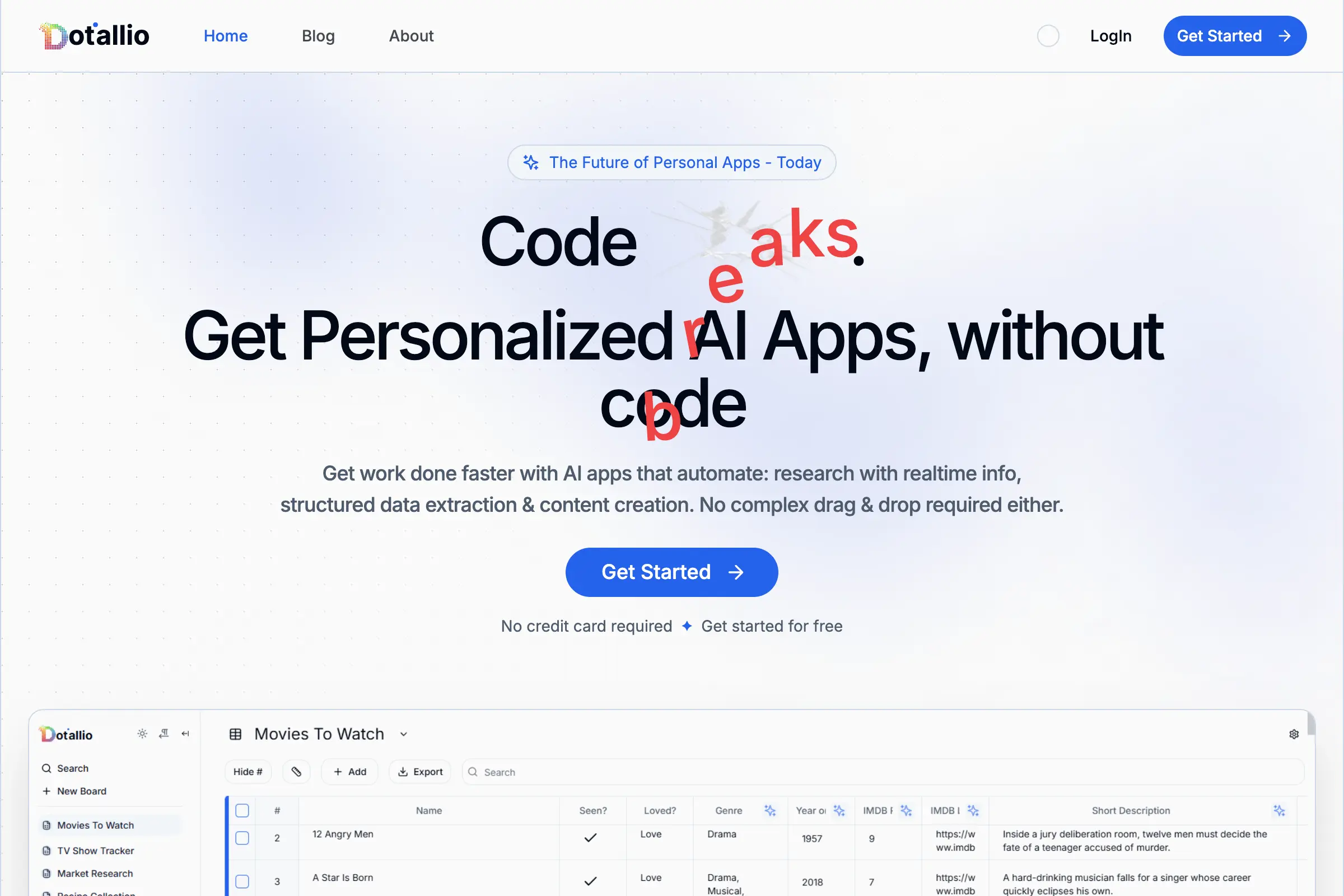
Dotallio
Personalized AI apps that automate research, data extraction, and content creation without code 🤖
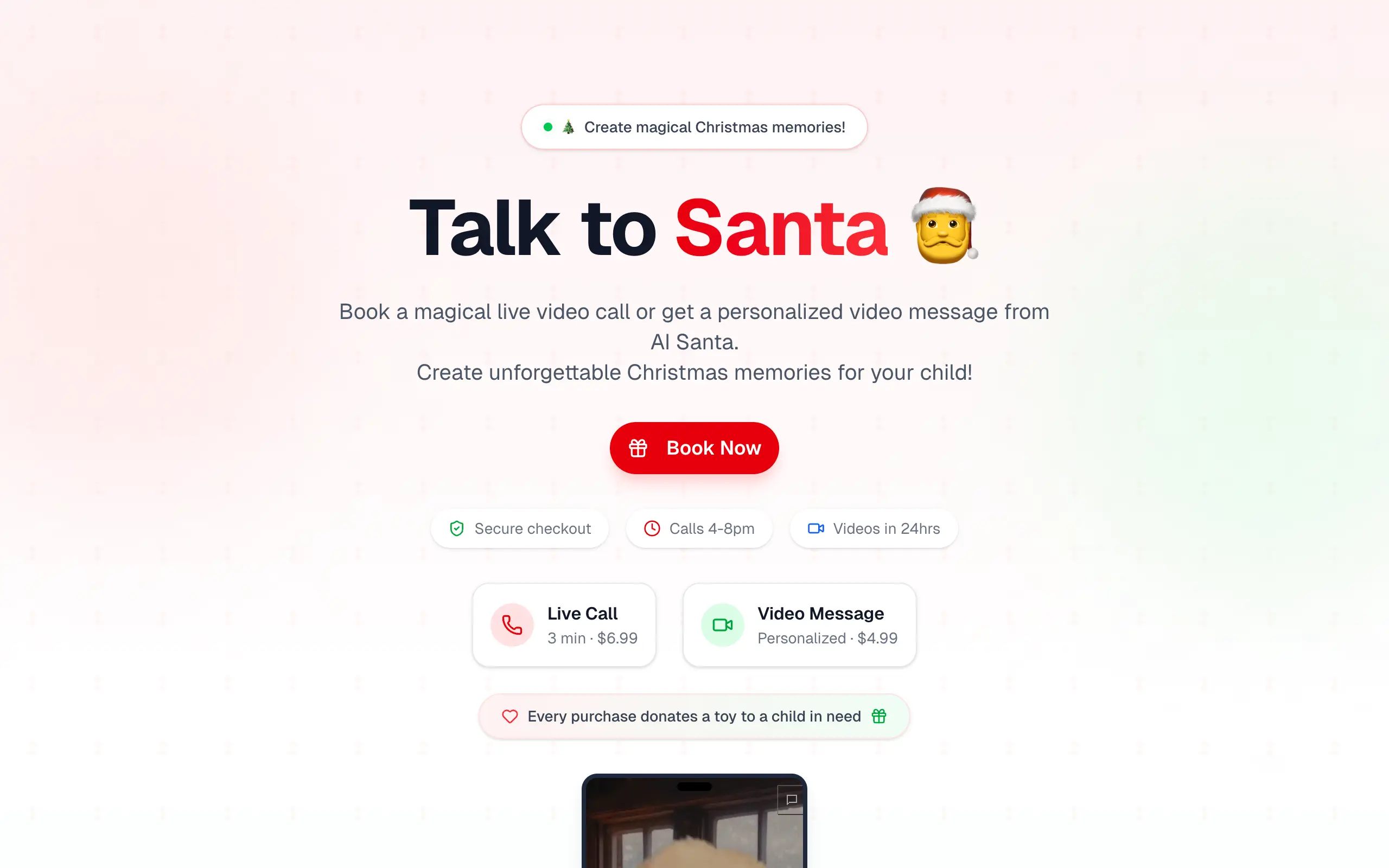
Talk to Santa
Enjoy a magical live video chat or receive a unique AI-generated video greeting from Santa Claus 🎅

pozywka.pl
Scalable blog for food journalist, focused on performance and user experience 🌭
zagrodzki.me
Personal blog and portfolio of Bart Zagrodzki, where he shares his knowledge and work 💼

TurboStarter
Ship your startup everywhere. In minutes.
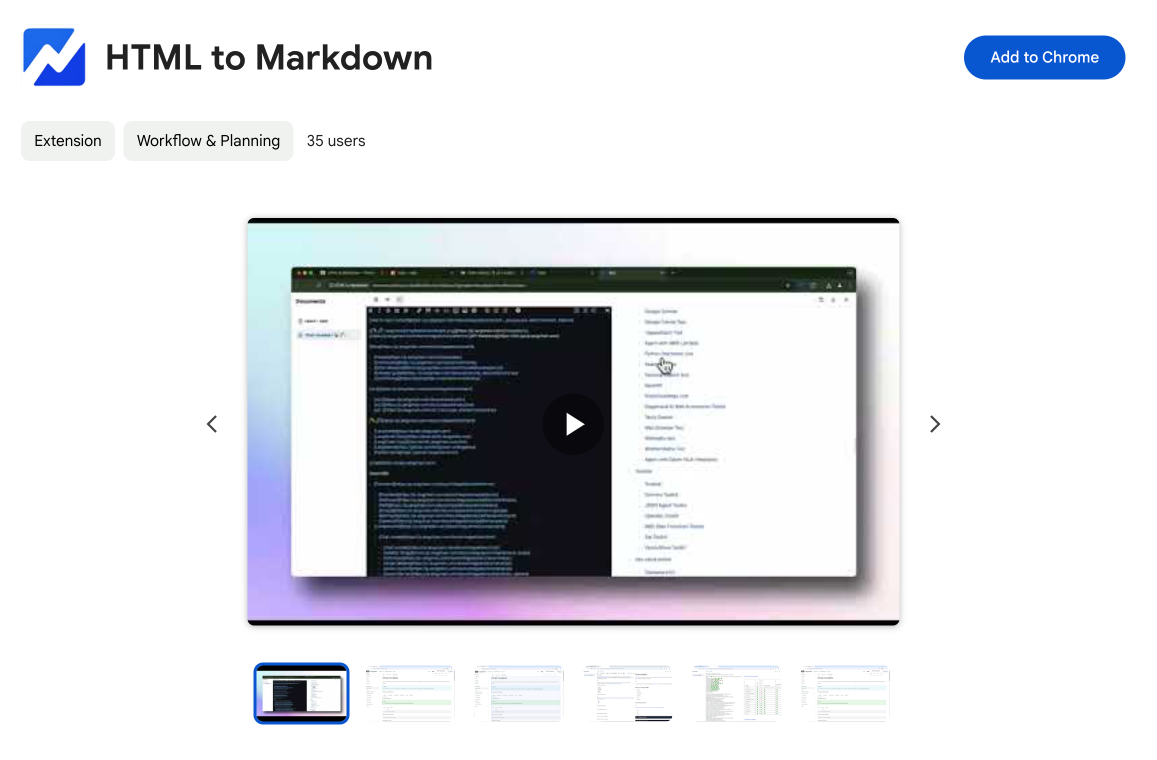
HTML to Markdown
Convert HTML to Markdown with ease, directly in your browser 📄
Dotallio
Personalized AI apps that automate research, data extraction, and content creation without code 🤖
Talk to Santa
Enjoy a magical live video chat or receive a unique AI-generated video greeting from Santa Claus 🎅
pozywka.pl
Scalable blog for food journalist, focused on performance and user experience 🌭
zagrodzki.me
Personal blog and portfolio of Bart Zagrodzki, where he shares his knowledge and work 💼
TurboStarter
Ship your startup everywhere. In minutes.
HTML to Markdown
Convert HTML to Markdown with ease, directly in your browser 📄
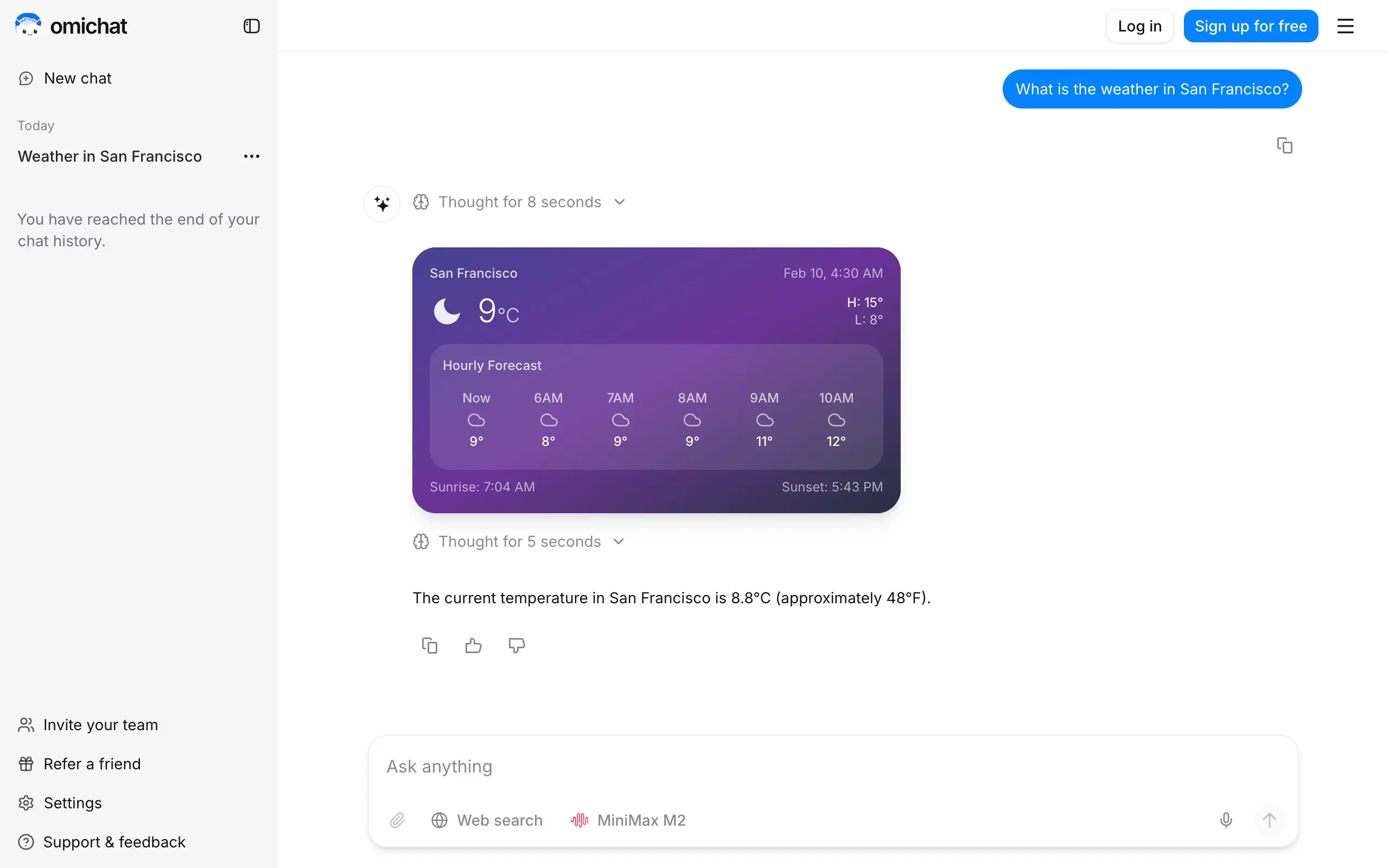
Omichat
Chat with 50+ AI models, including ChatGPT and Claude, in one place - switch models anytime without losing context 🤖
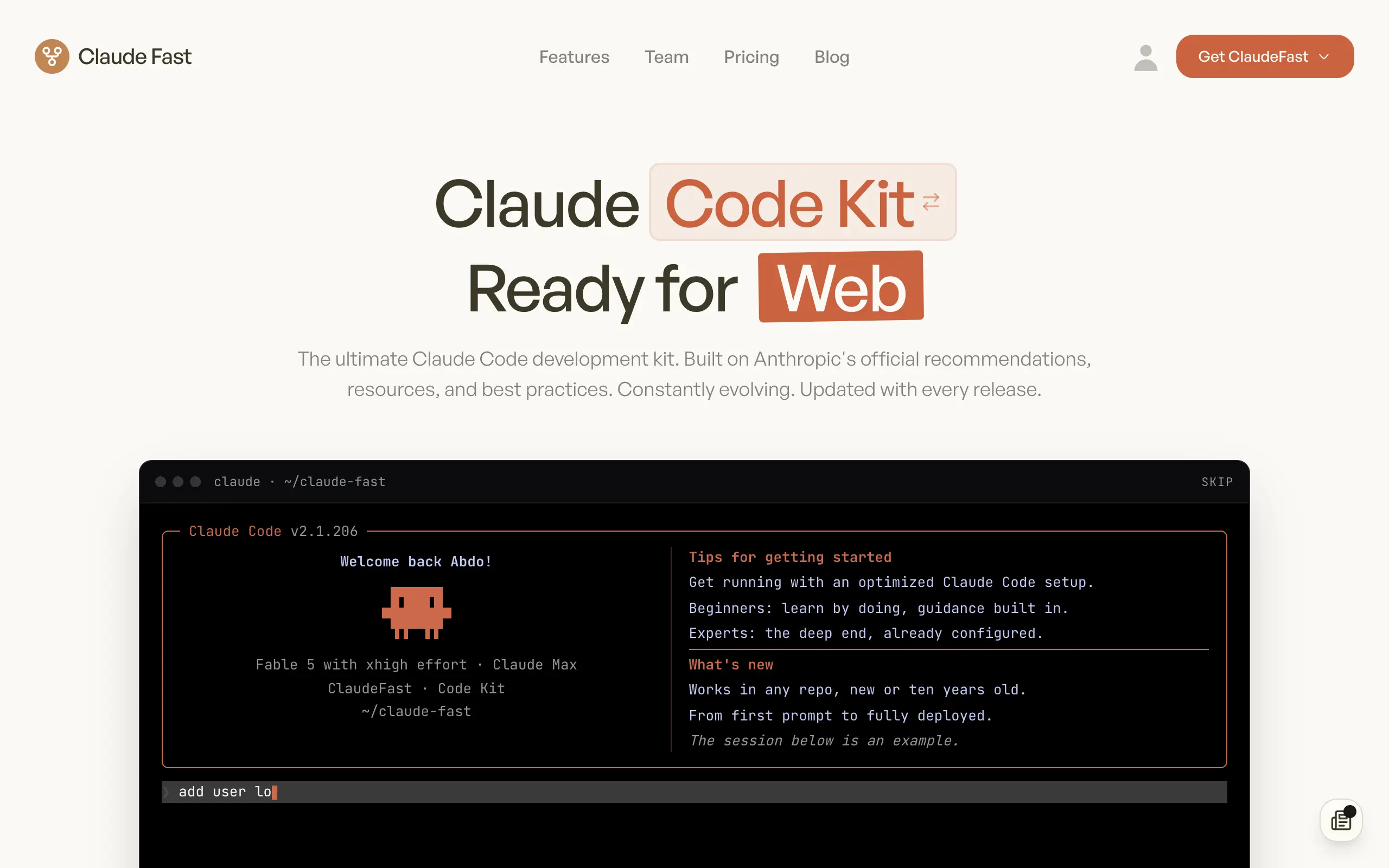
Claude Fast
Supercharge your Claude Code with 6x effective context window and specialized AI agents 🤖
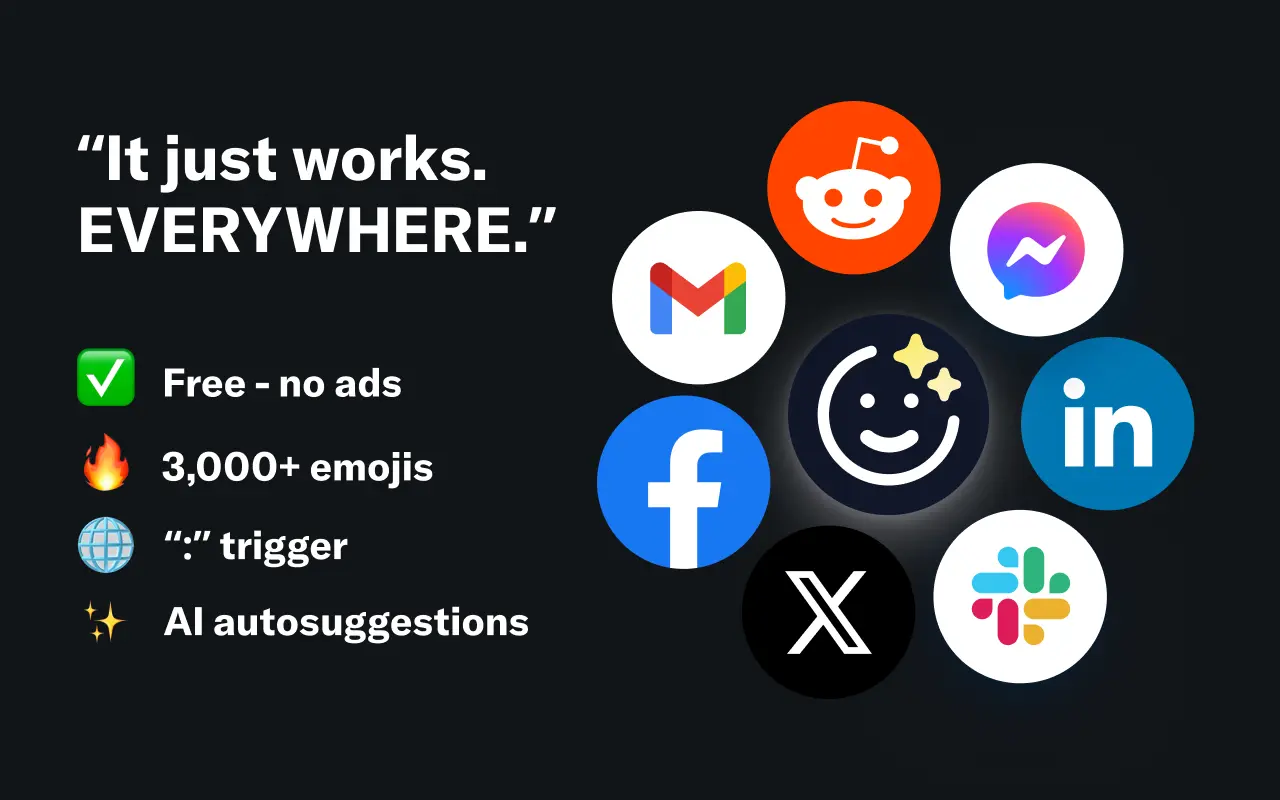
EmojAI
AI-powered emoji picker with smart, context-aware suggestions 🤖

Solohacker
Autonomous company launcher - AI agents work 24/7, escalate what matters, and you stay in control 🤖

BeRawi: Storytelling Coach
Practice storytelling daily with instant feedback to sound clearer, more engaging, and confident 🎤
Omichat
Chat with 50+ AI models, including ChatGPT and Claude, in one place - switch models anytime without losing context 🤖
Claude Fast
Supercharge your Claude Code with 6x effective context window and specialized AI agents 🤖
EmojAI
AI-powered emoji picker with smart, context-aware suggestions 🤖
Solohacker
Autonomous company launcher - AI agents work 24/7, escalate what matters, and you stay in control 🤖
BeRawi: Storytelling Coach
Practice storytelling daily with instant feedback to sound clearer, more engaging, and confident 🎤

Connect with like-minded people
Join our community to get feedback, support, and grow together with 1,000+ builders on board, let's ship it!
Join usShip your startup everywhere. In minutes.
Don't burn tokens on setup and start building features on day one.