RecallGuard
Scan a VIN to uncover recalls, title issues, service campaigns, and ownership-cost risks before buying a used car. Monetized with a low-cost trial and monthly alerts.
Buying a used vehicle is a high-stakes decision. A clean exterior, low odometer reading, and friendly seller do not reveal whether the car has an open safety recall, a branded title, an unresolved manufacturer service campaign, or maintenance costs that could turn an apparent bargain into an expensive mistake.
RecallGuard is a B2C VIN recall checker and used-car risk intelligence platform built for people who want a faster, more practical answer before they buy. By scanning or entering a vehicle identification number, buyers can review recall status, title-related warning signals, service campaigns, and ownership-cost risks in one understandable report. The product can then continue monitoring the vehicle after purchase through monthly alerts.
The opportunity is not simply to show raw vehicle data. Many consumers can find fragmented information from government databases, manufacturer sites, listings, repair shops, and sellers. The real product value is turning fragmented vehicle history signals into clear buying guidance at the exact moment a buyer needs confidence.
The core buying question
A VIN report should not overwhelm a buyer with technical records. It should help answer three practical questions: Is this vehicle safe to buy, what should I verify before paying, and what could cost me later?
Why a VIN recall checker matters for used-car buyers
A vehicle identification number is a unique 17-character identifier assigned to most road vehicles manufactured for sale in modern markets. It can reveal the vehicle’s manufacturer, model year, assembly information, and configuration. For a used-car buyer, the VIN is also the key that connects a specific vehicle to recall databases, title records, manufacturer campaigns, and other available automotive data sources.
A generic used-car checklist is useful, but it cannot identify the risks tied to one exact vehicle. A VIN recall check can surface open safety recalls that may still require free manufacturer repairs. A title-focused check can prompt a buyer to investigate whether a vehicle may have a salvage, rebuilt, flood, lemon, or theft-related history, subject to the coverage and limitations of the underlying data source.
This is particularly valuable in private-party sales, where the buyer often has less process protection than they would at a franchised dealership. It also matters for online vehicle marketplaces, where listing descriptions can be incomplete, stale, or overly optimistic.
The ideal RecallGuard user is not necessarily an automotive expert. In fact, the strongest demand comes from buyers who know enough to be cautious but do not know where to start.
The practical risks buyers want to avoid
Used-car shoppers usually search for a VIN recall checker because they are trying to reduce uncertainty. Their concerns often include the following.
- "Open safety recalls": The vehicle may have a manufacturer remedy available but not yet completed.
- "Title branding": A record may indicate prior severe damage, salvage processing, flooding, rebuilding, or another material title event.
- "Vehicle mismatch": The seller’s listed trim, engine, drivetrain, or model year may not match the VIN-decoded vehicle.
- "Costly ownership": A low purchase price may hide predictable maintenance needs, high insurance costs, poor fuel economy, or expensive parts.
- "Service campaigns": A manufacturer may have issued non-recall repair guidance, warranty extensions, or customer satisfaction programs.
- "Information gaps": A report may be clean because records are unavailable, delayed, or not included, not because the vehicle has no history.
A trustworthy platform must make an important distinction: no reported issue is not the same as no issue exists. RecallGuard should teach users what the report covers, what it does not cover, and which next steps remain essential, such as an independent pre-purchase inspection.
Target audience for RecallGuard
RecallGuard should focus on buyers with an immediate, transaction-driven need. They are often researching a specific VIN within hours or days of making an offer, which creates strong intent and a clear willingness to pay for timely information.
Primary audience: first-time and value-conscious used-car buyers
First-time buyers are highly motivated to avoid a bad purchase, but they may not understand recalls, title brands, manufacturer campaigns, or common model-specific maintenance issues. Their decision-making process is emotional as well as financial. They want a plain-language explanation rather than a dense data dump.
This segment needs a report that translates vehicle records into actions.
- "Before purchase": Ask the seller to provide recall repair documentation, permit an inspection, or adjust the price.
- "At the dealership": Confirm whether an open recall can be completed before delivery.
- "After purchase": Schedule free recall work and monitor for newly issued safety campaigns.
- "When negotiating": Use concrete risks and expected maintenance categories to support a lower offer or walk away.
Secondary audience: private-party buyers and online marketplace shoppers
Buyers sourcing vehicles from classified listings and peer-to-peer marketplaces often lack the protections offered by established dealers. A seller may be honest yet unaware of a recall or title complication. Other sellers may intentionally avoid discussing these details.
RecallGuard can serve this audience with mobile-first workflows. A buyer should be able to scan a VIN from the windshield, confirm the decoded vehicle, purchase a report, and receive a readable risk summary before meeting the seller or sending a deposit.
Tertiary audience: enthusiasts, families, and repeat buyers
Some users will scan multiple vehicles while shopping. Parents buying a first car for a teenager, owners looking for a reliable commuter, and enthusiasts considering a project vehicle all benefit from recurring access and saved vehicle monitoring.
These users can become monthly subscribers when RecallGuard provides ongoing alerts, saved reports, comparison tools, and ownership planning rather than treating every search as a one-time transaction.
Urgent buyer
Needs a fast VIN recall check before viewing, negotiating, or sending money for a specific vehicle.
Cautious household
Wants safety recall monitoring and predictable ownership insights for the family vehicle.
Multi-vehicle shopper
Compares several candidates and values saved reports, repeat scans, and decision support.
The market gap in used-car recall and history research
The used-car research market is mature, but the user experience remains fragmented. Government recall tools are authoritative for recall data but can be narrow in scope. Manufacturer portals may require manual searching. Vehicle history reports can provide valuable context but are frequently perceived as expensive, difficult to compare, or too record-heavy for casual shoppers. General automotive editorial sites offer reliability commentary, but they do not always connect insights to a specific VIN.
RecallGuard can occupy the gap between a free database lookup and a premium, comprehensive history report.
The platform’s unique position is not claiming to replace every official source or inspection. Instead, it can become the decision layer that helps consumers understand the available evidence quickly.
What existing alternatives often miss
A buyer may find an open recall through an official source, then separately search for title history, known repair issues, insurance estimates, and maintenance schedules. This creates friction and increases the risk that a buyer skips important checks.
RecallGuard can unify this process around a guided report.
| Buyer need | Free recall database | Generic vehicle history report | RecallGuard opportunity | Recommended action |
|---|---|---|---|---|
| Open recall status | Usually strong | Often included | Clear status with urgency | Book repair or verify completion |
| Title-related risk | Usually limited | May be included | Explain evidence and limitations | Verify title and order inspection |
| Ownership-cost guidance | Rarely included | Often limited | Model-aware cost planning | Budget before making an offer |
| Ongoing monitoring | Manual rechecking | Varies by provider | Monthly alerts and saved vehicles | Respond to new risk signals |
The table highlights the core product strategy. RecallGuard should avoid competing solely on volume of records. It should compete on clarity, timing, affordability, and actionable interpretation.
Data trust is the product’s foundation
Automotive data is sensitive because a wrong or incomplete result can affect a major financial decision. RecallGuard should source each category from reputable, documented providers and clearly identify the date of the last successful check.
For US recall status, the National Highway Traffic Safety Administration is a logical authoritative source. The NHTSA recalls page should be presented as a primary reference for recall education and official consumer action. Where the product uses manufacturer information, it should label the manufacturer as the originating source.
Title and registration-derived information require special care. In the United States, the National Motor Vehicle Title Information System has specific rules and approved consumer access pathways. RecallGuard should use properly licensed providers, present source coverage transparently, and obtain legal review before making claims about branded title detection or title history completeness.
Avoid marketing language such as “guaranteed clean title” or “complete vehicle history.” More accurate positioning includes phrases such as:
- "Reported title-related records found in covered sources"
- "No matching records returned as of the report date"
- "Verify the physical title and state records before purchase"
- "This report does not replace a mechanical inspection or legal title verification"
That precision builds trust, reduces regulatory exposure, and differentiates RecallGuard from low-quality lookup tools.
RecallGuard’s unique selling proposition
RecallGuard’s USP is simple: a consumer-friendly VIN recall checker that combines safety status, title risk signals, service campaign context, and ownership-cost guidance into a practical pre-purchase decision report, then keeps monitoring the vehicle after the sale.
The distinctive feature is the connection between one-time evaluation and recurring protection.
Many consumers only think about recalls when they are buying a vehicle. However, recalls can be announced after a purchase, and owners may miss mailed notices if a vehicle has changed hands. A monthly alert plan gives RecallGuard a useful lifecycle role after the transaction.
The RecallGuard report should prioritize decisions, not raw data
A strong report begins with a concise summary that a stressed buyer can understand in seconds.
For example, the report can display:
- "Safety status": Open recall found, no open recall found, or recall data unavailable.
- "Title-risk status": No matching branded-title signal found, records requiring review, or data coverage limitation.
- "Service status": Manufacturer campaign, warranty extension, or service bulletin context where legally and commercially appropriate.
- "Ownership outlook": Low, moderate, or elevated likely ownership-cost profile based on transparent criteria.
- "Purchase recommendation": Proceed with verification, negotiate after inspection, or pause and investigate.
The recommendation must be explained. A buyer should be able to open each finding and see the source category, the meaning of the finding, the likely next step, and the confidence or coverage limitation.
A risk score must be explainable
A single score can improve usability, but opaque scoring can create distrust. RecallGuard should use a “risk indicators” framework rather than presenting a mysterious algorithmic verdict.
For instance, a score can reflect factors such as open safety recalls, reported title brands, number and severity of unresolved issues, vehicle age, mileage entered by the user, model-level maintenance patterns, and expected repair-cost categories. Each factor should have an explanation.
A good VIN report says what was found, where the information came from, when it was checked, what the finding means, and what the buyer should do next. It uses plain language and shows limitations without hiding them.
A poor report uses an unexplained score, vague warnings, fear-based language, or claims of certainty unsupported by the data. It makes users feel pressured but not informed.
Core features for a high-converting VIN recall checker
The initial product should solve the narrow, urgent job exceptionally well. Feature breadth can expand after RecallGuard validates conversion, repeat usage, and alert retention.
VIN scanning and validation
The first interaction must be nearly effortless. Support manual VIN entry, camera scanning, and OCR-assisted extraction from windshield labels or documents. Because OCR can misread similar characters, such as 0 and O, RecallGuard should validate VIN structure and ask users to confirm the result.
Useful validation includes:
- Checking whether the VIN has the expected length and permitted character set.
- Decoding basic vehicle attributes to ensure the report matches the shopper’s target vehicle.
- Flagging an invalid checksum where applicable.
- Asking the buyer to compare the displayed year, make, model, and trim against the vehicle.
A VIN scanner is a conversion feature, but validation is a trust feature.
Recall and service campaign intelligence
The recall module should provide more than a red or green badge. For every relevant recall, present the recall title, component category, risk description, remedy, recall issue date where available, and a direct recommendation to contact a manufacturer dealer.
The interface should distinguish among:
- "Open recall": A remedy may still be needed.
- "Completed recall": Completion status should only be displayed when supported by a reliable source.
- "Historical recall": A recall associated with the model that may not be confirmed as open on the individual VIN.
- "Service campaign": A non-safety manufacturer initiative that should not be mislabeled as a recall.
- "Technical service bulletin": Service guidance for technicians, not automatically a free repair or a safety recall.
This terminology matters. Confusing a technical service bulletin with a recall can create unnecessary alarm and damage credibility.
Title and incident-risk signals
Title data should be positioned as an investigation prompt, not a final legal determination. The report can highlight returned title brands, odometer-related concerns where covered, theft-related signals where lawfully available, or salvage and rebuilt indicators.
For every potentially serious finding, RecallGuard should include a clear escalation path:
- Ask the seller for the physical title and all title assignment documents.
- Match the VIN on the title, dashboard, door label, and report.
- Confirm title status with the relevant state motor vehicle agency when appropriate.
- Obtain an independent inspection from a qualified mechanic or body shop.
- Walk away if the seller refuses reasonable verification.
Ownership-cost risk planning
Ownership-cost guidance is a meaningful differentiator when it remains transparent. Rather than predicting a precise future repair bill, RecallGuard can show cost categories and planning ranges based on vehicle age, powertrain type, known scheduled maintenance intervals, parts complexity, fuel requirements, and available model-level repair patterns.
A hybrid battery, turbocharged engine, air suspension, advanced driver-assistance sensor suite, or luxury-brand electronics can all influence ownership planning. The report should state whether an estimate is based on published schedules, historical repair datasets, insurer data, user-provided mileage, or a third-party pricing source.
The goal is not to scare users away from complex vehicles. It is to help them budget responsibly and compare candidates fairly.
Saved vehicles, comparisons, and monthly alerts
The subscription engine begins with saved vehicles. A user who saves a VIN should be able to revisit the report, upload inspection notes, track recall changes, and compare multiple candidates.
Monthly alerts can notify users about:
- Newly issued safety recalls.
- Changes in available recall information.
- Relevant manufacturer campaigns when data coverage permits.
- Ownership reminders based on mileage or time entered by the user.
- Major report updates from connected data providers.
Alerts should be configurable. Too many notifications will increase churn; too few will weaken perceived subscription value. Let customers choose critical safety alerts only, monthly digest updates, or full monitoring.
Recommended tech stack for RecallGuard
RecallGuard needs a stack that supports fast consumer workflows, secure handling of user accounts, auditability for paid reports, and flexible integration with automotive data providers.
A modern TypeScript stack is a strong fit for an early-stage product.
Frontend and application framework
Use Next.js with React and TypeScript. Next.js supports server-rendered landing pages for SEO, fast authenticated application routes, route handlers for API orchestration, and a mature ecosystem for billing and analytics.
Use Tailwind CSS for a fast, consistent responsive interface. The product is likely to be mobile-heavy, so component design should start with narrow screens, large tap targets, strong contrast, and short report summaries.
For camera-based VIN capture, use browser media APIs with a well-tested barcode or OCR workflow. Consider offering manual entry as a first-class option rather than treating it as a fallback.
Backend, database, and jobs
A relational database such as PostgreSQL is well suited to user accounts, report purchases, VIN lookup records, subscription status, alert preferences, and audit trails. Use an ORM such as Prisma if it improves team productivity and schema safety.
The core data model should separate immutable lookup results from user-facing report interpretations. This is important when a provider updates records or when RecallGuard improves its scoring logic.
A practical high-level model includes:
- "Vehicle": Normalized VIN and decoded vehicle attributes.
- "Lookup": Provider request metadata, response timestamp, status, and source version.
- "Finding": Normalized recall, title, campaign, or cost-risk item.
- "Report": The user-facing snapshot generated from a lookup.
- "Subscription": Billing status, alert eligibility, and retention history.
- "Alert": Trigger, delivery status, and user action history.
Use background jobs for data refreshes and monthly monitoring. A queue-based design prevents scheduled checks from slowing down report delivery and enables retries when a provider is temporarily unavailable.
Payments, authentication, and observability
Use Stripe for low-cost trial payments, subscriptions, receipts, tax configuration, and webhook-based entitlement updates. Ensure webhook events are verified and idempotent, since duplicate events can otherwise create incorrect access states.
For authentication, select a provider that supports secure email login, social sign-in where useful, account recovery, and session management. The best choice depends on the team’s operational preferences and privacy requirements.
Production observability should include error tracking, structured logs, performance monitoring, data-provider latency metrics, failed lookup rates, webhook failures, alert-delivery rates, and subscription churn events. Automotive data integrations will occasionally fail or return partial responses; operations teams need early warning before customers notice.
Build-versus-buy trade-offs
The most important technical decision is data acquisition. Building direct integrations can improve control and margins at scale, but it requires contracts, compliance review, normalization work, and ongoing maintenance. Buying from an established automotive data provider can accelerate launch, but may create margin pressure and vendor dependency.
Start with a provider when speed to market, legal clarity, and data breadth matter more than owning the entire data pipeline. Negotiate usage rights, refresh rules, attribution requirements, geographic coverage, and allowed consumer-facing claims before launch.
Pursue direct manufacturer or government-source integrations when they improve freshness, reduce per-report cost, or provide a differentiated experience. Keep a provider abstraction layer so one source can be replaced without rewriting the product.
Every material finding should preserve its provider, source category, retrieval date, raw reference identifier where permitted, and transformation version. This makes customer support, dispute handling, and future compliance reviews far more manageable.
For a SaaS foundation that reduces time spent on commodity infrastructure, teams can evaluate TurboStarter as a starting point for common application patterns. The key is to keep vehicle-data integrations and report logic modular rather than coupling them tightly to the UI.
Monetization strategy for RecallGuard
RecallGuard has a natural hybrid revenue model because user intent differs before and after the vehicle purchase.
A one-time buyer needs a report now. A vehicle owner needs monitoring over time. The pricing architecture should let users start with minimal friction while making the recurring plan feel valuable rather than forced.
Low-cost trial and report conversion
The entry offer could be a low-cost trial that unlocks one complete VIN report and starts a limited monitoring period. A simple offer might include one report, seven or fourteen days of alerts, and a clear subscription renewal date.
The trial should not be misleading. Pricing, renewal timing, cancellation instructions, and included data categories should be visible before checkout. Consumer trust is especially important for a product used during an expensive purchase decision.
Possible pricing components include:
- "Single report": A one-time purchase for users evaluating one vehicle.
- "Buyer pass": A short-term bundle for users comparing several VINs over a defined shopping window.
- "Monthly monitoring": Ongoing recall and campaign alerts for saved vehicles.
- "Household plan": Monitoring for several owned vehicles.
- "Premium review": An optional human-assisted report explanation or inspection checklist, only if operational quality can be maintained.
Designing for healthy unit economics
The business model depends on the relationship between data lookup costs, payment fees, trial conversion, subscription retention, support costs, and paid acquisition cost. A low trial price can improve initial conversion but become unprofitable if expensive data is requested before payment or if the product attracts fraudulent traffic.
Use a staged lookup approach where possible. Validate the VIN and show limited, low-cost preliminary information before running premium data queries. Require payment before any data call that incurs meaningful variable cost.
Track the following metrics from the first launch cohort:
- "Visitor-to-VIN-entry rate": Measures landing-page relevance and trust.
- "VIN-entry-to-checkout rate": Indicates how compelling the initial result and value proposition are.
- "Checkout completion rate": Reveals pricing, payment, and confidence issues.
- "Trial-to-paid conversion": Measures whether the ongoing monitoring value is clear.
- "Monthly retention": Shows whether alerts are relevant enough to justify recurring payment.
- "Cost per completed report": Includes provider fees, payment costs, infrastructure, and support allocation.
- "Dispute and refund rate": Can expose unclear expectations or data-quality problems.
Competitive advantage and defensibility
RecallGuard will not win long term by being another VIN lookup page. Search competitors can copy a landing page, and large incumbents may have broader datasets. The defensible advantage comes from combining trusted data practices with superior decision support and a subscription relationship.
Build trust through transparent explanations
A buyer who sees an alarming title-related signal needs more than an icon. They need to know whether the signal is confirmed, what source category returned it, and how to verify it. A buyer who sees no recall needs to know the report date and whether they should still check with the manufacturer.
This approach may appear less aggressive than fear-based conversion tactics, but it supports retention, word of mouth, lower refund rates, and stronger brand credibility.
Build a proprietary decision layer
Over time, RecallGuard can develop proprietary value from anonymized product interactions and opt-in user feedback. For example, it may learn which recall explanations drive dealer verification, which vehicle categories produce high support needs, and which ownership-risk content helps customers make confident decisions.
The platform should never imply that customer behavior is a substitute for official records. Instead, behavioral insight can improve report ordering, education, alerts, and recommendations.
Win on post-purchase value
A monthly alert product has a strategic advantage over a one-time report. It creates recurring engagement around vehicle safety and ownership. If customers trust RecallGuard as their ongoing vehicle record companion, they may return when they sell, trade in, add another vehicle, or help a family member shop.
Risks and mitigation for a VIN recall checker business
Automotive data products carry commercial, technical, and legal risks. Addressing them early is more effective than writing disclaimers after problems emerge.
Data incompleteness and stale information
Data may be delayed, unavailable for certain makes or model years, or incomplete across jurisdictions. A recall status can change after a report is generated, and title-related events may not appear in every source.
Mitigate this risk by timestamping every lookup, showing coverage limitations, retaining source metadata, and offering refreshes through the monitoring plan. Avoid absolute statements about a vehicle’s entire history.
Regulatory and consumer-protection exposure
RecallGuard influences financial decisions. Marketing claims, subscription enrollment flows, cancellation design, privacy notices, and report wording should be reviewed by qualified counsel in each target market.
Mitigation should include plain-language disclosures, affirmative billing consent, accessible cancellation, a documented refund policy, and clear instructions that the product does not replace a licensed inspection, official title verification, or legal advice.
Privacy and security
A VIN is associated with a vehicle and may become personal data when linked with an account, location, payment record, or ownership information. RecallGuard should minimize collection, encrypt sensitive data in transit and at rest, restrict internal access, and set retention policies for unnecessary records.
Do not collect vehicle documents, license plates, or owner details unless they are necessary for a specific, clearly explained feature. If document upload is added later, use malware scanning, access controls, and explicit retention rules.
False confidence and poor user decisions
The greatest product risk is a buyer interpreting a “clear” result as a guarantee. Reduce this risk through report language, inspection reminders, and a final pre-purchase checklist.
A report is one layer of due diligence
Even a strong VIN report should recommend an independent mechanical inspection, a test drive, verification of the physical title, and confirmation that the VIN matches the vehicle. RecallGuard should make this guidance prominent rather than burying it in terms of service.
Actionable implementation plan for RecallGuard
The fastest path is to launch a narrow, trustworthy MVP, validate that buyers pay for a report, then expand into recurring alerts and deeper ownership intelligence.
The first version does not need every possible vehicle record. It needs to deliver a credible answer to a buyer’s immediate concern, explain uncertainty honestly, and make the next action obvious.
SEO content strategy for RecallGuard
The most valuable organic traffic will come from high-intent searches made during active vehicle shopping. The primary keyword should be VIN recall checker, supported by related search phrases such as “check recalls by VIN,” “used car recall check,” “open recalls by VIN,” “vehicle recall lookup,” “title check before buying a used car,” and “used car ownership costs.”
Create pages that match distinct user intent rather than repeating the same generic message.
High-intent landing pages
Core product pages should target users who already have a VIN and want an answer quickly.
Potential page topics include:
- "VIN recall checker": The primary conversion page with clear input and a concise explanation of what the scan checks.
- "Check open recalls by VIN": An educational and transactional page focused on safety recall status.
- "Used car title check": A careful explanation of title brands, coverage limits, and verification steps.
- "Recall check before buying a used car": A pre-purchase guide with an embedded VIN workflow.
- "Vehicle service campaign lookup": A page explaining the difference between recalls, campaigns, and technical service bulletins.
Each page should have unique copy, a clear search intent, a visible VIN entry point, and internally linked educational resources.
Educational content that demonstrates E-E-A-T
RecallGuard can earn trust through practical guides written and reviewed by knowledgeable automotive, consumer-safety, and compliance professionals. The goal is not to publish thin listicles. It is to answer questions that buyers actually ask at the point of purchase.
Useful articles include:
- How to check whether a recall has been repaired.
- What a salvage or rebuilt title means for a used-car buyer.
- Why a vehicle may have an open recall even when it passed inspection.
- How to verify a VIN matches the dashboard, door label, title, and insurance records.
- What to ask a seller before buying a used vehicle privately.
- Why a clean VIN report does not replace a pre-purchase inspection.
- How hybrid, electric, luxury, and turbocharged vehicles can change ownership-cost planning.
For every article that mentions legal rules, official recall processes, or specific statistics, cite the original authoritative source in the editorial workflow. Use government agencies, manufacturer documentation, established consumer organizations, and documented industry research. Keep publication dates, author credentials, review dates, and correction policies visible on the site.
Programmatic SEO with quality controls
RecallGuard may eventually create model-specific pages for recall research, such as pages for a particular model year and vehicle name. This can be effective only if every page contains genuinely useful, reviewed content beyond a template.
A high-quality model page can include recall education, model-year context, common questions, inspection considerations, ownership-cost factors, and a VIN-specific lookup prompt. It should not claim that every vehicle of that model has the same VIN-level status.
Avoid publishing thousands of thin pages merely by swapping make and model names. Search engines and users both reward pages that provide real value, accurate distinctions, and clear sourcing.
Final perspective
RecallGuard has a compelling consumer SaaS opportunity because it addresses a stressful, expensive, and time-sensitive decision. The winning version will not rely on dramatic warnings or unverifiable promises. It will earn trust by making vehicle risk information easier to access, easier to understand, and easier to act on.
The strategic formula is clear: provide a fast VIN recall checker experience, pair it with responsible title and ownership-risk context, explain every finding with appropriate limitations, and convert the one-time buyer into a subscriber through useful ongoing alerts.
When the product helps a buyer avoid one unsafe vehicle, negotiate a fairer price, or complete a free recall repair they would otherwise miss, it delivers value that is both immediate and easy to explain.
More 👥 B2C Application SaaS ideas
Discover more innovative b2c application SaaS ideas that are trending in 2026. Each idea is AI-generated with market validation and growth potential to help you find your next profitable venture faster than competitors.
Your competitors are building with TurboStarter
Below are some of the SaaS ideas that have been generated and built with our starter kit.
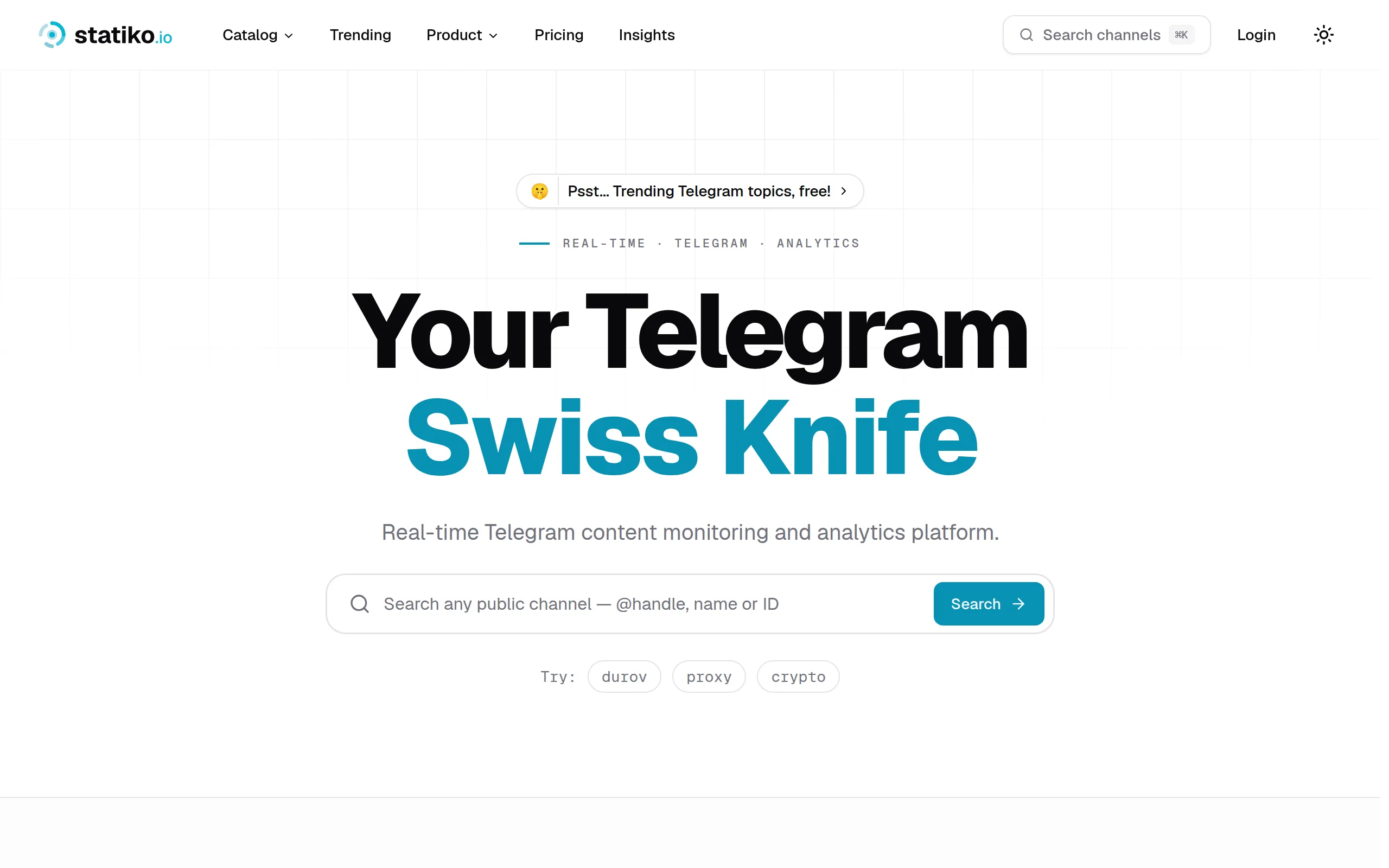
Statiko
Monitor any Telegram channel in real time - track posts, edits, deletions, and growth with AI recaps 📡
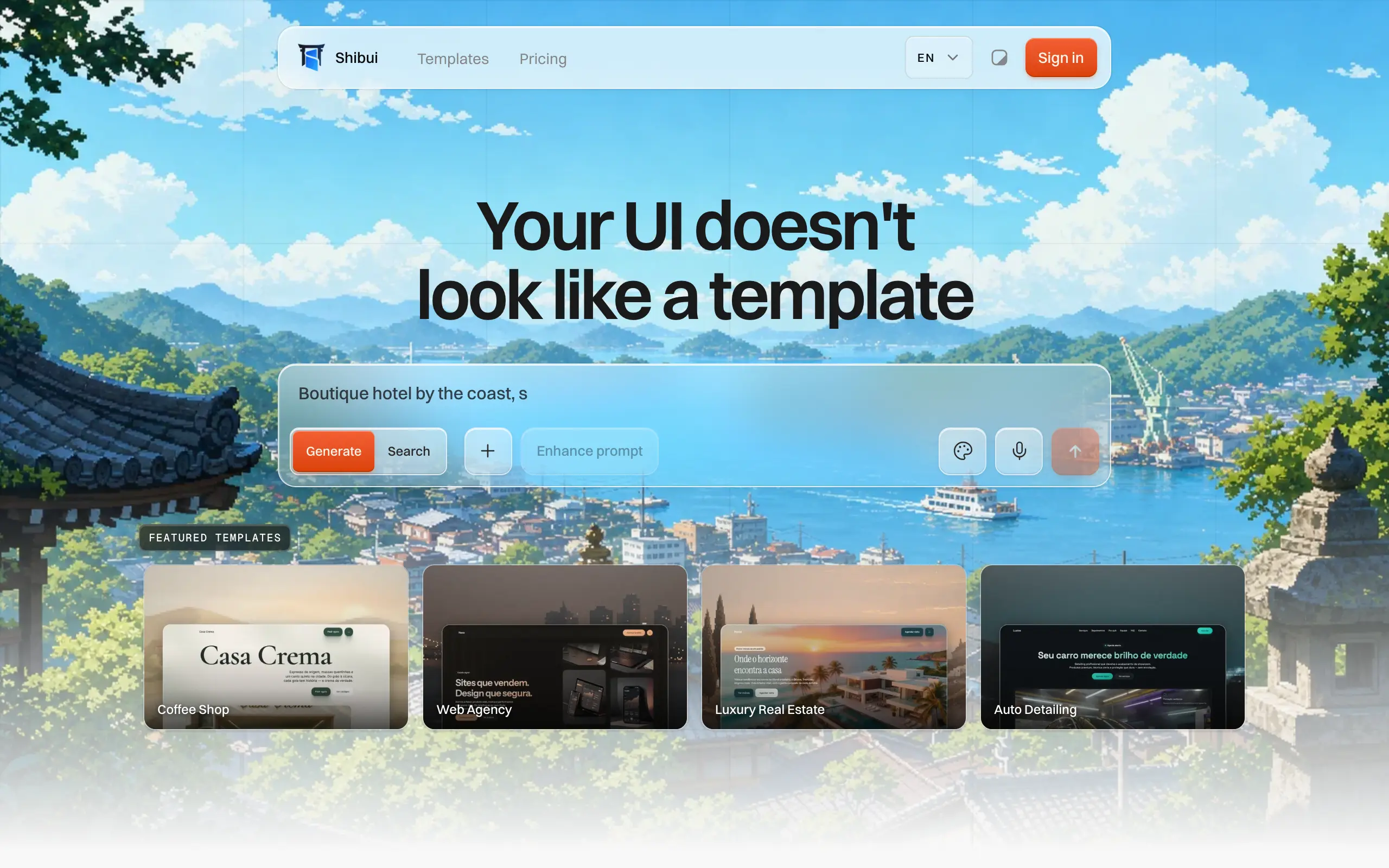
Shibui
AI website builder - describe your business, pick a niche template, edit by chatting, and publish instantly ✨
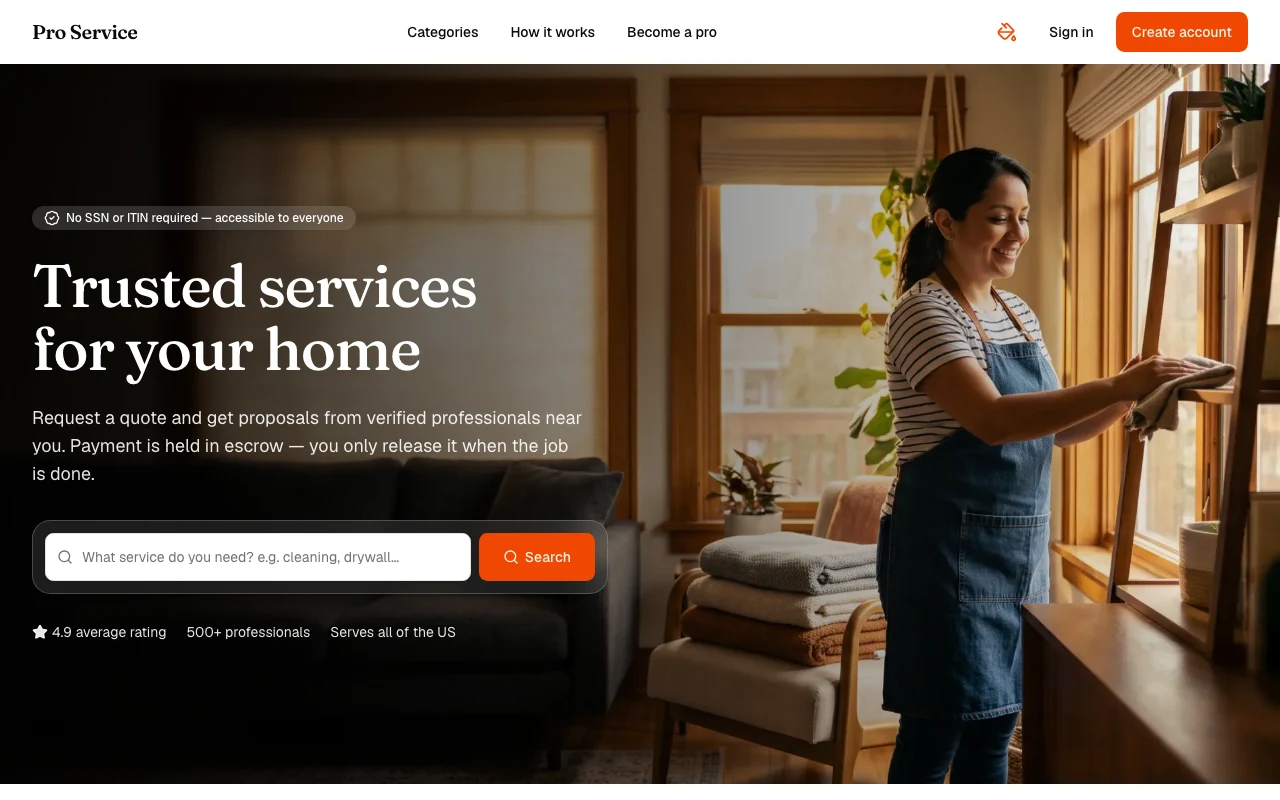
Pro Service
Find verified home service professionals, compare quotes, and pay securely through escrow - built for Brazilians across the US 🏠
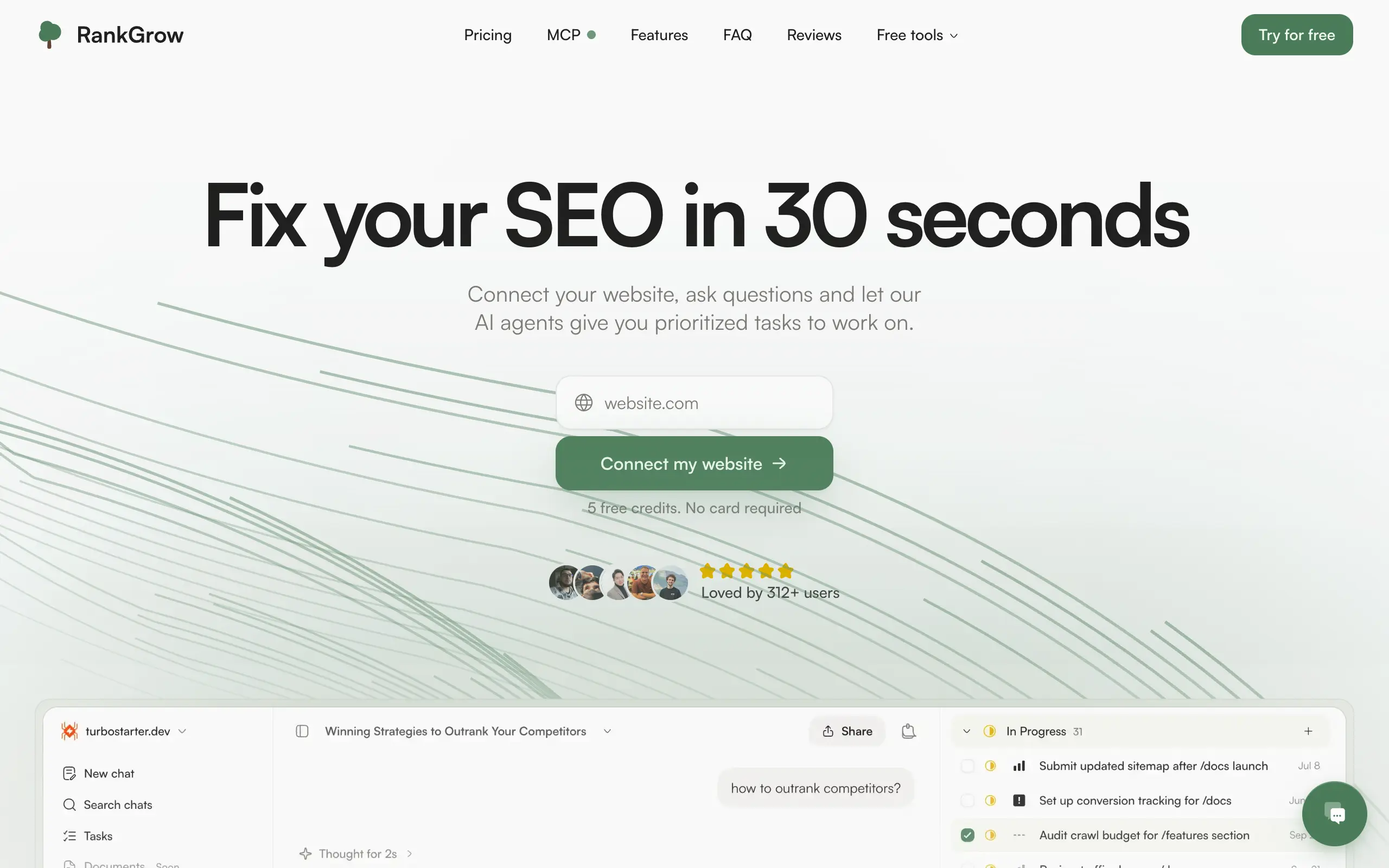
RankGrow
Fix your SEO with AI agents - connect Search Console, get prioritized tasks, and grow organic traffic 📈
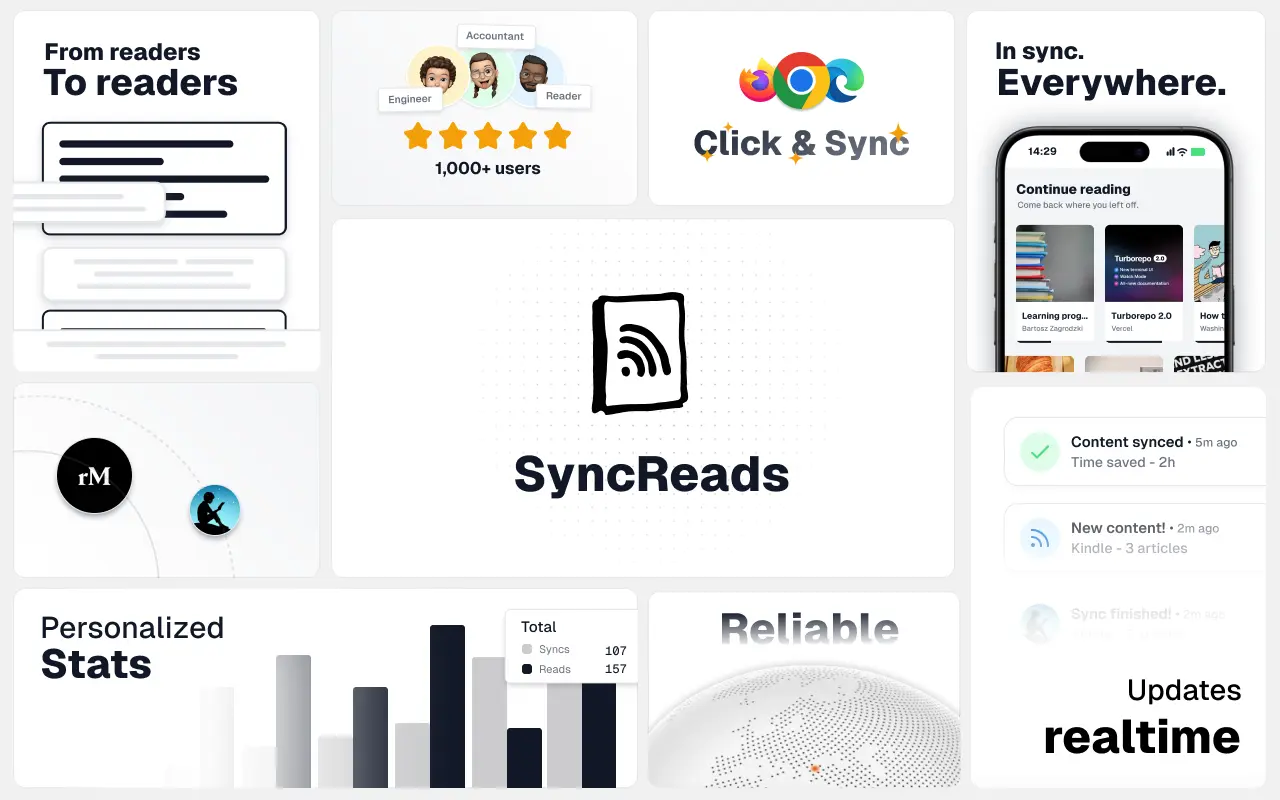
SyncReads
Sync your favorite content for distraction-free reading, save time and replace multiple apps. Anytime, anywhere 🔄
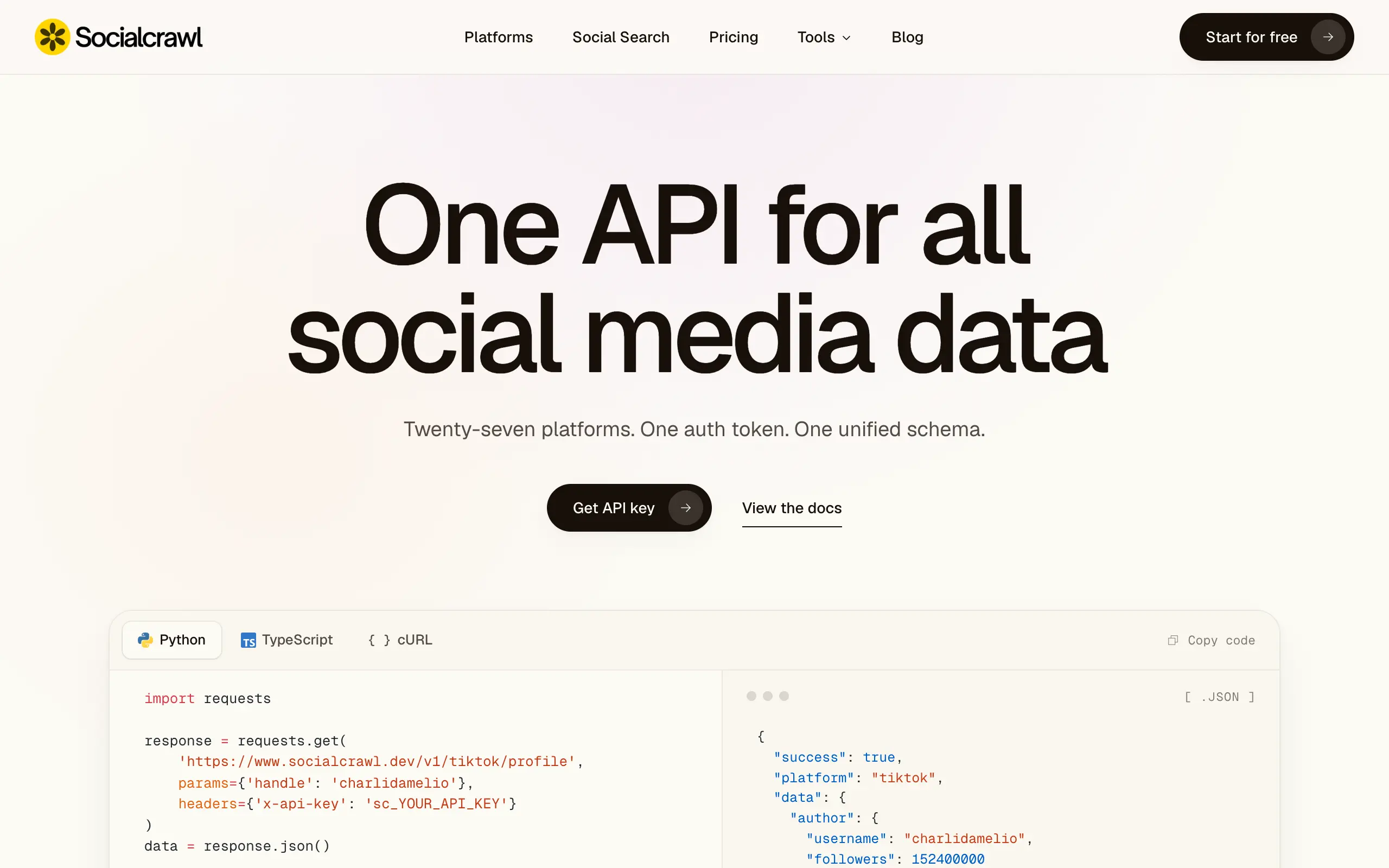
Socialcrawl
Get clean, structured data from 21 platforms like TikTok, Instagram, and YouTube with a single request 📊
Statiko
Monitor any Telegram channel in real time - track posts, edits, deletions, and growth with AI recaps 📡
Shibui
AI website builder - describe your business, pick a niche template, edit by chatting, and publish instantly ✨
Pro Service
Find verified home service professionals, compare quotes, and pay securely through escrow - built for Brazilians across the US 🏠
RankGrow
Fix your SEO with AI agents - connect Search Console, get prioritized tasks, and grow organic traffic 📈
SyncReads
Sync your favorite content for distraction-free reading, save time and replace multiple apps. Anytime, anywhere 🔄
Socialcrawl
Get clean, structured data from 21 platforms like TikTok, Instagram, and YouTube with a single request 📊
Statiko
Monitor any Telegram channel in real time - track posts, edits, deletions, and growth with AI recaps 📡
Shibui
AI website builder - describe your business, pick a niche template, edit by chatting, and publish instantly ✨
Pro Service
Find verified home service professionals, compare quotes, and pay securely through escrow - built for Brazilians across the US 🏠
RankGrow
Fix your SEO with AI agents - connect Search Console, get prioritized tasks, and grow organic traffic 📈
SyncReads
Sync your favorite content for distraction-free reading, save time and replace multiple apps. Anytime, anywhere 🔄
Socialcrawl
Get clean, structured data from 21 platforms like TikTok, Instagram, and YouTube with a single request 📊
Statiko
Monitor any Telegram channel in real time - track posts, edits, deletions, and growth with AI recaps 📡
Shibui
AI website builder - describe your business, pick a niche template, edit by chatting, and publish instantly ✨
Pro Service
Find verified home service professionals, compare quotes, and pay securely through escrow - built for Brazilians across the US 🏠
RankGrow
Fix your SEO with AI agents - connect Search Console, get prioritized tasks, and grow organic traffic 📈
SyncReads
Sync your favorite content for distraction-free reading, save time and replace multiple apps. Anytime, anywhere 🔄
Socialcrawl
Get clean, structured data from 21 platforms like TikTok, Instagram, and YouTube with a single request 📊
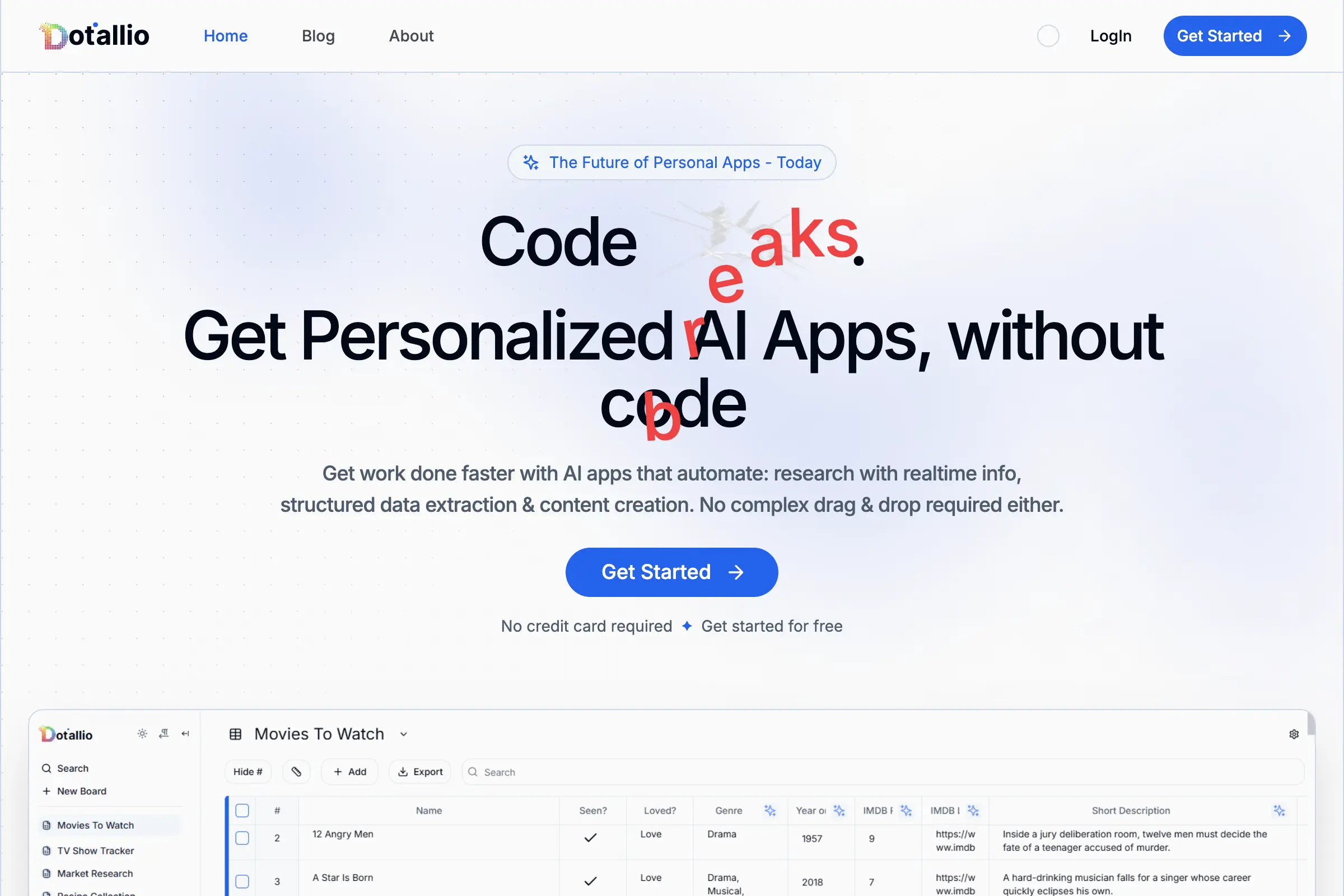
Dotallio
Personalized AI apps that automate research, data extraction, and content creation without code 🤖
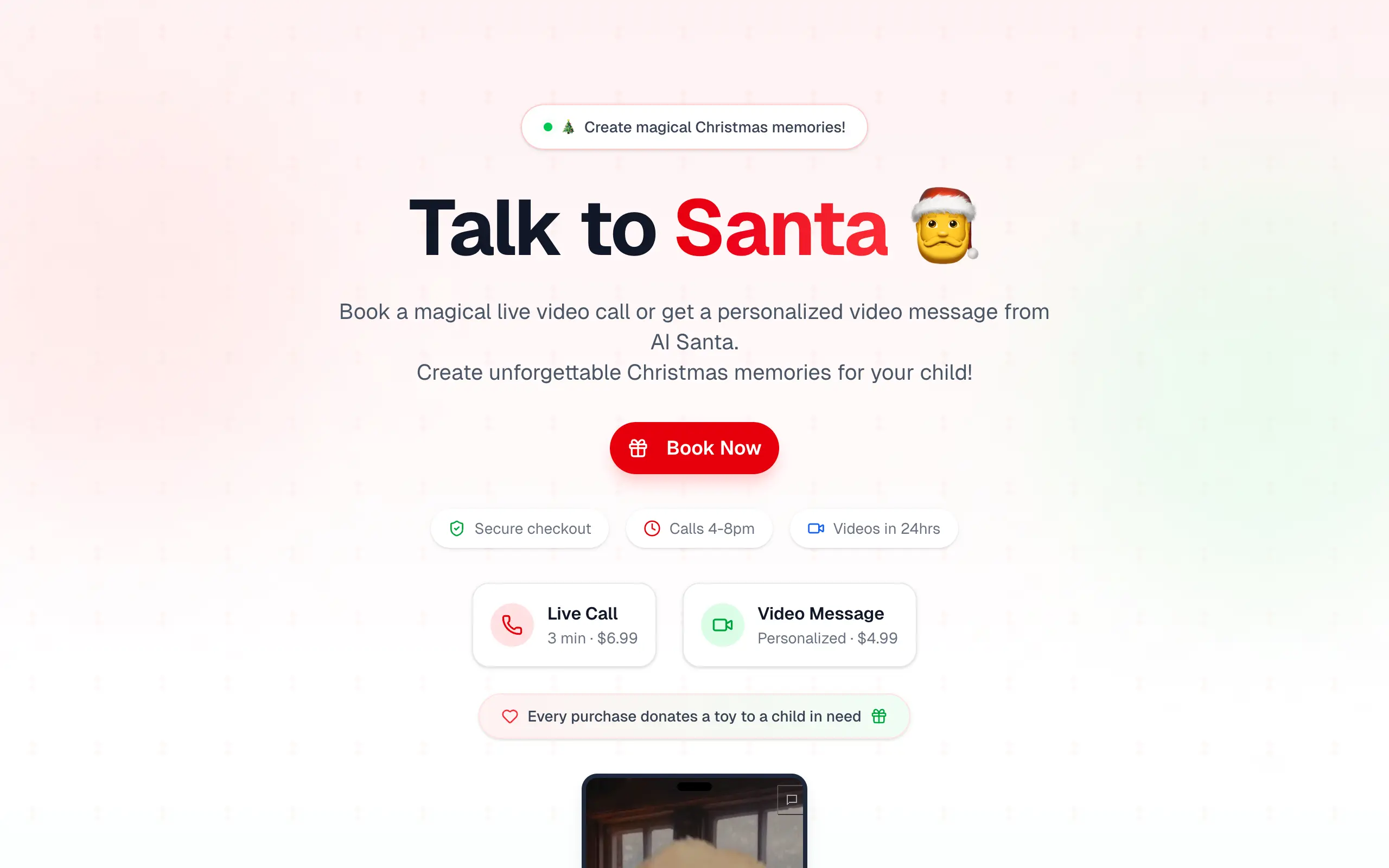
Talk to Santa
Enjoy a magical live video chat or receive a unique AI-generated video greeting from Santa Claus 🎅
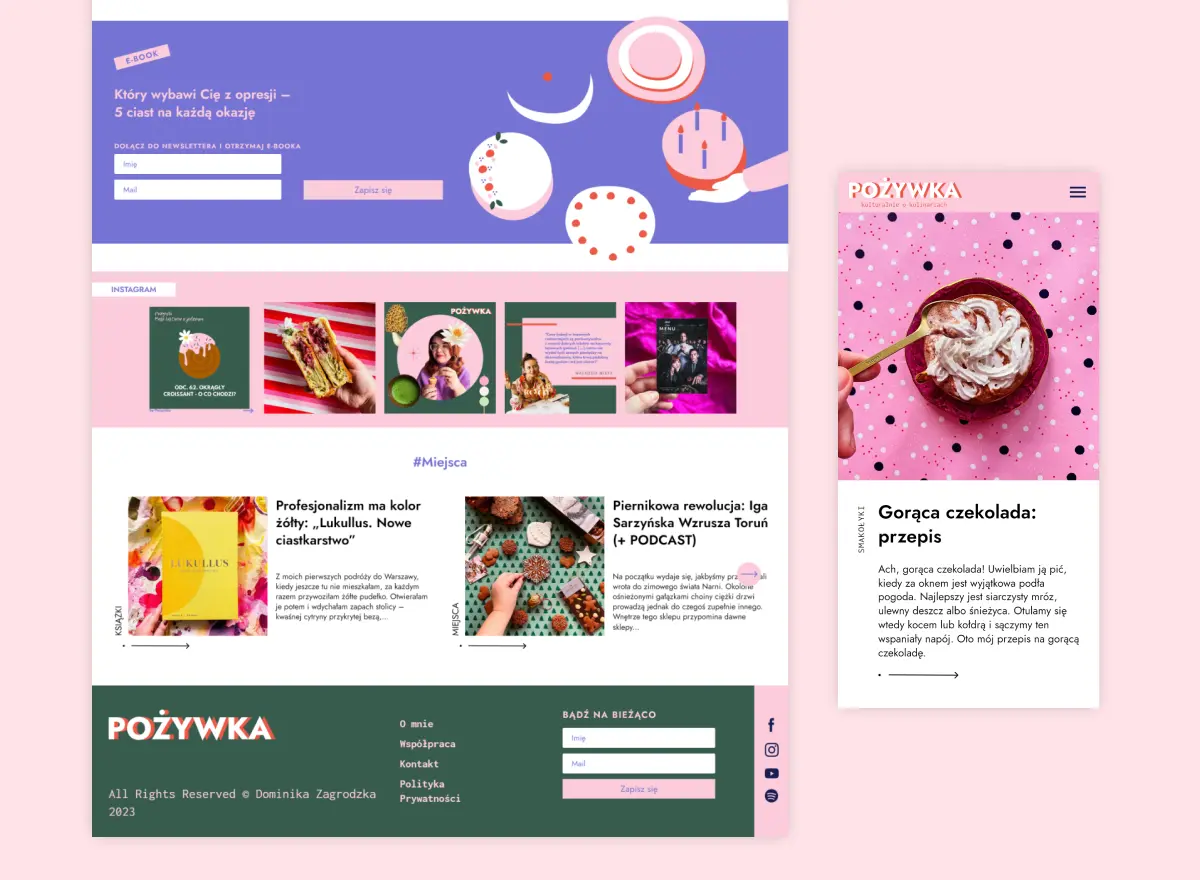
pozywka.pl
Scalable blog for food journalist, focused on performance and user experience 🌭
zagrodzki.me
Personal blog and portfolio of Bart Zagrodzki, where he shares his knowledge and work 💼
TurboStarter
Ship your startup everywhere. In minutes.
HTML to Markdown
Convert HTML to Markdown with ease, directly in your browser 📄
Dotallio
Personalized AI apps that automate research, data extraction, and content creation without code 🤖
Talk to Santa
Enjoy a magical live video chat or receive a unique AI-generated video greeting from Santa Claus 🎅
pozywka.pl
Scalable blog for food journalist, focused on performance and user experience 🌭
zagrodzki.me
Personal blog and portfolio of Bart Zagrodzki, where he shares his knowledge and work 💼
TurboStarter
Ship your startup everywhere. In minutes.
HTML to Markdown
Convert HTML to Markdown with ease, directly in your browser 📄
Dotallio
Personalized AI apps that automate research, data extraction, and content creation without code 🤖
Talk to Santa
Enjoy a magical live video chat or receive a unique AI-generated video greeting from Santa Claus 🎅
pozywka.pl
Scalable blog for food journalist, focused on performance and user experience 🌭
zagrodzki.me
Personal blog and portfolio of Bart Zagrodzki, where he shares his knowledge and work 💼
TurboStarter
Ship your startup everywhere. In minutes.
HTML to Markdown
Convert HTML to Markdown with ease, directly in your browser 📄
Dotallio
Personalized AI apps that automate research, data extraction, and content creation without code 🤖
Talk to Santa
Enjoy a magical live video chat or receive a unique AI-generated video greeting from Santa Claus 🎅
pozywka.pl
Scalable blog for food journalist, focused on performance and user experience 🌭
zagrodzki.me
Personal blog and portfolio of Bart Zagrodzki, where he shares his knowledge and work 💼
TurboStarter
Ship your startup everywhere. In minutes.
HTML to Markdown
Convert HTML to Markdown with ease, directly in your browser 📄
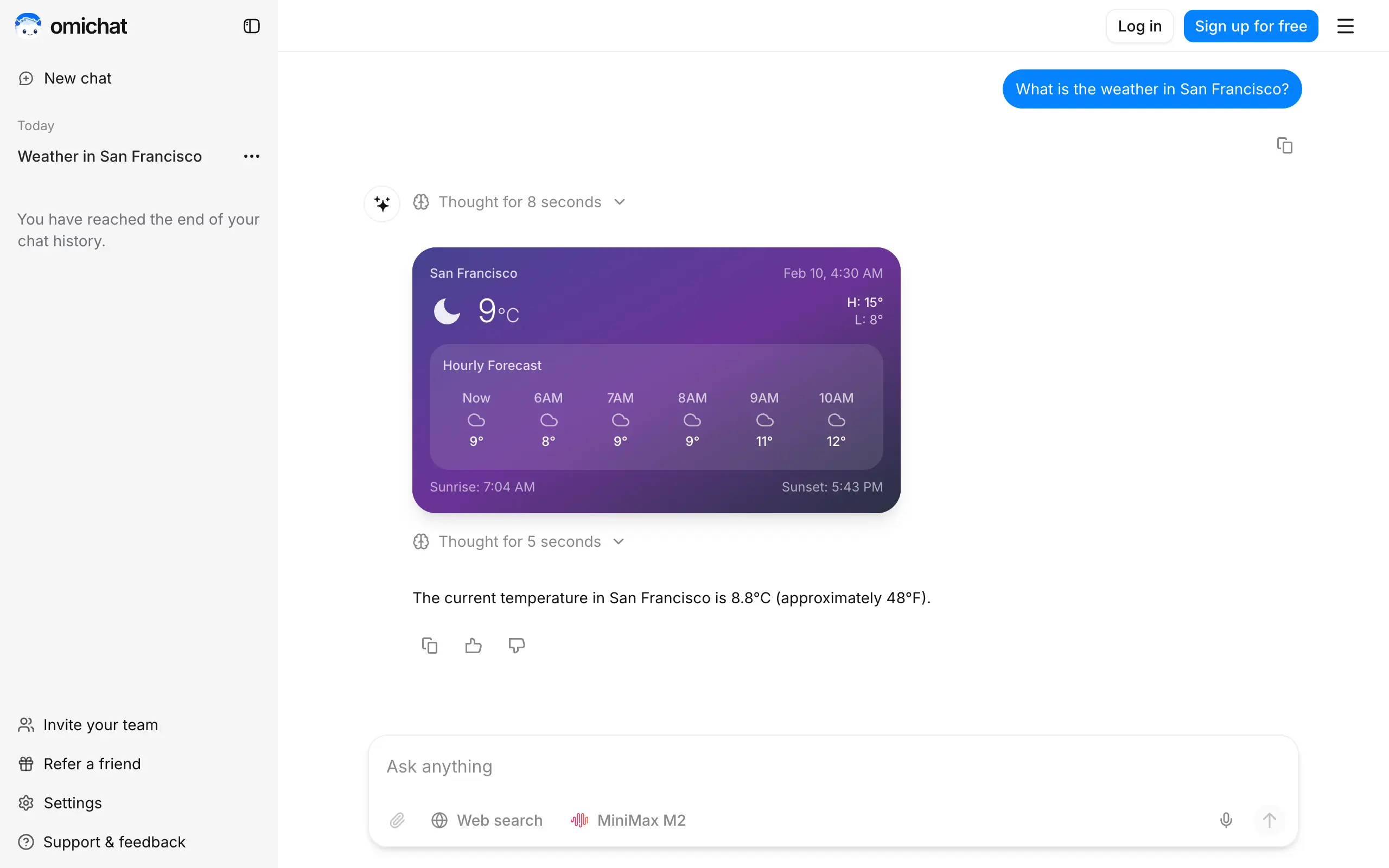
Omichat
Chat with 50+ AI models, including ChatGPT and Claude, in one place - switch models anytime without losing context 🤖
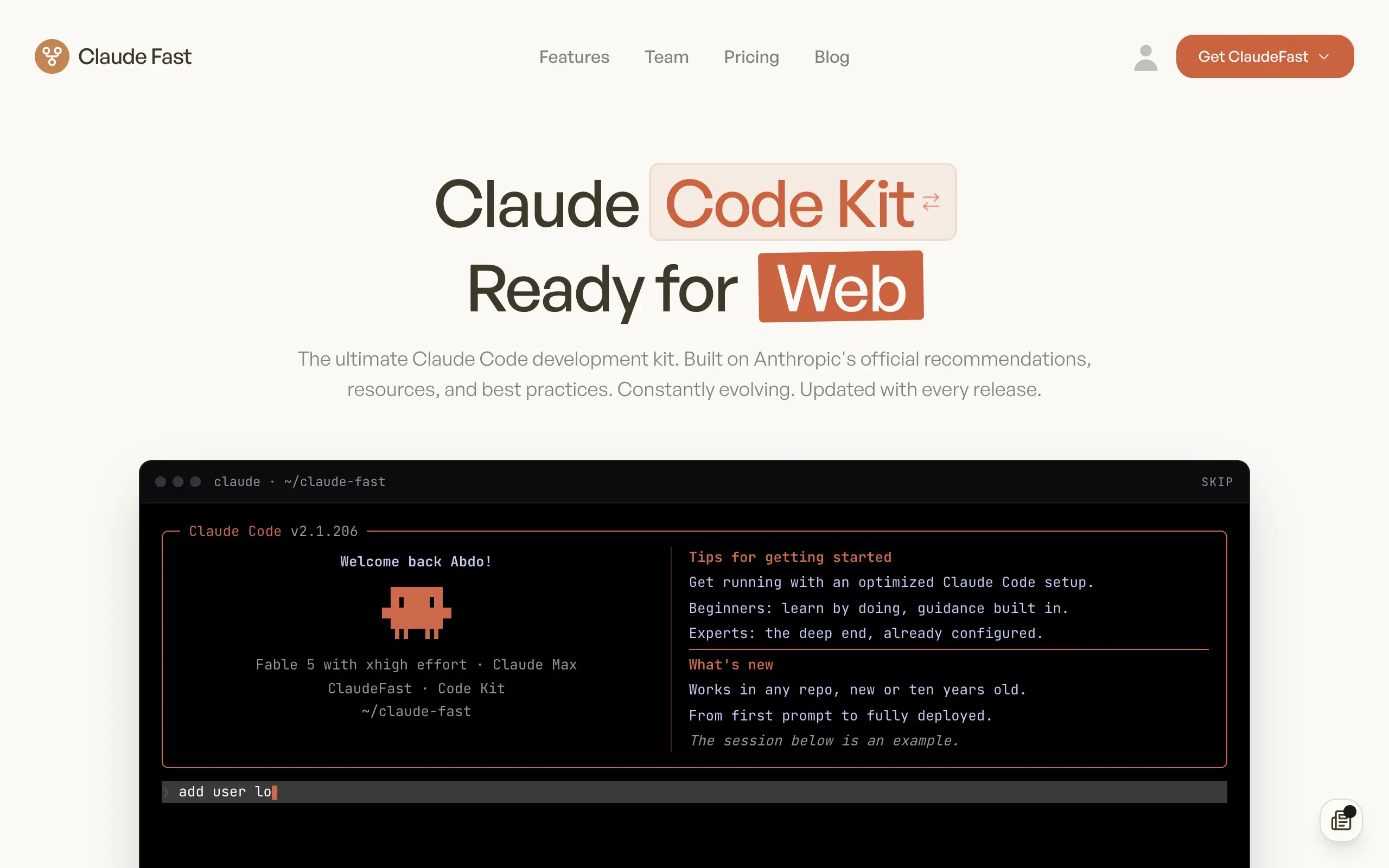
Claude Fast
Supercharge your Claude Code with 6x effective context window and specialized AI agents 🤖
EmojAI
AI-powered emoji picker with smart, context-aware suggestions 🤖
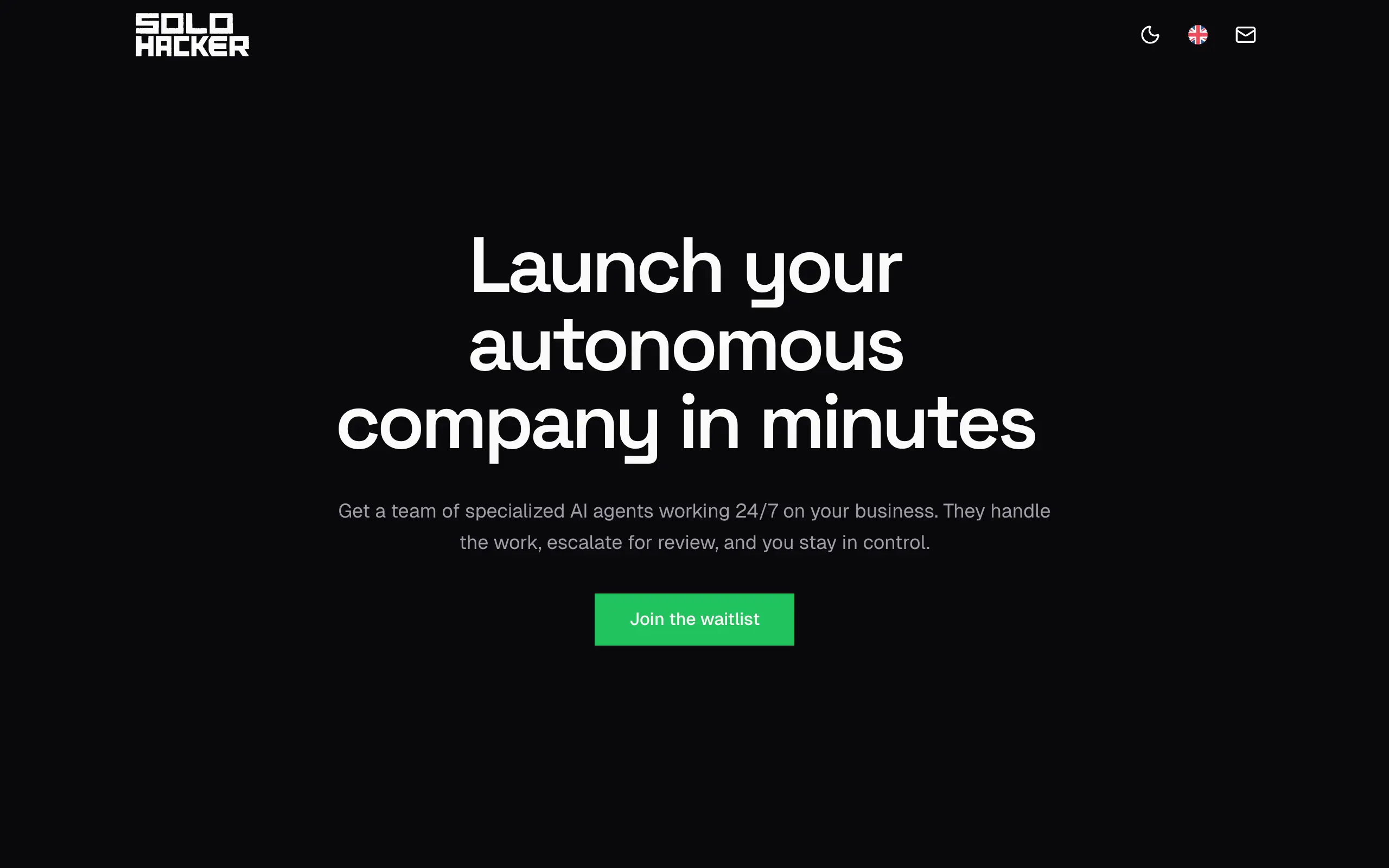
Solohacker
Autonomous company launcher - AI agents work 24/7, escalate what matters, and you stay in control 🤖
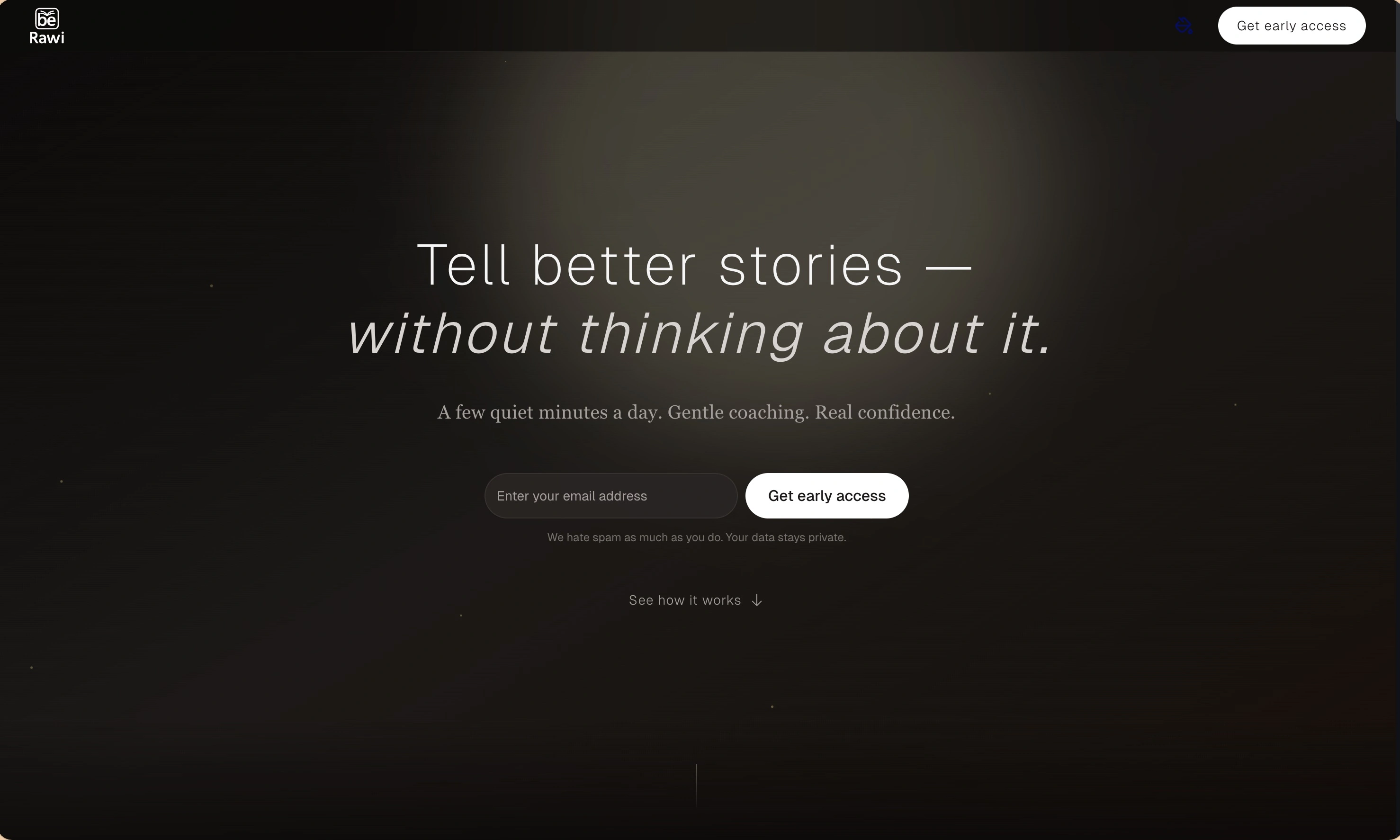
BeRawi: Storytelling Coach
Practice storytelling daily with instant feedback to sound clearer, more engaging, and confident 🎤
Omichat
Chat with 50+ AI models, including ChatGPT and Claude, in one place - switch models anytime without losing context 🤖
Claude Fast
Supercharge your Claude Code with 6x effective context window and specialized AI agents 🤖
EmojAI
AI-powered emoji picker with smart, context-aware suggestions 🤖
Solohacker
Autonomous company launcher - AI agents work 24/7, escalate what matters, and you stay in control 🤖
BeRawi: Storytelling Coach
Practice storytelling daily with instant feedback to sound clearer, more engaging, and confident 🎤
Omichat
Chat with 50+ AI models, including ChatGPT and Claude, in one place - switch models anytime without losing context 🤖
Claude Fast
Supercharge your Claude Code with 6x effective context window and specialized AI agents 🤖
EmojAI
AI-powered emoji picker with smart, context-aware suggestions 🤖
Solohacker
Autonomous company launcher - AI agents work 24/7, escalate what matters, and you stay in control 🤖
BeRawi: Storytelling Coach
Practice storytelling daily with instant feedback to sound clearer, more engaging, and confident 🎤
Omichat
Chat with 50+ AI models, including ChatGPT and Claude, in one place - switch models anytime without losing context 🤖
Claude Fast
Supercharge your Claude Code with 6x effective context window and specialized AI agents 🤖
EmojAI
AI-powered emoji picker with smart, context-aware suggestions 🤖
Solohacker
Autonomous company launcher - AI agents work 24/7, escalate what matters, and you stay in control 🤖
BeRawi: Storytelling Coach
Practice storytelling daily with instant feedback to sound clearer, more engaging, and confident 🎤

Connect with like-minded people
Join our community to get feedback, support, and grow together with 1,000+ builders on board, let's ship it!
Join usShip your startup everywhere. In minutes.
Don't burn tokens on setup and start building features on day one.