ReceiptRights
Free receipt lookup that explains return windows, warranty coverage, and price-match rules for thousands of retailers and products.
ReceiptRights is a consumer-facing receipt lookup app that helps shoppers understand what they can do after a purchase. A user uploads, scans, or enters information from a receipt, then receives a clear explanation of the retailer’s return window, warranty coverage, price-match policy, exchange rules, and the practical next step to take.
The underlying problem is deceptively expensive. Consumers regularly lose money because receipts are difficult to interpret, retailer policies are fragmented, and important deadlines pass unnoticed. A receipt may show a transaction date and item identifier, but it rarely explains whether an opened product is eligible for return, whether a holiday extension applies, whether a manufacturer warranty starts on the date of purchase, or whether a lower price can still be claimed.
A well-executed ReceiptRights product turns that uncertainty into an immediate consumer benefit. Instead of searching retailer FAQs, calling customer support, or accepting a cashier’s answer without context, users can get a structured explanation tailored to their purchase.
This article explores the market opportunity, target users, core product experience, technical architecture, monetization paths, risks, competitive positioning, and implementation plan for building ReceiptRights into a trusted receipt policy intelligence platform.
Why a receipt lookup app solves a real consumer problem
Receipts are often treated as simple proof of purchase. In reality, they are time-sensitive legal and commercial documents. They can affect a shopper’s ability to return merchandise, make a warranty claim, dispute a charge, receive a price adjustment, submit an expense report, or qualify for product recall support.
The friction comes from a mismatch between how retailers publish policies and how consumers make decisions.
Retailers typically publish policy details across several locations:
- A broad returns page with general conditions
- Product-category exclusions buried in policy language
- Separate holiday return extensions
- Product-specific manufacturer warranty documentation
- Store-specific rules that vary by location or region
- Loyalty-program terms that alter return eligibility
- Marketplace seller policies that differ from the retailer’s own policy
- Price-match terms with narrow deadlines and exclusions
Consumers, meanwhile, need a direct answer to a simple question: What can I still do with this purchase today?
ReceiptRights can bridge that gap. The product does not need to replace legal counsel or a retailer’s customer support department. Its value is in translating available policy information into a plain-language, receipt-aware summary with relevant dates, caveats, and recommended actions.
For example, a user who bought headphones 18 days ago may need to know:
- Whether the standard return window is 30 days
- Whether opened electronics have a different policy
- Whether the item is covered by a manufacturer warranty
- Whether the retailer offers a price adjustment if the item is now discounted
- Whether a digital receipt is sufficient
- Whether original packaging is required
- Whether the purchase was made from a third-party marketplace seller
That is a high-intent, high-utility moment. The user is motivated, the information has monetary value, and the product can create trust quickly if the answer is accurate.
The core value proposition
ReceiptRights should focus on actionable answers rather than displaying a generic policy page. The product should tell users what applies to their receipt, what deadline matters, what evidence to bring, and where uncertainty remains.
Target audience for ReceiptRights
The strongest early market for ReceiptRights is not every shopper. It is consumers who make frequent purchases, manage household budgets, or buy products with meaningful return and warranty value.
Budget-conscious households
Budget-conscious households are highly likely to benefit from return-window reminders, price-match alerts, and warranty guidance. They may not have a formal system for storing receipts, even though a missed return or expired price adjustment can directly affect their monthly spending.
Their needs include:
- Fast scanning without complex account setup
- Clear deadline reminders
- A simple explanation of eligibility
- Support for common mass-market retailers
- A trustworthy place to store receipt records
- Notifications before return and warranty deadlines
For this audience, the strongest message is not “receipt management.” It is “do not lose money on purchases you can still return, protect, or price match.”
Parents and family household managers
Parents often purchase clothing, electronics, school supplies, toys, baby products, and household goods across many retailers. They also deal with seasonal purchases, duplicate gifts, sizing issues, and post-holiday return deadlines.
ReceiptRights can become especially useful when it supports:
- Gift return guidance
- Holiday return extensions
- Product category exclusions
- Store-credit rules
- Unopened versus opened item conditions
- Durable product warranty tracking
- Family sharing for household purchases
A household-oriented version of the product could offer a shared “purchase rights” inbox, allowing one person to scan receipts while another receives reminders or handles returns.
Frequent online shoppers
Online buyers face a different set of policy challenges. They may have digital invoices instead of paper receipts, package-delivery dates that affect deadlines, return shipping requirements, restocking fees, and marketplace seller policies.
Important online-shopping workflows include:
- Importing order confirmations from email
- Parsing order numbers and item details
- Distinguishing retailer-fulfilled from third-party marketplace orders
- Tracking return-by dates versus ship-by dates
- Identifying free-return eligibility
- Explaining whether final-sale products are excluded
- Creating a checklist for return labels, packaging, and drop-off locations
This segment is particularly attractive because email receipt ingestion can create recurring usage without requiring users to scan every transaction manually.
Electronics and appliance buyers
Electronics, appliances, tools, furniture, and similar purchases have a higher perceived need for warranty clarity. Consumers are often unsure whether protection comes from the manufacturer, retailer, payment card, extended warranty provider, or a combination of sources.
ReceiptRights can help users understand:
- Standard retailer return periods
- Manufacturer limited warranty duration
- Required proof of purchase
- Whether registration may be required
- Service versus replacement pathways
- Extended protection plan details
- Recall lookup recommendations
- Important exclusions such as accidental damage or consumable parts
This category may produce fewer transactions than grocery or apparel receipts, but each successful outcome can generate greater user trust and stronger willingness to pay.
Small business owners and independent professionals
Although ReceiptRights is positioned as B2C, self-employed consumers and micro-business owners can be a valuable adjacent audience. They need receipts for tax documentation, reimbursement, equipment warranties, and expense categorization.
The product should avoid becoming a full accounting platform too early. Instead, it can offer helpful capabilities such as:
- Receipt export in CSV format
- Purchase evidence storage
- Warranty deadline notifications
- Purchase category tags
- A searchable receipt archive
- Reimbursement-ready documentation
This gives ReceiptRights a path toward a prosumer plan without diluting its consumer-focused positioning.
The market gap in receipt rights and policy intelligence
Receipt scanning is not a new category. Expense apps, personal finance products, inbox management tools, retailer loyalty programs, and warranty platforms all address pieces of the problem. The gap is that few tools combine receipt extraction with a policy-aware consumer rights explanation.
A typical receipt scanner may capture the merchant, date, total, and line items. A typical retailer app may show an order history. A warranty app may let users upload proof of purchase. Yet consumers still need to manually determine how retailer policy applies to their specific purchase.
ReceiptRights can occupy the space between document capture and consumer action.
| Consumer need | Receipt scanner | Retailer app | Warranty tracker | ReceiptRights opportunity |
|---|---|---|---|---|
| Store receipt proof | ✅ | Sometimes | ✅ | ✅ |
| Explain return eligibility | ❌ | Limited | ❌ | ✅ |
| Identify price-match deadline | ❌ | Limited | ❌ | ✅ |
| Track warranty evidence | Limited | ❌ | ✅ | ✅ |
| Recommend next action | ❌ | Limited | Limited | ✅ |
The key market gap is not merely “receipt storage.” It is purchase rights intelligence.
That distinction is important for SEO, onboarding, and monetization. People may search for phrases such as:
- “Can I return this without a receipt”
- “How long do I have to return an item”
- “Does this store price match after purchase”
- “How do I check my product warranty”
- “What does my receipt warranty mean”
- “How to find return deadline from receipt”
- “Retailer return policy lookup”
- “Receipt return policy checker”
ReceiptRights should build content and product pages around these queries while making it clear that policies vary by retailer, product category, location, purchase channel, and transaction condition.
The ReceiptRights product experience
The best product experience should make a complex policy lookup feel nearly instant. A user should be able to move from a receipt image to a useful answer in minutes, not after filling out a long form.
The ideal user journey
A high-converting ReceiptRights flow can follow this sequence:
The experience should acknowledge uncertainty rather than hiding it. Optical character recognition can make mistakes, receipts can be incomplete, and policies can change. A trustworthy result might say that the item appears eligible based on the receipt date and published policy, while directing the user to verify exclusions before visiting the store.
Core receipt lookup features
The initial product should center on a narrow, reliable feature set.
Receipt scan and extraction
Capture merchant, date, transaction details, item names, totals, and receipt identifiers from image uploads or forwarded order confirmations.
Return window calculator
Calculate likely return deadlines using retailer rules, purchase channel, item category, and relevant calendar extensions.
Warranty coverage summary
Explain manufacturer and retailer warranty periods, proof-of-purchase requirements, and known registration considerations.
Price-match checker
Identify whether a retailer may offer a post-purchase price adjustment and show the applicable deadline or exclusions.
Action checklist
Give users a practical list of what to bring, what to save, and what to ask before they start a return or claim.
Deadline reminders
Notify users before return, price-match, and warranty milestones so the app delivers ongoing value.
Policy intelligence engine
The policy intelligence engine is ReceiptRights’ most defensible product layer. It should not be built as a single free-form AI prompt. Instead, it should combine structured policy data, date rules, source citations, and carefully constrained natural-language explanations.
A robust policy record should include:
- Retailer name and alternate brand names
- Country and region
- Store, online, and marketplace distinctions
- Standard return window
- Exchange policy
- Receipt requirement
- Item condition requirements
- Category exclusions
- Final-sale exclusions
- Open-box or opened-item rules
- Holiday extension rules
- Restocking fee conditions
- Price-match rules
- Price-adjustment deadlines
- Manufacturer warranty references
- Policy source URL
- Source review date
- Effective date when known
- Confidence and verification status
For policy rules, structured data is more dependable than a general language model. AI should summarize and clarify the rules, but the system should calculate dates from explicit rule logic.
For example, a generic return policy can be represented as a rule object:
type ReturnRule = {
  retailerId: string;
  channel: "store" | "online" | "marketplace";
  category: string;
  returnWindowDays: number;
  requiresReceipt: boolean;
  openedItemEligible: boolean;
  exclusions: string[];
  sourceUrl: string;
  reviewedAt: string;
};
The application can then calculate a preliminary deadline from the purchase date, while separately checking for policy exceptions and holiday overrides.
Explainability and trust signals
ReceiptRights must earn trust at the moment it makes a recommendation. Users will not rely on a return policy answer if they cannot see why the app reached it.
Every result should include:
- The detected retailer and purchase date
- The matched policy version
- The exact policy source
- The date the policy was last reviewed
- The calculated deadline
- Important assumptions
- A confidence indicator
- A warning when item category or purchase channel could alter the result
Avoid presenting results as guaranteed legal determinations. Better language includes:
Based on the receipt date and the retailer policy currently on file, your standard return deadline appears to be May 12. Opened electronics and marketplace purchases may have different conditions.
That phrasing is useful, transparent, and less risky than an absolute claim.
SEO strategy for a receipt policy lookup platform
ReceiptRights has a strong SEO opportunity because its product naturally aligns with question-based, high-intent searches. The goal is not to publish thin pages for every retailer. The goal is to create trustworthy, maintained policy resources that answer meaningful consumer questions.
Primary keyword strategy
The primary keyword can be receipt lookup app. Supporting keyword themes should include:
- Receipt return policy checker
- Retail return policy lookup
- Return window calculator
- Warranty lookup by receipt
- Price match checker
- Receipt warranty tracker
- Return deadline reminder
- Retailer policy database
- Digital receipt organizer
- Proof of purchase tracker
Each keyword cluster maps to a different product or content experience.
| Search intent | Recommended page type | User outcome |
|---|---|---|
| “How long do I have to return an item” | Educational guide | Understand common return-window factors |
| “Retailer return policy lookup” | Retailer policy profile | Review current published retailer rules |
| “Warranty lookup by receipt” | Product tool landing page | Upload a receipt and find coverage details |
| “Price match after purchase” | Educational guide and calculator | Identify likely eligibility and deadline |
| “Receipt tracker app” | Product comparison page | Discover receipt storage and reminders |
| “Return deadline calculator” | Interactive tool page | Calculate a date from purchase details |
For retailer-specific pages, quality control matters more than volume. Every policy profile should state when it was reviewed, distinguish official policy from product interpretation, and link to the retailer’s official policy page when available.
Content clusters that build authority
A practical content strategy includes several pillars.
Return rights education
Publish guides that explain why return policies differ and how users can protect themselves. Topics can include:
- How return windows are calculated
- Whether a receipt is required for a return
- What final sale means in retail
- How holiday return extensions work
- What to do when a retailer denies a return
- How online return deadlines differ from store purchases
Warranty education
Warranty content should clarify common points of confusion without overstating legal conclusions.
Useful topics include:
- Manufacturer warranty versus retailer protection plan
- How to store proof of purchase for warranty claims
- What a limited warranty commonly covers
- When a payment card benefit might apply
- How to prepare for a warranty service claim
Price adjustment and price-match education
Price-match policies are often poorly understood. Content can address:
- Price matching versus price adjustment
- Common exclusions for marketplace sellers
- Why clearance and limited-time offers may be excluded
- How to document a lower competing price
- What to ask at customer service
Avoid policy content decay
Retail policies change frequently. Every retailer page should include a review date, a visible source reference, and an editorial workflow for updates. Stale policy pages create trust, legal, and SEO risks.
Recommended tech stack for ReceiptRights
ReceiptRights requires a stack that supports secure document handling, OCR processing, policy data modeling, notifications, and fast consumer-facing experiences.
A modern TypeScript stack is a pragmatic choice because it allows shared types across the web application, API, policy engine, and background jobs.
Frontend and application framework
Next.js is a strong fit for the web application. It supports server rendering, route handlers, SEO-friendly content pages, authenticated user dashboards, and product landing pages in one ecosystem.
Use React for interactive receipt upload, document review, date calculators, and policy result components. For UI development, Tailwind CSS offers speed and consistency, especially when the product needs responsive cards, status indicators, timelines, and dashboard screens.
Recommended frontend decisions include:
- Next.js for the app and content layer
- React Server Components where they reduce client-side load
- TypeScript for policy model safety
- Tailwind CSS for consistent responsive design
- Accessible semantic form controls for receipt uploads
- Progressive disclosure for complex policy conditions
The trade-off is that Next.js requires disciplined caching and data-fetching design. Policy pages need freshness, while landing pages need fast delivery. Use cache invalidation and content versioning rather than making every policy page fully dynamic.
Database and search
PostgreSQL is an excellent primary database for structured policy rules, merchants, retailers, receipts, user accounts, dates, and audit records. Its relational model is particularly useful because policy logic often depends on relationships between retailer, category, channel, region, and effective dates.
Use a search layer when the policy corpus grows. Algolia can provide fast user-facing retailer and policy search, while PostgreSQL full-text search may be enough for the earliest launch stage.
A practical data model should separate:
- Raw uploaded receipt data
- OCR extraction results
- User-confirmed receipt fields
- Retailer profiles
- Versioned policy documents
- Structured policy rules
- Policy source metadata
- Calculated entitlement results
- User notification preferences
- Audit events
The key principle is to preserve the original extracted data and policy version that produced each result. If a retailer changes its policy later, the system should still explain what rule version was used for an earlier calculation.
OCR and document intelligence
Receipt image quality is inconsistent. Receipts can be faded, crumpled, cropped, or printed with low-contrast thermal ink. A production-ready receipt lookup app needs a fallback strategy rather than assuming OCR will always succeed.
Start with one document extraction provider and measure:
- Merchant detection accuracy
- Purchase date extraction accuracy
- Line-item extraction accuracy
- Transaction identifier accuracy
- Processing time
- Cost per document
- Failure rate by image quality
For sensitive receipt data, evaluate data-processing terms carefully. Depending on the chosen vendor and user geography, you may need clear disclosures about document retention, processors, and deletion rights.
A hybrid workflow is usually best:
- OCR extracts a first draft.
- The user confirms or corrects key fields.
- The policy engine calculates results from confirmed data.
- The app stores corrections to improve merchant-specific parsing rules.
Background jobs and notifications
Deadline reminders are a core retention feature, so they should not depend on a request-response workflow. Use a background job system for:
- OCR processing
- Email parsing
- Policy update checks
- Reminder scheduling
- Recalculation after a policy revision
- Data deletion requests
- Fraud and abuse review
Push notifications, email reminders, and calendar exports can all be valuable. Give users granular control over reminder frequency because too many notifications will quickly reduce trust.
Fast-launch option with TurboStarter
For founders who want to reduce setup time, TurboStarter can accelerate the initial SaaS foundation. A launch-ready starter can reduce time spent rebuilding authentication, billing flows, dashboard structure, marketing pages, and standard application scaffolding.
The strategic benefit is not simply speed. It allows the team to spend early engineering cycles on the product’s actual differentiators:
- Policy data acquisition and maintenance
- Receipt extraction accuracy
- Return and warranty logic
- Consumer-friendly policy explanations
- Trust and compliance workflows
Monetization options for a free receipt lookup app
The idea is described as free, and that is likely the right top-of-funnel strategy. Free receipt lookup lowers the barrier for a time-sensitive consumer problem. The business model should monetize ongoing organization, deeper automation, and high-value outcomes without making basic rights information inaccessible.
Freemium subscription model
A freemium plan can allow a limited number of manual receipt lookups per month while making the key value proposition accessible.
Possible free features include:
- A limited number of receipt scans
- Basic return-window explanations
- Retailer policy search
- One-time deadline calculations
- A simple receipt archive
Premium features can include:
- Unlimited receipt storage
- Email receipt forwarding
- Advanced warranty tracking
- Price-drop monitoring
- Household sharing
- Exportable receipt records
- Priority document processing
- Personalized reminders
- Claim preparation checklists
A subscription price should be tested against actual retention. The best premium hook is likely not unlimited OCR alone. It is ongoing protection against missed money-saving opportunities.
Affiliate and referral partnerships
ReceiptRights may eventually generate affiliate revenue through relevant consumer services, but this must be handled carefully.
Potential categories include:
- Extended warranty providers
- Shipping and return-label services
- Repair networks
- Consumer protection services
- Product replacement marketplaces
- Cash-back and price-tracking services
Any affiliate relationship should be clearly disclosed. More importantly, it should never influence the app’s answer about whether a user has a valid return or warranty path.
B2B policy API and retailer tools
Once the policy database is mature, ReceiptRights could offer a B2B API for fintech apps, personal finance platforms, shopping assistants, and employee benefits products.
Potential API use cases include:
- Return deadline enrichment
- Warranty coverage lookup
- Retailer policy search
- Purchase-rights notifications
- Receipt categorization with policy metadata
Retailers themselves may also benefit from white-label policy explainers that reduce customer support burden. However, this opportunity creates an important conflict-management question. ReceiptRights must maintain editorial independence if it claims to be consumer-first.
Privacy-respecting aggregated insights
With explicit consent and strong aggregation safeguards, receipt trends could provide useful market intelligence. This is a later-stage option, not an MVP priority.
Any insights product should avoid exposing personal purchase behavior and should be governed by strict privacy standards. Consumer trust is more valuable than short-term data monetization.
Competitive advantage and unique selling proposition
ReceiptRights stands out when it positions itself as more than a receipt storage tool and more than a generic AI shopping assistant.
Its unique selling proposition is:
ReceiptRights turns proof of purchase into a clear, time-sensitive action plan for returns, warranties, and price protection.
That positioning is differentiated because it combines three things competitors often separate:
- Receipt-level purchase evidence
- Structured retailer policy intelligence
- Actionable consumer guidance with deadlines
A generic chatbot may answer a policy question but lacks receipt-specific context. A receipt scanner may organize documents but does not explain the consumer’s next move. A retailer app knows its own rules but does not help users manage purchases across thousands of retailers.
Defensibility over time
The strongest long-term moat is not the OCR model. OCR is increasingly available through vendors and APIs. The durable advantage comes from the combination of:
- A versioned retailer policy database
- Normalized rules across retailer categories
- Historical policy change records
- Merchant-specific receipt parsing improvements
- User-confirmed extraction data
- Clear policy-source citations
- Trust earned through accurate explanations
- A workflow that prompts users before deadlines expire
Policy freshness and explainability are especially important. A smaller, well-maintained database of high-demand retailers is more valuable than a huge but unreliable collection of scraped policy pages.
Risks and mitigation strategies
ReceiptRights operates in a category where misinformation can create real frustration. The product strategy must treat trust, privacy, and data freshness as first-class requirements.
Policy accuracy risk
Retailer policies can change without notice. They can also differ by region, item category, purchase channel, or promotional period.
Mitigation approaches include:
- Store source URLs and review dates for every policy record
- Version policy rules rather than overwriting them
- Use confidence states when data is incomplete
- Surface policy exceptions prominently
- Add human editorial review for high-volume retailers
- Create a user feedback workflow for incorrect results
- Avoid guarantee language in user-facing output
Legal and consumer protection risk
ReceiptRights should not represent itself as providing legal advice. It should explain published policies and help users prepare for interactions with retailers or manufacturers.
Mitigation approaches include:
- Use clear terms of service and product disclaimers
- Distinguish information from legal advice
- Show official policy sources whenever available
- Avoid claims that a return or warranty claim is guaranteed
- Build escalation resources carefully and factually
- Consult qualified legal counsel before launch in each operating market
Privacy and security risk
Receipts may reveal names, locations, order numbers, payment fragments, purchase habits, and sensitive categories of goods. The application must apply strong privacy protections from day one.
Mitigation approaches include:
- Encrypt receipt files at rest and in transit
- Limit employee access through role-based permissions
- Redact unnecessary payment details where possible
- Offer receipt deletion controls
- Define clear data retention periods
- Minimize use of receipt data for model training
- Publish a readable privacy policy
- Run regular security reviews and penetration tests
OCR quality risk
Poor OCR can lead to the wrong purchase date or merchant, which can produce an incorrect deadline.
Mitigation approaches include:
- Ask users to confirm essential extracted fields
- Flag low-confidence OCR results
- Let users manually select the merchant and date
- Support email invoice ingestion as a cleaner data source
- Maintain merchant-specific parsing templates
- Test heavily with real receipt formats before expansion
Customer support risk
When users are upset about a denied return or warranty claim, they may expect ReceiptRights to solve the dispute. The product should set appropriate expectations while still being helpful.
Mitigation approaches include:
- Provide a structured “what to do next” checklist
- Help users collect receipt, serial number, and policy evidence
- Offer respectful support templates
- Explain that store managers and manufacturers make final decisions
- Track recurring policy confusion to improve the product
No. The app should calculate likely eligibility based on available receipt data and published policy sources, while clearly noting that retailer staff, product condition, regional rules, and category exclusions can affect final outcomes.
Yes. Start with a focused set of high-demand retailers and product categories. Accuracy, source quality, and a clear “not yet covered” experience are more valuable than broad but unreliable coverage.
Not necessarily. A responsive web application can validate receipt upload, policy lookup, and email reminders quickly. Native mobile capabilities become more compelling when push notifications, camera capture, and wallet-style receipt storage drive retention.
Actionable implementation plan
The most effective way to build ReceiptRights is to launch with a deliberately narrow scope. Do not begin by promising support for every retailer, every country, every warranty, and every edge case. Start with the highest-frequency consumer scenarios and build reliable workflows around them.
Phase one: validate the customer problem
Interview users who have recently tried to return, exchange, warranty-claim, or price-match a purchase. Ask them to walk through the actual process, including the receipt, store, policy page, and outcome.
Prioritize questions such as:
- What information was hardest to find?
- Did the user miss a deadline?
- Did they know the purchase date and retailer?
- Did they have a paper or digital receipt?
- Did they understand the exclusion that affected the outcome?
- Would a reminder have changed what they did?
- Would they trust an app with their receipt data?
The strongest MVP hypothesis is simple: users will upload a receipt if ReceiptRights can quickly tell them a relevant deadline or money-saving action.
Phase two: build a focused MVP
Choose 25 to 50 high-demand retailers in one geographic market. Focus on retailers with relatively clear published policies and common purchase categories.
The MVP should include:
- Account creation
- Receipt image upload
- Manual merchant and purchase-date entry
- OCR extraction with user confirmation
- A retailer policy database
- Return deadline calculations
- Basic warranty and price-match summaries where applicable
- Source links and review dates
- Email reminders
- Feedback reporting for incorrect policy results
Do not make advanced AI chat the center of the first release. A reliable structured result with clear caveats is more useful than an impressive but inconsistent conversational answer.
Phase three: measure product quality
Track both growth metrics and accuracy metrics.
Key product measures include:
- Receipt upload completion rate
- OCR field correction rate
- Policy match success rate
- Return reminder opt-in rate
- Reminder-to-action conversion rate
- Repeat receipt uploads
- Monthly active households
- User-reported policy accuracy
- Support contacts per completed lookup
- Premium conversion after a saved-money event
The most meaningful early signal may be the percentage of users who return after receiving a reminder. That behavior suggests ReceiptRights is becoming part of a recurring purchase-protection workflow.
Phase four: expand intelligently
Expand retailer coverage based on demand, search volume, and policy maintainability. Add email receipt forwarding, household sharing, warranty evidence storage, and price adjustment workflows once the basic return lookup is trusted.
A mature product can evolve into a broader consumer purchase-rights platform with:
- Receipt inbox automation
- Cross-retailer policy search
- Policy change alerts
- Manufacturer warranty document matching
- Recall guidance
- Return preparation workflows
- Personal finance integrations
- B2B policy intelligence APIs
The strategic discipline is to maintain the original promise. ReceiptRights should always make it easier for consumers to understand what their purchase entitles them to do.
Final takeaway
ReceiptRights addresses a common but poorly served consumer need: understanding what a receipt actually enables after a purchase. The winning version of this SaaS is not a generic receipt vault and not an unverified AI answer engine. It is a trusted receipt lookup app that combines receipt data, maintained retailer policies, transparent calculations, and practical guidance.
The opportunity is compelling because the product delivers value in moments that matter. A missed return deadline, overlooked warranty claim, or unclaimed price adjustment has direct financial consequences. By helping users act before those opportunities disappear, ReceiptRights can build repeat engagement, strong word of mouth, and a defensible data advantage.
Start small, prioritize accuracy over retailer-count vanity metrics, show policy sources, protect user data, and make every result answer the question consumers really care about: What are my rights for this purchase, and what should I do next?
More 👥 B2C Application SaaS ideas
Discover more innovative b2c application SaaS ideas that are trending in 2026. Each idea is AI-generated with market validation and growth potential to help you find your next profitable venture faster than competitors.
Your competitors are building with TurboStarter
Below are some of the SaaS ideas that have been generated and built with our starter kit.
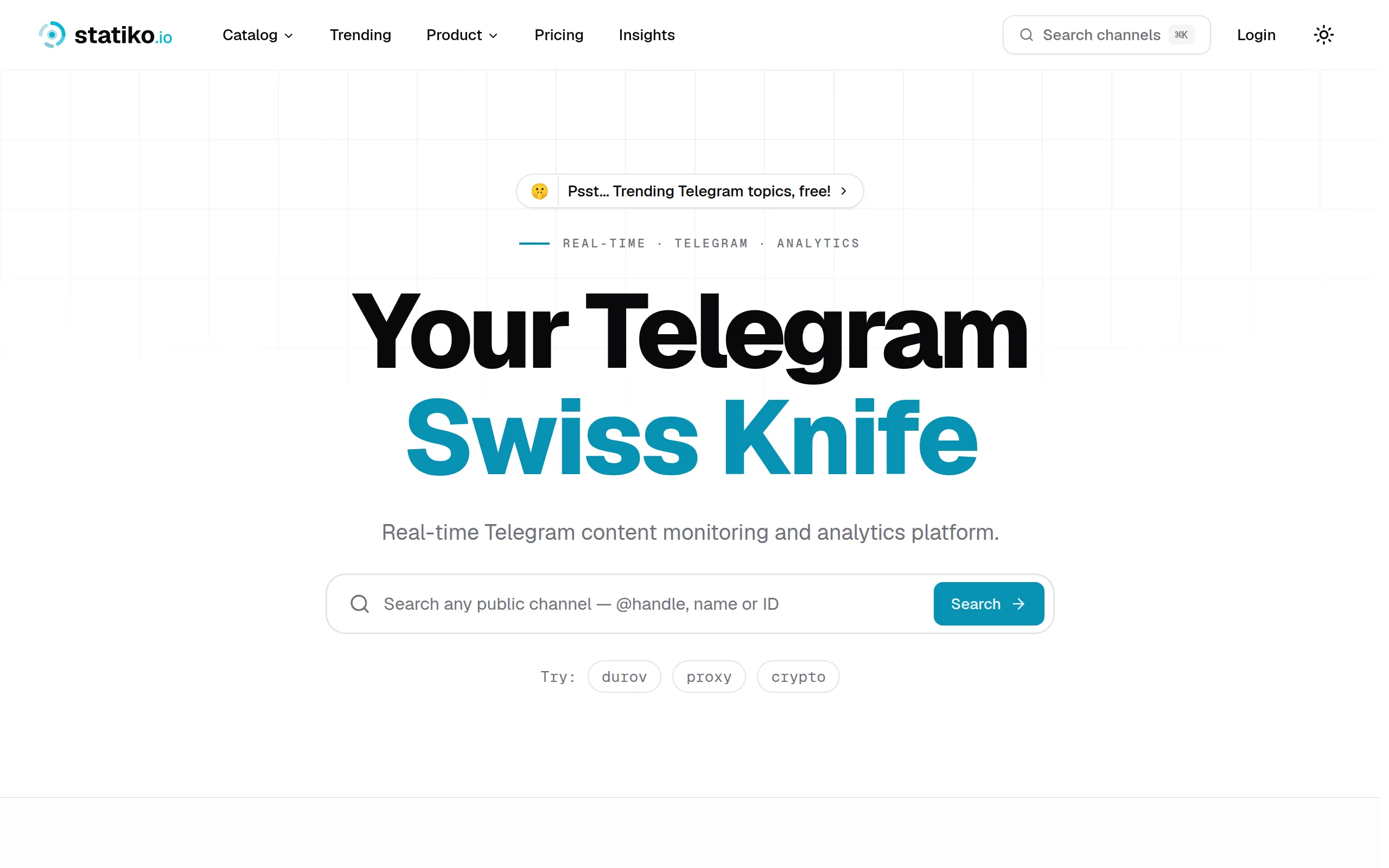
Statiko
Monitor any Telegram channel in real time - track posts, edits, deletions, and growth with AI recaps 📡

Shibui
AI website builder - describe your business, pick a niche template, edit by chatting, and publish instantly ✨

Pro Service
Find verified home service professionals, compare quotes, and pay securely through escrow - built for Brazilians across the US 🏠
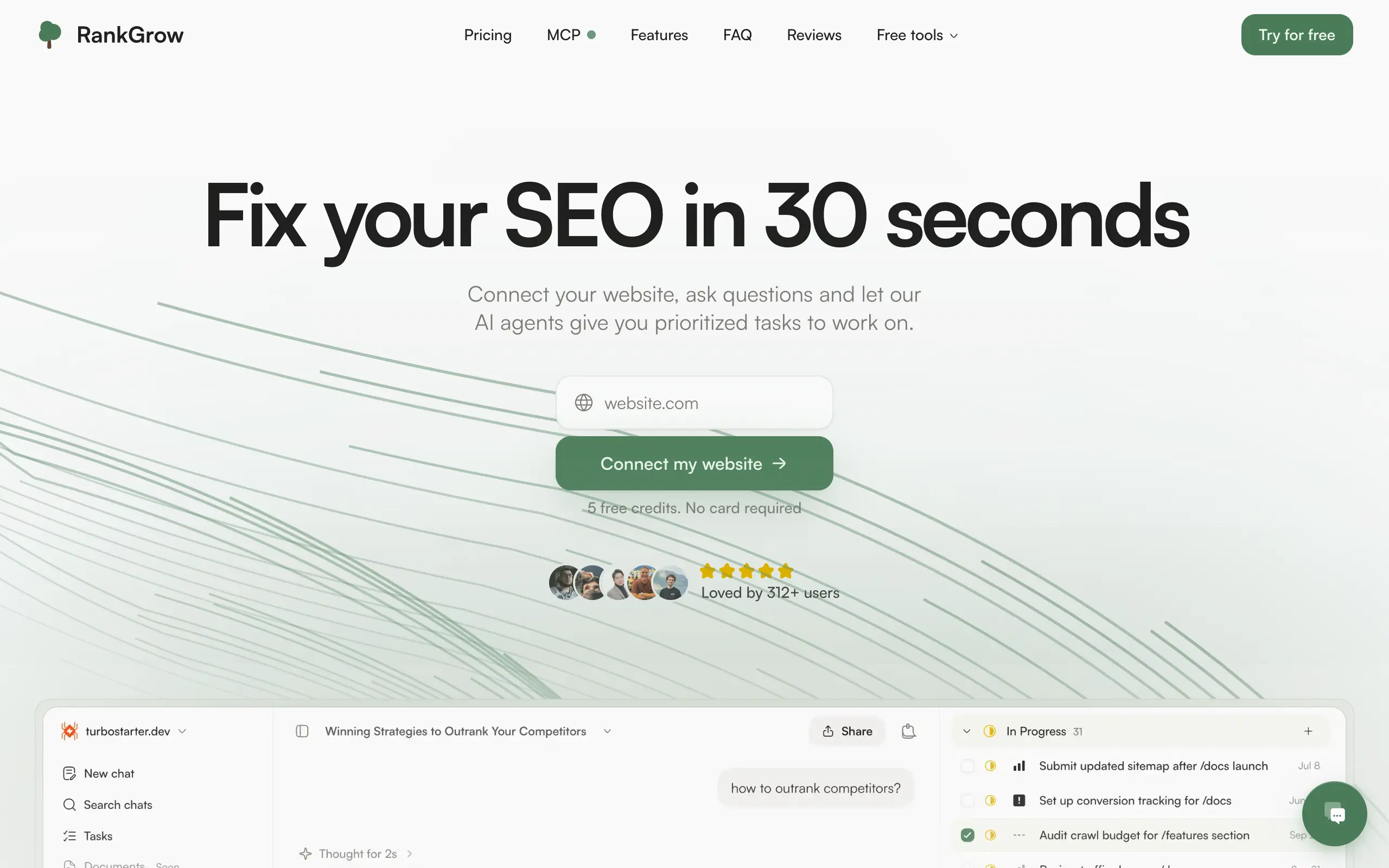
RankGrow
Fix your SEO with AI agents - connect Search Console, get prioritized tasks, and grow organic traffic 📈
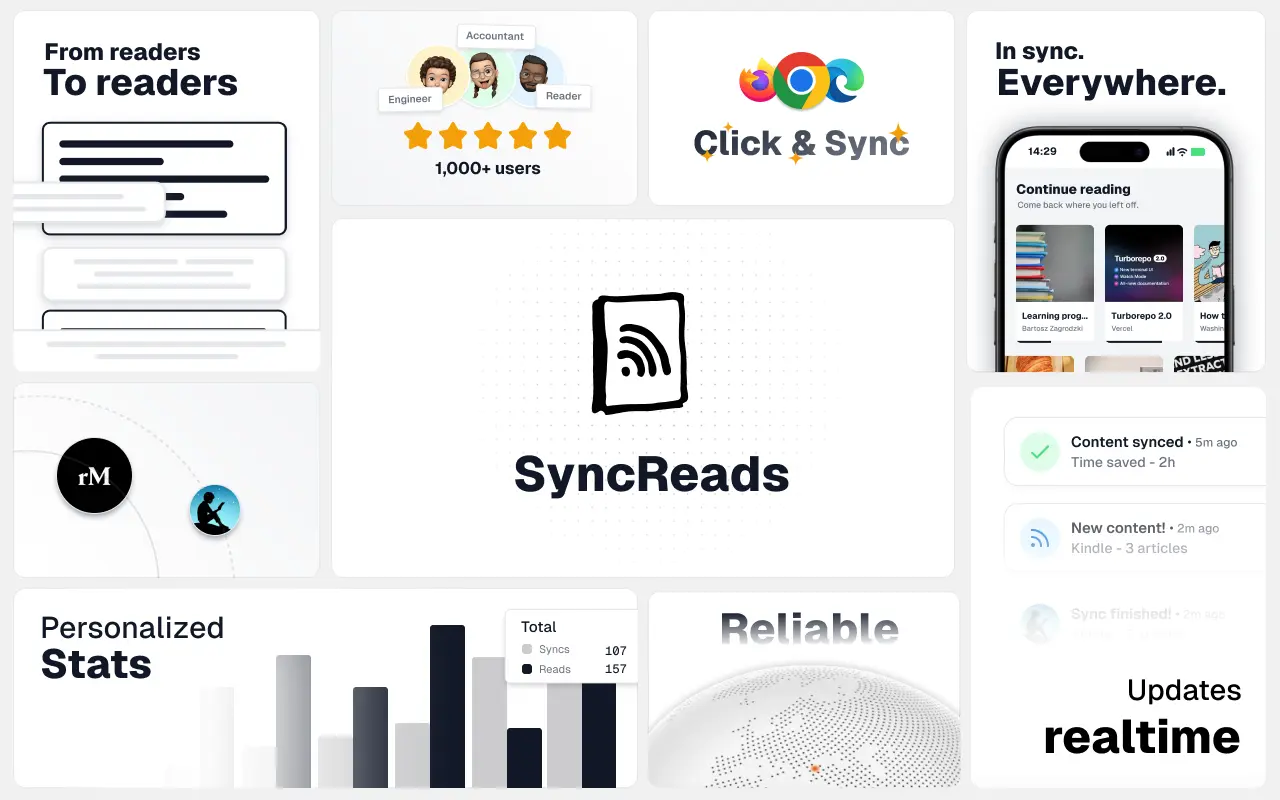
SyncReads
Sync your favorite content for distraction-free reading, save time and replace multiple apps. Anytime, anywhere 🔄
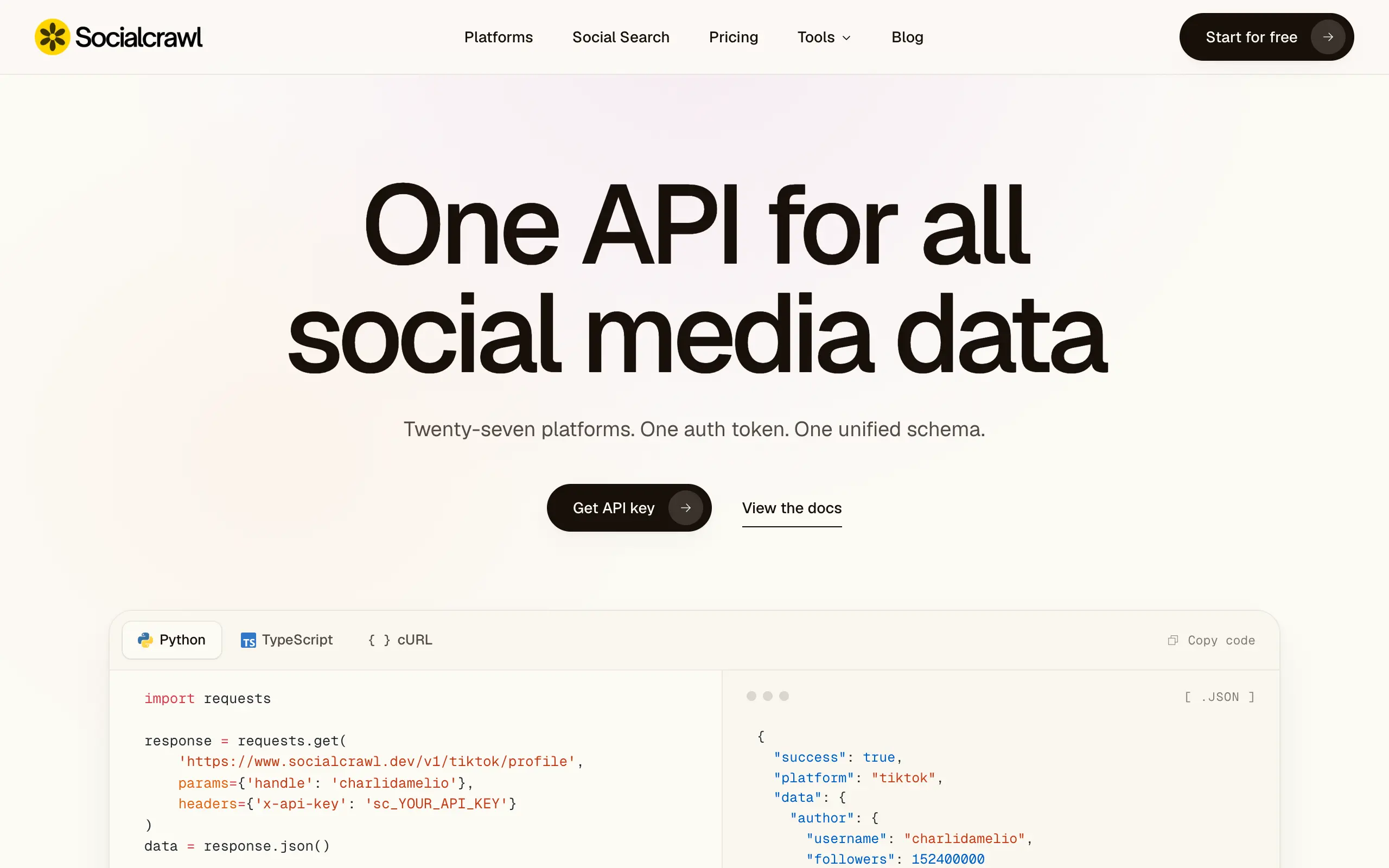
Socialcrawl
Get clean, structured data from 21 platforms like TikTok, Instagram, and YouTube with a single request 📊
Statiko
Monitor any Telegram channel in real time - track posts, edits, deletions, and growth with AI recaps 📡
Shibui
AI website builder - describe your business, pick a niche template, edit by chatting, and publish instantly ✨
Pro Service
Find verified home service professionals, compare quotes, and pay securely through escrow - built for Brazilians across the US 🏠
RankGrow
Fix your SEO with AI agents - connect Search Console, get prioritized tasks, and grow organic traffic 📈
SyncReads
Sync your favorite content for distraction-free reading, save time and replace multiple apps. Anytime, anywhere 🔄
Socialcrawl
Get clean, structured data from 21 platforms like TikTok, Instagram, and YouTube with a single request 📊
Statiko
Monitor any Telegram channel in real time - track posts, edits, deletions, and growth with AI recaps 📡
Shibui
AI website builder - describe your business, pick a niche template, edit by chatting, and publish instantly ✨
Pro Service
Find verified home service professionals, compare quotes, and pay securely through escrow - built for Brazilians across the US 🏠
RankGrow
Fix your SEO with AI agents - connect Search Console, get prioritized tasks, and grow organic traffic 📈
SyncReads
Sync your favorite content for distraction-free reading, save time and replace multiple apps. Anytime, anywhere 🔄
Socialcrawl
Get clean, structured data from 21 platforms like TikTok, Instagram, and YouTube with a single request 📊
Statiko
Monitor any Telegram channel in real time - track posts, edits, deletions, and growth with AI recaps 📡
Shibui
AI website builder - describe your business, pick a niche template, edit by chatting, and publish instantly ✨
Pro Service
Find verified home service professionals, compare quotes, and pay securely through escrow - built for Brazilians across the US 🏠
RankGrow
Fix your SEO with AI agents - connect Search Console, get prioritized tasks, and grow organic traffic 📈
SyncReads
Sync your favorite content for distraction-free reading, save time and replace multiple apps. Anytime, anywhere 🔄
Socialcrawl
Get clean, structured data from 21 platforms like TikTok, Instagram, and YouTube with a single request 📊
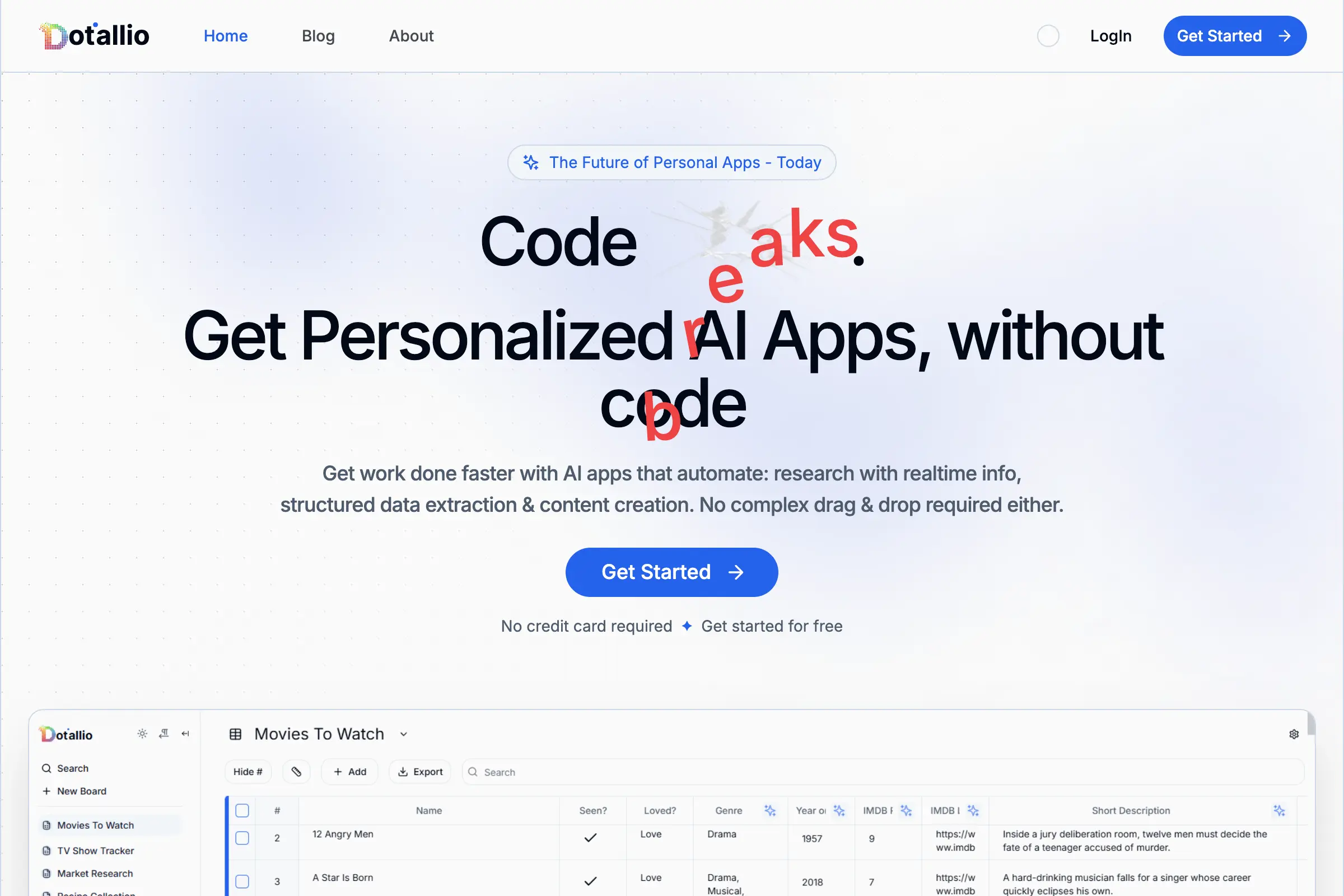
Dotallio
Personalized AI apps that automate research, data extraction, and content creation without code 🤖
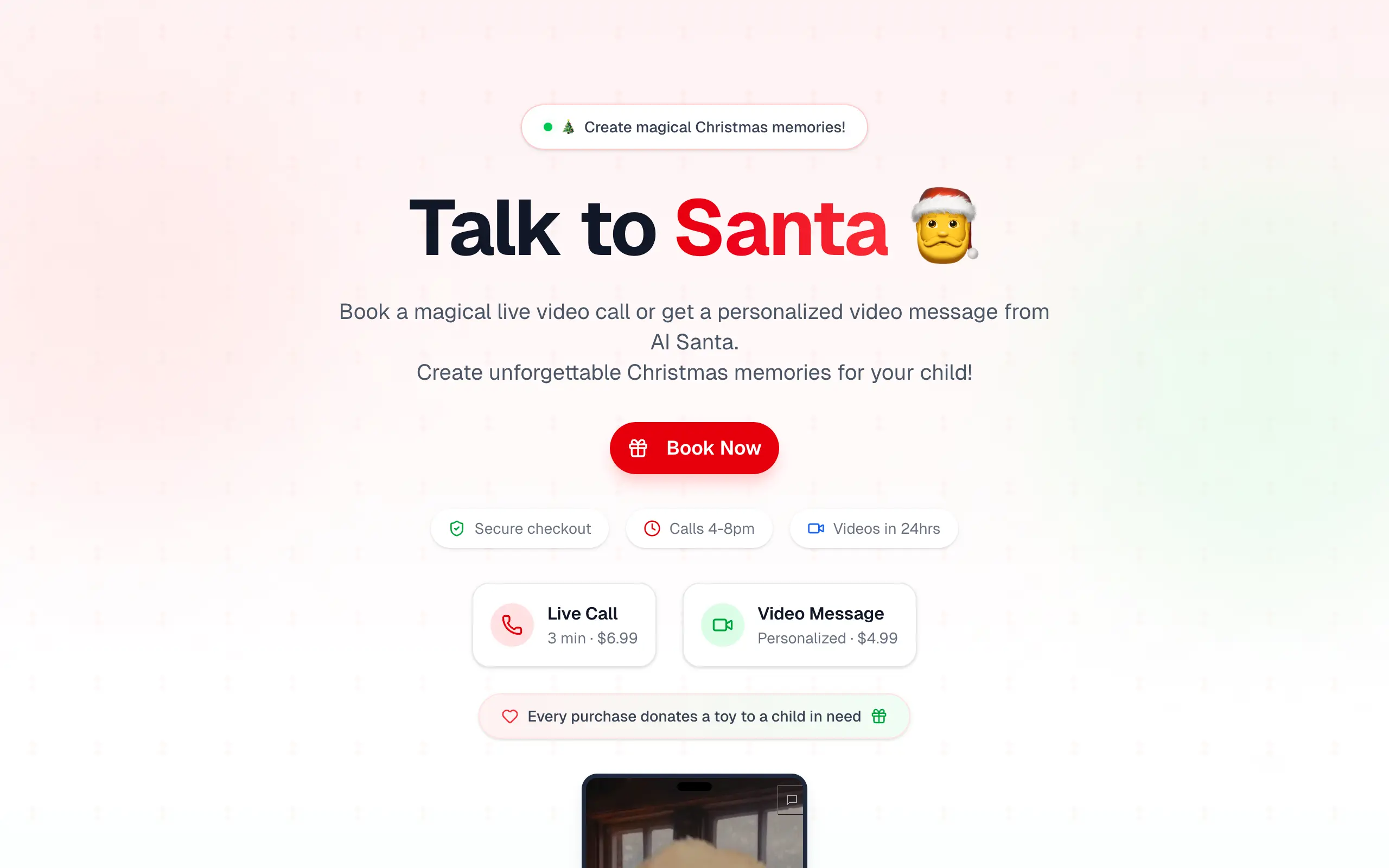
Talk to Santa
Enjoy a magical live video chat or receive a unique AI-generated video greeting from Santa Claus 🎅

pozywka.pl
Scalable blog for food journalist, focused on performance and user experience 🌭
zagrodzki.me
Personal blog and portfolio of Bart Zagrodzki, where he shares his knowledge and work 💼
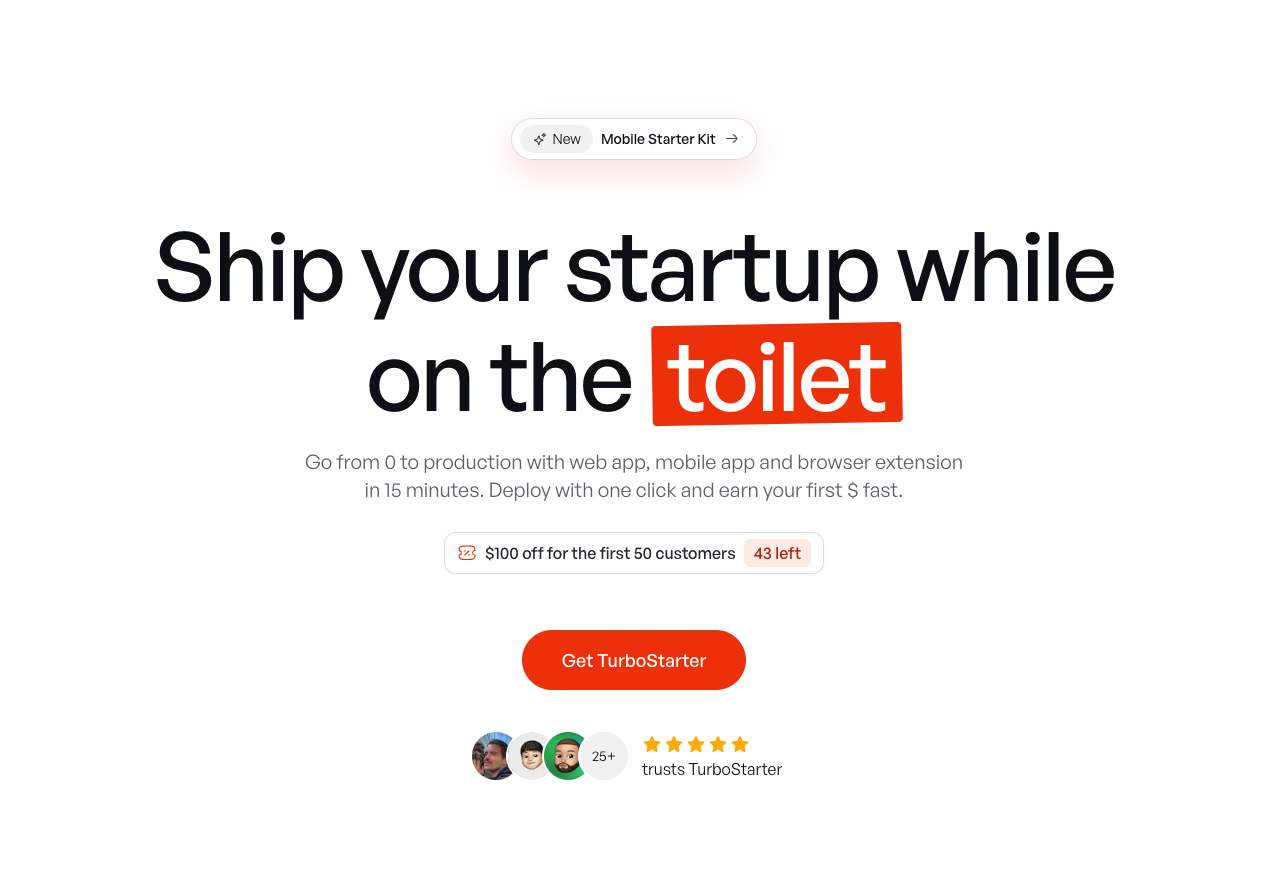
TurboStarter
Ship your startup everywhere. In minutes.
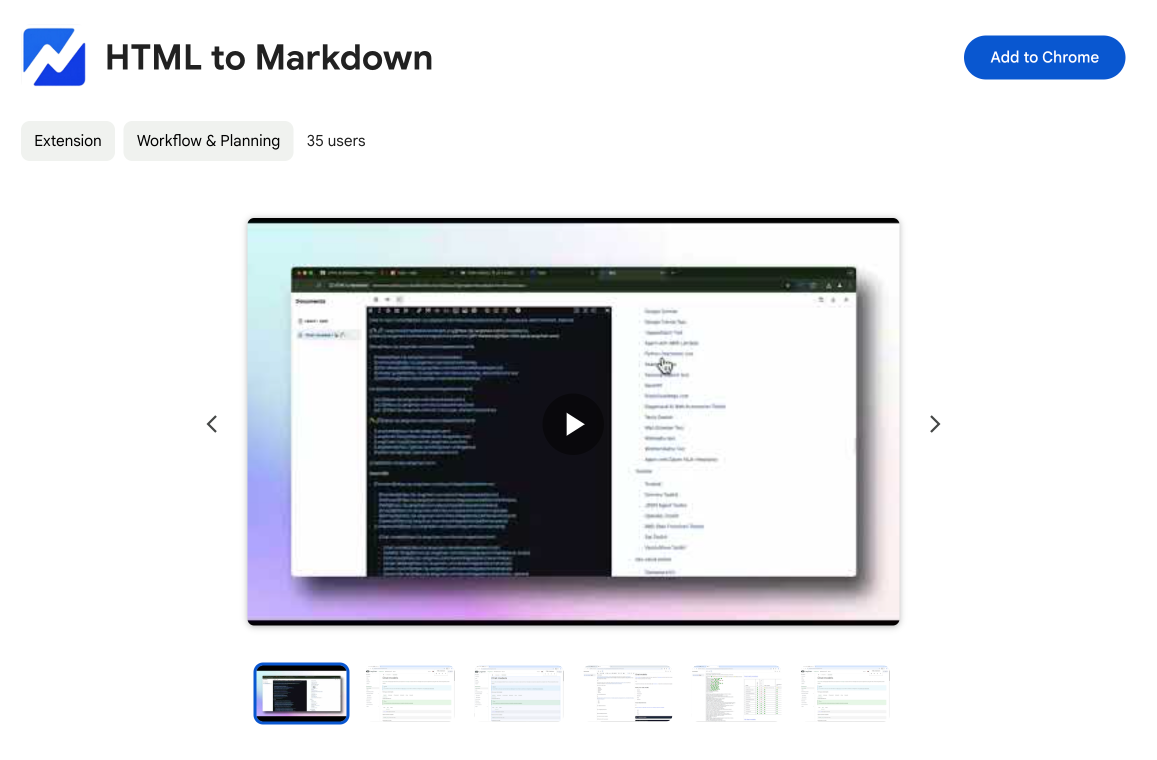
HTML to Markdown
Convert HTML to Markdown with ease, directly in your browser 📄
Dotallio
Personalized AI apps that automate research, data extraction, and content creation without code 🤖
Talk to Santa
Enjoy a magical live video chat or receive a unique AI-generated video greeting from Santa Claus 🎅
pozywka.pl
Scalable blog for food journalist, focused on performance and user experience 🌭
zagrodzki.me
Personal blog and portfolio of Bart Zagrodzki, where he shares his knowledge and work 💼
TurboStarter
Ship your startup everywhere. In minutes.
HTML to Markdown
Convert HTML to Markdown with ease, directly in your browser 📄
Dotallio
Personalized AI apps that automate research, data extraction, and content creation without code 🤖
Talk to Santa
Enjoy a magical live video chat or receive a unique AI-generated video greeting from Santa Claus 🎅
pozywka.pl
Scalable blog for food journalist, focused on performance and user experience 🌭
zagrodzki.me
Personal blog and portfolio of Bart Zagrodzki, where he shares his knowledge and work 💼
TurboStarter
Ship your startup everywhere. In minutes.
HTML to Markdown
Convert HTML to Markdown with ease, directly in your browser 📄
Dotallio
Personalized AI apps that automate research, data extraction, and content creation without code 🤖
Talk to Santa
Enjoy a magical live video chat or receive a unique AI-generated video greeting from Santa Claus 🎅
pozywka.pl
Scalable blog for food journalist, focused on performance and user experience 🌭
zagrodzki.me
Personal blog and portfolio of Bart Zagrodzki, where he shares his knowledge and work 💼
TurboStarter
Ship your startup everywhere. In minutes.
HTML to Markdown
Convert HTML to Markdown with ease, directly in your browser 📄
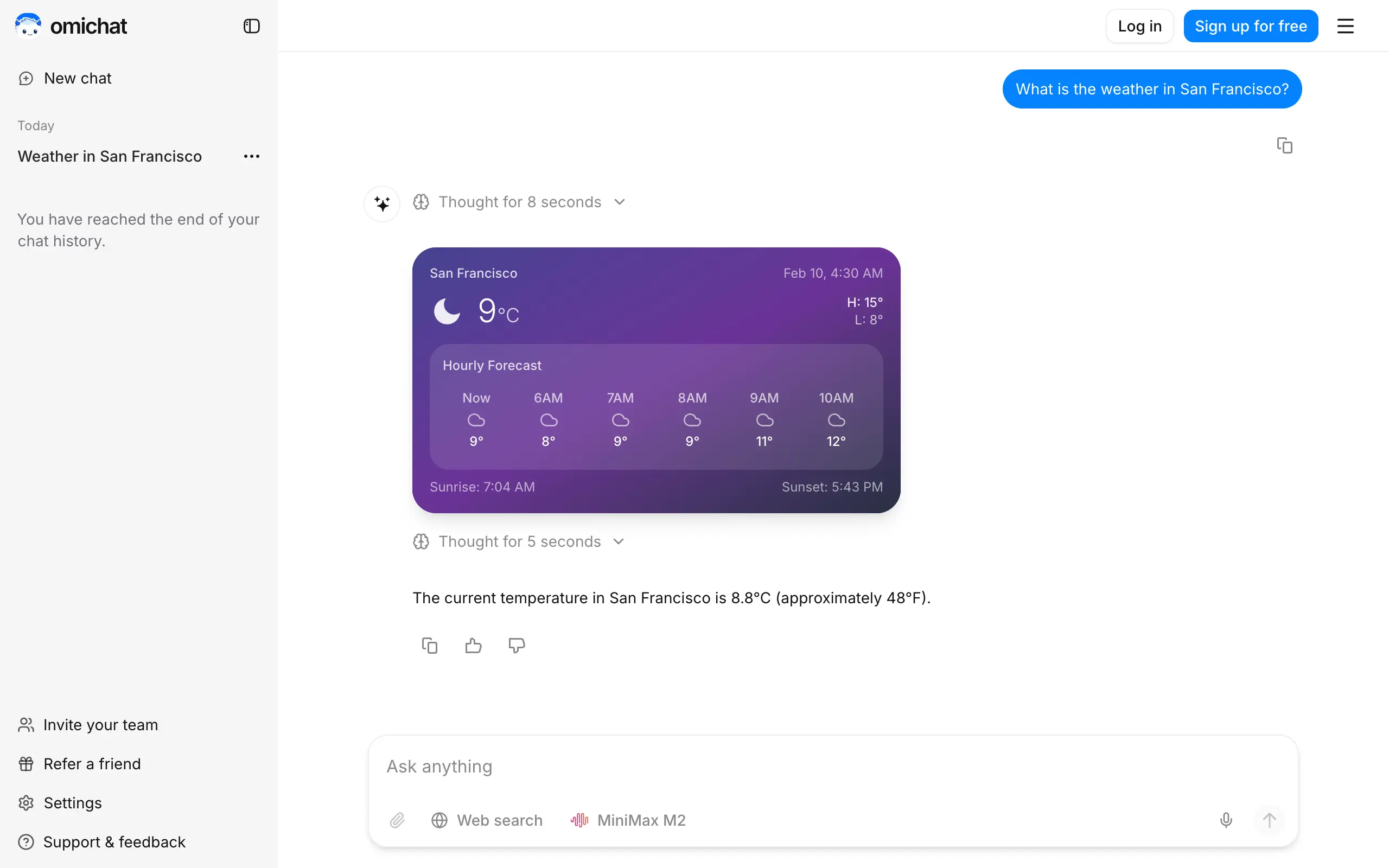
Omichat
Chat with 50+ AI models, including ChatGPT and Claude, in one place - switch models anytime without losing context 🤖
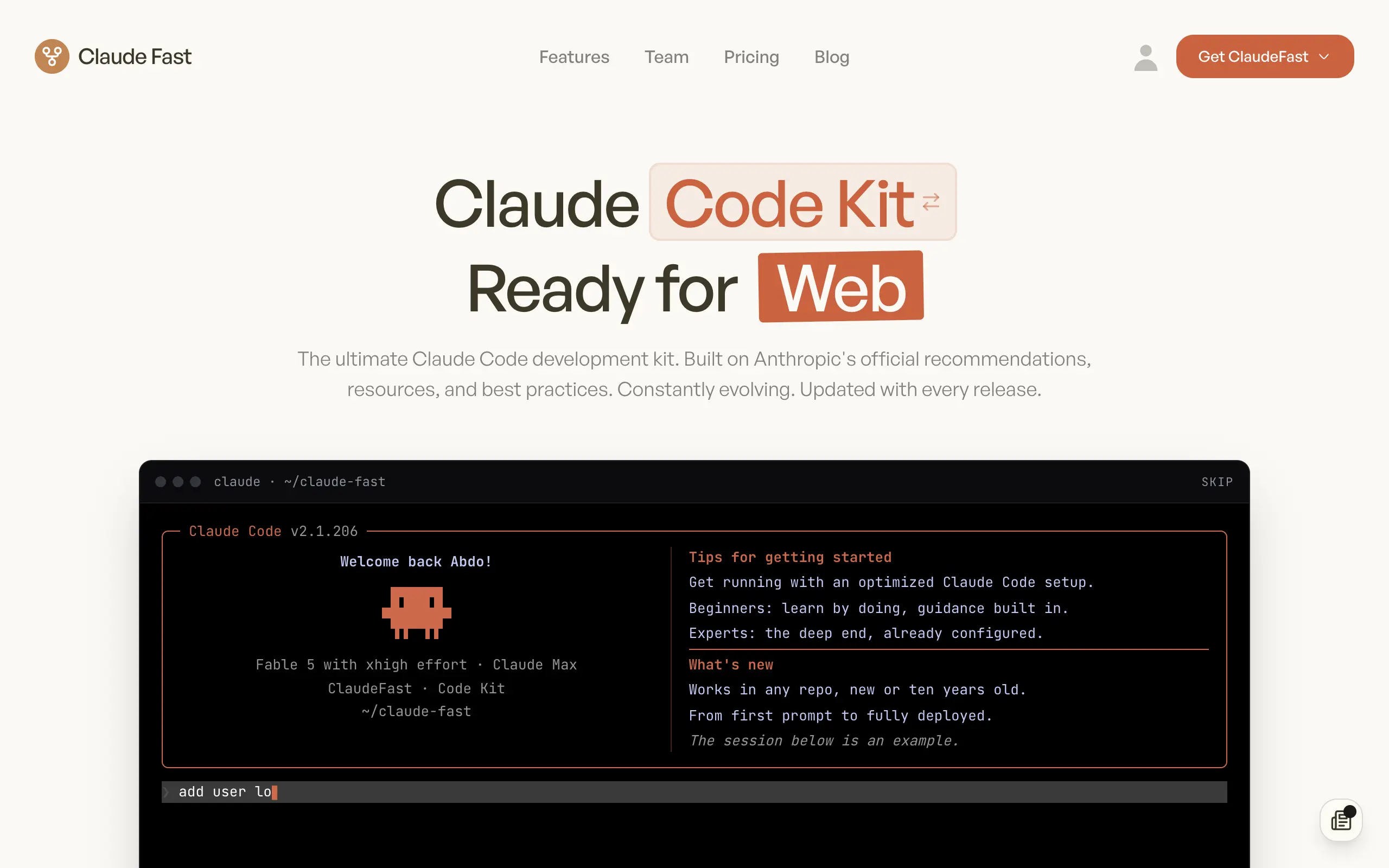
Claude Fast
Supercharge your Claude Code with 6x effective context window and specialized AI agents 🤖
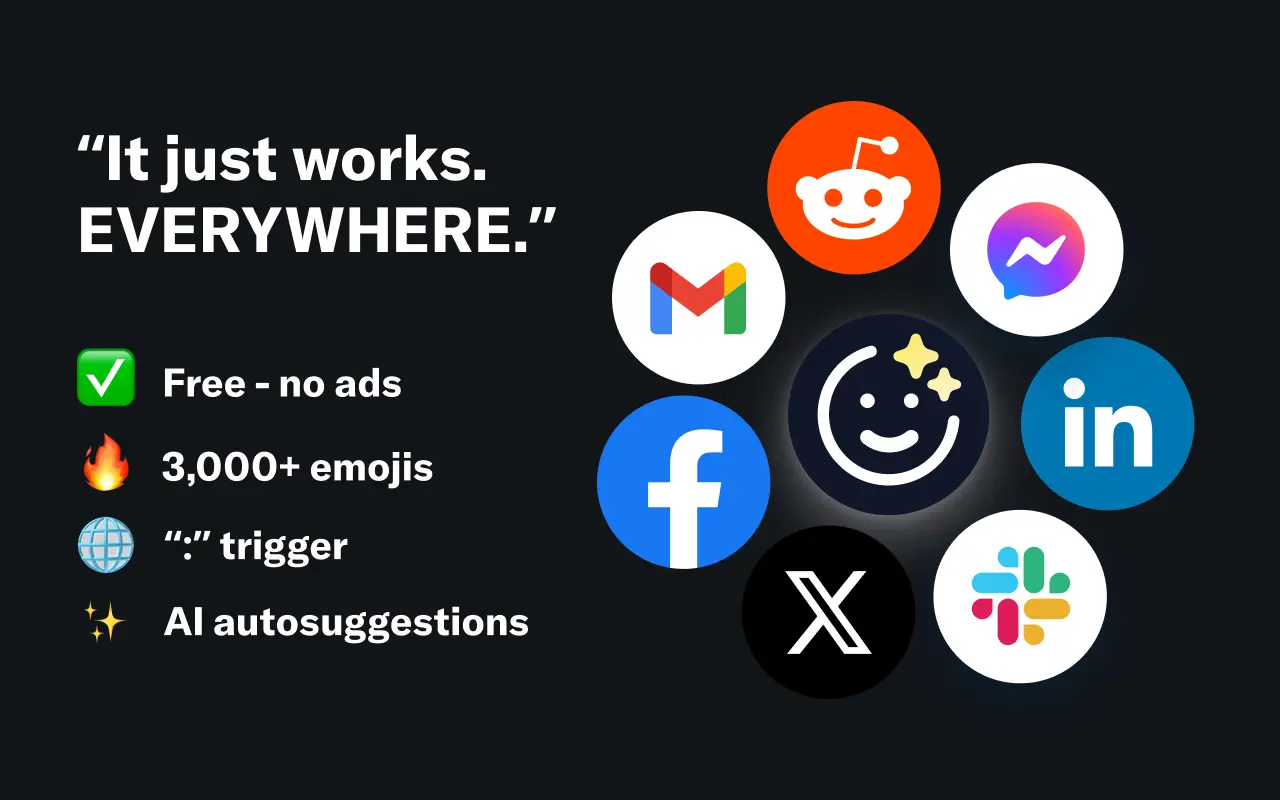
EmojAI
AI-powered emoji picker with smart, context-aware suggestions 🤖

Solohacker
Autonomous company launcher - AI agents work 24/7, escalate what matters, and you stay in control 🤖

BeRawi: Storytelling Coach
Practice storytelling daily with instant feedback to sound clearer, more engaging, and confident 🎤
Omichat
Chat with 50+ AI models, including ChatGPT and Claude, in one place - switch models anytime without losing context 🤖
Claude Fast
Supercharge your Claude Code with 6x effective context window and specialized AI agents 🤖
EmojAI
AI-powered emoji picker with smart, context-aware suggestions 🤖
Solohacker
Autonomous company launcher - AI agents work 24/7, escalate what matters, and you stay in control 🤖
BeRawi: Storytelling Coach
Practice storytelling daily with instant feedback to sound clearer, more engaging, and confident 🎤
Omichat
Chat with 50+ AI models, including ChatGPT and Claude, in one place - switch models anytime without losing context 🤖
Claude Fast
Supercharge your Claude Code with 6x effective context window and specialized AI agents 🤖
EmojAI
AI-powered emoji picker with smart, context-aware suggestions 🤖
Solohacker
Autonomous company launcher - AI agents work 24/7, escalate what matters, and you stay in control 🤖
BeRawi: Storytelling Coach
Practice storytelling daily with instant feedback to sound clearer, more engaging, and confident 🎤
Omichat
Chat with 50+ AI models, including ChatGPT and Claude, in one place - switch models anytime without losing context 🤖
Claude Fast
Supercharge your Claude Code with 6x effective context window and specialized AI agents 🤖
EmojAI
AI-powered emoji picker with smart, context-aware suggestions 🤖
Solohacker
Autonomous company launcher - AI agents work 24/7, escalate what matters, and you stay in control 🤖
BeRawi: Storytelling Coach
Practice storytelling daily with instant feedback to sound clearer, more engaging, and confident 🎤

Connect with like-minded people
Join our community to get feedback, support, and grow together with 1,000+ builders on board, let's ship it!
Join usShip your startup everywhere. In minutes.
Don't burn tokens on setup and start building features on day one.