ReturnRadar
ReturnRadar saves receipts, warranty details, and return windows from a photo. Get reminders before purchases turn into missed refunds.
What ReturnRadar is and why the problem matters
ReturnRadar is a consumer app that turns photos of receipts, order confirmations, and warranty documents into useful reminders. A user photographs a purchase record, ReturnRadar extracts key details, and the app tracks the return deadline and warranty period so the user can act before either expires.
The concept addresses a common gap between making a purchase and remembering what to do afterward. A return window might last only a few weeks. A warranty might matter months or years later. Yet the information needed to use either benefit often ends up in an email, a paper bag, a retailer account, or a camera roll—far from the moment someone needs it.
That makes ReturnRadar more than a digital filing cabinet. Its strongest promise is turning purchase records into timely actions.
The product sits at the intersection of several useful categories:
- Receipt organizer apps
- Warranty tracker apps
- Return deadline reminders
- Personal finance and purchase management tools
- Document scanning and optical character recognition (OCR)
The opportunity is to make those jobs feel like one simple consumer workflow: snap, verify, and forget until it matters.
Who ReturnRadar should serve first
A consumer app can appeal to a broad audience, but a focused initial customer is easier to reach and better suited to product validation. ReturnRadar should begin with people who regularly make purchases that are expensive, time-sensitive, or difficult to track.
Primary audience: organized shoppers who still miss deadlines
These customers already care about managing purchases, but their current systems are fragmented. They may keep receipts in email, take screenshots of online orders, or save warranty PDFs in cloud storage. The problem is not a lack of effort; it is the difficulty of connecting the right document to the right deadline.
Potential users include:
- People who buy electronics, appliances, furniture, or other durable goods
- Online shoppers who receive order confirmations across multiple retailers
- Parents managing purchases for a household
- People who move frequently or manage more than one home
- Shoppers who compare products and may return an item after testing it
- Anyone who has searched their inbox for a receipt while standing at a return counter
These users can quickly understand the value of a receipt and warranty tracker because they have likely experienced the underlying problem.
Secondary audience: households sharing purchase responsibilities
A purchase may be made by one person but managed by another. One partner might buy an appliance, while another handles a return, repairs, or warranty claims. Household sharing can make ReturnRadar more valuable by giving family members a common place to find purchase records and deadlines.
This audience also creates product requirements. Shared access should be permission-based, with clear ownership and controls over which purchases are visible to other household members.
Later audience: high-volume shoppers and small organizations
Some users manage many purchases for a home business, a rental property, or a large household. They may need tags, exports, shared access, and more extensive search.
These users could support higher-priced plans later, but they should not define the first version. A product designed too early for bookkeeping teams or business inventory managers risks becoming complicated before its core consumer workflow is proven.
The market opportunity and the product gap
People already have tools that store parts of the purchase record. Email stores order confirmations. Retailer accounts store order history. Cloud drives store PDFs. Password managers and notes apps can hold serial numbers. Calendar apps can remind users about dates.
The gap is that these tools generally do not create a single, purchase-centered workflow. A receipt can be stored without a return deadline. A date can be entered in a calendar without a link to the receipt. A warranty document can be saved without a clear reminder of when coverage ends.
ReturnRadar can connect these pieces:
- Capture a receipt or purchase document.
- Identify the product, retailer, purchase date, and relevant details.
- Estimate or record the return deadline and warranty end date.
- Ask the user to confirm uncertain information.
- Send a reminder early enough for the user to take action.
- Make the original proof of purchase easy to retrieve.
That workflow is the core market opportunity. The app does not need to replace every existing shopping or finance tool. It needs to be better at helping people find the evidence and act at the right time.
The key challenge: deadlines are not always simple
Return windows can depend on a retailer’s policy, the product category, the country, the purchase method, and special promotions. Warranty coverage can depend on the manufacturer, the type of product, registration requirements, and proof of purchase.
ReturnRadar should avoid presenting uncertain dates as guaranteed facts. A date extracted from a receipt is different from a date calculated from a general policy. The interface should make that distinction visible.
For example, the app might label a deadline as:
- Confirmed by the user
- Printed on the receipt
- Estimated from a retailer policy
- Not yet available
This transparency will build more trust than a confident but inaccurate date.
Core features for a useful ReturnRadar MVP
The first release should prove that users will capture purchases, trust the extracted information, and return to the app when a deadline approaches. It does not need every possible document-management feature.
1. Receipt and document capture
Users should be able to add a purchase using the camera, an image upload, or a document file. The capture experience should guide users toward a readable image by detecting blur, poor lighting, and cropped edges when possible.
The app should support more than paper receipts over time. Useful document types include:
- Printed receipts
- Email order confirmations
- Digital invoices
- Warranty certificates
- Product labels or serial-number photos
- Repair records
For the MVP, prioritize photos and common image formats. A clear, reliable capture flow is more important than supporting every document source on day one.
2. OCR and structured data extraction
OCR can convert text in a document into searchable data. ReturnRadar can use it to identify fields such as:
- Retailer or seller
- Purchase date
- Product description
- Total paid
- Order number
- Serial number, when visible
- Return deadline, if explicitly printed
- Warranty duration, if explicitly stated
Extraction should be treated as a suggestion, not an unquestionable result. Receipts vary widely, and OCR can misread dates, prices, or product descriptions. Users need a simple review screen that makes corrections quick.
A good review interaction is not a long form. Show the original document beside the extracted details, highlight low-confidence fields, and let users confirm the most important information first.
3. Return window tracking
ReturnRadar should support a deadline for each purchase, including a way to record how that date was determined. Users should be able to edit the date, add a note, or mark the item as returned.
A practical first release could support:
- A manually entered deadline
- A deadline printed on the document
- An optional estimate based on a selected policy
- A reminder schedule that users can customize
Avoid implying that a general return policy applies to every item. When the date is estimated, explain that users should verify the seller’s current policy and any product-specific conditions.
4. Warranty tracking
Warranty information is often less visible than the purchase date, so it deserves its own focused workflow. Users should be able to store the coverage duration, end date, provider, and any registration or claim instructions.
For a simple initial experience, let users choose a coverage period or enter an end date. If the receipt or warranty document contains the duration, ReturnRadar can suggest it for confirmation.
The most useful warranty record is not just a timer. It should also make the purchase proof, serial number, and support details accessible when a repair is needed.
5. Timely, configurable reminders
A reminder is only useful if it arrives early enough to influence a decision. Users should be able to choose when to be notified, such as several days before a return deadline and farther in advance of a warranty expiration.
Reminders should include context:
- The product name
- The retailer
- The deadline
- A direct link to the saved receipt
- A clear action, such as “check return eligibility”
The app should also support quiet hours, time zones, and notification preferences. Email reminders can provide a reliable fallback for users who do not enable push notifications.
6. Search and purchase organization
As a user saves more records, retrieval becomes as important as capture. Search should cover extracted text and user-entered details. Filters can help users find purchases by retailer, date, category, or status.
Useful purchase statuses include:
- In return window
- Return window ended
- Warranty active
- Warranty ending soon
- Returned
- Archived
Tags can help users organize items by room, family member, trip, or project without imposing a rigid category system.
7. Export, backup, and account controls
Users are trusting ReturnRadar with purchase records and potentially sensitive information. They should be able to export or delete their data without contacting support.
Important controls include:
- Downloading receipts and purchase details
- Deleting an individual record
- Deleting an account and its associated data
- Managing notification preferences
- Understanding how documents are stored and processed
Data portability is also a product benefit. It gives users confidence that their records are not trapped in the app.
A product experience built around trust
ReturnRadar handles documents people may need to prove a purchase, make a claim, or resolve a dispute. A user-friendly experience is not enough; the product must also communicate how it treats those documents.
Make uncertainty visible
OCR, deadline calculations, and policy information can all be wrong. The app should show where information came from and whether it is confirmed. A small confidence indicator or source label can prevent a user from mistaking an estimate for a guarantee.
Keep reminders helpful, not noisy
Too many notifications will cause people to disable them. Start with a conservative schedule and let users adjust it. The app should make it easy to dismiss, snooze, or mark a purchase as resolved.
Measure the quality of reminders by whether users take a useful action—not simply by whether a notification was delivered.
Explain document handling in plain language
Users should know whether documents are encrypted in transit and at rest, which service providers process them, and whether documents are used to train machine-learning systems. Do not make broad privacy claims unless the technical implementation supports them.
A concise, accessible privacy explanation can be presented during onboarding and kept available in settings.
Recommended technology stack and trade-offs
The ideal stack depends on the team’s existing strengths, target platforms, and expected document volume. The first version should optimize for a dependable mobile capture flow, secure file handling, and a maintainable backend.
Mobile app
A cross-platform mobile app can reduce the effort required to support both iOS and Android. React Native is one option for teams experienced with JavaScript and React. Expo can simplify development, builds, and access to common mobile capabilities.
A native app offers more direct control over camera behavior and platform-specific notifications, but it usually requires more platform-specific engineering. For an early-stage consumer product, cross-platform development can be a practical way to test demand, provided camera quality and background behavior are tested on real devices.
A web application can complement the mobile app for searching, editing, and exporting records. It should not replace the mobile capture experience if photographing receipts is the product’s primary interaction.
Backend and database
A relational database such as PostgreSQL is a strong fit for users, purchases, deadlines, notification preferences, and sharing relationships. The data has clear connections, and users may need to search and filter across several fields.
A managed backend can speed up authentication, database setup, and file storage. Supabase is one option for teams that want managed PostgreSQL and related services. A custom backend may provide more control but adds operational work, so it is usually better justified by specific requirements than by default preference.
The data model should keep document files separate from structured purchase records. For example, one purchase could be associated with several files, such as a receipt, warranty certificate, and product label photo.
OCR and document processing
OCR can be implemented using a cloud vision service or an on-device model. Cloud processing may provide stronger extraction quality and simpler model updates, but it requires sending documents to a third party and introduces usage costs. On-device processing can improve privacy and work offline, but may limit accuracy or increase app complexity.
A reasonable MVP approach is to:
- Detect and correct image quality issues on the device where practical.
- Send documents securely to a selected OCR provider.
- Store the original file and extracted fields separately.
- Ask the user to confirm important values.
- Track extraction quality and failure cases to improve the workflow.
The team should evaluate providers using real, consented receipt samples from different retailers and device cameras rather than relying only on vendor demonstrations.
Notifications and background jobs
Return deadlines require reliable scheduling. A backend job system is often preferable to relying only on the user’s device, because users may switch phones, disable background activity, or sign in on multiple devices.
Use push notifications for timely mobile alerts and email as an optional backup. Make reminder jobs idempotent so retries do not send duplicates. Store the user’s time zone and recalculate schedules when deadlines or preferences change.
Security and observability
Use secure authentication, access controls, encrypted transport, and carefully restricted file access. Private documents should not be exposed through guessable public URLs. Short-lived signed URLs can provide controlled access when appropriate.
Logging should help the team diagnose failed uploads and reminders without unnecessarily capturing receipt contents or other sensitive data. Operational dashboards should track service health and processing failures while respecting data minimization.
Monetization options for a B2C receipt and warranty tracker
ReturnRadar’s business model should align with the user’s reason for keeping the app. A consumer who saves a handful of purchases may have different needs from someone managing hundreds of household records.
Freemium subscription
A free plan could include a limited number of active purchases, basic reminders, and standard search. A paid plan could offer more storage, unlimited purchase records, household sharing, advanced exports, and additional reminder options.
The limit should encourage users to upgrade because the product is useful—not create anxiety that a saved receipt will disappear. Users should be able to see how the limit works before they upload important records.
Annual plan
An annual subscription can make sense for a tool whose value accumulates over time. A user may not need ReturnRadar every day, but their saved warranties and purchase history become more useful as the collection grows.
Offer a clear cancellation experience and explain what happens to stored records if a subscription ends. Trust is especially important when users depend on the app as a long-term archive.
Household plan
A household tier could allow multiple members to share selected purchases and reminders. This can increase the perceived value while supporting a real use case that is difficult to solve with a personal-only account.
Sharing should be explicit. A user should know whether a purchase is private, shared with a household, or accessible to a specific person.
Partner or affiliate revenue
A retailer, repair service, or product-protection partner might eventually support a referral model. This approach carries a trust risk: users may question whether recommendations are designed to help them or to generate revenue.
If ReturnRadar explores partnerships, disclose commercial relationships clearly, keep the core tracking features useful without purchases, and never let a partner influence the accuracy of stored deadlines or user records.
A practical monetization sequence
Start by validating repeat usage and the value of the reminder workflow. Test willingness to pay with interviews, pricing pages, or a paid pilot before investing heavily in a complex subscription system.
A sensible order is:
- Prove that users capture multiple purchases.
- Measure whether they confirm extracted data and respond to reminders.
- Identify which limits or premium features users actually value.
- Test a simple subscription with transparent terms.
- Add household or partner features only when demand is clear.
Competitive advantage and positioning
ReturnRadar will compete indirectly with retailer apps, email search, notes apps, calendar reminders, generic document scanners, and personal finance tools. Some competing products may be strong at storage, shopping history, or reminders. ReturnRadar’s opportunity is to connect those jobs in a simple, dedicated workflow.
| Capability | Email or retailer account | General document storage | Calendar reminder | ReturnRadar opportunity |
|---|---|---|---|---|
| Stores purchase proof | Often | Yes | No | Yes |
| Extracts purchase details | Sometimes | Limited | No | Core workflow |
| Tracks return deadlines | Rarely | No | Manual setup | Core workflow |
| Tracks warranty dates | Rarely | Manual organization | Manual setup | Core workflow |
| Connects reminders to documents | Limited | Limited | Usually manual | Core workflow |
| Supports household sharing | Varies | Varies | Varies | Potential differentiator |
The table describes product positioning, not a claim that every competing service lacks these capabilities. Before publishing a competitive comparison or making a superiority claim, verify the current features of the named products and cite their official documentation.
The unique selling proposition
A strong positioning statement could be:
ReturnRadar turns purchase documents into clear return and warranty reminders, so shoppers can find proof of purchase and act before important deadlines pass.
This is more specific than “store all your receipts” and more credible than promising that users will never miss a refund again. The app can reduce the likelihood of forgotten deadlines, but it cannot control retailer policies, eligibility decisions, or delivery of every notification.
What makes the product defensible
The basic features can be copied. A durable advantage is more likely to come from the quality of the complete experience:
- OCR that works reliably on varied receipts
- A fast correction flow that earns user confidence
- Accurate, transparent deadline handling
- Strong search across purchase documents
- Dependable reminders across devices
- Trustworthy privacy and data-export controls
- Household workflows that are easy to understand
Over time, anonymized product telemetry can help the team discover where users struggle, such as commonly misread date formats or difficult receipt layouts. Any use of analytics should be disclosed and designed to avoid collecting unnecessary document content.
Risks and how to reduce them
Incorrect dates or extracted fields
A mistaken purchase date or return deadline could cause a user to miss an opportunity. Reduce this risk by showing the source of each value, flagging uncertainty, and making confirmation easy. For policy-based estimates, display the assumptions and encourage users to verify the current terms.
Changing retailer policies
Retail policies change and can vary by product, location, and purchase channel. Do not build the product around a static universal policy database. If retailer policy lookup is introduced, include the source and last-checked date, and make clear that the seller’s terms govern the transaction.
Low retention
A receipt app may not be opened every day. That is not necessarily a failure: its value may be tied to purchases and reminders. Measure meaningful outcomes such as saved purchases, successful document retrieval, and actions taken before deadlines—not daily active use alone.
To encourage repeat value, ReturnRadar can make it easy to add purchases, search past records, and manage a household collection without sending unnecessary notifications.
Privacy concerns
Receipts can reveal names, addresses, purchase habits, partial payment details, and order identifiers. Minimize the information collected, explain processing clearly, and provide practical deletion and export controls. Review third-party OCR and storage vendors for their data retention and security practices.
Notification fatigue
If users receive too many reminders, they may disable notifications. Let people choose timing, avoid duplicate alerts, and stop reminders when a purchase is marked returned or archived. Monitor notification opt-outs and user feedback as product-quality signals.
Dependence on third-party services
OCR, cloud storage, authentication, and messaging providers can experience outages or change pricing. Keep critical product data in formats that can be exported, document provider dependencies, and design retry behavior for temporary failures.
Support burden and consumer expectations
Users may mistake ReturnRadar for a retailer or assume that it can guarantee a refund or warranty claim. Clearly position the app as a record-keeping and reminder tool, not a seller, insurer, or legal adviser. In-product language and support documentation should explain that eligibility is determined by the retailer or warranty provider.
Go-to-market strategy for ReturnRadar
Start with a narrow audience and a concrete message. “Keep receipts organized” is broad. “Find the receipt and deadline before a return window closes” describes an immediate problem.
Validate the pain before scaling acquisition
Interview potential users who have recently returned an item, made a warranty claim, or searched for a receipt. Ask them to show how they currently store purchase records, where the process breaks down, and what they did when a deadline was missed.
Avoid asking only whether someone likes the idea. People may express interest without changing their behavior. A stronger test is whether they install a prototype, add real purchases, and return when a reminder arrives.
Use problem-led content
Search-oriented content can reach users looking for practical help with:
- How to organize receipts
- How to track product warranties
- How to find a purchase receipt
- How to remember a return deadline
- How to store appliance manuals and receipts
- What information to keep for a warranty claim
This content should answer the question even if a reader never installs ReturnRadar. That approach builds trust and creates natural opportunities to explain how the app supports the workflow.
Build a measurable activation path
The first-session experience should help users reach value quickly. A useful activation event might be saving a purchase with a confirmed date and at least one reminder—not merely creating an account.
Track the steps from install to first saved document, successful extraction, date confirmation, notification permission, and reminder engagement. Use that funnel to identify where people abandon the process.
Explore focused distribution channels
Potential channels include consumer organization communities, personal finance newsletters, homeownership content, parenting groups, and creators who share practical shopping advice. Partnerships should be tested carefully and should not compromise the app’s independent handling of records and deadlines.
Metrics that show whether the idea is working
A small set of meaningful metrics can guide product decisions better than a large dashboard of vanity numbers.
Track:
- Activation rate: the share of new users who save and confirm a purchase
- Extraction correction rate: how often users edit key OCR fields
- Reminder engagement: whether users open a reminder or take a related action
- Document retrieval success: whether users can find a saved record when needed
- Retention by purchase activity: whether users return after adding more purchases or receiving reminders
- Notification opt-out rate: whether reminder frequency or relevance needs improvement
- Conversion to paid plans: whether users value storage, sharing, or advanced organization enough to pay
- Support contacts per active user: whether users are confused about dates, privacy, or account controls
Set baselines during testing rather than assuming universal benchmarks. For any market statistics included in a public business case, cite a current primary source or a credible research report with its publication date, geography, and methodology. Do not use an unsourced market-size figure as proof of demand.
Actionable implementation steps
A practical plan should reduce uncertainty in stages. Start by proving that the capture-to-reminder experience solves a real problem, then expand based on observed use.
Define the first user and use case
Choose one initial audience, such as frequent online shoppers or households managing appliances and electronics. Write down the specific moment when the app helps, the information it needs, and what a successful outcome looks like.
Validate current behavior
Interview prospective users and review their existing systems with permission. Learn which documents they keep, how they remember deadlines, and what makes them distrust automated extraction or reminders.
Prototype the core workflow
Build a clickable or lightweight prototype covering photo capture, extracted fields, user confirmation, deadline setup, and reminder preview. Test whether users understand the source and certainty of each date.
Build a narrow MVP
Prioritize authentication, document upload, OCR suggestions, manual correction, purchase records, configurable reminders, search, and deletion. Defer complex policy automation, broad integrations, and advanced household permissions until the core workflow is working.
Test with real-world documents
Recruit a small group of consenting testers and evaluate receipts from different retailers, lighting conditions, and formats. Track extraction failures and ask users to correct them. Do not treat a successful demo on a handful of clean receipts as proof of robust OCR.
Measure real behavior
Observe whether users add multiple purchases, confirm dates, keep notifications enabled, and retrieve documents later. Use those behaviors to decide whether to improve capture, extraction, reminders, or organization first.
Introduce monetization carefully
Test a simple paid tier after the app demonstrates ongoing value. Make free-plan limits and subscription terms clear, and preserve user access to their data if they cancel.
Expand only where evidence supports it
Consider household sharing, retailer-policy assistance, email forwarding, or additional integrations when users consistently request them and the team can deliver them without weakening privacy or reliability.
Why a focused build can help
For founders who want to move from idea to a working SaaS foundation, TurboStarter can help accelerate the setup work around a product launch. The strategic goal is not to build every feature immediately. It is to reduce time spent on boilerplate so more effort can go into validating document capture, date accuracy, privacy, and reminder reliability.
The opportunity for ReturnRadar
ReturnRadar has a clear consumer problem to solve: purchase records and important deadlines are scattered, while the consequences of forgetting them can be frustrating or costly. Its strongest positioning is not as another place to upload documents, but as a receipt and warranty tracker that connects proof of purchase with the moment a user needs to act.
The product’s success will depend on trust as much as convenience. OCR should be reviewable, estimated deadlines should be labeled, reminders should be useful, and documents should remain under the user’s control. If ReturnRadar delivers those fundamentals in a fast, understandable mobile experience, it can earn a place in the household toolkit without trying to replace email, retailer accounts, or every personal finance app.
More 👥 B2C Application SaaS ideas
Discover more innovative b2c application SaaS ideas that are trending in 2026. Each idea is AI-generated with market validation and growth potential to help you find your next profitable venture faster than competitors.
Your competitors are building with TurboStarter
Below are some of the SaaS ideas that have been generated and built with our starter kit.
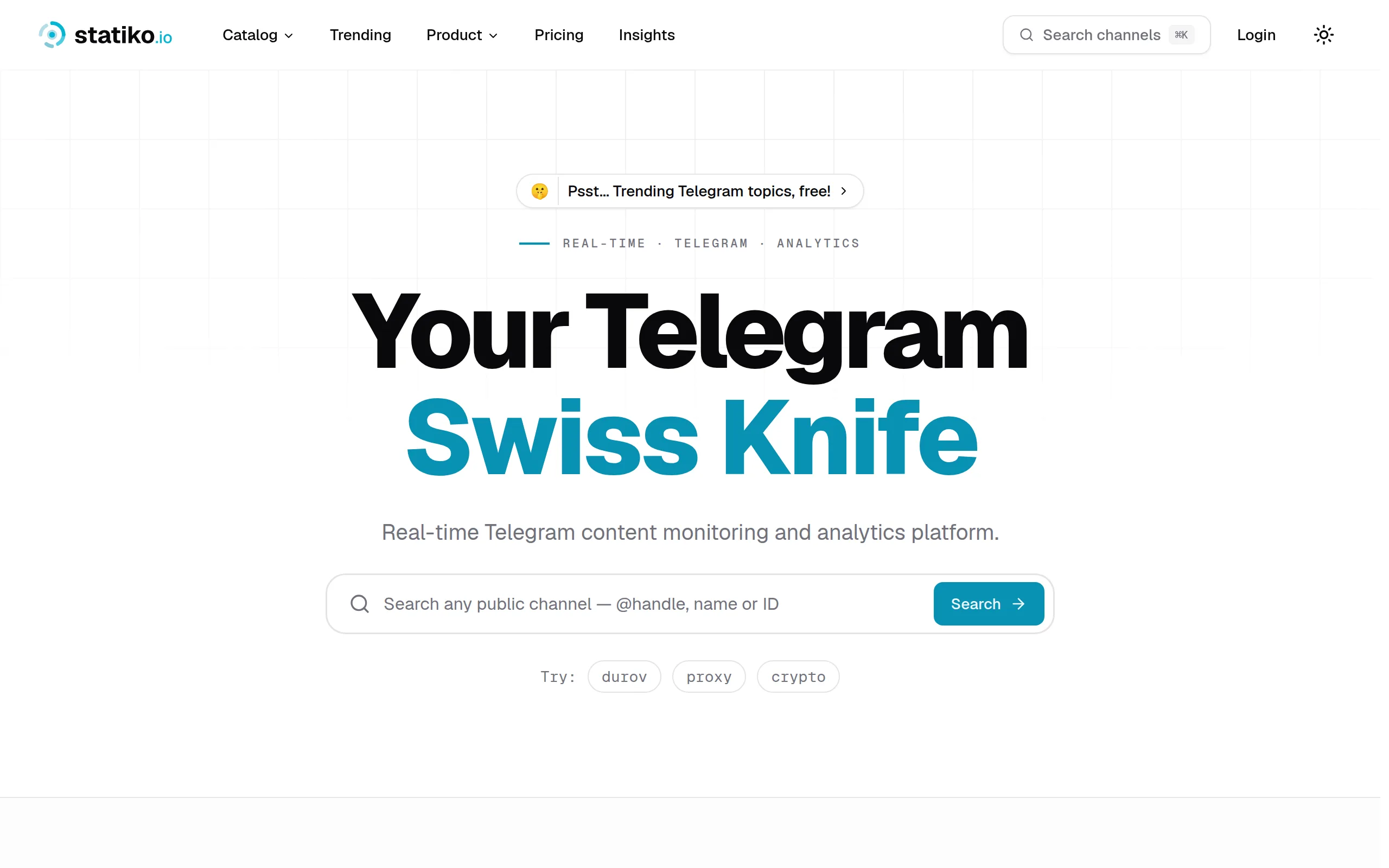
Statiko
Monitor any Telegram channel in real time - track posts, edits, deletions, and growth with AI recaps 📡

Shibui
AI website builder - describe your business, pick a niche template, edit by chatting, and publish instantly ✨
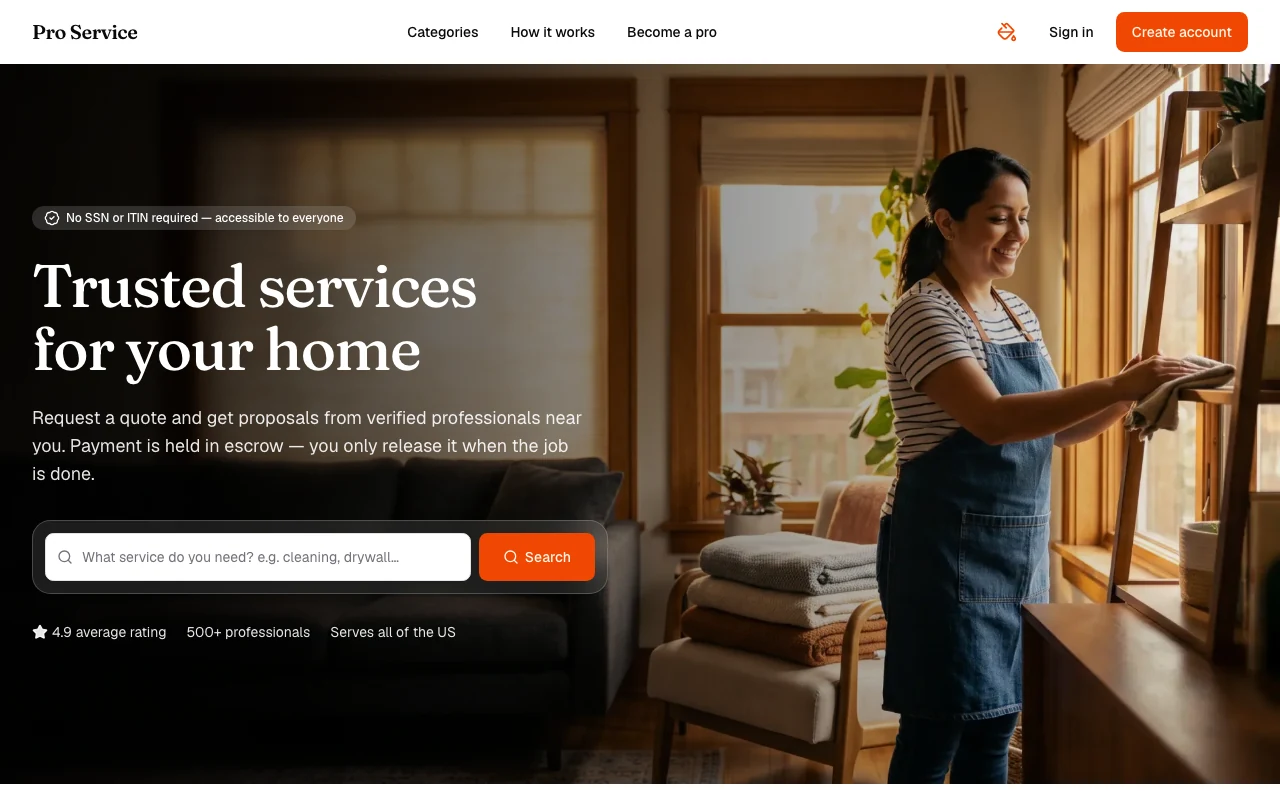
Pro Service
Find verified home service professionals, compare quotes, and pay securely through escrow - built for Brazilians across the US 🏠
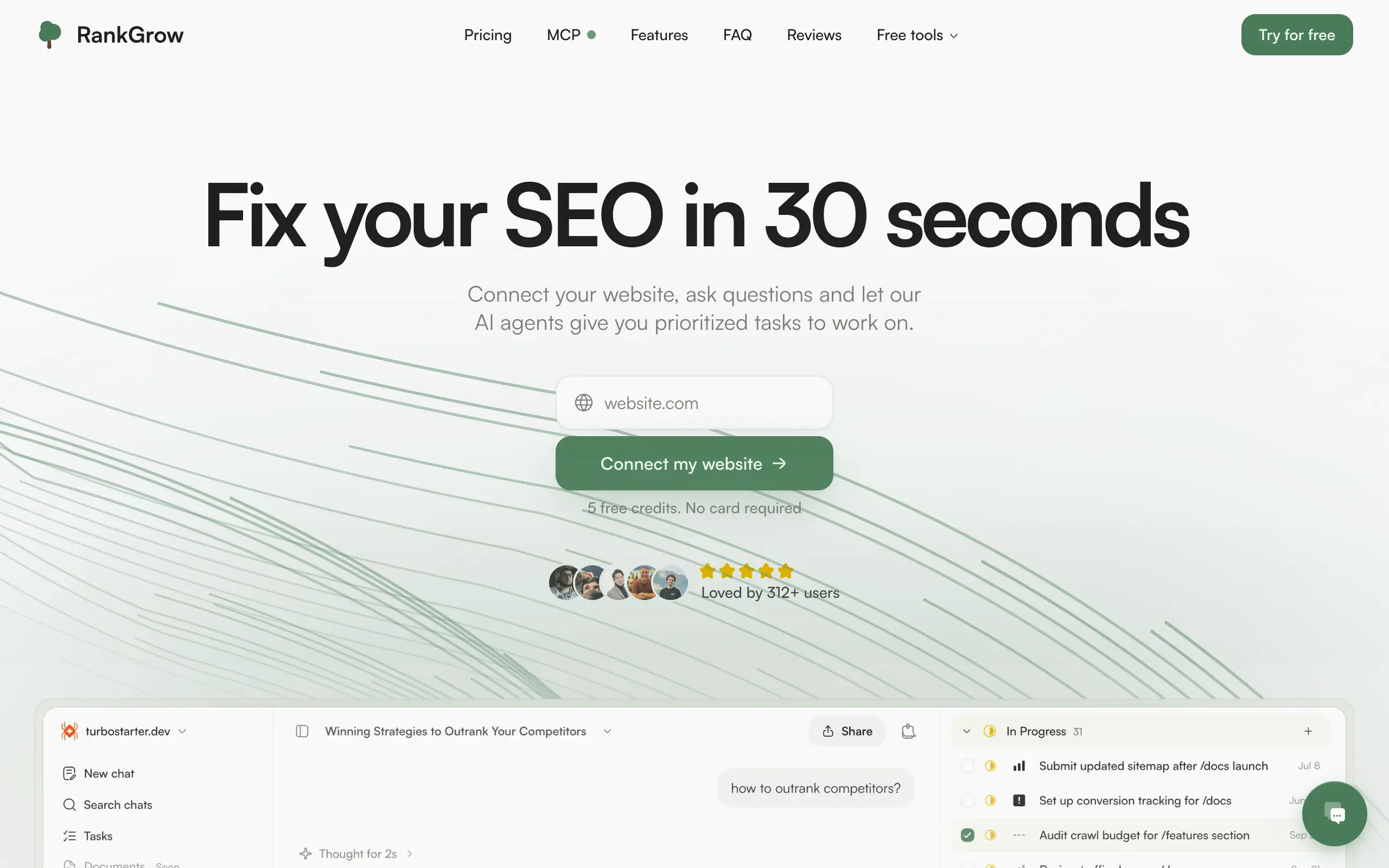
RankGrow
Fix your SEO with AI agents - connect Search Console, get prioritized tasks, and grow organic traffic 📈
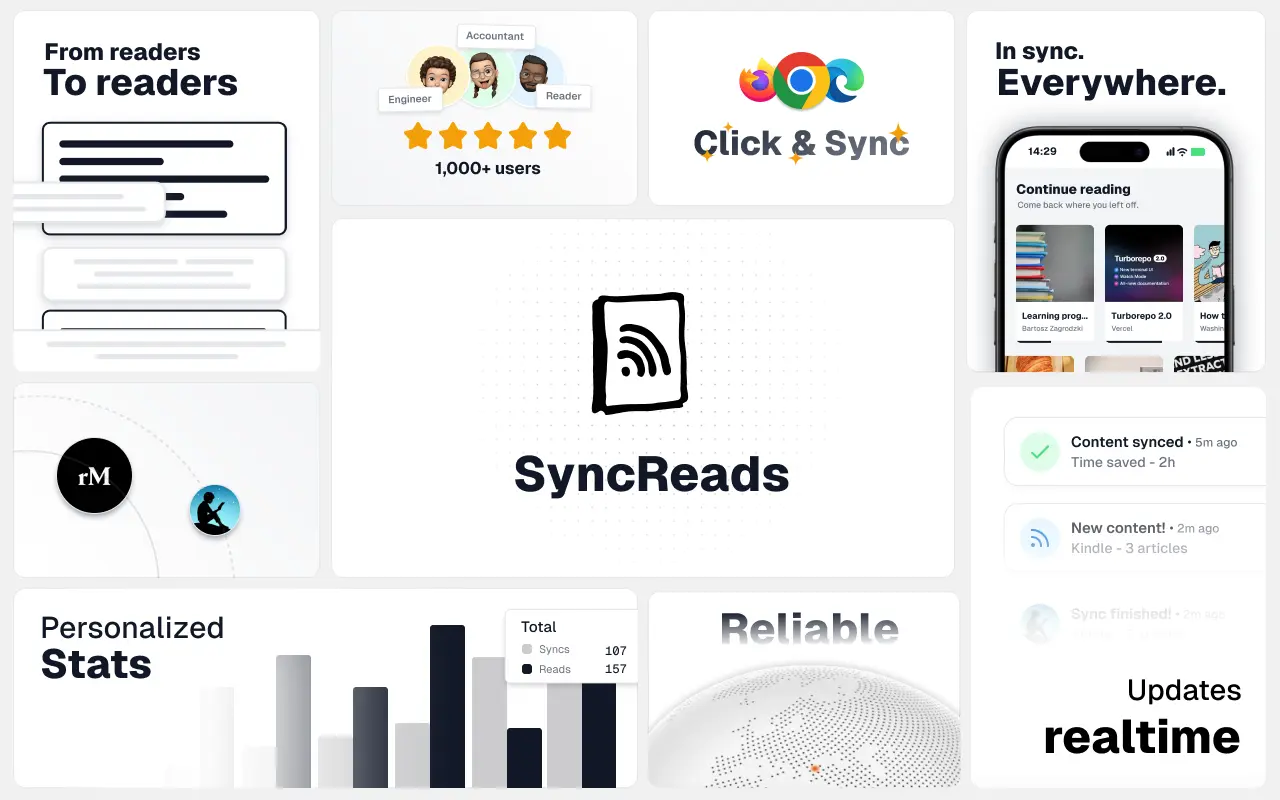
SyncReads
Sync your favorite content for distraction-free reading, save time and replace multiple apps. Anytime, anywhere 🔄
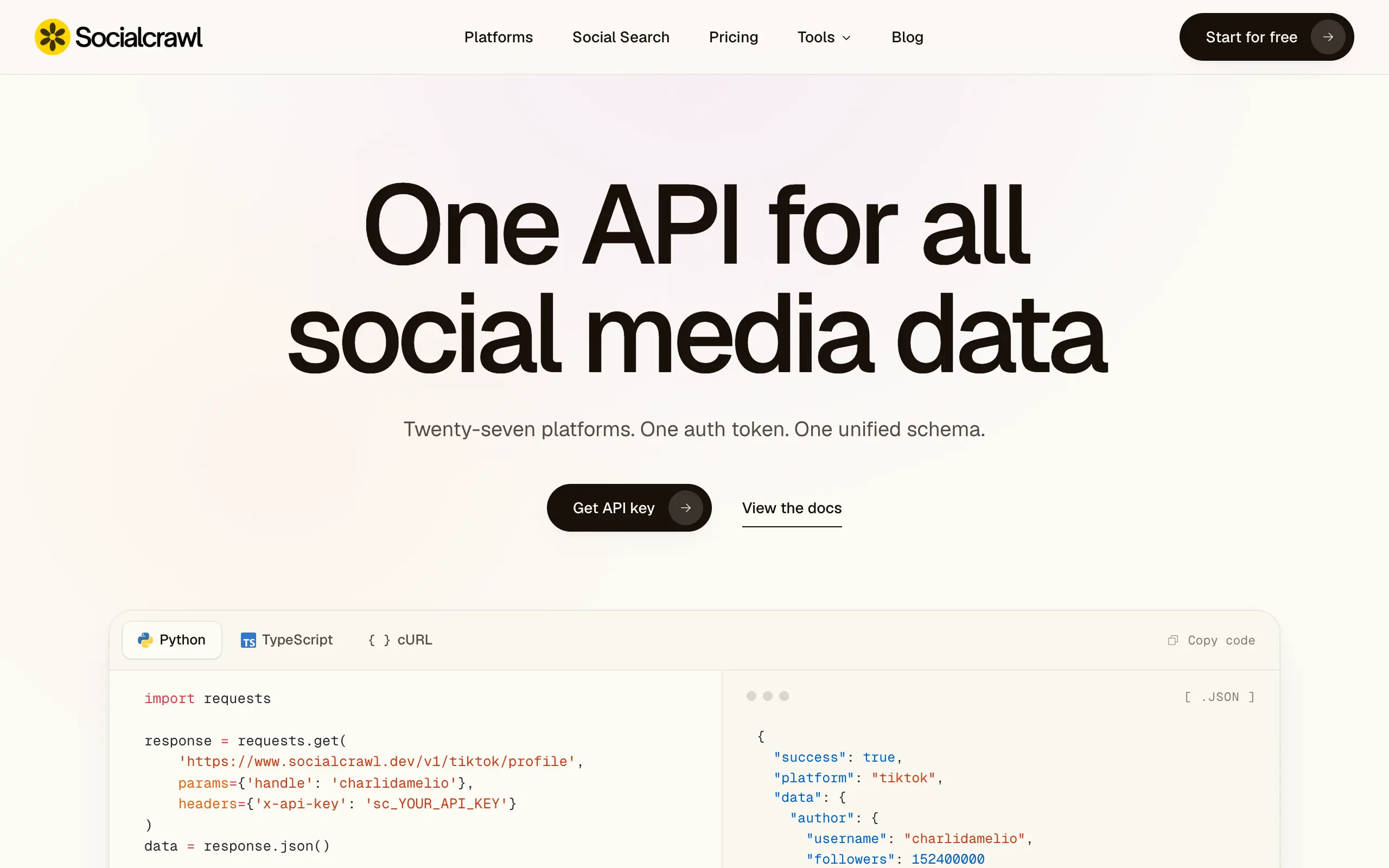
Socialcrawl
Get clean, structured data from 21 platforms like TikTok, Instagram, and YouTube with a single request 📊
Statiko
Monitor any Telegram channel in real time - track posts, edits, deletions, and growth with AI recaps 📡
Shibui
AI website builder - describe your business, pick a niche template, edit by chatting, and publish instantly ✨
Pro Service
Find verified home service professionals, compare quotes, and pay securely through escrow - built for Brazilians across the US 🏠
RankGrow
Fix your SEO with AI agents - connect Search Console, get prioritized tasks, and grow organic traffic 📈
SyncReads
Sync your favorite content for distraction-free reading, save time and replace multiple apps. Anytime, anywhere 🔄
Socialcrawl
Get clean, structured data from 21 platforms like TikTok, Instagram, and YouTube with a single request 📊
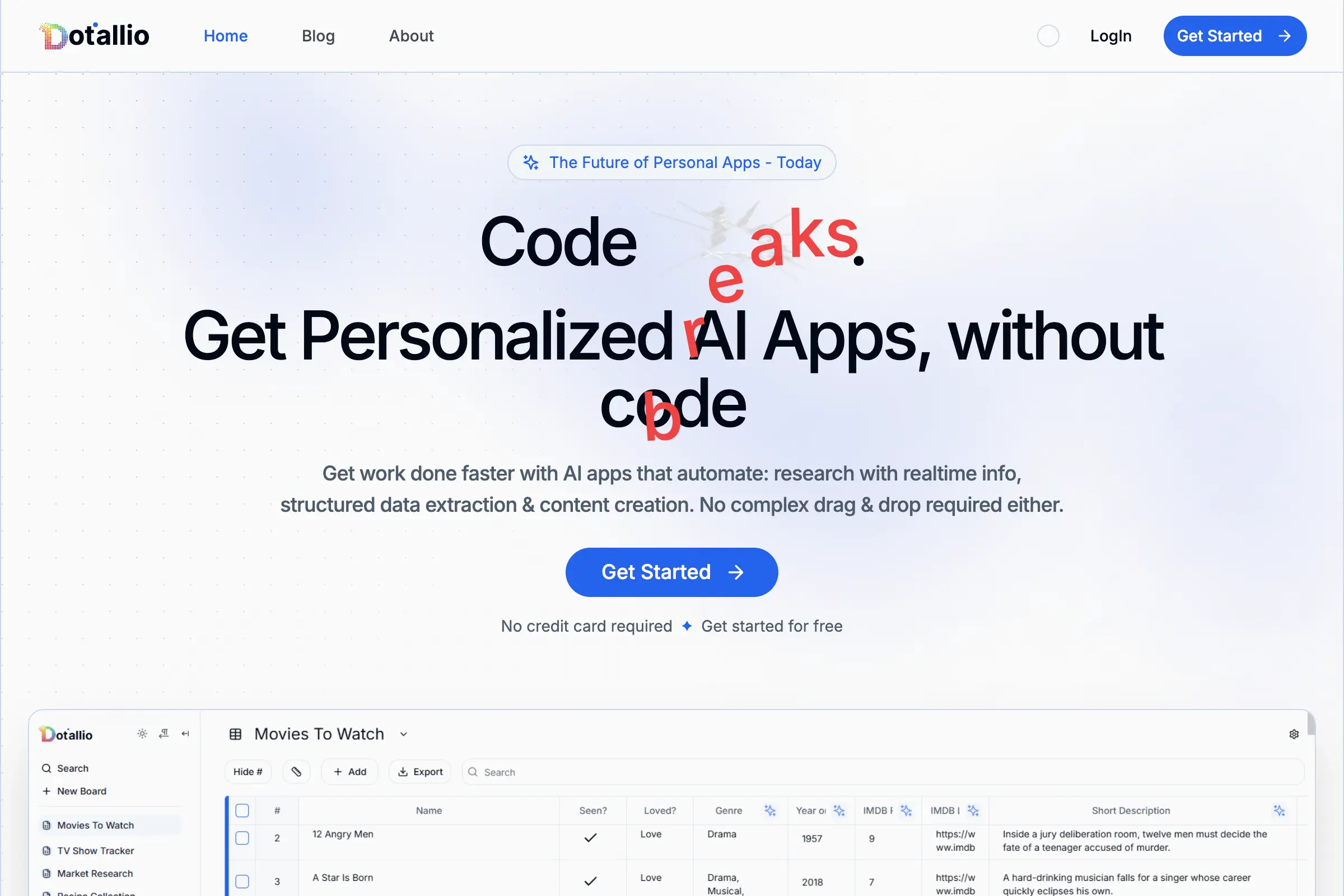
Dotallio
Personalized AI apps that automate research, data extraction, and content creation without code 🤖
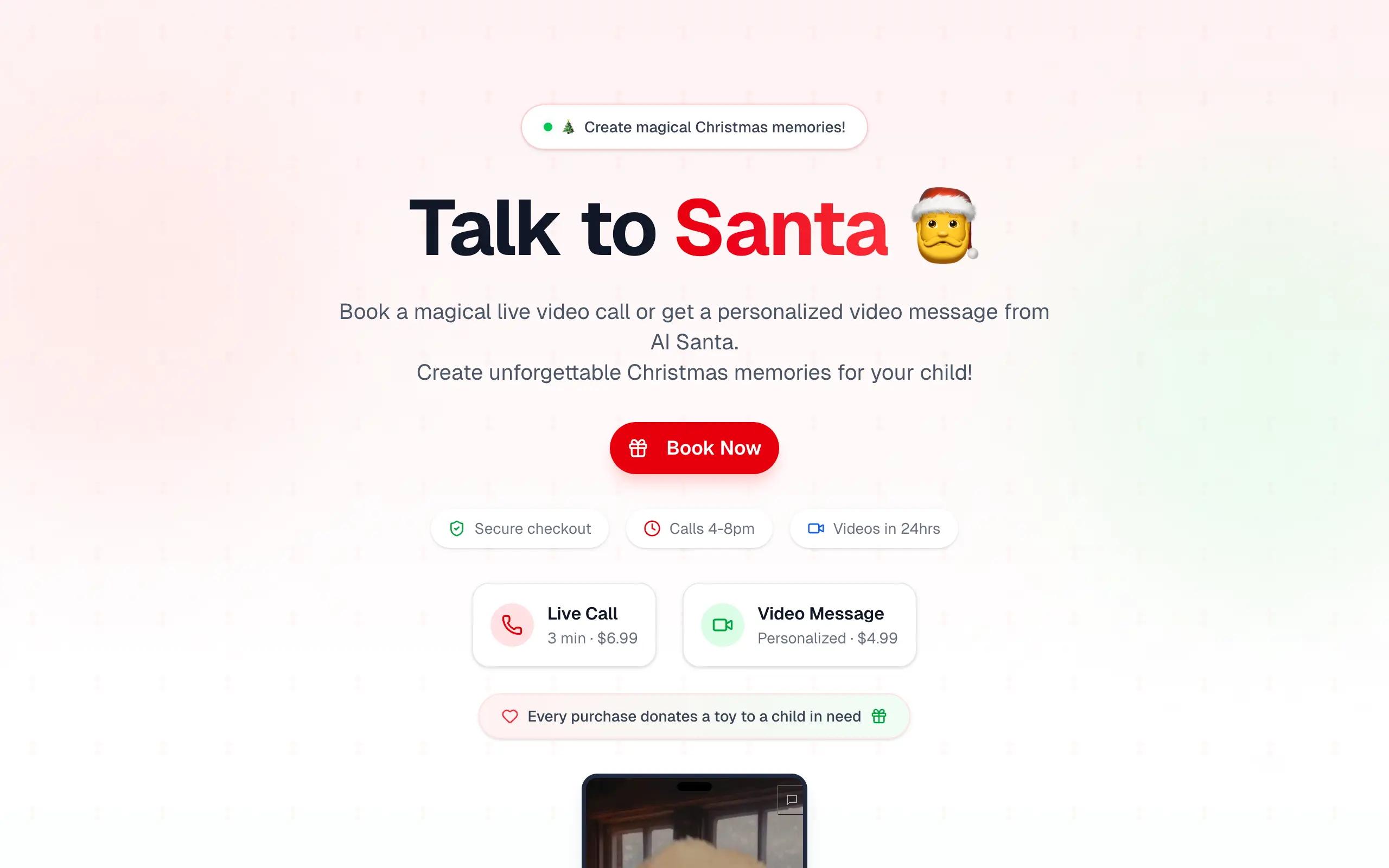
Talk to Santa
Enjoy a magical live video chat or receive a unique AI-generated video greeting from Santa Claus 🎅
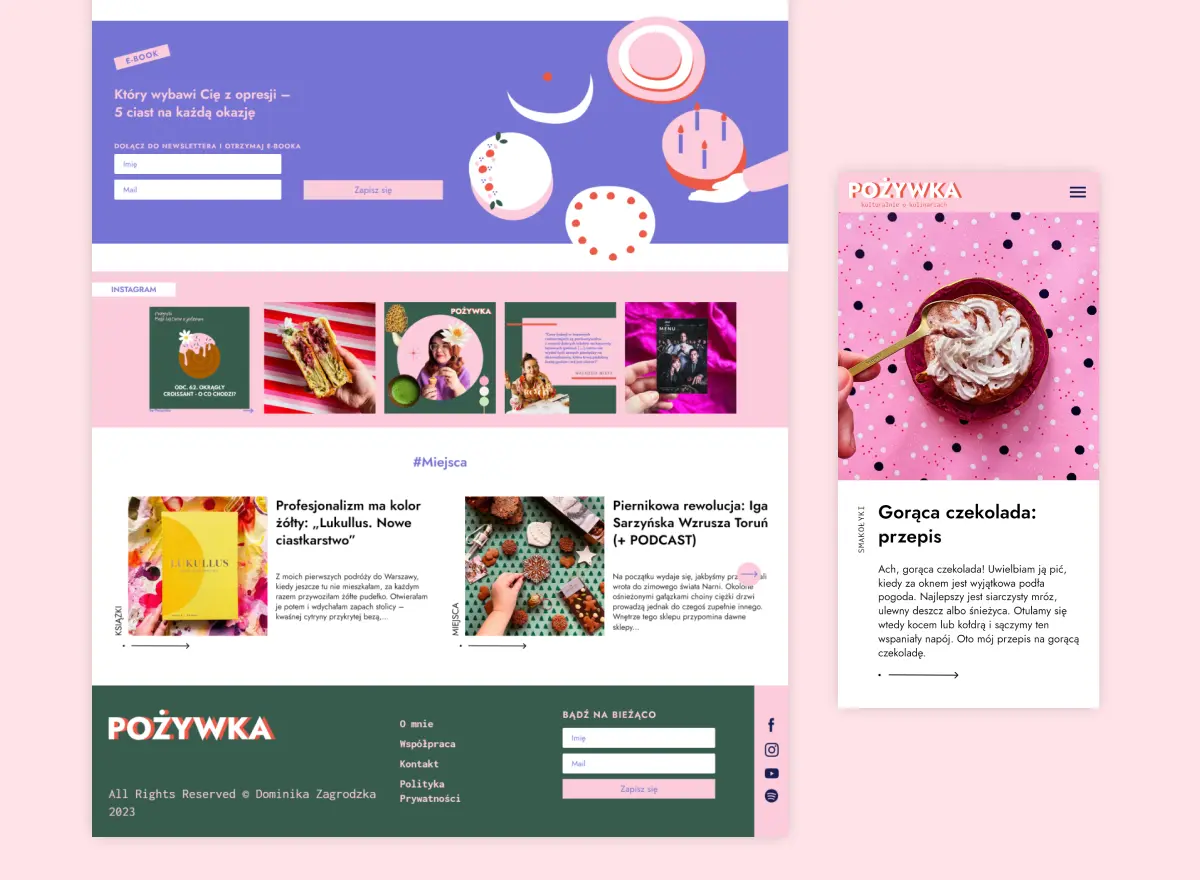
pozywka.pl
Scalable blog for food journalist, focused on performance and user experience 🌭
zagrodzki.me
Personal blog and portfolio of Bart Zagrodzki, where he shares his knowledge and work 💼
TurboStarter
Ship your startup everywhere. In minutes.
HTML to Markdown
Convert HTML to Markdown with ease, directly in your browser 📄
Dotallio
Personalized AI apps that automate research, data extraction, and content creation without code 🤖
Talk to Santa
Enjoy a magical live video chat or receive a unique AI-generated video greeting from Santa Claus 🎅
pozywka.pl
Scalable blog for food journalist, focused on performance and user experience 🌭
zagrodzki.me
Personal blog and portfolio of Bart Zagrodzki, where he shares his knowledge and work 💼
TurboStarter
Ship your startup everywhere. In minutes.
HTML to Markdown
Convert HTML to Markdown with ease, directly in your browser 📄
Omichat
Chat with 50+ AI models, including ChatGPT and Claude, in one place - switch models anytime without losing context 🤖
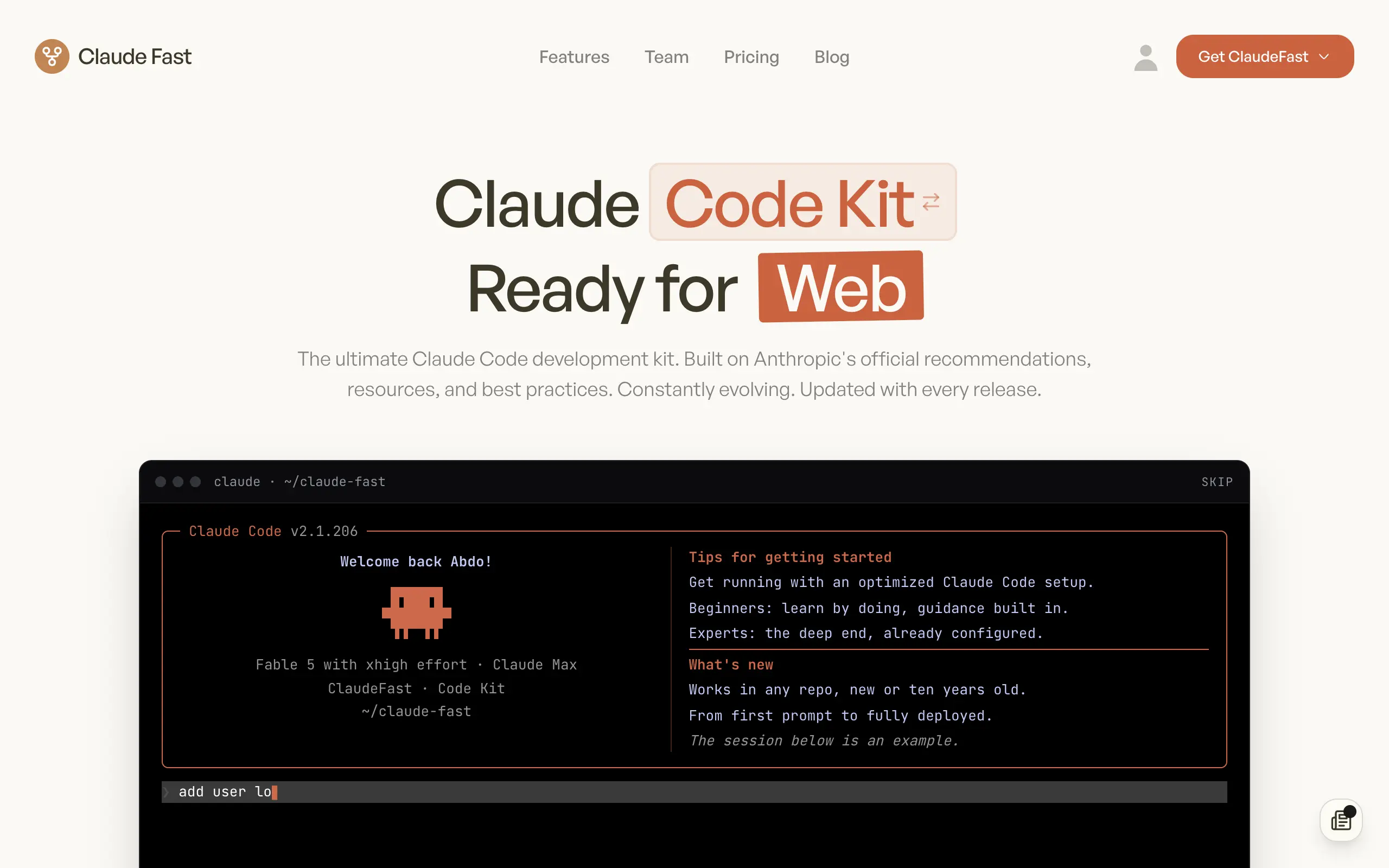
Claude Fast
Supercharge your Claude Code with 6x effective context window and specialized AI agents 🤖
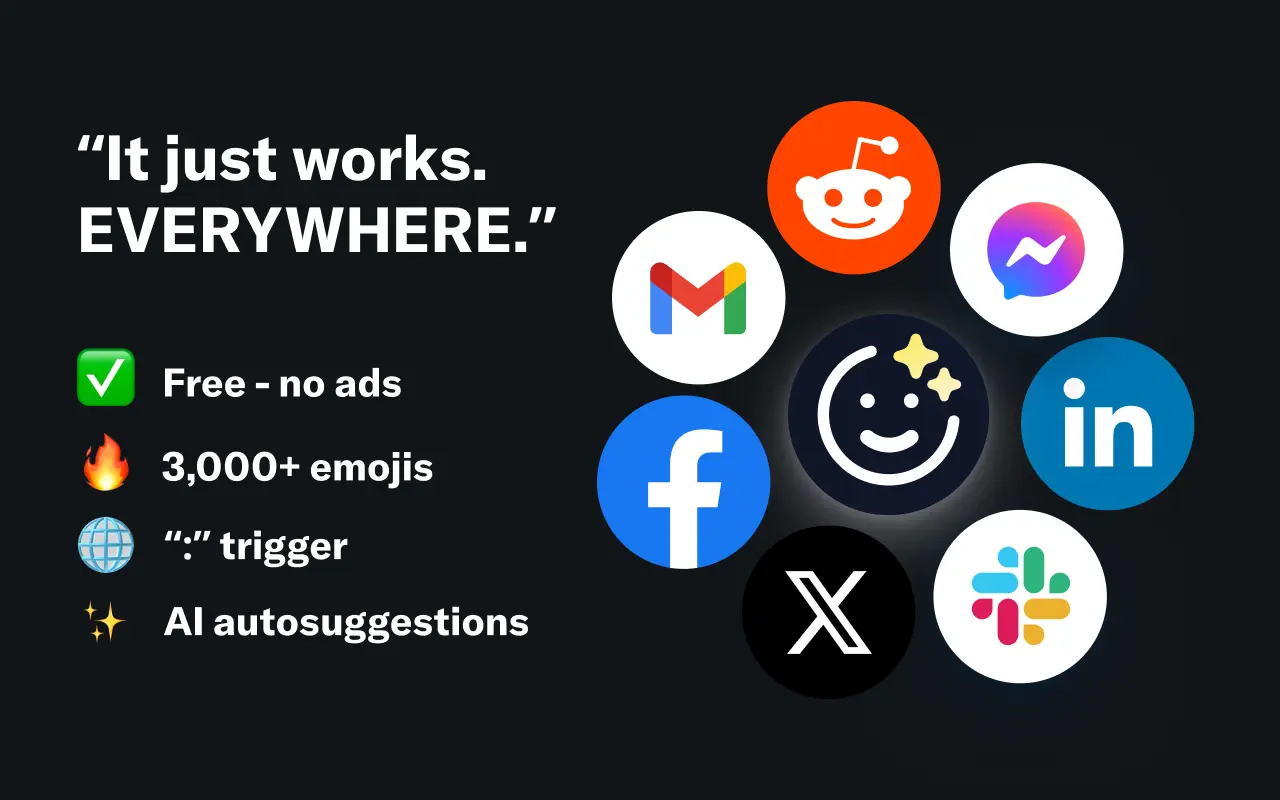
EmojAI
AI-powered emoji picker with smart, context-aware suggestions 🤖
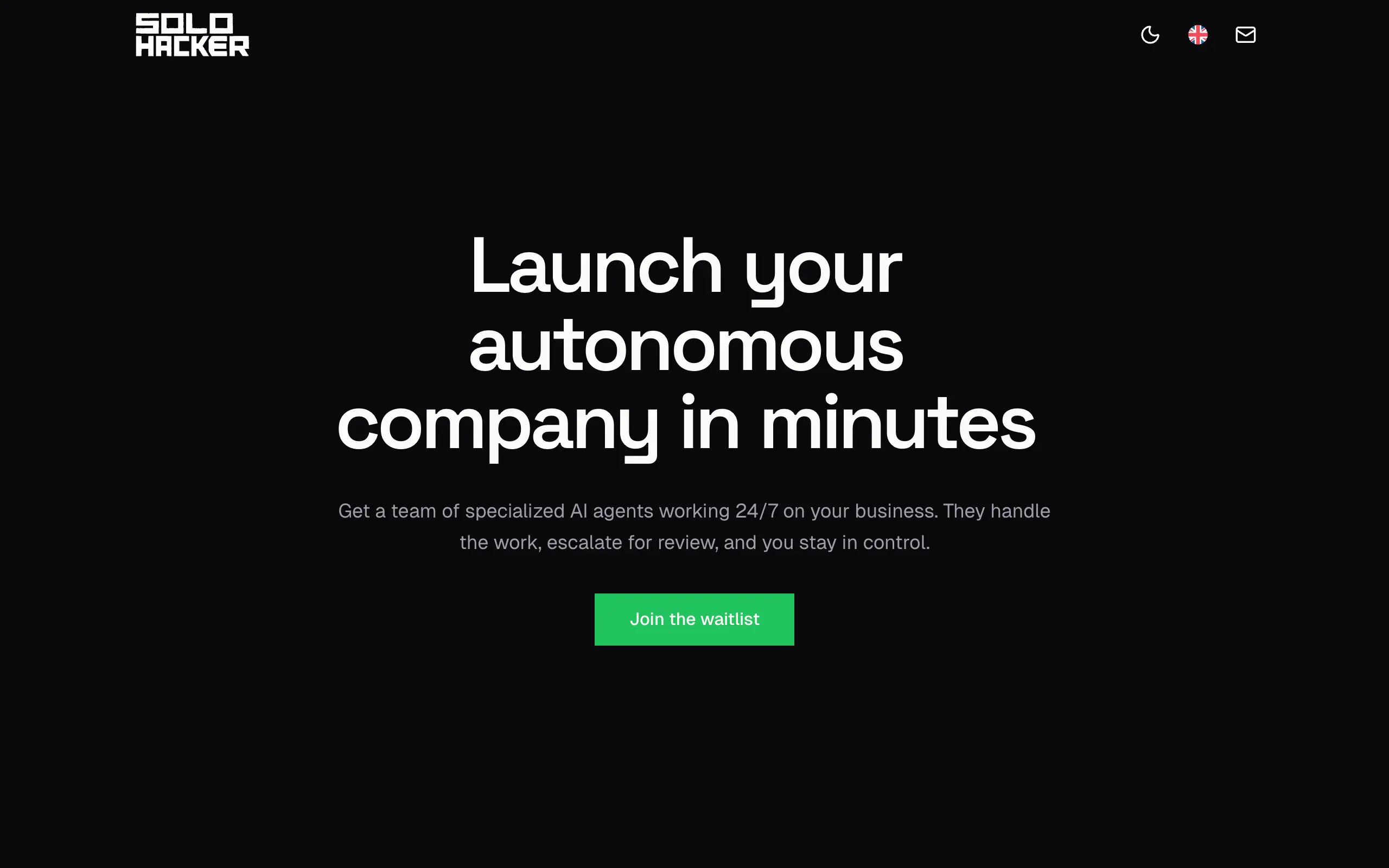
Solohacker
Autonomous company launcher - AI agents work 24/7, escalate what matters, and you stay in control 🤖
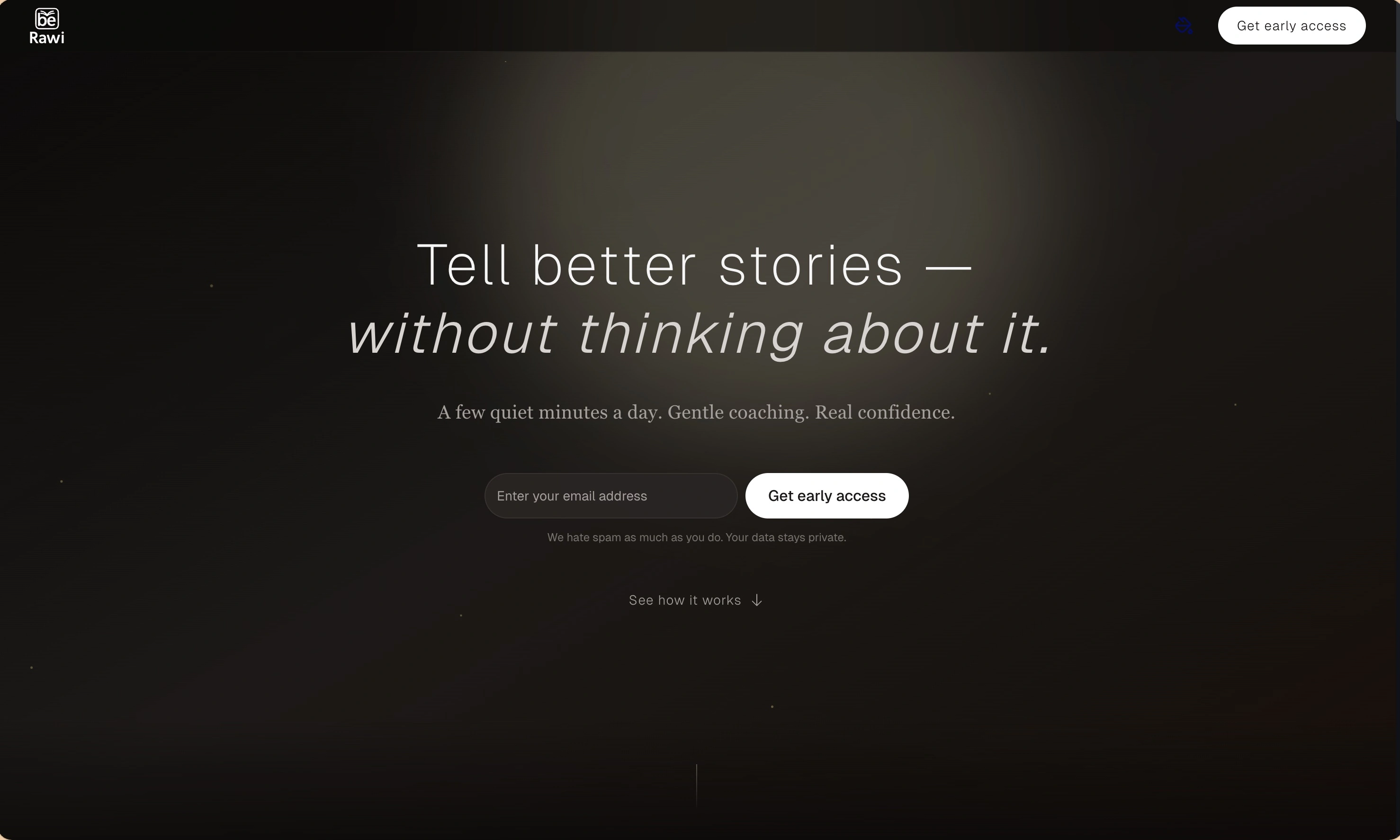
BeRawi: Storytelling Coach
Practice storytelling daily with instant feedback to sound clearer, more engaging, and confident 🎤
Omichat
Chat with 50+ AI models, including ChatGPT and Claude, in one place - switch models anytime without losing context 🤖
Claude Fast
Supercharge your Claude Code with 6x effective context window and specialized AI agents 🤖
EmojAI
AI-powered emoji picker with smart, context-aware suggestions 🤖
Solohacker
Autonomous company launcher - AI agents work 24/7, escalate what matters, and you stay in control 🤖
BeRawi: Storytelling Coach
Practice storytelling daily with instant feedback to sound clearer, more engaging, and confident 🎤

Connect with like-minded people
Join our community to get feedback, support, and grow together with 1,000+ builders on board, let's ship it!
Join usShip your startup everywhere. In minutes.
Don't burn tokens on setup and start building features on day one.