Rohi
Rohi maps marshrutka and shared-taxi routes, fares, and departure reports for Tajik cities, with offline access for unreliable mobile data.
Why a marshrutka route app is a high-value mobility opportunity in Tajikistan
Rohi is a B2C mobility platform designed for people who rely on marshrutkas, shared taxis, and informal public transport in Tajik cities. It maps routes, documents fares, collects departure reports, and makes critical transit information available offline when mobile data is unreliable or expensive.
The core opportunity is straightforward. In many cities, the transport system that residents use every day is not fully represented in traditional mapping products. Fixed bus routes may appear occasionally, but flexible marshrutka routes, informal stops, changing fares, and shared-taxi departure patterns are often absent, outdated, or difficult to understand.
A well-executed marshrutka route app can solve a practical, frequent problem for residents, students, workers, tourists, and regional travelers. Rather than trying to replace transport operators or build a costly dispatch network, Rohi can become the trusted information layer that helps people answer questions such as:
- Which marshrutka goes to my destination?
- Where does it pick up passengers?
- How much should the trip cost?
- Is the route operating today?
- When did the last shared taxi leave?
- Can I still access this information with no internet connection?
- Which transfer is cheapest, fastest, or simplest?
This category is especially attractive because the underlying user pain is recurring. A person may need transport information several times each week, while commuters may need it daily. A useful route directory can therefore develop high retention if it is accurate, fast, localized, and reliable offline.
The central product principle
Rohi should not present uncertain transport information as guaranteed real-time arrival data. Its trust advantage comes from clearly separating verified route details, community reports, and estimated service patterns.
The target audience for Rohi
A successful Tajikistan public transport app should not treat all users as one audience. Different groups have different transport needs, levels of smartphone confidence, language preferences, and willingness to contribute data.
Daily commuters in Dushanbe and other Tajik cities
Daily commuters are the highest-frequency audience. They may use a mix of marshrutkas, buses, taxis, and walking routes to reach work, school, markets, clinics, or family members.
Their primary needs include:
- Fast route discovery between common neighborhoods
- Reliable fare information
- Clear boarding and drop-off points
- Transfer guidance
- Offline route access
- Alerts when a commonly used route changes
- Low battery and low-data usage
For commuters, Rohi must be faster than asking strangers or searching scattered social-media groups. The best experience is likely a saved commute flow, where users can pin frequent routes and see recent community activity without re-entering the same destination every day.
Students and young professionals
Students often travel on limited budgets and may be more comfortable using mobile applications, reporting updates, and inviting friends. They are also likely to travel across unfamiliar parts of a city for classes, internships, social activities, and government services.
This audience can become Rohi’s first contributor base. They can report fare changes, blocked roads, departure observations, route detours, and useful transfer tips.
Product messaging for this group should emphasize:
- Saving money by avoiding unnecessary taxi trips
- Finding the correct marshrutka quickly
- Knowing expected fares before boarding
- Sharing reliable route updates with friends
- Accessing city transport information without mobile data
Intercity travelers and shared-taxi passengers
Shared taxis and route-based vehicles are essential for trips between cities, districts, and regional transport hubs. Unlike a fixed city bus schedule, departure timing may depend on passenger demand, weather, road conditions, and driver availability.
These travelers need different information than city commuters:
- Departure location and landmark details
- Typical fare range
- Last reported departure time
- Vehicle occupancy status when available
- Seasonal service warnings
- Road-condition notes
- Driver and passenger safety guidance
For this group, “last departure reported 18 minutes ago” can be more useful than a falsely precise timetable. Rohi should frame this as community intelligence, not a contractual schedule.
Tourists, diaspora visitors, and international workers
Visitors may not understand the local transport system, local place names, boarding customs, payment expectations, or route numbers. They may also have limited Russian, Tajik, or local neighborhood knowledge.
Rohi can provide an accessible transport layer through:
- Tajik, Russian, and English interface options
- Landmark-based route descriptions
- Fare guidance in somoni
- Plain-language boarding instructions
- Safety and etiquette notes
- Downloadable city maps for offline use
- Search by hotels, attractions, markets, hospitals, and terminals
This audience may be smaller than the resident market, but it can support monetization through travel partnerships, premium offline city guides, or referral agreements with accommodation providers.
Families, older adults, and assisted travelers
Not every user will navigate dense maps easily. Some people need larger text, clearer landmarks, simplified route cards, and a way for another person to plan a trip on their behalf.
Rohi should support accessibility from the beginning with:
- Large tap targets
- Clear contrast
- Simple language modes
- Route instructions based on well-known landmarks
- Shareable route links or screenshots
- Saved places such as home, work, university, or clinic
The key insight is that a local transport discovery product wins not through visual novelty but through confidence at the moment of travel.
The market gap in Tajikistan’s informal transport network
The market gap is not merely “there is no map.” It is that transport knowledge is fragmented across drivers, passengers, neighborhood habits, local chat groups, transport terminals, and individual memory.
Traditional map providers struggle with informal mobility systems for several reasons:
- Routes may change due to roadworks, congestion, demand, or local enforcement.
- Stops may be informal rather than formally marked.
- Different drivers may follow slightly different route variants.
- Fare information changes and may vary by distance or time.
- Shared taxis often depart based on occupancy rather than published schedules.
- Mobile connectivity can be inconsistent outside major city centers or on intercity roads.
- Local place names and landmark-based directions may not match official addresses.
Rohi’s product thesis is that crowdsourced data, structured moderation, and offline-first design can turn this fragmented knowledge into a practical transport utility.
Why offline access is a defensible product requirement
Offline access is not an optional convenience for this kind of mobility app. It directly affects whether a user can trust the application while standing at a roadside stop, traveling between cities, or conserving a limited data plan.
An offline-first marshrutka route app should allow users to download:
- City basemaps
- Route geometries
- Stop and landmark data
- Route fares
- Service notes
- Saved journeys
- Essential language content
- Recently viewed shared-taxi departure points
Users should still be able to search downloaded routes, view route cards, compare fares, and follow transfer guidance without an active connection. When connectivity returns, the app can synchronize reports and retrieve updated route data.
The real competition is not only other apps
Rohi will compete against several alternatives, even where no direct local rival exists:
- Asking drivers or passengers for directions
- Calling friends or relatives
- Taking a conventional taxi
- Walking to a known terminal and asking there
- Searching social media groups
- Using global maps with incomplete route coverage
- Memorizing routes over time
These alternatives are often free, familiar, and culturally embedded. Rohi must therefore be materially easier, faster, and more reliable than informal information gathering.
Rohi’s unique value proposition
Rohi should position itself as the offline transit guide for marshrutkas and shared taxis in Tajikistan. Its strongest differentiator is not simply mapping a route. It is combining local route knowledge, current passenger reports, fare transparency, and dependable offline access in one understandable product.
A concise value proposition could be:
Find the right marshrutka or shared taxi, know the likely fare, and travel confidently even without mobile data.
The product should prioritize three types of information:
- Stable route knowledge such as route paths, usual stops, landmarks, fare ranges, and transfer points.
- Dynamic community updates such as recent departure reports, fare changes, detours, congestion, and route availability.
- Confidence signals such as verification status, report recency, contributor reputation, and known uncertainty.
Competitive advantage analysis
| Capability | Global maps | Social groups | Taxi apps | Rohi | User value |
|---|---|---|---|---|---|
| Marshrutka route coverage | Often incomplete | Fragmented | Not relevant | Core focus | Better route discovery |
| Offline journey planning | Limited by data and map setup | No | No | Built in | Works in poor connectivity |
| Recent shared-taxi departure reports | Rare | Unstructured | No | Structured and timestamped | Less waiting uncertainty |
| Local fare transparency | Inconsistent | Hard to search | Taxi pricing only | Route-specific fare ranges | More informed choices |
The defensible advantage is data quality over time. A competitor can copy a map interface, but it is much harder to reproduce a trusted local dataset of route variants, fare history, departure observations, moderation rules, and community participation.
Core features for a marshrutka route app MVP
Rohi should avoid trying to solve every mobility problem in its first release. The MVP should focus on the journey-planning questions people ask most often and create a reliable foundation for route data collection.
Route finder
Search by origin, destination, neighborhood, landmark, route number, or terminal.
Offline city packs
Let users download essential maps, route data, fares, and saved journeys before travel.
Fare cards
Show reported fare ranges, payment expectations, and when the fare was last confirmed.
Departure reports
Collect timestamped shared-taxi departure and occupancy observations from passengers.
Route search and transfer planning
The route finder should let users search by a practical language of movement, not just exact addresses. In cities where landmarks guide navigation, search must recognize places such as markets, universities, hospitals, parks, bazaars, bus terminals, and recognizable intersections.
A route result should show:
- Recommended marshrutka or shared-taxi option
- Boarding location and walking directions
- Important landmarks near the boarding point
- Major stops or neighborhoods along the route
- Transfer requirements
- Typical fare range
- Estimated journey duration as a range
- Date of latest route verification
- Download availability for offline access
Avoid presenting travel times as overly precise. Informal transport is affected by passenger loading, traffic, road conditions, and route variation. Language such as “typically 25–40 minutes” is more honest and useful than “arrives at 10:17.”
Route detail pages
Every route needs a dependable detail page that users can understand in seconds. It should include a map, a directional route line, a plain-language summary, fares, stops, and current reports.
A high-trust route card can include:
- “Route status” showing verified, recently reported, or needs confirmation
- “Usual direction” with start and end landmarks
- “Fare range” rather than a single unverifiable price
- “Last confirmed” date
- “Community reports” count and recency
- “Report an update” action
- “Download for offline use” action
The interface should distinguish official information from crowd reports. For example, a known fixed route can be labeled “verified route,” while an unverified detour can display “community report from 42 minutes ago.”
Shared-taxi departure reporting
Departure reports are one of Rohi’s most valuable features because they turn a static map into a living transport network. The report flow must be extremely lightweight.
A passenger could submit one of the following:
- A vehicle just departed
- The taxi is waiting for passengers
- The taxi is nearly full
- The departure point has moved
- The reported fare has changed
- This route is unavailable today
- Road conditions are affecting travel
Each report should automatically include a timestamp, approximate location, route or destination, and optional note. Rohi should avoid collecting unnecessary personal data.
A useful report model might include fields like this:
type DepartureReport = {
  routeId: string;
  stopId: string;
  status: "departed" | "waiting" | "nearly_full" | "unavailable";
  reportedFareTjs?: number;
  note?: string;
  createdAt: string;
  trustScore: number;
};
The app should aggregate multiple reports instead of displaying every individual submission equally. A single report from six hours ago is weak evidence. Several matching reports from trusted contributors in the past hour are much stronger.
Offline maps and resilient synchronization
Offline functionality should be designed around progressive downloads. Users should be able to choose a small city pack rather than needing to install a nationwide map database immediately.
Recommended offline pack contents include:
- Compressed vector basemap tiles
- Route shapes and key stops
- Landmark index
- Fare and route metadata
- Saved route history
- Localized text
- Last synced report summaries
When the phone reconnects, the application should sync changed route records and pending reports in the background. Conflict handling matters. If two users submit different fares, Rohi should preserve the history, calculate a confidence range, and flag the record for review rather than silently overwriting data.
Trust, moderation, and data quality
Crowdsourced mobility information can become inaccurate quickly without governance. Rohi needs a structured data-quality system from day one.
Recommended mechanisms include:
- Contributor reputation based on confirmed reports
- Report expiration windows for time-sensitive claims
- Moderator review queues for route changes
- Duplicate report detection
- Fare anomaly alerts
- Route version history
- Clear “last verified” timestamps
- Simple in-app reporting for incorrect information
- Partnerships with local universities, community groups, and transport researchers
A contributor should not need to become an expert editor. The reporting experience should be simple, while the data model behind it can be rigorous.
Do not overpromise live tracking
Unless Rohi has direct vehicle GPS partnerships or strong driver participation, it should not claim real-time vehicle locations. Community departure reports and service confidence are valuable, but they are not equivalent to live fleet tracking.
Recommended technology stack for Rohi
The right tech stack should support offline data, mapping performance, multilingual interfaces, community reports, and an efficient small-team workflow.
Mobile application architecture
For a B2C transit product, a cross-platform mobile approach is usually the most practical starting point. React Native is a strong option because it supports iOS and Android with a shared TypeScript codebase, while still providing native capabilities for storage, background synchronization, location permission flows, and notifications.
Expo can accelerate MVP delivery, simplify build workflows, and reduce operational complexity. However, map rendering, offline tile storage, and background location behavior should be tested early on real low- and mid-range Android devices.
A practical mobile stack could include:
- React Native with TypeScript
- Expo for development and distribution workflows
- TanStack Query for API caching and synchronization
- Zustand for lightweight local application state
- SQLite for offline route and report storage
- MapLibre for open mapping and map rendering flexibility
The major trade-off is that offline mapping is technically more complex than a standard content app. It requires storage management, tile packaging, cache invalidation, and careful testing of download failures. That complexity is justified because offline reliability is central to Rohi’s promise.
Mapping and geospatial data
Rohi needs a map system that avoids expensive per-user map costs as it grows. OpenStreetMap is a useful foundation for base geography, but its route data may need significant enrichment for informal transport patterns.
MapLibre is particularly attractive because it supports open map rendering without locking the product into a proprietary map provider. The trade-off is that the team must manage more of the map style, tiles, and data pipeline itself.
For route processing and spatial queries, PostGIS on top of PostgreSQL is a strong choice. It can store route geometries, nearby stops, fare zones, and report locations while enabling queries such as “find routes within 300 meters of this point.”
Backend and data platform
A reliable backend should separate stable route records from time-sensitive community reports.
A recommended architecture includes:
- PostgreSQL and PostGIS for core data
- A TypeScript API built with NestJS or Fastify
- Object storage for offline pack files and map assets
- A background job queue for report aggregation and moderation tasks
- Role-based admin tools for route editors and moderators
- Event logging for data-quality analysis
NestJS is more opinionated and suitable for teams that value consistent module structure. Fastify is lighter and can be faster to operate for a small API surface. Either option can work; the more important decision is a clean geospatial data model and robust synchronization logic.
Web dashboard and operations tooling
Rohi will need an internal dashboard before it needs a highly polished marketing site. Moderators and route editors should be able to review reports, edit route paths, approve fare changes, and inspect community activity.
A web dashboard built with Next.js, React, and Tailwind CSS offers a productive path for an operations interface. Map editing workflows may require more specialized UI design than a typical SaaS admin panel.
For teams building the operational platform and future web presence, TurboStarter can reduce setup work around authentication, billing foundations, dashboard patterns, and production-ready SaaS architecture.
Monetization strategy for Rohi
Rohi should keep core transport information free. Charging users to view a basic route or fare could weaken adoption, especially when the platform needs broad user participation to improve its data.
The better approach is a freemium model where free access creates density and trust, while premium and partnership products monetize added convenience or business value.
Consumer premium features
A low-cost premium tier could offer:
- Expanded offline map packs
- Unlimited saved places and trips
- Personalized commute alerts
- Route-change notifications
- Ad-free experience
- Enhanced tourist guides
- Advanced intercity planning tools
- Family route sharing
- Historical fare tracking
The premium product must not hide essential safety or routing information. It should deliver convenience and planning value without making the free app feel intentionally limited.
Local business partnerships
Businesses located near major transport corridors may pay for carefully labeled promoted placements. Examples include cafés, pharmacies, hotels, mobile providers, markets, and travel services.
Sponsored content should be strictly separated from routing recommendations. A business should never be allowed to alter the best route result merely by paying. Preserving user trust is more valuable than short-term advertising revenue.
Travel and tourism partnerships
Rohi can create paid city guide packs or partner with hotels, guesthouses, tour operators, and intercity travel providers. This is especially suitable for visitors who need localized transit guidance but do not know the system well.
Potential offerings include:
- Airport-to-city transport guides
- Offline visitor city packs
- Hotel transport instructions
- Intercity route guides
- Referral bookings for approved travel services
Mobility intelligence products
Once Rohi has sufficient anonymized and consented data, it may offer aggregated mobility insights to urban planners, researchers, development organizations, or transport stakeholders.
This should only happen with strong privacy controls. Rohi should never sell personally identifiable location histories. Useful reports can instead focus on aggregated patterns such as route demand, common transfer bottlenecks, fare change trends, and locations where riders report service gaps.
Risks and mitigation strategies
The opportunity is strong, but execution has real risks. The largest challenges are data accuracy, adoption, safety, operational complexity, and sustainable local data collection.
Data accuracy risk
Informal routes can change quickly, and inaccurate transport guidance can frustrate users or cause them to miss important appointments.
Mitigation measures include:
- Displaying last-updated timestamps prominently
- Expiring dynamic reports automatically
- Using confidence scores rather than binary truth claims
- Recruiting local route editors
- Reviewing high-impact route changes manually
- Asking users to confirm or dispute route details
- Keeping historical versions of important route records
Cold-start risk
A community-driven product needs reports, but users are less likely to report if there is little value at launch.
The solution is to launch narrowly. Start with a small number of high-demand corridors, terminals, universities, markets, and commuter neighborhoods. Manually curate enough route data to make the product useful before asking users to contribute.
A focused launch in Dushanbe can establish operational practices before expanding into Khujand, Bokhtar, Kulob, or intercity corridors.
Safety and liability risk
Transport advice can affect real-world decisions. Rohi should include clear guidance that routes, fares, and departure reports are informational and may change. It should also provide simple safety content, especially for late-night travel, unfamiliar departure points, and intercity trips.
The app should avoid publishing sensitive personal information about drivers or passengers. It should also prevent harassment, discriminatory comments, and unsafe public coordination through moderation rules.
Connectivity and device-performance risk
If Rohi is slow, consumes too much storage, or fails offline, its key differentiator disappears.
Mitigation should include:
- Testing on common Android devices
- Offering small downloadable map packs
- Compressing route datasets
- Using efficient vector tiles
- Supporting resumable downloads
- Minimizing background battery use
- Providing a text-first route mode when maps fail to load
Regulatory and partnership risk
Transport regulation, route licensing, and platform rules can evolve. Rohi should be careful not to imply official authority unless it has formal verification partnerships.
A long-term strategy can include transparent relationships with municipalities, universities, civic organizations, and transport associations. These partnerships may improve data quality, but the product should remain useful even when formal operator integrations are unavailable.
A practical roadmap for launching Rohi
The best launch strategy is to prove one repeatable workflow rather than attempting national coverage immediately.
Metrics that matter in the first year
Vanity metrics such as downloads are useful but insufficient. Rohi should track whether users successfully solve a transport decision.
Strong early metrics include:
- Percentage of searches resulting in a route view
- Percentage of route views saved or shared
- Repeat usage within seven and thirty days
- Offline pack download completion rate
- Percentage of route records verified recently
- Report confirmation rate
- Median time from a route change report to moderation
- Fare accuracy feedback
- Number of active contributors per city
- Reduction in “no route found” searches over time
A helpful north-star metric could be successful transit plans per active user, defined as a route search followed by a viewed route, saved journey, or confirmed helpful result.
Building a trusted local mobility brand
Rohi can become more than a route directory if it earns trust through clear information design and consistent local relevance. Users will return when the app saves them time, money, uncertainty, or embarrassment in unfamiliar parts of a city.
That trust depends on several operational commitments:
- Be explicit about uncertainty.
- Put offline access at the center of the product.
- Treat local landmarks as first-class navigation data.
- Make fares transparent without claiming false precision.
- Reward useful community contributions.
- Moderate route information actively.
- Launch with depth in a small area before expanding broadly.
- Keep core journey-planning information free and accessible.
The most compelling version of Rohi is not a generic map with transit icons. It is a purpose-built Tajikistan marshrutka route app that understands how people actually move through cities and between regions. By combining curated route data, timely departure reports, fare guidance, and offline resilience, Rohi can fill a meaningful mobility information gap while creating a scalable local data advantage.
More 👥 B2C Application SaaS ideas
Discover more innovative b2c application SaaS ideas that are trending in 2026. Each idea is AI-generated with market validation and growth potential to help you find your next profitable venture faster than competitors.
Your competitors are building with TurboStarter
Below are some of the SaaS ideas that have been generated and built with our starter kit.
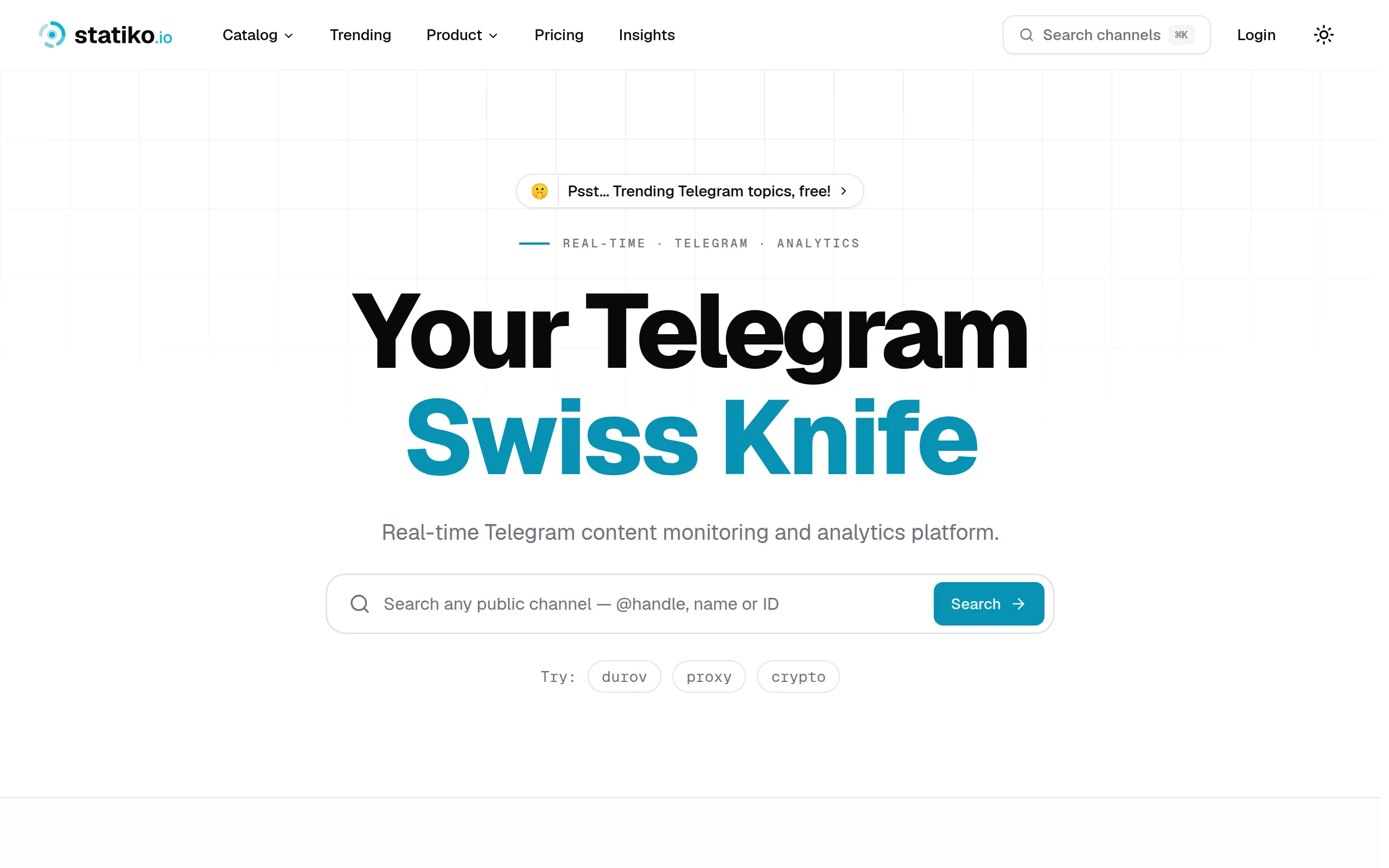
Statiko
Monitor any Telegram channel in real time - track posts, edits, deletions, and growth with AI recaps 📡
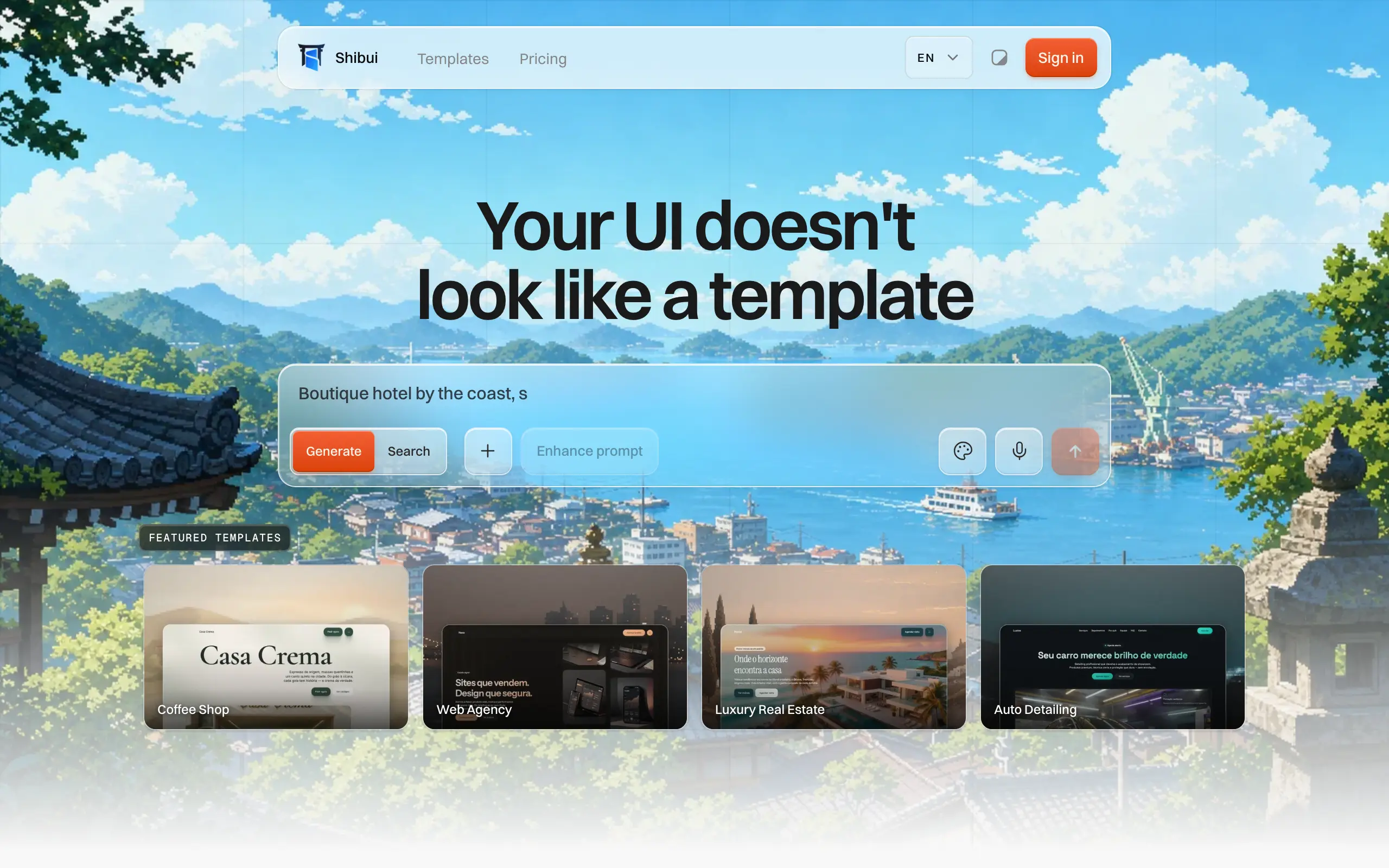
Shibui
AI website builder - describe your business, pick a niche template, edit by chatting, and publish instantly ✨

Pro Service
Find verified home service professionals, compare quotes, and pay securely through escrow - built for Brazilians across the US 🏠
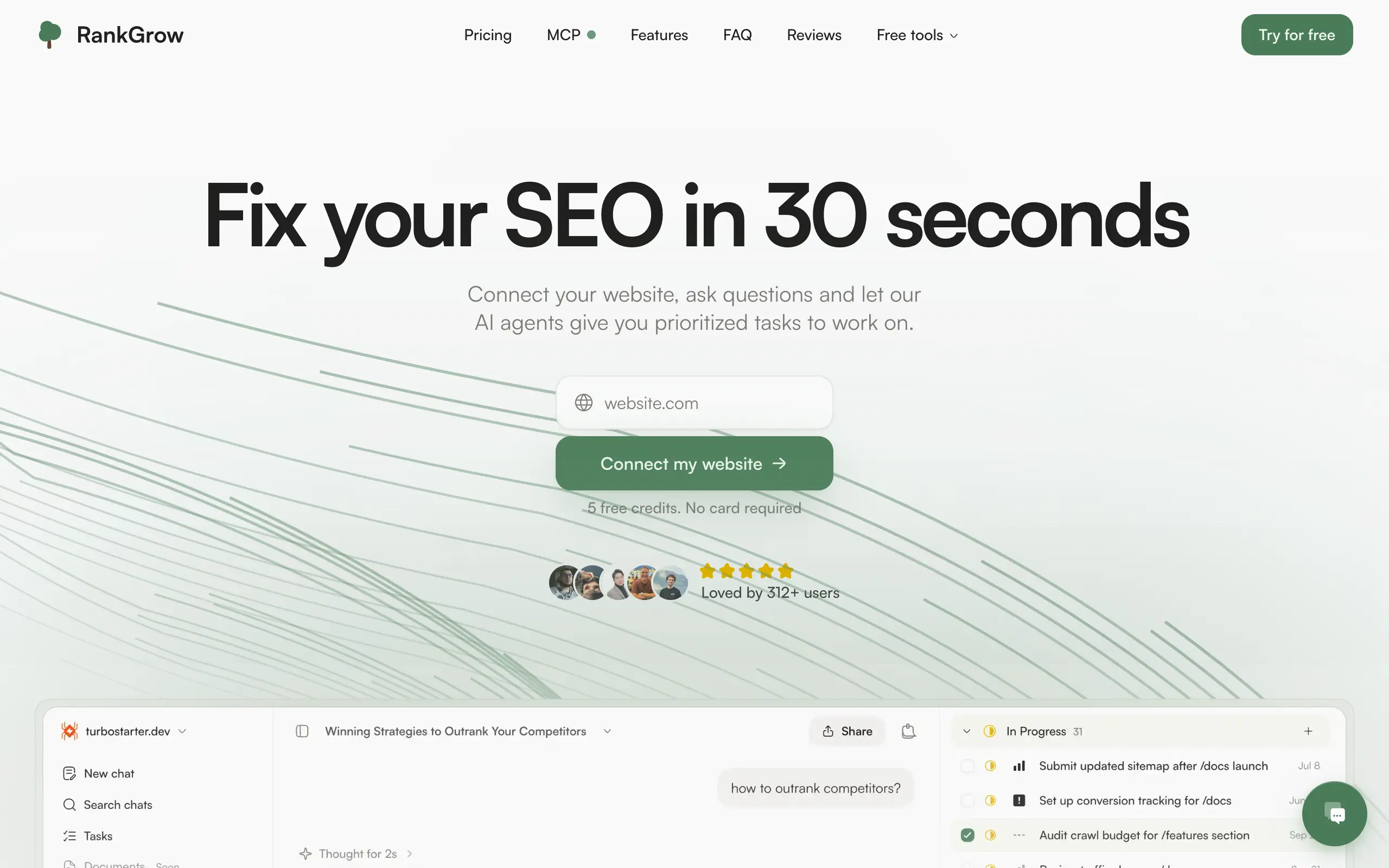
RankGrow
Fix your SEO with AI agents - connect Search Console, get prioritized tasks, and grow organic traffic 📈
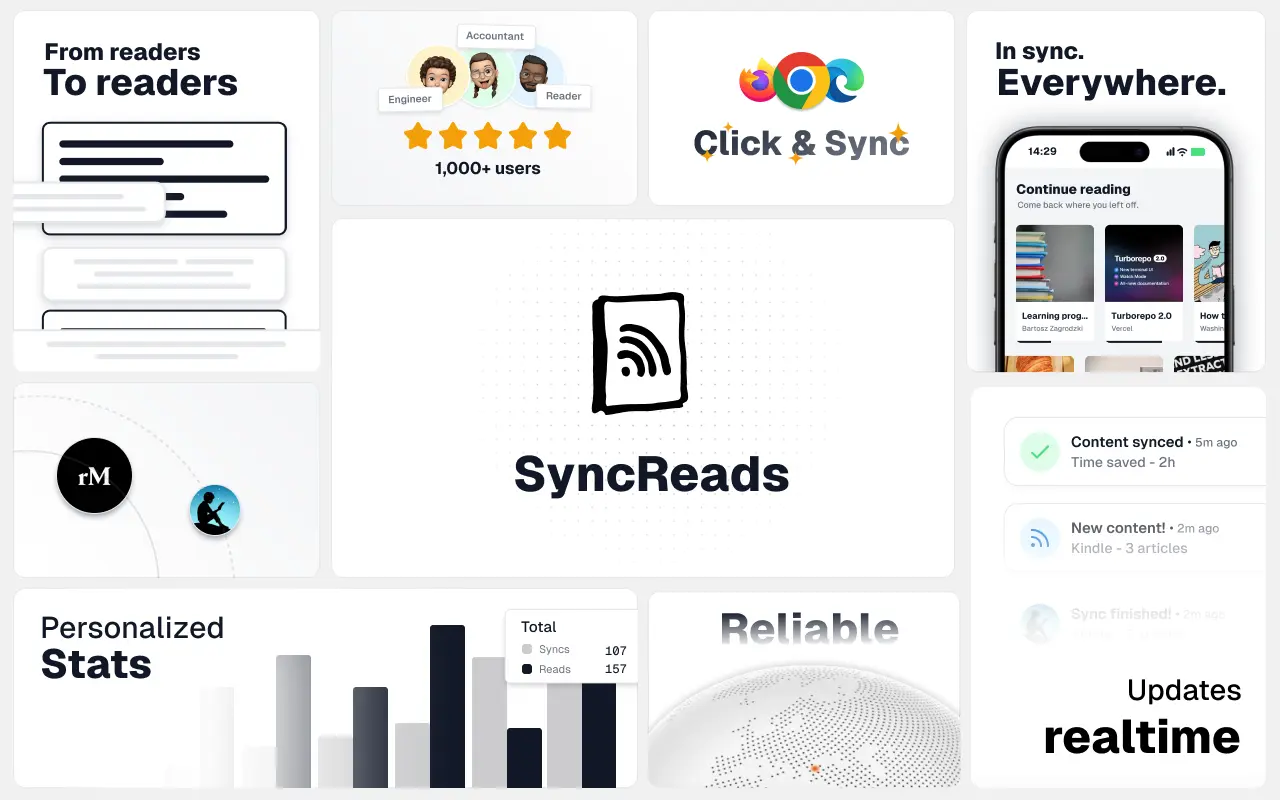
SyncReads
Sync your favorite content for distraction-free reading, save time and replace multiple apps. Anytime, anywhere 🔄
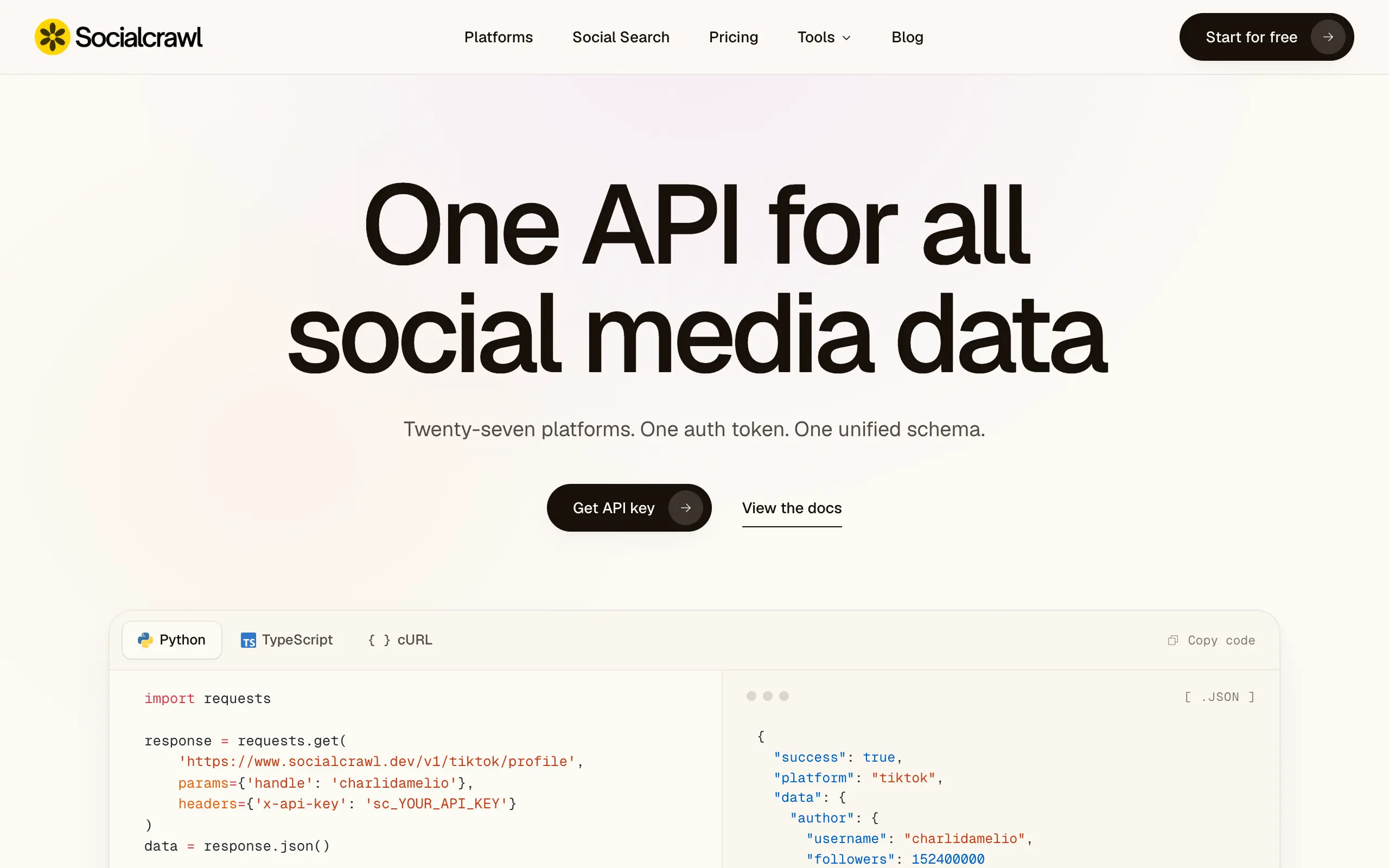
Socialcrawl
Get clean, structured data from 21 platforms like TikTok, Instagram, and YouTube with a single request 📊
Statiko
Monitor any Telegram channel in real time - track posts, edits, deletions, and growth with AI recaps 📡
Shibui
AI website builder - describe your business, pick a niche template, edit by chatting, and publish instantly ✨
Pro Service
Find verified home service professionals, compare quotes, and pay securely through escrow - built for Brazilians across the US 🏠
RankGrow
Fix your SEO with AI agents - connect Search Console, get prioritized tasks, and grow organic traffic 📈
SyncReads
Sync your favorite content for distraction-free reading, save time and replace multiple apps. Anytime, anywhere 🔄
Socialcrawl
Get clean, structured data from 21 platforms like TikTok, Instagram, and YouTube with a single request 📊
Statiko
Monitor any Telegram channel in real time - track posts, edits, deletions, and growth with AI recaps 📡
Shibui
AI website builder - describe your business, pick a niche template, edit by chatting, and publish instantly ✨
Pro Service
Find verified home service professionals, compare quotes, and pay securely through escrow - built for Brazilians across the US 🏠
RankGrow
Fix your SEO with AI agents - connect Search Console, get prioritized tasks, and grow organic traffic 📈
SyncReads
Sync your favorite content for distraction-free reading, save time and replace multiple apps. Anytime, anywhere 🔄
Socialcrawl
Get clean, structured data from 21 platforms like TikTok, Instagram, and YouTube with a single request 📊
Statiko
Monitor any Telegram channel in real time - track posts, edits, deletions, and growth with AI recaps 📡
Shibui
AI website builder - describe your business, pick a niche template, edit by chatting, and publish instantly ✨
Pro Service
Find verified home service professionals, compare quotes, and pay securely through escrow - built for Brazilians across the US 🏠
RankGrow
Fix your SEO with AI agents - connect Search Console, get prioritized tasks, and grow organic traffic 📈
SyncReads
Sync your favorite content for distraction-free reading, save time and replace multiple apps. Anytime, anywhere 🔄
Socialcrawl
Get clean, structured data from 21 platforms like TikTok, Instagram, and YouTube with a single request 📊
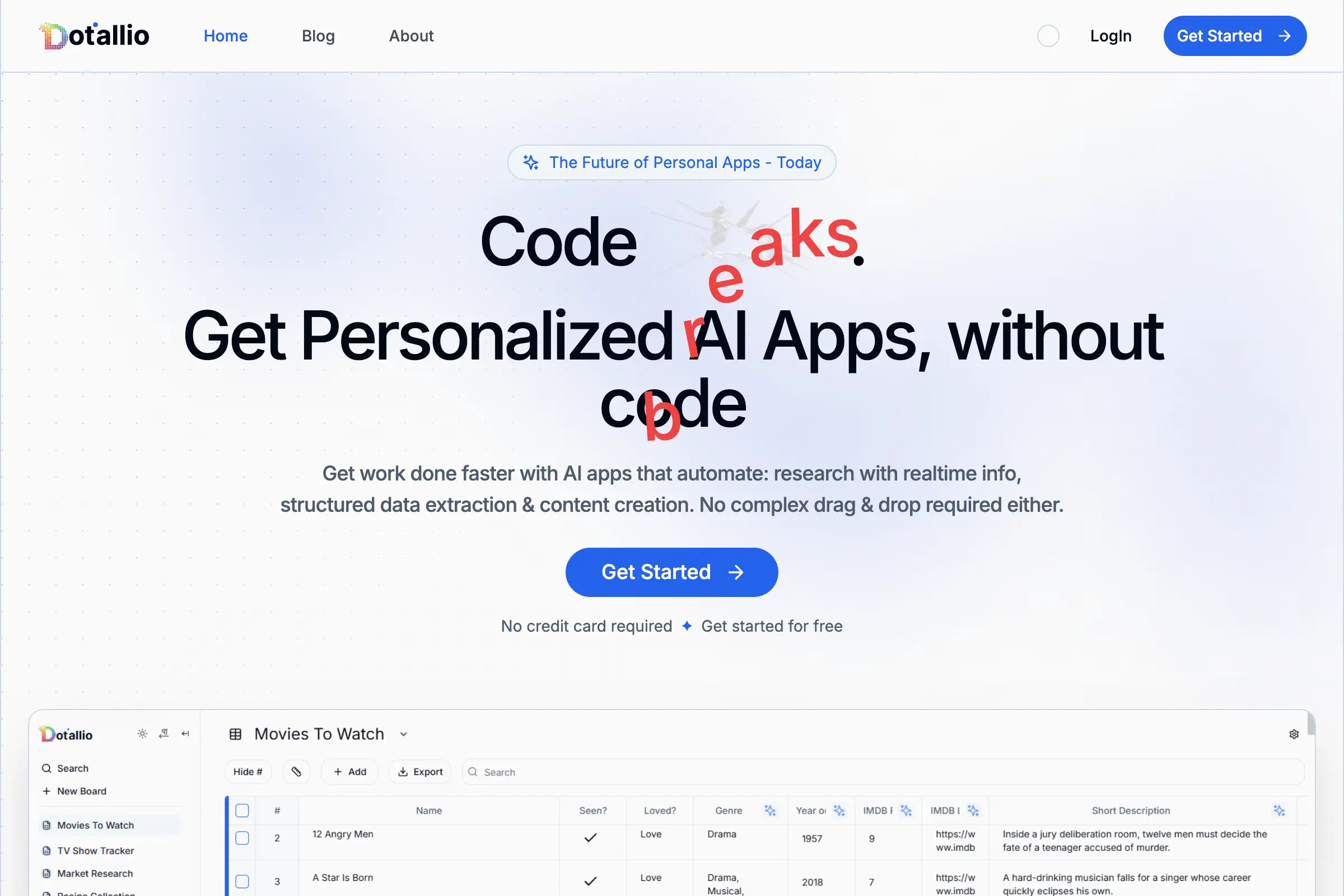
Dotallio
Personalized AI apps that automate research, data extraction, and content creation without code 🤖
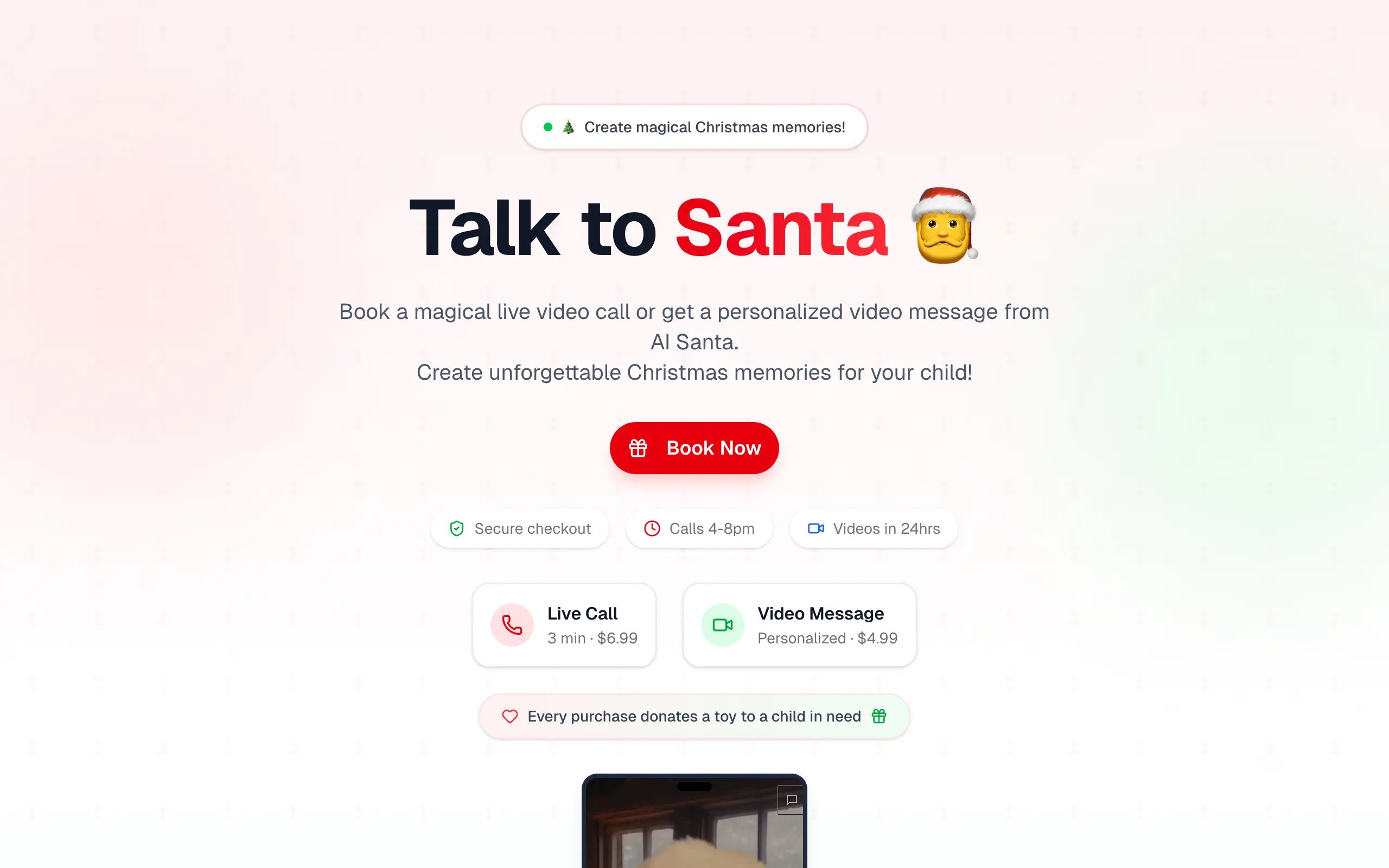
Talk to Santa
Enjoy a magical live video chat or receive a unique AI-generated video greeting from Santa Claus 🎅
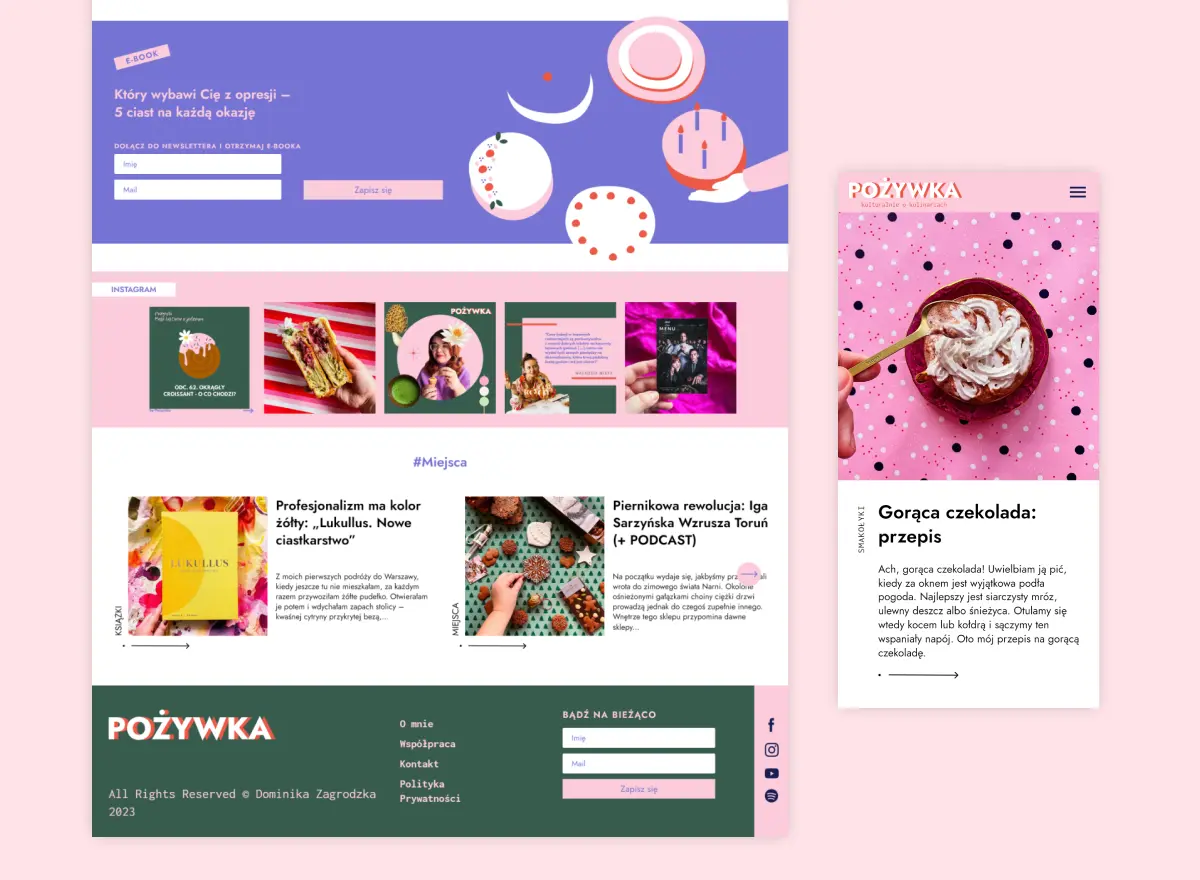
pozywka.pl
Scalable blog for food journalist, focused on performance and user experience 🌭
zagrodzki.me
Personal blog and portfolio of Bart Zagrodzki, where he shares his knowledge and work 💼
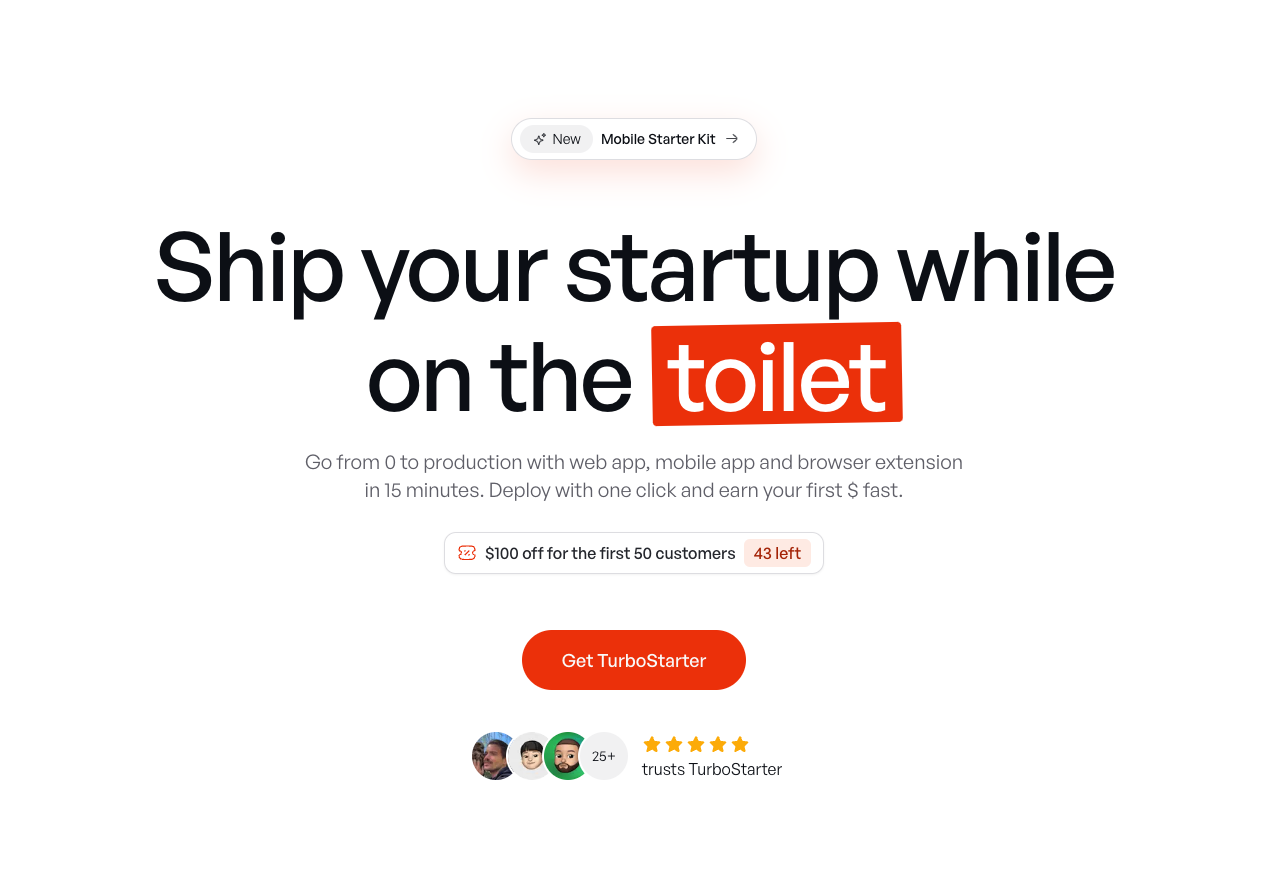
TurboStarter
Ship your startup everywhere. In minutes.
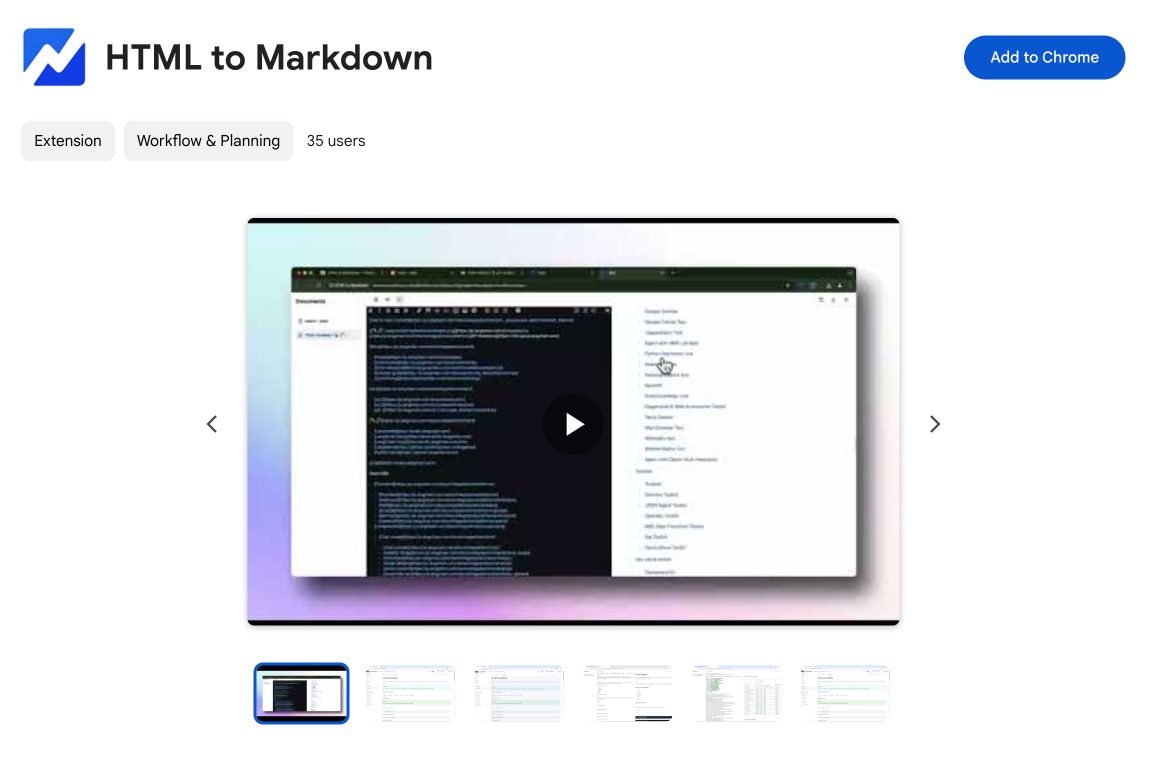
HTML to Markdown
Convert HTML to Markdown with ease, directly in your browser 📄
Dotallio
Personalized AI apps that automate research, data extraction, and content creation without code 🤖
Talk to Santa
Enjoy a magical live video chat or receive a unique AI-generated video greeting from Santa Claus 🎅
pozywka.pl
Scalable blog for food journalist, focused on performance and user experience 🌭
zagrodzki.me
Personal blog and portfolio of Bart Zagrodzki, where he shares his knowledge and work 💼
TurboStarter
Ship your startup everywhere. In minutes.
HTML to Markdown
Convert HTML to Markdown with ease, directly in your browser 📄
Dotallio
Personalized AI apps that automate research, data extraction, and content creation without code 🤖
Talk to Santa
Enjoy a magical live video chat or receive a unique AI-generated video greeting from Santa Claus 🎅
pozywka.pl
Scalable blog for food journalist, focused on performance and user experience 🌭
zagrodzki.me
Personal blog and portfolio of Bart Zagrodzki, where he shares his knowledge and work 💼
TurboStarter
Ship your startup everywhere. In minutes.
HTML to Markdown
Convert HTML to Markdown with ease, directly in your browser 📄
Dotallio
Personalized AI apps that automate research, data extraction, and content creation without code 🤖
Talk to Santa
Enjoy a magical live video chat or receive a unique AI-generated video greeting from Santa Claus 🎅
pozywka.pl
Scalable blog for food journalist, focused on performance and user experience 🌭
zagrodzki.me
Personal blog and portfolio of Bart Zagrodzki, where he shares his knowledge and work 💼
TurboStarter
Ship your startup everywhere. In minutes.
HTML to Markdown
Convert HTML to Markdown with ease, directly in your browser 📄
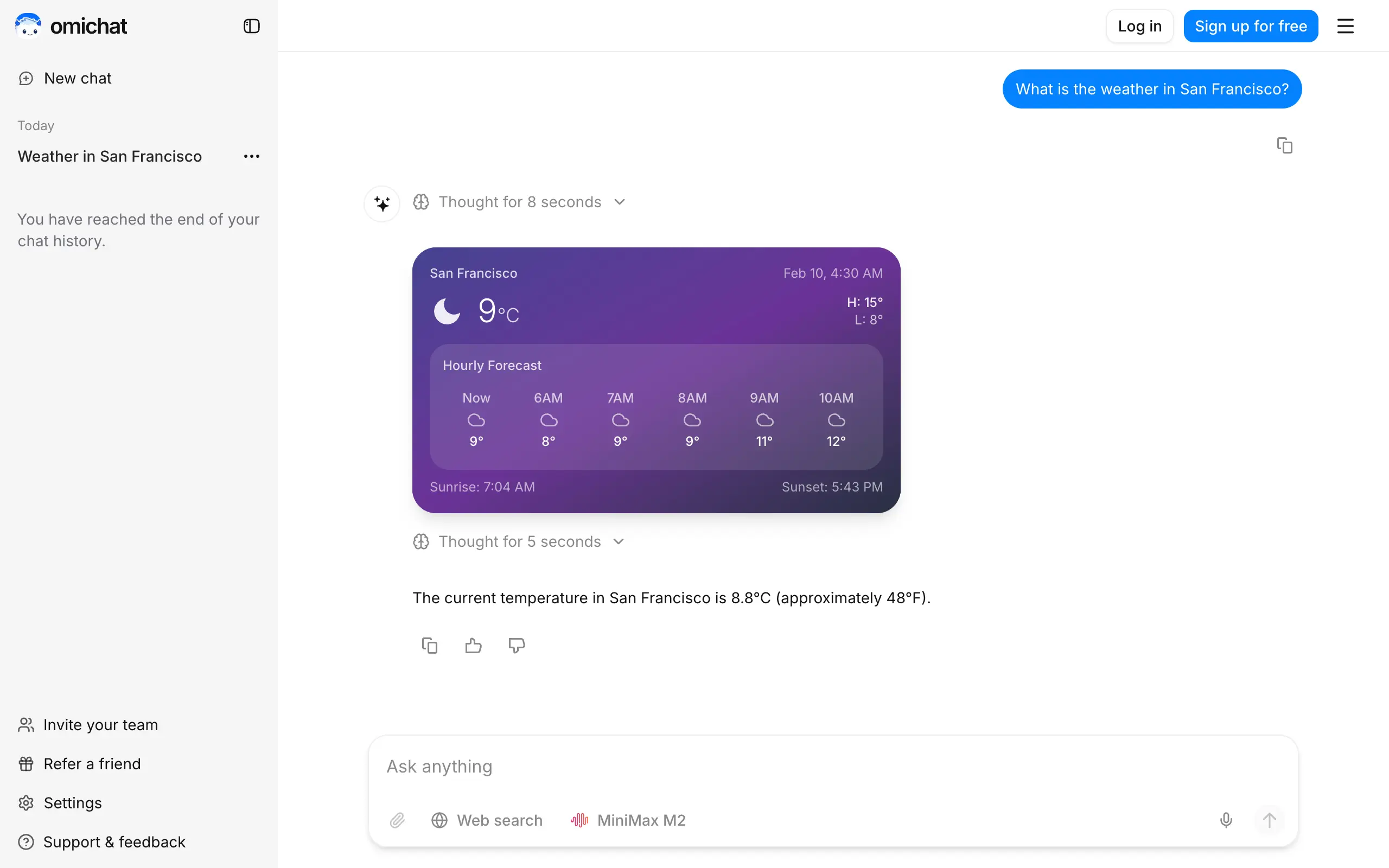
Omichat
Chat with 50+ AI models, including ChatGPT and Claude, in one place - switch models anytime without losing context 🤖
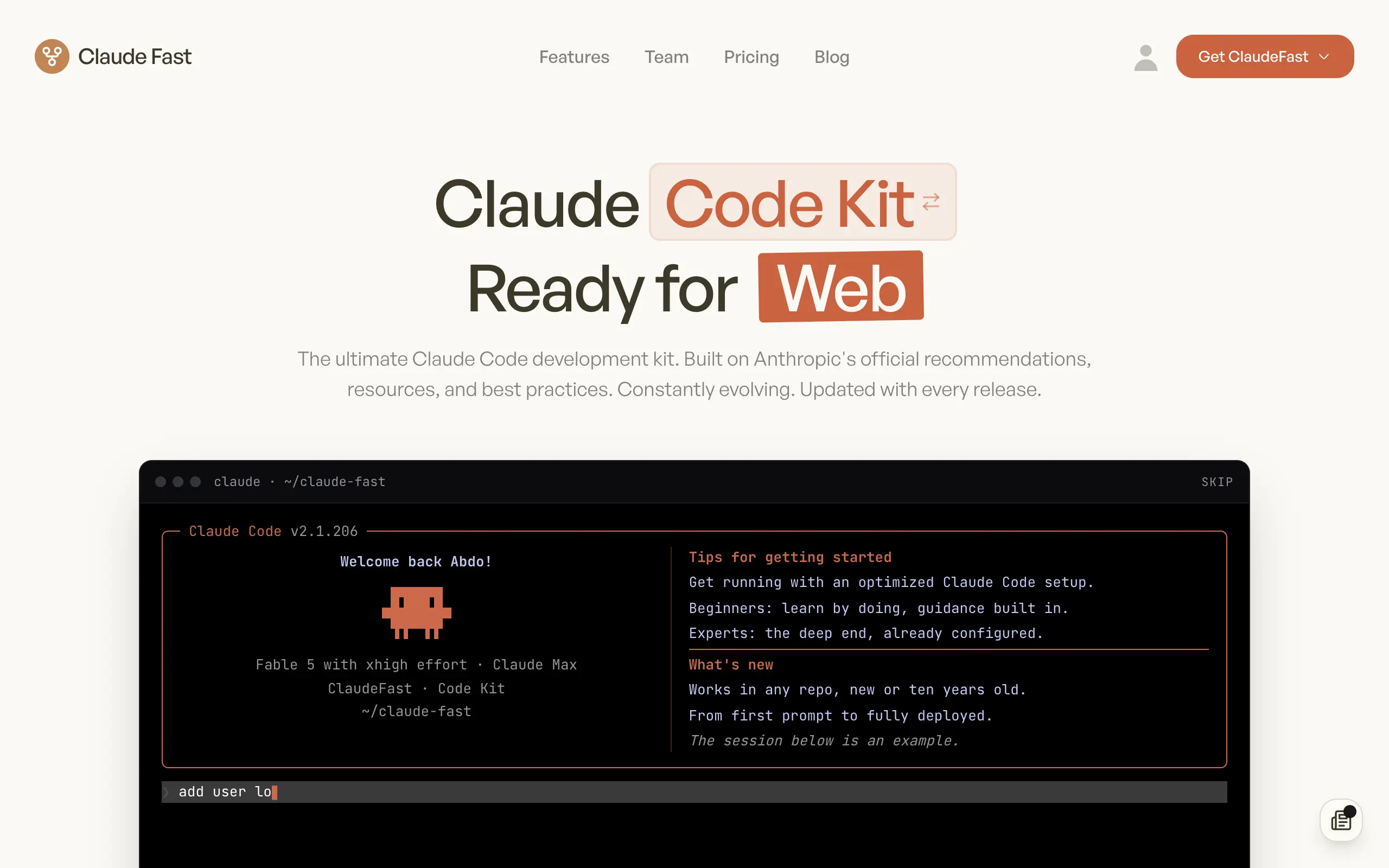
Claude Fast
Supercharge your Claude Code with 6x effective context window and specialized AI agents 🤖
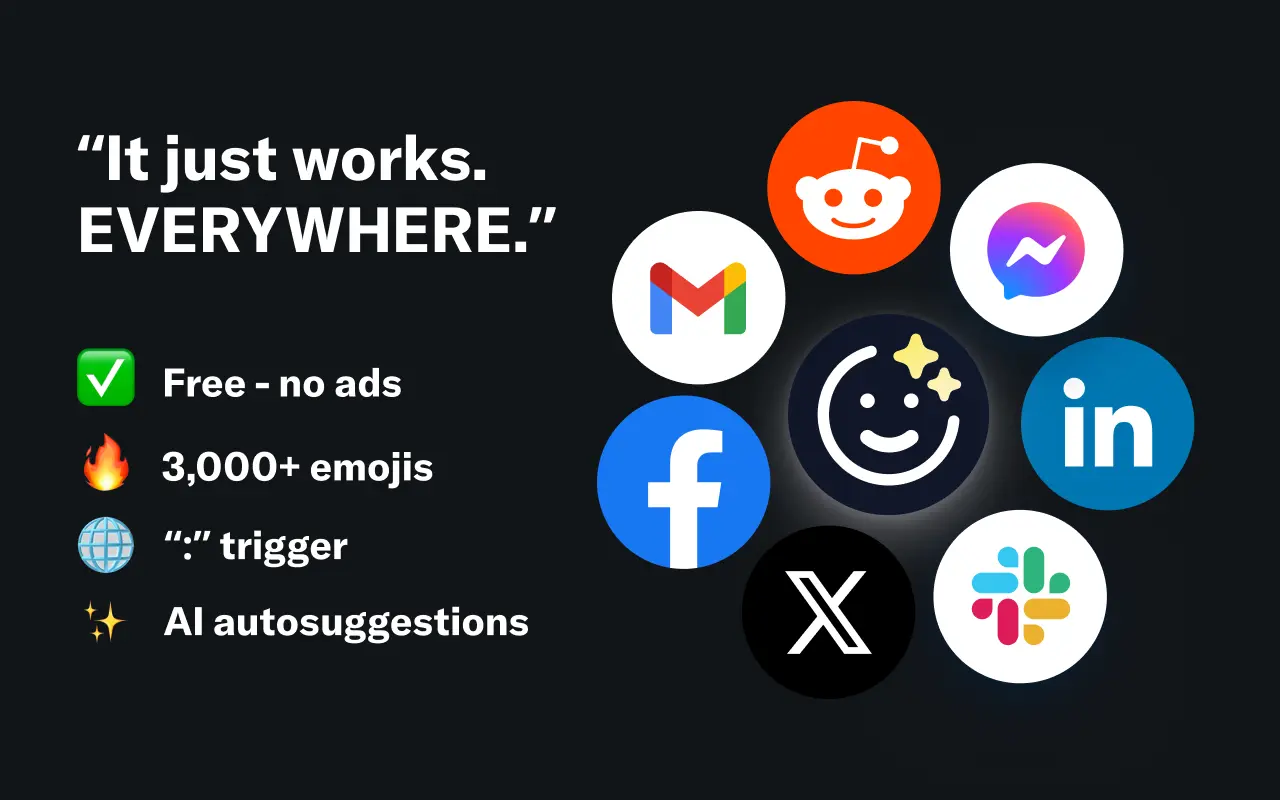
EmojAI
AI-powered emoji picker with smart, context-aware suggestions 🤖
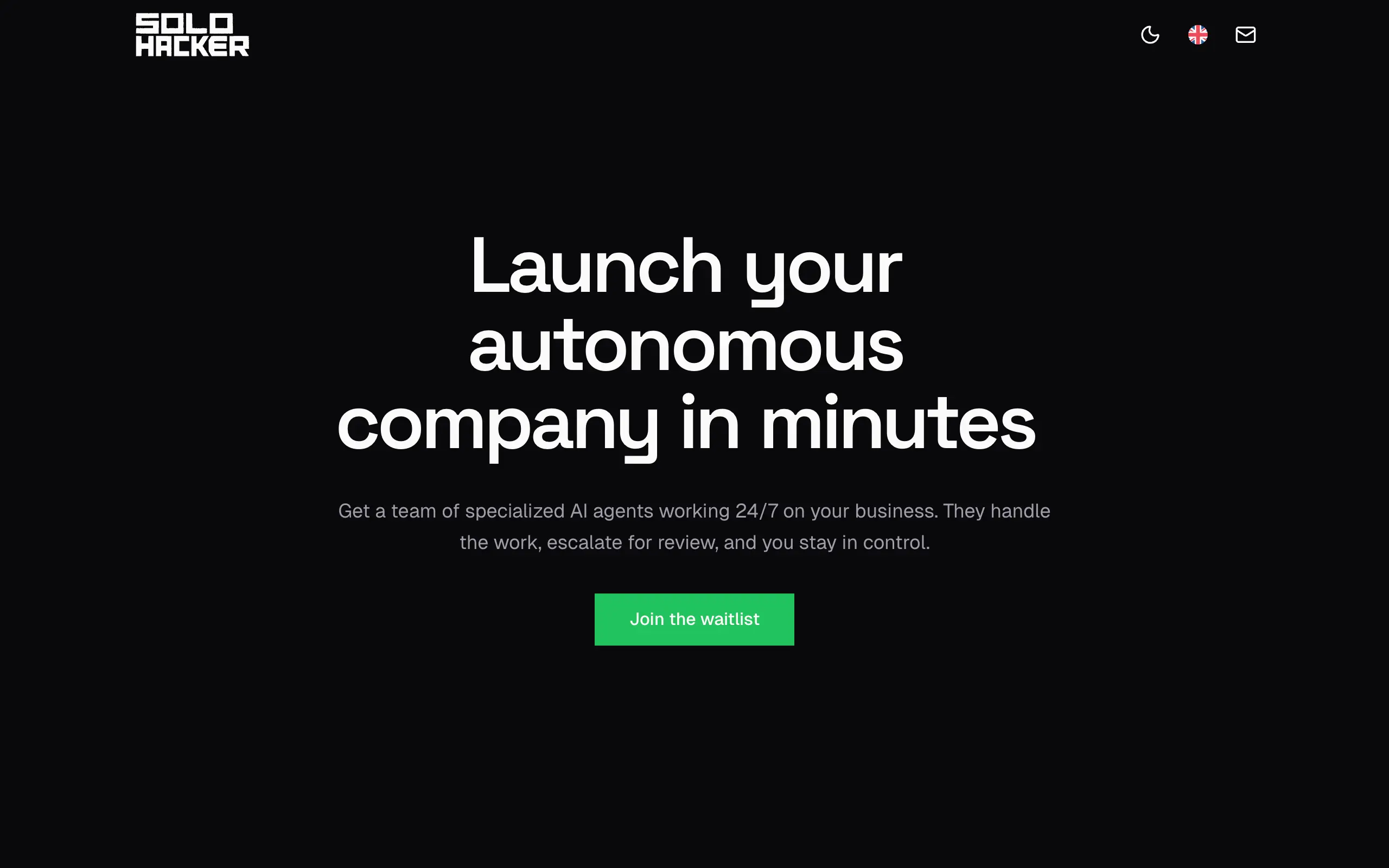
Solohacker
Autonomous company launcher - AI agents work 24/7, escalate what matters, and you stay in control 🤖

BeRawi: Storytelling Coach
Practice storytelling daily with instant feedback to sound clearer, more engaging, and confident 🎤
Omichat
Chat with 50+ AI models, including ChatGPT and Claude, in one place - switch models anytime without losing context 🤖
Claude Fast
Supercharge your Claude Code with 6x effective context window and specialized AI agents 🤖
EmojAI
AI-powered emoji picker with smart, context-aware suggestions 🤖
Solohacker
Autonomous company launcher - AI agents work 24/7, escalate what matters, and you stay in control 🤖
BeRawi: Storytelling Coach
Practice storytelling daily with instant feedback to sound clearer, more engaging, and confident 🎤
Omichat
Chat with 50+ AI models, including ChatGPT and Claude, in one place - switch models anytime without losing context 🤖
Claude Fast
Supercharge your Claude Code with 6x effective context window and specialized AI agents 🤖
EmojAI
AI-powered emoji picker with smart, context-aware suggestions 🤖
Solohacker
Autonomous company launcher - AI agents work 24/7, escalate what matters, and you stay in control 🤖
BeRawi: Storytelling Coach
Practice storytelling daily with instant feedback to sound clearer, more engaging, and confident 🎤
Omichat
Chat with 50+ AI models, including ChatGPT and Claude, in one place - switch models anytime without losing context 🤖
Claude Fast
Supercharge your Claude Code with 6x effective context window and specialized AI agents 🤖
EmojAI
AI-powered emoji picker with smart, context-aware suggestions 🤖
Solohacker
Autonomous company launcher - AI agents work 24/7, escalate what matters, and you stay in control 🤖
BeRawi: Storytelling Coach
Practice storytelling daily with instant feedback to sound clearer, more engaging, and confident 🎤

Connect with like-minded people
Join our community to get feedback, support, and grow together with 1,000+ builders on board, let's ship it!
Join usShip your startup everywhere. In minutes.
Don't burn tokens on setup and start building features on day one.