RollCredits
A social movie picker that matches group tastes, finds nearby screenings, and creates post-film pub plans without endless chats.
The social movie picker opportunity
Choosing a film with friends should be easy. In reality, it often becomes a fragmented decision process spread across group chats, streaming apps, cinema websites, social feeds, and last-minute messages about where to meet afterward.
RollCredits addresses this problem as a social movie picker for groups. It helps people find a movie everyone is willing to watch, identify nearby screenings, and turn a cinema outing into a complete social plan with a post-film pub, bar, or café suggestion.
The core value proposition is simple:
Help groups decide what to watch, where to watch it, and where to go afterward without endless chat messages.
This is a strong B2C SaaS concept because it combines three high-frequency consumer behaviors:
- Group decision-making
- Local entertainment discovery
- Social planning around shared experiences
Unlike a standard movie listings app, RollCredits is not primarily a database of showtimes. Unlike a group chat, it is not an unstructured place for opinions to pile up. Unlike a restaurant booking platform, it is not limited to the post-film plan.
It is a decision layer that connects the full night out.
The central product insight
The real competitor is not another cinema app. It is the inefficient combination of WhatsApp messages, screenshots, individual browsing, conflicting preferences, and abandoned plans.
For a product such as RollCredits, search intent will typically come from two directions:
- Consumers searching for tools to choose movies with friends, discover local screenings, or organize cinema plans
- Founders, operators, and investors evaluating whether a social movie planning app has a viable market and monetization model
This guide explores the target audience, market gap, product requirements, technology choices, revenue options, risks, and implementation plan needed to make RollCredits a compelling social movie picker.
Why group movie planning is still frustrating
Movie discovery has improved dramatically. Most people can see trailers, browse reviews, check genres, follow actors, and locate screenings in seconds. The missing piece is not access to information. It is group coordination.
A typical group movie-planning journey looks like this:
- Someone suggests going to the cinema.
- Several people send different film options.
- One person dislikes horror, another refuses subtitles, and another only wants a screening after work.
- Someone checks showtimes, but the nearest screening is too early or too far away.
- The group considers food or drinks afterward.
- Nobody makes a final decision, or one person becomes the unpaid organizer.
This workflow fails because existing products optimize for individuals. They recommend titles based on one account, one location, and one taste profile. Group planning introduces additional constraints:
- Different genre preferences
- Different content sensitivities
- Different travel limits
- Different budgets
- Different availability windows
- Different cinema formats and accessibility needs
- Different post-film venue preferences
A useful social movie picker should not merely ask, “What film is popular?” It should ask, “What is the best available plan that this specific group can realistically agree on tonight?”
The cost of indecision for users
The frustration is not trivial. Social plans are emotionally time-sensitive. A group that cannot decide within a few minutes may default to staying home, splitting into smaller groups, or choosing the safest but least exciting option.
For users, the cost of a poor planning flow includes:
- Lost time in group chats
- More mental load for the organizer
- Less confidence in the final choice
- Reduced willingness to plan future outings
- A lower chance of converting intent into a ticket purchase
For cinemas, venues, and local hospitality businesses, indecision can mean lost footfall. That creates a commercial opening for RollCredits to become a valuable referral and conversion channel.
The market gap between discovery and coordination
Several product categories solve part of the problem:
- Movie databases provide film information and ratings.
- Cinema websites offer showtimes and ticket sales.
- Social networks provide recommendations from friends.
- Group chats facilitate conversation.
- Maps platforms show nearby pubs and restaurants.
- Booking platforms enable reservations.
However, these tools rarely operate as one coordinated experience.
| Planning need | Typical existing tool | Common limitation | RollCredits opportunity | User value |
|---|---|---|---|---|
| Film discovery | Movie database or streaming app | Personalized for one viewer | Group taste matching | Fewer unsuitable suggestions |
| Showtime search | Cinema website | Separate from group discussion | Screenings inside the shared plan | Faster commitment |
| Post-film venue planning | Maps or booking app | Requires a new search journey | Contextual nearby venue recommendations | A complete night-out itinerary |
| Final decision | Group chat | Unstructured and repetitive | Voting, matching, and plan confirmation | Less coordination fatigue |
The competitive advantage lies in connecting these fragmented moments into one low-friction decision flow.
Target audience for a social movie picker
RollCredits should begin with a narrow, behaviorally clear audience rather than trying to serve every moviegoer. The best early users are people who already make social plans regularly and experience repeated coordination friction.
Primary audience: socially active urban friend groups
The most promising early audience is likely adults aged roughly 18 to 40 who live in cities or dense suburban areas with multiple cinemas and hospitality options.
They often have these characteristics:
- They organize plans through messaging apps several times per month.
- They care about shared experiences more than simply watching a film.
- They are open to trying new cinemas, bars, and local venues.
- They value convenience and social proof.
- They are comfortable using map-based and recommendation-based apps.
- They are likely to share plans, invite friends, and create organic referral loops.
The ideal initial user may be the recurring “planner” in a friendship group. This person is often the one who asks, “What are we doing Friday?” They do the research, send links, chase responses, and finalize logistics.
RollCredits should make that person feel like a highly efficient host rather than an overloaded coordinator.
Secondary audience: couples and double-date planners
Couples are a valuable audience because film preferences often differ even within two-person decisions. The experience can become especially compelling for:
- Couples deciding on a date night
- Two couples arranging a double date
- New relationships looking for low-pressure activity ideas
- Parents organizing an occasional evening out
- Friends planning birthday or celebration outings
For these groups, the pub or restaurant element can be just as important as the film. A product that suggests an appropriate venue based on distance, timing, vibe, dietary needs, and budget can create a more differentiated date-night planning experience.
Tertiary audience: communities and recurring groups
After product-market fit with friend groups, RollCredits can expand into organized communities:
- University societies
- Coworking communities
- Film clubs
- Local meetup organizers
- Workplace social committees
- Alumni groups
- Neighborhood communities
These users may need extra features such as RSVP tracking, member limits, recurring events, ticketing links, polls, accessibility notes, and organizer dashboards.
Early adopter profile
A city-based planner who arranges two or more group outings each month and wants to reduce the burden of chasing preferences and logistics.
High-value moment
A Friday or Saturday plan where the group wants both a cinema screening and a relaxed venue afterward.
Retention trigger
A successful plan that feels easier than a group chat and becomes the group’s default way to organize their next night out.
Market opportunity and validation strategy
The entertainment and local hospitality markets are large, but RollCredits should not depend on broad market-size claims alone. The product needs evidence that its specific workflow solves a recurring, valuable problem.
A strong validation process focuses on frequency, pain intensity, conversion behavior, and repeat usage.
Validate the problem before building every feature
The earliest validation question is not whether people enjoy movies. It is whether they will adopt a dedicated product to reduce group planning friction.
Interview potential users who have organized recent cinema trips. Ask for concrete stories rather than hypothetical preferences:
- How did the group choose the movie?
- How long did the decision take?
- Who checked the showtimes?
- Did someone drop out because of the time, location, or title?
- Did the group go somewhere afterward?
- Which apps did they use?
- What part of the process was most annoying?
- Would they invite friends into a new tool if it made the decision faster?
Look for patterns such as:
- Groups repeatedly sending trailers and screenshots.
- One person making the final call because discussion stalls.
- Users switching between three or more apps.
- Plans failing before a ticket is purchased.
- People wanting “something everyone is okay with,” not necessarily everyone’s favorite.
Test the willingness to share and invite
A B2C social product needs a distribution loop. RollCredits should be useful enough for one person to start a plan, but valuable enough that they invite others.
The critical activation event is likely not account creation. It is something closer to:
A user creates a group plan, gets at least two friends to submit preferences, and confirms a screening.
This creates a meaningful product moment. The app has moved from individual browsing to collaborative decision-making.
Track metrics such as:
- Plan creation rate
- Invite acceptance rate
- Percentage of plans receiving multiple votes
- Time from plan creation to a final decision
- Showtime click-through rate
- Venue click-through or reservation rate
- Repeat plan creation within 30 days
- Number of new users invited by an existing user
Use credible market sources carefully
If RollCredits publishes market analysis, cite reputable primary or established industry sources for specific claims. Potential reference categories include cinema admissions reports, national film institute data, consumer leisure surveys, and local hospitality reports.
Use a reference format such as:
Source suggestion: national cinema attendance data from a recognized film institute, accessed in the current year.
Avoid presenting broad statistics without a date, geography, methodology, and source. This improves trustworthiness and makes content more useful for readers evaluating the opportunity.
Core RollCredits features that solve the full planning journey
The product should be designed around a simple job to be done:
When my friends and I want to go to the cinema, help us agree on a film and create a complete plan quickly.
The minimum viable product should focus on that job with disciplined scope.
Group taste matching
The signature feature is a group movie recommendation engine that identifies films with the best collective fit.
Each participant should be able to quickly express preferences through low-effort interactions:
- Swipe or rate suggested movies
- Select genres they want or want to avoid
- Set content preferences
- Choose language and subtitle preferences
- Flag titles they have already seen
- Set age-rating comfort levels
- Indicate whether they prefer mainstream, independent, or foreign-language cinema
- Choose a mood such as funny, intense, romantic, thoughtful, or escapist
The key design principle is to avoid making users complete a lengthy survey. A short onboarding sequence combined with ongoing behavioral signals will produce better adoption.
A group matching score can balance several factors:
- Individual predicted enjoyment
- Minimum satisfaction threshold for every participant
- Strength of positive reactions
- Number of people available for a showtime
- Distance to the cinema
- Screening time suitability
- Ticket availability where that data is accessible
- Group-level novelty and diversity preferences
The algorithm should not simply choose the movie with the highest average score. An average can hide strong dislike. A better model considers fairness.
For example, a title rated 9, 8, 8, and 1 by four people may create more friction than a film rated 7, 7, 6, and 7.
Shared voting and decision controls
The recommendation engine needs a social interface. A group should see suggestions, react quickly, and confidently reach a decision.
Useful interactions include:
- Like, pass, and “maybe” reactions
- A visible consensus meter
- A deadline for voting
- A host option to lock finalists
- A random tie-breaker for evenly matched choices
- Comments for context without recreating a full chat app
- A “best compromise” badge
- A “crowd pleaser” badge
- A “bold pick” badge for groups that want novelty
The product should support different decision styles. Some groups want democracy. Others want one person to choose after collecting input.
Democratic groups should receive transparent voting, ranked options, consensus indicators, and a straightforward final confirmation flow. The experience should make every participant feel heard without requiring prolonged debate.
Host-led groups should allow one organizer to collect preferences, compare suitable options, and send a polished final plan. This reduces friction when a birthday organizer, date planner, or workplace social lead needs to make the final call.
Nearby cinema screening discovery
Once the group identifies likely films, RollCredits should narrow the choices to real, practical screenings.
The showtime layer should support filters for:
- Current location or selected neighborhood
- Travel radius
- Date and preferred time window
- Cinema chain or independent venue preference
- Premium formats such as IMAX, Dolby Cinema, or recliner seating
- Accessibility requirements
- Language and subtitle options
- Ticket price range where available
- Group-friendly timing, such as after-work screenings
The product should present the recommendation as an understandable plan, not raw data.
Instead of showing a long list of sessions, RollCredits can say:
The best match for your group is a 7:20 pm screening of this comedy, 14 minutes from the group midpoint, followed by drinks at a nearby venue with available tables.
That is the kind of outcome users are trying to create.
Post-film pub, bar, and café plans
The post-film venue suggestion is a meaningful differentiator because it turns a movie picker into a social night-out planner.
The recommendation system should account for:
- Walking distance from the cinema
- Expected film end time
- Venue opening hours
- Group size
- Budget
- Noise level and atmosphere
- Food availability
- Dietary options
- Reservation availability if supported
- Accessibility
- Whether the venue suits a date, friend group, or large social event
The film’s tone can also influence venue suggestions. A late-night horror screening may suit a lively bar, while a long arthouse drama may fit a quiet wine bar or dessert café.
This recommendation should remain optional. Some users only want to watch a movie. Others want a full itinerary. The interface should let users add a “post-credits plan” in one tap.
Shareable plan pages
A shareable plan page is critical for growth. It should work well for people who have not yet installed the app.
A plan page can include:
- Film title and trailer
- Chosen cinema and screening time
- Address and map preview
- Attendee list or RSVP summary
- Post-film venue
- Timing estimate
- Ticket link
- A button to add the plan to a calendar
- A simple invite link
- A reminder notification option
This page becomes both a utility and a referral asset. Every invite exposes new users to the product in the context of a real plan.
Avoid building a generic chat feature
RollCredits should complement messaging apps rather than trying to replace them. Let users share a decision-ready plan to their existing group chat. Building a full chat system too early adds moderation, notifications, retention pressure, and engineering complexity without strengthening the core value proposition.
A practical recommendation model for RollCredits
The matching system can begin with transparent rules before evolving toward more advanced machine learning.
A sensible initial scoring model might combine explicit preferences, film metadata, logistics, and group fairness.
type GroupMovieScore = {
  titleId: string;
  averagePreference: number;
  lowestPreference: number;
  screeningFit: number;
  travelFit: number;
  noveltyFit: number;
};

export function calculateGroupScore(score: GroupMovieScore) {
  const preferenceWeight = score.averagePreference * 0.35;
  const fairnessWeight = score.lowestPreference * 0.3;
  const screeningWeight = score.screeningFit * 0.2;
  const travelWeight = score.travelFit * 0.1;
  const noveltyWeight = score.noveltyFit * 0.05;

  return (
    preferenceWeight +
    fairnessWeight +
    screeningWeight +
    travelWeight +
    noveltyWeight
  );
}
This approach makes product behavior easier to explain and debug. It also reduces the risk of creating a recommendation engine that feels mysterious or unfair.
As RollCredits gathers consented behavioral data, it can improve recommendations using:
- Collaborative filtering based on similar taste clusters
- Content-based matching using genres, cast, themes, language, and runtime
- Context-aware ranking based on day, weather, time, and group size
- Feedback loops from completed plans
- Explicit “we enjoyed this” or “not for us” post-event feedback
The product should always provide control. Users need the ability to adjust preferences, remove titles, and understand why a recommendation appeared.
Recommended tech stack for a social movie planning app
RollCredits needs a stack that supports a polished mobile-first web experience, real-time group interactions, third-party data integrations, and scalable personalization.
For a fast SaaS launch, a TypeScript-based stack is a sensible default.
Frontend and application framework
Use Next.js with React for the web application.
Next.js is well suited to RollCredits because it supports:
- Search-friendly public plan pages
- Server-side rendering for discovery pages
- Route handlers for API endpoints
- Strong TypeScript support
- Image optimization
- Flexible deployment options
- A mature ecosystem for authentication and payments
For the interface, Tailwind CSS can accelerate development of responsive screens, while a reusable component system keeps the product consistent as it grows.
The user experience should be designed mobile-first. Most group plans will begin in a mobile chat, and many users will open an invite link from their phone.
Database, authentication, and real-time updates
A relational database is a strong fit because RollCredits has structured relationships between users, groups, preferences, titles, screenings, venues, invitations, and plans.
PostgreSQL is a reliable foundation. A managed platform such as Supabase can speed up MVP development with authentication, database tooling, storage, and real-time capabilities.
A possible core data model includes:
- Users
- Friend groups
- Group memberships
- Movie titles
- User movie preferences
- Cinema venues
- Screenings
- Social plans
- Plan attendees
- Venue recommendations
- Votes and reactions
- Invitation links
- Affiliate click events
For real-time voting, Supabase Realtime can be an efficient early option. Another approach is using server-sent events or a specialized real-time service if product usage later demands more control.
Third-party movie, cinema, and local venue data
Movie metadata can come from a licensed entertainment data provider or official industry data source. Screening data is often the hardest integration because availability varies by country, cinema chain, and data partner.
The product strategy should acknowledge this constraint early.
Possible approaches include:
- Launching in one city or country with reliable showtime coverage
- Partnering directly with cinema operators
- Using affiliate-compatible ticketing providers where permitted
- Starting with cinema deep links before attempting in-app ticketing
- Allowing users to select a cinema and then click through to official ticket purchase pages
For maps and venue discovery, Mapbox provides mapping and geospatial tooling. Google Maps Platform is another common option, though its pricing and terms should be evaluated carefully.
The trade-off is straightforward:
- A comprehensive data provider may reduce engineering work but increase ongoing licensing costs.
- Direct cinema partnerships can create better data quality and economics but take longer to secure.
- A narrow geographic launch limits total market size initially but improves accuracy and product reliability.
Payments and subscriptions
If RollCredits offers a premium tier, Stripe is a practical option for subscription billing, payment methods, invoices, and webhook events.
For a B2C consumer product, keep the initial checkout flow simple. Avoid charging users before the core habit is established. The free product must be useful enough to create repeat planning behavior.
Analytics, experimentation, and observability
Early product decisions should be driven by user behavior, not just downloads.
Track event data for:
- Group creation
- Invite sent
- Invite accepted
- Preference submitted
- Movie recommendation viewed
- Vote submitted
- Showtime selected
- Ticket partner clicked
- Venue selected
- Plan confirmed
- Plan completed
- Repeat plan created
Use an analytics platform that supports funnels, cohorts, and retention analysis. Ensure privacy practices, consent flows, and data retention policies are designed before scaling.
For application health, monitor errors, failed third-party API requests, slow recommendation queries, and broken deep links. A bad showtime or venue experience can quickly erode trust.
Monetization options for RollCredits
The strongest business model will likely be diversified. The product can remain free for casual users while monetizing transaction intent and premium planning features.
Affiliate revenue from ticket and venue partners
Affiliate or referral revenue is the most natural model because RollCredits influences users at a high-intent moment.
Potential revenue sources include:
- Cinema ticket referral commissions
- Restaurant, pub, or bar reservation referrals
- Food and drink offers near cinemas
- Transport partnerships for rides home
- Loyalty or cashback partnerships
- Event and entertainment affiliate programs
This model aligns well with the user experience when recommendations are genuinely relevant.
However, trust is essential. Sponsored placements must be clearly labeled, and the ranking algorithm should not quietly favor a partner if it harms group fit.
Freemium subscription
A paid RollCredits Plus plan could offer value to frequent social planners and film enthusiasts.
Potential premium features include:
- Advanced taste profiles
- More detailed filters
- Recurring group planning
- Calendar integrations
- Enhanced venue recommendations
- Saved favorite cinemas and venues
- Premium screening alerts
- Ad-free planning
- Priority access to curated local events
- Shared watchlists for groups
The key risk is weak willingness to pay for a planning tool used only occasionally. Subscription pricing works best if RollCredits expands beyond one-off cinema plans into a recurring social discovery habit.
Sponsored local discovery
Local venues may pay for targeted exposure around specific cinemas, times, or audience segments.
For example, a cocktail bar could sponsor a post-film offer for groups attending nearby evening screenings. This can work well when it is transparent, location-specific, and genuinely useful.
A venue dashboard could eventually offer:
- Campaign creation
- Offer redemption tracking
- Geographic targeting
- Time-based promotions
- Group-size targeting
- Click and booking analytics
This becomes a more complex B2B product, so it should be considered after consumer demand is proven.
Cinema and community partnerships
Cinemas may benefit from a product that reduces planning abandonment and increases group bookings. Partnership opportunities could include:
- Group ticket bundles
- Promotional screenings
- Loyalty integrations
- Co-branded discovery pages
- Student night campaigns
- Independent cinema programming discovery
- Data insights on audience demand
The long-term opportunity is not just selling software to venues. It is creating a better demand-generation channel for social outings.
Competitive advantage and positioning
RollCredits should position itself as the social decision engine for movie nights out.
Its differentiator is not simply having movie data, maps, or voting. Those capabilities are individually easy to understand and relatively easy to replicate. The defensible advantage comes from the integrated workflow and accumulated group preference data.
The RollCredits USP
The unique selling proposition can be expressed as:
RollCredits helps groups find a movie everyone can enjoy, choose a nearby screening that works, and organize the perfect post-film plan in one shared flow.
This is more specific than “movie recommendations” and more useful than “cinema listings.”
The product combines:
- Group taste intelligence
- Real-world screening logistics
- Social voting mechanics
- Local venue recommendations
- Shareable itineraries
- Conversion pathways to tickets and reservations
Potential competitive moats
Over time, RollCredits can build several forms of defensibility:
- Group-level taste graphs that competitors do not possess
- Historical data about which recommendations lead to confirmed outings
- Local supply relationships with cinemas and venues
- Branded social planning rituals within friend groups
- Distribution through shareable plan links
- Better recommendation quality through completed-plan feedback
The most important moat is habit. If a friendship group says, “Send a RollCredits,” the product has become embedded in a recurring social behavior.
Risks and mitigation strategies
Every consumer marketplace-adjacent SaaS product faces execution risks. Identifying them early improves the chances of building a resilient product.
New users may not have enough preference data for accurate recommendations. Mitigate this with lightweight onboarding, popular local titles, quick genre selections, and a “vote on these options” fallback that works before personalization is mature.
Showtime data can be inconsistent, delayed, geographically limited, or subject to licensing restrictions. Start in a market with dependable data access, validate every integration contract, and provide official ticket links when direct booking is unavailable.
Users may hesitate to ask friends to join another app. Make shared plan pages valuable without sign-up, allow one-tap web voting, and reserve account creation for moments where it unlocks clear value such as saved preferences or notifications.
Combining films, maps, venues, ticketing, chat, and payments can create an unfocused MVP. Prioritize the core flow of group matching, screening selection, and plan sharing before adding broader social features.
Venue sponsorships can reduce trust if users feel manipulated. Clearly label paid placements, keep relevance standards high, and preserve organic results that best serve the group’s requirements.
Privacy and safety considerations
RollCredits will process preferences, approximate location, social connections, and behavioral activity. These data types require careful privacy design.
Important safeguards include:
- Clear consent for location access
- Private-by-default group plans
- Expiring or revocable invite links
- Controls for deleting accounts and personal data
- Minimal collection of sensitive data
- Transparent explanation of recommendation logic
- Age-appropriate experiences where local requirements apply
- Secure handling of third-party API credentials
- Rate limiting and abuse protection for public links
Trust should be treated as a product feature. Users need confidence that joining a plan will not expose their location, profile, or activity beyond the intended group.
Go-to-market strategy for RollCredits
A social movie picker should launch where density and repeat behavior are highest.
Start with one focused location
Rather than launching globally with inconsistent screening and venue coverage, begin in one city or metropolitan area.
An ideal launch market has:
- Multiple cinemas within a compact geography
- A strong local hospitality scene
- Students, young professionals, or active social communities
- Reliable movie and venue data
- A culture of group outings
- Opportunities for local partnerships
A city-first strategy improves recommendation quality and lets the team learn quickly from real user behavior.
Build distribution into the product
The strongest acquisition loop is the plan invite.
One organizer creates a plan. They share it in a group chat. Friends vote or RSVP through a mobile-friendly link. Some become registered users. Those users later create their own plans.
To reinforce this loop, make invitations useful rather than promotional:
- “Vote on Friday’s film”
- “Pick the best screening”
- “Choose where we go after”
- “See the final plan”
- “Add this night out to your calendar”
The message should focus on the recipient’s immediate action, not on downloading an app.
Create search-driven content around local intent
SEO can attract users searching for practical planning ideas, especially when content is localized.
Examples of valuable content themes include:
- Best cinemas for date night in a specific city
- How to choose a movie with friends
- Best post-cinema bars near a local theater district
- Weekend movie night ideas
- Group date night planning tips
- Independent cinema guides
- Films to watch with friends by mood or genre
Editorial content should be genuinely useful, locally accurate, and regularly updated. Avoid producing thin pages that only target city-plus-keyword combinations without unique value.
Actionable implementation steps
The fastest path to market is a focused MVP that validates the group decision workflow.
Define one launch city, one initial audience, and one primary use case such as friend groups planning Friday night cinema trips.
Interview at least 20 to 30 target users about recent group movie plans. Capture the actual tools they used, where the process failed, and what would make them invite friends.
Design the smallest complete journey from group creation to preference collection, matched movie suggestions, screening selection, and a shareable final plan.
Integrate reliable movie metadata, local screening data, maps, and venue discovery for the launch geography. Validate data licensing and click-through behavior before promising ticketing.
Build a transparent rules-based matching engine first. Measure recommendation acceptance and completed plans before investing heavily in machine learning.
Launch with a small cohort of real friend groups, film clubs, university communities, or local social organizers. Watch sessions, collect feedback, and refine the decision flow.
Instrument activation, invitation, conversion, and retention metrics. Use the results to decide whether to deepen consumer features, pursue affiliate partnerships, or expand to a second city.
For founders who want to move quickly, a production-ready starter can reduce time spent rebuilding authentication, billing, layouts, and foundational SaaS infrastructure. TurboStarter can provide a practical foundation for launching and iterating on a polished web product faster.
Final perspective on building RollCredits
RollCredits has potential because it targets a real and repeated frustration: groups do not struggle to find movies; they struggle to make a shared decision and turn it into an actual night out.
The opportunity is strongest when the product remains focused on the full social outcome:
- Find a film that works for the group
- Find a screening that works in real life
- Create a post-film plan that makes the outing feel complete
- Share one clear plan instead of dozens of chat messages
A successful social movie picker will win by reducing friction, respecting group dynamics, and delivering a confident recommendation without taking away users’ sense of choice.
The first version does not need to solve every entertainment decision. It needs to make one common plan dramatically easier than the existing mix of group chats, cinema tabs, map searches, and indecision. If RollCredits can consistently turn “What should we watch?” into “See you there at 7:20,” it can create a product people return to whenever the next night out begins.
More 👥 B2C Application SaaS ideas
Discover more innovative b2c application SaaS ideas that are trending in 2026. Each idea is AI-generated with market validation and growth potential to help you find your next profitable venture faster than competitors.
Your competitors are building with TurboStarter
Below are some of the SaaS ideas that have been generated and built with our starter kit.
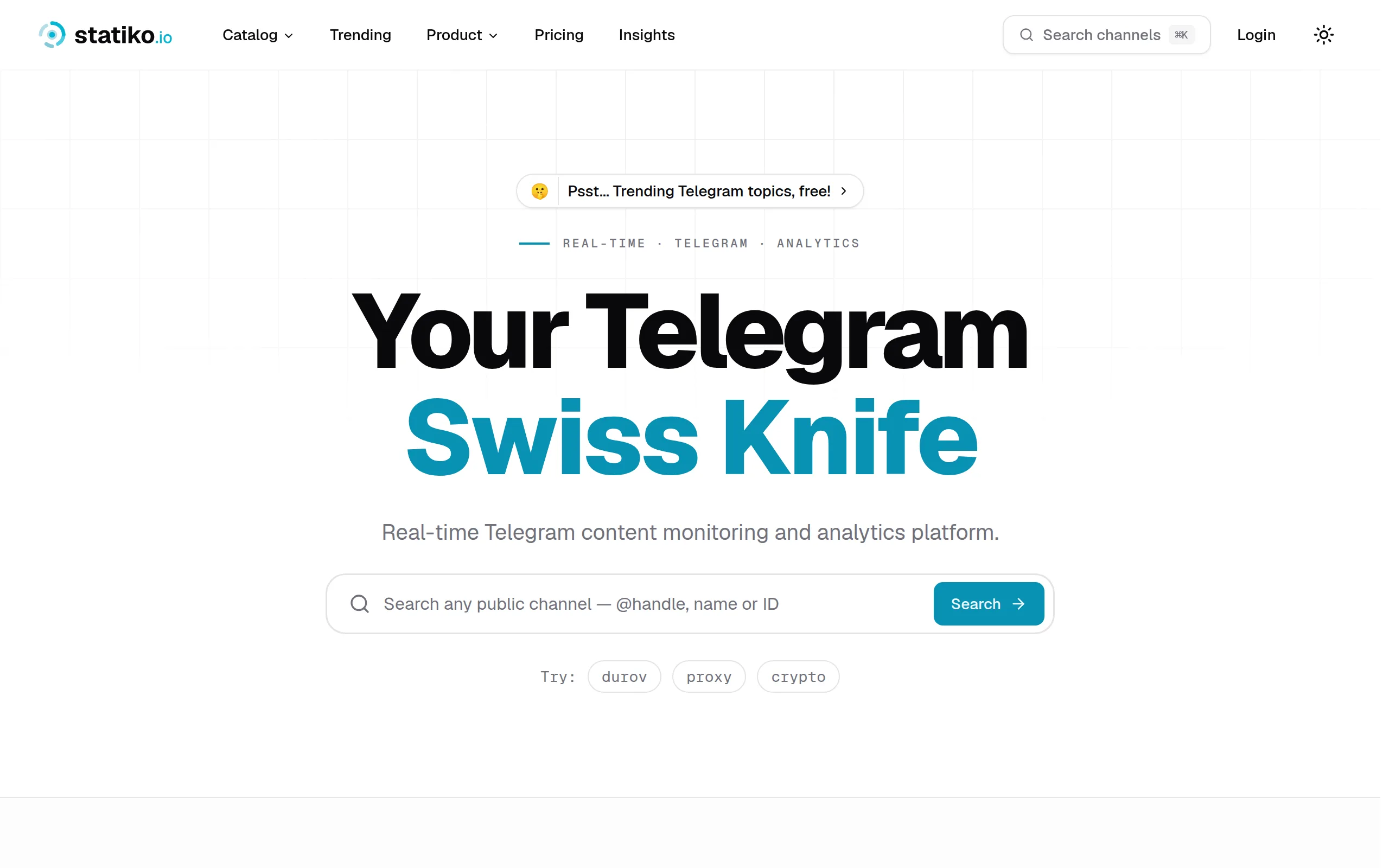
Statiko
Monitor any Telegram channel in real time - track posts, edits, deletions, and growth with AI recaps 📡
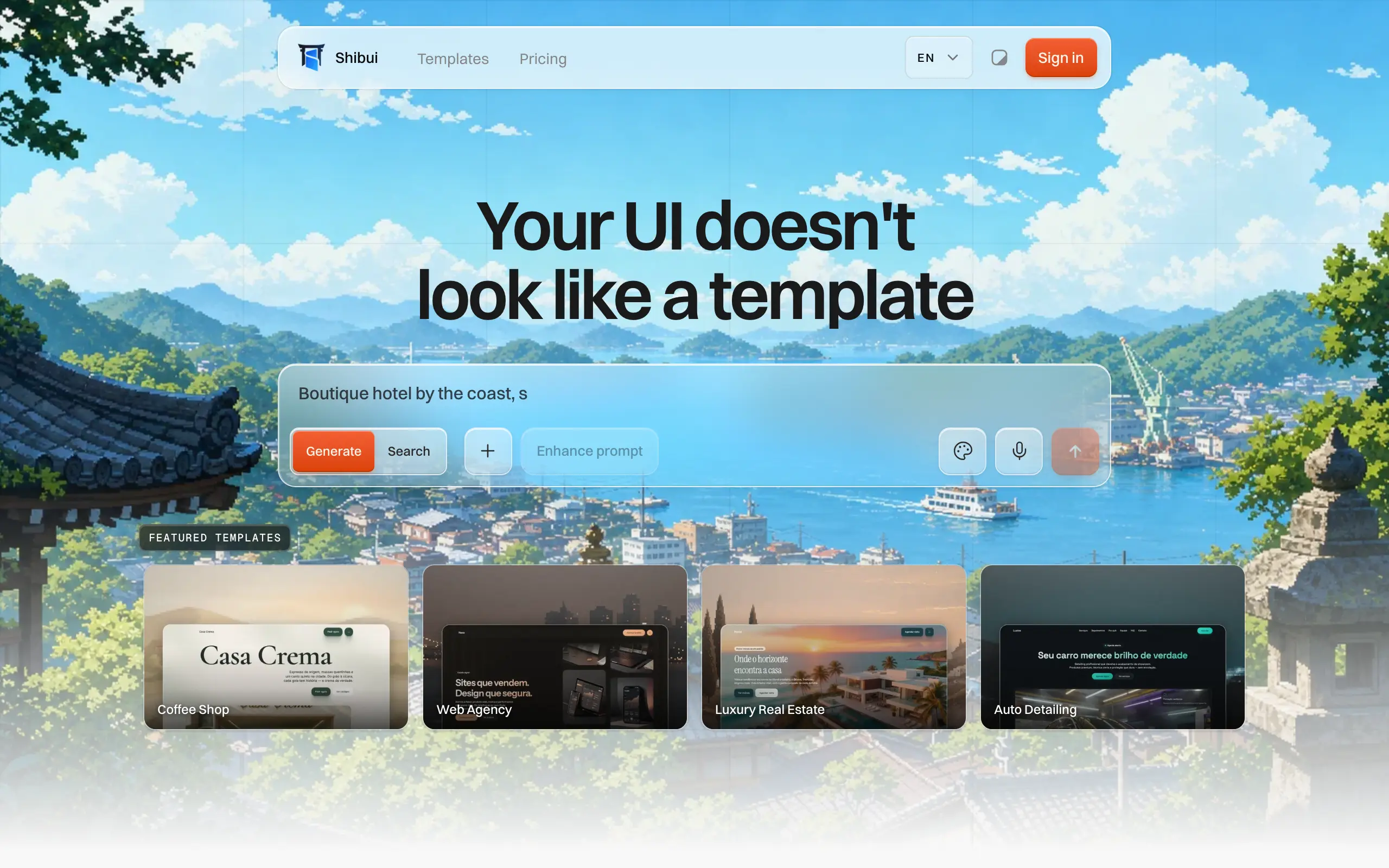
Shibui
AI website builder - describe your business, pick a niche template, edit by chatting, and publish instantly ✨
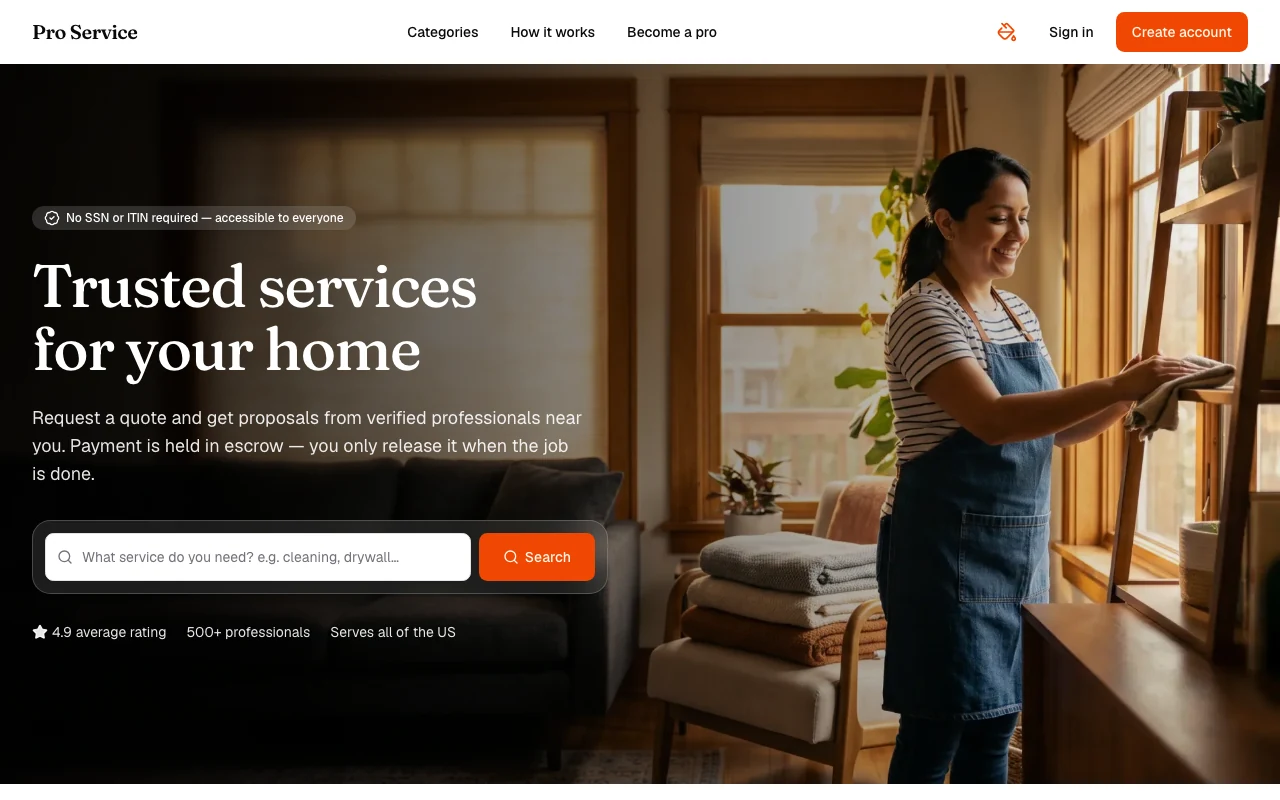
Pro Service
Find verified home service professionals, compare quotes, and pay securely through escrow - built for Brazilians across the US 🏠
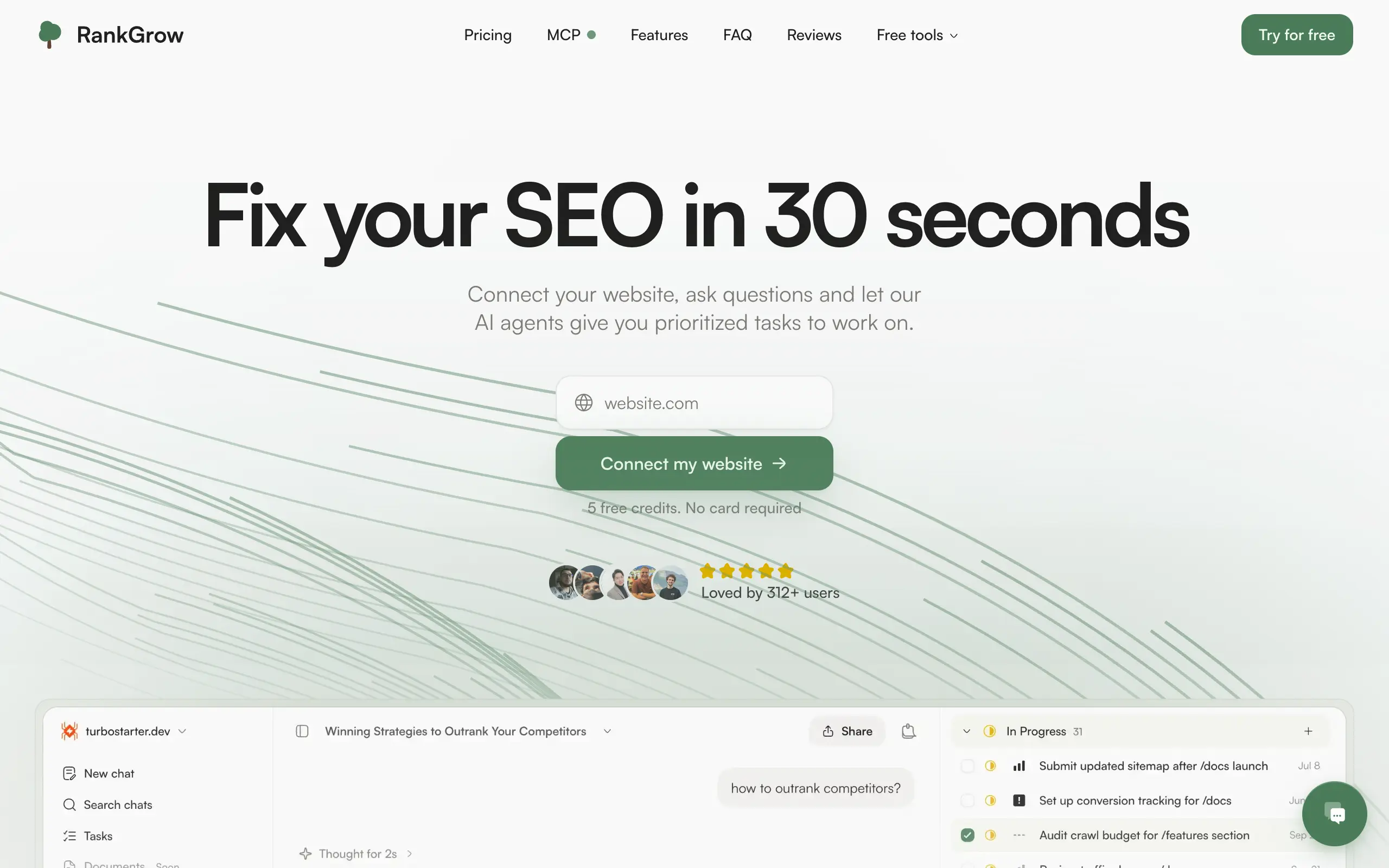
RankGrow
Fix your SEO with AI agents - connect Search Console, get prioritized tasks, and grow organic traffic 📈
SyncReads
Sync your favorite content for distraction-free reading, save time and replace multiple apps. Anytime, anywhere 🔄
Socialcrawl
Get clean, structured data from 21 platforms like TikTok, Instagram, and YouTube with a single request 📊
Statiko
Monitor any Telegram channel in real time - track posts, edits, deletions, and growth with AI recaps 📡
Shibui
AI website builder - describe your business, pick a niche template, edit by chatting, and publish instantly ✨
Pro Service
Find verified home service professionals, compare quotes, and pay securely through escrow - built for Brazilians across the US 🏠
RankGrow
Fix your SEO with AI agents - connect Search Console, get prioritized tasks, and grow organic traffic 📈
SyncReads
Sync your favorite content for distraction-free reading, save time and replace multiple apps. Anytime, anywhere 🔄
Socialcrawl
Get clean, structured data from 21 platforms like TikTok, Instagram, and YouTube with a single request 📊
Statiko
Monitor any Telegram channel in real time - track posts, edits, deletions, and growth with AI recaps 📡
Shibui
AI website builder - describe your business, pick a niche template, edit by chatting, and publish instantly ✨
Pro Service
Find verified home service professionals, compare quotes, and pay securely through escrow - built for Brazilians across the US 🏠
RankGrow
Fix your SEO with AI agents - connect Search Console, get prioritized tasks, and grow organic traffic 📈
SyncReads
Sync your favorite content for distraction-free reading, save time and replace multiple apps. Anytime, anywhere 🔄
Socialcrawl
Get clean, structured data from 21 platforms like TikTok, Instagram, and YouTube with a single request 📊
Statiko
Monitor any Telegram channel in real time - track posts, edits, deletions, and growth with AI recaps 📡
Shibui
AI website builder - describe your business, pick a niche template, edit by chatting, and publish instantly ✨
Pro Service
Find verified home service professionals, compare quotes, and pay securely through escrow - built for Brazilians across the US 🏠
RankGrow
Fix your SEO with AI agents - connect Search Console, get prioritized tasks, and grow organic traffic 📈
SyncReads
Sync your favorite content for distraction-free reading, save time and replace multiple apps. Anytime, anywhere 🔄
Socialcrawl
Get clean, structured data from 21 platforms like TikTok, Instagram, and YouTube with a single request 📊
Dotallio
Personalized AI apps that automate research, data extraction, and content creation without code 🤖
Talk to Santa
Enjoy a magical live video chat or receive a unique AI-generated video greeting from Santa Claus 🎅
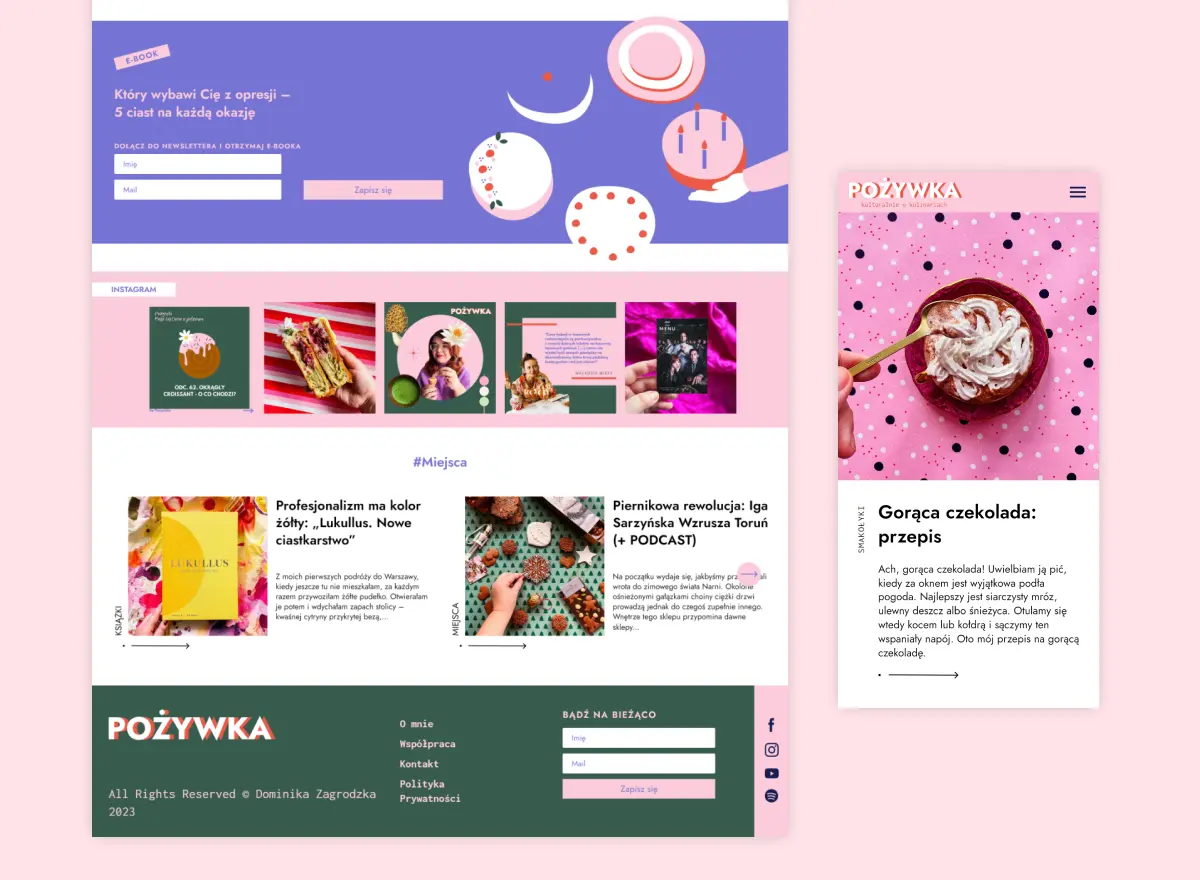
pozywka.pl
Scalable blog for food journalist, focused on performance and user experience 🌭
zagrodzki.me
Personal blog and portfolio of Bart Zagrodzki, where he shares his knowledge and work 💼
TurboStarter
Ship your startup everywhere. In minutes.
HTML to Markdown
Convert HTML to Markdown with ease, directly in your browser 📄
Dotallio
Personalized AI apps that automate research, data extraction, and content creation without code 🤖
Talk to Santa
Enjoy a magical live video chat or receive a unique AI-generated video greeting from Santa Claus 🎅
pozywka.pl
Scalable blog for food journalist, focused on performance and user experience 🌭
zagrodzki.me
Personal blog and portfolio of Bart Zagrodzki, where he shares his knowledge and work 💼
TurboStarter
Ship your startup everywhere. In minutes.
HTML to Markdown
Convert HTML to Markdown with ease, directly in your browser 📄
Dotallio
Personalized AI apps that automate research, data extraction, and content creation without code 🤖
Talk to Santa
Enjoy a magical live video chat or receive a unique AI-generated video greeting from Santa Claus 🎅
pozywka.pl
Scalable blog for food journalist, focused on performance and user experience 🌭
zagrodzki.me
Personal blog and portfolio of Bart Zagrodzki, where he shares his knowledge and work 💼
TurboStarter
Ship your startup everywhere. In minutes.
HTML to Markdown
Convert HTML to Markdown with ease, directly in your browser 📄
Dotallio
Personalized AI apps that automate research, data extraction, and content creation without code 🤖
Talk to Santa
Enjoy a magical live video chat or receive a unique AI-generated video greeting from Santa Claus 🎅
pozywka.pl
Scalable blog for food journalist, focused on performance and user experience 🌭
zagrodzki.me
Personal blog and portfolio of Bart Zagrodzki, where he shares his knowledge and work 💼
TurboStarter
Ship your startup everywhere. In minutes.
HTML to Markdown
Convert HTML to Markdown with ease, directly in your browser 📄
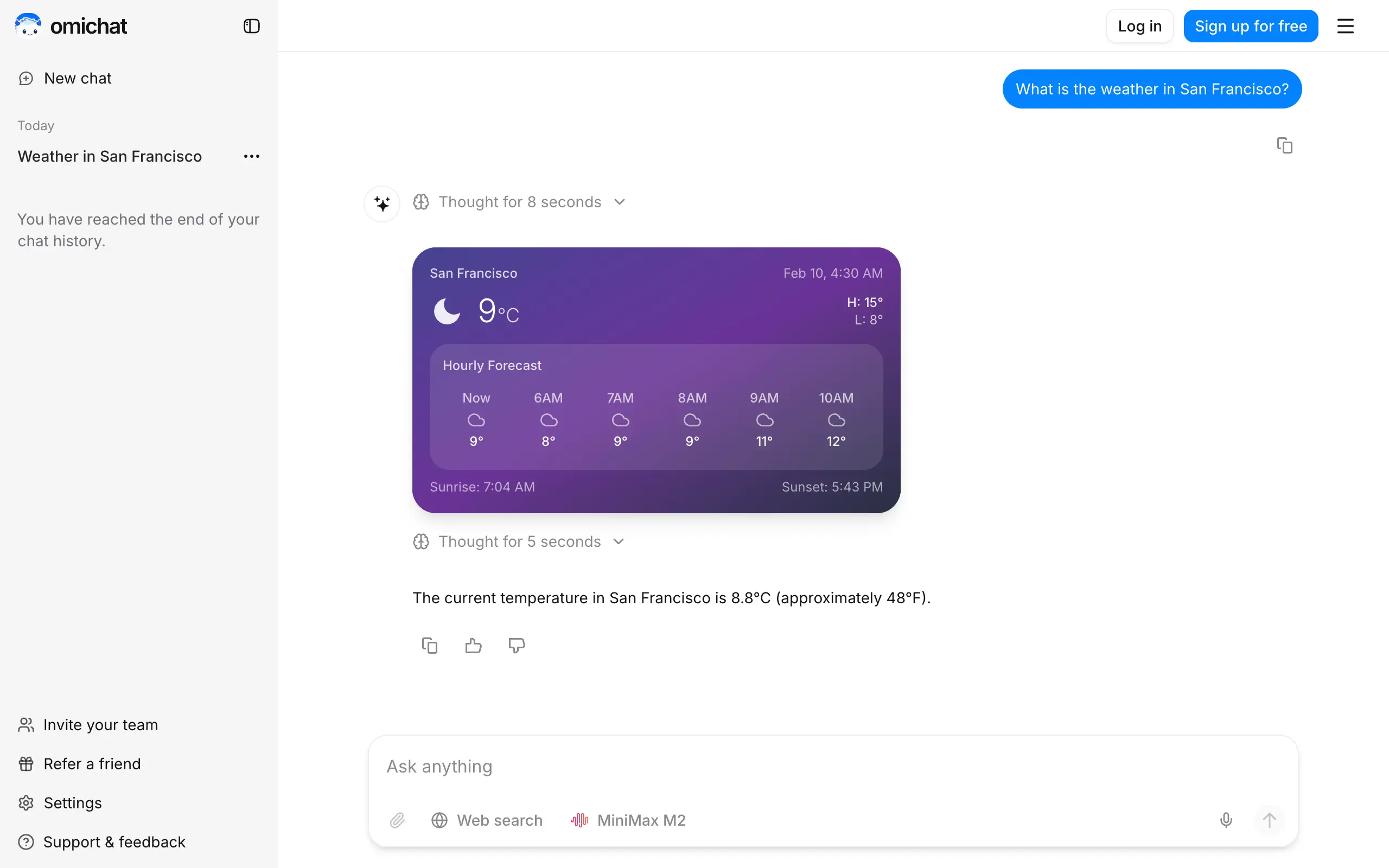
Omichat
Chat with 50+ AI models, including ChatGPT and Claude, in one place - switch models anytime without losing context 🤖
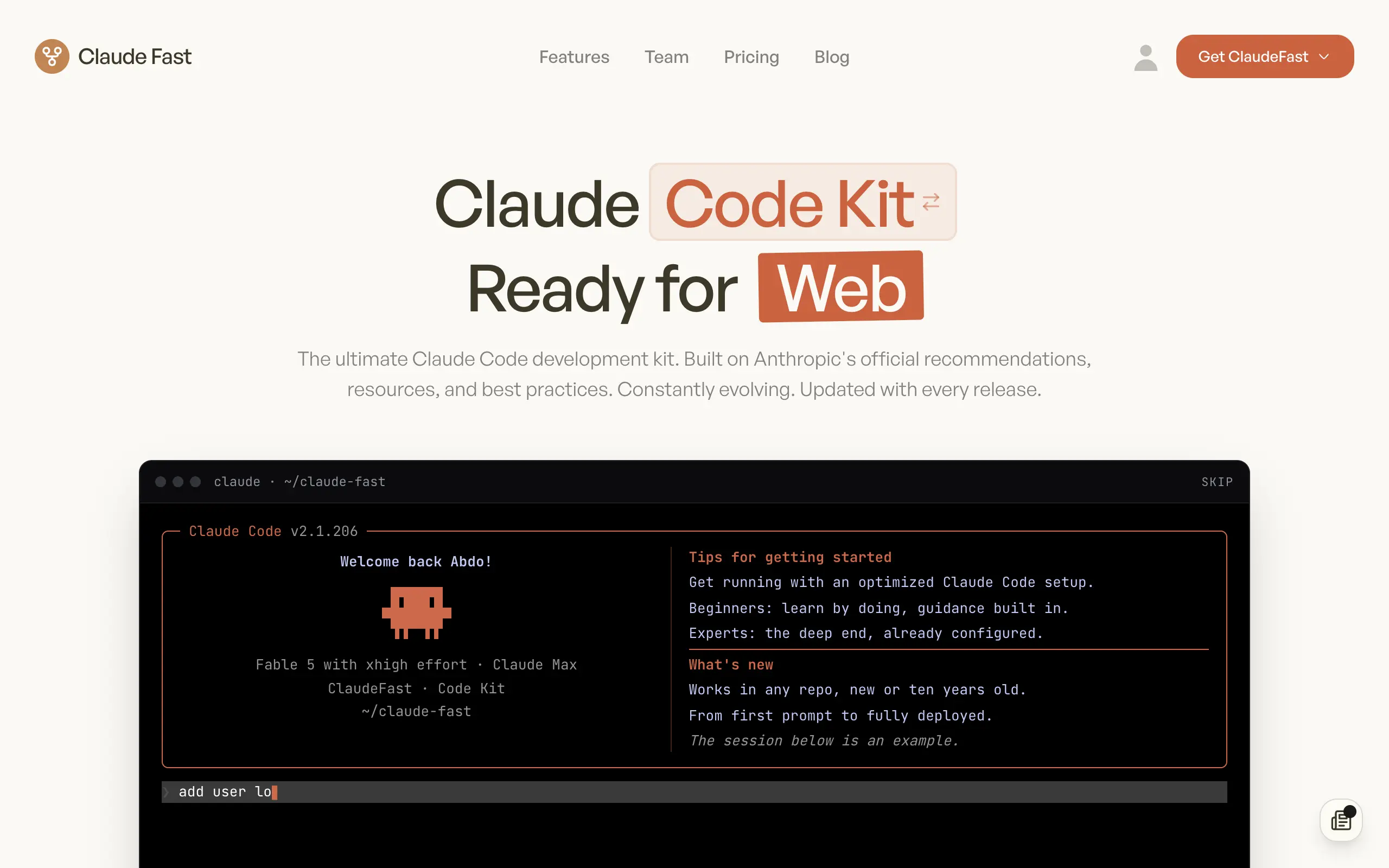
Claude Fast
Supercharge your Claude Code with 6x effective context window and specialized AI agents 🤖
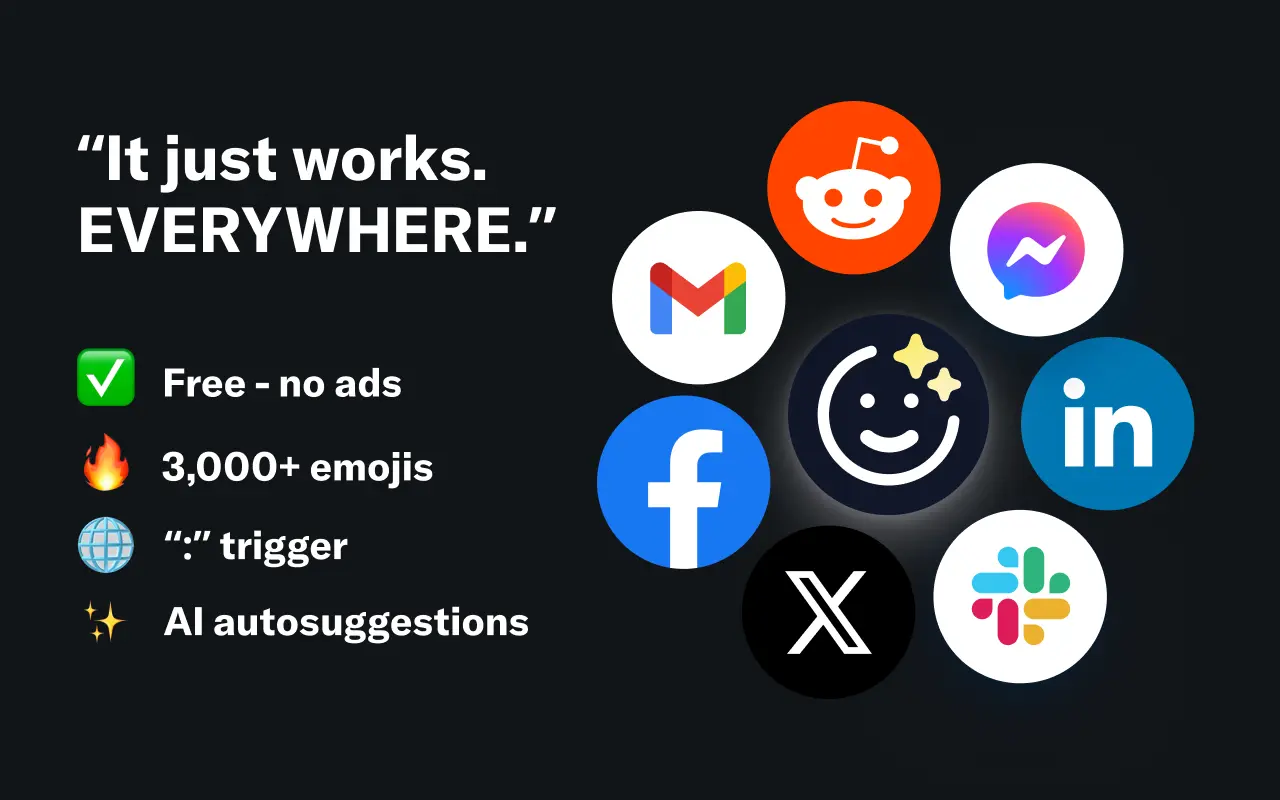
EmojAI
AI-powered emoji picker with smart, context-aware suggestions 🤖
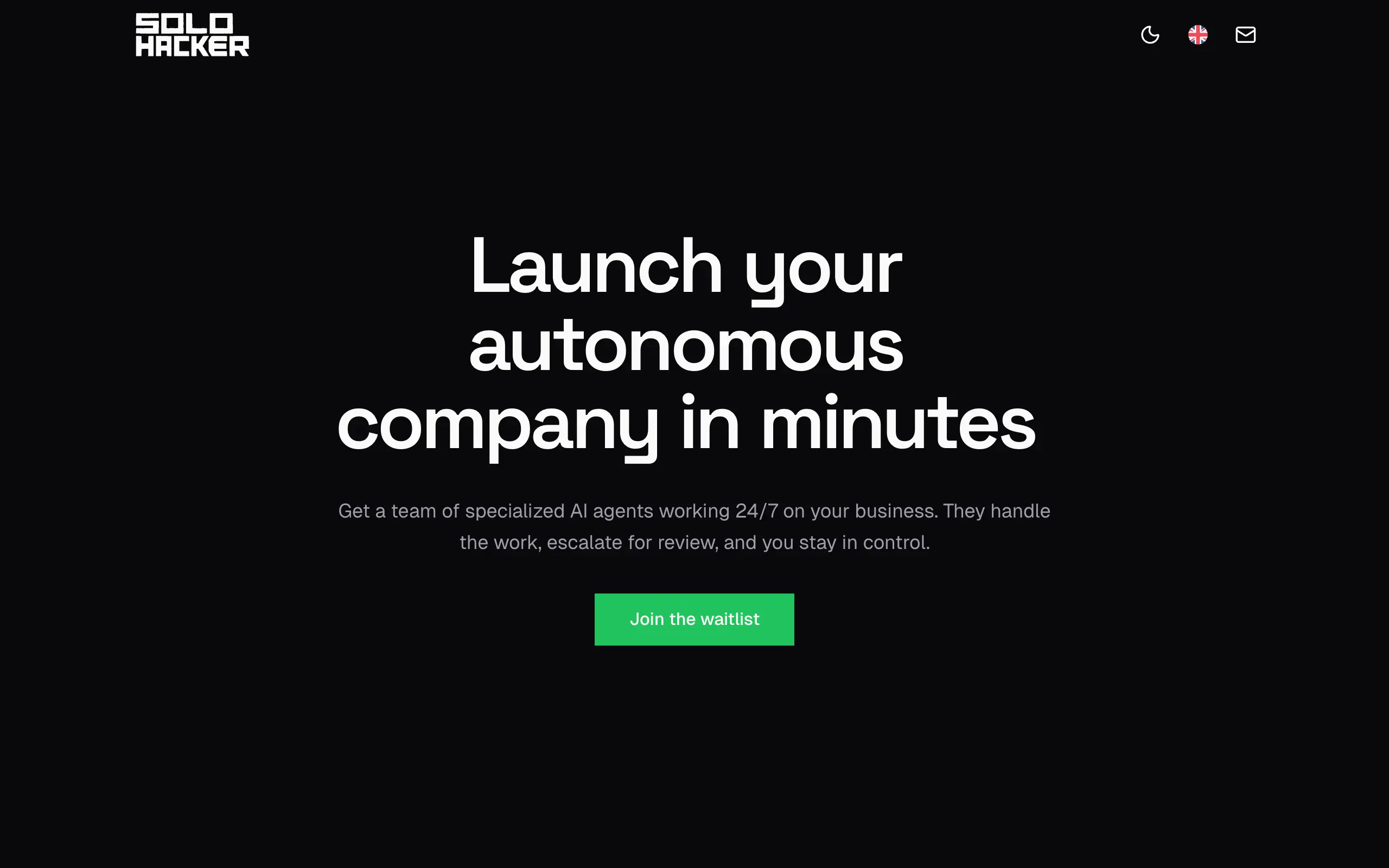
Solohacker
Autonomous company launcher - AI agents work 24/7, escalate what matters, and you stay in control 🤖
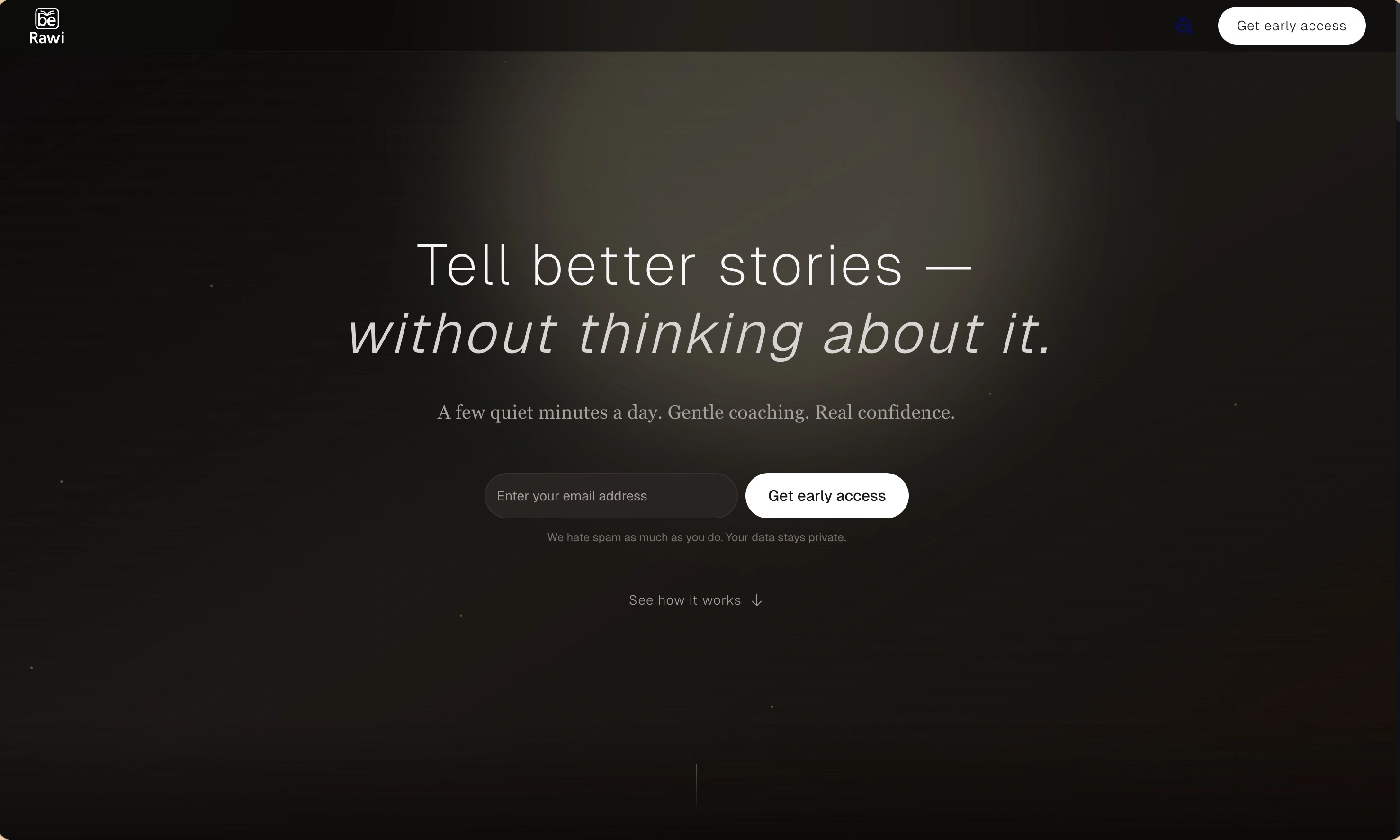
BeRawi: Storytelling Coach
Practice storytelling daily with instant feedback to sound clearer, more engaging, and confident 🎤
Omichat
Chat with 50+ AI models, including ChatGPT and Claude, in one place - switch models anytime without losing context 🤖
Claude Fast
Supercharge your Claude Code with 6x effective context window and specialized AI agents 🤖
EmojAI
AI-powered emoji picker with smart, context-aware suggestions 🤖
Solohacker
Autonomous company launcher - AI agents work 24/7, escalate what matters, and you stay in control 🤖
BeRawi: Storytelling Coach
Practice storytelling daily with instant feedback to sound clearer, more engaging, and confident 🎤
Omichat
Chat with 50+ AI models, including ChatGPT and Claude, in one place - switch models anytime without losing context 🤖
Claude Fast
Supercharge your Claude Code with 6x effective context window and specialized AI agents 🤖
EmojAI
AI-powered emoji picker with smart, context-aware suggestions 🤖
Solohacker
Autonomous company launcher - AI agents work 24/7, escalate what matters, and you stay in control 🤖
BeRawi: Storytelling Coach
Practice storytelling daily with instant feedback to sound clearer, more engaging, and confident 🎤
Omichat
Chat with 50+ AI models, including ChatGPT and Claude, in one place - switch models anytime without losing context 🤖
Claude Fast
Supercharge your Claude Code with 6x effective context window and specialized AI agents 🤖
EmojAI
AI-powered emoji picker with smart, context-aware suggestions 🤖
Solohacker
Autonomous company launcher - AI agents work 24/7, escalate what matters, and you stay in control 🤖
BeRawi: Storytelling Coach
Practice storytelling daily with instant feedback to sound clearer, more engaging, and confident 🎤

Connect with like-minded people
Join our community to get feedback, support, and grow together with 1,000+ builders on board, let's ship it!
Join usShip your startup everywhere. In minutes.
Don't burn tokens on setup and start building features on day one.