SafarCheck
SafarCheck gives Tajik travelers and migrant workers personalized document checklists, expiry reminders, and border-prep guidance. Keep key papers organized offline.
Why a Tajik travel document checklist app solves a real problem
SafarCheck is a B2C travel-preparation platform for Tajik travelers, migrant workers, and families managing cross-border paperwork. It gives users personalized document checklists, expiry reminders, border-prep guidance, and secure offline access to essential document details.
The primary search opportunity is around terms such as Tajik travel document checklist app, migrant worker document organizer, passport expiry reminder app, border crossing checklist, and offline travel document wallet. These phrases map to a practical and high-intent user need: people do not simply want generic travel tips. They want to know which documents to prepare, when those documents expire, and what they should verify before leaving home.
For a Tajik citizen traveling abroad for work, education, family reunification, or tourism, missing a single requirement can create serious consequences. A passport may be close to expiry. A visa, registration document, work authorization, insurance policy, or return ticket may need review. Paper copies can be misplaced, while a traveler may have limited mobile data or no dependable connection at a checkpoint.
SafarCheck addresses this friction by turning fragmented travel preparation into a repeatable, personalized workflow.
Important product positioning
SafarCheck should be positioned as a preparation and organization tool, not a legal advisory service. Immigration rules, border requirements, and employment regulations can change quickly. The app should encourage users to verify final requirements with relevant embassies, consulates, border authorities, airlines, and licensed legal professionals.
The strongest version of SafarCheck is not a generic file-storage app. Its value comes from contextual guidance built around common travel journeys from Tajikistan, document deadlines, family sharing, and offline reliability.
The target audience for SafarCheck
A successful Tajik travel document checklist app needs to serve users with different levels of digital confidence, literacy, language preference, travel experience, and risk exposure. The product should avoid assuming that every customer is a frequent international traveler with constant internet access.
Primary audience: migrant workers traveling abroad
The most important early audience is Tajik citizens traveling abroad for seasonal work, long-term employment, or job searches. Many users will be traveling to destinations where immigration, labor, registration, and accommodation paperwork are time-sensitive.
Their core problems include:
- Uncertainty about which documents apply to a specific trip
- Forgotten expiry dates for passports, visas, registrations, or permits
- Difficulty keeping paper documents, photographs, and copies organized
- Confusion caused by informal advice shared through friends, family, or social media
- Limited connectivity during travel, at transit stations, or near border crossings
- Anxiety about arriving unprepared and facing delays, denial of entry, fines, or lost work opportunities
This user segment does not need a complicated compliance dashboard. It needs a calm, simple, localized checklist that explains what to review and when to act.
Secondary audience: families supporting travelers
Many travel decisions are coordinated by parents, spouses, siblings, or adult children. A family member may be responsible for helping a traveler scan documents, renew a passport, understand appointment dates, or remember a return journey.
SafarCheck can create substantial value through optional family support features:
- Shared read-only checklists for a trusted contact
- Reminder notifications sent to both the traveler and selected family member
- A printable travel-preparation summary
- Guidance in Tajik and Russian, with simple wording
- Emergency contact and document recovery information stored offline
Family-oriented features can improve retention because the product becomes useful before, during, and after the trip.
Third audience: students and first-time international travelers
Students, tourists, and first-time travelers may have different requirements, but their experience is often shaped by the same uncertainty. They need help preparing a passport, visa materials, travel insurance, accommodation details, flights, consent documents, and emergency contacts.
This segment is useful for product expansion because it broadens SafarCheck beyond labor migration without weakening the core value proposition. A structured checklist engine can support many trip categories while keeping the interface simple.
User needs by traveler type
| User group | Main job to be done | Highest-risk failure | SafarCheck value | Best onboarding route |
|---|---|---|---|---|
| Migrant worker | Prepare employment and travel papers | Expired or missing document | Destination-specific checklist and reminders | Select destination and work purpose |
| Family supporter | Help a relative travel safely | Missed deadline or lost copies | Shared status and alert support | Create checklist for another person |
| Student | Organize application and departure tasks | Incomplete pre-departure file | Timeline and document vault | Select study purpose |
| First-time traveler | Understand basic travel readiness | Last-minute border confusion | Plain-language preparation guide | Select a simple trip template |
The market gap: preparation support between search engines and legal services
Travel information is widely available online, but availability does not equal usability. A traveler searching for “documents needed to travel abroad from Tajikistan” may find social posts, old blog articles, agency advertisements, and partial government guidance. The user is then responsible for interpreting the information, deciding what applies, and remembering every deadline.
That is the market gap SafarCheck can own.
Most alternatives fall into one of four categories:
- Generic cloud-storage products that keep files but do not tell users what is missing
- Calendar apps that can store dates but do not understand travel-document workflows
- Travel booking platforms that focus on flights and hotels rather than legal readiness
- Legal or migration agencies that provide expert help but are often expensive, unavailable, or designed for one-time consultations
SafarCheck sits between these options. It is a personal travel readiness system that helps users organize actions before they become emergencies.
Why offline access is a differentiator
Offline access is not a minor feature. It is a core trust feature for a document organizer aimed at travelers.
A traveler may need to check a saved passport number, an emergency contact, a booking reference, or a checklist when:
- Mobile data is expensive or unavailable
- Roaming is turned off
- The traveler is on a train, bus, or in a rural area
- A device has poor signal near a checkpoint
- The user does not want to depend on a website loading during a stressful moment
The product should make a clear distinction between offline access to user-saved information and live regulatory guidance, which may require an updated connection. This distinction protects users from assuming that old information is guaranteed to be current.
Why localization creates a defensible advantage
A global travel app may offer packing lists and flight alerts, but it rarely understands the document preparation patterns, language needs, and practical concerns of Tajik travelers.
SafarCheck can differentiate through:
- Tajik-first language support, with Russian as a high-priority secondary language
- Simple, low-literacy-friendly explanations
- Country and travel-purpose checklist templates
- Reminders framed around document validity rather than generic calendar events
- Regional travel realities, including family coordination and limited connectivity
- Clear safety guidance that discourages users from sharing sensitive documents through unsecured messaging apps
This local relevance is difficult for broad international apps to replicate without dedicated research, partnerships, and ongoing content operations.
SafarCheck’s unique value proposition
SafarCheck should communicate one direct promise:
Know what to prepare, what is expiring, and what to check before you travel.
That promise is clear, practical, and memorable. It focuses on the outcome rather than the software features.
The unique selling proposition combines four elements:
- Personalized readiness based on destination, trip purpose, and traveler profile
- Deadline protection through expiry tracking and layered reminders
- Offline confidence through local access to saved essential information
- Localized guidance designed for Tajik travelers and migrant-worker realities
Unlike a basic document scanner, SafarCheck identifies gaps. Unlike a generic checklist, it remembers dates. Unlike a migration agency, it can support users continuously and affordably.
Personalized checklist
Users see only the preparation tasks that match their selected destination, purpose, and trip timing.
Expiry protection
Passport, visa, permit, insurance, and other documents receive advance reminders before they become urgent.
Offline document access
Critical saved details and chosen files remain available when users have little or no connection.
Core features for the SafarCheck MVP
The first version should focus on completing one high-value user journey: a traveler opens the app, creates a trip, receives a relevant checklist, enters document expiry dates, and gets reminders before departure.
Avoid building a large library of legal content before validating this workflow. The app wins if it reliably helps users become more prepared.
Guided trip creation
Onboarding should ask a minimal set of questions:
- Destination country
- Travel purpose
- Planned departure date
- Expected return date, if known
- Whether the user is traveling for work, study, family, tourism, or another purpose
- Whether the checklist is for the user or a family member
The system can then produce a checklist using internally maintained templates. Every checklist item should include a plain-language explanation, an optional due date, and a status such as “not started,” “in progress,” “ready,” or “needs review.”
A user should never have to start with an empty blank screen.
Personalized document checklists
The checklist engine is the central product feature. It should contain reusable items such as passport validity, travel tickets, accommodation information, insurance, visa status, local registration steps, emergency contacts, photocopies, and financial preparedness.
Each item should support:
- A short description
- A “why this matters” explanation
- Completion status
- A document attachment or photo, if appropriate
- An expiry date field
- A link or source note for future verification
- A flag showing whether the user must verify current requirements online
The content model must separate universal preparation tasks from destination-specific tasks. Universal items are stable. Destination-specific rules need review dates, source tracking, and editorial controls.
Document expiry reminders
Expiry reminders should be flexible because different documents have different lead times. A passport may require months of attention, while a hotel booking may only need confirmation a few days before departure.
Recommended reminder defaults include:
- 180 days before passport expiry
- 90 days before passport expiry
- 30 days before a visa or permit deadline
- 14 days before insurance expiry
- 7 days, 3 days, and 1 day before planned departure
- A post-arrival reminder for tasks the traveler must complete after entering a destination
Do not present these defaults as legal requirements. They are preparation prompts that users can modify.
The app should also identify conflicts. For example, if a planned departure happens close to a passport expiry date, SafarCheck can show a high-visibility warning: “Your passport expires soon after your planned travel date. Check the entry rules for your destination before traveling.”
Secure offline document organizer
The document organizer should prioritize privacy. A traveler may need a photo of a passport, ticket, insurance certificate, address, or emergency contact. However, storing highly sensitive information creates security obligations.
For an MVP, SafarCheck can offer two storage levels:
Store lower-risk, user-entered details such as document type, document number masking preferences, expiry date, issuing country, emergency contacts, and booking references. These details are lightweight and can be made available offline.
Let users optionally save encrypted images or PDFs. This feature should be protected by device authentication, a local PIN, or biometric access where supported. The app must explain that digital copies are for personal organization and may not substitute for originals.
A thoughtful privacy design is more valuable than uploading every document by default. Users should be able to delete files permanently, export their data, and control whether cloud backup is enabled.
Border-prep guidance
Border-prep guidance should be action-oriented rather than overly legalistic. The product can provide a “Before you leave” screen with tasks such as:
- Confirm passport condition and validity
- Review destination-specific entry requirements from official sources
- Save airline and accommodation details
- Keep originals accessible and copies separated
- Charge the phone and enable offline access
- Share a travel plan with a trusted person
- Carry emergency contacts in a format available without internet
This feature should avoid claiming that a checklist guarantees entry. Border decisions can depend on current rules and officer discretion. Transparent language increases trust and reduces legal risk.
Trusted contact and family sharing
Family support can become a powerful retention feature, but it must be permission-based. The traveler should choose exactly what a contact can view.
A trusted contact may be allowed to see:
- Checklist completion percentage
- Departure date
- Selected emergency contacts
- Whether key documents are nearing expiry
- A traveler’s voluntarily shared itinerary
A trusted contact should not automatically see passport photos, document numbers, or private notes. SafarCheck should use granular permissions and make access revocation easy.
Content operations: the foundation of trustworthy guidance
The hardest part of SafarCheck is not building notifications. It is maintaining accurate, responsible guidance.
Travel and migration requirements change. A stale checklist can be worse than no checklist because it gives users false confidence. SafarCheck needs an editorial governance process from the beginning.
Build a source-reviewed checklist library
Every destination-specific checklist item should have internal metadata:
- Source organization
- Source URL or official reference
- Date last reviewed
- Content owner
- Confidence level
- Whether the item is universal, destination-specific, or trip-specific
- A next review date
- A user-facing note when verification is required
For authoritative sources, the content team should prioritize official embassy, consulate, border authority, ministry, and airline guidance. Product copy should direct users to verify time-sensitive requirements with the relevant official body.
Show freshness instead of pretending certainty
A small “last reviewed” date can make the product more trustworthy. More importantly, it creates an internal discipline: content without a review date should not be displayed as current guidance.
For high-risk changes, SafarCheck should issue in-app alerts that say what changed, who may be affected, and what the user should do next. The language should be factual and cautious.
Trust is a product feature
Never use phrases such as “guaranteed entry,” “all required documents,” or “always accepted.” SafarCheck can help users prepare, but only the relevant authorities can determine current entry and migration requirements.
Recommended tech stack for SafarCheck
SafarCheck needs a stack that supports fast iteration, mobile-first usability, encrypted data handling, push notifications, multilingual content, and offline functionality. A web-only app may be useful for acquisition, but the core use case strongly favors a mobile application or installable progressive web app.
Product architecture recommendation
A practical approach is to launch with a responsive web platform and a mobile-focused PWA, then add native mobile capabilities where offline storage, biometric authentication, and notification reliability require them.
React is a strong front-end option because it has a mature ecosystem, broad hiring availability, and support for web and mobile-adjacent workflows. Next.js works well for the marketing site, SEO content, authenticated dashboards, and server-rendered localized pages.
For styling, Tailwind CSS enables a consistent design system while keeping development fast. Its utility-first approach is especially useful when building reusable checklist states, warning banners, progress indicators, and responsive layouts.
For a native-like mobile layer, React Native is worth evaluating. It can reduce code duplication for teams already using React, while offering more dependable access to device storage, biometrics, push notifications, and offline capabilities than a browser-only approach.
Suggested technical components
- "Marketing and web app": Next.js with React
- "Mobile application": React Native for iOS and Android after MVP validation
- "UI system": Tailwind CSS for web, with a shared design token system for mobile
- "Backend API": TypeScript service layer using Node.js
- "Database": PostgreSQL for users, trips, documents metadata, checklist templates, and audit events
- "Authentication": Passwordless email or phone login, with optional device biometrics
- "File storage": Encrypted object storage for optional document copies
- "Notifications": Push notifications plus optional SMS for high-priority reminders
- "Analytics": Privacy-conscious event tracking focused on activation, checklist completion, and retention
- "Content management": An internal editorial dashboard with review dates and source metadata
Offline-first data strategy
Offline support must be designed deliberately. Simply caching a webpage is not enough for a document organization product.
Use a local encrypted database on the device for:
- Active trip information
- Checklist items and completion states
- Expiry dates
- Emergency contact details
- User-selected document metadata
- Optional encrypted file copies, subject to device storage limits
When a connection returns, the app can synchronize changes with the server. The sync engine needs conflict handling because a family member and a traveler may update the same checklist at different times.
A simple conflict policy is often best for the MVP: retain the latest update, keep an audit timestamp, and show a non-intrusive message when a shared item changed elsewhere.
Security trade-offs to address early
A document vault raises the stakes for every engineering decision. SafarCheck should not treat security as a future enterprise feature.
Key trade-offs include:
- "Convenience versus privacy": automatic cloud backup is convenient, but users should opt in and understand what is stored.
- "Fast login versus account safety": phone-based authentication can reduce friction, but account recovery needs strong controls.
- "Offline access versus device risk": keeping files locally helps travelers, but a lost unlocked phone can expose information.
- "Family sharing versus overexposure": shared preparation status is useful, but private document images require explicit permissions.
At minimum, implement encryption in transit, encryption at rest, secure session handling, role-based access controls for internal staff, audit logging, data deletion workflows, and regular dependency updates. For sensitive uploads, consider client-side encryption so the service provider cannot access document contents in plain text.
Monetization options for SafarCheck
A freemium model is likely the best starting point. The core product should remain accessible because the users most likely to benefit may be price-sensitive. Monetization should charge for deeper organization, family features, and premium support rather than placing basic safety reminders behind a hard paywall.
Recommended freemium structure
The free tier can include:
- One active trip
- A basic personalized checklist
- A limited number of document expiry reminders
- Offline access to essential document details
- Standard Tajik and Russian language support
- General border-prep guidance
A premium tier can include:
- Multiple active trips
- Full encrypted document vault
- More advanced reminder schedules
- Family sharing and trusted contact features
- Printable travel-preparation summaries
- Priority content updates
- Expanded destination templates
- Priority customer support
Pricing should be tested carefully. A low monthly plan, annual plan, and one-time “trip pass” can serve different users. Some travelers may only need SafarCheck for a single departure, while families may value an annual household plan.
Partnership revenue opportunities
Once consumer trust is established, SafarCheck can explore ethical partnerships with organizations that improve traveler readiness.
Potential partners include:
- Travel insurance providers
- Licensed translation providers
- Reputable travel agencies
- SIM and roaming providers
- Financial services with traveler-focused offerings
- NGOs and community organizations supporting migrants
- Employers or recruitment organizations, subject to strict privacy rules
Partnerships must never influence legal guidance or push users toward unsafe intermediaries. Sponsored content should be clearly labeled, optional, and separated from core checklist recommendations.
Avoid monetization practices that reduce trust
Do not sell personal document data. Do not require users to upload a passport to view a basic checklist. Do not use fear-based paywalls that block an expiry warning until a person subscribes.
For this category, trust is the growth engine. A product that feels exploitative will face low retention and weak word-of-mouth referrals.
Competitive advantage analysis
SafarCheck does not need to outperform every travel product. It needs to be the most useful preparation tool for its specific audience.
| Capability | Generic cloud drive | Calendar app | Travel booking app | Migration agency | SafarCheck |
|---|---|---|---|---|---|
| Document storage | ✅ | ❌ | ❌ | Sometimes | ✅ |
| Expiry reminders | ❌ | ✅ | Limited | Sometimes | ✅ |
| Personalized travel checklist | ❌ | ❌ | Limited | ✅ | ✅ |
| Offline readiness focus | Limited | Limited | Limited | ❌ | ✅ |
| Localized Tajik traveler workflow | ❌ | ❌ | Rarely | Sometimes | ✅ |
The competitive moat is not just the feature list. It is the combination of trusted local content, a carefully maintained checklist system, a privacy-first offline experience, and a user interface that works for people under stress.
Over time, SafarCheck can develop proprietary insight into anonymized preparation patterns. For example, the team may learn which checklist items are most often incomplete before departure, which reminders users act on, and where users need additional explanations. This insight can improve the product without exposing personally identifiable data.
Key risks and how to mitigate them
Risk: inaccurate or outdated travel guidance
This is the most serious product risk. A traveler could rely on old information, miss a requirement, and suffer financial or personal harm.
Mitigation actions include:
- Use official sources wherever possible
- Assign review dates to destination-specific content
- Add prominent verification notices for time-sensitive items
- Maintain an editorial approval workflow
- Archive replaced guidance for internal auditability
- Make it easy for users to report potentially outdated information
- Avoid making legal conclusions in automated product copy
Risk: sensitive document data exposure
A lost device, weak authentication flow, misconfigured cloud bucket, or insider access issue could harm users.
Mitigation actions include:
- Minimize the data collected
- Make document upload optional
- Encrypt sensitive data at rest and in transit
- Use device-level biometric or PIN protection
- Offer remote session revocation
- Implement strict access controls for internal teams
- Conduct regular security reviews and penetration testing
- Publish a clear privacy policy in the languages users understand
Risk: low digital literacy or onboarding abandonment
If users cannot complete setup in a few minutes, the app may not reach the people who need it most.
Mitigation actions include:
- Use large buttons and icon-supported navigation
- Limit onboarding to essential questions
- Offer a default “basic international trip” checklist
- Use plain Tajik and Russian language
- Test usability with real travelers and family members
- Allow users to add documents later instead of forcing uploads during onboarding
Risk: overdependence on one destination corridor
An initial focus on a high-volume travel route can speed up product-market fit, but it may also create regulatory and revenue concentration risk.
Mitigation actions include:
- Build a reusable checklist rules engine
- Add countries and trip categories gradually
- Keep content templates modular
- Track activation and retention by destination
- Expand based on verified demand rather than assumptions
Risk: user perception that SafarCheck replaces official advice
Even careful users may mistake a polished app for a definitive government source.
Mitigation actions include:
- Display clear disclaimers at relevant moments
- Link users toward official verification routes where appropriate
- Use wording such as “check,” “prepare,” and “confirm”
- Avoid authoritative language that promises acceptance
- Require acknowledgment for high-risk checklist categories if necessary
Go-to-market strategy for a Tajik travel document checklist app
The earliest go-to-market strategy should focus on trust and direct utility, not broad paid advertising. Travel preparation is often discussed inside families and communities, which makes referrals especially valuable.
Build search-driven educational content
SafarCheck’s website can attract high-intent users with useful articles and interactive tools around topics such as:
- How to check passport expiry before international travel
- What to organize before traveling abroad for work
- How to create a travel document checklist
- How to keep important documents available offline
- How families can help a relative prepare for travel
- What to do when travel documents are close to expiry
These pages should avoid presenting universal legal requirements. Instead, they should provide preparation frameworks and repeatedly direct travelers to confirm destination-specific rules from official sources.
Use localized Tajik and Russian keyword research to identify the exact language users use. Search queries may be informal, misspelled, or phrased as direct questions. Content should reflect that natural language rather than relying only on formal immigration terminology.
Partner with trusted community channels
Potential acquisition channels include community organizations, language schools, travel agencies with strong reputations, migration support nonprofits, remittance-adjacent services, and employers that have ethical worker-support programs.
The standard for partnerships should be high. SafarCheck’s reputation can be damaged if it is associated with misleading recruitment services or unofficial intermediaries.
Use a referral loop that benefits families
A referral program can be framed around practical support rather than discounts alone. For example, a premium user may invite a trusted family member to view checklist status, or receive an extra active trip after a successful referral.
The best referral message is simple: “I used this to check my documents and reminders before travel.”
How to validate demand before building everything
Before developing a complex encrypted document vault, validate the central assumption: Tajik travelers will consistently use a personalized travel document checklist and expiry reminder tool.
Run structured interviews with users across the intended segments. Ask about real travel experiences rather than hypothetical preferences.
Useful questions include:
- Tell me about the last time you prepared to travel abroad.
- Which documents were hardest to organize?
- Did you miss or nearly miss any expiry date?
- Who helped you prepare?
- Where do you currently store copies of important documents?
- What information did you need while you had poor internet access?
- Would you trust an app with document details? Why or why not?
- Would you pay for reminders, offline access, or family sharing?
Then test a concierge MVP. Create a lightweight prototype that generates a checklist after users answer a few questions. Deliver reminders through a controlled channel and observe whether users complete tasks. The goal is to learn which checklist items matter and which reminder timing produces action.
Do not measure success only by downloads. The key activation event should be something like:
A user creates a trip, completes at least three checklist items, adds one expiry date, and enables a reminder.
That behavior indicates that SafarCheck is becoming part of the user’s preparation process.
Actionable implementation roadmap
For founders who want to move from validation to production quickly, TurboStarter can reduce setup time for core SaaS foundations such as authentication, billing, dashboards, and application structure. The product-specific effort should stay focused on SafarCheck’s real differentiators: trusted checklist content, offline readiness, localized language, reminders, and privacy controls.
Final recommendation
SafarCheck has a meaningful opportunity because it solves an urgent, recurring, and emotionally important problem: helping travelers avoid preventable document mistakes before a border crossing or work-related journey.
The product should begin narrowly. Build the most trusted Tajik travel document checklist app for one well-researched set of traveler journeys. Make reminders reliable. Keep critical information available offline. Explain tasks in plain language. Treat privacy and content accuracy as foundational product requirements rather than optional enhancements.
If SafarCheck earns trust during one stressful travel moment, it can become the tool users return to for every future trip—and the tool families recommend to the people they want to keep safe.
More 👥 B2C Application SaaS ideas
Discover more innovative b2c application SaaS ideas that are trending in 2026. Each idea is AI-generated with market validation and growth potential to help you find your next profitable venture faster than competitors.
Your competitors are building with TurboStarter
Below are some of the SaaS ideas that have been generated and built with our starter kit.

Statiko
Monitor any Telegram channel in real time - track posts, edits, deletions, and growth with AI recaps 📡

Shibui
AI website builder - describe your business, pick a niche template, edit by chatting, and publish instantly ✨

Pro Service
Find verified home service professionals, compare quotes, and pay securely through escrow - built for Brazilians across the US 🏠
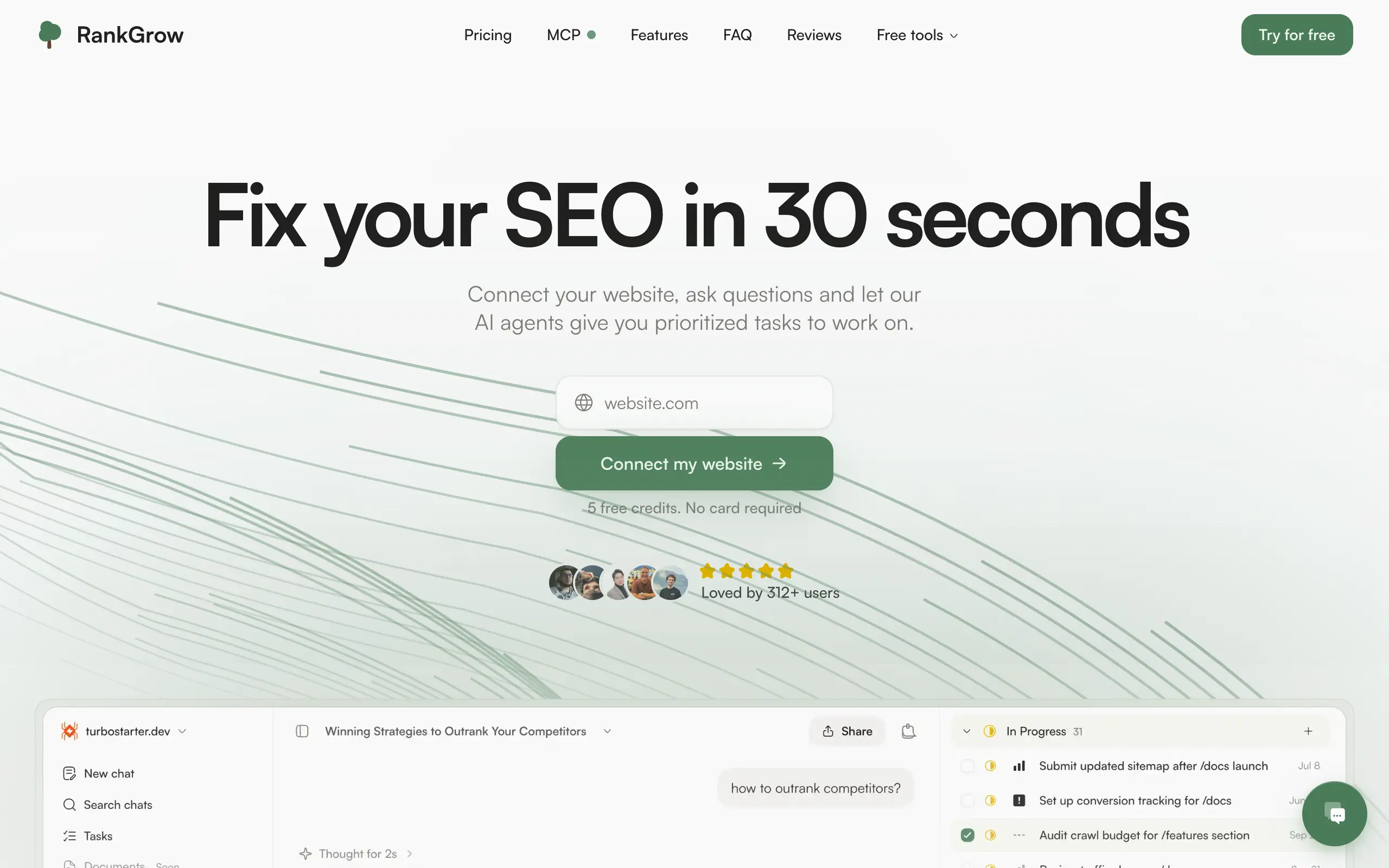
RankGrow
Fix your SEO with AI agents - connect Search Console, get prioritized tasks, and grow organic traffic 📈
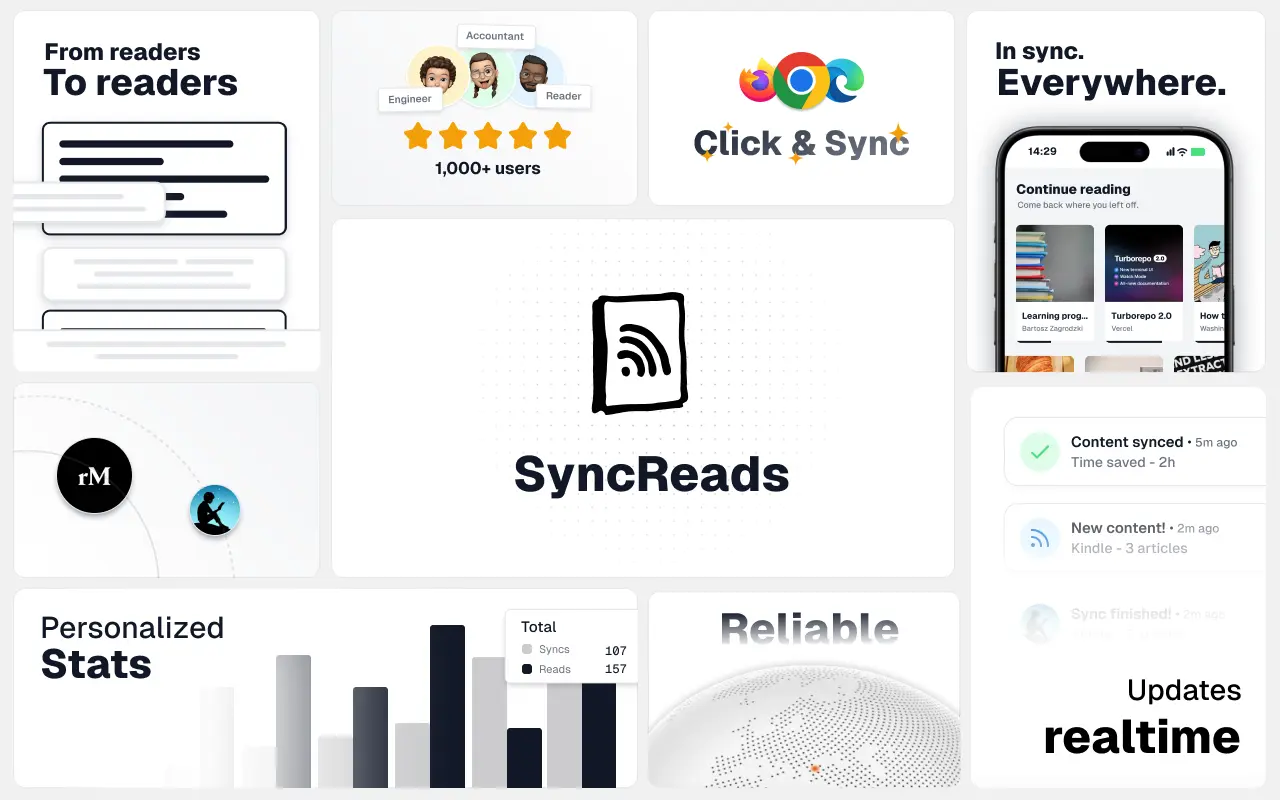
SyncReads
Sync your favorite content for distraction-free reading, save time and replace multiple apps. Anytime, anywhere 🔄
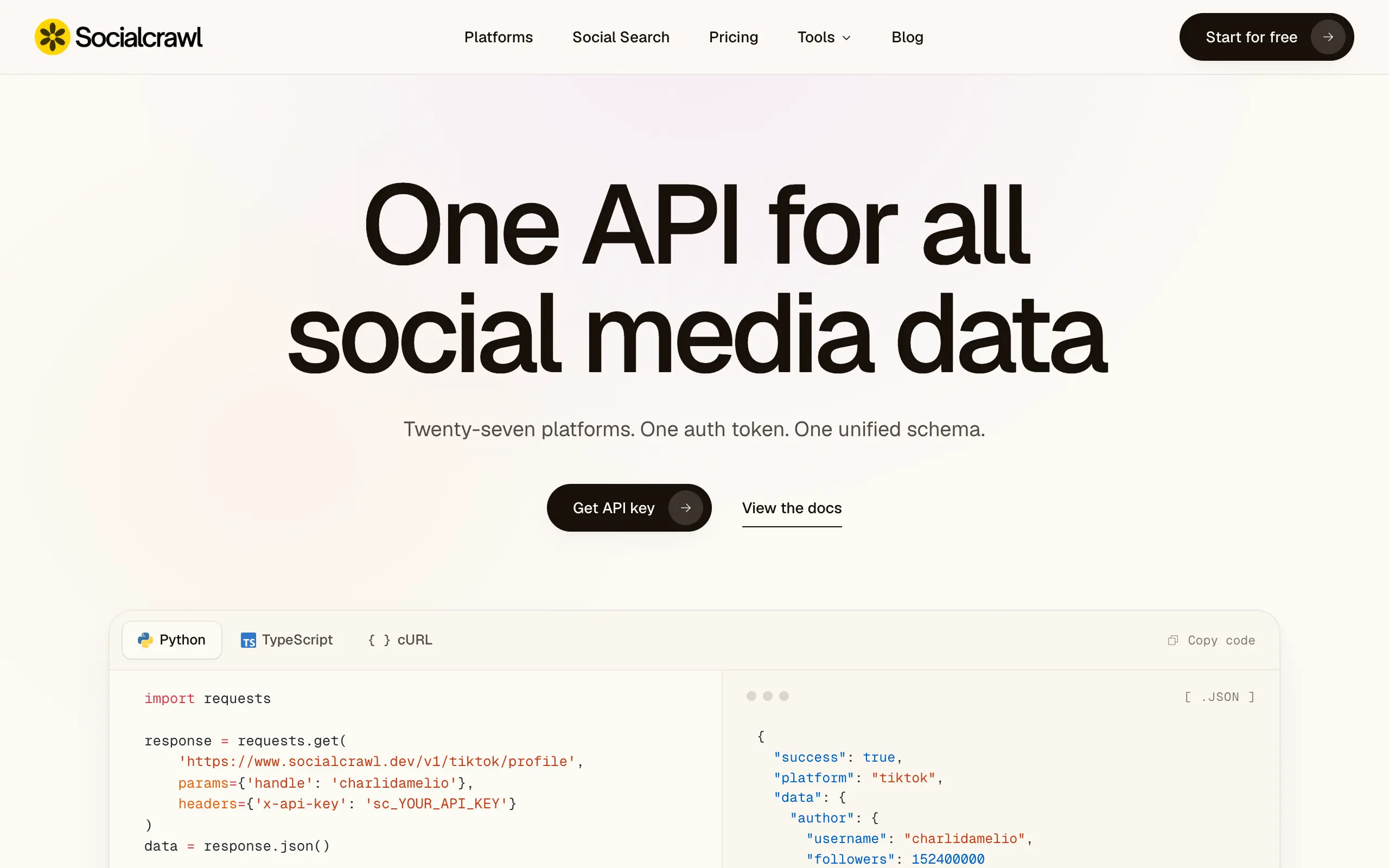
Socialcrawl
Get clean, structured data from 21 platforms like TikTok, Instagram, and YouTube with a single request 📊
Statiko
Monitor any Telegram channel in real time - track posts, edits, deletions, and growth with AI recaps 📡
Shibui
AI website builder - describe your business, pick a niche template, edit by chatting, and publish instantly ✨
Pro Service
Find verified home service professionals, compare quotes, and pay securely through escrow - built for Brazilians across the US 🏠
RankGrow
Fix your SEO with AI agents - connect Search Console, get prioritized tasks, and grow organic traffic 📈
SyncReads
Sync your favorite content for distraction-free reading, save time and replace multiple apps. Anytime, anywhere 🔄
Socialcrawl
Get clean, structured data from 21 platforms like TikTok, Instagram, and YouTube with a single request 📊
Statiko
Monitor any Telegram channel in real time - track posts, edits, deletions, and growth with AI recaps 📡
Shibui
AI website builder - describe your business, pick a niche template, edit by chatting, and publish instantly ✨
Pro Service
Find verified home service professionals, compare quotes, and pay securely through escrow - built for Brazilians across the US 🏠
RankGrow
Fix your SEO with AI agents - connect Search Console, get prioritized tasks, and grow organic traffic 📈
SyncReads
Sync your favorite content for distraction-free reading, save time and replace multiple apps. Anytime, anywhere 🔄
Socialcrawl
Get clean, structured data from 21 platforms like TikTok, Instagram, and YouTube with a single request 📊
Statiko
Monitor any Telegram channel in real time - track posts, edits, deletions, and growth with AI recaps 📡
Shibui
AI website builder - describe your business, pick a niche template, edit by chatting, and publish instantly ✨
Pro Service
Find verified home service professionals, compare quotes, and pay securely through escrow - built for Brazilians across the US 🏠
RankGrow
Fix your SEO with AI agents - connect Search Console, get prioritized tasks, and grow organic traffic 📈
SyncReads
Sync your favorite content for distraction-free reading, save time and replace multiple apps. Anytime, anywhere 🔄
Socialcrawl
Get clean, structured data from 21 platforms like TikTok, Instagram, and YouTube with a single request 📊
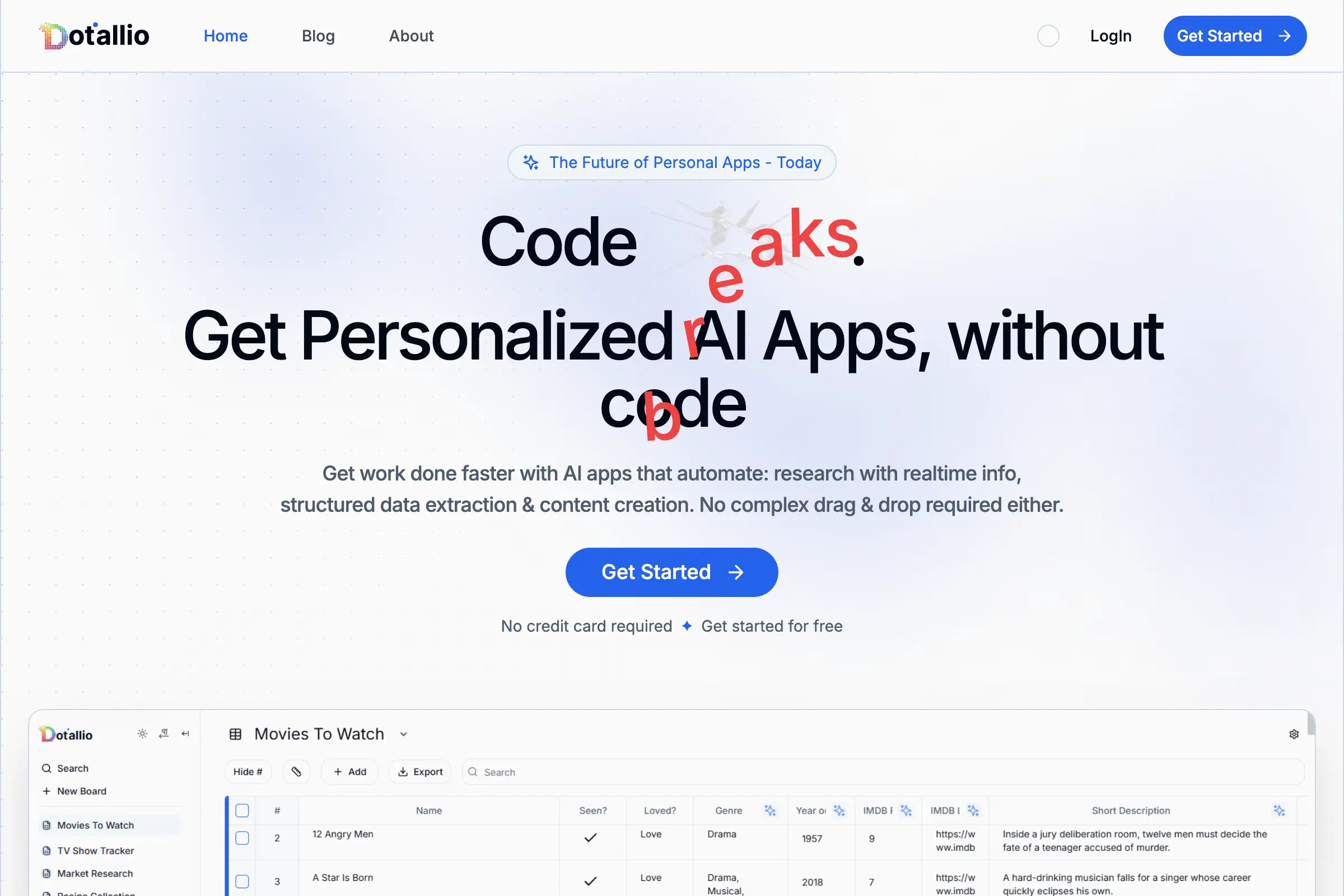
Dotallio
Personalized AI apps that automate research, data extraction, and content creation without code 🤖
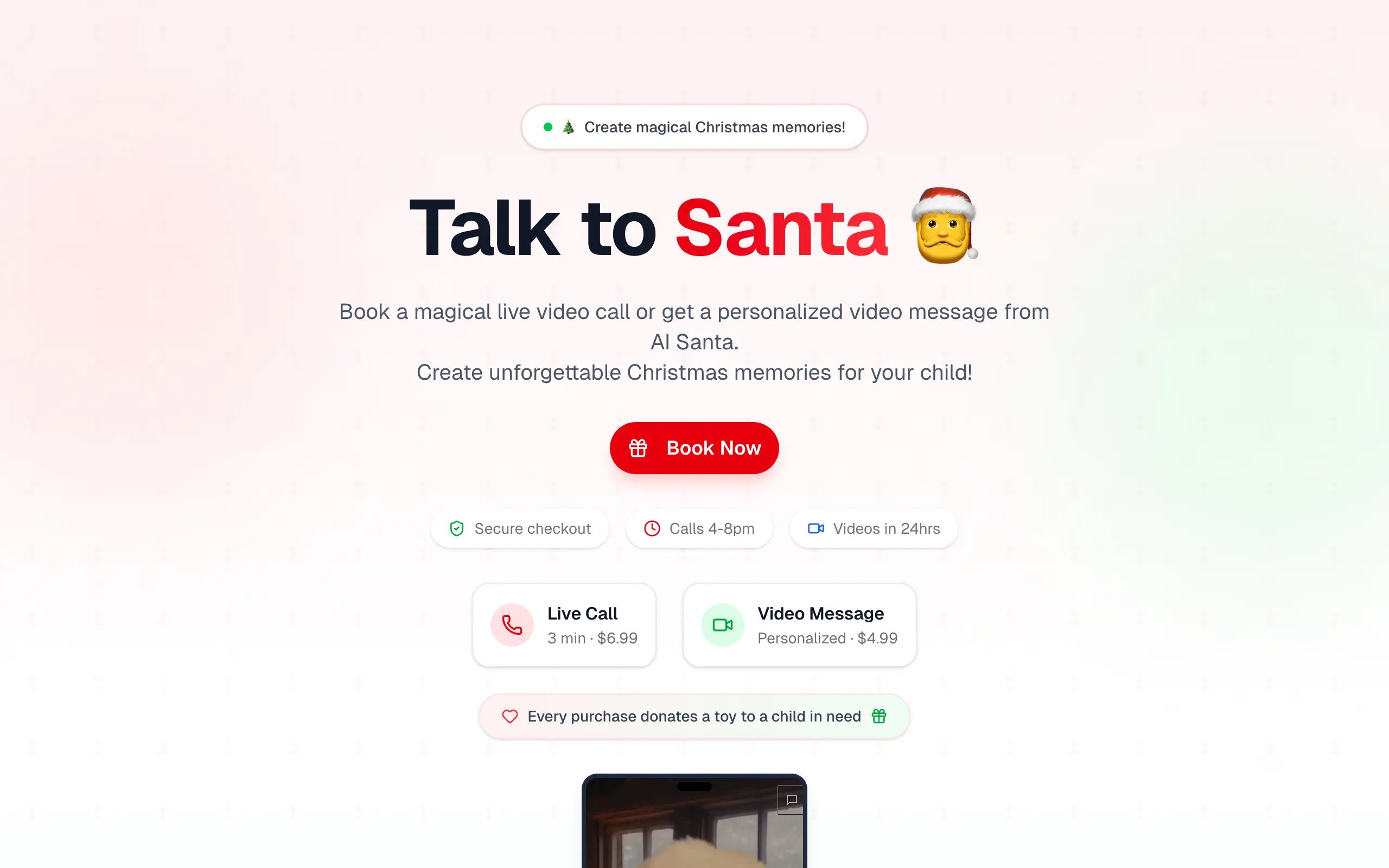
Talk to Santa
Enjoy a magical live video chat or receive a unique AI-generated video greeting from Santa Claus 🎅
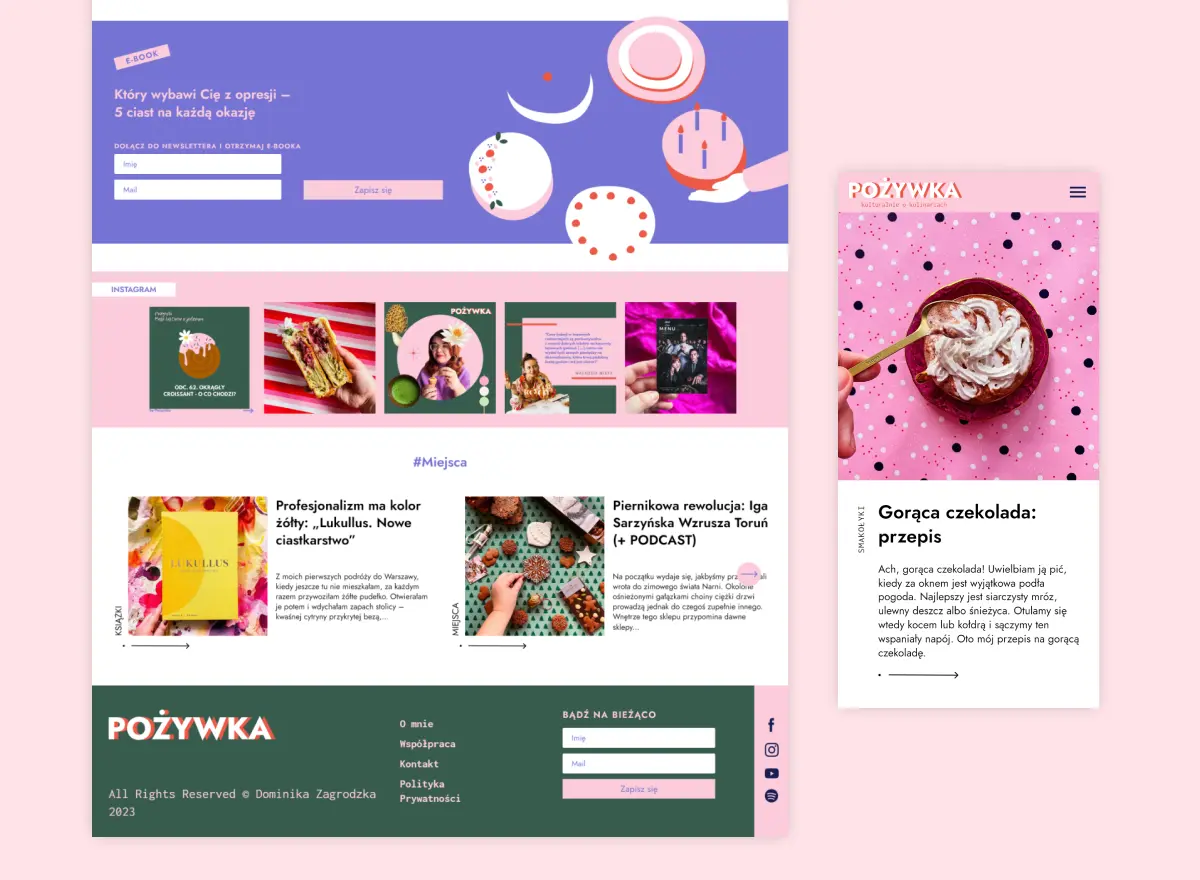
pozywka.pl
Scalable blog for food journalist, focused on performance and user experience 🌭
zagrodzki.me
Personal blog and portfolio of Bart Zagrodzki, where he shares his knowledge and work 💼
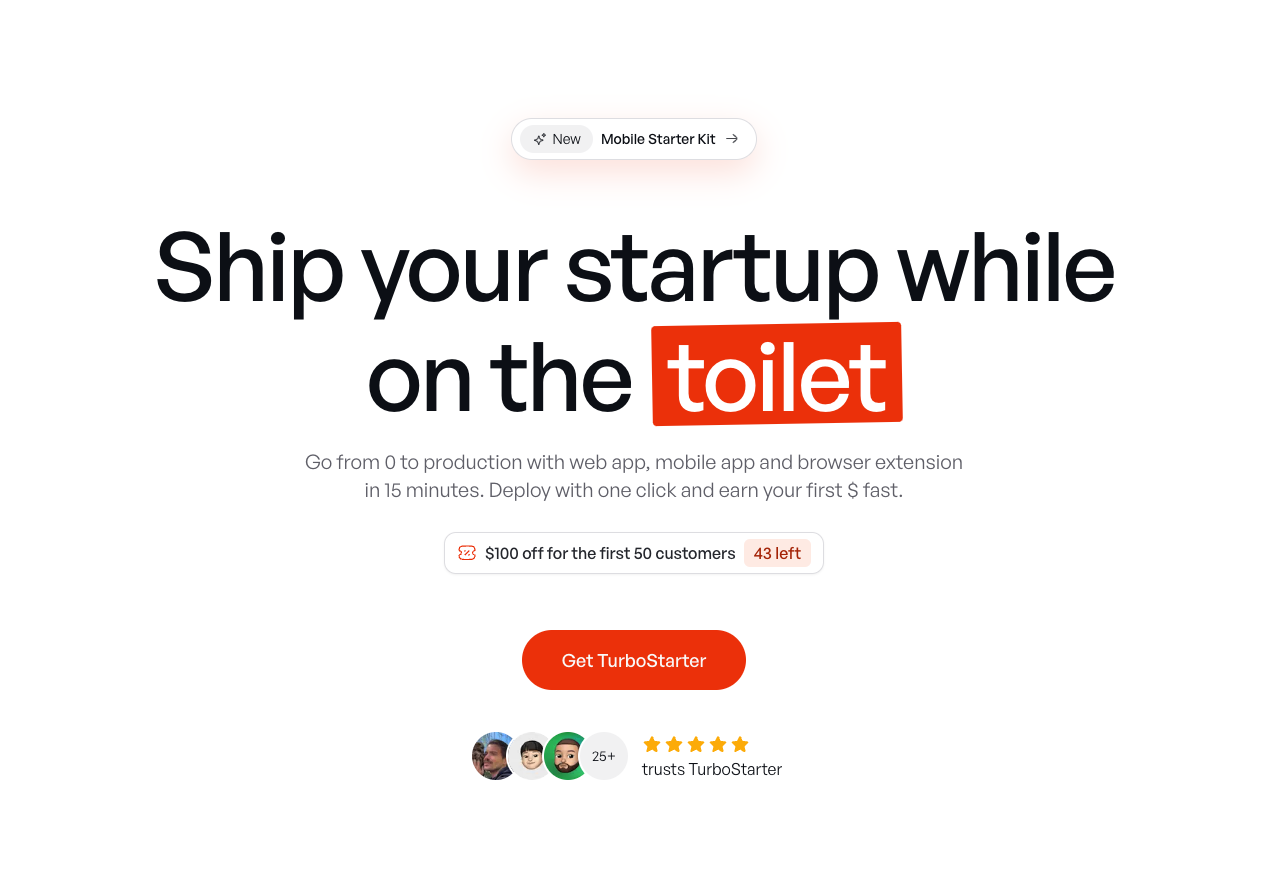
TurboStarter
Ship your startup everywhere. In minutes.
HTML to Markdown
Convert HTML to Markdown with ease, directly in your browser 📄
Dotallio
Personalized AI apps that automate research, data extraction, and content creation without code 🤖
Talk to Santa
Enjoy a magical live video chat or receive a unique AI-generated video greeting from Santa Claus 🎅
pozywka.pl
Scalable blog for food journalist, focused on performance and user experience 🌭
zagrodzki.me
Personal blog and portfolio of Bart Zagrodzki, where he shares his knowledge and work 💼
TurboStarter
Ship your startup everywhere. In minutes.
HTML to Markdown
Convert HTML to Markdown with ease, directly in your browser 📄
Dotallio
Personalized AI apps that automate research, data extraction, and content creation without code 🤖
Talk to Santa
Enjoy a magical live video chat or receive a unique AI-generated video greeting from Santa Claus 🎅
pozywka.pl
Scalable blog for food journalist, focused on performance and user experience 🌭
zagrodzki.me
Personal blog and portfolio of Bart Zagrodzki, where he shares his knowledge and work 💼
TurboStarter
Ship your startup everywhere. In minutes.
HTML to Markdown
Convert HTML to Markdown with ease, directly in your browser 📄
Dotallio
Personalized AI apps that automate research, data extraction, and content creation without code 🤖
Talk to Santa
Enjoy a magical live video chat or receive a unique AI-generated video greeting from Santa Claus 🎅
pozywka.pl
Scalable blog for food journalist, focused on performance and user experience 🌭
zagrodzki.me
Personal blog and portfolio of Bart Zagrodzki, where he shares his knowledge and work 💼
TurboStarter
Ship your startup everywhere. In minutes.
HTML to Markdown
Convert HTML to Markdown with ease, directly in your browser 📄
Omichat
Chat with 50+ AI models, including ChatGPT and Claude, in one place - switch models anytime without losing context 🤖
Claude Fast
Supercharge your Claude Code with 6x effective context window and specialized AI agents 🤖

EmojAI
AI-powered emoji picker with smart, context-aware suggestions 🤖

Solohacker
Autonomous company launcher - AI agents work 24/7, escalate what matters, and you stay in control 🤖

BeRawi: Storytelling Coach
Practice storytelling daily with instant feedback to sound clearer, more engaging, and confident 🎤
Omichat
Chat with 50+ AI models, including ChatGPT and Claude, in one place - switch models anytime without losing context 🤖
Claude Fast
Supercharge your Claude Code with 6x effective context window and specialized AI agents 🤖
EmojAI
AI-powered emoji picker with smart, context-aware suggestions 🤖
Solohacker
Autonomous company launcher - AI agents work 24/7, escalate what matters, and you stay in control 🤖
BeRawi: Storytelling Coach
Practice storytelling daily with instant feedback to sound clearer, more engaging, and confident 🎤
Omichat
Chat with 50+ AI models, including ChatGPT and Claude, in one place - switch models anytime without losing context 🤖
Claude Fast
Supercharge your Claude Code with 6x effective context window and specialized AI agents 🤖
EmojAI
AI-powered emoji picker with smart, context-aware suggestions 🤖
Solohacker
Autonomous company launcher - AI agents work 24/7, escalate what matters, and you stay in control 🤖
BeRawi: Storytelling Coach
Practice storytelling daily with instant feedback to sound clearer, more engaging, and confident 🎤
Omichat
Chat with 50+ AI models, including ChatGPT and Claude, in one place - switch models anytime without losing context 🤖
Claude Fast
Supercharge your Claude Code with 6x effective context window and specialized AI agents 🤖
EmojAI
AI-powered emoji picker with smart, context-aware suggestions 🤖
Solohacker
Autonomous company launcher - AI agents work 24/7, escalate what matters, and you stay in control 🤖
BeRawi: Storytelling Coach
Practice storytelling daily with instant feedback to sound clearer, more engaging, and confident 🎤

Connect with like-minded people
Join our community to get feedback, support, and grow together with 1,000+ builders on board, let's ship it!
Join usShip your startup everywhere. In minutes.
Don't burn tokens on setup and start building features on day one.