ScamSieve
Check suspicious phone numbers, emails, links and marketplace listings with AI risk scores, then receive alerts when saved contacts appear in new scams.
What an AI scam checker like ScamSieve solves
Online scams are no longer limited to poorly written emails from unknown senders. Modern fraud attempts can arrive through text messages, marketplace chats, social media direct messages, QR codes, fake delivery notices, job offers, payment requests, and cloned business websites. Many are polished, personalized, and designed to create urgency before a person has time to verify what they are seeing.
ScamSieve is a B2C AI scam checker designed to help consumers assess suspicious phone numbers, email addresses, links, and marketplace listings. Users submit a suspicious artifact, receive an understandable risk score with evidence, and can save contacts or entities for ongoing alerts when those details later appear in newly reported scams.
The core product proposition is simple:
Help people pause, verify, and act safely before they send money, share personal information, click a malicious link, or meet a fraudulent seller.
That position is especially powerful because consumers rarely need an abstract cybersecurity dashboard. They need a clear answer to questions such as:
- Is this phone number associated with fraud reports?
- Does this payment request contain scam indicators?
- Is this marketplace listing likely to be fake?
- Is this email sender impersonating a legitimate company?
- Should I click this link?
- Has anyone else reported this exact scam pattern?
- Can I receive an alert if this seller, email, or number becomes risky later?
An AI scam detection app can turn fragmented scam intelligence into a consumer-friendly safety layer. Instead of forcing users to search forums, manually inspect domains, or interpret technical threat reports, ScamSieve can combine detection signals into one explainable recommendation.
The product must support decisions, not replace judgment
A scam risk score should communicate uncertainty clearly. ScamSieve should explain why content appears risky, encourage users to verify independently, and avoid presenting automated analysis as a guarantee that something is safe or fraudulent.
Who needs a scam detection app most
The broad consumer market is large, but a successful scam checker should begin with high-intent user segments. These users already feel the cost of uncertainty and are more likely to adopt a dedicated fraud prevention tool.
Everyday consumers receiving suspicious messages
This is the largest potential audience. These users receive questionable SMS messages, email notices, social media requests, and calls several times a month. They may recognize obvious phishing, but advanced scams exploit familiar brands, urgent situations, and realistic language.
Their core needs include:
- Fast mobile-first checks without technical jargon
- A plain-language explanation of the risk
- Clear next actions, such as block, report, verify, or ignore
- Confidence before engaging with a sender or clicking a link
- Privacy protections when submitting sensitive content
For this audience, the product experience must be faster than opening a search engine, browsing a forum, or asking a friend.
Marketplace buyers and sellers
Peer-to-peer marketplaces are fertile ground for fraud because transactions often involve strangers, payments outside a platform, shipping claims, counterfeit products, and pressure to act quickly.
Common marketplace scam scenarios include:
- A seller asks to move communication to another channel
- A buyer sends a fake payment confirmation
- A listing uses stolen product photos
- A seller offers a price that is unusually low
- A buyer requests verification codes or account credentials
- A shipping link redirects to a fraudulent payment page
- A scammer impersonates marketplace support
Marketplace users benefit from a dedicated listing checker that evaluates seller language, payment demands, links, contact details, price anomalies, image reuse signals, and transaction patterns.
Families supporting older relatives
Older adults are frequently targeted by impersonation, romance, investment, tech support, and government-benefit scams. The buyer may not be the person directly at risk. Instead, an adult child or caregiver may want a practical tool to help a family member evaluate suspicious communication.
This audience values:
- Simple explanations with large, readable interface elements
- “What should I do now?” guidance
- Saved-contact monitoring
- Shared family alerts, with consent controls
- Scam education that does not feel patronizing
- A trusted safety brand rather than a complex security product
A family plan can become one of ScamSieve’s most effective retention levers because safety is a shared household concern.
Gig workers, freelancers, and job seekers
Employment scams are increasingly sophisticated. Fraudsters imitate recruiters, create fake remote roles, send malicious attachments, and request banking details or equipment payments.
A job scam checker can identify suspicious patterns such as:
- Requests to pay upfront for training or equipment
- Interviews conducted only through encrypted chat
- Domains that impersonate real employers
- Generic job descriptions with unusually high pay
- Requests for identity documents before a legitimate interview process
- Fake checks and overpayment schemes
This segment is highly motivated because scam exposure can directly affect income, identity, and career opportunities.
Financially cautious and privacy-aware consumers
Some customers will adopt ScamSieve as part of their personal digital safety stack. They may already use password managers, identity protection services, and antivirus tools, but still lack a practical way to investigate suspicious real-world interactions.
These users can become early advocates if ScamSieve delivers:
- Transparent methodology
- Strong data minimization
- Clear privacy controls
- Accurate threat explanations
- Reliable alerts rather than excessive notifications
- Evidence-based reporting workflows
The market gap for consumer scam verification
Most consumers currently solve scam verification through a fragmented set of tools:
- Search engines and social media posts
- Community forums and number lookup sites
- Antivirus browser warnings
- Native spam filters in email and messaging apps
- Fraud education pages from banks and government agencies
- Informal advice from friends or family
Each resource can be useful, but the experience is incomplete. A search result may be outdated. A spam filter may not explain why a message is dangerous. A forum report may be anecdotal. A bank warning may only cover banking scams. And users often need help evaluating a scam before it has been widely reported.
The opportunity for ScamSieve is to unify these fragmented workflows into an explainable AI scam checker that works across channels.
The central gap is context-aware risk assessment
A phone number alone may not be inherently malicious. An unfamiliar domain may be newly registered but legitimate. A marketplace listing may have unusual wording because the seller is inexperienced rather than deceptive.
That means a useful scam detection tool must analyze context rather than rely only on blocklists.
ScamSieve can evaluate a combination of signals:
- Sender reputation and community reports
- Domain age, registration indicators, redirects, and URL structure
- Textual scam patterns such as urgency, secrecy, coercion, and payment pressure
- Brand impersonation indicators
- Known scam campaign similarity
- Marketplace listing price anomalies
- Contact history and saved-contact changes
- Image, content, and identifier reuse patterns
- User-provided context, such as where the message was received
The product should transform these inputs into understandable outputs. Consumers need to know not just that a risk score is 82 out of 100, but that the message contains a recently registered lookalike domain, a request for gift-card payment, and language matching previously reported delivery scams.
Why the timing is favorable
Several market trends make consumer scam detection increasingly relevant:
-
AI-assisted social engineering is improving. Fraudulent messages can now be better written, localized, and tailored to the recipient.
-
Digital commerce continues to expand. More people buy, sell, rent, book services, and search for work online, increasing interactions with unknown parties.
-
Scams are increasingly cross-channel. A fraud attempt can start on social media, continue through text, and end with a payment link.
-
Consumers want practical protection. Education alone is not enough when someone is facing a convincing, time-sensitive message.
-
Trust in digital communication is under pressure. A verification layer that makes risk visible can become a recurring consumer utility.
For market-sizing claims and fraud-loss statistics, ScamSieve should cite current publications from sources such as the U.S. Federal Trade Commission, FBI Internet Crime Complaint Center, national consumer protection authorities, and reputable cybersecurity research firms. Use the newest annual reports available at publication time rather than relying on static figures.
ScamSieve’s unique value proposition
ScamSieve should not position itself as another generic spam blocker. Its defensible value is an integrated consumer safety experience built around risk scoring, evidence, memory, and proactive alerts.
Check before acting
Analyze suspicious phone numbers, emails, URLs, and marketplace listings in seconds.
Understand the evidence
Translate technical threat signals into plain-language reasons and safer next steps.
Remember what matters
Save suspicious entities and trusted contacts to create a personalized safety watchlist.
Receive proactive alerts
Notify users when saved identifiers appear in new scam reports or emerging fraud patterns.
The saved-contact alert model is especially notable. Most consumer scam tools are reactive: the user checks something after receiving it. ScamSieve can create ongoing value by notifying a person when a phone number, email, seller profile, or domain they saved becomes associated with new reports.
That changes the product from a one-time lookup utility into a personal fraud intelligence network.
A strong positioning statement
A concise positioning statement could be:
ScamSieve is an AI-powered scam checker that helps you verify suspicious messages, links, contacts, and marketplace listings before you act, then alerts you when saved details become connected to new fraud reports.
This messaging is clear about the audience, the inputs, the main value, and the ongoing benefit.
Core features for an AI scam checker
The first version should focus on high-confidence consumer workflows. It is tempting to support every possible fraud type immediately, but an effective MVP needs a narrow, accurate, and trustworthy initial experience.
Multi-input scam analysis
The primary check flow should accept several input types:
- Phone numbers
- Email addresses
- URLs and shortened links
- Message text
- Screenshots of messages or listings
- Marketplace listing URLs or copied listing text
- Seller or buyer usernames, where platform terms and privacy rules permit
The interface should identify the content type automatically when possible, while still allowing users to choose a category manually.
A useful scan result includes:
- Overall risk level, such as low, caution, high, or critical
- Numeric confidence range rather than false precision
- Key risk factors
- Evidence source categories
- Similar scam pattern matches
- Recommended next action
- A simple option to report the outcome later
Explainable risk scores
Risk scores are valuable only when users understand them. A black-box result can undermine trust, especially when the score affects a financial or interpersonal decision.
A transparent ScamSieve result might say:
High risk
This message resembles reported package-delivery scams. The link uses a lookalike domain, requests payment for a small “redelivery fee,” and creates urgency by claiming the package will be returned today.
The app can then recommend:
- Do not click the link
- Open the delivery company’s official app or website manually
- Block and report the sender
- Save the number for future alerts
- Share the scam pattern with a family member
Phone number and email reputation checks
Number and email analysis should combine several sources of intelligence:
- User-submitted reports with moderation
- Frequency and recency of reports
- Type of reported scam
- Geographic or carrier context where legally and ethically appropriate
- Email domain reputation
- Domain impersonation patterns
- Similarity to known business domains
- Message-level signals when content is provided
A key product principle is to distinguish unknown from safe. Many legitimate new numbers and small-business email domains will have limited history. ScamSieve should say “not enough data” when evidence is insufficient rather than implying approval.
Suspicious link scanner
URL analysis can be one of the highest-value features because malicious links frequently act as the bridge between a scam message and a financial loss.
A robust link scanner can inspect:
- Domain age and registration patterns
- Typosquatting and brand lookalikes
- HTTPS certificate characteristics, without treating HTTPS as proof of legitimacy
- Redirect chains
- URL encoding and obfuscation
- Known malware or phishing reputation feeds
- Landing-page language and payment prompts
- Similarity to reported scam domains
The app should never encourage users to visit a potentially dangerous URL manually. Analysis should happen in an isolated server-side or sandboxed environment with strict safeguards.
Marketplace listing risk assessment
Marketplace scams are context-heavy, making them a strong fit for AI-assisted evaluation. ScamSieve can ask the user for optional context before generating a score:
- Which marketplace is involved?
- Is the user buying, selling, renting, or hiring?
- Has the other party asked to leave the platform?
- Is an upfront payment requested?
- Is the price significantly below market expectations?
- Are there external links, QR codes, or payment requests?
- Has the user been asked to share a verification code?
Listing analysis may include:
- Natural language classification of scam tactics
- Entity extraction for payment apps, phone numbers, and URLs
- Image hash and duplicate-content signals
- Price anomaly analysis by category
- Seller-account age and public reputation when available
- Similarity to known marketplace scam scripts
Saved contacts and scam alerts
The alert engine creates a retention loop and a meaningful product moat. Users can save:
- Phone numbers
- Email addresses
- Domains
- Marketplace usernames
- Payment handles
- Listing identifiers
- Keywords associated with a suspicious campaign
When new community reports, reputation feed updates, or scam-pattern matches occur, ScamSieve can notify the user through push notifications or email.
Alert quality matters more than alert volume. Users should control:
- Alert categories
- Risk threshold
- Quiet hours
- Whether they want instant or digest notifications
- Which saved entities are actively monitored
- Family-sharing preferences
Alert fatigue can damage trust
Only notify users when there is a material change in risk, a credible new report cluster, or an actionable threat signal. Low-quality notifications will train users to ignore high-value alerts.
Reporting and community intelligence
Community reporting can enrich ScamSieve’s detection coverage, but it requires thoughtful moderation. Users should be able to report a scam attempt with minimal friction, attach evidence, and select the category of harm.
Useful report fields include:
- Scam category
- Communication channel
- Contact identifier
- Link or listing reference
- Approximate date
- Requested payment method
- Narrative summary
- Optional screenshots with redaction guidance
- Whether the user lost money or shared information
Reports should not become public automatically. ScamSieve needs a verification and moderation pipeline to prevent defamation, coordinated abuse, and accidental exposure of personal information.
How ScamSieve can calculate reliable AI risk scores
An AI scam detection product should use a layered approach. Large language models can identify persuasion tactics and summarize content, but they should not be the only source of truth.
A better architecture combines deterministic rules, reputation intelligence, machine learning classifiers, and human-reviewed feedback loops.
| Signal category | Example evidence | Why it matters | User-facing explanation | Reliability approach |
|---|---|---|---|---|
| Link intelligence | Lookalike domain and redirect chain | Common phishing infrastructure signal | “The link imitates a known brand domain” | Use multiple reputation sources |
| Language patterns | Urgency and payment pressure | Frequent social-engineering tactic | “The sender pressures you to act immediately” | Evaluate with contextual models |
| Community reports | Recent reports tied to an email | Can reveal active campaigns | “This email was recently reported by other users” | Moderate and weight reports |
| Behavioral context | Request to leave a marketplace app | Raises transaction risk | “The conversation moved outside the platform” | Never use as a sole verdict |
A practical scoring model
An initial score can use weighted evidence rather than a single opaque AI output. For example:
type ScamAssessment = {
  score: number;
  level: "low" | "caution" | "high" | "critical";
  reasons: string[];
  confidence: "limited" | "moderate" | "strong";
};

function calculateRisk(signals: {
  knownMaliciousDomain: boolean;
  brandImpersonation: boolean;
  urgentPaymentLanguage: boolean;
  recentCommunityReports: number;
  marketplaceOffPlatformRequest: boolean;
}): ScamAssessment {
  let score = 0;
  const reasons: string[] = [];

  if (signals.knownMaliciousDomain) {
    score += 45;
    reasons.push("The link matches a known malicious or phishing indicator.");
  }

  if (signals.brandImpersonation) {
    score += 20;
    reasons.push("The sender appears to imitate a known brand.");
  }

  if (signals.urgentPaymentLanguage) {
    score += 15;
    reasons.push("The message uses urgency and payment pressure.");
  }

  if (signals.recentCommunityReports >= 3) {
    score += 15;
    reasons.push("Multiple recent user reports reference this identifier.");
  }

  if (signals.marketplaceOffPlatformRequest) {
    score += 10;
    reasons.push("The transaction is being moved outside the marketplace.");
  }

  const normalizedScore = Math.min(score, 100);

  return {
    score: normalizedScore,
    level:
      normalizedScore >= 75
        ? "critical"
        : normalizedScore >= 50
          ? "high"
          : normalizedScore >= 25
            ? "caution"
            : "low",
    reasons,
    confidence: reasons.length >= 3 ? "strong" : "moderate",
  };
}
This is not a complete production fraud model, but it demonstrates an important principle: every score should be traceable to evidence. More advanced models can calibrate weights over time based on confirmed outcomes, but explainability should remain a product requirement.
Human review and model governance
ScamSieve should establish a review process for:
- High-impact false positive complaints
- Reports involving established businesses or public entities
- Emerging scam campaigns
- Model behavior changes after prompt or vendor updates
- Appeals from users who believe an identifier was misclassified
- Abuse patterns in community reporting
A trustworthy AI scam checker needs a clear policy for corrections. If a user searches a legitimate small business and sees incorrect risk information, the company needs a documented path to submit evidence and request review.
Recommended tech stack for ScamSieve
The best stack depends on team skills, expected scale, data sources, and the sensitivity of submitted content. For a modern SaaS MVP, a TypeScript-based architecture can offer strong velocity without sacrificing long-term maintainability.
Frontend and application framework
A practical choice is Next.js with React and TypeScript.
This combination supports:
- SEO-friendly public educational content
- Authenticated web application experiences
- Server-side rendering where helpful
- API routes and server actions
- Type-safe shared models
- A large ecosystem of authentication, analytics, and payment integrations
For interface development, Tailwind CSS is a strong option for a fast, consistent design system. A scam safety product should feel calm and accessible, not overly technical or alarmist. Utility-first styling helps teams iterate quickly while keeping visual tokens consistent.
Backend and database architecture
For the core database, PostgreSQL is a reliable choice because ScamSieve will need relational integrity across users, reports, entities, alerts, subscriptions, moderation decisions, and audit logs.
A suitable initial architecture could include:
- Next.js application and API layer
- PostgreSQL for primary data
- Prisma for type-safe database access
- A managed queue for scan jobs and notification delivery
- Object storage for encrypted screenshot submissions
- A search index for entity matching and report retrieval
- Redis for rate limiting, caching, and short-lived scan states
The trade-off is operational complexity. A fully managed backend can speed up MVP launch, while a more modular architecture provides greater flexibility for data isolation, security controls, and high-volume processing later.
AI and threat intelligence layer
AI should be treated as one service in the pipeline, not the whole product.
The analysis layer may include:
- Structured extraction models for entities and payment requests
- Text classifiers for phishing, impersonation, romance, job, delivery, and marketplace scams
- Embeddings for similarity matching across reported scam scripts
- Rule engines for deterministic red flags
- Domain and URL analysis services
- Malware and phishing reputation feeds
- Human moderation tooling
For language-based classification, establish evaluation datasets with confirmed benign and malicious examples. Track precision, recall, false positive rate, false negative rate, and calibration by scam category. A highly accurate model for SMS phishing may perform poorly on marketplace listings, so separate evaluation is essential.
Security and privacy requirements
A scam detection app will handle sensitive material, including phone numbers, emails, screenshots, and potentially financial scam narratives. Security cannot be postponed.
Key controls should include:
- Encryption in transit and at rest
- Strong authentication and optional passkeys
- Data retention controls
- Redaction of personal information in reports
- Rate limiting and abuse detection
- Role-based access controls for moderators
- Immutable audit logs for sensitive actions
- Secure secret management
- Regular dependency scanning
- Incident response procedures
- Privacy-by-design review before launching new analysis features
Use the OWASP Top 10 as a baseline for application security requirements. Also consider jurisdiction-specific privacy obligations, including deletion requests, consent requirements, and rules governing profiling or automated decision-making.
Monetization strategies for a consumer scam checker
The strongest model is likely a freemium subscription that allows immediate utility while reserving proactive protection and deeper intelligence for paid plans.
Free tier
The free version should prove value quickly:
- A limited number of scans each month
- Basic risk levels and reasons
- A small number of saved contacts
- Manual report submission
- Basic scam education content
- One-time marketplace listing checks
Avoid crippling the product so much that users cannot evaluate whether it works. Fraud prevention is trust-sensitive; the free tier must be genuinely helpful.
Premium individual plan
A paid individual plan can include:
- Unlimited or high-volume scans
- Real-time saved-contact alerts
- Expanded report history
- Advanced link and listing analysis
- Screenshot scanning
- Scam campaign trend alerts
- Priority support
- Scan history with secure notes
- Custom notification thresholds
Pricing should be tested by region and user segment. Consumer security products often succeed with an affordable monthly option and a discounted annual plan. The annual plan can improve retention and reduce payment processing costs.
Family plan
A family plan aligns naturally with the product’s mission. It may include:
- Multiple protected accounts
- Shared alert groups
- Optional caregiver notifications
- A simplified safety mode for less technical users
- Household scam trend summaries
- Privacy controls that prevent family members from viewing sensitive scan content without permission
The ethical design challenge is important: family monitoring should be explicit, consent-based, and adjustable. Safety features should not become surveillance features.
Partner and affiliate channels
Potential distribution partnerships include:
- Credit unions and community banks
- Insurance providers
- Senior care organizations
- Employee wellness platforms
- Consumer advocacy organizations
- Marketplace safety programs
- Mobile device retailers
The B2C product should remain the core experience, but trusted partners can reduce customer acquisition cost. Partnership agreements must protect user data and avoid monetizing sensitive scam-reporting information in ways that weaken trust.
Competitive advantage and defensibility
ScamSieve will compete indirectly with spam filters, antivirus products, browser warnings, identity protection services, number lookup tools, and community reporting websites. Its advantage should come from how it combines capabilities rather than from any single feature.
The ScamSieve moat
A durable competitive advantage can be built around five layers:
-
Cross-channel analysis
Analyze phone numbers, emails, links, message text, and marketplace listings in one experience. -
Explainable consumer guidance
Translate technical evidence into understandable reasons and immediate actions. -
Personalized scam monitoring
Alert users when saved entities become associated with new risks. -
High-quality community intelligence
Build a moderated, privacy-conscious report network that detects emerging scam patterns. -
Outcome-driven feedback loops
Let users safely report whether a suspected scam was confirmed, dismissed, blocked, or caused harm. Use that feedback to improve detection quality.
The most defensible data is not raw user submissions. It is well-governed, labeled, de-duplicated, privacy-protected intelligence linked to outcomes and scam patterns.
Key risks and how to mitigate them
Fraud prevention products operate in a difficult environment. The consequences of mistakes can be significant, and product leadership should address risk directly.
A legitimate seller, freelancer, or small business could be incorrectly flagged. Mitigate this with confidence labels, explainable evidence, conservative language, appeal workflows, review queues, and strong distinctions between “unknown” and “risky.”
No automated system catches every scam. Avoid promises that a low-risk result means an interaction is safe. Use language such as “No strong scam signals found” and provide safe verification guidance in every result.
Bad actors may submit false reports to harm competitors or individuals. Require friction for high-impact reports, use anomaly detection, weight verified evidence more heavily, and keep unverified allegations out of public results.
Users may upload private messages, addresses, account details, and screenshots. Redact content where possible, minimize retention, encrypt storage, provide deletion controls, and clearly explain how submitted data is used.
External feeds vary in freshness, scope, and quality. Use multiple sources, track source provenance, retain timestamps, and never let a single third-party feed become the sole basis for a serious classification.
Legal and communications considerations
ScamSieve should obtain legal guidance before publishing identifiers, accusations, or user reports in a searchable public format. The product should avoid language that states a person or business “is a scammer” unless the evidence threshold and legal posture support that claim.
Safer phrasing includes:
- “Reported by users as suspicious”
- “This identifier is associated with recent scam reports”
- “We detected patterns commonly used in phishing attempts”
- “Use caution and verify through an official channel”
- “We do not have enough evidence to determine whether this is legitimate”
Trustworthy wording is not merely a legal precaution. It is central to the product’s credibility.
A practical MVP roadmap for ScamSieve
The fastest path is to launch a narrow, trustworthy experience, learn from real user behavior, and add complexity only when it improves outcomes.
Define the initial scam categories. Start with high-frequency, text-heavy categories such as delivery phishing, bank impersonation, job scams, marketplace payment scams, and tech-support scams.
Build the core scan workflow. Support pasted message text, URLs, phone numbers, and email addresses. Return a risk level, evidence summary, confidence indicator, and recommended action.
Create an internal moderation console. Enable reviewers to inspect reports, merge duplicates, redact personal information, label scam categories, and resolve appeals.
Add saved identifiers and alerts. Let users monitor numbers, emails, domains, and marketplace contacts. Start with email alerts before introducing push notifications.
Instrument outcome feedback. Ask users whether they blocked the contact, confirmed legitimacy, reported it elsewhere, or experienced a loss. Keep this optional and privacy-sensitive.
Launch content-led acquisition. Publish practical guides for common scam searches, including suspicious text messages, fake delivery links, marketplace scams, job scams, and phishing email checks.
Test premium conversion. Gate proactive monitoring, expanded history, family features, and high-volume scans rather than basic safety guidance.
Metrics that matter in the first year
Avoid focusing only on registrations. A scam detection SaaS should measure whether it is providing useful, trusted protection.
Important product metrics include:
- Scan completion rate
- Percentage of results where users view the explanation
- Saved-contact adoption rate
- Alert open rate and action rate
- Confirmed scam detection rate
- False positive appeal rate
- Time from report submission to moderation outcome
- Free-to-paid conversion rate
- Monthly active protected users
- Retention by scan category
- Net promoter score among users who avoided a suspected scam
- Customer support contacts related to score confusion
The highest-value north-star metric may be meaningful protective actions per active user, such as blocking a risky sender, avoiding a suspicious payment link, or verifying a sender through an official channel.
SEO strategy for ScamSieve content acquisition
ScamSieve can acquire organic traffic by creating useful, timely content around urgent consumer searches. The key is to produce pages that answer a real safety question rather than writing thin articles designed only for rankings.
High-intent SEO topics may include:
- “Is this phone number a scam?”
- “How to check if a text message is a scam”
- “How to tell if a link is phishing”
- “How to spot a fake marketplace buyer”
- “Is this email address legitimate?”
- “How to check a suspicious seller”
- “What to do after clicking a scam link”
- “Signs of a job scam”
- “How to report a scam phone number”
- “How to verify a delivery text message”
Each guide should include:
- A direct answer near the beginning
- Clear warning signs
- Safe verification steps
- What not to do
- Guidance for reporting the incident
- A transparent explanation of how ScamSieve can help
- Updated dates and reviewed-by information
- References to authoritative consumer protection guidance where relevant
Avoid publishing pages that accuse specific individuals or businesses without verified, legally reviewed evidence. Educational content and user-initiated lookup experiences are safer long-term SEO assets than unmoderated public accusation pages.
How to launch ScamSieve efficiently
Building a security-conscious consumer SaaS from scratch involves authentication, billing, account settings, user dashboards, email delivery, legal pages, analytics, and a polished responsive interface. Those foundations can consume weeks before the fraud-detection experience is even usable.
A production-ready starter such as TurboStarter can reduce setup work so the team can focus on ScamSieve’s differentiated capabilities: the risk engine, explainable reports, moderation workflows, alert logic, and privacy controls.
Final recommendations for building a trusted scam detection product
ScamSieve has a compelling B2C opportunity because scams are frequent, emotionally stressful, and increasingly difficult for ordinary people to evaluate alone. The product should win by being more useful than a search engine, more understandable than a technical security tool, and more proactive than a one-time number lookup site.
The most important strategic decisions are straightforward:
- Start with a narrow set of high-volume scam scenarios.
- Make every risk result explainable.
- Treat “unknown” as distinct from “safe.”
- Build proactive saved-contact alerts early.
- Use AI alongside rules, reputation data, and human moderation.
- Protect submitted data as if every report contains sensitive information.
- Measure whether users take safer actions, not just whether they run scans.
- Build a brand voice that is calm, practical, accurate, and never alarmist.
A successful AI scam checker does more than identify suspicious content. It gives users the confidence and clarity to slow down at the exact moment a scam depends on urgency.
More 👥 B2C Application SaaS ideas
Discover more innovative b2c application SaaS ideas that are trending in 2026. Each idea is AI-generated with market validation and growth potential to help you find your next profitable venture faster than competitors.
Your competitors are building with TurboStarter
Below are some of the SaaS ideas that have been generated and built with our starter kit.

Statiko
Monitor any Telegram channel in real time - track posts, edits, deletions, and growth with AI recaps 📡

Shibui
AI website builder - describe your business, pick a niche template, edit by chatting, and publish instantly ✨

Pro Service
Find verified home service professionals, compare quotes, and pay securely through escrow - built for Brazilians across the US 🏠
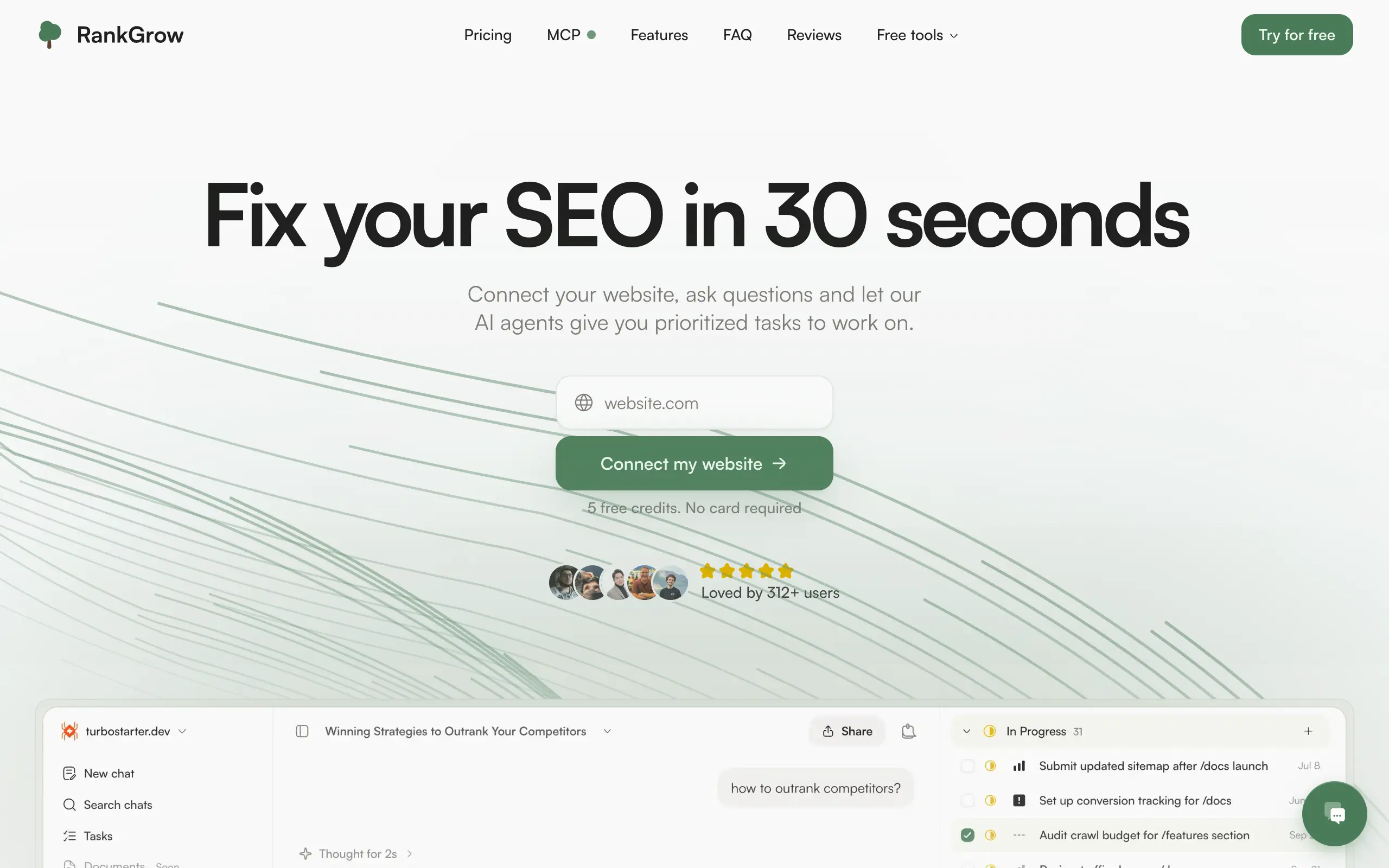
RankGrow
Fix your SEO with AI agents - connect Search Console, get prioritized tasks, and grow organic traffic 📈
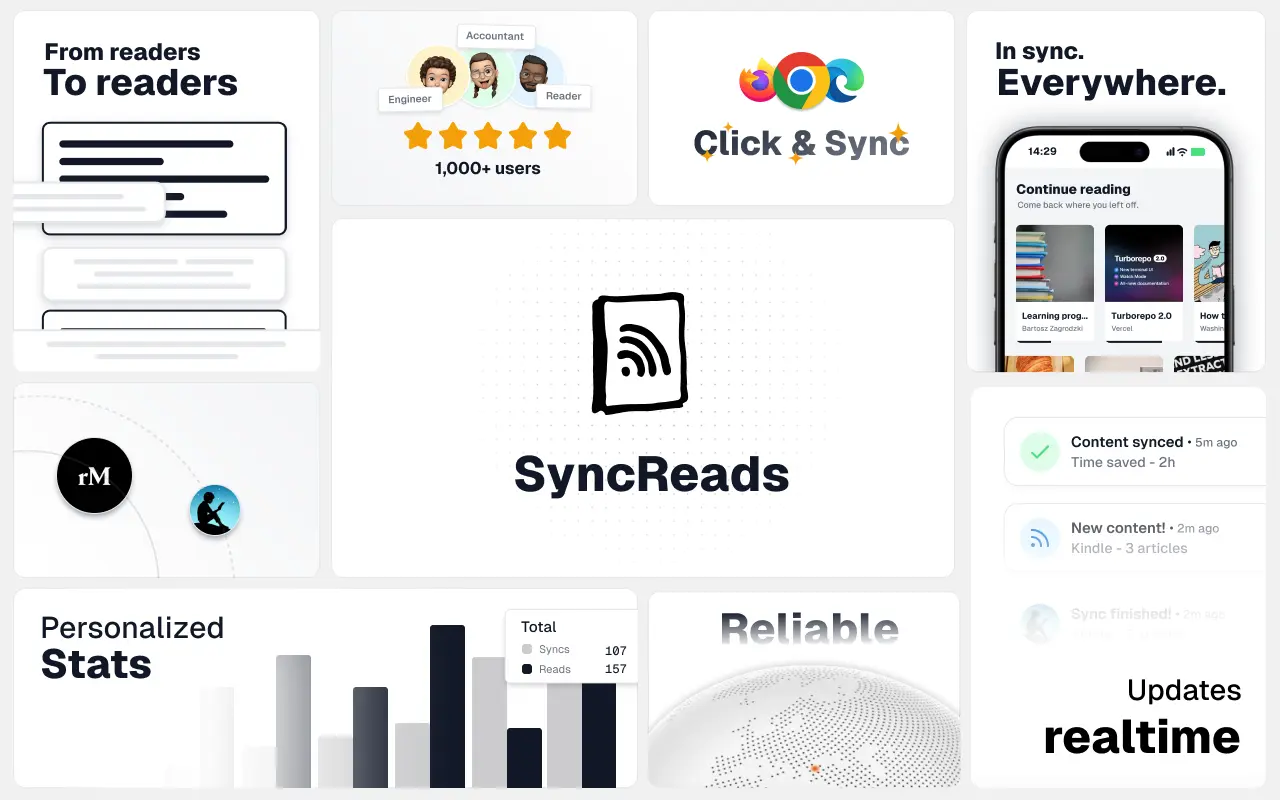
SyncReads
Sync your favorite content for distraction-free reading, save time and replace multiple apps. Anytime, anywhere 🔄
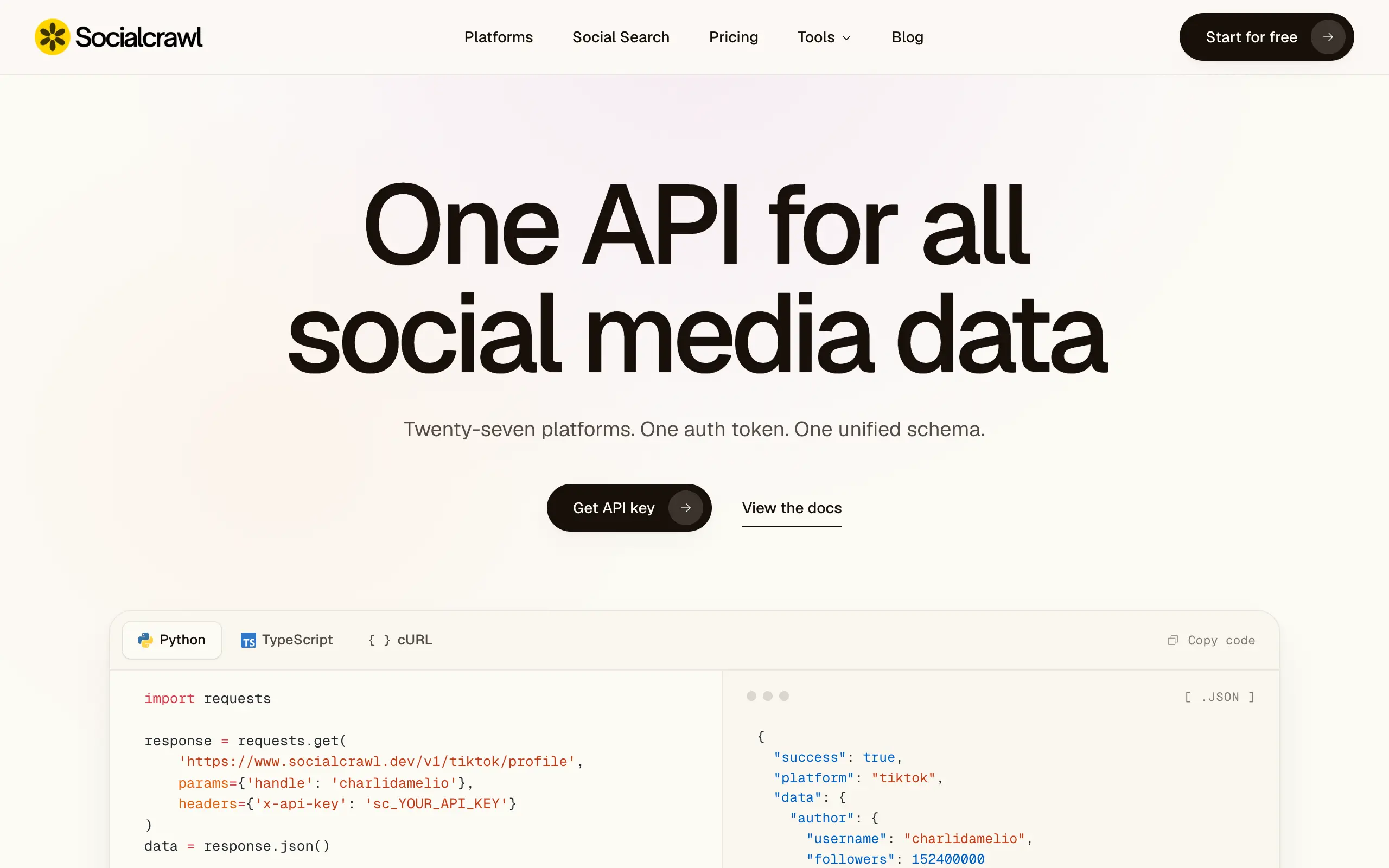
Socialcrawl
Get clean, structured data from 21 platforms like TikTok, Instagram, and YouTube with a single request 📊
Statiko
Monitor any Telegram channel in real time - track posts, edits, deletions, and growth with AI recaps 📡
Shibui
AI website builder - describe your business, pick a niche template, edit by chatting, and publish instantly ✨
Pro Service
Find verified home service professionals, compare quotes, and pay securely through escrow - built for Brazilians across the US 🏠
RankGrow
Fix your SEO with AI agents - connect Search Console, get prioritized tasks, and grow organic traffic 📈
SyncReads
Sync your favorite content for distraction-free reading, save time and replace multiple apps. Anytime, anywhere 🔄
Socialcrawl
Get clean, structured data from 21 platforms like TikTok, Instagram, and YouTube with a single request 📊
Statiko
Monitor any Telegram channel in real time - track posts, edits, deletions, and growth with AI recaps 📡
Shibui
AI website builder - describe your business, pick a niche template, edit by chatting, and publish instantly ✨
Pro Service
Find verified home service professionals, compare quotes, and pay securely through escrow - built for Brazilians across the US 🏠
RankGrow
Fix your SEO with AI agents - connect Search Console, get prioritized tasks, and grow organic traffic 📈
SyncReads
Sync your favorite content for distraction-free reading, save time and replace multiple apps. Anytime, anywhere 🔄
Socialcrawl
Get clean, structured data from 21 platforms like TikTok, Instagram, and YouTube with a single request 📊
Statiko
Monitor any Telegram channel in real time - track posts, edits, deletions, and growth with AI recaps 📡
Shibui
AI website builder - describe your business, pick a niche template, edit by chatting, and publish instantly ✨
Pro Service
Find verified home service professionals, compare quotes, and pay securely through escrow - built for Brazilians across the US 🏠
RankGrow
Fix your SEO with AI agents - connect Search Console, get prioritized tasks, and grow organic traffic 📈
SyncReads
Sync your favorite content for distraction-free reading, save time and replace multiple apps. Anytime, anywhere 🔄
Socialcrawl
Get clean, structured data from 21 platforms like TikTok, Instagram, and YouTube with a single request 📊
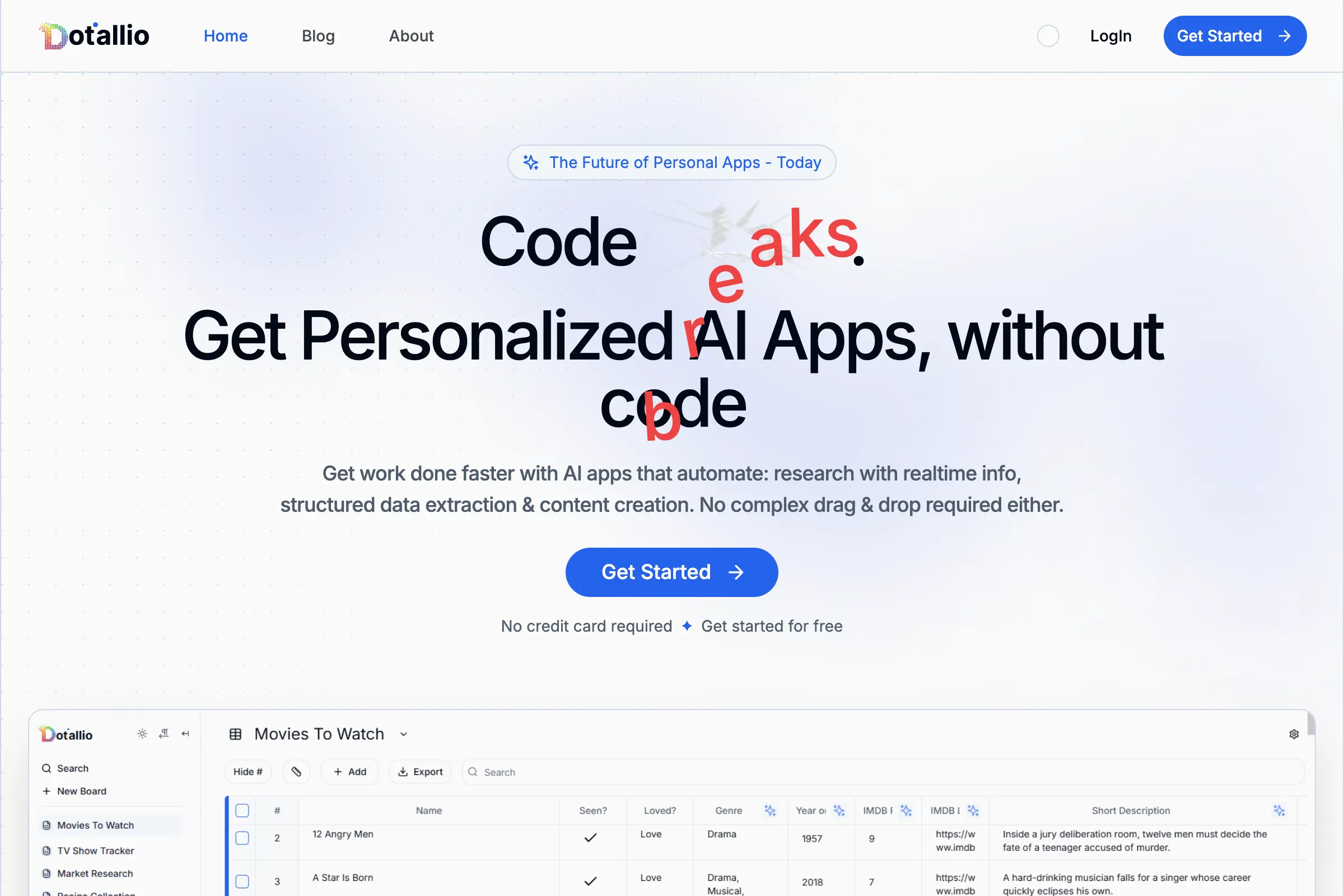
Dotallio
Personalized AI apps that automate research, data extraction, and content creation without code 🤖

Talk to Santa
Enjoy a magical live video chat or receive a unique AI-generated video greeting from Santa Claus 🎅

pozywka.pl
Scalable blog for food journalist, focused on performance and user experience 🌭
zagrodzki.me
Personal blog and portfolio of Bart Zagrodzki, where he shares his knowledge and work 💼
TurboStarter
Ship your startup everywhere. In minutes.
HTML to Markdown
Convert HTML to Markdown with ease, directly in your browser 📄
Dotallio
Personalized AI apps that automate research, data extraction, and content creation without code 🤖
Talk to Santa
Enjoy a magical live video chat or receive a unique AI-generated video greeting from Santa Claus 🎅
pozywka.pl
Scalable blog for food journalist, focused on performance and user experience 🌭
zagrodzki.me
Personal blog and portfolio of Bart Zagrodzki, where he shares his knowledge and work 💼
TurboStarter
Ship your startup everywhere. In minutes.
HTML to Markdown
Convert HTML to Markdown with ease, directly in your browser 📄
Dotallio
Personalized AI apps that automate research, data extraction, and content creation without code 🤖
Talk to Santa
Enjoy a magical live video chat or receive a unique AI-generated video greeting from Santa Claus 🎅
pozywka.pl
Scalable blog for food journalist, focused on performance and user experience 🌭
zagrodzki.me
Personal blog and portfolio of Bart Zagrodzki, where he shares his knowledge and work 💼
TurboStarter
Ship your startup everywhere. In minutes.
HTML to Markdown
Convert HTML to Markdown with ease, directly in your browser 📄
Dotallio
Personalized AI apps that automate research, data extraction, and content creation without code 🤖
Talk to Santa
Enjoy a magical live video chat or receive a unique AI-generated video greeting from Santa Claus 🎅
pozywka.pl
Scalable blog for food journalist, focused on performance and user experience 🌭
zagrodzki.me
Personal blog and portfolio of Bart Zagrodzki, where he shares his knowledge and work 💼
TurboStarter
Ship your startup everywhere. In minutes.
HTML to Markdown
Convert HTML to Markdown with ease, directly in your browser 📄
Omichat
Chat with 50+ AI models, including ChatGPT and Claude, in one place - switch models anytime without losing context 🤖
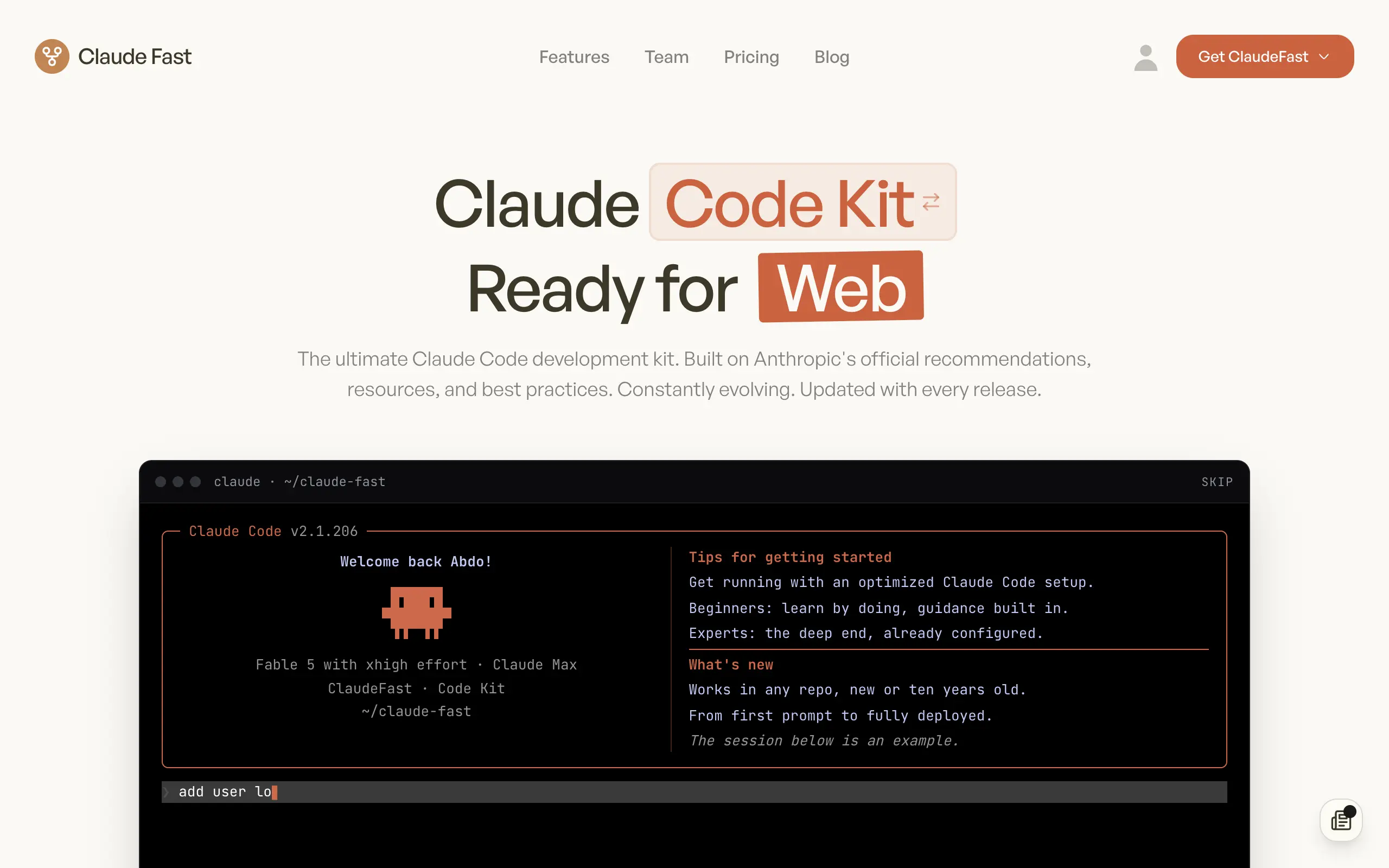
Claude Fast
Supercharge your Claude Code with 6x effective context window and specialized AI agents 🤖
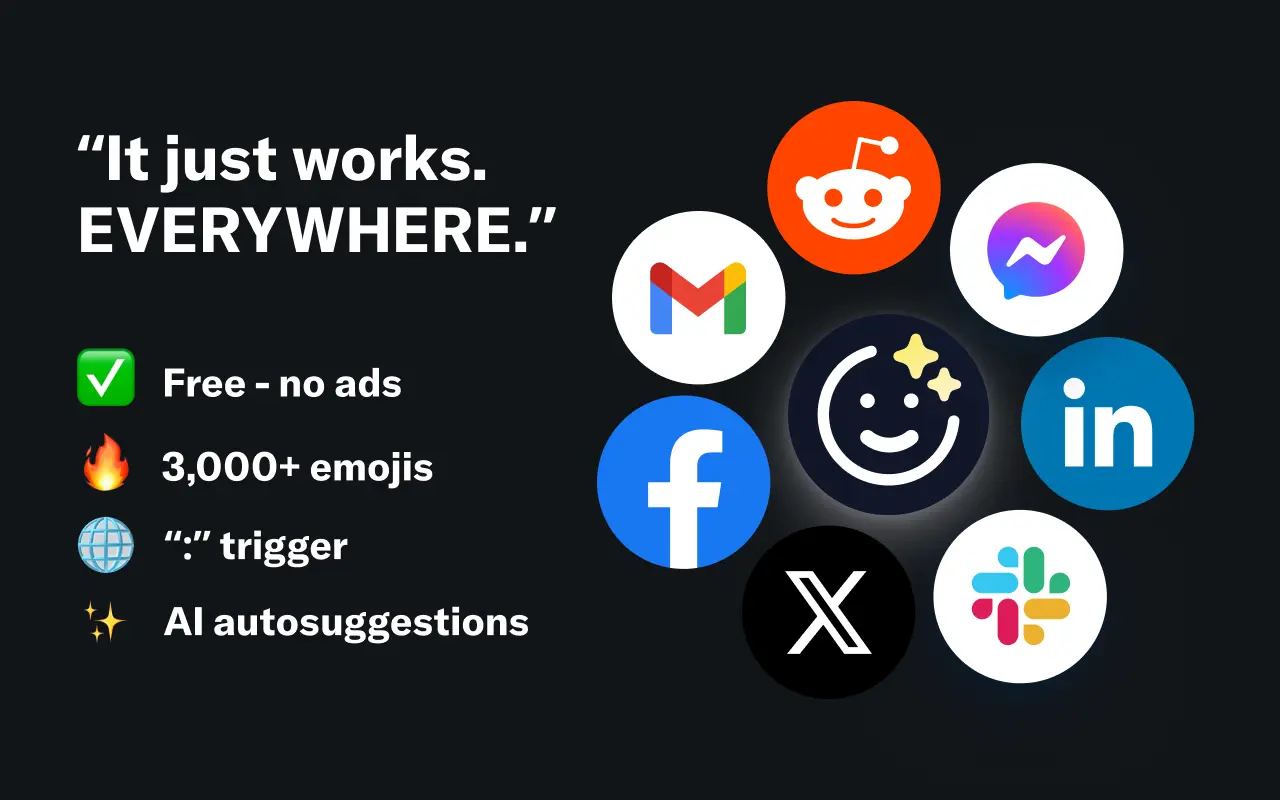
EmojAI
AI-powered emoji picker with smart, context-aware suggestions 🤖

Solohacker
Autonomous company launcher - AI agents work 24/7, escalate what matters, and you stay in control 🤖

BeRawi: Storytelling Coach
Practice storytelling daily with instant feedback to sound clearer, more engaging, and confident 🎤
Omichat
Chat with 50+ AI models, including ChatGPT and Claude, in one place - switch models anytime without losing context 🤖
Claude Fast
Supercharge your Claude Code with 6x effective context window and specialized AI agents 🤖
EmojAI
AI-powered emoji picker with smart, context-aware suggestions 🤖
Solohacker
Autonomous company launcher - AI agents work 24/7, escalate what matters, and you stay in control 🤖
BeRawi: Storytelling Coach
Practice storytelling daily with instant feedback to sound clearer, more engaging, and confident 🎤
Omichat
Chat with 50+ AI models, including ChatGPT and Claude, in one place - switch models anytime without losing context 🤖
Claude Fast
Supercharge your Claude Code with 6x effective context window and specialized AI agents 🤖
EmojAI
AI-powered emoji picker with smart, context-aware suggestions 🤖
Solohacker
Autonomous company launcher - AI agents work 24/7, escalate what matters, and you stay in control 🤖
BeRawi: Storytelling Coach
Practice storytelling daily with instant feedback to sound clearer, more engaging, and confident 🎤
Omichat
Chat with 50+ AI models, including ChatGPT and Claude, in one place - switch models anytime without losing context 🤖
Claude Fast
Supercharge your Claude Code with 6x effective context window and specialized AI agents 🤖
EmojAI
AI-powered emoji picker with smart, context-aware suggestions 🤖
Solohacker
Autonomous company launcher - AI agents work 24/7, escalate what matters, and you stay in control 🤖
BeRawi: Storytelling Coach
Practice storytelling daily with instant feedback to sound clearer, more engaging, and confident 🎤

Connect with like-minded people
Join our community to get feedback, support, and grow together with 1,000+ builders on board, let's ship it!
Join usShip your startup everywhere. In minutes.
Don't burn tokens on setup and start building features on day one.