Scoutly
Discover and connect with local football talent, organize matches, and track player stats. Perfect for aspiring players and community football enthusiasts.
Understanding the need for a local football talent discovery platform
The world of football is brimming with untapped potential. Across cities and towns, countless aspiring players and community football enthusiasts seek opportunities to showcase their skills, connect with like-minded individuals, and participate in organized matches. Yet, the process of discovering local football talent, organizing games, and tracking player performance remains fragmented and inefficient.
Scoutly addresses this gap by providing a dedicated B2C platform where users can discover and connect with local football talent, organize matches, and track player stats—all in one place. This article explores the Scoutly SaaS idea in depth, analyzing its target audience, market opportunity, core features, technology stack, monetization strategies, risks, and competitive advantages. Whether you're seeking inspiration, validation, or a roadmap for implementation, you'll find actionable insights here.
Who is Scoutly for? Target audience analysis
Scoutly is designed for a diverse yet interconnected audience within the football ecosystem. Understanding these user personas is crucial for product-market fit and long-term growth.
1. Aspiring football players
- Age range: 13–30 (with parental consent for minors)
- Motivation: Seeking exposure, skill development, and opportunities to be scouted or join local teams.
- Pain points: Lack of visibility, limited access to organized matches, and difficulty tracking personal progress.
2. Community football enthusiasts
- Profile: Casual players, hobbyists, and local teams who play for fun, fitness, or socializing.
- Needs: Easy match organization, finding players of similar skill levels, and maintaining friendly competition.
3. Amateur coaches and scouts
- Role: Looking to discover emerging talent, build teams, and monitor player development.
- Challenges: Scattered information, manual scouting, and limited access to comprehensive player stats.
4. Local football clubs and academies
- Objective: Talent acquisition, event organization, and community engagement.
- Requirements: Streamlined recruitment, event promotion, and performance analytics.
5. Parents of young players
- Interest: Tracking their child's progress, ensuring safe and organized participation, and connecting with other parents.
Key insight: By catering to both individual players and community organizers, Scoutly creates a network effect, increasing platform value as more users join.
Identifying the market opportunity and gap
The global football market is massive, with millions of grassroots players and thousands of local clubs. However, the digital infrastructure for local talent discovery and match organization is underdeveloped, especially outside professional leagues.
Current challenges in the market
- Fragmented solutions: Players rely on WhatsApp groups, Facebook events, or word-of-mouth to organize matches.
- Limited visibility: Talented individuals struggle to get noticed by scouts or clubs.
- Manual stat tracking: Performance data is often anecdotal or lost after each game.
- Lack of community: No central hub for local football enthusiasts to connect and collaborate.
Market trends supporting Scoutly
- Rising smartphone penetration: More users can access mobile-first platforms.
- Increased interest in data-driven sports: Even at the amateur level, players and coaches value performance analytics.
- Community-driven platforms: Apps like Strava (for running/cycling) have shown the power of social sports networks.
- Post-pandemic demand for outdoor activities: Football remains a top choice for group recreation.
Opportunity: Scoutly can become the go-to platform for local football engagement, bridging the gap between casual play and professional scouting.
Core features and solution details
Scoutly's value proposition lies in its comprehensive, user-friendly feature set tailored to the needs of its audience.
1. Talent discovery and player profiles
- Search and filter: Find players by location, age, skill level, or position.
- Rich profiles: Showcase stats, highlight reels, achievements, and endorsements.
- Verification: Optional identity and skill verification for credibility.
2. Match organization and management
- Create and join matches: Schedule games, set locations, and invite participants.
- Team formation: Auto-balance teams based on skill ratings or manual selection.
- Notifications: Real-time updates for match changes, confirmations, and reminders.
3. Player stats and analytics
- In-game stat tracking: Goals, assists, saves, passes, and more.
- Post-match summaries: Shareable performance reports and leaderboards.
- Progress tracking: Visualize improvement over time with charts and badges.
4. Community and networking
- Groups and clubs: Form or join local teams, academies, or interest-based groups.
- Messaging: In-app chat for coordination and socializing.
- Events: Organize tournaments, training sessions, or scouting events.
5. Safety and moderation
- Reporting tools: Flag inappropriate behavior or content.
- Parental controls: For underage users, ensuring a safe environment.
Talent discovery
Advanced search and player profiles for visibility and networking.
Match organization
Seamless scheduling, team formation, and notifications.
Stat tracking
Comprehensive analytics for players and coaches.
Community features
Groups, messaging, and events to foster engagement.
Recommended tech stack for Scoutly
Choosing the right technology stack is critical for scalability, performance, and user experience. Below is a recommended stack for building Scoutly, along with trade-offs to consider.
Frontend
- React: Popular, component-based, and ideal for building interactive UIs.
- Next.js: Server-side rendering for SEO and fast load times.
- TailwindCSS: Utility-first CSS for rapid, consistent styling.
- PWA support: For mobile-friendly, app-like experiences.
Backend
- Node.js: Scalable, event-driven server environment.
- Express: Minimalist web framework for APIs.
- PostgreSQL: Robust relational database for structured data (users, matches, stats).
- Redis: Caching for real-time features (notifications, leaderboards).
Real-time features
- Socket.IO: Real-time communication for match updates and chat.
Cloud and DevOps
- AWS or Google Cloud: Scalable hosting, storage, and security.
- CI/CD pipelines: Automated testing and deployment for rapid iteration.
Mobile
- React Native: Cross-platform mobile app development (optional for native experience).
Trade-offs
- Monolithic vs. microservices: Start monolithic for speed; migrate to microservices as user base grows.
- NoSQL (e.g., MongoDB) vs. SQL: SQL preferred for relational data and complex queries, but NoSQL can be considered for unstructured content (e.g., chat messages).
Tip
Leverage TurboStarter to accelerate your SaaS MVP development with pre-built authentication, payments, and scalable infrastructure.
Monetization strategy options
Scoutly's B2C model opens several monetization avenues. The key is to balance revenue generation with user growth and engagement.
1. Freemium model
- Free tier: Basic features (profile, match organization, limited stat tracking).
- Premium subscription: Advanced analytics, priority match placement, unlimited stat history, and exclusive events.
2. In-app purchases
- Profile boosts: Temporary visibility increases for players.
- Custom badges or themes: Personalization options for profiles.
3. Club and coach subscriptions
- Team management tools: Bulk stat tracking, advanced analytics, and recruitment features.
- Event promotion: Paid listings for tournaments or scouting events.
4. Advertising and sponsorships
- Local business ads: Targeted, non-intrusive ads for sports shops, gyms, or academies.
- Brand partnerships: Sponsored events or branded challenges.
5. Affiliate marketing
- Equipment sales: Partner with sports retailers for gear recommendations.
Ensure the free tier remains valuable and engaging. Premium features should enhance, not restrict, the core experience.
Potential risks and mitigation strategies
Launching a B2C sports platform comes with unique challenges. Proactive risk management is essential.
1. User acquisition and retention
- Risk: Slow initial growth or high churn.
- Mitigation: Incentivize referrals, gamify engagement, and partner with local clubs for early traction.
2. Data privacy and safety
- Risk: Handling minors' data and ensuring safe interactions.
- Mitigation: Comply with GDPR/COPPA, implement robust moderation, and offer parental controls.
3. Platform abuse
- Risk: Fake profiles, trolling, or harassment.
- Mitigation: Verification options, reporting tools, and active moderation.
4. Technical scalability
- Risk: Performance issues as user base grows.
- Mitigation: Use scalable cloud infrastructure and monitor key metrics.
5. Monetization backlash
- Risk: Users resist paid features or ads.
- Mitigation: Transparent communication, value-driven premium offerings, and non-intrusive ad placements.
Competitive advantage analysis
Scoutly enters a market with some indirect competitors (e.g., generic event apps, social networks, or niche sports platforms), but it stands out through its focused approach.
| Scoutly | WhatsApp Groups | Facebook Events | Generic Sports Apps | Manual Scouting |
|---|---|---|---|---|
| ✅ | ❌ | ❌ | ✅ | ❌ |
| ✅ | ❌ | ✅ | ✅ | ❌ |
Unique selling proposition (USP)
- All-in-one platform: Combines talent discovery, match organization, and stat tracking.
- Local focus: Hyperlocal search and community features.
- Data-driven: Analytics for every player, not just professionals.
- Safety-first: Moderation and parental controls for a trusted environment.
Why Scoutly stands out
- Niche specialization: Unlike generic event or messaging apps, Scoutly is purpose-built for football.
- Network effects: The more users join, the more valuable the platform becomes for everyone.
- Modern UX: Mobile-first, intuitive design tailored to sports communities.
Actionable implementation steps
Ready to bring Scoutly to life? Here’s a step-by-step roadmap for launching your SaaS MVP and scaling it effectively.
Conclusion: Why Scoutly is the future of local football engagement
Scoutly is more than just an app—it's a catalyst for grassroots football growth. By seamlessly connecting aspiring players, community enthusiasts, coaches, and clubs, Scoutly fills a critical gap in the sports tech landscape. Its unique blend of talent discovery, match organization, and data-driven insights empowers users to elevate their game, build meaningful connections, and unlock new opportunities.
With a robust tech stack, flexible monetization options, and a clear focus on safety and community, Scoutly is poised to become the go-to platform for local football talent. Whether you're an entrepreneur, developer, or football enthusiast, now is the time to seize this market opportunity and shape the future of the beautiful game.
Frequently asked questions
Scoutly implements strict parental controls, age verification, and complies with regulations like GDPR and COPPA to protect young users.
Yes, Scoutly offers advanced search, analytics, and team management tools tailored for clubs and coaches.
Scoutly is designed as a mobile-first web app, with plans for native React Native apps based on user demand.
Unlike generic event or messaging apps, Scoutly is purpose-built for football, offering integrated talent discovery, match organization, and stat tracking.
For more on building SaaS MVPs efficiently, check out TurboStarter.
More 👥 B2C Application SaaS ideas
Discover more innovative b2c application SaaS ideas that are trending in 2026. Each idea is AI-generated with market validation and growth potential to help you find your next profitable venture faster than competitors.
Your competitors are building with TurboStarter
Below are some of the SaaS ideas that have been generated and built with our starter kit.

Statiko
Monitor any Telegram channel in real time - track posts, edits, deletions, and growth with AI recaps 📡

Shibui
AI website builder - describe your business, pick a niche template, edit by chatting, and publish instantly ✨

Pro Service
Find verified home service professionals, compare quotes, and pay securely through escrow - built for Brazilians across the US 🏠
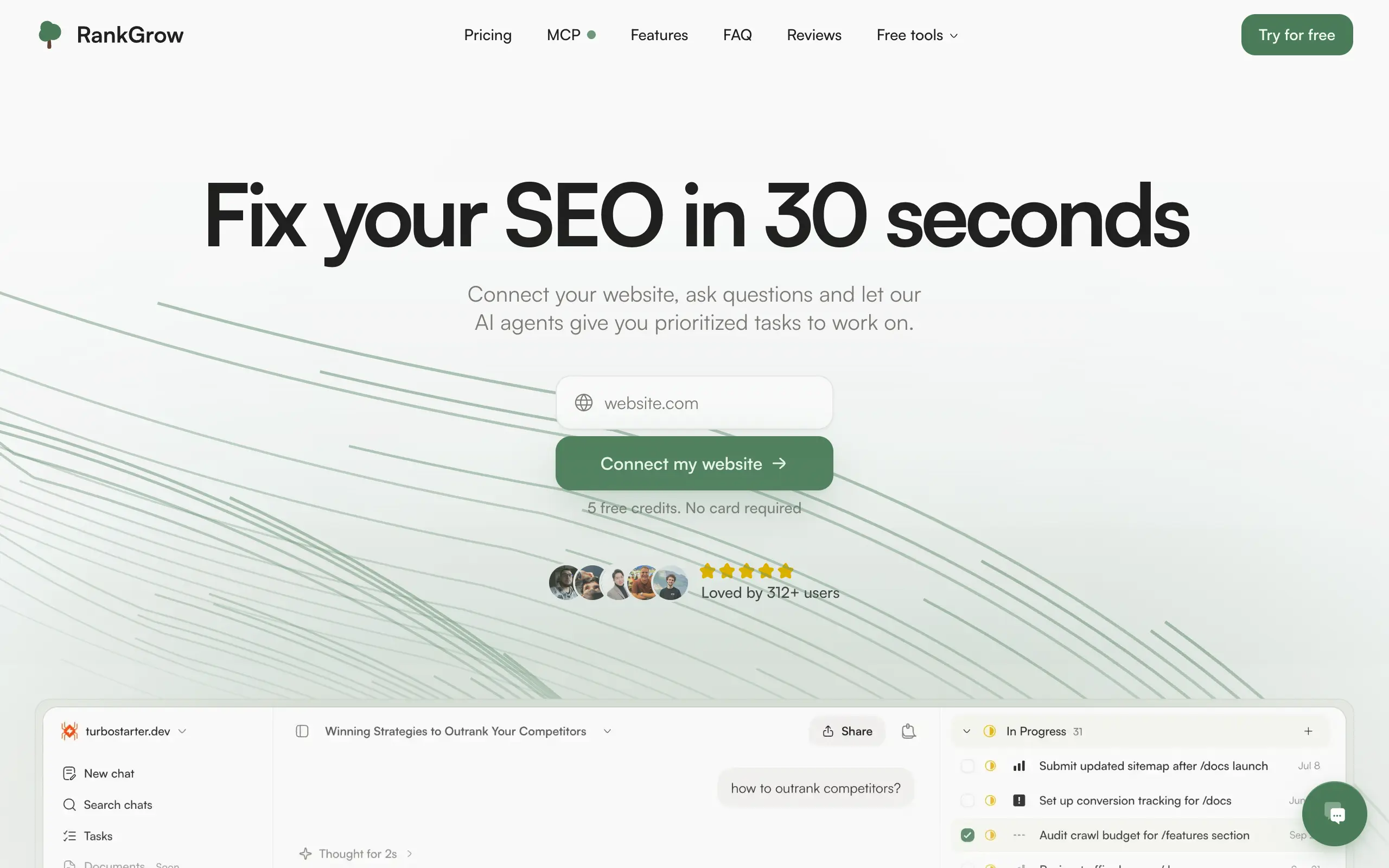
RankGrow
Fix your SEO with AI agents - connect Search Console, get prioritized tasks, and grow organic traffic 📈
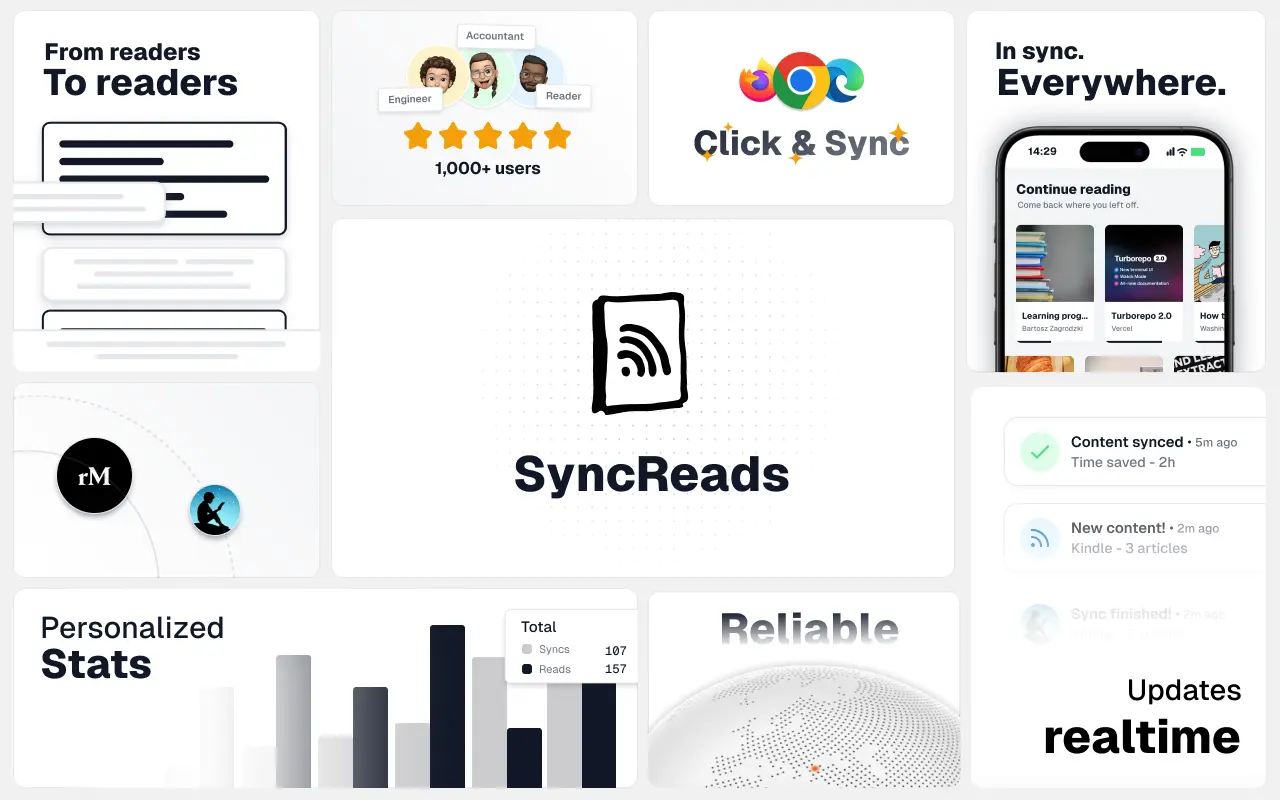
SyncReads
Sync your favorite content for distraction-free reading, save time and replace multiple apps. Anytime, anywhere 🔄
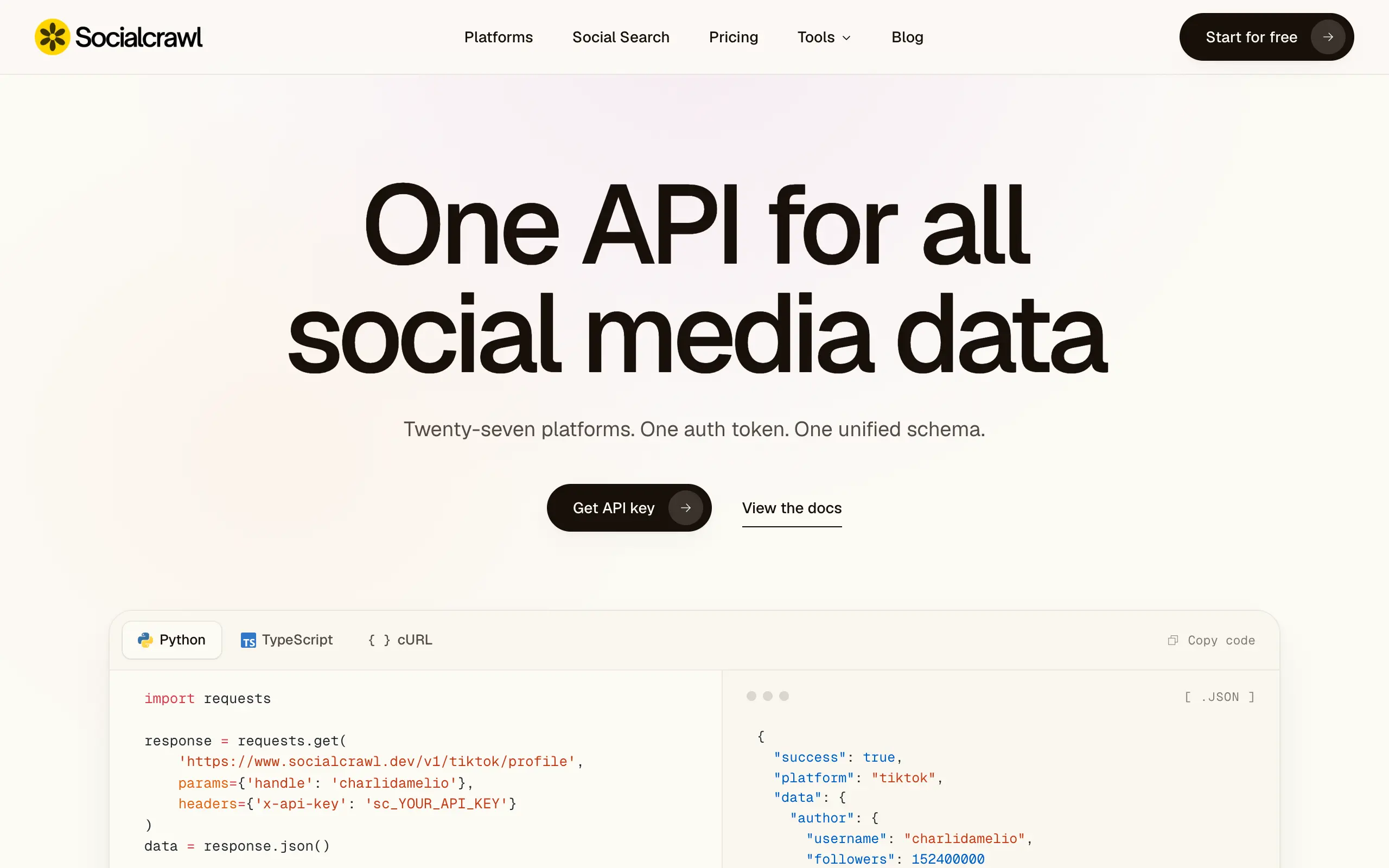
Socialcrawl
Get clean, structured data from 21 platforms like TikTok, Instagram, and YouTube with a single request 📊
Statiko
Monitor any Telegram channel in real time - track posts, edits, deletions, and growth with AI recaps 📡
Shibui
AI website builder - describe your business, pick a niche template, edit by chatting, and publish instantly ✨
Pro Service
Find verified home service professionals, compare quotes, and pay securely through escrow - built for Brazilians across the US 🏠
RankGrow
Fix your SEO with AI agents - connect Search Console, get prioritized tasks, and grow organic traffic 📈
SyncReads
Sync your favorite content for distraction-free reading, save time and replace multiple apps. Anytime, anywhere 🔄
Socialcrawl
Get clean, structured data from 21 platforms like TikTok, Instagram, and YouTube with a single request 📊
Statiko
Monitor any Telegram channel in real time - track posts, edits, deletions, and growth with AI recaps 📡
Shibui
AI website builder - describe your business, pick a niche template, edit by chatting, and publish instantly ✨
Pro Service
Find verified home service professionals, compare quotes, and pay securely through escrow - built for Brazilians across the US 🏠
RankGrow
Fix your SEO with AI agents - connect Search Console, get prioritized tasks, and grow organic traffic 📈
SyncReads
Sync your favorite content for distraction-free reading, save time and replace multiple apps. Anytime, anywhere 🔄
Socialcrawl
Get clean, structured data from 21 platforms like TikTok, Instagram, and YouTube with a single request 📊
Statiko
Monitor any Telegram channel in real time - track posts, edits, deletions, and growth with AI recaps 📡
Shibui
AI website builder - describe your business, pick a niche template, edit by chatting, and publish instantly ✨
Pro Service
Find verified home service professionals, compare quotes, and pay securely through escrow - built for Brazilians across the US 🏠
RankGrow
Fix your SEO with AI agents - connect Search Console, get prioritized tasks, and grow organic traffic 📈
SyncReads
Sync your favorite content for distraction-free reading, save time and replace multiple apps. Anytime, anywhere 🔄
Socialcrawl
Get clean, structured data from 21 platforms like TikTok, Instagram, and YouTube with a single request 📊
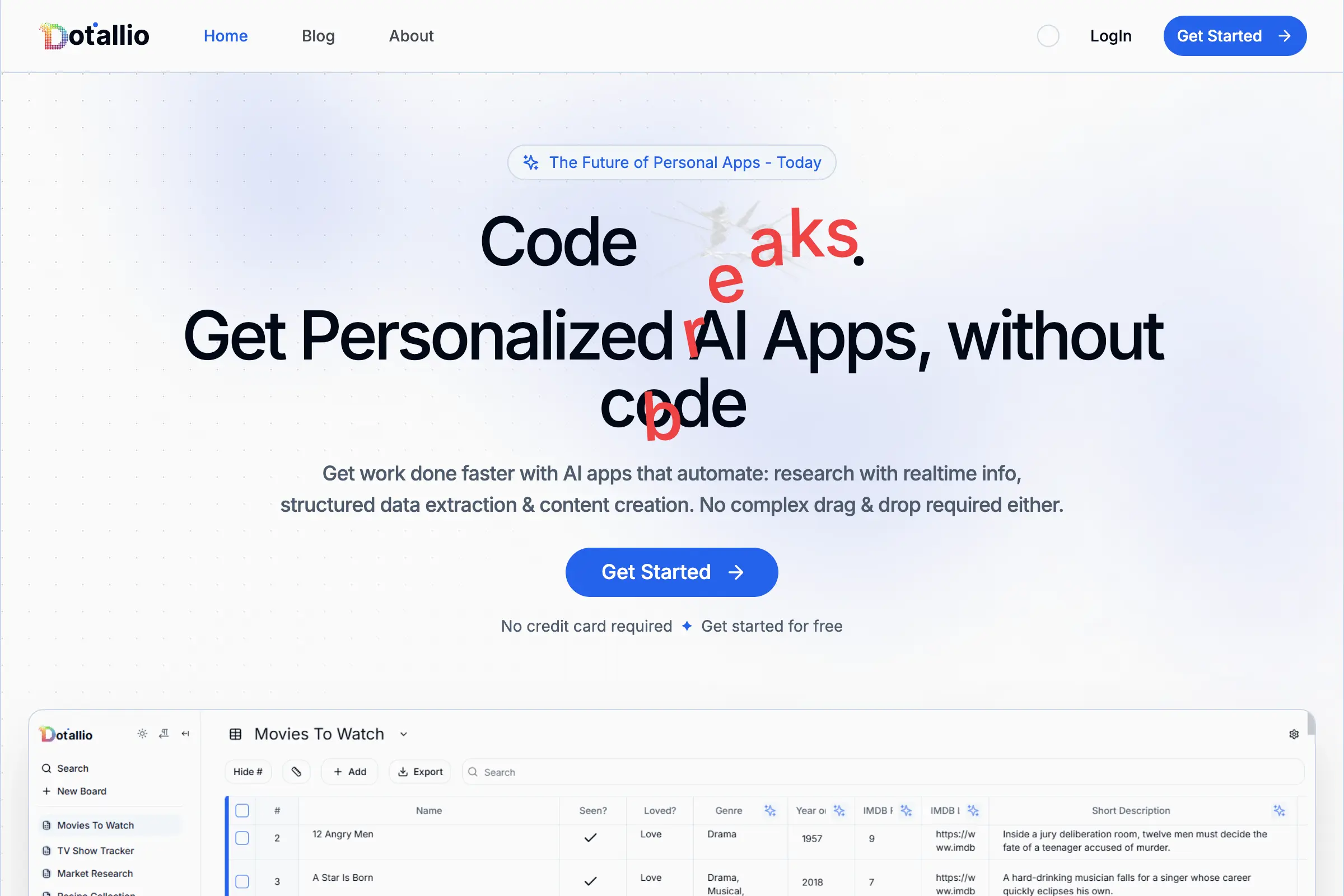
Dotallio
Personalized AI apps that automate research, data extraction, and content creation without code 🤖
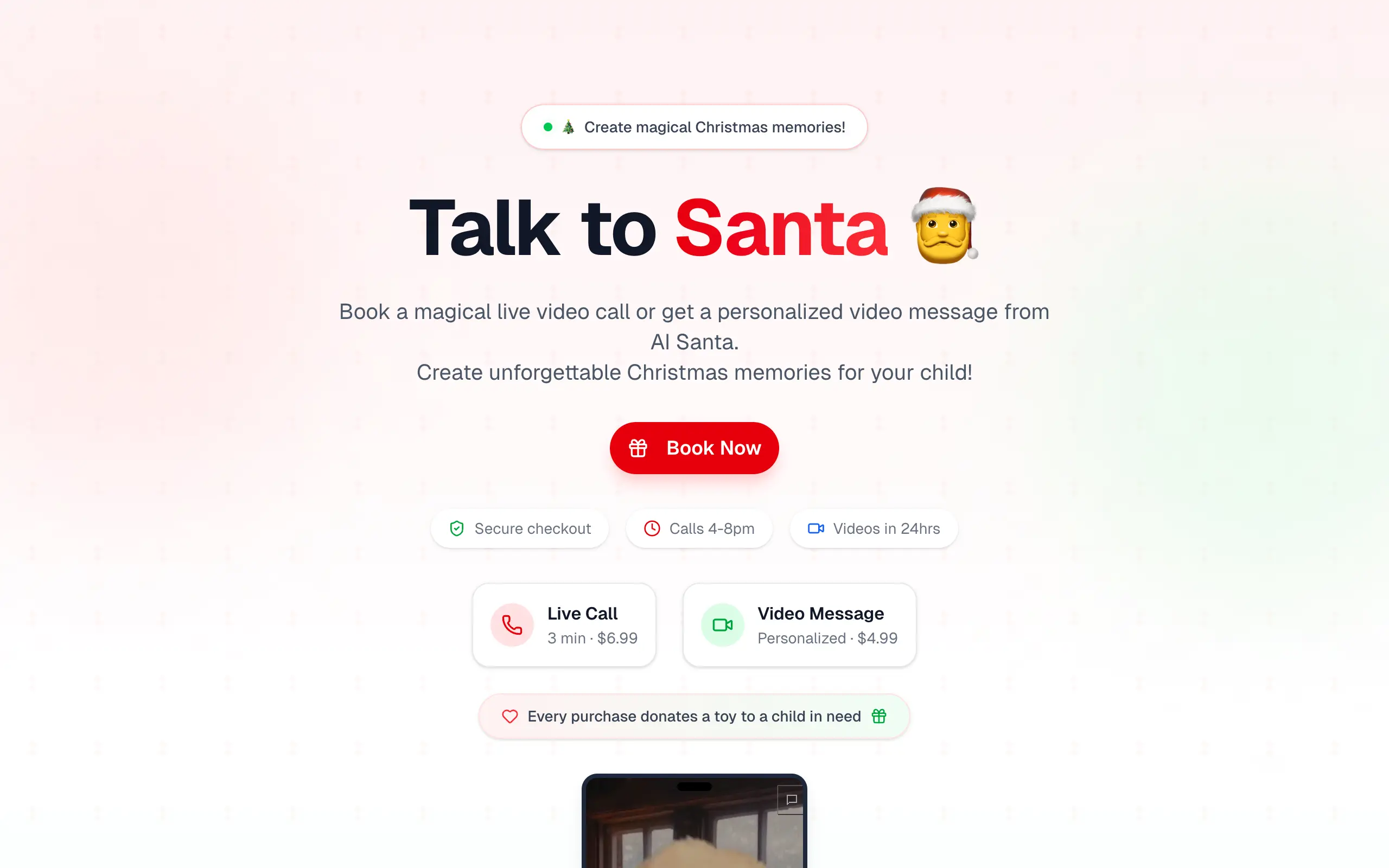
Talk to Santa
Enjoy a magical live video chat or receive a unique AI-generated video greeting from Santa Claus 🎅

pozywka.pl
Scalable blog for food journalist, focused on performance and user experience 🌭
zagrodzki.me
Personal blog and portfolio of Bart Zagrodzki, where he shares his knowledge and work 💼
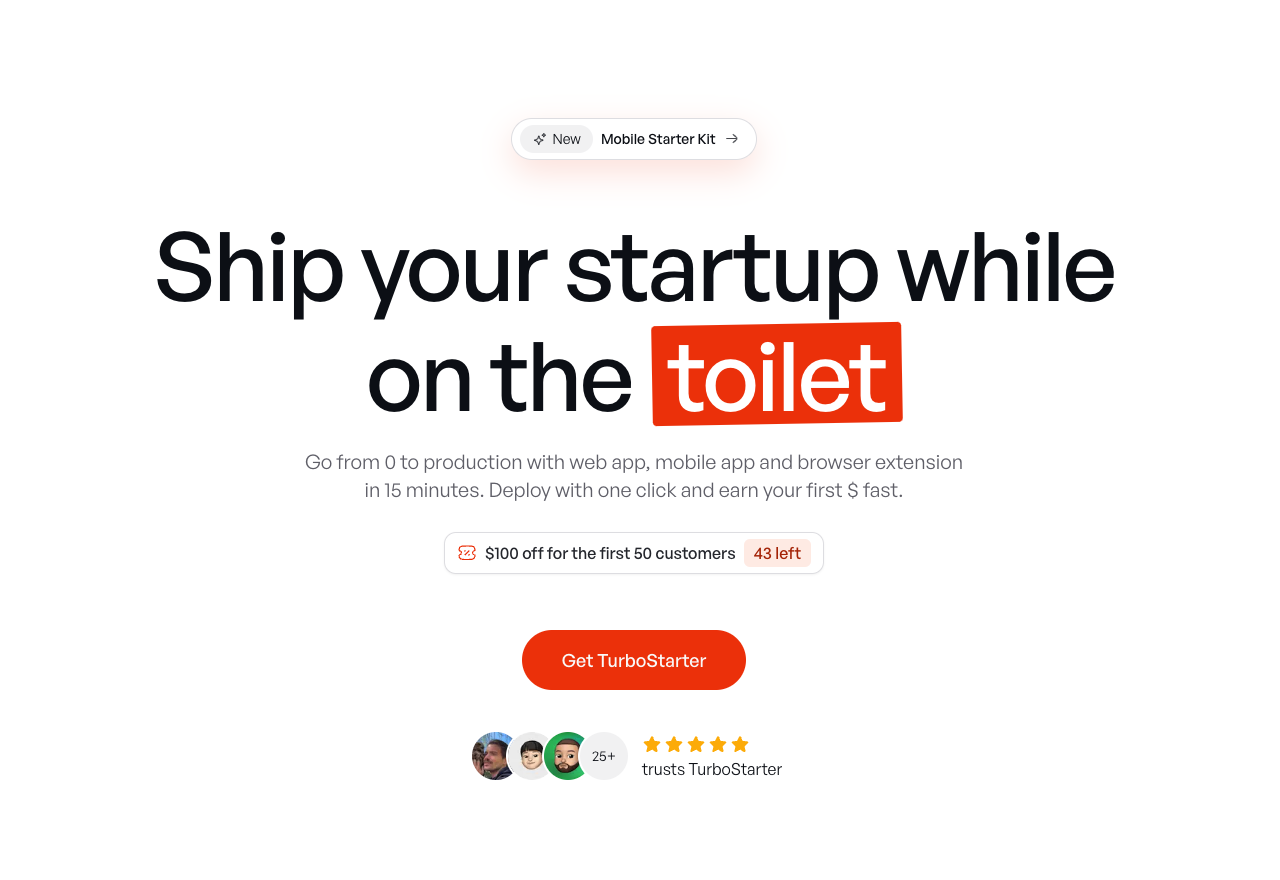
TurboStarter
Ship your startup everywhere. In minutes.
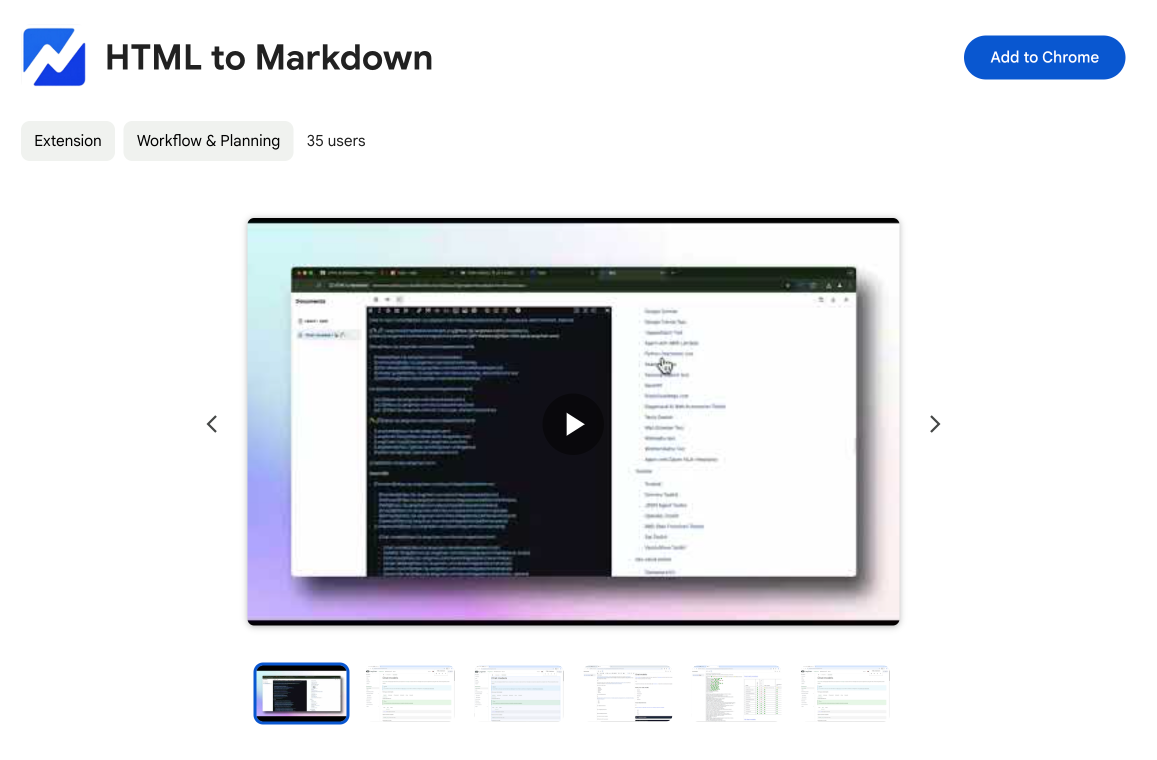
HTML to Markdown
Convert HTML to Markdown with ease, directly in your browser 📄
Dotallio
Personalized AI apps that automate research, data extraction, and content creation without code 🤖
Talk to Santa
Enjoy a magical live video chat or receive a unique AI-generated video greeting from Santa Claus 🎅
pozywka.pl
Scalable blog for food journalist, focused on performance and user experience 🌭
zagrodzki.me
Personal blog and portfolio of Bart Zagrodzki, where he shares his knowledge and work 💼
TurboStarter
Ship your startup everywhere. In minutes.
HTML to Markdown
Convert HTML to Markdown with ease, directly in your browser 📄
Dotallio
Personalized AI apps that automate research, data extraction, and content creation without code 🤖
Talk to Santa
Enjoy a magical live video chat or receive a unique AI-generated video greeting from Santa Claus 🎅
pozywka.pl
Scalable blog for food journalist, focused on performance and user experience 🌭
zagrodzki.me
Personal blog and portfolio of Bart Zagrodzki, where he shares his knowledge and work 💼
TurboStarter
Ship your startup everywhere. In minutes.
HTML to Markdown
Convert HTML to Markdown with ease, directly in your browser 📄
Dotallio
Personalized AI apps that automate research, data extraction, and content creation without code 🤖
Talk to Santa
Enjoy a magical live video chat or receive a unique AI-generated video greeting from Santa Claus 🎅
pozywka.pl
Scalable blog for food journalist, focused on performance and user experience 🌭
zagrodzki.me
Personal blog and portfolio of Bart Zagrodzki, where he shares his knowledge and work 💼
TurboStarter
Ship your startup everywhere. In minutes.
HTML to Markdown
Convert HTML to Markdown with ease, directly in your browser 📄
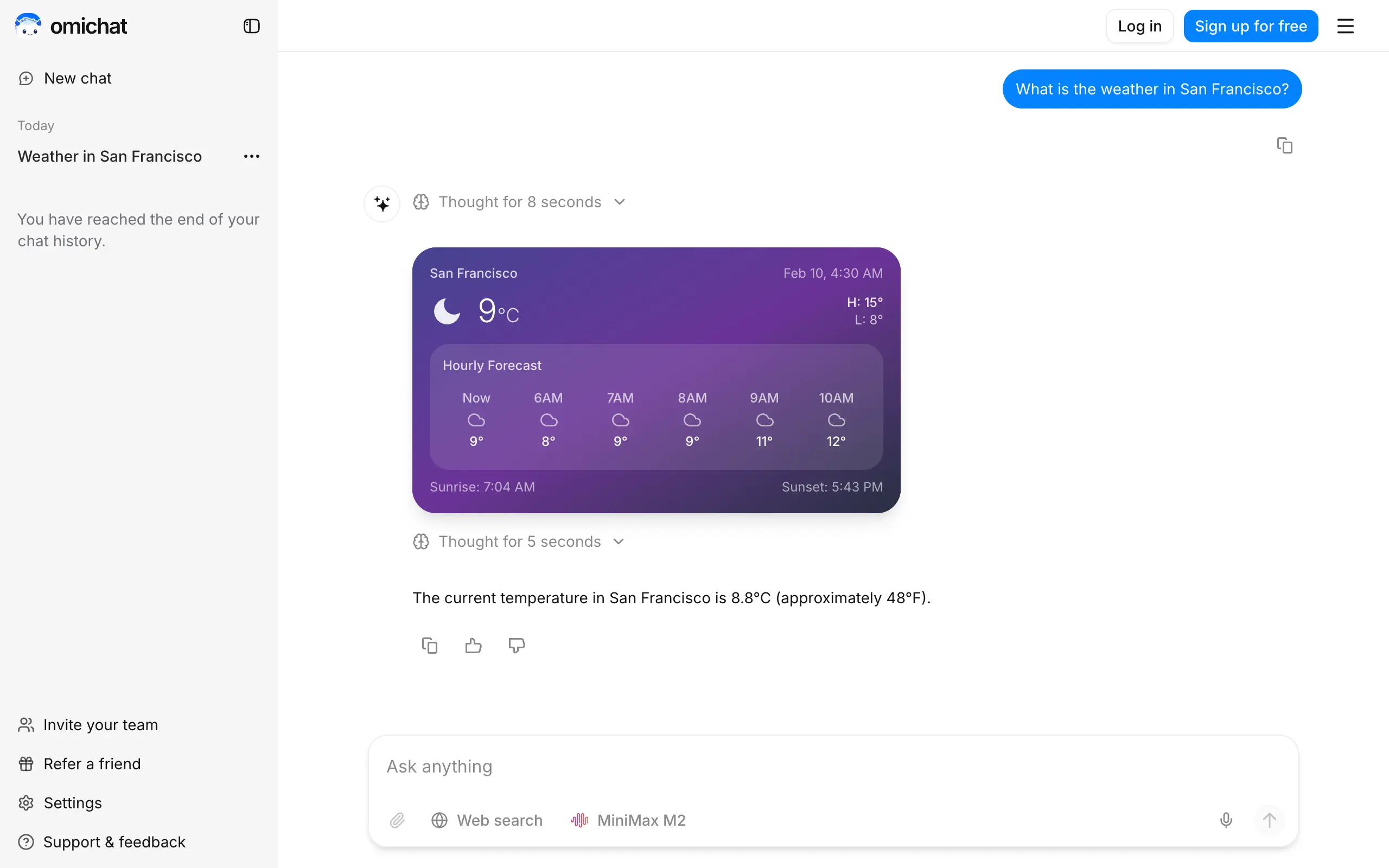
Omichat
Chat with 50+ AI models, including ChatGPT and Claude, in one place - switch models anytime without losing context 🤖
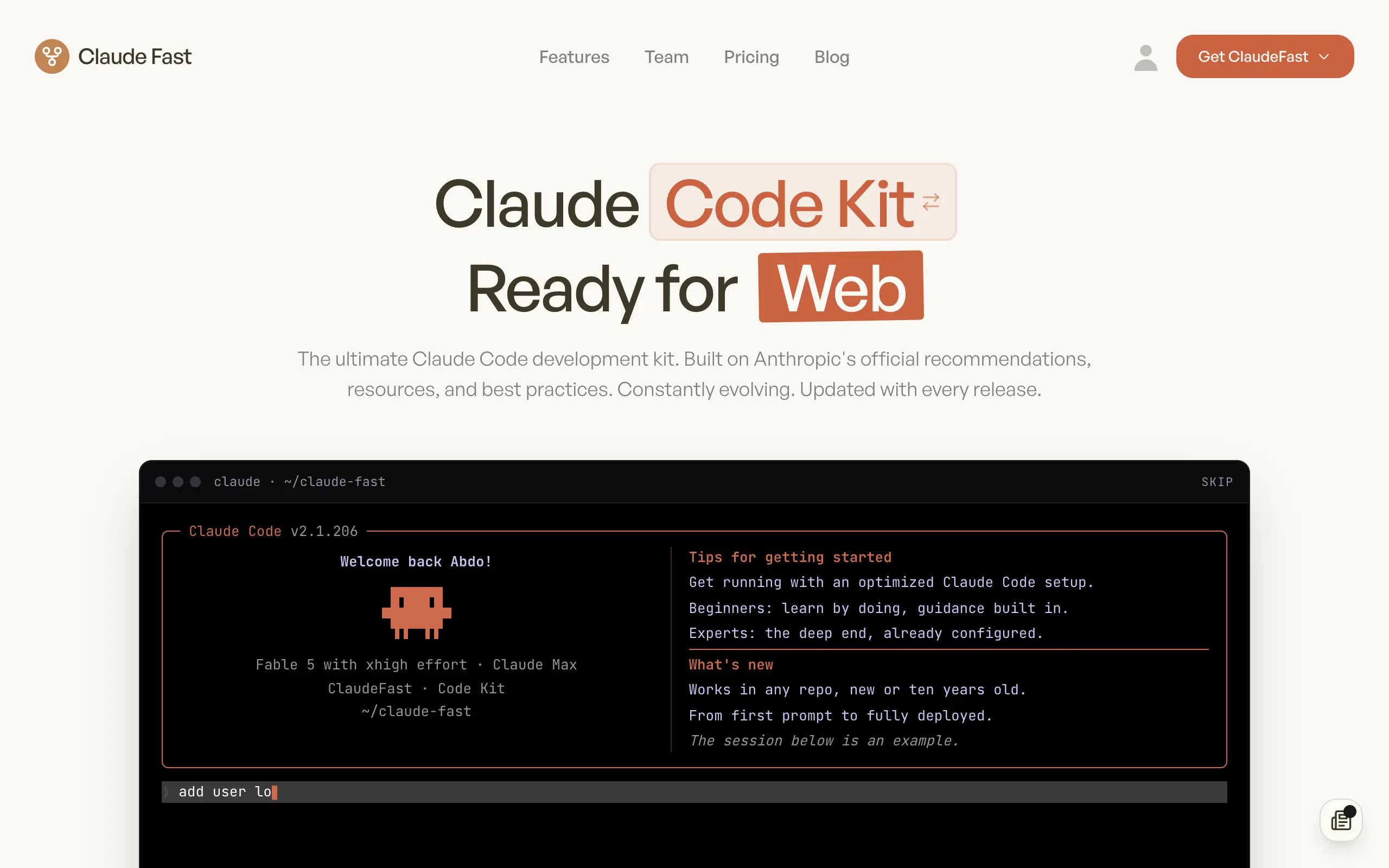
Claude Fast
Supercharge your Claude Code with 6x effective context window and specialized AI agents 🤖
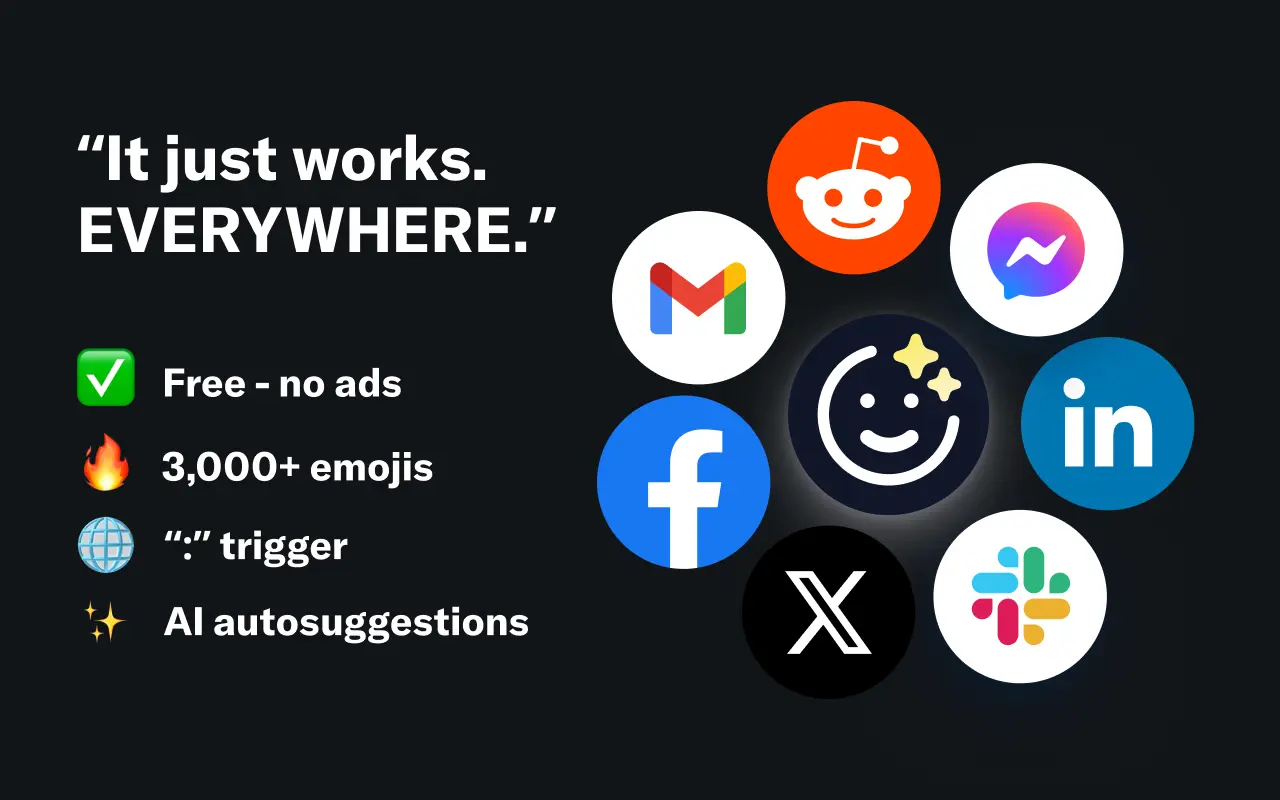
EmojAI
AI-powered emoji picker with smart, context-aware suggestions 🤖
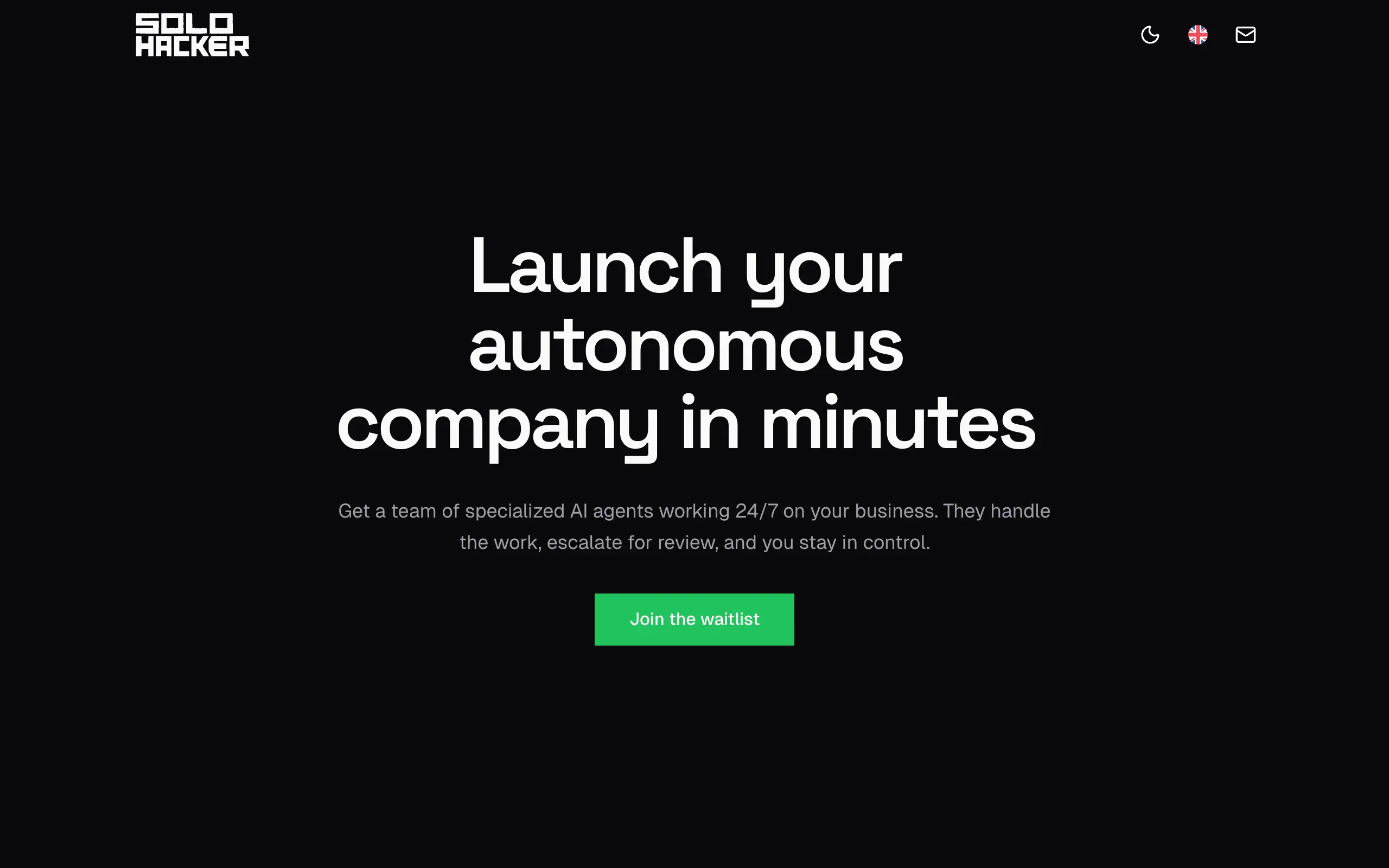
Solohacker
Autonomous company launcher - AI agents work 24/7, escalate what matters, and you stay in control 🤖
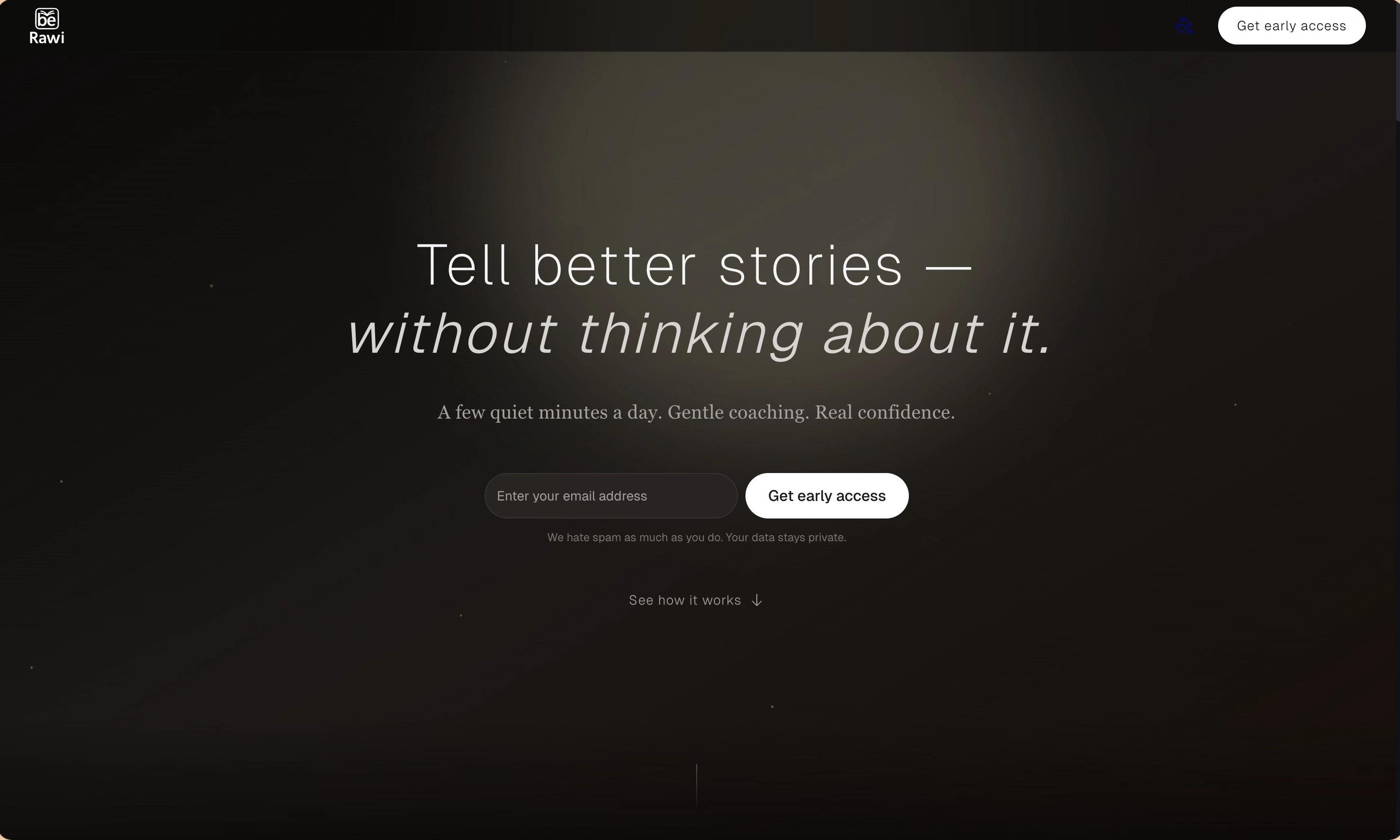
BeRawi: Storytelling Coach
Practice storytelling daily with instant feedback to sound clearer, more engaging, and confident 🎤
Omichat
Chat with 50+ AI models, including ChatGPT and Claude, in one place - switch models anytime without losing context 🤖
Claude Fast
Supercharge your Claude Code with 6x effective context window and specialized AI agents 🤖
EmojAI
AI-powered emoji picker with smart, context-aware suggestions 🤖
Solohacker
Autonomous company launcher - AI agents work 24/7, escalate what matters, and you stay in control 🤖
BeRawi: Storytelling Coach
Practice storytelling daily with instant feedback to sound clearer, more engaging, and confident 🎤
Omichat
Chat with 50+ AI models, including ChatGPT and Claude, in one place - switch models anytime without losing context 🤖
Claude Fast
Supercharge your Claude Code with 6x effective context window and specialized AI agents 🤖
EmojAI
AI-powered emoji picker with smart, context-aware suggestions 🤖
Solohacker
Autonomous company launcher - AI agents work 24/7, escalate what matters, and you stay in control 🤖
BeRawi: Storytelling Coach
Practice storytelling daily with instant feedback to sound clearer, more engaging, and confident 🎤
Omichat
Chat with 50+ AI models, including ChatGPT and Claude, in one place - switch models anytime without losing context 🤖
Claude Fast
Supercharge your Claude Code with 6x effective context window and specialized AI agents 🤖
EmojAI
AI-powered emoji picker with smart, context-aware suggestions 🤖
Solohacker
Autonomous company launcher - AI agents work 24/7, escalate what matters, and you stay in control 🤖
BeRawi: Storytelling Coach
Practice storytelling daily with instant feedback to sound clearer, more engaging, and confident 🎤

Connect with like-minded people
Join our community to get feedback, support, and grow together with 1,000+ builders on board, let's ship it!
Join usShip your startup everywhere. In minutes.
Don't burn tokens on setup and start building features on day one.