SideQuest
Turn free time into memorable plans with friends and family using personalized local activity ideas, shared availability, and quick group polls. Make trying something new easy.
What SideQuest is and why the idea matters
SideQuest is a B2C app for turning unstructured free time into plans people are genuinely excited to do together. It helps friends and family discover personalized local activities, compare availability, and make a group decision through quick polls.
The problem is familiar: someone suggests getting together, the group chat fills with vague options, and nobody chooses a plan. The challenge is rarely a complete lack of things to do. It is the effort required to find an activity that fits everyone’s interests, schedule, budget, location, and energy level.
SideQuest’s core promise is to make that decision easier. Instead of asking a group to research ideas from scratch, the app can surface suitable options, make coordination lightweight, and turn a promising idea into a confirmed plan.
This is more than a local activity directory. A directory answers, “What is nearby?” SideQuest should answer a more useful question: “What could we do together that works for this group right now?”
SideQuest’s primary audience and user intent
SideQuest serves people who want to spend time together but need help getting from intention to action. The strongest early audience is likely to be groups that make plans frequently enough to feel the coordination pain, but not so frequently that planning has become a routine.
Core target segments
- Friend groups: People looking for a quick way to choose a restaurant, activity, or casual outing without a long group-chat discussion.
- Couples: Partners who want date ideas tailored to shared interests, time, and spending preferences.
- Families: Parents and caregivers who need age-appropriate, practical ideas that fit the day’s schedule.
- New residents: People who want to explore a city and discover activities beyond the most obvious attractions.
- Visitors: Travelers looking for locally relevant options, especially when they have limited time or do not know the area.
- Social organizers: The person who habitually coordinates get-togethers and would value a more repeatable planning process.
These groups share a job to be done: find a realistic activity that a particular set of people can agree on. SideQuest should focus on this job rather than trying to become a general-purpose social network, event marketplace, or city guide from day one.
The key moments that trigger a search
SideQuest should work especially well when users have a near-term reason to make a plan:
- “We have Saturday afternoon free.”
- “We want to do something with the kids after school.”
- “We have friends visiting this weekend.”
- “We need a rainy-day idea.”
- “We want a date night that is not the same as last time.”
- “We are free tonight, but nobody knows what to do.”
This intent is immediate and practical. Users do not just want inspiration; they want to reach a decision with minimal effort. Product design, onboarding, and marketing should all support that outcome.
Who is most likely to adopt first
A practical initial segment is friend groups in a single city or region. These users can share the product through existing group chats, have a broad range of activity interests, and may be more willing to try new ideas than users seeking highly specialized family or travel planning.
Families may be a strong second segment, particularly if SideQuest can reliably filter for age suitability, duration, cost, accessibility, and indoor or outdoor options. However, serving families well requires more precise data and thoughtful trust signals. It is better to support this audience deliberately than to make broad claims about family suitability based on incomplete listings.
The market opportunity and the gap SideQuest can fill
People already discover activities through search engines, map products, social platforms, local publications, event calendars, and recommendation apps. That does not mean the problem is solved. These tools often help people find places or events, but they may not make it easy for a specific group to agree on one plan.
The opportunity for SideQuest lies in connecting three parts of the experience:
- Personalized discovery based on the people, place, timing, budget, and mood.
- Shared decision-making so the group can react to options and vote.
- Plan completion so a choice becomes a concrete, shareable outing.
Many products handle one or two of these steps well. SideQuest can differentiate by treating the entire decision as the product experience.
The gap is not “more recommendations”
A list of dozens of activity ideas can increase choice overload rather than reduce it. SideQuest should not measure success by how many recommendations it displays. It should aim to help users move from uncertainty to a feasible choice.
A useful recommendation needs enough context to be actionable:
- Why does this fit the group?
- How far away is it?
- Is it open or available at the relevant time?
- What might it cost?
- How long could the activity take?
- Is it suitable for the group’s needs?
- What can the group do next?
When SideQuest cannot verify a detail, it should say so. Clear uncertainty is more trustworthy than presenting an outdated opening time or unconfirmed availability as fact.
A focused positioning opportunity
SideQuest can position itself as a group activity planner for real-life free time. That framing is specific enough to distinguish it from a generic recommendation feed, yet flexible enough to cover a broad set of local activities.
Its most defensible early advantage is not an exclusive inventory of activities. It is a better planning workflow built around the group. Over time, the product can strengthen that advantage through saved preferences, group-specific learning, reliable local data, and repeat usage.
The SideQuest value proposition and USP
SideQuest’s unique selling proposition is the combination of personalized local ideas, shared availability, and fast group polls in one lightweight experience.
The promise should be simple:
Tell SideQuest who is going, when you are free, and what sounds good. Get a short list of local plans the group can actually choose from.
That is different from a product that only recommends nearby businesses or only manages a calendar. The value is in reducing the coordination work between “we should do something” and “we have a plan.”
What makes the concept stand out
- Group-first recommendations: Suggestions should reflect the group’s combined preferences, not just the account holder’s history.
- Time-aware planning: Recommendations should match the group’s shared availability and the amount of time they have.
- Low-friction voting: Participants should be able to express a preference without completing a long signup flow.
- A plan-oriented endpoint: The product should help users confirm the option, share the details, and remember what they decided.
- Discovery with a purpose: The app should encourage users to try something new while still respecting budget, location, and practical constraints.
A strong product will not promise that every suggestion is perfect. It will make the choice easier, explain why options were suggested, and give groups a fast way to say yes, no, or “show us something else.”
Core features for a useful local activity planner
The first version should be intentionally narrow. SideQuest needs enough functionality to complete the core planning loop, but it does not need a large social feature set before it has evidence that users return.
Personalized activity discovery
Start with a simple set of inputs:
- Location or preferred travel radius
- Date and approximate time
- Group size and participant types
- Budget range
- Interests or preferred activity categories
- Indoor or outdoor preference
- Desired duration
- Accessibility or other practical needs
The recommendation experience should offer a manageable number of options, each with a short explanation. For example, an idea might be labeled “good for a rainy afternoon” or “fits a two-hour window.” Explanations help users judge whether a recommendation makes sense and can build trust in the product.
For an MVP, recommendations can combine curated data, provider feeds, and well-defined category rules. A sophisticated AI system is not required to test whether groups value the workflow.
Shared availability
Availability can be deceptively difficult. Calendar integrations may improve accuracy, but they introduce permissions, privacy concerns, and implementation complexity.
An MVP can begin with a simpler approach:
- The organizer proposes one or more time windows.
- Participants mark which windows work.
- SideQuest displays the overlap.
- The group uses that overlap to filter activities.
This avoids requiring calendar access before users understand the value of the app. Later, optional calendar integrations can reduce manual entry for users who want them. Availability should be private by default, and users should control which time details are shared with the group.
Quick group polls
Polls are central to SideQuest because they turn individual interest into a group decision. A useful poll should support:
- A small set of activity options
- A deadline or voting window
- Anonymous or visible votes, depending on group preference
- “Maybe” or “I need more information” responses
- A clear result when voting ends
- A direct path to confirm the selected plan
The poll should not become a full project-management workflow. The product’s advantage comes from making a decision easier, not from adding administrative steps.
Shared plans and useful reminders
Once a group chooses an activity, SideQuest can create a compact plan page with the essential details:
- Activity name and location
- Date and time
- Estimated cost, if known
- Relevant links or booking instructions
- Participants and voting outcome
- Notes from the organizer
Reminders should be helpful and configurable rather than excessive. For example, users might choose to receive one reminder when a poll is close to ending and another before a confirmed plan.
Saved preferences and lightweight profiles
A preference profile can improve future recommendations without requiring an intrusive onboarding questionnaire. Let users add interests gradually, save favorite categories, and adjust preferences as needed.
Group profiles may be especially useful. A group that regularly plans low-cost outdoor activities should not have to explain its preferences every time. Still, SideQuest should make it easy to override those defaults for a special occasion.
Discover
Find a short, relevant set of activities based on location, time, interests, and practical constraints.
Coordinate
Collect shared availability and let participants react to options with a fast group poll.
Confirm
Turn the winning idea into a plan with clear details, reminders, and sharing.
Recommended MVP scope
The MVP should answer one question: Will groups use SideQuest to choose a real activity more quickly than they would using their usual group chat and search tools?
A focused initial release could include:
- Group creation through a shareable invitation
- Manual time-window availability
- A small number of local activity recommendations
- Basic filters for interests, budget, and indoor or outdoor plans
- Simple voting
- A confirmed plan page
- A feedback prompt after the activity
Delay features such as public profiles, social feeds, complex loyalty programs, extensive calendar syncing, and broad marketplace functionality. These may become valuable later, but they do not validate the central planning loop.
A sample user flow
- One person starts a plan and sets the location, date range, and general mood.
- The organizer invites friends through a link.
- Participants indicate which time windows work and select their preferences.
- SideQuest suggests a short list of suitable activities.
- The group votes.
- The organizer confirms the winning plan and shares the details.
- SideQuest asks whether the group went and whether the recommendation was a good fit.
The final feedback step matters. It creates a learning loop and can help distinguish between an attractive suggestion and an activity that people actually chose and enjoyed.
Recommended technology stack for SideQuest
The best technology stack is the one that supports fast experimentation, reliable data handling, and a good mobile experience without creating unnecessary operational complexity.
Front end and application architecture
React is a strong choice for building a component-based interface, while Next.js can provide routing, server-side rendering, and a flexible application structure. For a mobile-first consumer product, responsive web is a reasonable starting point. It enables users to open an invitation link without installing an app.
A native or cross-platform mobile app can be considered after SideQuest demonstrates repeat usage and a clear need for push notifications, location features, or deeper device integrations. Starting with a link-accessible experience can also reduce friction for guests who only need to vote once.
Backend and data storage
A relational database suits SideQuest’s core data well. Users, groups, invitations, availability windows, recommendations, votes, and plans have clear relationships. Supabase is one option for managed PostgreSQL, authentication, and related backend services. Its benefits include a quick setup and a familiar relational model. Its trade-offs include dependence on a managed platform and the need to design authorization carefully.
Regardless of provider, use server-side authorization checks for group data. A user should not gain access to a group’s availability simply by guessing an identifier or changing a URL.
Maps and local activity data
Mapping and place information are essential, but they can become a major cost and data-quality challenge. Choose a provider based on coverage in the launch market, licensing terms, pricing, data freshness, and the ability to display attribution where required.
Avoid building the business on assumptions that a provider’s data can be freely copied, permanently stored, or used for every intended purpose. Review the current terms and API limits before implementation. For the first market, a small curated activity catalog may be more reliable than trying to cover every venue in a large region.
Notifications and analytics
Use email or in-app notifications for the early product, and add push notifications when there is a demonstrated need. Keep notification preferences clear and make it easy to mute a group.
Product analytics should measure actions that connect to user value:
- Invites sent and accepted
- Plans created
- Polls completed
- Activities selected
- Plans confirmed
- Reported attendance or completion
- Repeat planning by the same group
Avoid treating page views or recommendation impressions as proof of product-market fit. They are useful diagnostic metrics, but they do not show that SideQuest helped a group make a plan.
A pragmatic architecture
A manageable early architecture might use:
- A React-based web client with a mobile-first layout
- A Next.js application for routing and server-side functionality
- A PostgreSQL database for users, groups, plans, and polls
- A managed authentication provider
- A location or maps provider selected for the launch market
- An analytics tool configured with privacy-conscious event tracking
- A background job system for reminders and time-sensitive poll events
The trade-off is straightforward: managed services can speed up a small team, but they do not eliminate the need for security reviews, backups, monitoring, and cost controls.
Monetization strategy options
SideQuest should first prove that groups repeatedly use it to make plans. Monetization that interrupts discovery or undermines trust could weaken the very experience that makes the product useful.
Freemium subscription
A free tier can support basic planning, while a paid plan could offer features such as:
- More saved groups or active plans
- Advanced filters and preference controls
- Calendar integrations
- Custom reminders
- Recurring planning tools
- Shared lists for trips or special occasions
The paid tier should provide recurring value. Charging for a feature that users only need once may limit conversion unless it is tied to a clear, high-value occasion.
Local partnerships and sponsored recommendations
Local businesses may pay to reach people who are actively considering an outing. This model can align with the product if sponsored placements are clearly labeled and remain relevant to the group’s preferences.
The key risk is trust. If users cannot tell whether an activity is recommended because it fits their needs or because it paid for placement, SideQuest’s recommendations lose credibility. Keep commercial placements limited, transparent, and separate from organic ranking signals.
Affiliate and booking revenue
Where users can book an activity through a partner, SideQuest may earn a referral fee. This can work well for ticketed experiences or reservations, but availability, cancellation rules, tracking, and partner coverage must be clear.
Do not imply that a plan is booked or confirmed when the user has only selected an idea. Distinguish between “chosen by the group,” “reservation requested,” and “booking confirmed.”
Business-to-business opportunities
A later opportunity may be a planning tool for hotels, coworking spaces, community groups, or local organizations. These partners could use SideQuest to help visitors or members find activities. This should remain secondary until the consumer experience has clear evidence of engagement.
Competitive advantage and differentiation
SideQuest will compete with habits as much as with products. Users already use messaging apps, search engines, maps, social feeds, event listings, and calendar tools. The product needs to make coordination noticeably easier than combining those services manually.
| Capability | General search and maps | Group chat | Event listings | SideQuest opportunity |
|---|---|---|---|---|
| Find local places | Often strong | Limited | Varies | Curate options around a group’s needs |
| Share ideas | Possible | Strong | Possible | Keep suggestions and decisions together |
| Compare availability | Usually limited | Manual | Usually limited | Gather time windows in one place |
| Vote on options | Usually limited | Informal | Usually limited | Provide a clear, structured poll |
| Confirm a group plan | Often separate | Manual | Depends on event | Connect the decision to the plan |
This comparison is a positioning framework, not a claim that every competing product lacks these features. The landscape changes, and SideQuest should regularly review the products users actually rely on in its launch market.
How SideQuest can build a lasting edge
A durable advantage could come from combining:
- Group-level preferences that improve recommendations over time
- Local activity data with useful practical attributes
- A low-friction invitation and voting experience
- Feedback about which plans were actually completed
- Strong privacy expectations for availability and social data
A large activity catalog alone is not a moat. Data quality, user trust, and the experience of getting a group to a decision are more important. SideQuest should earn permission to personalize by making the benefit obvious and keeping users in control.
Risks and mitigation strategies
Recommendation quality and stale information
Local business details can change. Activities may be seasonal, fully booked, closed, or unsuitable for a particular group.
Mitigation: Show when information was last checked where appropriate, link to authoritative provider or venue information, allow users to report an issue, and avoid presenting uncertain details as verified facts.
The cold-start problem
Personalized recommendations require signals, but new users have no history. A product with no groups or activity data can feel empty.
Mitigation: Launch in a defined geography, curate a useful starter set, use clear preference prompts, and create value before asking users to invite others. A small, dependable coverage area is preferable to a broad but unreliable catalog.
Group coordination still feels like work
If users must answer many questions, create accounts, sync calendars, and review a long list before they see an idea, SideQuest may make planning harder rather than easier.
Mitigation: Offer a useful first result quickly. Make advanced preferences optional, keep polls short, and let invited participants respond with minimal friction.
Privacy and social sensitivity
Availability data, locations, relationships, and activity preferences can be sensitive. Users may not want every participant to see their complete schedule or personal profile.
Mitigation: Collect only the information needed, make sharing controls understandable, set private defaults, and define retention policies. Avoid exposing precise location or calendar details unless the user explicitly chooses to share them.
Monetization can weaken trust
Sponsored recommendations or affiliate links can create a conflict between user benefit and revenue.
Mitigation: Label paid placements, maintain relevance requirements, explain booking relationships, and keep organic recommendations distinguishable from commercial ones.
Uneven market coverage
SideQuest may work well in one neighborhood and poorly in another, especially if the product depends on local listings or bookable experiences.
Mitigation: Measure activity coverage and recommendation quality by location. Limit geographic expansion until the existing market can consistently support the core use case.
Engagement may be episodic
People may use SideQuest only when they have plans to make. That is not automatically a product failure, but it affects retention expectations and subscription potential.
Mitigation: Measure repeat planning by group over a realistic period. Consider useful recurring occasions, such as weekend plans or family activities, without manufacturing notifications or engagement loops that do not help users.
Validate before scaling
Do not assume that a high volume of activity searches means SideQuest is solving the coordination problem. Track whether groups complete polls, confirm plans, and report that the activity happened.
How to validate the idea before building too much
Validation should test the riskiest assumptions in sequence. The first assumption is not that people enjoy seeing activity ideas. It is that groups will use a dedicated workflow to move from free time to a decision.
Interview around recent behavior
Talk to people who recently tried to organize an outing. Ask what happened, what tools they used, where the process stalled, and how the final activity was chosen. Questions about actual recent behavior produce more useful evidence than asking whether someone likes the idea in theory.
Look for repeated patterns:
- Who usually organizes?
- What makes a suggestion acceptable or unacceptable?
- How many options are too many?
- What information does the group need before voting?
- What causes people to abandon a plan?
- Which parts of the process feel annoying enough to change?
Run a concierge test
Before investing in complex recommendation technology, manually support a small number of groups. Collect their location, timing, and preferences, then provide a short, tailored list using a simple web form or lightweight prototype.
This tests whether the recommendation format and group workflow are valuable. It also reveals which data fields matter most. If users consistently ask whether an activity is open, affordable, child-friendly, or reachable by transit, those needs should influence the product’s data model.
Use outcome-focused metrics
A simple early funnel might be:
- A user starts a plan.
- The user invites participants.
- Participants respond.
- The group votes.
- The organizer confirms a plan.
- The group reports that the outing happened.
Track where groups drop off and ask why. A low vote completion rate may indicate too many options, an unclear invitation, or a lack of urgency. A high confirmation rate but low reported attendance may indicate that the plan details, reminders, or booking process need work.
There is no single metric that proves product-market fit. For an early SideQuest test, track the share of plans that reach a confirmed activity and whether the group reports completing it. Pair those outcomes with repeat usage and qualitative feedback.
A mobile-first website can make invitations easier to open and test. A native app may make sense later if repeat use, notifications, or device integrations are important enough to justify the additional development and distribution work.
No. A small set of transparent filters and curated suggestions can test the core value proposition. Add more advanced ranking only when user behavior and available data demonstrate a clear benefit.
Actionable implementation steps
A disciplined launch should reduce uncertainty in stages rather than attempting to build a complete local discovery platform immediately.
Choose one launch audience and geography. Define a specific initial user, such as friend groups planning weekend activities in one city. Set a geographic boundary small enough to support dependable recommendations.
Interview potential users about recent planning experiences. Identify the most common coordination failures and the information people need before they will agree to an activity.
Test the workflow with a manual or clickable prototype. Validate the sequence of setting availability, receiving ideas, voting, and confirming a plan before implementing complex integrations.
Build the smallest complete planning loop. Include group invitations, basic preferences, a short recommendation list, availability input, voting, and a confirmed plan page.
Launch with deliberately limited local coverage. Verify a manageable set of activities and practical details instead of claiming comprehensive city-wide coverage.
Measure outcomes and improve the weakest step. Review plan completion, group participation, recommendation feedback, and repeat usage. Fix friction before expanding the feature set.
Expand the market or monetization only after repeat value is visible. Add new neighborhoods, integrations, or paid features when user evidence supports the investment.
For teams that want a faster starting point for a SaaS or web application foundation, TurboStarter can help reduce time spent on common scaffolding. It should support product development, not replace validation of SideQuest’s audience, local data strategy, or core planning experience.
The outlook for SideQuest
SideQuest addresses a recognizable and recurring problem: groups want to spend time together, but choosing what to do can take more effort than the outing itself. Its strongest opportunity is to combine local discovery with shared availability and a lightweight group decision process.
The idea is most compelling when it stays focused. SideQuest does not need to become another social network or an exhaustive directory. It needs to help a group find a suitable idea, agree on it, and follow through.
Start with one audience, one geography, and one complete planning loop. Earn trust through useful recommendations and clear handling of uncertain information. Then use real group behavior—not assumptions about what users might want—to decide what to build next.
More 👥 B2C Application SaaS ideas
Discover more innovative b2c application SaaS ideas that are trending in 2026. Each idea is AI-generated with market validation and growth potential to help you find your next profitable venture faster than competitors.
Your competitors are building with TurboStarter
Below are some of the SaaS ideas that have been generated and built with our starter kit.
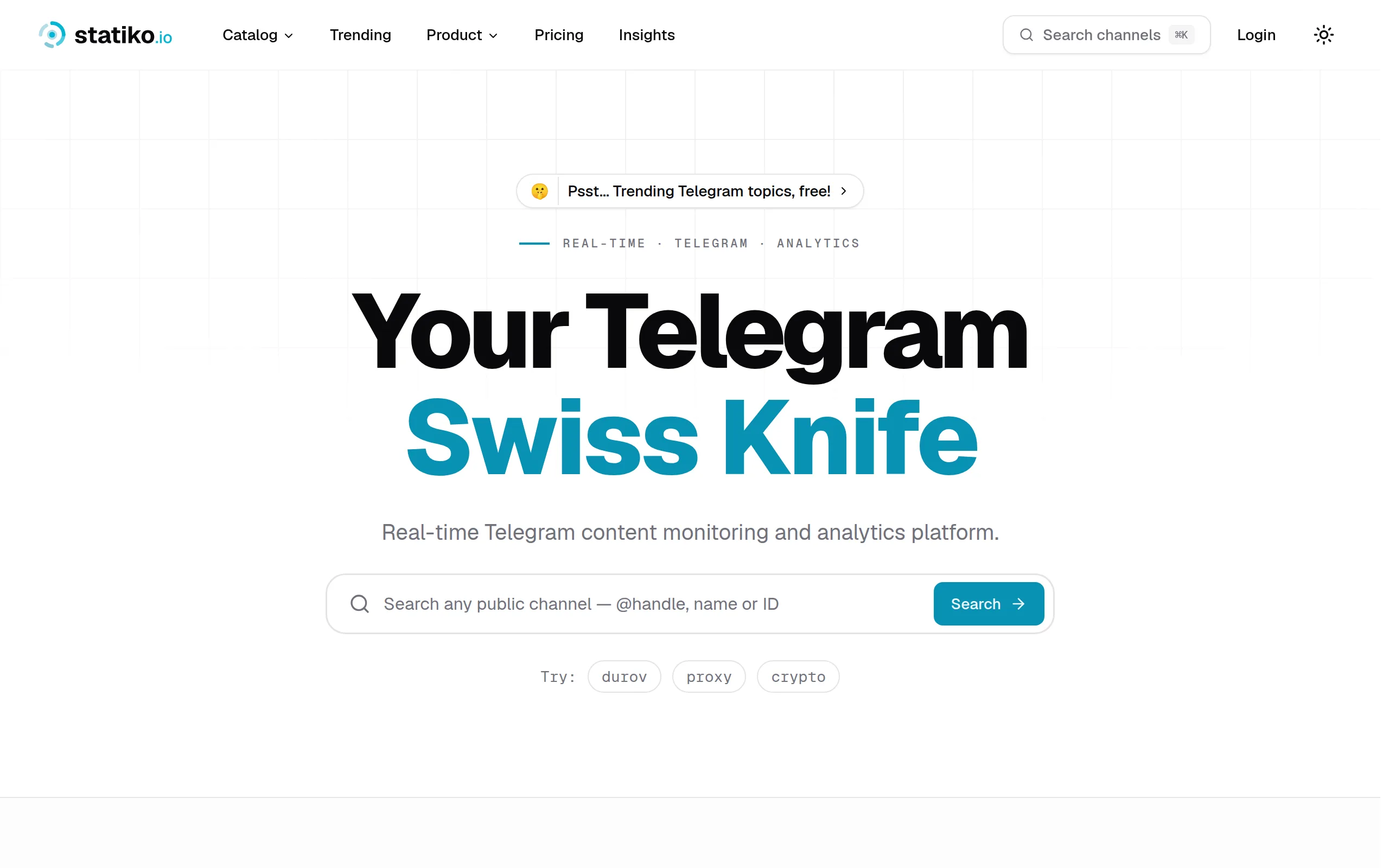
Statiko
Monitor any Telegram channel in real time - track posts, edits, deletions, and growth with AI recaps 📡
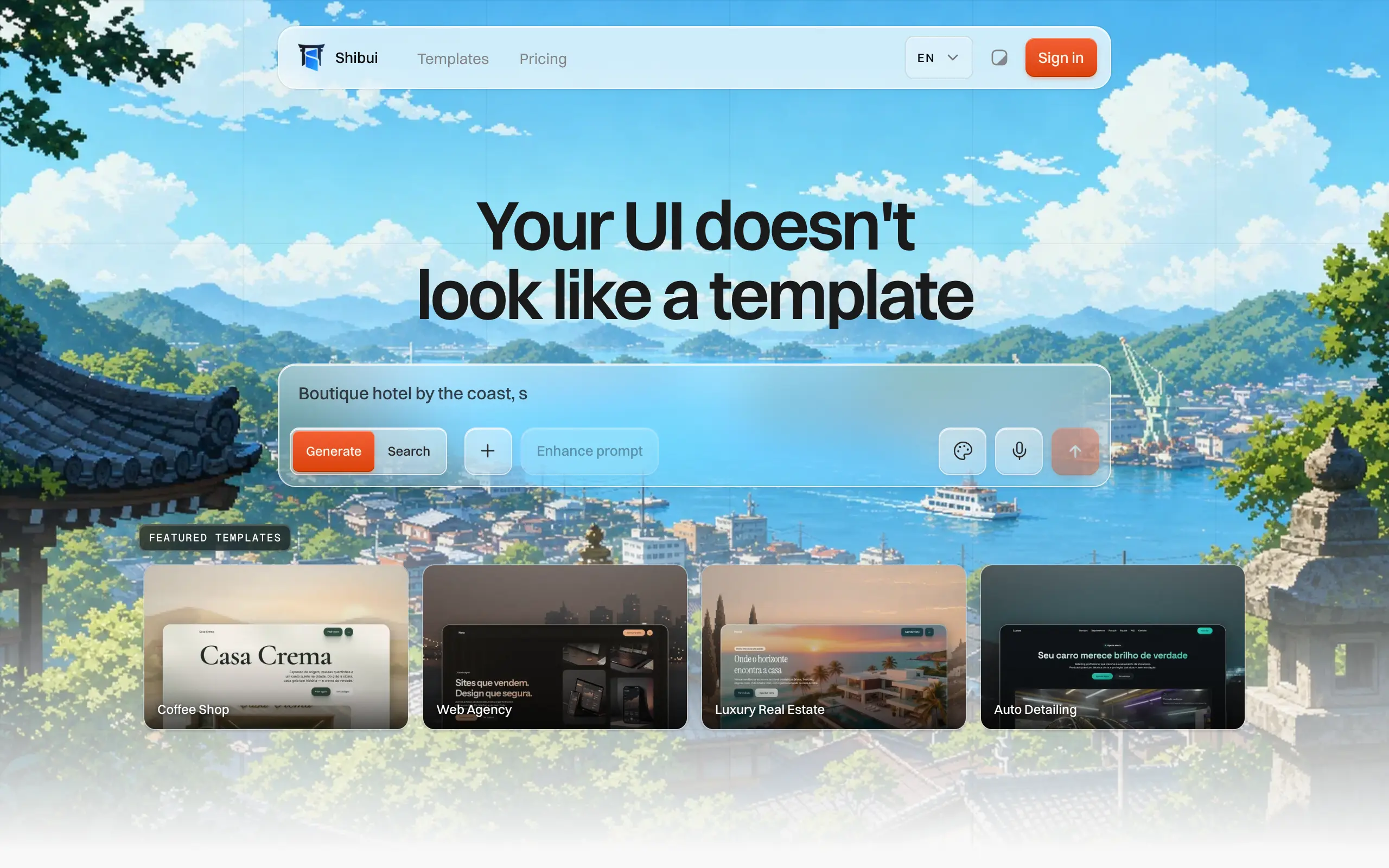
Shibui
AI website builder - describe your business, pick a niche template, edit by chatting, and publish instantly ✨
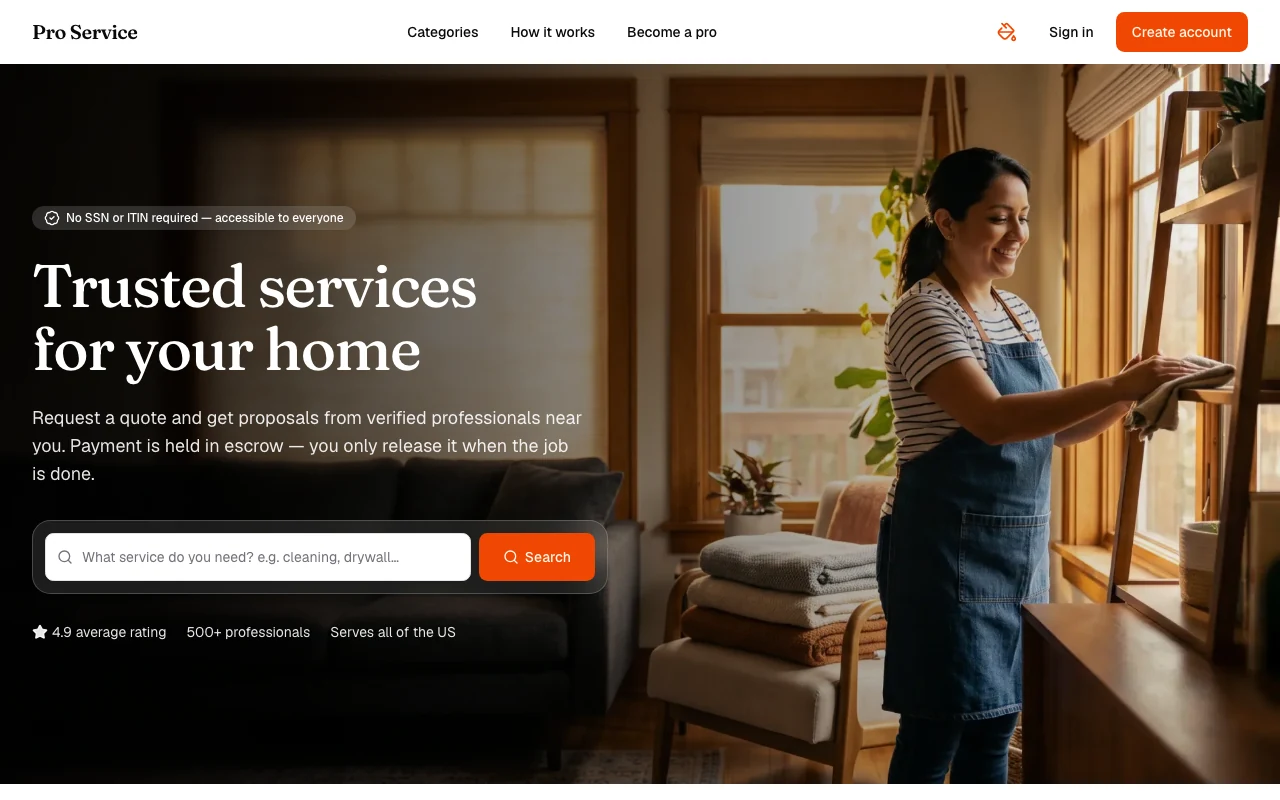
Pro Service
Find verified home service professionals, compare quotes, and pay securely through escrow - built for Brazilians across the US 🏠
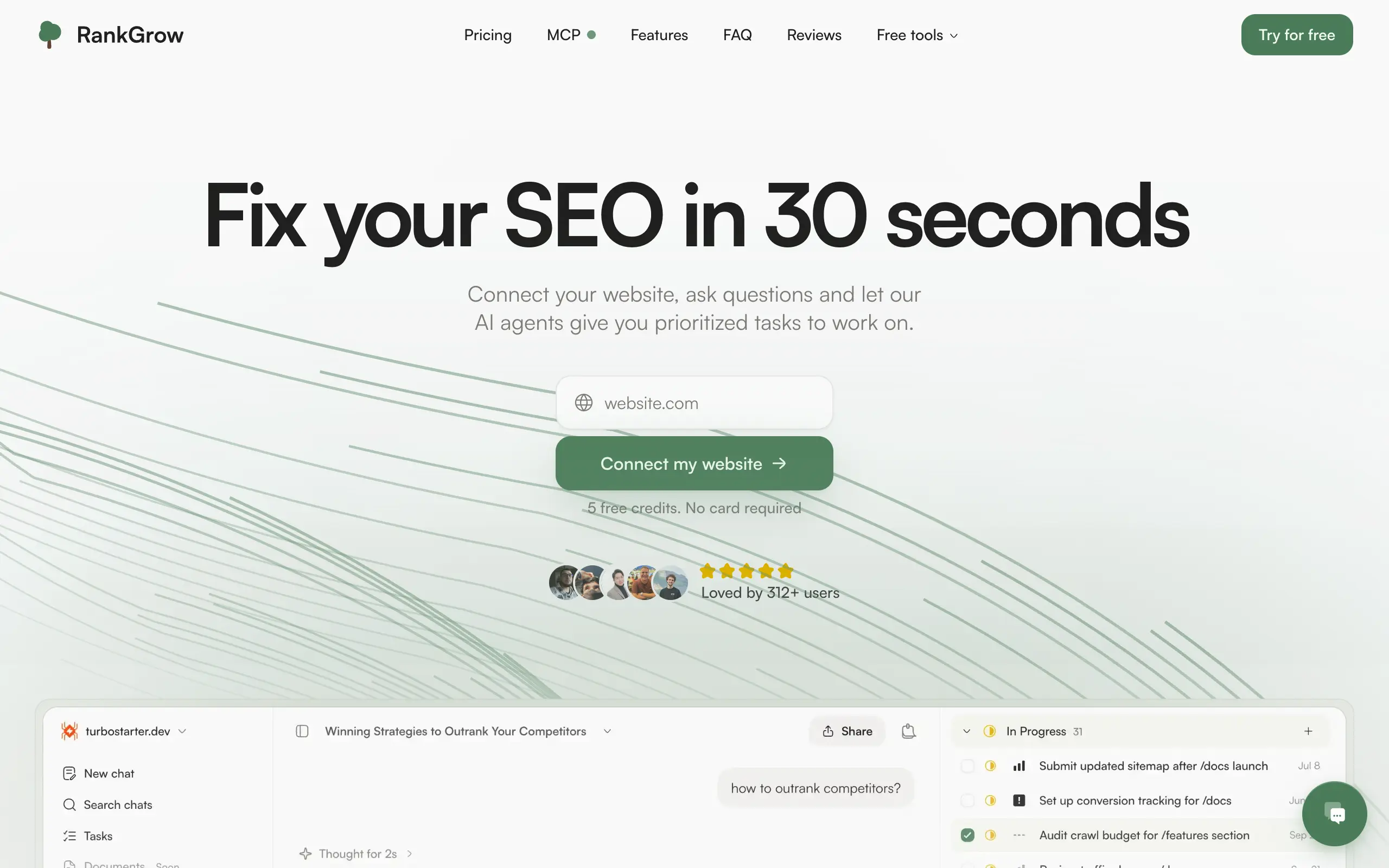
RankGrow
Fix your SEO with AI agents - connect Search Console, get prioritized tasks, and grow organic traffic 📈
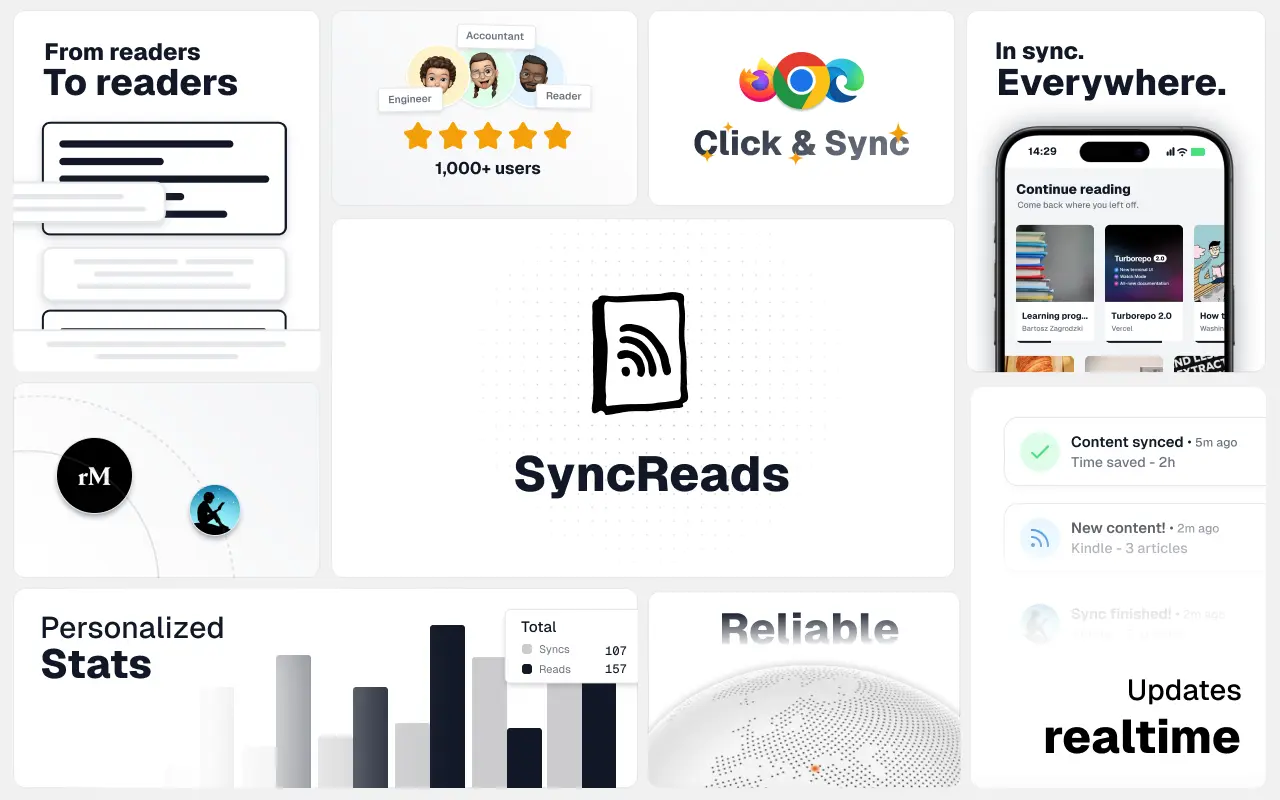
SyncReads
Sync your favorite content for distraction-free reading, save time and replace multiple apps. Anytime, anywhere 🔄
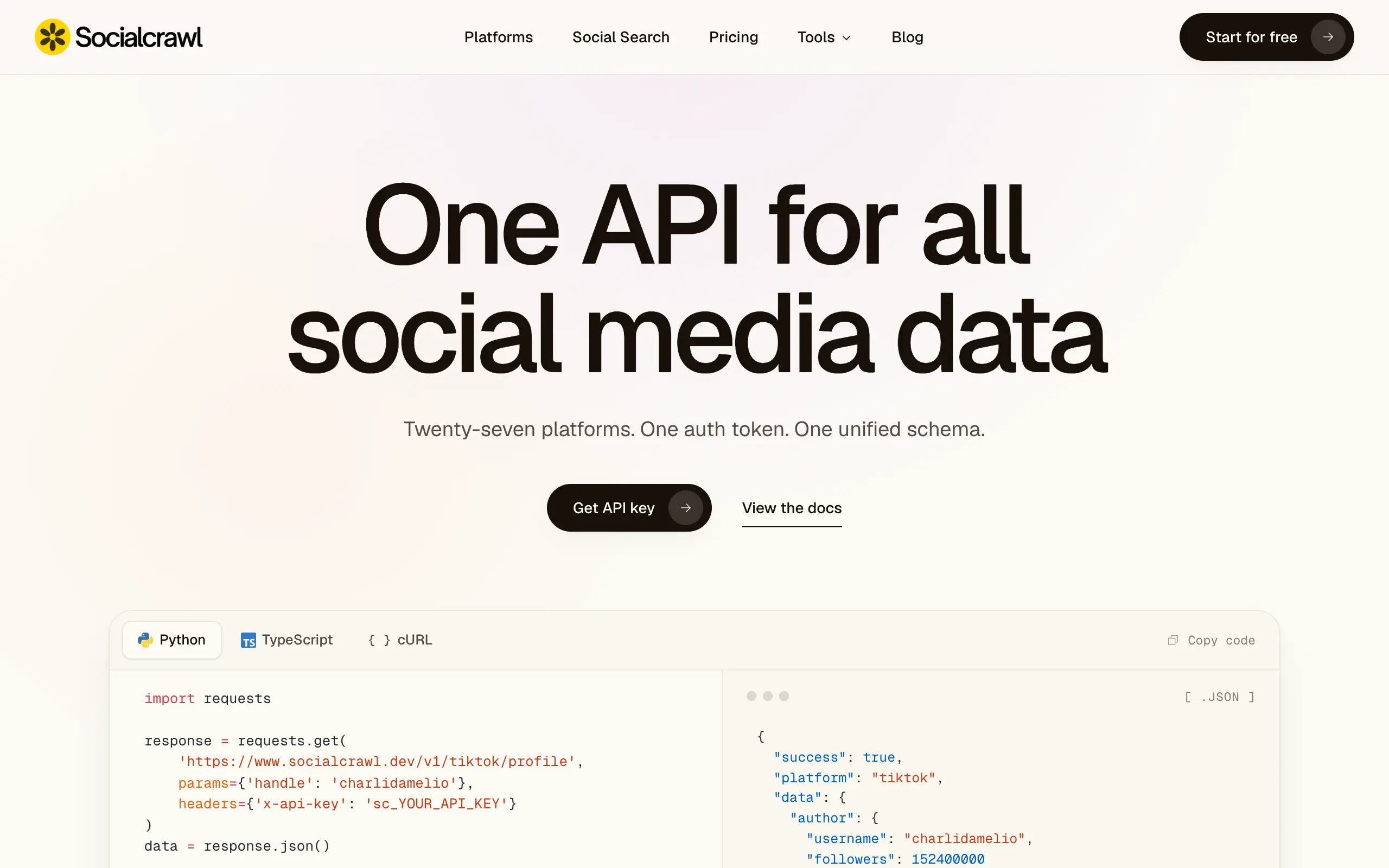
Socialcrawl
Get clean, structured data from 21 platforms like TikTok, Instagram, and YouTube with a single request 📊
Statiko
Monitor any Telegram channel in real time - track posts, edits, deletions, and growth with AI recaps 📡
Shibui
AI website builder - describe your business, pick a niche template, edit by chatting, and publish instantly ✨
Pro Service
Find verified home service professionals, compare quotes, and pay securely through escrow - built for Brazilians across the US 🏠
RankGrow
Fix your SEO with AI agents - connect Search Console, get prioritized tasks, and grow organic traffic 📈
SyncReads
Sync your favorite content for distraction-free reading, save time and replace multiple apps. Anytime, anywhere 🔄
Socialcrawl
Get clean, structured data from 21 platforms like TikTok, Instagram, and YouTube with a single request 📊
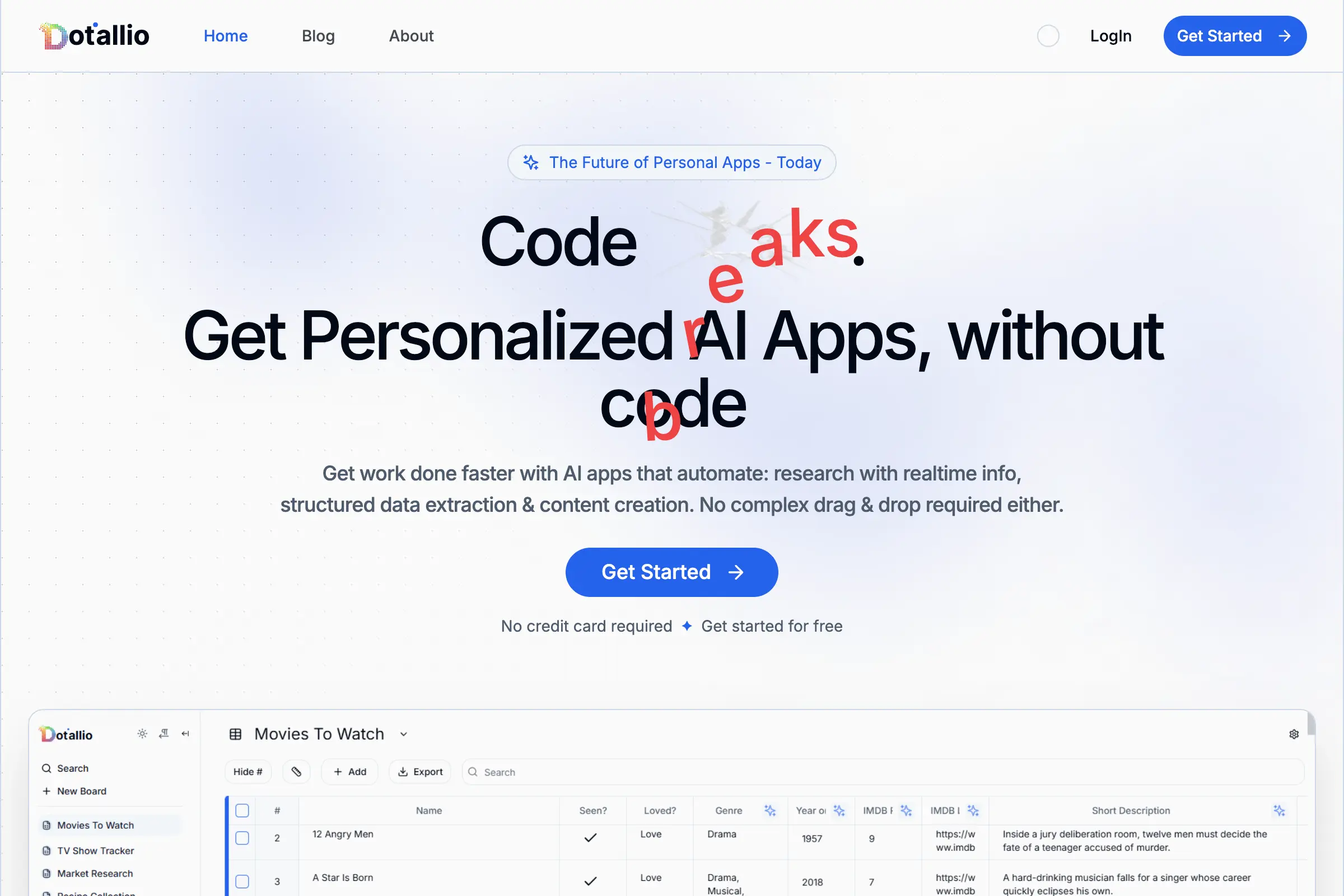
Dotallio
Personalized AI apps that automate research, data extraction, and content creation without code 🤖
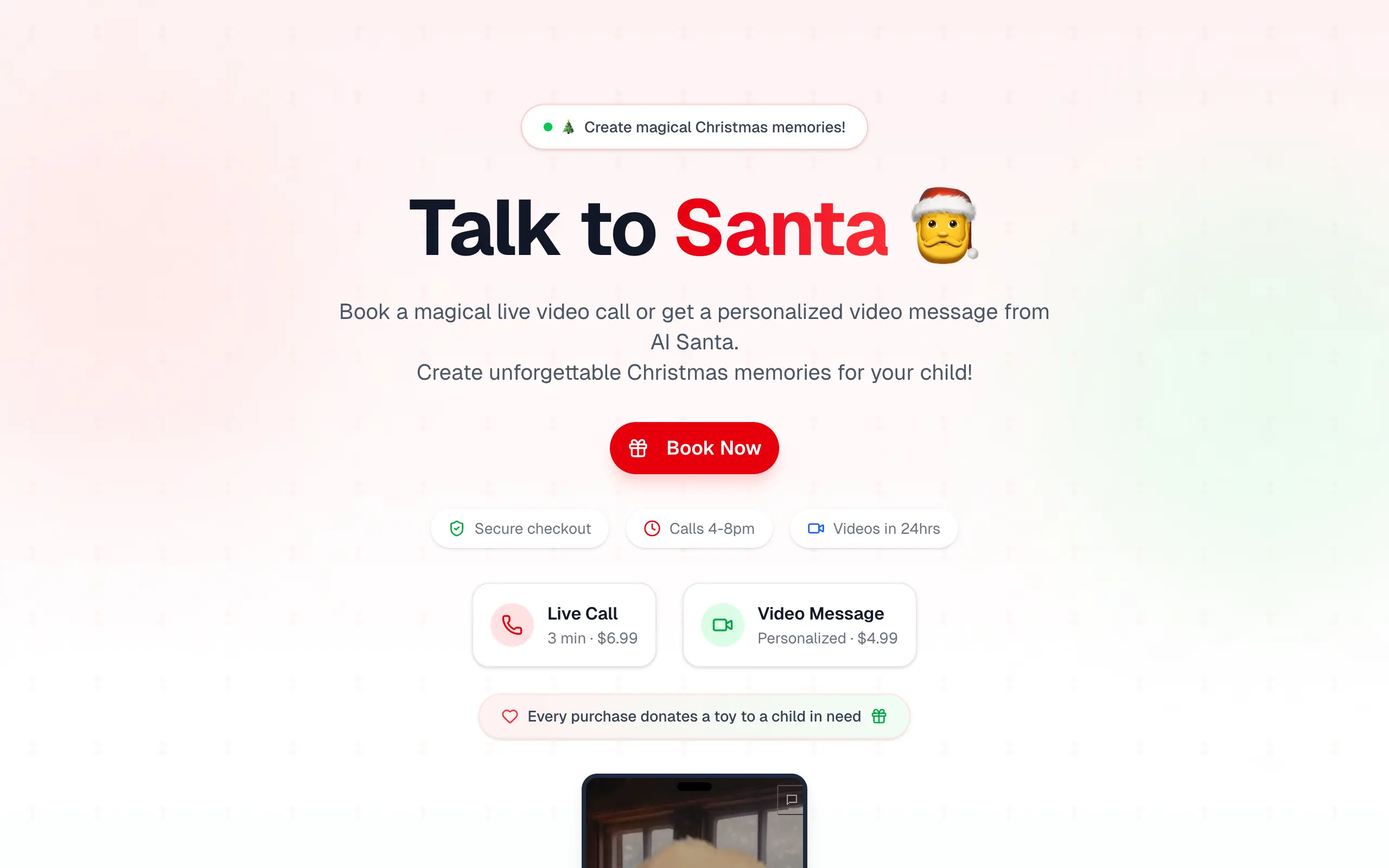
Talk to Santa
Enjoy a magical live video chat or receive a unique AI-generated video greeting from Santa Claus 🎅
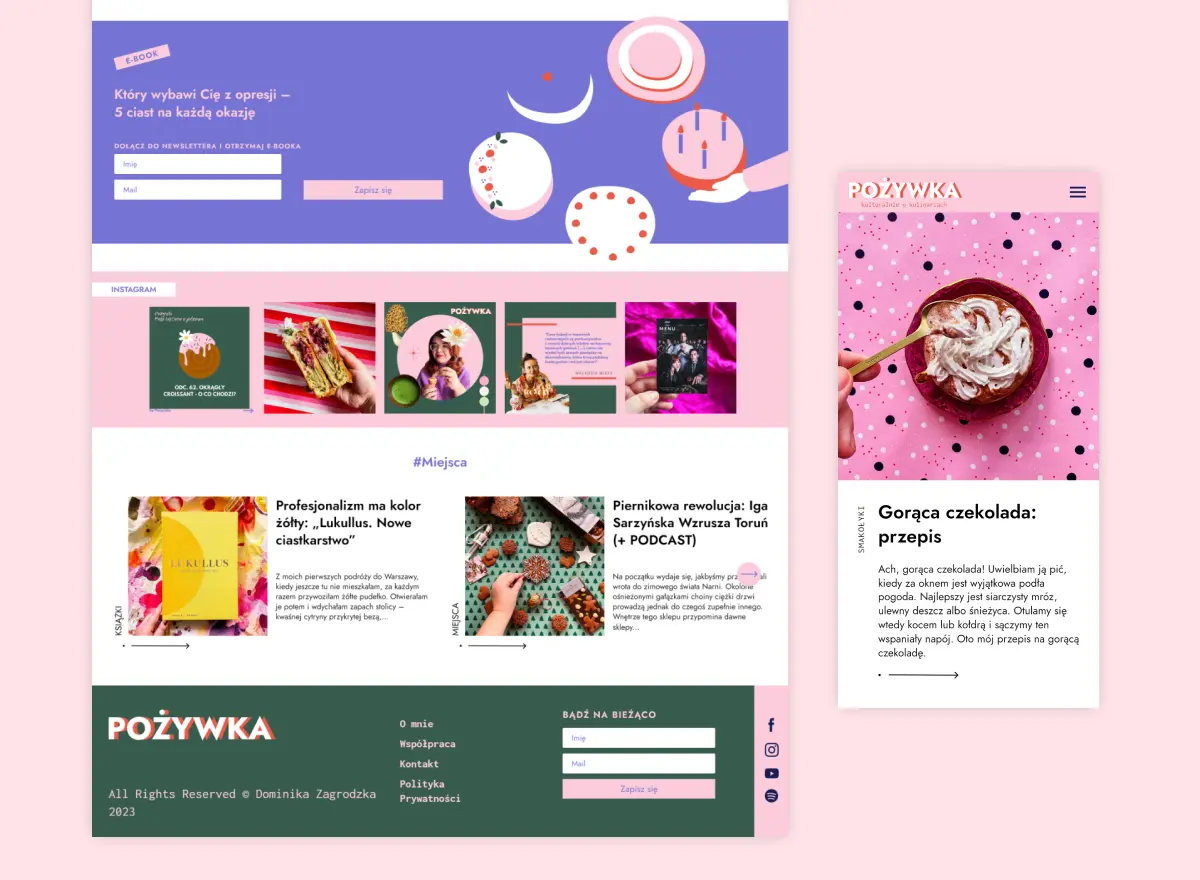
pozywka.pl
Scalable blog for food journalist, focused on performance and user experience 🌭
zagrodzki.me
Personal blog and portfolio of Bart Zagrodzki, where he shares his knowledge and work 💼
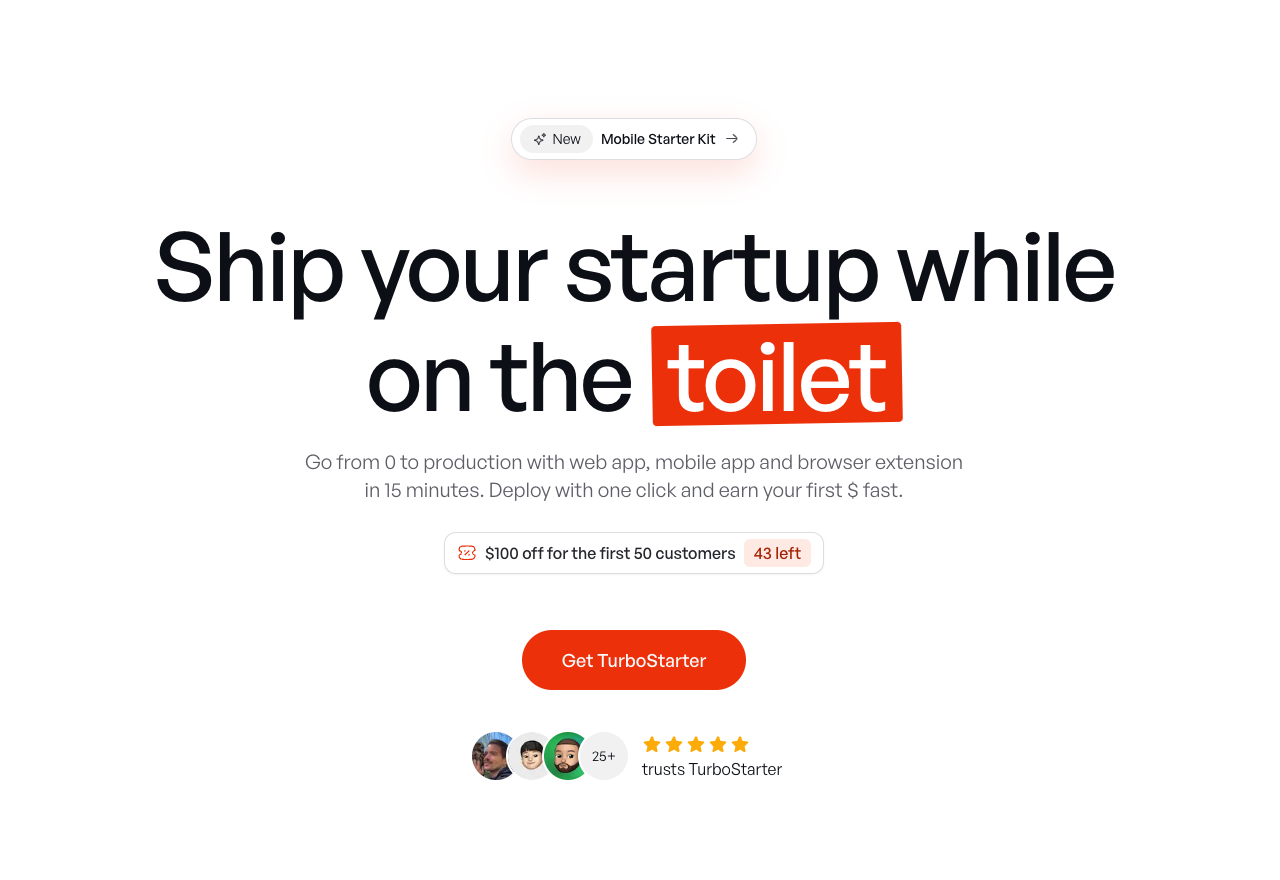
TurboStarter
Ship your startup everywhere. In minutes.
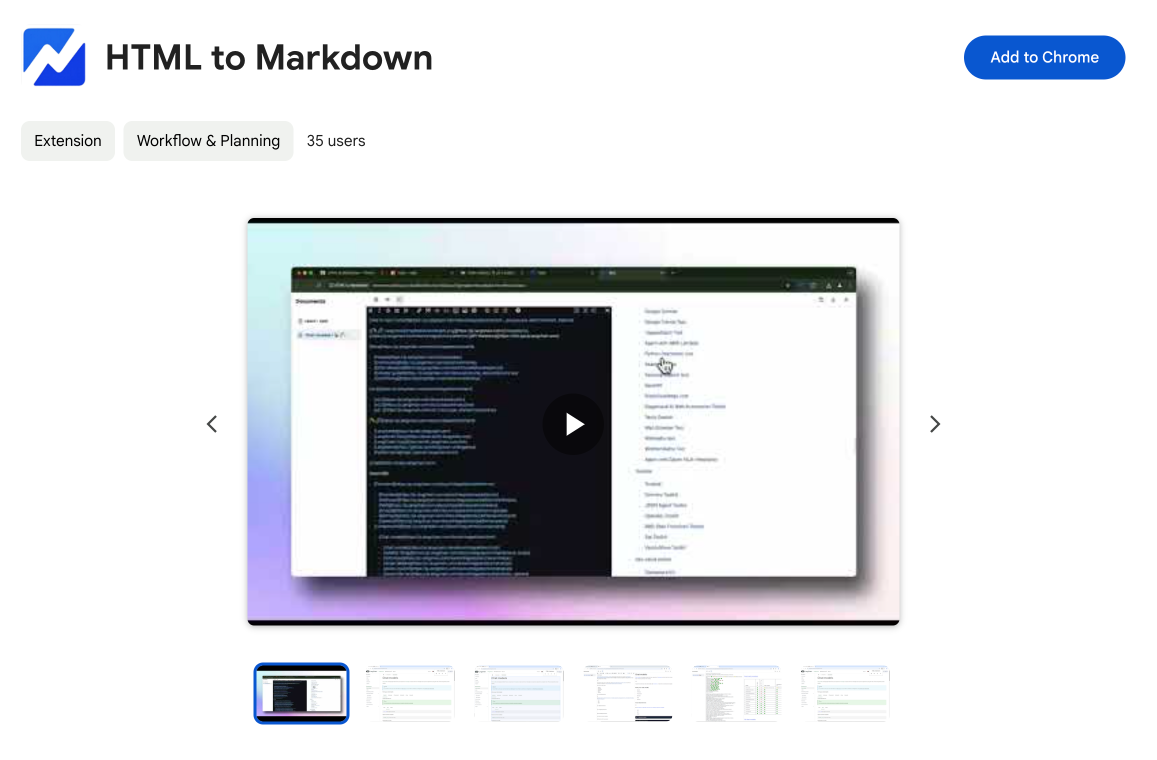
HTML to Markdown
Convert HTML to Markdown with ease, directly in your browser 📄
Dotallio
Personalized AI apps that automate research, data extraction, and content creation without code 🤖
Talk to Santa
Enjoy a magical live video chat or receive a unique AI-generated video greeting from Santa Claus 🎅
pozywka.pl
Scalable blog for food journalist, focused on performance and user experience 🌭
zagrodzki.me
Personal blog and portfolio of Bart Zagrodzki, where he shares his knowledge and work 💼
TurboStarter
Ship your startup everywhere. In minutes.
HTML to Markdown
Convert HTML to Markdown with ease, directly in your browser 📄
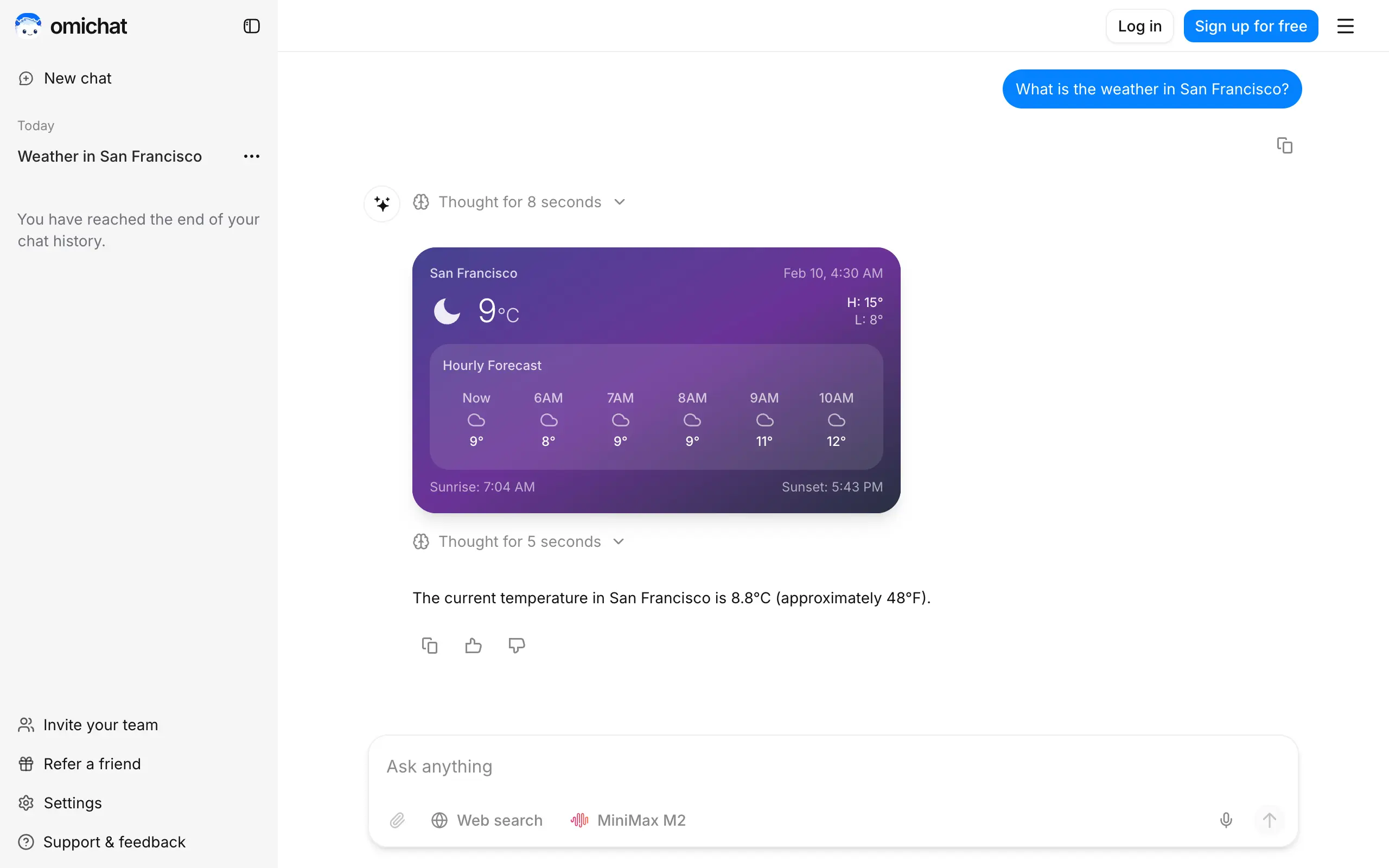
Omichat
Chat with 50+ AI models, including ChatGPT and Claude, in one place - switch models anytime without losing context 🤖
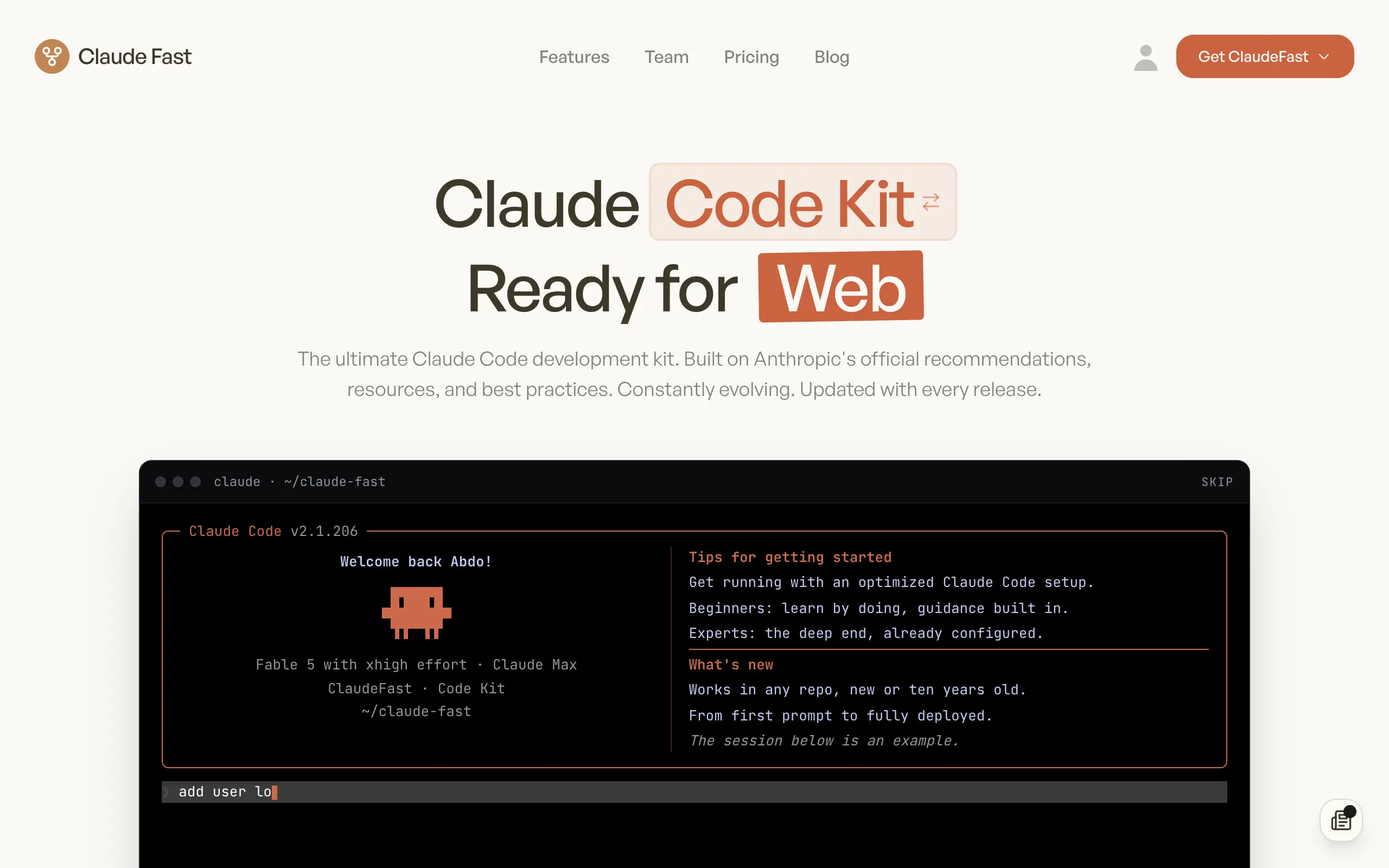
Claude Fast
Supercharge your Claude Code with 6x effective context window and specialized AI agents 🤖
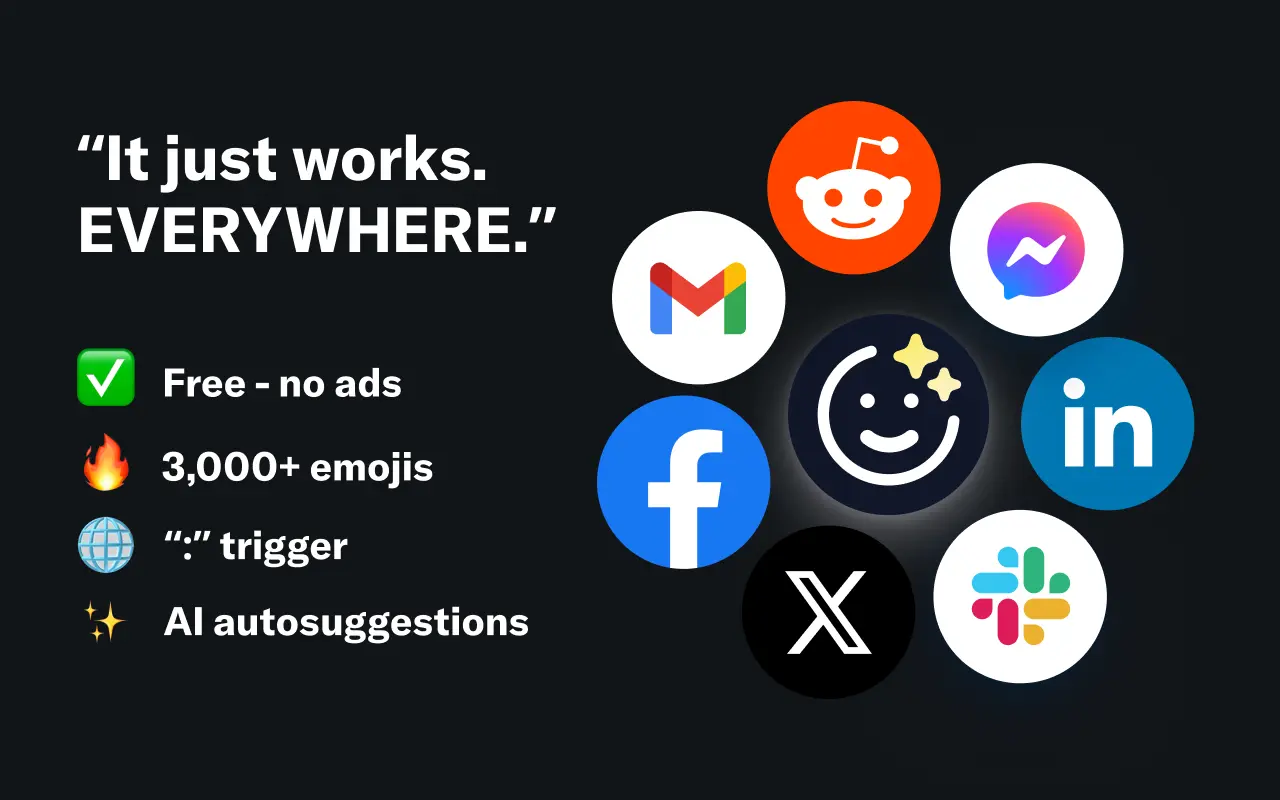
EmojAI
AI-powered emoji picker with smart, context-aware suggestions 🤖
Solohacker
Autonomous company launcher - AI agents work 24/7, escalate what matters, and you stay in control 🤖
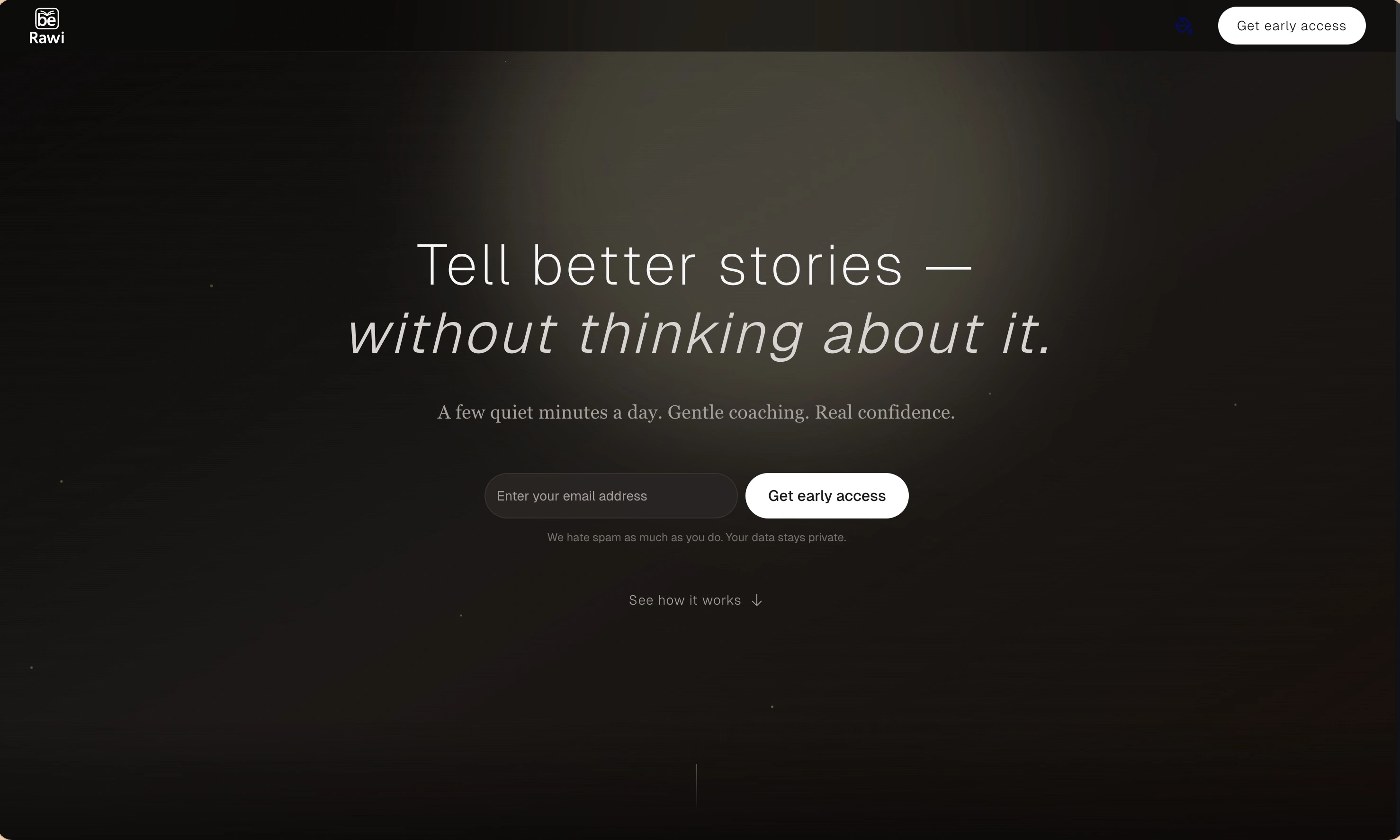
BeRawi: Storytelling Coach
Practice storytelling daily with instant feedback to sound clearer, more engaging, and confident 🎤
Omichat
Chat with 50+ AI models, including ChatGPT and Claude, in one place - switch models anytime without losing context 🤖
Claude Fast
Supercharge your Claude Code with 6x effective context window and specialized AI agents 🤖
EmojAI
AI-powered emoji picker with smart, context-aware suggestions 🤖
Solohacker
Autonomous company launcher - AI agents work 24/7, escalate what matters, and you stay in control 🤖
BeRawi: Storytelling Coach
Practice storytelling daily with instant feedback to sound clearer, more engaging, and confident 🎤

Connect with like-minded people
Join our community to get feedback, support, and grow together with 1,000+ builders on board, let's ship it!
Join usShip your startup everywhere. In minutes.
Don't burn tokens on setup and start building features on day one.