SignaVault
Modern notary CRM focused on document lifecycle: templates, e-sign, audit trails, and secure storage, all tied to clients and matters in one dashboard.
Understanding the problem SignaVault is built to solve
Modern notaries operate at the intersection of legal compliance, client trust, and operational efficiency. Yet, many still rely on fragmented tools: one app for document templates, another for e-signatures, email for client communication, spreadsheets for tracking matters, and generic cloud storage for archiving files.
This fragmentation creates real risks:
- Compliance gaps due to missing or inconsistent audit trails
- Operational inefficiency from repetitive manual tasks
- Poor client experience caused by slow turnaround and unclear status updates
- Security concerns when sensitive documents are stored in generic tools not designed for notarial workflows
SignaVault addresses these challenges by offering a modern notary CRM focused on the complete document lifecycle, from template creation to secure long-term storage, all tied to clients and matters in one unified dashboard.
The primary keyword naturally emerging from this idea is notary CRM software, with related semantic keywords including:
- notary document management system
- notary e-signature platform
- notary client management
- digital notary workflow
- secure document storage for notaries
This article is written for readers searching to evaluate, validate, or implement a notary-focused SaaS product, whether as founders, operators, or early adopters.
Target audience analysis: who SignaVault is for
Understanding the target audience is critical to validating market demand and shaping the product roadmap.
Primary audience: independent and small-firm notaries
This includes:
- Independent mobile notaries
- Remote online notaries (RONs)
- Small notary offices handling recurring clients
Key characteristics:
- Often self-employed or part of a very small team
- Handle high volumes of sensitive legal documents
- Personally responsible for compliance and record keeping
Core pain points:
- Time lost recreating document templates
- Difficulty tracking document status across clients
- Manual audit trail management
- Lack of centralized client and matter history
Secondary audience: notary-adjacent professionals
While SignaVault is positioned as B2C, there is overlap with:
- Loan signing agents
- Paralegals supporting notarized filings
- Legal consultants managing document-heavy workflows
These users value:
- Structured matter-based organization
- Secure access controls
- Clear historical records
Why B2C still matters here
Even though notaries operate in regulated environments, buying decisions are often made individually, not by large procurement teams. This makes usability, pricing clarity, and trust signals especially important.
Market opportunity and gap in the notary software space
A fragmented tooling landscape
Most notaries today rely on a patchwork of tools:
- Generic CRMs not built for legal documents
- Standalone e-sign tools without context of a “matter”
- Cloud storage platforms not optimized for compliance
This creates a clear market gap for a vertical-specific notary CRM.
Industry trends supporting SignaVault
Several recent trends increase the relevance of SignaVault:
-
Rise of remote online notarization (RON)
Regulatory acceptance of RON has expanded in many regions, increasing digital-first workflows. -
Higher compliance expectations
Clients and regulators expect clear audit trails, timestamps, and tamper-proof records. -
Growing client experience expectations
Even in legal services, users expect modern dashboards, real-time status, and fast turnaround.
Rather than competing head-on with generic CRMs, SignaVault positions itself as infrastructure software for notarial work, purpose-built for document lifecycle management.
Core features that define SignaVault
At its core, SignaVault is a document-centric CRM, not a contact database with add-ons.
Client and matter-based organization
Instead of treating documents as loose files, SignaVault ties everything to structured entities:
- Clients: individuals or organizations
- Matters: specific engagements or cases
- Documents: templates, drafts, signed versions, and archived records
This structure mirrors how notaries actually work.
Document templates for repeatable workflows
Templates reduce errors and save time.
Key capabilities:
- Pre-approved legal language
- Variable fields (names, dates, IDs)
- Version control to track updates
Templates become the foundation for scalable notary operations.
Integrated e-signature flow
Rather than sending documents out to a third-party tool, SignaVault keeps signing in context.
Benefits include:
- Status visibility (sent, viewed, signed)
- Automatic association with the correct matter
- Reduced risk of misfiled documents
Immutable audit trails
Audit trails are not an optional feature for notaries.
SignaVault should track:
- Who accessed a document
- When it was viewed or signed
- Any modifications or uploads
These logs become critical in disputes or regulatory reviews.
Secure, compliant document storage
Storage is not just about files—it’s about trust.
Core requirements:
- Encryption at rest and in transit
- Access controls by role or matter
- Long-term retention policies
Security is a product feature
For a notary CRM, security is not a backend detail. It is part of the value proposition and must be communicated clearly in onboarding and marketing.
How SignaVault compares to existing solutions
Many potential users will compare SignaVault to combinations of tools they already use.
| Feature | Generic CRM | Standalone e-sign | Cloud storage | SignaVault |
|---|---|---|---|---|
| Client & matter tracking | ✅ | ❌ | ❌ | ✅ |
| Document templates | ❌ | ❌ | ❌ | ✅ |
| Integrated e-sign | ❌ | ✅ | ❌ | ✅ |
| Audit trails | ❌ | ✅ | ❌ | ✅ |
| Notary-specific workflow | ❌ | ❌ | ❌ | ✅ |
The competitive advantage is not one feature, but how all features are connected.
Recommended tech stack for building SignaVault
A modern notary CRM requires reliability, security, and long-term maintainability.
Frontend: React-based architecture
Using React enables:
- Component-driven UI
- Predictable state management
- A large ecosystem of libraries
Paired with TailwindCSS, teams can build:
- Clean, professional dashboards
- Consistent design systems
- Rapid UI iteration without bloated CSS
Backend and API considerations
Core requirements:
- Strong authentication and authorization
- Document versioning
- Event-based audit logging
Common approaches:
- Node.js with a structured framework
- REST or GraphQL APIs
- Background job processing for document generation
Secure storage and compliance
Documents should be stored separately from application logic.
Considerations include:
- Encrypted object storage
- Signed URLs for controlled access
- Clear data retention and deletion policies
Trade-off awareness
More security controls often mean more complexity. The key is to automate compliance wherever possible so users are not burdened with manual steps.
Monetization strategies for a notary CRM SaaS
Pricing must align with individual purchasing power while reflecting high trust value.
Subscription-based tiers
A common and effective model:
- Starter: limited clients and storage
- Professional: unlimited matters, e-sign, audit logs
- Advanced: extended retention, priority support
Usage-based add-ons
Optional monetization levers:
- Additional storage
- Extra e-sign envelopes
- Long-term archival beyond standard retention
Why freemium is risky here
While tempting, freemium models may:
- Undervalue security and compliance
- Attract users outside the ideal ICP
- Increase support burden
A low-cost trial is often a better fit.
Potential risks and how to mitigate them
No SaaS idea is without risk, especially in regulated spaces.
Regulatory complexity
Risk:
- Different regions have different notarization rules.
Mitigation:
- Focus on workflow tooling, not legal advice.
- Allow configurable templates and disclaimers.
Trust and adoption barriers
Risk:
- Users are hesitant to move sensitive documents.
Mitigation:
- Clear security messaging.
- Transparent audit features.
- Early testimonials and case studies.
Feature creep
Risk:
- Trying to serve legal teams, enterprises, and individuals at once.
Mitigation:
- Stay focused on independent and small notaries.
- Let user feedback drive expansion.
Unique selling proposition: why SignaVault stands out
SignaVault’s USP is document lifecycle clarity for notaries.
Not:
- A generic CRM with notes
- A signing tool without context
- A storage bucket with folders
But a single system of record where:
- Every document has a history
- Every action is traceable
- Every client interaction is connected
This clarity is what builds trust—for both notaries and their clients.
Implementation roadmap: from idea to launch
For founders or teams looking to build SignaVault, a phased approach reduces risk.
MVP feature checklist
- Client and matter dashboard
- Document upload and tagging
- Basic templates
- Access logs
Advanced features like automation can follow.
Go-to-market considerations
Acquisition channels
Effective channels for a notary CRM include:
- SEO content targeting “notary CRM software”
- Educational webinars on compliance
- Partnerships with notary associations
Onboarding experience
First impressions matter.
Best practices:
- Guided setup for first client and matter
- Sample templates included
- Clear explanation of audit trails
Final thoughts: building trust-first SaaS in a regulated niche
SignaVault represents a strong SaaS opportunity because it aligns:
- A clear niche
- A real operational pain
- Increasing digital adoption
By focusing on document lifecycle management for notaries, it avoids the trap of being “yet another CRM” and instead becomes critical infrastructure.
For founders looking to accelerate development with best practices, structured boilerplates, and production-ready patterns, platforms like TurboStarter can significantly reduce time to launch while maintaining quality.
The opportunity is not just to build software—but to modernize how trust is managed in notarial work.
More 👥 B2C Application SaaS ideas
Discover more innovative b2c application SaaS ideas that are trending in 2026. Each idea is AI-generated with market validation and growth potential to help you find your next profitable venture faster than competitors.
Your competitors are building with TurboStarter
Below are some of the SaaS ideas that have been generated and built with our starter kit.
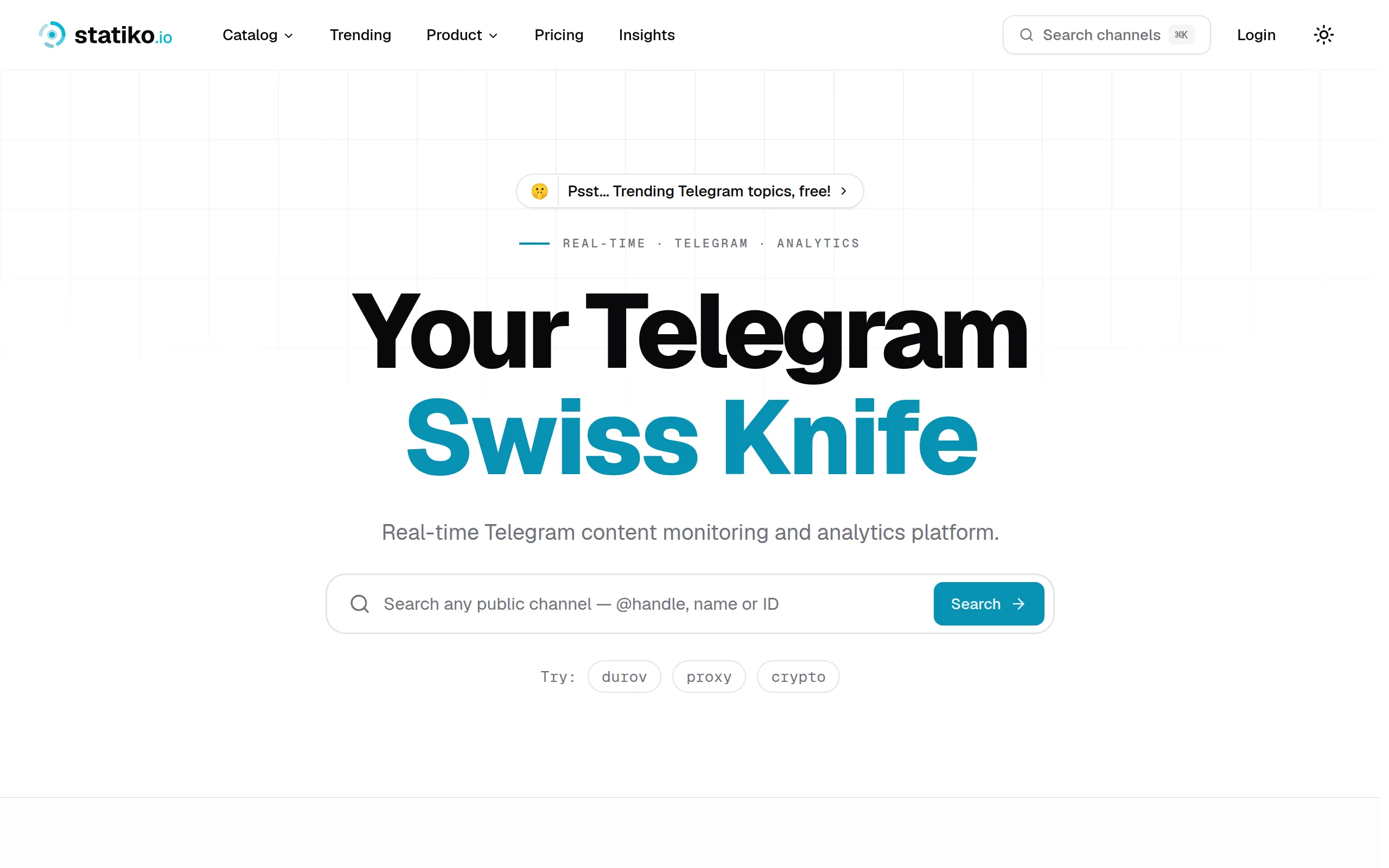
Statiko
Monitor any Telegram channel in real time - track posts, edits, deletions, and growth with AI recaps 📡

Shibui
AI website builder - describe your business, pick a niche template, edit by chatting, and publish instantly ✨

Pro Service
Find verified home service professionals, compare quotes, and pay securely through escrow - built for Brazilians across the US 🏠
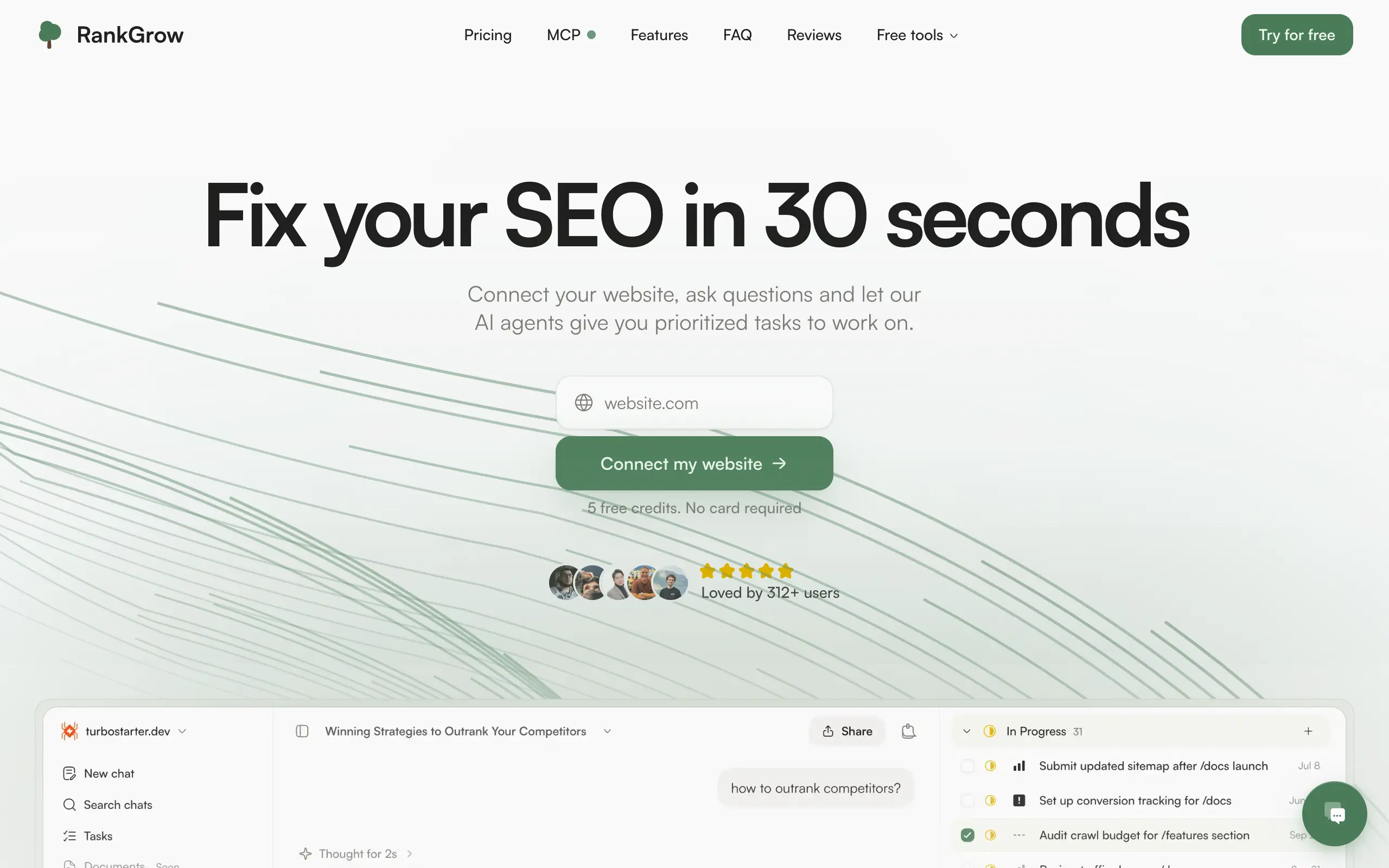
RankGrow
Fix your SEO with AI agents - connect Search Console, get prioritized tasks, and grow organic traffic 📈
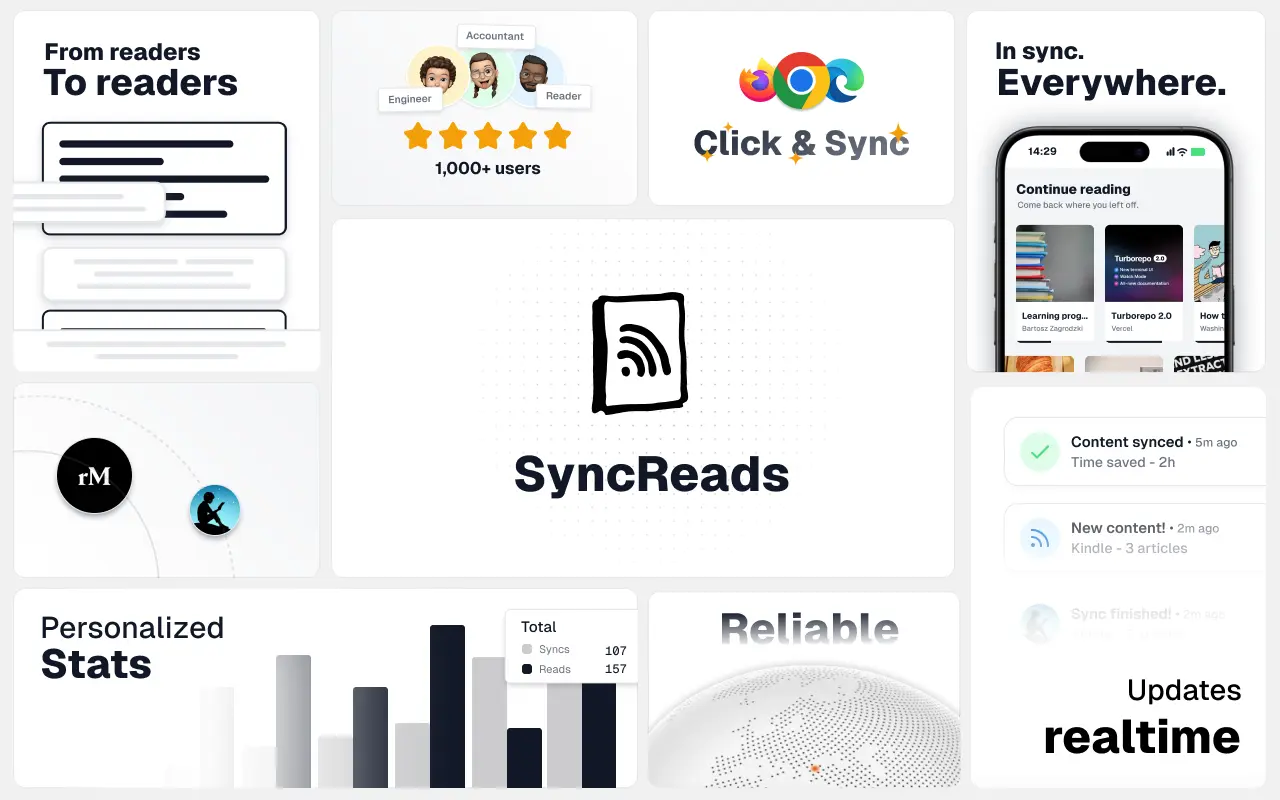
SyncReads
Sync your favorite content for distraction-free reading, save time and replace multiple apps. Anytime, anywhere 🔄
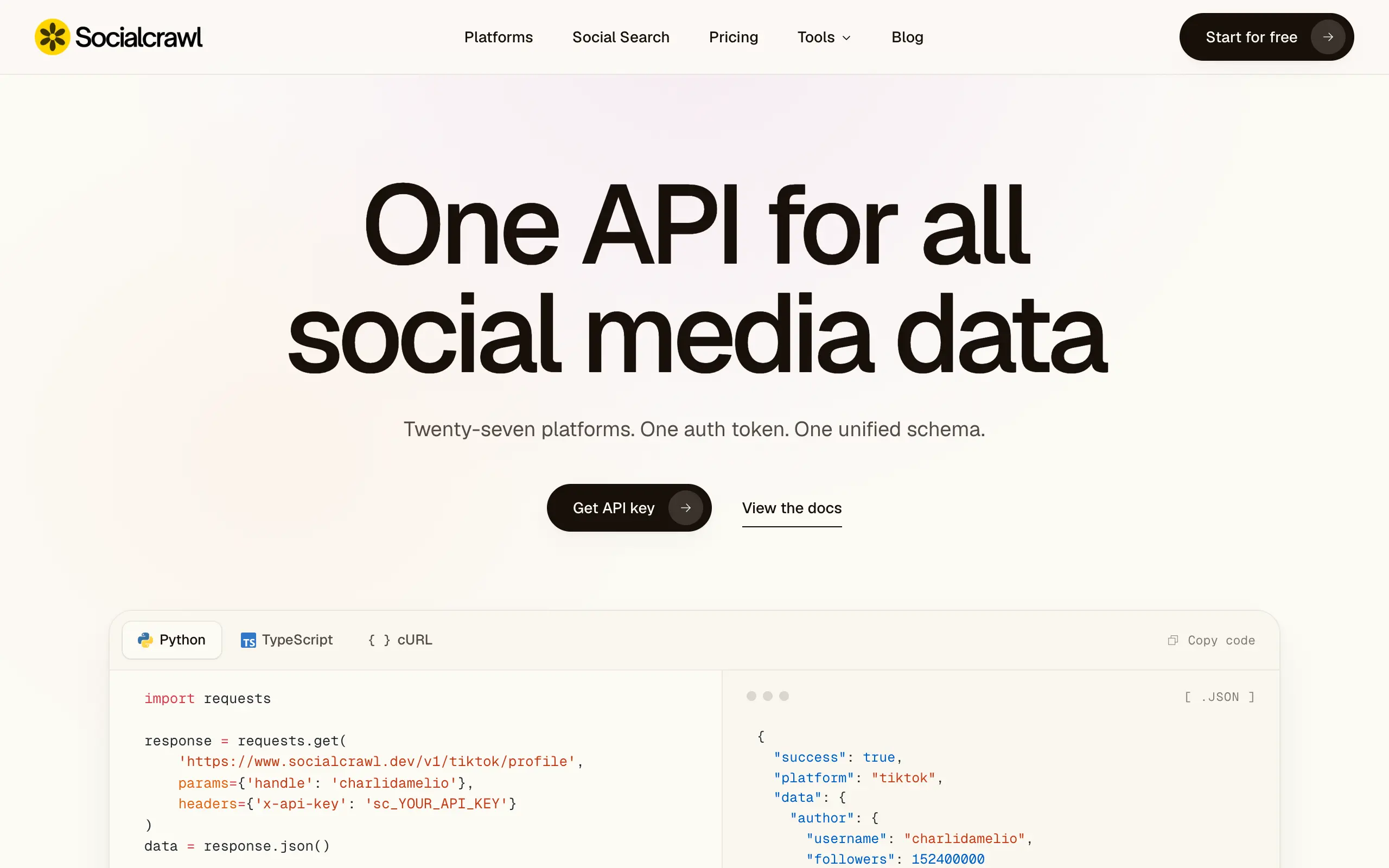
Socialcrawl
Get clean, structured data from 21 platforms like TikTok, Instagram, and YouTube with a single request 📊
Statiko
Monitor any Telegram channel in real time - track posts, edits, deletions, and growth with AI recaps 📡
Shibui
AI website builder - describe your business, pick a niche template, edit by chatting, and publish instantly ✨
Pro Service
Find verified home service professionals, compare quotes, and pay securely through escrow - built for Brazilians across the US 🏠
RankGrow
Fix your SEO with AI agents - connect Search Console, get prioritized tasks, and grow organic traffic 📈
SyncReads
Sync your favorite content for distraction-free reading, save time and replace multiple apps. Anytime, anywhere 🔄
Socialcrawl
Get clean, structured data from 21 platforms like TikTok, Instagram, and YouTube with a single request 📊
Statiko
Monitor any Telegram channel in real time - track posts, edits, deletions, and growth with AI recaps 📡
Shibui
AI website builder - describe your business, pick a niche template, edit by chatting, and publish instantly ✨
Pro Service
Find verified home service professionals, compare quotes, and pay securely through escrow - built for Brazilians across the US 🏠
RankGrow
Fix your SEO with AI agents - connect Search Console, get prioritized tasks, and grow organic traffic 📈
SyncReads
Sync your favorite content for distraction-free reading, save time and replace multiple apps. Anytime, anywhere 🔄
Socialcrawl
Get clean, structured data from 21 platforms like TikTok, Instagram, and YouTube with a single request 📊
Statiko
Monitor any Telegram channel in real time - track posts, edits, deletions, and growth with AI recaps 📡
Shibui
AI website builder - describe your business, pick a niche template, edit by chatting, and publish instantly ✨
Pro Service
Find verified home service professionals, compare quotes, and pay securely through escrow - built for Brazilians across the US 🏠
RankGrow
Fix your SEO with AI agents - connect Search Console, get prioritized tasks, and grow organic traffic 📈
SyncReads
Sync your favorite content for distraction-free reading, save time and replace multiple apps. Anytime, anywhere 🔄
Socialcrawl
Get clean, structured data from 21 platforms like TikTok, Instagram, and YouTube with a single request 📊
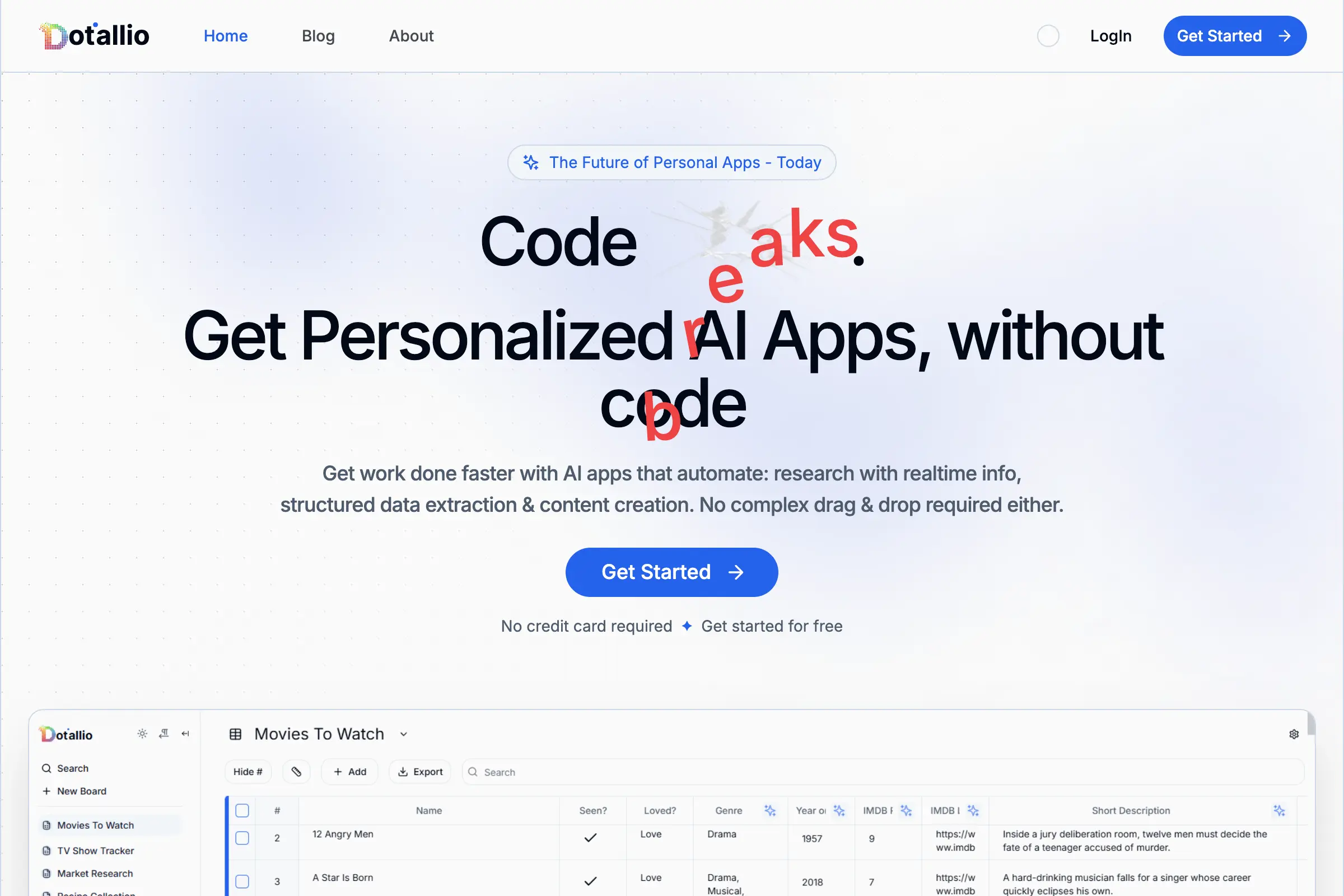
Dotallio
Personalized AI apps that automate research, data extraction, and content creation without code 🤖

Talk to Santa
Enjoy a magical live video chat or receive a unique AI-generated video greeting from Santa Claus 🎅
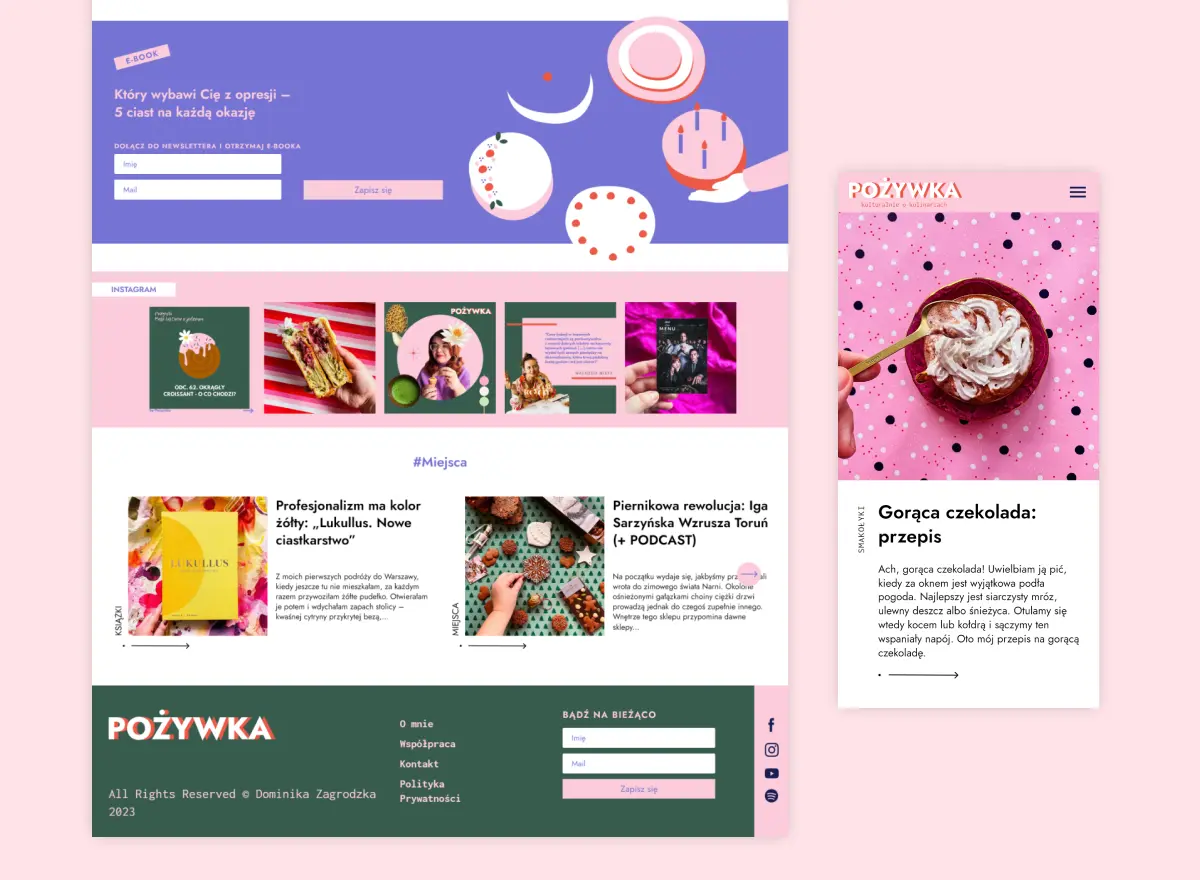
pozywka.pl
Scalable blog for food journalist, focused on performance and user experience 🌭
zagrodzki.me
Personal blog and portfolio of Bart Zagrodzki, where he shares his knowledge and work 💼
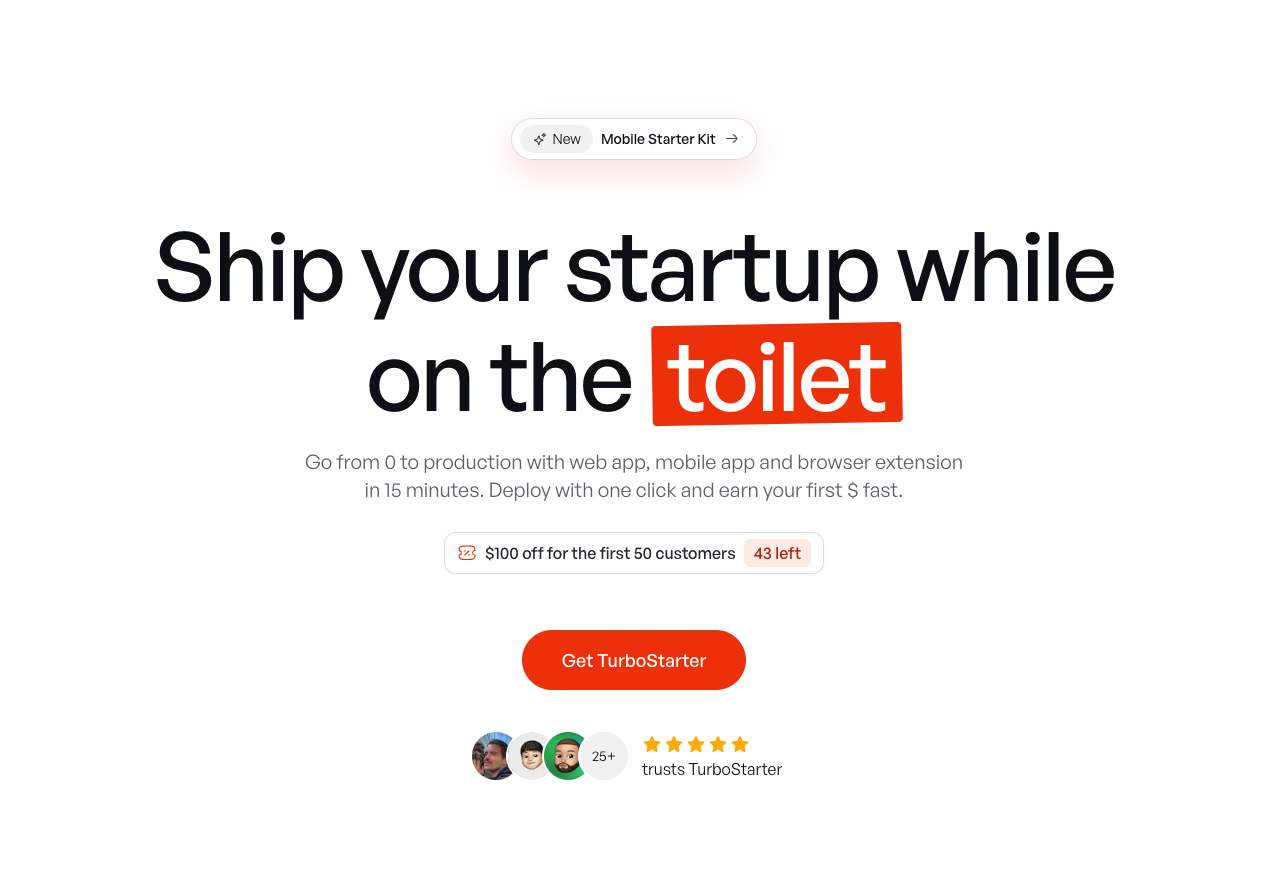
TurboStarter
Ship your startup everywhere. In minutes.
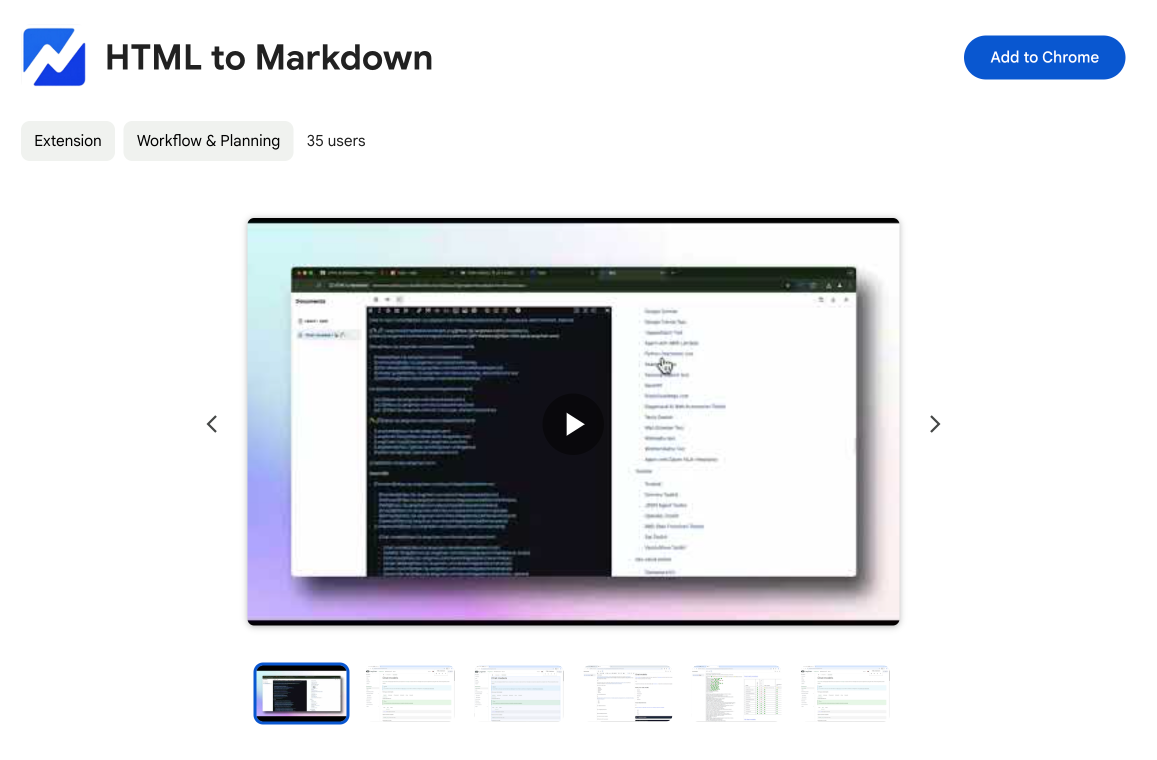
HTML to Markdown
Convert HTML to Markdown with ease, directly in your browser 📄
Dotallio
Personalized AI apps that automate research, data extraction, and content creation without code 🤖
Talk to Santa
Enjoy a magical live video chat or receive a unique AI-generated video greeting from Santa Claus 🎅
pozywka.pl
Scalable blog for food journalist, focused on performance and user experience 🌭
zagrodzki.me
Personal blog and portfolio of Bart Zagrodzki, where he shares his knowledge and work 💼
TurboStarter
Ship your startup everywhere. In minutes.
HTML to Markdown
Convert HTML to Markdown with ease, directly in your browser 📄
Dotallio
Personalized AI apps that automate research, data extraction, and content creation without code 🤖
Talk to Santa
Enjoy a magical live video chat or receive a unique AI-generated video greeting from Santa Claus 🎅
pozywka.pl
Scalable blog for food journalist, focused on performance and user experience 🌭
zagrodzki.me
Personal blog and portfolio of Bart Zagrodzki, where he shares his knowledge and work 💼
TurboStarter
Ship your startup everywhere. In minutes.
HTML to Markdown
Convert HTML to Markdown with ease, directly in your browser 📄
Dotallio
Personalized AI apps that automate research, data extraction, and content creation without code 🤖
Talk to Santa
Enjoy a magical live video chat or receive a unique AI-generated video greeting from Santa Claus 🎅
pozywka.pl
Scalable blog for food journalist, focused on performance and user experience 🌭
zagrodzki.me
Personal blog and portfolio of Bart Zagrodzki, where he shares his knowledge and work 💼
TurboStarter
Ship your startup everywhere. In minutes.
HTML to Markdown
Convert HTML to Markdown with ease, directly in your browser 📄
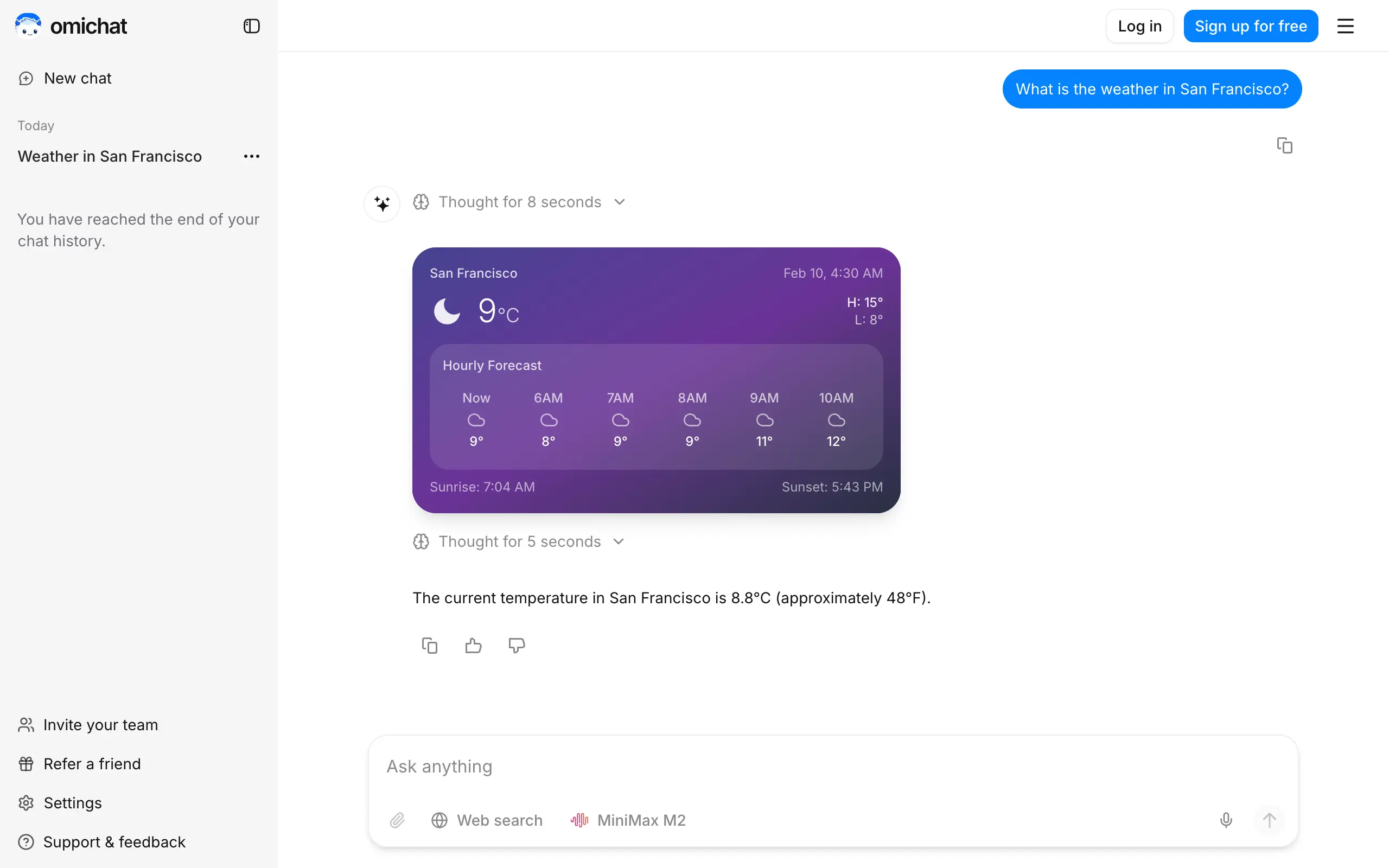
Omichat
Chat with 50+ AI models, including ChatGPT and Claude, in one place - switch models anytime without losing context 🤖
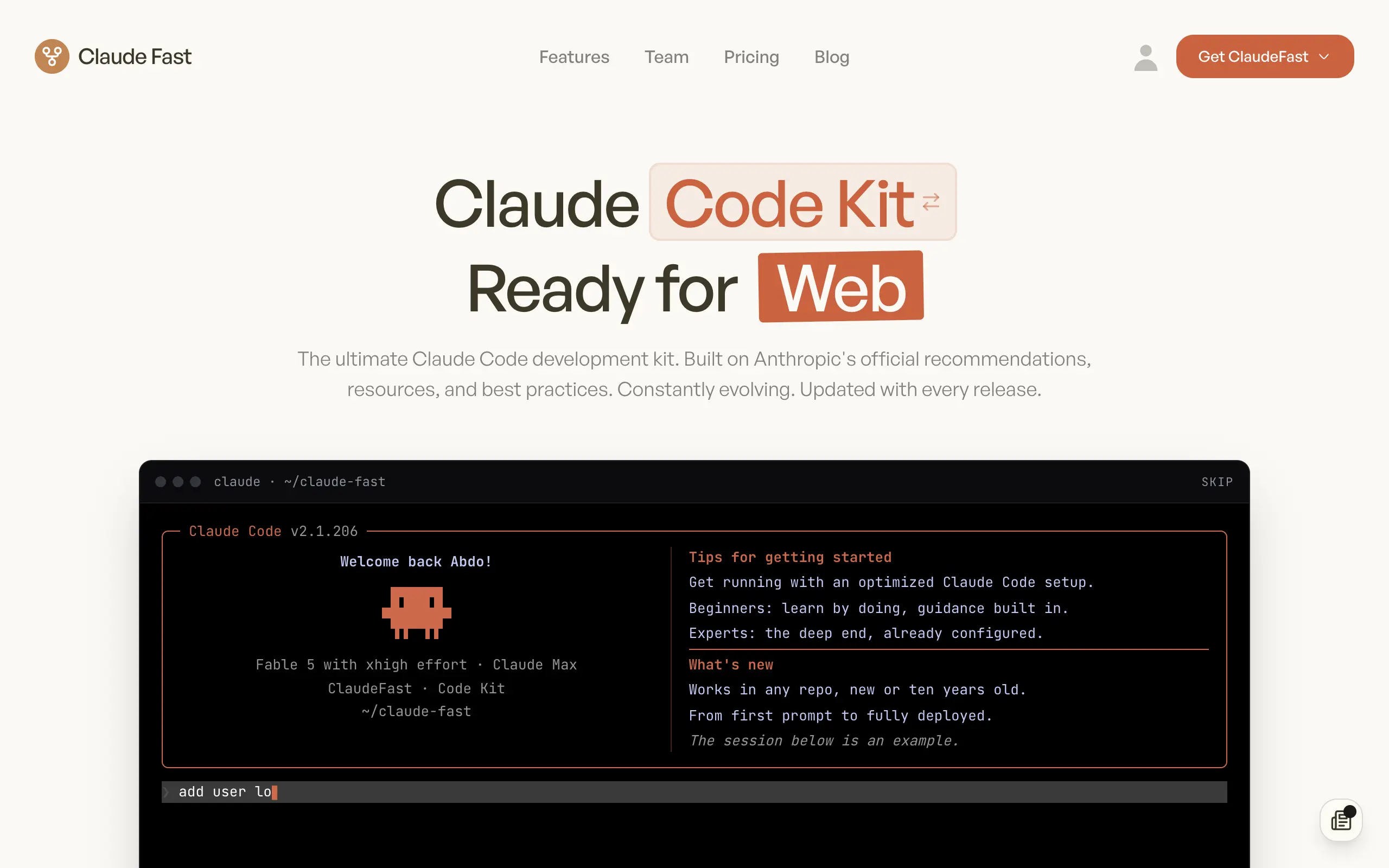
Claude Fast
Supercharge your Claude Code with 6x effective context window and specialized AI agents 🤖
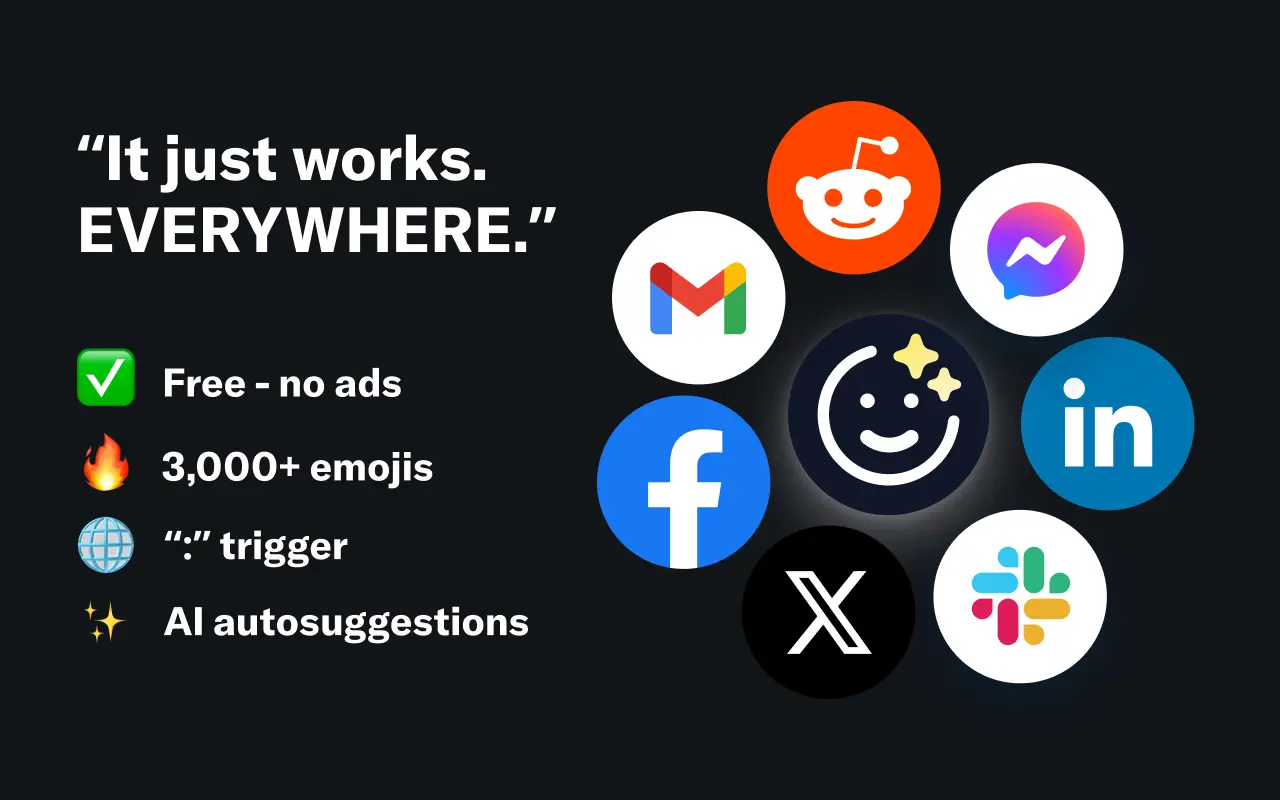
EmojAI
AI-powered emoji picker with smart, context-aware suggestions 🤖
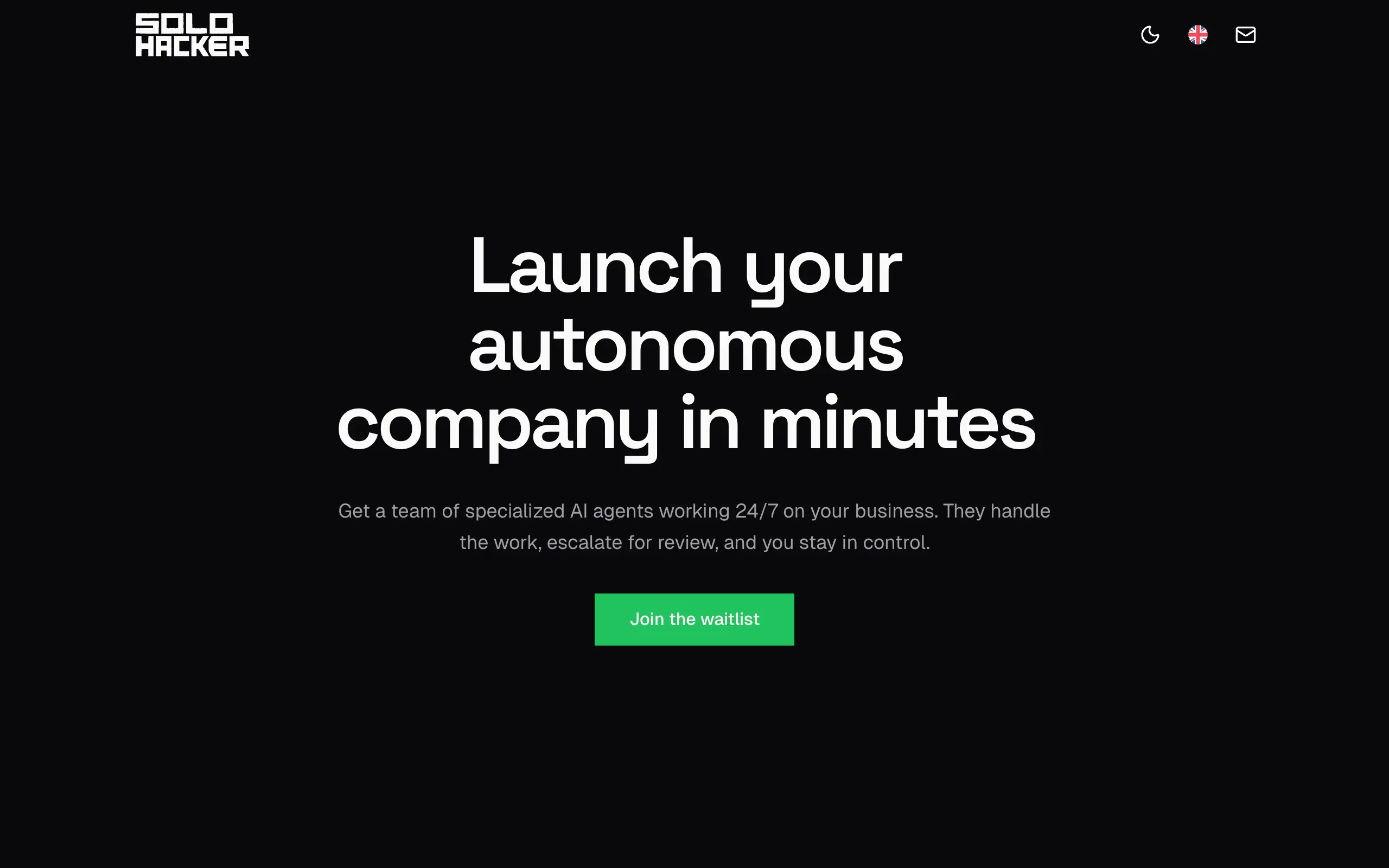
Solohacker
Autonomous company launcher - AI agents work 24/7, escalate what matters, and you stay in control 🤖
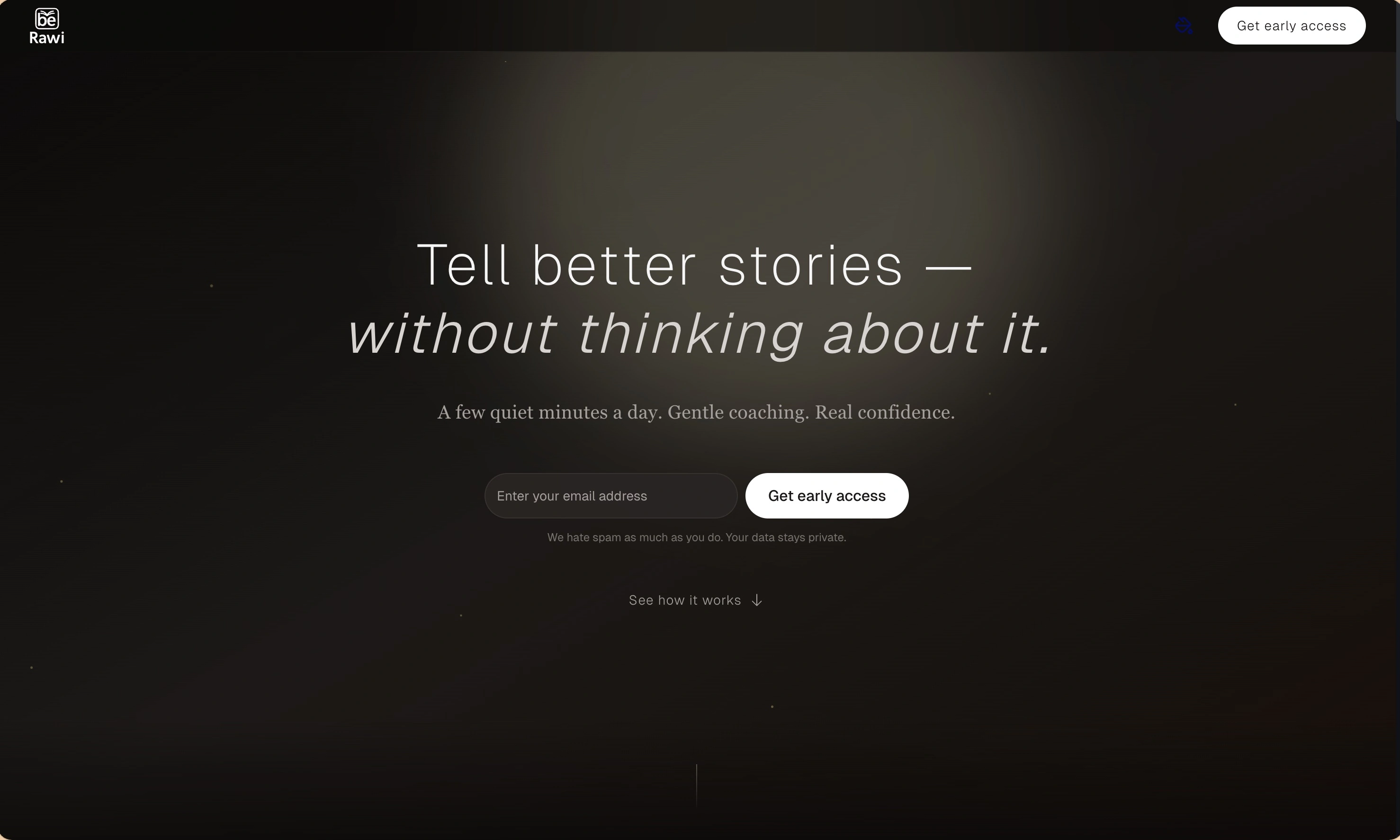
BeRawi: Storytelling Coach
Practice storytelling daily with instant feedback to sound clearer, more engaging, and confident 🎤
Omichat
Chat with 50+ AI models, including ChatGPT and Claude, in one place - switch models anytime without losing context 🤖
Claude Fast
Supercharge your Claude Code with 6x effective context window and specialized AI agents 🤖
EmojAI
AI-powered emoji picker with smart, context-aware suggestions 🤖
Solohacker
Autonomous company launcher - AI agents work 24/7, escalate what matters, and you stay in control 🤖
BeRawi: Storytelling Coach
Practice storytelling daily with instant feedback to sound clearer, more engaging, and confident 🎤
Omichat
Chat with 50+ AI models, including ChatGPT and Claude, in one place - switch models anytime without losing context 🤖
Claude Fast
Supercharge your Claude Code with 6x effective context window and specialized AI agents 🤖
EmojAI
AI-powered emoji picker with smart, context-aware suggestions 🤖
Solohacker
Autonomous company launcher - AI agents work 24/7, escalate what matters, and you stay in control 🤖
BeRawi: Storytelling Coach
Practice storytelling daily with instant feedback to sound clearer, more engaging, and confident 🎤
Omichat
Chat with 50+ AI models, including ChatGPT and Claude, in one place - switch models anytime without losing context 🤖
Claude Fast
Supercharge your Claude Code with 6x effective context window and specialized AI agents 🤖
EmojAI
AI-powered emoji picker with smart, context-aware suggestions 🤖
Solohacker
Autonomous company launcher - AI agents work 24/7, escalate what matters, and you stay in control 🤖
BeRawi: Storytelling Coach
Practice storytelling daily with instant feedback to sound clearer, more engaging, and confident 🎤

Connect with like-minded people
Join our community to get feedback, support, and grow together with 1,000+ builders on board, let's ship it!
Join usShip your startup everywhere. In minutes.
Don't burn tokens on setup and start building features on day one.