SiteSentry AI
An AI-powered website health guardian that monitors uptime, speed, security, and SEO issues with plain‑English fixes for non‑technical site owners.
Why an AI-powered website health guardian is becoming essential
Every website owner eventually faces the same painful realization: your site can break, slow down, or lose traffic without you noticing.
A plugin update conflicts with your theme.
Your hosting provider experiences intermittent downtime.
A Google algorithm update exposes hidden SEO issues.
A misconfigured security setting leaves your site vulnerable.
For non-technical site owners—bloggers, coaches, creators, small business owners—this isn’t just inconvenient. It’s revenue-threatening.
That’s where an AI-powered website health guardian like SiteSentry AI comes in: a smart monitoring platform that continuously checks uptime, speed, security, and SEO—then translates issues into plain-English action steps anyone can follow.
This article explores the full strategic, technical, and business breakdown of launching and scaling SiteSentry AI as a B2C SaaS product—covering market demand, feature set, tech stack, monetization strategy, competitive landscape, and implementation roadmap.
Understanding the target audience
To build a successful B2C SaaS like SiteSentry AI, we must clearly define who it serves.
Primary audience segments
Solopreneurs & creators
Bloggers, YouTubers, course creators, and coaches who rely on website traffic for income but lack technical expertise.
Small business owners
Local businesses and service providers who use WordPress, Shopify, Wix, or Squarespace.
Freelancers & consultants
Independent professionals who need to maintain credibility and uptime for their personal brand site.
Side-project founders
Indie hackers and micro-SaaS builders who want simple monitoring without DevOps overhead.
Their real pain points
These users are not looking for enterprise-grade DevOps dashboards. They want:
- ✅ To know immediately if their site goes down
- ✅ Clear explanations (not server logs)
- ✅ Step-by-step fixes
- ✅ Peace of mind
- ✅ Better SEO performance
- ✅ Simple setup
What they don’t want:
- ❌ Complex configuration
- ❌ Technical jargon
- ❌ Overwhelming dashboards
- ❌ High monthly costs
The key insight: clarity is more valuable than complexity.
Market opportunity: where existing tools fall short
The website monitoring market is mature—but fragmented and often technical.
Current categories of solutions
- Uptime monitoring tools (e.g., Pingdom, UptimeRobot)
- Performance analysis tools (e.g., Google PageSpeed Insights)
- SEO auditing tools (e.g., SEMrush, Ahrefs)
- Security scanning plugins
- Hosting dashboards
The problem? These tools:
- Operate in silos
- Target developers or SEO professionals
- Overwhelm non-technical users
- Don’t provide contextual, simplified fixes
The market gap
There is a clear opportunity for:
An AI website health guardian that translates complex diagnostics into actionable, human-readable guidance.
Recent trends make this opportunity even stronger:
- AI adoption among SMBs is accelerating (see McKinsey AI adoption reports for reference)
- Non-technical founders are building online businesses faster than ever
- Search engines increasingly reward technical performance and security
- Core Web Vitals impact SEO rankings significantly (see Google Search Central documentation)
Most site owners don’t understand Core Web Vitals, TLS misconfigurations, or crawl budgets.
They understand:
“Why is my traffic down?”
That’s the gap SiteSentry AI fills.
Core value proposition of SiteSentry AI
The positioning should be clear and powerful:
SiteSentry AI is your 24/7 website health guardian that monitors uptime, speed, security, and SEO—and tells you exactly what to fix in plain English.
Key differentiator: AI translation layer
The technical checks already exist. The real innovation is:
- AI-driven root cause analysis
- Plain-language explanation
- Context-aware fixes
- Prioritized action recommendations
Example transformation:
Traditional tool output:
“LCP exceeds 4 seconds. Render-blocking resources detected.”
SiteSentry AI output:
“Your homepage loads too slowly because large images and scripts block the page from displaying. This can hurt your Google rankings. Compress images and defer unused JavaScript. Here’s how to do it on WordPress.”
That difference is everything.
Core features of SiteSentry AI
1. Uptime monitoring
- Multi-location checks every 1–5 minutes
- Instant alerts via email/SMS
- Downtime root cause classification
- Monthly reliability reports
2. Speed and performance monitoring
- Core Web Vitals tracking
- Historical performance trends
- Device-based analysis (mobile vs desktop)
- Performance score breakdown
3. Security health scanning
- SSL certificate monitoring
- Expiry alerts
- Basic vulnerability checks
- Malware scan integrations
- HTTP header security review
4. SEO issue detection
- Broken links
- Missing meta tags
- Duplicate titles
- Indexability issues
- Sitemap validation
- Robots.txt misconfigurations
5. AI-powered fix generator
This is the heart of the product.
It should:
- Analyze diagnostic output
- Generate plain-English explanation
- Provide step-by-step instructions
- Adapt instructions by CMS (WordPress, Shopify, Wix)
- Prioritize fixes by impact
Feature comparison snapshot
| Feature | Uptime Tools | SEO Tools | Security Plugins | SiteSentry AI |
|---|---|---|---|---|
| Uptime monitoring | ✅ | ❌ | ❌ | ✅ |
| SEO issue detection | ❌ | ✅ | ❌ | ✅ |
| Security scanning | ❌ | ❌ | ✅ | ✅ |
| Plain-English AI fixes | ❌ | ❌ | ❌ | ✅ |
The table shows the competitive advantage clearly: consolidation + AI translation.
Recommended tech stack for building SiteSentry AI
Frontend
- React for UI
- Next.js for SSR & SEO
- TailwindCSS for rapid UI development
Why?
- Fast iteration
- SEO-friendly marketing pages
- Strong ecosystem
- Great developer experience
Backend
- Node.js (API server)
- Background job system (e.g., BullMQ)
- REST or GraphQL API
- PostgreSQL for relational data
- Redis for caching and queue management
Monitoring infrastructure
- Distributed uptime check nodes
- Headless browser checks (e.g., Puppeteer)
- Lighthouse integration for performance
- Security scanning via API integrations
AI layer
- LLM integration for issue translation
- Context injection:
- CMS type
- Hosting provider
- Error logs
- Performance metrics
Hosting
- Vercel for frontend
- Cloud provider (AWS/GCP) for backend workers
Example: AI fix generation logic
// Simplified example of issue-to-fix translation
const generateFix = async (issue: DiagnosticIssue, siteContext: SiteContext) => {
  const prompt = `
  Issue detected: ${issue.description}
  Platform: ${siteContext.cms}
  Severity: ${issue.severity}

  Explain in simple terms and provide step-by-step fix instructions.
  Avoid technical jargon.
  `;

  const response = await llm.generate(prompt);
  return response.text;
};
The real value lies in:
- Smart prompt engineering
- Context-aware generation
- Consistent structure for readability
Monetization strategy for a B2C SaaS
A successful website monitoring SaaS needs accessible pricing.
Recommended pricing model
-
Free tier
- 1 website
- Uptime checks only
- Weekly reports
-
Pro ($12–$19/month)
- Speed monitoring
- SEO audits
- Security checks
- AI fixes
- Real-time alerts
-
Plus ($29–$49/month)
- Multiple sites
- Advanced reports
- Priority support
- White-label reports
Revenue expansion opportunities
- Add-ons (SMS alerts)
- Agency plan
- Affiliate partnerships
- Hosting referral commissions
The sweet spot is affordable enough for solopreneurs but high enough to sustain AI compute costs.
Competitive advantage analysis
SiteSentry AI’s moat can be built on:
1. Simplicity-first UX
Most tools overwhelm users. A clean dashboard with:
- Traffic light indicators
- “Fix this now” prioritization
- Visual health score
2. AI explanation engine
Competitors give data.
SiteSentry gives clarity.
3. Cross-domain integration
Instead of being “just uptime” or “just SEO,” it becomes:
The single source of truth for website health.
4. Educational content flywheel
Each detected issue can link to:
- Detailed blog guides
- Video walkthroughs
- Knowledge base
This improves SEO and retention.
Potential risks and mitigation
Risk 1: AI hallucinations
Mitigation:
- Constrain prompts
- Use structured outputs
- Validate generated instructions
- Provide disclaimers
Risk 2: False positives
Over-alerting destroys trust.
Mitigation:
- Multi-check confirmation before alerts
- Severity-based alert thresholds
Risk 3: High infrastructure cost
Monitoring + AI = compute-heavy.
Mitigation:
- Limit scan frequency on lower tiers
- Batch AI processing
- Cache results intelligently
Risk 4: Competitive pressure
Large SEO tools could add AI explanations.
Mitigation:
- Focus deeply on non-technical audience
- Build brand around “guardian” positioning
- Prioritize simplicity over feature bloat
Go-to-market strategy
Phase 1: Niche focus
Target:
- WordPress users
- Bloggers
- Course creators
Messaging:
“Never lose traffic again without knowing why.”
Phase 2: Content marketing
Create SEO content targeting:
- “Why is my website down?”
- “How to fix Core Web Vitals”
- “Website health monitoring for small business”
- “SEO issues explained simply”
Each article becomes an acquisition channel.
Phase 3: Influencer partnerships
- YouTube creators in blogging space
- WordPress educators
- Indie hacker communities
Implementation roadmap
MVP scope recommendation
Keep it lean:
- Uptime monitoring
- Lighthouse performance scan
- AI explanation of results
- Email alerts
Avoid overbuilding initially.
Why this idea is especially timely in 2026
Several macro trends support SiteSentry AI:
- AI-assisted business tools are mainstream
- Non-technical founders dominate online entrepreneurship
- Google continues prioritizing performance and security
- Cybersecurity threats against small sites are increasing
Small website owners are increasingly aware of risk—but lack clarity.
That’s the emotional hook.
Long-term expansion possibilities
Future roadmap could include:
- Auto-fix integrations (one-click optimization)
- Hosting performance benchmarking
- AI traffic anomaly detection
- Revenue impact estimates
- Competitive health comparison
Eventually, SiteSentry AI could evolve from:
Monitoring tool → Website health operating system.
Action plan for building SiteSentry AI today
- Define narrow MVP
- Build monitoring core
- Integrate AI explanation engine
- Create educational content
- Launch beta
- Collect testimonials
- Optimize onboarding
- Expand feature set
If you want to accelerate development and avoid reinventing authentication, billing, and SaaS boilerplate, starting with a production-ready foundation like TurboStarter can significantly reduce time-to-market.
Final thoughts
The demand for website monitoring tools isn’t new.
But the demand for clear, AI-powered website health guardians for non-technical users is only beginning.
SiteSentry AI has the opportunity to:
- Simplify complex diagnostics
- Empower small business owners
- Prevent traffic loss
- Improve SEO performance
- Deliver peace of mind
In a world where websites are revenue engines, having a smart guardian isn’t optional—it’s essential.
The founders who win in this space won’t build the most technical tool.
They’ll build the clearest one.
More 👥 B2C Application SaaS ideas
Discover more innovative b2c application SaaS ideas that are trending in 2026. Each idea is AI-generated with market validation and growth potential to help you find your next profitable venture faster than competitors.
Your competitors are building with TurboStarter
Below are some of the SaaS ideas that have been generated and built with our starter kit.
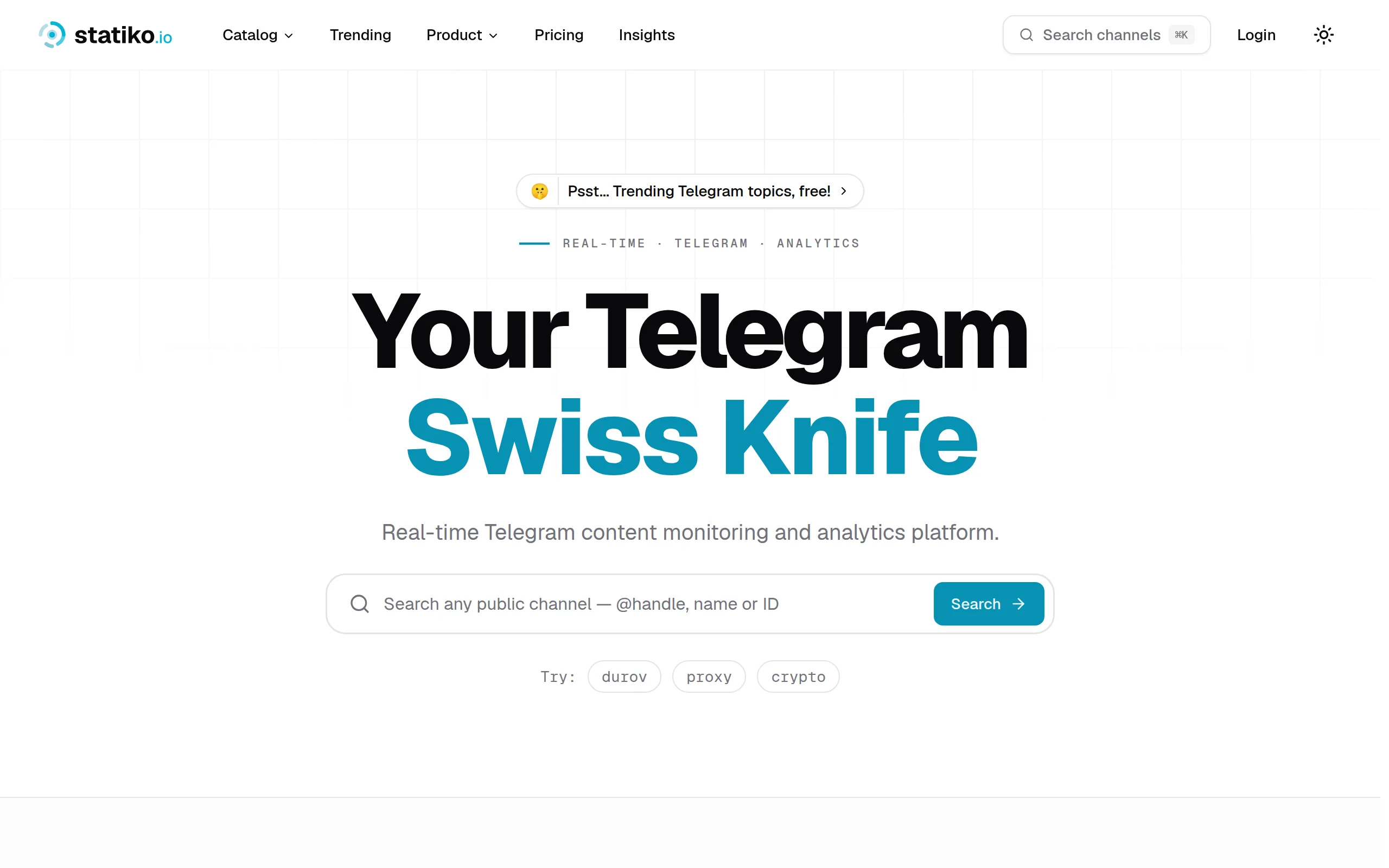
Statiko
Monitor any Telegram channel in real time - track posts, edits, deletions, and growth with AI recaps 📡

Shibui
AI website builder - describe your business, pick a niche template, edit by chatting, and publish instantly ✨

Pro Service
Find verified home service professionals, compare quotes, and pay securely through escrow - built for Brazilians across the US 🏠
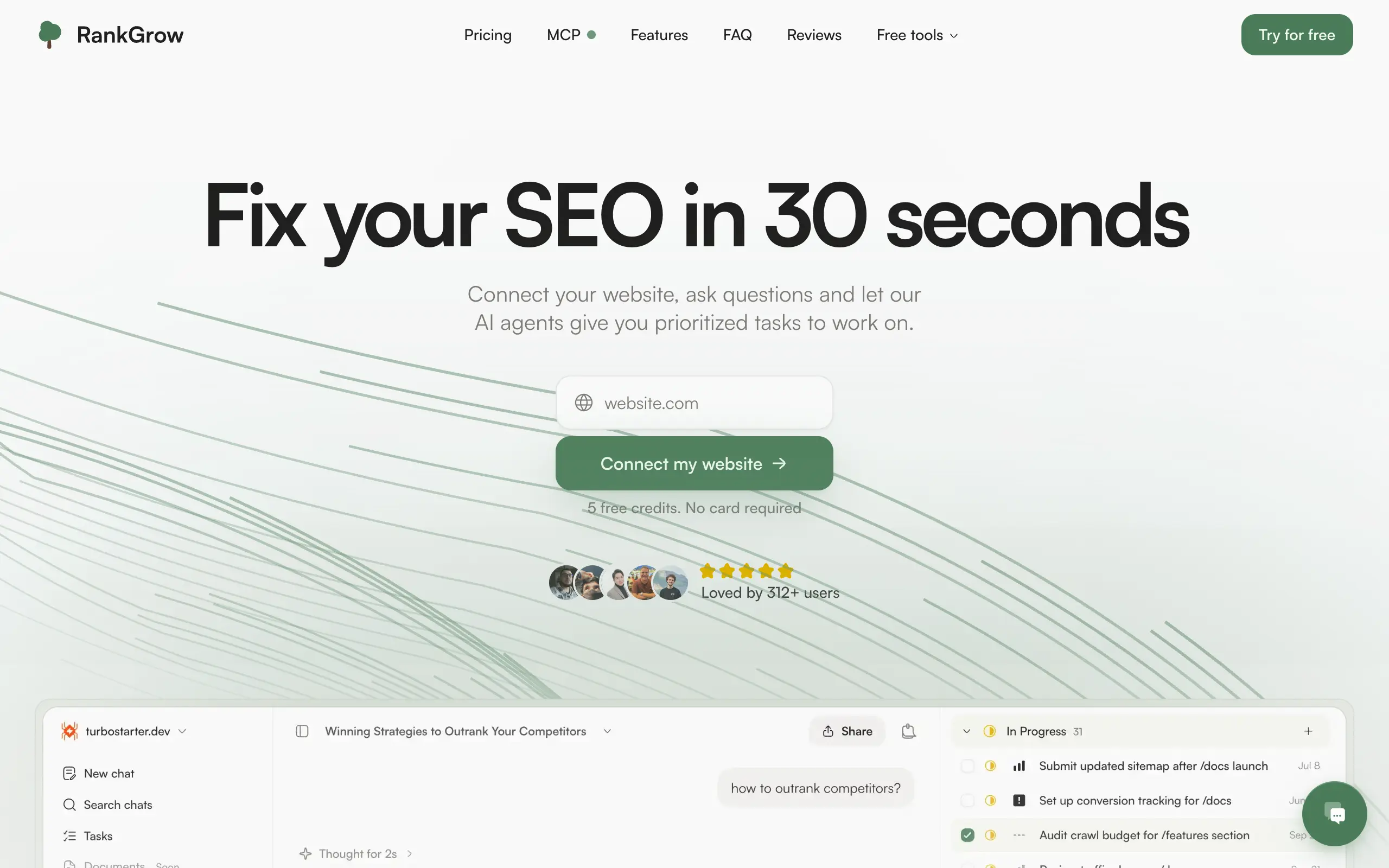
RankGrow
Fix your SEO with AI agents - connect Search Console, get prioritized tasks, and grow organic traffic 📈
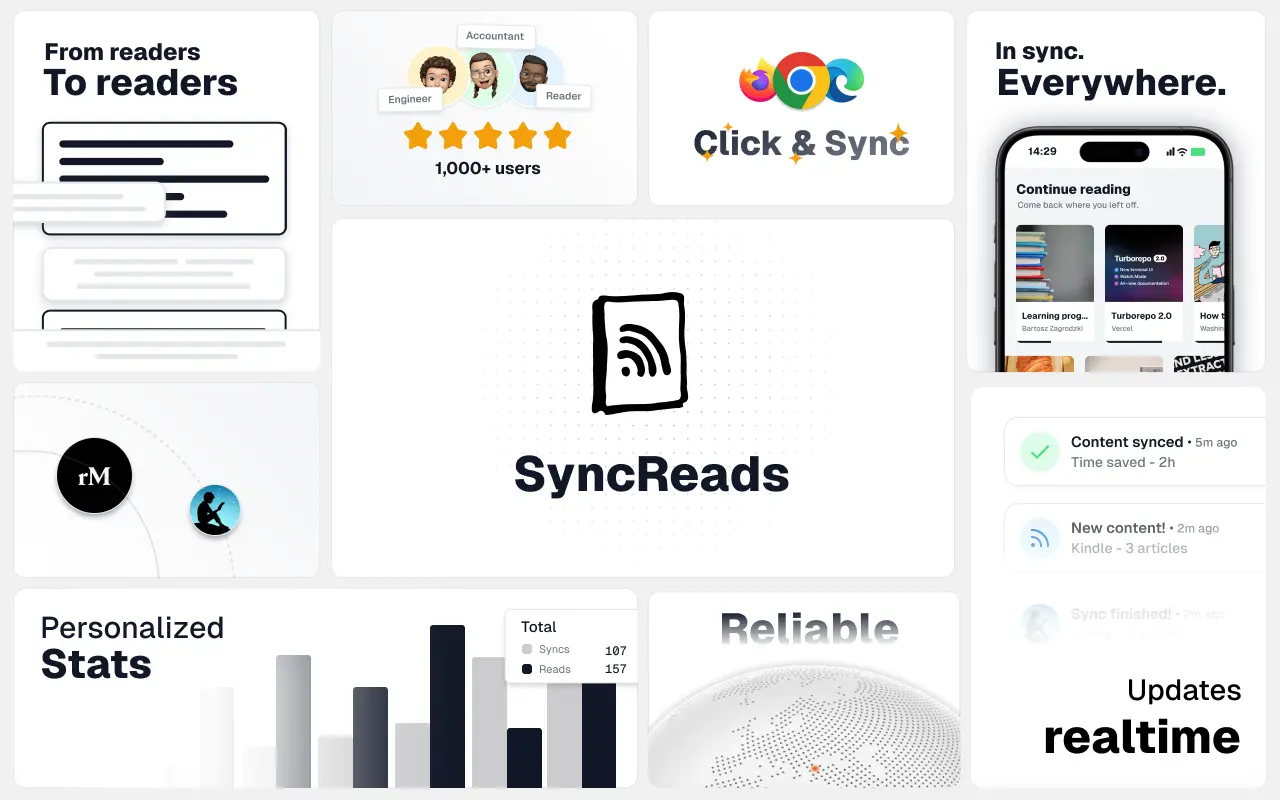
SyncReads
Sync your favorite content for distraction-free reading, save time and replace multiple apps. Anytime, anywhere 🔄
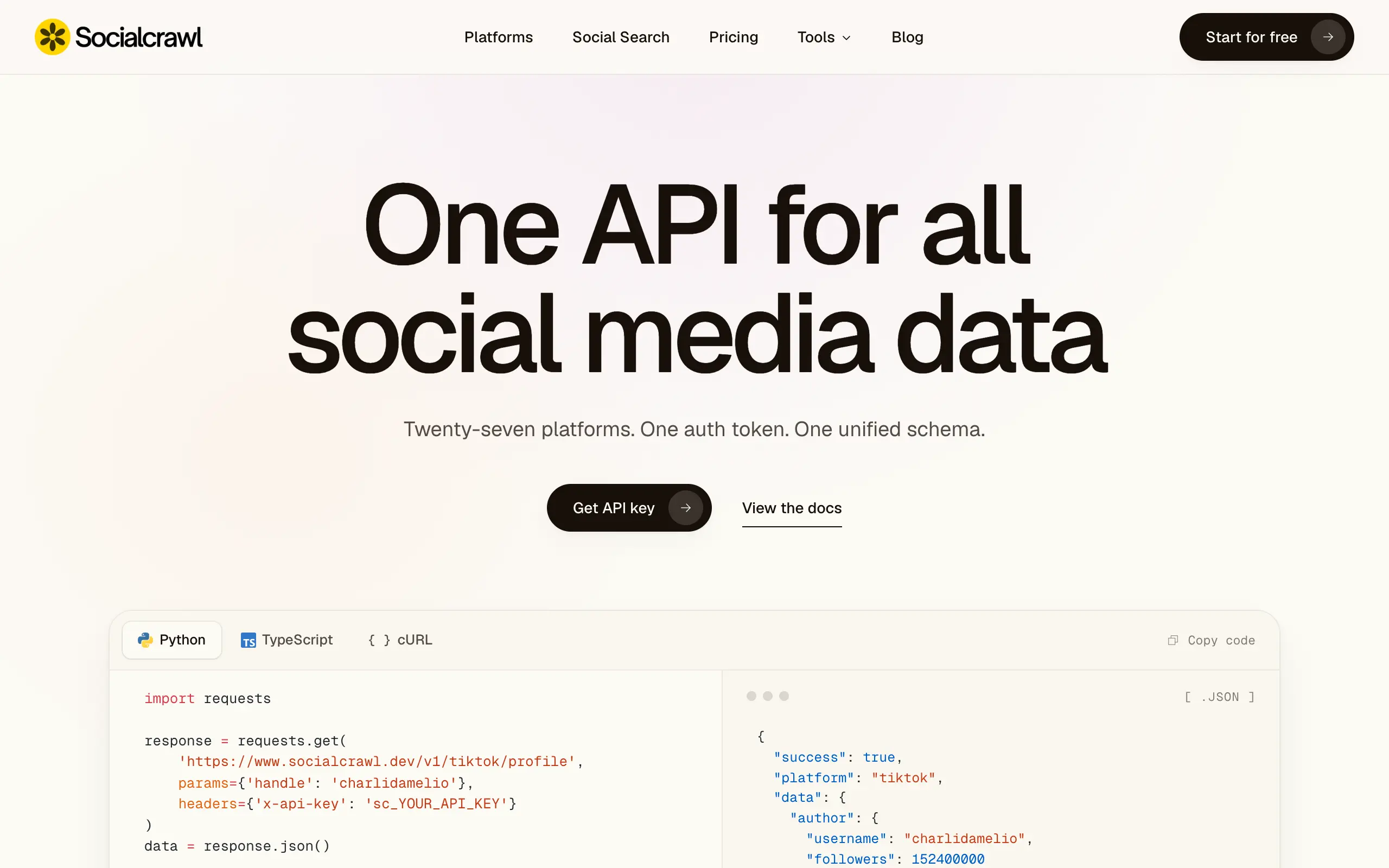
Socialcrawl
Get clean, structured data from 21 platforms like TikTok, Instagram, and YouTube with a single request 📊
Statiko
Monitor any Telegram channel in real time - track posts, edits, deletions, and growth with AI recaps 📡
Shibui
AI website builder - describe your business, pick a niche template, edit by chatting, and publish instantly ✨
Pro Service
Find verified home service professionals, compare quotes, and pay securely through escrow - built for Brazilians across the US 🏠
RankGrow
Fix your SEO with AI agents - connect Search Console, get prioritized tasks, and grow organic traffic 📈
SyncReads
Sync your favorite content for distraction-free reading, save time and replace multiple apps. Anytime, anywhere 🔄
Socialcrawl
Get clean, structured data from 21 platforms like TikTok, Instagram, and YouTube with a single request 📊
Statiko
Monitor any Telegram channel in real time - track posts, edits, deletions, and growth with AI recaps 📡
Shibui
AI website builder - describe your business, pick a niche template, edit by chatting, and publish instantly ✨
Pro Service
Find verified home service professionals, compare quotes, and pay securely through escrow - built for Brazilians across the US 🏠
RankGrow
Fix your SEO with AI agents - connect Search Console, get prioritized tasks, and grow organic traffic 📈
SyncReads
Sync your favorite content for distraction-free reading, save time and replace multiple apps. Anytime, anywhere 🔄
Socialcrawl
Get clean, structured data from 21 platforms like TikTok, Instagram, and YouTube with a single request 📊
Statiko
Monitor any Telegram channel in real time - track posts, edits, deletions, and growth with AI recaps 📡
Shibui
AI website builder - describe your business, pick a niche template, edit by chatting, and publish instantly ✨
Pro Service
Find verified home service professionals, compare quotes, and pay securely through escrow - built for Brazilians across the US 🏠
RankGrow
Fix your SEO with AI agents - connect Search Console, get prioritized tasks, and grow organic traffic 📈
SyncReads
Sync your favorite content for distraction-free reading, save time and replace multiple apps. Anytime, anywhere 🔄
Socialcrawl
Get clean, structured data from 21 platforms like TikTok, Instagram, and YouTube with a single request 📊
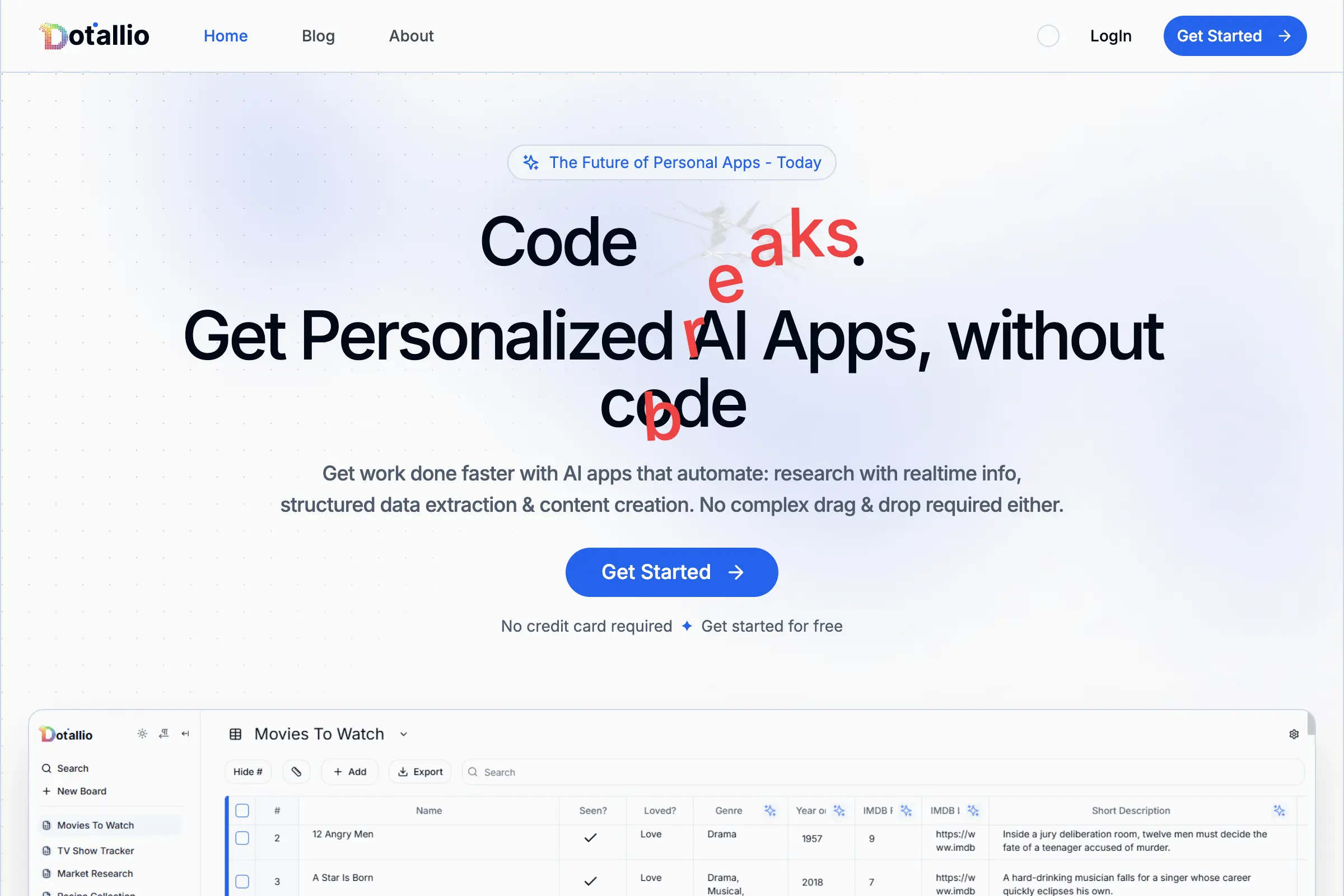
Dotallio
Personalized AI apps that automate research, data extraction, and content creation without code 🤖

Talk to Santa
Enjoy a magical live video chat or receive a unique AI-generated video greeting from Santa Claus 🎅

pozywka.pl
Scalable blog for food journalist, focused on performance and user experience 🌭
zagrodzki.me
Personal blog and portfolio of Bart Zagrodzki, where he shares his knowledge and work 💼
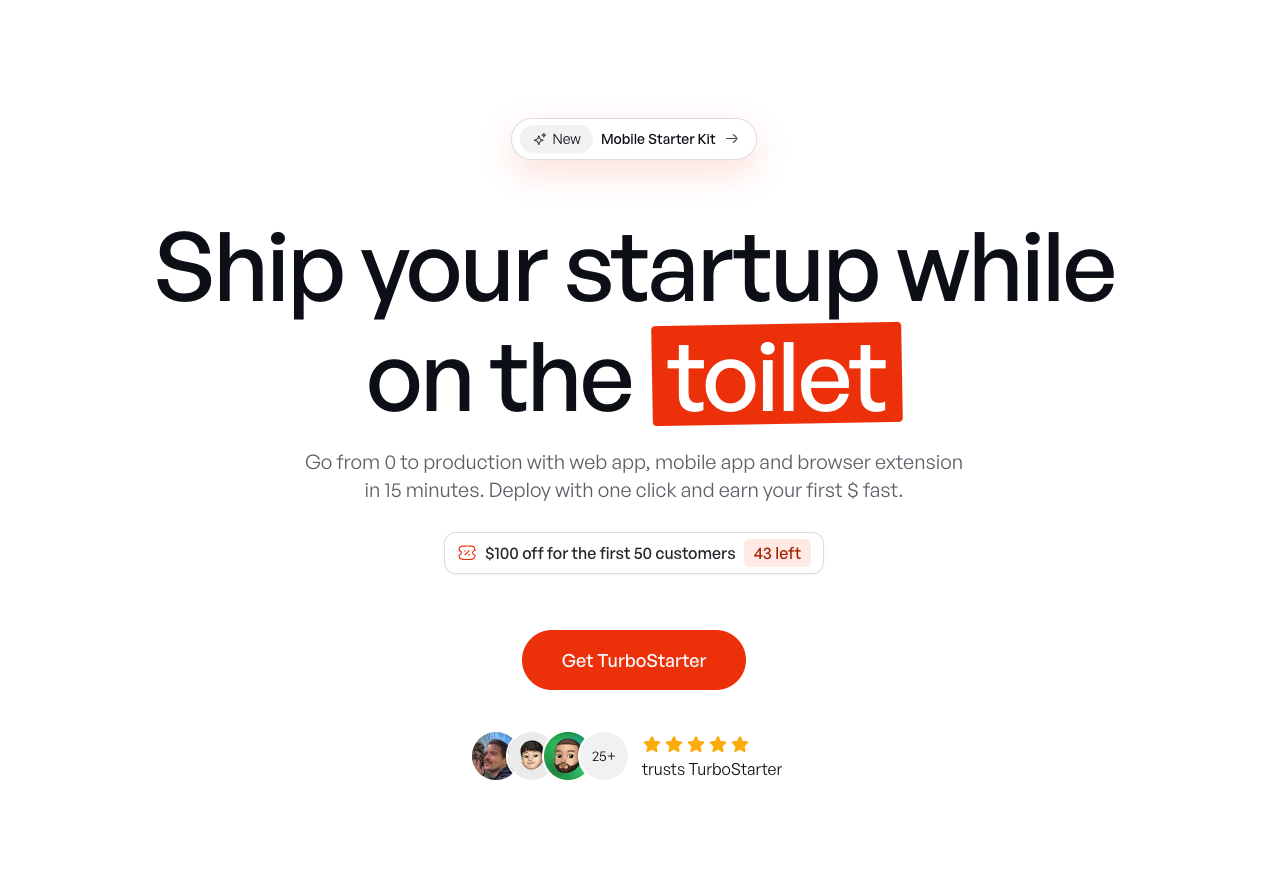
TurboStarter
Ship your startup everywhere. In minutes.
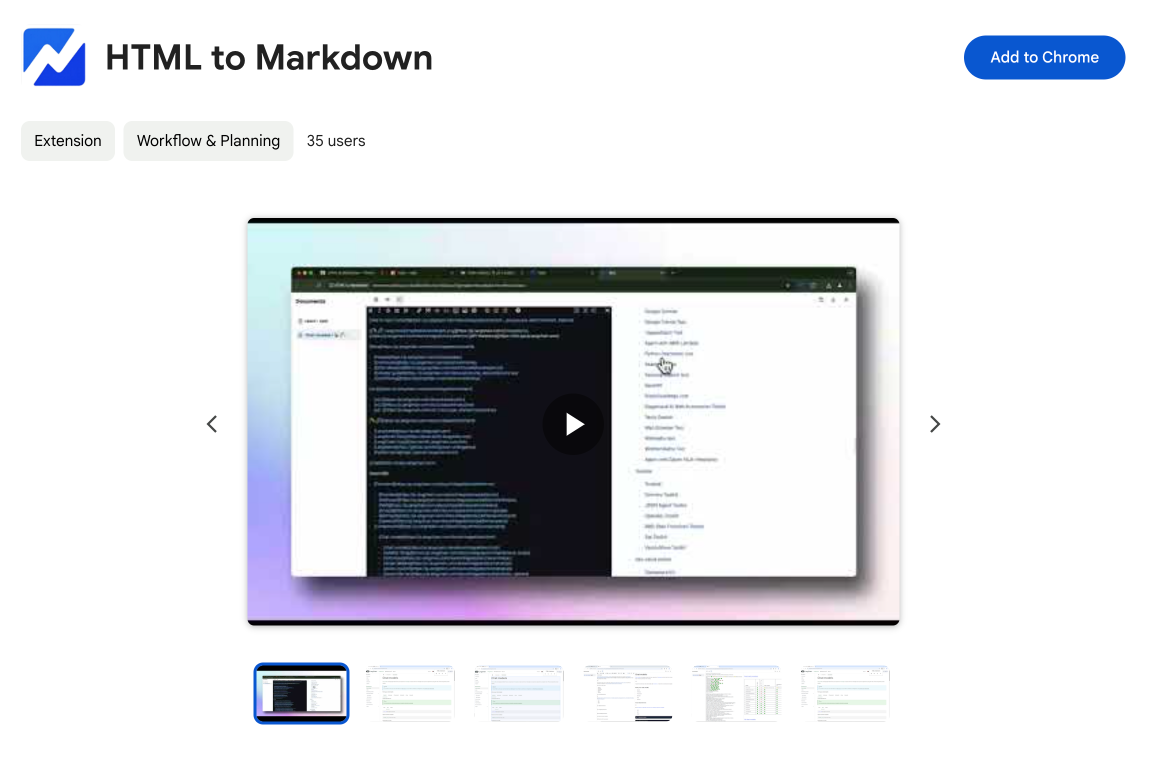
HTML to Markdown
Convert HTML to Markdown with ease, directly in your browser 📄
Dotallio
Personalized AI apps that automate research, data extraction, and content creation without code 🤖
Talk to Santa
Enjoy a magical live video chat or receive a unique AI-generated video greeting from Santa Claus 🎅
pozywka.pl
Scalable blog for food journalist, focused on performance and user experience 🌭
zagrodzki.me
Personal blog and portfolio of Bart Zagrodzki, where he shares his knowledge and work 💼
TurboStarter
Ship your startup everywhere. In minutes.
HTML to Markdown
Convert HTML to Markdown with ease, directly in your browser 📄
Dotallio
Personalized AI apps that automate research, data extraction, and content creation without code 🤖
Talk to Santa
Enjoy a magical live video chat or receive a unique AI-generated video greeting from Santa Claus 🎅
pozywka.pl
Scalable blog for food journalist, focused on performance and user experience 🌭
zagrodzki.me
Personal blog and portfolio of Bart Zagrodzki, where he shares his knowledge and work 💼
TurboStarter
Ship your startup everywhere. In minutes.
HTML to Markdown
Convert HTML to Markdown with ease, directly in your browser 📄
Dotallio
Personalized AI apps that automate research, data extraction, and content creation without code 🤖
Talk to Santa
Enjoy a magical live video chat or receive a unique AI-generated video greeting from Santa Claus 🎅
pozywka.pl
Scalable blog for food journalist, focused on performance and user experience 🌭
zagrodzki.me
Personal blog and portfolio of Bart Zagrodzki, where he shares his knowledge and work 💼
TurboStarter
Ship your startup everywhere. In minutes.
HTML to Markdown
Convert HTML to Markdown with ease, directly in your browser 📄
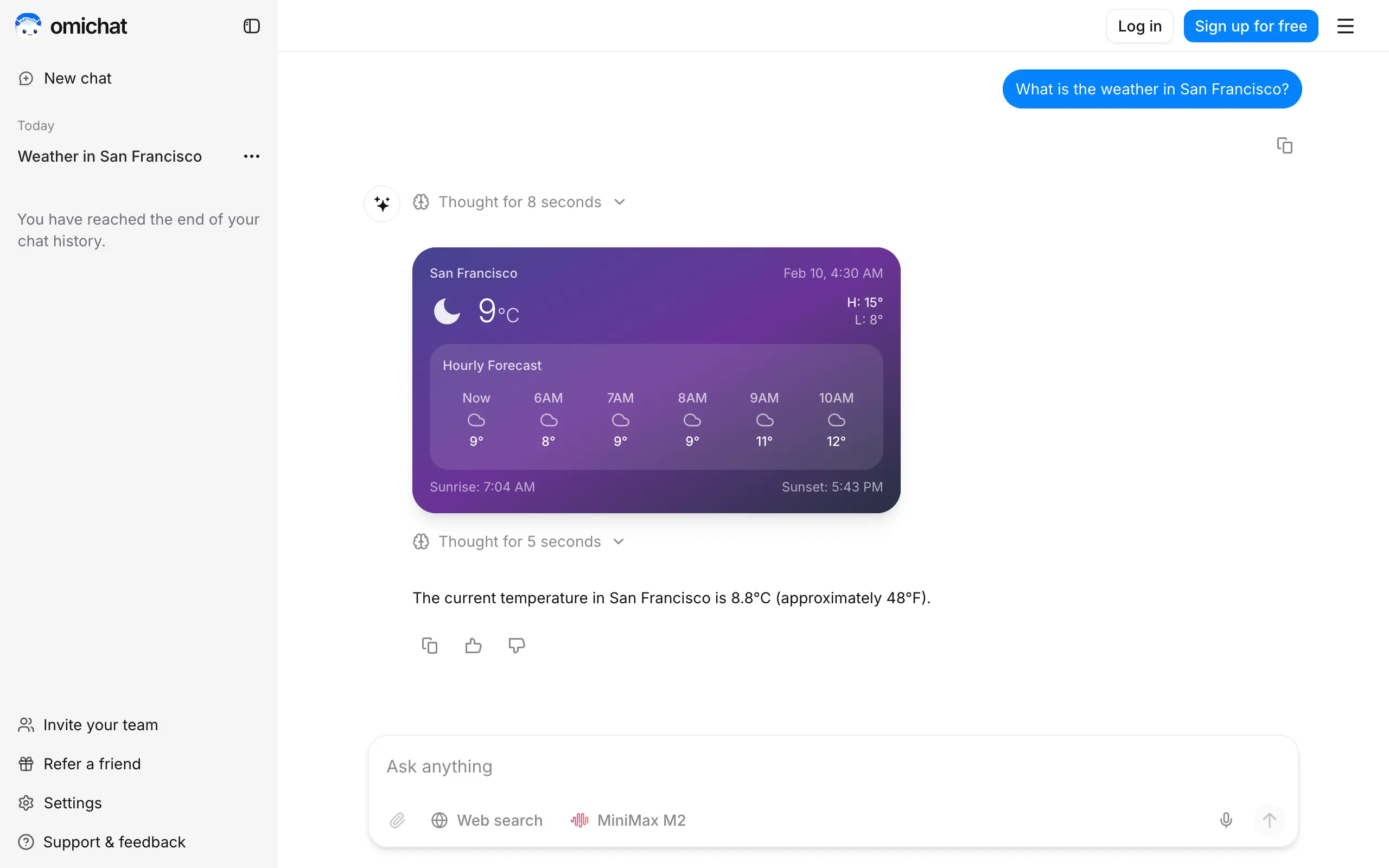
Omichat
Chat with 50+ AI models, including ChatGPT and Claude, in one place - switch models anytime without losing context 🤖
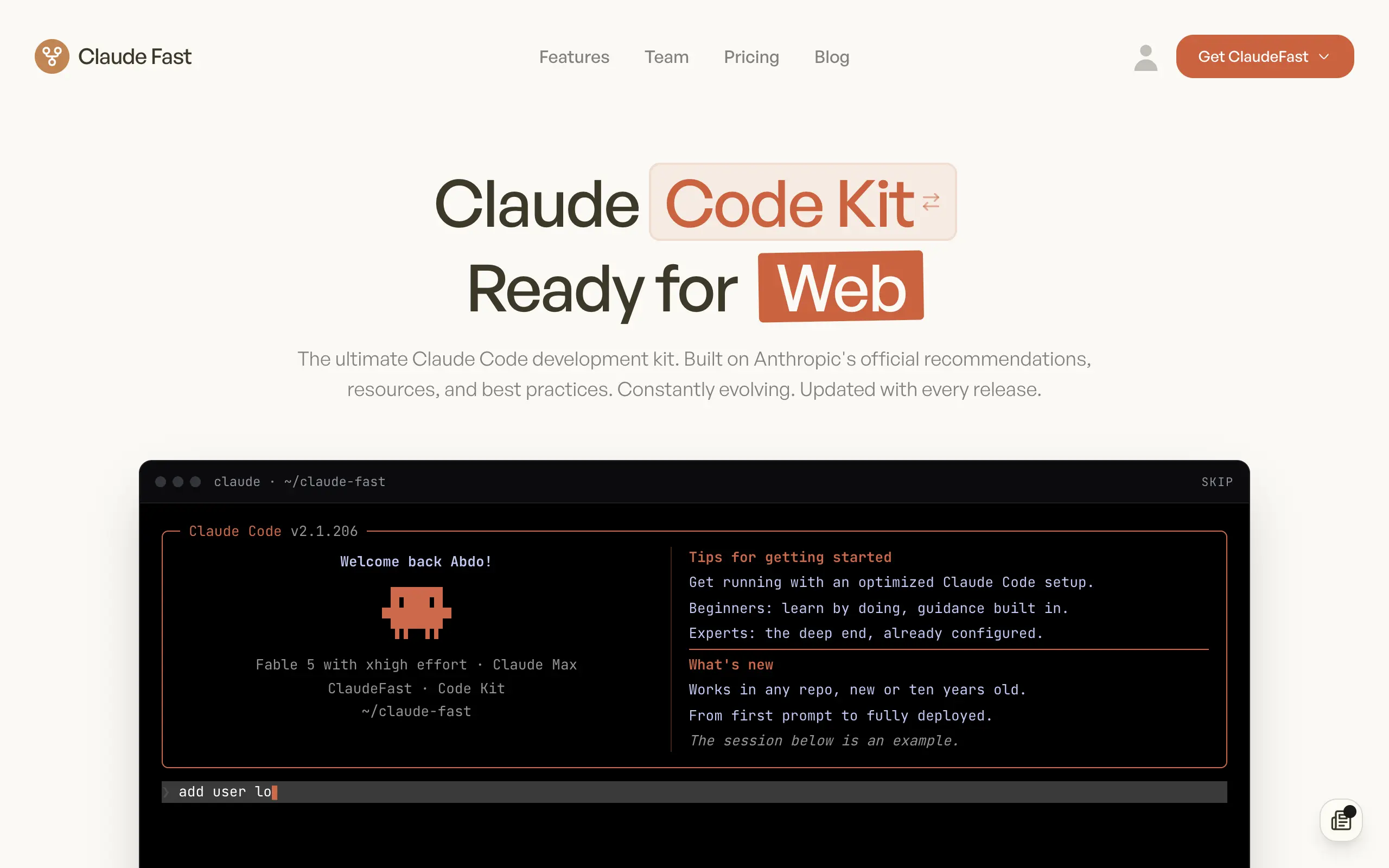
Claude Fast
Supercharge your Claude Code with 6x effective context window and specialized AI agents 🤖
EmojAI
AI-powered emoji picker with smart, context-aware suggestions 🤖
Solohacker
Autonomous company launcher - AI agents work 24/7, escalate what matters, and you stay in control 🤖
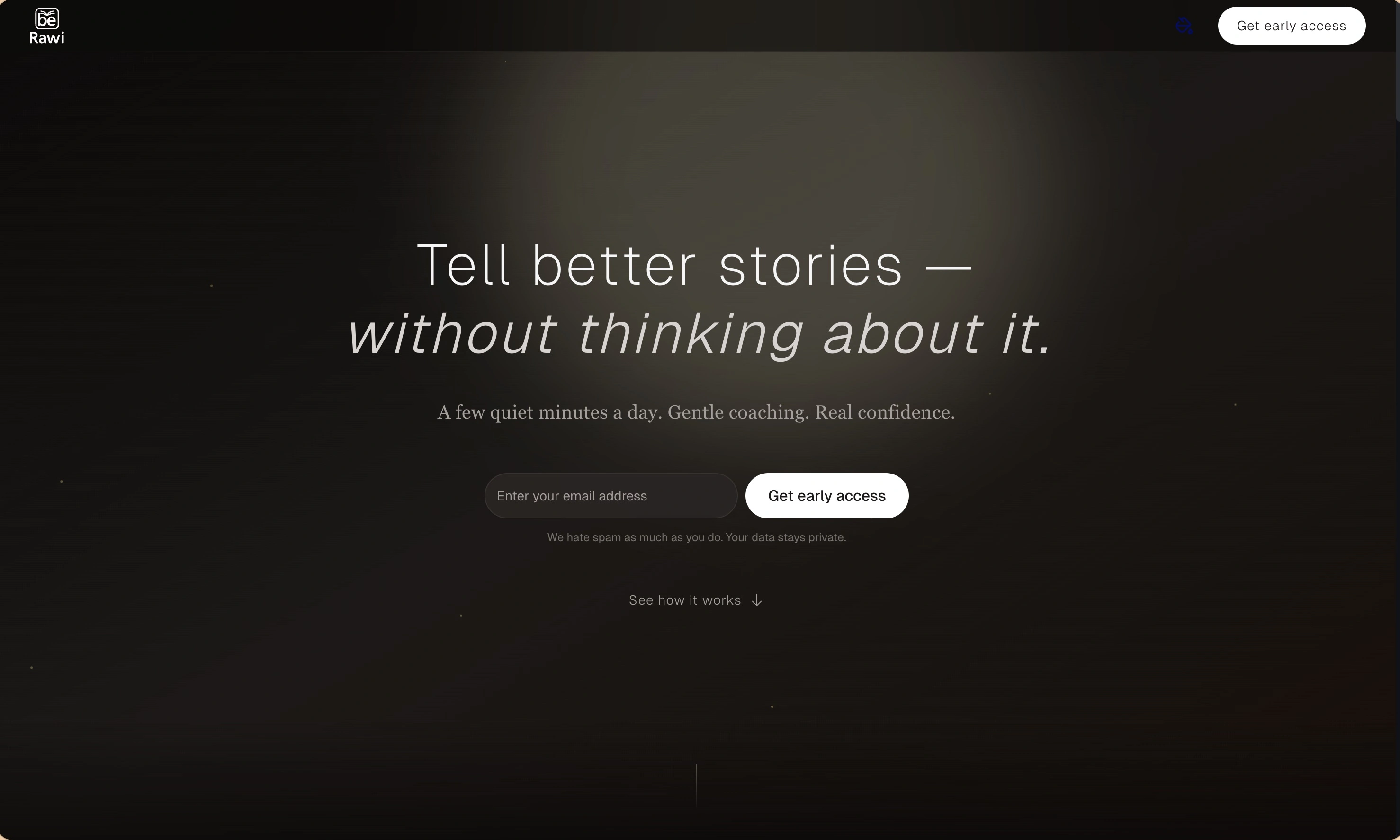
BeRawi: Storytelling Coach
Practice storytelling daily with instant feedback to sound clearer, more engaging, and confident 🎤
Omichat
Chat with 50+ AI models, including ChatGPT and Claude, in one place - switch models anytime without losing context 🤖
Claude Fast
Supercharge your Claude Code with 6x effective context window and specialized AI agents 🤖
EmojAI
AI-powered emoji picker with smart, context-aware suggestions 🤖
Solohacker
Autonomous company launcher - AI agents work 24/7, escalate what matters, and you stay in control 🤖
BeRawi: Storytelling Coach
Practice storytelling daily with instant feedback to sound clearer, more engaging, and confident 🎤
Omichat
Chat with 50+ AI models, including ChatGPT and Claude, in one place - switch models anytime without losing context 🤖
Claude Fast
Supercharge your Claude Code with 6x effective context window and specialized AI agents 🤖
EmojAI
AI-powered emoji picker with smart, context-aware suggestions 🤖
Solohacker
Autonomous company launcher - AI agents work 24/7, escalate what matters, and you stay in control 🤖
BeRawi: Storytelling Coach
Practice storytelling daily with instant feedback to sound clearer, more engaging, and confident 🎤
Omichat
Chat with 50+ AI models, including ChatGPT and Claude, in one place - switch models anytime without losing context 🤖
Claude Fast
Supercharge your Claude Code with 6x effective context window and specialized AI agents 🤖
EmojAI
AI-powered emoji picker with smart, context-aware suggestions 🤖
Solohacker
Autonomous company launcher - AI agents work 24/7, escalate what matters, and you stay in control 🤖
BeRawi: Storytelling Coach
Practice storytelling daily with instant feedback to sound clearer, more engaging, and confident 🎤

Connect with like-minded people
Join our community to get feedback, support, and grow together with 1,000+ builders on board, let's ship it!
Join usShip your startup everywhere. In minutes.
Don't burn tokens on setup and start building features on day one.