SnapBill
Mobile-first invoicing for small business owners, enabling on-the-go invoice generation, digital signatures, and automated payment reminders.
Understanding the need for mobile-first invoicing solutions
In today's fast-paced business environment, small business owners and freelancers are increasingly mobile. They need tools that keep up with their on-the-go lifestyle, especially when it comes to managing finances. Traditional invoicing software often falls short—it's clunky on mobile devices, lacks real-time features, or simply isn't designed for the unique needs of small businesses. This is where SnapBill, a mobile-first invoicing SaaS, steps in to fill a critical gap.
SnapBill empowers users to generate invoices from their smartphones, collect digital signatures, and automate payment reminders—all from a single, intuitive platform. In this article, we'll explore the market opportunity, target audience, core features, technology stack, monetization strategies, risks, and actionable steps to bring SnapBill to life.
Who is SnapBill for? Target audience analysis
Understanding your audience is the cornerstone of SaaS success. SnapBill is designed for:
- Small business owners: Retailers, service providers, consultants, and tradespeople who need to invoice clients quickly and efficiently.
- Freelancers and solopreneurs: Designers, writers, developers, and other independent professionals who work remotely or on-site.
- Field service professionals: Electricians, plumbers, landscapers, and others who often work at client locations.
- Micro-enterprises in emerging markets: Where mobile devices are the primary computing tool.
Key pain points SnapBill addresses:
- Difficulty generating invoices on the go
- Delays in sending invoices, leading to late payments
- Lack of digital signature support for contract validation
- Manual follow-ups for payment reminders
- Poor user experience on mobile devices
Why mobile-first matters
According to recent industry reports, over 60% of small business owners use their smartphones for business management tasks. Mobile-first SaaS solutions are no longer a luxury—they're a necessity.
Identifying the market opportunity and gaps
The global invoicing software market is projected to reach $20+ billion by 2027 (source: suggest referencing a Statista or Grand View Research report). Yet, most legacy solutions are desktop-centric or offer limited mobile functionality. Here's where SnapBill stands out:
- Mobile-first design: Unlike competitors that retrofit mobile apps, SnapBill is built from the ground up for smartphones and tablets.
- On-the-go features: Real-time invoice creation, digital signatures, and instant payment reminders.
- Accessibility: Designed for users with minimal accounting knowledge.
Market gaps SnapBill addresses:
- Lack of robust mobile invoicing tools for micro and small businesses
- Cumbersome onboarding and complex interfaces in existing solutions
- Limited automation for payment reminders and follow-ups
- Inadequate support for digital signatures in mobile workflows
Core features and solution details
SnapBill's feature set is laser-focused on solving real-world problems for its users. Let's break down the core functionalities:
1. Mobile-first invoice generation
- Intuitive UI: Optimized for touch, with large buttons and simple navigation.
- Customizable templates: Add logos, colors, and personalized messages.
- Multi-currency and tax support: Essential for freelancers and businesses working with international clients.
2. Digital signature capture
- On-device signing: Clients can sign invoices directly on the screen.
- Legally compliant: Follows e-signature standards (e.g., ESIGN Act, eIDAS).
- Signature audit trail: Stores signature metadata for legal verification.
3. Automated payment reminders
- Smart scheduling: Sends reminders before and after due dates.
- Customizable messages: Personalize follow-ups to maintain client relationships.
- Integration with payment gateways: Include payment links for instant settlement.
4. Real-time notifications
- Push notifications: Alert users when invoices are viewed, signed, or paid.
- Email and SMS options: Ensure clients never miss an invoice.
5. Expense and client management
- Client database: Store contact info, invoice history, and payment status.
- Expense tracking: Attach receipts and categorize expenses for tax time.
6. Analytics dashboard
- Cash flow insights: Visualize outstanding, paid, and overdue invoices.
- Export options: Download reports for accounting or tax filing.
Mobile-first design
Built natively for iOS and Android, ensuring seamless performance and usability.
Digital signatures
Secure, legally binding signatures captured directly on the device.
Automated reminders
Reduce late payments with smart, customizable follow-ups.
Real-time analytics
Stay on top of your business finances with actionable insights.
Recommended tech stack for SnapBill
Choosing the right technology stack is crucial for performance, scalability, and user experience. Here’s a recommended stack for SnapBill, with trade-offs explained:
Frontend (Mobile app)
- React Native: Enables cross-platform development for iOS and Android from a single codebase. Fast iteration, large community, and access to native device features.
- Trade-off: May require native modules for advanced features (e.g., signature capture).
- Expo: Simplifies React Native development and deployment.
- TailwindCSS (via NativeWind): Utility-first styling for rapid UI development.
Backend
- Node.js with Express: Fast, scalable, and well-supported for RESTful APIs.
- Firebase or Supabase: Real-time database, authentication, and push notifications.
- Trade-off: Firebase is more mature for real-time features; Supabase offers open-source flexibility.
Payments and signatures
- Stripe: Secure, global payment processing.
- DocuSign or HelloSign: For advanced digital signature workflows.
Notifications
Analytics
Hosting and deployment
- Vercel or Netlify: For web dashboard (if any).
- TurboStarter: Accelerate SaaS MVP development with boilerplate code, authentication, and billing.
Why React Native?
React Native allows rapid development and code sharing between iOS and Android, reducing time-to-market and maintenance costs.
Monetization strategy options
A sustainable SaaS business model is essential. Here are proven monetization strategies for SnapBill:
1. Freemium model
- Free tier: Limited invoices per month, basic features.
- Paid tiers: Unlock unlimited invoices, advanced analytics, premium support, and integrations.
2. Subscription plans
- Monthly/annual billing: Offer discounts for annual commitments.
- Tiered pricing: Differentiate by number of clients, team members, or advanced features.
3. Transaction fees
- Payment processing: Charge a small fee per transaction when clients pay via SnapBill.
4. Add-ons and integrations
- Premium templates: Sell branded invoice templates.
- Accounting integrations: Connect with tools like QuickBooks or Xero for a fee.
5. White-label solutions
- For agencies or consultants: Offer branded versions for their clients.
| Freemium | Subscription | Transaction fees | Add-ons | White-label |
|---|---|---|---|---|
| ✅ | ❌ | ❌ | ✅ | ❌ |
| ✅ | ❌ | ✅ | ✅ | ❌ |
Potential risks and mitigation strategies
Launching a SaaS like SnapBill comes with challenges. Here’s how to anticipate and address them:
1. Security and compliance
- Risk: Handling sensitive financial and personal data.
- Mitigation: Use end-to-end encryption, comply with GDPR, and partner with trusted payment/signature providers.
2. User adoption
- Risk: Small business owners may resist switching from manual or legacy systems.
- Mitigation: Offer seamless onboarding, import tools, and in-app tutorials.
3. Payment delays and disputes
- Risk: Users may face late payments or client disputes.
- Mitigation: Automated reminders, clear audit trails, and optional late fee features.
4. Platform fragmentation
- Risk: Supporting multiple devices and OS versions.
- Mitigation: Focus on the most popular platforms first (iOS, Android), use cross-platform frameworks.
5. Competition
- Risk: Established players with larger budgets.
- Mitigation: Double down on mobile-first UX, speed, and customer support.
SnapBill uses industry-standard encryption, secure cloud infrastructure, and regular security audits to protect user data.
SnapBill offers import tools and dedicated onboarding support to make migration seamless.
Competitive advantage analysis
To stand out in a crowded market, SnapBill must offer clear, defensible advantages:
- True mobile-first experience: Not just a responsive web app, but a native mobile application with offline support and device integrations.
- Instant digital signatures: Most competitors require separate apps or desktop workflows for signatures.
- Automated, customizable reminders: Reduces late payments and administrative overhead.
- Simplicity and speed: Designed for non-accountants, with minimal setup and learning curve.
- Affordable pricing: Accessible to micro-businesses and freelancers.
How SnapBill compares to competitors
| Feature | SnapBill | Legacy Invoicing Apps | Generic Mobile Apps |
|---|---|---|---|
| Mobile-first design | ✅ | ❌ | ❌ |
| Digital signatures | ✅ | ❌ | ❌ |
| Automated reminders | ✅ | ✅ | ❌ |
| Real-time analytics | ✅ | ❌ | ❌ |
| Affordable pricing | ✅ | ❌ | ✅ |
Actionable implementation steps
Ready to bring SnapBill to life? Here’s a step-by-step roadmap:
Conclusion: Why SnapBill is the future of mobile invoicing
SnapBill is more than just another invoicing app—it's a purpose-built, mobile-first SaaS that empowers small business owners and freelancers to manage their finances anywhere, anytime. By focusing on real-world pain points—like on-the-go invoice generation, digital signatures, and automated reminders—SnapBill delivers a seamless, modern experience that legacy tools can't match.
Key takeaways:
- The market is ripe for a mobile-first invoicing solution tailored to small businesses and freelancers.
- SnapBill's unique features and user-centric design set it apart from competitors.
- With the right tech stack, monetization strategy, and focus on security, SnapBill can capture significant market share.
Ready to turn this vision into reality? Leverage platforms like TurboStarter to accelerate your MVP development and get to market faster.
Frequently asked questions
Yes, SnapBill can offer integrations with popular accounting tools like QuickBooks and Xero, either natively or via third-party connectors.
Absolutely. SnapBill uses industry-standard encryption and partners with trusted payment and signature providers to ensure data security.
Most users can set up their account and send their first invoice within minutes, thanks to SnapBill's intuitive onboarding.
Further reading and resources
- React Native documentation
- Firebase documentation
- Stripe documentation
- TurboStarter for SaaS MVP acceleration
By focusing on the real needs of small business owners and freelancers, SnapBill is poised to become the go-to mobile invoicing solution in a rapidly evolving digital economy.
More 👥 B2C Application SaaS ideas
Discover more innovative b2c application SaaS ideas that are trending in 2026. Each idea is AI-generated with market validation and growth potential to help you find your next profitable venture faster than competitors.
Your competitors are building with TurboStarter
Below are some of the SaaS ideas that have been generated and built with our starter kit.
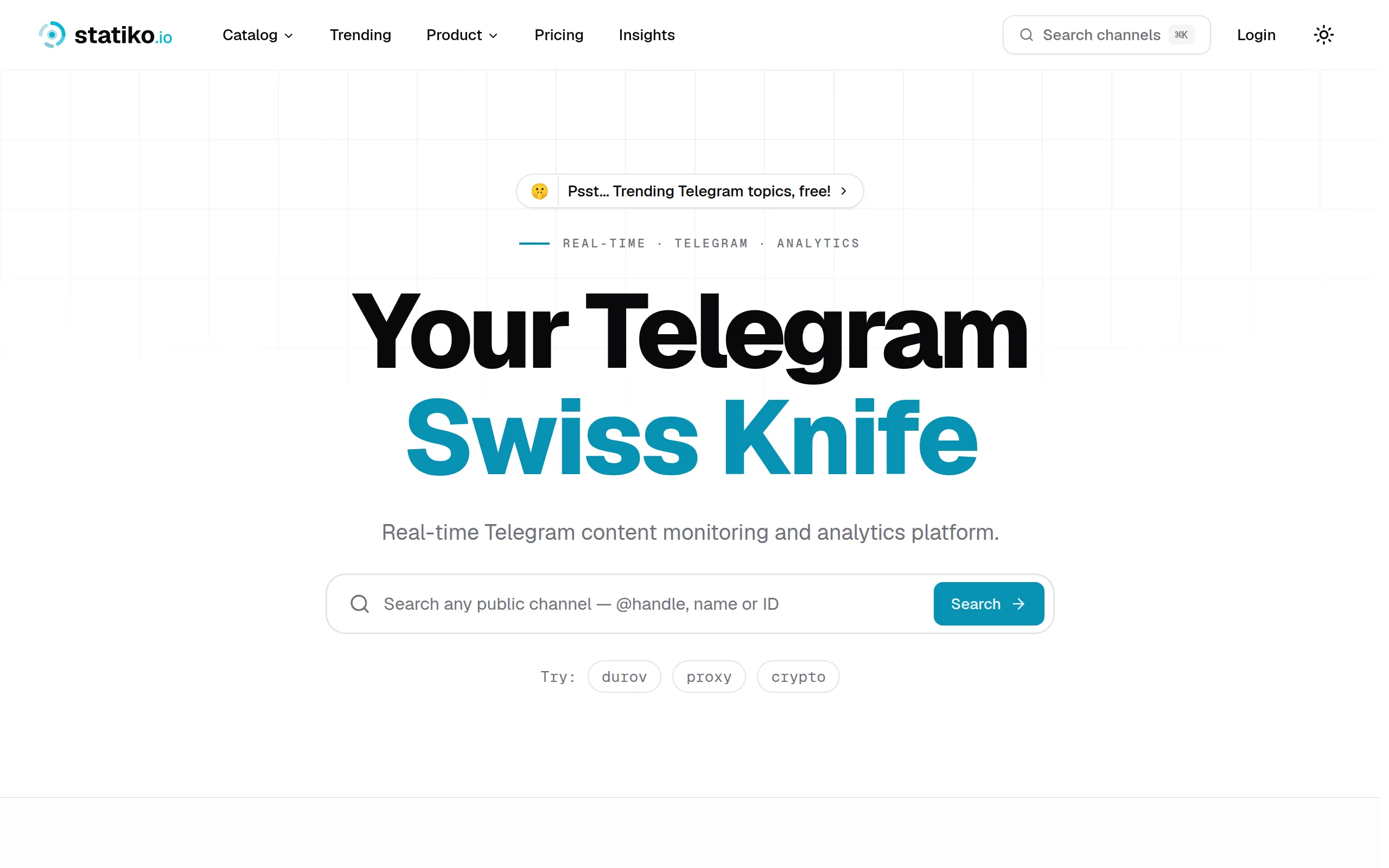
Statiko
Monitor any Telegram channel in real time - track posts, edits, deletions, and growth with AI recaps 📡

Shibui
AI website builder - describe your business, pick a niche template, edit by chatting, and publish instantly ✨

Pro Service
Find verified home service professionals, compare quotes, and pay securely through escrow - built for Brazilians across the US 🏠
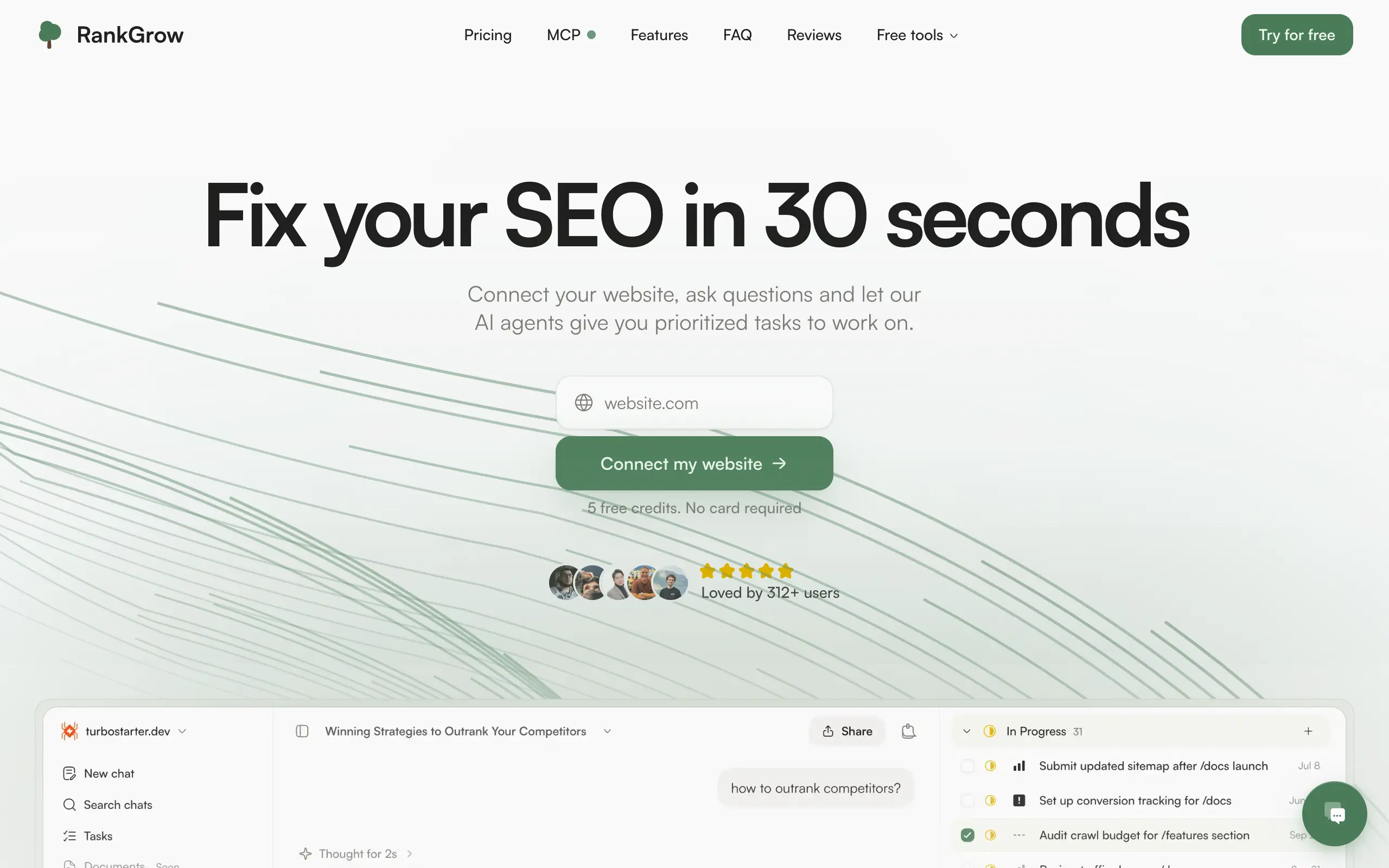
RankGrow
Fix your SEO with AI agents - connect Search Console, get prioritized tasks, and grow organic traffic 📈
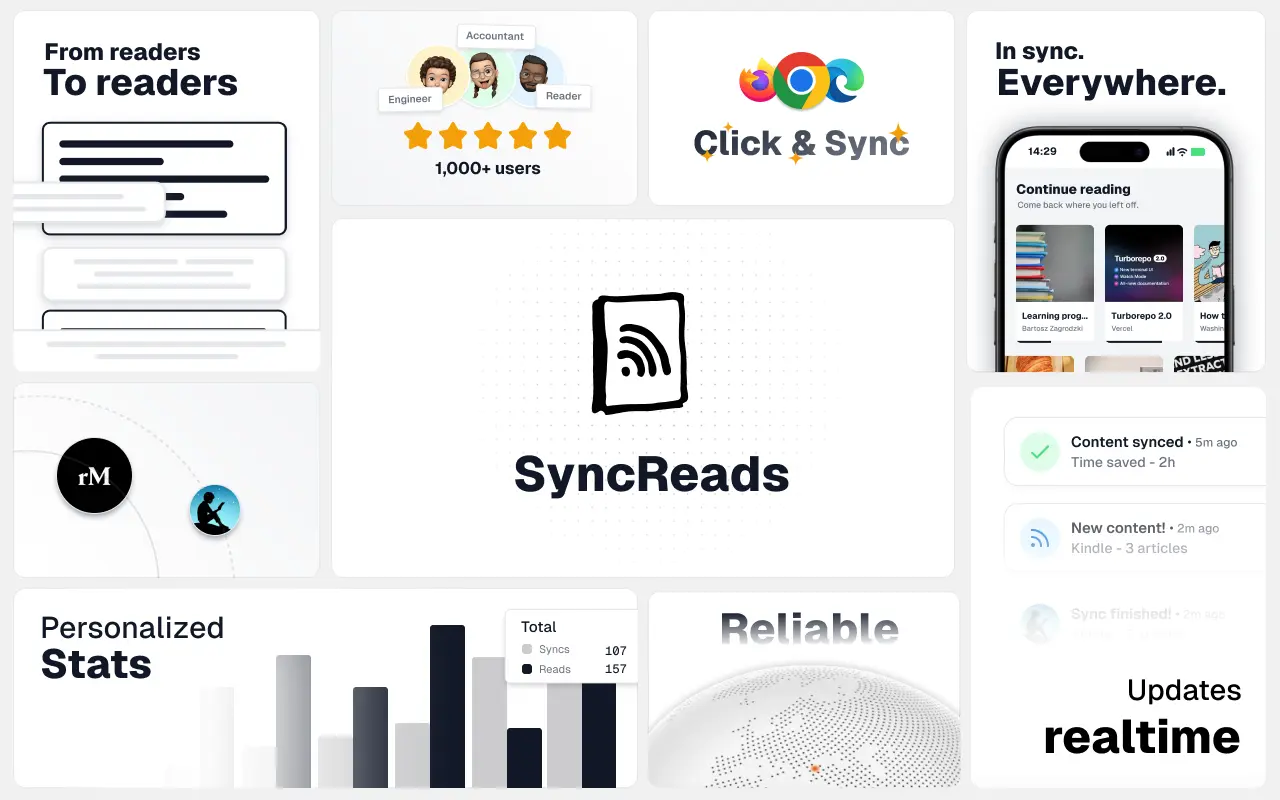
SyncReads
Sync your favorite content for distraction-free reading, save time and replace multiple apps. Anytime, anywhere 🔄
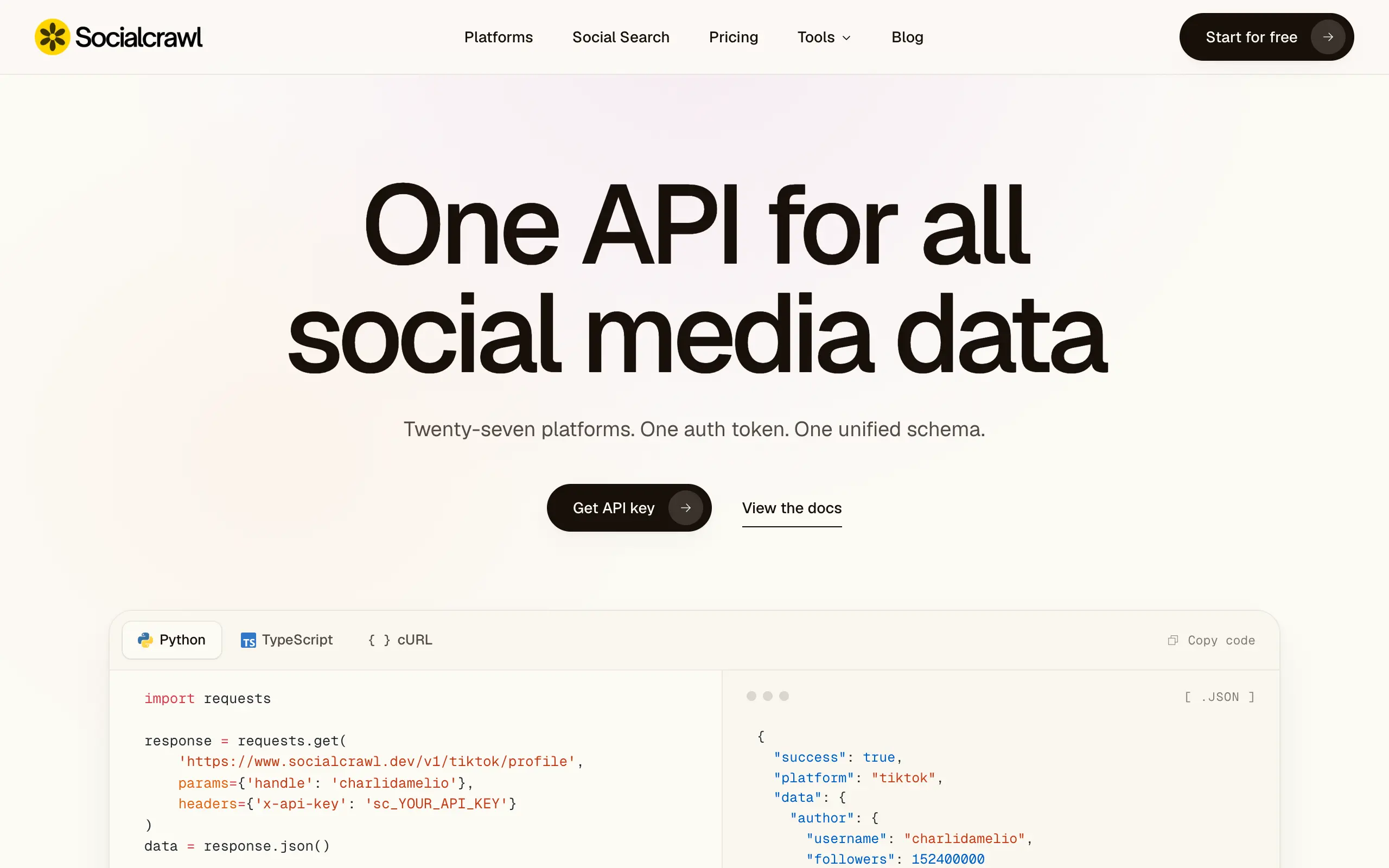
Socialcrawl
Get clean, structured data from 21 platforms like TikTok, Instagram, and YouTube with a single request 📊
Statiko
Monitor any Telegram channel in real time - track posts, edits, deletions, and growth with AI recaps 📡
Shibui
AI website builder - describe your business, pick a niche template, edit by chatting, and publish instantly ✨
Pro Service
Find verified home service professionals, compare quotes, and pay securely through escrow - built for Brazilians across the US 🏠
RankGrow
Fix your SEO with AI agents - connect Search Console, get prioritized tasks, and grow organic traffic 📈
SyncReads
Sync your favorite content for distraction-free reading, save time and replace multiple apps. Anytime, anywhere 🔄
Socialcrawl
Get clean, structured data from 21 platforms like TikTok, Instagram, and YouTube with a single request 📊
Statiko
Monitor any Telegram channel in real time - track posts, edits, deletions, and growth with AI recaps 📡
Shibui
AI website builder - describe your business, pick a niche template, edit by chatting, and publish instantly ✨
Pro Service
Find verified home service professionals, compare quotes, and pay securely through escrow - built for Brazilians across the US 🏠
RankGrow
Fix your SEO with AI agents - connect Search Console, get prioritized tasks, and grow organic traffic 📈
SyncReads
Sync your favorite content for distraction-free reading, save time and replace multiple apps. Anytime, anywhere 🔄
Socialcrawl
Get clean, structured data from 21 platforms like TikTok, Instagram, and YouTube with a single request 📊
Statiko
Monitor any Telegram channel in real time - track posts, edits, deletions, and growth with AI recaps 📡
Shibui
AI website builder - describe your business, pick a niche template, edit by chatting, and publish instantly ✨
Pro Service
Find verified home service professionals, compare quotes, and pay securely through escrow - built for Brazilians across the US 🏠
RankGrow
Fix your SEO with AI agents - connect Search Console, get prioritized tasks, and grow organic traffic 📈
SyncReads
Sync your favorite content for distraction-free reading, save time and replace multiple apps. Anytime, anywhere 🔄
Socialcrawl
Get clean, structured data from 21 platforms like TikTok, Instagram, and YouTube with a single request 📊
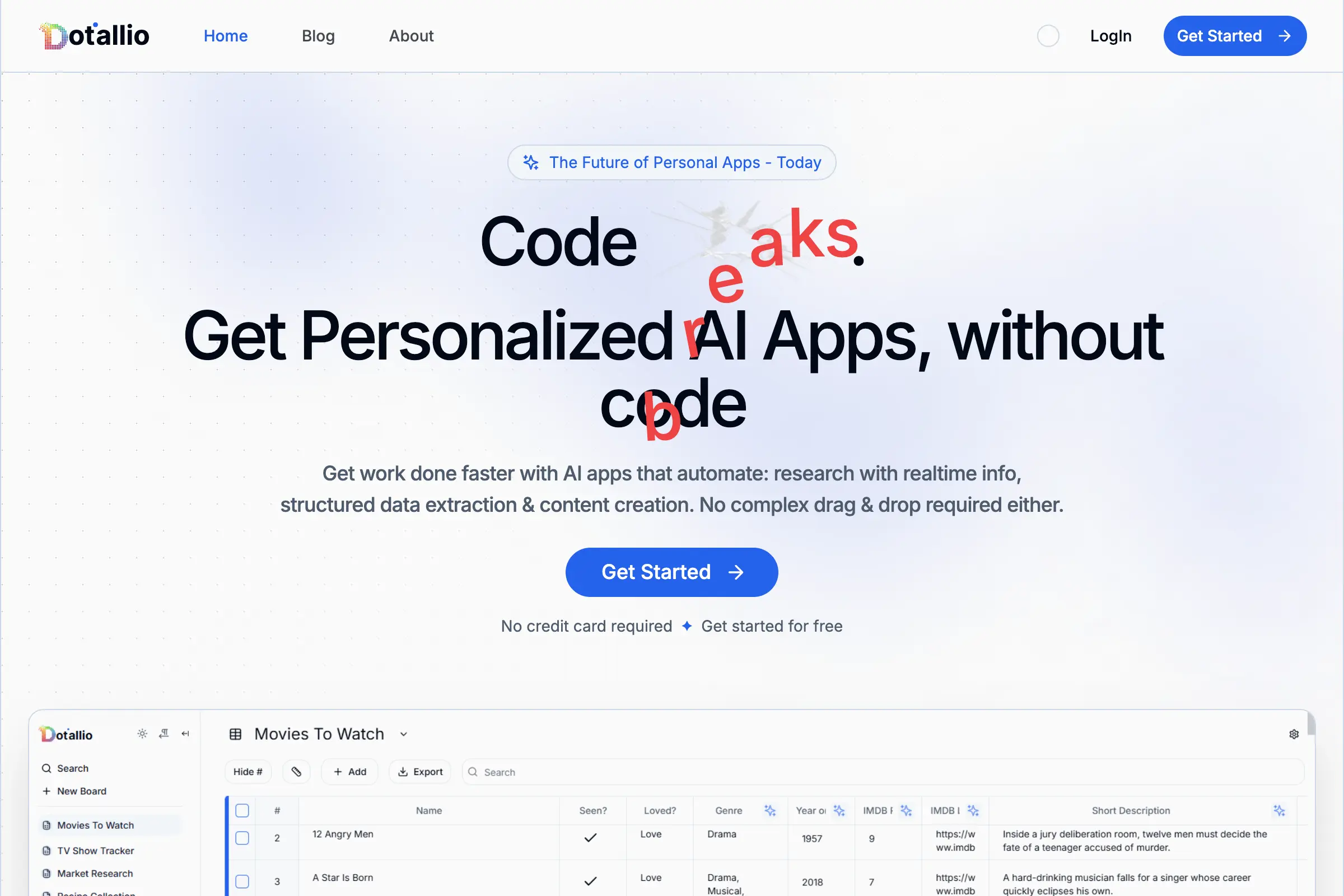
Dotallio
Personalized AI apps that automate research, data extraction, and content creation without code 🤖
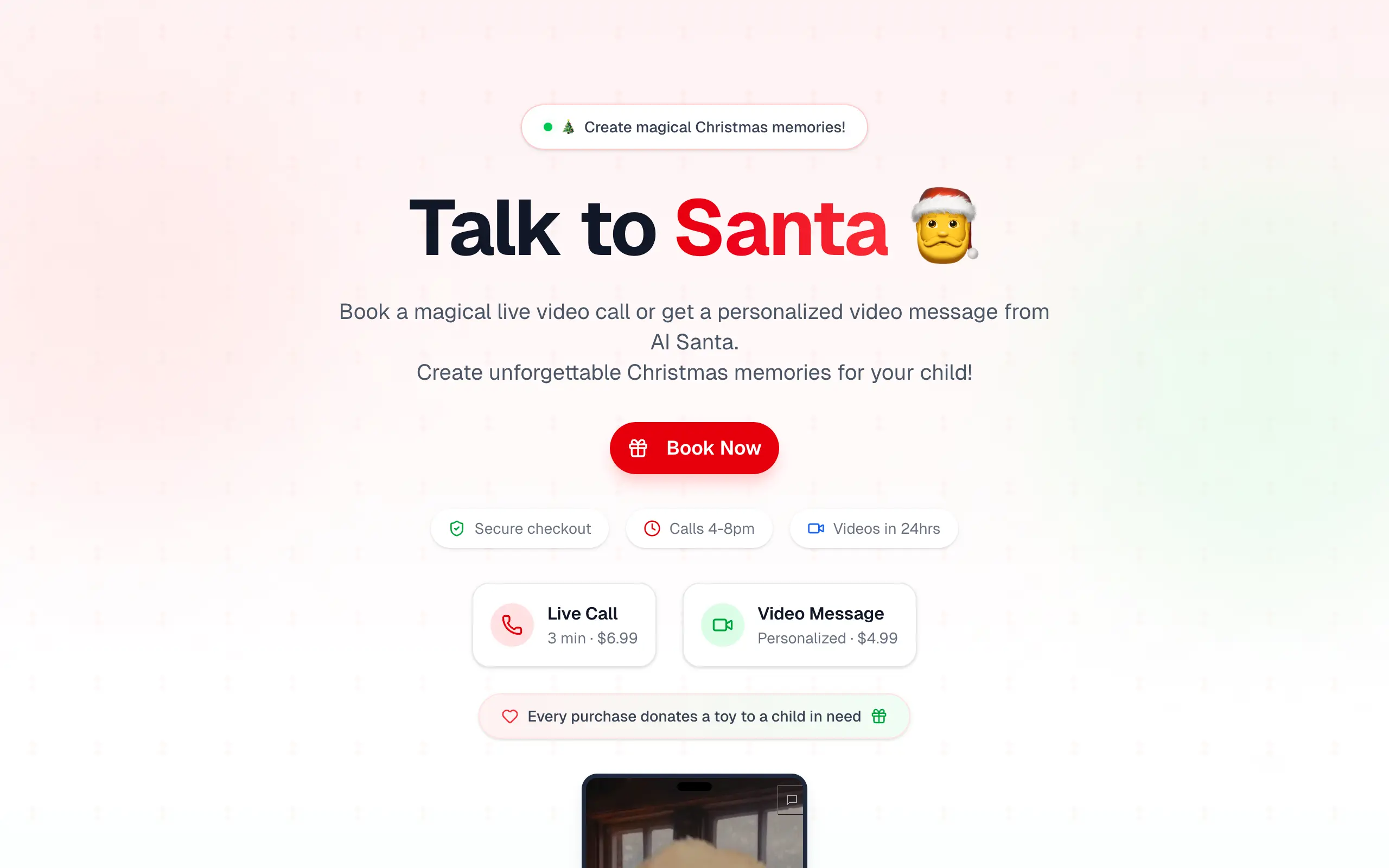
Talk to Santa
Enjoy a magical live video chat or receive a unique AI-generated video greeting from Santa Claus 🎅
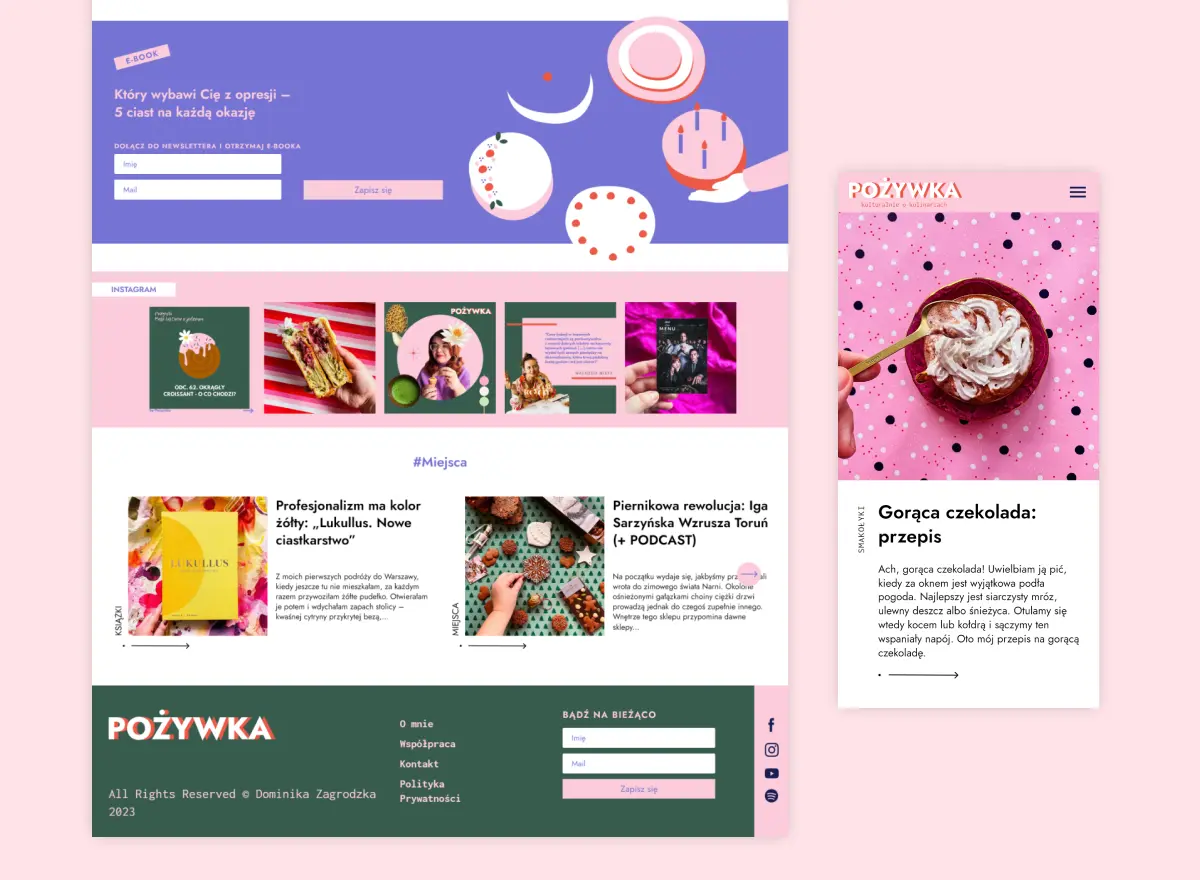
pozywka.pl
Scalable blog for food journalist, focused on performance and user experience 🌭
zagrodzki.me
Personal blog and portfolio of Bart Zagrodzki, where he shares his knowledge and work 💼
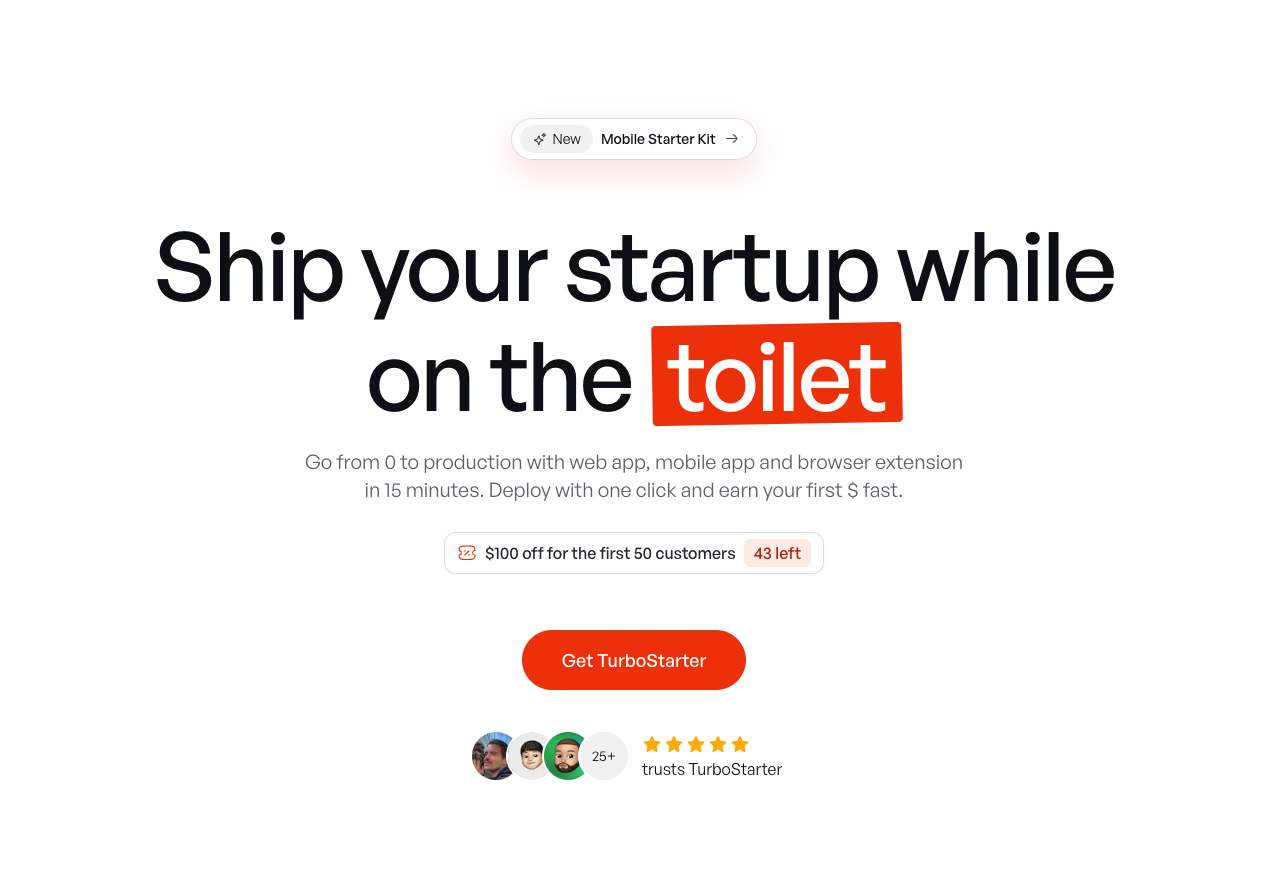
TurboStarter
Ship your startup everywhere. In minutes.
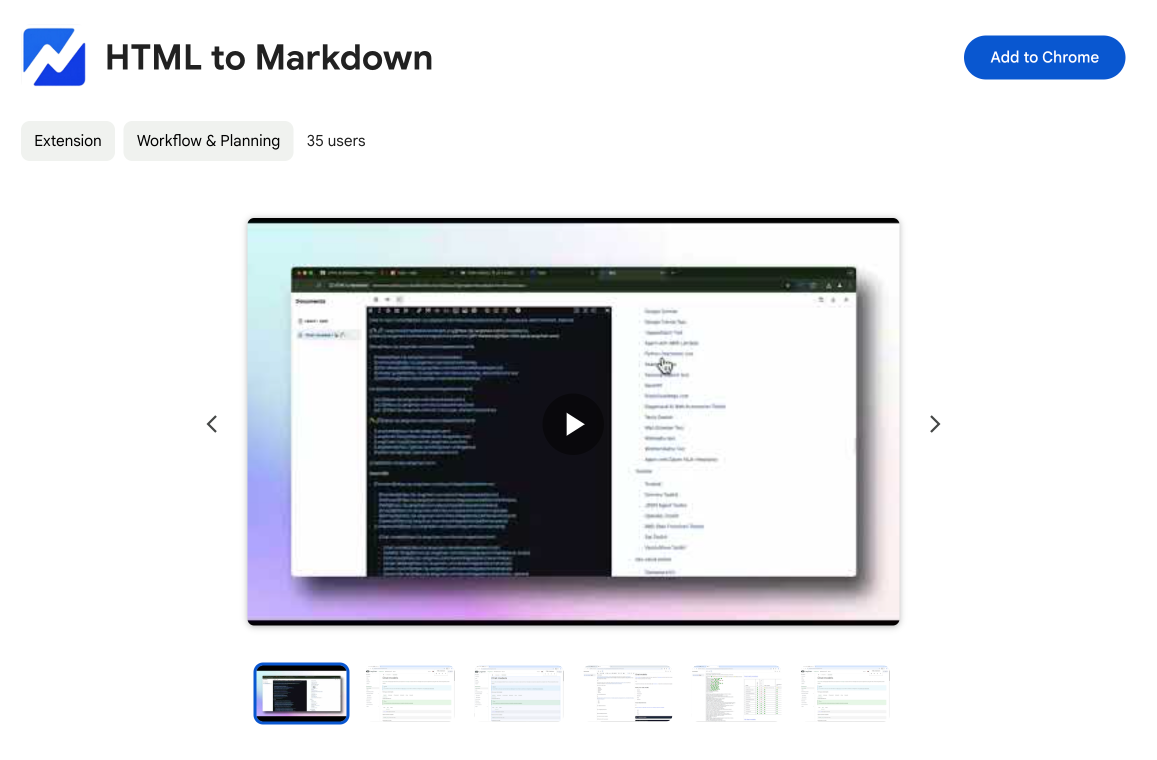
HTML to Markdown
Convert HTML to Markdown with ease, directly in your browser 📄
Dotallio
Personalized AI apps that automate research, data extraction, and content creation without code 🤖
Talk to Santa
Enjoy a magical live video chat or receive a unique AI-generated video greeting from Santa Claus 🎅
pozywka.pl
Scalable blog for food journalist, focused on performance and user experience 🌭
zagrodzki.me
Personal blog and portfolio of Bart Zagrodzki, where he shares his knowledge and work 💼
TurboStarter
Ship your startup everywhere. In minutes.
HTML to Markdown
Convert HTML to Markdown with ease, directly in your browser 📄
Dotallio
Personalized AI apps that automate research, data extraction, and content creation without code 🤖
Talk to Santa
Enjoy a magical live video chat or receive a unique AI-generated video greeting from Santa Claus 🎅
pozywka.pl
Scalable blog for food journalist, focused on performance and user experience 🌭
zagrodzki.me
Personal blog and portfolio of Bart Zagrodzki, where he shares his knowledge and work 💼
TurboStarter
Ship your startup everywhere. In minutes.
HTML to Markdown
Convert HTML to Markdown with ease, directly in your browser 📄
Dotallio
Personalized AI apps that automate research, data extraction, and content creation without code 🤖
Talk to Santa
Enjoy a magical live video chat or receive a unique AI-generated video greeting from Santa Claus 🎅
pozywka.pl
Scalable blog for food journalist, focused on performance and user experience 🌭
zagrodzki.me
Personal blog and portfolio of Bart Zagrodzki, where he shares his knowledge and work 💼
TurboStarter
Ship your startup everywhere. In minutes.
HTML to Markdown
Convert HTML to Markdown with ease, directly in your browser 📄
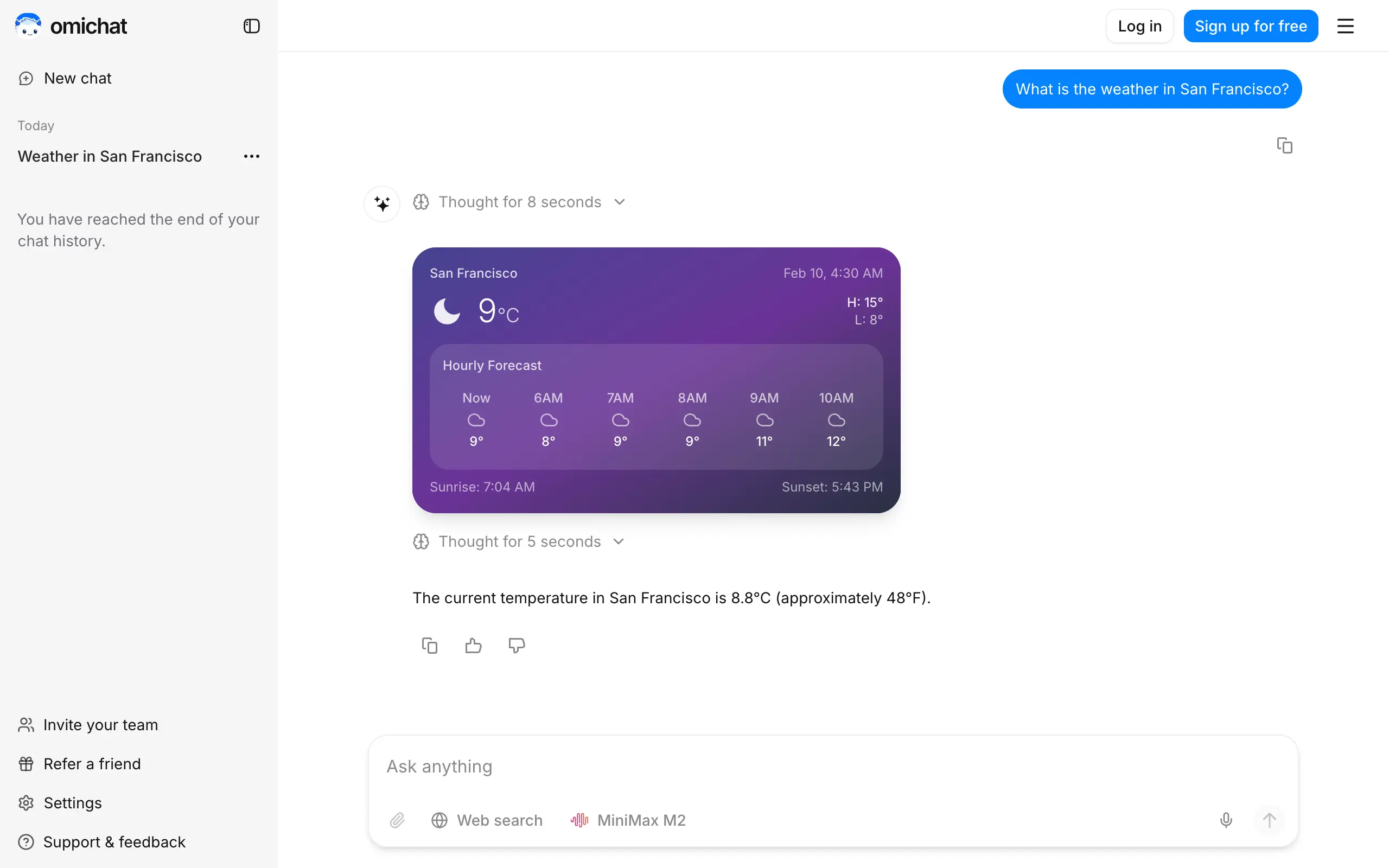
Omichat
Chat with 50+ AI models, including ChatGPT and Claude, in one place - switch models anytime without losing context 🤖
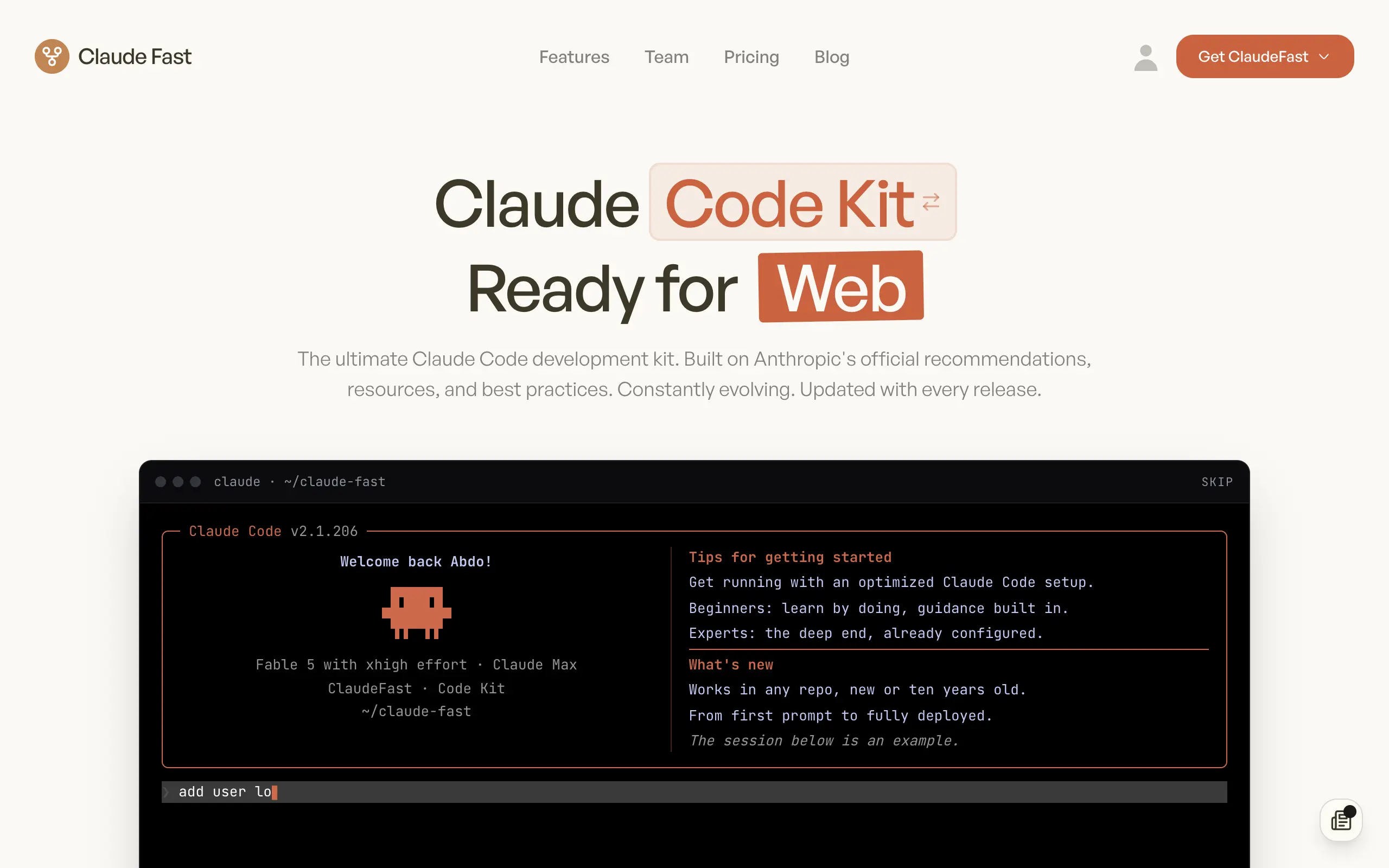
Claude Fast
Supercharge your Claude Code with 6x effective context window and specialized AI agents 🤖
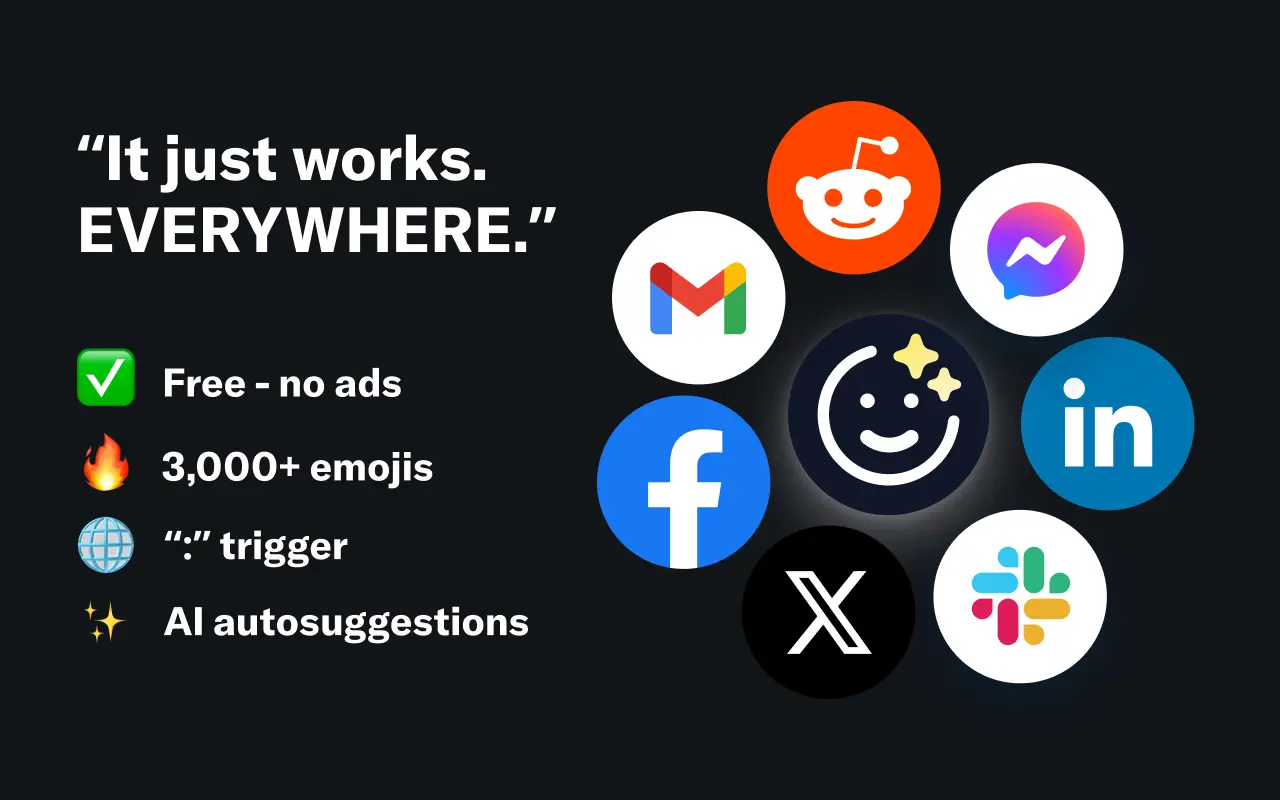
EmojAI
AI-powered emoji picker with smart, context-aware suggestions 🤖
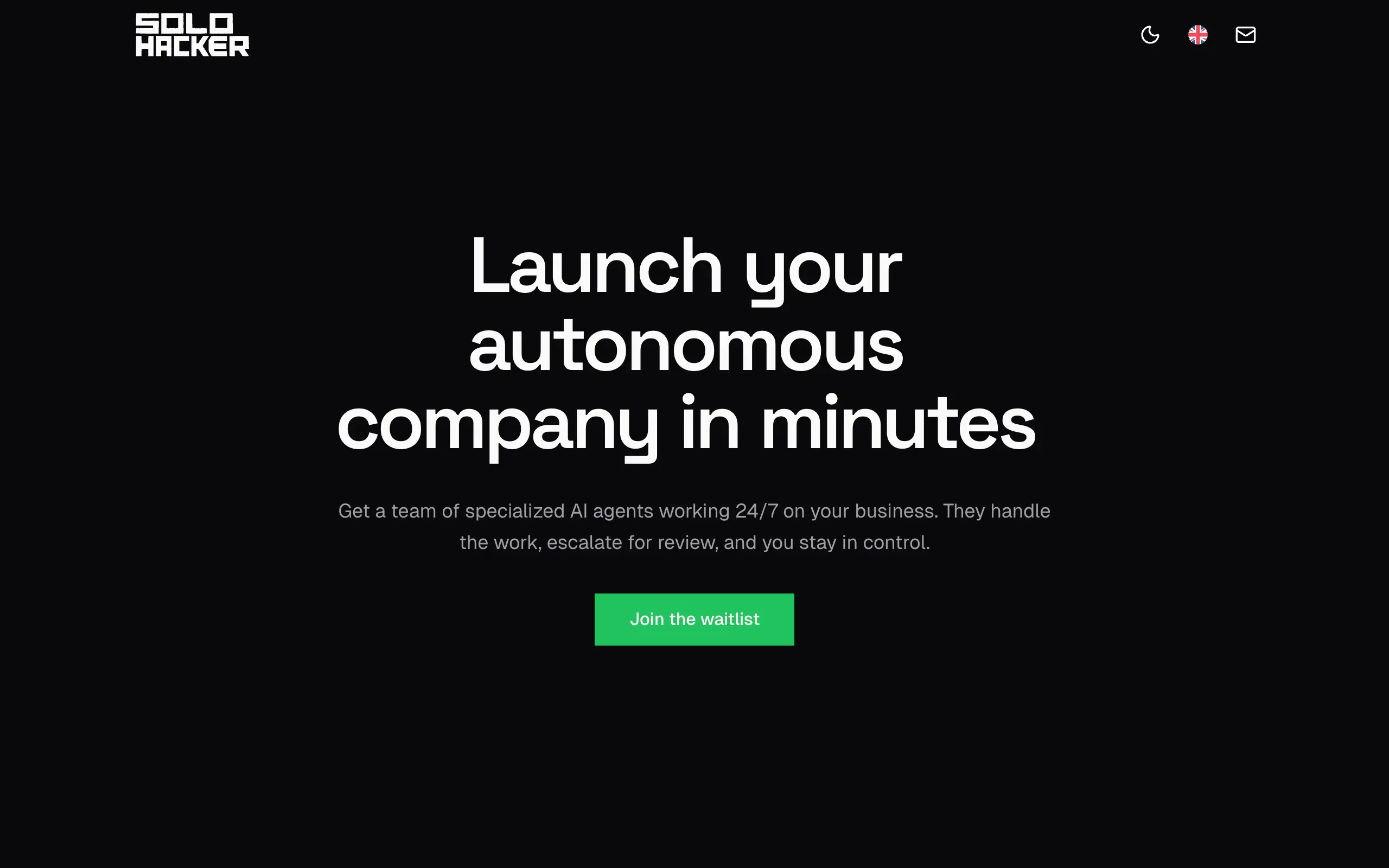
Solohacker
Autonomous company launcher - AI agents work 24/7, escalate what matters, and you stay in control 🤖
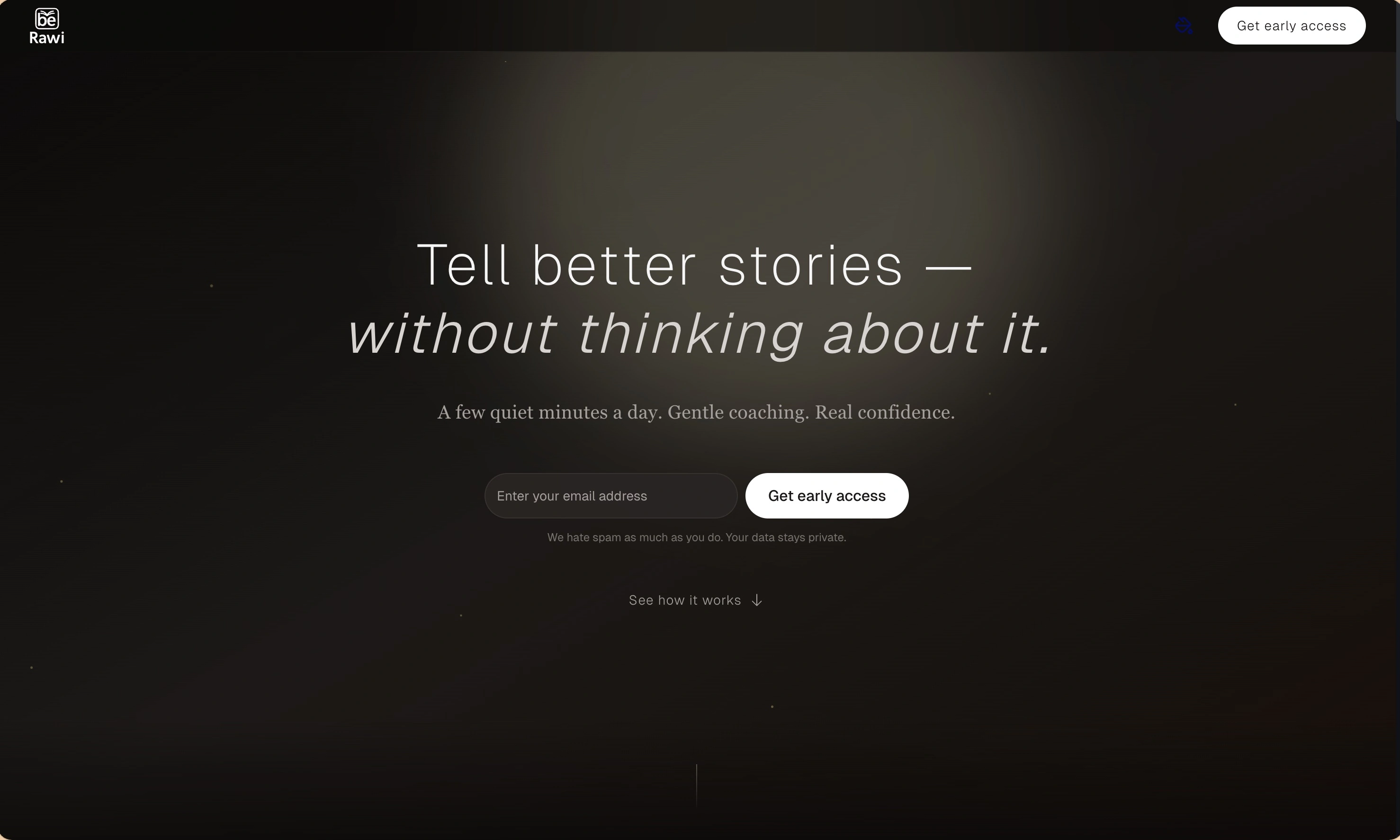
BeRawi: Storytelling Coach
Practice storytelling daily with instant feedback to sound clearer, more engaging, and confident 🎤
Omichat
Chat with 50+ AI models, including ChatGPT and Claude, in one place - switch models anytime without losing context 🤖
Claude Fast
Supercharge your Claude Code with 6x effective context window and specialized AI agents 🤖
EmojAI
AI-powered emoji picker with smart, context-aware suggestions 🤖
Solohacker
Autonomous company launcher - AI agents work 24/7, escalate what matters, and you stay in control 🤖
BeRawi: Storytelling Coach
Practice storytelling daily with instant feedback to sound clearer, more engaging, and confident 🎤
Omichat
Chat with 50+ AI models, including ChatGPT and Claude, in one place - switch models anytime without losing context 🤖
Claude Fast
Supercharge your Claude Code with 6x effective context window and specialized AI agents 🤖
EmojAI
AI-powered emoji picker with smart, context-aware suggestions 🤖
Solohacker
Autonomous company launcher - AI agents work 24/7, escalate what matters, and you stay in control 🤖
BeRawi: Storytelling Coach
Practice storytelling daily with instant feedback to sound clearer, more engaging, and confident 🎤
Omichat
Chat with 50+ AI models, including ChatGPT and Claude, in one place - switch models anytime without losing context 🤖
Claude Fast
Supercharge your Claude Code with 6x effective context window and specialized AI agents 🤖
EmojAI
AI-powered emoji picker with smart, context-aware suggestions 🤖
Solohacker
Autonomous company launcher - AI agents work 24/7, escalate what matters, and you stay in control 🤖
BeRawi: Storytelling Coach
Practice storytelling daily with instant feedback to sound clearer, more engaging, and confident 🎤

Connect with like-minded people
Join our community to get feedback, support, and grow together with 1,000+ builders on board, let's ship it!
Join usShip your startup everywhere. In minutes.
Don't burn tokens on setup and start building features on day one.