SnapClaim
Instantly file insurance claims by snapping photos and uploading evidence. AI-driven damage assessment and real-time claim status updates for policyholders.
Understanding the SnapClaim SaaS opportunity
SnapClaim is a B2C SaaS platform designed to revolutionize the insurance claims process. By allowing policyholders to instantly file insurance claims through photo uploads, leveraging AI-driven damage assessment, and providing real-time claim status updates, SnapClaim addresses a long-standing pain point in the insurance industry: slow, opaque, and frustrating claims experiences.
This article provides a comprehensive analysis of SnapClaim, focusing on its target audience, market opportunity, core features, recommended tech stack, monetization strategies, risk mitigation, competitive advantages, and actionable implementation steps. The goal is to deliver expert-level insights that satisfy the search intent of founders, product managers, and SaaS strategists seeking to validate, build, or invest in an AI-powered insurance claims solution.
Who is SnapClaim for? Target audience analysis
Understanding the target audience is crucial for any SaaS product, especially in the insurance sector where user needs and expectations are rapidly evolving.
Primary user personas
- Individual policyholders: Everyday consumers with auto, home, or renters insurance who want a fast, hassle-free way to file claims.
- Tech-savvy millennials and Gen Z: Younger demographics who expect digital-first, mobile-friendly experiences.
- Busy professionals: Users who value time savings and transparency in claim processing.
- Elderly or less tech-literate users: May require a simplified interface and clear guidance.
Secondary stakeholders
- Insurance companies: Looking to reduce operational costs, improve customer satisfaction, and modernize their claims process.
- Insurance agents/brokers: Seeking tools to assist clients and streamline their own workflows.
User pain points addressed
- Lengthy claim processing times
- Lack of transparency and status updates
- Complex, paper-heavy documentation
- Uncertainty about claim validity or required evidence
By focusing on these user segments and pain points, SnapClaim positions itself as a user-centric, modern solution in a traditionally slow-moving industry.
Market opportunity and gap analysis
The insurance industry is undergoing rapid digital transformation, but claims processing remains a major bottleneck. According to industry reports, over 60% of policyholders cite claims experience as a key factor in customer satisfaction and retention (see: J.D. Power 2023 U.S. Claims Digital Experience Study).
Key market trends
- Rising consumer expectations: Customers demand instant, mobile-first solutions.
- AI adoption in insurance: Insurers are investing in AI for fraud detection, risk assessment, and automation.
- Growth of insurtech: Global insurtech investment reached $15B+ in 2023, with claims automation as a top focus area.
- Regulatory pressure: Insurers face increasing scrutiny to provide fair, timely claims processing.
Market gaps SnapClaim addresses
- Lack of real-time, user-friendly claim filing tools for consumers
- Limited AI-driven damage assessment in mainstream insurance apps
- Fragmented communication and status updates during the claim lifecycle
Competitive landscape
While some large insurers offer basic photo upload features, few provide a seamless, AI-powered, end-to-end claims experience for policyholders. SnapClaim’s B2C focus and real-time updates set it apart from legacy systems and generic insurtech platforms.
Core features and solution details
SnapClaim’s value proposition is built on three pillars: instant claim filing, AI-driven assessment, and real-time transparency.
1. Instant claim filing via photo upload
- Mobile-first interface: Users snap photos of damage (e.g., car accident, property loss) directly from their smartphone.
- Guided evidence collection: Step-by-step prompts ensure users capture all required documentation (photos, receipts, police reports).
- Auto-fill policy details: Integration with insurer databases or user profiles to minimize manual entry.
2. AI-driven damage assessment
- Image analysis: AI models evaluate uploaded photos to estimate damage severity and potential claim value.
- Fraud detection: Automated checks for image manipulation or duplicate claims.
- Continuous learning: AI improves over time with more data, increasing accuracy and reducing manual review.
3. Real-time claim status updates
- Live notifications: Users receive push/email updates at every stage (submission, review, approval, payout).
- Transparent timelines: Visual progress bars and estimated resolution dates.
- Two-way messaging: Secure chat with claims adjusters or support agents.
4. Additional features
- Document management: Secure storage and retrieval of all claim-related files.
- Multi-language support: Accessibility for non-English speakers.
- Accessibility features: Voice input, screen reader compatibility.
Instant photo-based claim filing
Snap, upload, and submit claims in minutes from any device.
AI-powered damage assessment
Automated, accurate evaluation of damage for faster decisions.
Real-time status tracking
Stay informed with live updates and transparent timelines.
Secure document management
All your claim evidence and correspondence in one place.
Recommended tech stack for SnapClaim
Choosing the right technology stack is critical for scalability, security, and user experience. Below is a recommended stack for building SnapClaim, with trade-offs considered.
Frontend
- React: Modern, component-based UI for web and mobile PWA.
- TailwindCSS: Utility-first CSS for rapid, consistent styling.
- React Native (optional): For native mobile apps, if deeper device integration is needed.
Backend
- Node.js: Scalable, event-driven backend for handling uploads and real-time updates.
- Express: Lightweight API framework.
- Python (for AI): Preferred for machine learning models and image analysis.
AI/ML
- TensorFlow or PyTorch: For training and deploying image recognition models.
- OpenCV: Image processing and manipulation.
Database
- PostgreSQL: Reliable, relational database for user and claim data.
- MongoDB: For unstructured data or rapid prototyping.
Cloud & DevOps
- AWS or Google Cloud: Scalable storage (S3), compute, and AI services.
- Docker: Containerization for consistent deployment.
- Kubernetes: Orchestration for scaling microservices.
Trade-offs
- Python vs. Node.js for backend: Python excels at AI/ML but may be less performant for real-time APIs; Node.js offers speed and scalability for user-facing endpoints.
- Relational vs. NoSQL database: PostgreSQL ensures data integrity; MongoDB offers flexibility for evolving schemas.
Pro tip
Consider using TurboStarter to accelerate your SaaS MVP development with pre-built authentication, billing, and deployment modules.
Monetization strategy options
SnapClaim’s B2C model opens several monetization avenues. The optimal strategy depends on the go-to-market approach and partnerships with insurers.
1. Freemium with premium features
- Free tier: Basic claim filing and status updates.
- Premium tier: Advanced features (priority support, detailed AI reports, multi-policy management).
2. Transaction-based fees
- Per-claim fee: Small charge for each claim filed or processed.
- Success fee: Percentage of approved claim payouts.
3. B2B2C partnerships
- White-label licensing: Offer SnapClaim as a branded solution for insurance companies.
- Integration fees: Charge insurers for API access or custom integrations.
4. Data insights and analytics
- Aggregated, anonymized data: Sell insights to insurers on claim trends, fraud patterns, or customer behavior (with strict privacy compliance).
5. In-app upsells
- Value-added services: Emergency assistance, repair referrals, or legal support.
The ideal model depends on your initial user base and insurer relationships. For early-stage B2C, freemium or transaction fees are easiest to implement. As you scale, B2B2C partnerships and data analytics can unlock larger revenue streams.
Potential risks and mitigation strategies
Launching a SaaS platform in the insurance space involves unique risks. Proactively addressing these challenges is key to long-term success.
1. Data privacy and security
- Risk: Handling sensitive personal and financial data.
- Mitigation: End-to-end encryption, regular security audits, compliance with GDPR, CCPA, and local regulations.
2. AI accuracy and bias
- Risk: Inaccurate damage assessments or biased AI models.
- Mitigation: Continuous model training, human-in-the-loop review, transparent AI explainability.
3. Regulatory compliance
- Risk: Varying insurance regulations across regions.
- Mitigation: Consult legal experts, build modular compliance features, stay updated on industry standards.
4. User adoption and trust
- Risk: Users may distrust automated claims or fear data misuse.
- Mitigation: Clear communication, transparent processes, strong privacy policies, and user education.
5. Integration with insurers
- Risk: Resistance from legacy insurers or slow API adoption.
- Mitigation: Offer white-label options, build flexible APIs, demonstrate ROI through pilot programs.
| Data Security | AI Bias | Compliance | User Trust | Integration |
|---|---|---|---|---|
| ✅ | ❌ | ❌ | ✅ | ❌ |
| ✅ | ❌ | ✅ | ✅ | ❌ |
Competitive advantage analysis
SnapClaim’s unique selling proposition (USP) lies in its seamless, AI-powered, consumer-first approach to insurance claims. Here’s how it stands out:
1. True instant claim filing
Most insurer apps require manual entry and slow document uploads. SnapClaim’s guided, photo-based workflow reduces friction and errors.
2. Advanced AI damage assessment
While some competitors use basic image upload, SnapClaim leverages state-of-the-art AI for real-time, accurate evaluations—minimizing manual adjuster intervention.
3. Real-time transparency
Few platforms offer live status updates and two-way messaging, which are critical for user trust and satisfaction.
4. B2C focus with B2B2C potential
SnapClaim is designed for direct consumer adoption but can easily pivot to insurer partnerships, expanding its addressable market.
5. Rapid deployment and scalability
Built on modern, cloud-native architecture, SnapClaim can scale to millions of users and adapt to new insurance products or geographies.
Actionable implementation steps
Ready to bring SnapClaim to life? Here’s a step-by-step roadmap for founders and product teams.
Conclusion: Why SnapClaim is the future of insurance claims
SnapClaim is uniquely positioned to disrupt the insurance claims landscape by combining instant, photo-based claim filing with AI-driven assessment and real-time transparency. Its B2C-first approach, modern tech stack, and flexible monetization options make it a compelling choice for both consumers and insurers.
By addressing core user pain points—speed, simplicity, and trust—SnapClaim not only improves customer satisfaction but also reduces operational costs for insurers. As digital transformation accelerates in the insurance sector, platforms like SnapClaim will set the standard for what policyholders expect in 2024 and beyond.
For founders and product teams, the path to success involves rigorous user validation, a laser focus on core features, and a commitment to security and compliance. Leveraging tools like TurboStarter can further accelerate your go-to-market journey.
Frequently asked questions
SnapClaim’s AI models are trained on thousands of real-world claim images and continuously improve with more data. Human review is included for edge cases to ensure accuracy and fairness.
Yes. SnapClaim uses end-to-end encryption, regular security audits, and adheres to GDPR, CCPA, and other relevant data privacy laws.
SnapClaim offers flexible APIs and white-label solutions for insurers. Users can also manually enter policy details if direct integration is not available.
SnapClaim is built for consumers first, with instant photo-based filing, advanced AI, and real-time updates—features often missing or poorly implemented in legacy insurer apps.
By following this expert roadmap, you can confidently validate, build, and scale an AI-powered insurance claims SaaS that meets the evolving needs of today’s digital-first policyholders.
More 👥 B2C Application SaaS ideas
Discover more innovative b2c application SaaS ideas that are trending in 2026. Each idea is AI-generated with market validation and growth potential to help you find your next profitable venture faster than competitors.
Your competitors are building with TurboStarter
Below are some of the SaaS ideas that have been generated and built with our starter kit.
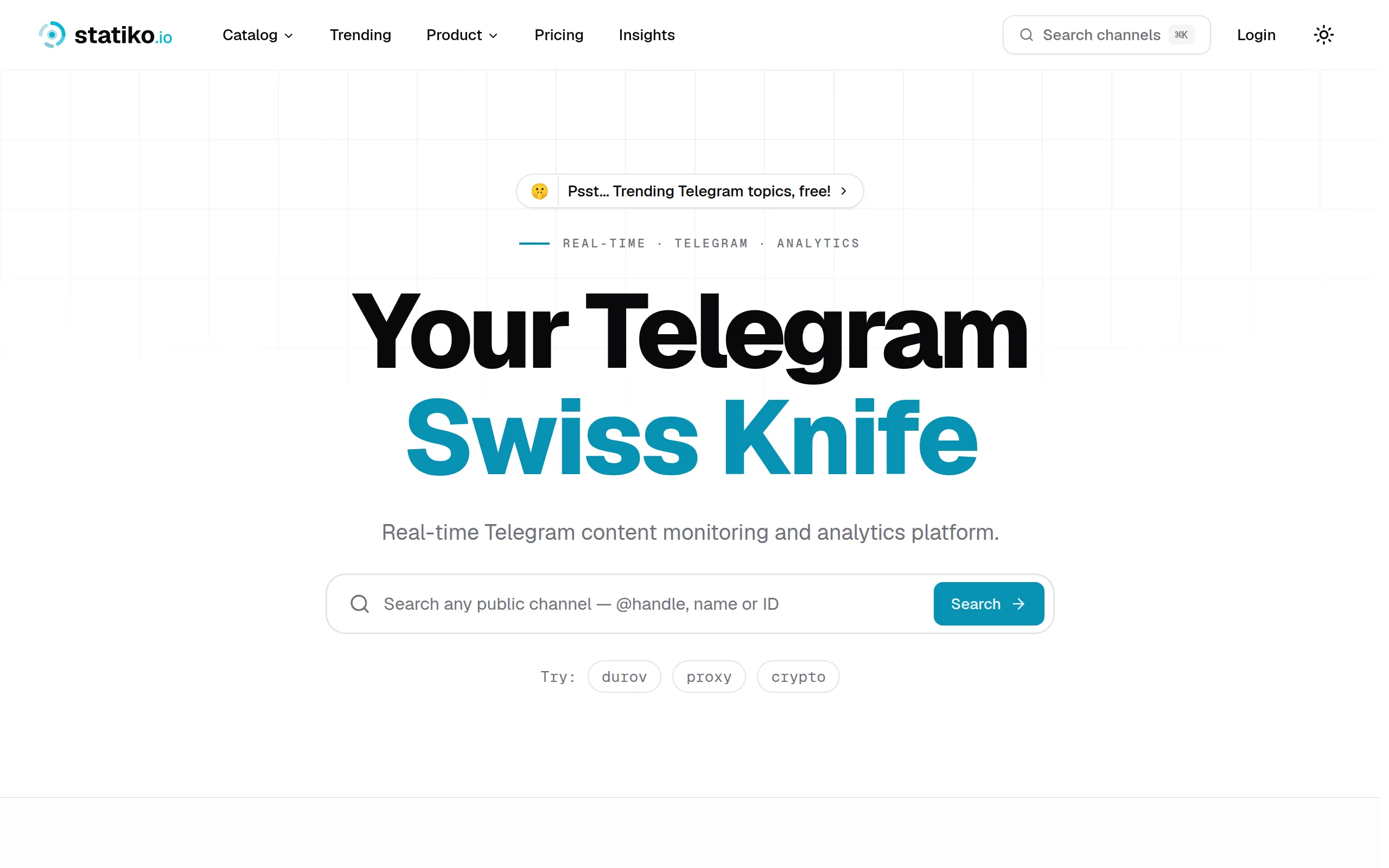
Statiko
Monitor any Telegram channel in real time - track posts, edits, deletions, and growth with AI recaps 📡

Shibui
AI website builder - describe your business, pick a niche template, edit by chatting, and publish instantly ✨
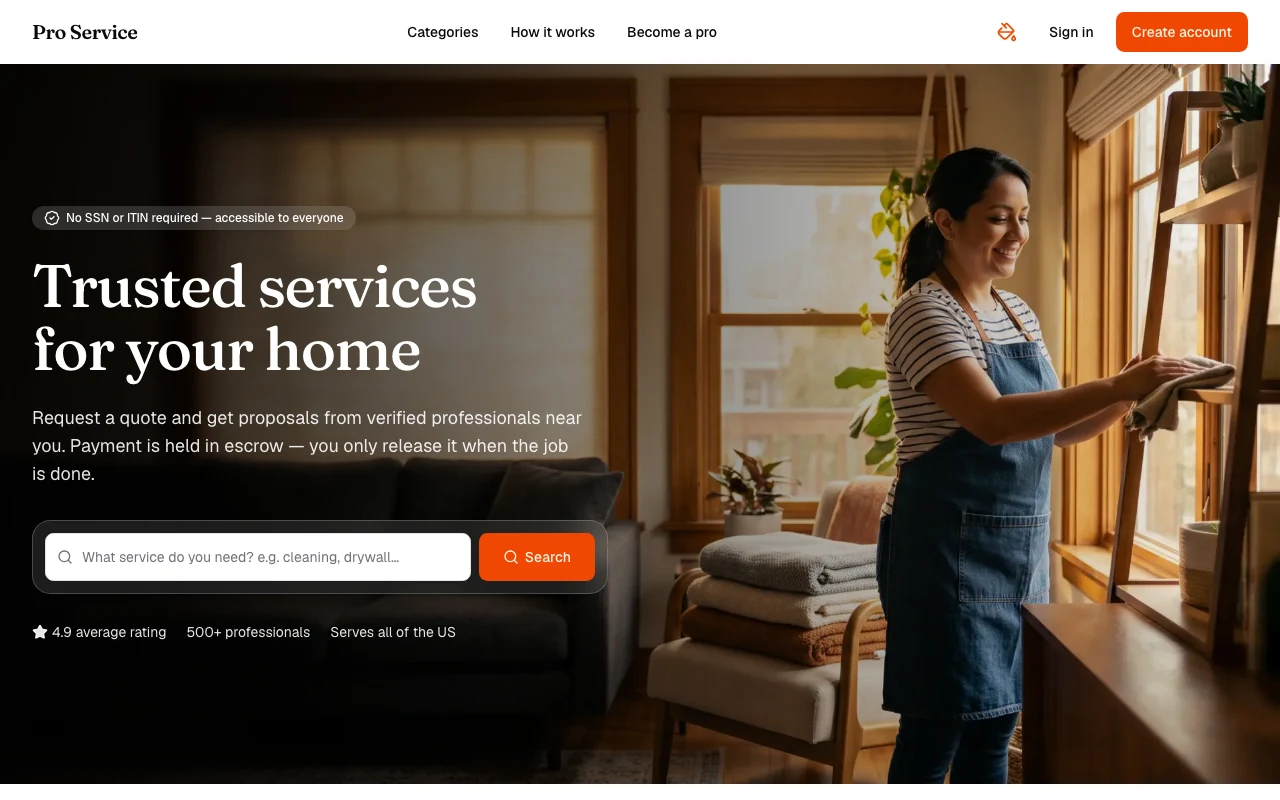
Pro Service
Find verified home service professionals, compare quotes, and pay securely through escrow - built for Brazilians across the US 🏠
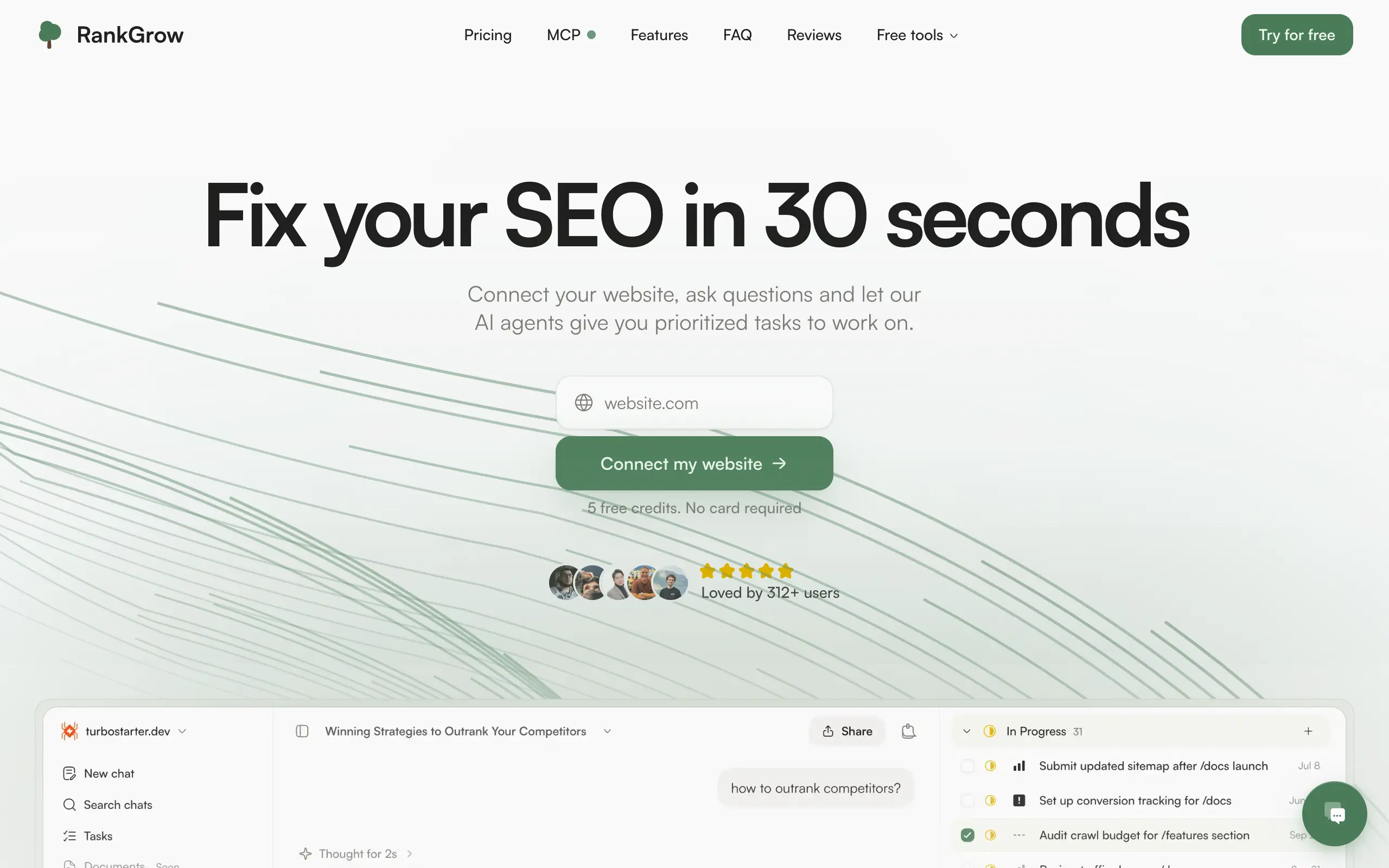
RankGrow
Fix your SEO with AI agents - connect Search Console, get prioritized tasks, and grow organic traffic 📈
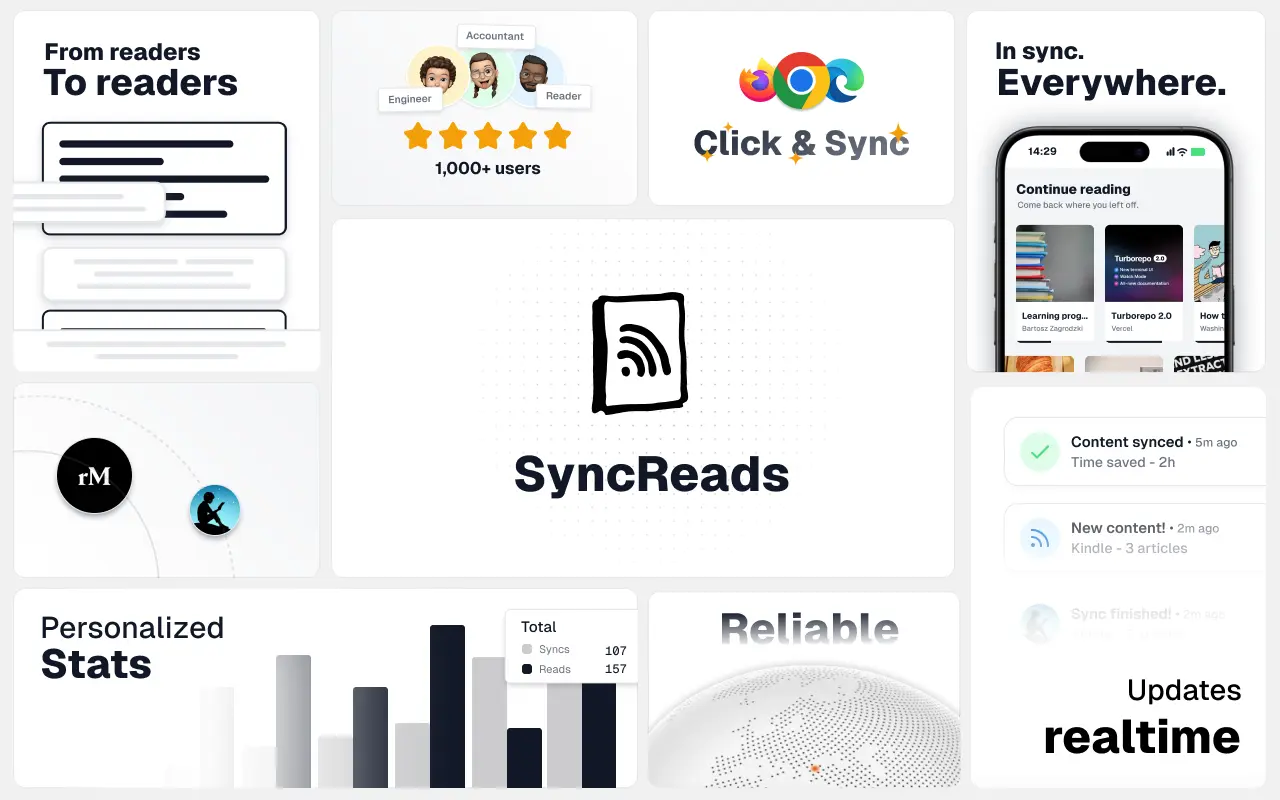
SyncReads
Sync your favorite content for distraction-free reading, save time and replace multiple apps. Anytime, anywhere 🔄
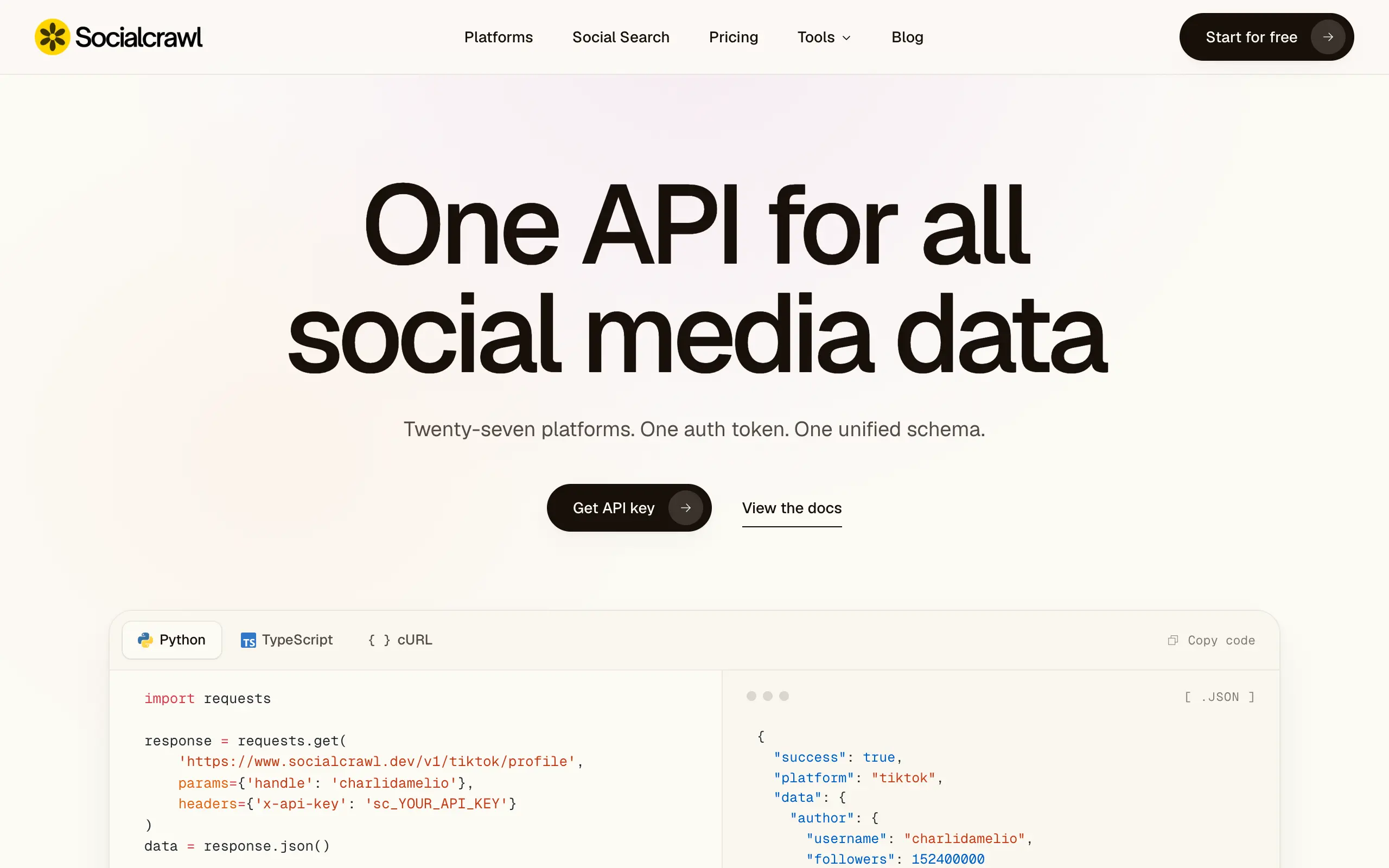
Socialcrawl
Get clean, structured data from 21 platforms like TikTok, Instagram, and YouTube with a single request 📊
Statiko
Monitor any Telegram channel in real time - track posts, edits, deletions, and growth with AI recaps 📡
Shibui
AI website builder - describe your business, pick a niche template, edit by chatting, and publish instantly ✨
Pro Service
Find verified home service professionals, compare quotes, and pay securely through escrow - built for Brazilians across the US 🏠
RankGrow
Fix your SEO with AI agents - connect Search Console, get prioritized tasks, and grow organic traffic 📈
SyncReads
Sync your favorite content for distraction-free reading, save time and replace multiple apps. Anytime, anywhere 🔄
Socialcrawl
Get clean, structured data from 21 platforms like TikTok, Instagram, and YouTube with a single request 📊
Statiko
Monitor any Telegram channel in real time - track posts, edits, deletions, and growth with AI recaps 📡
Shibui
AI website builder - describe your business, pick a niche template, edit by chatting, and publish instantly ✨
Pro Service
Find verified home service professionals, compare quotes, and pay securely through escrow - built for Brazilians across the US 🏠
RankGrow
Fix your SEO with AI agents - connect Search Console, get prioritized tasks, and grow organic traffic 📈
SyncReads
Sync your favorite content for distraction-free reading, save time and replace multiple apps. Anytime, anywhere 🔄
Socialcrawl
Get clean, structured data from 21 platforms like TikTok, Instagram, and YouTube with a single request 📊
Statiko
Monitor any Telegram channel in real time - track posts, edits, deletions, and growth with AI recaps 📡
Shibui
AI website builder - describe your business, pick a niche template, edit by chatting, and publish instantly ✨
Pro Service
Find verified home service professionals, compare quotes, and pay securely through escrow - built for Brazilians across the US 🏠
RankGrow
Fix your SEO with AI agents - connect Search Console, get prioritized tasks, and grow organic traffic 📈
SyncReads
Sync your favorite content for distraction-free reading, save time and replace multiple apps. Anytime, anywhere 🔄
Socialcrawl
Get clean, structured data from 21 platforms like TikTok, Instagram, and YouTube with a single request 📊
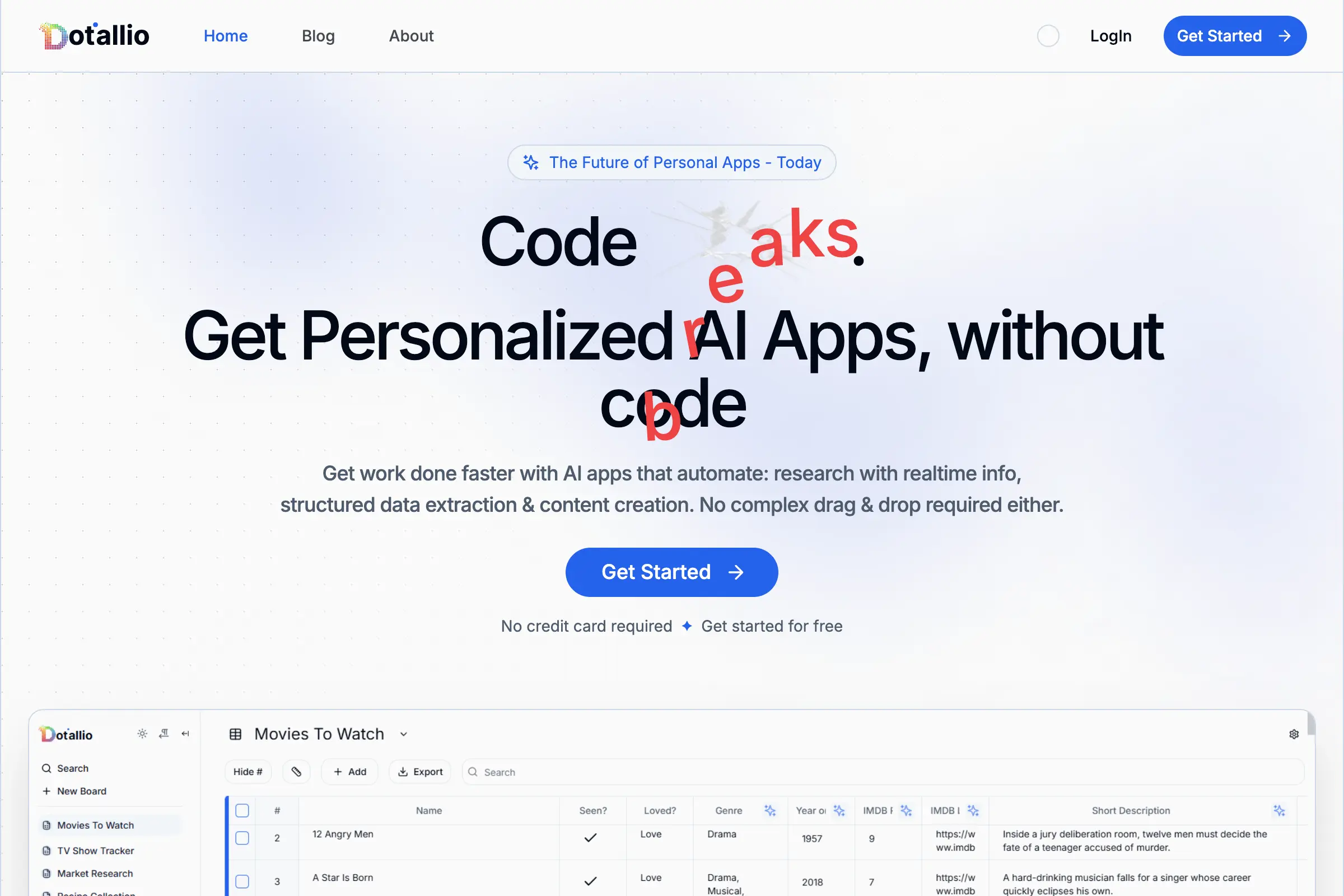
Dotallio
Personalized AI apps that automate research, data extraction, and content creation without code 🤖
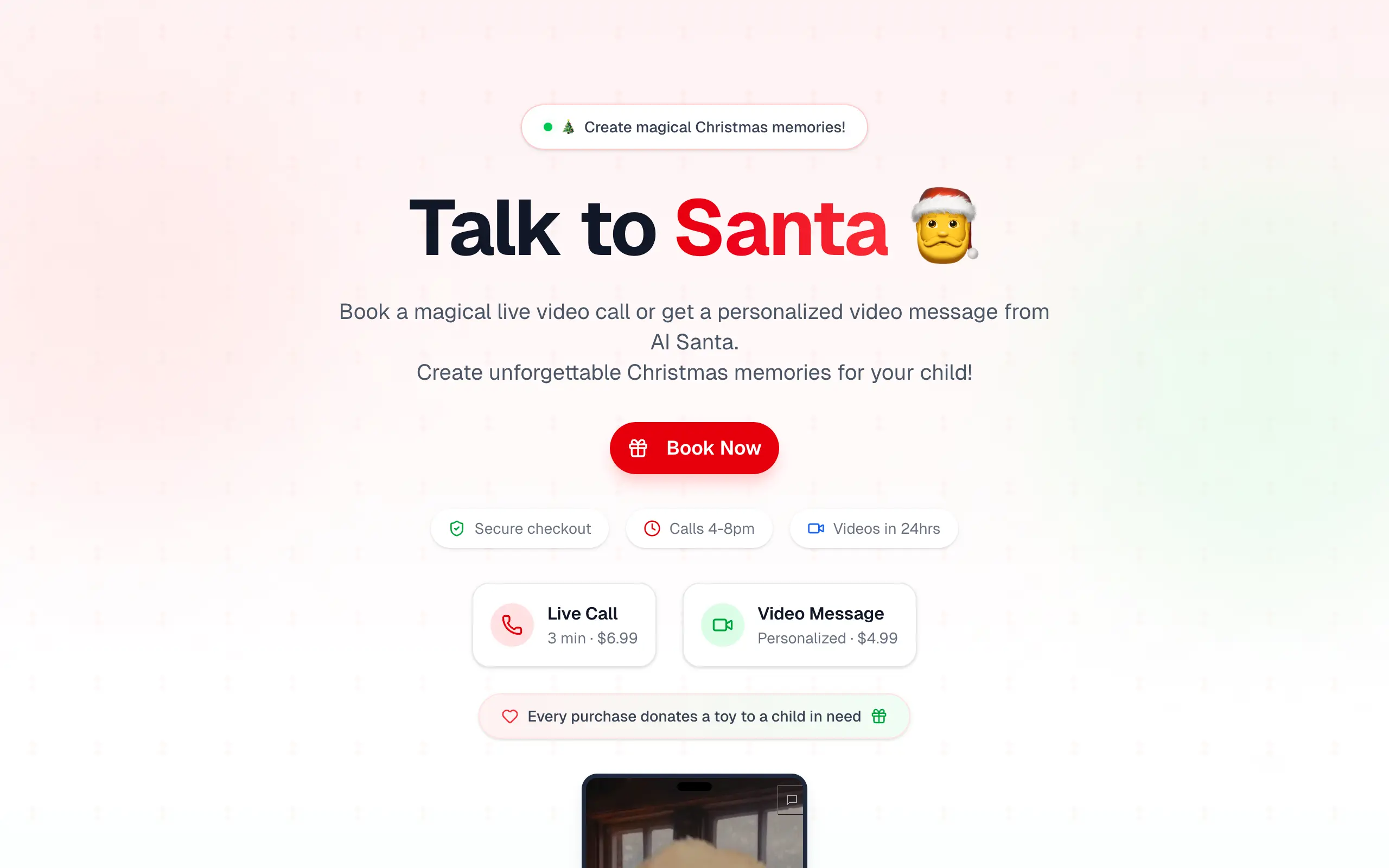
Talk to Santa
Enjoy a magical live video chat or receive a unique AI-generated video greeting from Santa Claus 🎅
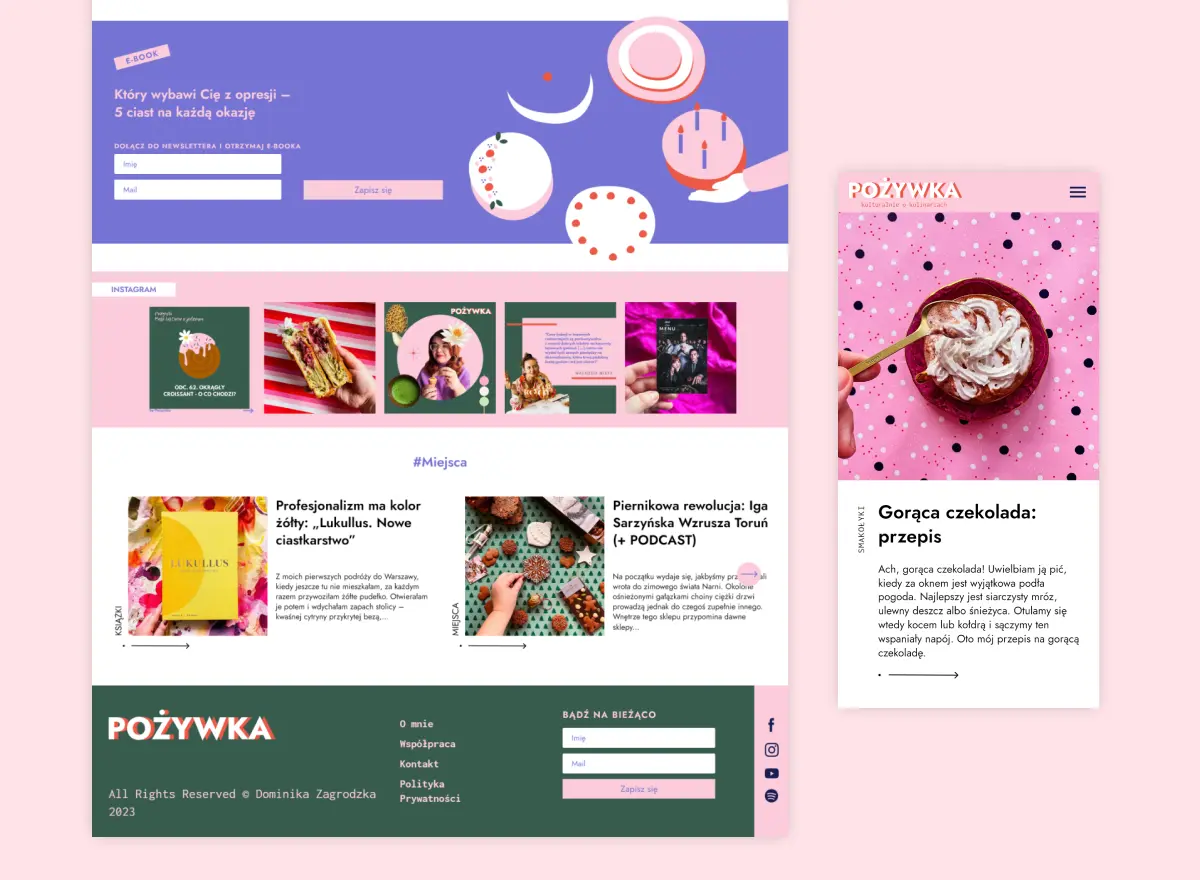
pozywka.pl
Scalable blog for food journalist, focused on performance and user experience 🌭
zagrodzki.me
Personal blog and portfolio of Bart Zagrodzki, where he shares his knowledge and work 💼
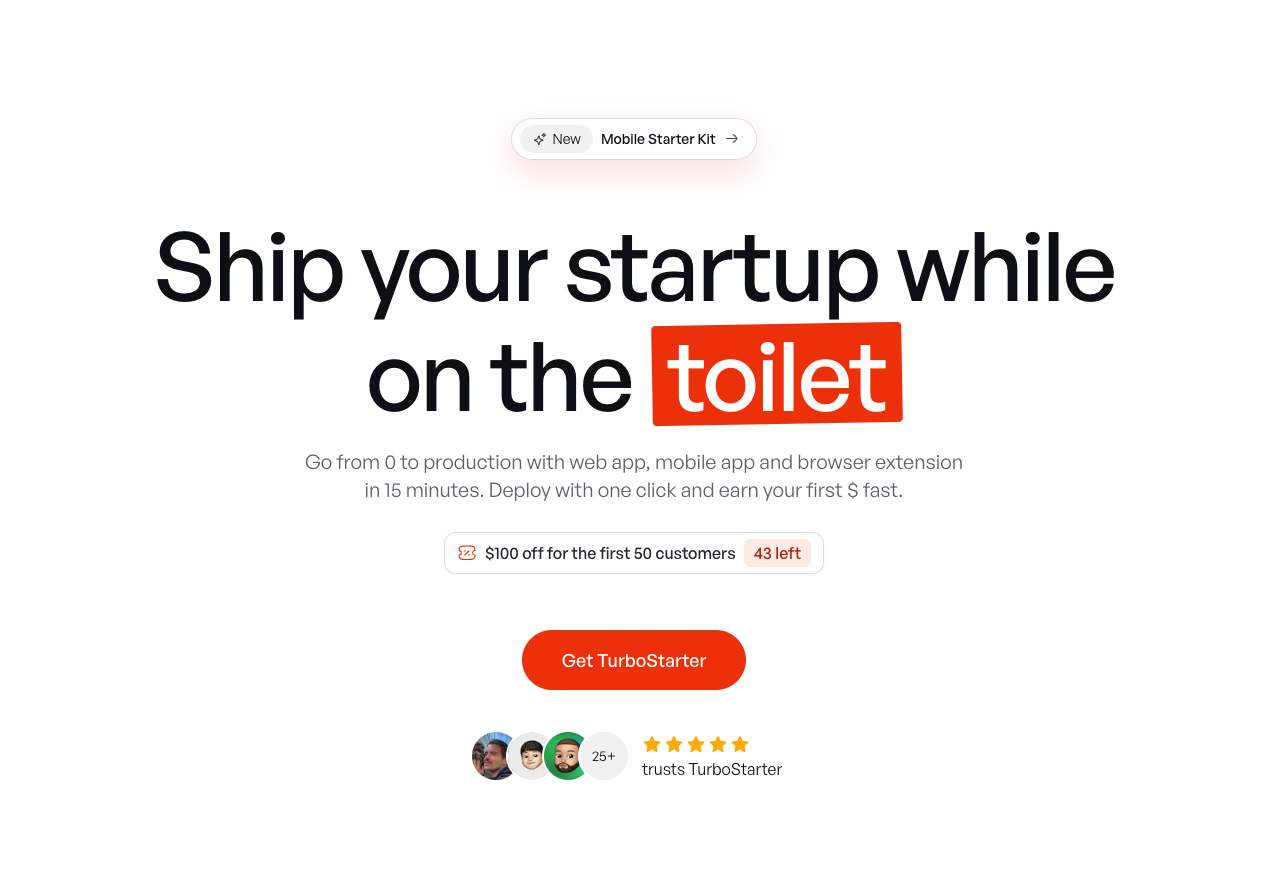
TurboStarter
Ship your startup everywhere. In minutes.
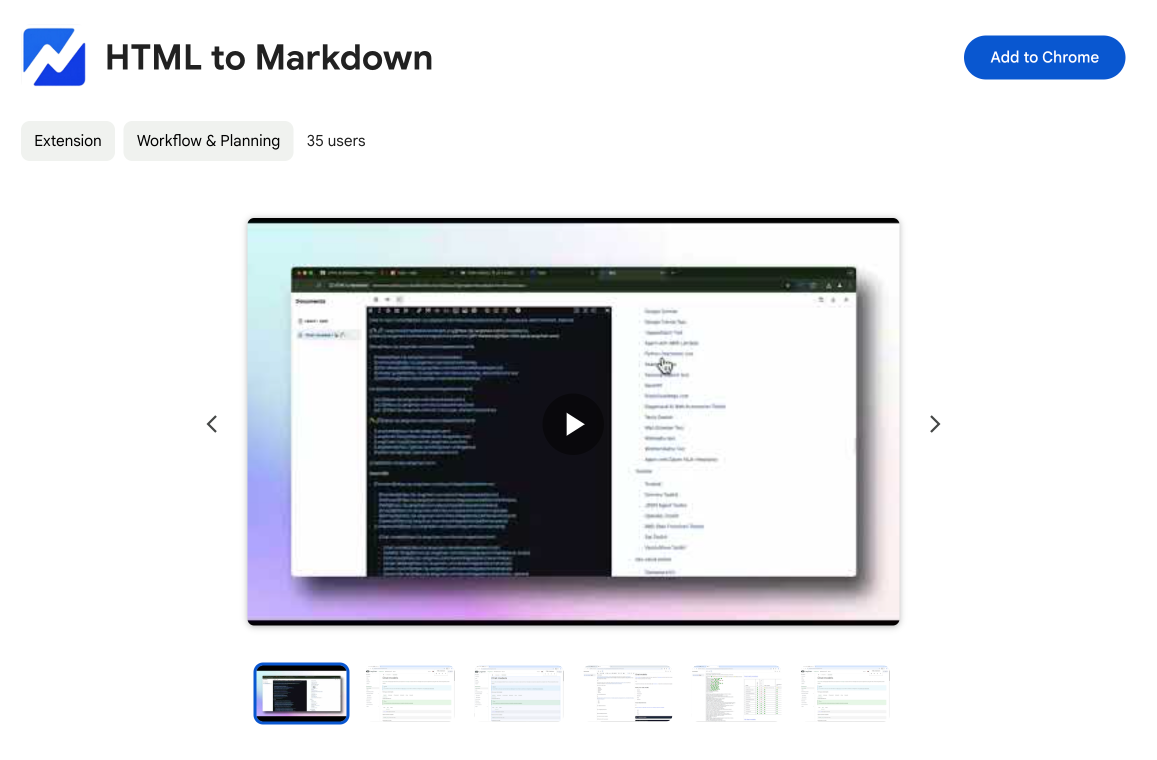
HTML to Markdown
Convert HTML to Markdown with ease, directly in your browser 📄
Dotallio
Personalized AI apps that automate research, data extraction, and content creation without code 🤖
Talk to Santa
Enjoy a magical live video chat or receive a unique AI-generated video greeting from Santa Claus 🎅
pozywka.pl
Scalable blog for food journalist, focused on performance and user experience 🌭
zagrodzki.me
Personal blog and portfolio of Bart Zagrodzki, where he shares his knowledge and work 💼
TurboStarter
Ship your startup everywhere. In minutes.
HTML to Markdown
Convert HTML to Markdown with ease, directly in your browser 📄
Dotallio
Personalized AI apps that automate research, data extraction, and content creation without code 🤖
Talk to Santa
Enjoy a magical live video chat or receive a unique AI-generated video greeting from Santa Claus 🎅
pozywka.pl
Scalable blog for food journalist, focused on performance and user experience 🌭
zagrodzki.me
Personal blog and portfolio of Bart Zagrodzki, where he shares his knowledge and work 💼
TurboStarter
Ship your startup everywhere. In minutes.
HTML to Markdown
Convert HTML to Markdown with ease, directly in your browser 📄
Dotallio
Personalized AI apps that automate research, data extraction, and content creation without code 🤖
Talk to Santa
Enjoy a magical live video chat or receive a unique AI-generated video greeting from Santa Claus 🎅
pozywka.pl
Scalable blog for food journalist, focused on performance and user experience 🌭
zagrodzki.me
Personal blog and portfolio of Bart Zagrodzki, where he shares his knowledge and work 💼
TurboStarter
Ship your startup everywhere. In minutes.
HTML to Markdown
Convert HTML to Markdown with ease, directly in your browser 📄
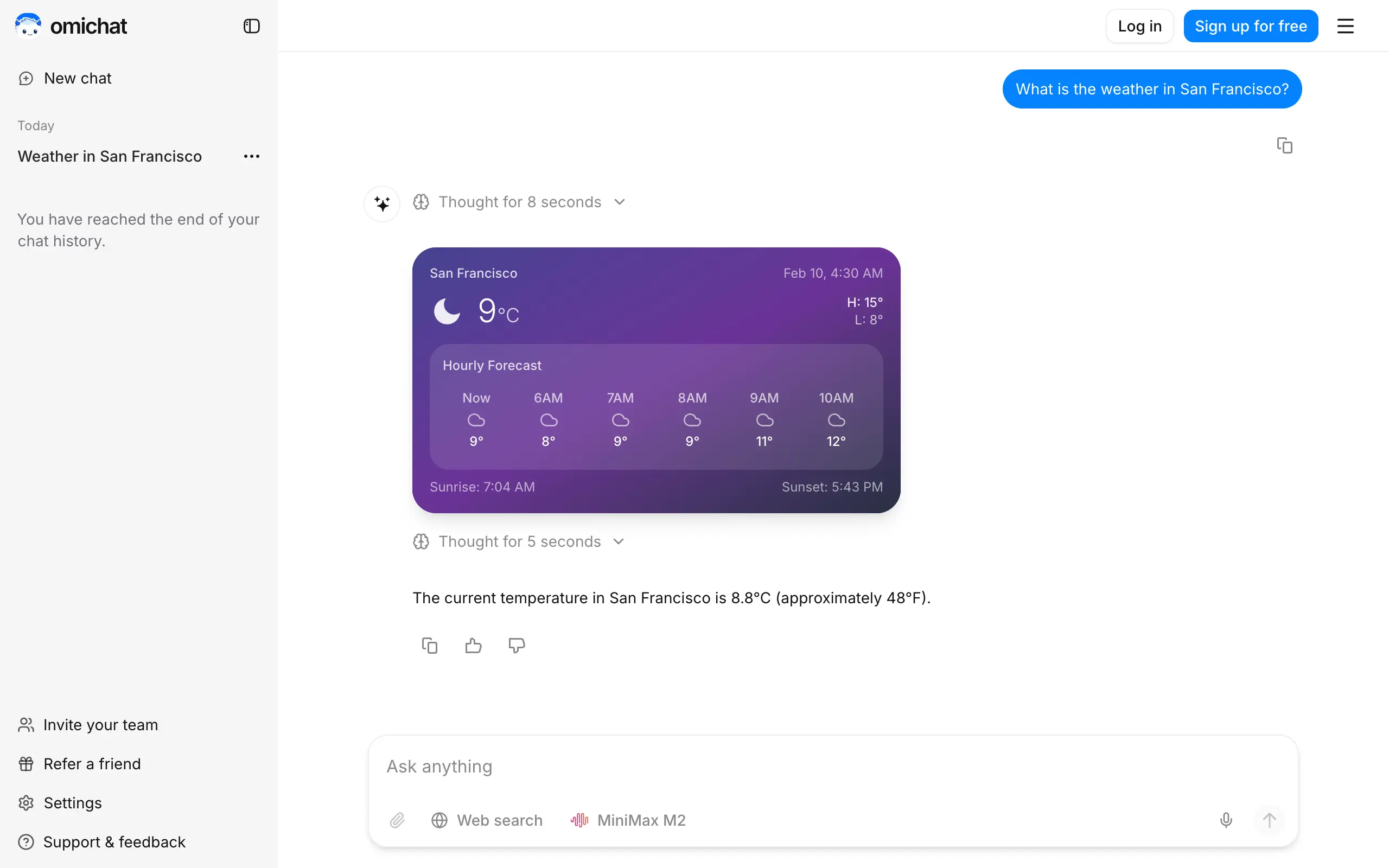
Omichat
Chat with 50+ AI models, including ChatGPT and Claude, in one place - switch models anytime without losing context 🤖
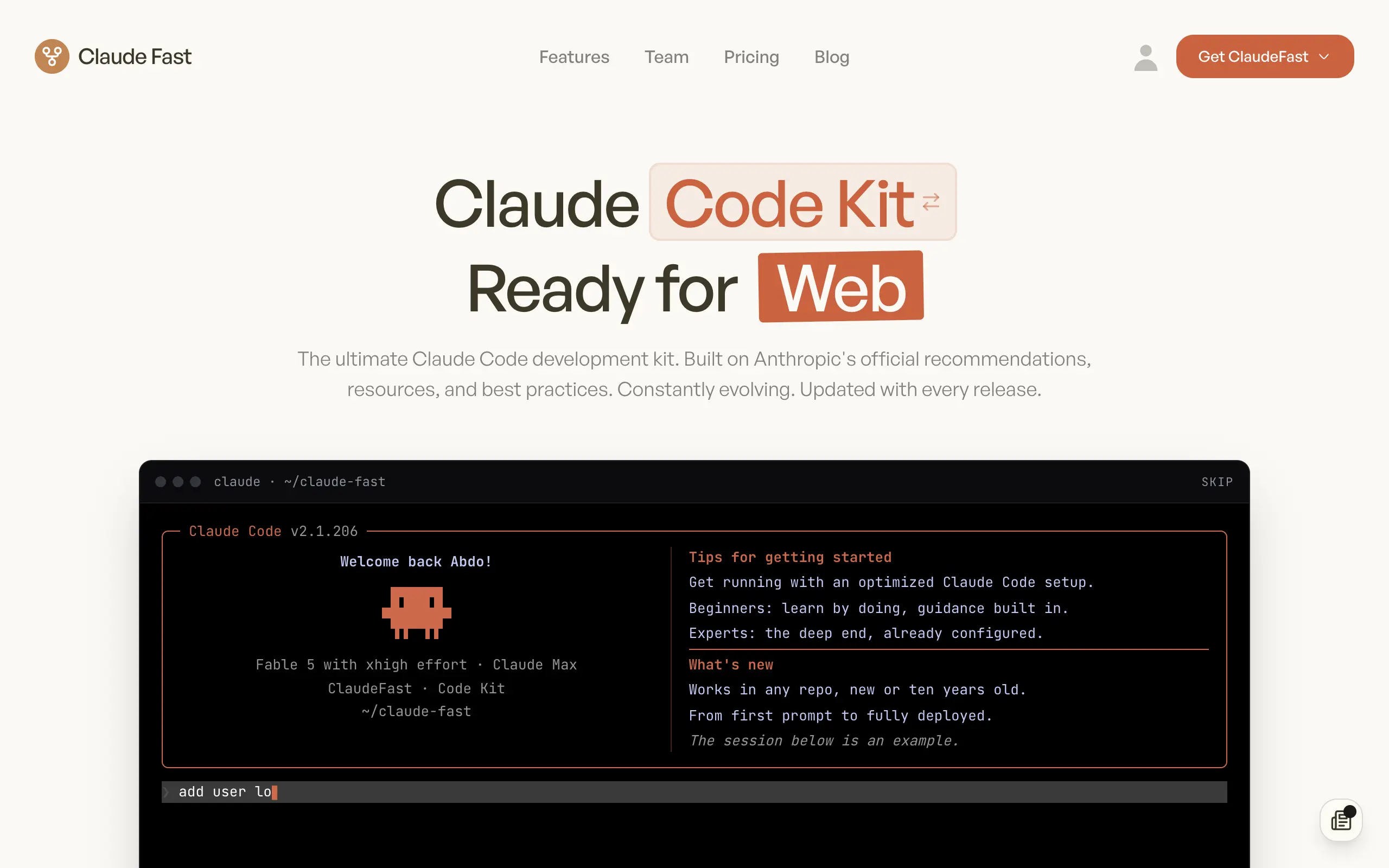
Claude Fast
Supercharge your Claude Code with 6x effective context window and specialized AI agents 🤖
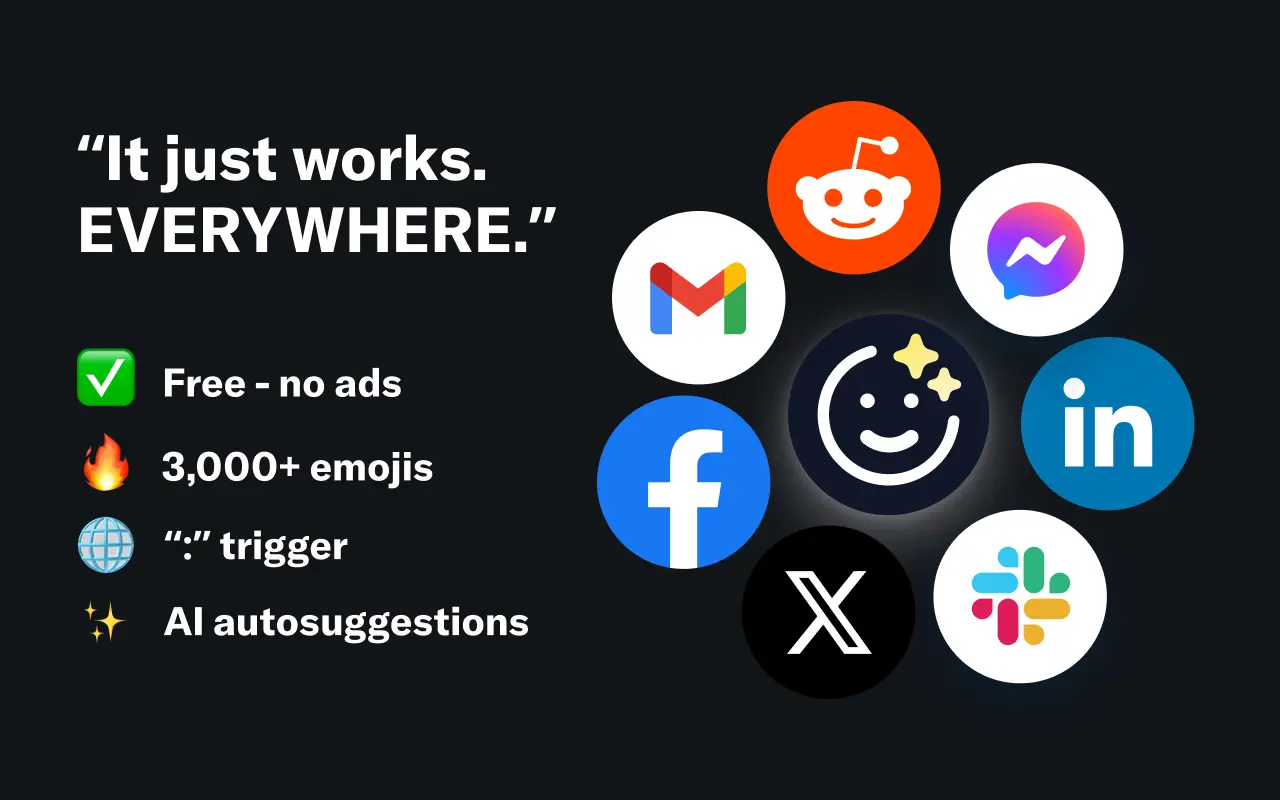
EmojAI
AI-powered emoji picker with smart, context-aware suggestions 🤖
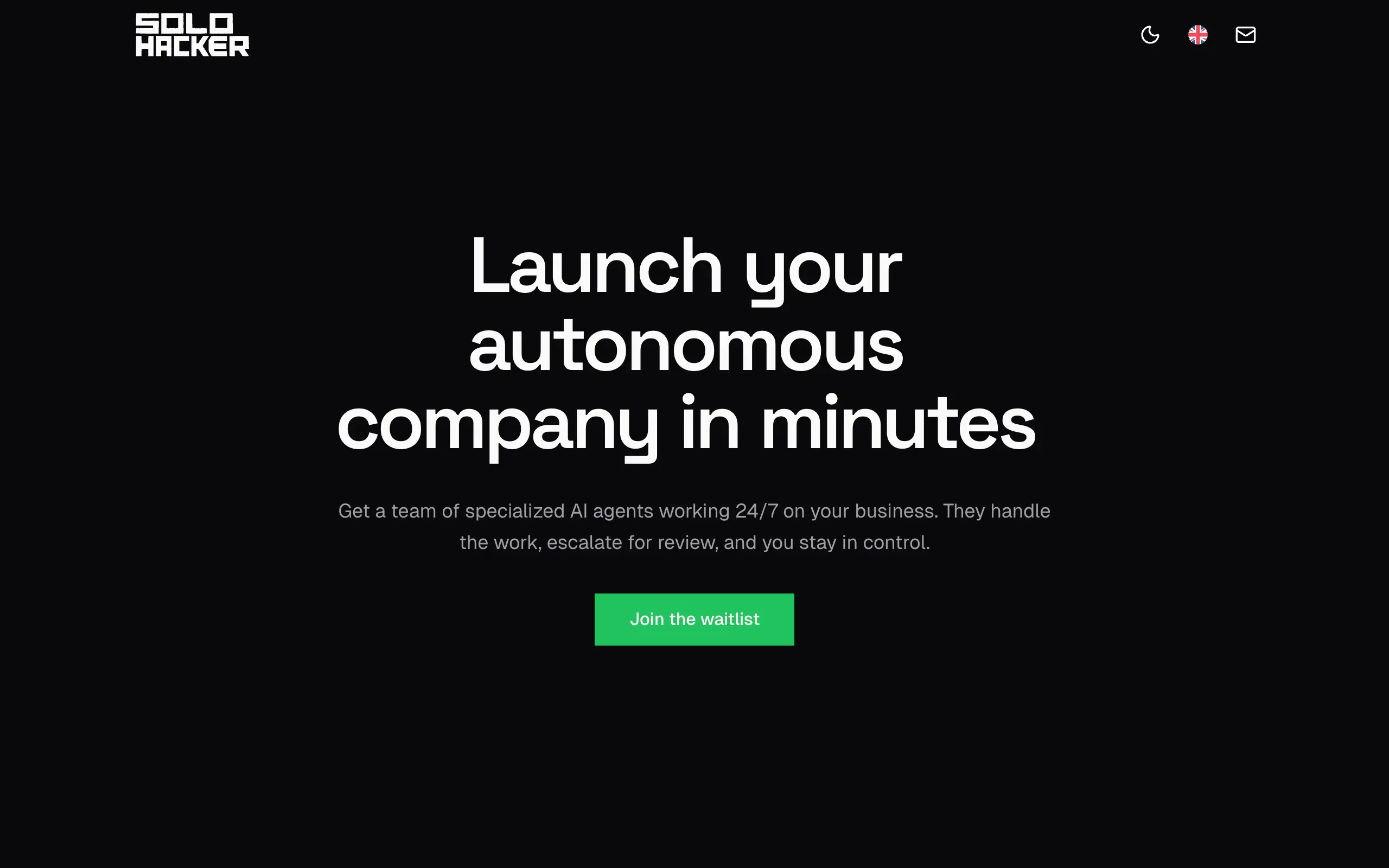
Solohacker
Autonomous company launcher - AI agents work 24/7, escalate what matters, and you stay in control 🤖
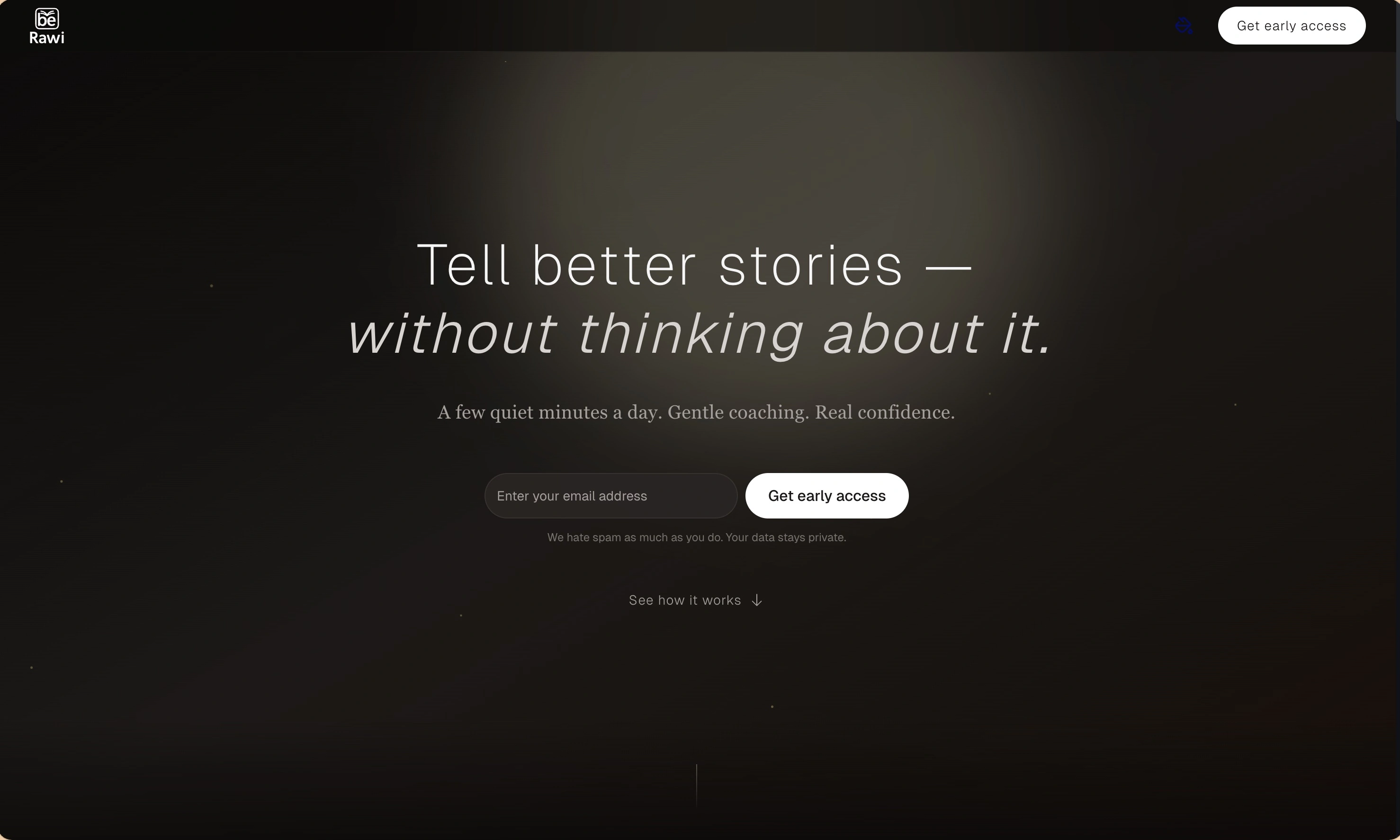
BeRawi: Storytelling Coach
Practice storytelling daily with instant feedback to sound clearer, more engaging, and confident 🎤
Omichat
Chat with 50+ AI models, including ChatGPT and Claude, in one place - switch models anytime without losing context 🤖
Claude Fast
Supercharge your Claude Code with 6x effective context window and specialized AI agents 🤖
EmojAI
AI-powered emoji picker with smart, context-aware suggestions 🤖
Solohacker
Autonomous company launcher - AI agents work 24/7, escalate what matters, and you stay in control 🤖
BeRawi: Storytelling Coach
Practice storytelling daily with instant feedback to sound clearer, more engaging, and confident 🎤
Omichat
Chat with 50+ AI models, including ChatGPT and Claude, in one place - switch models anytime without losing context 🤖
Claude Fast
Supercharge your Claude Code with 6x effective context window and specialized AI agents 🤖
EmojAI
AI-powered emoji picker with smart, context-aware suggestions 🤖
Solohacker
Autonomous company launcher - AI agents work 24/7, escalate what matters, and you stay in control 🤖
BeRawi: Storytelling Coach
Practice storytelling daily with instant feedback to sound clearer, more engaging, and confident 🎤
Omichat
Chat with 50+ AI models, including ChatGPT and Claude, in one place - switch models anytime without losing context 🤖
Claude Fast
Supercharge your Claude Code with 6x effective context window and specialized AI agents 🤖
EmojAI
AI-powered emoji picker with smart, context-aware suggestions 🤖
Solohacker
Autonomous company launcher - AI agents work 24/7, escalate what matters, and you stay in control 🤖
BeRawi: Storytelling Coach
Practice storytelling daily with instant feedback to sound clearer, more engaging, and confident 🎤

Connect with like-minded people
Join our community to get feedback, support, and grow together with 1,000+ builders on board, let's ship it!
Join usShip your startup everywhere. In minutes.
Don't burn tokens on setup and start building features on day one.