SplitBill Invoice
A consumer-friendly invoicing app focused on group payments (e.g., roommates, friends on trips, co-hosts). It creates multi-party invoices where each participant can pay their share and tracks who’s paid, sending reminders as needed. Includes integrations with payment platforms (Venmo, PayPal, Cash App) and generates receipts everyone can access.
Understanding the rise of group payments: Why SplitBill Invoice solves a real pain point
In today's highly social and digital lifestyle, splitting expenses is no longer just an issue for roommates. Travel groups, friends dining out, co-hosts organizing events, and even family units face consistent friction when dividing costs. Yet, most traditional invoicing tools and even personal finance apps aren't designed natively for multi-party group payments. This oversight often leads to confusion, manual reminders, awkward follow-ups, and tracking headaches.
SplitBill Invoice emerges as a consumer-first, group-oriented invoicing solution, addressing both the practical and emotional stress inherent in handling collective payments. Let’s dive deep into its market opportunity, features, technological backbone, monetization strategies, risks, and implementation path—making this guide essential reading for anyone seeking to build or back the next big thing in B2C financial software.
Who needs SplitBill Invoice?: Target audience & user personas
Before building (or investing in) a group payment invoicing app, it's critical to understand the distinct user segments eager for such a solution.
Primary user personas
- Roommates & shared households: Splitting rent, utilities, groceries, and streaming subscriptions month after month.
- Travel groups & vacation planners: Friends coordinating trips, Airbnbs, excursions, and shared rides.
- Friends dining out or celebrating together: Easily itemizing and collecting payments after group meals, birthdays, or gifts.
- Event co-hosts: Organizing costs across multiple people for parties, fundraisers, weddings, reunions, or team events.
- Families with shared expenses: Keeping tabs on children's activities, parental cost sharing, or care arrangements.
What do these users really want?
- A simple, non-awkward way to split costs that removes the friction (and sometimes embarrassment) of chasing payments.
- Automatic, transparent tracking—so everyone sees who’s paid, who hasn’t, and what’s still owed.
- Integrations with familiar payment platforms (Venmo, PayPal, Cash App), since users prefer their habitual tools instead of new wallets.
- Shared digital receipts and records accessible by all participants, which is crucial for trust and accountability.
- Friendly, automated reminders (not spammy!) that nudge but don’t nag.
Identifying the market opportunity: Gaps in current group payment solutions
How are people currently solving this?
- Manual calculations: Spreadsheet or paper napkin math, followed by chasing friends individually.
- Peer-to-peer (P2P) payment requests: Using Venmo, PayPal, or Cash App to request payments, but with fragmented tracking.
- Split bill features in payment apps: Some P2P apps offer basic splitting, but usually lack transparency, reminders, invoice generation, or group receipts.
Why existing solutions fall short
- Lack of multi-party, transparent invoice tracking.
- No shared digital receipts accessible by all payers.
- Reminders are scarce and not targeted—payment apps focus more on sending money, not managing who has/hasn’t paid.
- Minimal or no automation around overdue payments.
- Integrations (if they exist at all) are often limited or siloed.
Market demand & trends
The global P2P payments market keeps growing, projected to surpass $9 trillion by 2030 (source suggestion: Statista or Allied Market Research). Yet, most of this volume comes from one-to-one payments. The social and situational trend toward collective experiences—group travel, communal living, shared events—is underserved in the invoice management domain. New B2C finance entrants that focus on removing social awkwardness and offering transparency are gaining traction (see the rise of expense-sharing and bill-splitting apps), but few give users the convenience and reliability of professional invoicing, built for groups.
Core features that make SplitBill Invoice stand out
To deliver truly user-centric value, an effective group invoicing app must go well beyond simple payment splitting. Here’s a breakdown of the key features that define SplitBill Invoice’s competitive edge:
Multi-party invoice creation
Instantly generate invoices for any group, specifying individual shares or custom allocations.
Real-time payment tracking
Dynamically update and display paid, partially paid, and outstanding shares for each participant.
Automated reminders
Schedule gentle, personalized reminders to unpaid members, reducing manual follow-up stress.
Integrations with top payment apps
Pay directly via Venmo, PayPal, or Cash App; streamline collection without forcing users to adopt new wallets.
Shared digital receipts
Auto-generate receipts upon full payment, viewable by all group members for complete transparency.
Additional, nice-to-have features:
- Expense categorization: Tag expenses (rent, groceries, transport) for better record-keeping.
- Recurring invoices: Automate monthly payments for ongoing shared costs.
- Partial payments and adjustable shares: For uneven splits or when people join/leave groups mid-cycle.
- Comment threads on invoices: Clarify transactions, discuss disputes, or settle up “side debts.”
- Mobile-first and accessible design: Essential for on-the-go adoption and cross-device use.
SplitBill Invoice vs. current group payment methods: Comparative feature map
| Multi-party invoices | Real-time group tracking | Automated reminders | Payment app integrations | Shared receipts |
|---|---|---|---|---|
| ✅ | ❌ | ❌ | ✅ | ❌ |
| ✅ | ❌ | ✅ | ✅ | ❌ |
Recommended tech stack: Balancing reliability, scalability, and integrations
An optimal tech stack for SplitBill Invoice must blend rapid development with long-term maintainability and extensibility. Let's detail those choices:
1. Frontend
- React: For building a dynamic, mobile-friendly user interface.
- TailwindCSS: Modern utility-first CSS framework for quick iteration and sleek styling.
- Progressive Web App (PWA) support for near-native experience on mobile and desktop.
2. Backend
- Node.js: Efficient for real-time updates and event-driven workflows (e.g., reminders).
- Express: Simple, performant HTTP API layer.
3. Database
- PostgreSQL: Reliable relational database for storing invoices, payment records, and user accounts.
- Optionally, Redis for caching and real-time session management.
4. Integrations
- Payment APIs: Direct links to Venmo, PayPal, and Cash App via their open SDKs or RESTful APIs (where available).
- Email/SMS notification providers: For reminders and receipts—consider SendGrid or Twilio.
5. Authentication
- OAuth 2.0 and secure password-based logins, allowing users to connect their payment accounts safely.
- SSO with Google/Facebook for user convenience.
Trade-offs and rationale
- Monolithic vs. microservices: Start monolithic for simplicity/iteration speed; transition to microservices for scalability as adoption grows.
- Serverless vs. managed servers: Serverless (like AWS Lambda) reduces ops, ideal at MVP stage; shift to managed K8s or similar for scale.
Industry tip
When handling financial data and payments, compliance (PCI DSS), encryption, and secure payment tokenization are non-negotiable. Leverage proven libraries and frameworks for security.
Monetization strategies: How SplitBill Invoice can drive revenue
Building a beloved B2C invoicing app for group payments is powerful—but sustainable growth rides on a solid business model. Here are proven, user-friendly monetization avenues:
Freemium model
- Free tier: Core group invoice and payment tracking features remain free to maximize viral adoption.
- Premium tier: Offer advanced features for a subscription fee (e.g., $3-$6/month), such as:
- Unlimited groups/invoices
- Advanced analytics
- Custom receipt branding
- Recurring automated reminders
- Priority customer support
Transaction fees (optional)
- Micro-fee for facilitating payments through the integrated payment apps (with full transparency).
- Could be structured as an optional service (“Instant Pay,” “Express Reminders”) rather than mandatory.
Affiliate partnerships
- Integrate offers from financial product partners (e.g., digital banks, credit cards) that align with user needs.
- Carefully disclose and match offers only with user consent.
White-label B2B2C deals
- License the core platform to housing managers, travel agencies, or event platforms wanting a branded group payment solution.
For consumer trust, launch with no surprise fees and offer clear value in your free tier. Monetize via optional “pro” features—users who feel the pain most acutely are likely to upgrade.
Risk factors and how to address them
Launching and scaling a payment-centric SaaS in the B2C space comes with hurdles. Here’s how to anticipate and mitigate common risks:
1. Security and privacy
- Risk: Handling sensitive financial/payment information presents data breach liabilities.
- Mitigation: Use established payments APIs (never store full payment info), encrypt all sensitive data, comply with privacy regulations (GDPR, CCPA).
2. Platform dependency
- Risk: Overreliance on external APIs (Venmo, PayPal) can create outages or policy-driven changes.
- Mitigation: Design modular integrations; provide clear fallback options if a service goes dark; diversify integrations.
3. User churn
- Risk: Occasional-use tools face churn from users only using them during group events.
- Mitigation: Add features/support for recurring payments, expense history, and lightweight “friend networks” to encourage habitual engagement.
4. Payment disputes or delays
- Risk: Users may delay payments, dispute shares, or exploit loopholes.
- Mitigation: Encourage open comment threads on invoices, clarify share calculation, and provide dispute resolution workflows.
Table: Key risks and countermeasures
| Risk | Severity | Mitigation | Owner | Status |
|---|---|---|---|---|
| Security breach | High | Strong encryption, API best practices | CTO | Ongoing |
| Platform outage | Medium | Modular APIs, fallback flows | Lead Dev | Planned |
Competitive advantage: Why SplitBill Invoice is uniquely positioned
Key differentiators
- True multi-party invoicing: Whereas “split” features in P2P apps are basically group money requests, SplitBill Invoice provides the rigor, transparency, and structure of professional invoices—tailored for groups.
- Unified payments integration: No need to migrate to a proprietary wallet; pay with whatever you already use.
- Transparent group visibility: See at a glance who has paid, what’s left, and access shared receipts—unlike single-view or private-only approaches.
- Delightfully simple UX: Modern, accessible interface engineered for even the least tech-savvy member of a group.
- Community trust: By providing communal receipts and eliminating awkward manual reminders, SplitBill Invoice builds harmony—not social friction.
Uniqueness versus indirect competitors
Most “expense splitting” apps either:
- Focus tightly on one context (e.g., roommates only or vacation planners)
- Do not offer proper invoicing, receipts, or cross-platform payment integration
- Rely on in-app wallets, limiting flexibility and raising adoption barriers
SplitBill Invoice combines:
- Professional-grade invoicing reliability,
- Consumer-grade social convenience,
- And maximum payment flexibility.
Implementation steps: Building and growing SplitBill Invoice
Launching a successful SaaS app like SplitBill Invoice takes more than code—it requires a user-obsessed, iterative approach. Here’s a recommended plan:
Validate with real users: Interview at least 20 target users (roommates, frequent travelers, etc.). Test if “reminder anxiety” and receipt tracking are real pain points.
Design your MVP flow: Focus on creating, paying, and tracking a multi-party invoice. Integrate at least two payment providers in the MVP.
Build with modular integrations: Use an API-first approach for payments, notifications, and user auth. This ensures flexibility as platforms or user needs adjust.
Ship and collect feedback: Release to a limited beta group and track both feature adoption (what’s used, what’s not) and friction points (what confuses users).
Iterate and ramp up go-to-market: Fine-tune core flows, then launch a broader marketing plan focused on viral acquisition (groups tend to invite new users organically).
Turning the vision into reality: Actionable next steps
- Sketch user journeys: Map out your high-friction group payment scenarios and evaluate how SplitBill Invoice solves them.
- Choose a technology starter kit: Start with trusted UI frameworks (React, TailwindCSS), then select your back-end stack and payment integrations.
- Prioritize security from day one—secure handling of financial data IS your brand.
- Pilot launch in a user community: Universities, young professionals in house shares, or travel meetup groups can offer concentrated early adopters.
- Measure virality and churn: Your core growth metric is how often users “bring in” new group members through usage.
- Iterate, expand, scale: Build new integrations and platform features as you gather genuine user needs.
The bottom line: Why SplitBill Invoice meets real B2C demand
SplitBill Invoice directly addresses major user pain points in group expense management. Its unique blend of professional invoicing, transparent group tracking, deep payment integrations, and a delightful user experience distinguishes it from past attempts at expense-splitting. By understanding its audience, building atop a scalable, secure architecture, and choosing a monetization strategy that aligns with modern consumer expectations, this app stands poised to become the go-to standard for hassle-free group payments.
Ready to build, back, or beta test an app that will be loved, used, and recommended? Platforms like TurboStarter can accelerate your early MVP journey—delivering your vision to real users, faster.
Frequently asked questions
Yes, security is foundational. Use trusted payment APIs, encrypted data storage, and always stay updated with compliance best practices.
SplitBill Invoice integrates with top platforms (Venmo, PayPal, Cash App), ensuring maximum flexibility. Others are added based on user demand.
Primarily through premium features and optional transaction facilitation—never by selling your data or hiding fees.
Unlike single-payment requests, it offers tools for group transparency, reminders, official receipts, and supports real-life group dynamics.
For forward-thinking teams and founders, SplitBill Invoice represents a timely, user-driven solution at the intersection of fintech, social payments, and hassle-free group experiences. The opportunity is real—now is the time to act.
More 👥 B2C Application SaaS ideas
Discover more innovative b2c application SaaS ideas that are trending in 2026. Each idea is AI-generated with market validation and growth potential to help you find your next profitable venture faster than competitors.
Your competitors are building with TurboStarter
Below are some of the SaaS ideas that have been generated and built with our starter kit.
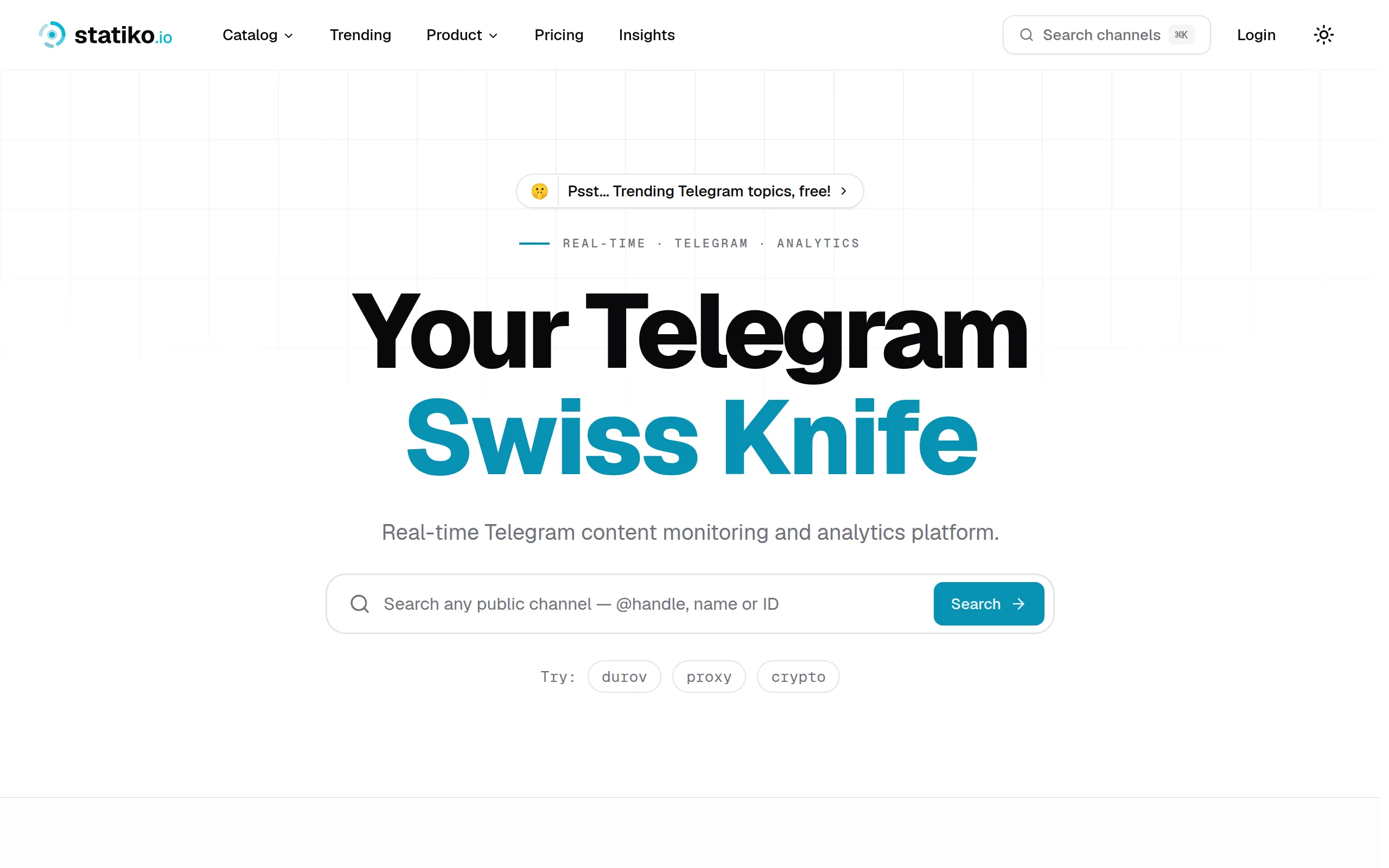
Statiko
Monitor any Telegram channel in real time - track posts, edits, deletions, and growth with AI recaps 📡

Shibui
AI website builder - describe your business, pick a niche template, edit by chatting, and publish instantly ✨

Pro Service
Find verified home service professionals, compare quotes, and pay securely through escrow - built for Brazilians across the US 🏠
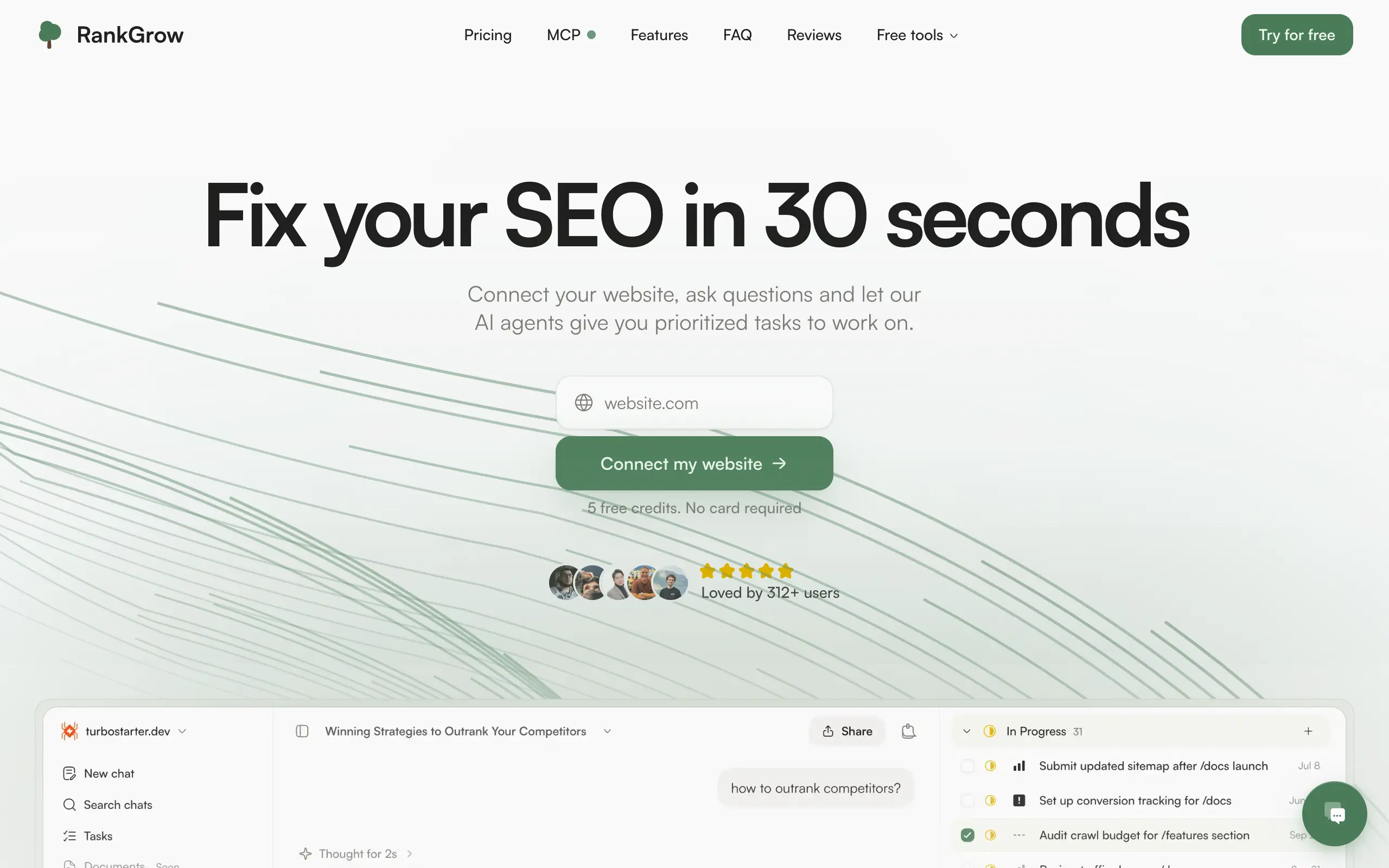
RankGrow
Fix your SEO with AI agents - connect Search Console, get prioritized tasks, and grow organic traffic 📈
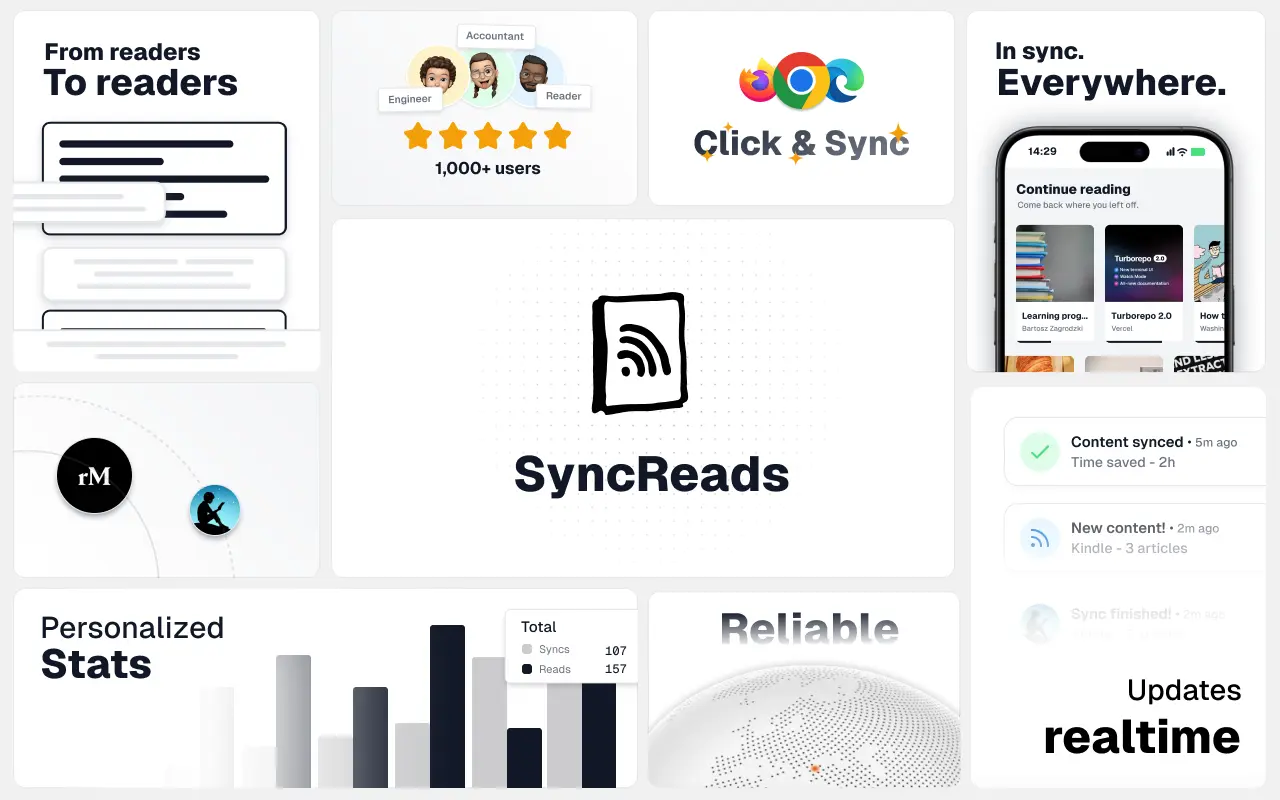
SyncReads
Sync your favorite content for distraction-free reading, save time and replace multiple apps. Anytime, anywhere 🔄
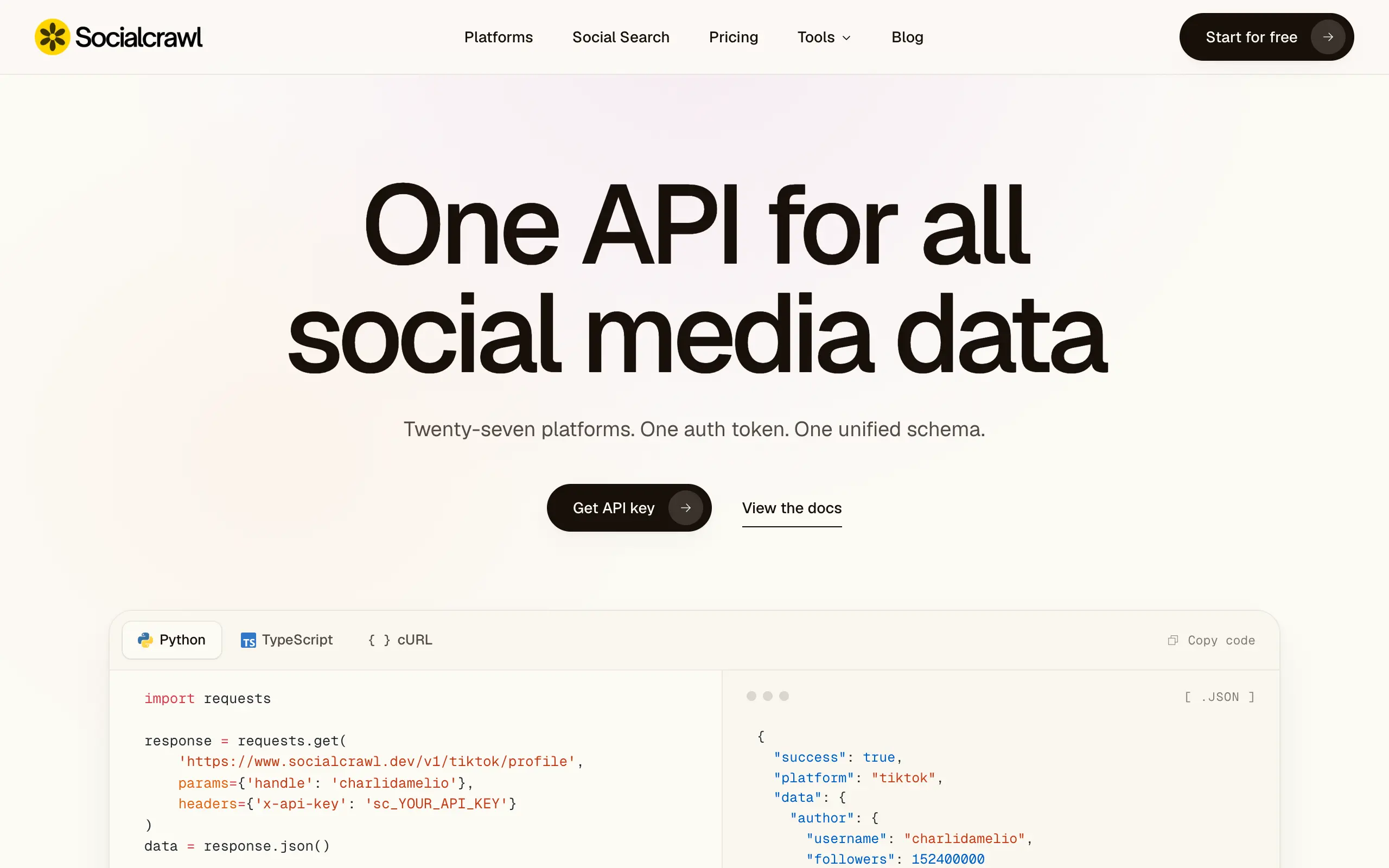
Socialcrawl
Get clean, structured data from 21 platforms like TikTok, Instagram, and YouTube with a single request 📊
Statiko
Monitor any Telegram channel in real time - track posts, edits, deletions, and growth with AI recaps 📡
Shibui
AI website builder - describe your business, pick a niche template, edit by chatting, and publish instantly ✨
Pro Service
Find verified home service professionals, compare quotes, and pay securely through escrow - built for Brazilians across the US 🏠
RankGrow
Fix your SEO with AI agents - connect Search Console, get prioritized tasks, and grow organic traffic 📈
SyncReads
Sync your favorite content for distraction-free reading, save time and replace multiple apps. Anytime, anywhere 🔄
Socialcrawl
Get clean, structured data from 21 platforms like TikTok, Instagram, and YouTube with a single request 📊
Statiko
Monitor any Telegram channel in real time - track posts, edits, deletions, and growth with AI recaps 📡
Shibui
AI website builder - describe your business, pick a niche template, edit by chatting, and publish instantly ✨
Pro Service
Find verified home service professionals, compare quotes, and pay securely through escrow - built for Brazilians across the US 🏠
RankGrow
Fix your SEO with AI agents - connect Search Console, get prioritized tasks, and grow organic traffic 📈
SyncReads
Sync your favorite content for distraction-free reading, save time and replace multiple apps. Anytime, anywhere 🔄
Socialcrawl
Get clean, structured data from 21 platforms like TikTok, Instagram, and YouTube with a single request 📊
Statiko
Monitor any Telegram channel in real time - track posts, edits, deletions, and growth with AI recaps 📡
Shibui
AI website builder - describe your business, pick a niche template, edit by chatting, and publish instantly ✨
Pro Service
Find verified home service professionals, compare quotes, and pay securely through escrow - built for Brazilians across the US 🏠
RankGrow
Fix your SEO with AI agents - connect Search Console, get prioritized tasks, and grow organic traffic 📈
SyncReads
Sync your favorite content for distraction-free reading, save time and replace multiple apps. Anytime, anywhere 🔄
Socialcrawl
Get clean, structured data from 21 platforms like TikTok, Instagram, and YouTube with a single request 📊
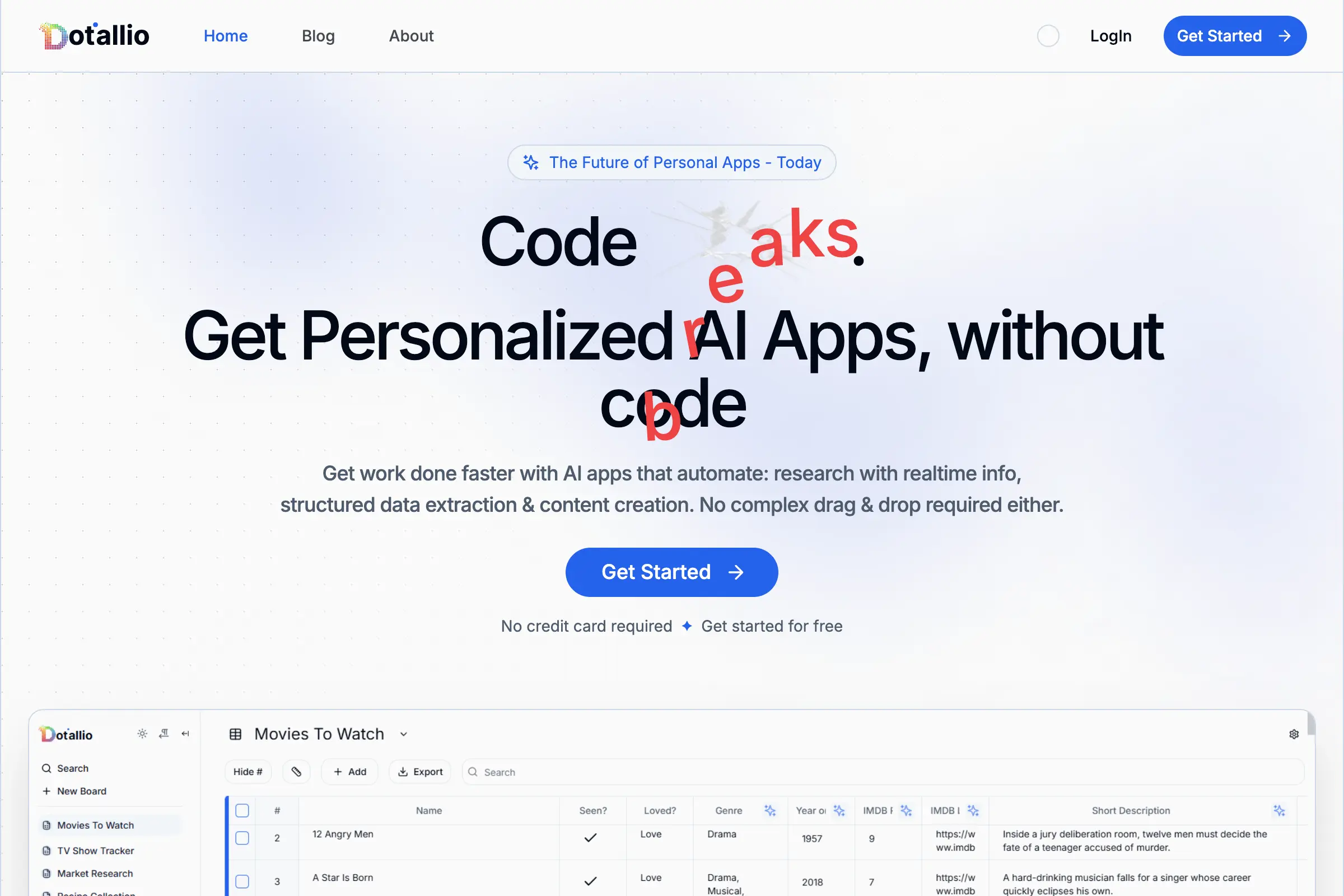
Dotallio
Personalized AI apps that automate research, data extraction, and content creation without code 🤖
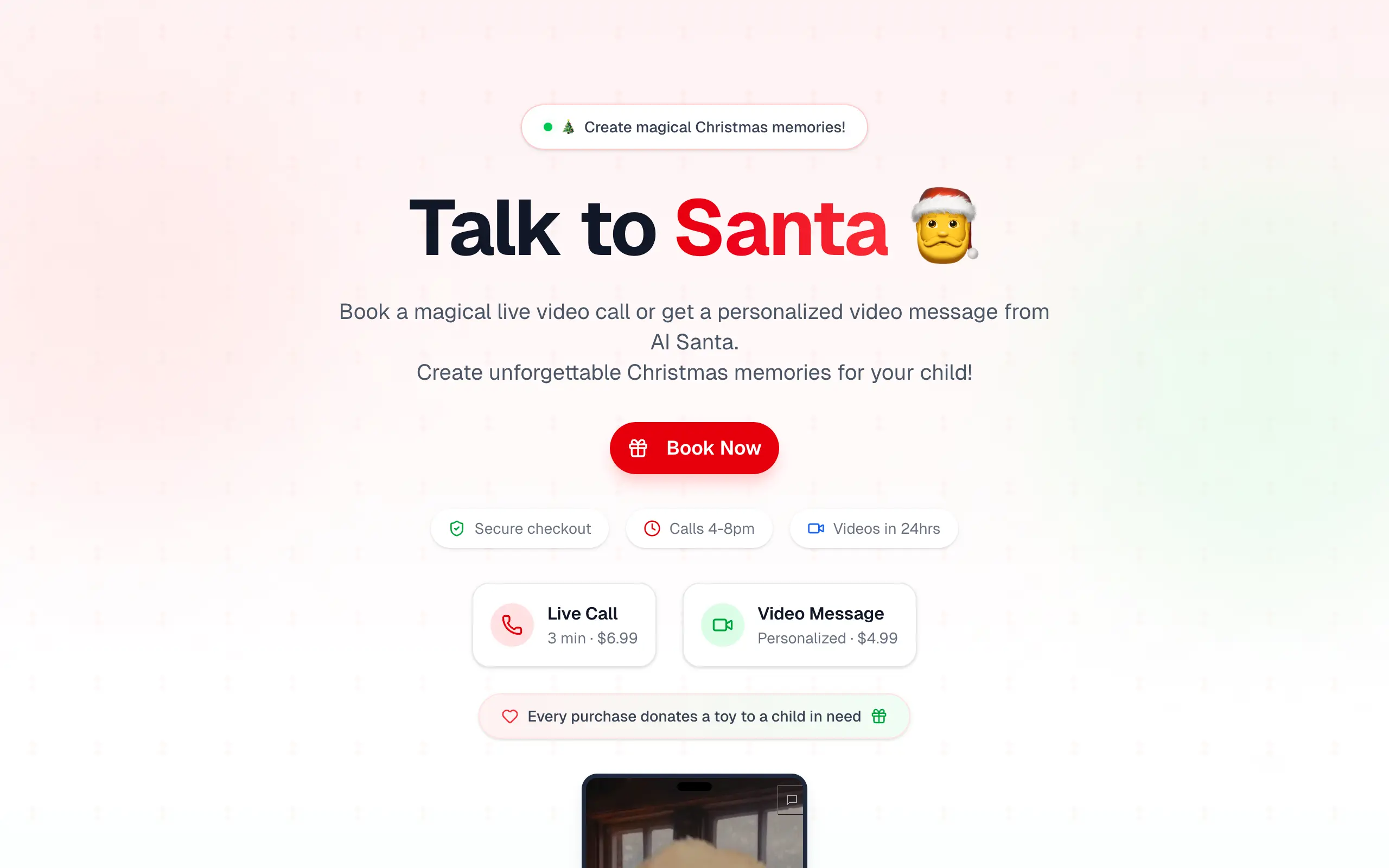
Talk to Santa
Enjoy a magical live video chat or receive a unique AI-generated video greeting from Santa Claus 🎅
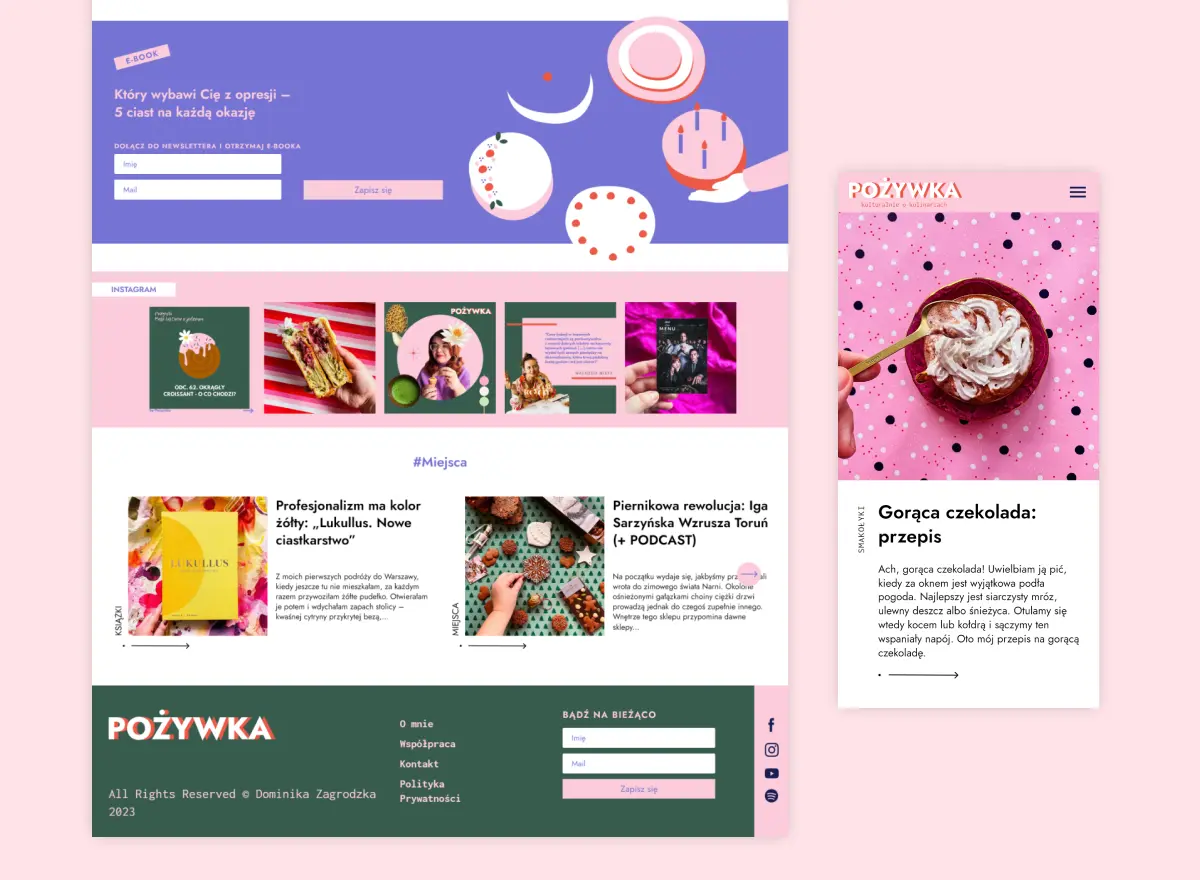
pozywka.pl
Scalable blog for food journalist, focused on performance and user experience 🌭
zagrodzki.me
Personal blog and portfolio of Bart Zagrodzki, where he shares his knowledge and work 💼
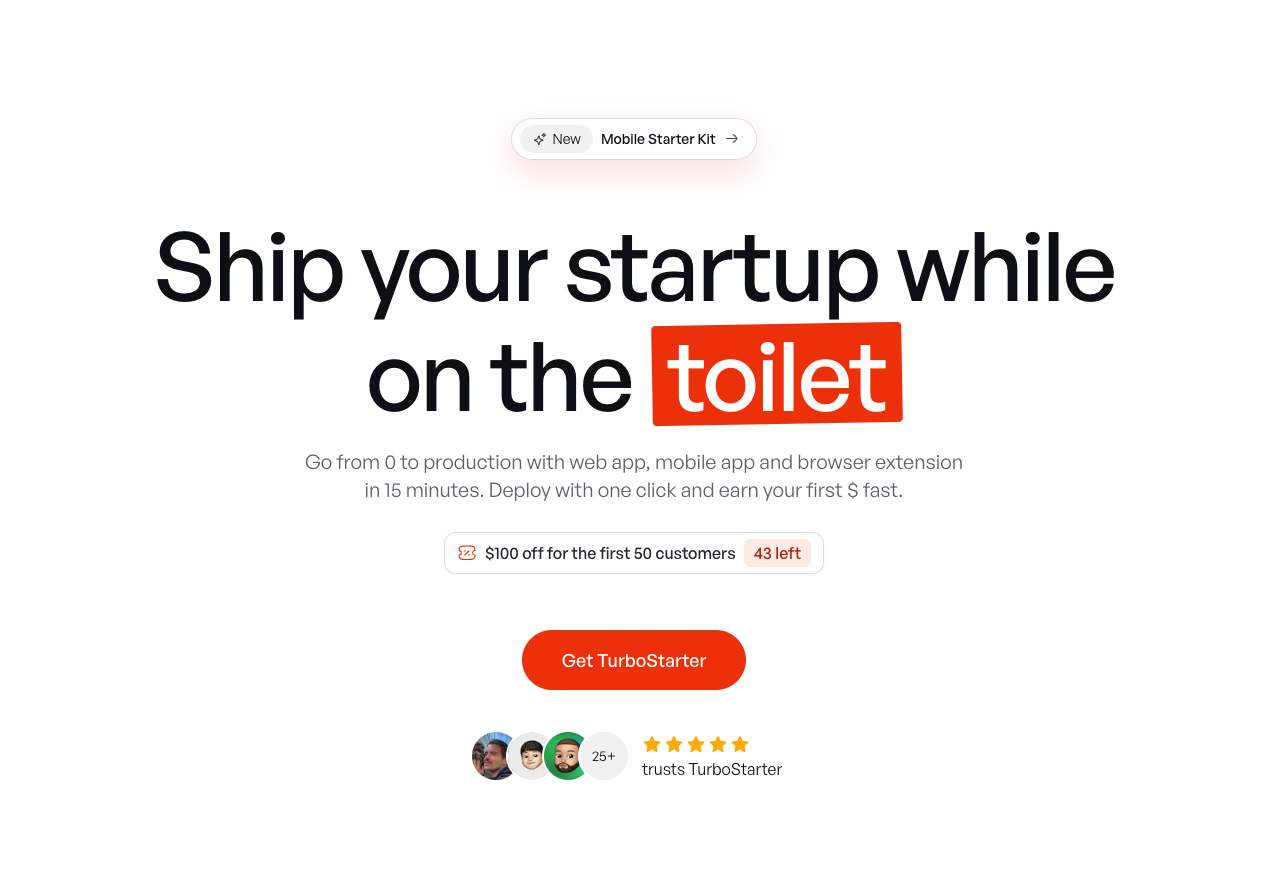
TurboStarter
Ship your startup everywhere. In minutes.
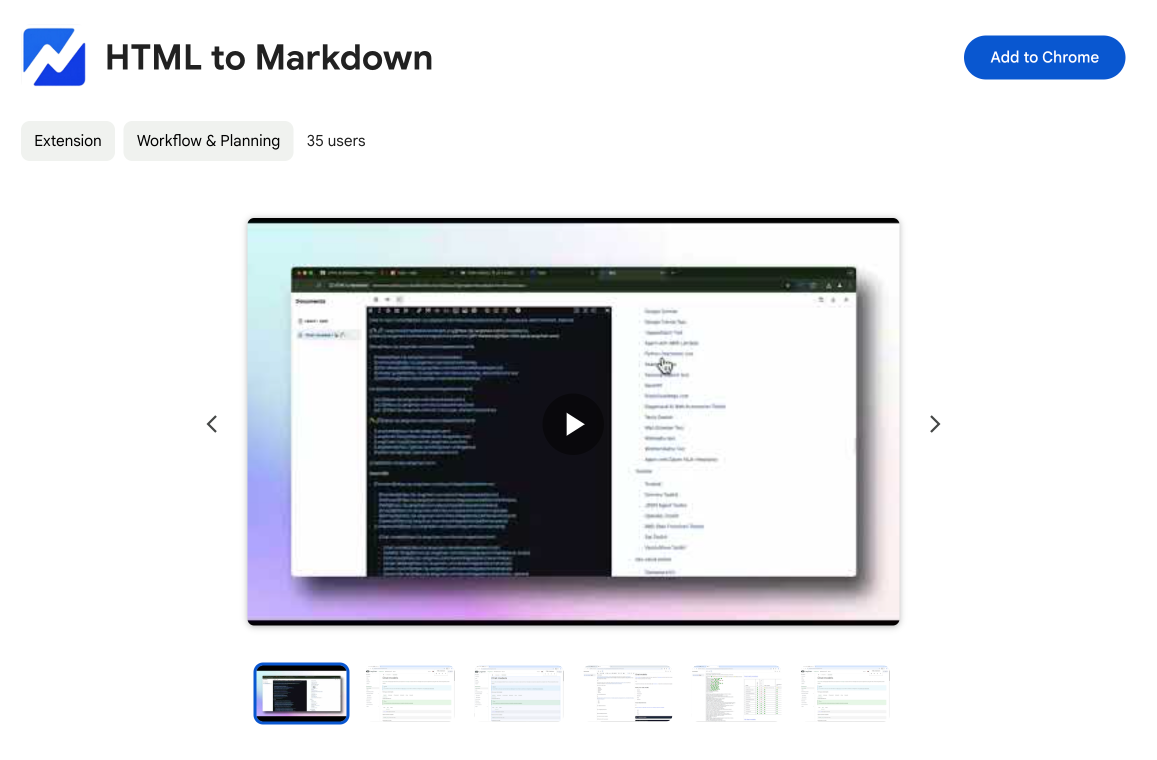
HTML to Markdown
Convert HTML to Markdown with ease, directly in your browser 📄
Dotallio
Personalized AI apps that automate research, data extraction, and content creation without code 🤖
Talk to Santa
Enjoy a magical live video chat or receive a unique AI-generated video greeting from Santa Claus 🎅
pozywka.pl
Scalable blog for food journalist, focused on performance and user experience 🌭
zagrodzki.me
Personal blog and portfolio of Bart Zagrodzki, where he shares his knowledge and work 💼
TurboStarter
Ship your startup everywhere. In minutes.
HTML to Markdown
Convert HTML to Markdown with ease, directly in your browser 📄
Dotallio
Personalized AI apps that automate research, data extraction, and content creation without code 🤖
Talk to Santa
Enjoy a magical live video chat or receive a unique AI-generated video greeting from Santa Claus 🎅
pozywka.pl
Scalable blog for food journalist, focused on performance and user experience 🌭
zagrodzki.me
Personal blog and portfolio of Bart Zagrodzki, where he shares his knowledge and work 💼
TurboStarter
Ship your startup everywhere. In minutes.
HTML to Markdown
Convert HTML to Markdown with ease, directly in your browser 📄
Dotallio
Personalized AI apps that automate research, data extraction, and content creation without code 🤖
Talk to Santa
Enjoy a magical live video chat or receive a unique AI-generated video greeting from Santa Claus 🎅
pozywka.pl
Scalable blog for food journalist, focused on performance and user experience 🌭
zagrodzki.me
Personal blog and portfolio of Bart Zagrodzki, where he shares his knowledge and work 💼
TurboStarter
Ship your startup everywhere. In minutes.
HTML to Markdown
Convert HTML to Markdown with ease, directly in your browser 📄
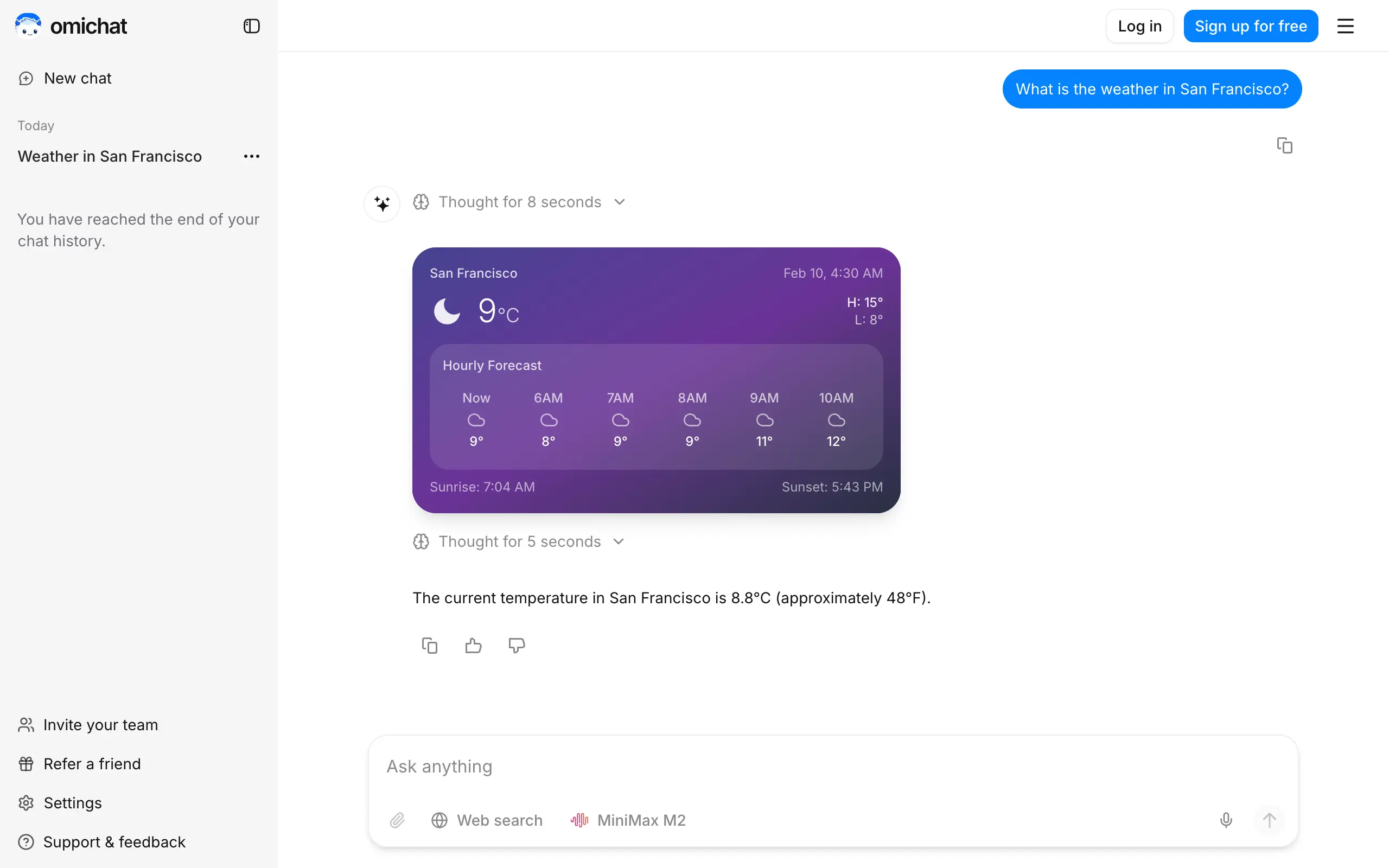
Omichat
Chat with 50+ AI models, including ChatGPT and Claude, in one place - switch models anytime without losing context 🤖
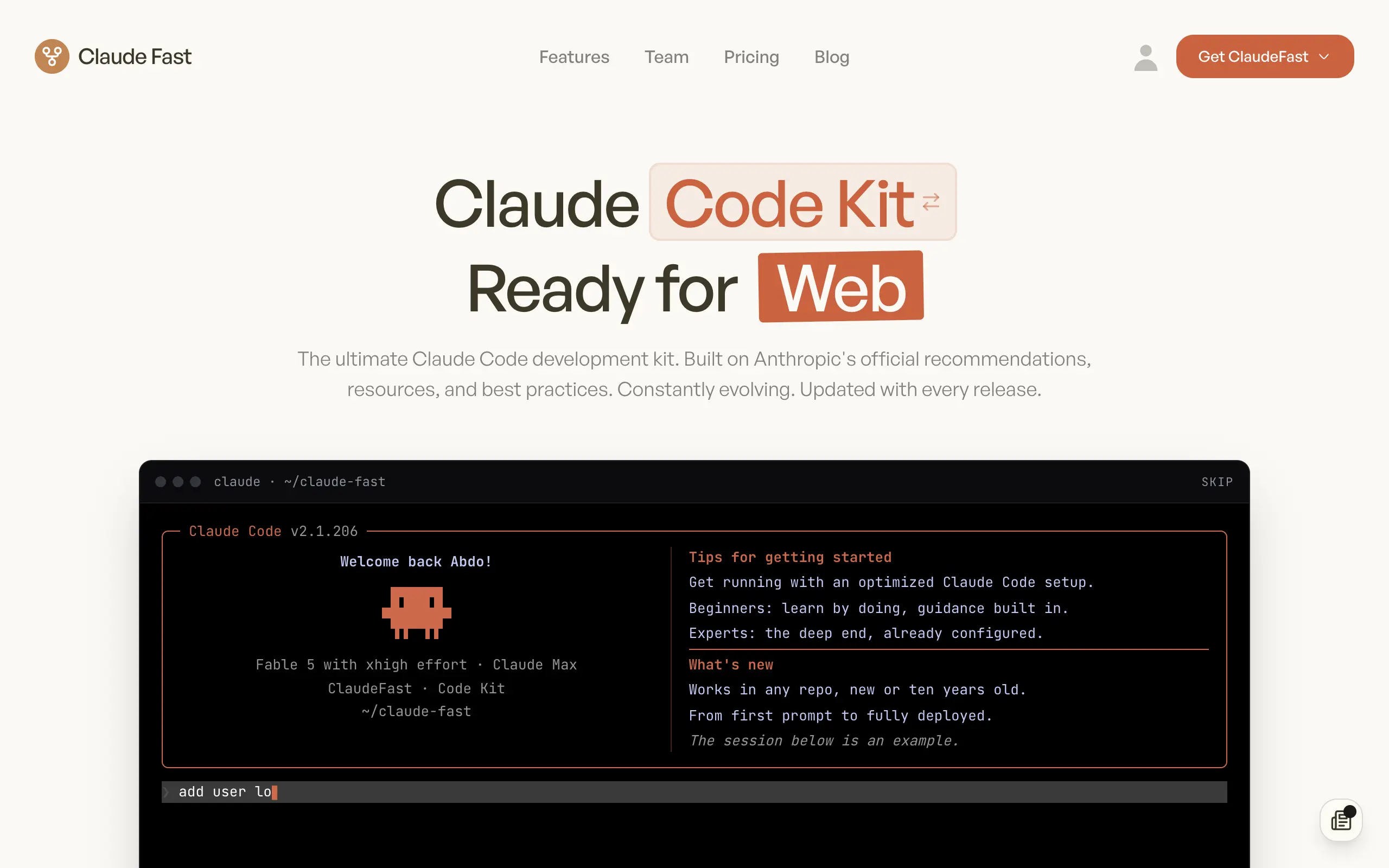
Claude Fast
Supercharge your Claude Code with 6x effective context window and specialized AI agents 🤖
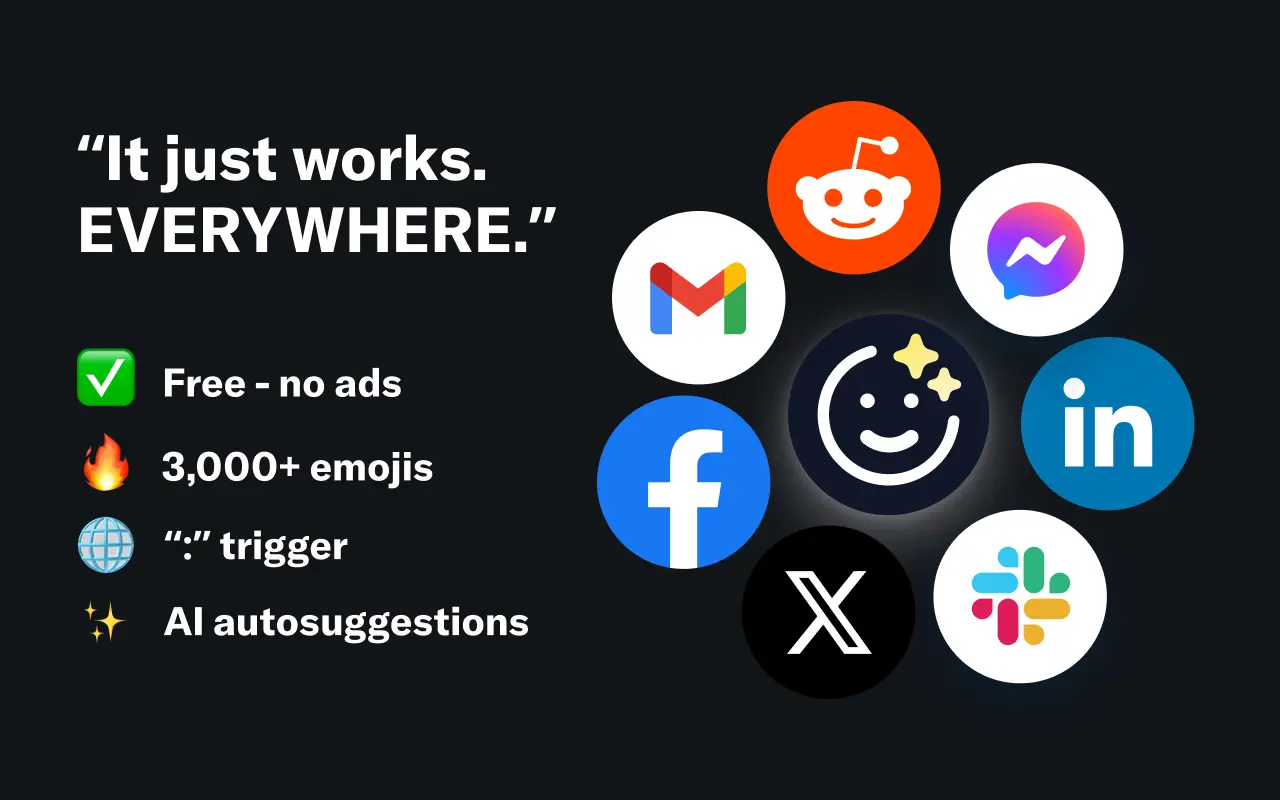
EmojAI
AI-powered emoji picker with smart, context-aware suggestions 🤖
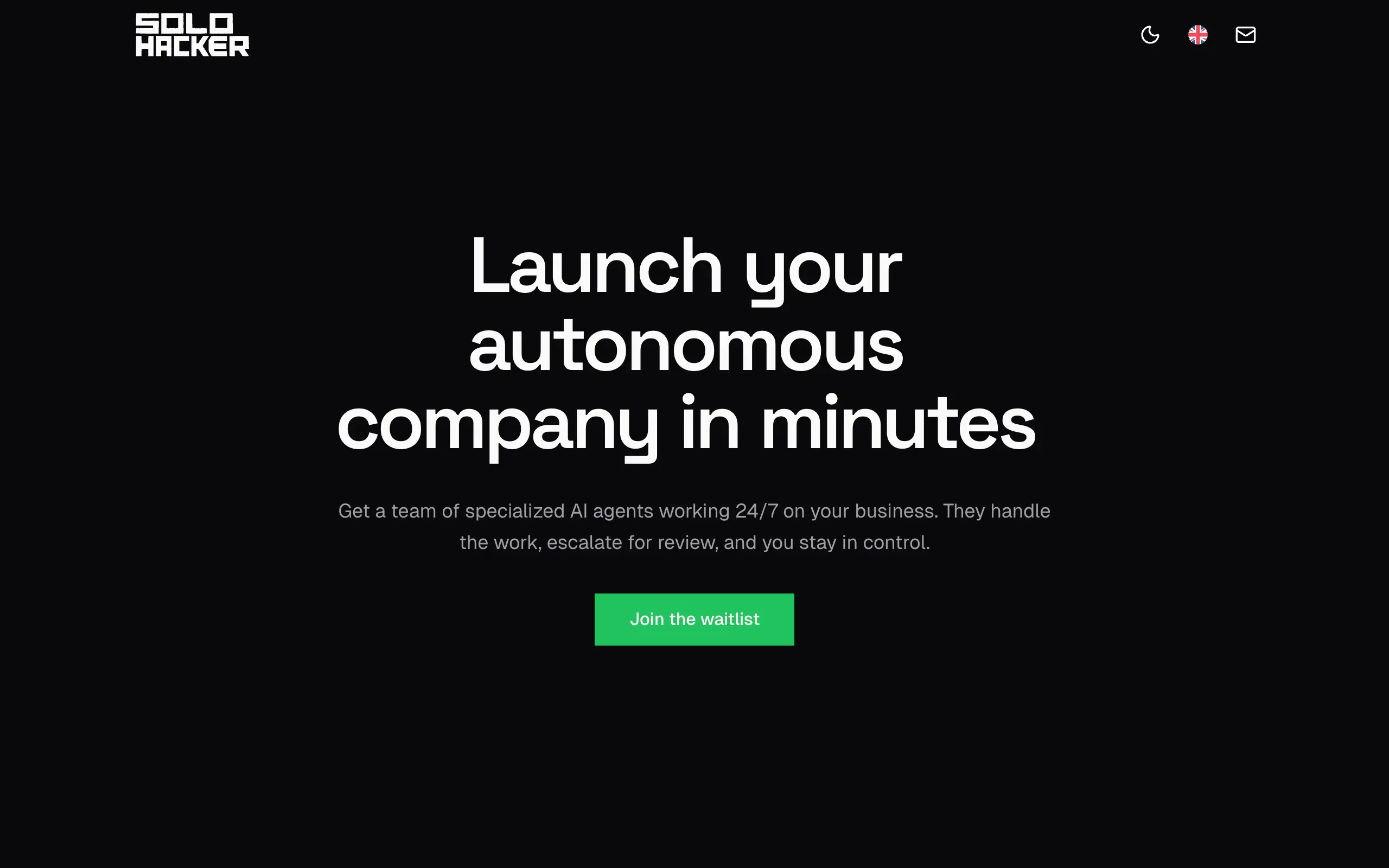
Solohacker
Autonomous company launcher - AI agents work 24/7, escalate what matters, and you stay in control 🤖
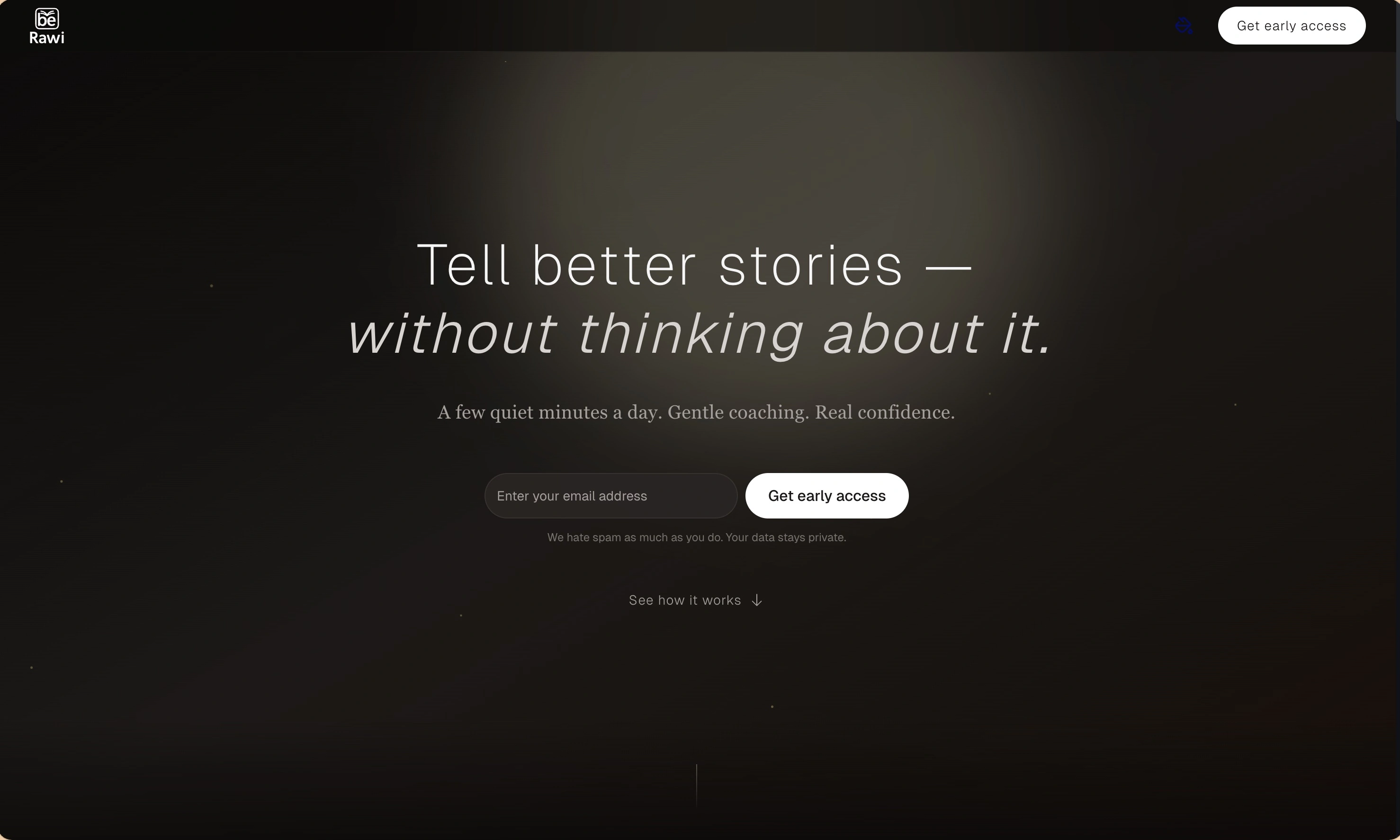
BeRawi: Storytelling Coach
Practice storytelling daily with instant feedback to sound clearer, more engaging, and confident 🎤
Omichat
Chat with 50+ AI models, including ChatGPT and Claude, in one place - switch models anytime without losing context 🤖
Claude Fast
Supercharge your Claude Code with 6x effective context window and specialized AI agents 🤖
EmojAI
AI-powered emoji picker with smart, context-aware suggestions 🤖
Solohacker
Autonomous company launcher - AI agents work 24/7, escalate what matters, and you stay in control 🤖
BeRawi: Storytelling Coach
Practice storytelling daily with instant feedback to sound clearer, more engaging, and confident 🎤
Omichat
Chat with 50+ AI models, including ChatGPT and Claude, in one place - switch models anytime without losing context 🤖
Claude Fast
Supercharge your Claude Code with 6x effective context window and specialized AI agents 🤖
EmojAI
AI-powered emoji picker with smart, context-aware suggestions 🤖
Solohacker
Autonomous company launcher - AI agents work 24/7, escalate what matters, and you stay in control 🤖
BeRawi: Storytelling Coach
Practice storytelling daily with instant feedback to sound clearer, more engaging, and confident 🎤
Omichat
Chat with 50+ AI models, including ChatGPT and Claude, in one place - switch models anytime without losing context 🤖
Claude Fast
Supercharge your Claude Code with 6x effective context window and specialized AI agents 🤖
EmojAI
AI-powered emoji picker with smart, context-aware suggestions 🤖
Solohacker
Autonomous company launcher - AI agents work 24/7, escalate what matters, and you stay in control 🤖
BeRawi: Storytelling Coach
Practice storytelling daily with instant feedback to sound clearer, more engaging, and confident 🎤

Connect with like-minded people
Join our community to get feedback, support, and grow together with 1,000+ builders on board, let's ship it!
Join usShip your startup everywhere. In minutes.
Don't burn tokens on setup and start building features on day one.