SubSplit
A smart subscription tracker that detects forgotten subscriptions, predicts future spending, and negotiates cancellations with one click.
The new era of subscription tracking: why consumers need smarter tools
Subscription fatigue is real.
From streaming services and cloud storage to fitness apps and AI tools, the average consumer now manages dozens of recurring payments. According to industry reports from organizations like Deloitte and McKinsey (see their digital consumer trend publications), subscription spending has steadily increased year over year—while cancellation rates have also surged.
The problem isn’t just how many subscriptions people have. It’s that they:
- Forget what they signed up for
- Underestimate total monthly spend
- Miss price increases
- Struggle to cancel services
- Fail to predict long-term financial impact
This is where SubSplit, a smart subscription tracker, enters the market. It doesn’t just list subscriptions. It detects forgotten services, predicts future spending, and negotiates cancellations with one click.
This article breaks down:
- The real market opportunity for a subscription tracking SaaS
- Target user segments and their pain points
- Core features that differentiate SubSplit
- Recommended tech stack and architecture
- Monetization strategies
- Competitive landscape
- Risks and mitigation strategies
- Actionable steps to build and launch
Understanding user intent: what people want from a subscription tracker
When someone searches for:
- “How to find forgotten subscriptions”
- “Best subscription tracker app”
- “Cancel subscriptions automatically”
- “How much am I spending on subscriptions?”
- “Reduce monthly recurring expenses”
They’re usually looking for one of three outcomes:
- Awareness – Discover what they’re actually paying for.
- Control – Easily cancel or downgrade services.
- Optimization – Reduce total recurring spend and forecast future costs.
Most existing tools only solve #1.
SubSplit is designed to solve all three.
Target audience analysis
SubSplit is a B2C SaaS product, but within B2C, there are several high-value micro-segments.
1. Young professionals (25–40)
Pain points:
- Multiple streaming platforms
- Productivity SaaS tools
- Gym memberships
- Cloud storage, design tools, etc.
- Frequent job or location changes
Why they care:
- Budget optimization
- Financial independence goals
- Managing subscriptions across devices
2. Families managing household budgets
Pain points:
- Duplicate subscriptions (e.g., two Netflix accounts)
- Kids signing up for trial apps
- Multiple device ecosystems (iOS + Android)
Why they care:
- Financial planning
- Avoiding waste
- Consolidation
3. Freelancers and solopreneurs
Although SubSplit is B2C, freelancers are power users:
- Design tools
- AI platforms
- CRM systems
- SaaS add-ons
They often:
- Forget renewals
- Underestimate annual subscription commitments
- Struggle with expense forecasting
4. Financial wellness enthusiasts
This group already uses:
- Budgeting apps
- Investment apps
- Expense trackers
SubSplit can integrate as a specialized subscription intelligence layer.
The market opportunity: subscription economy growth
The subscription economy has grown rapidly over the last decade. According to reports by Zuora (Subscription Economy Index), subscription businesses have grown significantly faster than traditional businesses over the past several years.
Key trends driving opportunity:
- Explosion of SaaS and consumer apps
- Streaming platform fragmentation
- Rise of AI tools with monthly plans
- Increasing “micro-subscriptions” ($3–$15/month)
Micro-subscriptions are especially dangerous because they’re psychologically easy to ignore.
For example:
- $7.99 streaming
- $9.99 meditation app
- $12 AI writing tool
- $4.99 cloud add-on
Individually harmless.
Collectively expensive.
SubSplit’s opportunity lies in aggregating and contextualizing this invisible spending.
Core features of SubSplit
SubSplit’s differentiation lies in intelligence + automation.
Below is a breakdown of high-impact features.
1. Smart subscription detection
Rather than relying solely on manual entry, SubSplit can:
- Connect to bank APIs (e.g., Plaid-like integrations)
- Detect recurring payment patterns
- Identify trial-to-paid transitions
- Flag price changes
How detection can work (high level)
function detectRecurringPayments(transactions: Transaction[]) {
  const groupedByMerchant = groupBy(transactions, "merchant");

  return Object.values(groupedByMerchant).filter((merchantTx) => {
    return hasRecurringPattern(merchantTx);
  });
}
Recurring pattern detection includes:
- Similar amounts
- 28–31 day intervals
- Identical merchant identifiers
2. Forgotten subscription alerts
SubSplit can flag:
- No logins detected (if email scanning enabled)
- No usage (via optional integrations)
- Rare transaction anomalies
Example alert:
“You’ve paid $119 in the last 12 months for X App but haven’t used it in 5 months.”
This is psychologically powerful.
3. Future spending prediction
Instead of showing current monthly totals, SubSplit predicts:
- 3-month spending
- 6-month spending
- 12-month recurring liability
This turns subscriptions into a visible financial commitment.
Example:
- Monthly spend: $124
- Annual impact: $1,488
- If price increases 8%: $1,607 projected
That reframes decision-making.
4. One-click cancellation negotiation
This is SubSplit’s major USP.
Instead of:
- Searching for cancel page
- Calling customer support
- Waiting in queue
SubSplit:
- Generates cancellation requests
- Sends automated cancellation emails
- Uses template-based negotiation
- Optionally triggers retention offer comparison
This can work through:
- Pre-built cancellation scripts
- API integrations where available
- Automated form submission flows
5. Price increase monitoring
Many subscriptions quietly raise prices.
SubSplit can:
- Compare current charge vs historical average
- Flag percentage increases
- Alert users immediately
6. Subscription optimization engine
This feature compares:
- Duplicate services (e.g., Spotify + Apple Music)
- Redundant storage providers
- Overlapping streaming platforms
It can suggest:
- Downgrade plan
- Family plan consolidation
- Annual vs monthly savings
Feature comparison vs existing tools
| Feature | Basic Tracker Apps | Budgeting Apps | Bank Dashboards | SubSplit |
|---|---|---|---|---|
| Recurring detection | ✅ | ✅ | ✅ | ✅ |
| Future spend prediction | ❌ | ❌ | ❌ | ✅ |
| Cancellation automation | ❌ | ❌ | ❌ | ✅ |
| Price increase alerts | ❌ | ❌ | ❌ | ✅ |
Recommended tech stack for building SubSplit
A modern, scalable stack for a financial SaaS must prioritize:
- Security
- Compliance
- Scalability
- Performance
Frontend
- React – UI flexibility and ecosystem
- Next.js – Server-side rendering + SEO
- TailwindCSS – Rapid styling
- TypeScript – Type safety
Backend
- Node.js (NestJS or Express)
- PostgreSQL (financial data reliability)
- Redis (caching recurring detection results)
Financial data integration
- Plaid or similar open banking API
- Secure OAuth-based bank connections
AI layer
For prediction and optimization:
- Lightweight ML model
- Anomaly detection logic
- LLM-assisted negotiation email generation
Security & compliance considerations
Financial SaaS must prioritize:
- End-to-end encryption
- SOC 2 compliance
- GDPR compliance
- Secure token storage
- Zero-trust architecture
Trust is everything
If users don’t trust SubSplit with their financial data, adoption will fail. Security must be a core brand pillar, not an afterthought.
Monetization strategy options
SubSplit can adopt multiple models.
1. Freemium
Free tier:
- Subscription detection
- Monthly total tracking
Paid tier ($5–$12/month):
- Future forecasting
- Cancellation automation
- Negotiation engine
- Price alerts
2. Success-based cancellation fee
Charge:
- 10–20% of first-year savings
Example:
- User saves $300/year
- SubSplit earns $30–$60
3. Affiliate partnerships
- Alternative service recommendations
- Annual plan upgrades
- Family plan consolidations
Must be transparent to maintain trust.
Competitive advantage analysis
SubSplit’s advantage lies in:
1. Prediction-first approach
Most apps show the past.
SubSplit shows the future.
2. Action-oriented UX
Insight without action creates frustration.
SubSplit offers immediate cancellation.
3. Psychological framing
Showing annualized impact reframes decision-making.
4. Negotiation automation
This is rare in B2C subscription tracking tools.
Risks and mitigation strategies
Risk 1: Bank API dependency
Mitigation:
- Support manual entry fallback
- Multi-provider integrations
Risk 2: Security breach
Mitigation:
- Encryption at rest and in transit
- Regular audits
- Bug bounty programs
Risk 3: Legal issues with automated cancellations
Mitigation:
- Ensure compliant automation
- Clear user consent flows
- Legal review before automation launch
Risk 4: Low retention
Mitigation:
- Monthly insights report
- Gamified savings tracking
- “You saved $X this year” reinforcement
Implementation roadmap
Go-to-market strategy
1. SEO strategy
Target high-intent keywords:
- “how to find hidden subscriptions”
- “cancel subscriptions automatically”
- “subscription cost calculator”
- “reduce recurring expenses”
Create blog clusters around:
- Subscription audits
- Personal finance optimization
- Budget automation
2. Influencer partnerships
Partner with:
- Personal finance YouTubers
- Budget TikTok creators
- Financial newsletter writers
3. Product-led growth
Encourage sharing:
“I saved $342 this year using SubSplit.”
Savings badges can go viral.
Building faster with a SaaS starter
Instead of building everything from scratch, founders can accelerate development using a pre-built SaaS foundation like TurboStarter.
This helps with:
- Auth
- Billing
- Dashboard scaffolding
- Landing pages
- Multi-tenant architecture
Allowing you to focus on:
- Recurring detection engine
- Prediction models
- Cancellation automation
Final thoughts: why SubSplit has strong potential
The subscription economy isn’t shrinking.
It’s expanding—especially with AI tools and micro-SaaS platforms.
Consumers are overwhelmed.
Financial anxiety is increasing.
Hidden recurring costs are rising.
SubSplit directly addresses:
- Financial visibility
- Cost control
- Effortless cancellation
- Predictive budgeting
It transforms subscription tracking from a passive dashboard into an active financial optimization system.
Action plan for founders
- Define your MVP clearly.
- Validate cancellation automation demand.
- Build secure bank integration first.
- Focus UX on clarity and simplicity.
- Launch with savings-focused marketing.
If executed correctly, SubSplit can become not just another budgeting app—but the default control center for the modern subscription-driven economy.
More 👥 B2C Application SaaS ideas
Discover more innovative b2c application SaaS ideas that are trending in 2026. Each idea is AI-generated with market validation and growth potential to help you find your next profitable venture faster than competitors.
Your competitors are building with TurboStarter
Below are some of the SaaS ideas that have been generated and built with our starter kit.
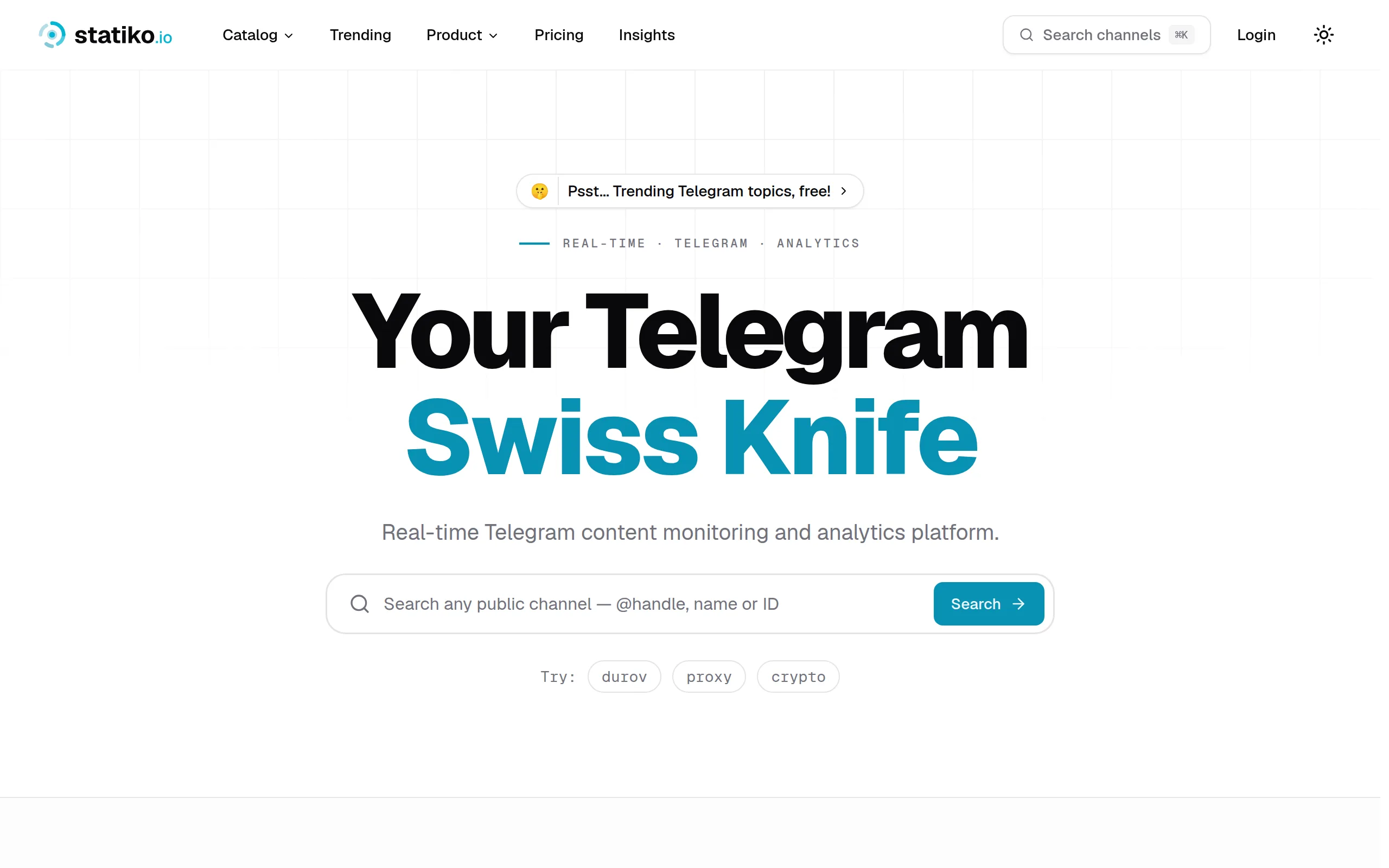
Statiko
Monitor any Telegram channel in real time - track posts, edits, deletions, and growth with AI recaps 📡

Shibui
AI website builder - describe your business, pick a niche template, edit by chatting, and publish instantly ✨

Pro Service
Find verified home service professionals, compare quotes, and pay securely through escrow - built for Brazilians across the US 🏠
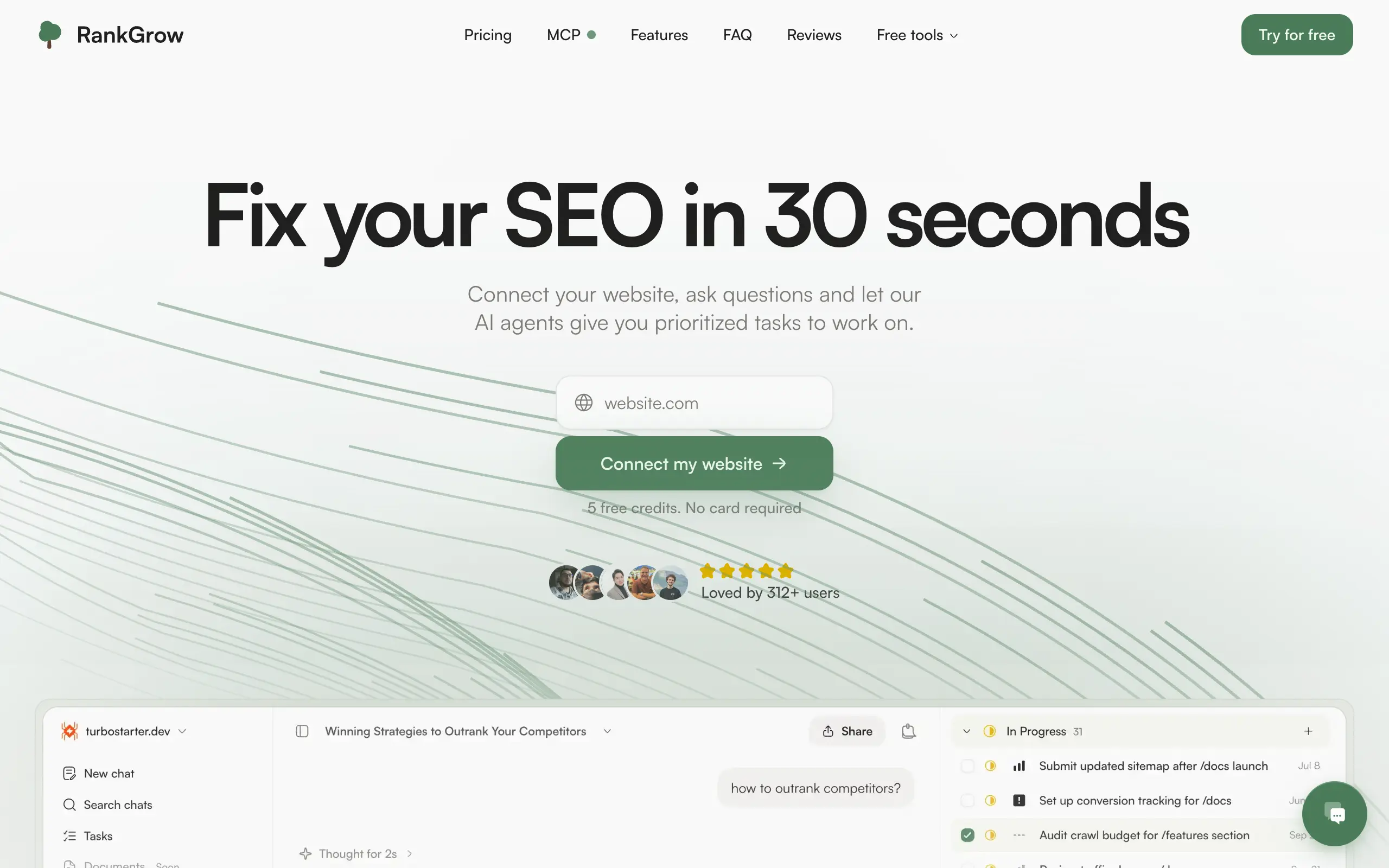
RankGrow
Fix your SEO with AI agents - connect Search Console, get prioritized tasks, and grow organic traffic 📈
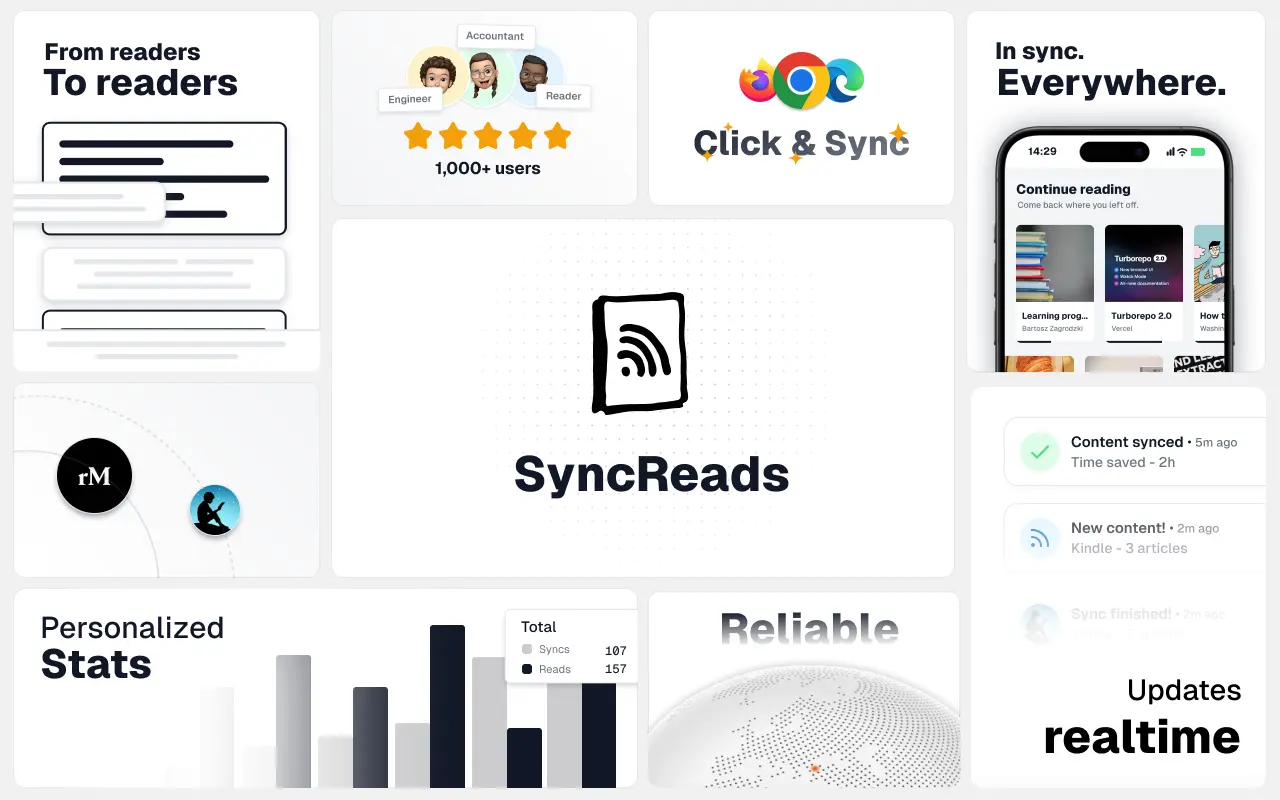
SyncReads
Sync your favorite content for distraction-free reading, save time and replace multiple apps. Anytime, anywhere 🔄
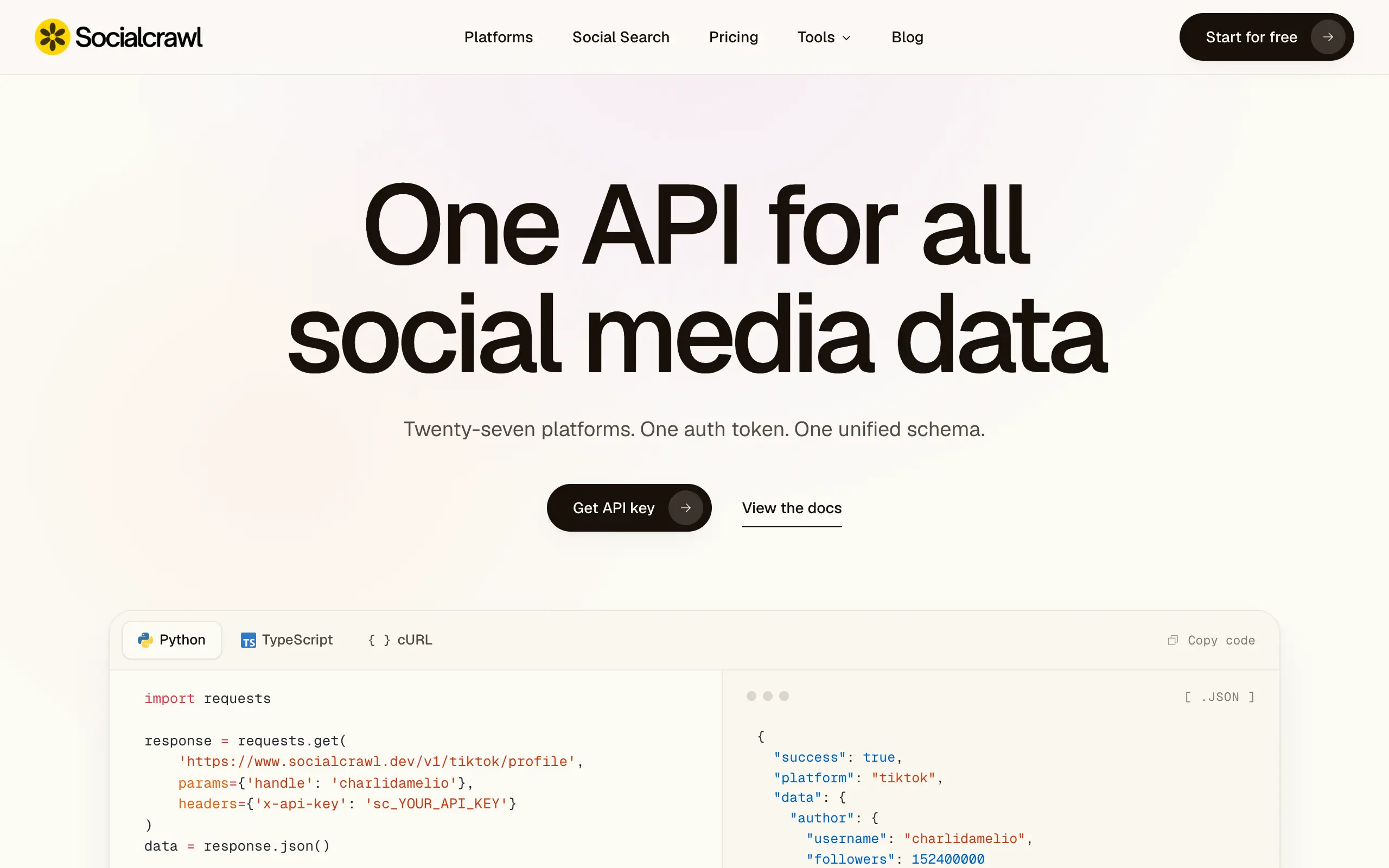
Socialcrawl
Get clean, structured data from 21 platforms like TikTok, Instagram, and YouTube with a single request 📊
Statiko
Monitor any Telegram channel in real time - track posts, edits, deletions, and growth with AI recaps 📡
Shibui
AI website builder - describe your business, pick a niche template, edit by chatting, and publish instantly ✨
Pro Service
Find verified home service professionals, compare quotes, and pay securely through escrow - built for Brazilians across the US 🏠
RankGrow
Fix your SEO with AI agents - connect Search Console, get prioritized tasks, and grow organic traffic 📈
SyncReads
Sync your favorite content for distraction-free reading, save time and replace multiple apps. Anytime, anywhere 🔄
Socialcrawl
Get clean, structured data from 21 platforms like TikTok, Instagram, and YouTube with a single request 📊
Statiko
Monitor any Telegram channel in real time - track posts, edits, deletions, and growth with AI recaps 📡
Shibui
AI website builder - describe your business, pick a niche template, edit by chatting, and publish instantly ✨
Pro Service
Find verified home service professionals, compare quotes, and pay securely through escrow - built for Brazilians across the US 🏠
RankGrow
Fix your SEO with AI agents - connect Search Console, get prioritized tasks, and grow organic traffic 📈
SyncReads
Sync your favorite content for distraction-free reading, save time and replace multiple apps. Anytime, anywhere 🔄
Socialcrawl
Get clean, structured data from 21 platforms like TikTok, Instagram, and YouTube with a single request 📊
Statiko
Monitor any Telegram channel in real time - track posts, edits, deletions, and growth with AI recaps 📡
Shibui
AI website builder - describe your business, pick a niche template, edit by chatting, and publish instantly ✨
Pro Service
Find verified home service professionals, compare quotes, and pay securely through escrow - built for Brazilians across the US 🏠
RankGrow
Fix your SEO with AI agents - connect Search Console, get prioritized tasks, and grow organic traffic 📈
SyncReads
Sync your favorite content for distraction-free reading, save time and replace multiple apps. Anytime, anywhere 🔄
Socialcrawl
Get clean, structured data from 21 platforms like TikTok, Instagram, and YouTube with a single request 📊
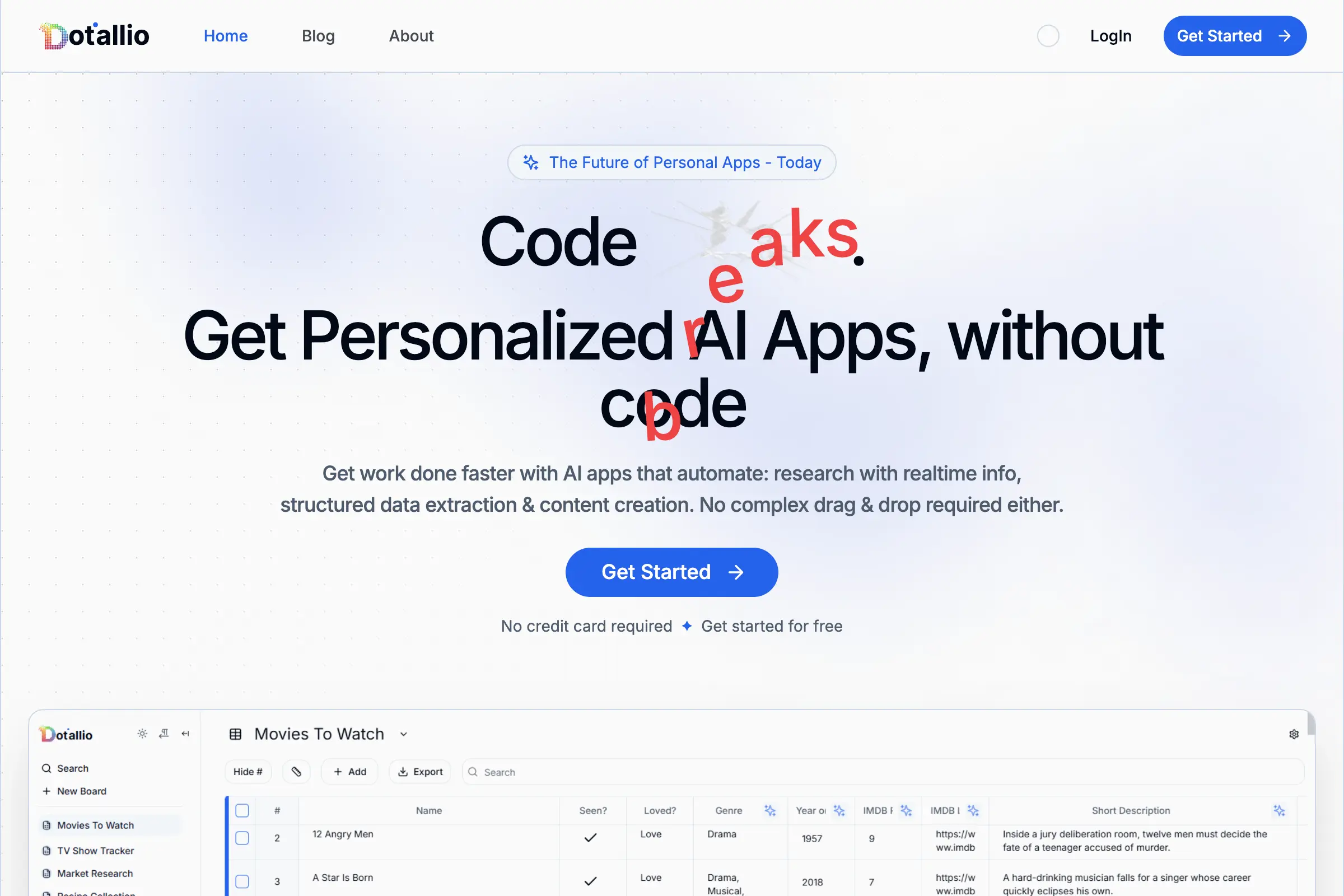
Dotallio
Personalized AI apps that automate research, data extraction, and content creation without code 🤖
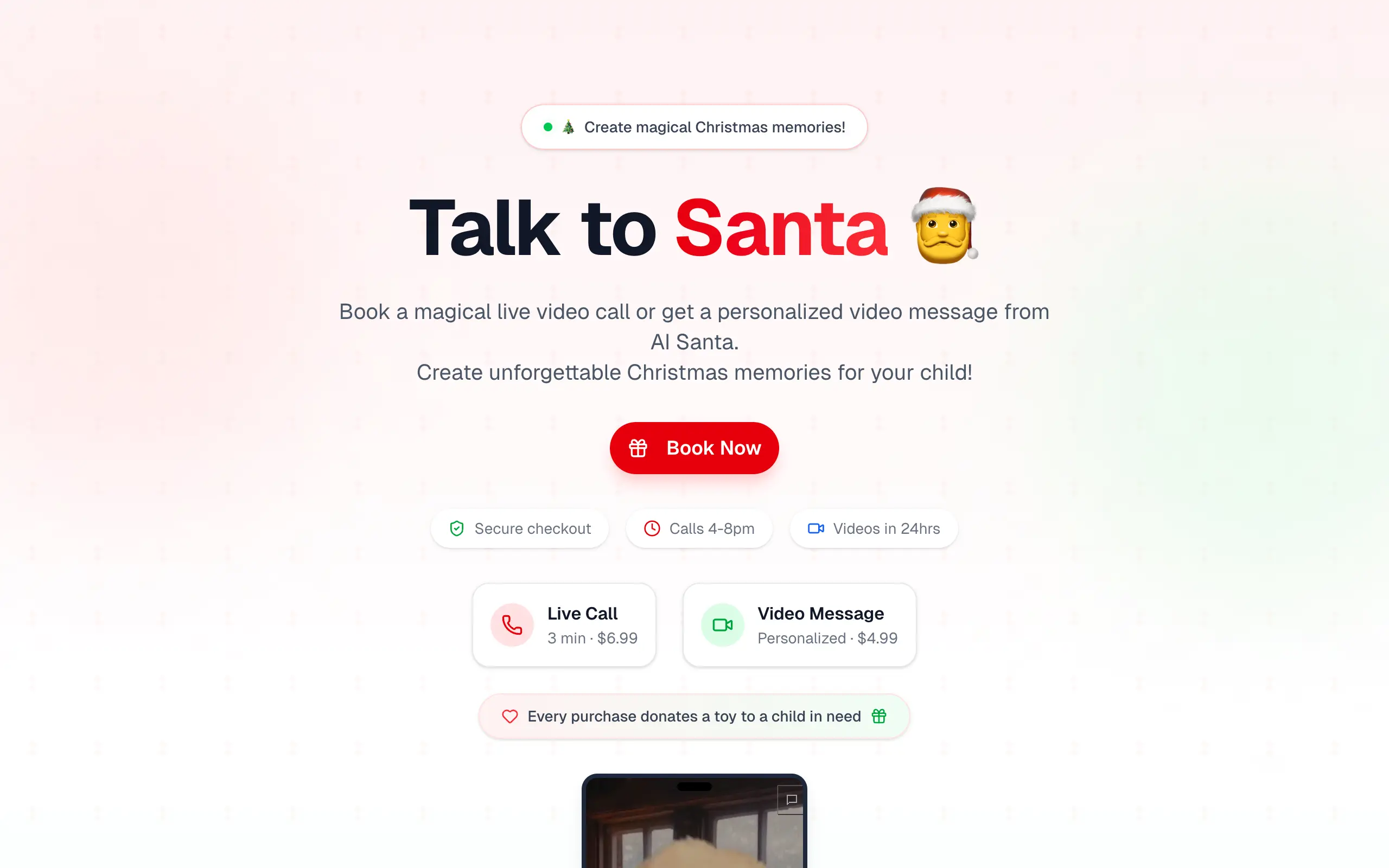
Talk to Santa
Enjoy a magical live video chat or receive a unique AI-generated video greeting from Santa Claus 🎅
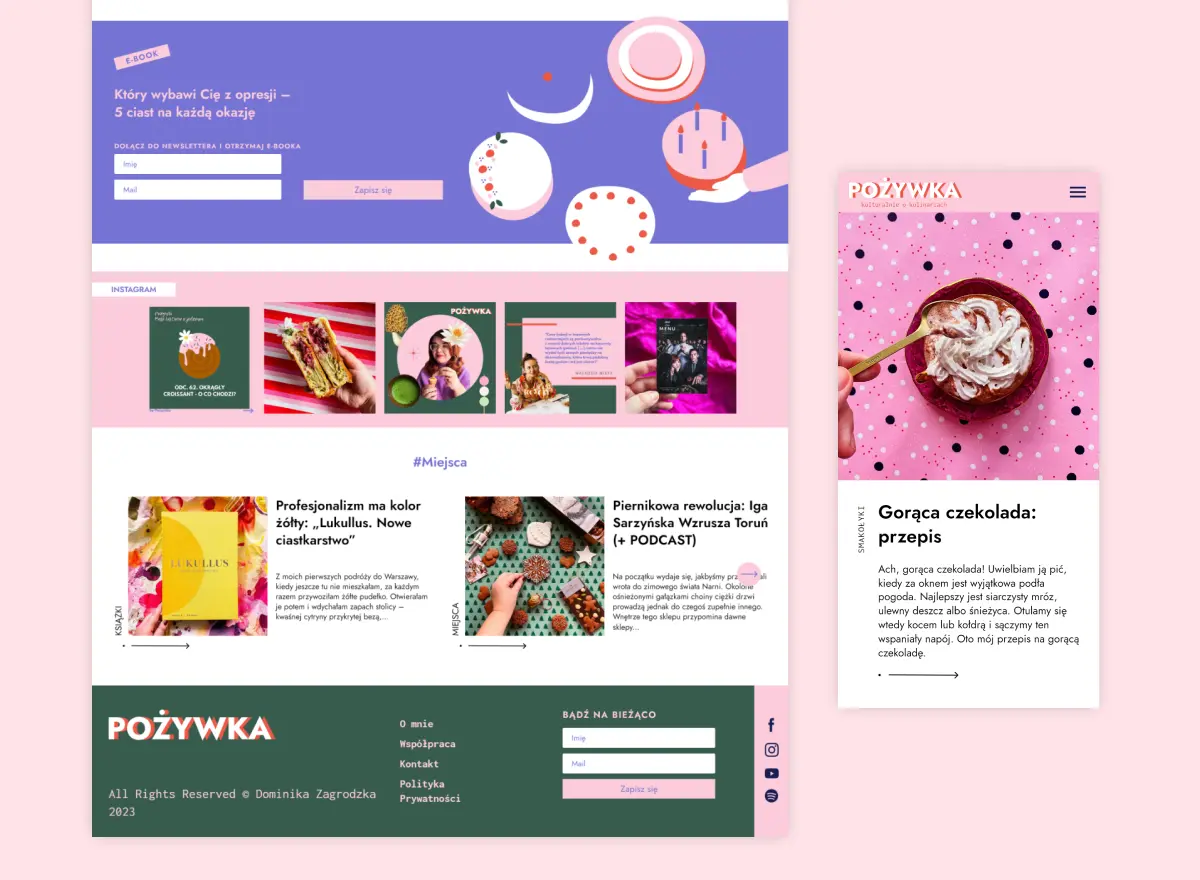
pozywka.pl
Scalable blog for food journalist, focused on performance and user experience 🌭
zagrodzki.me
Personal blog and portfolio of Bart Zagrodzki, where he shares his knowledge and work 💼
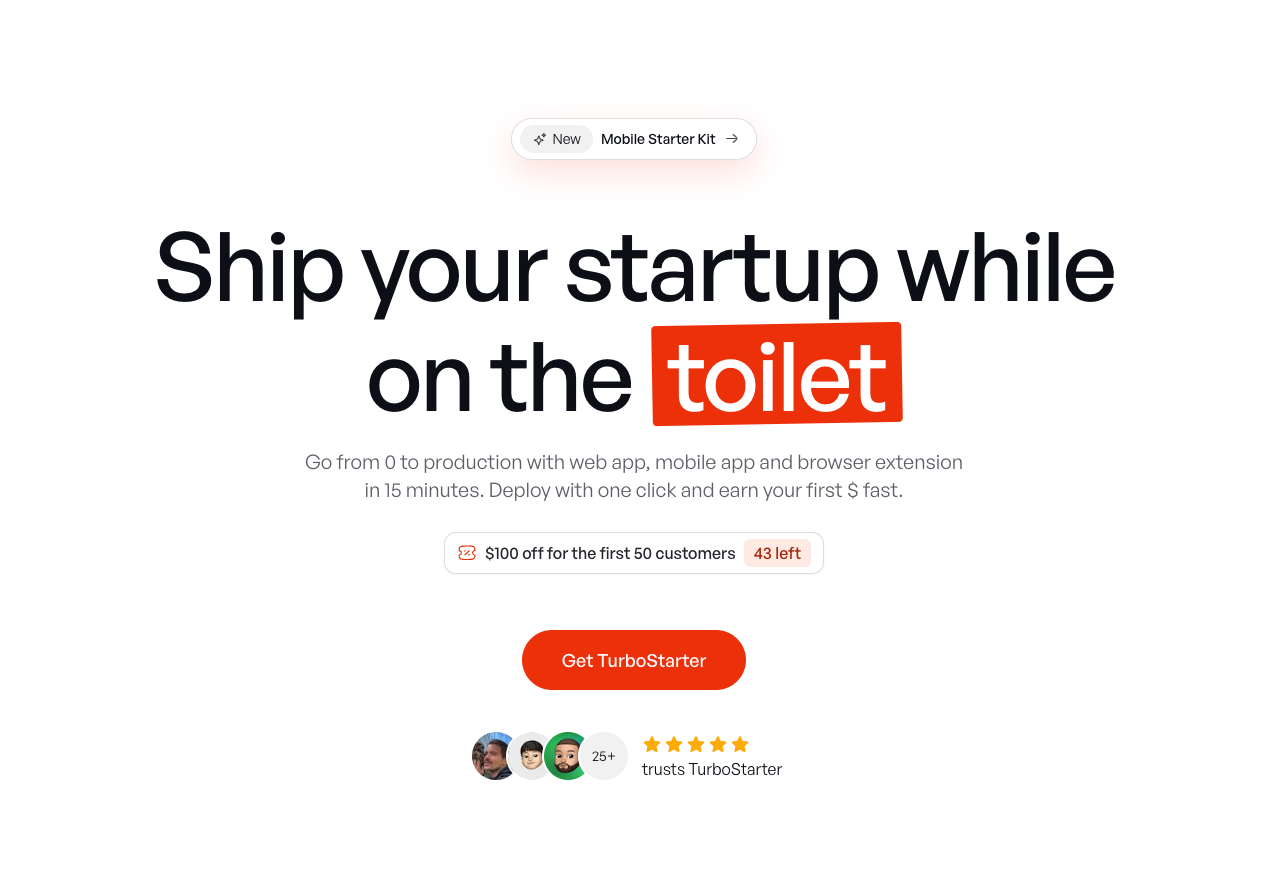
TurboStarter
Ship your startup everywhere. In minutes.
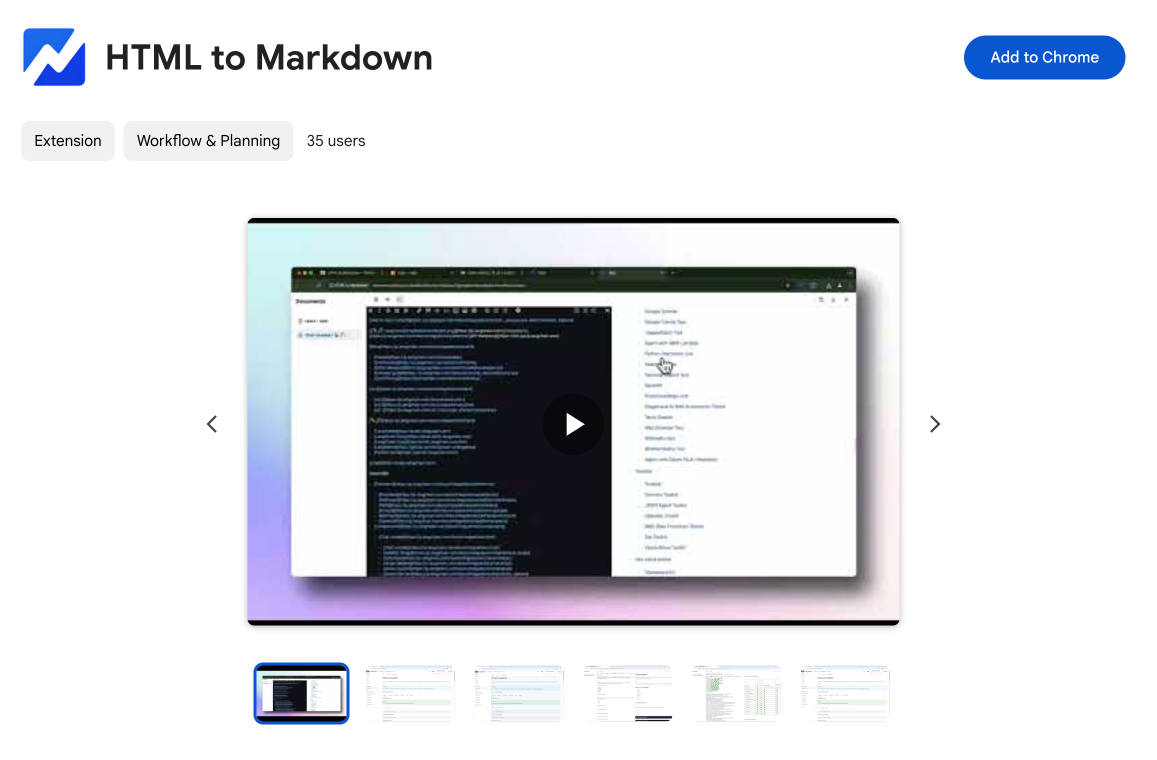
HTML to Markdown
Convert HTML to Markdown with ease, directly in your browser 📄
Dotallio
Personalized AI apps that automate research, data extraction, and content creation without code 🤖
Talk to Santa
Enjoy a magical live video chat or receive a unique AI-generated video greeting from Santa Claus 🎅
pozywka.pl
Scalable blog for food journalist, focused on performance and user experience 🌭
zagrodzki.me
Personal blog and portfolio of Bart Zagrodzki, where he shares his knowledge and work 💼
TurboStarter
Ship your startup everywhere. In minutes.
HTML to Markdown
Convert HTML to Markdown with ease, directly in your browser 📄
Dotallio
Personalized AI apps that automate research, data extraction, and content creation without code 🤖
Talk to Santa
Enjoy a magical live video chat or receive a unique AI-generated video greeting from Santa Claus 🎅
pozywka.pl
Scalable blog for food journalist, focused on performance and user experience 🌭
zagrodzki.me
Personal blog and portfolio of Bart Zagrodzki, where he shares his knowledge and work 💼
TurboStarter
Ship your startup everywhere. In minutes.
HTML to Markdown
Convert HTML to Markdown with ease, directly in your browser 📄
Dotallio
Personalized AI apps that automate research, data extraction, and content creation without code 🤖
Talk to Santa
Enjoy a magical live video chat or receive a unique AI-generated video greeting from Santa Claus 🎅
pozywka.pl
Scalable blog for food journalist, focused on performance and user experience 🌭
zagrodzki.me
Personal blog and portfolio of Bart Zagrodzki, where he shares his knowledge and work 💼
TurboStarter
Ship your startup everywhere. In minutes.
HTML to Markdown
Convert HTML to Markdown with ease, directly in your browser 📄
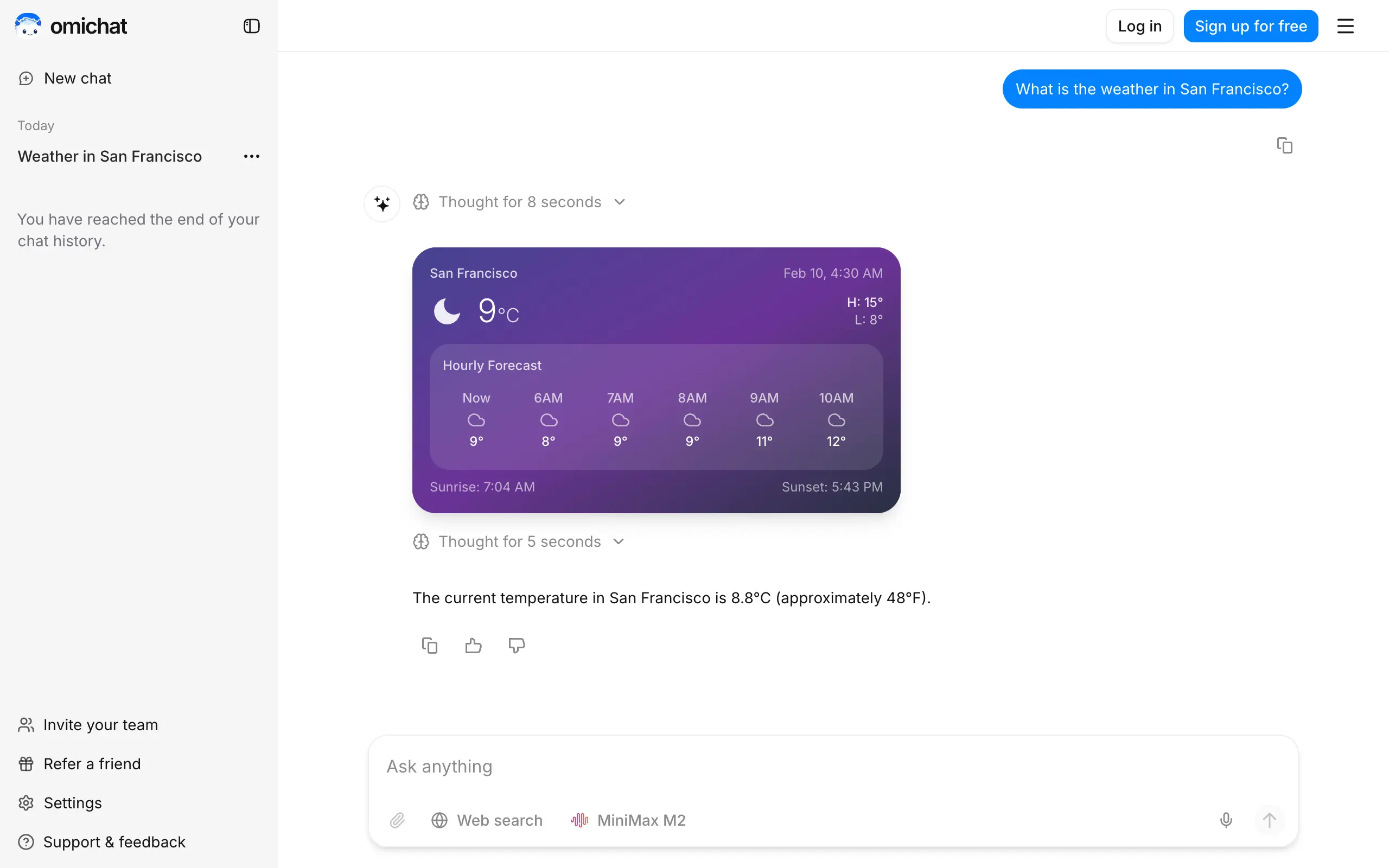
Omichat
Chat with 50+ AI models, including ChatGPT and Claude, in one place - switch models anytime without losing context 🤖
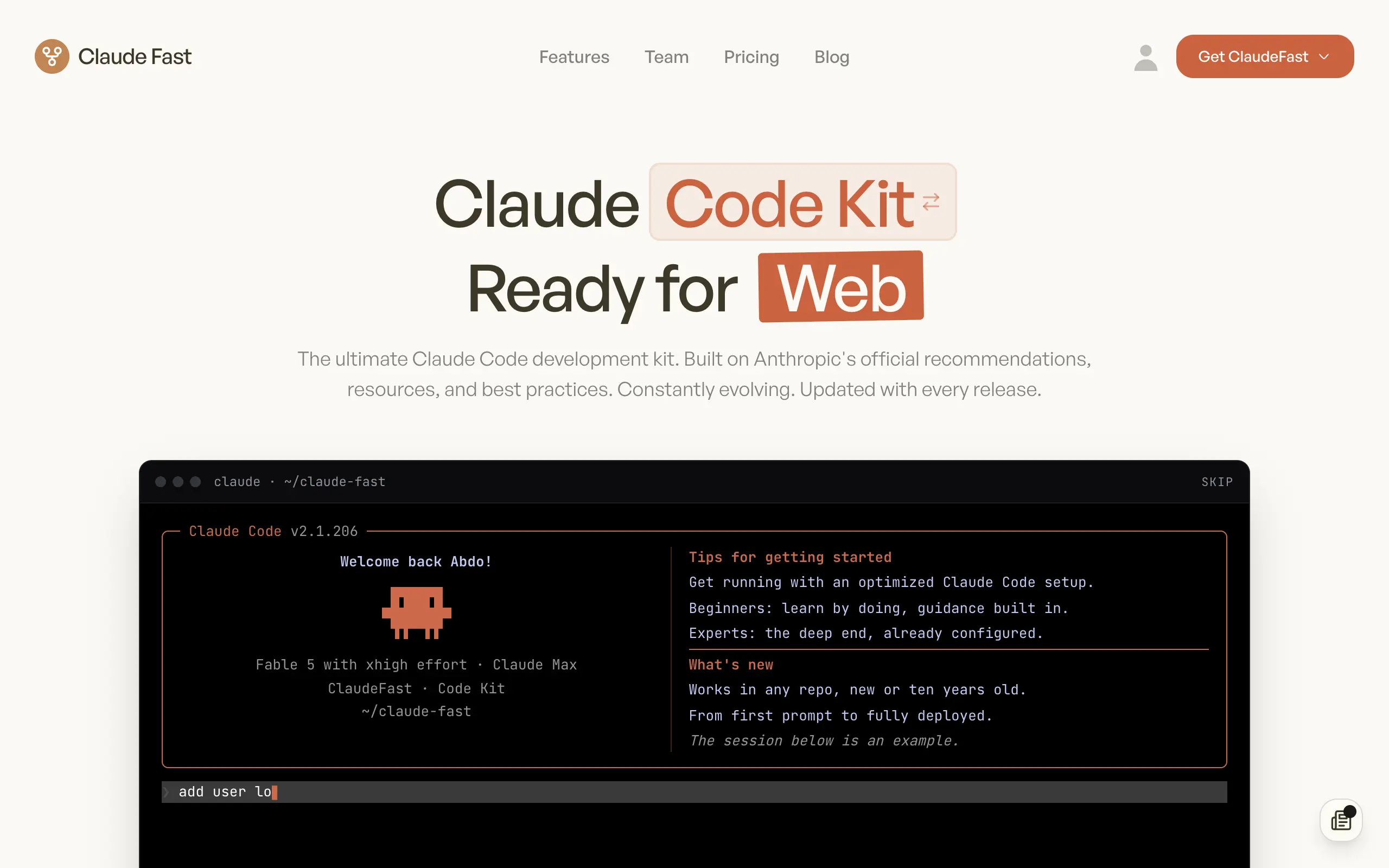
Claude Fast
Supercharge your Claude Code with 6x effective context window and specialized AI agents 🤖
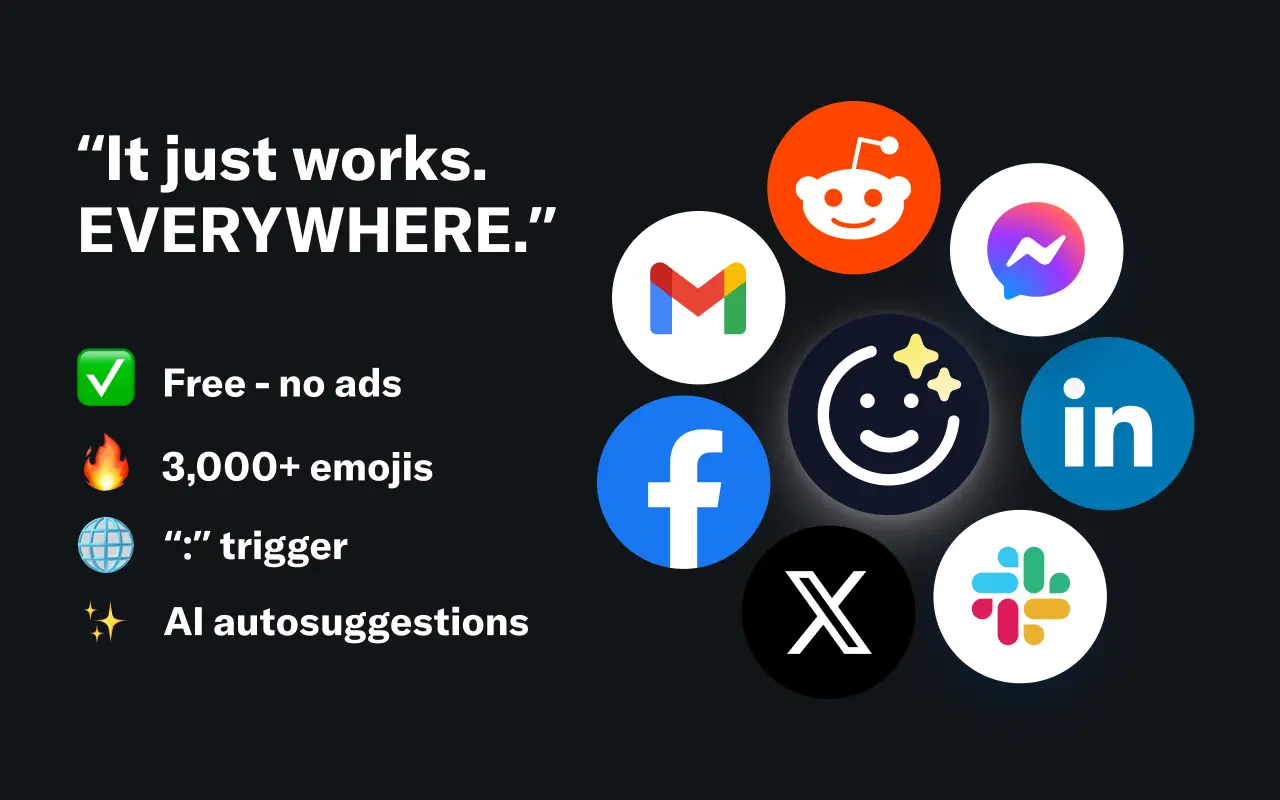
EmojAI
AI-powered emoji picker with smart, context-aware suggestions 🤖
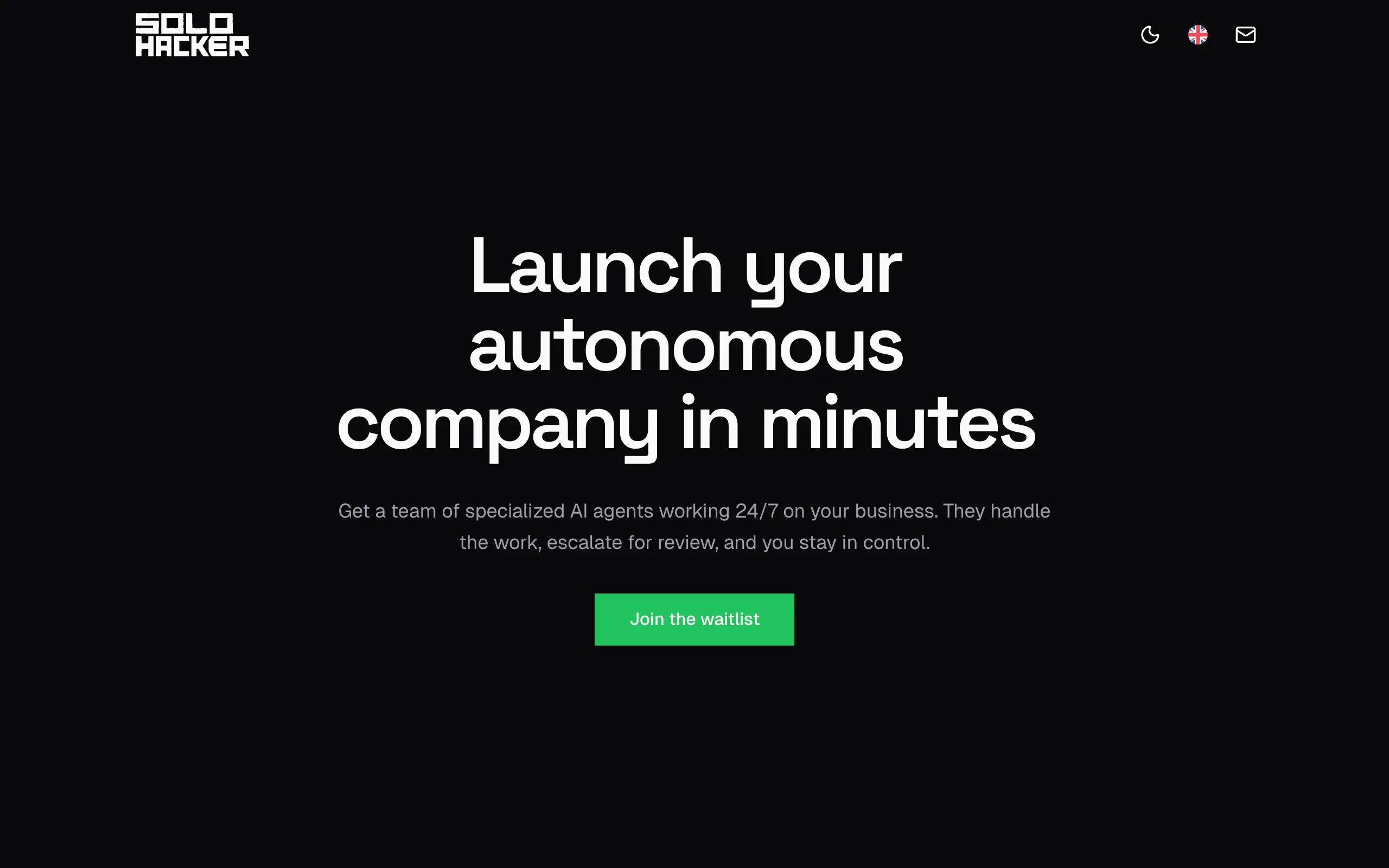
Solohacker
Autonomous company launcher - AI agents work 24/7, escalate what matters, and you stay in control 🤖
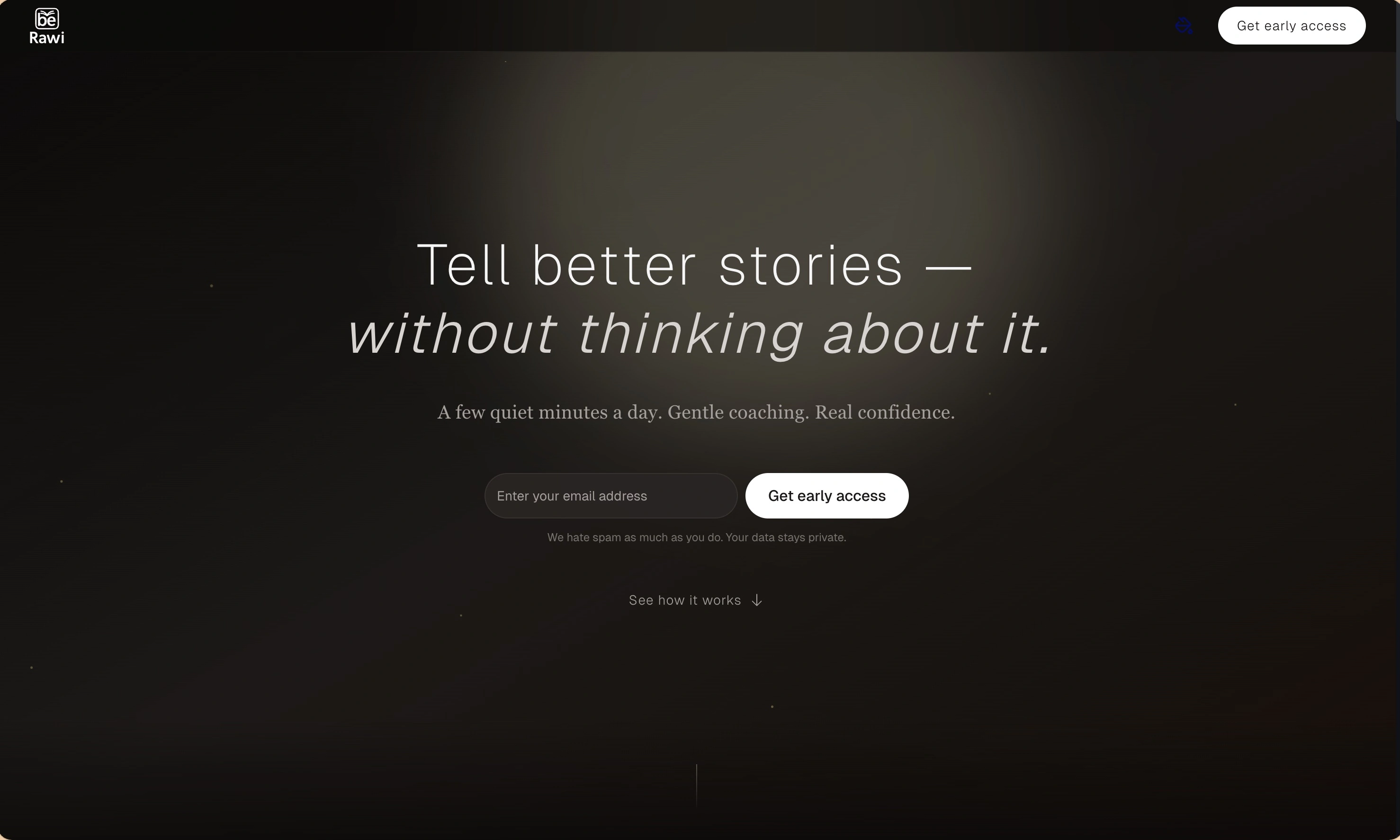
BeRawi: Storytelling Coach
Practice storytelling daily with instant feedback to sound clearer, more engaging, and confident 🎤
Omichat
Chat with 50+ AI models, including ChatGPT and Claude, in one place - switch models anytime without losing context 🤖
Claude Fast
Supercharge your Claude Code with 6x effective context window and specialized AI agents 🤖
EmojAI
AI-powered emoji picker with smart, context-aware suggestions 🤖
Solohacker
Autonomous company launcher - AI agents work 24/7, escalate what matters, and you stay in control 🤖
BeRawi: Storytelling Coach
Practice storytelling daily with instant feedback to sound clearer, more engaging, and confident 🎤
Omichat
Chat with 50+ AI models, including ChatGPT and Claude, in one place - switch models anytime without losing context 🤖
Claude Fast
Supercharge your Claude Code with 6x effective context window and specialized AI agents 🤖
EmojAI
AI-powered emoji picker with smart, context-aware suggestions 🤖
Solohacker
Autonomous company launcher - AI agents work 24/7, escalate what matters, and you stay in control 🤖
BeRawi: Storytelling Coach
Practice storytelling daily with instant feedback to sound clearer, more engaging, and confident 🎤
Omichat
Chat with 50+ AI models, including ChatGPT and Claude, in one place - switch models anytime without losing context 🤖
Claude Fast
Supercharge your Claude Code with 6x effective context window and specialized AI agents 🤖
EmojAI
AI-powered emoji picker with smart, context-aware suggestions 🤖
Solohacker
Autonomous company launcher - AI agents work 24/7, escalate what matters, and you stay in control 🤖
BeRawi: Storytelling Coach
Practice storytelling daily with instant feedback to sound clearer, more engaging, and confident 🎤

Connect with like-minded people
Join our community to get feedback, support, and grow together with 1,000+ builders on board, let's ship it!
Join usShip your startup everywhere. In minutes.
Don't burn tokens on setup and start building features on day one.