SubSplit AI
An AI-powered subscription optimizer that detects hidden renewals, negotiates bills, and predicts upcoming cash flow gaps to prevent overdrafts.
The rise of AI-powered subscription optimizers in a subscription economy
The average consumer today manages dozens of recurring payments—streaming platforms, SaaS tools, gym memberships, cloud storage, fintech apps, food deliveries, and more. The subscription economy has grown rapidly over the past decade, with companies shifting from one-time purchases to recurring revenue models. According to reports from firms like Zuora (reference: Zuora Subscription Economy Index), subscription-based businesses have consistently outpaced traditional revenue models in growth.
For consumers, however, this convenience comes at a cost:
- Forgotten renewals
- Hidden free-trial conversions
- Price hikes buried in email updates
- Overlapping subscriptions
- Cash flow gaps that trigger overdraft fees
This is the core problem that SubSplit AI, an AI-powered subscription optimizer, is built to solve. It detects hidden renewals, negotiates bills, and predicts upcoming cash flow gaps to prevent overdrafts—all in one intelligent financial command center.
In this article, we’ll explore:
- The target audience and user intent behind subscription optimization tools
- The market opportunity and gap SubSplit AI addresses
- Core features and AI architecture
- Recommended tech stack and trade-offs
- Monetization strategies
- Competitive landscape and differentiation
- Risks and mitigation
- Clear, actionable implementation steps
If you’re evaluating this idea for validation, building, investing, or launching, this guide gives you a comprehensive, expert-level breakdown.
Understanding the target audience for a subscription optimizer
SubSplit AI is a B2C AI-powered subscription management app, but its audience isn’t “everyone with subscriptions.” Precision matters for both product design and marketing.
Primary audience segments
Young professionals (22–35)
Digitally native, manage 10–20 subscriptions, frequently use fintech apps, sensitive to overdraft fees and monthly budgeting.
Freelancers & gig workers
Irregular income patterns, higher risk of cash flow gaps, strong need for predictive alerts.
Financially stressed households
Multiple shared subscriptions, hidden renewals, recurring overdraft charges.
Subscription-heavy power users
Early adopters of SaaS, streaming, and AI tools; often unaware of overlapping services.
Core user pain points
- “I didn’t realize that trial renewed.”
- “Why did my account go negative again?”
- “I forgot I was still paying for that.”
- “My subscription price increased without me noticing.”
- “I can’t tell how much recurring spend I actually have.”
These users are not just looking for a list of subscriptions—they want:
- Prevention
- Automation
- Negotiation
- Predictive insights
That’s where an AI-powered subscription optimizer becomes more than a dashboard—it becomes a financial co-pilot.
Market opportunity and gap analysis
The macro trend: subscription overload
The subscription model has exploded across:
- Streaming (Netflix, Spotify, Disney+)
- SaaS (Notion, Dropbox, ChatGPT)
- Fitness (Peloton, online classes)
- News & media
- Fintech services
- E-commerce memberships (Amazon Prime)
Consumers now manage an average of multiple recurring services monthly (reference format: Deloitte Digital Media Trends Report).
Yet most financial tools only offer:
- Transaction categorization
- Static subscription lists
- Reactive alerts
Few tools:
- Predict future liquidity gaps
- Negotiate subscription bills automatically
- Detect stealth renewals with behavioral AI
- Model income volatility against recurring outflows
Competitive landscape
Key categories include:
- Subscription tracking apps
- Budgeting apps (e.g., Mint-style apps)
- Bill negotiation services
- Banking apps with basic subscription insights
But none combine:
- AI-based renewal detection
- Cash flow forecasting
- Automated negotiation
- Overdraft prevention alerts
Opportunity gap
There is a clear gap for:
An AI-driven, proactive subscription optimizer that acts before financial damage happens.
This is SubSplit AI’s strategic positioning.
Core features of SubSplit AI
To rank and convert in the “subscription optimizer” category, SubSplit AI must deliver differentiated functionality.
1. AI-powered hidden renewal detection
Many renewals are difficult to detect due to:
- Merchant name obfuscation
- Free trial conversion patterns
- Inconsistent billing cycles
SubSplit AI uses:
- NLP on transaction descriptions
- Pattern recognition across billing cycles
- Merchant clustering models
Outcome:
Users are alerted before renewal hits—not after.
2. Bill negotiation automation
SubSplit AI integrates:
- Rate benchmarking
- Negotiation scripts
- API-driven provider communication (where possible)
- Semi-automated user consent workflows
Trust factor
Negotiation must be transparent. Users should see estimated savings before consenting to third-party outreach.
Negotiation use cases:
- Internet bills
- Cable
- Phone plans
- SaaS tools
- Insurance (select markets)
3. Predictive cash flow modeling
This is the most powerful differentiator.
Using:
- Historical income patterns
- Recurring expense analysis
- Calendar-based projections
- Overdraft fee modeling
SubSplit AI forecasts:
- Projected balance over next 30–60 days
- Risk probability of negative balance
- Optimal subscription cancellation timing
Example projection logic
const forecastBalance = (currentBalance, recurringExpenses, expectedIncome) => {
  const totalExpenses = recurringExpenses.reduce((sum, e) => sum + e.amount, 0)
  const totalIncome = expectedIncome.reduce((sum, i) => sum + i.amount, 0)
  return currentBalance + totalIncome - totalExpenses
}
In production, this would include:
- Variance modeling
- Confidence intervals
- Risk scoring via ML
4. Smart subscription consolidation insights
AI detects:
- Overlapping streaming services
- Redundant SaaS tools
- Duplicate app store subscriptions
- Underutilized memberships
Users receive:
- “Cancel X, keep Y” recommendations
- Usage-to-cost ratio scoring
- Subscription health score
5. Overdraft prevention system
SubSplit AI proactively:
- Sends alerts before risk threshold
- Suggests cancellation or pause options
- Recommends payment date changes
- Provides small transfer recommendations
This shifts the product from passive tracking to active financial defense.
How SubSplit AI differentiates itself
Let’s compare core capabilities:
| Feature | Basic Tracker | Budgeting App | Bill Negotiator | SubSplit AI |
|---|---|---|---|---|
| Hidden renewal detection | ❌ | ❌ | ❌ | ✅ |
| Cash flow forecasting | ❌ | ✅ (basic) | ❌ | ✅ (AI-based) |
| Automated negotiation | ❌ | ❌ | ✅ | ✅ |
| Overdraft prevention engine | ❌ | ❌ | ❌ | ✅ |
The differentiation lies in combining these capabilities into a single AI-powered subscription optimizer.
Recommended tech stack and architecture
Frontend
Why?
- Fast iteration
- SSR for SEO pages
- Component reusability
- Scalable UI architecture
Backend
- Node.js (API layer)
- PostgreSQL (financial records)
- Redis (caching projections)
- Python microservice (ML forecasting)
Trade-offs:
- Python enables stronger ML ecosystem.
- Node-only stack simplifies deployment but weakens AI modeling flexibility.
AI layer
- Transaction classification models
- Time-series forecasting models
- Risk scoring engine
Could leverage:
- Open-source ML frameworks
- LLM APIs for merchant classification
- Custom fine-tuned models for subscription detection
Infrastructure
- Cloud provider (AWS, GCP, or Azure)
- Secure financial data handling
- SOC 2 roadmap
- Encryption at rest and in transit
Security is non-negotiable in fintech.
Security priority
Handling bank-level financial data requires encryption, audit logs, and regulatory compliance planning from day one.
Monetization strategies for SubSplit AI
Monetization must align with user trust.
1. Freemium model
Free tier:
- Subscription detection
- Basic alerts
Premium tier ($8–15/month):
- Cash flow forecasting
- Negotiation automation
- Advanced alerts
- Overdraft prediction
2. Performance-based negotiation fee
- 20–30% of first-year savings
- Only charged if successful
3. Bank or fintech partnerships
- White-label predictive engine
- API licensing
- B2B2C integration
4. Affiliate revenue (ethical implementation)
- Suggest cheaper alternatives
- Transparent disclosure required
Trust must never be compromised for affiliate revenue.
Risks and mitigation strategies
Risk 1: User trust barrier
Mitigation:
- Transparent data handling
- Clear privacy policy
- Security certifications roadmap
- Visible encryption messaging
Risk 2: AI inaccuracies
Mitigation:
- Human override option
- Confidence scoring
- Continuous model retraining
Risk 3: Regulatory complexity
Mitigation:
- Consult fintech legal experts
- Avoid direct money movement initially
- Position as advisory tool
Risk 4: Competitive response from banks
Mitigation:
- Move fast
- Build brand in subscription niche
- Offer deeper AI than generic banking apps
Go-to-market strategy
Phase 1: Niche entry
Target:
- Freelancers
- Startup employees
- Remote workers
Channels:
- Reddit finance communities
- TikTok personal finance creators
- YouTube fintech reviewers
- SEO blog targeting “hidden subscriptions,” “stop overdraft fees,” “cancel recurring payments”
Phase 2: Content-driven SEO
High-intent keywords:
- AI subscription optimizer
- Hidden subscription detection app
- Prevent overdraft fees app
- Subscription cash flow predictor
- Cancel free trial before renewal
Educational content builds authority.
Phase 3: Viral hooks
Features that encourage sharing:
- “You’re wasting $X/month”
- Subscription health score
- Public savings leaderboard (opt-in)
Implementation roadmap
MVP scope recommendation
Start lean.
MVP features:
- Bank account linking
- Subscription detection
- Renewal alerts
- Basic savings dashboard
Skip initially:
- Complex negotiation automation
- Advanced ML forecasting
- Multi-account family support
Ship fast. Iterate with data.
Long-term vision: financial autonomy AI
SubSplit AI can evolve into:
- AI financial assistant
- Automated subscription switcher
- Predictive financial safety net
- Personalized recurring expense optimizer
The long-term opportunity extends beyond subscriptions into full AI-driven financial optimization.
Why SubSplit AI has strong competitive potential
- Clear pain point
- High recurring spend market
- Emotional trigger (overdraft fees)
- AI as differentiator
- Subscription revenue model alignment
Unlike generic budgeting tools, this is a specialized AI subscription optimizer built for proactive protection.
That focus creates defensibility.
Building SubSplit AI faster with modern SaaS tooling
To launch efficiently:
- Use pre-built SaaS infrastructure
- Implement secure auth
- Deploy scalable APIs
- Focus engineering effort on AI engine
You can accelerate development significantly with a SaaS starter framework like TurboStarter, which provides production-ready foundations so you can focus on building the predictive subscription intelligence layer.
Final thoughts: is SubSplit AI worth building?
Yes—if executed correctly.
The subscription economy isn’t slowing down. Consumers feel overwhelmed. Financial stress remains high. AI is finally mature enough to:
- Detect patterns in messy transaction data
- Predict financial risks
- Automate negotiation processes
SubSplit AI sits at the intersection of:
- Fintech
- AI
- Consumer financial wellness
- Subscription economy optimization
The real opportunity isn’t just tracking subscriptions—it’s preventing financial mistakes before they happen.
That shift from reactive to proactive is the true moat.
Action plan summary
If you’re serious about launching SubSplit AI:
- Validate via SEO + waitlist.
- Build core subscription detection engine.
- Layer predictive cash flow AI.
- Add negotiation automation.
- Scale via fintech partnerships.
Focus on trust. Focus on precision. Focus on real savings.
If executed with strong AI accuracy, transparent monetization, and user-first design, SubSplit AI can become the go-to AI-powered subscription optimizer for the modern consumer.
More 👥 B2C Application SaaS ideas
Discover more innovative b2c application SaaS ideas that are trending in 2026. Each idea is AI-generated with market validation and growth potential to help you find your next profitable venture faster than competitors.
Your competitors are building with TurboStarter
Below are some of the SaaS ideas that have been generated and built with our starter kit.
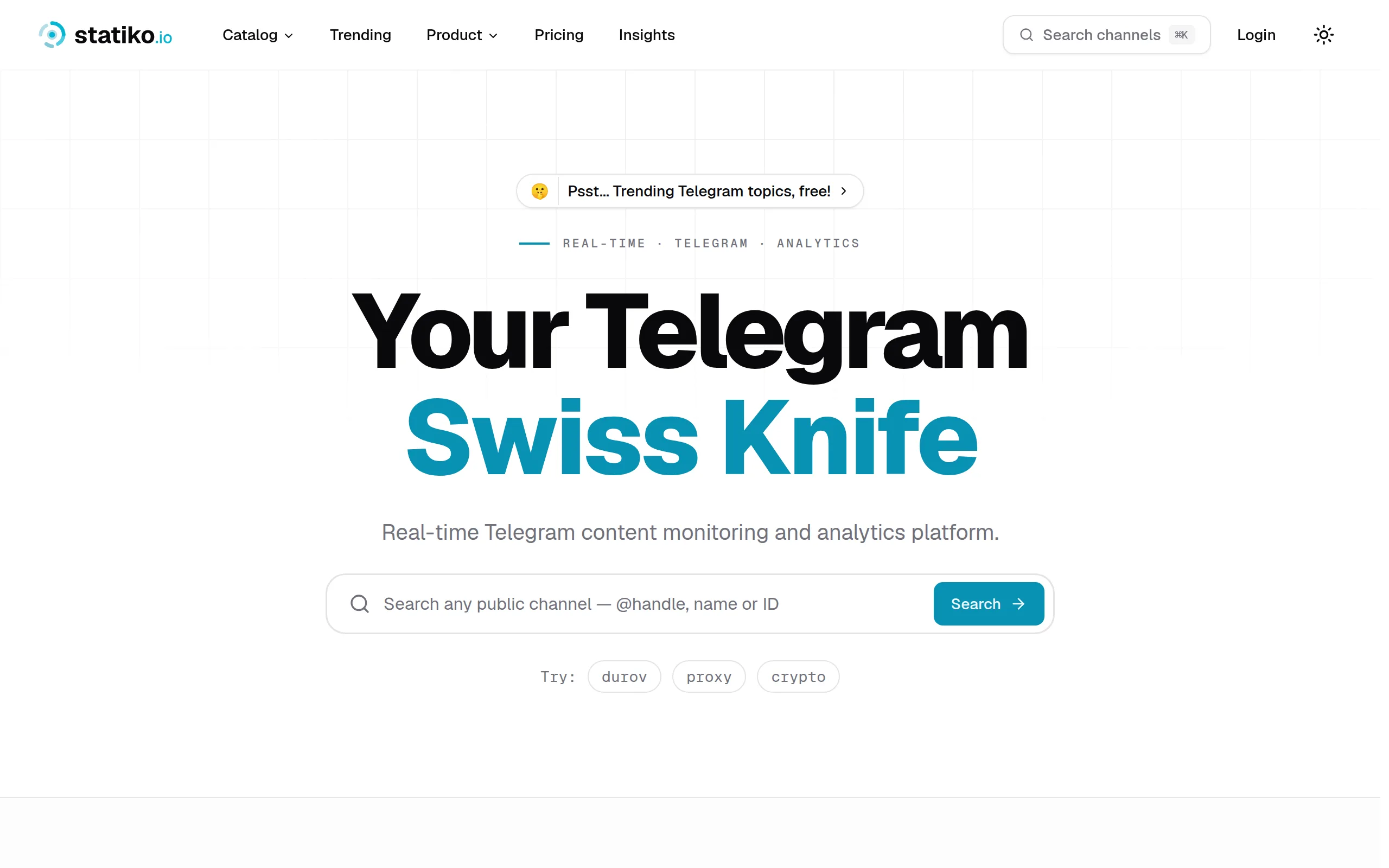
Statiko
Monitor any Telegram channel in real time - track posts, edits, deletions, and growth with AI recaps 📡

Shibui
AI website builder - describe your business, pick a niche template, edit by chatting, and publish instantly ✨

Pro Service
Find verified home service professionals, compare quotes, and pay securely through escrow - built for Brazilians across the US 🏠
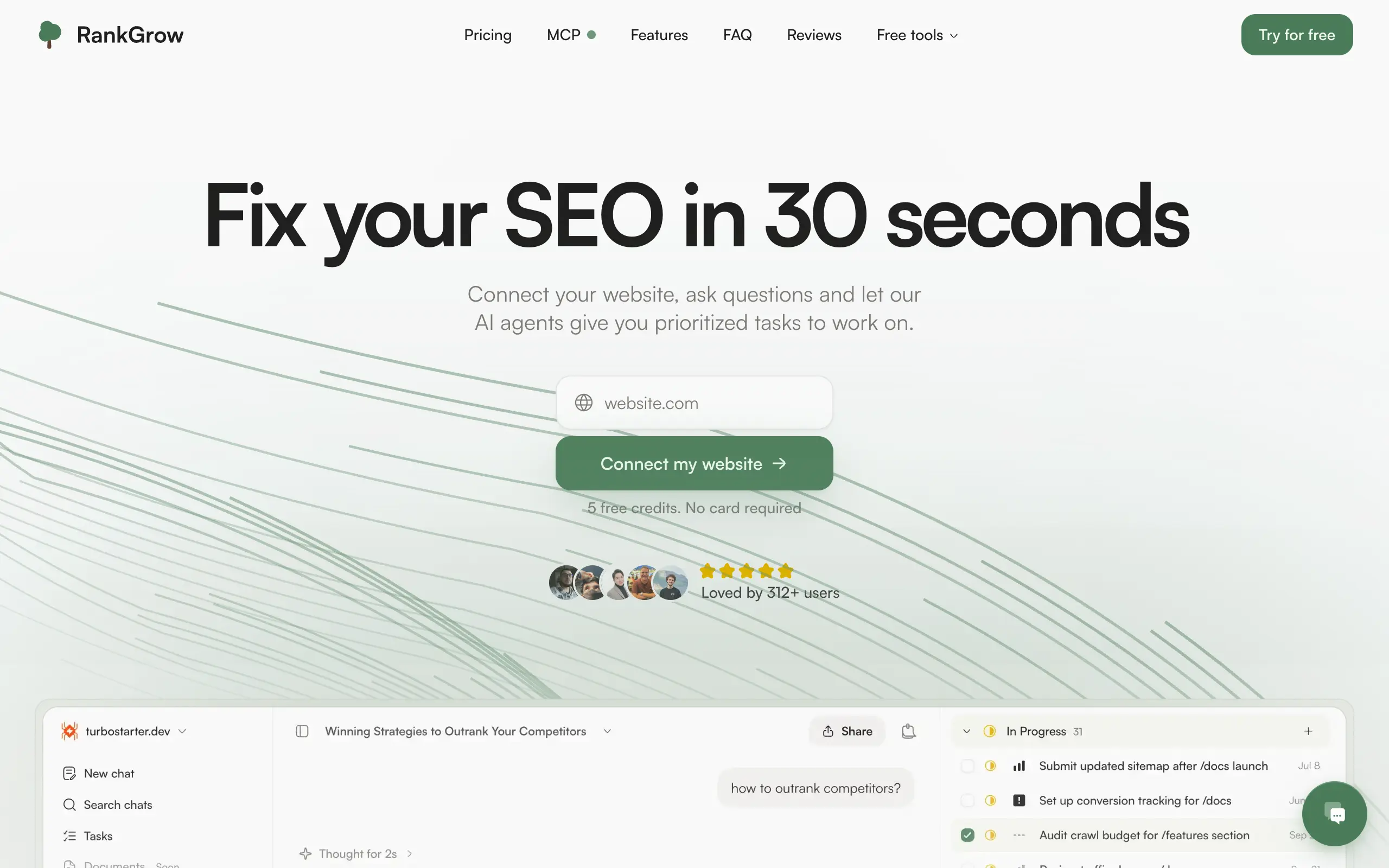
RankGrow
Fix your SEO with AI agents - connect Search Console, get prioritized tasks, and grow organic traffic 📈
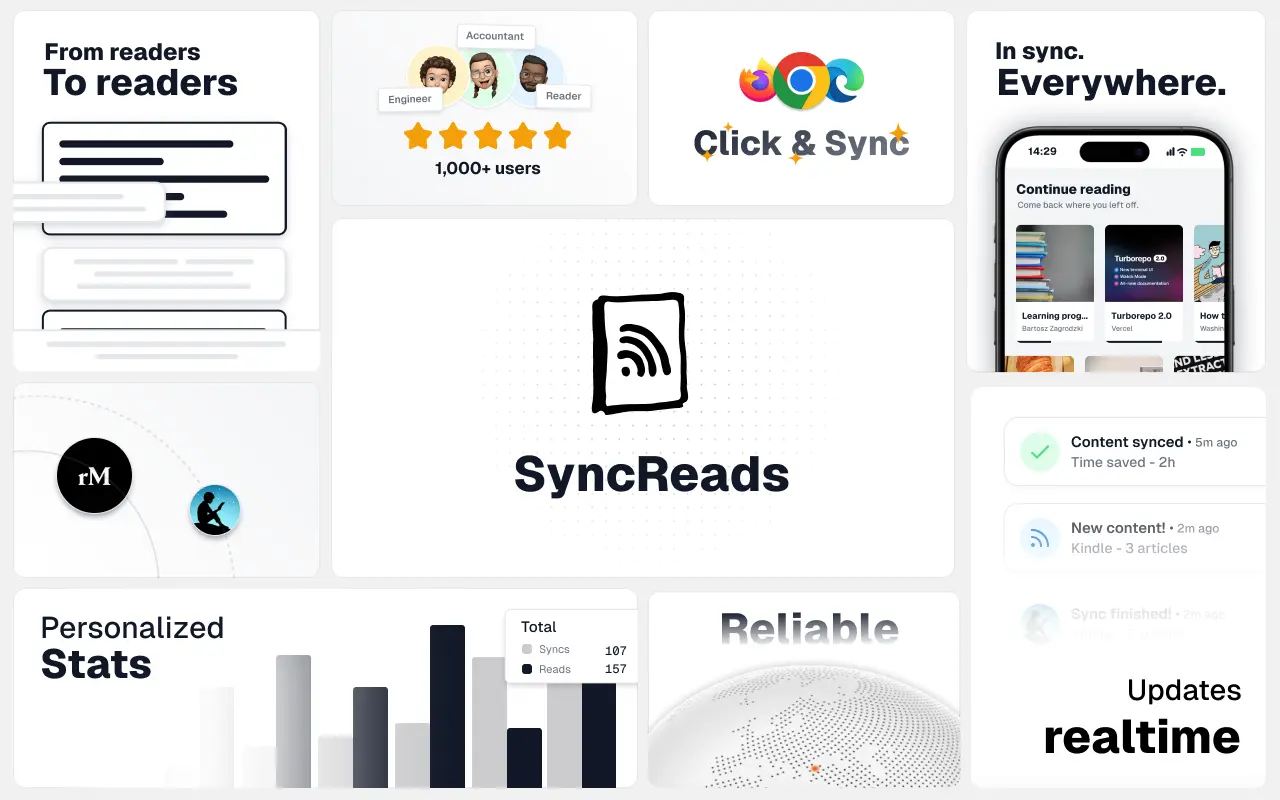
SyncReads
Sync your favorite content for distraction-free reading, save time and replace multiple apps. Anytime, anywhere 🔄
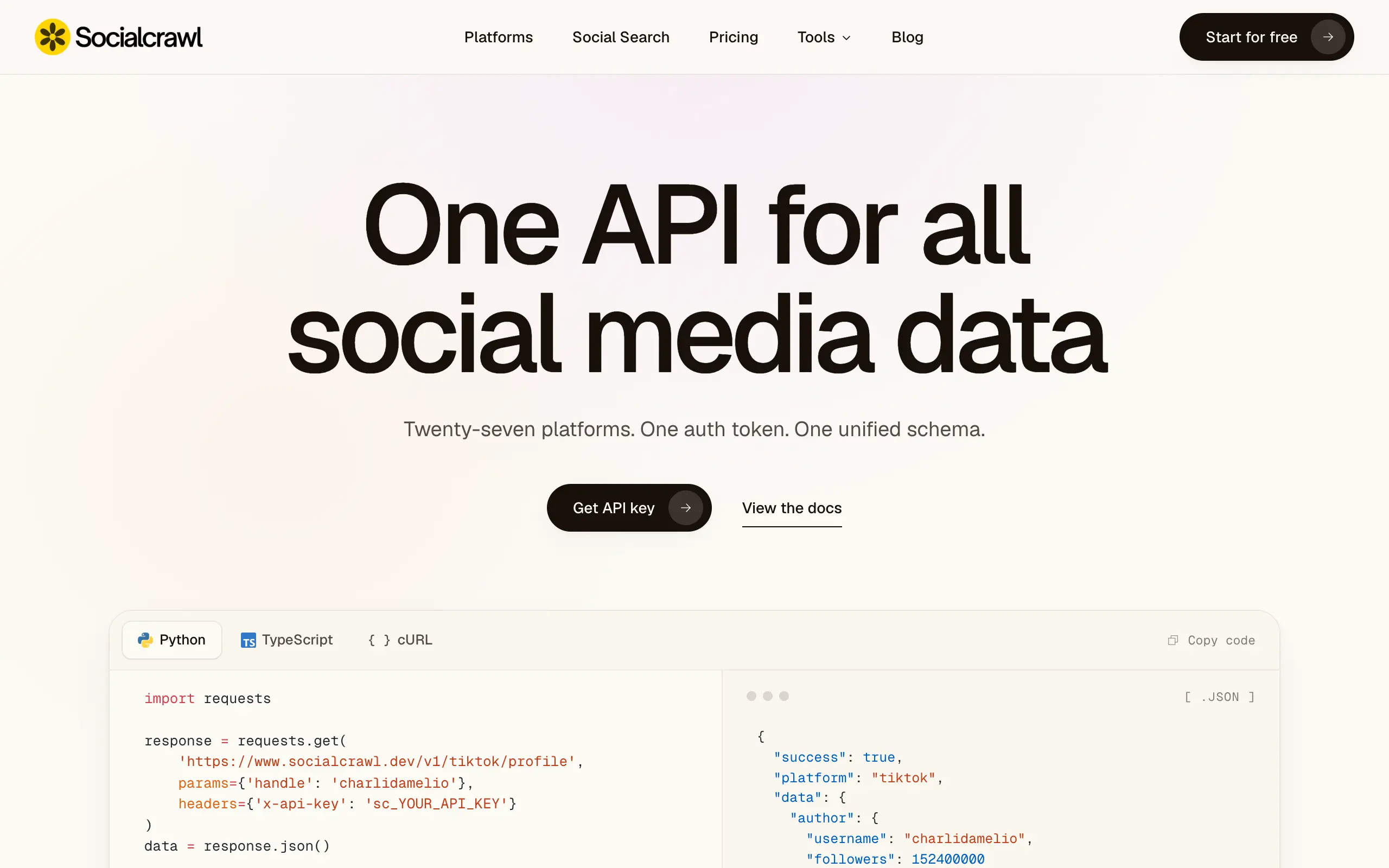
Socialcrawl
Get clean, structured data from 21 platforms like TikTok, Instagram, and YouTube with a single request 📊
Statiko
Monitor any Telegram channel in real time - track posts, edits, deletions, and growth with AI recaps 📡
Shibui
AI website builder - describe your business, pick a niche template, edit by chatting, and publish instantly ✨
Pro Service
Find verified home service professionals, compare quotes, and pay securely through escrow - built for Brazilians across the US 🏠
RankGrow
Fix your SEO with AI agents - connect Search Console, get prioritized tasks, and grow organic traffic 📈
SyncReads
Sync your favorite content for distraction-free reading, save time and replace multiple apps. Anytime, anywhere 🔄
Socialcrawl
Get clean, structured data from 21 platforms like TikTok, Instagram, and YouTube with a single request 📊
Statiko
Monitor any Telegram channel in real time - track posts, edits, deletions, and growth with AI recaps 📡
Shibui
AI website builder - describe your business, pick a niche template, edit by chatting, and publish instantly ✨
Pro Service
Find verified home service professionals, compare quotes, and pay securely through escrow - built for Brazilians across the US 🏠
RankGrow
Fix your SEO with AI agents - connect Search Console, get prioritized tasks, and grow organic traffic 📈
SyncReads
Sync your favorite content for distraction-free reading, save time and replace multiple apps. Anytime, anywhere 🔄
Socialcrawl
Get clean, structured data from 21 platforms like TikTok, Instagram, and YouTube with a single request 📊
Statiko
Monitor any Telegram channel in real time - track posts, edits, deletions, and growth with AI recaps 📡
Shibui
AI website builder - describe your business, pick a niche template, edit by chatting, and publish instantly ✨
Pro Service
Find verified home service professionals, compare quotes, and pay securely through escrow - built for Brazilians across the US 🏠
RankGrow
Fix your SEO with AI agents - connect Search Console, get prioritized tasks, and grow organic traffic 📈
SyncReads
Sync your favorite content for distraction-free reading, save time and replace multiple apps. Anytime, anywhere 🔄
Socialcrawl
Get clean, structured data from 21 platforms like TikTok, Instagram, and YouTube with a single request 📊
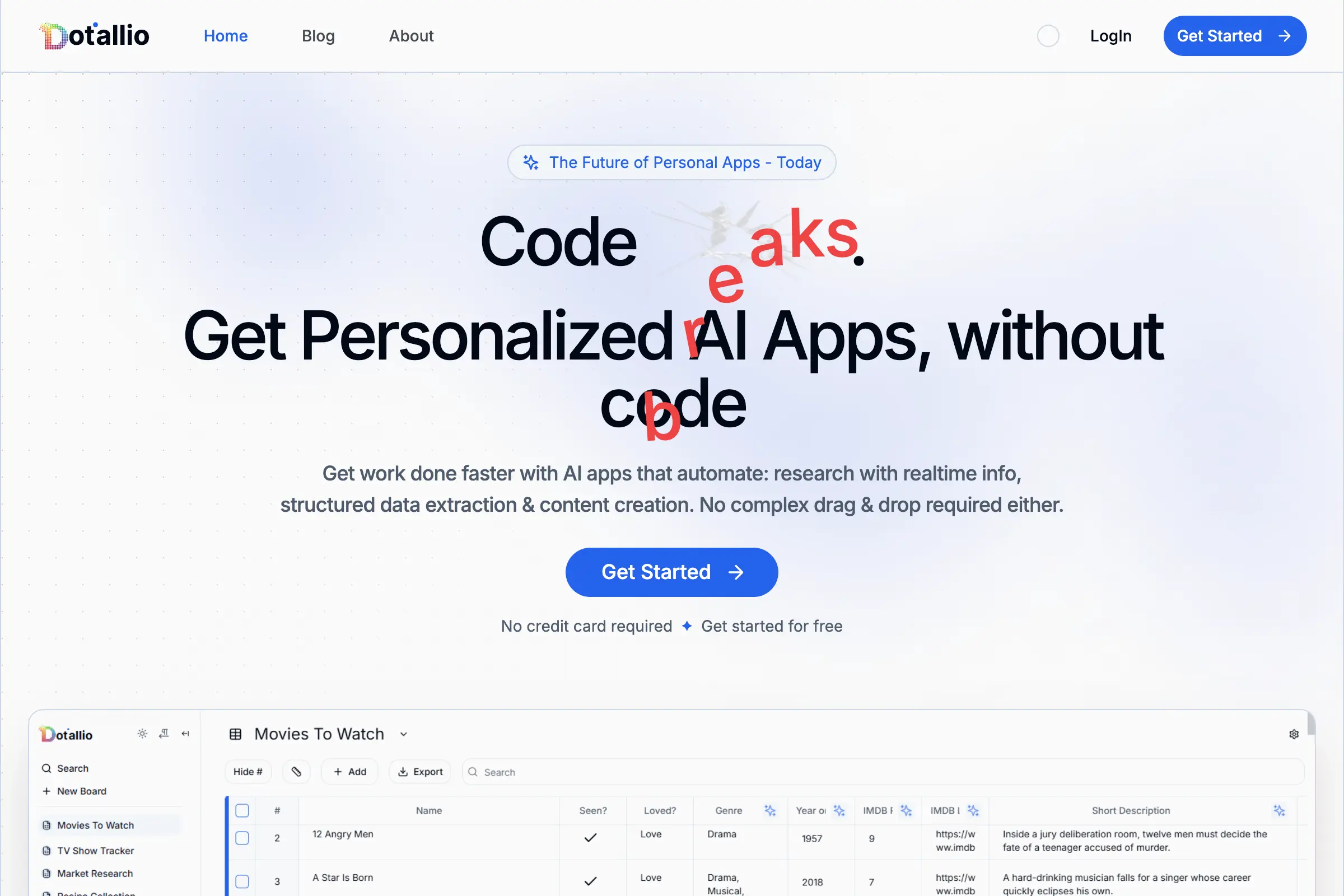
Dotallio
Personalized AI apps that automate research, data extraction, and content creation without code 🤖
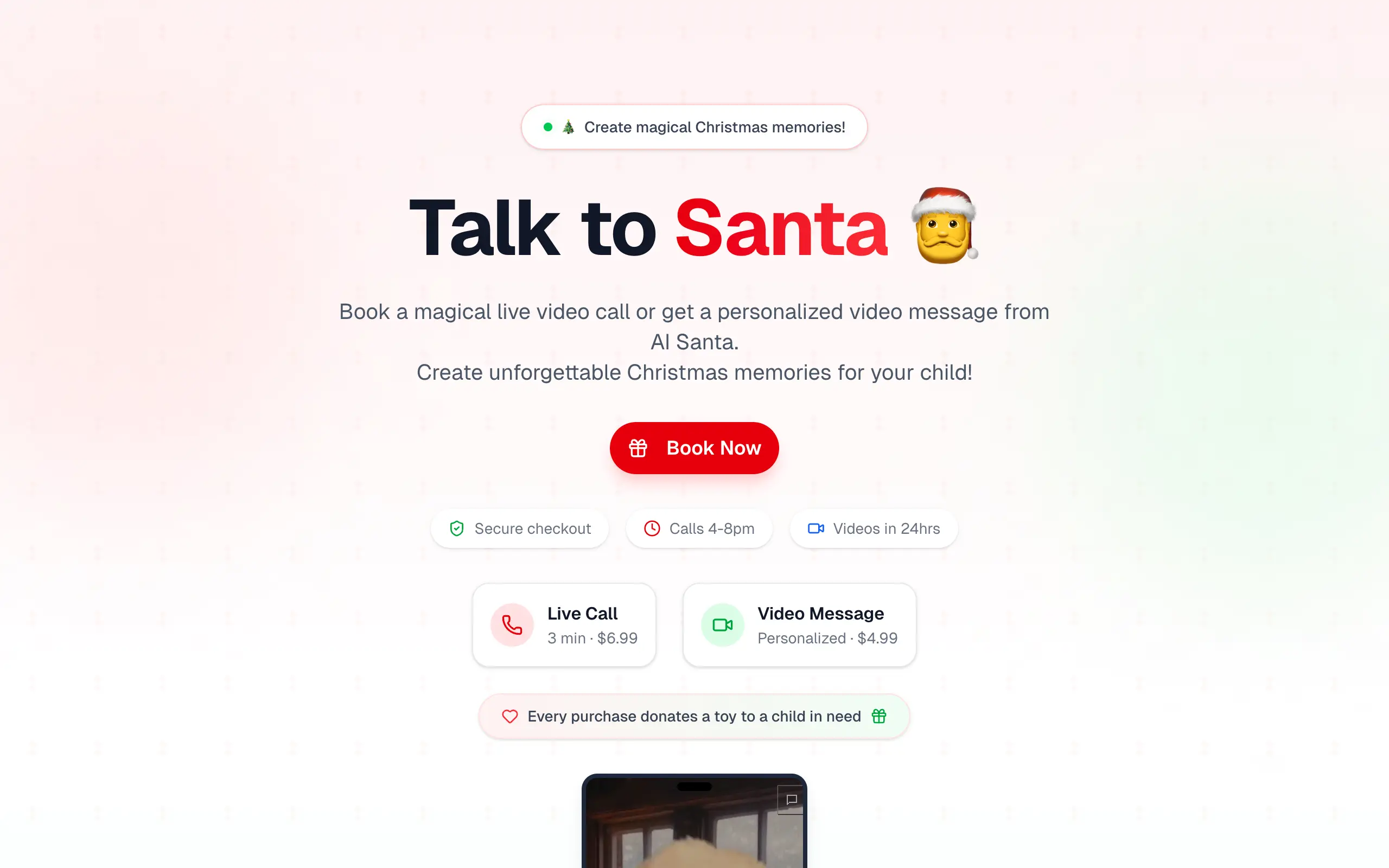
Talk to Santa
Enjoy a magical live video chat or receive a unique AI-generated video greeting from Santa Claus 🎅

pozywka.pl
Scalable blog for food journalist, focused on performance and user experience 🌭
zagrodzki.me
Personal blog and portfolio of Bart Zagrodzki, where he shares his knowledge and work 💼
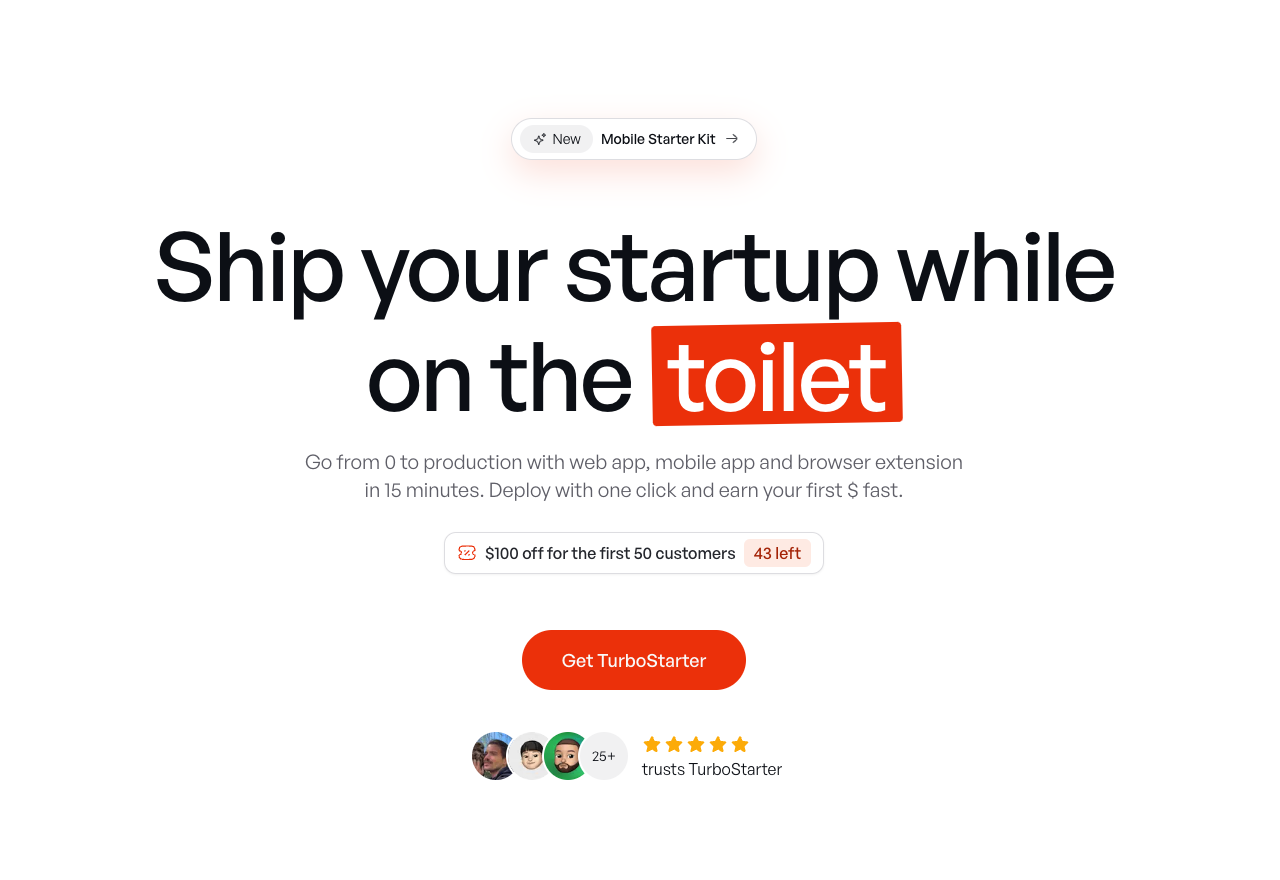
TurboStarter
Ship your startup everywhere. In minutes.
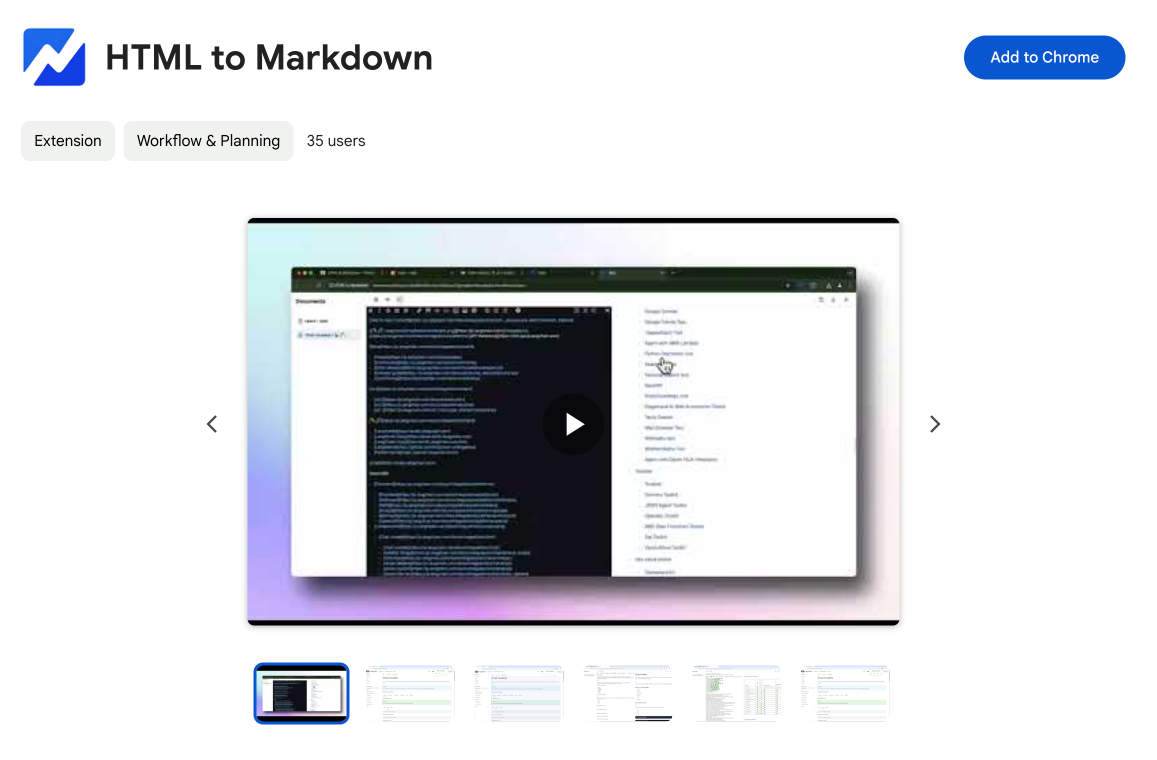
HTML to Markdown
Convert HTML to Markdown with ease, directly in your browser 📄
Dotallio
Personalized AI apps that automate research, data extraction, and content creation without code 🤖
Talk to Santa
Enjoy a magical live video chat or receive a unique AI-generated video greeting from Santa Claus 🎅
pozywka.pl
Scalable blog for food journalist, focused on performance and user experience 🌭
zagrodzki.me
Personal blog and portfolio of Bart Zagrodzki, where he shares his knowledge and work 💼
TurboStarter
Ship your startup everywhere. In minutes.
HTML to Markdown
Convert HTML to Markdown with ease, directly in your browser 📄
Dotallio
Personalized AI apps that automate research, data extraction, and content creation without code 🤖
Talk to Santa
Enjoy a magical live video chat or receive a unique AI-generated video greeting from Santa Claus 🎅
pozywka.pl
Scalable blog for food journalist, focused on performance and user experience 🌭
zagrodzki.me
Personal blog and portfolio of Bart Zagrodzki, where he shares his knowledge and work 💼
TurboStarter
Ship your startup everywhere. In minutes.
HTML to Markdown
Convert HTML to Markdown with ease, directly in your browser 📄
Dotallio
Personalized AI apps that automate research, data extraction, and content creation without code 🤖
Talk to Santa
Enjoy a magical live video chat or receive a unique AI-generated video greeting from Santa Claus 🎅
pozywka.pl
Scalable blog for food journalist, focused on performance and user experience 🌭
zagrodzki.me
Personal blog and portfolio of Bart Zagrodzki, where he shares his knowledge and work 💼
TurboStarter
Ship your startup everywhere. In minutes.
HTML to Markdown
Convert HTML to Markdown with ease, directly in your browser 📄
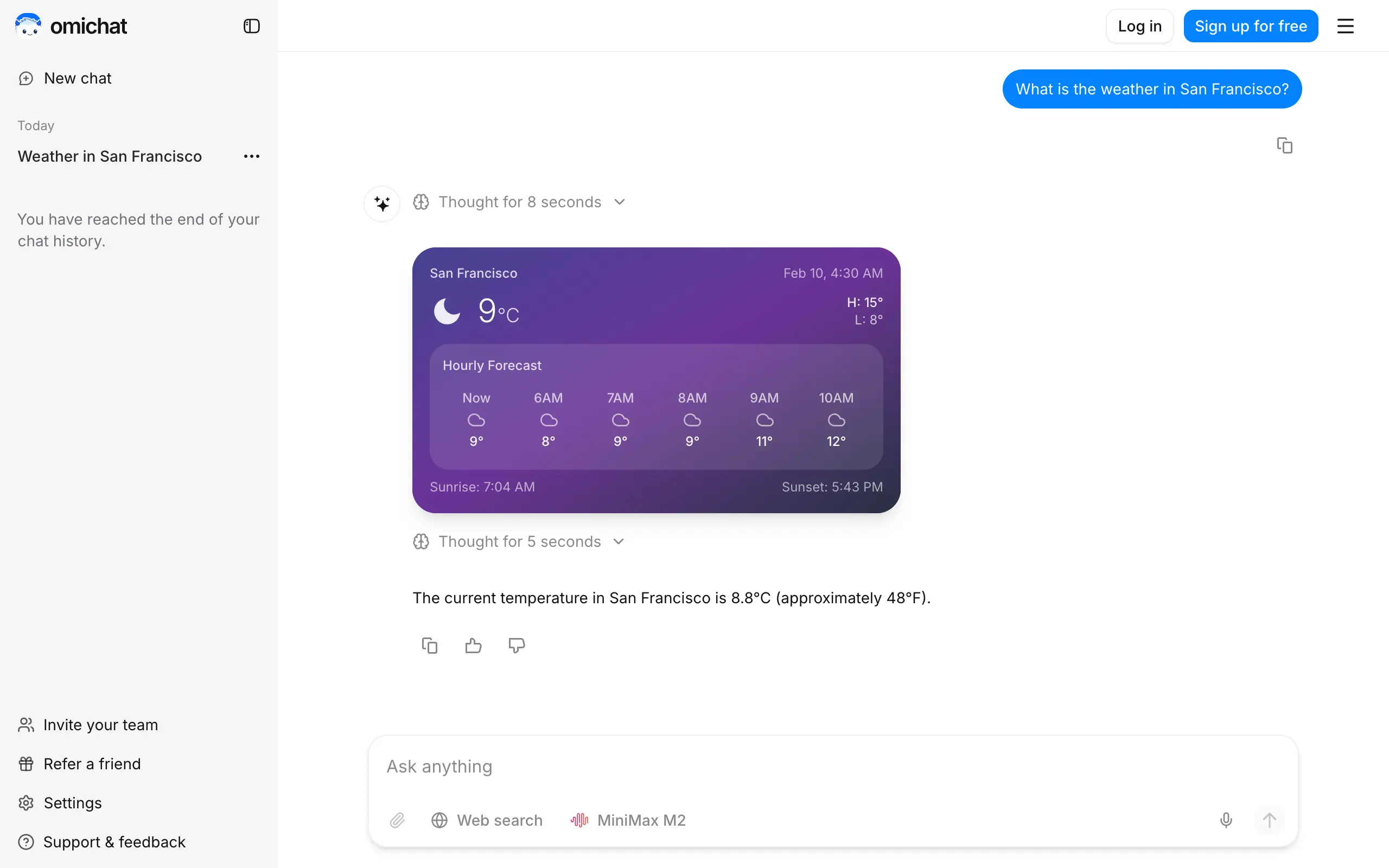
Omichat
Chat with 50+ AI models, including ChatGPT and Claude, in one place - switch models anytime without losing context 🤖
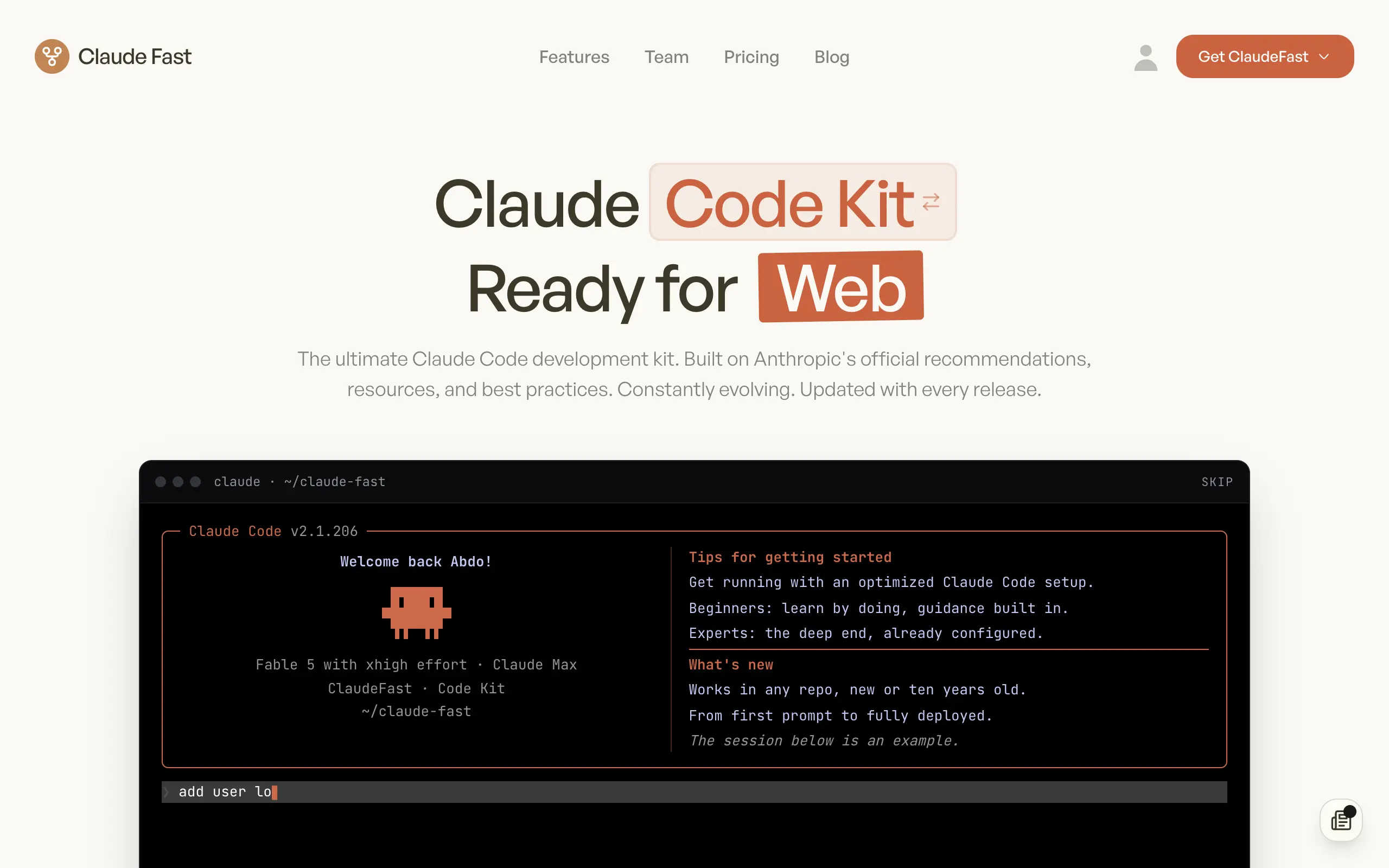
Claude Fast
Supercharge your Claude Code with 6x effective context window and specialized AI agents 🤖
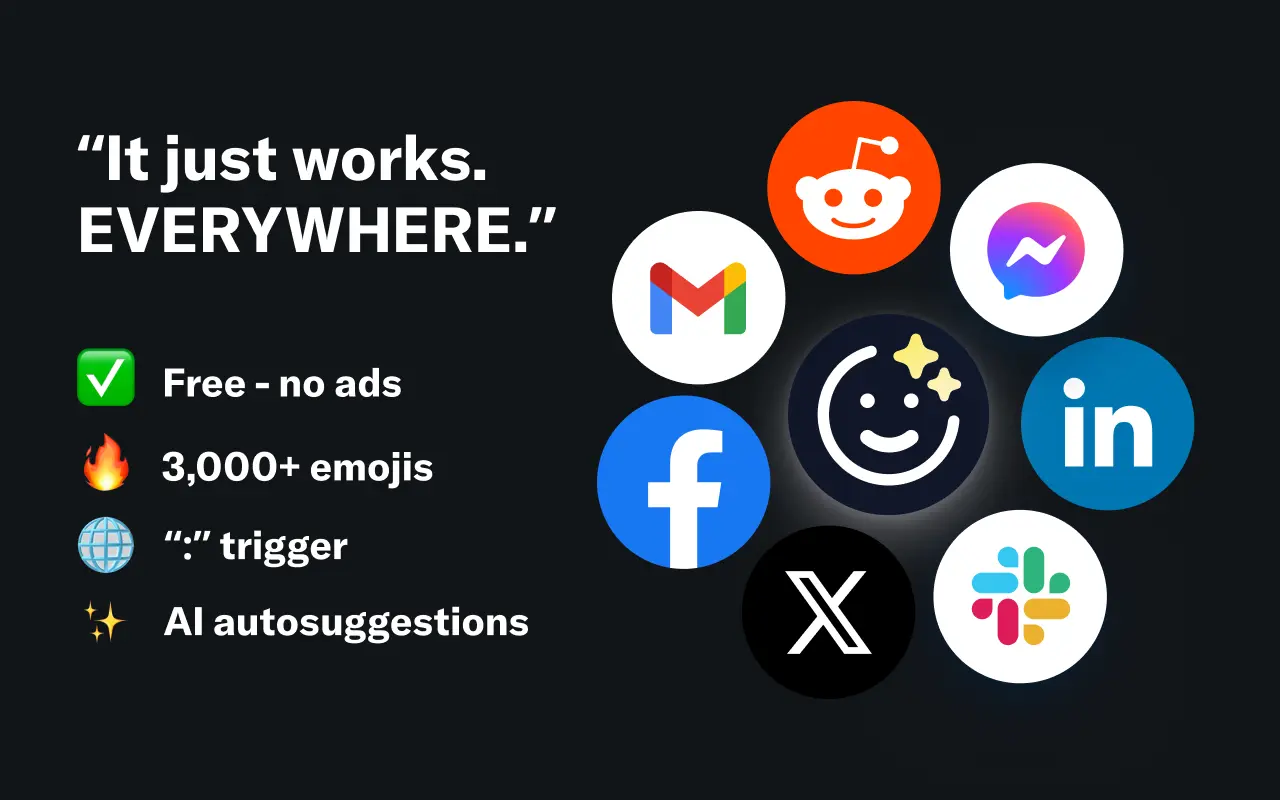
EmojAI
AI-powered emoji picker with smart, context-aware suggestions 🤖
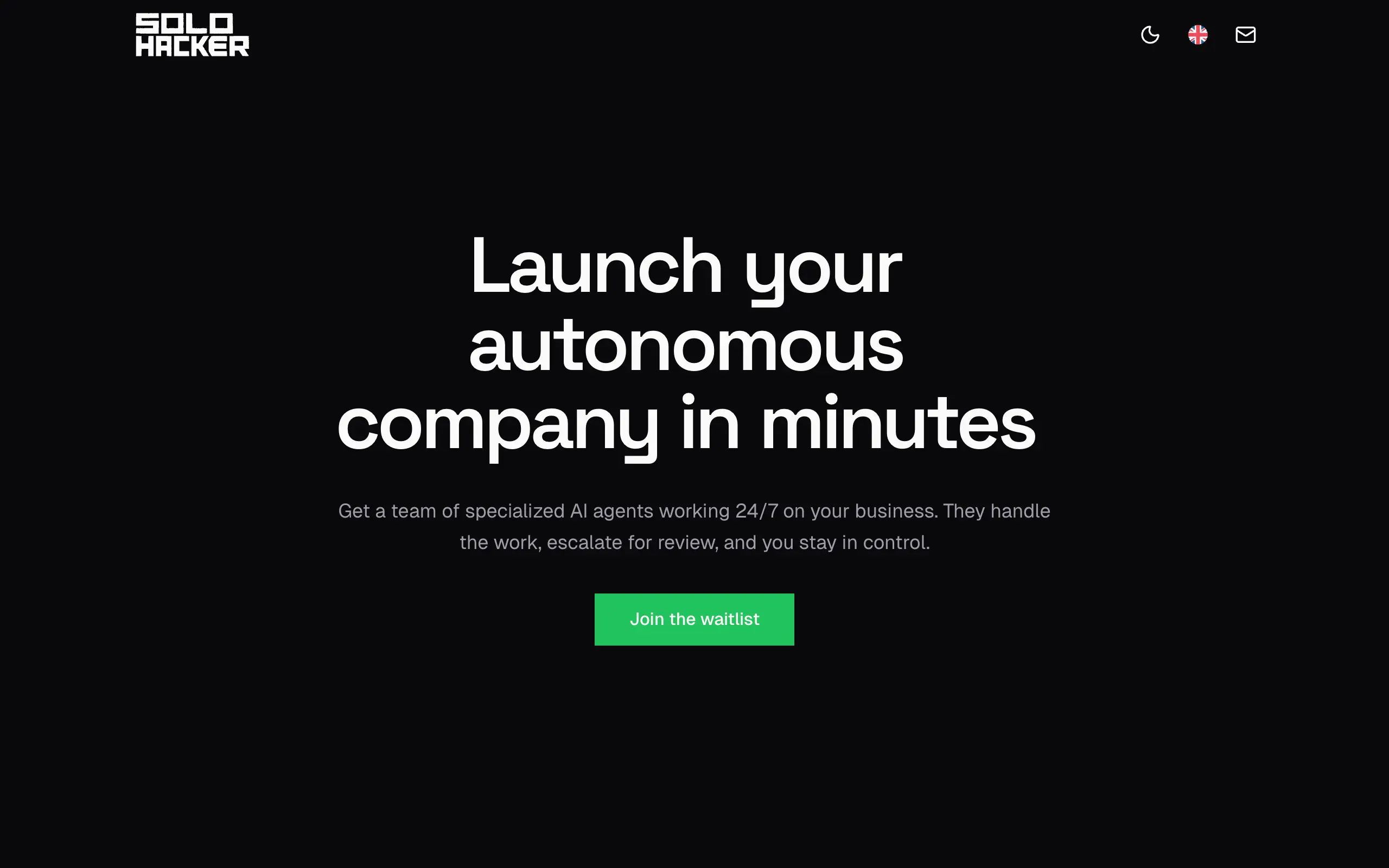
Solohacker
Autonomous company launcher - AI agents work 24/7, escalate what matters, and you stay in control 🤖
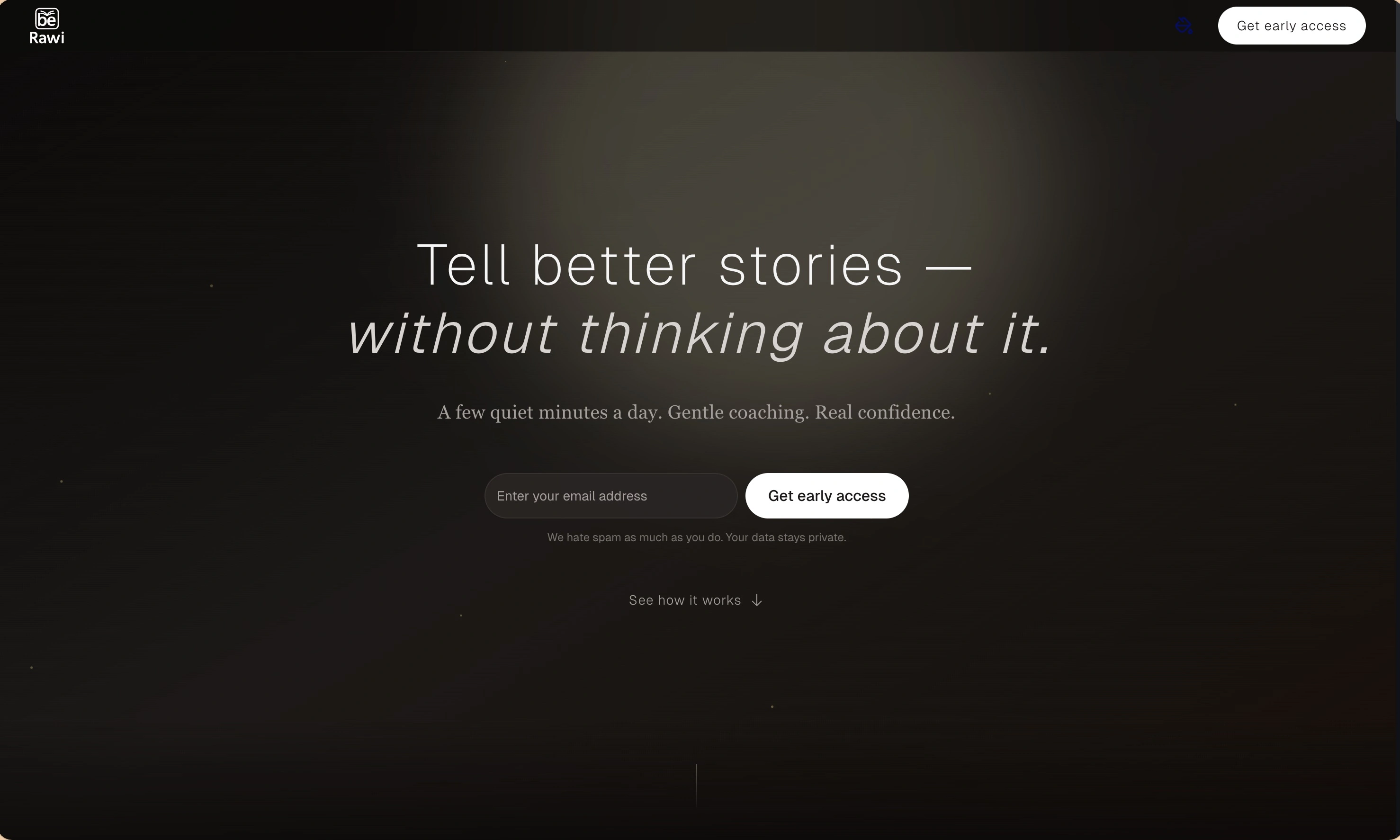
BeRawi: Storytelling Coach
Practice storytelling daily with instant feedback to sound clearer, more engaging, and confident 🎤
Omichat
Chat with 50+ AI models, including ChatGPT and Claude, in one place - switch models anytime without losing context 🤖
Claude Fast
Supercharge your Claude Code with 6x effective context window and specialized AI agents 🤖
EmojAI
AI-powered emoji picker with smart, context-aware suggestions 🤖
Solohacker
Autonomous company launcher - AI agents work 24/7, escalate what matters, and you stay in control 🤖
BeRawi: Storytelling Coach
Practice storytelling daily with instant feedback to sound clearer, more engaging, and confident 🎤
Omichat
Chat with 50+ AI models, including ChatGPT and Claude, in one place - switch models anytime without losing context 🤖
Claude Fast
Supercharge your Claude Code with 6x effective context window and specialized AI agents 🤖
EmojAI
AI-powered emoji picker with smart, context-aware suggestions 🤖
Solohacker
Autonomous company launcher - AI agents work 24/7, escalate what matters, and you stay in control 🤖
BeRawi: Storytelling Coach
Practice storytelling daily with instant feedback to sound clearer, more engaging, and confident 🎤
Omichat
Chat with 50+ AI models, including ChatGPT and Claude, in one place - switch models anytime without losing context 🤖
Claude Fast
Supercharge your Claude Code with 6x effective context window and specialized AI agents 🤖
EmojAI
AI-powered emoji picker with smart, context-aware suggestions 🤖
Solohacker
Autonomous company launcher - AI agents work 24/7, escalate what matters, and you stay in control 🤖
BeRawi: Storytelling Coach
Practice storytelling daily with instant feedback to sound clearer, more engaging, and confident 🎤

Connect with like-minded people
Join our community to get feedback, support, and grow together with 1,000+ builders on board, let's ship it!
Join usShip your startup everywhere. In minutes.
Don't burn tokens on setup and start building features on day one.