SwishSplit
Make team expenses painless with Swish-ready splits for rides, kits, tournaments, and post-match food. Friends settle in seconds.
SwishSplit is a B2C expense-splitting app designed for the way Swedish teams, friends, and informal groups already pay each other. Instead of chasing people in group chats after a tournament, collecting kit money through spreadsheets, or manually calculating who owes what after dinner, users create a shared expense and send Swish-ready payment requests in seconds.
The primary opportunity is simple. Sweden has a mature mobile-payment culture, but splitting recurring group costs is still often manual. A dedicated Swish expense splitting app can remove friction from team finances for rides, equipment, tournament fees, team dinners, and social activities.
For users, the promise is immediate: fewer reminders, fewer calculation errors, and faster settlements. For the business, the opportunity is to own a focused workflow that generic payment apps, banking apps, and spreadsheet tools do not fully solve.
Why a Swish expense splitting app solves a real problem
Team expenses rarely happen once. A football team may share transport every week. A hockey parent group may collect money for tournament accommodation. A friend group may split meals, ski trips, birthday gifts, and taxi rides.
The issue is not that people cannot send money using Swish. The issue is everything that happens before the payment:
- Who paid for what?
- Which people should be included?
- Should the cost be divided equally or by custom amounts?
- Has everyone paid?
- Who needs a reminder?
- What was the payment for three weeks later?
Most groups solve these questions using a combination of memory, chat messages, notes, screenshots, and spreadsheets. That process works until the group becomes larger, payments repeat, or one organizer becomes responsible for every follow-up.
SwishSplit can turn an unstructured social process into a clear payment workflow:
- Someone records an expense.
- The app calculates every participant’s share.
- Participants receive a clear Swish-ready request or payment instruction.
- The organizer sees outstanding, paid, and overdue balances.
- The group has an accessible record of shared costs.
This is a strong B2C SaaS concept because it starts with a narrow and recognizable use case, then expands into repeatable group-finance behavior.
The key product insight
SwishSplit should not try to replace Swish. It should make the decisions, calculations, reminders, and group coordination around Swish payments dramatically easier.
Target audience for SwishSplit
The best initial audience is not every Swedish consumer. A focused launch should target people who repeatedly organize shared activities and already feel the pain of collecting money.
Amateur sports teams and club organizers
Sports teams are likely the strongest early market for SwishSplit. Team managers, coaches, parents, treasurers, and volunteer organizers routinely handle shared costs with limited administrative support.
Typical expenses include:
- Match transport and carpool costs
- Team kit, training gear, and club merchandise
- Tournament entry fees
- Hotels and accommodation
- Team meals and post-match food
- Referee fees and shared training costs
- Seasonal social events and gifts
These users have a recurring problem, clear group membership, and frequent payment cycles. They are also highly likely to refer the app to other teams in their club if the experience saves time.
The strongest buyer or champion is often the person doing unpaid administration. They do not necessarily want sophisticated accounting software. They want a simple way to avoid writing “Can everyone please Swish 125 kr before Friday?” in a group chat five times.
Parents managing youth activities
Parents often coordinate payments for children’s sports teams, school activities, class gifts, camps, and birthday events. This segment needs especially high clarity and trust.
Their core concerns include:
- Knowing exactly what a payment covers
- Avoiding duplicated payments
- Keeping personal financial details private
- Seeing due dates and payment status
- Managing expenses for multiple children or groups
A parent-friendly Swish splitting tool should use plain language, transparent totals, and an extremely simple payment flow. It should never feel like formal bookkeeping.
Friend groups and social planners
Friend groups are a large consumer market, but their needs differ from formal teams. They may split irregular but higher-value expenses such as:
- Weekend trips
- Concert transport
- Restaurant bills
- Gifts
- Shared subscriptions
- Holiday accommodation
- Group activities
This group responds well to frictionless onboarding. They may not create accounts before receiving an expense invitation, so SwishSplit should support a low-friction participant journey with magic links, mobile web access, or lightweight sign-in.
Small informal communities
Beyond sports and friends, SwishSplit can support hobby groups, gaming communities, student societies, housing groups, clubs, and recurring activity groups.
The shared characteristic is not legal business status. It is informal coordination. These groups have recurring small-to-medium expenses but usually lack a dedicated finance process.
Primary early adopter
Team managers and volunteer organizers who repeatedly collect money from a defined group.
High-retention segment
Youth sports parents managing frequent activities, transport, kits, and tournament payments.
Expansion segment
Friend groups splitting social, travel, food, and event costs without spreadsheets.
Market gap in Swedish group expense management
Existing tools cover parts of the customer journey, but rarely the entire workflow in a Sweden-first way.
Swish is widely recognized for peer-to-peer payments. Banking apps facilitate payments. International expense-splitting products can calculate balances. Spreadsheets can track contributions. Group chats can send reminders.
However, users still need to stitch those tools together manually.
A person may calculate shares in a spreadsheet, send payment instructions in WhatsApp, receive individual Swish payments, and then update the spreadsheet by hand. That creates administrative overhead and frequent mistakes.
The market gap is a local-first shared expense workflow that combines:
- Swedish currency and familiar payment behavior
- Swish-oriented payment instructions
- Easy group setup
- Equal and custom splits
- Transparent payment tracking
- Friendly reminders
- A mobile-first experience for busy organizers
The positioning should be practical rather than overly financial. SwishSplit is not primarily a budgeting app, accounting platform, or neobank. It is a group expense coordinator for Swish users.
The problem with generic expense splitters
Global expense splitters are valuable, especially for travel. But they may not align with how Swedish users expect to settle payments. A generic app can show that Alex owes Sam 137.50 kr, but it may not make the final settlement flow feel native, immediate, and easy for a local team.
SwishSplit can win by reducing the distance between “this is what you owe” and “payment completed.”
The problem with team management platforms
Sports club software often focuses on schedules, rosters, attendance, registrations, communication, and official fees. Expense splitting is usually a secondary feature, if it exists at all.
SwishSplit can integrate into the team’s real-world financial moments without requiring users to migrate their entire club administration stack.
SwishSplit’s unique selling proposition
The unique selling proposition is:
SwishSplit makes shared team and friend expenses easy to calculate, explain, collect, and settle through a Swish-ready workflow.
The distinction matters. The product should not present itself as a generic bill-splitting calculator. Its value comes from combining local payment expectations with recurring group coordination.
A compelling product message could be:
Split the cost, send a clear Swish request, and see who has paid — without chasing the group.
This positioning has several advantages:
- It is easy to understand in seconds.
- It maps to recurring and urgent pain points.
- It appeals to organizers rather than only individual spenders.
- It creates natural viral loops when participants receive invitations.
- It leaves room for premium organizer and team features.
Core features for a Swish expense splitting app
An effective MVP should focus on the full path from expense creation to settlement confirmation. Avoid building advanced accounting features before validating that organizers return for repeated collections.
Group creation and member management
Users should be able to create a group in under a minute. Examples include “P12 football,” “Thursday padel,” “Ski trip Åre,” or “Maja’s birthday gift.”
Each group should support:
- A group name and optional image
- Member names and phone numbers
- Optional roles such as organizer or co-organizer
- Reusable member lists
- Easy invitations by link or contact selection
- Archived members without deleting historical payment records
For youth teams, organizers may need to distinguish between the participant and the paying parent. The product model should support a display name for the player and a payment contact for the parent.
Flexible expense splitting
Equal splitting is essential, but it is not enough. Real group expenses are rarely perfectly equal.
SwishSplit should support:
- Equal splits across all selected participants
- Split by custom amount
- Split by percentage
- Split by shares or units
- Excluding selected members
- Recording who paid upfront
- Multiple payers for one expense
- Optional rounding rules in Swedish kronor
A useful example is a team dinner where some players order food, some only buy drinks, and the coach is covered by the team fund. The organizer should be able to represent that without doing separate calculations outside the app.
Clear Swish-ready settlement flow
This is the core experience. The product should make it obvious how each participant can settle their balance.
Depending on the available payment model and compliance approach, the app may offer:
- A payment instruction with recipient, amount, and message
- A copyable payment reference
- A deep-link or app-switch flow where technically and commercially supported
- A QR code for in-person group payments
- A payment status update after the participant confirms payment
- Manual confirmation by the organizer when automated verification is unavailable
The exact capabilities should be validated with official payment-provider requirements before product claims are made. The Swish ecosystem and associated business integration options should be reviewed carefully with legal, banking, and technical stakeholders.
Avoid misleading payment claims
Do not promise automatic Swish payment verification, direct payment initiation, or bank-level transaction access unless SwishSplit has the required commercial agreements, technical integration, consent flow, and compliance controls in place.
Payment reminders that preserve relationships
Payment reminders are where many group-finance tools fail. A reminder must help the organizer collect money without making the relationship awkward.
SwishSplit should support:
- Friendly default reminder copy
- Automatic reminders before and after a due date
- One-tap manual nudges
- Group-level reminder settings
- Private reminders rather than public payment shaming
- A polite “paid already?” option for disputed status
- Reminder history for organizers
The copy should be warm and neutral. For example, “Hi! Your share for the tournament transport is 85 kr. Please settle by 12 May if you have not already done so.”
Expense history and transparency
A clear history builds trust. Participants should be able to see why they owe money, who paid the original cost, how their share was calculated, and when the expense was created.
Every expense record should include:
- Expense title
- Total amount
- Date and due date
- Payer or payers
- Selected participants
- Split method
- Notes and optional receipt image
- Current payment status
- Settlement activity log
This transparency reduces support requests and lowers the risk of disputes. It also helps users find old expenses when they need to reconcile a team fund or check a past event.
Team funds and shared balances
A second-phase feature could let groups track a shared pot without becoming a full accounting system.
For example, a team may have a seasonal fund from sponsor contributions, parent donations, or previous surpluses. SwishSplit could show whether an expense was paid from the shared fund, split among members, or partially subsidized.
This feature is valuable, but it should be introduced only after the core collection workflow is reliable.
Essential user journeys
The product should be designed around fast, repeatable moments rather than complex dashboards.
A team manager creates “Tournament bus” for 2,400 kr, selects 24 players, excludes two players who arranged their own transport, and sets a due date. SwishSplit calculates each share, sends payment instructions, and shows an at-a-glance unpaid list.
A participant opens an invitation link, sees the amount, event, due date, organizer, and split explanation. They complete the Swish-ready payment step and mark the request as paid if confirmation is manual.
A friend pays 1,860 kr for a shared dinner. They select six attendees, assign a custom amount to the person who brought an extra guest, and send payment requests without building a spreadsheet.
Recommended tech stack for SwishSplit
SwishSplit should be built as a mobile-first web application. The initial product should feel fast on iPhone and Android browsers while remaining easy to operate from a desktop when an organizer manages larger groups.
Frontend and application framework
A practical foundation is Next.js with React and TypeScript.
This combination supports:
- Fast server-rendered pages for public invitations
- Strong developer productivity
- Type-safe business logic
- API routes or server actions for product workflows
- A single codebase for marketing pages and the application
- Flexible deployment options
For the interface, Tailwind CSS is well suited to a product that needs a clean, responsive, and consistent mobile experience.
The trade-off is that utility-first styling requires disciplined component conventions. Without a design system, class names can become inconsistent. Establish reusable UI primitives early for buttons, status badges, expense rows, modals, and payment cards.
Backend and database
Use PostgreSQL as the transactional database. Group expenses, payment status, reminders, audit events, and membership rules all benefit from a relational data model.
A managed PostgreSQL provider can reduce operational burden during the MVP stage. The data model should be designed around clear entities:
- User
- Group
- Membership
- Expense
- Expense participant
- Payment instruction
- Payment status event
- Reminder
- Receipt attachment
- Audit log
The important design principle is that balances should be derivable from immutable expense and settlement records. Avoid storing only a mutable “current balance” without enough history to explain how the number was produced.
Authentication and account model
Authentication must be frictionless for participants but secure for organizers.
A suitable model includes:
- Passwordless email authentication for low-friction onboarding
- Optional phone number verification
- Account creation after a participant first interacts with an invitation
- Secure invitation tokens with expiry controls
- Role-based authorization for group administrators
For an app handling social financial information, account recovery, device changes, and invitation security deserve more attention than in a typical social product.
Notifications and messaging
Notifications are a core retention mechanism, not an afterthought.
Use a combination of:
- Transactional email for invitations and receipts
- Push notifications for mobile web or native expansion
- Optional SMS for high-urgency reminders, subject to consent and cost controls
- In-app notifications for payment status changes
Do not default to sending too many reminders. Users will uninstall or mute a payment app that creates social pressure without giving them control.
Payment integration architecture
The payment layer should be designed as an abstraction rather than hard-coded to one integration method. This makes it easier to support compliant Swish workflows now and future payment options later.
A simple domain model might look like this:
type SettlementMethod =
  | "swish_instruction"
  | "swish_qr"
  | "manual_confirmation"
  | "future_provider_integration"

type PaymentStatus =
  | "pending"
  | "payment_started"
  | "reported_paid"
  | "confirmed"
  | "overdue"
  | "cancelled"

interface ExpenseShare {
  expenseId: string
  memberId: string
  amountOre: number
  settlementMethod: SettlementMethod
  status: PaymentStatus
  dueDate: Date | null
}
The use of öre rather than floating-point values is important. Financial values should be stored as integers to prevent rounding errors.
Building faster with a production-ready starter
For founders validating the product quickly, TurboStarter can reduce time spent on common SaaS foundations such as authentication, billing, database setup, application structure, and polished UI patterns.
The strategic benefit is not merely speed. A strong starter can help the team focus early development on SwishSplit’s actual differentiator: expense creation, settlement coordination, reminders, and trust-building financial UX.
Monetization options for SwishSplit
The monetization strategy should respect the fact that many individual payments will be small. Charging users per split too early can create friction that undermines the core value proposition.
A freemium model is likely the best starting point.
| Plan | Best for | Suggested access | Revenue logic | Risk level |
|---|---|---|---|---|
| Free | Friend groups | Limited active groups and basic splits | Acquisition and referrals | Low |
| Organizer Pro | Team managers | Unlimited groups, reminders, exports, receipts | Monthly or annual subscription | Low |
| Club plan | Sports clubs | Multiple teams and admin controls | Annual organization contract | Medium |
| Premium event tools | Trips and tournaments | Advanced collection workflows and reports | Usage-based add-on | Medium |
Freemium consumer plan
The free tier should demonstrate the core magic. Users need to create a group, split an expense, and see the value before encountering a paywall.
Potential free limits include:
- A limited number of active expenses each month
- A limited number of groups
- Basic equal and custom splits
- Standard payment instructions
- Shorter history retention
Avoid limiting the number of participants too aggressively. Large groups are often the users with the greatest pain and strongest willingness to upgrade.
Organizer Pro subscription
A paid individual plan can target the organizer rather than every participant. This aligns with the real value distribution because the organizer saves the most time.
Premium features could include:
- Unlimited active groups
- Scheduled payment reminders
- Receipt uploads and storage
- CSV export
- Co-organizers
- Custom payment deadlines
- Team fund tracking
- Branded group pages
- Recurring expense templates
Club and association plans
Once product-market fit is established with individual teams, clubs can become a higher-value customer segment.
A club plan may include:
- Centralized billing
- Multiple team workspaces
- Organization-level administrators
- Seasonal reports
- Onboarding support
- Shared templates
- Compliance documentation
- Priority support
This introduces B2B characteristics, but the product can still retain its B2C-friendly user experience.
Competitive advantage and defensibility
SwishSplit’s defensibility will not come from the basic arithmetic of splitting a bill. Any competitor can divide 1,200 kr by eight people.
The advantage comes from solving the complete local coordination workflow better than generic alternatives.
Local payment behavior
A Swedish-first product can use local language, currency conventions, payment expectations, reminders, and cultural familiarity. It can make Swish feel like a natural final step rather than an external app users must remember to open.
Reusable group relationships
Groups become more valuable over time. A team with saved members, expense history, recurring templates, payment habits, and organizer roles is less likely to switch to a spreadsheet.
This creates a practical retention moat. The product is not just a calculator. It becomes the group’s financial memory.
Trust through transparency
Users will only adopt a financial coordination app if they trust it. Transparent calculations, clear payment statuses, reliable history, and privacy-first design can become meaningful differentiators.
A focused workflow rather than feature bloat
Many products lose clarity when they attempt to become a bank, accounting suite, social network, event platform, and payment processor at the same time.
SwishSplit should protect its focus:
- Shared expenses
- Simple settlement
- Clear status
- Polite reminders
- Repeatable group coordination
That focus makes the onboarding story stronger and the product easier to recommend.
Risks and mitigation strategies
Financial-adjacent products must treat risk management as a product requirement, not a legal checkbox.
Payment regulation and provider dependencies
Any direct payment initiation, transaction verification, or payment-data access can involve contractual, legal, technical, and compliance requirements.
Mitigation steps include:
- Start with payment instructions and confirmation workflows if needed.
- Validate all Swish-related capabilities with official documentation and qualified counsel.
- Keep payment-provider logic modular.
- Do not store sensitive payment credentials unless explicitly required and properly secured.
- Clearly disclose what the app can and cannot verify.
Privacy and GDPR obligations
SwishSplit may process names, phone numbers, expense details, reminders, and potentially receipt images. In Sweden and the European Union, this requires careful GDPR planning.
Mitigation should include:
- Data minimization by default
- Clear privacy notices
- Purpose-limited use of contact details
- User-controlled account deletion
- Data export mechanisms
- Defined retention schedules
- Encryption in transit and at rest
- Access controls and audit logs
- Data processing agreements with relevant vendors
For legal claims and obligations, founders should consult qualified privacy counsel and review guidance from appropriate regulatory authorities rather than relying on generic SaaS templates.
Incorrect balances and social disputes
A mistake in a social payment request can damage trust quickly.
Mitigate this through:
- Clear split previews before sending
- Editable draft expenses
- Immutable activity logs after sending
- Easy dispute reporting
- Organizer correction flows
- Participant-visible calculation explanations
- Explicit status labels such as “reported paid” versus “confirmed”
Reminder fatigue
The product’s value can turn into annoyance if reminders are too frequent or feel confrontational.
Mitigation includes:
- Sensible reminder defaults
- Organizer-configurable schedules
- Easy participant snooze options
- Private reminders
- Friendly and neutral language
- No public leaderboard of unpaid members
Low willingness to pay
Consumers may say they like a bill-splitting app but still default to chat and Swish.
The response is to validate repeat behavior, not just initial interest. Track whether organizers create a second and third expense within a month. If they do, the product is becoming part of a workflow rather than a one-time novelty.
Metrics that validate product-market fit
The most important metrics should measure successful settlement and repeated organizer behavior.
Track:
- Time from expense creation to first participant action
- Percentage of invited participants who view an expense
- Percentage of expenses settled by the due date
- Median time to settlement
- Number of reminders per settled expense
- Organizer retention after 30, 60, and 90 days
- Repeat group creation rate
- Number of expenses per active organizer
- Conversion from free organizer to paid organizer
- Referral rate from participants to new organizers
A useful north-star metric is:
Monthly settled group expenses per active organizer
This metric connects the customer outcome with the product’s core value. If organizers settle more expenses with less manual work, SwishSplit is doing its job.
A practical MVP roadmap
The first version should not require a full banking-grade payments platform. It should prove that users prefer a structured Swish-ready collection workflow over group chats and spreadsheets.
What to build first
The initial release should include:
- Account creation for organizers
- Group creation and invitations
- Equal and custom expense splits
- Swedish krona support
- Due dates and notes
- Swish-ready payment details
- Payment status tracking
- Friendly reminders
- Expense history
- Basic privacy controls
What to delay
Delay these features until the core loop proves retention:
- Full bookkeeping
- Complex club accounting
- International currencies
- Multi-country payment integrations
- Social feeds
- Advanced budgeting
- Native mobile apps
- Complex AI features
- Broad marketplace partnerships
A narrow product that teams use every week is more valuable than a broad finance platform that users open once.
How to launch SwishSplit effectively
The best launch strategy is community-led rather than broad consumer advertising.
Start where group expense pain is visible:
- Local football, hockey, floorball, and handball communities
- Parent organizer groups
- University sports associations
- Padel and running clubs
- Tournament organizers
- Swedish Facebook groups for team managers and parents
- Local club newsletters and community forums
The initial message should be outcome-led:
- “Collect tournament money without chasing parents.”
- “Split team transport in under a minute.”
- “Give every player a clear Swish amount and due date.”
- “Stop tracking post-match food payments in chat.”
Early case studies will be especially effective. A short story showing that one team manager reduced payment follow-up from several hours to a few minutes can be more persuasive than generic feature descriptions.
For credibility, publish practical educational content around team expense management, parent payment collection, and fair cost sharing. Where statistics are used, cite authoritative sources such as official payment-industry publications, recognized Swedish consumer research, or government guidance. Avoid unsupported claims about payment adoption, savings, or compliance.
Final recommendation
SwishSplit has a credible opportunity because it solves a recurring, emotionally familiar problem in a local context. The core product is not complicated in theory, but execution matters deeply. Users need fast setup, transparent calculations, respectful reminders, and a payment experience that feels aligned with Swish habits.
The strongest initial wedge is sports teams and parent organizers. They have frequent shared expenses, clear groups, recurring deadlines, and a high administrative burden. Win that segment with a focused Swish expense splitting app, then expand into friend groups, trips, clubs, and community organizations.
The product should begin with a simple promise: make it easier to know who owes what and help everyone settle quickly. If SwishSplit consistently removes the awkward work of collecting money, it can become the default shared-expense layer for Swedish groups.
More 👥 B2C Application SaaS ideas
Discover more innovative b2c application SaaS ideas that are trending in 2026. Each idea is AI-generated with market validation and growth potential to help you find your next profitable venture faster than competitors.
Your competitors are building with TurboStarter
Below are some of the SaaS ideas that have been generated and built with our starter kit.
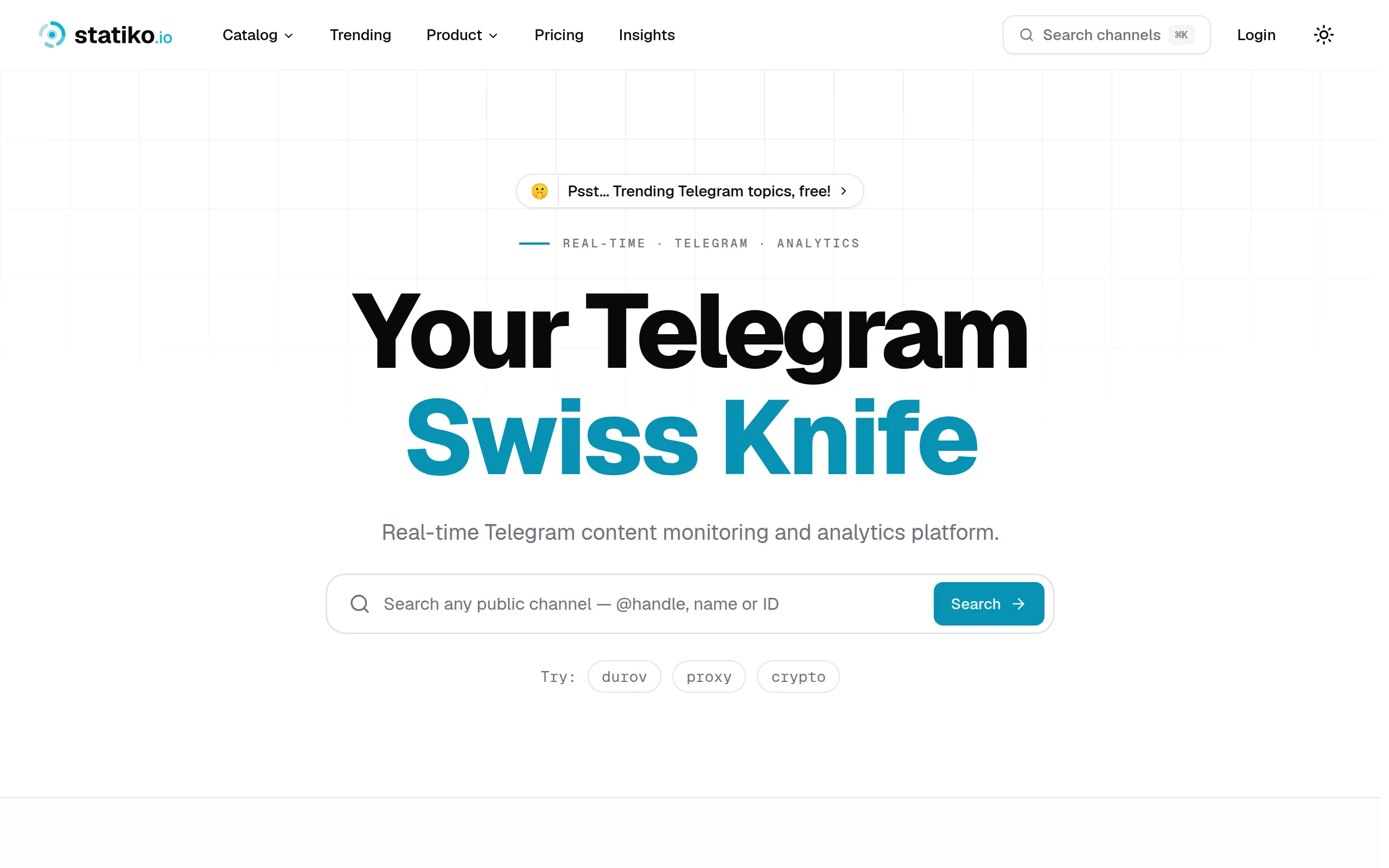
Statiko
Monitor any Telegram channel in real time - track posts, edits, deletions, and growth with AI recaps 📡

Shibui
AI website builder - describe your business, pick a niche template, edit by chatting, and publish instantly ✨

Pro Service
Find verified home service professionals, compare quotes, and pay securely through escrow - built for Brazilians across the US 🏠
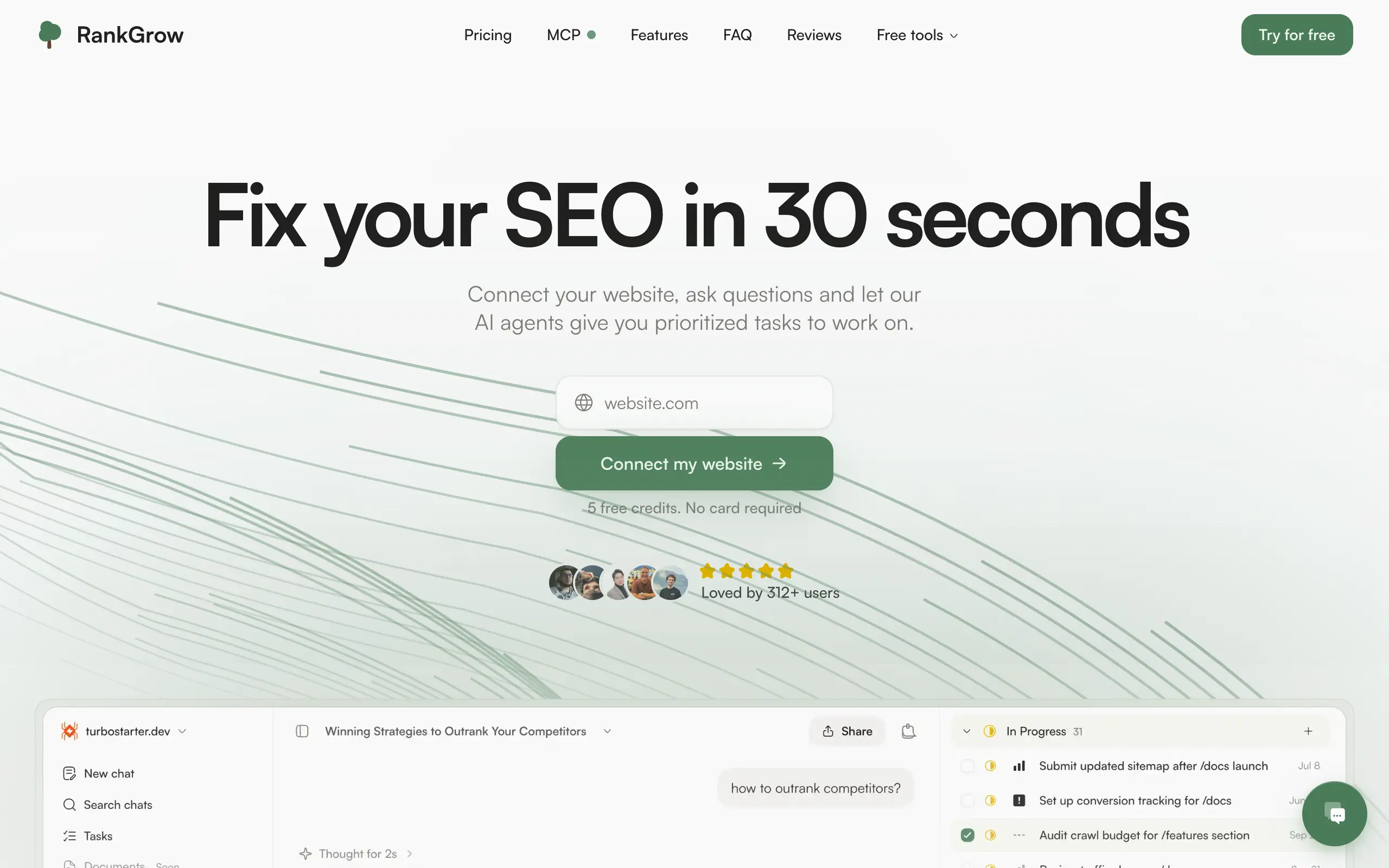
RankGrow
Fix your SEO with AI agents - connect Search Console, get prioritized tasks, and grow organic traffic 📈
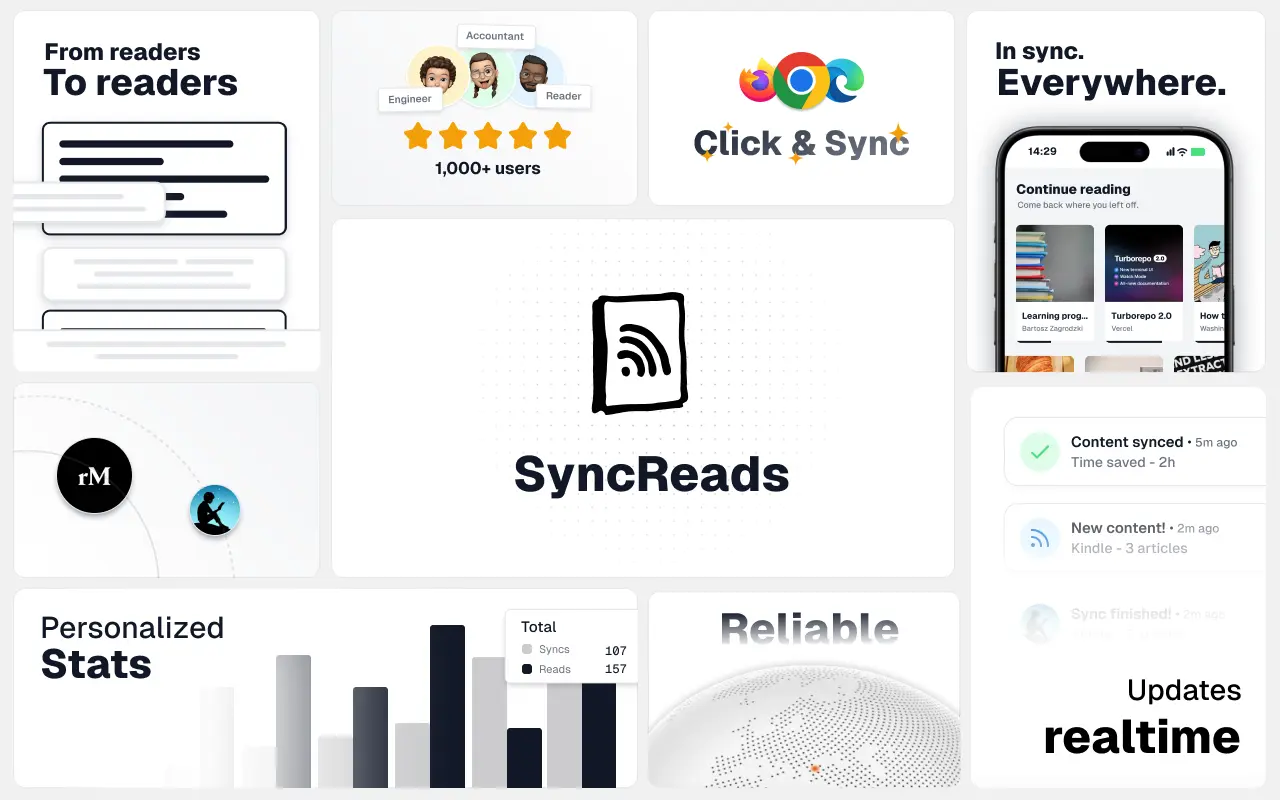
SyncReads
Sync your favorite content for distraction-free reading, save time and replace multiple apps. Anytime, anywhere 🔄
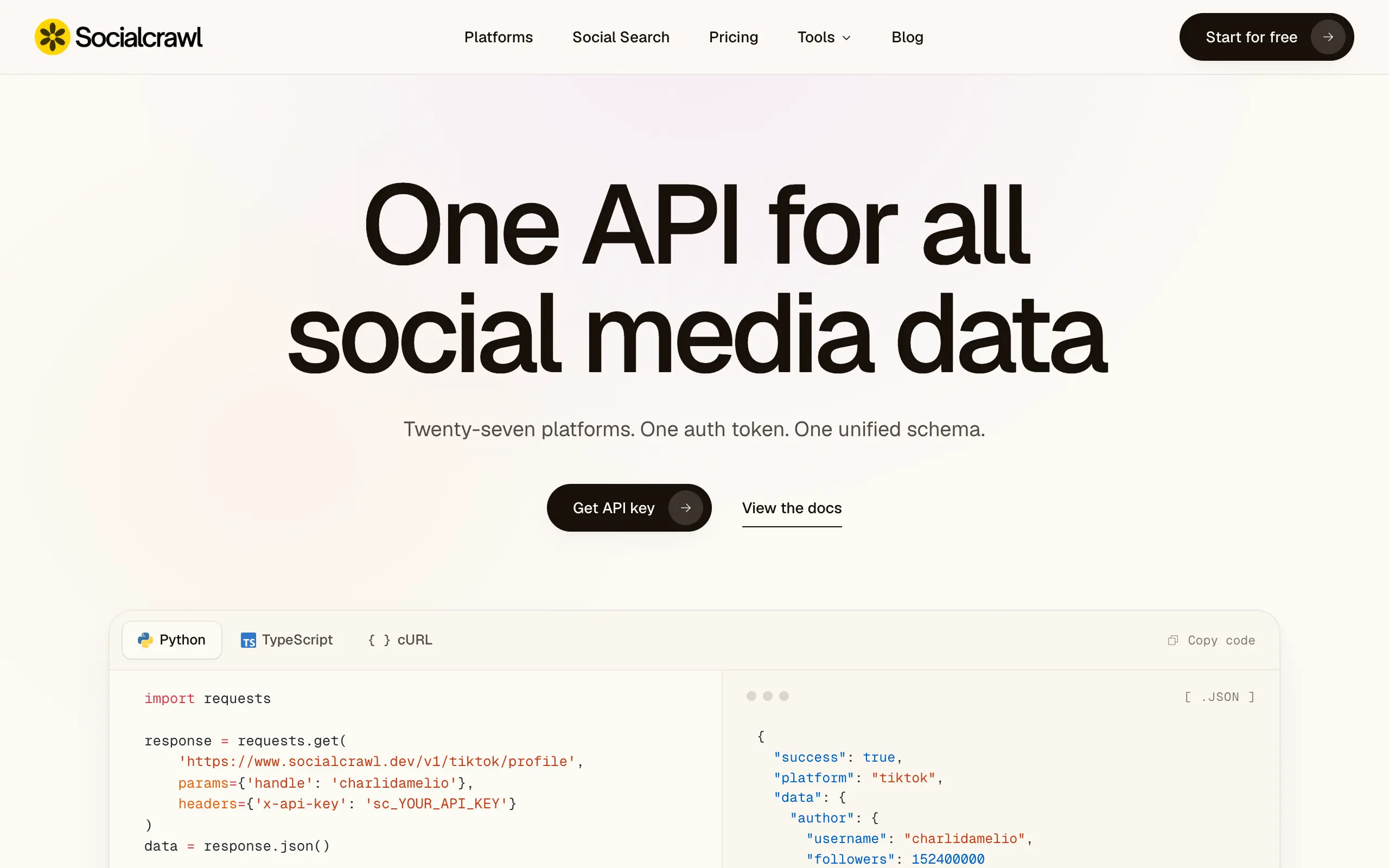
Socialcrawl
Get clean, structured data from 21 platforms like TikTok, Instagram, and YouTube with a single request 📊
Statiko
Monitor any Telegram channel in real time - track posts, edits, deletions, and growth with AI recaps 📡
Shibui
AI website builder - describe your business, pick a niche template, edit by chatting, and publish instantly ✨
Pro Service
Find verified home service professionals, compare quotes, and pay securely through escrow - built for Brazilians across the US 🏠
RankGrow
Fix your SEO with AI agents - connect Search Console, get prioritized tasks, and grow organic traffic 📈
SyncReads
Sync your favorite content for distraction-free reading, save time and replace multiple apps. Anytime, anywhere 🔄
Socialcrawl
Get clean, structured data from 21 platforms like TikTok, Instagram, and YouTube with a single request 📊
Statiko
Monitor any Telegram channel in real time - track posts, edits, deletions, and growth with AI recaps 📡
Shibui
AI website builder - describe your business, pick a niche template, edit by chatting, and publish instantly ✨
Pro Service
Find verified home service professionals, compare quotes, and pay securely through escrow - built for Brazilians across the US 🏠
RankGrow
Fix your SEO with AI agents - connect Search Console, get prioritized tasks, and grow organic traffic 📈
SyncReads
Sync your favorite content for distraction-free reading, save time and replace multiple apps. Anytime, anywhere 🔄
Socialcrawl
Get clean, structured data from 21 platforms like TikTok, Instagram, and YouTube with a single request 📊
Statiko
Monitor any Telegram channel in real time - track posts, edits, deletions, and growth with AI recaps 📡
Shibui
AI website builder - describe your business, pick a niche template, edit by chatting, and publish instantly ✨
Pro Service
Find verified home service professionals, compare quotes, and pay securely through escrow - built for Brazilians across the US 🏠
RankGrow
Fix your SEO with AI agents - connect Search Console, get prioritized tasks, and grow organic traffic 📈
SyncReads
Sync your favorite content for distraction-free reading, save time and replace multiple apps. Anytime, anywhere 🔄
Socialcrawl
Get clean, structured data from 21 platforms like TikTok, Instagram, and YouTube with a single request 📊
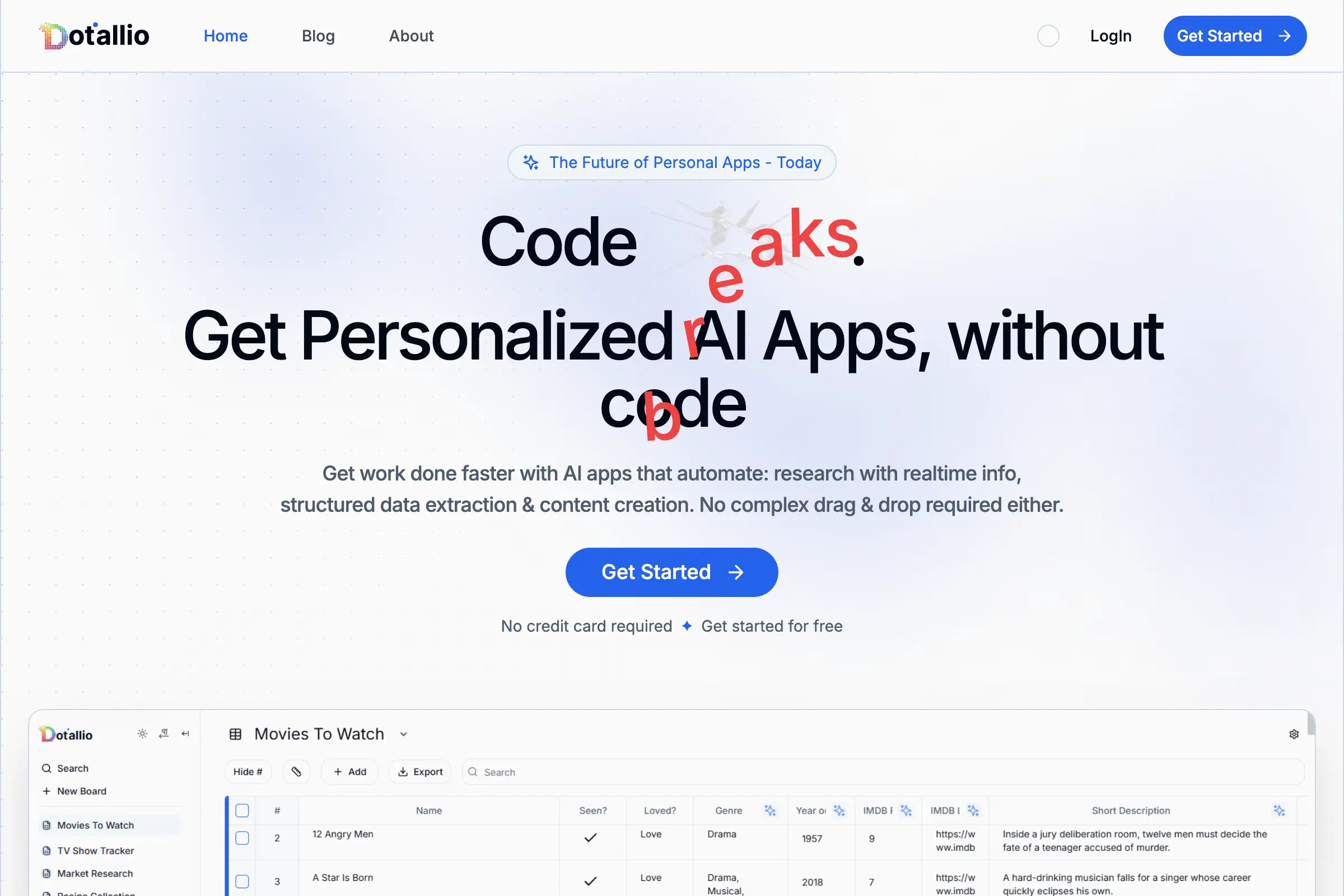
Dotallio
Personalized AI apps that automate research, data extraction, and content creation without code 🤖
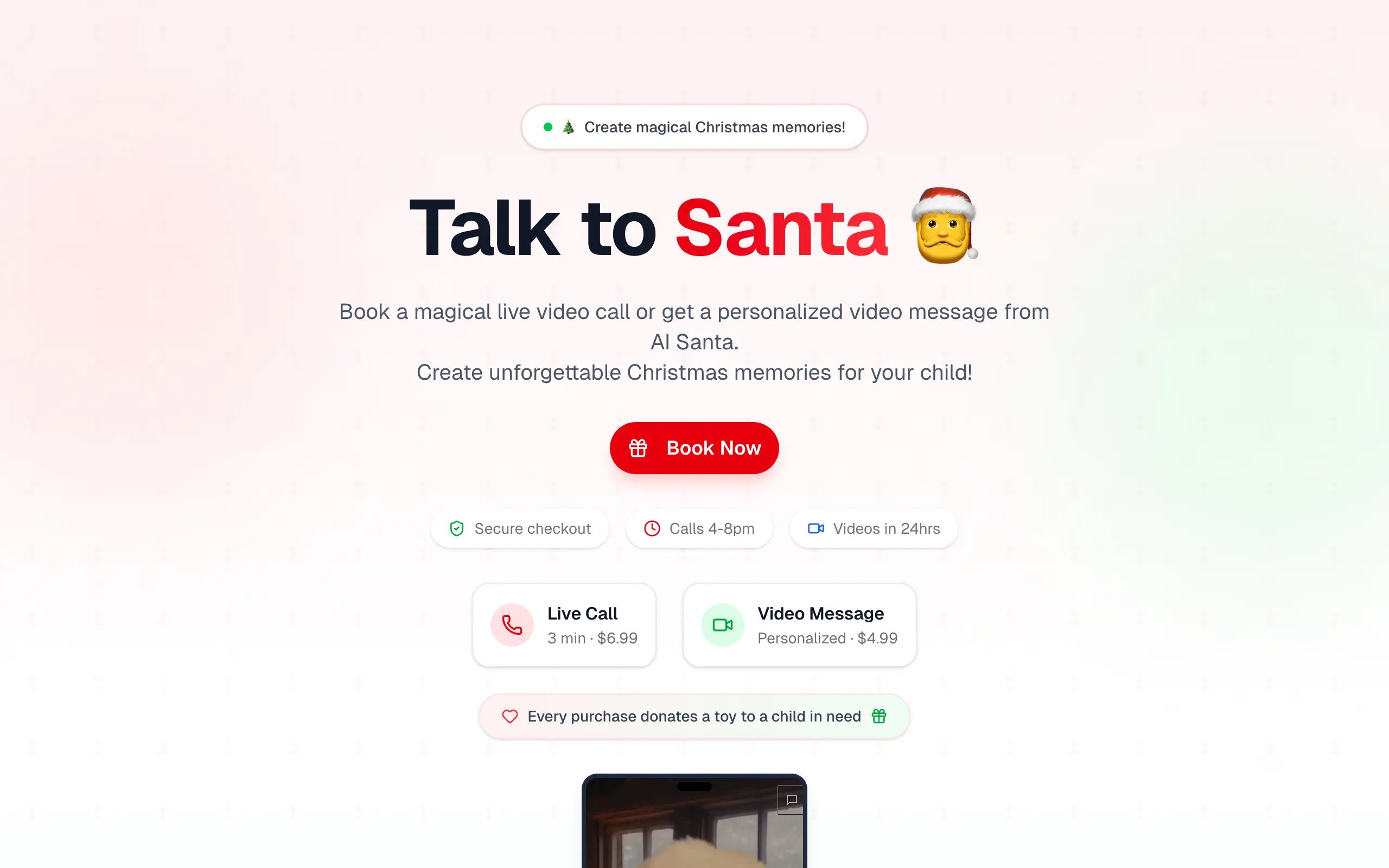
Talk to Santa
Enjoy a magical live video chat or receive a unique AI-generated video greeting from Santa Claus 🎅
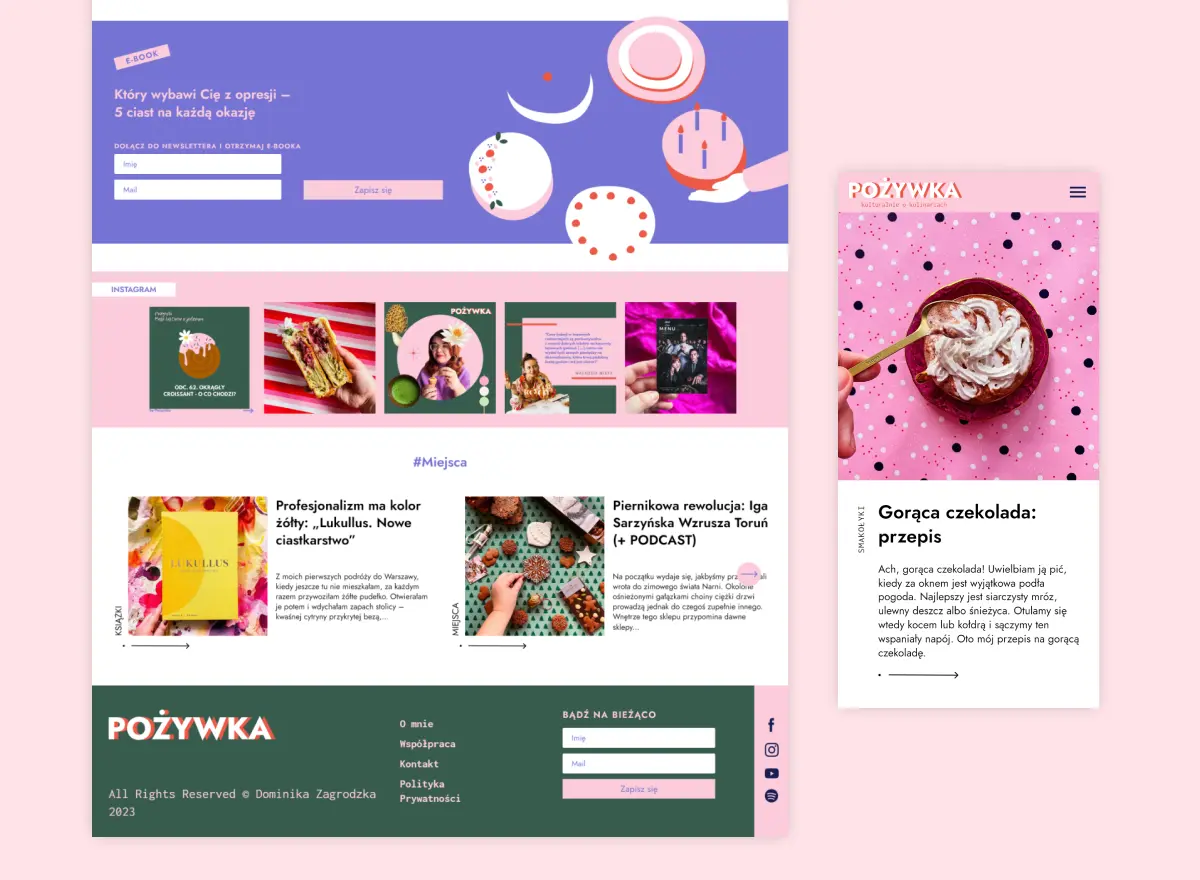
pozywka.pl
Scalable blog for food journalist, focused on performance and user experience 🌭
zagrodzki.me
Personal blog and portfolio of Bart Zagrodzki, where he shares his knowledge and work 💼
TurboStarter
Ship your startup everywhere. In minutes.
HTML to Markdown
Convert HTML to Markdown with ease, directly in your browser 📄
Dotallio
Personalized AI apps that automate research, data extraction, and content creation without code 🤖
Talk to Santa
Enjoy a magical live video chat or receive a unique AI-generated video greeting from Santa Claus 🎅
pozywka.pl
Scalable blog for food journalist, focused on performance and user experience 🌭
zagrodzki.me
Personal blog and portfolio of Bart Zagrodzki, where he shares his knowledge and work 💼
TurboStarter
Ship your startup everywhere. In minutes.
HTML to Markdown
Convert HTML to Markdown with ease, directly in your browser 📄
Dotallio
Personalized AI apps that automate research, data extraction, and content creation without code 🤖
Talk to Santa
Enjoy a magical live video chat or receive a unique AI-generated video greeting from Santa Claus 🎅
pozywka.pl
Scalable blog for food journalist, focused on performance and user experience 🌭
zagrodzki.me
Personal blog and portfolio of Bart Zagrodzki, where he shares his knowledge and work 💼
TurboStarter
Ship your startup everywhere. In minutes.
HTML to Markdown
Convert HTML to Markdown with ease, directly in your browser 📄
Dotallio
Personalized AI apps that automate research, data extraction, and content creation without code 🤖
Talk to Santa
Enjoy a magical live video chat or receive a unique AI-generated video greeting from Santa Claus 🎅
pozywka.pl
Scalable blog for food journalist, focused on performance and user experience 🌭
zagrodzki.me
Personal blog and portfolio of Bart Zagrodzki, where he shares his knowledge and work 💼
TurboStarter
Ship your startup everywhere. In minutes.
HTML to Markdown
Convert HTML to Markdown with ease, directly in your browser 📄
Omichat
Chat with 50+ AI models, including ChatGPT and Claude, in one place - switch models anytime without losing context 🤖
Claude Fast
Supercharge your Claude Code with 6x effective context window and specialized AI agents 🤖
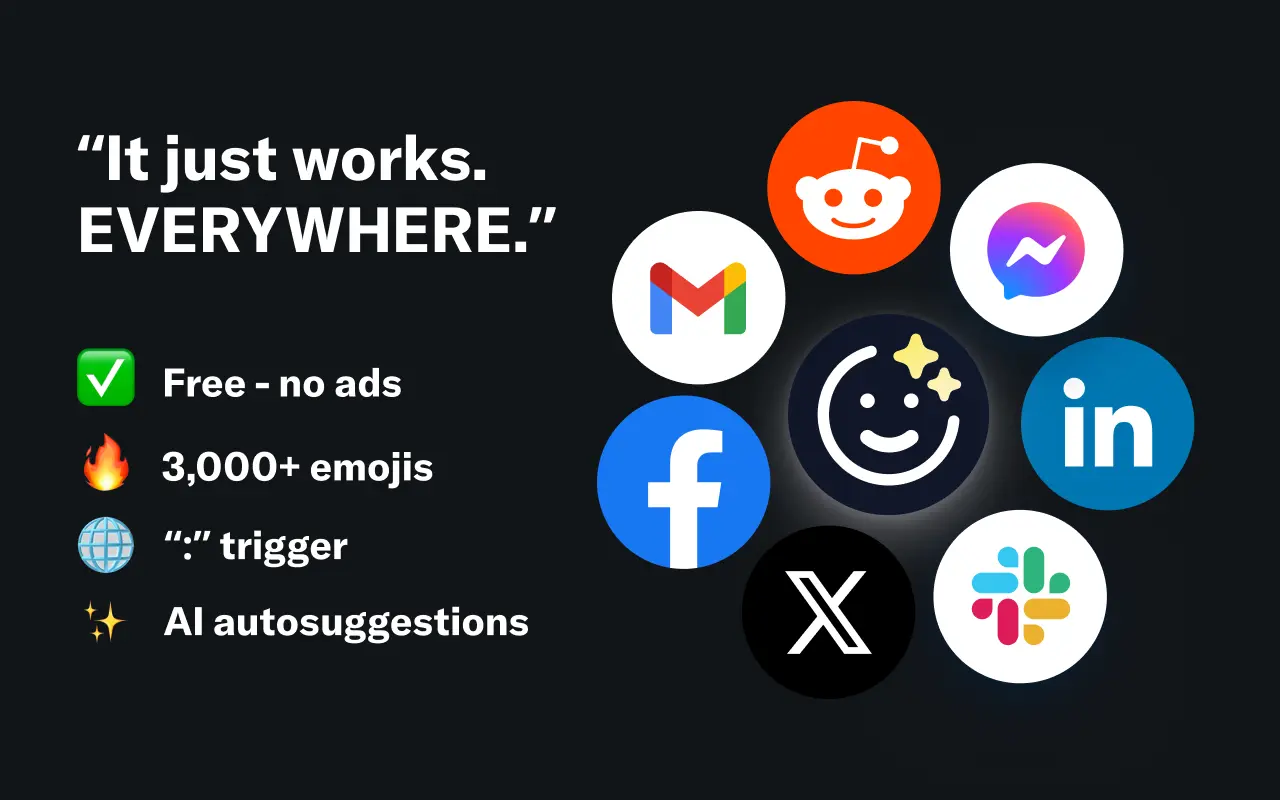
EmojAI
AI-powered emoji picker with smart, context-aware suggestions 🤖
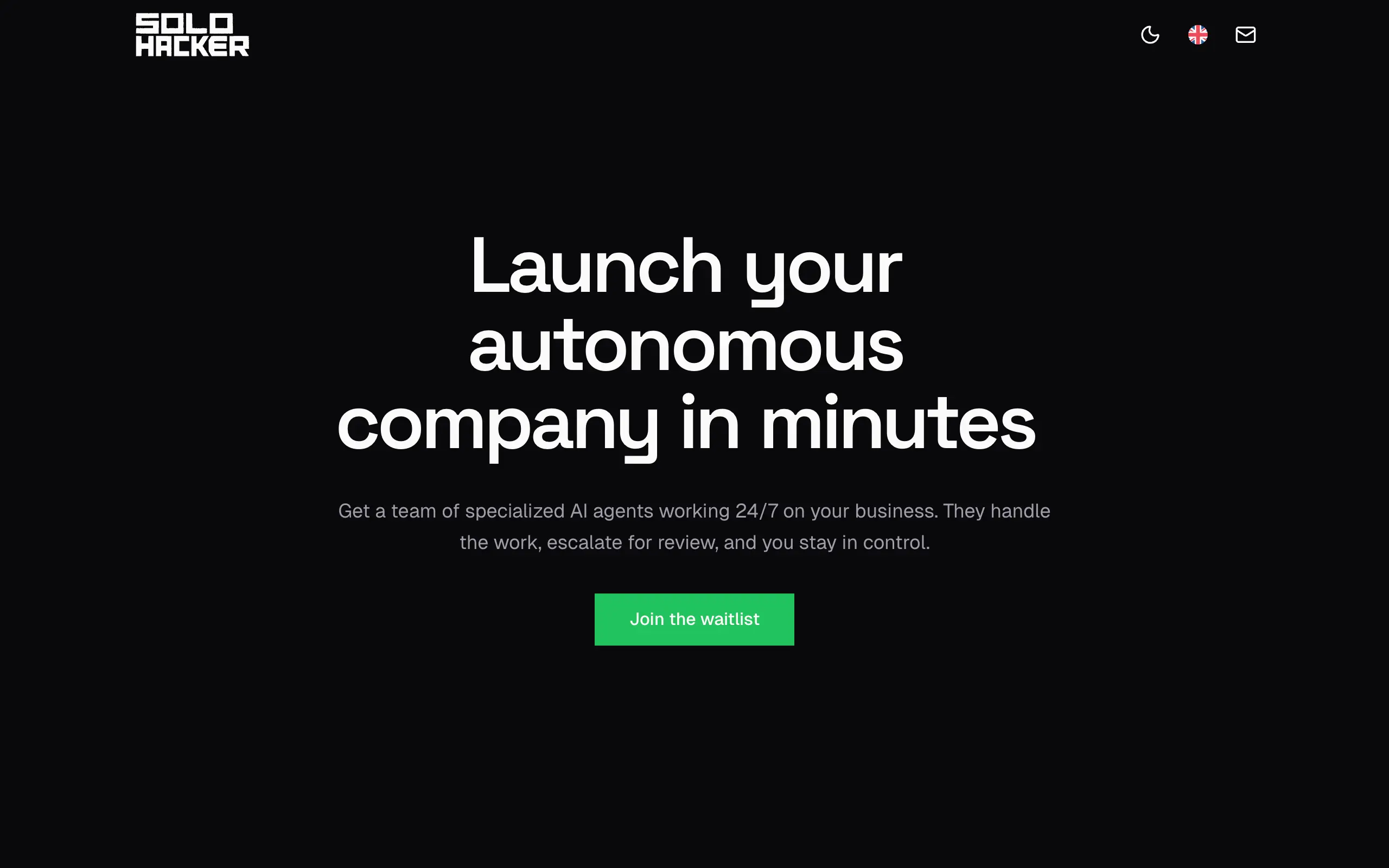
Solohacker
Autonomous company launcher - AI agents work 24/7, escalate what matters, and you stay in control 🤖
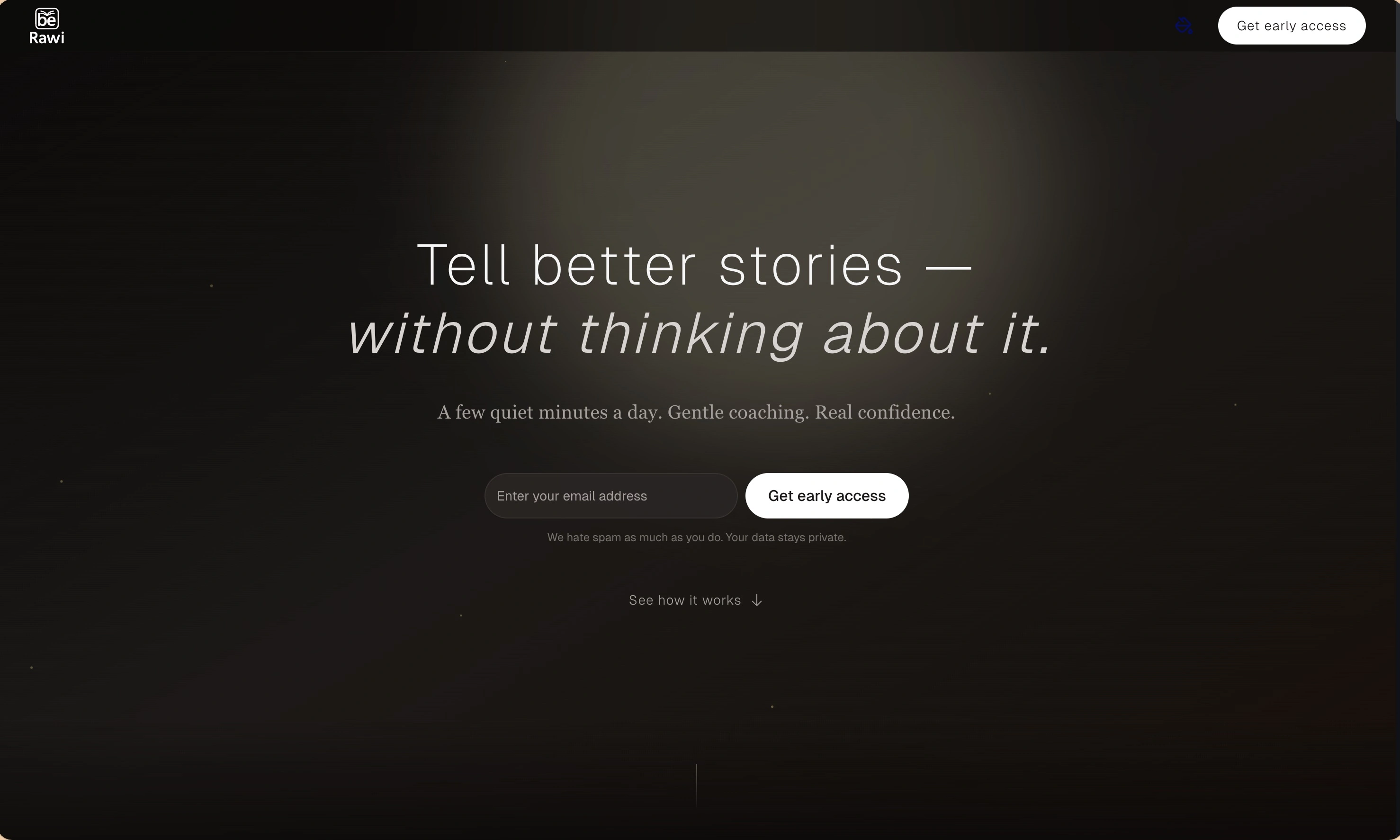
BeRawi: Storytelling Coach
Practice storytelling daily with instant feedback to sound clearer, more engaging, and confident 🎤
Omichat
Chat with 50+ AI models, including ChatGPT and Claude, in one place - switch models anytime without losing context 🤖
Claude Fast
Supercharge your Claude Code with 6x effective context window and specialized AI agents 🤖
EmojAI
AI-powered emoji picker with smart, context-aware suggestions 🤖
Solohacker
Autonomous company launcher - AI agents work 24/7, escalate what matters, and you stay in control 🤖
BeRawi: Storytelling Coach
Practice storytelling daily with instant feedback to sound clearer, more engaging, and confident 🎤
Omichat
Chat with 50+ AI models, including ChatGPT and Claude, in one place - switch models anytime without losing context 🤖
Claude Fast
Supercharge your Claude Code with 6x effective context window and specialized AI agents 🤖
EmojAI
AI-powered emoji picker with smart, context-aware suggestions 🤖
Solohacker
Autonomous company launcher - AI agents work 24/7, escalate what matters, and you stay in control 🤖
BeRawi: Storytelling Coach
Practice storytelling daily with instant feedback to sound clearer, more engaging, and confident 🎤
Omichat
Chat with 50+ AI models, including ChatGPT and Claude, in one place - switch models anytime without losing context 🤖
Claude Fast
Supercharge your Claude Code with 6x effective context window and specialized AI agents 🤖
EmojAI
AI-powered emoji picker with smart, context-aware suggestions 🤖
Solohacker
Autonomous company launcher - AI agents work 24/7, escalate what matters, and you stay in control 🤖
BeRawi: Storytelling Coach
Practice storytelling daily with instant feedback to sound clearer, more engaging, and confident 🎤

Connect with like-minded people
Join our community to get feedback, support, and grow together with 1,000+ builders on board, let's ship it!
Join usShip your startup everywhere. In minutes.
Don't burn tokens on setup and start building features on day one.