SyllabusSnap
SyllabusSnap turns course PDFs into a deadline calendar and weekly study plan. It helps students juggle classes, jobs, and shifting due dates.
Students rarely struggle because they have too little information. More often, deadlines, readings, exams, work shifts, and personal commitments are scattered across course PDFs, learning platforms, email, and calendars. SyllabusSnap is a B2C SaaS idea that turns course syllabi into a deadline calendar and a practical weekly study plan, helping students keep up when their schedules change.
The opportunity is not simply to extract dates from a PDF. A useful syllabus planner must understand what those dates mean, help students decide what to do next, and make it easy to adapt when priorities shift. That combination gives SyllabusSnap a clear path from document parser to everyday academic planning tool.
What SyllabusSnap does
SyllabusSnap helps students move from course documents to an actionable view of their academic workload. A student uploads one or more syllabi, checks the extracted assignments and exam dates, and uses the resulting schedule to plan study time around classes, jobs, and other commitments.
The product’s central promise is straightforward:
Turn course syllabi into a deadline calendar and a weekly study plan students can actually use.
That promise combines three connected jobs:
- Extract important course dates and requirements from a syllabus.
- Organize them into a reliable calendar across classes.
- Plan manageable weekly work that can adjust when the student’s availability changes.
This positioning matters. A basic PDF-to-calendar converter solves only the first part. A student who receives a list of deadlines may still not know how to prepare for a midterm, divide a major project into smaller tasks, or handle three exams in the same week. SyllabusSnap can stand out by connecting academic deadlines to realistic actions.
Why students need a syllabus planner
A syllabus is an important planning document, but it is not designed to function as a student’s daily operating system. It may include assignment dates, readings, exam schedules, attendance rules, grading policies, and course expectations in a format that varies from instructor to instructor.
Students then have to translate that information into a workable routine. That process gets more difficult when they are taking several courses and balancing school with a job, caregiving, extracurricular activities, or commuting.
Information is fragmented
A single student might track academic responsibilities in:
- A syllabus PDF for each class
- A learning management system
- Instructor emails
- A personal calendar
- Notes or a task app
- A paper planner
Each system may contain only part of the picture. A student can know an assignment’s due date without seeing that it overlaps with a work shift or falls during a week with two exams.
Deadlines are not the same as workload
A calendar can show that a paper is due Friday. It does not automatically show that the student needs time to choose a topic, research sources, create an outline, draft, and revise.
The gap between a due date and the work required to meet it is a useful product opportunity. SyllabusSnap can help students turn large, high-stakes assignments into smaller steps, while making clear which tasks were suggested by the app and which were explicitly listed by the instructor.
Plans change during the term
Students’ availability is rarely fixed. A work schedule may change, a class may move online, an instructor may adjust a due date, or a personal commitment may take priority. A study plan that cannot adapt is likely to be abandoned.
SyllabusSnap should therefore treat planning as an ongoing process, not a one-time import. Its value grows when students can update availability, mark tasks complete, and quickly reschedule unfinished work.
Target audience for SyllabusSnap
SyllabusSnap is a broad student productivity idea, but the first version should focus on users with a frequent, painful planning problem. A specific initial audience makes product decisions, messaging, and early customer research more effective.
Primary audience: students managing multiple commitments
The strongest initial segment is likely to include college and university students who:
- Take several courses at once
- Work part-time or full-time while studying
- Have recurring responsibilities outside class
- Receive assignments through a mixture of documents and digital platforms
- Already use a calendar or planner but still struggle to translate deadlines into study sessions
These students have a clear reason to try a tool that saves setup time and helps them anticipate busy weeks. They are also likely to understand the value of a weekly study plan because they are already making trade-offs between academic and nonacademic commitments.
Secondary audiences
Once the core experience works well for college students, SyllabusSnap could explore other segments:
- High school students, especially those managing several classes and extracurricular activities
- Graduate students, who may combine coursework, research, teaching, or clinical responsibilities
- Adult learners, who often balance education with employment and family obligations
- Students with executive-function challenges, who may benefit from breaking large assignments into clear next actions
- Academic support programs, which may want a structured planning tool for student success initiatives
These groups should not all be targeted at launch. Their needs, purchasing paths, and expectations can differ. For example, a student purchasing an individual subscription is a different customer from a university department evaluating a campus-wide service.
Jobs to be done
A useful way to frame the product is through the outcomes students want:
- “Help me see everything due across my courses.”
- “Tell me what I should work on this week.”
- “Help me start a big assignment before the last minute.”
- “Show me whether my plan fits around my job and other commitments.”
- “When a date changes, help me update my schedule without rebuilding it.”
These are more meaningful than feature requests alone. They also give the product team a way to evaluate whether a feature improves the student’s planning process or merely adds another screen.
Market opportunity and product gap
SyllabusSnap sits at the intersection of academic planning, document understanding, calendar management, and student productivity. Each category has existing tools, but the product opportunity is in connecting them around a student’s course workload.
A student can manually enter dates into a calendar. They can also use a task manager, a campus learning platform, or a general AI assistant. The opportunity is to make the end-to-end workflow easier and more dependable than a collection of disconnected tools.
Where existing approaches can fall short
Common alternatives address parts of the problem:
- Manual calendar entry gives students control but requires repetitive data entry.
- Task managers help organize work but usually need students to enter and structure tasks themselves.
- Learning management systems may display course assignments, but students can still lack a unified view across courses and personal commitments.
- PDF extraction tools can find text but do not necessarily understand academic context or produce a useful plan.
- General-purpose AI tools can summarize documents, but students may need to prompt them carefully and verify every important date.
These are not proof that a new product will succeed. They identify a workflow worth validating: can SyllabusSnap reduce the effort and uncertainty involved in turning course information into a trustworthy weekly plan?
The important gap is trust plus action
Date extraction is valuable only when the result is accurate enough to rely on. If a tool misreads “Friday, October 18” or mistakes a reading recommendation for an assignment deadline, the student may lose trust quickly.
At the same time, an accurate date list is not yet a plan. SyllabusSnap can address the gap by pairing careful extraction with confirmation, task prioritization, and flexible scheduling.
A differentiated experience could include:
- A review screen that shows each extracted item alongside its source text
- Confidence indicators that highlight uncertain dates or ambiguous wording
- Clear labels for confirmed deadlines versus suggested study tasks
- A weekly plan that accounts for availability and estimated workload
- Simple calendar export or sync options
- Fast rescheduling when a deadline, work shift, or study session changes
Core features and how the solution should work
The best product experience should make it easy for a student to get from “I have a syllabus” to “I know what to do this week.” That requires a carefully designed workflow, not just a collection of features.
1. Syllabus upload and course setup
Students should be able to upload a PDF, add a course name, and optionally specify basic details such as the term or instructor. The upload flow should explain what information the app will attempt to extract and what the student will need to review.
A student with several courses should be able to repeat this process without starting over. A helpful onboarding experience might let them add one course first, see the result, and then import additional syllabi.
Important product decisions include:
- Which file types to support at launch
- Whether scanned PDFs need optical character recognition
- How the student can correct a course name or semester
- What happens when a syllabus includes dates from a previous term
- How duplicate files or updated syllabi are handled
2. Structured deadline extraction
The parsing system should identify more than dates. Each event can include a title, due date, course, event type, and source location. For example, “Midterm exam” and “Reading: chapters 4–6” are both useful entries but should not be treated as equivalent deadlines.
A practical event model might include:
- Event title
- Course
- Date and time, if stated
- Event type, such as exam, quiz, paper, reading, or project
- Whether the date is explicit or inferred
- Source page or quoted text
- Confidence level
- Student confirmation status
The source reference is especially important. If a student taps a date and sees the sentence it came from, they can verify the interpretation rather than treating an AI-generated result as unquestionable.
3. Human review before calendar creation
SyllabusSnap should not silently add every extracted item to a student’s calendar. Instead, it should present a review step where the student can edit, remove, or confirm events.
This review experience builds trust and helps correct common issues:
- Dates without a year
- Ambiguous date formats
- Relative language such as “next Wednesday”
- Repeated weekly activities
- A due date mentioned in a policy example
- A deadline that the instructor later changed
- A course document that includes multiple possible schedules
The product can reduce friction without removing student control. For example, high-confidence dates may be preselected, while ambiguous items receive a clear “please review” label.
4. Unified academic calendar
After confirmation, students need one view across their classes. The calendar should help them see workload patterns, not simply display a row of events.
Useful calendar views may include:
- A weekly view for immediate planning
- A term view for identifying heavy periods
- Filters by course or event type
- A distinction between due dates and planned study sessions
- A clear indicator for unconfirmed dates
- Optional calendar export or integration
Calendar integrations can be valuable, but they should come after the core data is dependable. An incorrect event synced to a personal calendar is harder to explain and may be more disruptive than an incorrect entry shown only inside the app.
5. Weekly study plan
The study plan is where SyllabusSnap can move beyond document management. It can suggest a set of work sessions based on upcoming deadlines, estimated effort, and the student’s stated availability.
A useful first version does not need to make perfect predictions. It can start with transparent, editable recommendations:
- Divide a large task into smaller steps
- Suggest earlier work for high-stakes assignments
- Reserve review time before exams
- Avoid scheduling study sessions during unavailable hours
- Spread work across the week instead of placing everything the night before
- Ask the student to adjust a plan that exceeds their stated capacity
Planning suggestions should be presented as recommendations, not guarantees. Students should be able to change task duration, move a session, or mark a task as complete without fighting the system.
6. Change-aware rescheduling
A strong student planner acknowledges that a schedule changes. If a student misses a study session, the product should make recovery easy rather than displaying a growing list of overdue tasks.
A rescheduling flow might ask:
- Is the task still required?
- Is the original due date still correct?
- When is the student next available?
- Should the app move only this task or adjust the whole week?
This is also a useful moment to identify overload. If the remaining available time is less than the planned workload, the app should say so clearly and help the student prioritize instead of pretending every task fits.
7. Reminders that respect attention
Notifications can help students act on a plan, but excessive reminders can make an app feel stressful. SyllabusSnap should give students control over reminder frequency, timing, and channels.
A thoughtful reminder system might focus on:
- Upcoming confirmed deadlines
- The next planned study session
- Important tasks that have not been started
- Schedule changes that require confirmation
The goal is to support action without creating unnecessary urgency. A reminder should have a clear next step, such as reviewing an assignment or moving a study session.
What makes SyllabusSnap different
SyllabusSnap’s unique selling proposition is not simply “AI reads your syllabus.” That capability can be copied and does not guarantee a better student outcome.
A stronger positioning is:
SyllabusSnap turns course documents into a verified, adaptable academic plan that fits around a student’s real life.
That positioning combines several elements:
- Academic context: The product understands the difference between exams, readings, and project milestones.
- Verification: Students can check extracted information against its source.
- Actionability: Deadlines connect to study tasks and weekly plans.
- Flexibility: The schedule can adapt as availability and priorities change.
- Student-centered control: Suggested dates and tasks remain editable.
This is a stronger advantage than raw extraction accuracy alone. The product can build trust through transparent design and become more useful as it learns how each student prefers to plan.
Competitive positioning
| Alternative | What it does well | Potential limitation | SyllabusSnap opportunity |
|---|---|---|---|
| Manual calendar entry | Familiar and fully controlled by the student | Requires time and repeated data entry | Automate setup while keeping review and editing |
| General task manager | Flexible task organization | Student must create the task structure | Start with course-aware events and study steps |
| Learning management system | Holds official course information | May not unify personal commitments and study planning | Provide a student-owned cross-course view |
| PDF summarizer | Makes long documents easier to scan | May not produce a verified, maintained calendar | Convert relevant information into editable events |
| General AI assistant | Can answer questions about uploaded text | Planning may require repeated prompts and manual follow-through | Create a persistent academic workflow |
This comparison should be treated as a product hypothesis, not a claim that every competitor lacks these capabilities. Research competing products directly and test the workflow with students before making public positioning claims.
Recommended technology stack
SyllabusSnap needs a stack that supports file upload, structured extraction, calendar data, authentication, and scheduled notifications. For an early product, prioritize a reliable vertical slice over a complex architecture.
Frontend and application framework
A web application can be a practical first release because students can use it on laptops during syllabus review and on phones to check their weekly plans. A responsive interface is more important at the beginning than separate native apps.
A team familiar with React could use React for the interface and Next.js for application routing, server-rendered pages, and backend functionality. The trade-off is that a full-stack framework introduces conventions and deployment decisions that a simple static frontend may not need. Choose the approach the team can maintain confidently.
Database, authentication, and file storage
A relational database is a good fit for users, courses, documents, assignments, study tasks, and calendar events. These records have clear relationships, and maintaining consistency matters when a student updates or deletes a course.
Supabase can provide managed Postgres, authentication, and file storage as a starting point. The trade-off is vendor dependence and the need to understand database permissions carefully. A production system should verify that one student cannot access another student’s uploaded syllabi or extracted information.
Document processing and extraction
A robust extraction pipeline can combine several approaches:
- Extract embedded text from digitally generated PDFs.
- Use optical character recognition when a PDF is scanned or image-based.
- Parse dates and event descriptions into a structured schema.
- Apply validation rules for dates, term boundaries, and duplicate events.
- Present results for student review before saving them as confirmed events.
A language model may help interpret varied syllabus language, but it should not be the only source of truth. Use structured outputs, preserve the source text, and make uncertainty visible. Test extraction against a representative collection of syllabi that includes different layouts, date formats, and document quality.
Calendar and notifications
Start with an internal calendar and simple email or in-app reminders. Add external calendar synchronization after the team has a reliable model for updates, deletions, and duplicate prevention.
Calendar integrations can introduce extra complexity:
- Permissions and account connection flows
- Time zones and daylight saving changes
- Conflicts between an app event and a user-edited event
- Updating or removing events after a syllabus changes
- Rate limits and provider-specific behavior
For an MVP, a calendar export file may be a lower-complexity test of demand than two-way synchronization.
Payments and product analytics
If SyllabusSnap introduces a paid plan, a payment provider such as Stripe can support subscriptions and checkout. The team should clearly explain what is included in a free tier, how cancellation works, and whether a student’s data remains available after a subscription ends.
Product analytics should answer specific questions, such as:
- How many users complete their first syllabus import?
- How often do students correct extracted dates?
- Do users return to view or update their weekly plan?
- Which points in onboarding cause users to stop?
- Do calendar exports or reminders increase continued use?
Collect only the data needed to improve the experience. Avoid treating time spent in the app as a success metric when the product’s purpose is to help students plan efficiently.
Suggested data model
A compact initial schema might include:
type Course = {
  id: string;
  userId: string;
  name: string;
  termStart?: string;
  termEnd?: string;
};

type CourseEvent = {
  id: string;
  courseId: string;
  title: string;
  dueAt?: string;
  eventType: "assignment" | "exam" | "reading" | "project" | "other";
  sourceText?: string;
  sourcePage?: number;
  confidence: number;
  confirmedAt?: string;
};

type StudyTask = {
  id: string;
  eventId?: string;
  title: string;
  plannedMinutes?: number;
  scheduledFor?: string;
  status: "suggested" | "planned" | "done" | "deferred";
};
This is an illustrative starting point, not a complete production schema. A real implementation should also consider time zones, document versions, audit history, deletion behavior, and the distinction between a due date and an all-day event.
Monetization strategy options
A B2C product should test willingness to pay without making the first experience feel risky. Students may be price-sensitive, and the value of the tool may vary between the start of a term and exam periods.
Freemium subscription
A free plan can let students import a limited number of syllabi or use the core calendar, while a paid plan adds features such as:
- More courses or terms
- Weekly planning recommendations
- Calendar synchronization
- Advanced reminders
- Historical course archives
- Additional document processing
The free tier should deliver a real outcome. If students cannot confirm that the product works before reaching a paywall, they may be reluctant to subscribe.
Term-based pricing
Students often think in academic terms rather than continuous annual subscriptions. A semester pass or term-based plan may align better with how they experience the problem. The team should test whether users prefer monthly, term-based, or annual pricing instead of assuming a standard SaaS subscription is the best fit.
Institutional or program partnerships
Academic success programs, tutoring centers, or student-support teams could eventually sponsor access for a cohort. This model may help reduce the direct price burden on students, but it involves longer sales cycles and additional requirements around privacy, support, accessibility, and procurement.
Institutional sales should not distract from proving individual product value. It is usually easier to approach partners with evidence that students actively use the tool than with a concept alone.
Ethical monetization considerations
SyllabusSnap should avoid monetization that undermines trust. In particular:
- Do not sell student documents or personal schedule data.
- Clearly explain how uploaded files are processed and retained.
- Do not use fear-based messaging about academic failure.
- Make subscription terms and cancellation straightforward.
- Be careful with advertising in a study-planning product, especially if it uses sensitive academic context.
Risks and how to mitigate them
Incorrect dates can cause real harm
A missed assignment may affect a student’s grade. That makes extraction quality a product-safety issue, not just a technical metric.
Mitigations:
- Require review before dates become confirmed.
- Show the source text and page for each extracted event.
- Flag low-confidence or ambiguous entries.
- Let students correct dates quickly.
- Track correction patterns to improve parsing.
Syllabi may change during the term
A student may upload a syllabus early and later receive a revised schedule.
Mitigations:
- Allow updated documents to be added to an existing course.
- Compare new and existing events.
- Show proposed changes before applying them.
- Preserve student edits when they do not conflict with new source information.
- Clearly identify the document version associated with an event.
Students may abandon planning tools
A detailed planner can become another obligation. If setup takes too long or maintenance feels burdensome, students may stop returning.
Mitigations:
- Make the first useful result available quickly.
- Avoid requiring every student to configure dozens of preferences.
- Use a light weekly review rather than frequent manual upkeep.
- Make it easy to mark a task complete or move it.
- Ask students where the workflow adds effort instead of reducing it.
Privacy and security concerns
Uploaded syllabi may contain instructor contact details, institutional information, or course materials. Student schedules can also reveal sensitive patterns about availability and commitments.
Mitigations:
- Use clear, plain-language privacy disclosures.
- Minimize the amount of personal information collected.
- Restrict access to uploaded files and extracted data.
- Define deletion and retention policies.
- Review vendors and subprocessors before sending documents to them.
- Provide a way for users to remove documents and account data.
AI output may appear more certain than it is
A polished interface can make an uncertain interpretation look authoritative. Students should be able to distinguish confirmed syllabus content from generated recommendations.
Mitigations:
- Label inferred tasks and suggested study sessions.
- Avoid presenting estimates as instructor requirements.
- Preserve direct source excerpts.
- Communicate uncertainty in plain language.
- Let students correct errors without needing to contact support.
Calendar integrations can create operational complexity
Two-way synchronization introduces edge cases involving duplicate events, time zones, permissions, and user edits.
Mitigations:
- Launch with an internal calendar or one-way export.
- Define which system is the source of truth for each field.
- Test time-zone behavior early.
- Provide clear controls to disconnect an external calendar.
- Build idempotent synchronization so repeated updates do not create duplicates.
How to validate the idea before building too much
The highest-risk assumptions are not whether PDFs can be parsed at all. They are whether students trust the results, want the weekly plan, and return to use it after the initial import.
Conduct problem interviews
Talk to students who are currently managing several courses and at least one significant commitment outside school. Ask them to show how they handled their most recent busy week.
Useful questions include:
- Where did you find assignment and exam dates?
- How did you decide what to work on first?
- What did you do when a date or work shift changed?
- Which planning tools did you stop using, and why?
- How much time did you spend setting up your current system?
- What would make you distrust an automatically generated calendar?
Avoid pitching SyllabusSnap too early. The aim is to understand existing behavior and the cost of the problem.
Test extraction with real document variety
Collect a permissioned, privacy-conscious sample of syllabi with different structures. Measure more than whether the system found a date. Evaluate:
- Correct event classification
- Date accuracy
- Handling of ambiguous language
- Duplicate detection
- Source traceability
- Student effort required to review the result
A high raw extraction rate can conceal important failures. A product should pay special attention to errors with the greatest consequence, such as a missed exam date.
Prototype the end-to-end workflow
Before building integrations, create a prototype that lets students upload or simulate a syllabus, review extracted events, and see a sample weekly plan. Observe whether they understand which information is confirmed and which is suggested.
Watch for points where users:
- Hesitate to confirm an event
- Do not understand a task recommendation
- Try to edit something the interface does not support
- Prefer their existing calendar
- Want a different level of automation
The feedback should guide the product’s first release, not merely refine visual design.
Actionable implementation steps
A focused launch can establish whether SyllabusSnap solves a recurring problem before expanding into a full academic platform.
Define a narrow first customer
Choose a specific initial audience, such as college students who work while taking several courses. Write down the planning problem they experience and the outcome the first version must provide.
Interview students and map their workflow
Speak with students about how they collect deadlines, plan study time, and handle schedule changes. Document the tools they already use and identify where they lose time or confidence.
Build a small syllabus-processing prototype
Support a limited set of PDF types and extract course events into a structured format. Preserve source text and make it possible to review and correct every important date.
Create the first useful calendar experience
Show confirmed events across courses, with clear labels for due dates, exams, readings, and suggested study sessions. Keep external calendar sync out of scope until the internal event model is reliable.
Add an editable weekly plan
Use simple, transparent rules to suggest when students could work on upcoming tasks. Allow students to set availability, move sessions, and recover from missed work without rebuilding the whole plan.
Pilot with a small student cohort
Measure import completion, date-correction patterns, weekly plan use, and repeat visits. Ask users whether the product helped them make decisions, not just whether they liked the interface.
Improve trust before expanding automation
Address extraction errors, unclear recommendations, and privacy questions before adding more integrations. Reliable core behavior is a stronger foundation than a large feature set.
Test pricing and retention
Offer a small number of clear pricing options and learn when students see enough value to pay. Compare retention across the term rather than relying only on sign-ups during syllabus week.
For founders building the initial application, TurboStarter can help accelerate the SaaS foundation so the team can focus more attention on document accuracy, student workflows, and product validation.
What success should look like
SyllabusSnap should be evaluated by whether it helps students plan with more confidence and less manual effort. Useful early indicators include:
- The share of students who successfully import and review a syllabus
- The number and type of corrections students make to extracted events
- The time required to create a usable course calendar
- The percentage of students who return to their weekly plan
- How often students reschedule tasks rather than abandoning the plan
- Whether students report fewer surprises during busy academic weeks
- Paid conversion and retention across a full term
No single metric proves that the product is working. For example, high upload volume may indicate curiosity, while repeated weekly use suggests the planner is becoming part of a student’s routine. Qualitative feedback should explain the reasons behind the numbers.
For current market context, founders can consult authoritative education and technology sources such as national education agencies, university student-success research, and established higher-education technology organizations. When publishing market-size or student-behavior claims, include the source organization, publication title, release date, and methodology rather than relying on unattributed statistics.
Frequently asked questions
No. PDF processing is the entry point, but the larger value is helping students verify course information, see deadlines across classes, and turn those deadlines into a flexible weekly study plan.
It should make the process fast, but students should be able to review important dates before they become confirmed. Showing source text and flagging uncertainty helps students trust the result and catch mistakes.
Not necessarily. Document extraction and date parsing can use a combination of established techniques and language models. The important product requirements are accurate information, clear uncertainty, traceable sources, and useful planning—not using AI for its own sake.
A focused MVP should include syllabus upload, structured event extraction, a review-and-correct step, a cross-course calendar, and a simple editable weekly plan. External calendar synchronization and institutional dashboards can wait until the core workflow has been validated.
It can preserve source references, distinguish official course requirements from suggested study tasks, explain uncertainty, protect uploaded documents, and make corrections easy. Trust depends on the full experience, not only the accuracy of the extraction model.
The opportunity ahead
SyllabusSnap addresses a recognizable student problem: course information exists, but converting it into a realistic and adaptable plan takes effort. A well-designed syllabus planner can reduce that friction by combining document understanding, deadline organization, and student-controlled scheduling.
The strongest version of the idea will not try to automate every decision. It will make important information easier to find, show students where that information came from, and help them choose a manageable next step. Start with a narrow audience, validate the workflow with real syllabi, and build trust into the product before expanding its automation.
If SyllabusSnap can reliably turn course PDFs into a verified calendar and a weekly plan that adapts to work, classes, and changing deadlines, it can offer students something more valuable than another place to store tasks: a clearer way to manage the term.
More 👥 B2C Application SaaS ideas
Discover more innovative b2c application SaaS ideas that are trending in 2026. Each idea is AI-generated with market validation and growth potential to help you find your next profitable venture faster than competitors.
Your competitors are building with TurboStarter
Below are some of the SaaS ideas that have been generated and built with our starter kit.
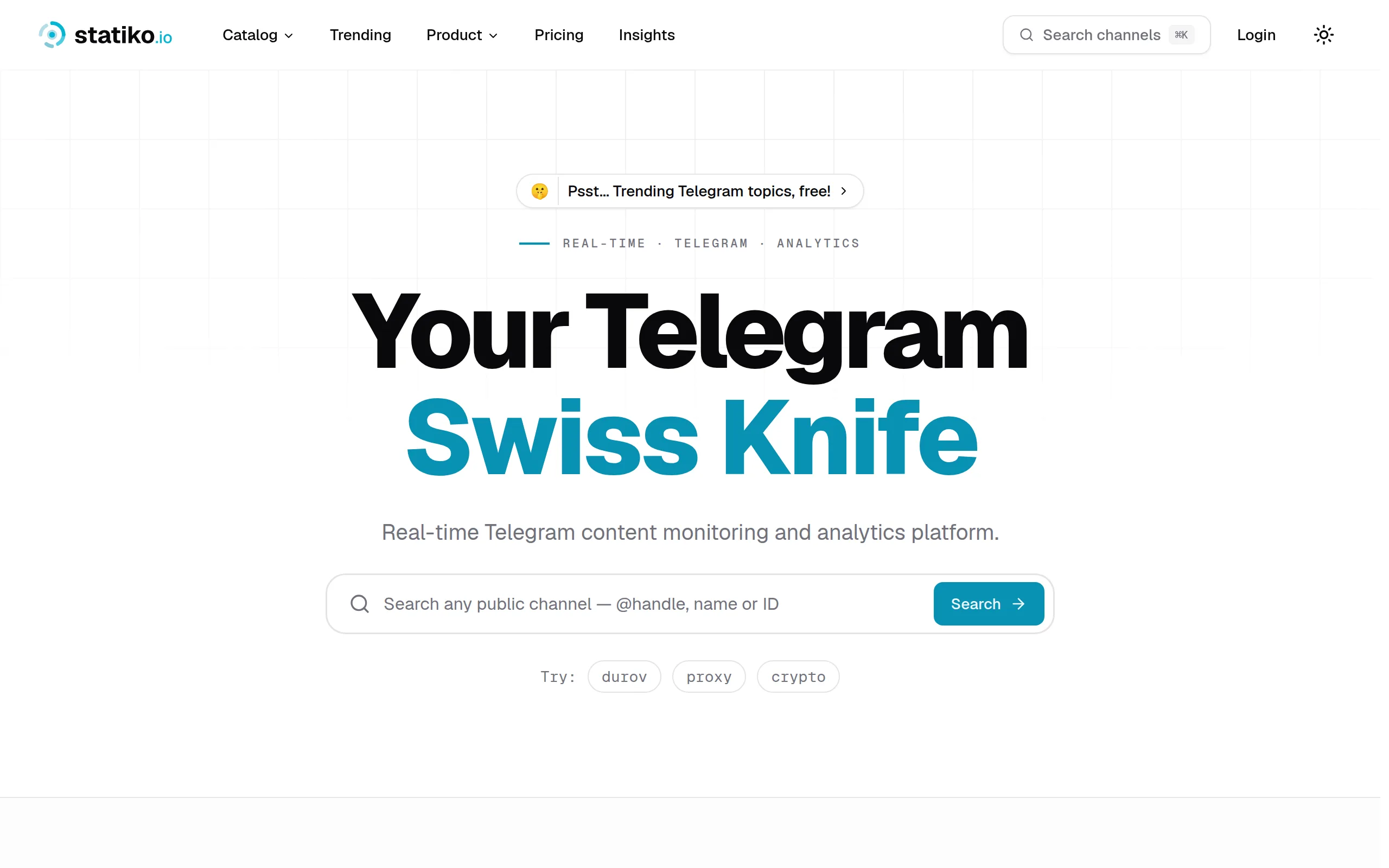
Statiko
Monitor any Telegram channel in real time - track posts, edits, deletions, and growth with AI recaps 📡

Shibui
AI website builder - describe your business, pick a niche template, edit by chatting, and publish instantly ✨

Pro Service
Find verified home service professionals, compare quotes, and pay securely through escrow - built for Brazilians across the US 🏠
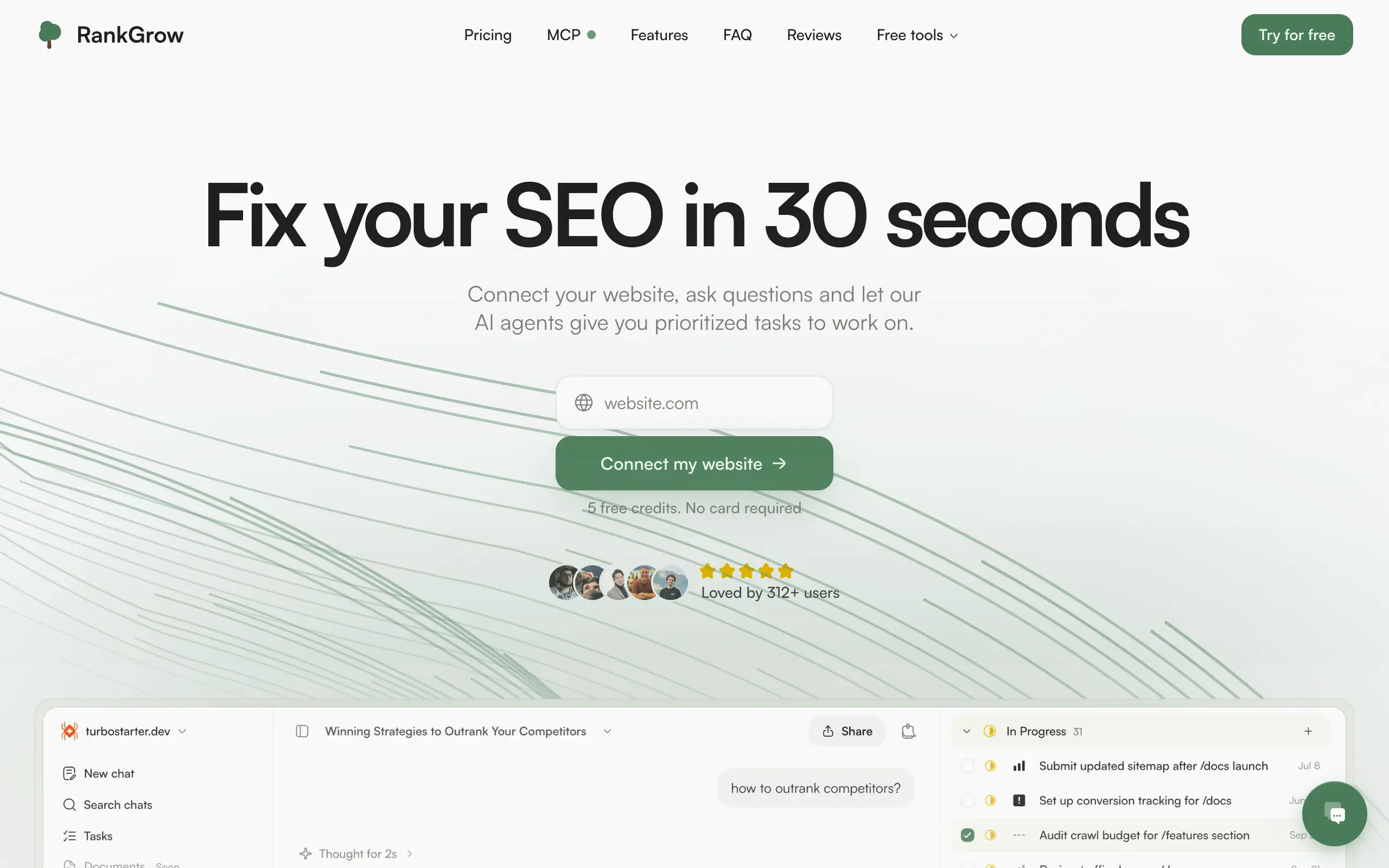
RankGrow
Fix your SEO with AI agents - connect Search Console, get prioritized tasks, and grow organic traffic 📈
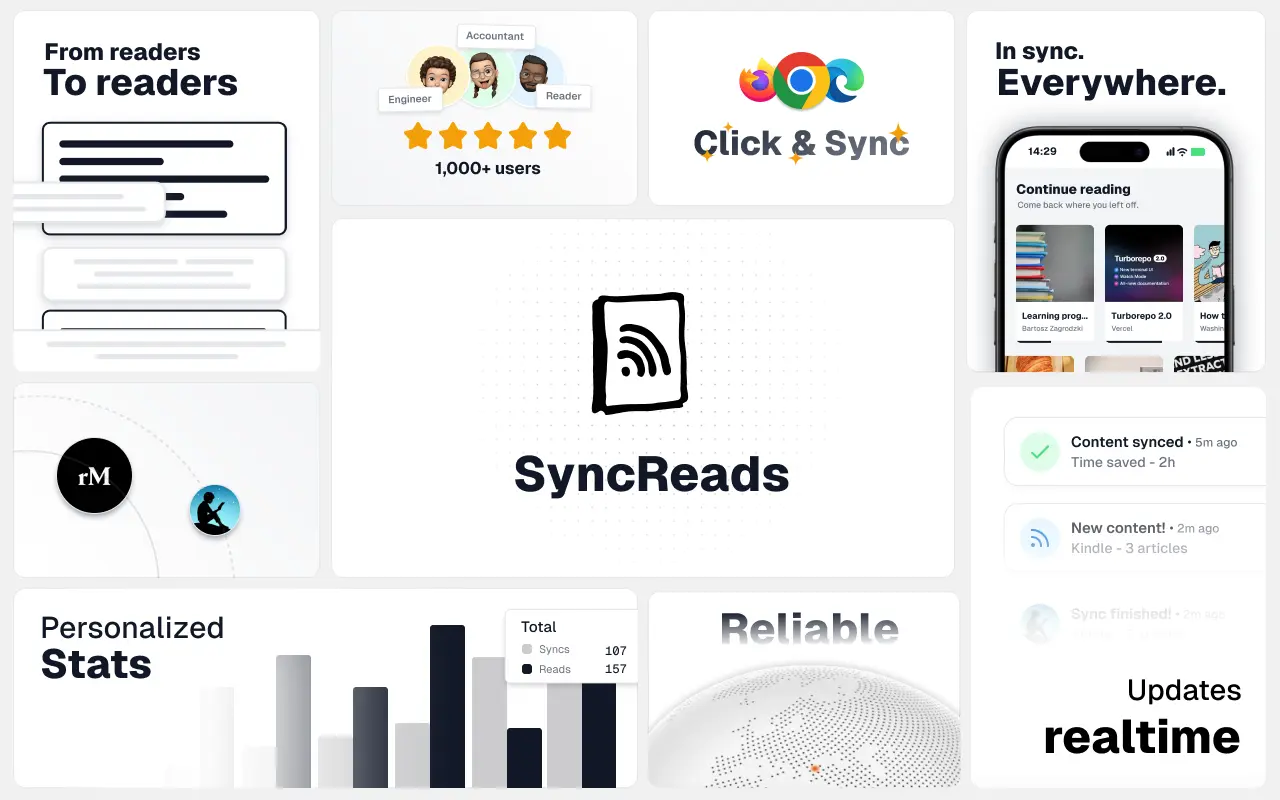
SyncReads
Sync your favorite content for distraction-free reading, save time and replace multiple apps. Anytime, anywhere 🔄
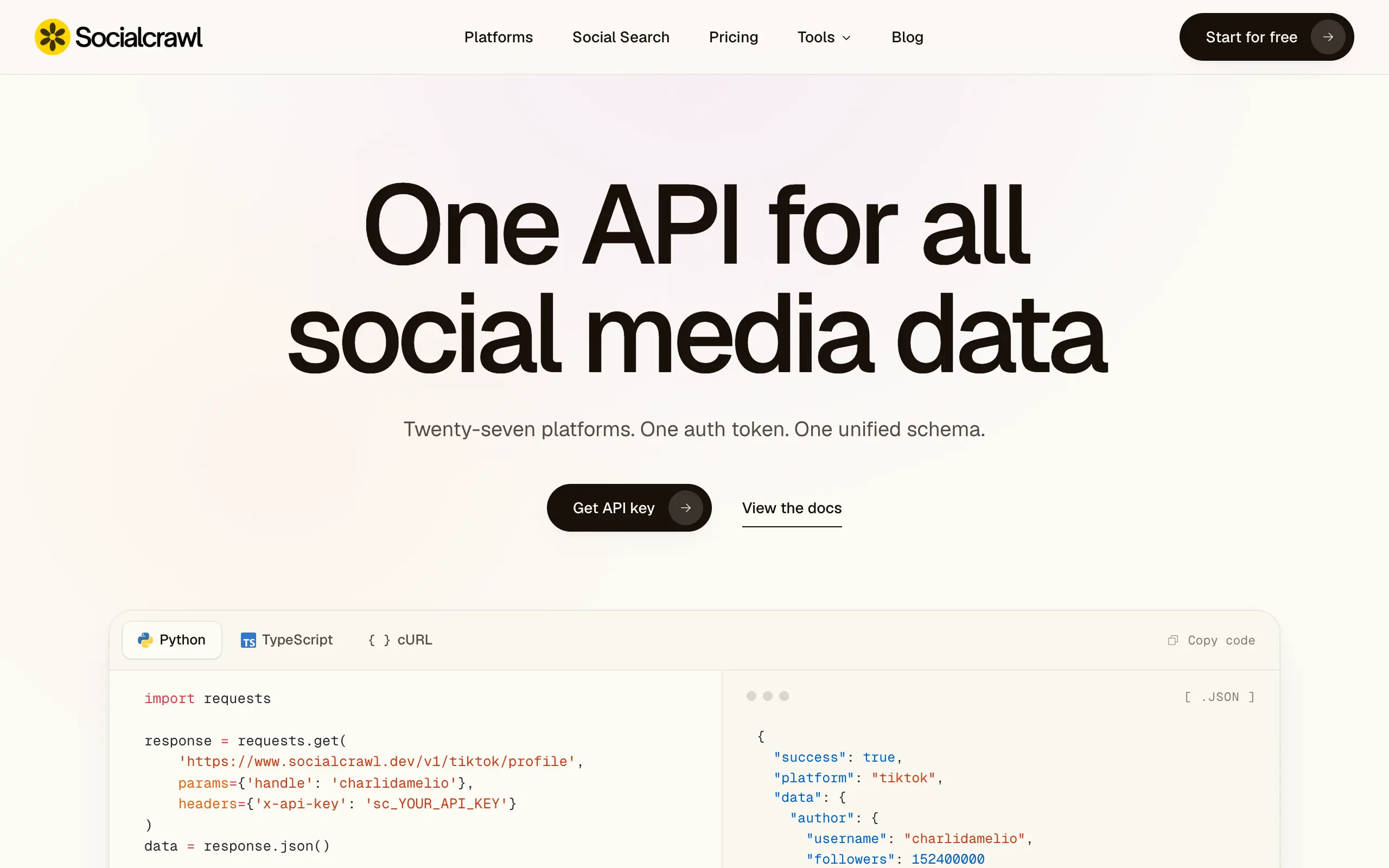
Socialcrawl
Get clean, structured data from 21 platforms like TikTok, Instagram, and YouTube with a single request 📊
Statiko
Monitor any Telegram channel in real time - track posts, edits, deletions, and growth with AI recaps 📡
Shibui
AI website builder - describe your business, pick a niche template, edit by chatting, and publish instantly ✨
Pro Service
Find verified home service professionals, compare quotes, and pay securely through escrow - built for Brazilians across the US 🏠
RankGrow
Fix your SEO with AI agents - connect Search Console, get prioritized tasks, and grow organic traffic 📈
SyncReads
Sync your favorite content for distraction-free reading, save time and replace multiple apps. Anytime, anywhere 🔄
Socialcrawl
Get clean, structured data from 21 platforms like TikTok, Instagram, and YouTube with a single request 📊
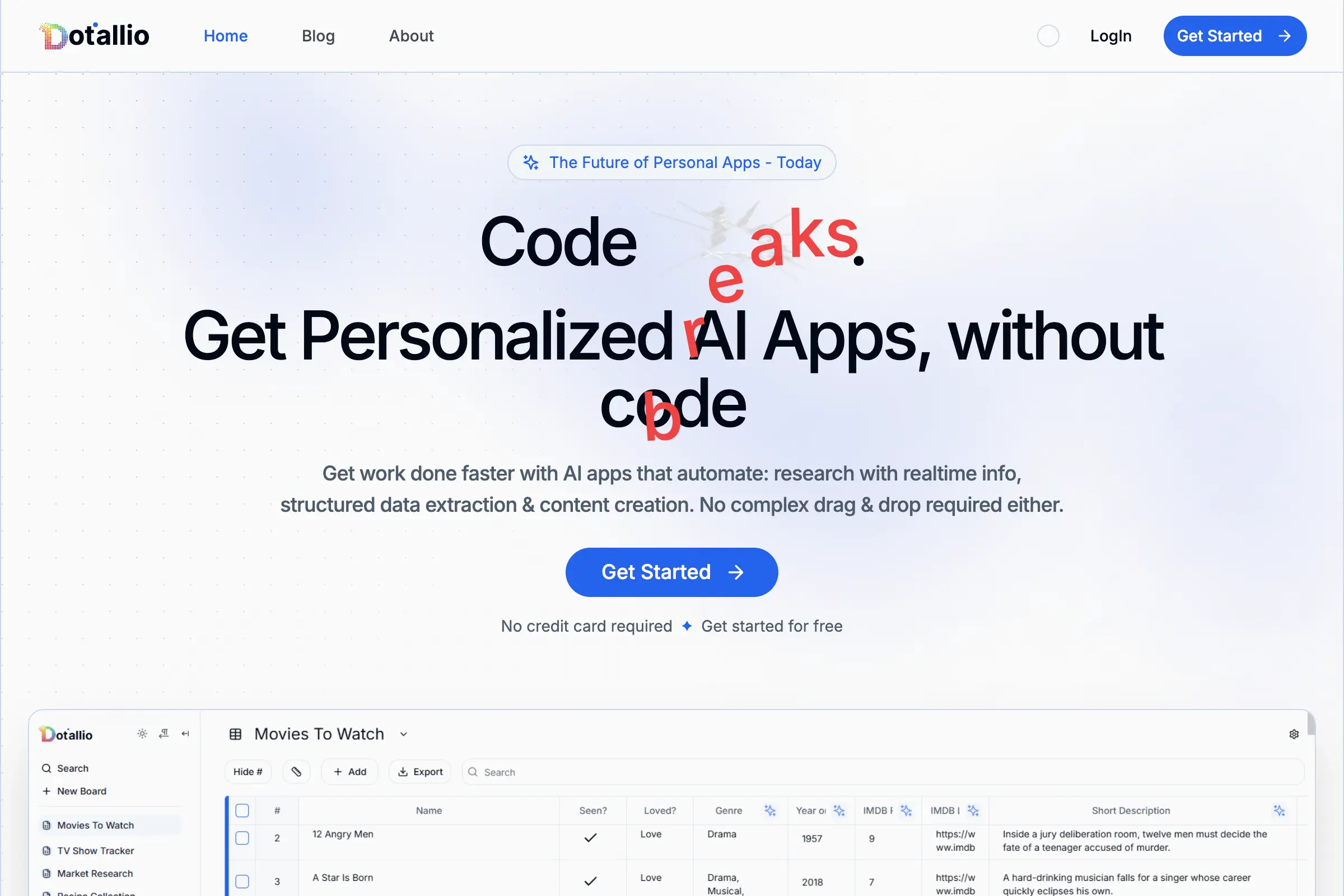
Dotallio
Personalized AI apps that automate research, data extraction, and content creation without code 🤖

Talk to Santa
Enjoy a magical live video chat or receive a unique AI-generated video greeting from Santa Claus 🎅
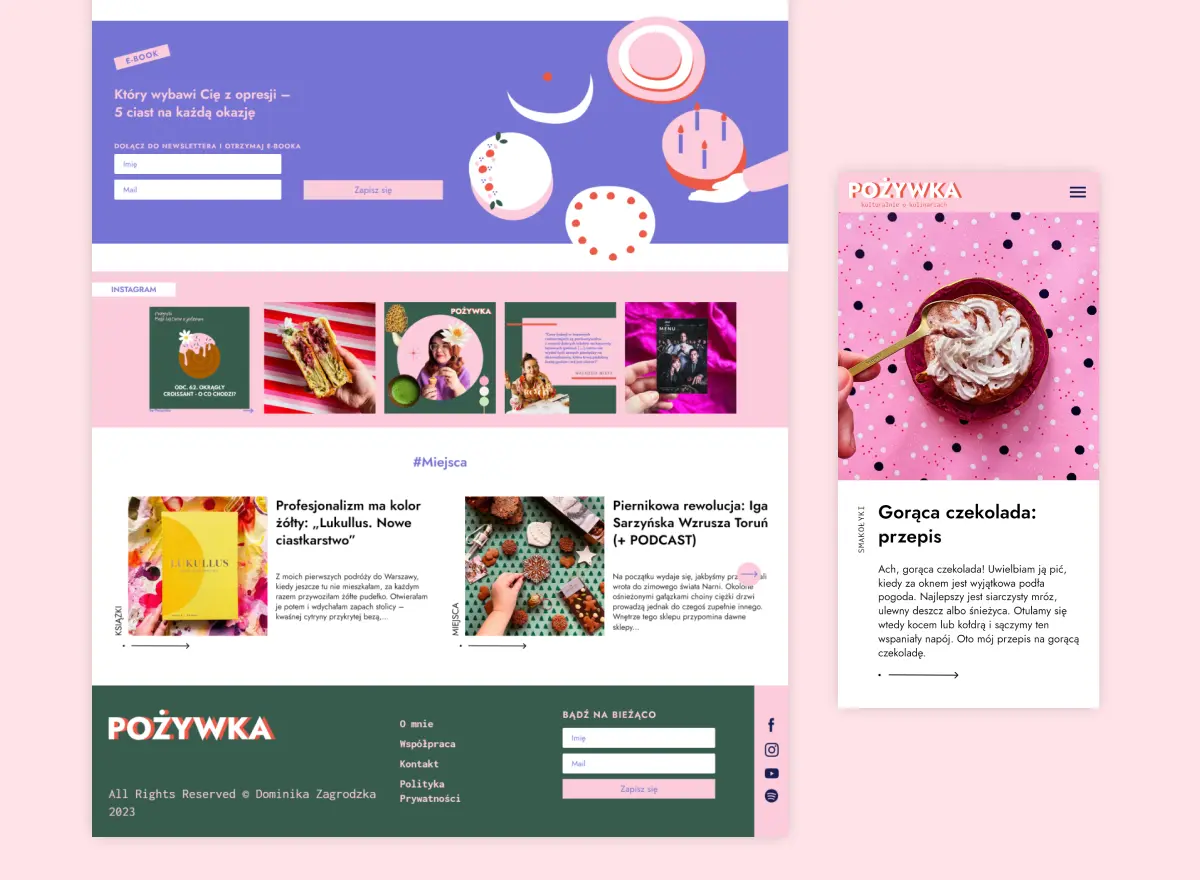
pozywka.pl
Scalable blog for food journalist, focused on performance and user experience 🌭
zagrodzki.me
Personal blog and portfolio of Bart Zagrodzki, where he shares his knowledge and work 💼
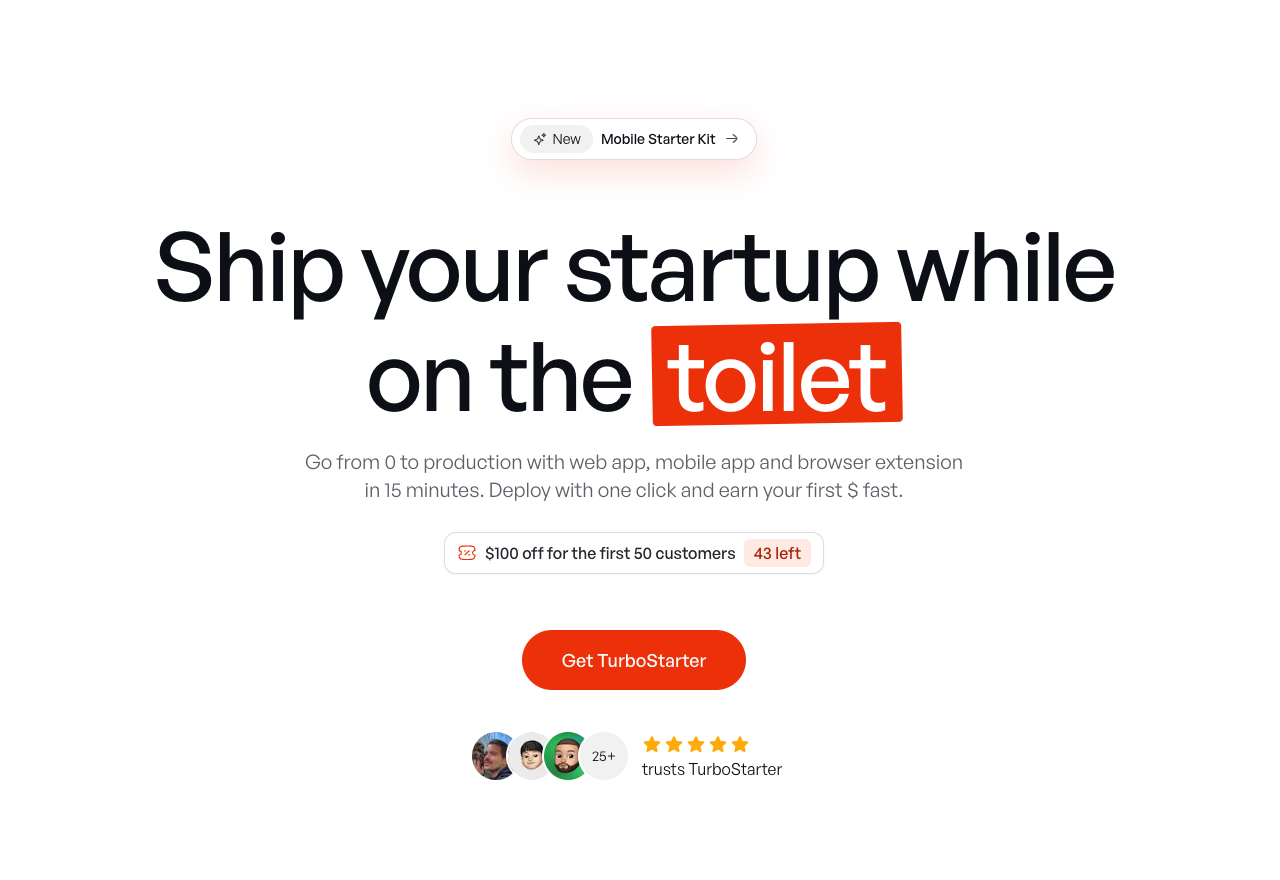
TurboStarter
Ship your startup everywhere. In minutes.
HTML to Markdown
Convert HTML to Markdown with ease, directly in your browser 📄
Dotallio
Personalized AI apps that automate research, data extraction, and content creation without code 🤖
Talk to Santa
Enjoy a magical live video chat or receive a unique AI-generated video greeting from Santa Claus 🎅
pozywka.pl
Scalable blog for food journalist, focused on performance and user experience 🌭
zagrodzki.me
Personal blog and portfolio of Bart Zagrodzki, where he shares his knowledge and work 💼
TurboStarter
Ship your startup everywhere. In minutes.
HTML to Markdown
Convert HTML to Markdown with ease, directly in your browser 📄
Omichat
Chat with 50+ AI models, including ChatGPT and Claude, in one place - switch models anytime without losing context 🤖
Claude Fast
Supercharge your Claude Code with 6x effective context window and specialized AI agents 🤖
EmojAI
AI-powered emoji picker with smart, context-aware suggestions 🤖
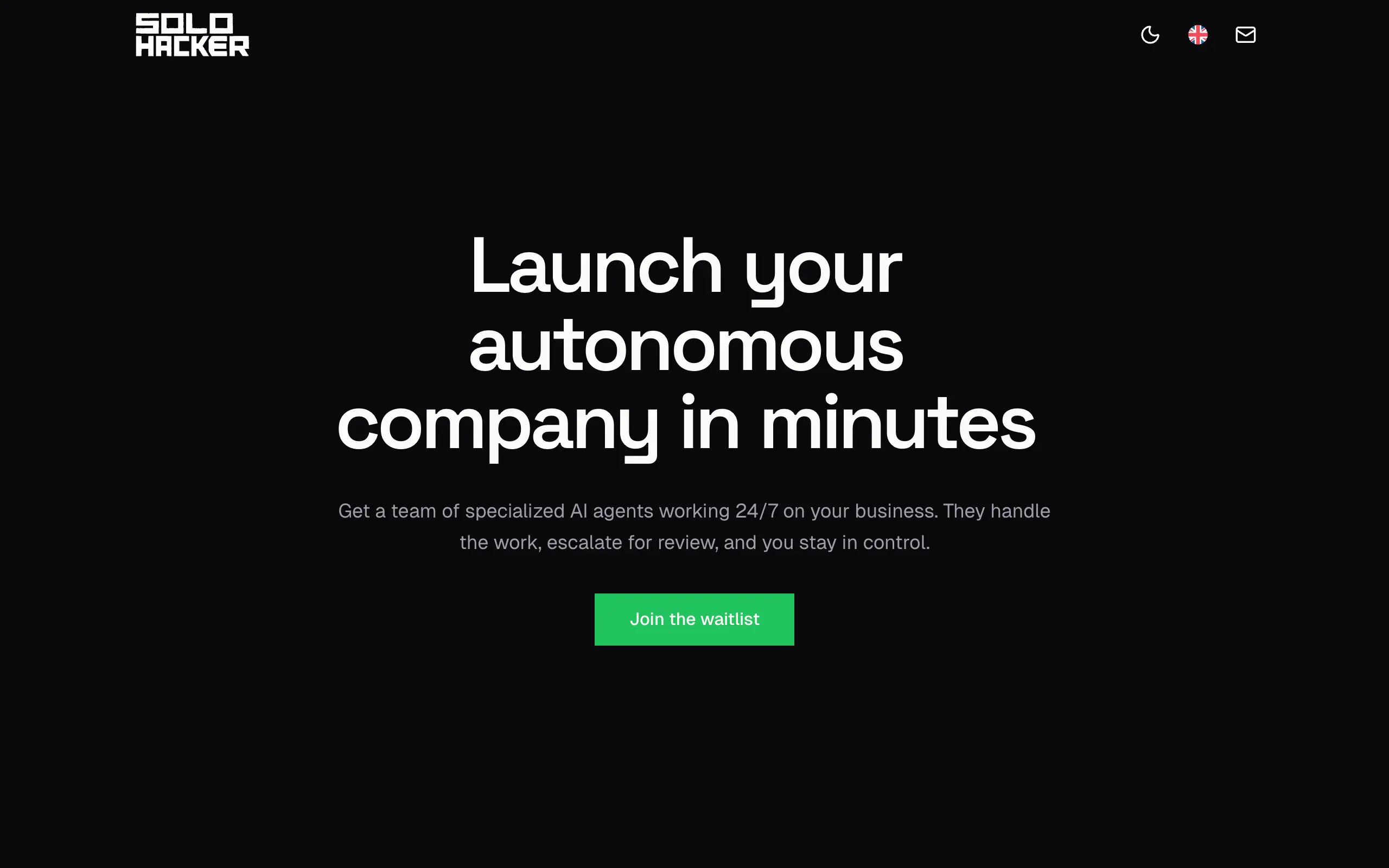
Solohacker
Autonomous company launcher - AI agents work 24/7, escalate what matters, and you stay in control 🤖
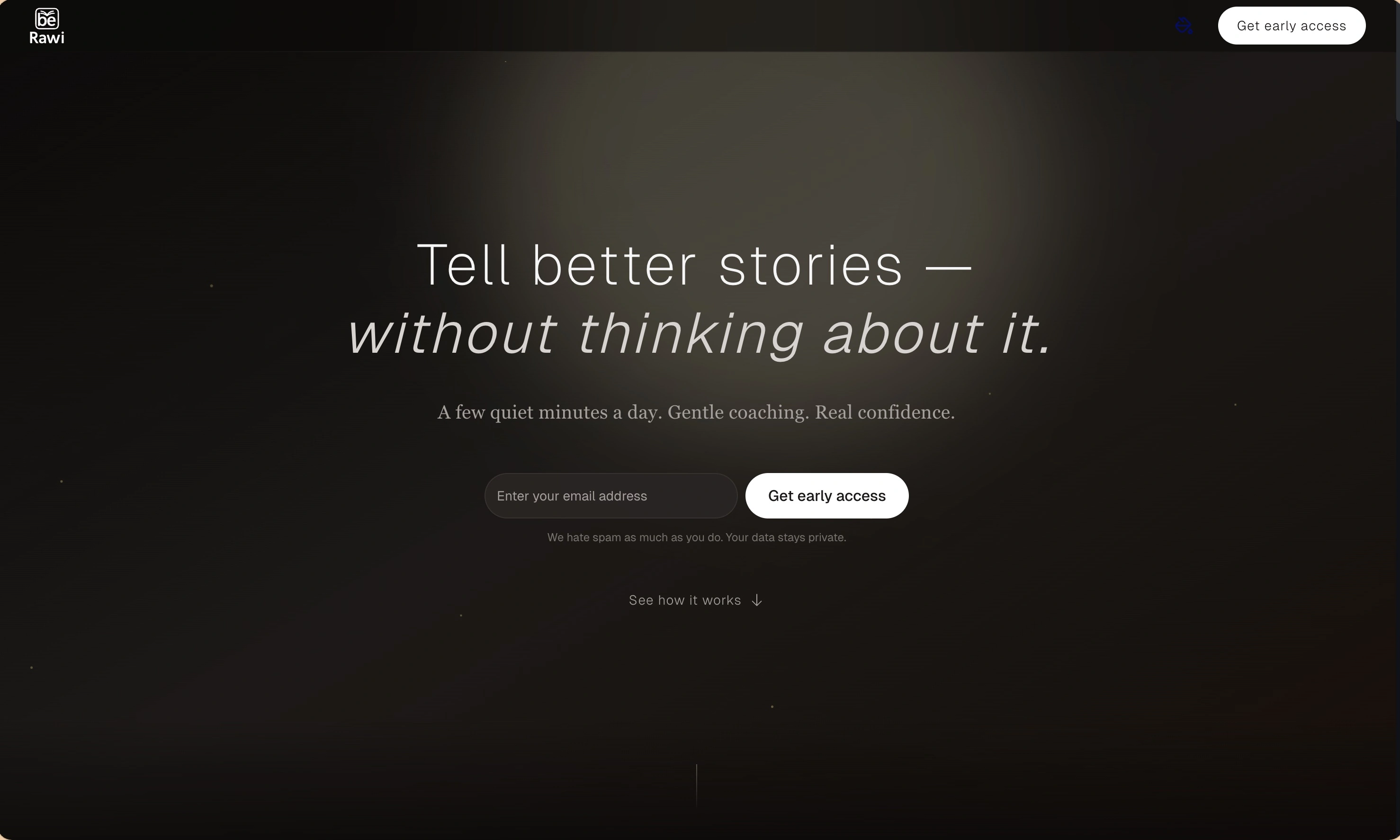
BeRawi: Storytelling Coach
Practice storytelling daily with instant feedback to sound clearer, more engaging, and confident 🎤
Omichat
Chat with 50+ AI models, including ChatGPT and Claude, in one place - switch models anytime without losing context 🤖
Claude Fast
Supercharge your Claude Code with 6x effective context window and specialized AI agents 🤖
EmojAI
AI-powered emoji picker with smart, context-aware suggestions 🤖
Solohacker
Autonomous company launcher - AI agents work 24/7, escalate what matters, and you stay in control 🤖
BeRawi: Storytelling Coach
Practice storytelling daily with instant feedback to sound clearer, more engaging, and confident 🎤

Connect with like-minded people
Join our community to get feedback, support, and grow together with 1,000+ builders on board, let's ship it!
Join usShip your startup everywhere. In minutes.
Don't burn tokens on setup and start building features on day one.